
by Dr. Faith Whitehead | Nov 11, 2022 | Cat Cancer & Tumors, Dog Cancer & Tumors, Medicines & Therapies, pet Chinese herbal medicine, Research and News
Some people may have had positive experiences working with Chinese veterinarians and find them to be trustworthy, while others may have had negative experiences or heard negative things from others and therefore do not trust them. Some people may believe that Chinese veterinarians are not as qualified as veterinarians from other countries, while others may believe that they are just as qualified. Some people may think that Chinese veterinarians are more likely to use traditional Chinese medicine (TCM) treatments, while others may think that they are just as likely to use western medicine treatments. Some people may think that Chinese veterinarians are more affordable than veterinarians from other countries, while others may think that they are just as expensive.
The Chinese have a long and proud tradition of veterinary medicine. For thousands of years, the Chinese have been using their knowledge of animal anatomy and physiology to treat a wide variety of animal diseases. Today, Chinese veterinarians are among the most highly trained and experienced in the world. They are able to provide expert care for a wide range of animals, from domestic pets to livestock. In addition, they are also skilled in the latest diagnostic and treatment techniques. As a result, Chinese veterinarians are able to provide outstanding care for their patients. The Chinese veterinarians have demonstrated outstanding capabilities in the treatment of a wide variety of animal diseases, ranging from infectious diseases to cancer. They have also shown great skill in the surgical treatment of animals. In addition, they have developed a number of innovative techniques for the care and treatment of animals.
In the Chinese society, veterinarians are seen as very reliable and frequently, doctors ‘ beliefs are considered the most valuable. They are perceived as extremely intelligent, principled, ethical and possessing limited knowledge. Elders may feel comfortable deferring to doctors yet at the beliefs of their kids. Thus, identifying the healthcare proxy would be seen as insignificant to some Chinese elders. Agreement among family members is respected, and the judgment of this physician will change and point end-of-life discussions, while the thought of the healthcare proxy, or ‘ sole advocate, ‘ may be seen as a barrier to the decision-making process. Veterinarians play a leading part in the well-being of our community by caring for animals and by utilizing their expertise and training to assist and improve human health, too.
In “Dogs in China: An Investigation into Pet Markets, Animal Welfare, Cross-border Trade and Quarantine,” report authors Emma Hockridge and Peter J. Li wrote, “The Chinese food and drug regulator, the Food and Drug Administration (CFDA), is responsible for monitoring the quality of veterinary drugs, and the Ministry of Agriculture (MOA) is responsible for the supervision of the use of veterinary drugs.” China’s veterinary profession has been growing in recent years. According to the China Veterinary Association, the number of practicing veterinarians has increased from about 50,000 in 1998 to more than 100,000 in 2013. According to the China Veterinary Association, the number of practicing veterinarians has increased from about 50,000 in 1998 to more than 100,000 in 2013. The veterinarians are also very professional. They know what to do and how to treat the animals. They also have the necessary supplies to treat the animals. All the veterinarians in China are highly qualified.
About the author: Dr. Faith Whitehead; is a licensed veterinarian and researcher.
by Dr. Faith Whitehead | Nov 11, 2022 | Research and News
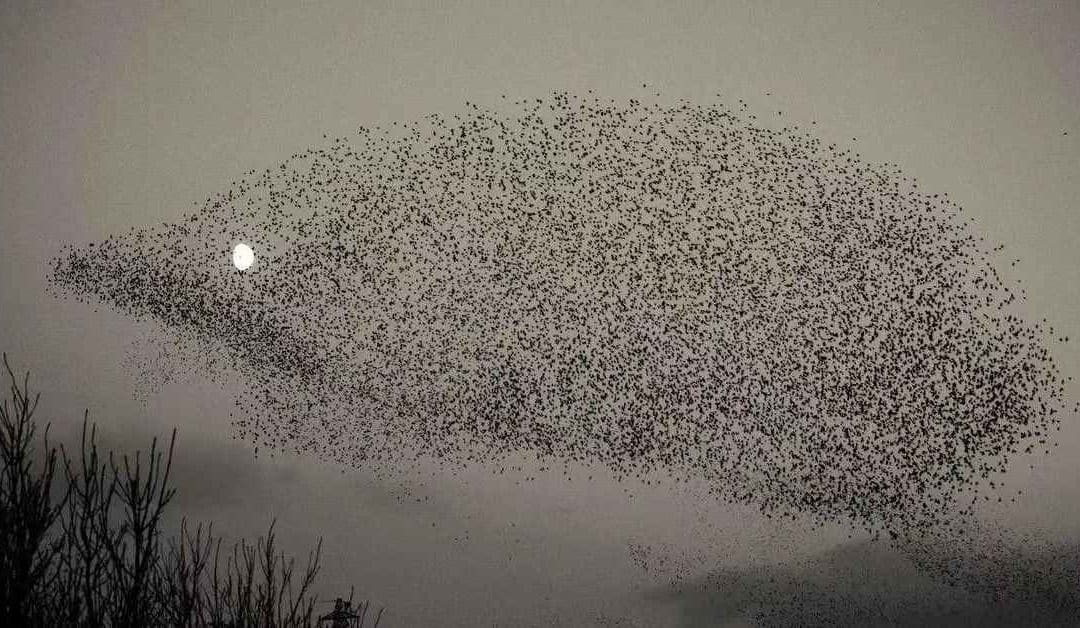
The movement of animals from one place to another is called migration. There are two main types of migration: 1. Seasonal Migration Seasonal migration is the most common type of migration. Animals migrate to find food or to escape harsh weather conditions. For example, some animals migrate to avoid cold winters. 2. Lifelong Migration Lifelong migration is when animals migrate once in their lifetime. This usually happens when animals are looking for a new place to live. For example, some animals migrate to find a new home after their original home has been destroyed.
Migration is a costly endeavor, and animals must carefully weigh the costs and benefits of migrating before undertaking the journey. Depending on the distance traveled and the resources required, migration can be an energetically demanding process that can put animals at risk of injury or even death. Animals often look for a sustainable area with access to many of the resources they require while migrating. While some species avoid returning to the same place, others move back and forth between the same regions. Despite the risks, migration is a vital behavior that allows animals to adapt to changes in their environment and ensure their survival.
Migrating animals may travel in groups or individually. Depending on the species, some animals travel in very large groups while others travel alone or in small groups. The way in which animals migrate can vary based on the resources they need and the geographical features of their migration route. Animals use a variety of methods to migrate. Some animals, such as birds, use the sun and stars to navigate. Others, such as salmon, use the Earth’s magnetic field. Some animals, such as caribou, follow specific trails. Others, such as eels, travel along ocean currents.
The lifespan of the animal may be used as a general guide when considering where animals migrate. In contrast to animals with shorter lifespans, which often move on to new areas throughout time, those with longer lifespans frequently return to their original location. This is due to several factors, such as the fact that animals with longer lifespans usually possess a better understanding of their environment and a more secure food supply. Additionally, these animals are often more resistant to disease and predation, which allows them to remain in their original location for a longer period of time. Furthermore, with shorter lifespans may not live long enough to remember where they came from, while those with longer lifespans may have a better memory and be able to find their way back to their original location. The specific migratory patterns of individual animals may vary depending on a number of factors, including the season, the availability of food, and changes in the environment.
Animals with a lifespan of less than one year, such as certain fish or amphibians, typically migrate to new locations as adults in order to find appropriate breeding sites. In contrast, animals with a lifespan of one to ten years, such as many birds or reptiles, typically migrate back to their birthplace. The distance that animals migrate may also be used as a guide when considering where animals migrate. Animals that migrate long distances are more likely to be searching for food or new territory, while those that migrate shorter distances are more likely to be moving in response to changes in the environment, such as the availability of water or shelter.
by Dr. Faith Whitehead | Nov 11, 2022 | Pet Story, Research and News
People are rearing pets now more than ever before. Few individuals may be seen walking dogs if you take a stroll through a park or even just walk through the streets. In reality, a lot of locations now accept pets, and several locations have pet cafés available. People want pets for different reasons. Some people want to keep them as loyal friends and companions, some people want to keep them for their beauty, and some people keep them for their unusual and unique traits. People have been keeping pets for a long time. The first known dogs were domesticated over 14,000 years ago. Since then, people have continued to keep all kinds of animals as their own, including dogs, cats, birds, rabbits, hamsters, fish, and more. People are becoming more and more interested in keeping pets. In fact, the pet industry is growing. In the United States, the pet industry is a $72 billion industry. This industry is expected to continue to grow. Some people are choosing to adopt pets from shelters instead of buying them from breeders or pet stores.
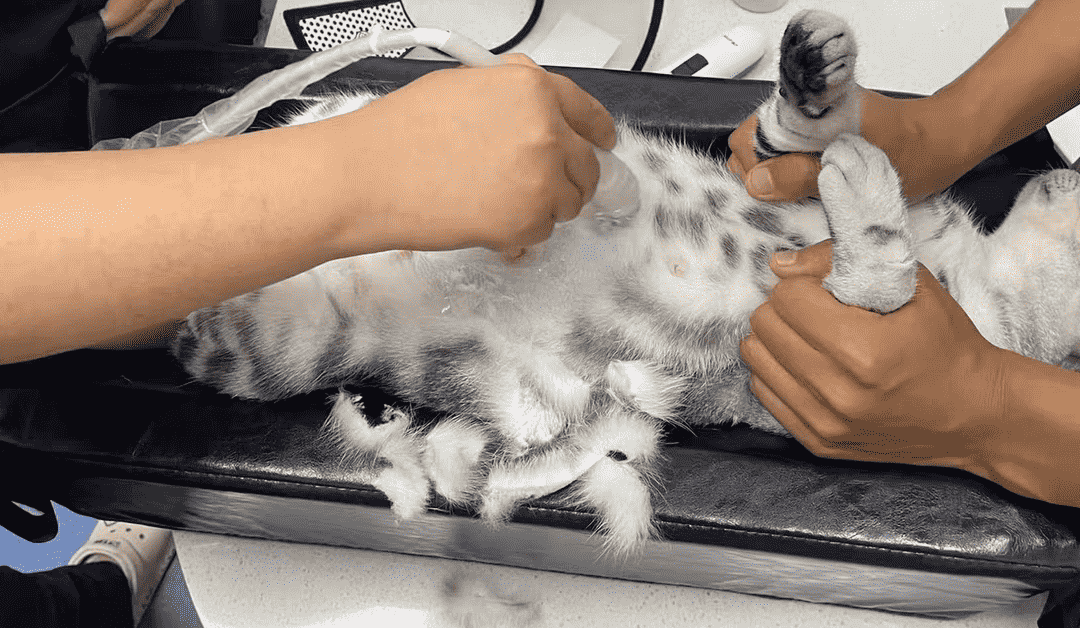
In the United States alone, almost 25 million animals are used for experimentation every year. Dogs, cats, bunnies, pigs, lambs, monkeys, and other creatures are among them. They are confined to small cages where they are force-fed chemicals, have holes drilled into their skulls, and suffer other painful procedures. The lucky ones are euthanized when their torment is over. Many others, however, are abandoned and often die because they are ill and have no way to care for themselves. There is no law that requires laboratories to find homes for the animals they no longer need, so the fate of these creatures is often left to the discretion of individual scientists. As a result, many animals used in experiments are simply killed when the research is done. There are a number of animal rights organizations, such as People for the Ethical Treatment of Animals (PETA), that work to expose the cruelty of animal testing and lobby for stricter regulations. These groups also provide support to scientists who want to find alternatives to using animals in their research.
Animal experimentation is sometimes referred to as “animal testing,” “animal experimentation,” and “animal research.” It is used to evaluate a product’s safety and effectiveness as well as to comprehend how the human body functions. There are three types of animal experiments: In-vitro experiments are conducted using cells or tissues that have been removed from the body. In-vivo experiments are conducted using living animals. In silico experiments are conducted using computer models. Animal experimentation is considered to be a necessary evil by some people while others believe that it is an inhumane and cruel practice. The debate surrounding the ethics of animal experimentation is complex and often emotional. Those who support animal experimentation do so for a variety of reasons. They argue that animal experimentation is necessary for the advancement of medical science and that it has led to the development of lifesaving treatments and vaccines. They also argue that the animals used in experiments are well cared for and that their rights are protected by law. Those who oppose animal experimentation do so for a variety of reasons. They argue that it is cruel and inhumane to use animals for experimentation. They also argue that there are alternative methods of research that do not involve the use of animals.
The testing industry often subjects animals to tests that are on the verge of becoming torture. Animals are often bred particularly to be experimented on. The tests performed on animals are often painful and sometimes deadly. Animals experience fear and suffering during experiments. Animals are not able to give consent to be experimented on. Test subjects may be forced to become addicted to drugs, or be exposed to HIV or other deadly diseases. In addition to the ethical problems associated with animal testing, there are also scientific problems. Animals react differently to drugs and other substances than humans do. This means that the results of animal testing may not be accurate when applied to humans.
About the author: Dr. Faith Whitehead; is a licensed veterinarian and researcher.
by Dr. Faith Whitehead | Nov 11, 2022 | Pet Story, Research and News
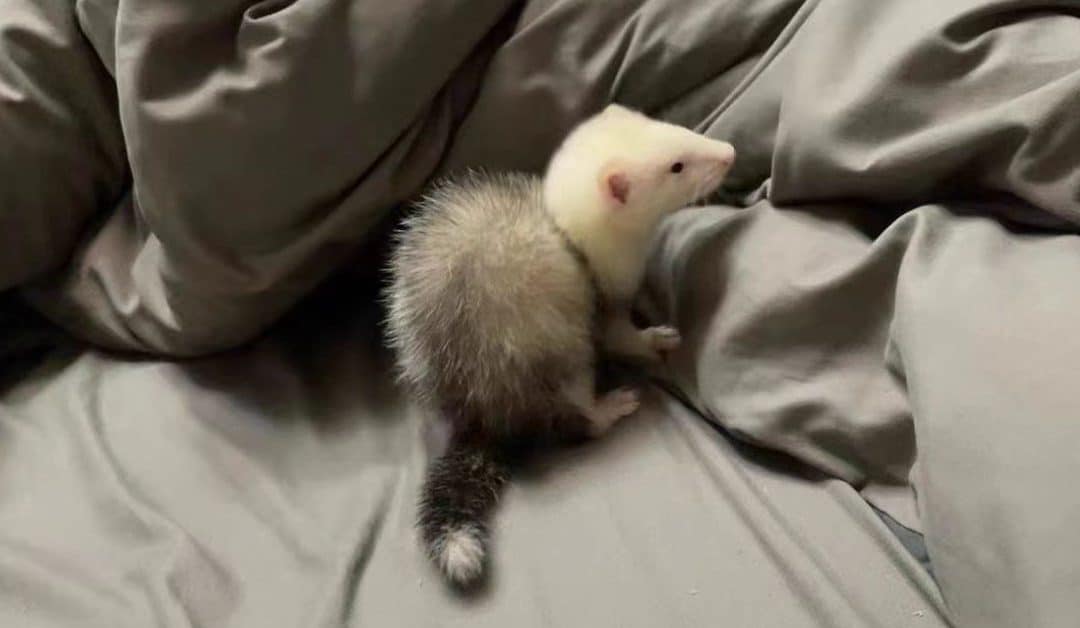
Pets are the best friends for children. They love children and enjoy their company. Pets provide children with companionship, love and security. They teach children how to love and care for others. Children who have pets are more likely to be happy and have higher self-esteem. They are also less likely to suffer from anxiety and depression. Some of the advantages of children connection to pets essay are that they help children develop empathy, they can provide companionship, they can help children learn responsibility, and they can help children feel loved and secure. Pets can help children develop empathy by teaching them to care for another living creature. Pets can provide companionship by being a constant friend to a child. Pets can help children learn responsibility by teaching them to care for another living creature. Pets can help children feel loved and secure by providing them with a loyal and loving companion.
The relationship between children and pets is a long and varied one. Pets provide company and absolute love for children, who in turn often provide care and attention for their furry (or sometimes scaly) friends. This symbiotic relationship can offer many benefits for both parties, including increased physical activity, decreased loneliness and anxiety, and improved social skills. Pets can also teach children about the cycle of life and how to deal with the death of a loved one. They can also inspire empathy and responsibility in children, who must learn to take care of their pets in order to keep them healthy and happy. There are, of course, some risks associated with keeping pets, including the potential for bites or scratches, allergies, and the spread of disease. However, these risks can be minimized by choosing the right pet for your family and teaching children how to safely interact with their new furry (or scaly) friend.
Many people believe that the idea of exposing children to pets is a controversial one. Some people believe that it is beneficial for children to be exposed to pets, as it can teach them responsibility, empathy, and other important life skills. Others believe that pets can be dangerous for children, and that children should not be left alone with them. Ultimately, the decision of whether or not to expose children to pets is a personal one. Some children may form strong bonds with their pets and view them as part of their social circle, while others may not be as attached and view them more as property. Ultimately, it is up to the individual child and how they choose to interact with their pet that will determine if and how their social life is affected. For some children, having a pet can provide them with a sense of companionship and responsibility. These children may feel more comfortable socializing with other children who also have pets, as they have something in common to bond over. For other children, having a pet may foster a sense of independence, as they learn to care for another living creature. These children may be more likely to engage in activities on their own, such as exploring the outdoors, and may not feel the need to be around others as often.
About the author: Dr. Faith Whitehead; is a licensed veterinarian and researcher.
