by TCMVET | Aug 15, 2026 | Research and News
Integratore erboristico cane tumore può essere una risorsa di supporto, ma non sostituisce mai la diagnosi, la chirurgia, la chemioterapia, la radioterapia o le cure palliative prescritte dal veterinario. Quando a un cane viene diagnosticata una neoplasia, il desiderio di aiutarlo con soluzioni naturali è comprensibile. Tuttavia, anche le piante contengono sostanze attive che possono interagire con i farmaci, influenzare la coagulazione o affaticare fegato e reni. Per questo motivo, ogni scelta deve essere personalizzata e condivisa con un professionista.
In questa guida vediamo che cosa può offrire un supporto naturale, quali sono i limiti reali e come orientarsi tra prodotti diversi senza cadere in promesse poco affidabili. L’obiettivo non è sostituire le terapie oncologiche, ma proteggere la qualità di vita del cane con informazioni chiare, pratiche e prudenti.
Che cosa si intende per integratore erboristico per cane con tumore
Un integratore erboristico è un prodotto a base di estratti vegetali, funghi, alghe, vitamine, minerali o altri ingredienti naturali. Nel cane oncologico può essere valutato per sostenere alcuni aspetti del benessere generale, come appetito, digestione, risposta allo stress, qualità del mantello o recupero durante le terapie.
È importante distinguere tra supporto dell’organismo e trattamento del tumore. Un integratore non può essere considerato una cura antitumorale, né può ridurre automaticamente una massa o impedire la progressione della malattia. Le evidenze disponibili sulle piante in oncologia veterinaria sono spesso limitate, variabili e dipendenti dal tipo di tumore, dal dosaggio e dalle condizioni cliniche dell’animale.
Il veterinario può eventualmente inserire un prodotto complementare all’interno di un piano più ampio, valutando esami del sangue, funzionalità epatica e renale, terapie in corso e obiettivi realistici. In questa fase, l’uso di un integratore erboristico cane tumore ha senso solo se il beneficio atteso è concreto e il profilo di sicurezza è accettabile.
Per approfondire il ruolo delle cure complementari, è utile anche consultare fonti veterinarie affidabili come la Merck Veterinary Manual, che offre contenuti educativi su malattie, terapie e sicurezza dei trattamenti negli animali.
Erbe cane cancro: quali vengono considerate
Tra le erbe cane cancro più frequentemente citate nei prodotti di supporto si trovano curcuma, cardo mariano, astragalo, boswellia, zenzero e alcune piante adattogene. Anche i funghi medicinali, come reishi e maitake, sono presenti in diversi integratori destinati agli animali.
La curcuma, grazie alla curcumina, viene studiata per le sue proprietà antiossidanti e antinfiammatorie. La sua efficacia e sicurezza nel cane dipendono però dalla formulazione e dalla dose. Inoltre, può non essere adatta in presenza di problemi alla cistifellea, disturbi della coagulazione o determinate terapie.
Il cardo mariano viene spesso utilizzato come sostegno epatico, soprattutto quando il fegato è sottoposto a stress. Non è però una protezione universale e non deve giustificare l’uso di dosi elevate o di prodotti non controllati.
Boswellia e zenzero sono talvolta impiegati per il supporto articolare, digestivo o infiammatorio. Anche in questo caso possono provocare disturbi gastrointestinali o interagire con medicinali, specialmente quelli che influenzano la coagulazione.
Per quanto riguarda i funghi medicinali, le ricerche sono ancora in evoluzione. I risultati ottenuti in laboratorio o sull’uomo non possono essere trasferiti automaticamente al cane. La qualità dell’estratto, la concentrazione e la presenza di contaminanti fanno una grande differenza. Quando si valuta un integratore erboristico cane tumore, questi aspetti dovrebbero sempre precedere il marketing del prodotto.
Quando un prodotto sembra promettente ma non lo è
Molti prodotti vengono presentati come “supporti naturali” ad ampio spettro, ma la formulazione reale conta più delle promesse. Un’etichetta generica non garantisce un effetto utile, soprattutto se non indica quantità, standardizzazione degli estratti e controlli di qualità. Nel cane oncologico, l’obiettivo non è usare più ingredienti possibili, ma scegliere ciò che ha un razionale clinico e un profilo sicuro.
Se un integratore erboristico cane tumore contiene molte sostanze insieme, il rischio di interazioni aumenta. Inoltre diventa più difficile capire quale componente stia aiutando o causando problemi. In pratica, meno confusione significa spesso più sicurezza.
In caso di dubbi, può essere utile confrontare le informazioni del produttore con una fonte istituzionale sui farmaci veterinari e la sicurezza delle terapie, come il portale Animal & Veterinary della FDA, che offre indicazioni generali su regolamentazione e attenzione agli usi impropri.
Il supporto naturale tumore cane deve essere personalizzato
L’espressione supporto naturale tumore cane comprende interventi molto diversi tra loro. Non riguarda solo le erbe, ma anche alimentazione adeguata, controllo del dolore, attività fisica compatibile, gestione dello stress, igiene orale e monitoraggio del peso.
Un cane oncologico dovrebbe mantenere, quando possibile, una buona condizione corporea. Per questo il veterinario può consigliare una dieta completa e appetibile, eventualmente modificata in base alla localizzazione del tumore, alla terapia e alla presenza di nausea, diarrea o perdita di peso. Forzare cambiamenti alimentari improvvisi o proporre diete casalinghe non bilanciate può peggiorare la situazione.
Anche il movimento deve essere adattato alle energie disponibili. Brevi passeggiate, riposo confortevole e una routine prevedibile possono contribuire al benessere senza affaticare l’animale. Il controllo dei sintomi rimane centrale: dolore, nausea, difficoltà respiratorie, stitichezza e ansia richiedono trattamenti veterinari mirati.
Un integratore erboristico cane tumore può essere preso in considerazione solo dentro questa cornice complessiva. Senza una valutazione del quadro clinico, l’idea di “aiutare con qualcosa di naturale” rischia di diventare controproducente.
Indicazioni pratiche prima di iniziare
- chiedere al veterinario se l’obiettivo è supportare appetito, digestione, stress o altro;
- verificare se il cane sta assumendo farmaci che aumentano il rischio di interazioni;
- controllare fegato, reni e coagulazione prima di iniziare;
- preferire formulazioni chiare, con ingredienti e dosaggi dichiarati;
- osservare il cane nei primi giorni per cogliere eventuali effetti indesiderati.
Integratore erboristico cane tumore: come leggere etichette e promesse
Quando si acquista un prodotto, leggere l’etichetta con attenzione è fondamentale. Un buon integratore dovrebbe indicare ingredienti completi, quantità per dose, specie di origine, eventuale standardizzazione dell’estratto, lotto, scadenza e indicazioni d’uso. Se queste informazioni mancano, la prudenza è d’obbligo.
Molte formulazioni sfruttano parole persuasive come “detox”, “rinforzante”, “immunostimolante” o “anti-age”, ma queste diciture non garantiscono utilità clinica. Nel contesto oncologico, il valore reale di un integratore erboristico cane tumore dipende soprattutto dalla chiarezza della composizione e dalla compatibilità con il piano terapeutico già in corso.
È utile anche distinguere tra estratto secco, polvere, tintura e olio. Non tutte le forme hanno la stessa biodisponibilità o lo stesso profilo di sicurezza. Inoltre, un prodotto per uso umano non è automaticamente adatto al cane, soprattutto se contiene alcol, aromi, dolcificanti o concentrazioni molto elevate.
Segnali di marketing poco affidabile
Diffidare di promesse assolute è una buona regola. Frasi come “cura naturale del tumore”, “risultati garantiti” o “senza alcun rischio” non sono realistiche. Anche un integratore erboristico cane tumore ben formulato non sostituisce i protocolli oncologici e non può promettere di fermare la malattia.
Più il messaggio commerciale è spettacolare, più è importante verificare fonti, composizione e indicazioni del veterinario. La scelta migliore resta quella che unisce semplicità, trasparenza e coerenza con la situazione clinica del cane.
Rischi e interazioni da non sottovalutare
“Naturale” non significa automaticamente sicuro. Alcune piante possono aumentare il rischio di sanguinamento, modificare la pressione arteriosa, alterare la glicemia o interferire con il metabolismo dei farmaci. Il problema può diventare particolarmente importante prima di un intervento chirurgico o durante chemioterapia e radioterapia.
È prudente evitare prodotti con composizione poco chiara, miscele proprietarie prive delle quantità dei singoli ingredienti, tinture alcoliche non specificamente formulate per animali e preparati destinati all’uomo. Gli oli essenziali meritano particolare attenzione: molti non sono adatti all’assunzione orale nel cane e alcuni possono essere tossici anche per semplice esposizione o leccamento.
Bisogna inoltre considerare possibili contaminazioni da metalli pesanti, pesticidi, muffe o sostanze non dichiarate. Un prodotto di qualità dovrebbe riportare ingredienti, concentrazioni, lotto, scadenza, indicazioni d’uso e produttore verificabile.
Una regola prudente è semplice: se non si conosce con precisione cosa contiene il prodotto, è meglio non usarlo in un cane malato. Questo vale ancora di più per l’integratore erboristico cane tumore, perché il margine di sicurezza può essere più stretto rispetto a un animale sano.
Segnali che richiedono attenzione
Dopo l’avvio di un nuovo supporto, il cane va osservato con cura. I segnali che meritano un contatto rapido con il veterinario includono vomito persistente, diarrea intensa, sonnolenza marcata, tremori, sangue nelle feci, gengive pallide, difficoltà respiratoria o peggioramento improvviso dell’appetito. In questi casi il prodotto va sospeso finché non arriva un parere professionale.
Quando un cane è già fragile, anche un piccolo disturbo può diventare importante. Per questo la parola d’ordine è monitoraggio: annotare cambiamenti, riferire tutto al veterinario e non aggiungere altri prodotti finché la situazione non è stata chiarita.
Come integrare in modo sicuro un supporto naturale nella routine
Se il veterinario ritiene opportuno usare un supporto naturale, è preferibile introdurlo in modo graduale. Iniziare con un solo prodotto alla volta permette di capire meglio la tolleranza dell’animale. Aggiungere più integratori insieme rende difficile valutare eventuali effetti positivi o negativi.
La routine quotidiana dovrebbe rimanere semplice e prevedibile. Orari regolari dei pasti, acqua sempre disponibile, ambiente tranquillo e un diario dei sintomi possono aiutare molto. Un buon monitoraggio domestico spesso offre al veterinario informazioni preziose su appetito, feci, energia e qualità del riposo.
Se il cane assume farmaci antinfiammatori, antidolorifici, antiepilettici, gastroprotettori o trattamenti oncologici, l’integratore erboristico cane tumore va sempre comunicato prima di iniziare. Anche in assenza di effetti collaterali evidenti, alcune interazioni possono essere silenziose e comparire solo con gli esami di controllo.
Quando sospendere e chiedere un controllo
È opportuno sospendere il prodotto e contattare il veterinario se compaiono inappetenza marcata, vomito ripetuto, feci nere o sanguinolente, aumento della sete, debolezza, cambiamenti comportamentali o difficoltà a camminare. Un controllo tempestivo può prevenire complicazioni e chiarire se il problema dipende dall’integratore o da un peggioramento della malattia.
Come valutare un integratore in modo responsabile
Prima di somministrare un integratore erboristico cane tumore, è utile raccogliere alcune informazioni:
- diagnosi precisa e stadio della malattia;
- farmaci e terapie già in corso;
- eventuali problemi a fegato, reni, stomaco o coagulazione;
- peso attuale e variazioni recenti;
- ingredienti e dosaggio esatto del prodotto;
- eventuali esami di controllo consigliati dal veterinario.
La dose non dovrebbe essere calcolata copiando indicazioni trovate online o usando il dosaggio umano. Nei cani esistono differenze importanti legate a taglia, età, razza, metabolismo e condizioni cliniche. Dopo l’inizio dell’integratore, è opportuno osservare appetito, feci, vomito, energia, prurito e qualsiasi cambiamento insolito.
In presenza di vomito persistente, diarrea intensa, letargia, tremori, sanguinamenti, difficoltà respiratoria o peggioramento improvviso, il prodotto va sospeso e occorre contattare rapidamente il veterinario.
Quando possibile, può essere utile chiedere al professionista se il prodotto scelto ha una scheda tecnica, dati di purezza o informazioni sulla standardizzazione degli estratti. Questo non trasforma un integratore in una terapia oncologica, ma aiuta a scegliere in modo più consapevole.
Un confronto aperto con il veterinario
Molti proprietari temono che parlare di rimedi naturali venga interpretato come sfiducia nelle terapie convenzionali. In realtà, un confronto trasparente permette di integrare meglio le cure. Dire al veterinario che si sta valutando un integratore erboristico cane tumore non è un problema: è il modo corretto per evitare errori e coordinare i trattamenti.
Se il cane segue già una terapia farmacologica, anche un prodotto apparentemente leggero può richiedere un aggiustamento. La collaborazione tra proprietario e veterinario riduce i rischi e favorisce scelte più adatte alla situazione reale dell’animale.
Per informazioni generali sulla sicurezza delle cure complementari e sull’attenzione agli effetti indesiderati, può essere utile consultare anche l’area informativa per i proprietari dell’AVMA, che raccoglie contenuti educativi su benessere e salute degli animali.
Domande frequenti sul supporto erboristico nei cani oncologici
Un integratore può far dimagrire il tumore?
No. Nessun integratore erboristico cane tumore dovrebbe essere considerato una terapia capace di far regredire da solo la malattia. Può eventualmente avere un ruolo di supporto, ma solo all’interno di un piano veterinario completo.
Si possono usare più erbe insieme?
Solo se il veterinario lo ritiene opportuno. Le combinazioni aumentano il rischio di interazioni e rendono più difficile individuare eventuali effetti collaterali. Nei cani fragili, la semplicità è spesso una scelta più sicura.
Gli stessi prodotti vanno bene per tutti i tumori?
No. Il tipo di tumore, lo stadio, le terapie in corso e le condizioni generali cambiano molto da un paziente all’altro. Anche quando si parla di supporto naturale tumore cane, la personalizzazione resta essenziale.
La qualità di vita resta l’obiettivo principale
Nel cane con tumore, il successo del percorso non si misura soltanto attraverso la riduzione della massa. Sono altrettanto importanti dolore controllato, appetito, sonno, mobilità, interesse per la famiglia e capacità di svolgere le normali attività. Un approccio integrato può includere oncologia veterinaria, nutrizione clinica, fisioterapia e medicina complementare, purché ogni intervento sia coordinato e basato su valutazioni concrete.
Le erbe possono eventualmente offrire un sostegno, ma devono rimanere all’interno di un progetto terapeutico sicuro. Informare il veterinario su ogni prodotto utilizzato, anche se acquistato come semplice rimedio naturale, è il modo migliore per ridurre i rischi e proteggere il cane. La prudenza, unita a controlli regolari e a obiettivi realistici, permette di accompagnare l’animale con maggiore consapevolezza e rispetto delle sue esigenze.
In sintesi, un integratore erboristico cane tumore può avere un ruolo solo se inserito in un piano personalizzato, con ingredienti chiari, monitoraggio attento e aspettative realistiche. La scelta più utile non è quasi mai la più “forte”, ma quella più adatta al singolo cane.
by TCMVET | Aug 15, 2026 | Research and News
An OncoVet alternative can help Romanian dog owners find supportive nutrition for a pet diagnosed with a tumor without placing unnecessary strain on the household budget. Supplements may help maintain appetite, energy, digestion, and general wellbeing, but they should always complement—not replace—veterinary diagnosis and treatment. Before choosing any product, discuss the dog’s condition, current medication, and nutritional needs with an oncologist or primary veterinarian.
Understanding supplements for dogs with tumors
A tumor diagnosis can affect a dog in several ways. Some dogs experience reduced appetite, weight loss, inflammation, digestive problems, or fatigue. Others remain active and comfortable for months or years, depending on the tumor type, location, stage, and treatment plan. Because every case is different, there is no single supplement that is appropriate for every patient.
Dog supplements are generally used to support one or more areas of health:
- Maintaining body weight and muscle condition
- Supporting normal immune function
- Promoting healthy digestion
- Supplying omega-3 fatty acids
- Providing antioxidants and essential nutrients
- Helping manage nutritional gaps during illness or treatment
The goal should be practical and measurable: helping the dog eat, remain comfortable, preserve strength, and tolerate recommended medical care. In many cases, an OncoVet alternative is not about replacing a brand name, but about choosing the right support for the individual dog.
It also helps to understand how supplements fit into a complete care plan. Good nutrition, regular checkups, and symptom monitoring often have a bigger impact on day-to-day comfort than any single product. For many owners, the search for an OncoVet alternative starts with a desire to keep their dog stable between clinic visits and to support quality of life in a practical, affordable way.
Another important point is timing. A dog may need different support during diagnosis, surgery recovery, chemotherapy, or palliative care. That means the best OncoVet alternative today may not be the same product that makes sense after a change in treatment or appetite. Owners who watch small changes in eating, stool quality, energy, and weight are often better prepared to adjust support early.
When possible, ask the veterinarian to explain the main short-term goals. For example, is the priority to improve calorie intake, reduce digestive upset, support immune balance, or keep the dog comfortable during therapy? This makes it easier to compare products and select an OncoVet alternative that matches the actual need instead of a general marketing claim.
What to look for in an OncoVet alternative
When comparing an OncoVet alternative, focus on formulation, safety, quality, and suitability rather than marketing claims. A well-designed product should clearly list its ingredients, amounts per serving, recommended dosage, storage instructions, and manufacturer information. Products with vague “proprietary blends” can make it difficult to determine how much of each ingredient the dog receives.
Veterinary guidance
A veterinarian can determine whether a supplement is suitable for the dog’s tumor type and treatment plan. This is particularly important if the dog is receiving chemotherapy, radiotherapy, corticosteroids, pain medication, or drugs that affect blood clotting.
Transparent ingredients
Look for clearly identified ingredients such as fish oil, medicinal mushroom extracts, prebiotics, vitamins, or minerals. The label should distinguish between active ingredients and fillers. Avoid products that make promises to cure cancer, shrink tumors, or replace conventional treatment.
Appropriate dosage
Human supplements are not automatically safe for dogs. Dosages may depend on body weight, age, kidney and liver function, and concurrent medication. Some ingredients can be harmful at excessive levels, even when they are beneficial in carefully controlled amounts.
Quality control
Choose products manufactured according to recognized quality standards and purchased from reliable veterinary pharmacies, established pet-health retailers, or reputable Romanian distributors. Proper packaging, batch information, expiry dates, and storage instructions are useful indicators of responsible manufacturing.
For broader guidance on nutrition-based support in veterinary oncology, you can also review the Veterinary Cancer Society nutrition resources before discussing options with your clinician.
When comparing any OncoVet alternative, it is usually wiser to choose a formula that matches the dog’s current symptoms than to look for the longest ingredient list. A simpler product with the right purpose can be more useful than a complicated blend with unclear dosing.
Cost is another factor, especially for owners who must plan for repeated purchases over several months. The most practical OncoVet alternative is often the one that combines reasonable pricing with clear instructions, steady availability, and a formulation the dog can tolerate well. If a supplement is difficult to source or causes digestive upset, it becomes less useful no matter how attractive the label looks.
It also helps to check whether the product has been designed for the kind of support the dog actually needs. For example, a fish oil product may be appropriate if the goal is omega-3 intake, while a multinutrient formula may make more sense if the dog is losing weight and eating poorly. Choosing the right OncoVet alternative is often a matter of matching the product to the clinical situation.
Alternatives to OncoVet for supportive care
There are several categories of alternatives to OncoVet, although they are not interchangeable and may serve different purposes. The best OncoVet alternative depends on the dog’s symptoms, diet, and treatment plan.
Omega-3 fatty acids
Fish oil containing EPA and DHA is often discussed in veterinary nutrition because these fatty acids support normal inflammatory balance and may help maintain skin, coat, and general nutritional health. A veterinarian should recommend the amount, since products vary considerably in concentration and purity.
Choose a product designed for pets or one that has been specifically approved by the veterinarian. Fish oil can cause digestive upset in some dogs and may require caution in animals with pancreatitis, clotting problems, or certain medication combinations.
Medicinal mushroom products
Some veterinary supplements contain extracts from mushrooms such as turkey tail, reishi, or maitake. These products are marketed for immune support, but evidence and product quality can vary. Extract standardization matters, and a mushroom powder with an unclear concentration is not equivalent to a clinically studied extract.
Mushroom supplements may not be suitable for every dog, especially those with autoimmune conditions or those receiving immune-modulating medication. Veterinary supervision is essential.
Antioxidant and nutritional formulas
Multinutrient products may contain vitamins, minerals, amino acids, and plant-derived compounds. They can be useful when appetite is poor or the regular diet does not meet the dog’s needs, but excessive supplementation can be counterproductive. For example, high doses of certain vitamins or minerals may affect organ function or interact with treatment.
A balanced therapeutic diet is usually more important than adding many separate products. In practice, the most effective OncoVet alternative is often the one that supports eating consistently and safely.
Digestive and appetite support
Probiotics, prebiotics, highly digestible foods, and calorie-dense veterinary diets may be helpful for dogs experiencing diarrhea, nausea, or reduced appetite. These options are not tumor treatments, but they can improve nutritional intake and daily comfort.
A dog that refuses food for more than a short period, vomits repeatedly, becomes dehydrated, or loses weight quickly needs prompt veterinary assessment rather than a new supplement alone.
In some situations, appetite support and digestive care are the first steps before any OncoVet alternative is added. If the dog cannot keep food down or is losing condition quickly, the priority is stabilizing intake and hydration with the veterinarian’s help.
Owners sometimes compare several supplements before settling on one, but the most useful approach is often to start with the symptom that is most urgent. If poor appetite is the main concern, look for a product or diet that supports intake first. If stool changes are the bigger issue, a digestive product may be more relevant than a broad formula. That practical thinking can make any OncoVet alternative easier to use and easier to evaluate.
Some dogs benefit from a combination approach rather than one product alone. For instance, a veterinarian may recommend a digestible diet plus omega-3 support, or a nutrient-dense food plus a probiotic. In these cases, the best OncoVet alternative is part of a plan, not a standalone promise.
Finding dog tumor supplements in Romania
Owners searching for dog tumor supplements Romania should compare local availability, ingredient transparency, and total cost rather than choosing solely by brand recognition. Romanian veterinary clinics may stock specialist products, while online veterinary pharmacies can provide access to supplements that are not available in every city.
Before ordering, verify that:
- The product is intended for dogs
- The label includes a complete ingredient list
- Dosage instructions are provided by body weight
- The seller offers proper product details and contact information
- The expiry date and storage requirements are clear
- The cost per daily serving is understood
- The product can be used alongside the dog’s current treatment
Imported products may have different labeling conventions, and shipping conditions can affect oils, probiotics, and temperature-sensitive formulas. Buying through a trusted veterinary supplier reduces the risk of counterfeit, expired, or improperly stored products. When comparing an OncoVet alternative, this step can matter as much as the ingredient list itself.
It is also worth asking the clinic whether a product has been used successfully in dogs with similar needs. In practice, Romanian owners often find that the best OncoVet alternative is the one that is easy to source consistently, fits the daily budget, and can be reordered without interruption.
Price comparisons should include the amount needed each day, not just the shelf price. A smaller bottle may seem cheaper at first, but if the dose is high or the concentration is low, the daily cost can be greater than a more concentrated formula. That is why it helps to compare each OncoVet alternative by cost per serving rather than by package price alone.
Local sourcing can also improve consistency. If a supplement is only available through occasional imports, owners may struggle to maintain the routine. A dependable Romanian supplier can make a major difference when the supplement is being used over many weeks. For many families, that reliability matters as much as the product label when choosing an OncoVet alternative.
Safety precautions owners should know
Natural does not always mean harmless. Supplements can alter blood clotting, liver enzymes, blood pressure, or the absorption of prescription medication. Some herbal products may be unsuitable before surgery or during chemotherapy. Garlic, onion, xylitol, concentrated essential oils, and several human medications are dangerous for dogs and should never be included without explicit veterinary approval.
Introduce only one new supplement at a time. This makes it easier to identify side effects such as diarrhea, vomiting, itching, lethargy, or appetite changes. Keep a simple record of the product, dosage, start date, and any changes in the dog’s condition. Stop the product and contact the veterinarian if a serious reaction occurs.
Even a well-chosen OncoVet alternative should be paused or adjusted if the dog’s clinical status changes, especially during treatment cycles or recovery after surgery.
If the dog is already on medication, bring the supplement label to the appointment so the veterinarian can review ingredients and dosing. That small step can reduce the risk of interactions and make it easier to decide whether the OncoVet alternative should be continued, changed, or stopped.
Owners should also watch for subtle warning signs that a product is not agreeing with the dog. Reduced interest in food, loose stool, burping, discomfort after meals, or unusual tiredness may be early signals that the dose is too high or the formula is unsuitable. If this happens, do not assume the problem will pass on its own; review the situation with the veterinarian and reassess the OncoVet alternative being used.
Another safety issue is duplication. Many dogs already receive nutrients through their main diet, treats, or prescription support products. Adding multiple supplements with overlapping ingredients can lead to excess intake rather than better support. A careful review of all products helps ensure that each OncoVet alternative has a clear purpose.
Practical questions to ask before buying
Before selecting a supplement, it can help to ask a few straightforward questions. What symptom is this product meant to address? How long should it be used before progress is reviewed? Can it be given with meals, and is it safe with the current medication schedule? These questions make it easier to compare options and avoid impulse purchases.
It is also reasonable to ask whether the dog needs a supplement at all. In some cases, the veterinarian may recommend improving the main diet first, adding a calorie booster, or adjusting feeding frequency rather than introducing several products. A thoughtful OncoVet alternative should fit into that broader conversation.
Owners who keep notes often find it easier to judge results. A simple record of appetite, stool quality, energy, and weight can show whether the chosen support is helping. If the numbers and daily observations do not improve, the product may need to be changed. That kind of monitoring can be more useful than switching from one OncoVet alternative to another without a clear reason.
Supportive care matters as much as the supplement
The best supportive plan includes regular veterinary monitoring, appropriate medication, balanced nutrition, hydration, pain control, gentle activity, and attention to quality of life. Supplements may have a role, but they should fit into a broader care strategy.
When evaluating alternatives to OncoVet, affordability is important, but effectiveness and safety should come first. A less expensive product with transparent ingredients and a suitable dosage may be a reasonable choice, while a costly formula with exaggerated claims may provide little value. With veterinary guidance and careful product comparison, Romanian dog owners can make informed decisions that support their companion’s comfort and wellbeing throughout treatment.
In short, the best OncoVet alternative is the one that matches the dog’s condition, fits the treatment plan, and can be used safely over time. If you are comparing dog tumor supplements Romania-wide, keep the focus on veterinary advice, clear labeling, and reliable sourcing rather than on bold promises.
Supportive care is often a long-term effort, not a one-time purchase. The right OncoVet alternative may change as the dog’s needs change, and that flexibility can be just as valuable as the product itself.
For many Romanian owners, the ideal outcome is not finding a miracle product, but finding steady support that helps the dog eat, stay comfortable, and continue daily life with as much normalcy as possible. A carefully chosen OncoVet alternative, paired with veterinary supervision, can be part of that plan.
As circumstances evolve, revisit the decision regularly. The same supplement that worked well at the start of treatment may no longer be the best fit later on. By checking in with the veterinarian and staying alert to changes in appetite, mobility, and energy, owners can keep the chosen OncoVet alternative aligned with the dog’s real needs.
In the end, thoughtful care matters more than brand names. If the formula is safe, practical, and appropriate for the situation, an OncoVet alternative can provide meaningful support without adding unnecessary stress to the household.
by TCMVET | Aug 15, 2026 | Research and News
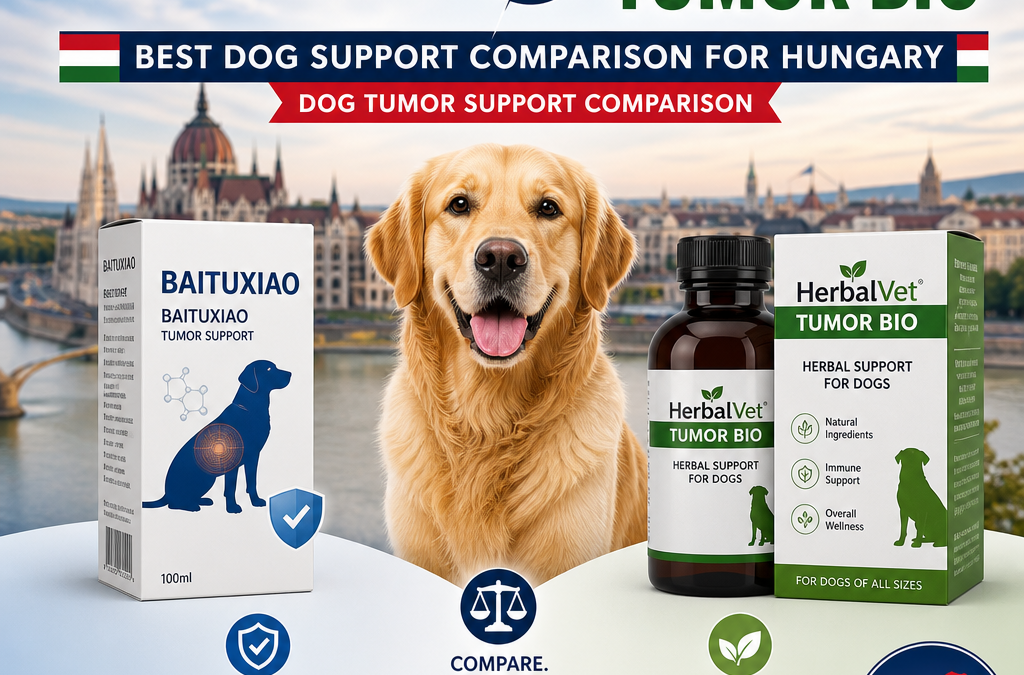
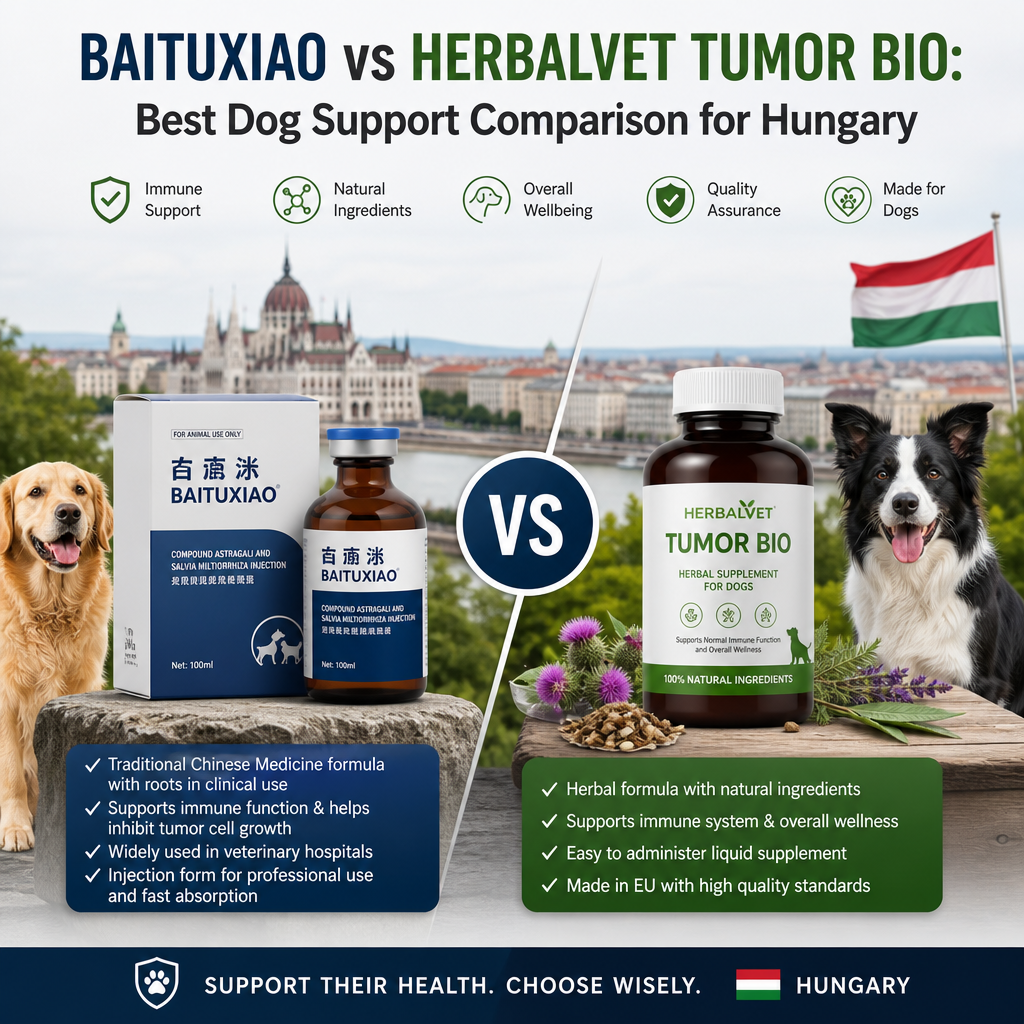
Baituxiao vs HerbalVet Tumor Bio is a comparison many Hungarian dog owners may consider when looking for complementary support after a veterinary diagnosis. Both products are positioned as herbal or natural supplements rather than conventional cancer treatments, so the most important decision should always begin with professional veterinary guidance. A supplement may help support general wellbeing, appetite, digestion, or comfort, but it should not replace diagnostic testing, surgery, chemotherapy, radiation, pain management, or other treatments recommended by a veterinarian.
Why a Careful Dog Tumor Support Comparison Matters
A dog with a tumor has individual needs that depend on the tumor’s location, size, biological behavior, stage, and effect on the body. Age, weight, kidney and liver function, appetite, current medications, and other health conditions also influence whether a supplement is appropriate.
This is why comparing Baituxiao vs HerbalVet Tumor Bio should involve more than reading marketing claims. Owners should examine:
- The full ingredient list and amount of each ingredient
- Possible interactions with prescription medicines
- Safety information for dogs with liver or kidney disease
- Manufacturing and quality-control standards
- Ease of administration
- The dog’s current symptoms and treatment plan
- Whether the veterinarian can monitor its use
A product described as “natural” is not automatically harmless. Certain herbs may affect blood clotting, blood pressure, liver enzymes, immune activity, or the way medicines are absorbed and processed.
When people search for Baituxiao vs HerbalVet Tumor Bio, they are often trying to answer a practical question: which option is safer, clearer, and easier to fit into a dog’s existing care plan? That question matters because supportive products can only help if they are used appropriately and monitored carefully. In a clinical setting, even a well-tolerated supplement can become a problem if it masks a side effect, complicates bloodwork interpretation, or delays a needed treatment change. For that reason, the comparison should focus on evidence, clarity, and compatibility rather than on bold promotional language.
The best way to evaluate any dog tumor support product is to ask how it fits the larger plan. If a dog is already receiving pain relief, anti-nausea medication, nutritional support, or chemotherapy, the supplement should not create another layer of uncertainty. In other words, Baituxiao vs HerbalVet Tumor Bio is not just a product choice; it is a care decision that should support long-term stability.
For readers who want broader background on tumor-related warning signs, see dog belly lumps and abdominal tumor facts.
Baituxiao vs HerbalVet Tumor Bio: Understanding the Products
Baituxiao and HerbalVet Tumor Bio are generally discussed as complementary herbal products for dogs with tumor-related health concerns. Their intended role is typically supportive, meaning they may be used alongside veterinary care to help maintain overall condition. However, product formulations can vary by market, supplier, and package version, so the label available in Hungary should be checked carefully.
Baituxiao is commonly presented as a multi-herb formula aimed at supporting the body’s natural defenses and maintaining normal physiological balance. HerbalVet Tumor Bio is also marketed as a botanical support product, with emphasis often placed on general vitality and support during a challenging period. Neither should be viewed as a proven standalone cure for cancer.
The most reliable comparison depends on the exact formulation rather than the product name alone. Before purchasing, owners should verify the manufacturer, importer, recommended dosage, lot information, expiry date, and whether the product is specifically labeled for dogs.
That is one reason Baituxiao vs HerbalVet Tumor Bio should not be treated as a simple “better vs worse” choice. Two products can sound similar in advertising while being very different in dosage, ingredient concentration, and quality control. A dog that tolerates one formula well may react differently to another if the herbs, excipients, or serving size are not the same. The safest approach is to compare the actual package information line by line, then review it with a veterinarian who knows the dog’s condition.
If you want to understand how tumor-support products are usually framed in canine care, the broader discussion of skin cancer in dogs can also help owners see why diagnosis and monitoring matter.
The ingredient profile is one of the most important parts of any HerbalVet Tumor Bio comparison. Some herbal formulas contain several concentrated plant extracts, while others may combine herbs with mushrooms, vitamins, minerals, or digestive-support ingredients. The number of ingredients is not necessarily a sign of better quality. A shorter formula with clear quantities may be easier to evaluate and monitor.
Look for the following information on the packaging:
- The exact botanical names of ingredients
- The amount per capsule, tablet, powder measure, or serving
- Standardization details for concentrated extracts
- Excipients, preservatives, flavorings, and fillers
- Instructions for different dog weights
- Contraindications and known adverse effects
If a label does not state the quantity of important ingredients, it becomes difficult for a veterinarian to assess the product or identify a possible interaction. Products sold through unofficial websites or social media channels may also have uncertain storage conditions and authenticity.
Ingredient transparency matters because even natural compounds can affect a dog in measurable ways. Some ingredients may support digestion but irritate a sensitive stomach; others may appear gentle at low doses but become problematic when combined with prescription medication. When comparing Baituxiao vs HerbalVet Tumor Bio, owners should therefore ask whether each formula discloses enough detail to support informed use. Without that detail, it is hard to know whether the product is truly comparable or whether one version is simply more concentrated than the other.
What to Ask Before Buying
Before choosing Baituxiao vs HerbalVet Tumor Bio, ask whether the seller can provide a full ingredient panel, batch number, and manufacturer contact details. The more transparent the product information, the easier it is for a veterinarian to judge whether it fits the dog’s current care plan. That is especially important when the dog is already receiving prescription treatment or has a history of digestive sensitivity.
It may also help to compare the intended use of each formula. Some products are promoted for immune support, while others emphasize appetite, strength, or recovery. Matching the product’s goal to the dog’s actual needs is often more useful than chasing a broad promise of “tumor support.”
In practice, a useful product comparison includes more than ingredient names. Owners should think about whether the dosage schedule is realistic, whether the formula is easy to give, and whether the packaging provides enough reassurance about sourcing. If a dog refuses tablets or becomes stressed by repeated dosing, the most carefully chosen supplement may still fail in everyday use. A truly helpful Baituxiao vs HerbalVet Tumor Bio comparison accounts for convenience, consistency, and the dog’s willingness to take the product.
Some owners also find it useful to ask whether a product has been used alongside standard veterinary care in other cases. While anecdotal reports cannot replace clinical evidence, they can raise important questions about palatability, tolerability, and practicality. Those observations should still be verified by a professional before any supplement becomes part of a treatment routine.
Safety and Possible Interactions
Safety is more important than choosing the product with the strongest claims. Dogs receiving chemotherapy, corticosteroids, non-steroidal anti-inflammatory drugs, anticoagulants, antibiotics, or seizure medication may be particularly vulnerable to interactions.
Some botanical ingredients can influence liver enzymes that process drugs. Others may increase bleeding risk or affect the immune system. A supplement may also cause vomiting, diarrhea, reduced appetite, tiredness, skin reactions, or changes in laboratory results. These effects can be confused with disease progression or treatment side effects.
A veterinarian should be consulted before starting either product, especially when a dog:
- Has recently undergone surgery
- Is receiving chemotherapy or radiation
- Has liver, kidney, stomach, or bleeding problems
- Takes several prescription medicines
- Is pregnant or nursing
- Has stopped eating or is losing weight
- Is experiencing pain, breathing difficulty, vomiting, or weakness
Introduce only one new product at a time when possible. This makes it easier to identify the cause of any reaction. Keep a simple record of the dose, appetite, stool quality, energy, vomiting, pain signs, and other changes.
For general reference on treatment-related caution, the American Veterinary Medical Association’s cancer in pets guidance is a useful educational source for pet owners.
One practical safety point is timing. If a dog has an upcoming biopsy, surgery, or blood test, the veterinarian may advise pausing supplements temporarily. This does not necessarily mean the product is dangerous; it means the care team needs a clean picture of the dog’s status and medication history. When comparing Baituxiao vs HerbalVet Tumor Bio, owners should ask how the product might affect clotting, sedation, appetite, or lab values before and after a procedure.
Another important issue is consistency. A supplement that appears harmless in the first few days may still cause trouble if given for weeks without review. Repeated use can reveal slow changes such as mild stomach upset, increasing fatigue, or reduced interest in meals. These signs may be subtle, but they matter because dogs with cancer often have limited reserves. A careful record helps the veterinary team decide whether the supplement should be continued, adjusted, or discontinued.
Practical Considerations for Hungarian Dog Owners
Availability and product quality are practical issues in Hungary. Owners should purchase supplements from reputable veterinary clinics, established pharmacies, or transparent retailers that provide clear labeling and traceability. Check whether the product has proper Hungarian or European distribution information and whether the seller can provide an invoice and batch details.
It is also useful to confirm the dosage in relation to the dog’s body weight. Instructions translated from another language may be unclear, and products intended for people should not automatically be given to dogs. Avoid combining multiple tumor-support supplements without veterinary approval, since overlapping ingredients can increase the risk of side effects.
Cost should be considered, but it should not be the only deciding factor. A less expensive product with unclear sourcing may create greater health risks and provide less reliable information than a product with transparent manufacturing standards.
When a dog owner is comparing Baituxiao vs HerbalVet Tumor Bio, local availability should never override safety. If one product cannot be traced clearly, or if the dosing instructions do not match the dog’s size and treatment plan, that product is not the better choice just because it is easier to buy.
Hungarian owners may also want to think about shipping time, storage conditions, and language clarity. Supplements that travel through long distribution chains can lose reliability if they are not stored properly, especially in warm or humid conditions. Ask whether the seller stores the product according to the manufacturer’s requirements and whether the expiration date leaves enough time for safe use. Small details like these often matter more than the marketing claims on the front label.
If the dog has a sensitive stomach, it can be helpful to discuss feeding time and dosing schedule with the veterinarian. Some products are easier to tolerate with food, while others may require a different routine. A product that looks ideal on paper may still be a poor fit if it causes nausea, diarrhea, or refusal to eat. In that sense, Baituxiao vs HerbalVet Tumor Bio is also a question of everyday practicality, not just product theory.
Choosing Between Baituxiao and HerbalVet Tumor Bio
There is no universal winner in the Baituxiao vs HerbalVet Tumor Bio discussion. The more appropriate option, if a supplement is appropriate at all, is the one that best fits the dog’s medical situation and can be monitored safely.
A veterinarian may prefer a product with a complete ingredient list, consistent dosing, and fewer potential interactions. In another case, the priority may be nutritional support, appetite management, digestive comfort, or maintaining quality of life rather than a supplement marketed specifically for tumors.
Owners should be cautious of claims that promise to shrink tumors, eliminate cancer, or replace proven treatment. Strong testimonials are not the same as controlled clinical evidence. Ask the veterinarian what realistic goals are possible, how success will be measured, and when the supplement should be stopped.
For owners of breeds with higher cancer risk, breed-specific reading can also help. Information such as Boston Terrier cancer risks and early tumor signs shows why early monitoring matters even when a supplement is part of the conversation.
Common Questions to Discuss With a Vet
Ask whether the supplement could interfere with current medication, whether any bloodwork should be checked before use, and what signs would mean the product should be discontinued. It is also sensible to ask how long the supplement should be tried before deciding whether it helps. A short, realistic trial with follow-up is usually safer than open-ended use.
Finally, remember that “support” should be defined in practical terms. Support may mean improved appetite, steadier energy, fewer digestive issues, or better comfort. If there is no measurable benefit, continuing the product may not make sense.
It can also help to decide in advance what would count as success. For one dog, success may mean improved interest in food. For another, it may mean fewer episodes of vomiting, better stool consistency, or less restlessness at night. If the expected benefit is clear from the start, the comparison becomes much easier to judge. That makes Baituxiao vs HerbalVet Tumor Bio less about advertising and more about the dog’s actual response.
In many households, the decision is also emotional. Owners naturally want to do something active and supportive after hearing a cancer diagnosis. A thoughtful vet conversation can prevent rushed purchases and reduce stress. By focusing on safety, clarity, and measurable goals, owners can choose a product only if it genuinely adds value to the care plan.
A Balanced Approach to Dog Tumor Support
The best dog tumor support comparison includes the entire care plan, not just two supplement labels. High-quality nutrition, adequate hydration, pain control, regular examinations, appropriate imaging, and emotional comfort are often more important than adding another product.
Monitor the dog’s quality of life through appetite, mobility, sleep, interaction, breathing, grooming, and enjoyment of normal activities. Contact a veterinarian promptly if there is persistent vomiting, severe lethargy, collapse, uncontrolled pain, difficulty breathing, bleeding, or refusal of food and water.
Baituxiao vs HerbalVet Tumor Bio may be considered as complementary options in some situations, but their value depends on formulation, safety, veterinary supervision, and the individual dog’s response. In Hungary, careful sourcing and open communication with a veterinarian can help owners make a safer, better-informed decision while keeping evidence-based treatment and quality of life at the center of care.
In some cases, owners researching Baituxiao vs HerbalVet Tumor Bio are also looking for other affordable support options. For broader comparison reading, the discussion of Ocoxin Pets alternative supplements for dogs may be helpful when you are reviewing ingredients, safety, and practical use.
When the care plan is reviewed regularly, the owner, veterinarian, and product information can work together more effectively. That means checking whether the dog’s appetite is stable, whether energy levels are improving, and whether any side effects appear after dosing. If the answer to those questions is no, the supplement may not be worth continuing. If the answer is yes and the dog remains comfortable, the product may have a place in a carefully supervised plan.
Ultimately, the smartest approach is to treat Baituxiao vs HerbalVet Tumor Bio as one small part of a much larger conversation about diagnosis, comfort, and long-term support. The right choice is the one that protects safety, respects the veterinarian’s recommendations, and matches the dog’s actual needs rather than the product’s marketing promise.

by TCMVET | Aug 15, 2026 | Research and News
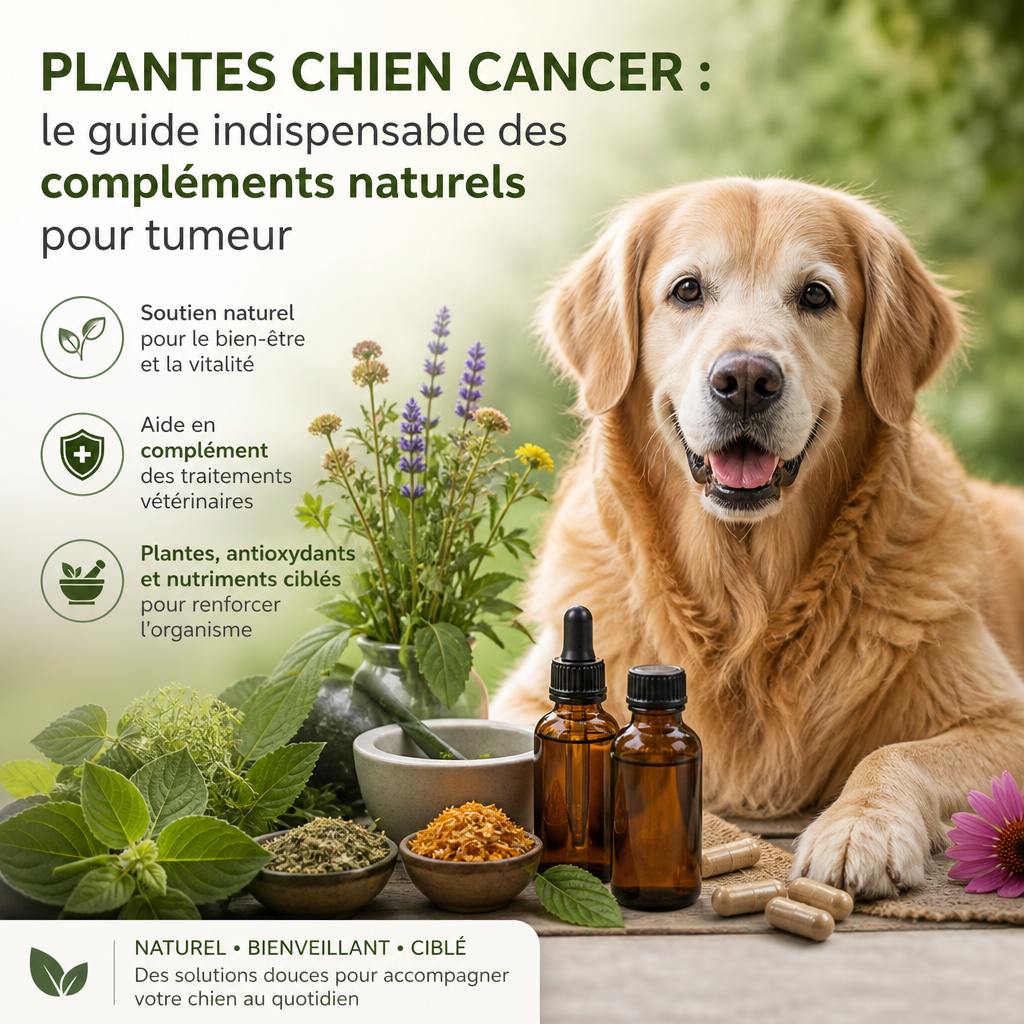
Les plantes chien cancer peuvent parfois contribuer au confort et à l’équilibre général d’un chien atteint d’une tumeur. Elles ne remplacent toutefois jamais un diagnostic vétérinaire, une chirurgie, une chimiothérapie, une radiothérapie ou tout autre traitement recommandé par un professionnel. L’objectif est de mieux comprendre les options disponibles et de les intégrer avec prudence dans une prise en charge globale.
Comprendre la place des plantes chez le chien atteint de cancer
Le cancer regroupe de nombreuses maladies différentes. Une tumeur bénigne ne se comporte pas comme une tumeur maligne, et chaque chien réagit différemment selon son âge, sa race, son état général, la localisation de la masse et les traitements prescrits.
Les plantes peuvent être envisagées pour soutenir certains besoins précis : appétit diminué, digestion sensible, fatigue, stress, inconfort articulaire ou récupération générale. Leur rôle est principalement complémentaire. Elles ne doivent pas être présentées comme capables de faire disparaître une tumeur ou de remplacer un traitement oncologique.
Avant toute administration, le vétérinaire doit connaître l’ensemble des produits utilisés. Certaines plantes modifient l’absorption des médicaments, influencent la coagulation, sollicitent le foie ou les reins, ou peuvent aggraver des troubles digestifs.
Dans la pratique, l’enjeu n’est pas de multiplier les solutions, mais de choisir une approche cohérente. Un chien traité pour une tumeur peut avoir besoin d’un soutien ciblé à certains moments, puis d’un autre accompagnement plus tard. Les plantes chien cancer ne sont donc utiles que si elles sont intégrées à une stratégie claire, suivie et réévaluée régulièrement.
Il est également important de garder à l’esprit que l’état d’un chien atteint de cancer peut changer rapidement. Une formule qui semblait adaptée au début du suivi peut devenir inappropriée si l’animal perd du poids, supporte moins bien ses médicaments ou présente un trouble digestif. C’est pourquoi les plantes chien cancer doivent être envisagées comme un outil d’appoint, jamais comme une solution figée.
Le dialogue avec l’équipe vétérinaire aide aussi à éviter les confusions entre confort, prévention et traitement. Un complément bien choisi peut améliorer la qualité de vie, mais il ne remplace ni les examens de contrôle ni les ajustements thérapeutiques qui permettent d’adapter la prise en charge à l’évolution réelle de la maladie.
Dans un suivi sérieux, il faut aussi prendre en compte l’objectif recherché : diminuer des effets secondaires, soutenir l’appétit, accompagner la récupération ou aider le chien à rester plus calme. Plus l’objectif est précis, plus le choix du complément a des chances d’être pertinent. Les plantes chien cancer sont alors utilisées pour un bénéfice concret, et non pour accumuler des ingrédients sans logique.
Enfin, il ne faut pas oublier qu’une tumeur peut évoluer de manière discrète. Un changement de comportement, une baisse d’énergie ou une perte d’intérêt pour la nourriture peuvent être les premiers signes d’une adaptation nécessaire. Dans ce contexte, les plantes chien cancer doivent rester sous surveillance, avec des points de contrôle réguliers et une vraie réévaluation des résultats.
Quel complément plantes chien tumeur choisir ?
Un complément plantes chien tumeur doit être sélectionné selon la situation médicale de l’animal, et non uniquement selon une liste d’ingrédients attractive. La qualité du produit, la concentration, la traçabilité et l’adaptation à l’espèce canine sont essentielles.
Il est préférable de choisir une formule destinée aux chiens, fabriquée par un laboratoire sérieux, avec une composition détaillée et des dosages clairement indiqués. Les produits humains peuvent contenir des substances dangereuses pour les animaux, notamment certains édulcorants comme le xylitol, des huiles essentielles concentrées ou des doses inadaptées.
Le vétérinaire pourra également déterminer si le complément est compatible avec :
- une chimiothérapie ou une immunothérapie ;
- des anti-inflammatoires ou des antidouleurs ;
- des anticoagulants ;
- un traitement contre les nausées ;
- une maladie du foie, des reins ou du pancréas ;
- une intervention chirurgicale prévue prochainement.
Une formule simple, introduite progressivement, est généralement plus facile à surveiller qu’un mélange contenant un grand nombre d’extraits. Si le chien supporte mal les changements alimentaires ou les nouveaux produits, il est encore plus prudent d’avancer par étapes.
Un point important concerne aussi la forme galénique. Certaines gélules, poudres ou liquides sont plus faciles à administrer que d’autres. Cela peut sembler secondaire, mais un produit bien accepté améliore l’observance et réduit le stress du chien comme celui du propriétaire.
Pour aller plus loin, il est souvent utile de se poser une question simple : le complément apporte-t-il un bénéfice concret et mesurable, ou ajoute-t-il seulement un ingrédient de plus ? Dans le cas des plantes chien cancer, la simplicité est souvent plus sûre qu’une formulation complexe difficile à surveiller.
Un accompagnement sérieux consiste aussi à vérifier la présence d’excipients, la provenance des extraits, la standardisation des actifs et les recommandations d’usage. Un produit clair, avec des indications précises, facilite le suivi et limite les erreurs d’administration.
Avant de commencer, notez aussi la dose, l’horaire et la raison d’utilisation. Ce simple repère aide à distinguer un produit utile d’un produit inutile. Si un complément n’apporte aucune amélioration observable après un délai raisonnable, il peut être préférable de le réévaluer plutôt que de le conserver par habitude. Les plantes chien cancer doivent rester au service du confort, pas alourdir la routine de soins.
Les plantes parfois utilisées en soutien
Certaines plantes sont régulièrement étudiées ou utilisées en médecine complémentaire vétérinaire, mais leur intérêt dépend toujours du contexte clinique.
Le curcuma, notamment grâce à la curcumine, est connu pour ses propriétés antioxydantes et son intérêt potentiel dans le soutien des mécanismes inflammatoires. Cependant, son absorption est variable et il peut ne pas convenir à un chien souffrant de troubles biliaires, digestifs ou prenant certains médicaments.
Le chardon-Marie est parfois utilisé pour accompagner la fonction hépatique, en particulier lorsque le foie est sollicité. Il ne s’agit pas d’un traitement contre la tumeur, mais d’un soutien qui doit être évalué en fonction des analyses sanguines et des traitements en cours.
Le gingembre peut être intéressant dans certaines situations liées aux nausées ou à la digestion, mais il doit être utilisé avec mesure. Chez un animal présentant un risque hémorragique ou une sensibilité gastrique, il peut être déconseillé.
La camomille, la mélisse ou certaines plantes apaisantes sont parfois proposées pour aider à gérer le stress. Elles ne doivent toutefois pas être combinées sans contrôle avec des médicaments sédatifs ou anxiolytiques.
La présence de plantes chien cancer dans une routine de soutien ne signifie pas que toutes les options sont adaptées à tous les chiens. Deux animaux atteints de la même tumeur peuvent avoir des besoins opposés selon leur état digestif, leur traitement et leur niveau d’activité. C’est pourquoi l’avis du vétérinaire reste indispensable.
Les compléments à base de plantes sont d’autant plus délicats lorsque le chien reçoit déjà plusieurs médicaments. Certaines substances peuvent augmenter la somnolence, d’autres modifier la coagulation ou interférer avec le métabolisme hépatique. Dans ce contexte, un suivi précis est plus utile qu’un empilement de produits.
Il faut aussi distinguer la plante entière, l’extrait standardisé et la préparation artisanale. Ces formes n’ont pas le même dosage ni la même tolérance. Une même plante peut donc avoir des effets très différents selon la qualité du produit et la concentration réelle en actifs.
Chez certains chiens, l’objectif principal n’est pas de “traiter la tumeur”, mais d’aider à mieux vivre les symptômes secondaires : nausées, perte d’appétit, fatigue ou nervosité. C’est dans ce cadre que les plantes chien cancer peuvent parfois avoir une place mesurée et utile.
Il existe aussi des situations où une plante jugée intéressante sur le papier doit être écartée. Par exemple, un chien très maigre, déshydraté ou déjà fragilisé par un protocole lourd supportera parfois mal un extrait concentré. Dans ce cas, la priorité est de stabiliser l’état général avant d’envisager d’autres compléments.
Plusieurs propriétaires espèrent une action rapide, mais la phytothérapie vétérinaire demande souvent de la patience et une observation structurée. Le but n’est pas d’additionner des promesses, mais d’évaluer les réactions réelles du chien, semaine après semaine, en gardant un regard critique sur les plantes chien cancer.
Quand demander un avis vétérinaire rapidement
Une consultation rapide est recommandée si le chien présente une perte d’appétit durable, des vomissements répétés, une diarrhée, un abattement marqué, une boiterie qui s’aggrave, une respiration anormale ou un saignement inhabituel. Ces signes peuvent indiquer une évolution de la maladie ou une mauvaise tolérance à un complément.
Si vous cherchez des repères fiables sur l’évaluation et la prise en charge globale, un accompagnement vétérinaire spécialisé en médecine complémentaire peut aider à mieux cadrer les options possibles sans sortir du suivi médical classique.
En cas de doute sur un ingrédient, mieux vaut suspendre temporairement le produit et demander un avis professionnel. Cette prudence évite parfois des complications évitables, surtout lorsque le chien suit déjà un traitement anticancéreux ou des médicaments de soutien.
Pour des références scientifiques générales sur les plantes médicinales et les interactions, il est également utile de consulter des sources reconnues comme le portail PubMed Central de la National Library of Medicine, qui donne accès à des publications de recherche et à des données de référence.
Soutien naturel tumeur chien : les priorités essentielles
Un soutien naturel tumeur chien ne repose pas uniquement sur les plantes. Les mesures les plus importantes sont souvent simples et quotidiennes. Une alimentation complète et suffisamment énergétique aide à maintenir le poids et la masse musculaire. En cas de perte d’appétit, le vétérinaire ou un nutritionniste animalier peut proposer une ration plus appétente et adaptée aux besoins du chien.
L’hydratation doit également être surveillée. Une gamelle facilement accessible, plusieurs points d’eau ou une alimentation humide peuvent favoriser la consommation de liquides. Si le chien boit beaucoup moins, vomit régulièrement ou présente une diarrhée persistante, une consultation rapide est nécessaire.
Le confort compte tout autant. Un couchage épais, une température stable, des promenades courtes et adaptées, ainsi qu’un environnement calme peuvent améliorer la qualité de vie. Il est utile d’observer quotidiennement l’appétit, le sommeil, la mobilité, la respiration, les selles et le comportement.
Dans les périodes de fatigue, les promenades doivent être adaptées au niveau d’énergie du chien. L’objectif n’est pas de maintenir une activité intense, mais de préserver le lien, le moral et une mobilité fonctionnelle. Un rythme régulier rassure souvent l’animal.
La nutrition a aussi un rôle important. Certains chiens mangent mieux des repas fractionnés, tièdes ou très odorants. D’autres tolèrent mieux une modification progressive des textures. Lorsque la tumeur, les nausées ou les traitements perturbent l’alimentation, le plus utile est souvent d’ajuster la ration plutôt que d’ajouter davantage de compléments.
Les plantes chien cancer ne doivent pas détourner de cette priorité : maintenir l’état général de l’animal. Une bonne prise en charge alimentaire, hydrique et environnementale peut parfois avoir plus d’impact sur le confort quotidien qu’un produit présenté comme “miracle”.
Le repos, la routine et la diminution des sources de stress jouent aussi un rôle important. Un chien souffrant supporte généralement mieux son quotidien lorsqu’il retrouve des repères stables, des horaires réguliers et un environnement prévisible. Ces ajustements simples sont souvent très efficaces, en complément ou non des plantes chien cancer.
Si le chien mange difficilement, fractionner la ration en plusieurs petits repas peut être plus intéressant qu’un seul repas copieux. Cette approche peut limiter les nausées et encourager une meilleure prise alimentaire, surtout chez les animaux fragilisés par la maladie ou par les traitements.
Il peut aussi être utile de surveiller le poids chaque semaine. Une variation modeste révèle parfois un problème avant qu’il ne devienne visible à l’œil nu. En cas de baisse progressive, il vaut mieux prévenir le vétérinaire tôt plutôt que d’attendre une aggravation. Les plantes chien cancer n’ont de sens que si elles s’inscrivent dans cette logique de surveillance globale.
Les précautions à connaître
Naturel ne signifie pas sans danger. Les huiles essentielles sont particulièrement délicates chez le chien : certaines peuvent être toxiques par ingestion, inhalation ou contact cutané. Les préparations artisanales, les teintures alcoolisées et les plantes récoltées dans la nature présentent également des risques de contamination ou de dosage imprécis.
Il faut éviter de cumuler plusieurs compléments ayant les mêmes effets. Un excès d’antioxydants, de substances anti-inflammatoires ou de plantes agissant sur le foie peut devenir problématique. L’arrêt d’un complément est recommandé en cas de vomissements, diarrhée, démangeaisons, grande fatigue, jaunisse, saignements inhabituels ou changement brutal de comportement.
Les compléments doivent aussi être interrompus avant certaines interventions si le vétérinaire le demande, car plusieurs plantes peuvent influencer la coagulation ou la réponse à l’anesthésie.
Le risque augmente encore lorsque l’on modifie plusieurs paramètres en même temps : nouvelle alimentation, nouveau complément et nouveau médicament. Pour savoir ce qui a déclenché une réaction, il vaut mieux introduire un seul changement à la fois et noter les observations sur quelques jours.
Les plantes chien cancer peuvent aussi poser problème chez les chiens âgés ou déjà fragilisés par une atteinte hépatique ou rénale. Dans ces situations, le métabolisme des actifs naturels peut être moins bien toléré. Un dosage inadapté peut alors faire plus de mal que de bien.
Une autre précaution importante concerne les interactions avec les traitements de fond. Certains extraits végétaux peuvent modifier l’activité d’enzymes hépatiques impliquées dans l’élimination des médicaments. Cela ne veut pas dire qu’ils sont toujours interdits, mais qu’ils demandent une validation individualisée.
Il est également prudent de surveiller les réactions sur plusieurs jours après l’introduction d’un nouveau produit. Les effets indésirables ne sont pas toujours immédiats. Une baisse de forme, une diminution de l’appétit ou une modification des selles peuvent être des signaux utiles à noter.
En cas de doute, la règle la plus sûre reste simple : ne pas commencer un complément sans validation vétérinaire, surtout si le chien suit déjà un protocole anticancéreux.
Une approche globale et régulièrement réévaluée
Le meilleur accompagnement associe les soins vétérinaires conventionnels, une alimentation adaptée, la gestion de la douleur, le maintien du lien social et, lorsque cela est pertinent, un complément naturel soigneusement choisi. Les besoins évoluent avec le temps : un produit bien toléré au début peut devenir inadapté si la fonction rénale change, si un nouveau médicament est introduit ou si la maladie progresse.
Un carnet de suivi peut aider à noter le poids, l’appétit, la prise d’eau, les traitements et les réactions observées. Ces informations permettent au vétérinaire d’ajuster rapidement la prise en charge.
Il est aussi utile de prévoir des points de contrôle réguliers, même lorsque tout semble stable. Le but n’est pas de multiplier les consultations, mais de vérifier que le complément reste compatible avec l’état du chien. Cette vigilance est particulièrement importante si les plantes chien cancer sont utilisées en parallèle d’un traitement lourd ou prolongé.
Les plantes chien cancer peuvent donc trouver une place dans une stratégie de soutien, à condition d’être utilisées avec réalisme, prudence et transparence. La priorité reste toujours la qualité de vie du chien et la coordination avec l’équipe vétérinaire qui le suit. Quand elles sont bien choisies, les plantes chien cancer peuvent accompagner le quotidien sans masquer l’essentiel : la sécurité, la surveillance et l’adaptation au cas par cas.
En pratique, la meilleure démarche consiste à réévaluer régulièrement l’intérêt du complément, à documenter les changements observés et à conserver une vision globale de la santé du chien. Cette vigilance permet d’éviter les achats inutiles, les surdosages et les associations mal comprises, tout en gardant ce qui est réellement bénéfique.
Si l’état du chien se stabilise, le vétérinaire peut confirmer la poursuite du soutien. Si au contraire les symptômes évoluent, il sera parfois préférable de simplifier la routine et de recentrer les efforts sur la nutrition, le confort et les traitements indispensables. Cette logique progressive aide à garder des soins cohérents et à mieux protéger l’animal.
Au final, les plantes chien cancer sont surtout intéressantes lorsqu’elles répondent à un besoin réel, avec une dose adaptée, un suivi rigoureux et des objectifs modestes mais utiles. C’est cette approche prudente qui permet d’en tirer un bénéfice potentiel sans compromettre la sécurité du chien.
Si vous envisagez un complément, retenez une règle simple : une bonne décision est celle qui améliore le quotidien sans compliquer le traitement. Dans le cadre des plantes chien cancer, cette cohérence fait souvent toute la différence.
by TCMVET | Aug 15, 2026 | Research and News
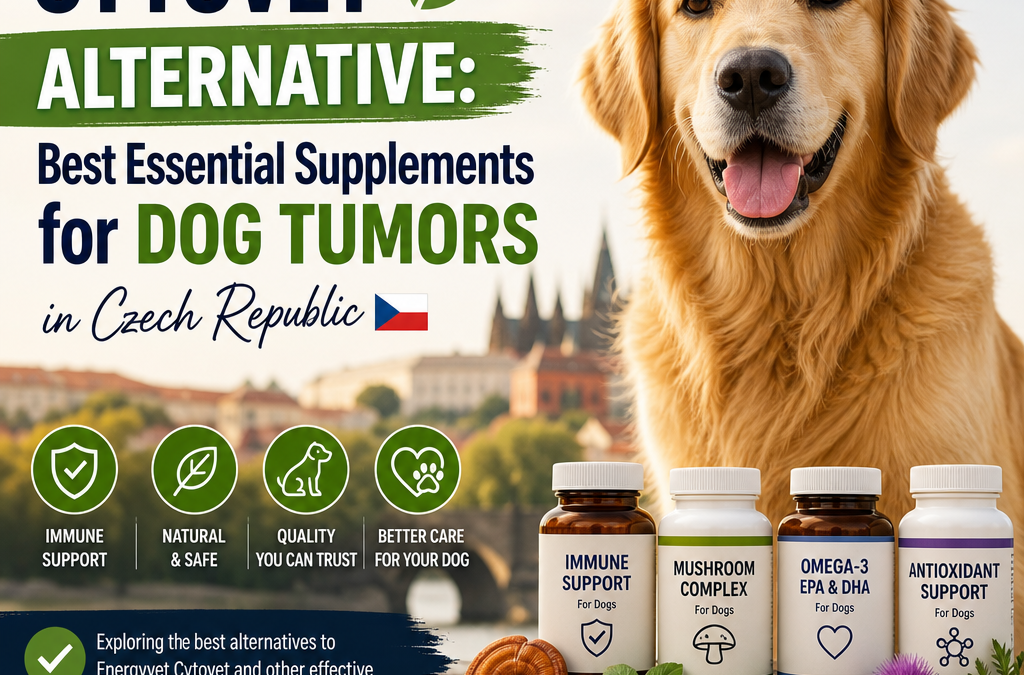
Energyvet Cytovet alternative products are increasingly discussed by dog owners in the Czech Republic who want supportive nutritional care for a dog with a tumor. While supplements may help maintain appetite, strength, digestion, and general wellbeing, they should never replace veterinary diagnosis or cancer treatment. The most appropriate choice depends on the tumor type, treatment plan, age, weight, medications, and overall health of the dog.
Why supportive supplements may matter
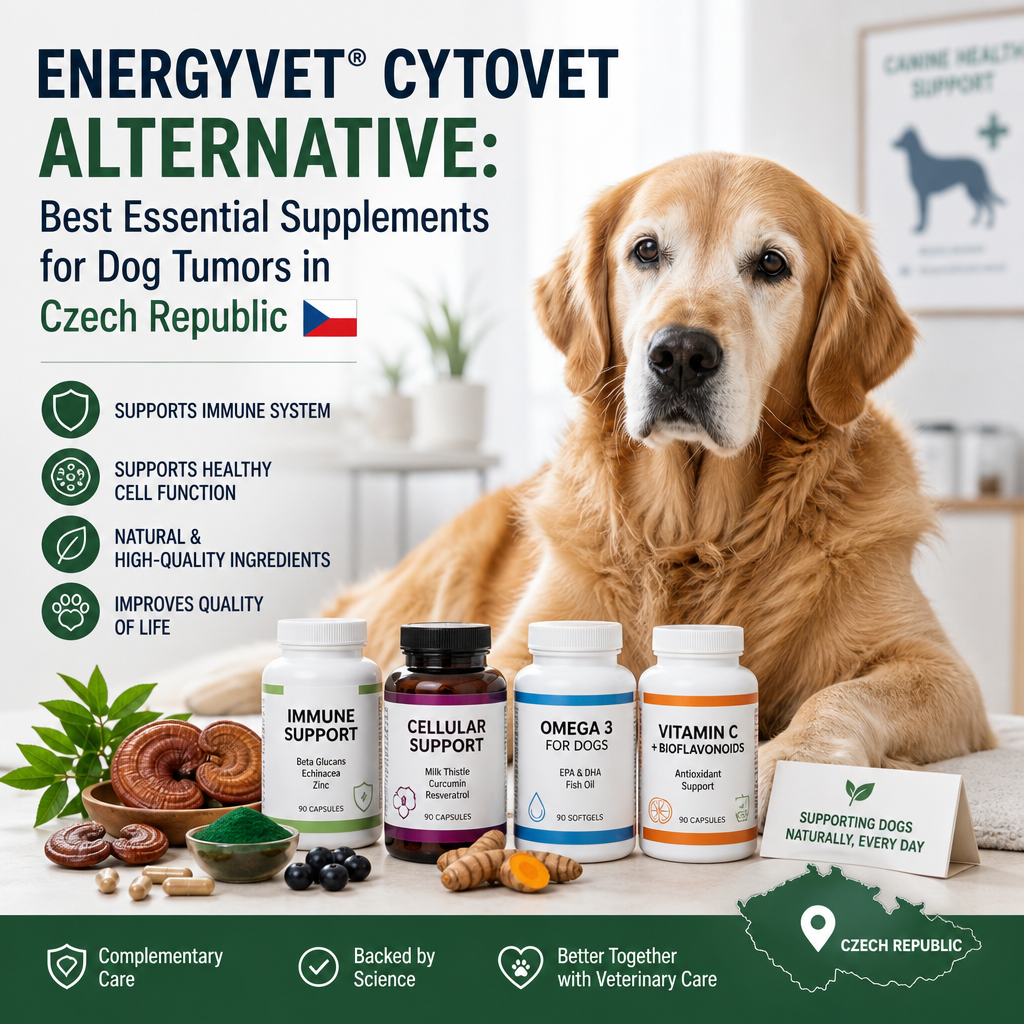
Cancer and its treatment can place significant stress on a dog’s body. Some dogs experience reduced appetite, weight loss, digestive problems, fatigue, or a decline in muscle condition. Surgery, chemotherapy, radiation therapy, and certain medications may increase the need for carefully planned nutrition.
Essential supplements are generally used to support normal body functions rather than to “cure” a tumor. A well-formulated product may help provide omega-3 fatty acids, antioxidants, vitamins, minerals, digestive support, or extra calories. However, more is not always better. Some compounds can interfere with chemotherapy, affect blood clotting, or place additional strain on the liver and kidneys.
Before introducing any supplement, discuss it with a veterinarian—ideally one experienced in veterinary oncology. For background reading on evidence-based cancer care, the American Veterinary Medical Association’s cancer in pets guide is a useful starting point. When owners ask for an Energyvet Cytovet alternative, the safest conversation starts with the dog’s diagnosis, current medication list, and nutritional status.
Energyvet Cytovet alternative: what to look for
When comparing an Energyvet Cytovet alternative, dog owners should focus on ingredients, safety, quality control, and suitability for the individual animal rather than relying only on brand claims. A practical supplement should have clear labeling, dosage instructions, batch information, and transparent ingredient quantities.
Important considerations include:
- Whether the product is intended for dogs
- The dog’s current medication and treatment schedule
- Possible effects on blood clotting or immune activity
- The presence of unnecessary sweeteners, flavorings, or stimulants
- Manufacturing standards and product testing
- Advice from a veterinarian familiar with the dog’s case
Products marketed as immune boosters or natural cancer remedies can vary greatly in quality. “Natural” does not automatically mean safe, and supplements containing multiple herbs may be difficult to evaluate when a dog is taking prescription medication.
In practice, the best Energyvet Cytovet alternative is usually the one that fits the dog’s treatment plan with the fewest unnecessary ingredients. A simple formula is often easier to monitor than a broad blend with many overlapping claims.
Omega-3 fatty acids for nutritional support
Fish oil is one of the most commonly considered supplements for dogs with cancer. It provides EPA and DHA, two omega-3 fatty acids that support normal inflammatory regulation and may help maintain skin, coat, and general nutritional condition. Omega-3s can also be useful when a dog’s diet needs additional fat and calories.
A veterinary professional should help determine the correct dose because fish oil supplements differ considerably in concentration. Excessive amounts may cause diarrhea, weight gain, or an increased risk of bleeding, particularly in dogs receiving anticoagulant medication or preparing for surgery. Choose a product designed for pets, stored properly, and tested for contaminants such as heavy metals.
For dogs in oncology care, omega-3s are often discussed as part of a broader Energyvet Cytovet alternative plan rather than as a standalone solution. The phrase Energyvet Cytovet alternative may sound like a single product category, but in real life it usually means matching the supplement to the dog’s current needs.
High-quality protein and calorie support
Maintaining body weight and muscle is often more important than adding a long list of supplements. Dogs with cancer may benefit from a highly digestible diet containing sufficient animal-based protein and appropriate calories. If appetite is poor, smaller meals served more frequently can be easier to tolerate.
Some dogs need a therapeutic veterinary diet, while others may require an individualized feeding plan. A veterinary nutritionist can help balance protein, fat, fiber, and calories according to the tumor type and the condition of the liver, kidneys, and digestive system.
Calorie-dense nutritional pastes or recovery foods may be useful for short-term support, but they should not replace a complete diet unless specifically formulated for that purpose. In many cases, this kind of nutrition support is more valuable than adding another Energyvet Cytovet alternative capsule or powder. If the dog is losing weight, a focused feeding strategy may matter more than trying several supplements at once.
Antioxidants, vitamins, and minerals
Antioxidants are often included in supplements promoted as alternatives to Energyvet Cytovet. These may include vitamins C and E, selenium, zinc, or plant-derived compounds. Their use requires particular caution during chemotherapy and radiation therapy because some cancer treatments rely partly on oxidative mechanisms.
This does not mean antioxidants are always inappropriate. It means timing, dose, and treatment type matter. A veterinarian should review the complete ingredient list before a supplement is given. Avoid combining several multivitamins or herbal blends, since overlapping ingredients can lead to excessive intake.
Vitamin deficiencies should ideally be confirmed or suspected based on clinical assessment rather than treated with high doses without guidance. Careful review is especially important when choosing an Energyvet Cytovet alternative for a dog already receiving prescriptions. The same caution applies to any Energyvet Cytovet alternative that combines vitamins with herbs or mushroom extracts in one formula.
Medicinal mushrooms and herbal ingredients
Mushroom extracts such as beta-glucan products are sometimes used in canine supportive care. Certain extracts may support normal immune function, but evidence in dogs with specific cancers remains limited and product quality varies. Herbal ingredients, including turmeric, milk thistle, or medicinal plant blends, may also be promoted for liver or inflammatory support.
These ingredients can interact with medication or affect digestion, liver enzymes, blood pressure, and clotting. A supplement containing several herbs may be particularly difficult to assess. Always provide the veterinarian with the exact product label, including the concentration and recommended dosage.
Because of these uncertainties, some owners prefer to avoid a complex herbal Energyvet Cytovet alternative and instead use a simpler nutrition-focused approach. That approach may be easier to adjust if the dog’s appetite, stool quality, or treatment plan changes.
Alternatives to Energyvet Cytovet: choosing responsibly
The best alternatives to Energyvet Cytovet are not necessarily the products with the strongest marketing language. A responsible choice is one that addresses a clearly identified need, such as inadequate calorie intake, low omega-3 consumption, digestive sensitivity, or a documented nutritional deficiency.
For many dogs, the most useful supportive plan may include:
- A complete, highly digestible diet
- Adequate water intake and appetite monitoring
- A veterinary-approved omega-3 supplement when appropriate
- Targeted digestive or calorie support
- Regular weight and muscle-condition checks
- Careful coordination with cancer treatment
Owners should introduce only one new product at a time. This makes it easier to identify side effects such as vomiting, diarrhea, itching, lethargy, or appetite changes.
If you are comparing several options, choose the Energyvet Cytovet alternative that best matches the dog’s clinical needs rather than the most aggressive claims. In practical terms, the right Energyvet Cytovet alternative is usually the one that supports the dog without creating extra risk or confusion.
Dog tumor supplements Czech Republic: practical buying advice
When searching for dog tumor supplements Czech Republic pet owners should check whether a product is legally marketed for animals, clearly labeled in Czech or another understandable language, and supplied by a reputable veterinary pharmacy or established manufacturer. Online availability alone does not guarantee quality.
Look for a complete ingredient list, serving size, storage instructions, expiry date, and contact information for the manufacturer. Be cautious with products promising to dissolve tumors, replace chemotherapy, or guarantee a cure. Such claims are not consistent with responsible veterinary care.
Czech dog owners may also ask their veterinarian about veterinary diets, fish oil preparations, recovery nutrition, probiotics, or individually selected supplements available through local clinics and pharmacies. The safest plan is usually one coordinated with the treating veterinary team and tailored to the dog’s specific situation.
For local readers who want to verify sourcing and labeling standards, the State Institute for Drug Control in the Czech Republic is a relevant official reference for regulated products and safety information. When checking a possible Energyvet Cytovet alternative, it helps to confirm that the product source is transparent and the claims are realistic.
Monitoring the dog at home
Supportive care works best when changes are tracked. Record appetite, water intake, stool quality, vomiting, activity, breathing, pain signs, and body weight. A weekly weight check can reveal gradual loss before it becomes severe.
Contact a veterinarian promptly if the dog stops eating, vomits repeatedly, develops persistent diarrhea, has difficulty breathing, shows marked weakness, experiences uncontrolled pain, or loses weight quickly. Supplements cannot correct complications such as dehydration, infection, intestinal obstruction, or treatment-related toxicity.
A thoughtful supplement plan should complement proven veterinary care, not compete with it. With professional guidance, carefully selected nutrition and supportive products may help a dog maintain comfort, strength, and quality of life throughout diagnosis and treatment. For many families, the right Energyvet Cytovet alternative is simply the one that is safest, simplest, and easiest to monitor. If the plan stays focused on the dog’s needs, an Energyvet Cytovet alternative can be part of a practical and humane supportive-care routine.
by TCMVET | Aug 15, 2026 | Research and News
Baituxiao vs Ocoxin Pets is a comparison many Dutch dog owners may consider when looking for supportive care during a pet’s cancer treatment. Both products are marketed as complementary supplements rather than replacements for veterinary diagnosis or therapy, but they differ in ingredients, presentation, intended use, and availability. Understanding these differences can help owners have a more informed discussion with their veterinarian.
A dog diagnosed with a tumor needs an individualized treatment plan. Depending on the tumor type, location, stage, and overall health, treatment may involve surgery, chemotherapy, radiotherapy, immunotherapy, pain control, dietary support, or palliative care. Supplements can sometimes be used alongside conventional treatment, but their suitability depends on the dog and the medicines being prescribed.
What Is Baituxiao?
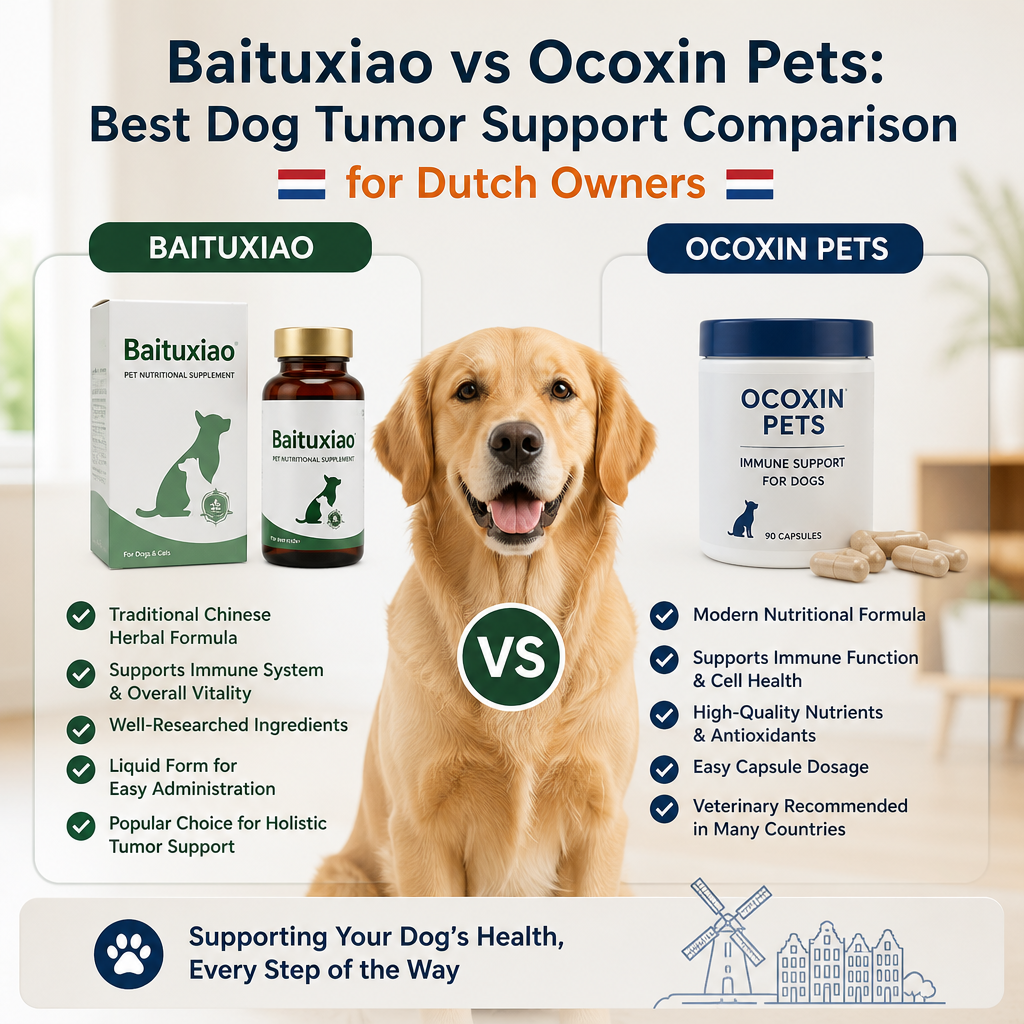
Baituxiao is a traditional Chinese medicine-inspired product commonly promoted for supportive use in animals with masses or tumors. Its formula may include multiple botanical and mineral ingredients, although the exact composition, concentration, and product quality can vary depending on the supplier and market.
The product is generally presented as a complementary option intended to support the body’s overall condition. Marketing materials may refer to immune support, circulation, inflammation, or the management of abnormal tissue growth. However, these claims should be interpreted carefully. Evidence from laboratory studies, traditional use, or human supplements does not automatically prove that a product can shrink tumors or extend a dog’s life.
For Dutch owners, an important consideration is product transparency. Before purchasing Baituxiao, check the complete ingredient list, manufacturer information, batch details, recommended dosage, storage instructions, and import status. Products bought through international websites may have different formulations or labeling standards from products distributed within the European Union.
When the main goal is supportive care, it also helps to compare the product with other options used in veterinary oncology. A veterinarian may be able to explain whether a supplement is appropriate alongside the dog’s current plan or whether a different approach is safer. For a broader overview of cancer awareness in dogs, the Alaskan Malamute cancer risks and early tumor signs guide can be a useful internal reference.
Baituxiao vs Ocoxin Pets also raises a broader issue that matters to many owners: how to separate supportive care from claims that sound more certain than the evidence allows. A product can be discussed as a possible aid, but it should still be viewed through the same veterinary lens used for any other supplement.
What Is Ocoxin Pets?
Ocoxin Pets is a veterinary-oriented nutritional supplement designed to support dogs and cats during periods of illness, including situations in which a tumor has been diagnosed. It is commonly associated with nutritional and antioxidant support, and its formulation may contain plant-based compounds, vitamins, minerals, amino acids, and other nutrients.
The goal of Ocoxin Pets is usually supportive rather than curative. It may be considered when a dog has reduced appetite, is recovering from treatment, or needs additional nutritional assistance. Some veterinarians may also discuss it as part of a broader quality-of-life plan, particularly when maintaining food intake and general condition is a priority.
As with any supplement, the exact formula matters. Owners should verify the product label and consult a veterinarian about possible interactions. Antioxidant-containing products, for example, may not always be appropriate during every type of cancer therapy, because the timing and dose of antioxidants can be relevant to certain treatments.
For more background on veterinary oncology and cancer signs, owners may also find helpful reading on dog belly lumps and abdominal tumors.
In practical terms, Ocoxin Pets is often chosen for its nutritional positioning, while Baituxiao is more often associated with a traditional herbal approach. That difference matters because a supplement’s intent can affect whether a vet sees it as a suitable fit during treatment.
Baituxiao vs Ocoxin Pets: Key Differences
The most useful way to approach a Baituxiao vs Ocoxin Pets decision is to compare their practical characteristics rather than relying on promotional claims.
1. Formula and ingredients
Baituxiao is typically associated with a broad traditional herbal formula. Ocoxin Pets is generally positioned as a veterinary nutritional supplement containing a defined blend of nutrients and botanical compounds. However, formulations can change, so owners should rely on the current official label rather than online summaries.
A clear ingredient list is essential. Avoid products that do not disclose amounts, use vague “proprietary blends,” or make strong promises without explaining the evidence behind them.
2. Intended role
Baituxiao is often marketed toward support for dogs with masses or tumors. Ocoxin Pets is more commonly described as general nutritional and antioxidant support during illness. Neither should be regarded as a substitute for surgery, chemotherapy, radiotherapy, or other treatments recommended by a veterinary oncologist.
3. Evidence and reliability
The scientific evidence for supplements used in canine cancer care is generally more limited than the evidence for established veterinary treatments. Research on individual ingredients may provide useful information, but it does not necessarily demonstrate that the complete product improves survival or eliminates a tumor.
Ocoxin Pets may appeal to owners who prefer a product presented specifically for veterinary use and nutritional support. Baituxiao may appeal to those interested in traditional herbal approaches. In both cases, the quality of independent evidence and manufacturing standards should be carefully considered.
4. Availability in the Netherlands
Dutch owners should check whether a product is supplied through a reputable European or veterinary channel. Imported supplements may be subject to different labeling requirements, delivery conditions, and customs procedures. It is also important to determine whether the product is legally marketed as a feed supplement, complementary feed, or another category.
A Dutch veterinarian may be more familiar with products distributed through European veterinary networks. This can make it easier to confirm authenticity, dosage, storage requirements, and compatibility with prescribed medicines.
5. How the products fit into real treatment plans
In a Baituxiao vs Ocoxin Pets discussion, the question is not only which product sounds more appealing, but which one fits the dog’s actual cancer care. A small, older dog with poor appetite may need a different type of support from a younger dog that is recovering after surgery. The best choice depends on what the dog is experiencing day to day.
That is why veterinary context matters so much. A supplement can appear attractive on paper, yet still be a poor fit if it causes digestive upset, conflicts with medication timing, or adds little value to the current plan.
Ocoxin Pets Comparison: What Should Owners Assess?
A useful Ocoxin Pets comparison should go beyond price. Consider the dog’s diagnosis, current medication, appetite, body weight, kidney and liver function, and treatment schedule.
Ask whether the product contains ingredients that could affect blood clotting, blood pressure, liver enzymes, sedation, or immune activity. Herbal ingredients can be biologically active and may interfere with conventional drugs. The fact that a product is natural does not guarantee that it is harmless.
Owners should also assess palatability. A supplement that causes nausea or makes food less appealing may be counterproductive. Monitor changes in vomiting, diarrhea, appetite, thirst, urination, energy, and behavior after starting any new product. Keep a written record so the veterinarian can distinguish supplement effects from changes caused by the disease or cancer treatment.
Many owners also ask about product goals and follow-up. In a Baituxiao vs Ocoxin Pets discussion, it is worth asking what improvement should realistically be expected and how quickly any changes should be reviewed. That practical approach is often more helpful than relying on marketing language alone.
Another useful part of the Ocoxin Pets comparison is understanding whether the supplement is being used to support nutrition, comfort, or general resilience. That distinction may sound small, but it can influence whether the dog receives a product that genuinely suits the situation.
If the dog is already taking medication for pain, nausea, or appetite stimulation, the owner should not assume the supplement will behave passively. Interactions are possible, so the safest approach is to review the whole care plan instead of assessing the supplement in isolation.
How to Read Labels and Product Claims
Owners often compare packaging language before they compare the actual formulas. That can be misleading. A supplement may mention immune support, vitality, or recovery, but those words do not explain what the ingredients are or how they were tested.
Look for:
- full ingredient disclosure
- clear dosage instructions
- lot or batch identification
- manufacturer contact details
- storage instructions
- species-specific labeling for dogs or pets
If any of those items are missing, ask why. A reputable product should make it easy for owners and veterinarians to understand exactly what is being given. For Dutch owners, it is also wise to check whether the label is translated clearly enough to avoid accidental dosing mistakes.
When reading claims, be especially careful with phrases that suggest certainty. Supportive supplements may help some pets feel better, but they should not be presented as guaranteed cancer treatments. That caution applies equally in the Baituxiao vs Ocoxin Pets conversation.
Supporting a Dog With a Tumor
Supplements are only one small part of supportive care. Maintaining a healthy body weight, providing highly palatable food, managing pain, controlling nausea, and reducing stress can have a meaningful impact on daily wellbeing. Regular veterinary checks help identify complications early and allow treatment to be adjusted.
Owners should be cautious about claims that any supplement can dissolve tumors, replace cancer treatment, or guarantee remission. Such promises are not consistent with responsible veterinary care. A supplement may potentially support nutrition or comfort, but it should never delay diagnosis or evidence-based treatment.
For owners who want to understand more about tumor awareness in dogs, a helpful reference is this guide to skin cancer in dogs and helpful facts on carcinoma.
In the Baituxiao vs Ocoxin Pets discussion, the safest choice depends on the individual dog, the product’s verified formulation, and the advice of the treating veterinarian. For Dutch owners, purchasing through a trustworthy source and confirming regulatory and ingredient information are equally important. A careful, evidence-aware approach helps ensure that complementary support adds value without compromising the dog’s primary cancer care.
In short, Baituxiao vs Ocoxin Pets should be viewed as a practical decision about support, not a replacement for oncology care. When the product label is transparent, the vet has reviewed the dog’s treatment plan, and the owner is monitoring response closely, a supplement may fit more safely into the overall strategy. The key is to keep the discussion focused on the dog’s needs rather than on broad claims about what a supplement might do.
For many households, the best next step after a diagnosis is not choosing quickly between products, but slowing down and asking how each option fits the wider care plan. If the dog is eating poorly, losing weight, or struggling through treatment, a veterinarian may prioritize nutritional support, symptom control, and monitoring over any single supplement choice. That is often where the most meaningful help begins.
Practical Questions to Ask Your Vet
If you are comparing Baituxiao vs Ocoxin Pets, a short conversation with your veterinarian can prevent a lot of confusion later. Bring the product label, dosage plan, and the dog’s current medication list to the appointment.
Helpful questions include:
- Is this supplement appropriate for my dog’s specific tumor type?
- Could it interfere with current medication or anesthesia?
- Should it be given with food or on an empty stomach?
- How long should we try it before reviewing results?
- What side effects should I watch for at home?
- Would nutritional support, appetite management, or a different product be better?
These questions are useful because they turn a general supplement decision into a medical decision. That is especially important when the dog is undergoing active treatment or is already medically fragile.
Owners should also ask how the product will be monitored. If the supplement is helping, what should improve first: appetite, energy, stool quality, or comfort? If nothing changes, when should it be stopped? Those checkpoints make the Baituxiao vs Ocoxin Pets comparison more practical and safer.
Common Mistakes to Avoid
One common mistake is assuming that a natural product is automatically gentle. Some herbal formulas can be quite active, and certain ingredients may affect the liver, clotting system, or digestion. Another mistake is starting more than one new supplement at the same time, which makes it hard to tell what is helping and what is causing problems.
Owners also sometimes switch products too quickly. If the dog is stable and a veterinarian has approved the supplement, it may be reasonable to observe over a planned trial period. However, if side effects appear, the product should be reviewed promptly rather than continued out of hope alone.
A final mistake is relying on online testimonials. Personal stories can be emotionally persuasive, but they do not replace medical evaluation. In cancer care, decisions need to be based on the individual dog, not on assumptions drawn from another pet’s experience.
When to Seek Veterinary Help
Contact a veterinarian quickly if the dog develops vomiting, diarrhea, marked lethargy, trouble breathing, collapse, bleeding, swelling, jaundice, or a sudden loss of appetite after starting a supplement. These signs may reflect side effects, disease progression, or another medical problem that needs attention.
It is also important to seek help if a tumor seems to grow quickly, becomes painful, bleeds, or affects walking, eating, or elimination. Supplements are not a replacement for monitoring, and delays can reduce treatment options.
If you are still evaluating Baituxiao vs Ocoxin Pets, a good rule is simple: start with safety, confirm the diagnosis, and make sure the product fits the treatment plan. A well-chosen supportive supplement may have a place, but only when it is used carefully and with veterinary oversight.
For Dutch dog owners, that cautious approach is often the best one. It keeps the focus on quality of life, treatment compatibility, and realistic expectations, which are the same priorities that should guide any cancer-support decision.
