by TCMVET | Aug 14, 2026 | Research and News
Alternatives to imported oncology / supplement products can help dog owners in North Macedonia manage costs, availability, and treatment continuity when certain veterinary products are difficult to find. However, caring for a dog with a tumor should always begin with a veterinary diagnosis and a clearly defined treatment plan. Supplements may support general health, but they are not a substitute for surgery, chemotherapy, radiation, pain control, or other evidence-based cancer care.
Understanding Canine Tumors Before Choosing Supplements
A tumor is an abnormal growth of cells, and not all tumors behave in the same way. Some are benign and may grow slowly, while malignant tumors can invade nearby tissues or spread to other organs. The appropriate treatment depends on the tumor’s type, location, size, stage, and the dog’s overall condition.
A veterinarian may recommend a physical examination, blood tests, imaging, fine-needle aspiration, biopsy, or additional staging tests. These steps are important because a supplement that seems appropriate for one dog may be unsuitable for another. For example, a dog with liver disease, kidney problems, bleeding risks, or a sensitive stomach may require a completely different supportive-care plan.
In North Macedonia, access to specialized oncology services and imported veterinary products may vary by city and supplier. This makes communication with a local veterinarian especially important. Ask about equivalent veterinary medicines, locally available nutritional products, and safe supportive measures before purchasing products online or using human supplements.
For additional guidance on tumor warning signs in certain breeds, see Collie Cancer Risks: Essential Early Tumor Signs to Spot.
Dog Tumor Supplement Alternatives in North Macedonia
Dog tumor supplement alternatives may include veterinary diets, carefully selected nutrients, and practical supportive-care products available through local veterinary clinics, pharmacies, or reputable pet suppliers. The goal is not to replace cancer treatment, but to help maintain appetite, body weight, hydration, mobility, and quality of life.
Veterinary therapeutic diets
Nutrition is one of the most useful forms of supportive care. A complete veterinary diet may be recommended for dogs undergoing cancer treatment, especially when appetite, digestion, or body condition is changing. Some cancer-support diets are formulated with highly digestible ingredients, controlled carbohydrates, increased protein, or added omega-3 fatty acids.
When imported oncology diets are unavailable, a veterinarian may suggest another complete commercial veterinary food with a similar nutritional purpose. A locally available high-quality diet is generally safer than an unbalanced homemade recipe. Sudden diet changes can cause vomiting or diarrhea, so transitions should usually be gradual unless a veterinarian advises otherwise.
Omega-3 fatty acids
Fish oil is commonly discussed in canine cancer support because EPA and DHA may help support normal inflammatory responses and skin, coat, and joint health. However, product quality and dosage matter. Fish oil can cause digestive upset and may increase bleeding risk in some dogs, particularly those taking certain medications or preparing for surgery.
Choose a product with clearly stated EPA and DHA amounts rather than relying only on the total fish-oil quantity. Veterinary guidance is recommended before use, especially if the dog has a bleeding disorder, pancreatitis, or is receiving medication.
Antioxidant support
Vitamins and antioxidants are often marketed for dogs with tumors, but more is not always better. High doses of certain antioxidants may interact with cancer treatment or create toxicity. Some dogs may also receive adequate nutrients through a complete diet.
Do not give large amounts of vitamin A, vitamin E, selenium, or other concentrated products without professional advice. A veterinarian can determine whether supplementation is appropriate and whether it should be paused during chemotherapy or radiation.
Digestive and appetite support
Dogs with tumors may experience nausea, constipation, diarrhea, or reduced appetite. In these situations, the most helpful intervention may be a veterinary anti-nausea medicine, appetite stimulant, probiotic, or digestive diet rather than a general “immune booster.”
Probiotics can be useful for some dogs, but they should be selected carefully. Dogs with severely weakened immune systems may require additional caution. Persistent vomiting, bloody diarrhea, refusal to eat, or rapid weight loss requires prompt veterinary attention.
Safer Local Options Than Unverified Imported Products
When imported products are expensive or unavailable in North Macedonia, owners may be tempted to buy supplements from social media pages, unverified websites, or informal sellers. This can create serious risks, including counterfeit products, incorrect dosages, contamination, expired ingredients, and false claims.
A safer approach is to compare products based on their ingredient list, manufacturer information, batch number, expiration date, storage instructions, and intended animal use. Products designed for humans may contain ingredients that are unsafe for dogs, including xylitol, excessive vitamin D, stimulants, or inappropriate herbal extracts.
Ask a veterinarian or licensed pharmacist whether a locally available product is suitable and whether an equivalent veterinary formulation exists. Maintaining a written list of all medicines and supplements can help prevent dangerous interactions.
To explore another breed-specific resource, review Irish Setter Cancer Risks: Essential Early Tumor Signs to Know.
For reliable reference information on pet nutrition and supplement safety, you can also consult the FDA’s pet food and treat guidance.
How to Compare Alternatives to Imported Oncology / Supplement Products
When you compare alternatives to imported oncology / supplement products, start with the dog’s diagnosis, current medications, and treatment goals. The safest choice is usually the option that fits the medical plan without adding unnecessary ingredients or unclear claims. A product that looks convenient is not automatically better if it has poor labeling or no veterinary oversight.
Look for products with clear dosing instructions, full ingredient disclosure, and a manufacturer that can be verified. If the label does not explain what the product contains or how it should be used, it is harder to judge safety. This is especially important for dogs with cancer, because even mild side effects can affect appetite, hydration, and recovery.
It also helps to ask whether the product is intended for short-term support or long-term use. Some options may be suitable only during recovery, while others may need monitoring because of possible interactions with chemotherapy, anesthesia, or pain medication. A veterinarian can help separate marketing language from practical benefit.
Questions to ask before buying
- Is this product meant for dogs, and is the dosage clear?
- Does it list exact amounts of active ingredients?
- Could it interact with current medication or surgery?
- Is there a locally available veterinary alternative?
- What signs mean the product should be stopped?
These questions make alternatives to imported oncology / supplement products more useful in real life because they focus on safety rather than on price alone.
What to Avoid in Dog Tumor Care
Natural does not automatically mean safe. Garlic, concentrated essential oils, alcohol-based extracts, and several human pain medicines can be dangerous for dogs. Herbal products may also affect the liver, kidneys, blood clotting, or the metabolism of chemotherapy drugs.
Avoid stopping prescribed treatment in favor of supplements. A product marketed as a “tumor cure” or “cancer detox” should be treated with caution, particularly when it promises guaranteed results. Delaying diagnosis or proven treatment can allow a tumor to progress while valuable time is lost.
Homemade diets should also be approached carefully. Meat, rice, vegetables, or broth alone do not provide complete nutrition for a dog, especially one recovering from surgery or receiving cancer therapy. If a homemade diet is necessary, it should be formulated by a veterinarian with advanced nutrition training.
Warning signs that need a veterinarian
Seek prompt veterinary help if the dog develops difficulty breathing, uncontrolled pain, repeated vomiting, severe weakness, pale gums, sudden swelling, collapse, or inability to eat and drink. These signs may indicate a complication that no supplement can fix.
Building a Practical Care Plan
A useful care plan for a dog with cancer should cover more than supplements. It may include scheduled examinations, medication administration, nutrition, hydration, pain management, wound care, activity limits, and monitoring at home.
Record the dog’s appetite, water intake, weight, bowel movements, energy, breathing, and signs of pain. Contact the veterinarian if the dog develops difficulty breathing, uncontrolled pain, repeated vomiting, severe weakness, pale gums, sudden swelling, collapse, or inability to eat and drink.
For families in North Macedonia, practical planning can also include checking product availability before treatment begins, asking whether a clinic can order veterinary medicines, and identifying the nearest facility with imaging, surgery, or oncology support. Reliable access to basic care is often more important than purchasing a costly supplement with uncertain benefits.
The best alternatives to imported oncology / supplement products are therefore individualized and evidence-informed: an appropriate veterinary diet, locally available medicines when prescribed, carefully selected nutritional support, and consistent monitoring. Supplements can play a supporting role, but the foundation of dog tumor care remains accurate diagnosis, professional treatment, and attention to the dog’s comfort and quality of life.
When you compare options, keep the focus on safety, proven benefit, and veterinary supervision rather than marketing claims. In that sense, alternatives to imported oncology / supplement products are not just cheaper substitutes; they are part of a thoughtful care plan that helps your dog stay stable while treatment decisions are made.
Where to Learn More About Dog Tumor Support
If you are still comparing alternatives to imported oncology / supplement products, the next step is usually a consultation with a veterinarian who knows your dog’s medical history. That discussion can clarify which nutrients are useful, which products should be avoided, and whether a local substitute is appropriate during treatment.
Some dogs benefit most from simple, targeted support rather than a long list of supplements. Others need medication, nutrition changes, or palliative care to stay comfortable. The right plan depends on the tumor type and the dog’s response over time. In every case, alternatives to imported oncology / supplement products work best when they are part of a documented plan rather than an online guess.
by TCMVET | Aug 14, 2026 | Research and News
Alternatives to Cross-border oncology / supplement are becoming an important topic for dog owners in Montenegro who want supportive care options that are easier to obtain locally. When a dog is diagnosed with a tumor, supplements may help support appetite, digestion, immune function, or general wellbeing, but they should never replace veterinary diagnosis and treatment. The most suitable dog tumor supplement alternatives depend on the dog’s type of tumor, current therapy, age, weight, blood results, and overall condition.
Why owners look for dog tumor supplement alternatives
Alternatives to Cross-border oncology / supplement products are often sought because cross-border products can be difficult to purchase consistently. Shipping delays, customs procedures, limited availability, unfamiliar labeling, and changing storage conditions may all affect access. In Montenegro, owners may also prefer products available through local veterinary clinics, pharmacies, pet stores, or reputable regional suppliers.
Another concern is communication. A veterinarian should be able to review the exact ingredient list and dosage of any supplement. Products purchased from another country may have different concentrations, brand names, or instructions. A locally available alternative with transparent labeling can sometimes make monitoring much easier.
The goal should not be to find a “miracle cure.” Instead, the goal should be to identify safe, evidence-informed nutritional support that complements a veterinary treatment plan. In practice, the best dog tumor supplement alternatives are usually the ones that are simple to source, easy to dose, and appropriate for the individual patient.
For many families, the search begins after a cancer diagnosis has already created stress and uncertainty. That is why it helps to slow down and compare options carefully. A well-chosen product can support comfort, but a poorly chosen one may interfere with treatment, waste money, or create false hope. The most practical Alternatives to Cross-border oncology / supplement products are those that fit both the dog’s medical needs and the owner’s ability to use them correctly every day.
Important safety considerations before choosing a supplement
Before giving any product, discuss it with the veterinarian managing the dog’s care. This is especially important if the dog is receiving chemotherapy, radiation therapy, surgery, corticosteroids, pain medication, antibiotics, or anticoagulants. The same caution applies to any of the dog tumor supplement alternatives discussed here.
Some supplements can influence blood clotting, liver enzymes, blood pressure, or immune activity. Others may irritate the stomach or cause diarrhea. Even natural ingredients can be unsafe in the wrong dose or when combined with medication. A product may look gentle on the shelf but still be unsuitable for a dog with cancer.
A veterinarian may recommend blood tests to evaluate liver and kidney function, red and white blood cell counts, protein levels, and hydration. These results can help determine whether a supplement is appropriate and whether the dog is experiencing treatment-related side effects. This step is especially useful when owners are comparing several dog tumor supplement alternatives at once.
Owners should also avoid products with vague ingredient lists, unsupported cancer claims, or promises that a tumor will disappear. A reliable product should clearly state the active ingredients, amount per serving, expiration date, storage requirements, manufacturer, and recommended use.
It is also worth considering the dog’s current appetite and comfort level before introducing anything new. If a dog is nauseated, refusing food, or vomiting, even a well-intentioned supplement can be a burden. In those cases, the veterinarian may prioritize anti-nausea medication, hydration, pain management, or a temporary diet change before recommending more dog tumor supplement alternatives.
Owners who want a deeper understanding of warning signs linked to masses can also review this educational resource: Chest Lumps Dogs: Helpful Tumor Causes Insight. Knowing when a lump needs prompt attention can help families act sooner and avoid delaying diagnosis.
Nutritional support as an alternative approach
One of the most practical dog tumor supplement alternatives is not a single capsule or powder, but a complete nutritional strategy. Dogs with cancer may lose weight because of reduced appetite, nausea, pain, difficulty chewing, or changes in metabolism. Maintaining body condition can help preserve strength and quality of life.
A veterinarian or veterinary nutritionist may suggest:
- A complete and balanced commercial diet suited to the dog’s condition
- A calorie-dense food for dogs struggling to maintain weight
- Highly digestible meals for dogs with gastrointestinal problems
- Small, frequent meals throughout the day
- Carefully selected protein and fat levels based on the tumor type and organ function
- Safe appetite-support strategies when medically appropriate
Homemade diets should not be improvised for long-term use. Meat, rice, vegetables, or dairy products alone usually do not provide the correct balance of calcium, vitamins, minerals, and essential fatty acids. A poorly balanced diet can create additional health problems during cancer treatment. If owners want to compare dog tumor supplement alternatives with a nutrition-first approach, they should ask whether the goal is calories, digestibility, or specific nutrient support.
In many cases, food intake matters more than adding a long list of products. A dog that eats less than usual may benefit from warming the food, changing the texture, or offering smaller meals at more predictable times. These are simple strategies, but they can make a major difference in weight maintenance and energy. For that reason, nutritional support is often one of the most effective Alternatives to Cross-border oncology / supplement products, especially when the dog’s digestion is sensitive and the owner needs a plan that is easy to follow at home.
When a dog has a tumor, nutritional goals should be individualized. Some dogs need extra calories; others need a gentler diet with a lower fat load. That is why the veterinarian’s guidance is more valuable than any general internet list. A plan that works for one patient may be inappropriate for another, even if both dogs have cancer.
Omega-3 fatty acids and fish oil
Veterinary-approved fish oil is often considered among the more useful supportive options because it provides omega-3 fatty acids, particularly EPA and DHA. These nutrients may support skin health, help maintain body condition, and contribute to normal inflammatory regulation.
However, quality and dosage matter. Fish oil products can vary substantially in purity and concentration. Some may also become rancid if stored improperly. High doses can cause digestive upset or affect blood clotting, which is especially relevant before surgery or in dogs with bleeding disorders.
The veterinarian should calculate the dose based on the actual amount of EPA and DHA, not simply the total amount of fish oil shown on the label. Products designed specifically for dogs are often easier to dose safely than human supplements. For owners comparing dog tumor supplement alternatives in Montenegro, fish oil is often one of the most practical options when the label is clear and the source is trustworthy.
Fish oil can also be useful when appetite is fading and the owner wants to support calorie intake without making the diet overly heavy. Still, more is not always better. Too much can trigger loose stools, oily stool, or refusal of food. That is why the safest approach is usually to introduce one product at a time and monitor how the dog responds. If the dog is already taking other medications, the prescribing veterinarian should confirm that the omega-3 plan fits the overall treatment schedule.
Antioxidants and supportive nutrients
Antioxidants are frequently included in veterinary nutritional formulas, but their use during cancer therapy requires professional guidance. Ingredients such as vitamin E, selenium, and certain plant compounds may support normal cell protection, yet concentrated doses may not be appropriate for every patient.
The timing of supplementation can also matter. Some cancer treatments work partly through oxidative mechanisms, so adding high-dose antioxidants without veterinary supervision may not be advisable. This does not mean that all antioxidants are harmful; it means their use should be individualized.
A balanced veterinary diet may already provide adequate levels of essential nutrients. Additional supplementation is not automatically better and can sometimes create excessive intake. When owners ask about dog tumor supplement alternatives, the best answer is often a cautious, tailored plan rather than a long list of extra products.
Supportive nutrients should also be reviewed in the context of the dog’s laboratory results. If bloodwork shows liver stress, kidney compromise, anemia, or low protein levels, the veterinarian may want to adjust the plan before recommending anything beyond the main diet. In that setting, the safest Alternatives to Cross-border oncology / supplement products may be simple foods or prescription nutrition rather than highly concentrated formulas.
Owners should be wary of products that promise broad “immune boosting” without explaining what that means in practical terms. The immune system is complex, and cancer care is not improved by every product that uses wellness language. A truly helpful supplement has a clear role, a known dose, and a realistic expectation of benefit.
Medicinal mushrooms and herbal products
Mushroom extracts and herbal formulas are sometimes marketed as natural support for dogs with tumors. Certain products may have preliminary research behind them, but evidence in dogs remains limited and product quality can differ widely.
Potential problems include contamination, inconsistent active ingredients, interactions with medication, and inaccurate dosing. Herbs may affect the liver, kidneys, immune system, or blood clotting. A product that is tolerated by one dog may be unsuitable for another.
Owners in Montenegro should look for products with batch testing and clear veterinary guidance rather than relying solely on online testimonials. Herbal products should be treated as active substances, not automatically harmless foods. As with other dog tumor supplement alternatives, the safest choice is usually the one that can be reviewed ingredient by ingredient with the veterinarian.
If a mushroom or herbal product is being considered, it helps to ask a few practical questions: What is the exact species or extract? How is it standardized? Is the dosage based on body weight? Has the product been tested for contaminants? If the seller cannot answer those questions clearly, the product may not be a good option. These checks are especially important when considering Alternatives to Cross-border oncology / supplement products because imported items may have different labeling standards.
Probiotics and digestive support
Dogs undergoing treatment may experience nausea, loose stools, constipation, or appetite changes. A veterinary probiotic may help support normal intestinal function in selected cases, particularly when digestive upset is linked to stress or medication.
A probiotic should contain clearly identified strains and a stated number of live organisms. It should also be stored according to the label. Severe vomiting, persistent diarrhea, blood in the stool, dehydration, or refusal to eat requires veterinary attention rather than self-treatment with supplements.
Digestive support may also include a bland, appropriate diet, hydration management, anti-nausea medication, or treatment of an underlying infection. Supplements alone cannot correct every gastrointestinal problem, which is why dog tumor supplement alternatives should be matched to the symptom being treated.
Probiotics can be especially helpful when a dog’s stomach is unsettled after medication changes, travel, stress, or reduced food intake. They are not a cure for cancer, but they may improve comfort and help the dog tolerate meals better. When used appropriately, they can be one of the more practical dog tumor supplement alternatives for day-to-day support because they address a specific issue rather than making broad claims.
As with any supplement, consistency matters. A probiotic taken irregularly is less likely to help, and switching products frequently can make it difficult to know what is working. If the owner is already adjusting food, medication timing, and hydration, the veterinarian may suggest waiting before adding another product. That coordinated approach is often more effective than stacking multiple dog tumor supplement alternatives at once.
What to ask before buying any product
Before purchasing dog tumor supplement alternatives, ask whether the product has a clear ingredient panel, a dosage guide by body weight, and storage instructions. It is also helpful to confirm whether the supplement is intended for daily use, short-term use, or support during a specific treatment phase.
When in doubt, bring the package to the clinic or send a photo to the veterinarian. That simple step can prevent costly mistakes and reduce the risk of interactions.
It can also help to ask where the product was manufactured and whether the label language matches the contents inside the package. If the product is sold as a “natural cure,” proceed with caution. Reliable dog tumor supplement alternatives should support a treatment plan, not replace it or promise impossible results.
How to find reliable alternatives in Montenegro
When comparing alternatives to Cross-border oncology / supplement products, start with the dog’s medical needs rather than the brand name. Ask the veterinarian whether the desired purpose is appetite support, weight maintenance, omega-3 supplementation, digestive care, or general nutritional support.
Products may be available through veterinary practices, licensed pharmacies, established pet retailers, or regional distributors. Check that packaging is sealed and that the label includes dosage instructions in a language the owner can understand. Avoid products that are sold loose, lack an expiration date, or make guaranteed cancer-treatment claims.
Keep a record of every supplement, medication, dose, and start date. This helps the veterinarian identify possible side effects and decide whether the product is helping. It also makes it easier to compare different dog tumor supplement alternatives over time without guessing which change caused a benefit or a problem.
For general cancer-care reference and client education, the American Veterinary Medical Association’s overview of cancer treatment in pets is a useful educational resource.
Owners who are also tracking breed-related risk can review Chest Lumps Dogs: Helpful Tumor Causes Insight for more context on when a mass may need prompt veterinary attention.
Local availability can be a major advantage, but the product still needs to be chosen carefully. A nearby option is only helpful if it is reputable, correctly dosed, and suitable for the individual dog. In practice, the strongest Alternatives to Cross-border oncology / supplement products are the ones that combine transparent labeling, dependable supply, and veterinary oversight.
Supporting quality of life
The best dog tumor supplement alternatives should be part of a broader care plan. Comfortable bedding, gentle exercise when tolerated, regular hydration, stress reduction, pain control, and monitoring of appetite and weight are often just as important as any supplement.
Owners should contact a veterinarian promptly if the dog develops breathing difficulty, repeated vomiting, collapse, severe weakness, uncontrolled pain, inability to urinate, or sudden neurological changes. Cancer care is most effective when problems are recognized early.
For dogs in Montenegro, locally available supportive products can be useful when selected carefully and coordinated with veterinary treatment. Safe nutrition, transparent ingredients, realistic expectations, and regular medical monitoring provide a stronger foundation than relying on unverified cross-border products or unsupported claims. In that context, dog tumor supplement alternatives can support comfort and stability without replacing evidence-based care.
Quality of life also includes routines that reduce stress. Keeping mealtimes calm, limiting unnecessary changes, and watching for subtle behavior shifts can help owners notice problems earlier. If a dog seems more tired, less interested in food, or uncomfortable after starting a product, the veterinarian should review the plan. That review may lead to a dosage adjustment, a different supplement, or no supplement at all. The right choice is the one that helps the dog feel better without adding risk.
In summary, Alternatives to Cross-border oncology / supplement products can be valuable when they are used thoughtfully. The best options are simple, transparent, and supported by a veterinarian who knows the dog’s cancer history. With the right monitoring, owners in Montenegro can make practical decisions that support comfort, preserve nutrition, and keep treatment decisions grounded in safe care.
by TCMVET | Aug 14, 2026 | Research and News
Alternatives to Cross-border oncology + mushroom/immune products can help Serbian dog owners explore supportive care options closer to home, especially when specialist consultations, imported supplements, or international shipping are difficult to access. However, dog tumor supplements should be viewed as complementary support rather than a replacement for veterinary diagnosis and treatment. The right approach combines professional guidance, evidence-based oncology care, appropriate nutrition, and careful monitoring of the dog’s quality of life.
Why dog tumor supplements require careful consideration
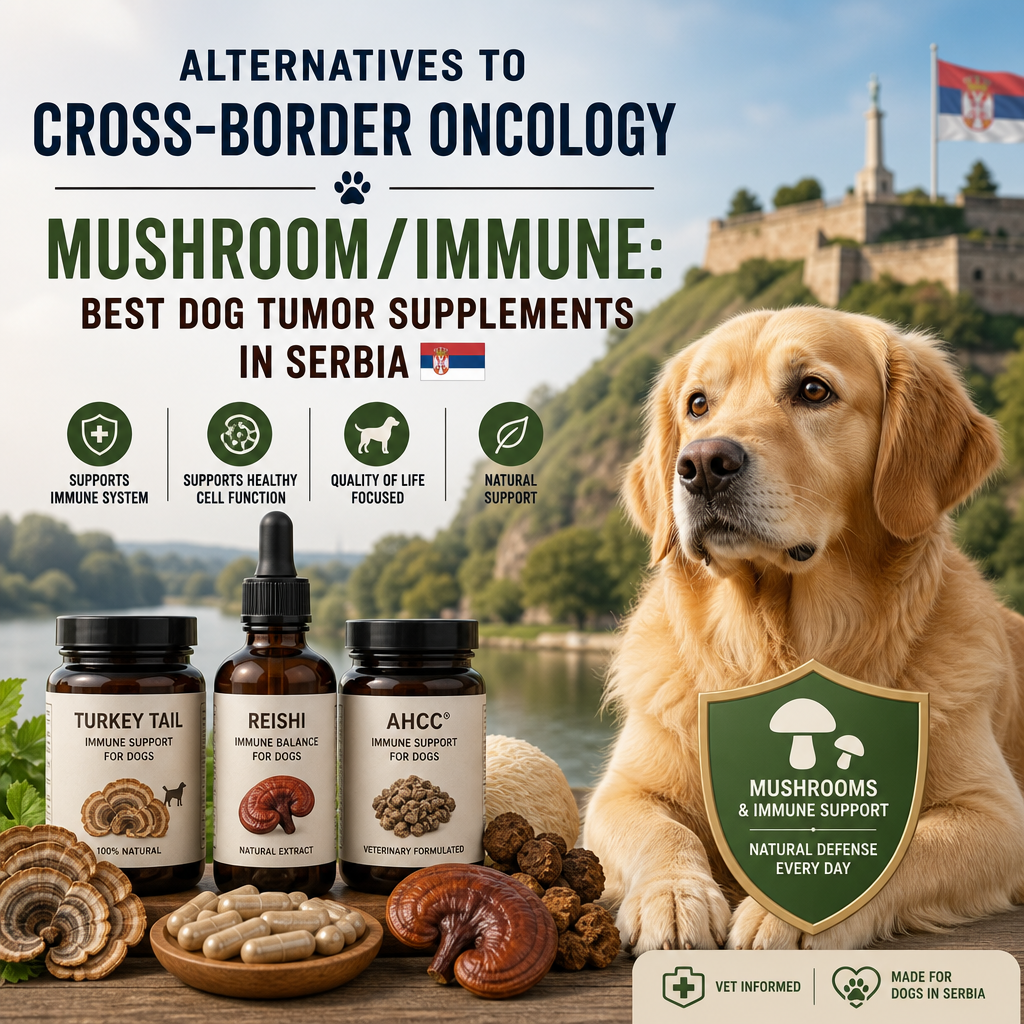
A tumor diagnosis can be overwhelming, and many owners naturally look for products that may support immunity, energy, appetite, or recovery. Supplements are often marketed with broad claims such as “boosts the immune system,” “shrinks tumors,” or “detoxifies the body.” These promises should be treated cautiously. A supplement that is appropriate for one dog may be unsuitable for another, particularly when the dog has liver disease, kidney problems, bleeding risks, or is receiving chemotherapy.
The most important first step is to understand the diagnosis. Tumors differ widely in their behavior and treatment requirements. A benign growth, lymphoma, mast cell tumor, osteosarcoma, and mammary tumor cannot be managed with the same plan. Cytology, biopsy, blood tests, imaging, and staging may all be recommended by a veterinarian or veterinary oncologist.
Supplements may sometimes support general wellbeing, but they do not replace surgery, chemotherapy, radiation, pain control, or other treatments recommended by a professional.
For owners comparing options, the phrase Alternatives to Cross-border oncology + mushroom/immune often points to one question: what can be used safely, consistently, and locally without compromising care? The answer depends on the dog’s medical status, not on marketing claims.
It is also helpful to remember that supportive care works best when the entire plan is realistic. The goal is not to chase every product that promises more energy or a stronger immune response. Instead, the goal is to choose a few sensible options, monitor the dog carefully, and adjust based on medical advice. That mindset is especially important when discussing Alternatives to Cross-border oncology + mushroom/immune with a veterinarian.
Alternatives to Cross-border oncology + mushroom/immune products
When imported oncology supplements are unavailable or expensive in Serbia, owners may consider several categories of alternatives. These options should be assessed according to ingredients, manufacturing quality, safety, and the dog’s individual medical history.
Veterinary-formulated nutritional support
Veterinary diets and recovery formulas can be useful for dogs with cancer-related weight loss, poor appetite, or increased nutritional needs. These products are designed to provide concentrated calories, digestible protein, vitamins, and minerals. Some oncology-focused diets emphasize controlled carbohydrate levels, increased omega-3 fatty acids, or high-quality protein.
Nutrition is especially important when a dog is losing muscle. Maintaining body condition can support strength, mobility, and tolerance of treatment. A veterinarian can help determine whether a prescription diet, calorie-dense food, or carefully prepared home diet is appropriate. In many cases, this is one of the most practical Alternatives to Cross-border oncology + mushroom/immune products because it is easier to source and monitor than imported blends.
Owners often underestimate how much dietary support matters during cancer care. A food that is easy to digest and appropriate for the dog’s stage of illness may do more for day-to-day comfort than several loosely connected supplements. When appetite drops, a veterinary team can also suggest safe feeding strategies, meal frequency changes, or temporary appetite support. These practical steps often belong at the center of Alternatives to Cross-border oncology + mushroom/immune planning.
Omega-3 fatty acids
Fish oil containing EPA and DHA is one of the more commonly discussed supportive supplements in canine health. Omega-3 fatty acids may help maintain skin health and may have anti-inflammatory effects. They are also used in some nutritional plans for dogs with chronic disease.
Quality and dosage matter. Products intended for humans may contain additional ingredients that are unsuitable for dogs, while rancid oil can cause digestive problems. Fish oil may also affect blood clotting, which is important before surgery or when a dog is taking certain medications. A veterinarian should confirm the dose and product suitability.
For readers searching for Alternatives to Cross-border oncology + mushroom/immune, omega-3 support is often a practical starting point because it can be easier to source locally and adjust to the dog’s size and condition.
In practice, the best fish oil product is not necessarily the one with the strongest marketing. It is the one with clear labeling, reliable manufacturing, and a dose that matches the dog’s size and current treatment plan. That is why owners should ask whether the oil has been tested for purity and freshness, especially if the dog will use it for more than a short period. This level of attention is consistent with responsible use of Alternatives to Cross-border oncology + mushroom/immune.
Medicinal mushrooms
Mushroom-derived ingredients such as beta-glucans, extracts of turkey tail, reishi, shiitake, or maitake are often included in immune-support formulas. Research into mushroom compounds and cancer biology is ongoing, but evidence in dogs remains limited and product quality can vary considerably.
A Serbian owner comparing dog tumor supplement alternatives should examine whether the label identifies the mushroom species, extraction method, active compounds, batch testing, and recommended veterinary dosage. “Mushroom blend” is less informative than a transparent label showing standardized ingredients. Immune-stimulating products may not be suitable for every patient, particularly dogs with autoimmune disease or those receiving immunomodulating medication.
When evaluating Alternatives to Cross-border oncology + mushroom/immune formulas, it helps to favor products with clear sourcing and veterinary dosing instructions rather than broad immune claims.
For many owners, mushroom support is attractive because it sounds natural and gentle. Still, “natural” does not equal harmless, and immune-related supplements can be complicated in cancer care. A dog receiving chemotherapy, steroids, or other immune-modifying treatments may need a more cautious approach. That is why the safest Alternatives to Cross-border oncology + mushroom/immune are the ones chosen with the treating veterinarian’s input.
Antioxidant and vitamin formulas
Vitamins and antioxidants are sometimes used to support dogs with poor nutrition or increased physiological stress. Yet high doses can be harmful, and antioxidant supplementation during chemotherapy or radiation should be discussed with the treating veterinarian. Some treatments rely partly on oxidative mechanisms, so indiscriminate use of strong antioxidant products may not be appropriate.
A complete and balanced diet is usually preferable to adding multiple overlapping vitamin products. Bloodwork can help identify genuine deficiencies and prevent unnecessary supplementation.
For some families, Alternatives to Cross-border oncology + mushroom/immune may include only a targeted multivitamin or no extra supplement at all, especially when the diet is already meeting the dog’s needs.
It is also important to avoid stacking several products that repeat the same nutrients. Too much vitamin A, vitamin D, or selenium can create new health problems, and dogs with cancer may already be vulnerable because of weight loss, nausea, or organ stress. A careful review of labels can prevent accidental overuse and keeps Alternatives to Cross-border oncology + mushroom/immune focused on safety rather than quantity.
How to evaluate supplements available in Serbia
Availability is only one part of the decision. Whether purchasing through a Serbian veterinary clinic, pharmacy, pet shop, or online retailer, owners should check several details.
Look for a clear ingredient list, manufacturer information, lot number, expiration date, storage instructions, and dosing guidance for dogs. Products with vague proprietary blends make it difficult to assess the actual amount of each ingredient. Independent quality testing is also valuable, particularly for herbal products and imported supplements.
Avoid products that promise to cure cancer, replace oncology treatment, or work for every type of tumor. Be cautious with human supplements, essential oils, concentrated herbal mixtures, and products containing xylitol, alcohol, garlic, onion, or excessive vitamin D. “Natural” does not automatically mean safe.
It is also wise to introduce only one new product at a time. This makes it easier to identify side effects such as vomiting, diarrhea, itching, lethargy, or appetite changes.
For research-backed background on medicinal mushrooms and oncology science, see the National Cancer Institute’s overview of mushrooms and cancer. It is a useful reference point when comparing claims with evidence.
When Serbian owners compare local products, the best question is often simple: can this item be used safely, tracked easily, and explained clearly by a veterinary professional? If the answer is no, it may not belong in a treatment plan. That evaluation process is central to choosing among Alternatives to Cross-border oncology + mushroom/immune.
Working with a veterinarian or veterinary oncologist
A veterinarian should review every supplement alongside the dog’s diagnosis and medication list. This is particularly important when the dog is receiving chemotherapy, corticosteroids, anti-inflammatory drugs, anticoagulants, seizure medication, or anesthetic procedures.
Owners in Serbia may begin with a local veterinary clinic and request referral for imaging, pathology, surgery, or oncology consultation when necessary. Even if cross-border care is not practical, local professionals can often help coordinate testing, monitor blood counts, manage pain, and assess whether supportive products are appropriate. If you are comparing Alternatives to Cross-border oncology + mushroom/immune, this step helps prevent unsafe overlaps between supplements and treatment.
Keep a written record of every supplement, including the brand, dose, starting date, and observed effects. Follow-up blood tests may be needed to evaluate liver and kidney function or detect complications early.
A helpful internal resource on supportive care is this article about Dog Cancer Statistics Helpful Canine Oncology & Pet Health, which can provide broader context for canine cancer care and owner decision-making.
Good communication is especially valuable when symptoms change. If the dog becomes nauseated, weak, less interested in food, or uncomfortable, the veterinary team can determine whether the cause is the tumor, treatment side effects, or a supplement reaction. This is one of the clearest reasons not to treat Alternatives to Cross-border oncology + mushroom/immune as a do-it-yourself decision.
Supportive care beyond supplements
The best supportive plan extends beyond a capsule or powder. Dogs with tumors may benefit from pain management, dental care, gentle exercise, comfortable bedding, hydration support, and calm routines. Small, frequent meals can help dogs with reduced appetite. Warm, aromatic food may be more appealing, but sudden dietary changes should be avoided.
Quality-of-life monitoring is also essential. Track appetite, drinking, mobility, breathing, sleep, toileting, pain signs, and interest in family activities. A simple daily journal can help owners and veterinarians recognize meaningful changes rather than relying on memory.
Many owners looking into Alternatives to Cross-border oncology + mushroom/immune discover that the most useful support is a combination of diet, symptom control, and monitoring rather than a single “miracle” product.
Other practical forms of support may include easier access to water, non-slip flooring, rest breaks during walks, and a quiet sleeping area away from household stress. These small changes can improve comfort without introducing additional risk. In many cases, they are a better investment than buying several supplement bottles. They also help ensure that Alternatives to Cross-border oncology + mushroom/immune remain grounded in real-life benefits for the dog.
Depending on the dog’s condition, a veterinarian may also discuss anti-nausea medication, pain relief, appetite stimulants, or palliative care. These are not replacements for supplements; rather, they are often the foundation that makes supportive care possible. When the basics are addressed first, any supplemental plan is more likely to fit safely into the larger treatment picture.
Making a responsible choice
The most suitable dog tumor supplement alternatives in Serbia will depend on the tumor type, treatment plan, age, weight, organ function, and current symptoms. A transparent veterinary-formulated product with a limited number of well-understood ingredients is generally easier to evaluate than a complex formula making dramatic claims.
Supplements may contribute to nutrition and general comfort, but responsible use requires realistic expectations. The priority should remain accurate diagnosis, timely treatment, symptom control, and preservation of the dog’s quality of life. With careful veterinary supervision, locally available supportive products can sometimes complement cancer care without creating unnecessary risks.
In practice, Alternatives to Cross-border oncology + mushroom/immune work best when they are selected for safety, used consistently, and reviewed in the context of the dog’s whole treatment plan. That approach gives Serbian owners more flexibility without losing sight of medical priorities.
For many dogs, the safest and most effective option is not a large stack of supplements but a thoughtful plan built around nutrition, evidence-based care, and regular reassessment. When in doubt, consult the treating veterinarian before starting anything new.
If a family is comparing multiple local options, the final choice should be the one that fits the dog’s diagnosis, budget, and ability to tolerate treatment. A small number of well-chosen products is usually better than a long list of uncertain items. Used this way, Alternatives to Cross-border oncology + mushroom/immune can support comfort and stability without distracting from the real goal: helping the dog feel and function as well as possible.
by TCMVET | Aug 14, 2026 | Research and News
Natural Supplements for Dogs with Cancer may provide supportive nutrition during treatment, but they should never replace veterinary diagnosis, surgery, chemotherapy, radiation, or prescribed medication. The safest approach is an individualized plan that considers your dog’s cancer type, treatment schedule, current diet, organ function, medications, and overall quality of life. Some supplements may help support appetite, digestion, mobility, or general wellness, while others can interfere with treatment or cause harm.
Understanding natural dog cancer support
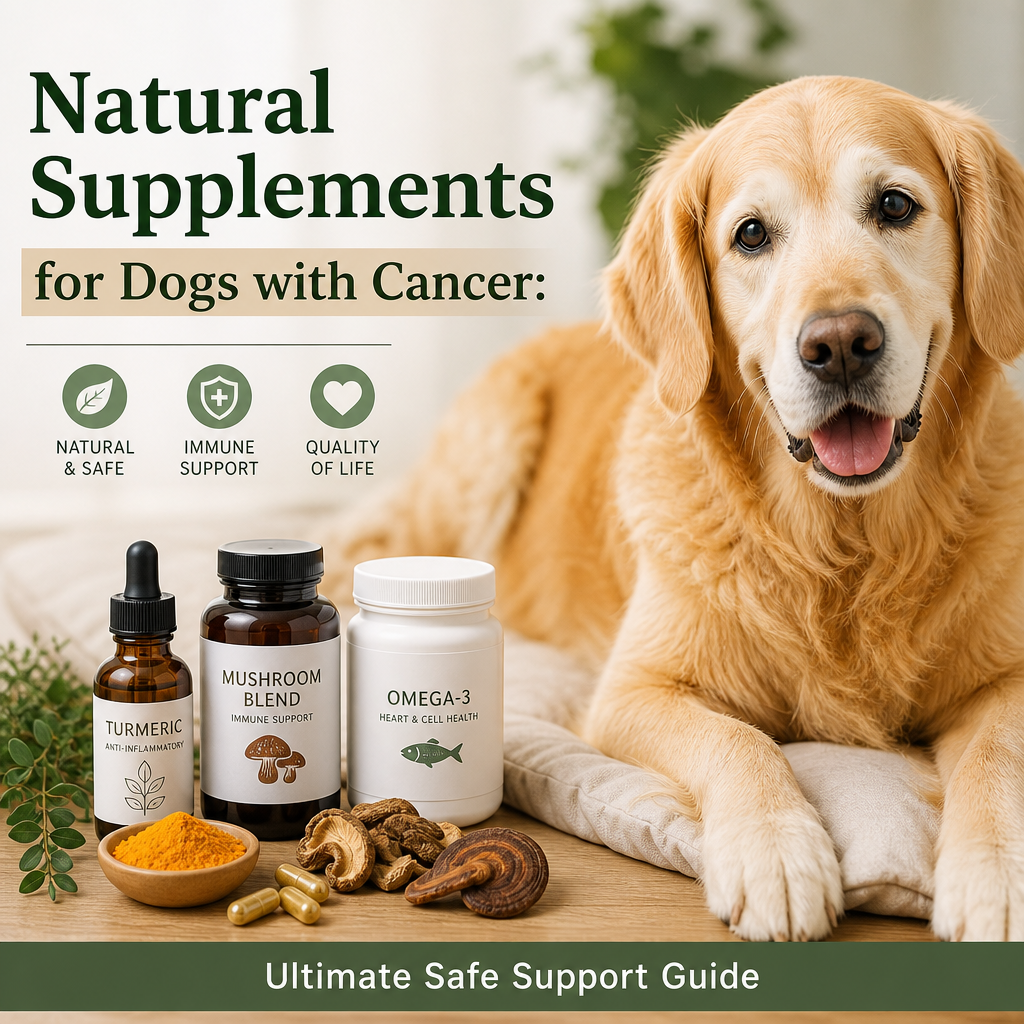
Cancer affects dogs in different ways. A growing tumor may alter metabolism, reduce appetite, increase inflammation, or cause pain and fatigue. Cancer treatments can also create side effects such as nausea, diarrhea, mouth irritation, and low energy. Natural dog cancer support is intended to complement professional care by helping maintain nutrition, hydration, comfort, and strength.
“Natural” does not automatically mean safe. Herbs and concentrated supplements contain active compounds that can affect blood clotting, liver enzymes, blood pressure, immune activity, and medication absorption. A product may also vary in quality, purity, and dosage. Always discuss a supplement with your veterinarian or a board-certified veterinary oncologist before introducing it.
For families looking for a broader holistic overview, this guide on how natural remedies can support dogs with cancer can help put supportive care into context.
When owners first research natural supplements for dogs with cancer, the goal is often simple: help the dog feel better without complicating treatment. That goal is reasonable, but it works best when the supplement choice is based on evidence, product quality, and ongoing monitoring rather than marketing claims.
Canine cancer supplements veterinarians may consider
Natural Supplements for Dogs with Cancer are most helpful when they are chosen for a specific goal. A supplement may support comfort, digestion, or nutrition, but it should fit the overall treatment plan rather than distract from it. Below are several categories veterinarians may consider in selected cases.
Not every dog needs the same approach. A young dog with a good appetite may need a very different plan than a senior dog losing muscle mass during chemotherapy. That is why natural supplements for dogs with cancer should be selected case by case, not as a one-size-fits-all routine.
Omega-3 fatty acids
Fish oil provides EPA and DHA, two omega-3 fatty acids commonly used to support inflammatory balance and skin, coat, and cardiovascular health. In some dogs with cancer, natural supplements for dogs with cancer such as omega-3s may be included as part of a broader nutritional plan, particularly when maintaining lean body mass and appetite is a concern.
Choose a veterinary-quality product with clearly listed EPA and DHA amounts rather than relying only on the total amount of fish oil. Potential side effects include loose stools, vomiting, or an unpleasant odor. Fish oil may also affect platelet function, so extra caution is needed before surgery or when a dog takes anticoagulant or antiplatelet medication.
For dogs who tolerate it well, omega-3s are often one of the more practical supportive options because they are easy to measure and relatively easy to adjust. Even so, they should still be reviewed with the care team, especially if the dog has a bleeding disorder or is already taking multiple medications.
Medicinal mushrooms
Mushrooms such as turkey tail, reishi, maitake, and shiitake contain compounds that may influence immune activity. Turkey tail has received particular interest in veterinary cancer research, although evidence remains limited and results may depend on the product, dosage, cancer type, and treatment plan.
Mushroom extracts should come from reputable manufacturers that provide standardized ingredients and independent testing. Avoid wild-harvested mushrooms or products with vague labels. Dogs with autoimmune disease, liver problems, or complex medication schedules may require additional precautions.
Owners sometimes assume that a “natural” mushroom product is automatically gentle, but concentrated extracts are biologically active. If a dog is already experiencing poor appetite or digestive upset, the veterinary team may want to introduce any mushroom supplement slowly and evaluate whether it truly improves comfort, energy, or eating behavior.
Probiotics and digestive support
Probiotics may help some dogs maintain a balanced intestinal microbiome, especially during periods of stress, dietary change, or antibiotic use. They may be useful when cancer treatment causes mild digestive upset, but they are not appropriate for every patient. Severely ill or immunocompromised dogs require veterinary guidance before receiving live microbial products.
A veterinary probiotic should identify specific strains and viable counts. Fiber sources, including certain prebiotics, may also support digestion, but too much can worsen gas or diarrhea. Introduce digestive supplements gradually and monitor stool quality. In some dogs, natural supplements for dogs with cancer are most beneficial when digestion improves enough to keep meals consistent.
Digestive support can also be helpful when treatment changes taste, appetite, or food tolerance. If a supplement causes bloating, softer stools, or reduced eating, it is not helping and should be reviewed promptly. The best supportive products are the ones that make daily care easier rather than adding another problem.
Antioxidants and vitamins
Antioxidants are found in many fruits, vegetables, and supplements. However, high-dose antioxidant products require special care during chemotherapy or radiation because some treatments rely partly on oxidative damage to cancer cells. The effect of supplementation may vary with the specific drug, treatment goal, and timing.
A complete, balanced commercial diet usually provides essential vitamins and minerals. Adding extra vitamin A, vitamin D, selenium, or other concentrated nutrients without professional advice can cause toxicity. Blood testing may be necessary before correcting a suspected deficiency.
For that reason, antioxidants are not a casual add-on. A veterinarian may recommend them in a specific context, but not as a default choice. If the treatment plan changes, the supplement plan may need to change as well.
Joint and mobility supplements
Dogs with cancer may become less active because of pain, weakness, arthritis, or treatment side effects. Ingredients such as glucosamine, chondroitin, green-lipped mussel, and undenatured type II collagen are often used for joint support. These products do not treat cancer, but they may help maintain mobility in selected dogs.
Look for products with transparent ingredient lists and appropriate dosing guidance. Green-lipped mussel and other marine ingredients may cause digestive upset or allergic reactions in sensitive dogs.
Mobility support matters because a dog that can move comfortably is more likely to keep eating, toileting, and resting well. Even modest improvements in movement can make day-to-day home care easier for the whole family.
Supplements that require particular caution
Several popular products can create significant risks. Turmeric and curcumin may affect clotting and medication metabolism. Garlic and concentrated onion products can damage red blood cells. High-dose vitamin D can cause dangerous calcium abnormalities. Comfrey, kava, chaparral, and certain concentrated herbal mixtures may harm the liver. CBD products may cause sedation, diarrhea, or changes in liver enzymes, and product quality can be inconsistent.
Essential oils should not be given internally unless specifically prescribed by a veterinarian. Many are toxic to dogs when swallowed or applied at concentrated levels. Avoid products that promise to “cure” cancer, dissolve tumors, or replace conventional treatment. Such claims are warning signs of poor scientific support.
This is one reason families should be careful when comparing natural supplements for dogs with cancer online. A product review may sound convincing, but it cannot replace an individualized plan based on your dog’s diagnosis, lab work, and medication list.
When in doubt, use trusted veterinary references and primary sources rather than social media advice. For a general safety overview, the VCA Hospitals medication library is a helpful place to learn more about common veterinary drugs and why supplement interactions matter.
How to choose a safe supplement
Natural Supplements for Dogs with Cancer should be chosen with the same care you would use for any part of cancer treatment. Start by clarifying the goal. Is the aim to improve appetite, reduce digestive upset, support joints, or help preserve body condition? A clear goal makes it easier to decide whether a supplement is worth trying.
Next, check the label carefully. Look for the full ingredient list, the amount per dose, the active form of the ingredient, and any warnings about surgery, pregnancy, liver disease, or drug interactions. Products that hide behind vague proprietary blends can make it difficult to know what the dog is actually receiving.
Product quality matters just as much as the ingredient itself. Look for manufacturers that provide third-party testing, batch numbers, and transparent sourcing. Veterinary-formulated products may be easier to evaluate because they are designed with canine dosing in mind.
It is also wise to introduce one product at a time. That way, if your dog develops vomiting, soft stool, itchiness, lethargy, or reduced appetite, you can identify the likely cause more easily. A stepwise approach is especially important when natural supplements for dogs with cancer are being used alongside prescription medications.
Finally, review the full medication list before starting anything new. Even a well-intentioned supplement can be a problem if it changes blood clotting, alters sedation, or interferes with chemotherapy metabolism. The safest supplement is not the one with the loudest promise; it is the one that fits the dog’s situation.
Nutrition matters more than a supplement
Many owners focus on supplements first, but food quality and calorie intake usually matter more. A dog losing weight or muscle mass needs enough energy, protein, and palatability before any add-on product can make a real difference. In many cases, improving the diet is more effective than adding more capsules or powders.
Dogs with cancer may need more frequent meals, warmed food, a softer texture, or a prescription diet designed for their condition. Some need nausea control before they can eat comfortably. Others benefit from carefully increasing calories without overwhelming the stomach. These practical adjustments can have a bigger impact than any single supplement.
Hydration is equally important. Fresh water should be available at all times, and some dogs do better with broth-style toppers or moisture-rich meals if approved by their veterinarian. If a dog is not eating, vomiting, or drinking poorly, urgent veterinary care is more important than any supplement plan.
Natural Supplements for Dogs with Cancer can be useful only when the foundation is strong. If the diet is not meeting basic needs, the supplement is being asked to do too much. Addressing nausea, pain, and calorie intake first often creates the best opportunity for supportive care to work.
Monitoring and veterinary communication
Once a supplement is started, monitor your dog closely for changes in appetite, stool quality, energy, thirst, urination, and behavior. Small changes matter, especially when the dog is receiving cancer therapy. Keep a simple log so you can tell whether the product is helping or causing a problem.
Schedule regular check-ins with the veterinary team and bring the product label to appointments. Share everything your dog receives, including treats, chews, powders, oils, and herbal products. Some of the most serious interactions happen when a supplement is added quietly at home and no one realizes it is part of the full medication picture.
If your dog is preparing for surgery, starting a new drug, or showing new symptoms, ask whether the supplement should be paused. Timing matters. Even supportive products can become risky in the wrong phase of treatment, which is why natural supplements for dogs with cancer need ongoing review instead of a one-time decision.
Owners often want a simple yes-or-no answer, but cancer care is rarely that straightforward. A supplement may be reasonable for one dog and inappropriate for another. The best results usually come from open communication, careful observation, and a willingness to adjust when the dog’s needs change.
Used thoughtfully, natural supplements for dogs with cancer can be part of a compassionate care plan. They are not cures, and they are not substitutes for medical treatment, but the right supportive products may help some dogs eat better, feel more comfortable, and maintain strength during a difficult time.
by TCMVET | Aug 14, 2026 | Research and News
Ocoxin Pets alternative options are increasingly sought by dog owners in Bosnia and Herzegovina who want supportive nutrition for dogs diagnosed with tumors or recovering from cancer treatment. Although supplements may help maintain appetite, energy, immune function, and general wellbeing, they should never replace veterinary diagnosis or prescribed therapy. The right product depends on the dog’s tumor type, treatment plan, age, weight, blood results, and overall health.
Why consider alternatives to Ocoxin Pets?
Ocoxin Pets is known as a supportive supplement used alongside veterinary care, often with ingredients intended to provide antioxidants, vitamins, minerals, and nutritional support. However, availability can vary between pharmacies, veterinary clinics, and online retailers in Bosnia and Herzegovina. Some owners may also look for products with a different ingredient profile, lower cost, easier administration, or better compatibility with a dog’s individual needs.
Searching for an Ocoxin Pets alternative should not mean choosing a product based only on advertising. A quality supplement should have clearly listed ingredients, appropriate dosing information, reliable manufacturing standards, and a purpose that matches the dog’s condition. Supplements marketed for “tumor support” can differ substantially, and some may contain ingredients that are unsuitable during chemotherapy, radiation therapy, surgery recovery, or treatment for liver and kidney disease.
For readers comparing supportive products, it can help to review broader educational resources such as nutritional supplements used in tumor care for cats and dogs before deciding what to ask your veterinarian about. In many cases, the goal is not to find a dramatic replacement, but to identify a practical Ocoxin Pets alternative that fits the dog’s appetite, medication schedule, and stage of care.
Owners often start their search after noticing that their dog is eating less, losing weight, or struggling with side effects from treatment. Others may simply want a supplement that is easier to source locally. Whatever the reason, the most useful Ocoxin Pets alternative is usually the one that supports daily nutrition without creating extra stress for the dog or confusion for the caregiver. That is especially important when the dog is already coping with a serious diagnosis and a changing routine.
What should dog tumor supplements provide?
There is no single supplement that treats every canine tumor. Supportive products are generally selected to help address specific needs, such as poor appetite, weight loss, inflammation, digestive problems, or nutritional deficiencies. A thoughtful Ocoxin Pets alternative should therefore solve a real problem rather than simply adding more ingredients to the dog’s regimen.
Important nutritional categories may include:
- High-quality protein: Helps preserve muscle mass, particularly in dogs losing weight or recovering from surgery.
- Omega-3 fatty acids: Fish oil containing EPA and DHA may support skin, coat, and inflammatory balance. It must be used carefully in dogs with clotting disorders or those taking certain medications.
- Antioxidants: Vitamins and plant compounds may help protect cells from oxidative stress, but concentrated antioxidant products should be discussed with the oncologist during active treatment.
- Digestive support: Probiotics and prebiotics can be useful for some dogs experiencing changes in stool or appetite, although they are not suitable for every medically fragile patient.
- Calorie-dense nutrition: Dogs with reduced appetite may benefit from veterinary recovery diets or carefully selected nutritional pastes.
- Essential vitamins and minerals: These are helpful when a documented deficiency exists, but unnecessary high doses can create risks.
The most effective approach is usually a complete feeding plan rather than relying on one capsule or powder. A veterinarian can determine whether the dog needs additional calories, a therapeutic diet, appetite support, pain control, or treatment for nausea. In some cases, products discussed in boosting defenses and reducing tumors with essential supplements and strategies for dogs may be relevant as part of a wider plan.
A good Ocoxin Pets alternative should also match the dog’s daily routine. Some dogs accept liquids more easily than tablets, while others tolerate soft chewables or powder mixed into food. If a dog has mouth pain, nausea, or swallowing difficulty, a supplement that is easy to administer may improve consistency far more than a highly concentrated formula that is difficult to give. Consistency matters because supportive nutrition works best when it can be maintained over time.
It is also worth separating marketing language from practical nutrition. Terms such as immune support, vitality support, and recovery support can sound promising, but the label should still show exactly what the product contains and why those ingredients were selected. When in doubt, ask whether the formula is meant to replace a nutrient gap, support recovery, or simply provide general wellness support. That distinction can help narrow down the most useful Ocoxin Pets alternative for a specific patient.
Dog tumor supplements Bosnia and Herzegovina: what to look for
When comparing dog tumor supplements Bosnia and Herzegovina, pet owners should begin with local veterinary guidance. Veterinary clinics in Sarajevo, Banja Luka, Mostar, Tuzla, and other cities may recommend products available through licensed distributors or pharmacies. A veterinarian may also help verify whether an online product is genuine and appropriate for use. This matters because imported supplements can look trustworthy on the outside while still containing poor-quality ingredients or unclear dosing instructions.
Before purchasing, check the following:
- Full ingredient label: Avoid products that use vague terms such as “proprietary cancer blend” without listing quantities.
- Species-specific formulation: Human supplements can contain unsafe sweeteners, excessive doses, herbs, or additives. Xylitol, for example, is highly toxic to dogs.
- Manufacturer information: Look for a recognizable company, batch details, expiry date, and clear contact information.
- Dosing instructions: The dosage should be based on body weight and should explain how the product interacts with food or medication.
- Storage requirements: Heat, moisture, and poor storage can reduce product quality.
- Evidence and transparency: Claims should be realistic. No supplement should promise to cure cancer or replace chemotherapy, surgery, radiation, or other veterinary treatment.
Because the market includes imported products, owners should also consider customs, shipping conditions, language on the label, and the possibility of counterfeit or expired items. Buying through an established veterinary practice or reputable pet-health supplier is generally safer than purchasing from an unknown marketplace. If a product is hard to verify, it may be wiser to choose a more established Ocoxin Pets alternative with a clearer history of veterinary use.
Another practical point is ingredient overlap. Many dogs with cancer are already receiving prescription diets, pain medicine, anti-nausea drugs, antibiotics, or liver support medications. A supplement should not duplicate those ingredients or unintentionally push intake beyond safe limits. Reading the label carefully and sharing it with the veterinary team can prevent confusion and reduce the chance of dosing errors.
Common supplement categories
Several types of supportive products may be discussed with a veterinarian as an Ocoxin Pets alternative. Veterinary nutritional formulas can provide concentrated calories, amino acids, and essential nutrients for dogs with reduced food intake. Fish oil supplements may be considered when an appropriate dose can be calculated and there are no bleeding or digestive concerns.
Medicinal mushroom products, turmeric-based formulas, and other botanical blends are also marketed for immune or tumor support. However, “natural” does not automatically mean safe. Herbal ingredients can affect liver enzymes, blood clotting, blood pressure, or the way chemotherapy drugs are processed. For that reason, botanical supplements should be reviewed by the treating veterinarian before use.
Probiotic products may help selected dogs with digestive disturbances, especially after antibiotics, but they are not cancer treatments. Similarly, multivitamins should not be given routinely unless the diet or medical condition indicates a need. A balanced commercial therapeutic diet often provides better nutritional consistency than several overlapping supplements.
For families interested in a more focused supplement discussion, the article on tumor shrinking supplements for dogs offers another perspective on supportive nutrition and how it is used in practice.
Some owners also ask whether one category is “best” for all dogs. The answer is usually no. A liquid nutrient blend may be a better Ocoxin Pets alternative for a dog with poor appetite, while an omega-3 product may make more sense for a dog whose main issue is inflammation and body condition. If digestive upset is the biggest challenge, the veterinary team may prioritize probiotics, bland feeding, or anti-nausea medication before any supplement is added.
How to compare products safely
When evaluating an Ocoxin Pets alternative, compare the expected benefit with the dog’s current medical status. A supplement that helps one patient may be a poor fit for another if the dog has liver disease, kidney disease, clotting concerns, or digestive sensitivity. That is why the label, the dosing schedule, and the clinical goal all matter.
If the product is intended to stimulate appetite, check whether the formulation includes calories or only micronutrients. If the goal is to support recovery after treatment, ask whether the supplement complements the veterinary diet rather than duplicating ingredients already supplied by food. The best choice is usually the one that fills a real gap without adding unnecessary risk.
It can also be useful to compare how the supplement is delivered. Powders may work well when mixed into canned food, but they are less helpful if the dog refuses meals. Capsules may be convenient for small dogs that tolerate pills, while a syrup or paste may be easier when the dog needs a gentle, palatable option. When people search for an Ocoxin Pets alternative, this practical side of administration is often just as important as the ingredient list.
For example, a supplement that looks impressive on paper may still be a poor fit if it must be given three times a day, stored in the refrigerator, and measured very precisely. In contrast, a simpler product with clear directions may improve adherence and reduce missed doses. That kind of real-world suitability is important in long-term supportive care, where the best plan is the one the family can follow reliably.
To make the choice even clearer, compare a few items side by side: what problem each product addresses, how often it must be given, whether it works with food, and whether the dog already receives similar nutrients elsewhere. This simple checklist can keep the search for an Ocoxin Pets alternative practical instead of overwhelming.
Seven practical ways to evaluate support options
Families looking for an Ocoxin Pets alternative often find it easier to judge products against a short list of practical questions. Does the formula help the dog eat more comfortably? Does it fit the current treatment plan? Is it easy to source reliably in Bosnia and Herzegovina? Does it avoid ingredients the veterinarian wants to limit?
Another helpful question is whether the product can be given consistently for several weeks. Supportive nutrition only works well when the dog accepts it and the caregiver can repeat the routine without stress. A product that is theoretically excellent but impossible to administer may not be the best option in real life.
Finally, ask whether the choice still makes sense if the dog’s condition changes. Cancer care can move quickly, and an Ocoxin Pets alternative that seems appropriate today may need to be adjusted after a blood test, a new medication, or a change in appetite. Flexible planning is often better than rigid commitment to one supplement.
Safety during cancer treatment
The timing of supplementation matters. Some antioxidants and concentrated herbal products may interfere with the intended effects of certain cancer therapies, while fish oil may be inappropriate before surgery or in dogs with clotting problems. Supplements can also worsen vomiting, diarrhea, pancreatitis, or liver disease.
Owners should provide the veterinarian with a complete list of everything the dog receives, including treats, vitamins, oils, herbal products, and human medications. Introduce only one new product at a time, and monitor appetite, stool quality, vomiting, energy, itching, and changes in thirst or urination. Stop the product and contact a veterinary professional if concerning symptoms develop.
For clinical background on cancer-related support, the American Veterinary Medical Association’s pet cancer guidance is a helpful starting point for understanding why coordinated veterinary oversight matters. That guidance reinforces an important principle: an Ocoxin Pets alternative may be supportive, but it should never replace a treatment plan built around diagnosis, staging, and ongoing monitoring.
If the dog is already under oncology care, ask whether the supplement should be paused before scans, bloodwork, anesthesia, or treatment cycles. Even when a product is considered relatively gentle, the larger treatment context matters. The safest Ocoxin Pets alternative is the one chosen with the full medical picture in mind, not the one selected in isolation from the rest of the care plan.
When to avoid adding a new supplement
There are times when introducing an Ocoxin Pets alternative is not a good idea. If the dog is vomiting repeatedly, severely dehydrated, not eating at all, or showing signs of organ dysfunction, the priority should be medical stabilization. In those situations, supplements can wait until the veterinarian confirms that the patient is ready.
This is also true before planned surgery or during medication changes. Even a product that seems harmless may interact with anesthesia, blood pressure control, or pain relief. A simple pause and a veterinary review can prevent avoidable complications.
Owners should also be cautious if the dog has a history of food allergies, chronic pancreatitis, kidney disease, or bleeding disorders. Some supplements contain flavorings, oils, yeast, or herbal extracts that can trigger problems in sensitive patients. Before starting an Ocoxin Pets alternative, ask whether the formula fits the dog’s full medical history rather than only the cancer diagnosis.
If you are unsure whether a supplement belongs in the plan, a short call to the veterinary clinic is often enough to prevent mistakes. It is better to delay an Ocoxin Pets alternative for a day or two than to add something that complicates treatment or upsets an already fragile stomach.
Supporting a dog beyond supplements
Nutrition is only one part of supportive cancer care. Dogs may benefit from pain management, nausea control, regular weight monitoring, gentle exercise, dental care, and a calm daily routine. Maintaining comfort and quality of life is often the central goal, especially when the disease is advanced.
A practical plan may include feeding small, frequent meals, warming food to improve its aroma, offering fresh water, and recording daily appetite and behavior. Sudden weight loss, persistent vomiting, breathing difficulty, severe weakness, uncontrolled pain, or refusal to eat requires prompt veterinary attention.
Owners looking for other supportive ideas may also find it useful to review collagen supplement options and other innovative treatments for canine brain tumors as part of a broader conversation with their veterinarian.
In many homes, the most meaningful progress comes from combining a good diet with medication adherence and routine observation. A supplement may help, but it works best when the dog is also getting enough calories, enough water, and enough rest. This broader approach can make an Ocoxin Pets alternative feel more useful because it is part of an actual care system rather than an isolated purchase.
Owners may also benefit from keeping a simple daily journal. Note how much the dog eats, whether meals are accepted eagerly or reluctantly, and whether nausea or loose stool appears after a supplement is given. These observations give the veterinarian practical information and can help determine whether the current Ocoxin Pets alternative should be continued, adjusted, or replaced.
The best Ocoxin Pets alternative is therefore not necessarily the most expensive or heavily promoted product. It is the supplement, diet, or combination of supportive measures that has a clear purpose, reliable quality, and veterinary approval for the individual dog. For owners in Bosnia and Herzegovina, comparing licensed local options and discussing imported products with an experienced veterinarian can help ensure that nutritional support complements medical treatment rather than creating additional risks.
In some cases, the right answer may be a tailored mix of food, medication, and a carefully chosen Ocoxin Pets alternative rather than a single product. That approach can keep the focus on comfort, safety, and consistency while still supporting the dog’s strength during treatment. If your veterinarian recommends a specific formula, follow the instructions closely and report any changes quickly so the plan can be adjusted if needed. Over time, that careful monitoring can be more valuable than chasing the newest supplement trend, because it keeps the dog’s real needs at the center of decision-making.
For dogs whose appetite is especially poor, a veterinarian may suggest nutrient-dense feeding strategies first and then add an Ocoxin Pets alternative only if it truly fills a gap. That step-by-step approach reduces guesswork and makes it easier to see what is helping.
In the end, supportive care should feel manageable for the family and comfortable for the dog. When the supplement choice is realistic, transparent, and medically appropriate, an Ocoxin Pets alternative can become a helpful part of the overall plan rather than just another product on the shelf.
by TCMVET | Aug 14, 2026 | Research and News
Ocoxin Pets alternative options are increasingly sought by Ukrainian dog owners looking for affordable supportive care during cancer treatment. While no supplement can replace veterinary diagnosis, surgery, chemotherapy, radiation therapy, or prescribed medication, carefully selected nutritional products may help support appetite, digestion, immune function, and general well-being. The most important step is to discuss every supplement with a veterinarian, especially when a dog is receiving oncology treatment.
Because every case is different, the right Ocoxin Pets alternative depends on the dog’s diagnosis, current medications, appetite, weight, and treatment goals. In some situations, the priority is maintaining calories and protein intake. In others, the priority may be digestive comfort, omega-3 support, or simply choosing a product that is available and affordable in Ukraine. The goal is always the same: support the dog without interfering with the oncology plan.
Why owners look for alternatives to Ocoxin Pets
Ocoxin Pets is known as a complementary product used in some veterinary oncology protocols. However, it may not always be easy to find in Ukraine, and its cost can vary significantly depending on supply, import fees, and the seller. Some owners also look for products with a simpler ingredient list, locally available ingredients, or a formulation better suited to their dog’s specific needs.
The best alternatives to Ocoxin Pets should not be judged only by price. A useful supplement should have transparent labeling, a reliable manufacturer, clear dosage instructions, and ingredients that match the dog’s health condition. Products designed for general immune support are not automatically appropriate for dogs with tumors, liver disease, kidney problems, gastrointestinal sensitivity, or reduced appetite.
It is also common for owners to compare supportive products after a difficult diagnosis, when decisions must be made quickly. In that situation, a calm review of the label is more valuable than a promise from an online ad. A sensible Ocoxin Pets alternative should fit the dog’s needs, the veterinarian’s plan, and the family’s budget at the same time.
What dog tumor supplements can and cannot do
Dog tumor supplements Ukraine owners can purchase are generally intended to provide nutritional or supportive benefits. Depending on the formulation, they may contain antioxidants, omega-3 fatty acids, vitamins, minerals, medicinal mushrooms, amino acids, or plant extracts.
These products may support:
- Maintaining body weight and muscle mass
- Appetite and energy levels
- Normal digestive function
- Skin and coat condition
- Recovery after surgery or intensive treatment
- General nutritional balance
They cannot reliably shrink tumors, eliminate cancer cells, or guarantee longer survival. Claims that a supplement can cure cancer should be treated with caution. Cancer is a complex group of diseases, and treatment depends on tumor type, stage, location, laboratory findings, and the dog’s overall health.
Owners sometimes expect a supplement to act like medicine, but supportive products have a narrower role. They may help a dog eat better, tolerate treatment more comfortably, or maintain strength during recovery, yet they are not a substitute for clinical monitoring. For that reason, an Ocoxin Pets alternative should be viewed as part of a broader care strategy, not as a stand-alone solution.
Key ingredients to consider
When comparing an Ocoxin Pets alternative, examine the active ingredients rather than relying on advertising language.
Omega-3 fatty acids
Fish oil containing EPA and DHA may be useful in some dogs with cancer because these fatty acids support normal inflammatory regulation and can help maintain skin, coat, and nutritional condition. The amount of EPA and DHA matters more than the total amount of fish oil. A veterinarian should determine a suitable dose, particularly if the dog has pancreatitis, bleeding problems, or is scheduled for surgery.
Omega-3 products are often one of the simplest options to discuss because they can be easy to source and relatively straightforward to evaluate. Even so, not every fish oil is a good choice. Some products are oxidized, poorly labeled, or too low in EPA and DHA to be worthwhile. If a dog already has digestive sensitivity, the wrong oil can also worsen stool quality.
High-quality protein and amino acids
Cancer and its treatment can contribute to muscle loss. A complete diet with adequate, digestible protein is usually more important than a large number of isolated supplements. Some veterinary nutrition products also contain amino acids intended to support muscle maintenance and recovery.
For dogs that are losing weight, the most helpful Ocoxin Pets alternative may not be a “tumor supplement” at all. It may be a more digestible food, a calorie-dense recovery formula, or a protein source that the dog will actually eat. In practice, the best supportive option is often the one that improves daily intake consistently.
Antioxidant nutrients
Vitamins E and C, selenium, and other antioxidants may support normal cellular protection. However, high-dose antioxidant supplementation during chemotherapy or radiation therapy is controversial because some treatments rely partly on oxidative damage to abnormal cells. Never give concentrated antioxidants without consulting the treating oncologist.
This caution matters because many products marketed for cancer support contain strong antioxidant claims. A label may look impressive, but the real question is whether the dose is appropriate for a dog receiving oncology care. More is not always better, and in some cases the safer approach is to avoid extra antioxidants entirely.
Medicinal mushrooms and botanical extracts
Reishi, turkey tail, maitake, and other mushroom extracts are sometimes included in complementary products. Evidence varies by extract, dose, cancer type, and study quality. Herbal ingredients can also affect the liver, immune system, blood clotting, or the metabolism of medications. “Natural” does not mean risk-free.
Some mushroom formulas are marketed as gentle immune support, but their quality can differ widely. Ask whether the product identifies the exact species, the extraction method, and the standardized active compounds. Without that information, it is difficult to judge whether the formula is a credible Ocoxin Pets alternative or just a vague blend with little practical value.
Digestive support
Probiotics, prebiotics, and soluble fiber may help some dogs with diarrhea, antibiotic-related digestive upset, or changes in appetite. They should be selected carefully because dogs undergoing treatment may have sensitive gastrointestinal systems. Persistent vomiting, diarrhea, or refusal to eat requires veterinary attention rather than self-treatment.
In many cases, digestive support is the most useful category because it can improve comfort and make it easier for a dog to keep eating. That is especially important during treatment cycles, when appetite may fluctuate from day to day. A product that supports the gut can sometimes be more valuable than a broad immune formula.
5 practical ways to choose a safer Ocoxin Pets alternative
When evaluating an Ocoxin Pets alternative, focus on the dog’s diagnosis, current medications, and nutritional needs first. The goal is not to buy the most complex formula, but to choose the product most likely to fit the treatment plan without adding avoidable risk.
Useful questions include whether the formula is designed for canine use, whether it provides meaningful amounts of the stated ingredients, and whether it can be used alongside the dog’s current therapy. In many cases, the safest choice is the simplest one that addresses a real need, such as digestive support, omega-3 supplementation, or improved calorie intake.
It also helps to compare products by daily serving cost rather than by package price. A lower-cost option may appear attractive, but if it contains very small amounts of active ingredients, it may not be a true substitute. A veterinarian can help determine whether the product is worth using and whether it is the best Ocoxin Pets alternative for that individual dog.
When possible, ask the clinic for help interpreting the label. A product may claim to support immunity, vitality, or recovery, but those phrases do not tell you what the dog is actually getting. A useful Ocoxin Pets alternative should have measurable ingredients, a clear dosage guide, and a purpose that matches the patient’s condition.
How to compare affordable products in Ukraine
When searching for dog tumor supplements Ukraine pet owners should compare products through licensed veterinary pharmacies, established clinics, and reputable distributors. Marketplace listings may include incomplete descriptions, expired products, or supplements stored incorrectly.
Check the following details:
1. Full ingredient list: Avoid products that hide the quantities of active substances behind vague proprietary blends.
2. Manufacturer information: Look for a traceable company, batch number, expiration date, and storage instructions.
3. Veterinary suitability: Human supplements may contain xylitol, excessive vitamin D, iron, or other ingredients dangerous to dogs.
4. Cost per daily dose: A cheaper package may provide fewer servings or lower concentrations.
5. Compatibility with treatment: Review the product with the oncologist before starting it.
6. Country of origin and supply reliability: Consistent availability is useful when a dog needs long-term support.
In Ukraine, prices and availability can change quickly. Local veterinary pharmacies may offer nutritional formulas, omega-3 products, gastrointestinal support, and veterinary multivitamins that are more affordable than imported oncology brands. The suitable choice depends on the dog’s diagnosis and nutritional status, not simply on the product’s popularity.
For broader guidance on safe pet nutrition, see the American Veterinary Medical Association’s dog nutrition advice, which explains why balanced feeding matters more than marketing claims.
If you are comparing several products at once, make a short checklist and score each one for safety, ingredient transparency, practicality, and cost. This simple method can prevent a rushed purchase and make it easier to identify a genuine Ocoxin Pets alternative instead of a supplement that only looks suitable on the shelf.
Safety precautions for dogs with cancer
Some supplements can increase bleeding risk, interfere with anesthesia, alter blood pressure, or affect drug metabolism. This is especially important when a dog receives chemotherapy, corticosteroids, nonsteroidal anti-inflammatory drugs, anticoagulants, or seizure medication.
Avoid combining several products with overlapping ingredients. For example, a multivitamin, immune formula, and herbal blend may all contain the same fat-soluble vitamins or minerals. Excessive vitamin A, vitamin D, selenium, or iron can be harmful.
Introduce only one new supplement at a time and monitor appetite, stool quality, vomiting, itching, lethargy, and changes in drinking or urination. Stop the product and contact a veterinarian if concerning symptoms appear. Keep supplements away from children and pets, and follow storage instructions carefully.
If the care plan includes prescription cancer treatment, keep a written list of everything the dog receives. This makes it easier for the oncology team to identify interactions and avoid unnecessary duplication. An Ocoxin Pets alternative should support treatment, not complicate it.
It is also wise to avoid changing several parts of the routine at once. Switching food, adding supplements, and altering medication timing on the same week can make it difficult to know what caused a reaction. A measured approach gives the veterinarian better information and lowers the chance of avoidable side effects.
Nutrition remains the foundation of supportive care
The most effective supportive strategy is often maintaining adequate calorie and protein intake. A dog with cancer may benefit from a complete veterinary diet, a highly palatable therapeutic food, or an individualized feeding plan. Warming food slightly, offering smaller frequent meals, and controlling nausea may improve intake, but these measures should be guided by a veterinary professional.
Weight should be monitored regularly, along with muscle condition, hydration, appetite, pain, mobility, and quality of life. A supplement cannot compensate for uncontrolled pain, severe nausea, dehydration, or an unsuitable diet.
For dogs that struggle to eat, the veterinarian may suggest a staged plan: first stabilize nausea and discomfort, then improve calorie intake, and only then add a supplement if it still serves a purpose. In many cases, a targeted Ocoxin Pets alternative is less useful than correcting the underlying nutrition problem.
Owners often feel pressure to “do something extra” after a cancer diagnosis, but supportive nutrition is already a major intervention. A well-planned diet, regular monitoring, and timely symptom control may contribute more to comfort than multiple supplements used without clear purpose.
Common support categories to discuss with your veterinarian
Not every dog needs the same kind of support. Some dogs may benefit from omega-3 fatty acids, while others need appetite support or a gastrointestinal formula. The following categories are often discussed in oncology care, but the right choice depends on the individual case.
Appetite and palatability support
Dogs that refuse food or eat only a little may need a more palatable therapeutic diet, calorie-dense food, or a plan to reduce nausea. Supplements that promise to boost appetite are not always predictable, so they should never replace medical evaluation.
Joint and mobility support
Older dogs with tumors may also have arthritis or reduced mobility. If this is the case, supportive care can include pain management, weight control, and mobility-friendly nutrition. A product chosen only for cancer support may ignore these important quality-of-life needs.
Immune and recovery support
Some supplements are marketed for immune strength, but immune stimulation is not always beneficial during oncology treatment. A veterinarian can explain whether a general supportive formula, a specific nutrient, or no supplement at all is the most appropriate option.
Gastrointestinal support
Loose stool, nausea, and appetite changes are common in sick dogs. Probiotics or fiber may help, but they should be selected carefully and introduced gradually. In a sensitive patient, the wrong product can make digestion worse rather than better.
These categories are useful because they shift the discussion away from brand names and toward real needs. That is usually the best way to identify an Ocoxin Pets alternative that is practical, safe, and relevant to the dog’s current condition.
Signs that a supplement may not be a good fit
Not every supplement is suitable for every dog with tumors. A product may be a poor fit if it lacks dosing clarity, includes many untested herbal ingredients, or contains doses far above typical nutritional levels. It may also be unsuitable if the manufacturer cannot explain how the formula should be used with common oncology medications.
Other warning signs include unrealistic promises, unclear labeling, and pressure to buy immediately. If a seller claims that one supplement is the best Ocoxin Pets alternative for all dogs with cancer, that is a sign to slow down and ask more questions. Supportive care should be individualized, not sold as a universal cure.
When a dog has vomiting, severe diarrhea, dehydration, black stool, severe weakness, or sudden refusal to drink, the issue may be medical urgency rather than a supplement choice. In those cases, the safest step is prompt veterinary care.
What to ask before starting a new product
A short conversation with the veterinarian can prevent many mistakes. Before starting any Ocoxin Pets alternative, ask what specific benefit is expected, how long the product should be used, and what signs to monitor. Also ask whether the supplement should be stopped before surgery or blood tests.
It is helpful to ask whether the product might overlap with existing medications or other supplements. If the dog already receives a therapeutic diet, fish oil, and a probiotic, another “immune” formula may be unnecessary. The best plan is often the one with the fewest ingredients that still achieves the needed support.
If the clinic recommends a product but it is unavailable, request a practical substitute rather than guessing. A veterinarian who knows the dog’s diagnosis can suggest a reasonable replacement based on the same goal. That is often the most reliable way to find an Ocoxin Pets alternative in Ukraine.
Making a responsible choice
The right Ocoxin Pets alternative is the one that is safe, transparent, reasonably priced, and appropriate for the dog’s specific treatment plan. For some dogs, omega-3 fatty acids or a veterinary nutritional formula may be more useful than a complex immune supplement. For others, digestive support or calorie-dense nutrition may be the priority.
Before purchasing any product, obtain a clear diagnosis and ask the veterinarian what goal the supplement should serve. With professional guidance, Ukrainian dog owners can find affordable supportive options while avoiding exaggerated cancer-treatment claims and unnecessary risks. In practice, the most effective Ocoxin Pets alternative is often the one that fits the medical plan, the dog’s appetite, and the family’s budget without compromising safety.
Choosing well means balancing evidence, availability, and practicality. That approach helps owners in Ukraine provide steady, thoughtful care while keeping the dog’s comfort and health at the center of every decision.
When the situation feels overwhelming, return to the basics: ask what problem needs solving, check whether the supplement is actually designed for dogs, and make sure the product will not interfere with treatment. A careful decision is usually better than a fast one, especially when dealing with cancer support.
