Beta-glucan / medicinal mushrooms / antioxidants are increasingly discussed by Polish dog guardians looking for supportive care during a cancer diagnosis. These compounds may help maintain immune function, manage oxidative stress, and support general wellbeing, but they should be used as part of a veterinary care plan—not as a replacement for surgery, chemotherapy, radiation, or other prescribed treatment. Choosing appropriate dog cancer supplements in Poland requires attention to ingredients, quality, safety, and the individual needs of each animal.
For owners comparing tumor support options, the goal is not to find a miracle product. The goal is to choose a supplement that fits the dog’s diagnosis, medication schedule, and nutritional needs. That is especially important when the product combines beta-glucan / medicinal mushrooms / antioxidants with other active ingredients.
Why supportive nutrition matters for dogs with tumors
A dog with cancer may experience reduced appetite, weight loss, inflammation, digestive changes, fatigue, or muscle wasting. Treatment can add further challenges, especially when a dog is recovering from surgery or experiencing nausea and other side effects. A carefully selected nutritional support product may help maintain appetite, energy, body condition, and daily quality of life.
Supplements do not directly eliminate tumors. Their role is generally supportive: helping the body cope with illness and treatment while providing nutrients or bioactive compounds that may contribute to normal immune and cellular function. Every dog is different, so the best approach depends on the tumor type, stage of disease, treatment plan, age, breed, medications, kidney and liver function, and current diet.
For some families, the most practical way to begin is by comparing vetted products and checking whether the ingredient profile matches the dog’s needs. In that process, beta-glucan / medicinal mushrooms / antioxidants are often evaluated as one part of the bigger care plan rather than as a stand-alone solution.
Beta-glucan / medicinal mushrooms / antioxidants for canine support
The combination of beta-glucans, medicinal mushroom extracts, and antioxidants is popular because each group offers a different potential benefit.
In practical terms, beta-glucan / medicinal mushrooms / antioxidants are usually reviewed together because the blend may support immune balance, cellular health, and resilience during demanding treatment. That does not make every formula equal, and it does not mean every dog needs the same mix.
Beta-glucans and immune function
Beta-glucans are naturally occurring polysaccharides found in the cell walls of certain fungi, yeasts, oats, and other sources. In pet supplements, they are often derived from medicinal mushrooms or yeast. Research suggests that some beta-glucans can interact with immune cells and support normal immune responses.
For dogs with tumors, beta-glucans are commonly used as part of a broader wellness strategy. They may be especially relevant when a dog is recovering from illness or undergoing demanding treatment. However, “beta-glucan” is not a single standardized substance. Its source, molecular structure, extraction method, concentration, and purity all affect its biological activity. A reliable product should clearly state the source and amount rather than simply listing a vague mushroom blend.
Owners often compare labels to see whether the supplement includes a meaningful amount of beta-glucan / medicinal mushrooms / antioxidants or just marketing language. If a product is vague about its active compounds, it is harder to judge whether it offers real support.
Medicinal mushrooms
Medicinal mushrooms such as turkey tail, reishi, shiitake, maitake, and cordyceps contain compounds including beta-glucans, triterpenes, sterols, and other polysaccharides. Turkey tail, also known as Trametes versicolor, is among the most frequently discussed mushrooms in the context of canine tumor support because of research into its polysaccharide compounds.
Reishi may be selected for immune and general vitality support, while maitake and shiitake are also used in some veterinary wellness formulas. These mushrooms are not interchangeable, and a higher quantity does not automatically mean a better product. Extract quality is important: fruiting-body extracts and products with documented active compounds are generally easier to evaluate than products made from unidentified mushroom material or poorly described mycelial blends.
For many owners, the question is not whether beta-glucan / medicinal mushrooms / antioxidants sound promising, but whether the product uses clinically meaningful ingredient levels and a trustworthy extraction method. Clear sourcing and a transparent label matter more than flashy claims.
Antioxidants and oxidative balance
Antioxidants help protect cells from oxidative damage caused by free radicals. Dogs obtain antioxidants from a balanced diet, but illness, inflammation, aging, and treatment may increase the need for careful nutritional support. Common ingredients in canine supplements include vitamins C and E, selenium, turmeric-derived compounds, green tea constituents, and plant polyphenols.
Antioxidants require particular caution during cancer treatment. Some therapies rely partly on oxidative mechanisms, and the effect of high-dose antioxidant supplementation alongside chemotherapy or radiation is not always predictable. This does not mean antioxidants are automatically unsafe; it means dosage and timing should be discussed with the treating veterinarian. Avoid assuming that a product is harmless simply because it is labeled natural.
When a formula combines beta-glucan / medicinal mushrooms / antioxidants, the main question should be whether the blend is balanced for your dog’s current condition. A dog on active treatment may need a different formula than a senior dog in long-term monitoring.
Choosing dog cancer supplements in Poland
When comparing dog cancer supplements Poland owners can purchase online, through veterinary clinics, or in specialist pet stores, product transparency should be a priority. Look for a full ingredient list, standardized active compounds, recommended serving sizes, batch information, expiry date, and manufacturer contact details. Products made under appropriate quality-control standards are preferable to supplements with exaggerated claims or no testing information.
A good label should distinguish between the total weight of a mushroom powder and the amount of active extract. It should also identify whether the product is intended for dogs, since human supplements may contain ingredients that are unsuitable for pets. Xylitol, certain flavorings, excessive vitamin D, and some herbal ingredients can be dangerous for dogs.
Products sold in Poland should have clear Polish instructions or reliable dosage guidance, and the seller should be able to explain storage requirements and quality testing. Be cautious of claims that a supplement “cures cancer,” “melts tumors,” or guarantees a result. Such promises are not consistent with responsible veterinary medicine.
If you are comparing several formulas, write down the source of beta-glucan / medicinal mushrooms / antioxidants in each one. A simple comparison of ingredient origin, extract ratio, and added fillers often reveals more than the front label does.
It can also help to ask three practical questions before buying:
Is the supplement designed for dogs rather than people?
Does it disclose the active extract amount and source?
Can it be used safely with the dog’s current drugs and diet?
These checks keep the decision focused on safety and usefulness instead of marketing language.
How to use tumor support safely
Before starting a supplement, provide the veterinarian with the complete ingredient list and the dog’s current medication schedule. This is particularly important if the dog receives chemotherapy, corticosteroids, nonsteroidal anti-inflammatory drugs, anticoagulants, anticonvulsants, or medication for liver, kidney, or heart disease.
Begin only with the recommended amount and monitor the dog’s response. Possible unwanted effects may include vomiting, diarrhea, reduced appetite, itching, lethargy, or changes in thirst. Stop the product and contact a veterinarian if severe or persistent symptoms occur. Supplements should also be reviewed before surgery because certain herbs and mushroom compounds may affect bleeding or immune activity.
A product should complement the basics of cancer care: appropriate calories and protein, hydration, pain control, nausea management, regular examinations, and an evidence-based treatment plan. The most valuable measure is often not the number of supplements a dog receives, but whether the dog is comfortable, eating adequately, moving willingly, and enjoying normal interaction.
If appetite or energy drops during treatment, the veterinary team may suggest different supportive adjustments. In some cases, omega-3s, diet changes, or digestive support are more useful than adding another capsule. That is why beta-glucan / medicinal mushrooms / antioxidants should be seen as one tool in a larger strategy, not the only option.
One helpful benchmark is whether the dog remains stable after the first two weeks of use. A good product should be easy to administer, well tolerated, and consistent with the care plan. If those conditions are not met, the formula may not be a good match even if the ingredients look promising.
Finding dog tumor support Poland pet owners can trust
Searching for dog tumor support Poland options can produce many products with different formulas and marketing claims. Start by asking the veterinary oncology team whether a particular ingredient is appropriate for the diagnosis and treatment plan. Compare products based on tested composition rather than brand popularity or testimonials alone.
It is also useful to keep a simple health record. Note appetite, weight, stool quality, activity, sleep, medication, and any supplement changes. This information helps the veterinarian determine whether a product is tolerated and whether it contributes to the dog’s overall wellbeing.
When discussing follow-up care, your veterinarian may also recommend learning from similar supportive formulas used in nearby markets. For example, some owners compare options with K9 Immunity / K9 Immunity Plus Alternative: Best Dog Tumor Supplements Finland to better understand how ingredient profiles differ across regions.
Reliable decision-making becomes easier when owners keep the same goal in mind: safe support, not dramatic promises. That is especially true when beta-glucan / medicinal mushrooms / antioxidants appear in many products with very different quality levels.
Beta-glucans, medicinal mushrooms, and antioxidants may have a useful place in supportive canine care when selected carefully and used under professional guidance. The safest strategy is individualized, transparent, and realistic: support the dog’s strength and comfort while keeping proven veterinary treatment at the center of care. For Polish dog guardians, that means treating beta-glucan / medicinal mushrooms / antioxidants as supportive helpers, not replacements for veterinary cancer care.
In short, the best results usually come from good communication, careful label reading, and steady monitoring. If you are comparing beta-glucan / medicinal mushrooms / antioxidants products for a dog with tumors, prioritize safety, relevance, and veterinary advice before purchase.
Before you choose a product, remember that beta-glucan / medicinal mushrooms / antioxidants work best when they match the dog’s diagnosis, current therapy, and tolerance level. That practical approach is usually more effective than chasing the longest ingredient list.
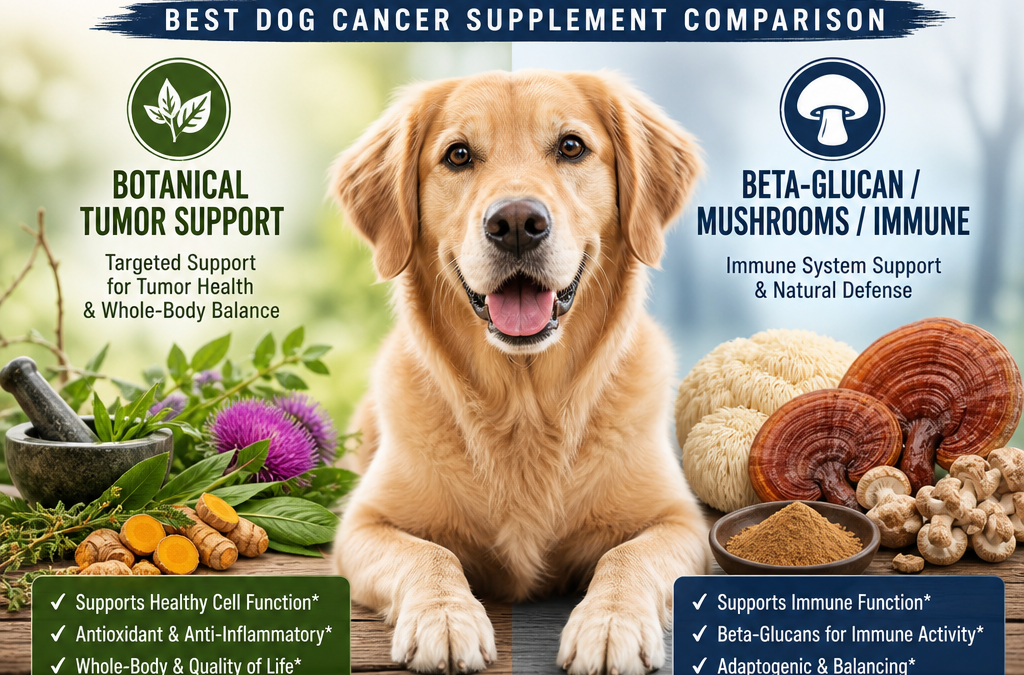
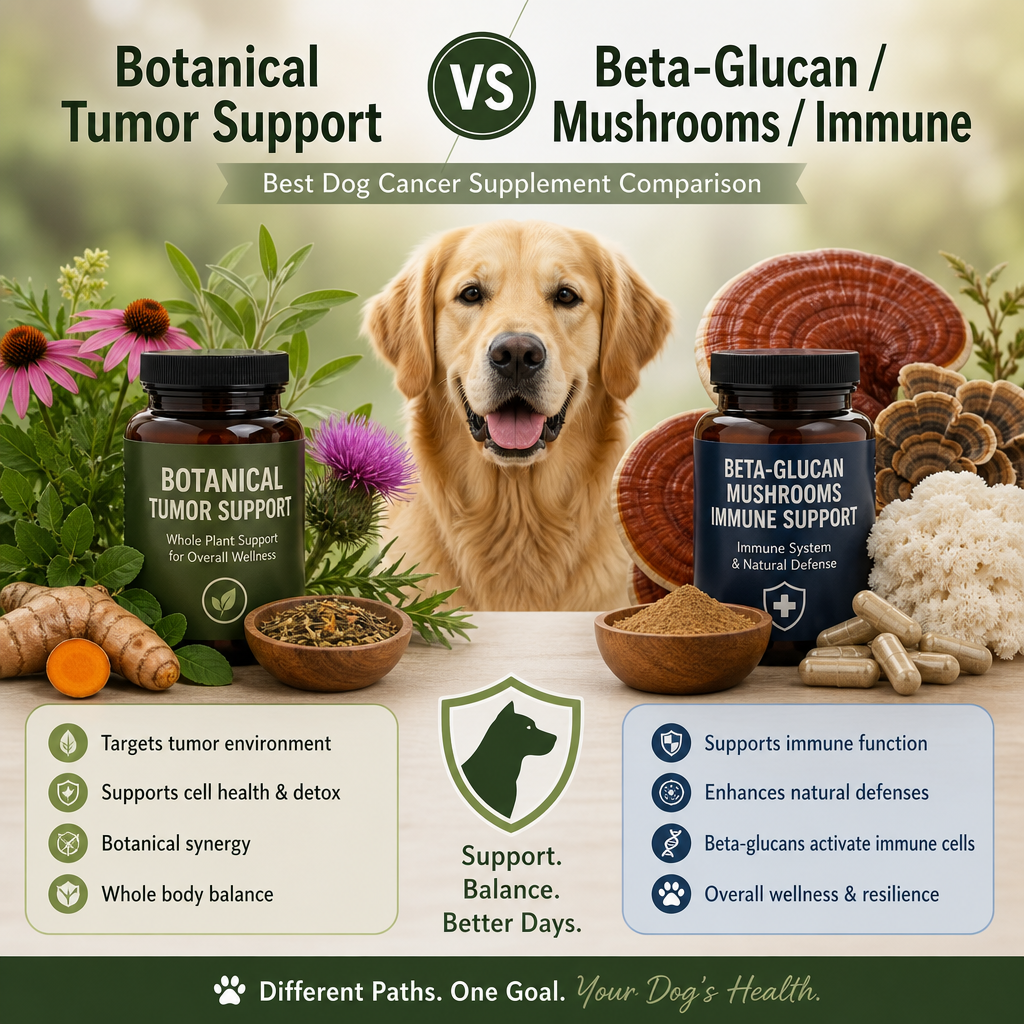
Botanical tumor support vs Beta-glucan / mushrooms / immune is an important comparison for dog owners exploring complementary support during cancer care. These supplement categories are often discussed together, but they are not identical. Botanical formulas may contain several plant-derived compounds aimed at broad cellular and inflammatory support, while beta-glucans and medicinal mushrooms are generally associated with immune-system modulation. Understanding the differences can help owners have more productive conversations with a veterinarian and avoid choosing a product based only on marketing claims.
Because canine cancer care is complex, the safest approach is always to review any new product with a veterinary professional. Supplements may affect drug metabolism, blood clotting, blood pressure, liver function, or immune activity. The goal is not to replace conventional treatment, but to evaluate whether a carefully selected supplement can safely complement an individualized care plan.
A dog cancer supplement comparison should begin with the purpose of each product rather than the label category. “Immune support,” “tumor support,” and “mushroom complex” can describe very different formulas. Two products may use similar words while containing different ingredients, concentrations, extraction methods, and quality controls.
A useful comparison considers:
The intended biological target
The specific ingredients and their amounts
Evidence from veterinary, animal, or laboratory research
Potential interactions with current medications
Manufacturing quality and testing
Whether the product is appropriate for the dog’s diagnosis and overall health
No supplement has been proven to cure cancer in dogs. Evidence is often limited, and results from cell cultures or laboratory animals cannot automatically be applied to clinical patients. Even so, certain ingredients may have plausible roles in supporting normal immune function, managing oxidative stress, or maintaining appetite and quality of life.
In daily practice, this kind of comparison helps owners avoid a common mistake: judging a product by a single headline claim. A formula may be marketed as gentle, advanced, natural, or immune-focused, yet still contain a dose or ingredient mix that does not suit a dog receiving treatment. That is why botanical tumor support vs Beta-glucan / mushrooms / immune should be reviewed as a category question, then narrowed down to the exact product label.
Another practical point is that dogs vary greatly in tolerance. A supplement that seems harmless for one patient can be too stimulating, too rich, or too complex for another. The best dog cancer supplement comparison therefore looks at the whole patient, not just the ingredient list.
What botanical tumor support usually includes
Botanical tumor-support formulas commonly combine herbs, plant extracts, antioxidants, and other natural compounds. Ingredients may include turmeric-derived curcuminoids, green tea compounds, milk thistle, medicinal herbs, resveratrol, or other botanical extracts. The exact formula varies widely.
The intended benefits may include support for:
Normal inflammatory balance
Antioxidant defenses
Liver function
Cellular signaling
Appetite and general well-being
Recovery during illness or treatment
The main advantage of a thoughtfully designed botanical formula is its broad approach. Several ingredients may address different aspects of health at the same time. However, this complexity is also a potential disadvantage. A multi-ingredient product can make it harder to identify which component is helping or causing an adverse reaction. It may also increase the chance of interactions.
For example, some botanical ingredients can affect platelet activity or drug-metabolizing enzymes. Others may irritate the gastrointestinal tract or place additional demands on the liver. “Natural” does not automatically mean gentle or risk-free, particularly in a dog receiving chemotherapy or taking several medications.
In some cases, botanical support is appealing because owners want a broader wellness strategy. That can be reasonable, but only when the formulation is transparent and the dog’s medical history has been reviewed. If the label does not clearly state amounts, source materials, or extraction details, it becomes difficult to judge whether the product is truly suitable.
When evaluating botanical support, it also helps to ask whether the formula is designed for general wellness or for a specific goal. A broad wellness product may be easier to introduce, but it may also be less targeted than a single standardized ingredient. This is one reason why botanical tumor support vs Beta-glucan / mushrooms / immune is not just a marketing comparison; it is a functional decision about how focused the support should be.
Beta-glucans and medicinal mushrooms
Beta-glucans are complex carbohydrates found in organisms such as yeast, oats, barley, and mushrooms. In medicinal mushroom products, beta-glucans are often among the compounds emphasized for their potential effects on immune signaling. Mushroom species frequently used in supplements include turkey tail, reishi, maitake, shiitake, and cordyceps.
The immune-support category is generally intended to help maintain normal immune surveillance and balanced immune responses. Turkey tail, in particular, has received attention in canine cancer research, although evidence remains limited and products differ substantially. Research findings may involve specific extracts, doses, and standardized compounds that are not equivalent to every mushroom powder sold commercially.
Mushroom products may be attractive because they focus more directly on immune modulation than many general botanical blends. Yet immune stimulation is not always universally beneficial. A dog with an autoimmune condition, immune-mediated disease, or a treatment plan designed to suppress immune activity may require special caution.
Standardization matters a great deal here. A product that lists a mushroom species is not automatically comparable to another product with the same species name. Extraction method, fruiting body versus mycelium, beta-glucan content, and testing for contaminants can all change the real-world value of the supplement. For dog owners, that means the label should be read carefully rather than treated as a simple promise of immune help.
It is also worth noting that some mushroom products are more concentrated than others. A low-cost powder may look attractive, but if it is not standardized or tested, the buyer may not know what the dog is actually receiving. In a dog cancer supplement comparison, this makes label transparency more important than buzzwords.
Botanical tumor support vs Beta-glucan / mushrooms / immune: key differences
The clearest difference in this dog cancer supplement comparison is breadth versus focus. Botanical tumor-support products often combine multiple plant compounds with goals that may include inflammation, antioxidant protection, liver support, and general cellular health. Beta-glucan and mushroom formulas tend to emphasize immune-system communication and modulation. When owners compare botanical tumor support vs Beta-glucan / mushrooms / immune, the main question is usually whether they want a broader formula or a more targeted immune-focused approach.
Another difference is standardization. Some mushroom extracts are standardized to specific beta-glucan levels or other measurable compounds, while botanical blends may contain numerous ingredients with varying concentrations. A product with a long ingredient list is not necessarily stronger or better. Transparent labeling is more important than the number of ingredients.
The evidence base also differs by ingredient. Certain mushroom extracts have been studied in canine or human oncology settings, but research is not equally strong for every species or product. Botanical ingredients may have extensive laboratory research but less direct evidence in dogs with naturally occurring cancer. Owners should ask whether a claim is supported by clinical veterinary research, animal studies, laboratory work, or traditional use.
In practical terms, botanical tumor support vs Beta-glucan / mushrooms / immune often becomes a decision about priorities. Some dogs may benefit from the broader nutritional and antioxidant profile of a botanical blend, while others may be better suited to a standardized mushroom extract that is easier to measure and monitor.
Another useful way to frame botanical tumor support vs Beta-glucan / mushrooms / immune is to look at the dog’s current treatment plan. If the veterinarian is worried about interaction risk, a simpler formulation may be preferable. If immune modulation is the main goal and the product is well standardized, a mushroom-based option may be easier to evaluate over time. In both cases, consistency matters more than aggressive claims.
Owners should also consider how the product is made. Extraction method, source material, and third-party testing can all change the final result. Two supplements can both mention mushrooms or botanicals while delivering very different active compound profiles. That is why botanical tumor support vs Beta-glucan / mushrooms / immune should never be reduced to a single marketing phrase or a front-label promise.
A final difference is how the categories fit into everyday use. Some botanical products are designed to be taken alongside food and aimed at general resilience. Mushroom formulas may be used with a more specific goal in mind and sometimes require closer dose discipline. For an owner, the best option is usually the one that matches the dog’s current needs without complicating treatment unnecessarily. That is especially true when a dog is already coping with appetite changes, nausea, or a demanding medication schedule.
Safety, quality, and medication interactions
Before adding any supplement, provide the veterinarian with the complete product label, including inactive ingredients. The veterinarian may need to consider the dog’s cancer type, liver and kidney function, blood counts, planned procedures, and current medications.
Potential warning signs include vomiting, diarrhea, reduced appetite, unusual tiredness, bruising, bleeding, itching, or changes in thirst and urination. Any new symptom should be reported promptly rather than assumed to be part of the disease.
Quality control is especially important. Choose products made by companies that disclose ingredient amounts, use appropriate testing for contaminants, and maintain consistent manufacturing standards. Avoid products that promise to shrink tumors, replace chemotherapy, or work for every type of cancer. Unsupported guarantees are a warning sign.
It is also wise to verify ingredient claims with an authoritative external source. The PubMed Central research library is one place to review published scientific papers on beta-glucans, mushroom extracts, and botanical compounds before making a decision.
Safety questions become even more important when a dog is taking prescription medicines. Some supplements may alter the way drugs are absorbed or cleared. Others may affect clotting or blood pressure. A supplement can be high quality and still be a poor fit for a particular patient, which is why veterinary oversight matters more than brand reputation alone.
There is also a practical side to safety. Owners should store products correctly, follow dosing instructions carefully, and avoid switching brands too quickly. If a dog is starting or stopping treatment, the supplement plan should be reviewed at the same time. Simple habits reduce confusion and make it easier to spot whether the dog is benefiting from the product.
How to choose between the categories
The best choice depends on the dog’s complete medical picture. A veterinarian may prefer a simpler product when the dog is taking several medications, has abnormal liver values, or is preparing for surgery. In other cases, a standardized mushroom extract or a targeted botanical ingredient may be considered as part of a broader supportive plan.
Introduce only one new supplement at a time whenever possible. This makes it easier to monitor tolerance and determine whether a change is associated with the product. Keep a record of the dose, administration time, appetite, stool quality, energy, and any unusual symptoms.
Botanical tumor support vs Beta-glucan / mushrooms / immune should be judged by evidence, formulation, safety profile, and relevance to the individual dog rather than by broad promises. If the dog is already receiving treatment, the safest approach is to ask the veterinarian which ingredients are acceptable, which should be avoided, and whether timing matters around chemotherapy or surgery.
Ultimately, the most useful approach to botanical tumor support vs Beta-glucan / mushrooms / immune is not to ask which category is universally best. Instead, compare the evidence, formulation, safety profile, and relevance to the individual dog. A carefully selected supplement may support quality of life, but it should remain one part of comprehensive cancer care that includes veterinary monitoring, appropriate treatment, nutrition, pain control, and attention to the dog’s daily comfort.
Practical shopping checklist for Belgian dog owners
If you are shopping in Belgium or across nearby EU markets, a careful checklist can save time and reduce risk. Use the following questions before buying:
Does the label clearly list every active ingredient and dose?
Is the extraction method or plant part identified?
Does the company provide third-party testing or certificates of analysis?
Are there claims that seem too strong or guaranteed?
Does the formula fit the dog’s current diagnosis and medication plan?
Has your veterinarian reviewed the product before you begin?
This is especially useful when comparing botanical tumor support vs Beta-glucan / mushrooms / immune, because different suppliers may emphasize different strengths. One product may focus on broad botanical coverage, while another may be centered on mushroom standardization. The checklist keeps the decision grounded in facts rather than packaging language.
If you are comparing several products, write down the active ingredients side by side. Then ask which formula is easier to monitor, easier to stop if needed, and more compatible with the dog’s current care. Sometimes the best product is not the one with the most ingredients, but the one that can be used consistently and safely.
Budget also matters. A more expensive supplement is not automatically better, and a lower-cost option is not automatically poor. The real value comes from quality control, transparency, and fit for the patient. For many families, that balance is the most practical way to evaluate botanical tumor support vs Beta-glucan / mushrooms / immune.
When to stop and call the vet
Stop the supplement and contact the veterinarian if the dog develops persistent vomiting, severe diarrhea, marked lethargy, reduced drinking, unusual bleeding, collapse, or any sudden change that worries you. Even mild signs deserve attention if they begin soon after starting a new product.
Do not wait to see whether symptoms pass if the dog is already fragile or receiving active treatment. A quick conversation can help determine whether the supplement should be paused, the dose changed, or another cause investigated. That caution is especially important in a dog cancer supplement comparison because some adverse effects can mimic disease progression.
If a dog is doing well, it is still sensible to review the product at regular veterinary visits. Health status changes over time, and a supplement that once made sense may no longer be the best choice. Rechecking the plan helps keep botanical tumor support vs Beta-glucan / mushrooms / immune aligned with the dog’s current needs.
For owners, the most reassuring approach is simple: choose carefully, monitor closely, and keep the veterinarian involved. That combination gives any supplement the best chance of being useful without adding unnecessary risk.
In the end, botanical tumor support vs Beta-glucan / mushrooms / immune is best understood as a comparison between a broad plant-based strategy and a more immune-focused mushroom strategy. Both can have a place in supportive care, but only when the product is transparent, evidence-informed, and appropriate for the individual dog. The strongest plan is the one that supports comfort, keeps safety first, and fits naturally into the dog’s overall cancer care.
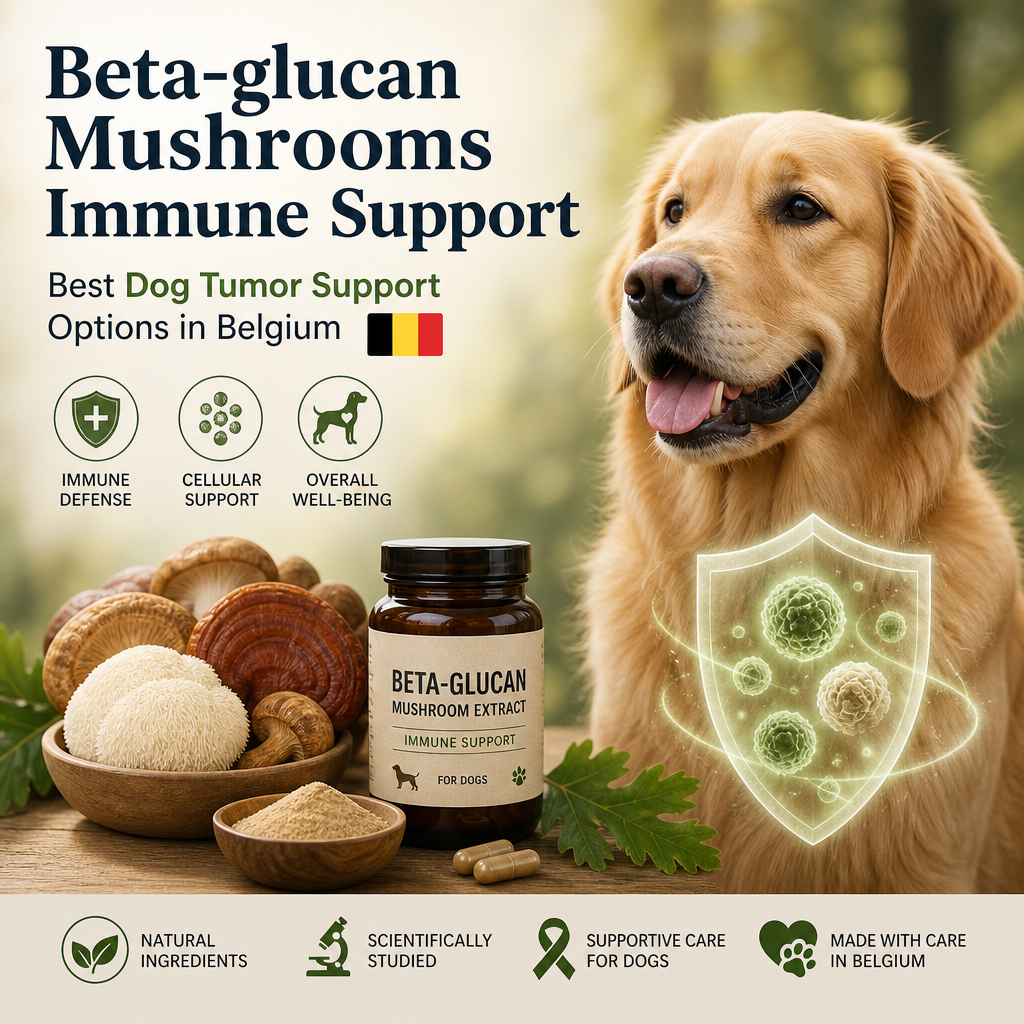
Beta-glucan / mushrooms / immune support is attracting growing interest among Belgian dog owners looking for complementary ways to care for a dog with a tumor. Medicinal mushroom extracts and beta-glucans may help support normal immune function, but they should never replace veterinary diagnosis, surgery, chemotherapy, radiation, pain control, or other recommended treatments. The best approach combines evidence-informed supplementation with regular veterinary supervision, careful product selection, and attention to the dog’s overall quality of life.
A tumor can be benign or malignant, and different cancers behave very differently. A mast cell tumor, lymphoma, osteosarcoma, mammary tumor, and soft-tissue sarcoma may each require a different treatment plan. Before considering supplements, a veterinarian should confirm the diagnosis whenever possible through examination, imaging, cytology, biopsy, or other appropriate tests.
Dog tumor support Belgium options typically fall into several categories:
– Veterinary cancer treatment
– Nutritional support
– Management of pain, nausea, and inflammation
– Support for appetite and body weight
– Carefully selected supplements
– Emotional and practical support for the dog and family
Supplements may be useful as part of this broader plan, but “natural” does not automatically mean safe. Some products can affect blood clotting, liver enzymes, blood pressure, or the way chemotherapy drugs are processed. For this reason, every supplement should be discussed with the treating veterinarian, particularly when a dog is receiving medication or preparing for surgery.
Beta-glucan / mushrooms / immune support: what does it mean?
Beta-glucans are naturally occurring polysaccharides found in the cell walls of certain mushrooms, yeasts, oats, and other organisms. In medicinal mushrooms, beta-glucans are often considered among the most relevant compounds for immune-support research. They may interact with receptors involved in the body’s innate immune response, including immune cells such as macrophages and natural killer cells.
This does not mean beta-glucans directly destroy tumors or guarantee a stronger immune response. Their potential role is better described as immune modulation: helping regulate immune activity rather than simply “boosting” it. Research in veterinary medicine is still developing, and results from laboratory studies, human research, and small animal studies should not be treated as proof that a product will work for every dog.
Mushrooms commonly included in immune-support formulas include:
– Turkey tail, also known as Trametes versicolor
– Reishi, or Ganoderma lucidum
– Maitake, or Grifola frondosa
– Shiitake, or Lentinula edodes
– Chaga, or Inonotus obliquus
– Cordyceps species
These mushrooms differ in their active compounds, extraction methods, safety profiles, and available research. A quality product should identify the mushroom species, extraction method, beta-glucan content, serving size, batch information, and testing for contaminants. When owners compare Beta-glucan / mushrooms / immune products, these label details make a major difference in how trustworthy a formula appears.
Turkey tail and other medicinal mushrooms
Turkey tail is one of the most frequently discussed mushrooms in the context of canine tumor support. Its polysaccharide compounds, including polysaccharide-K and polysaccharide peptide, have been studied for immune-related applications. Some research has explored turkey tail extracts in dogs with cancer, but evidence remains limited compared with conventional veterinary oncology treatments. For owners comparing beta-glucan / mushrooms / immune products, turkey tail is often the starting point because it is one of the better-known options.
Reishi may be selected for its traditional use in immune and inflammatory support, while maitake is often marketed for beta-glucans and general immune health. Shiitake and cordyceps may also appear in blended formulas. However, combining several mushrooms does not automatically make a supplement more effective. Multi-ingredient products can make it harder to identify which ingredient causes a benefit or side effect.
The quality of extraction is important. Hot-water extracts may concentrate certain polysaccharides, while dual extracts use both water and alcohol to obtain a wider range of compounds. Products listing only “mushroom powder” may contain less concentrated active material than standardized extracts. Look for transparent labeling rather than vague claims such as “supports cancer healing” or “kills tumors.”
When comparing dog cancer supplements Belgium products, owners should evaluate both the formula and the company behind it. Important questions include:
1. Does the label list the exact mushroom species?
2. Is the beta-glucan amount stated separately from total polysaccharides?
3. Is the product designed for dogs rather than adapted from a human supplement?
4. Are ingredients tested for heavy metals, pesticides, bacteria, and mycotoxins?
5. Does the manufacturer provide batch numbers and a certificate of analysis?
6. Are serving instructions based on body weight?
7. Does the product avoid unnecessary sweeteners, flavorings, or herbal ingredients?
8. Can the company explain where the raw materials are sourced?
Belgian owners may find supplements through veterinary practices, pharmacies, specialist pet retailers, and European online suppliers. Purchasing from a reputable Belgian or EU-based company can make it easier to check labeling, contact the manufacturer, and understand shipping and storage requirements. Products imported from outside Europe may have unclear quality controls or labeling standards.
A veterinary nutritionist or veterinary oncologist can also help determine whether a supplement is appropriate for a dog’s diagnosis, current treatment, appetite, kidney function, liver function, and digestive health. In many cases, the best beta-glucan / mushrooms / immune product is the one that fits safely into an already coordinated treatment plan.
Safety and possible interactions
Mushroom extracts and beta-glucans are often tolerated well, but side effects can occur. Mild digestive upset, loose stools, vomiting, reduced appetite, or itching may develop, especially when a product is introduced at a high dose. More serious concerns may arise in dogs with autoimmune disease, bleeding disorders, liver or kidney problems, or known allergies.
Extra caution is appropriate when a dog is taking:
Supplements are also not always appropriate immediately before surgery. Some ingredients may influence platelet function or clotting, so the veterinarian may advise stopping them in advance. Never assume that a supplement is harmless simply because it is sold over the counter.
Introduce only one new product at a time and keep a record of the dose, start date, appetite, stool quality, energy, and any unusual symptoms. Stop the product and contact a veterinarian if the dog develops repeated vomiting, severe diarrhea, facial swelling, breathing difficulty, unusual bleeding, marked lethargy, or a sudden decline.
A supplement cannot compensate for inadequate nutrition. Dogs with cancer may lose weight because of reduced appetite, nausea, pain, inflammation, or changes in metabolism. Maintaining comfortable eating and a healthy body condition is often more important than adding numerous products.
Offer a complete, balanced diet recommended by a veterinarian. Some dogs benefit from calorie-dense meals, smaller portions served more frequently, or carefully selected protein and fat levels. Dietary changes should consider the tumor type, treatment plan, kidney and liver health, and digestive tolerance. Homemade diets should be formulated with professional help because nutritional deficiencies can develop quickly.
Hydration, dental comfort, nausea control, and pain management also influence appetite. A dog that refuses food may need medical assessment rather than another supplement. Even when owners are focused on beta-glucan / mushrooms / immune options, the foundation still has to be food, comfort, and medical oversight.
A practical plan for dog tumor support Belgium
A sensible plan begins with a confirmed diagnosis and a clear treatment discussion. Ask the veterinary team what the goals are: removing the tumor, slowing progression, controlling pain, supporting recovery, or preserving quality of life. Then review any proposed beta-glucan or mushroom product before giving it.
Monitor practical indicators such as appetite, body weight, mobility, sleep, interest in family activities, breathing, bowel movements, and signs of pain. These observations help determine whether the overall care plan is helping. Regular checkups allow the veterinarian to assess tumor progression and identify side effects early.
Beta-glucan / mushrooms / immune support may have a place in integrative canine care, but the strongest option is a coordinated approach. High-quality products, realistic expectations, professional monitoring, and evidence-based cancer treatment can work together to provide safer and more meaningful support for dogs living with tumors in Belgium.
When owners compare beta-glucan / mushrooms / immune options carefully, they can better judge which products are worth discussing with their veterinarian and which claims are too vague to trust. The goal is not to replace oncology care, but to support the dog in a way that is thoughtful, transparent, and medically responsible.