Mushrooms / immune support has become an increasingly discussed topic among dog owners looking for complementary ways to care for a dog with cancer. In Luxembourg, interest in dog cancer supplements is growing as families seek reliable products that may support general wellbeing alongside veterinary treatment. Although supplements cannot replace surgery, chemotherapy, radiation, or prescribed medication, carefully selected ingredients may help support appetite, energy, digestion, and normal immune function under professional guidance.
A cancer diagnosis is stressful, and many owners naturally want to do everything possible to improve their dog’s comfort and quality of life. Dog tumor support Luxembourg typically involves a combination of veterinary care, nutritional management, symptom control, and supportive supplements. The goal is not to “cure” cancer with a natural product, but to help the dog remain as comfortable and resilient as possible during treatment.
Every tumor is different. A supplement that may be appropriate for one dog could be unsuitable for another, especially if the dog has liver or kidney disease, is taking anti-inflammatory drugs, or is receiving chemotherapy. Before introducing any product, discuss the ingredient list and dosage with your veterinarian. This is particularly important when ordering products online or using human supplements, which may contain ingredients that are unsafe for dogs.
For many families, the first step is to slow down and compare choices carefully. The best dog cancer supplements Luxembourg are not necessarily the ones with the boldest promises. Instead, the safest choices are usually those with transparent labeling, species-appropriate dosing, and a clear purpose within the overall care plan. That approach helps reduce confusion and makes it easier to monitor how the dog responds over time.
It also helps to think in terms of support rather than replacement. A supplement may help maintain appetite, support intestinal comfort, or contribute to normal immune function, but it should still fit into a treatment plan designed by a veterinary professional. That perspective is especially important when the dog is already dealing with pain, weight loss, nausea, or fatigue.
Mushrooms / immune support for dogs
Medicinal mushrooms are among the most popular natural ingredients used in complementary pet care. Certain mushroom species contain compounds such as beta-glucans and polysaccharides, which are being studied for their relationship with normal immune activity. Commonly discussed varieties include turkey tail, reishi, maitake, shiitake, and cordyceps.
Turkey tail is especially well known in conversations about canine cancer support because of research into its polysaccharide compounds. However, promising research does not mean that every mushroom product has been proven to treat cancer. Results from laboratory studies, animal research, and clinical studies must be interpreted carefully. Product quality, extraction method, concentration, and dosage can also vary significantly.
When considering mushrooms / immune supplements, choose products made specifically for dogs or recommended by a veterinary professional. Avoid wild-collected mushrooms and blends that do not clearly list species, extraction methods, active compounds, batch testing, and serving instructions.
Many owners also ask whether mushroom supplements are better used as a daily wellness product or as part of a specific cancer-support routine. The answer depends on the dog’s diagnosis, the stage of disease, and the current treatment plan. Some veterinarians may prefer a simple formulation with one or two well-defined ingredients, while others may be comfortable with a broader blend if the product is well tested and the dog tolerates it well. In both cases, the priorities should remain safety, traceability, and consistency.
Another point worth remembering is that natural does not automatically mean harmless. Even products that are discussed as gentle or traditional can still affect digestion or interact with medication. For that reason, owners should treat mushrooms / immune products with the same attention they would give any other supplement used in a sensitive medical situation.
What to look for in dog cancer supplements Luxembourg
The supplement market can be confusing, particularly when products use strong claims such as “anti-cancer,” “tumor shrinking,” or “guaranteed immune booster.” A more responsible approach is to evaluate supplements according to quality, safety, and suitability.
Look for:
Clear ingredient names and standardized amounts
Manufacturing in facilities that follow recognized quality controls
Batch or third-party testing for contaminants
Species-specific dosing guidance
Transparent information about sourcing and extraction
Contact details for the manufacturer
Veterinary approval or professional recommendations where available
Products sold in Luxembourg may be available through veterinary clinics, specialized pet retailers, pharmacies, or European online suppliers. Regulations and labeling standards can differ depending on whether a product is classified as feed, a complementary feed, or another type of preparation. Owners should be cautious with imported products that make medical claims or provide incomplete labeling.
If a product page seems vague, ask a few practical questions before buying: Is the species listed clearly? Is the extract full-spectrum or standardized? Is there a certificate of analysis? Are the serving instructions based on body weight? Simple answers to those questions can reveal a lot about product quality. These details matter because dog cancer supplements Luxembourg should be selected for consistency and transparency, not just for attractive packaging.
When comparing options, it helps to think about the whole picture rather than a single label claim. The right product should fit the dog’s diagnosis, medication schedule, taste preferences, and the owner’s ability to give it consistently. That is why dog cancer supplements Luxembourg are best judged by how well they integrate into daily care.
Owners who are new to supportive care often find it useful to make a short checklist before buying. Ask whether the supplement has a clear purpose, whether the ingredients are appropriate for the dog’s stage of treatment, and whether the label explains how to use it safely. This simple process can prevent common mistakes and reduce the chance of purchasing a product that sounds impressive but offers little practical value.
Important ingredients beyond medicinal mushrooms
Mushroom formulas are only one part of a broader supportive-care plan. Some dogs with cancer may benefit from a diet that provides adequate protein and calories, particularly when appetite or body weight is declining. Omega-3 fatty acids from a reliable fish oil may support normal inflammatory balance, while carefully selected antioxidants may help maintain general health. Digestive support, such as veterinary probiotics, can also be useful for some dogs experiencing gastrointestinal changes.
However, more is not always better. High doses of antioxidants may be inappropriate during certain cancer treatments, and some supplements can affect blood clotting or medication metabolism. For example, concentrated herbal products may interact with chemotherapy drugs, steroids, pain medication, or anticoagulants. Vitamin and mineral products can also become harmful when given above safe levels.
A veterinarian may recommend blood tests, nutritional adjustments, or a consultation with a veterinary nutritionist before selecting a supplement. This helps ensure that dog tumor support Luxembourg is based on the individual patient rather than general marketing claims.
Owners should also keep in mind that supportive nutrition works best when it is practical. A well-designed supplement is not useful if the dog refuses to eat it or if it causes digestive upset. Palatability, texture, and ease of administration all matter, especially for dogs already dealing with stress or nausea. In some cases, a smaller number of targeted products is better than a long list of overlapping formulas.
When in doubt, ask whether the product is intended to fill a known gap in the dog’s diet or whether it simply repeats what is already provided by the main food. That question can help you avoid unnecessary spending and reduce the risk of stacking multiple products that do the same thing. For many households, the best dog cancer supplements Luxembourg are the ones that support daily comfort without complicating the treatment schedule.
Many owners also compare mushroom products with other supportive ingredients such as omega-3s, probiotics, and carefully chosen vitamins. That broader view matters because mushrooms / immune support may be helpful, but it is not the only tool available. A balanced plan looks at hydration, nutrition, comfort, and medication timing together.
If a supplement seems to promise everything, it is usually worth a second look. Good supportive care is often built from simple, evidence-aware choices rather than from one product that claims to do it all. In that sense, dog cancer supplements Luxembourg should complement the dog’s treatment plan instead of distracting from it.
Safety considerations and possible side effects
Natural products can cause side effects. Dogs may experience vomiting, diarrhea, reduced appetite, itching, or lethargy after starting a new supplement. Some mushroom preparations may cause digestive upset, while herbal blends can be difficult to evaluate if several ingredients are combined.
Introduce only one new product at a time and follow the recommended serving size. Keep a simple record of the product, dose, starting date, appetite, bowel movements, energy, and any changes in symptoms. Contact your veterinarian promptly if the dog develops persistent vomiting, bloody diarrhea, severe weakness, breathing difficulty, facial swelling, or a sudden change in behavior.
Supplements should also be stored safely. Many products contain powders or soft chews that may appeal to dogs, and accidental ingestion of a large quantity can be dangerous. Keep all preparations out of reach and bring the packaging to the veterinarian if an overdose occurs.
It is also wise to pause and review every product at each veterinary visit. A supplement that seemed helpful at the beginning of treatment may no longer be appropriate later, especially if the dog’s medication changes or bloodwork suggests a new concern. This is one reason why mushroom / immune formulas should be treated as part of an evolving plan rather than a fixed solution. Regular reassessment helps keep the care plan aligned with the dog’s current needs.
Safety also includes timing. Some supplements are better given with food, while others may be easier on the stomach when introduced gradually. If the dog is already taking multiple medications, spacing products apart may reduce the chance of unwanted interactions or digestive upset. These small details can make dog cancer supplements Luxembourg easier to use and better tolerated.
Owners should remember that the absence of a strong smell or a natural label does not guarantee safety. A product can still be unsuitable because of concentration, contamination, or an ingredient that conflicts with treatment. Careful observation and open communication with the veterinary team remain the best safeguards when using mushrooms / immune support.
How to build a balanced support plan
The most effective supportive plan combines medical treatment with practical daily care. Follow the oncology or veterinary team’s instructions, attend scheduled checkups, and monitor weight and hydration. Offer nutritious, palatable meals in small portions if the dog’s appetite is poor. Gentle exercise, rest, dental care, and a calm routine can also make a meaningful difference.
When discussing dog cancer supplements Luxembourg with a veterinarian, provide a complete list of everything the dog receives, including prescription drugs, over-the-counter products, vitamins, oils, and treats. Ask whether a proposed supplement is compatible with the cancer type, current treatment, blood results, and overall health.
Mushrooms / immune products may have a place in carefully supervised supportive care, but they should be viewed as complementary rather than curative. Selecting transparent, high-quality products and using them responsibly can help owners make informed decisions while keeping veterinary treatment at the center of dog tumor support Luxembourg.
A balanced plan usually includes a few core habits: consistent feeding times, easy access to fresh water, close attention to stool quality, and prompt communication with the oncology team whenever something changes. Even small observations, such as whether the dog finishes meals more willingly after a supplement is introduced, can be valuable when deciding whether to continue a product. This is especially true when the supplement belongs to the broad category of mushrooms / immune support.
It may also be helpful to separate wishful thinking from measurable results. Rather than asking whether a product feels “strong,” owners can ask whether it improves the dog’s energy, eating, recovery after treatment, or day-to-day comfort. Those practical measures are more useful than marketing language and make it easier to decide what truly belongs in the care plan.
For an evidence-based reference on canine nutrition and supplement safety, the VCA Hospitals pet health library is a useful educational source that many owners can discuss with their veterinarian.
Practical buying tips for Luxembourg owners
Buying supplements in Luxembourg often means comparing local availability with cross-border European shipping. That can be convenient, but it also creates extra reasons to verify labeling and quality. Before ordering, check whether the seller clearly identifies the manufacturer, country of origin, storage instructions, and expiry date.
It is also sensible to confirm whether the product is appropriate for the dog’s size and health status. Some formulas are marketed as “one size fits all,” but that approach can be misleading for a small dog receiving treatment or for a senior dog with additional medical conditions. A trustworthy supplier should provide straightforward dosing information and a way to ask product questions.
Whenever possible, keep the veterinary team informed before purchasing large quantities. If the dog tolerates a product well, you may decide to continue it for a set period and then reassess. If it causes digestive upset or conflicts with medication timing, it should be stopped promptly. The most useful dog cancer supplements Luxembourg are the ones that fit naturally into a stable routine and are simple to monitor.
Finally, remember that online reviews are not a substitute for clinical guidance. A supplement may receive positive feedback from many owners and still be unsuitable for a dog with a particular cancer type, medication plan, or digestive sensitivity. Your veterinarian’s assessment remains the most important factor.
When shopping, it can help to compare products using the same criteria each time: ingredient clarity, dosage accuracy, testing, and suitability for the dog’s condition. That makes it easier to separate genuinely helpful options from marketing-driven claims. For owners looking specifically at mushrooms / immune products, this comparison method is especially important.
Final thoughts on supportive care
Supportive care for a dog with cancer should always be individualized. Mushrooms / immune formulas may be part of that picture, but only when they are chosen carefully and used with realistic expectations. The most reliable approach combines veterinary treatment, thoughtful nutrition, symptom monitoring, and supplements that have clear labeling and a sensible purpose.
If you are comparing dog cancer supplements Luxembourg, focus on transparency, safety, and fit with your dog’s current treatment plan. A cautious, well-informed decision is usually more valuable than chasing the latest claim. With the right guidance, owners can support comfort and quality of life while keeping the dog’s medical care at the center of the plan.
In short, the best results usually come from simple, consistent choices rather than dramatic promises. Ask questions, review ingredients, and work closely with your veterinary team so that mushrooms / immune support, if used, contributes to a balanced and practical care routine.
In many cases, the best outcome is not a miracle product but a steady routine that helps the dog feel more settled, eat more reliably, and stay supported through treatment. That is why the careful use of dog cancer supplements Luxembourg matters: it gives owners a structured way to help without drifting away from veterinary advice.
If you keep the focus on safety, consistency, and honest monitoring, mushrooms / immune support can be considered as one part of a broader plan. That approach is more realistic, more responsible, and usually more helpful for both the dog and the family.
When a senior dog diagnosed with cancer receives that news, the experience can feel frightening, confusing, and emotionally overwhelming for the whole family. A cancer diagnosis does not always mean that your dog’s life will end immediately, nor does it automatically determine what treatment is best. With thoughtful veterinary guidance, careful observation, and plenty of comfort, many older dogs can continue enjoying meaningful time with the people and activities they love.
Understanding a Senior Dog Diagnosed with Cancer
Cancer is not one single disease. It includes many types of tumors and blood cancers, each with different behaviors, treatment options, and likely outcomes. Some cancers grow slowly and may be managed for months or years, while others are more aggressive and require urgent decisions. If you are facing a senior dog diagnosed with cancer, the first step is learning what type of cancer your dog has and what that means for daily care.
Your veterinarian may recommend additional testing, such as blood work, X-rays, ultrasound, a fine-needle aspirate, biopsy, or advanced imaging. These tests can help identify the cancer type, determine whether it has spread, and guide treatment recommendations. Ask your veterinary team to explain the diagnosis in clear language, including the expected course of the disease, possible side effects, costs, and realistic goals.
A second opinion from a veterinary oncologist can also be valuable. Specialists may offer chemotherapy, radiation, surgery, immunotherapy, or clinical trials that are not available at every general practice. Seeking more information does not mean you are delaying care; it can help you make a decision that fits your dog’s health, temperament, and your family’s circumstances.
If you are comparing support options, it can also help to review trusted educational resources like the Cornell veterinary cancer information page for an overview of common questions and care considerations.
For many families, the first few days after a senior dog diagnosed with cancer can be the hardest. It helps to slow down, write down the questions you want answered, and gather the details that will guide the next step. The diagnosis itself may feel huge, but the best plan usually starts with a few practical facts: what kind of cancer it is, where it is located, whether it has spread, and how it is affecting your dog right now.
It can also help to ask whether the cancer is likely to cause pain, breathing changes, bleeding, lameness, or digestive problems. Those symptoms may influence how quickly you need to act and whether treatment should focus on control, comfort, or both. A clear picture of the disease makes the next choices easier to understand.
Because older dogs often have more than one medical condition, it is important to consider the whole patient rather than the cancer alone. A dog with arthritis, a heart murmur, kidney disease, or previous anesthesia complications may need a more conservative plan. That broader view is a big part of compassionate old dog cancer support.
Creating a Practical Old Dog Cancer Support Plan
Old dog cancer support begins with comfort, routine, and close communication with your veterinarian. Older dogs may have other conditions, such as arthritis, kidney disease, heart problems, or cognitive changes. These issues can affect which cancer treatments are safe and how your dog responds to illness. A senior dog diagnosed with cancer often needs a plan that balances treatment with day-to-day comfort.
Keep a daily record of important changes. Note your dog’s appetite, water intake, energy, sleep, bowel movements, urination, breathing, pain signals, and interest in family interaction. A simple calendar or phone note can reveal patterns that are difficult to remember during stressful appointments.
Make your home easier and safer to navigate. Provide soft, supportive bedding in a quiet location, use nonslip rugs on slippery floors, and place food and water where your dog can reach them without climbing stairs. Ramps or steps may help dogs access favorite areas, but they should be stable and supervised.
Pain management is an essential part of cancer care. Dogs may hide discomfort, so watch for panting at rest, trembling, restlessness, reluctance to move, hunched posture, withdrawal, excessive licking, or changes in sleep. Never give human pain medication unless a veterinarian specifically prescribes it. Many common household medications are dangerous or fatal to dogs.
For some families, a senior dog diagnosed with cancer needs only small changes at first: softer bedding, shorter walks, and fewer stairs. These adjustments can reduce stress and help your dog conserve energy while you and your veterinarian decide on the next steps.
When the illness progresses, old dog cancer support may also include help with lifting, gentle grooming, or adjusting meal times to match when your dog feels best. Small routines can make a difficult diagnosis feel more manageable.
Practical care should also include planning for appointments, medication schedules, and emergency contact numbers. Write down the clinic phone number, after-hours emergency hospital, medication doses, and the times each medicine should be given. That simple list can reduce mistakes and lower stress when you are tired or worried.
It is also wise to think ahead about transportation. Some older dogs feel better lying down in the car with a supportive blanket or crate, while others need help getting in and out of the vehicle. Preparing in advance makes trips to the clinic easier and less physically stressful for both you and your dog.
As you build your routine, remember that a senior dog diagnosed with cancer may have good days and bad days. A flexible plan is often more useful than a strict schedule. On better days, you might allow a little extra play, a longer sniff walk, or a special meal approved by the veterinarian. On harder days, the priority may simply be rest and quiet companionship.
Nutrition and Hydration During Cancer Care
A dog with cancer may eat less because of pain, nausea, medication side effects, stress, or changes caused by the disease. Offer small, frequent meals rather than one large portion. Warming food slightly can increase its aroma, and adding a veterinarian-approved topper may make meals more appealing.
Do not make major dietary changes without professional advice. Some dogs benefit from a carefully balanced therapeutic diet, but homemade meals can become nutritionally incomplete if they are not formulated by a veterinary nutritionist. Maintaining adequate calories and hydration is often more important than pursuing a trendy cancer diet.
Contact your veterinarian if your dog refuses food for a prolonged period, vomits repeatedly, develops diarrhea, or cannot keep water down. Appetite stimulants, anti-nausea medication, fluids, or other supportive treatments may improve comfort and quality of life.
If your dog is losing weight, ask whether calorie-dense foods or a prescription diet may help. A senior dog diagnosed with cancer may need frequent reassessment because nutritional needs can change quickly during treatment or palliative care.
Hydration matters just as much as calories. Some dogs drink less because they feel nauseated or weak, so fresh water should always be easy to reach. If your veterinarian recommends it, you can also ask whether wet food, broth approved for dogs, or fluid therapy is appropriate for your dog’s condition.
Food intake is not just about calories; it also affects energy, immune function, and recovery. Even when a dog’s appetite is not perfect, small wins matter. A few bites of a favorite meal, licked-clean bowls, and steady hydration can all be signs that your care plan is helping.
Some owners find it helpful to offer food at times when their dog seems most comfortable, such as after a rest period or after anti-nausea medication has had time to work. Others do better by offering several smaller meals across the day. The goal is to find a pattern your dog can tolerate while avoiding pressure and frustration.
If your senior dog diagnosed with cancer has mouth pain, trouble chewing, or nausea, the texture of food may matter as much as the recipe. Softening kibble with warm water, using canned food, or offering a veterinarian-approved recovery diet can sometimes make eating easier. Ask your vet before changing the diet if your dog has other health issues such as pancreatitis or kidney disease.
Supplements for Senior Dogs with Cancer
Many owners ask about supplements for senior dogs with cancer, including fish oil, antioxidants, medicinal mushrooms, probiotics, and herbal products. Some supplements may support general health, but “natural” does not automatically mean safe or effective. Certain products can interfere with chemotherapy, increase bleeding risk, affect the liver, or alter how prescription medications work.
Always provide your veterinarian with a complete list of supplements, including brands and dosages. Avoid starting a supplement immediately before surgery or cancer treatment unless the veterinary team approves it. Quality also matters because supplements are not regulated in the same way as prescription medications. Look for products from reputable manufacturers that provide clear ingredient information and independent quality testing.
Omega-3 fatty acids are sometimes recommended for selected dogs because they may support skin, joint, and inflammatory health. However, the correct dosage depends on your dog’s weight, diet, medical history, and treatment plan. Supplements should complement—not replace—appropriate veterinary care.
If you are considering supplements for senior dogs with cancer, ask whether the product could affect anesthesia, blood clotting, or liver function. That extra conversation can prevent avoidable complications later in treatment. It is also wise to discuss any supplement changes before each chemotherapy visit or surgery date.
Some families search for supplements for senior dogs with cancer because they want to do everything possible at home. That instinct is understandable, but the safest approach is to choose only products that fit your veterinarian’s plan and your dog’s medical needs.
Before buying anything new, look at the purpose of the product. Is it meant to improve appetite, support joint comfort, aid digestion, or provide calorie support? A clear goal makes it easier to judge whether the supplement is worth using and whether it should be continued. Many supplements sound promising but add cost without adding meaningful benefit.
It is also smart to watch for interactions. For example, a dog receiving treatment may already be taking anti-nausea medicine, pain relief, antibiotics, or steroids. Adding multiple supplements at once can make it hard to tell what is helping and what is causing side effects. One change at a time is usually the safest strategy.
If your veterinarian approves a supplement, ask how and when to give it, what side effects to watch for, and when to stop it. That simple plan can keep your senior dog diagnosed with cancer safer while still allowing thoughtful supportive care.
Choosing Treatment or Palliative Care
Cancer treatment decisions should be based on more than survival time. Consider how treatment may affect daily comfort, mobility, appetite, and enjoyment. Some therapies are well tolerated by dogs, while others may involve frequent visits, anesthesia, or temporary side effects.
Palliative care focuses on comfort rather than eliminating the cancer. It may include pain medication, anti-nausea treatment, appetite support, mobility assistance, wound care, and changes to the home environment. Hospice care can provide additional guidance when the disease is advanced.
There is no universally correct choice. Some families pursue aggressive treatment, while others prioritize peaceful time at home. The most compassionate plan is one that reflects your dog’s needs and preserves dignity.
For some dogs, treatment may add time with a good quality of life. For others, palliative care is the better match. Your veterinary team can help you compare likely benefits and burdens so the plan stays realistic and humane.
A senior dog diagnosed with cancer may do well with a measured approach that starts with symptom control, then adds treatment only if it truly improves comfort and function. That flexibility can reduce stress for both the dog and the family.
When discussing options, ask practical questions. How often are the visits? What side effects are most common? What would the first week after treatment look like? If the cancer grows despite treatment, what would the next step be? These questions do not mean you are being pessimistic. They help you understand the path ahead.
In some cases, the best decision may be to avoid intensive therapy and focus on time together. That can still be active care. Comfort care, pain relief, and emotional closeness are valuable forms of treatment, especially for a senior dog diagnosed with cancer who is already managing age-related changes.
For families who are uncertain, a short trial of treatment may sometimes provide helpful information. If the dog responds well and feels comfortable, you may continue. If the side effects outweigh the benefit, you can shift back to palliative care. The right answer can change over time, and your plan can change too.
Monitoring Quality of Life
Quality-of-life assessments can make difficult decisions more objective. Track whether your dog is eating, drinking, resting comfortably, breathing normally, staying clean, moving safely, and showing interest in favorite activities. Also consider the balance between good days and difficult days.
A formerly social dog who no longer responds to family, a dog experiencing uncontrolled pain, or a dog unable to breathe comfortably may need urgent veterinary evaluation. Discuss warning signs and emergency plans before a crisis occurs.
When suffering can no longer be controlled, euthanasia may be the kindest option. Your veterinarian can explain the process and help you plan a calm, private goodbye. Choosing euthanasia is not giving up; it is a final act of protection when comfort and dignity can no longer be maintained.
Many families find it useful to write down a few quality-of-life questions each week. Is your dog eating? Is your dog comfortable? Is your dog still interested in affection, naps in favorite spots, or short walks? Those answers can guide the next steps with more clarity.
To make decisions less overwhelming, some owners keep a simple quality-of-life score for a senior dog diagnosed with cancer. Even a short weekly note can help you and your veterinarian see whether the plan is helping or whether it needs to change.
Watch for subtle changes as well as obvious ones. A dog that starts sleeping in unusual places, hides more often, avoids touch, or stops greeting the family with enthusiasm may be telling you that comfort is slipping. These quiet signs are easy to overlook when you see your dog every day.
It can be useful to think in terms of “goals of care.” For one family, the goal may be comfort and minimal clinic visits. For another, it may be a few more months of good-quality time with a treatment plan. There is no wrong goal as long as it remains centered on the dog’s well-being.
If you are unsure whether your dog is still doing well, ask your veterinarian for a simple checklist. A practical list can include appetite, hydration, mobility, pain, breathing, and happiness. Reviewing those points regularly helps turn emotional uncertainty into a clearer decision-making process.
Supporting Yourself While Caring for Your Dog
Caring for an older dog with cancer can bring grief, fatigue, financial pressure, and uncertainty. Accept practical help from trusted family members, keep veterinary questions written down, and allow yourself time to process difficult emotions. Your dog benefits from your presence, but you do not have to manage every responsibility alone.
Focus on the moments your dog can still enjoy: gentle companionship, short sniffing walks, favorite foods approved by the veterinarian, quiet grooming, and familiar routines. A diagnosis changes the future, but it does not erase the value of today. Through attentive care, informed decisions, and compassion, you can help your senior dog feel safe, loved, and comfortable throughout the journey.
In the hardest moments, remember that a senior dog diagnosed with cancer still deserves comfort, dignity, and calm. Even small choices, made consistently, can help your dog feel supported and secure.
If you want to continue learning about canine cancer care, you may also find this related guide on dog cancer supplements helpful when discussing supportive options with your veterinarian.
Support for yourself matters, too. Try to sleep when you can, eat regular meals, and let other people take over small tasks like pharmacy pickups or house chores. When you are less exhausted, it becomes easier to notice what your dog needs and to make thoughtful decisions with your veterinarian.
It may help to prepare for changes before they happen. Decide who will come with you to appointments, who can help with medication reminders, and who you want to call if your dog has a sudden decline. A little planning can reduce panic during an already stressful time.
Most of all, try to measure success by comfort and connection, not by perfection. A senior dog diagnosed with cancer does not need a flawless routine. Your steady presence, calm voice, and willingness to adjust can make a real difference every day.
OncoVet is a term Romanian dog owners may encounter when searching for information about canine cancer care, supportive treatment, and veterinary oncology. A diagnosis of cancer can be overwhelming, but reliable information helps families make calmer, better-informed decisions. This guide explains what OncoVet may represent, how to evaluate an OncoVet review, and what owners should know before considering any product, service, or treatment connected with dog cancer support.
Cancer in dogs is not one single disease. It includes many conditions, such as lymphoma, mast cell tumors, bone cancer, mammary tumors, hemangiosarcoma, and cancers affecting internal organs. Each diagnosis can behave differently and may require a different combination of surgery, chemotherapy, radiation therapy, immunotherapy, pain control, or monitoring.
OncoVet dog cancer support should therefore be understood as part of a broader care plan rather than an automatic replacement for veterinary treatment. Support may involve nutritional guidance, symptom management, supplements, emotional assistance for owners, or access to oncology-related information. The appropriate approach depends on the dog’s age, breed, general health, cancer type, stage, and response to treatment.
A veterinarian remains the most important source of individualized advice. Online information can explain options and help owners prepare questions, but it cannot replace physical examination, laboratory tests, imaging, biopsy results, or professional interpretation. For a broader overview of supportive care options, see minimizing side effects and enhancing comfort with TCM in canine cancer care.
For medical background on common cancer types in dogs, the American Veterinary Medical Association provides a helpful overview at AVMA cancer information for pet owners.
What an OncoVet Review Should Explain
When reading an OncoVet review, look beyond general praise or dramatic claims. A useful review should clearly explain what the service or product is, who provides it, how it is used, and what evidence supports its recommendations.
Important points to check include:
Whether the information comes from qualified veterinarians or veterinary oncology professionals
Whether the product has clearly listed ingredients and usage instructions
Whether safety warnings and possible interactions are explained
Whether claims are supported by published research or only by testimonials
Whether the service is available to owners in Romania
Whether customer support, pricing, delivery, and refund information are transparent
Whether the content acknowledges that outcomes differ between dogs
Testimonials can provide insight into customer experiences, but they are not the same as scientific evidence. A dog may improve for several reasons, including surgery, medication, changes in diet, or natural variation in the disease. For this reason, owners should be cautious about statements promising to cure cancer, eliminate tumors, or replace chemotherapy.
It is also worth comparing any claims with established oncology guidance. When a source avoids discussing diagnosis, staging, or follow-up care, it may be more promotional than educational. A reliable resource should help owners understand what is known, what is uncertain, and what requires a veterinarian’s judgment.
Evaluating OncoVet Dog Cancer Support
OncoVet dog cancer support may be useful when it helps owners organize care and understand the practical challenges of a cancer diagnosis. Helpful support can include explanations of common treatments, guidance on monitoring appetite and energy, suggestions for discussing pain with a veterinarian, and advice about maintaining quality of life.
However, supportive care must be selected carefully. Some supplements may affect blood clotting, liver metabolism, kidney function, or the effectiveness of prescription medicines. Products containing herbs or concentrated nutrients are not automatically safe simply because they are labeled natural. Dogs receiving chemotherapy or other treatments may be especially vulnerable to interactions.
Before giving a new supplement or changing a dog’s diet, owners should provide the full ingredient list to their veterinarian. This is particularly important when the dog has kidney disease, liver disease, diabetes, gastrointestinal problems, or a history of seizures.
Questions Romanian owners should ask before buying
Before choosing any cancer-support product, ask whether it has clear manufacturing standards, whether it is appropriate for your dog’s diagnosis, and whether it can be used safely alongside current prescriptions. If a product description sounds vague, makes promises that seem too good to be true, or avoids discussing risks, treat it cautiously.
In some cases, natural-support resources may be better used as part of an integrated plan that also includes established veterinary care. If your vet is open to discussing complementary approaches, you may also want to read natural treatment options for osteosarcoma in dogs to better understand holistic care in context.
Many owners also want to know how supportive care fits into a real treatment timeline. In practice, the most helpful products are often those that make daily care simpler, improve monitoring, or reduce stress during follow-up visits. Anything that delays diagnosis, replaces treatment without evidence, or encourages skipping veterinary appointments should be avoided.
Cancer Symptoms That Require Veterinary Attention
Romanian dog owners should arrange a veterinary appointment when they notice persistent or unusual changes. Possible warning signs include:
An unexplained lump that grows or changes
Unusual bleeding or discharge
Ongoing weight loss
Reduced appetite
Persistent vomiting or diarrhea
Difficulty breathing
Lameness or unexplained pain
Extreme tiredness
Difficulty urinating or defecating
A wound that does not heal
These symptoms do not always indicate cancer. Infections, hormonal conditions, injuries, and other illnesses can produce similar signs. Nevertheless, early assessment is important because some cancers are easier to manage when detected promptly.
A veterinarian may recommend blood tests, X-rays, ultrasound, cytology, biopsy, or advanced imaging. A biopsy is often necessary to identify the exact tumor type and determine how aggressive it may be.
When cancer is caught earlier, treatment choices are often broader and less urgent. That can give families more time to compare options, ask for second opinions, and plan for aftercare. Even when the diagnosis is serious, prompt veterinary attention usually improves the chances of comfort and stable symptom control.
OncoVet Romania: Practical Considerations for Owners
Searching for OncoVet Romania may lead owners to online resources, veterinary clinics, supplement suppliers, or educational platforms. Before making a purchase or booking a service, verify the provider’s identity, contact details, professional qualifications, and delivery policies.
Romanian owners should also consider whether the service offers information in a language they understand clearly. Medical decisions are too important to base on confusing instructions or vague translations. Product labels should include complete composition details, dosage guidance, storage instructions, expiration information, and any relevant warnings.
It is also useful to compare online recommendations with advice from a local veterinary clinic. A Romanian veterinarian can assess the dog directly, explain available diagnostic options, and discuss referral to a veterinary oncologist where appropriate. Costs and access to treatments may vary by city, clinic, and cancer type, so asking for a written estimate can help families plan realistically.
Local availability matters too. Even a useful support resource may not be practical if shipping is slow, instructions are unclear, or follow-up help is limited. Owners should prefer providers that respond promptly, explain ingredients in full, and encourage ongoing veterinary supervision rather than one-time purchases.
Supporting Quality of Life During Treatment
Cancer treatment is not only about extending life; it is also about maintaining comfort and enjoyment. Owners can track daily appetite, water intake, mobility, sleep, breathing, bathroom habits, and interest in normal activities. A simple diary may help identify gradual changes that are difficult to notice from one day to the next.
Comfortable bedding, easy access to water, gentle exercise, and a calm routine can make a meaningful difference. Dogs experiencing nausea, pain, weakness, or breathing problems should not be forced to exercise or eat unfamiliar foods without veterinary advice.
Palliative care may be appropriate when cancer cannot be cured or when treatment side effects outweigh potential benefits. This type of care can include pain relief, anti-nausea medication, appetite support, and emotional guidance for the family. Choosing comfort-focused care is not giving up; it is a responsible decision centered on the dog’s welfare.
Some families also look for approaches that aim to reduce treatment stress while preserving comfort. If that is relevant, the article on the benefits of TCM in canine cancer care may be useful for further reading.
Good quality of life planning also means reassessing goals as the disease changes. A treatment that made sense at diagnosis may no longer be the right choice later. Regular check-ins help families decide whether to continue aggressive care, shift to supportive care, or focus on comfort at home.
A Balanced Approach to OncoVet
The most responsible view of OncoVet is balanced and evidence-aware. Educational resources and supportive products may help owners feel less alone and more prepared, but they should complement—not replace—professional veterinary care. A trustworthy provider will avoid guaranteed-cure claims, encourage consultation with a veterinarian, explain limitations, and present realistic expectations.
For Romanian owners, the best next step after a suspected or confirmed cancer diagnosis is to gather the dog’s medical records, ask clear questions, and discuss all proposed treatments openly with a qualified veterinary professional. An informed care plan can combine appropriate medical treatment, careful symptom monitoring, safe supportive measures, and ongoing attention to quality of life.
If you are researching complementary options alongside conventional treatment, you can also explore tumor-shrinking innovations with Baituxiao as part of a broader educational review.
In the end, the best outcome usually comes from combining trustworthy information, prompt veterinary care, and realistic expectations. That approach gives dogs with tumors the best chance for comfort, stability, and dignity throughout treatment.
For owners facing a difficult diagnosis, the most helpful next step is not to chase certainty online, but to build a practical plan with a veterinarian. That plan can include medical treatment, nutrition, pain control, monitoring, and clear decision points, so each choice supports the dog’s health and comfort.
Ocoxin Pets is a complementary nutritional product designed to support dogs during periods of illness, including cancer treatment. For Portugal owners researching Ocoxin Pets dog cancer support, the most important point is that it should be viewed as an adjunct to veterinary care—not as a replacement for diagnosis, surgery, chemotherapy, radiation, pain management, or other treatments recommended by a veterinarian.
A cancer diagnosis can be overwhelming, particularly when owners are trying to understand complex medical information and decide which supportive products may be appropriate. This Ocoxin Pets review explains what the product is generally used for, what benefits owners may hope to obtain, important safety considerations, and how to approach its use responsibly in Portugal.
In practical terms, the goal is not to treat a supplement like a miracle solution. Instead, the better question is whether it fits the dog’s current condition, medication plan, appetite, and overall comfort. That is especially important in cancer care, where nutrition, symptom control, and quality of life often matter as much as the disease itself.
Ocoxin Pets is a veterinary nutritional supplement associated with supportive care for dogs and other companion animals. Products in this category commonly contain a combination of vitamins, minerals, antioxidants, plant-based ingredients, and other nutritional compounds intended to help maintain general wellbeing.
The product is often discussed in relation to dogs with serious or chronic conditions because illness and cancer treatment can affect appetite, energy, digestion, hydration, immune function, and body weight. However, the exact ingredients, concentration, recommended serving, and product registration may vary depending on the formulation and market. Owners should always check the current label and confirm the details with a veterinarian or qualified veterinary pharmacy.
It is also important to distinguish nutritional support from anticancer treatment. A supplement may help a dog maintain nutritional status or cope with some treatment-related challenges, but it does not directly eliminate a tumor or guarantee improved survival.
For readers comparing support options across countries, this broader Ocoxin Pets Alternative guide for the UK can help frame what owners often look for in dog tumor supplements.
Many owners first hear about the product when they are already under emotional strain. That is understandable, because cancer care can feel urgent and confusing. A supplement may seem like a simple step, but the smartest approach is to slow down, review the label, and ask whether the formula fits the dog’s current medical situation. In many cases, the best result comes from small, steady supportive measures rather than dramatic promises.
Ocoxin Pets Dog Cancer Support: What Can It Do?
When discussing Ocoxin Pets dog cancer support, realistic expectations are essential. Supportive supplements may be considered for goals such as:
Helping maintain appetite and body condition
Supporting normal energy levels
Providing additional nutritional compounds during illness
Complementing a carefully planned veterinary diet
Helping owners manage the broader effects of cancer treatment
Dogs with cancer can experience reduced appetite, nausea, weight loss, fatigue, inflammation, or digestive changes. Chemotherapy and other treatments may also affect eating patterns and activity levels. In these circumstances, a veterinarian may recommend nutritional strategies, prescription diets, appetite support, anti-nausea medication, or selected supplements.
The potential value of Ocoxin Pets depends on the individual dog. A healthy-weight dog eating well may have different needs from an elderly dog with advanced disease, kidney impairment, or ongoing chemotherapy. The type of cancer, treatment plan, blood-test results, medication list, and general condition all influence whether a supplement is suitable.
For example, one dog may be losing weight because nausea makes meals unappealing, while another may be eating but still struggling with fatigue. A supplement can only be judged properly in the context of the underlying problem. If the real issue is pain, infection, constipation, or a medication side effect, nutritional support alone may not solve it.
What to expect in daily use
If a veterinarian approves the supplement, owners usually focus on consistency rather than quick changes. A helpful routine includes giving the product exactly as directed, watching how the dog eats and drinks, and noting whether energy, stool quality, or comfort changes over time. Small improvements in appetite or hydration can matter a great deal in supportive care.
It can also help to keep a simple daily log. Write down the time the product was given, how much food the dog ate, whether there was vomiting or diarrhea, and how active the dog seemed. This type of record makes follow-up visits more productive because the veterinarian can see patterns instead of relying only on memory.
Some owners expect an obvious response within a day or two, but supportive nutrition is usually more subtle than that. The most meaningful signs may be steadier eating, less food refusal, or slightly better energy over one to two weeks. If the dog seems worse, the product should not be assumed to be working “in the background.” It may need to be paused and reviewed.
Possible Benefits and Limitations
Some owners use products such as Ocoxin Pets because they want to provide extra nutritional support during a difficult period. A carefully selected supplement may be useful when a dog needs help maintaining normal routines, especially if food intake is inconsistent or the veterinary team believes additional nutritional support is appropriate.
Nevertheless, evidence for supplements in canine cancer care can be limited. Research quality varies widely, and positive results in laboratory studies, human medicine, or one animal cannot automatically be applied to every dog. Marketing claims should therefore be interpreted cautiously.
Owners can get a clearer picture by separating possible support from proven treatment effects. A supplement may be most helpful when it fits into a broader care plan that includes a veterinary diet, symptom control, and ongoing monitoring. In some dogs, that may mean better appetite or steadier weight. In others, the product may make little visible difference, which is why tracking day-to-day changes is so important.
There are also practical limitations. Some dogs dislike liquid or flavored supplements. Others develop digestive upset, especially if the product is introduced too quickly or given alongside multiple medications. Cost can also become an issue if the supplement is used long term. For that reason, owners should ask whether the expected benefit justifies the expense and whether simpler nutritional support could achieve the same goal.
A supplement should never delay professional assessment. Symptoms such as persistent vomiting, sudden weight loss, breathing difficulty, severe weakness, bleeding, uncontrolled pain, or refusal to eat require prompt veterinary attention. In some cases, these signs indicate a complication that needs urgent treatment rather than a nutritional product.
When owners compare options, it helps to think in terms of benefit, risk, and practicality. A product may look appealing online, but if the dog refuses the taste, struggles with swallowing, or reacts poorly, it is not a good fit. The most useful support option is usually the one the dog can tolerate consistently and the veterinarian can safely monitor.
Safety Considerations for Portuguese Dog Owners
Before purchasing Ocoxin Pets Portugal products online or through a local supplier, owners should verify the source, packaging, expiration date, storage instructions, and dosage information. Avoid products with damaged seals, unclear labeling, or no reliable information about the manufacturer and distributor.
Discuss the supplement with the veterinarian before giving it, particularly when the dog:
Is receiving chemotherapy, radiotherapy, immunotherapy, or corticosteroids
Takes anticoagulants, anti-inflammatory medicines, or seizure medication
Has kidney, liver, pancreatic, or gastrointestinal disease
Is pregnant, elderly, or severely underweight
Has recently undergone surgery
Has a history of allergies or supplement intolerance
Some ingredients may influence drug metabolism, blood clotting, blood pressure, or the immune system. Antioxidant products can also raise questions during certain cancer treatments, since treatment mechanisms differ. This does not mean every antioxidant is harmful, but it does mean that timing and formulation should be reviewed by the veterinary oncologist or primary veterinarian.
Watch for changes after administration, including diarrhea, vomiting, itching, lethargy, reduced appetite, abdominal discomfort, or unusual behavior. Stop and contact the veterinary team if a concerning reaction occurs. Do not increase the dose because a dog appears unwell or because a larger amount seems likely to work faster.
When owners compare supportive products more carefully, they should also evaluate how each option fits into a dog’s current treatment plan. The article on Ocoxin Pets alternative options for dogs in Spain provides a useful example of how supplement choices can be reviewed with more structure and less marketing pressure.
It is also sensible to check whether the supplement is being used at a time when the dog’s body is already under extra stress. For instance, a dog recovering from surgery, dealing with dehydration, or struggling with liver values may need a more conservative plan than a dog that is stable and eating normally. In those cases, the “right” product is often the one that avoids unnecessary risk.
Checklist before starting
Confirm the exact product name and formulation
Review the ingredient list with the vet
Check whether the product should be given with food
Ask how long to try it before reassessing
Keep the oncology team informed about every supplement used
How to Discuss Ocoxin Pets With a Veterinarian
A productive veterinary discussion begins with accurate information. Bring the product packaging, ingredient list, proposed dosage, and details of where it was purchased. Provide a full list of prescription medicines, supplements, treats, and special foods the dog receives.
Ask practical questions such as:
Is this supplement appropriate for my dog’s diagnosis and current treatment?
Could any ingredient interact with prescribed medication?
Should it be given with food or at a particular time?
What signs would indicate intolerance?
Are blood tests or weight monitoring needed?
What other nutritional or palliative options may be more suitable?
Keeping a simple record of appetite, water intake, weight, bowel movements, vomiting, pain, and activity can help the veterinarian evaluate whether the overall plan is working. In cancer care, quality of life is often more important than focusing on one product in isolation.
Owners may also want to discuss whether the dog needs changes in meal timing, softer food textures, smaller and more frequent meals, or nausea control before adding any supplement. Sometimes those adjustments do more to improve comfort than a new product. If the dog is already receiving treatment, ask the veterinary team whether the supplement should be paused around infusion days, surgery, or lab work.
A useful conversation also includes expectations. Ask what “success” would look like in this case. For one dog, success may mean maintaining weight. For another, it may mean fewer skipped meals or less digestive upset. Defining that goal ahead of time makes it much easier to judge whether the supplement is worth continuing.
When owners need more context about practical supplement alternatives, a related post such as Ocoxin Pets Alternative in Canada can be useful for understanding how similar support products are discussed internationally.
Finding Ocoxin Pets in Portugal
Availability may differ between veterinary clinics, specialist pharmacies, pet suppliers, and online retailers. Searching for Ocoxin Pets Portugal can produce different formulations or sellers, so owners should confirm that the product is intended for veterinary use and legally distributed in the region.
A Portuguese veterinarian can also help identify an equivalent nutritional option if the product is unavailable. The most important factors are ingredient safety, appropriate dosing, manufacturing quality, and compatibility with the dog’s medical plan—not simply brand recognition or online reviews.
Owners should be cautious with testimonials claiming that a supplement cured cancer. Personal experiences can be sincere, but they do not establish clinical effectiveness. A dog’s outcome may depend on tumor type, stage, genetics, treatment response, age, and many other factors.
If a seller offers unusually strong promises or asks owners to bypass veterinary advice, that is a warning sign. Reliable suppliers should be willing to provide ingredient information, batch details, storage guidance, and clear instructions. In a health decision this important, transparency matters more than sales language.
It is also helpful to compare total cost, not only the sticker price. Some products look affordable at first but require frequent purchases or higher daily servings. Others may be more expensive but last longer because the dosage is lower. Owners should ask the clinic whether a similar nutritional goal could be met with a simpler or more economical option if needed.
Building a Practical Support Plan
For many dogs, the best results come from combining several simple forms of support rather than relying on a single supplement. That may include a veterinary-approved diet, hydration support, nausea control, pain medication, gentle exercise, rest, and regular rechecks.
Owners often ask what “support” should look like in day-to-day life. A useful plan usually has three goals: keep the dog comfortable, preserve appetite and body weight when possible, and maintain enough strength for normal routines. That might mean adjusting food texture, offering meals at quieter times, or using highly palatable foods that encourage eating. It may also mean changing expectations so the dog can rest more and do less when energy is low.
Small household changes can make a meaningful difference. A softer bed, easy access to water, fewer stairs, and a calm feeding area may reduce stress. Some dogs prefer several small meals instead of one larger meal, especially if treatment affects their stomach. Others respond better when food is warmed slightly to improve aroma. These practical steps are often overlooked, but they can support nutrition just as well as a product on its own.
Owners should also know when to call the clinic. Contact the veterinarian if the dog eats noticeably less for more than a day, loses weight, shows repeated vomiting or diarrhea, becomes withdrawn, or seems unable to settle comfortably. Early intervention can prevent a minor issue from becoming a crisis.
In that context, Ocoxin Pets dog cancer support may be one part of a larger comfort-focused plan rather than the central feature. If the dog tolerates the product and the veterinarian agrees it is suitable, it can be used alongside the broader care routine. If not, there are usually other ways to support nutrition and wellbeing.
Owners can also keep the plan realistic by reviewing it every few weeks. Dogs change quickly during illness, and a supplement that made sense at diagnosis may no longer suit the dog later on. Reassessment helps prevent unnecessary expense and keeps care aligned with current needs.
7 practical support tips for everyday care
Offer meals at a time of day when nausea seems lowest.
Keep fresh water available in several easy-to-reach places.
Track body weight and appetite at home when possible.
Use the exact dosage approved by the veterinarian.
Introduce only one new support product at a time.
Watch for changes in stool, vomiting, and comfort after each dose.
Prioritize comfort and consistency over aggressive supplement use.
Overall Assessment
This Ocoxin Pets review supports a balanced conclusion: the product may have a place as complementary nutritional support for some dogs, but its suitability must be assessed individually. It should not be promoted as a cure, a substitute for oncology treatment, or a guaranteed way to extend life.
For Portugal owners, the safest approach is to purchase through a trustworthy channel, inspect the current labeling, involve the veterinary team, and monitor the dog closely. Good cancer support also includes pain control, appropriate nutrition, hydration, emotional comfort, regular reassessment, and honest conversations about quality of life. Used within that broader plan, a supplement may be one supportive tool—but veterinary guidance should remain the foundation of care.
When the decision is made carefully, owners can avoid unrealistic expectations and focus on what truly matters: comfort, safety, and the dog’s day-to-day wellbeing. That is the most responsible way to evaluate any supplement, including Ocoxin Pets, during a cancer journey.
For readers who are still comparing options, it may help to remember that no supplement should be selected based only on popularity. The right choice depends on the dog’s diagnosis, treatment stage, eating habits, and tolerance. In some situations, the best support is a carefully monitored supplement; in others, it is a simpler diet adjustment or a different veterinary product entirely.
Above all, use the supplement as part of an honest conversation with the veterinarian. That approach gives dogs the best chance of staying comfortable while their medical team focuses on treatment, symptom control, and quality of life.
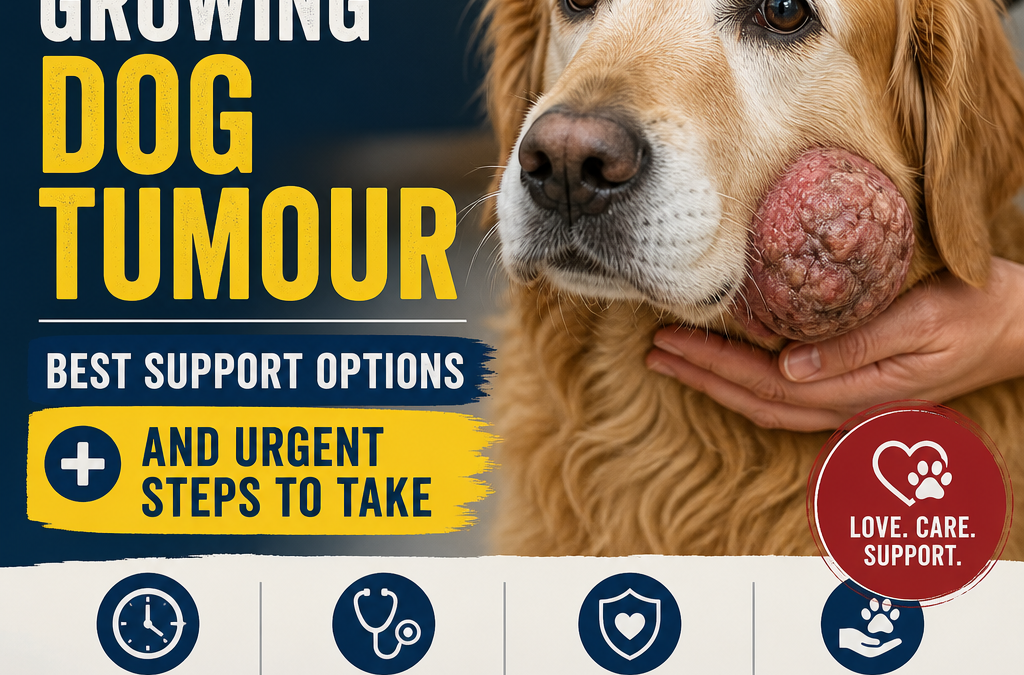
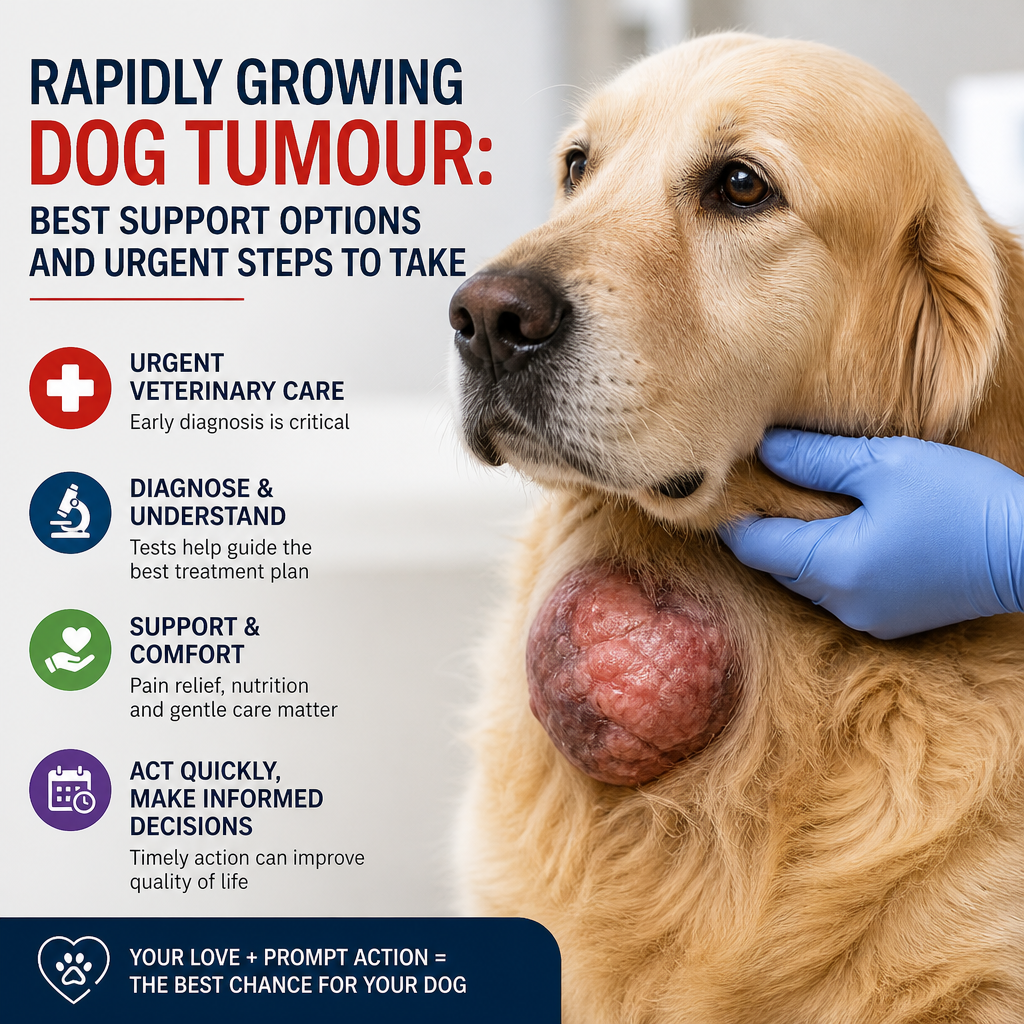
Dog tumour growing fast can be frightening to discover, especially when a lump seems to change noticeably over days or weeks. Although some fast-growing masses are benign, rapid enlargement can also indicate infection, inflammation, bleeding, or an aggressive cancer. The safest response is to arrange veterinary assessment promptly, monitor changes carefully, and focus on practical dog tumour support while a diagnosis is being established.
A lump that grows quickly should never be assessed by appearance alone. Tumours can develop in the skin, tissue beneath the skin, mammary glands, mouth, limbs, or internal organs, and different masses may look very similar from the outside. Some are harmless fatty growths, while others can invade nearby tissue or spread to other parts of the body.
Rapid growth may occur because tumour cells are multiplying quickly, but it can also result from swelling, fluid accumulation, infection, or bleeding within a mass. A previously stable lump that suddenly becomes larger, red, warm, painful, or ulcerated requires particular attention. A dog tumour growing fast can change the treatment timeline, so it is best to act early rather than wait to see whether it settles on its own.
For owners who are already comparing options, best supplements for dogs with cancer can be part of a wider discussion with the veterinary team, but supplements should never replace prompt diagnosis.
Contact your veterinarian as soon as possible if you notice:
A lump increasing in size over a short period
Bleeding, oozing, scabbing, or an unpleasant smell
Redness, heat, swelling, or obvious pain
Changes in appetite, energy, movement, or behaviour
Difficulty breathing, swallowing, urinating, or passing stool
Vomiting, weakness, collapse, or pale gums
A mass that interferes with walking or normal daily activities
Emergency signs such as collapse, severe bleeding, breathing difficulty, extreme weakness, or uncontrolled pain require immediate veterinary care rather than a routine appointment.
In practical terms, dog owners often notice the change first because a collar feels tighter, a limb seems awkward, or a pet starts licking one spot more than usual. That pattern does not tell you what the mass is, but it does tell you the body is reacting to something that deserves attention.
What the veterinarian may do
The first step is usually a physical examination. Your veterinarian will assess the mass’s location, size, firmness, mobility, surface appearance, and relationship to surrounding tissues. They may also check lymph nodes and look for signs that the problem is affecting the rest of the body.
A fine-needle aspiration is often recommended. During this procedure, cells are collected from the lump with a small needle and examined under a microscope. It can sometimes identify the type of mass, although some tumours require a biopsy for a definitive diagnosis.
Additional tests may include:
Blood and urine tests to assess overall health
X-rays or ultrasound to look for internal involvement
Advanced imaging, such as CT or MRI, for surgical planning
A tissue biopsy to determine tumour type and grade
Lymph node sampling to check for spread
Do not squeeze, puncture, massage, or attempt to remove the lump at home. These actions can cause bleeding, infection, pain, and tissue damage. They may also make later examination or surgery more difficult.
For general clinical guidance on cancer evaluation and follow-up testing, the Merck Veterinary Manual is a useful veterinary reference.
It can help to write down a few practical details before the appointment. When did the lump first appear? Has the size changed daily, weekly, or only after activity? Is the skin intact? Does your dog react when it is touched? Those notes can help the veterinarian decide whether the problem is likely to be inflammatory, infectious, or neoplastic.
Understanding dog tumour support during diagnosis
Dog tumour support begins with protecting comfort and preventing the mass from becoming irritated. If the area is exposed to licking or scratching, your veterinarian may recommend an Elizabethan collar, recovery suit, or protective dressing. Any dressing must be applied correctly and checked regularly, because moisture and pressure can worsen skin damage.
Keep the area clean and dry, but avoid using household disinfectants, essential oils, creams, or human medications unless your veterinarian specifically approves them. Some common products are toxic to dogs or may interfere with healing.
Record the mass’s size and appearance. A simple log can include:
Date and measurements in centimetres
Photographs taken from the same angle
Changes in colour, texture, or discharge
Signs of pain or increased sensitivity
Appetite, drinking, energy, and mobility
Any medications or treatments given
This information helps the veterinarian identify how quickly the mass is changing and whether treatment is having an effect.
If you want to compare practical support approaches, this guide to dog cancer supplements may help you prepare questions for your vet.
Good support also means limiting strain on the affected area. Use non-slip flooring if your dog is unsteady, keep bedding soft, and make food and water easy to reach. If the lump sits where a harness or collar rubs, change how you walk your dog until the area is assessed.
Dog tumour growing fast: key support steps while you wait for results
When a dog tumour growing fast is being investigated, the most useful support is calm, consistent observation. Try to keep your dog’s routine as normal as possible while reducing anything that could irritate the mass. Short, quiet walks, soft bedding, and close supervision can make a difficult waiting period more manageable.
If the lump changes shape, bleeds, or becomes more painful, contact the clinic rather than waiting for a scheduled recheck. A dog tumour growing fast may need a faster follow-up if the mass is interfering with eating, toileting, sleeping, or movement.
It can also help to write down exactly when the lump first changed. In many cases, owners notice that the dog tumour growing fast is not just larger, but also firmer, warmer, or more sensitive to touch. Those details can help your vet decide whether urgent imaging, sampling, or referral is needed.
Practical day-to-day checks at home
When a dog tumour growing fast is being monitored, small changes matter. Check your dog at the same time each day so you can spot differences in size, comfort, appetite, or breathing. If the mass is bleeding, use a clean cloth and call your vet for instructions rather than applying pressure for too long or trying to treat it yourself.
Keeping a short home record can make follow-up appointments more productive. Note whether your dog can settle comfortably at night, get up without difficulty, and complete normal routines such as toileting and short walks.
It also helps to watch for changes that may seem unrelated at first. A dog that is eating less, hiding more, panting at rest, or avoiding stairs may be uncomfortable even if the lump itself has not changed dramatically. In cases where a dog tumour growing fast is affecting the mouth, throat, chest, abdomen, or rear limbs, behaviour changes can appear before the underlying diagnosis is confirmed.
Supportive care during the waiting period
While you are waiting for test results, focus on reducing stress. Avoid rough play, long car trips unless necessary, and exposure to other pets that might bump the area. If your dog is anxious, speak with your veterinarian about safe ways to keep them settled.
Meals should remain familiar unless your veterinary team suggests otherwise. Sudden diet changes can upset the stomach at a time when your dog is already under strain. Fresh water should always be available, and you should track whether your dog is drinking normally.
If your dog is prescribed medicine, follow the dosing instructions carefully. Never substitute human painkillers or old prescriptions from another pet. A dog tumour growing fast can be painful, but the wrong medicine can create a second medical problem.
Dog tumour growing fast: what changes matter most
Not every change means the worst-case scenario, but some patterns deserve faster follow-up. A mass that doubles in size in a short period, becomes ulcerated, or starts draining fluid should be rechecked promptly. When a dog tumour growing fast becomes harder, more fixed in place, or more painful, that may suggest deeper tissue involvement.
Other warning signs include loss of appetite, fever, vomiting, coughing, laboured breathing, difficulty urinating, or changes in stool. These can indicate that the tumour is affecting the body more broadly, or that another illness is present alongside the lump.
It is also worth considering whether the location is limiting normal function. A mass near a joint may change how a dog walks; one in the mouth may make chewing difficult; one near the rear end may interfere with toileting. In each of these situations, practical dog tumour support is not only about comfort, but also about preserving daily function while your vet works out the cause.
Supporting comfort and daily wellbeing
While testing and treatment are underway, maintain a predictable routine. Dogs often cope better when meals, rest, walks, and medication are given at consistent times. Offer a quiet, comfortable bed that is easy to access, particularly if the mass affects mobility or your dog is recovering from a procedure.
Nutrition is also important. Provide a complete, balanced diet and monitor food and water intake. Avoid making sudden dietary changes or giving unproven supplements. Some supplements can interact with chemotherapy, pain relief, anaesthesia, or other prescribed treatments.
Pain management should always be guided by a veterinarian. Never give human painkillers such as ibuprofen, naproxen, or paracetamol unless specifically instructed, as these medicines can cause serious poisoning in dogs. Veterinary pain relief may include prescription anti-inflammatory drugs, other analgesics, or supportive medications depending on the diagnosis and your dog’s health.
Gentle activity may help maintain strength, but exercise should be adjusted to your dog’s condition. Avoid rough play, jumping, or activities that rub against the mass. If your dog becomes tired, painful, or reluctant to move, allow rest and contact the veterinary team for guidance.
Many owners also benefit from setting up a simple comfort plan at home. This might include washable bedding, a quiet resting area, easy access to water, and a note of who is giving medicines and when. Practical support often reduces stress for both the dog and the family while the medical plan is being decided.
What to watch for between appointments
A dog tumour growing fast may also affect general wellbeing before the underlying cause is known. Watch for changes in breathing, posture, appetite, sleep, and interest in family life. Even subtle signs such as hiding, panting at rest, or reluctance to climb stairs can point to discomfort.
Ask yourself whether your dog still has enough energy for the routines they normally enjoy. If the answer is changing quickly, that is useful information to share with your veterinarian. The phrase dog tumour growing fast often describes the visible lump, but the bigger concern is how the condition is affecting the whole dog.
Owners sometimes underestimate the value of photographing the lump from the same angle each day. Small visual records can make growth easier to discuss at the clinic and may help the veterinarian judge whether the mass is expanding uniformly or changing in only one area.
Treatment options for a fast-growing mass
Treatment depends on the tumour’s type, size, location, grade, and whether it has spread. Surgery may be recommended when the mass can be removed safely. Removing a tumour with an appropriate margin of surrounding tissue can sometimes provide the best chance of control.
Other treatments may include chemotherapy, radiation therapy, targeted medication, immunotherapy, or a combination of approaches. In some cases, treatment is intended to eliminate the disease; in others, it aims to slow progression and preserve comfort.
When curative treatment is not possible or would place too much strain on the dog, palliative care may be the most compassionate option. This can involve pain control, wound care, nausea relief, appetite support, mobility assistance, and regular monitoring of quality of life.
Owners looking at different treatment pathways often discuss whether supportive products can fit alongside veterinary care. That conversation is especially important when a dog tumour growing fast may require surgery, chemotherapy, or palliative treatment in a short time frame.
If the diagnosis turns out to be a specific cancer type, your vet may talk through how the tumour usually behaves, what the likely next steps are, and how much time each decision will take. For example, some masses need surgery quickly, while others are best managed through monitoring, symptom relief, or referral to an oncology team. The exact plan depends on the individual dog, not only on the size of the lump.
Questions to ask before choosing a plan
Ask your veterinarian which tests are most urgent, whether the mass is likely to be removable, and what side effects may follow each option. It is also helpful to ask how soon treatment should begin, whether pain relief is appropriate now, and what changes should trigger a return visit.
If your dog has a specific diagnosis, such as anal gland disease, this page on anal sac carcinoma in dogs explains another condition that can present with a growing mass near the rear end.
You may also want to ask whether referral is worth considering if the lump is in a difficult location or close to vital structures. That question matters because a dog tumour growing fast can sometimes be more safely treated by a specialist who performs these procedures regularly.
Supportive options to discuss with your vet
Supportive care is most useful when it is tailored to the diagnosis and used alongside the main treatment plan. Depending on the case, your vet may discuss pain control, anti-nausea medication, appetite stimulants, wound management, activity restriction, or adjustments to your dog’s diet.
Some owners also ask about supplements, herbal support, or nutraceuticals. These conversations should be handled carefully. A product that seems harmless may still affect bleeding risk, liver function, anaesthesia, or medication metabolism. That is why a dog tumour growing fast should be discussed with the vet before anything new is added at home.
If the tumour affects eating, your vet may also suggest ways to make food easier to manage. If it affects walking, they may advise ramps, supportive harnesses, or limited stair use. If the mass is painful or ulcerated, wound care instructions become especially important. These practical measures can make a big difference in day-to-day comfort while a dog tumour growing fast is being treated or monitored.
Understanding when a dog tumour growing fast needs emergency care
Some situations should never wait for a routine appointment. If a dog tumour growing fast is accompanied by collapse, severe bleeding, pale gums, trouble breathing, repeated vomiting, or sudden weakness, treat it as an emergency. In those moments, stabilising your dog matters more than identifying the exact cause right away.
Call the clinic before you arrive if possible, especially if the mass is actively bleeding or your dog seems distressed. That gives the team time to prepare for triage and pain relief. A dog tumour growing fast can sometimes be manageable with planned care, but a sudden change in breathing or circulation needs immediate attention.
If the lump is on the head, neck, mouth, or limbs, emergency care may also be needed if it interferes with eating, moving, or walking. Even a mass that seems external can become serious if it begins to affect normal function or causes significant discomfort.
Never delay urgent care because the lump is already being monitored. Fast change can mean the situation has shifted from routine follow-up to a time-sensitive problem, and early stabilisation can make later treatment safer.
Making decisions based on quality of life
A diagnosis can feel overwhelming, but decisions do not have to be made without support. Ask the veterinary team about likely outcomes, treatment risks, expected costs, recovery time, and how the condition may progress without treatment.
Track quality-of-life indicators such as:
Willingness to eat and drink
Interest in family and normal activities
Ability to rest comfortably
Mobility and ability to toilet normally
Pain, breathing, and anxiety
Number of good days compared with difficult days
A dog tumour growing fast should be treated as a reason for prompt professional evaluation, not as a signal to panic. Early assessment can clarify what the mass is and identify options before it causes complications. With timely veterinary care, careful monitoring, and compassionate dog tumour support, owners can help protect both comfort and wellbeing throughout diagnosis and treatment.
If you are gathering background reading, this article on Ocoxin Pets alternative options may also help you understand supportive care conversations in a broader cancer plan.
For more context on warning signs and veterinary decision-making, the American College of Veterinary Internal Medicine explains specialist veterinary medicine resources that can support informed discussions with your vet.
In the end, the most helpful response to a dog tumour growing fast is not to guess, press, or wait too long. Prompt examination, careful observation, and thoughtful support give your dog the best chance of staying comfortable while the cause is confirmed and a plan is put in place.