Ocoxin Pets is a nutritional supplement designed to support dogs during serious illness, including cancer treatment. For pet owners in Bosnia and Herzegovina, understanding what this product can and cannot do is important before adding it to a dog’s care plan. This Ocoxin Pets review explains its intended use, possible benefits, limitations, safety considerations, and practical questions to discuss with a veterinarian.
Ocoxin Pets is a veterinary nutritional supplement formulated to provide supportive care for dogs and other companion animals. It is generally associated with nutritional support during periods of illness, reduced appetite, weakness, or demanding medical treatment. Its formulation may include ingredients such as vitamins, minerals, antioxidants, amino acids, and plant-derived compounds, depending on the specific product version and market.
The purpose of a supplement like this is not to replace veterinary treatment. Instead, it may help support general condition, appetite, hydration, energy, and recovery while a dog is undergoing diagnosis or treatment. Dogs with cancer can experience significant physical stress, and maintaining adequate nutrition is often an important part of overall care.
Product formulas, dosage instructions, and availability can vary by country. Owners should therefore check the label supplied in Bosnia and Herzegovina and confirm the current composition with a veterinarian or authorized distributor.
Ocoxin Pets dog cancer support: What can it realistically do?
Ocoxin Pets dog cancer support should be viewed as complementary care rather than a cure. Cancer is a complex group of diseases, and the appropriate treatment depends on the tumor type, stage, location, and general health of the dog. Veterinary options may include surgery, chemotherapy, radiation therapy, immunotherapy, pain management, dietary support, or a combination of these approaches.
A nutritional supplement may be considered for several supportive goals:
Helping maintain normal nutritional status
Supporting a dog with reduced appetite
Providing additional nutrients during recovery
Supporting general vitality and body condition
Complementing a veterinarian’s cancer-care plan
Helping owners manage the challenges associated with long-term illness
However, there is no reliable basis for treating Ocoxin Pets as a standalone cancer treatment. It should never be used to delay diagnosis, replace surgery, stop prescribed medication, or substitute for chemotherapy or other therapies recommended by a veterinary oncologist.
Potential benefits for dogs with serious illness
Dogs affected by cancer may lose weight, eat less, become tired, or experience digestive problems. These issues can make it more difficult for the body to cope with disease and treatment. A carefully selected supplement may help fill nutritional gaps, particularly when a dog is not eating a complete diet in sufficient quantities.
The possible value of Ocoxin Pets may be greatest when it is included in a broader plan involving appropriate food, pain control, anti-nausea treatment, regular examinations, and monitoring of weight and hydration. Some dogs may tolerate supportive supplements well, while others may show no noticeable benefit or may develop digestive upset.
Owners should monitor practical indicators rather than relying only on general impressions. Appetite, body weight, stool quality, activity level, vomiting, water intake, and comfort can all provide useful information. Keeping a simple daily record can help the veterinarian determine whether the supplement is beneficial.
Veterinary nutrition references, such as the WSAVA Global Nutrition Guidelines, can also help owners understand why complete nutrition matters during illness.
In many cases, the biggest benefit is not a dramatic change but steadier daily support. A dog that can keep eating, hold weight, and stay a little more comfortable may handle treatment better than one that is struggling to maintain nutrition. That is why veterinarians often focus on the whole picture rather than any single product.
Supportive care can also reduce stress for owners. When a dog is sick, small improvements in appetite or energy can make home care easier and can help families stay consistent with the broader treatment plan. Even so, expectations should remain realistic so that the supplement is judged fairly.
Ocoxin Pets review: Safety and veterinary guidance
A responsible Ocoxin Pets review must emphasize that “natural” or nutritional ingredients are not automatically risk-free. Dogs may react differently based on age, breed, size, kidney function, liver health, allergies, and current medications.
Before use, consult a veterinarian if the dog:
Is receiving chemotherapy, corticosteroids, antibiotics, or pain medication
Has kidney or liver disease
Has a history of pancreatitis
Is pregnant or nursing
Has severe vomiting or diarrhea
Is unable to eat or drink normally
Has recently undergone surgery
Is taking multiple supplements
The veterinarian may recommend adjusting the dose, avoiding the product, or monitoring specific blood values. It is also important not to combine several antioxidant, herbal, or vitamin products without professional advice. Excessive intake of certain nutrients can be harmful, and supplements may interact with prescribed medicines.
Seek urgent veterinary help if a dog develops repeated vomiting, bloody diarrhea, severe weakness, breathing difficulty, collapse, facial swelling, or signs of uncontrolled pain.
Safety also depends on using the exact product intended for pets. Owners should avoid substituting another formula, repackaged bulk product, or an item with unclear instructions. If the label is missing key details, treat that as a warning sign and ask a clinic or pharmacist for help before giving it to the dog.
How to use it responsibly
Follow the dosage printed on the official packaging or the instructions provided by a veterinarian. Do not assume that a human dosage or a dose intended for another animal is appropriate. The dog’s body weight, health status, and treatment plan should all be considered.
Introduce any new supplement carefully and observe the dog for changes over the following days. Giving it with food may improve tolerance, but the product instructions should take priority. If the dog refuses food, vomits after administration, or develops diarrhea, contact the veterinarian before continuing.
Storage also matters. Keep the product in its original container, away from heat, moisture, and direct sunlight, and keep it out of reach of pets and children. Check the expiration date and packaging integrity before use.
If you are comparing supportive products, one practical approach is to discuss expected benefits, ingredient differences, and cost with your veterinarian before deciding whether Ocoxin Pets is the right fit for your dog’s plan.
It can help to make a short checklist before the first dose. Write down the dog’s current weight, appetite level, ongoing medications, and any recent stomach or bowel changes. This gives the veterinarian a clearer starting point and makes follow-up easier if the dog’s condition changes.
Ocoxin Pets Bosnia and Herzegovina: Buying considerations
When searching for Ocoxin Pets Bosnia and Herzegovina, buyers should focus on authenticity and reliable supply. Purchase through a veterinary clinic, reputable veterinary pharmacy, or an authorized seller whenever possible. Avoid products with unclear labeling, missing batch numbers, damaged packaging, or unusually low prices.
The label should clearly identify the manufacturer, ingredients, recommended use, dosage, storage conditions, and expiration date. Since imported products may have different packaging or instructions, ask a veterinarian or pharmacist to confirm that the product is appropriate for the dog and that the information is understandable.
Availability can change, and some products may need to be ordered through veterinary channels. A professional source can also help explain whether the supplement is suitable alongside the dog’s existing treatment.
If you are unsure about ingredient quality or whether the formula matches your dog’s condition, bring the product label to your clinic before purchasing a full supply.
Because market availability can vary, it is also wise to compare the total cost of treatment support over several weeks, not just the first purchase price. A product that seems affordable at first may become expensive if the dog needs a long course of care.
Questions to ask your veterinarian before buying
Before starting Ocoxin Pets, ask whether your dog’s diagnosis, current medications, and appetite level make the supplement a sensible choice. A few clear questions can save time and reduce the risk of using something that does not fit the treatment plan.
Is this supplement appropriate for my dog’s current cancer treatment?
Could it interact with any medication my dog is taking?
What changes should I watch for after starting it?
How long should we try it before deciding whether it is helping?
Are there signs that mean I should stop it right away?
Would another nutritional approach be more suitable?
These questions are especially helpful when a dog has other health problems, such as liver disease, kidney disease, or digestive sensitivity. In those cases, the safest choice is often the one that fits the whole medical picture, not just the cancer diagnosis.
A supplement is only one part of cancer care
The most effective supportive plan usually combines medical treatment with good daily care. Offer a complete, highly digestible diet recommended for the dog’s condition, provide fresh water, keep the environment calm, and maintain gentle activity if the dog is comfortable. Regular veterinary checkups are essential for tracking tumor progression, treatment response, pain, weight, and quality of life.
Quality of life should remain the central goal. A supplement may be useful if it helps a dog eat, maintain strength, or feel more comfortable, but it should be discontinued or reassessed if it causes side effects or offers no clear benefit.
Overall, Ocoxin Pets may have a role as supportive nutrition for some dogs with cancer or other serious illnesses. Its value depends on the individual animal, the product’s verified formulation, and the guidance of a qualified veterinarian. For families in Bosnia and Herzegovina, careful sourcing and professional advice are especially important. The supplement should complement evidence-based veterinary care—not replace it.
If your dog is already on a treatment plan, the best next step is usually to review the label with your vet and decide whether this product fits the larger goal of comfort, appetite support, and stable nutrition. Used thoughtfully, supportive care can be a helpful part of a compassionate routine.
Ocoxin Pets is a veterinary nutritional supplement designed to provide supportive care for dogs and cats facing serious health challenges, including cancer. For families searching for an Ocoxin Pets review in Lithuania, the most important point is that this product should be viewed as complementary support—not as a replacement for veterinary diagnosis, surgery, chemotherapy, radiation therapy, or prescribed medication. A carefully planned supportive routine may help maintain appetite, energy, hydration, and general wellbeing during treatment, but every pet needs an individualized medical plan.
Ocoxin Pets is formulated as a supplement for companion animals. Its ingredients are intended to support the body during periods of illness, recovery, or increased physiological stress. Products of this kind commonly focus on antioxidant protection, nutritional support, and maintaining normal immune function. The exact composition, dosage, and presentation should always be checked on the current packaging or official product information, because formulations and instructions can vary by market.
Cancer can affect a dog’s body in several ways. A tumor may alter metabolism, reduce appetite, cause pain, or interfere with normal organ function. Treatments can also produce side effects such as nausea, fatigue, digestive upset, or changes in food preferences. Nutritional supplements may be useful in helping address some of these challenges, but their role depends on the animal’s diagnosis, age, weight, medications, and overall condition.
Ocoxin Pets dog cancer support: what owners should know
Ocoxin Pets dog cancer support is best understood as part of a broader veterinary care strategy. It may be considered when an animal needs additional nutritional help during cancer treatment or recovery. Some owners use supportive supplements to encourage food intake, help maintain body condition, or provide nutrients when a dog is eating less than usual.
However, no supplement should be presented as a cure for cancer. Scientific evidence for individual veterinary supplements can be limited, and results may vary considerably between animals. A product that is tolerated well by one dog may be unsuitable for another, particularly when kidney, liver, gastrointestinal, or immune problems are present.
Before introducing Ocoxin Pets, discuss it with the veterinarian responsible for the dog’s treatment. The veterinarian can evaluate whether the ingredients are appropriate and whether they could interact with chemotherapy drugs, corticosteroids, anti-inflammatory medicines, antibiotics, or other prescriptions. For broader guidance on supportive-care options, some owners also compare other regional articles such as this UK guide to affordable dog tumor supplements.
Potential supportive benefits
The possible benefits of a supplement such as Ocoxin Pets may include:
Providing additional nutritional support during illness
Helping maintain strength when appetite is reduced
Supporting recovery after procedures or intensive treatment
Complementing a balanced diet recommended by a veterinarian
Contributing to general wellbeing during a demanding treatment period
These potential benefits should be assessed realistically. A supplement cannot remove a tumor, replace pain control, prevent all treatment side effects, or guarantee a better clinical outcome. Its value is generally measured by how well it fits into the animal’s complete care plan.
For owners trying to decide whether support is worth pursuing, it helps to focus on practical outcomes. Has the dog become more willing to eat? Is energy stable enough for short walks or normal home activity? Are weight loss and dehydration being managed more effectively? These are the kinds of signs that can make supportive care feel useful in daily life, even when the main cancer treatment is still the priority.
It is also worth remembering that cancer care often changes over time. A supplement that seems reasonable during one stage of treatment may no longer be appropriate if the dog’s appetite, bloodwork, or medication plan changes. That is why regular check-ins with the veterinary team matter just as much as the product itself.
How to use Ocoxin Pets responsibly
Correct administration is essential. Follow the dosage instructions supplied with the product and never estimate a dose based only on the size of another animal. Dogs with cancer may have changing nutritional needs, and the appropriate amount can depend on body weight, appetite, disease stage, and concurrent treatment.
Introduce any new supplement carefully. Observe the dog for changes in appetite, vomiting, diarrhea, constipation, itching, lethargy, or unusual behavior. If adverse signs appear, stop and contact a veterinarian promptly. A dog undergoing cancer treatment may already be vulnerable, so even apparently minor symptoms deserve attention when they persist or worsen.
It is also important to record all supplements and medications the dog receives. Keeping a simple list makes it easier for the veterinary team to identify possible interactions and adjust treatment safely. Avoid combining several products with overlapping ingredients unless a professional has reviewed the entire routine.
When possible, give the supplement at the same time each day so the routine stays consistent. Many owners find it easier to pair supportive products with a meal, because this can reduce stomach upset and make the process less stressful for the dog. If a dog refuses food, do not force the supplement without speaking to the veterinarian first, since the refusal may signal nausea, pain, or another treatment-related problem that needs attention.
A practical routine may include:
Checking the label before every dose
Using the exact measuring method recommended on the package
Watching for changes in stool, vomiting, thirst, or behavior
Noting whether the dog’s appetite or energy improves after starting the product
Sharing updates with the clinic at the next visit or sooner if problems occur
These simple habits help turn a supplement from a vague idea into a monitored part of care. That matters because cancer support is most effective when the family can describe what is happening at home in a clear, organized way.
Ocoxin Pets Lithuania: buying and veterinary considerations
For owners looking for Ocoxin Pets Lithuania availability, purchase the product through reputable veterinary clinics, pharmacies, or established animal-health retailers. Check the label for the intended species, batch information, expiry date, storage instructions, and manufacturer details. Be cautious with products sold through unverified marketplaces, especially when packaging appears damaged or the instructions are unclear.
Lithuanian pet owners should also consider consulting a local veterinarian before ordering from abroad. Imported products may have different labeling, dosage guidance, or storage requirements. A clinic can help determine whether the product is appropriate for the dog and whether a locally available alternative may be better suited to the animal’s condition.
Availability should never be the main factor in choosing a supplement. Product quality, veterinary suitability, transparent labeling, and safe administration are more important than convenience or online popularity. For general safety guidance on pet supplements and medicines, the U.S. Food and Drug Administration’s animal and veterinary resources offer a reliable reference point for owners learning what to ask a veterinary professional.
Before buying, consider the following questions:
Has a veterinarian confirmed that the supplement fits the dog’s current treatment plan?
Does the packaging clearly state how the product should be used?
Can the seller verify storage conditions and product authenticity?
Is the dog taking medications that could require extra caution?
Would a different supportive option be easier to monitor at home?
Answering these questions in advance can prevent unnecessary expense and reduce the risk of giving a product that does not suit the dog’s medical needs. This is especially important when treatment decisions are already emotionally difficult for the family.
Diet and daily care during cancer treatment
Supplementation works best alongside consistent everyday care. Dogs with cancer often benefit from a palatable, digestible diet that provides adequate calories and protein. Some animals need a therapeutic diet, while others may require adjusted meals because of nausea, dental problems, gastrointestinal disease, or treatment-related changes.
Small, frequent meals can be easier to tolerate than one large portion. Fresh water should always be available, and the dog’s weight should be monitored regularly. Sudden weight loss, persistent refusal of food, repeated vomiting, difficulty breathing, severe weakness, or uncontrolled pain requires urgent veterinary attention.
Emotional support also matters. A quiet resting area, gentle exercise when approved by the veterinarian, predictable routines, and careful observation can improve comfort. The goal of supportive care is not only to prolong life but also to preserve quality of life.
In daily life, the smallest changes often reveal the most. A dog that comes to the bowl more eagerly, rests more comfortably, or tolerates medication better may be showing that the care plan is helping. On the other hand, a dog that hides, pants excessively, or becomes less interested in favorite foods may need a reassessment rather than simply another supplement.
Supportive care at home can also include:
Keeping meal times calm and predictable
Offering food in a comfortable location with minimal noise
Monitoring water intake and litter-free bathroom habits
Using short, gentle walks instead of strenuous activity
Tracking pain signs such as stiffness, restlessness, or reluctance to move
These details may seem small, but together they give the veterinarian a fuller picture of how the dog is coping. That information can be as valuable as any product claim when decisions need to be made quickly.
What to consider in an Ocoxin Pets review
A fair Ocoxin Pets review should consider both possible advantages and limitations. Owners may appreciate the product’s convenience and its role in a structured supportive-care routine. Some dogs may tolerate it well and continue eating or maintaining energy while receiving treatment. On the other hand, individual experiences are not the same as clinical proof, and online testimonials cannot replace veterinary assessment.
When evaluating the product, consider whether the dog shows measurable improvements in appetite, body weight, activity, comfort, or recovery. Keep expectations realistic and discuss observations with the veterinarian. If the supplement causes digestive problems or does not fit the treatment plan, continuing it simply because it is marketed for cancer support may be counterproductive.
It can help to write down a few simple observations over one to two weeks. For example, note how much the dog eats, whether vomiting occurs, whether energy levels change, and whether bathroom habits remain stable. These notes make the review more objective and less influenced by worry or hope alone.
Ultimately, Ocoxin Pets may have a place in supportive veterinary care for selected dogs, but it should be used cautiously and professionally. The strongest approach combines timely diagnosis, evidence-based cancer treatment, appropriate nutrition, symptom control, regular monitoring, and compassionate daily care. If you are comparing options, internal resources like the Netherlands guide to affordable alternatives may help you understand how supportive products differ across markets.
For Lithuanian owners, the best decision is usually the one that fits the dog’s diagnosis, the veterinarian’s recommendations, and the family’s ability to monitor the pet closely over time. With that approach, Ocoxin Pets can be considered as one part of a thoughtful cancer-support plan rather than a standalone solution.
In practical terms, the most responsible choice is to treat the supplement as a tool for comfort and nutritional support, not as the main event. If the dog is responding well, that is encouraging. If not, the plan should be adjusted quickly instead of waiting for symptoms to worsen. That balanced mindset is often the difference between a hopeful purchase and genuinely helpful care.
Ocoxin Pets is a complementary nutritional product designed to support dogs during serious illness, including cases in which tumors or cancer have been diagnosed. For pet owners in Greece, choosing a supplement can be confusing, especially when products make broad claims about immunity, appetite, or recovery. A careful Ocoxin Pets review should therefore focus on its intended role, ingredients, practical use, safety considerations, and the importance of veterinary supervision rather than presenting it as a cure.
When a dog is dealing with a tumor, everyday decisions can feel urgent. Owners often want something that may help the dog eat better, maintain strength, and feel more comfortable while treatment is being planned or already underway. That is understandable, but it is also why the details matter. The best supplement is not necessarily the one with the boldest marketing. It is the one that fits the dog’s diagnosis, treatment plan, and overall condition.
This article keeps the focus on realistic support. It does not assume that a nutritional product can replace surgery, chemotherapy, radiation therapy, pain relief, or ongoing monitoring. Instead, it looks at how Ocoxin Pets may be used as part of a broader plan, what owners in Greece should check before buying, and how to judge whether the product is helping in a meaningful way.
Ocoxin Pets is generally described as a veterinary-support supplement formulated for companion animals. Products in this category may contain combinations of plant extracts, vitamins, minerals, antioxidants, amino acids, or other nutritional compounds intended to help maintain a dog’s condition during periods of physical stress.
Dogs with tumors may experience reduced appetite, weight loss, fatigue, digestive changes, inflammation, or treatment-related side effects. A supportive supplement may be considered to help maintain nutritional status and overall wellbeing. However, the exact formulation, recommended dosage, and method of administration should always be confirmed from the current product packaging or official veterinary information, since formulas and instructions can differ between markets.
That point matters for pet owners in Greece because imported products, local distributors, and online sellers may not always present identical labeling or instructions. Even if the product name is the same, the available format, concentration, or usage guidance may differ. A careful review should therefore begin with the actual label in hand, not with assumptions based on a generic description.
The most important point is that Ocoxin Pets should not be viewed as a substitute for surgery, chemotherapy, radiation therapy, pain management, or other treatments recommended by a veterinarian. Its potential role is supportive, not curative. In other words, it may be one tool in a larger care plan, not the plan itself.
For owners comparing options, it can also help to review other affordable dog tumor supplement options before making a final decision. Comparing products side by side often makes it easier to see which ingredients are clearly explained, which claims are realistic, and which products are simply marketed well.
Ocoxin Pets dog cancer support: What can owners realistically expect?
The phrase “Ocoxin Pets dog cancer support” is often used to describe the product’s possible role alongside conventional veterinary care. In practical terms, support may involve helping a dog maintain appetite, energy, hydration, body weight, and general resilience. These factors can be important because dogs undergoing cancer treatment may be vulnerable to malnutrition and loss of muscle mass.
Supportive care is not only about one supplement. It is about making sure the dog can continue to eat, drink, move, rest, and tolerate treatment as well as possible. A supplement may be one part of that effort, especially if it is easy to give and the dog accepts it well. However, the response is individual. Some dogs may tolerate a product well, while others may refuse it, develop digestive upset, or show no noticeable change.
Owners should evaluate the dog’s condition using observable measures such as eating habits, water intake, body weight, activity, stool quality, comfort, and sleep. Those observations are often more useful than vague impressions. If a dog seems brighter after starting a supplement, it still helps to ask why. Was it the product, a change in pain control, improved nausea management, a better feeding routine, or simply a good day? Careful observation gives a clearer answer.
It is also essential to distinguish supportive care from claims that a supplement can shrink tumors or eliminate cancer. There is no responsible basis for promising that any nutritional product will cure every type of canine tumor. Cancer is not one single disease; different tumors behave differently and require different diagnostic and treatment approaches. A mast cell tumor, a lymphoma, an osteosarcoma, and a benign mass do not all require the same strategy, and a single supplement cannot solve every case.
Veterinarians often recommend focusing on measurable goals such as maintaining body condition and preserving appetite, rather than expecting dramatic short-term changes. That approach keeps decisions practical and reduces the chance of disappointment or unnecessary product switching. It also helps owners in Greece stay grounded when online advice becomes overwhelming or contradictory.
In many cases, the best expectation is modest but meaningful: steadier appetite, easier administration of daily care, better tolerance during difficult periods, and a clearer sense that the dog is being supported holistically. Those outcomes may sound smaller than dramatic marketing promises, but they are usually more useful in real life.
Ingredients and evidence: What should a review examine?
A reliable Ocoxin Pets review should look beyond promotional language. Start by checking the complete ingredient list and the amount of each active ingredient. Broad descriptions such as “immune support” or “natural antioxidants” are less useful than transparent labeling that identifies specific compounds and quantities.
The evidence should also be assessed carefully. Research performed in laboratory cell cultures or in humans may not demonstrate the same effects in dogs. Likewise, positive experiences shared by individual owners are not equivalent to controlled clinical evidence. A veterinarian can help interpret whether the ingredients are appropriate for a particular dog, especially if the animal has liver disease, kidney problems, diabetes, gastrointestinal sensitivity, or another medical condition.
Antioxidant products deserve particular attention during cancer treatment. Some chemotherapy and radiation protocols may involve oxidative mechanisms, and the effect of adding concentrated antioxidants can depend on the treatment plan, dose, timing, and individual patient. This does not mean that antioxidants are automatically unsafe, but it does mean that owners should not introduce them without discussing the decision with the treating veterinary team.
When evaluating any supplement, it is also useful to ask whether the product has clear quality controls, batch consistency, and storage guidance. These practical details matter because dogs with cancer may already be medically fragile, and inconsistent products can make it harder to understand what is helping. A supplement that is difficult to store, hard to measure, or poorly labeled can create avoidable confusion.
Owners should also think about palatability. A product can look promising on paper, but if the dog refuses it, the real-world benefit becomes limited. Flavor, texture, smell, and ease of administration all matter. Some dogs take liquids more easily than tablets; others accept a small amount mixed with food. A product that is theoretically strong but practically impossible to use is rarely the best choice.
Another useful question is whether the product is being introduced at the right time. In a dog already coping with nausea, diarrhea, or reduced appetite, adding multiple new items at once can make it difficult to know what is helping and what is causing trouble. A more measured approach is usually better: one change at a time, with careful monitoring.
For owners who want a structured way to judge supplements, the following checklist can help.
Questions to ask before buying
What is the exact purpose of the supplement in my dog’s care plan?
What ingredients are included, and in what amounts?
Could it interact with current medications or treatments?
How long should we trial it before judging the result?
What changes should I monitor at home?
Is the product easy for my dog to take consistently?
Does the label clearly explain storage, dosage, and expiry information?
If the answers are unclear, that is usually a sign to pause and ask a veterinarian for guidance before buying. The more fragile the dog’s condition, the more valuable a careful, evidence-based decision becomes.
How Ocoxin Pets may be used in Greece
For families searching for Ocoxin Pets Greece, availability may depend on veterinary clinics, pharmacies, specialist distributors, or online retailers. Before purchasing, check that the product is authentic, properly sealed, within its expiry date, and stored according to the manufacturer’s instructions.
Greek pet owners should also make sure that the label provides clear information in a language they can understand or obtain accurate guidance from a veterinarian or qualified pharmacist. Buying from an unknown online source can create risks involving counterfeit products, poor storage conditions, incorrect dosage information, or outdated stock.
The supplement should be administered exactly as directed. Never assume that a human formulation, a product intended for another animal, or a different concentration can be substituted safely. Dosage may depend on body weight, age, diagnosis, appetite, concurrent medication, and the dog’s ability to swallow or digest the product. A dog that is smaller, older, or medically unstable may need a different level of caution than a healthy adult dog.
Owners should also think about where the product fits in the daily routine. If the dog receives medication twice a day, a supplement that must be taken on an empty stomach may be inconvenient or counterproductive. If the dog already struggles with nausea, the timing of administration may matter just as much as the ingredient list.
If owners in Greece are comparing regional alternatives, a useful related read is Ocoxin Pets alternative options for dogs with tumors in the Netherlands, which shows how supportive products can differ by market. Looking at different regional articles can help owners understand whether a product is genuinely specialized or simply presented differently depending on the country.
Because online shopping can be unpredictable, it is also wise to verify seller reputation, return policies, and storage conditions during shipping. Heat exposure during transport can affect some nutritional products, and a low price is not helpful if the item arrives damaged or compromised. Greek pet owners should be especially attentive when ordering during warm months or from sellers with long delivery times.
Practical ways owners can support a dog with tumors
Supportive care works best when it is part of a larger routine. Even when a supplement is used, many dogs still need thoughtful day-to-day management to stay comfortable and maintain strength. That may include offering smaller, more frequent meals, ensuring fresh water is always available, keeping the environment calm, and following a veterinarian’s instructions on medication timing.
Regular weight checks can be especially useful. A slow loss of body mass may be easier to detect on a scale than by sight alone. Some owners also keep a simple log of appetite, energy level, stool consistency, and any signs of nausea. These notes can make follow-up veterinary visits more productive.
Exercise should generally remain gentle and adapted to the dog’s condition. Short, low-stress walks may help preserve mobility and mood, but strenuous activity is not always appropriate. The best plan depends on the tumor type, the dog’s strength, and any treatment side effects.
Comfort at home can also make a noticeable difference. Soft bedding, easy access to food and water, reduced stair use, and a predictable routine may all help a dog feel more secure. If the dog is painful, restless, or withdrawn, supportive care should never rely on nutrition alone. Pain control and medical reassessment may be needed instead.
Many owners find it helpful to separate “daily living” goals from “medical treatment” goals. Daily living goals might include eating a little more consistently, resting comfortably, or walking to the garden without distress. Medical goals might include completing a treatment cycle, maintaining lab values, or reducing tumor-related symptoms. A supplement should serve those goals, not distract from them.
If the dog is picky or has a reduced appetite, owners can ask the veterinarian whether warming the food slightly, changing the meal schedule, or using a different feeding method may help. Sometimes the small practical adjustments matter more than any single product purchase.
Simple home monitoring list
How much did the dog eat today?
Did the dog drink normally?
Is weight stable, rising, or falling?
How is energy compared with last week?
Any vomiting, diarrhea, or constipation?
Any signs of pain, stiffness, or restlessness?
Did the dog accept the supplement easily?
This kind of monitoring is not complicated, but it can be very valuable. It helps owners respond early when something changes and gives the veterinary team better information for decision-making.
Safety, side effects, and veterinary supervision
Even products marketed as natural or nutritional can cause adverse reactions. Possible problems may include vomiting, diarrhea, excessive salivation, refusal of food, itching, lethargy, or changes in behavior. If these signs appear after administration, stop and contact the veterinarian for advice, particularly if symptoms are severe or persistent.
Dogs with cancer frequently take several medications at once. Painkillers, anti-inflammatory drugs, steroids, chemotherapy medicines, antibiotics, and appetite stimulants may all interact with supplements or affect how the dog tolerates them. A complete list of everything the dog receives—including supplements, treats, and herbal products—should be shared with the veterinarian.
Urgent veterinary attention is needed if a dog has difficulty breathing, repeated vomiting, collapse, uncontrolled pain, severe weakness, pale gums, blood in vomit or stool, or refuses food and water for an extended period. A supplement should never delay assessment of these signs.
In many cases, the safest approach is to introduce one change at a time. That makes it easier to identify whether a supplement is useful or whether a new symptom is related to something else in the treatment plan. It also reduces confusion when multiple products are being discussed by different family members or different clinics.
Veterinary supervision becomes even more important if the dog is elderly, underweight, or living with another illness. Kidney disease, liver disease, endocrine disease, and gastrointestinal disorders can all influence whether a supplement is appropriate. What looks harmless in one dog may be unsuitable in another.
Owners should also be careful not to interpret “natural” as the same thing as “safe for every dog.” Many natural substances are biologically active. That is why professional advice matters. The goal is not to avoid all supplements. The goal is to choose wisely, use them correctly, and stop them promptly if they cause problems or do not provide a clear benefit.
Is Ocoxin Pets worth considering?
Ocoxin Pets may be worth discussing as part of a broader supportive-care plan, particularly when the goal is to maintain nutrition and quality of life. Its value should be judged by the dog’s individual response and by objective veterinary monitoring rather than by dramatic promises.
Before starting it, ask the veterinarian what benefit is expected, how long a trial should last, which signs should be monitored, and whether it could interfere with current treatment. Keep a simple record of appetite, weight, activity, digestion, and comfort. This makes it easier to determine whether the product is helping, causing problems, or having no meaningful effect.
It can also help to set a review date. For example, if the supplement is started today, decide in advance when to assess it again. That makes the process less emotional and more practical. If the dog’s appetite improves, the weight stabilizes, or digestion remains steady, that may support continuing the product. If nothing changes after a fair trial, the veterinarian may suggest stopping it or trying a different approach.
Ultimately, the best care plan combines an accurate diagnosis, appropriate cancer treatment, pain control, nutritional support, and regular communication with the veterinary team. Ocoxin Pets may have a place within that plan, but informed decisions and professional supervision should remain the foundation of care for every dog with a tumor.
For dog owners in Greece, the key takeaway is simple: use supplements as support, not as a replacement for veterinary medicine. If Ocoxin Pets is chosen, it should be chosen for a clear reason, monitored carefully, and reviewed honestly. That approach gives the dog the best chance of receiving useful help without unnecessary risk.
In a difficult cancer journey, the most valuable tools are often the ones that improve comfort, preserve strength, and help the family stay organized. If Ocoxin Pets contributes to that goal, it may be worth considering. If it does not, there are always other supportive strategies to discuss with the veterinary team.
Ocoxin Pets is a veterinary nutritional supplement designed to provide supportive care for dogs and other companion animals, including pets being treated for cancer. Interest in Ocoxin Pets Ireland has grown as owners look for additional ways to support appetite, energy, immune function, and general wellbeing. However, it is important to understand what this product can and cannot do before adding it to a dog’s treatment plan.
What is Ocoxin Pets?
Ocoxin Pets is a liquid supplement developed for use in companion animals. It contains a blend of vitamins, minerals, antioxidants, and plant-based ingredients intended to support the body during periods of illness or recovery. The formula is commonly discussed in connection with dogs diagnosed with cancer, although it may also be considered for pets experiencing reduced appetite, weight loss, fatigue, or the effects of intensive veterinary treatment.
The product is generally positioned as supportive nutrition rather than a medicine. That distinction matters. A supplement may help a dog maintain nutritional status or cope with the demands of illness, but it should not be presented as a cure for cancer or as a replacement for surgery, chemotherapy, radiotherapy, pain relief, or other veterinary treatments.
For many owners, the appeal of Ocoxin Pets Ireland is practical as much as anything else. A liquid supplement can sometimes be easier to give than tablets, especially to dogs that are nauseous, weak, or fussy about food. Even so, convenience should never be the only reason to choose a product. The dog’s diagnosis, current medications, appetite, and organ function all need to be considered first.
What does Ocoxin Pets aim to do?
Cancer can affect dogs in several ways. The disease itself may cause inflammation, tiredness, nausea, reduced appetite, and weight loss. Treatments can also produce side effects that make eating and maintaining normal activity more difficult. For these reasons, nutritional support is often an important part of a broader care plan.
Ocoxin Pets dog cancer support is generally intended to help provide:
Additional nutritional support during illness
Antioxidant compounds that may help protect cells from oxidative stress
Support for appetite and overall condition
Assistance during recovery from surgery or other treatment
A convenient liquid format for dogs that struggle with tablets
The practical value of any supplement depends on the individual dog. A product that is tolerated well by one animal may not suit another, particularly if the dog has kidney disease, liver problems, digestive sensitivities, or difficulty swallowing.
It can also help to think about the day-to-day goals of supportive care. In some dogs, the most realistic aim is to keep food intake stable, reduce the strain of treatment, and preserve comfort rather than expecting visible changes in the tumour itself. Those smaller gains may still be meaningful to both the dog and the family.
Owners sometimes ask whether a supplement should be started as soon as cancer is diagnosed or only after treatment begins. There is no universal answer. Some veterinary teams may consider support early if appetite is already declining, while others may prefer to wait until a full treatment plan is in place. The safest approach is to let the veterinarian coordinate timing, especially when surgery or chemotherapy is planned.
Ingredients and how they may be relevant
The formula includes a combination of nutritional and botanical ingredients. Depending on the specific product version and market, the label may include substances such as vitamins, minerals, amino acids, antioxidants, and plant extracts. These ingredients are selected because they may contribute to normal immune function, energy metabolism, or protection from cellular damage.
Antioxidants are often discussed in relation to cancer care, but their role can be complex. Oxidative stress is involved in many disease processes, yet antioxidant supplementation is not automatically beneficial in every situation. Some cancer treatments may rely partly on oxidative mechanisms, so the timing and combination of supplements should always be reviewed by the treating veterinary team.
This is one of the most important points in any Ocoxin Pets review: a long ingredient list does not prove that the product will improve survival or shrink tumours. The scientific evidence for individual ingredients may not directly demonstrate the effectiveness of the complete product in dogs with cancer.
It is also worth remembering that labels can vary by region. Ingredients, dosage instructions, and formulation details may differ slightly between suppliers, so owners in Ireland should not assume that a product sold elsewhere is identical. Always check the package carefully and compare it with the guidance provided by the manufacturer or veterinary professional.
Some ingredients may be associated with normal immune support, while others may be intended to assist energy balance or recovery from illness. That does not mean they are interchangeable, and it certainly does not mean that “more” is better. In cancer care, the benefit of any support product depends on the overall treatment plan, the dog’s current health status, and the absence of harmful interactions.
A balanced Ocoxin Pets review should look beyond positive testimonials. Pet owners often report that their dogs seem brighter, eat more readily, or recover better while using a supplement. These experiences can be meaningful, but they do not establish that the supplement treated the cancer. Changes may also result from pain control, improved diet, treatment of infection, reduced nausea, or natural fluctuations in the disease.
Evidence is another important consideration. Ask whether studies have been conducted in dogs, whether they involved a suitable number of animals, and whether the results measured meaningful outcomes such as quality of life, treatment tolerance, or survival. Laboratory findings and research on individual ingredients cannot automatically be applied to the finished product.
A trustworthy assessment should also consider palatability, ease of administration, possible adverse effects, cost, availability, and whether the product fits the dog’s existing treatment plan.
When reading product claims, it helps to separate supportive language from clinical proof. Words such as “maintains,” “supports,” and “helps” are common in supplement marketing, but they are not the same as evidence that a product changes the course of disease. Pet owners deserve clear information so they can make informed decisions instead of feeling pressured by hopeful promises.
Another useful question is whether the supplement fits the practical realities of cancer care at home. Some dogs have reduced appetite, some need multiple medications at different times of day, and some are already difficult to medicate. A good supportive product should be simple enough to use consistently without creating extra stress for the dog or family.
For a broader explanation of cancer support products and how they are evaluated, the American College of Veterinary Internal Medicine’s cancer resources can be a helpful starting point: ACVIM veterinary oncology information.
It may also help to discuss the supplement in the context of quality-of-life goals. If a dog is comfortable, eating well, and coping with treatment, the supplement may be adding value. If the dog is still losing weight or becoming more lethargic, then the product may not be enough on its own. In that case, the vet may need to adjust medication, nutrition, or the overall treatment plan.
Safety, side effects, and veterinary advice
Many dogs tolerate nutritional supplements without major problems, but “natural” does not mean risk-free. Possible issues may include digestive upset, loose stools, vomiting, refusal to take the product, or allergic reactions. A dog with a sensitive stomach may need a gradual introduction, but this should be discussed with a veterinarian.
Extra caution is needed when a dog is receiving chemotherapy, corticosteroids, non-steroidal anti-inflammatory drugs, anticoagulants, seizure medication, or other prescription treatments. Supplements can sometimes affect drug absorption, metabolism, blood clotting, blood pressure, or liver function. Dogs with kidney or liver disease may also require a carefully controlled intake of certain nutrients.
Before using Ocoxin Pets, provide the veterinarian with the full ingredient list and the dog’s current medication details. The vet may recommend monitoring weight, appetite, hydration, blood tests, or liver and kidney values. Stop the supplement and seek veterinary advice if the dog develops persistent vomiting, diarrhoea, facial swelling, breathing difficulty, marked lethargy, or a sudden deterioration.
It is also sensible to watch for smaller changes that can be easy to miss at first. A dog that becomes less interested in food, seems nauseous after dosing, or begins to avoid meals may be signalling that the supplement is not a good fit. Early feedback allows the veterinarian to make changes before the problem becomes more serious.
Owners should be especially careful when their dog has multiple health issues. Cancer patients are often older, and older dogs may already have arthritis, heart disease, dental problems, or digestive conditions. In such cases, a product that seems harmless on paper may still be unsuitable because of the dog’s complete medical picture.
Never combine supplements casually just because each one seems supportive on its own. A well-intentioned stack of products can become confusing, expensive, and potentially risky. Clear dosing instructions and one coordinated plan are usually better than trying several remedies at once.
If your veterinarian is not familiar with the brand, bring the product label to the appointment. A clear ingredient list, dose guidance, and any available clinical information will make the discussion more productive. Good communication often matters as much as the supplement itself.
Buying Ocoxin Pets Ireland
When searching for Ocoxin Pets Ireland, purchase through a reputable veterinary practice, established animal-health supplier, or authorised distributor. Product availability, packaging, dosage instructions, and import arrangements can differ between countries. Check the expiry date, batch information, storage instructions, and whether the seal is intact.
It is also wise to compare the label supplied by the seller with information from the manufacturer or veterinary distributor. Avoid relying solely on online reviews, especially when claims promise dramatic cancer cures or guaranteed results. Such claims are not consistent with responsible veterinary care.
Pricing may vary depending on bottle size, shipping, and whether the product is purchased as part of a wider treatment plan. The most suitable supplement is not necessarily the one with the longest list of ingredients; it is the one that is appropriate for the dog’s diagnosis, condition, medication, and nutritional needs.
When comparing suppliers, ask practical questions. Is the item in stock? Can the seller confirm the exact formulation? Are return policies clear? Is advice available if the dog refuses the taste? These simple checks can reduce the chance of buying something that is difficult to use or unsuitable for your pet.
For readers in Ireland, shipping and product access can affect timing. If a dog is starting a new treatment cycle, avoid waiting until the last minute to source a supplement. Delays can cause unnecessary stress, and in cancer care, consistency is usually more valuable than rushing to try a product without preparation.
How to use a supplement responsibly
Use the recommended amount rather than assuming that a larger dose will provide greater benefits. Introduce the product according to professional guidance and observe how the dog responds. Keep a simple record of appetite, weight, bowel movements, energy, pain signs, and any treatment side effects. This information can help the veterinary team decide whether continuing the supplement is worthwhile.
Most importantly, nutritional support should complement—not replace—evidence-based cancer care. A dog’s quality of life should remain the central priority. Regular veterinary reviews can help determine whether treatment is controlling symptoms, whether adjustments are needed, and whether the dog is comfortable.
A responsible routine might include giving the supplement at the same time each day, noting whether it is taken with food, and watching for patterns in the dog’s response over one to two weeks. Consistency makes it easier to tell whether a change in appetite or energy is truly linked to the product or simply part of the condition.
Owners should also keep an eye on hydration and overall nutrition. A supplement is not a substitute for adequate calories, and dogs with cancer often need tailored feeding plans. Small, frequent meals may be more helpful than one large meal, especially if nausea or early satiety is present.
If the dog is undergoing chemotherapy or other hospital-based treatment, ask the vet whether the supplement should be paused before or after certain medications. Timing can matter, and a short pause may be preferable to a risk of interaction or stomach upset.
Some dogs may benefit from a trial period, where the product is used for a set number of days and then reviewed. That approach can help owners make a practical decision based on real-world results instead of hopeful assumptions. If nothing changes, it may be better to redirect effort toward diet adjustments, pain control, or other supportive measures.
Remember that emotional wellbeing matters too. Dogs with cancer often thrive on routine, calm handling, and close monitoring. A supplement can only do so much if the dog is stressed, in pain, or struggling with an untreated side effect. Supportive care works best when it is part of a wider, compassionate plan.
What to expect from supportive care
Supportive supplements can be most helpful when expectations are realistic. In many cases, the goal is not dramatic change but small, practical improvements that make daily life easier for a dog and more manageable for an owner. Better appetite, steadier energy, fewer struggles with eating, or improved comfort during treatment can all matter, even if they do not change the underlying diagnosis.
That said, it is important to watch for signs that the supplement is not helping. If a dog continues to lose weight, refuses food, becomes more withdrawn, or shows a decline in comfort, the veterinary team may need to adjust the overall care plan. A supplement should be assessed as part of the whole picture, not in isolation.
Owners can also support treatment outcomes with simple day-to-day routines. Offering palatable meals, keeping fresh water available, minimizing stress, and maintaining consistent medication schedules can all contribute to better care. These basic steps often make a bigger difference than a single product alone.
In practical terms, support products are best judged over time. One good meal or one energetic afternoon does not prove a supplement is working, just as one off day does not mean it has failed. The most useful measure is whether the dog’s overall trend is stable or improving over several days or weeks.
It can also be helpful to review goals with the vet at each stage of the illness. In early treatment, the focus may be on maintaining body condition and tolerance of therapy. Later, the aim may shift toward comfort and ease of feeding. A supplement that once felt useful may not remain the best choice if priorities change.
If the dog’s cancer is advanced, the conversation may become more about maintaining dignity and comfort than about prolonging life at any cost. In that setting, a supplement can still have value if it helps the dog eat, settle, or feel a little better, but it should never delay more important decisions about pain control or palliative care.
For owners comparing support products across countries, product names and claims can sound impressive, but the core questions remain the same everywhere: Is there evidence? Is it safe? Does the dog tolerate it? Does it help the dog’s daily life? Those are the questions that matter most.
Final assessment
Ocoxin Pets may have a place as supportive nutrition for some dogs, particularly those struggling with appetite, weight maintenance, or recovery during cancer care. Nevertheless, the available claims should be interpreted carefully. It should not be regarded as a proven cancer cure, and its suitability depends on the dog’s health status and treatment regimen.
A sensible approach to Ocoxin Pets dog cancer support is to discuss the product openly with a veterinarian, verify the ingredients, monitor the dog closely, and judge its value by practical outcomes such as comfort, appetite, and wellbeing. For owners considering Ocoxin Pets Ireland, professional guidance and realistic expectations are more important than promotional claims or isolated testimonials.
When used thoughtfully, a supplement can be one part of a broader care plan. The best decisions usually come from combining careful observation, veterinary advice, and a clear understanding of what the product can realistically offer.
If you are still weighing options, it may help to compare similar products and supportive approaches before making a final choice. That broader view can make it easier to identify what is genuinely useful for your dog rather than what simply sounds promising. A steady, evidence-aware approach is usually the safest route.
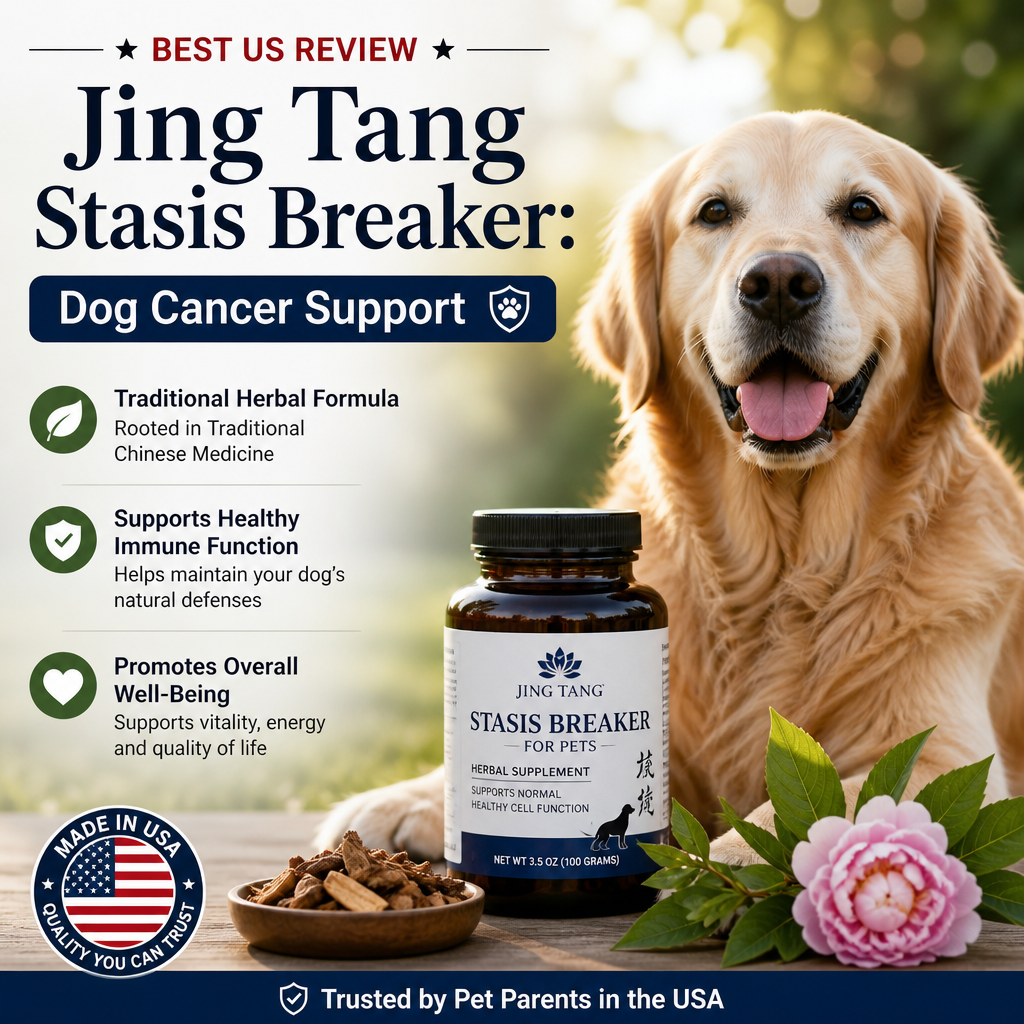
Jing Tang Stasis Breaker is a traditional Chinese veterinary herbal formula that some pet owners explore as part of a broader plan for dogs with serious health conditions, including cancer. A thoughtful Jing Tang Stasis Breaker review should distinguish traditional herbal use from proven cancer treatment, explain how the formula may fit into supportive care, and emphasize the importance of veterinary supervision. For families in the United States, product sourcing, quality control, dosing, and communication with a veterinarian are especially important.
Jing Tang Stasis Breaker is a veterinary herbal supplement associated with the traditional Chinese medicine approach to animal care. In that framework, “stasis” generally refers to impaired circulation or the accumulation of energy and blood that may contribute to discomfort, swelling, masses, or other clinical patterns. The formula is commonly discussed in relation to circulation support and the traditional management of conditions involving masses or stagnant blood.
The exact ingredients and proportions may vary depending on the manufacturer and product version. Because of this, owners should read the current label carefully rather than relying on descriptions found on older websites or reseller listings. A qualified veterinary professional familiar with herbal medicine can explain how the individual ingredients may affect a particular dog.
It is also essential to understand that a traditional formula is not the same as a conventional chemotherapy drug, radiation therapy, surgical procedure, or evidence-based medication. Jing Tang Stasis Breaker should not be presented as a cure for cancer. Instead, it may be considered by some veterinarians as one component of supportive or integrative care.
Owners who are new to herbal formulas often want a simple explanation of how they differ from prescription drugs. The key difference is that herbal blends are typically used to support the body’s overall balance rather than to target a single disease pathway in the same way a cancer drug might. That does not make them ineffective or meaningless, but it does mean they need to be evaluated in context. A formula may be appropriate for one patient and inappropriate for another depending on the tumor type, current medications, and the dog’s overall condition.
Another important point is that veterinary herbal products are usually selected as part of an individualized care plan. Two dogs with the same diagnosis may receive very different recommendations because one has poor appetite, another has liver concerns, and another is recovering from surgery. The formula itself does not replace clinical judgment. It works best when the veterinarian’s assessment leads the plan and the product is used with clear goals.
Jing Tang Stasis Breaker Dog Cancer Support: What Owners Should Know
The phrase Jing Tang Stasis Breaker dog cancer support often appears in searches by owners looking for gentle or complementary options after a cancer diagnosis. In practice, supportive care may focus on comfort, appetite, mobility, circulation, digestion, and overall quality of life. These goals are meaningful, but they should be considered alongside a confirmed diagnosis and a clearly defined treatment plan.
Cancer is not one disease. A lymphoma case, mast cell tumor, osteosarcoma, hemangiosarcoma, or soft-tissue sarcoma may require very different treatment strategies. The dog’s age, weight, organ function, tumor location, stage, medications, and laboratory results all influence whether an herbal product is appropriate.
Some owners may consider an herbal formula while their dog is undergoing surgery, chemotherapy, radiation, immunotherapy, or palliative care. This makes communication especially important. Certain herbs may influence bleeding, blood pressure, liver metabolism, immune activity, or the effects of prescription drugs. A veterinarian can help determine whether adding a supplement creates unnecessary risk or whether monitoring should be increased.
When owners are trying to sort through options, a practical question is whether the product supports comfort without complicating treatment. That is why discussion with the oncology team matters so much: the same formula may be reasonable for one dog and unsuitable for another.
It also helps to set expectations early. Supportive care does not always mean visible, dramatic change. Sometimes the benefit is subtle, such as steadier energy, less restlessness, easier movement after a nap, or improved tolerance of meals. Those small gains can matter to both the dog and the family. Still, they should be tracked honestly so owners can tell whether the plan is truly helping.
Jing Tang Stasis Breaker may be discussed in cases where the treatment goal is to support comfort while standard care continues. That makes the formula part of an integrated strategy rather than a single solution. Owners who approach the supplement with that mindset are usually better prepared to evaluate whether it is worth continuing.
Potential Reasons It May Be Considered
Traditional veterinary herbal practitioners may consider circulation-oriented formulas when a dog shows a pattern that includes a mass, localized swelling, pain, reduced mobility, or other signs interpreted through Chinese medicine. The goal is generally not to replace standard oncology care but to support the animal’s comfort and function.
Owners also commonly look for supplements that may help maintain quality of life during a difficult diagnosis. However, product claims should be evaluated carefully. A supplement marketed for “tumor support” or “blood movement” does not automatically demonstrate an ability to shrink tumors, extend survival, or prevent recurrence.
A reasonable review should therefore focus on realistic expectations. The strongest potential value may lie in individualized supportive care, particularly when a veterinarian monitors the dog’s response and adjusts the overall plan. Evidence for specific herbal formulas in canine cancer remains limited compared with the evidence available for established veterinary oncology treatments.
In practice, this means the formula may be discussed as one piece of a larger plan that could include pain control, diet changes, hydration support, anti-nausea medication, mobility assistance, and regular rechecks. Supportive care can be meaningful even when it does not change the underlying cancer itself.
Some owners are drawn to Jing Tang Stasis Breaker because they want an option that feels less aggressive than conventional oncology therapy. That desire is understandable. Many families are looking for ways to help their dog feel better without adding too much stress. The challenge is that “gentle” should never be assumed solely because a product is herbal. Gentle for one dog may still be too stimulating, too drying, or poorly matched for another dog’s condition.
Another reason it may be considered is that certain veterinarians integrate Chinese herbal medicine into broader symptom management. In those settings, the formula may be selected because the clinical pattern suggests that circulation support could be helpful. That kind of reasoning is more nuanced than simply saying the dog has cancer and therefore needs a supplement. It depends on the whole patient picture.
Owners should also remember that the product may be used differently depending on treatment stage. A dog recovering from surgery may have different needs than a dog in palliative care or a dog receiving chemotherapy. A formula that seems reasonable during one phase may need to be paused or adjusted during another. This is one more reason the product should be discussed as part of a living treatment plan, not a one-time purchase.
Safety, Side Effects, and Medication Interactions
Natural products can cause side effects. Depending on the formula and the dog’s health status, possible concerns may include digestive upset, vomiting, diarrhea, reduced appetite, allergic reactions, or changes in bleeding risk. A dog with liver or kidney disease may process herbal ingredients differently from a healthy dog.
Extra caution is appropriate when a dog takes anticoagulants, anti-inflammatory drugs, corticosteroids, chemotherapy agents, seizure medication, heart medication, or other drugs with narrow safety margins. Surgery and invasive procedures also deserve special attention because some supplements may affect clotting or recovery.
Stop the supplement and contact a veterinarian if the dog develops repeated vomiting, severe diarrhea, unusual bruising, nosebleeds, pale gums, weakness, collapse, worsening pain, breathing difficulty, or a sudden decline in appetite. These signs should never be dismissed as a normal adjustment to an herbal product.
Owners should also avoid combining multiple supplements with overlapping ingredients unless a veterinarian has reviewed the full list. “More natural” does not always mean safer, especially for dogs already dealing with cancer-related stress, reduced appetite, or concurrent medications.
There is also a practical safety issue related to consistency. Two products that seem similar may not be identical in strength or quality. If a dog is responding well to one batch and then suddenly changes when a new bottle is opened, the reason may be the product itself rather than the disease. Keeping the label, lot number, and purchase details can be helpful if the veterinarian needs to investigate a reaction.
When a dog is already managing a cancer diagnosis, even mild stomach upset can have outsized consequences. Reduced food intake can lead to weight loss, lower energy, and poorer tolerance of treatment. That is why any new supplement should be introduced cautiously and monitored closely. Owners should not wait for a major problem before asking whether a side effect might be related.
In many cases, the safest approach is to start only when the veterinary team has reviewed the full medication list and established what changes to watch for. A supplement does not need to be dangerous to create problems if it is used without coordination. Safety is often less about the formula name and more about timing, dose, and the dog’s overall condition.
Choosing Jing Tang Stasis Breaker in the United States
For owners researching Jing Tang Stasis Breaker United States suppliers, purchasing from a reputable veterinary channel is safer than buying from an unknown marketplace seller. Look for clear labeling, lot information, expiration dates, storage instructions, and contact details for the manufacturer or distributor. Products should arrive sealed and should not have an unusual odor, damaged packaging, or inconsistent appearance.
The United States supplement market does not operate exactly like the prescription drug market. Herbal products may not undergo the same premarket approval process required for conventional medications. This means owners should be cautious about dramatic promises, anonymous testimonials, and claims that a product can cure cancer or replace veterinary treatment.
A veterinary clinic that works with certified veterinary herbalists may be able to help verify the product, assess its suitability, and establish a monitoring plan. When possible, provide the veterinarian with a complete list of supplements, medications, treats, and foods the dog receives.
In a cancer-support context, it is wise to think of sourcing as part of treatment safety. Reliable supply, traceable manufacturing, and transparent labeling matter because even a well-chosen formula can become a problem if the product itself is inconsistent.
Owners should also be aware that ordering from a vendor is only one part of the decision. A product can be authentic and still be the wrong fit for the dog. For that reason, the question is not merely whether the supplement is available in the United States, but whether it is appropriate for the individual patient. The veterinarian’s guidance should come before convenience or price alone.
When comparing suppliers, look for a clear return policy, accessible customer support, and information about storage conditions during shipping. Heat and moisture can affect herbal products, particularly if the package sits in a mailbox or delivery truck for a long time. Good handling matters because the product should remain as stable and predictable as possible from purchase to administration.
How to Discuss It With Your Veterinarian
Before starting Jing Tang Stasis Breaker, bring the product label and explain why you are considering it. Ask whether the dog’s diagnosis, bloodwork, current medications, and upcoming procedures create any contraindications. It may also be useful to discuss measurable goals, such as improved appetite, easier movement, better comfort, or more stable digestion.
Monitoring can include periodic blood tests, weight checks, appetite records, and observation of pain or activity levels. Keeping a simple daily log can help identify whether a change is associated with the supplement, another treatment, or the natural progression of the disease.
Most importantly, do not delay diagnostic testing or proven cancer treatment while waiting to see whether an herbal product works. Early evaluation can affect the available treatment choices and the dog’s prognosis.
If your veterinarian is unfamiliar with the formula, ask whether they are comfortable coordinating with a practitioner who has training in veterinary herbal medicine. Collaboration can reduce confusion, prevent duplication, and make it easier to recognize whether the plan is helping.
It can also help to approach the conversation with a written summary. Include the diagnosis, current medications, supplements, appetite changes, weight trends, and any recent bloodwork if you have it. That makes the appointment more efficient and gives the veterinarian the information needed to think through risks. A well-organized discussion is especially valuable when cancer treatment is already complex.
Owners should feel comfortable asking direct questions such as whether the formula could interfere with anesthesia, whether it should be paused before imaging or surgery, and whether the dose should change if appetite drops. These are not minor details. They are the kind of questions that help turn a vague supplement idea into a safer, more practical plan.
Questions to Ask Before Starting
Does this product conflict with my dog’s current medications or procedures?
What changes should I watch for in appetite, stool quality, mobility, or energy?
How soon should I expect any benefit, if one occurs?
What side effects would mean I should stop the supplement right away?
How will we measure whether the plan is worthwhile?
What a Realistic Owner Plan Looks Like
A realistic plan starts with the understanding that Jing Tang Stasis Breaker is not a substitute for oncology care. It may be part of a supportive strategy, but it should not become a distraction from the dog’s primary medical needs. The most effective owners usually focus on three things at once: comfort, safety, and communication.
Comfort means watching for changes in movement, sleep, appetite, hydration, and stress level. If the dog is more willing to eat, rest calmly, or move with less hesitation, that information is useful. Safety means checking for side effects and being cautious with other medications. Communication means updating the veterinarian promptly when something changes, especially if the dog is already fragile.
Owners often find it helpful to think in short time blocks rather than trying to judge everything after only a day or two. Herbal products may not produce immediate changes, and a short observation period can make it easier to tell whether the formula is helping in a meaningful way. At the same time, clear stop points are important if the dog worsens or a concern appears.
It is also worth considering the emotional side of care. Families want to do something helpful, and choosing a supplement can feel like taking action. That feeling is understandable. Still, the best action is the one that is informed, measured, and coordinated with the veterinary team. Responsible care is not about doing the most; it is about doing what best serves the dog.
When the supplement is part of a larger plan, owners may see it listed alongside pain medication, a prescription diet, anti-nausea support, and recheck exams. That kind of structure is usually more useful than trying to make the herbal formula do everything on its own. It keeps expectations realistic and protects the dog from unnecessary risks.
For many families, the main benefit of a careful approach is peace of mind. They know the product was reviewed, the source was checked, and the goals were defined in advance. That alone can reduce uncertainty during an already difficult time.
Final Assessment
A balanced Jing Tang Stasis Breaker review should describe the formula as a complementary option rather than a standalone cancer treatment. It may have a place in an individualized integrative care plan, particularly when the primary veterinarian and a qualified veterinary herbal practitioner coordinate closely. However, evidence for cancer-specific benefits is not strong enough to support cure claims, and safety depends on the dog’s diagnosis, medications, organ health, and treatment schedule.
For families seeking Jing Tang Stasis Breaker dog cancer support in the United States, the best approach is careful sourcing, realistic expectations, professional guidance, and regular monitoring. The central goal should remain the dog’s comfort, safety, and quality of life while appropriate conventional care continues.
Used thoughtfully, the formula may fit into a broader supportive plan. Used without guidance, it can create avoidable risks. That is why the most responsible choice is to treat it as a discussion point for your veterinary team, not as a replacement for medical care.
If you want the most practical takeaway, keep it simple: confirm the diagnosis, review the full medication list, verify the source, and ask your veterinarian whether the supplement fits the dog’s current treatment stage.
For dog owners who continue researching Jing Tang Stasis Breaker after an oncology visit, the best next step is usually not another sales page. It is a conversation with the clinician who knows the dog’s history. That is where the formula can be judged fairly—based on the patient, the treatment plan, and the real-world goals of care.