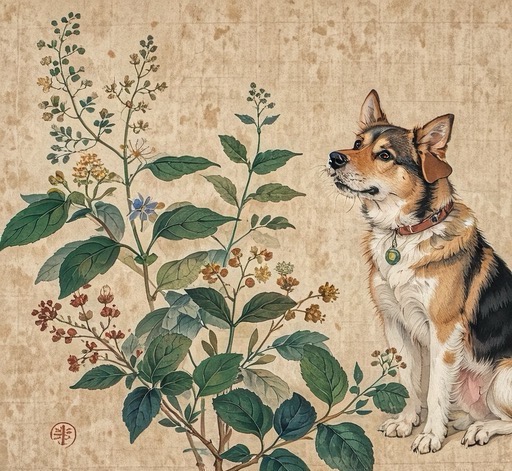
by TCMVET | Mar 19, 2024 | Dog Cancer & Tumors
In the journey to holistic pet health, Traditional Chinese Medicine (TCM) is emerging as a promising ally in the fight against canine cancer. This ancient practice, rooted in a rich heritage of herbal wisdom, is now finding its way into the world of modern veterinary oncology, offering new hope for our furry companions.
TCM, with a history spanning thousands of years, is based on the principles of balance, harmony, and energy flow in the body. Central to this philosophy are concepts like Qi (life energy), Yin and Yang (opposite forces), and the Five Elements. TCM uses a variety of approaches including herbal medicine, acupuncture, diet, and exercise to prevent and treat illness.
The Rising Tide of Canine Cancer
As dogs live longer due to improved care and nutrition, the incidence of cancer in these beloved pets has been on the rise. Conventional treatments like chemotherapy, surgery, and radiation, while effective, often come with side effects that can impact a dog’s quality of life.
Integrating TCM in Canine Cancer Care
In the context of canine cancer, TCM offers a unique perspective. Rather than solely targeting the cancer, it focuses on restoring the body’s balance and strengthening its natural defenses. Herbal remedies, a cornerstone of TCM, use natural ingredients that are believed to possess anti-cancer properties and help alleviate side effects of conventional treatments.
Herbal Remedies: The Heart of TCM for Canine Cancer
Herbs like Huang Qin, Bai Hua She She Cao, and Yun Zhi are used in TCM for their potential anti-tumor and immune-boosting effects. These herbs are often administered in combination, tailored to the individual dog’s condition, and used alongside conventional cancer treatments.
Acupuncture: More Than Just Pain Relief
Acupuncture, another key component of TCM, is renowned for its pain-relieving properties. In dogs with cancer, it’s used not just for pain management but also to improve appetite, boost energy levels, and enhance overall well-being.
The Challenge of Adaptation and Integration
Adapting TCM to canine cancer care isn’t without challenges. It requires a deep understanding of both TCM principles and veterinary oncology. Furthermore, collaboration between TCM practitioners and veterinary oncologists is vital to ensure safe and effective integration of these therapies.
The Future of TCM in Veterinary Oncology
The future looks promising for TCM in veterinary medicine, particularly in oncology. As more research is conducted, and as pet owners increasingly seek holistic care options, TCM is poised to play a significant role in the comprehensive care of dogs with cancer.
“From Fields to Fido” is not just a journey across time and space but a metaphor for the adaptation of ancient wisdom to modern needs. As we embrace TCM’s potential in canine cancer care, we open doors to more compassionate, holistic, and personalized treatment options for our beloved pets.

by TCMVET | Mar 19, 2024 | Dog Cancer & Tumors
The intersection of traditional Chinese medicine (TCM) and modern veterinary care presents a fascinating avenue for the treatment of canine cancer. This blend of ancient wisdom and contemporary science offers new hope and options for dog owners and their beloved pets facing cancer diagnoses.
The Rise of Canine Cancer
In recent years, there’s been a noticeable increase in cancer cases among dogs. Factors such as environmental pollutants, processed diets, and longer life expectancies contribute to this uptrend. As dog owners seek effective treatments, the integration of TCM in veterinary oncology has garnered significant attention.
Traditional Chinese Medicine: A Brief Overview
TCM, rooted in a history spanning thousands of years, encompasses various practices including herbal medicine, acupuncture, and dietary therapy. It’s based on the concept of Qi (life energy) and its balance within the body. TCM focuses on treating the underlying cause of a disease, not just the symptoms.
TCM in Treating Canine Cancer
- Herbal Medicine: Certain Chinese herbs are known for their anti-cancer properties. Herbs like Huang Qin and Bai Hua She She Cao are used to inhibit tumor growth and boost the immune system.
- Acupuncture: This ancient practice is employed to alleviate pain and improve the overall well-being of dogs undergoing cancer treatment.
- Diet Therapy: TCM emphasizes the importance of a balanced diet. Foods that support Qi and blood production are recommended for cancer-afflicted dogs.
The Science Behind TCM and Canine Cancer
Recent scientific studies have started to explore how TCM can effectively complement conventional cancer treatments. Some studies suggest that certain herbs used in TCM can inhibit tumor growth and enhance the effectiveness of chemotherapy.
Case Studies and Success Stories
Numerous case studies highlight the success of TCM in extending the quality and duration of life for dogs with cancer. These stories provide hope and insight into how TCM can be a valuable component of a comprehensive cancer treatment plan.
Integrating TCM and Modern Veterinary Care
It’s crucial for dog owners to consult with both a veterinarian and a TCM practitioner. This collaborative approach ensures a well-rounded treatment plan that combines the best of both worlds.
The integration of traditional Chinese medicine in treating canine cancer is a testament to the evolving nature of veterinary care. This combination offers a holistic approach, emphasizing not just the treatment of the disease but the overall health and well-being of our canine companions.

by TCMVET | Mar 18, 2024 | pet Chinese herbal medicine
The convergence of traditional Chinese medicinal knowledge with modern technology in the field of canine oral oncology is a fascinating development in veterinary medicine. This union represents a holistic approach to treating one of the most challenging canine diseases. This article delves into how ancient wisdom is being integrated with cutting-edge technology to improve outcomes for dogs suffering from oral cancer.
The Ancient Wisdom of Chinese Medicine
Traditional Chinese Medicine (TCM) has a rich history dating back thousands of years. It is based on the principle of harmony and balance within the body and the universe. TCM uses various practices, including herbal medicine, acupuncture, and dietary therapy, to treat ailments. Key to this philosophy is the concept of Qi, the vital life force that flows through the body, and the balance of the Yin and Yang energies.
Canine Oral Cancer: A Modern Challenge
Canine oral cancer, primarily comprising conditions like melanoma, squamous cell carcinoma, and fibrosarcoma, poses significant challenges in veterinary medicine. These cancers are often aggressive and require a multi-faceted treatment approach. Modern veterinary oncology has made strides in diagnosis and treatment, including surgery, chemotherapy, and radiation therapy.
Integrating TCM in Modern Veterinary Oncology
The integration of TCM in treating canine oral cancer involves using ancient medicinal knowledge alongside modern medical techniques. This approach aims to treat the disease while maintaining the overall well-being of the animal.
- Herbal Medicine: Certain herbs in TCM are known for their anti-inflammatory and anti-cancer properties. They are used alongside conventional treatments to enhance their efficacy and mitigate side effects.
- Acupuncture: Acupuncture is used for pain management and to improve the quality of life of dogs undergoing cancer treatment. It is believed to stimulate the body’s natural healing processes.
- Dietary Therapy: TCM also emphasizes the importance of diet in managing diseases. Nutritional adjustments can support the immune system and help the body cope with cancer and its treatments.
Technology Enhancing Traditional Practices
Modern technology plays a pivotal role in integrating TCM into canine oral oncology. Advanced diagnostic tools, precision in administering treatments, and research into the efficacy of herbal remedies are vital components of this integrative approach.
The Importance of a Balanced Approach
The combination of TCM and modern veterinary oncology stresses the importance of a balanced approach to treatment. This methodology not only focuses on eradicating cancer cells but also on enhancing the overall health and quality of life of the canine patient.
“Tradition Meets Technology” is not just a phrase but a progressive approach in veterinary medicine, particularly in treating canine oral cancer. The blending of ancient Chinese medicinal knowledge with modern technology is paving the way for more comprehensive and compassionate cancer care. As we continue to explore and validate this integration, the potential to revolutionize veterinary oncology remains immense.
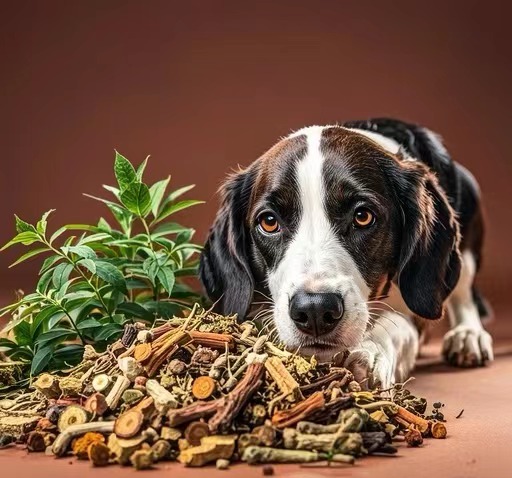
by TCMVET | Mar 18, 2024 | pet Chinese herbal medicine
The field of veterinary medicine has undergone a remarkable evolution, especially in the treatment of canine oral cancer. From the ancient herbal remedies to the latest advancements in veterinary oncology, the journey reflects a deepening understanding of disease and the development of more effective treatments. This article explores this evolution, highlighting how traditional approaches and modern medicine have come together to offer hope and healing for our canine companions.
The Ancient Beginnings
Traditional Chinese Medicine (TCM), rooted in ancient practices, has long utilized natural herbs for healing. Shen Nong, a legendary figure in Chinese history, is credited with identifying and cataloging numerous medicinal plants, laying the groundwork for herbal medicine. These early practices emphasized a holistic approach to health, considering the balance and harmony of the entire body.
The Rise of Canine Oral Cancer
In modern times, canine oral cancer has emerged as a significant health issue for dogs. This category of cancer, which includes conditions like melanoma, squamous cell carcinoma, and fibrosarcoma, is known for its aggressive nature and challenging treatment. As pet owners and veterinarians seek effective therapies, the integration of traditional and modern medicine becomes increasingly relevant.
Integrating Traditional Herbal Medicine
In the quest for more holistic treatments, veterinary medicine has begun to embrace the principles of TCM. Herbal remedies are being explored for their potential to support conventional cancer treatments. Herbs like Huang Qin (Scutellaria baicalensis) and Bai Hua She She Cao (Hedyotis diffusa) are being studied for their anti-cancer properties, which may include reducing inflammation and enhancing the immune response.
Advancements in Modern Veterinary Oncology
Concurrently, significant advancements in veterinary oncology have led to more sophisticated treatments for canine oral cancer. Techniques such as targeted chemotherapy, radiation therapy, and advanced surgical methods have improved survival rates and quality of life for affected dogs. The use of diagnostic imaging, like CT scans and MRIs, allows for earlier detection and more precise treatment planning.
The Role of Integrative Veterinary Care
Integrative veterinary care, which combines elements of both traditional and modern medicine, is becoming a cornerstone of treating canine oral cancer. This approach not only aims to fight the cancer but also focuses on the overall well-being of the animal, considering factors like diet, lifestyle, and mental health.
The Future of Canine Cancer Treatment
As research continues, the future of canine oral cancer treatment looks promising. The integration of herbal medicine with advanced oncological therapies is opening new avenues for treatment. Additionally, ongoing studies in areas like immunotherapy and gene therapy offer the potential for even more effective and personalized care.
From herbal roots to healing paws, the evolution of medicine in treating dog mouth cancer embodies the synergy between ancient wisdom and modern science. This integrative approach not only enriches our understanding of veterinary medicine but also enhances the care we provide to our beloved canine friends.

by TCMVET | Mar 18, 2024 | pet Chinese herbal medicine
The fusion of Traditional Chinese Medicine (TCM) with contemporary veterinary oncology represents a profound journey through history. This blend of ancient wisdom and modern science provides a unique perspective on pet healthcare, especially in the challenging realm of cancer treatment in animals. This article explores the historical journey from the early practices of Chinese medicine to the sophisticated world of today’s veterinary oncology.
The Roots of Chinese Medicine:
Chinese medicine, with its origins dating back thousands of years, has been a cornerstone of healthcare in Asia. It focuses on the principles of balance, harmony, and energy flow within the body. The foundational texts of TCM, such as “Huangdi Neijing” (The Yellow Emperor’s Classic of Medicine), offer insights into ancient practices, emphasizing the importance of holistic treatment.
Shen Nong and the Birth of Pharmacology:
A pivotal figure in this historical journey is Shen Nong, known as the Divine Farmer. He is credited with introducing the systematic study of herbs, setting the stage for the development of pharmacology. Shen Nong’s daring experimentation with herbs laid the groundwork for the comprehensive “Shen Nong Ben Cao Jing” (The Divine Farmer’s Materia Medica), a text that categorizes hundreds of medicinal plants and their uses.
从古代疗法到现代疗法:
The principles of Chinese medicine have slowly been integrated into various aspects of modern healthcare, including veterinary medicine. This integration is particularly evident in the treatment of canine cancers, where conventional methods like surgery, chemotherapy, and radiation therapy are often complemented with TCM practices to enhance treatment efficacy and manage symptoms.
Acupuncture and Cancer Care:
One of the most notable TCM practices in modern veterinary oncology is acupuncture. Known for its ability to reduce pain and inflammation, acupuncture is increasingly being used to alleviate the side effects of cancer treatments in pets, improving their quality of life.
Herbal Medicine in Veterinary Oncology:
The use of herbal medicine, a key component of TCM, has also found its way into veterinary cancer care. Certain herbs are known for their anti-inflammatory and immune-boosting properties, offering supportive care alongside conventional cancer treatments. However, the use of these herbs must be carefully managed by a veterinarian with expertise in both TCM and modern medicine.
Challenges and Opportunities:
Integrating TCM with modern veterinary practices is not without challenges. There’s a need for more scientific research to understand the efficacy and safety of combining these treatments. However, the potential benefits of this integrative approach, such as improved patient comfort and potentially better outcomes, are driving ongoing exploration and acceptance in the veterinary community.
The historical journey from the early practices of Chinese medicine to today’s veterinary oncology is a testament to the enduring power of ancient wisdom and the adaptability of modern science. As we continue to explore this integration, we open new doors to innovative and compassionate care for our animal companions, ensuring their health and well-being through a balanced and holistic approach.
