by TCMVET | Aug 28, 2026 | Research and News
Ocoxin Pets vs Alternatives is an important comparison for Portuguese dog owners looking for supportive care during cancer treatment. Nutritional products cannot replace surgery, chemotherapy, radiation therapy, or veterinary monitoring, but they may help maintain appetite, body condition, hydration, and general wellbeing when used appropriately. Choosing the right option depends on the dog’s diagnosis, treatment plan, symptoms, diet, and overall health.
Understanding oncology nutritional support
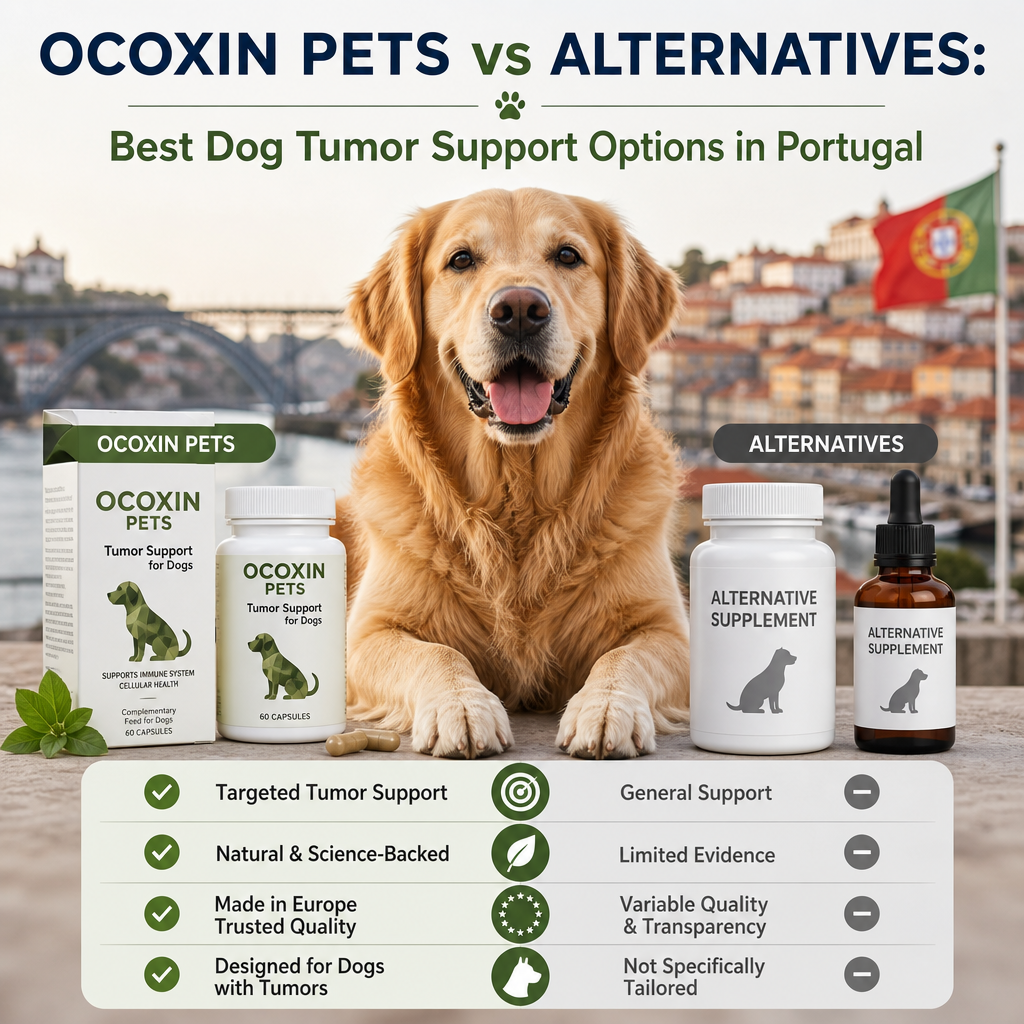
Ocoxin Pets vs Alternatives becomes easier to evaluate when owners first understand the role of oncology nutritional support. This type of support refers to dietary strategies and supplements used alongside veterinary cancer care. Dogs with tumors may experience reduced appetite, nausea, weight loss, inflammation, digestive problems, or increased nutritional demands. Some treatments can also make eating more difficult by causing fatigue, oral discomfort, or gastrointestinal side effects.
A suitable nutritional plan aims to provide adequate calories and highly digestible nutrients while avoiding unnecessary ingredients or excessive supplementation. In practice, this may involve a complete veterinary diet, an energy-dense food, appetite-support measures, omega-3 fatty acids, probiotics, or a specialist supplement such as Ocoxin Pets. Ocoxin Pets vs alternatives is therefore not just a product comparison; it is a comparison of different ways to support a dog during a complex medical period.
The most important principle is individualization. A product that is appropriate for one dog may be unsuitable for another, especially when kidney disease, liver disease, pancreatitis, diabetes, food allergies, or medication interactions are present. That is why Ocoxin Pets vs alternatives should always be discussed with the treating veterinarian rather than chosen only on the basis of marketing claims.
In many cases, owners are trying to solve more than one problem at once. A dog with cancer may need more calories, better stool quality, more enthusiasm for food, and a supplement that does not interfere with treatment. The best support plan is the one that addresses the most important issue first while remaining practical enough for daily use. When Ocoxin Pets vs alternatives is reviewed in this structured way, the decision becomes much clearer.
What is Ocoxin Pets?
Ocoxin Pets is a veterinary nutritional supplement designed to provide supportive care for dogs and cats, including animals undergoing cancer treatment. Its formulation is generally associated with ingredients such as botanical extracts, antioxidants, vitamins, minerals, and other compounds intended to support nutritional status and immune function.
It is not an anticancer drug and should not be presented as a cure for tumors. Its potential role is supportive: helping provide selected nutrients during a period when the animal may have greater nutritional challenges. The product should be used according to veterinary advice, particularly because cancer patients often take several medications at the same time. In a practical sense, Ocoxin Pets vs alternatives is often about whether this type of multi-ingredient support is the most suitable choice for a particular dog.
When evaluating Ocoxin Pets, owners should consider the dog’s ability to tolerate the product, the ingredient list, the recommended dose, the form available, and whether it fits the dog’s existing diet. A supplement is most useful when it complements, rather than replaces, a balanced feeding plan. Ocoxin Pets vs alternatives should also include a review of palatability, because a product that is nutritionally promising but refused by the dog will not deliver meaningful benefits.
For owners comparing Ocoxin Pets vs alternatives, it can also help to review an evidence-based veterinary perspective on cancer nutrition. A useful starting point is the WSAVA nutrition guidelines, which explain why complete nutrition and careful monitoring matter during illness.
In Portugal, the choice may also depend on what is available through veterinary clinics, referral centers, or pharmacies. Some products are easy to obtain locally, while others may need to be ordered. That means Ocoxin Pets vs alternatives can include practical issues such as price, supply consistency, and whether the product is simple enough to continue for weeks or months if needed.
Ocoxin Pets vs Alternatives: what should owners compare?
When comparing Ocoxin Pets vs alternatives, price alone should not be the deciding factor. The most relevant questions concern purpose, evidence, safety, convenience, and suitability for the individual animal.
Ocoxin Pets vs Alternatives should also be judged by how well each option supports daily feeding habits. If the dog is eating poorly, the best product is often the one the dog will actually accept consistently. If the dog is stable on a complete diet, the right answer may be a modest addition rather than a major change. This is why a good Ocoxin Pets vs alternatives review starts with the dog’s current appetite, body condition, and treatment stage.
Another useful question is whether the product is meant to correct a specific problem or simply offer broad support. A broad supplement may be helpful when several small needs exist at the same time, while a focused product may be better when the issue is narrow, such as low calorie intake or digestive upset. In that sense, Ocoxin Pets vs alternatives is less about a single winner and more about matching the tool to the job.
1. Complete veterinary diets
A therapeutic or high-energy veterinary diet may be the most important nutritional intervention for a dog with cancer. These diets are formulated to provide balanced nutrition and may be easier to digest or more calorie-dense than standard foods. Some are designed for recovery, gastrointestinal sensitivity, or weight management.
The advantage of a complete diet is that it supplies a broad nutritional foundation. However, not every dog accepts a new food, and some patients may need gradual transitions or customized feeding plans. A diet should be selected with the veterinarian, especially if the tumor affects the digestive system or the dog has another medical condition.
In many cases, Ocoxin Pets vs alternatives comes down to whether the dog needs a full feeding plan or a focused supplement. If the food intake is already adequate, a targeted support product may be enough. If intake is poor, diet quality becomes the priority. A complete diet is often the foundation on which any supplement plan should rest, including Ocoxin Pets if it is being considered.
Owners sometimes assume a supplement can make up for poor food intake, but that is rarely the best approach. A dog with cancer usually benefits more from consistent calories and balanced nutrients than from multiple add-ons that do not solve the main feeding problem. For this reason, Ocoxin Pets vs alternatives should always be discussed alongside the dog’s base diet.
2. Energy-dense recovery foods
Recovery foods and calorie-dense veterinary formulas can be useful when a dog eats only small portions. They may provide more energy in a smaller volume, which can help dogs experiencing early satiety, weakness, or reduced appetite.
These products are generally focused on maintaining weight and muscle rather than providing a cancer-specific supplement. They may therefore be considered alongside, rather than as a direct replacement for, Ocoxin Pets.
Ocoxin Pets vs Alternatives is often easiest to understand in this category: recovery diets support the entire daily ration, while supplements are usually designed to complement that ration. Some dogs need both. If the dog is losing weight, a higher-calorie food may deliver more benefit than a supplement alone.
In practice, recovery foods can be especially useful after surgery or during periods of low appetite. The texture, smell, and energy density may make them easier to offer in smaller meals throughout the day. If a dog is still willing to eat but cannot manage normal portions, this may be a stronger choice than a supplement-heavy strategy. That practical distinction is central to Ocoxin Pets vs alternatives.
3. Omega-3 fatty acids
Fish oil products containing EPA and DHA are frequently discussed in veterinary nutrition. They may support skin health, help maintain a balanced inflammatory response, and contribute useful calories. Some veterinary diets already contain controlled amounts of omega-3 fatty acids.
Quality matters. Owners should choose products intended for animals, check the concentration of active fatty acids, and avoid giving excessive doses. Fish oil can cause digestive upset and may not be appropriate for every dog, particularly those with a history of pancreatitis or bleeding concerns.
When weighing Ocoxin Pets vs alternatives, fish oil may be a practical choice for dogs that need added calories and support from a familiar nutrient. It is still best discussed with the veterinarian, especially if surgery is planned. In some cases, omega-3 supplementation may be used with a complete diet rather than instead of one.
For some dogs, omega-3 fatty acids are a good example of a targeted support option that does one job well. For others, a broader supplement may be preferred. The real issue in Ocoxin Pets vs alternatives is not which product sounds more advanced, but which one fits the dog’s current clinical priorities.
4. Probiotics and digestive support
Cancer treatment, stress, diet changes, and medication can affect the digestive system. Veterinary probiotics may help support normal intestinal function in some dogs, although results vary between products and patients.
Probiotics are not a substitute for nutritional support when a dog is losing weight or refusing food. They are better viewed as a targeted option for dogs with digestive disturbances, especially when recommended by a veterinarian.
In the Ocoxin Pets vs alternatives discussion, probiotics make the most sense when digestive tolerance is the main concern. They do not replace calorie support, but they may improve comfort and help the rest of the feeding plan work better.
Some dogs with tumors experience soft stool, gas, intermittent diarrhea, or a sensitive stomach during treatment. In those cases, improving digestive stability can make every meal more effective. If food is better tolerated, then appetite and body condition may improve as a result. That is why digestive support is often part of a broader Ocoxin Pets vs alternatives review.
5. Homemade diets
Some owners consider preparing meals at home because their dog has become selective or refuses commercial food. Palatable homemade meals may encourage eating temporarily, but unbalanced recipes can create deficiencies or excesses in protein, calcium, vitamins, and minerals.
A long-term homemade diet should be formulated by a veterinary nutrition professional. Ingredients such as raw meat, concentrated herbal products, or large amounts of supplements can also create infection, toxicity, or medication-interaction risks.
For Ocoxin Pets vs alternatives, homemade food should be seen as a feeding strategy rather than a supplement strategy. If the recipe is not professionally balanced, it may solve appetite problems while creating a new nutrition problem. That is especially important for dogs with cancer, because weight loss and muscle loss can develop quickly if the diet is not well designed.
Homemade meals can still have a place in a carefully supervised plan. A veterinarian may suggest a temporary home-cooked approach for a dog with strong food aversion, but the recipe should be complete, consistent, and tailored to the patient. Ocoxin Pets vs alternatives should not be simplified into “natural” versus “commercial” because both can be appropriate or inappropriate depending on how they are used.
6. Appetite support and feeding routines
Beyond specific products, feeding routines themselves are an important form of support. Small, frequent meals, warming food slightly to increase aroma, hand-feeding, and offering meals in a calm environment can all help a dog eat more consistently. These approaches do not replace medical treatment, but they can make any nutritional option more effective.
In some cases, Ocoxin Pets vs alternatives is not really about one product against another but about how the dog is fed overall. A supplement may be useful only if the dog is still willing to eat enough of the rest of the diet. If appetite is collapsing, feeding strategy must be adjusted first.
Owners may also need to track whether the dog prefers wet food, dry food, warmed food, or repeated small servings across the day. These details matter because supportive nutrition is only helpful if the dog accepts it. For many patients, the best Ocoxin Pets vs alternatives decision is the one that improves actual daily intake, not simply the one with the most attractive label.
7. Prescription palliative support
For some dogs, the main goal is comfort rather than aggressive treatment. In that context, prescription palliative support may include anti-nausea medication, appetite stimulants, pain relief, and carefully chosen food or supplements. This can be more impactful than any single nutraceutical product.
When comparing Ocoxin Pets vs alternatives, owners should remember that supportive care includes more than nutrition alone. A dog that is nauseous or in pain may not eat well no matter how good the supplement is. Addressing symptoms first often makes the nutrition plan work better.
Palliative support may also change over time, depending on the dog’s response and quality of life. The veterinarian may adjust medications, feeding recommendations, and supplement use as the situation evolves. This dynamic approach is an essential part of making Ocoxin Pets vs alternatives a meaningful comparison.
Best dog tumor support options in Portugal
The best dog tumor support options in Portugal usually combine professional veterinary care with practical nutritional management. Portugal has general veterinary practices, referral hospitals, oncology services, diagnostic laboratories, and veterinary pharmacies that can help owners access treatment and supportive products.
A sensible care plan may include:
- Confirming the tumor diagnosis and stage.
- Asking whether surgery, chemotherapy, radiation, or palliative care is appropriate.
- Monitoring body weight, muscle condition, appetite, vomiting, stool quality, and hydration.
- Choosing a complete and palatable diet.
- Adding supplements only when their ingredients and dosage are appropriate.
- Reviewing all products with the treating veterinarian.
- Scheduling regular reassessments as the disease or treatment changes.
Availability may differ between Portuguese clinics, veterinary pharmacies, and online retailers. Owners should check storage conditions, expiry dates, authorized distribution, and product labeling. Imported supplements can vary in formulation between markets, so the exact packaging and ingredient list should be verified before use.
Because the Portuguese market may offer several support choices, Ocoxin Pets vs alternatives should also account for practical access. A product that is ideal in theory but hard to reorder regularly may be less useful than a slightly simpler option that can be maintained without interruption. Consistency matters in cancer support care.
If owners want more context on supplement availability in Europe, the related guide on Ocoxin Pets Alternative: 7 Best Affordable Dog Tumor Supplements in Ireland shows how support options can differ by market while still following similar nutrition principles.
For Portuguese dog owners, the best choice may also depend on the clinic’s familiarity with a product. If the veterinary team has experience with a particular supplement or diet, they may be able to monitor it more effectively. That is another reason Ocoxin Pets vs alternatives should be considered in partnership with the clinician rather than in isolation.
Safety considerations before using supplements
Natural ingredients are not automatically harmless. Botanical extracts, antioxidants, minerals, and concentrated oils may affect digestion, blood clotting, liver metabolism, or the activity of prescription medicines. Some supplements may also be unsuitable before surgery or during specific chemotherapy protocols.
Owners should tell the veterinarian about every product the dog receives, including human supplements, herbal preparations, treats, and homemade remedies. The veterinary team can decide whether a supplement should be started, paused, or avoided.
Immediate veterinary attention is needed if a dog develops persistent vomiting, severe diarrhea, collapse, breathing difficulty, marked lethargy, refusal of all food, or signs of dehydration. These symptoms should not be managed by simply adding another supplement.
Ocoxin Pets vs Alternatives should always be reviewed in the context of the current treatment plan. What is safe during a stable period may not be appropriate during intensive therapy, after surgery, or when blood test results change. In practical terms, a supplement choice must be reassessed if the dog’s medication list changes or if appetite suddenly declines.
Owners should also be careful with stacking multiple products that contain similar ingredients. Extra vitamins, minerals, or antioxidant blends may seem helpful, but they can create unnecessary overlap. When Ocoxin Pets vs alternatives is analyzed carefully, one of the most important goals is to avoid duplication and keep the plan as simple as possible.
If there is any uncertainty, the safest step is to pause non-essential supplements and ask the veterinarian for advice. Clear communication prevents accidental interactions and helps ensure that supportive care actually supports the main treatment plan.
Making a practical choice
The right decision is rarely about finding one universally superior product. Ocoxin Pets may be useful for some dogs as part of a broader nutritional plan, while another dog may benefit more from a complete recovery diet, omega-3 supplementation, digestive support, or carefully formulated home feeding.
Owners can make the comparison more meaningful by identifying the primary goal: maintaining weight, improving appetite, supporting digestion, correcting a documented deficiency, or helping the dog cope with treatment. Once that goal is clear, the veterinarian can assess whether Ocoxin Pets or an alternative is the safest and most relevant option.
Good nutritional support should be measurable and regularly reviewed. Tracking appetite, weight, activity, stool quality, and comfort helps determine whether the plan is helping. For dogs with tumors, consistent veterinary supervision and preserved quality of life remain more important than any individual supplement.
In practical terms, Ocoxin Pets vs alternatives is not a simple winner-or-loser debate. The best choice is the one that fits the dog’s diagnosis, is tolerated well, and supports the broader treatment plan without adding unnecessary risk. That may mean using Ocoxin Pets, choosing a different supplement, or focusing mainly on diet and symptom control.
For owners in Portugal, the most useful mindset is to think in terms of support layers. Food quality, caloric intake, digestive comfort, medication tolerance, and monitoring all work together. When those layers are addressed properly, Ocoxin Pets vs alternatives becomes a decision about refinement rather than rescue.
In the end, the most important outcome is not whether the label says Ocoxin Pets or another product. The real goal is helping the dog eat well, stay comfortable, and maintain the best possible quality of life during treatment. That is the standard every Ocoxin Pets vs alternatives comparison should meet.
by TCMVET | Aug 27, 2026 | Research and News
Dolfos Carcifin vs alternatives is an important comparison for dog owners looking for safe, practical support during cancer treatment. A tumor diagnosis can be overwhelming, but supportive care may help maintain appetite, body condition, energy, and quality of life while a veterinarian manages the primary disease. Supplements should never replace surgery, chemotherapy, radiation, pain control, or other prescribed treatments. Instead, they should be considered as part of a broader care plan designed around the individual dog.
If you want to compare product choices more broadly, you may also find this guide to dog tumour supplements helpful when discussing options with your veterinarian.
Understanding support in anti-cancer therapy
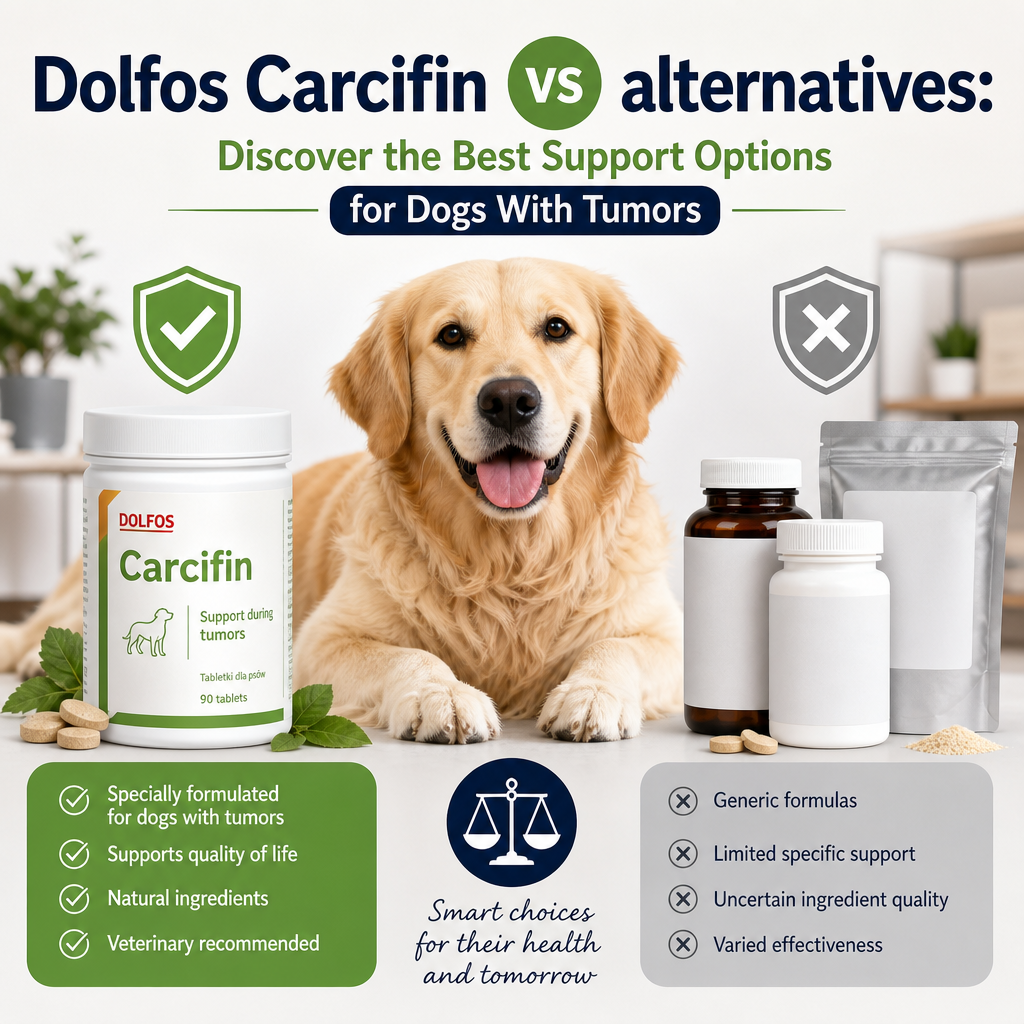
Support in anti-cancer therapy focuses on helping a dog tolerate treatment and remain as comfortable and active as possible. Dogs with tumors may experience reduced appetite, weight loss, digestive upset, fatigue, inflammation, or changes in immune function. These problems can result from the cancer itself, from treatment, or from unrelated health conditions that become more difficult to manage during illness.
Dolfos Carcifin vs alternatives is often discussed by owners who want a simple way to add nutritional support without complicating a treatment plan. A supportive supplement may contain ingredients intended to provide antioxidant activity, nutritional support, or assistance with normal immune and metabolic functions. However, the value of any product depends on its ingredients, dosage, quality control, and suitability for the dog’s diagnosis. A supplement that is appropriate for one patient may be unsuitable for another, particularly when the dog has liver or kidney disease or is receiving multiple medications.
Before starting a product, discuss the full ingredient list with a veterinarian. This is especially important because some antioxidants, herbs, and concentrated nutrients may affect drug metabolism, blood clotting, blood pressure, or the action of chemotherapy drugs. For general reference on cancer care principles, the American Veterinary Medical Association provides useful educational information at AVMA’s cancer in pets resource.
What is Dolfos Carcifin?
Dolfos Carcifin is marketed as a veterinary nutritional supplement for dogs and cats requiring additional support during serious disease, including conditions involving tumors. Its formulation is intended to complement conventional veterinary care rather than act as a cancer cure. Depending on the product version and regional labeling, ingredients may be selected for nutritional, antioxidant, or immune-supportive purposes.
When owners compare Dolfos Carcifin vs alternatives, the first question is usually whether the product matches the dog’s current needs. The most important step is to read the current packaging and product information carefully. Formulas can vary by market, and the correct serving depends on the animal’s weight, health status, and feeding routine. Owners should also confirm whether the product is appropriate for puppies, senior dogs, pregnant animals, or dogs with specific organ conditions.
Potential advantages of a specialized product include convenient dosing, a formulation designed for companion animals, and clear instructions when purchased through a reputable veterinary channel. Nevertheless, the product should be judged by its actual ingredient profile rather than its name or marketing claims.
Dolfos Carcifin vs alternatives: key comparison points
When assessing Dolfos Carcifin vs alternatives, consider several practical and medical factors instead of choosing solely by price or popularity. The best choice is usually the one that fits the dog’s diagnosis, treatment phase, and daily routine without creating new risks.
Ingredient transparency
A reliable supplement should clearly identify its active ingredients and amounts per serving. Vague descriptions make it difficult for a veterinarian to evaluate possible benefits or interactions. Look for complete labeling, batch information, storage instructions, and an expiration date. With Dolfos Carcifin vs alternatives, transparency is often the first detail that helps narrow the field.
Evidence and realistic expectations
There is no supplement proven to eliminate tumors or replace evidence-based cancer treatment. Some ingredients have laboratory or limited clinical research, but results in cells or experimental models do not automatically translate into benefits for dogs. A responsible product makes modest claims and presents itself as supportive care. That is why Dolfos Carcifin vs alternatives should be viewed through a practical, not promotional, lens.
Compatibility with treatment
Dogs undergoing chemotherapy, radiation, surgery, corticosteroid treatment, or anticoagulant therapy may have special requirements. Certain ingredients could interfere with treatment or increase the risk of adverse effects. Your veterinarian may recommend avoiding a supplement temporarily before surgery or during particular chemotherapy cycles. This compatibility check matters just as much as the label when comparing Dolfos Carcifin vs alternatives.
Tolerance and administration
A product is only useful if the dog can tolerate and receive it consistently. Powders, capsules, liquids, and chewable forms may suit different dogs. Palatability matters, especially when nausea or appetite loss is present. Stop and contact the veterinary team if vomiting, diarrhea, facial swelling, itching, weakness, or a sudden change in appetite develops. In practice, the most tolerable option often wins when looking at Dolfos Carcifin vs alternatives.
Quality control and sourcing
Choose products supplied through established veterinary pharmacies, clinics, or manufacturers that provide clear quality standards. Supplements are not always regulated in the same way as prescription medicines, so independent testing, manufacturing information, and traceable sourcing can add confidence. For owners deciding between Dolfos Carcifin vs alternatives, sourcing can be as important as the ingredient list.
Dog tumor support options beyond supplements
Dog tumor support options should extend well beyond a single nutritional product. Nutrition is often central. A veterinarian may recommend a complete, highly digestible diet with sufficient calories and protein, adjusted to the dog’s condition. Homemade diets should be formulated with a veterinary nutrition professional because unbalanced feeding can worsen weakness or interfere with recovery.
Pain management is another essential part of care. Dogs may hide discomfort, so signs such as restlessness, reluctance to move, panting, altered sleep, or withdrawal should be reported. Prescription pain relief, anti-nausea medication, appetite support, and fluid therapy may provide greater benefits than an unproven supplement. These measures can matter more than any single product in Dolfos Carcifin vs alternatives comparisons.
Maintaining a healthy body weight is also important. Weigh the dog regularly and record appetite, water intake, bowel movements, energy, and medication administration. These notes help the veterinary team identify changes early. Gentle activity, comfortable bedding, temperature control, and reduced household stress can further improve daily well-being.
In some cases, veterinary oncology teams may discuss additional supportive approaches, such as rehabilitation, acupuncture, or carefully selected dietary modifications. These should be integrated with conventional treatment and performed by qualified professionals.
For owners comparing nutrition-focused support, it can help to review the broader category of dog tumour supplements before deciding whether a product like Dolfos Carcifin fits the plan.
How to choose the best option for your dog
The best choice depends on the tumor type, stage, treatment plan, current symptoms, and overall health. Ask the veterinarian what the primary goal should be: maintaining weight, supporting appetite, managing gastrointestinal effects, assisting recovery after surgery, or improving comfort. A targeted goal makes it easier to determine whether a supplement is necessary.
Provide the veterinary team with a list of every product the dog receives, including vitamins, herbal remedies, treats, and human medications. Reassess regularly because the dog’s needs may change as treatment progresses. If there is no measurable improvement after an agreed evaluation period, the product may not be providing meaningful value. That is especially true when evaluating Dolfos Carcifin vs alternatives over time.
Ultimately, supplements such as Dolfos Carcifin may have a role in selected cases, but they work best as one small component of a complete veterinary plan. Careful product evaluation, open communication, nutritional support, symptom control, and frequent monitoring offer a safer and more effective approach to helping dogs live as comfortably as possible with cancer. When used thoughtfully, Dolfos Carcifin vs alternatives can be assessed in a way that keeps medical care, comfort, and realistic expectations in balance.
For the clearest decision, revisit Dolfos Carcifin vs alternatives with your veterinarian after any treatment change, appetite shift, or new lab result. A supplement that seemed appropriate at diagnosis may not remain the best option later, and the safest support plan is the one that adapts to the dog’s current needs.
by TCMVET | Aug 27, 2026 | Research and News
Dog Cancer Supplements With Prednisone can be part of a carefully managed supportive-care plan, but they should never be added casually. Prednisone is a powerful corticosteroid used in veterinary oncology to reduce inflammation, improve appetite, control certain immune reactions, and help manage symptoms associated with some cancers. Because it can affect the immune system, stomach, liver, blood sugar, and fluid balance, every supplement should be reviewed by a veterinarian before use.
The right approach is not to search for a universal “cancer supplement.” Instead, owners should consider the dog’s diagnosis, current medications, bloodwork, appetite, digestion, and treatment goals. A supplement that is reasonable for one dog may be inappropriate for another, especially when prednisone or chemotherapy is involved.
Understanding prednisone in dogs with cancer
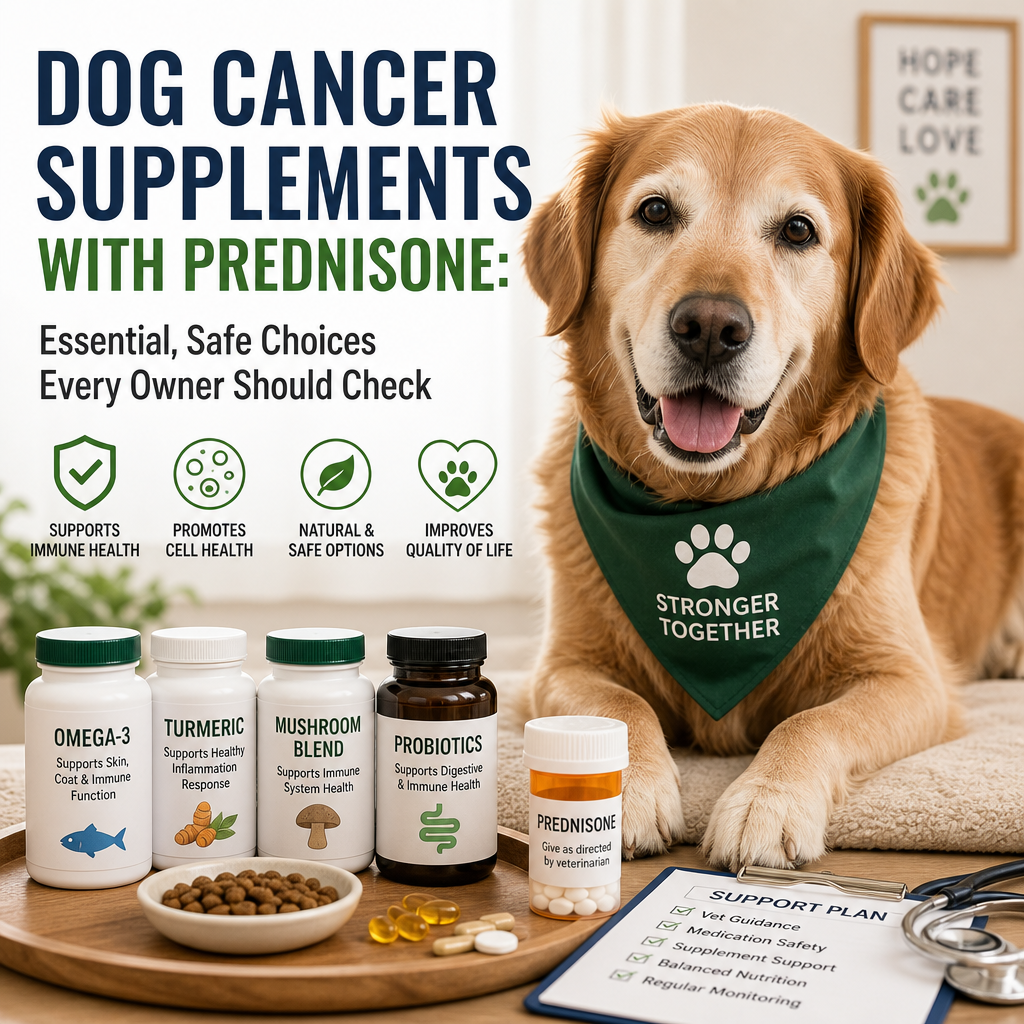
Prednisone may be prescribed alone for palliative care or alongside chemotherapy and other medications. It can reduce swelling and inflammation, relieve discomfort caused by pressure or tissue irritation, and stimulate appetite. In some cancers, including lymphoma and mast cell tumours, corticosteroids may also temporarily reduce cancer-related symptoms.
However, prednisone commonly causes increased thirst, urination, hunger, panting, restlessness, and muscle weakness. Longer courses may increase the risk of infections, gastrointestinal irritation, diabetes, liver changes, and delayed wound healing. These effects are important when considering dog cancer supplements with prednisone and when deciding whether a product is truly helpful or simply adding risk.
Prednisone should also never be stopped suddenly unless the prescribing veterinarian provides a specific tapering plan. The body may need time to resume normal cortisol production after steroid treatment.
Another reason to proceed carefully is that steroid therapy can change how a dog behaves and eats. A dog may seem more energetic because discomfort has improved, or it may appear hungrier because prednisone increases appetite. Neither of those changes guarantees that the underlying cancer is controlled, so supplements should be judged by safety and usefulness rather than by short-term appetite alone.
Veterinarians often look at the whole treatment picture before making recommendations. That includes the type of cancer, whether surgery has already been performed, whether radiation or chemotherapy is planned, and whether the dog has other health concerns such as diabetes, kidney disease, pancreatitis, or liver disease. The same cautious approach applies to dog cancer supplements with prednisone, because the most appropriate product for one patient may be the wrong choice for another.
Dog Cancer Supplements With Prednisone: what may be considered
Some supplements may support general nutrition or help manage specific concerns, but evidence varies widely. The following categories are commonly discussed with veterinary professionals when planning dog cancer supplements with prednisone.
It is helpful to think of supplements as tools for a specific need: preserving body condition, easing digestion, supporting mobility, or filling a documented nutritional gap. If a product does not have a clear purpose, it is usually not worth adding during cancer treatment.
Omega-3 fatty acids
Fish oil containing EPA and DHA may support skin health, inflammatory balance, and overall nutritional care. Some veterinary cancer specialists use omega-3 fatty acids as part of a broader diet plan, particularly when maintaining body condition and muscle mass is a priority.
Quality matters. Choose a product made for pets or one that has been independently tested for purity and heavy metals. Fish oil can cause stomach upset, loose stools, or pancreatitis in susceptible dogs, and it may affect blood clotting at high doses. The veterinarian should calculate the dose based on the dog’s weight and health status.
For dogs already taking prednisone, it is especially important to watch for digestive changes after starting fish oil. If vomiting or diarrhea appears, the dose may be too high or the product may not be a good match. Some dogs tolerate omega-3s well with food, while others need a much smaller amount or a different formulation.
Veterinary multivitamins
A balanced commercial dog food usually provides essential vitamins and minerals, so a multivitamin is not automatically necessary. In fact, adding high levels of certain nutrients can create problems, especially in dogs with liver or kidney disease.
A veterinary-formulated product may be considered when a dog is eating a restricted diet, has a documented deficiency, or needs nutritional support during treatment. Owners should avoid human multivitamins, which may contain excessive doses of vitamin D, iron, or other ingredients that are dangerous to dogs. For practical product comparison, see natural supplement benefits Essential, Helpful Support.
If a clinician recommends a vitamin product, it should usually be tied to a measurable reason rather than used as a general “immune booster.” That makes it easier to monitor results and avoid duplicate nutrient exposure from food, treats, and other supplements.
Probiotics and digestive support
Prednisone, chemotherapy, stress, dietary changes, and antibiotics can all affect digestion. A veterinary probiotic may help some dogs maintain more consistent stools, although results differ between individuals. Select products that identify specific strains and provide clear storage and dosing instructions.
Probiotics should be used cautiously in dogs with severely compromised immune systems. A dog with persistent vomiting, bloody diarrhea, fever, or significant weakness needs veterinary attention rather than supplement-based treatment.
Digestive support can also include practical feeding changes. Smaller meals, more frequent feeding, and improved hydration may do more than a complicated supplement regimen. When prednisone is increasing appetite but stools are still loose, the veterinarian may suggest a simpler diet instead of adding multiple digestive products.
Antioxidant products
Antioxidants are often marketed for dogs with cancer, but their use during chemotherapy or radiation requires particular care. Some cancer treatments work partly through oxidative damage to tumour cells. Large amounts of antioxidant supplements could theoretically interfere with treatment, although the degree of risk depends on the substance, dose, and therapy.
This does not mean every antioxidant is unsafe. It means products containing concentrated vitamins C or E, selenium, coenzyme Q10, or multiple herbal extracts should be reviewed by the veterinary oncology team before they are started. You can also review the National Cancer Institute’s overview of antioxidants and cancer treatment at the National Cancer Institute.
Because the evidence is mixed, owners should be cautious about assuming an antioxidant is automatically “supportive.” Some dogs may benefit from carefully selected nutrition-based support, while others may do better without additional supplementation until treatment is complete.
Joint and mobility support
Some dogs with cancer are older, weaker, or less active because of pain, inflammation, or muscle loss. In those cases, a veterinarian may discuss joint-support ingredients such as glucosamine or green-lipped mussel. These products are not cancer treatments, but they may help comfort and mobility when used appropriately.
That said, mobility supplements should still be checked carefully when prednisone is part of the plan. They should not duplicate other medications, and they should not delay proper pain control or palliative care.
Loss of muscle is one of the biggest quality-of-life concerns in canine cancer care. If a dog is becoming stiff, slowing down, or having trouble getting up, the answer may involve physical support, weight management, adjusted exercise, or pain medication review rather than a long list of products. The best dog cancer supplements with prednisone are the ones that fit a real need.
Digestive soothing ingredients
Dogs on steroids may experience appetite changes, stomach irritation, or loose stools. In some cases, a veterinarian may suggest fiber support, a bland diet adjustment, or a carefully selected digestive product to help keep stools consistent. The goal is to reduce GI upset without masking signs of a more serious problem.
If a dog is vomiting repeatedly, passing black stool, or refusing food, do not keep testing supplements at home. Those symptoms can indicate ulceration, pancreatitis, or another urgent issue.
Some owners look for “stomach friendly” powders, chewables, or herbal blends, but these products can still irritate a sensitive dog. The most practical option is often the simplest one: a product with a short ingredient list, a clear label, and a known purpose.
Choosing safe support based on the dog’s main need
When reviewing dog cancer supplements with prednisone, it helps to match the product to the dog’s primary issue rather than to the diagnosis alone. This keeps the plan focused and prevents unnecessary overlap.
If the dog is losing weight, the priority may be calories, protein, and palatability. If stools are inconsistent, digestive support may matter more. If the dog is uncomfortable getting up or going for short walks, joint support and pain control may be more relevant than vitamins. Supportive care works best when it solves a real problem.
Owners can ask a simple question before purchasing any product: “What is this supposed to improve, and how will we know if it is helping?” If there is no clear answer, it may be better to leave it out.
This approach also makes it easier for the veterinary team to interpret bloodwork and side effects. Too many products can blur the picture and make it difficult to know whether prednisone, the cancer, or a supplement is causing a new symptom.
Supplements for dogs with mast cell tumours
Mast cell tumours release histamine and other substances that can cause swelling, itching, stomach irritation, vomiting, diarrhea, or even severe allergic-type reactions. Prednisone is sometimes used to reduce inflammation and tumour-associated symptoms, while antihistamines and stomach-protective medications may also be prescribed.
When considering mast cell tumour prednisone supplements, the priority should be symptom control and treatment compatibility. Supplements cannot replace surgery, oncology care, antihistamines, or prescribed stomach protection. Ingredients that affect histamine release, blood clotting, or immune activity may be unpredictable in an individual dog.
Some owners ask about turmeric, medicinal mushrooms, milk thistle, or cannabidiol products. These substances may have potential uses, but evidence and product quality vary considerably. They can also interact with medications or cause liver and gastrointestinal problems. A veterinarian should evaluate the complete ingredient list rather than relying on a product’s cancer-related marketing claims. If you are comparing mycotherapy-related support, the article Best Treatment for Lymphoma in Dogs: Integrating Conventional and Herbal Approaches with TCMVET Baituxiao may help you understand the broader category.
Mast cell disease is one situation where caution matters even more than usual. Because these tumours can be associated with unpredictable mediator release, a supplement that seems harmless in general use may still be a poor choice in a specific patient. In these cases, dog cancer supplements with prednisone should be chosen only after the oncology team has reviewed the dog’s current prescription plan.
Supplements with steroids dog cancer patients should avoid without guidance
Certain products deserve extra caution when a dog is taking prednisone:
- Herbal blends with many undisclosed or concentrated ingredients
- High-dose vitamin and mineral products
- Human pain supplements or combination products
- Garlic-based products, which may harm dogs in sufficient amounts
- Supplements that increase bleeding risk, especially before surgery
- Products containing xylitol, which is highly toxic to dogs
- Unregulated cannabidiol or mushroom products with uncertain concentrations
- Calcium or vitamin D products given without laboratory testing
- Appetite stimulants or immune boosters that duplicate prescribed effects
“Natural” does not mean risk-free. Herbs can affect liver enzymes, blood pressure, clotting, sedation, or the absorption of prescription medicines. A supplement should be treated like a medication, with a clear reason for use and a defined monitoring plan.
Owners should also be careful with products that promise to “support immunity” in a broad way. In many cancer patients, immune stimulation is not the goal, and some ingredients may complicate treatment or make side effects harder to interpret. When in doubt, the safest answer is to pause and ask the veterinarian before starting dog cancer supplements with prednisone.
When to ask for a medication review
Owners should ask the veterinary team for a supplement review before starting any new product, especially if the dog has a history of pancreatitis, liver disease, diabetes, kidney disease, bleeding problems, or recent surgery. This is also important if the dog is receiving chemotherapy, pain medication, stomach protectants, or immune-modulating drugs.
In many cases, the safest choice is to simplify rather than add more products. Fewer ingredients usually make it easier to detect side effects and avoid conflicts with prednisone.
A good medication review should include every chew, capsule, powder, liquid, and treat used for health purposes. Even a small daily product can matter if it contains overlapping ingredients or a substance that changes how a drug is absorbed. That is one more reason dog cancer supplements with prednisone should be selected carefully and tracked clearly.
How to use supplements more safely
Before introducing any product, provide the veterinarian with the dog’s complete medication and supplement list. Include the brand, ingredients, concentration, serving size, and intended daily amount. It is usually best to introduce only one new product at a time, beginning at the recommended dose and observing for changes.
Watch for vomiting, diarrhea, appetite loss, unusual thirst, worsening panting, weakness, bruising, black stools, yellowing of the gums, or signs of infection. These symptoms may be caused by prednisone, the cancer itself, another medication, or the supplement, so prompt veterinary advice is important.
Regular blood and urine testing may be recommended during prolonged prednisone use or cancer treatment. Monitoring can help detect liver changes, blood sugar problems, infection, anemia, and kidney concerns before they become severe.
It can also help to keep a simple home log. Note appetite, water intake, bowel movements, energy level, and any new symptoms. That record gives the veterinarian a clearer picture of how the dog is responding to dog cancer supplements with prednisone and whether a change is needed.
If a supplement is started and the dog becomes more tired, more nauseous, or less interested in food, do not assume the cancer has suddenly worsened. A new product may be the cause, or it may be interacting with prednisone or another prescribed medicine. Stopping and reporting the change promptly can prevent a minor problem from becoming a major one.
Practical checklist before starting a supplement
- Confirm the diagnosis and current treatment plan
- Ask whether the dog is on chemotherapy, pain medication, or stomach protection
- Review bloodwork for liver, kidney, glucose, and platelet concerns
- Check whether the product duplicates another ingredient already being used
- Start only one new product at a time
- Track changes for appetite, stools, energy, and thirst
- Report side effects quickly
This checklist keeps the process manageable and reduces the chance of accidental overlap. It also helps owners stay focused on dog cancer supplements with prednisone that have a clear role in the care plan.
Nutrition remains the foundation
The most valuable supportive measure is often a complete, palatable diet that helps the dog maintain weight and muscle. Cancer can increase nutritional demands, while prednisone may increase hunger without protecting against muscle loss. Small, frequent meals, adequate hydration, and veterinary-approved calorie adjustments may be more useful than a long list of supplements.
Appetite changes can be confusing because prednisone may make a dog seem hungry even when the body is losing lean tissue. That is why nutrition should be reviewed alongside body condition, muscle condition, and lab results rather than appetite alone.
When a dog is eating poorly, the answer is not always another capsule or powder. Sometimes the best support is changing meal timing, warming food slightly, adding moisture, or choosing a more digestible veterinary diet that fits the treatment plan.
Owners may also find it helpful to revisit the basic feeding plan every few weeks, especially if the dog’s treatment changes. A diet that worked well before surgery may not be ideal during chemotherapy, and a supplement that seemed helpful at first may become unnecessary once the dog is stable. The goal is to keep support simple, effective, and easy to monitor.
Ultimately, dog cancer supplements with prednisone should be selected for a specific purpose, supported by reasonable evidence, and coordinated with the dog’s cancer treatment. Careful veterinary oversight helps owners avoid harmful interactions while focusing on comfort, nutrition, and quality of life. When in doubt, ask the oncology team first and use the smallest number of products needed to meet a real goal.
by TCMVET | Aug 27, 2026 | Research and News
Stangest OncoVet I is a nutritional supplement designed to support dogs during cancer care, particularly when they need extra help maintaining normal immune function, appetite, energy, and overall condition. For families in Spain, choosing a canine supplement can be difficult because products vary in ingredients, dosage guidance, availability, and suitability for each animal. This review explains what Stangest OncoVet I is, how it may fit into a veterinary treatment plan, and the most important considerations before giving it to a dog.
What is Stangest OncoVet I?
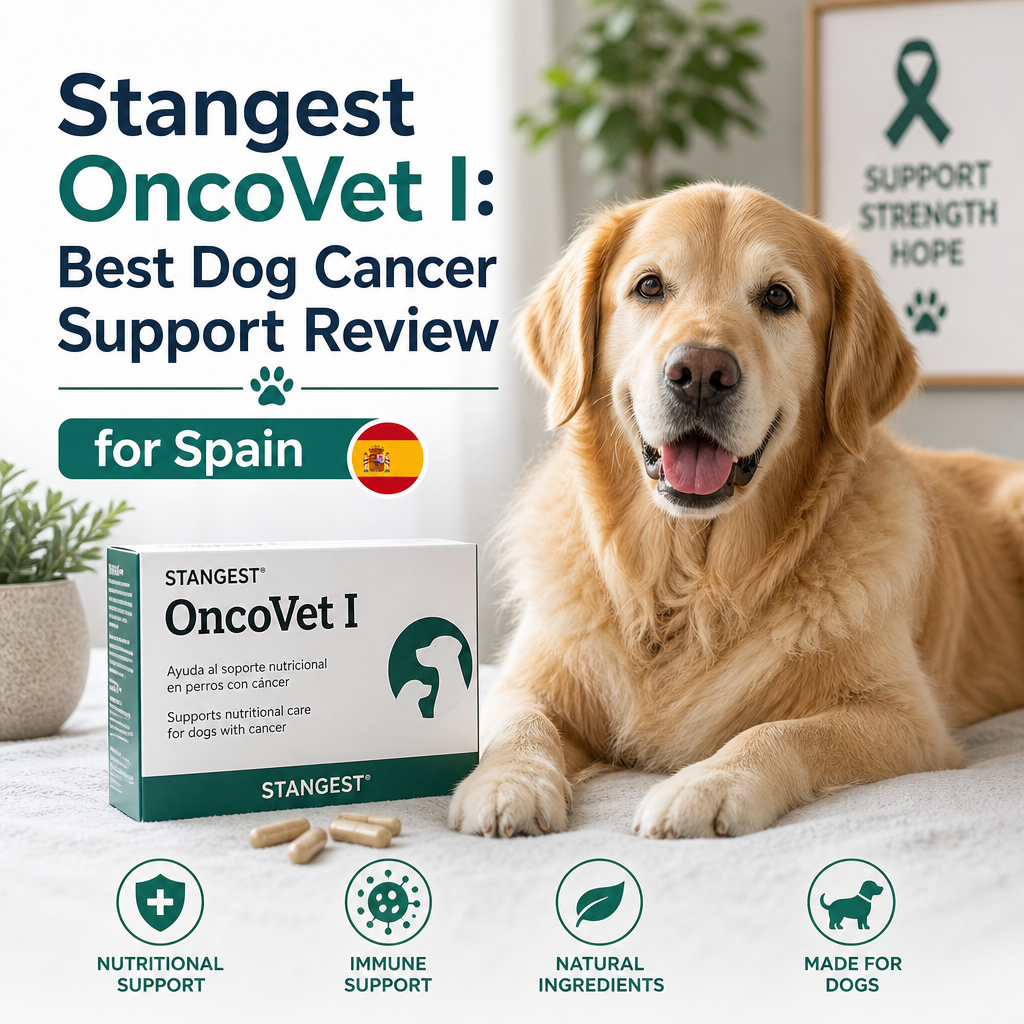
Stangest OncoVet I is a complementary veterinary product formulated for dogs and cats that require nutritional support during periods of illness. It is commonly associated with oncology support, meaning it may be used alongside conventional veterinary care for animals diagnosed with cancer. The product is not intended to replace surgery, chemotherapy, radiotherapy, immunotherapy, pain management, or other treatments prescribed by a veterinarian.
Cancer can affect a dog in several ways. Some animals experience reduced appetite, weight loss, digestive changes, fatigue, inflammation, or a decline in muscle condition. In other cases, the disease itself or its treatment can increase nutritional demands. A supplement such as OncoVet I may be considered as part of a broader plan focused on maintaining quality of life and supporting the body during treatment.
Before choosing any supplement, it helps to compare it with the dog’s current diagnosis and care plan. A product like Stangest OncoVet I may be appropriate for one patient and unnecessary for another, which is why veterinary guidance matters from the start.
Many owners also prefer to discuss supportive care options with their vet before making a purchase, especially when a dog is already on multiple medicines or a special diet. If you want a broader overview of pet support products, see our veterinary pet health resources for related guidance.
Stangest OncoVet I dog cancer support: What can it do?
The phrase Stangest OncoVet I dog cancer support generally refers to the product’s role as an adjunct to veterinary oncology care. Its purpose is supportive rather than curative. Depending on the individual dog’s condition, nutritional supplements may help provide selected nutrients, antioxidants, or other compounds that contribute to normal physiological functions.
Potential reasons a veterinarian might consider this type of product include:
- Supporting a dog with reduced appetite or changing nutritional needs
- Helping maintain body condition during a prolonged illness
- Providing complementary nutritional support during cancer treatment
- Supporting normal immune system function
- Helping owners follow a structured care routine at home
However, the expected benefit depends on the dog’s diagnosis, age, weight, medication, organ function, and response to treatment. A supplement that is appropriate for one dog may not be suitable for another. For this reason, it should be viewed as one part of an individualized care plan rather than a universal cancer remedy.
For more background on supportive nutrition in sick pets, the World Small Animal Veterinary Association offers widely respected clinical resources for veterinarians and pet owners.
In practical terms, Stangest OncoVet I can be most helpful when the goal is steady support rather than rapid change. Owners often look for something that may help a dog keep eating, stay comfortable, and preserve condition while treatment is underway, and that is where a carefully chosen support product may fit.
A useful Stangest OncoVet I review should look beyond marketing claims and consider the product’s practical role. Owners should carefully read the current packaging or official product information for the exact ingredient list, because formulations, presentation sizes, and instructions can change between markets.
Many veterinary oncology supplements contain combinations of nutritional ingredients selected for antioxidant, immune, digestive, or metabolic support. The relevance of each ingredient depends on the dog’s health status. For example, a nutrient that is well tolerated in a healthy animal may require caution in a dog with kidney disease, liver disease, diabetes, pancreatitis, or a history of urinary problems.
It is also important to distinguish nutritional support from evidence-based cancer treatment. Supplements may contribute to general wellbeing, but they do not destroy tumors or guarantee remission. Claims suggesting that a product can cure cancer should be treated with caution. A reliable product review should recognize both possible benefits and limitations.
When reading the label, pay attention to the form of the supplement, the recommended daily amount, how long one container is likely to last, and whether the product is meant for short-term or ongoing use. These details matter because a dog with cancer may need a plan that changes from week to week as appetite, medication, and body condition change. If the label is unclear, the safest option is to ask a veterinarian or a qualified veterinary pharmacist before starting.
It can also help to compare the supplement with the dog’s diet. Some dogs are already receiving therapeutic food designed for weight maintenance or digestive support. In that situation, a supplement may be unnecessary, or it may need to be adjusted to avoid adding too many calories or ingredients the dog does not tolerate well. A careful review of the whole feeding plan is often more useful than focusing on a single product in isolation.
For practical pet health guidance in Europe, owners can also review the European Commission’s animal health and welfare information, which explains broader standards relevant to responsible care.
Because ingredient lists can vary, Stangest OncoVet I should always be checked in its current version before use. That small step helps reduce confusion and makes it easier to compare the product with the dog’s actual needs.
How it may be used during veterinary treatment
Veterinarians may recommend supplements at different stages of care. Some dogs receive nutritional support after diagnosis, while others begin supplementation during chemotherapy, after surgery, or when appetite and body weight become difficult to maintain.
The correct amount should always be based on the product instructions and veterinary guidance. Owners should not assume that a higher dose will produce better results. Giving too much may increase the risk of digestive upset or interfere with the animal’s overall treatment plan.
Before using Stangest OncoVet I, provide the veterinarian with a complete list of:
- Prescription medicines
- Painkillers and anti-inflammatory drugs
- Other supplements
- Special diets or home-prepared foods
- Known allergies
- Previous reactions to nutritional products
This information helps the veterinary team assess possible interactions and determine whether the supplement is appropriate.
In many cancer cases, timing matters as much as the product itself. A supplement may be more useful when a dog is stable and able to eat reliably than during a period of severe nausea or vomiting. If the dog is struggling to keep food down, the veterinarian may prioritize anti-nausea medication, pain relief, hydration, or a feeding strategy before introducing a new supplement. That approach often leads to better tolerance and a clearer understanding of whether the supplement is actually helping.
Owners should also keep in mind that cancer care rarely follows a straight line. The same dog may need more support after surgery, less during a stable period, and different nutritional support if bloodwork or imaging shows disease progression. Using a supplement as a fixed routine without review can miss these changes. Regular communication with the veterinary oncology team is the best way to make sure the plan stays appropriate.
Because the label and the treatment plan matter equally, Stangest OncoVet I should be introduced only after the owner understands how it fits into the dog’s broader veterinary care. That makes it easier to spot helpful changes and to stop the product if it no longer suits the patient.
For owners deciding whether to start Stangest OncoVet I, the most useful approach is to treat it like part of a medical plan: check compatibility first, then monitor whether the dog is actually tolerating it well once it is introduced.
Possible benefits and limitations
The main advantage of a specialized supplement is convenience. It may provide a concentrated source of selected nutrients in a format intended for companion animals. Some owners also find that a consistent nutritional routine helps them monitor appetite, stool quality, energy, and weight more closely.
Nevertheless, no supplement can compensate for insufficient calories, uncontrolled pain, dehydration, nausea, or inadequate cancer treatment. If a dog is losing weight rapidly, vomiting, refusing food, struggling to breathe, or showing severe weakness, urgent veterinary assessment is more important than adding a supplement.
Possible unwanted effects may include loose stools, vomiting, reluctance to eat, or intolerance to one of the ingredients. Stop administering the product and contact a veterinarian if the dog develops a concerning reaction. Dogs with complex medical conditions may need blood tests or dietary adjustments before supplementation begins.
The most realistic way to think about this product is as a support tool. It may help some dogs maintain their condition better during treatment, but its value depends on the individual patient and the rest of the care plan. If the dog is receiving multiple therapies, the supplement should be reviewed alongside each one so that any change in appetite, stool quality, or energy can be interpreted correctly.
For owners, the biggest limitation is often expectation. A good supplement can support comfort and nutrition, but it cannot replace a diagnosis, staging, treatment planning, or follow-up care. Dogs with cancer usually benefit most when the supplement is used to support a broader veterinary strategy that already includes appropriate medicine, diet, and monitoring.
Used in that way, Stangest OncoVet I may be one practical part of long-term support rather than a stand-alone solution, and that distinction helps keep expectations realistic.
When people search for Stangest OncoVet I, they are usually trying to answer a very specific question: will this help my dog right now, and is it safe with everything else my dog is already getting? The best answer always comes from the full clinical picture, not from a label alone.
Stangest OncoVet I Spain: Buying and veterinary considerations
For owners searching for Stangest OncoVet I Spain, the safest approach is to purchase through a reputable veterinary clinic, established animal-health pharmacy, or authorized retailer. Check that the packaging is sealed, the expiration date is valid, and the storage instructions have been followed. Products bought from unknown online sellers may have uncertain authenticity or storage conditions.
Availability can vary between Spanish regions and retailers. A veterinarian may be able to advise whether the product is currently suitable, identify an equivalent option, or recommend a different nutritional strategy. Spanish pet owners should also confirm that the label includes clear instructions, batch information, and appropriate species guidance.
When comparing prices, consider the recommended daily amount rather than the cost of the container alone. A larger package is not always more economical if the dog needs only a short course or cannot tolerate the product.
It is also sensible to check whether the seller provides proper customer support and product documentation. In Spain, where imported pet supplements can sometimes appear on multiple marketplaces, a low price alone is not enough to judge value. A trustworthy source should be able to confirm storage conditions, expiry, and the exact version of the product being sold. If those details are missing, it is better to look elsewhere.
Before buying, compare the supplement with the dog’s specific clinical needs. A product that is marketed for general support may not suit a dog that requires a renal diet, a low-fat diet, or medication that must be taken with food. The buying decision should come after a veterinary discussion, not before it. That approach is especially important in cancer care, where even small changes in digestion or intake can affect how well a dog feels from day to day.
In practical terms, Stangest OncoVet I should be treated like any other health product for a sick pet: check the source, confirm the instructions, and make sure the purchase fits the medical plan rather than the other way around.
Monitoring your dog’s response
If Stangest OncoVet I is introduced, monitor the dog regularly. Useful observations include appetite, water consumption, body weight, stool consistency, vomiting, activity level, coat condition, and signs of pain. Keeping a simple daily record can help the veterinarian evaluate whether the overall plan is working.
A supplement should not delay a follow-up appointment or replace diagnostic testing. Cancer care often requires changes over time, and the dog’s nutritional needs may change after surgery, during chemotherapy, or as the disease progresses.
Watch for subtle patterns as well as obvious side effects. A dog may not vomit, for example, but may begin eating more slowly, leaving food behind, or showing hesitation at mealtime. These changes can signal that the supplement, the diet, or the treatment plan needs adjustment. Recording the date, time, and type of change makes it easier for the veterinarian to decide what to do next.
If the dog is improving, continue to observe rather than assume the product alone is responsible. Improvement may be due to better pain control, a dietary change, recovery from surgery, or a combination of factors. That is why follow-up matters: it helps separate true benefit from coincidence and protects the dog from staying on an unnecessary product for too long.
Many owners find that the simplest monitoring method is also the most effective: note meals, bathroom changes, energy, and comfort each day. Over time, that record can show whether Stangest OncoVet I is helping or whether another approach is needed.
Consistent monitoring is especially valuable because cancer support products are not one-size-fits-all. A dog that looks better in the first few days may still need a later review if appetite drops again or stool changes appear.
Questions owners often ask before choosing a supplement
Is it safe to use with cancer medication?
Sometimes, but not always. The answer depends on the dog’s prescriptions, the supplement’s ingredients, and the dog’s current condition. A veterinarian should review both before the product is started.
Can it replace a therapeutic diet?
No. A supplement cannot replace a complete and balanced therapeutic diet unless a veterinarian has specifically designed that plan. Nutrition for dogs with cancer usually requires a broader strategy than a single product can provide.
How quickly should results appear?
There is no fixed timeline. Some dogs may show changes in appetite or stool quality within days, while others may not respond noticeably. If no benefit is observed after a reasonable trial period, the veterinarian may suggest stopping it or trying a different approach.
What if my dog refuses it?
Do not force the product without professional advice. Refusal may mean the taste, texture, or timing is not suitable, or it may signal that the dog feels unwell. Your veterinarian can suggest alternatives.
These questions come up often because dog cancer support products are only useful when they fit the pet’s medical reality. Stangest OncoVet I may be well suited to one stage of care and less helpful at another, so ongoing review is part of responsible use.
Owners who are unsure about starting Stangest OncoVet I should remember that a careful discussion with the veterinary team can prevent unnecessary expense, reduce the chance of side effects, and make it easier to choose the right supportive option for the dog’s stage of illness.
Final assessment
Stangest OncoVet I may be a useful complementary option for selected dogs receiving cancer care, especially when nutritional and general health support are part of a carefully managed veterinary plan. Its value lies in supporting the animal—not in replacing proven cancer treatment. Owners in Spain should check the current formulation, purchase from a reliable source, follow the recommended dosage, and consult their veterinarian before use. The best results are most likely when supplementation is combined with appropriate oncology treatment, a suitable diet, pain control, regular monitoring, and close attention to the dog’s quality of life.
For practical decision-making, the most important question is not whether a supplement sounds promising in general, but whether it fits the individual dog. When used thoughtfully and reviewed with a veterinarian, Stangest OncoVet I can be part of a well-rounded support plan for a dog living with cancer.
In the end, Stangest OncoVet I is most valuable when owners use it as a measured support option, not a shortcut. That mindset helps keep care safer, clearer, and more focused on the dog’s real needs.
Used well, Stangest OncoVet I can support day-to-day comfort without distracting from the main treatment goals. That is the kind of balanced use most owners want, and it is usually the safest path for dogs facing cancer.
by TCMVET | Aug 27, 2026 | Research and News
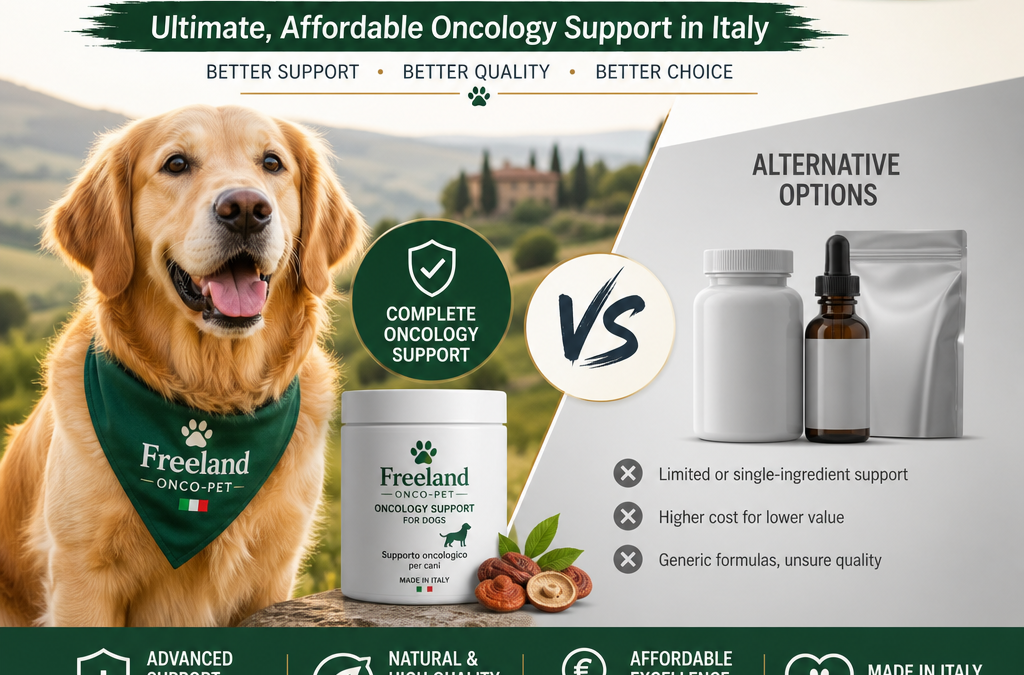
Freeland Onco-Pet vs alternatives is an important comparison for Italian pet owners looking for practical, affordable oncology support. When a dog or cat receives a tumor diagnosis, families often need more than a single product or treatment recommendation. They need clear information about veterinary care, nutritional support, quality-of-life monitoring, and the realistic options available within their budget.
A diagnosis of cancer is never simple, but informed decisions can make the care journey more manageable. Freeland Onco-Pet is generally considered a supportive product rather than a replacement for surgery, chemotherapy, radiotherapy, or other treatments prescribed by a veterinary oncologist. Understanding how it compares with alternative dog tumor support options can help owners discuss choices responsibly with their veterinary team.
What oncology support means for pets
Oncology support includes the measures used alongside primary cancer treatment to help maintain a pet’s strength, comfort, appetite, and overall well-being. Depending on the diagnosis, this may involve nutritional products, pain management, anti-nausea medication, appetite support, hydration, rehabilitation, and regular monitoring.
Supportive care is especially valuable because cancer and its treatment can affect several aspects of health. Some pets lose weight, experience digestive discomfort, become less active, or show changes in appetite. Others tolerate treatment well but need help maintaining muscle mass and energy. The appropriate plan depends on the tumor type, stage, treatment protocol, age, and existing medical conditions.
For this reason, no supplement should be viewed as a universal cancer cure. A supportive product may have a role in a broader care plan, but it should be selected with veterinary guidance. In many cases, the right plan is less about a single product and more about combining nutrition, symptom control, and medical oversight.
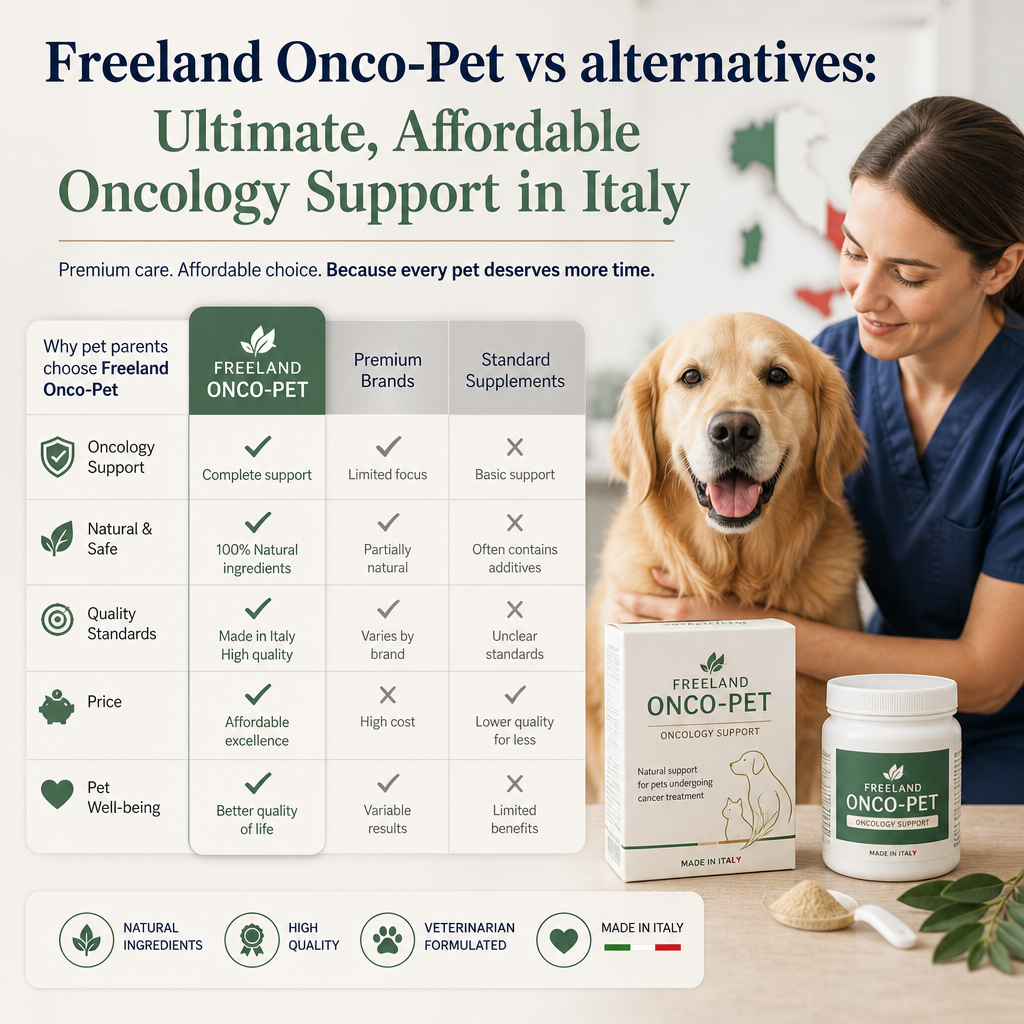
That broader approach is also why many owners compare Freeland Onco-Pet vs alternatives before making a purchase. A product may fit one pet’s situation well and be a poor fit for another, depending on appetite, treatment stage, and concurrent medications.
In day-to-day practice, oncology support can also include simple routines that reduce stress. Predictable feeding times, clean water access, and a calm resting space can make a noticeable difference for dogs and cats receiving cancer care. These details may seem small, but they often influence whether a pet maintains intake and stays comfortable enough to continue treatment.
When owners think about Freeland Onco-Pet vs alternatives, it helps to remember that supportive care is meant to work with the treatment plan, not replace it. A supplement may be useful if it helps preserve condition or appetite, but the most important gains usually come from coordinated veterinary care, good nutrition, and careful symptom management.
Freeland Onco-Pet vs alternatives: what to compare
When reviewing Freeland Onco-Pet vs alternatives, pet owners should look beyond marketing claims and compare practical factors. These include ingredients, intended purpose, administration, safety, cost, availability in Italy, and compatibility with prescribed treatment.
Freeland Onco-Pet may appeal to owners seeking a product specifically positioned for pets receiving cancer-related care. A product designed with oncology support in mind may offer a convenient combination of nutrients or compounds intended to support general condition. However, the value of any formula depends on the individual animal’s needs and on the quality of evidence behind its ingredients.
Alternative products may include general veterinary nutritional supplements, high-calorie recovery diets, omega-3 products, gastrointestinal support formulas, or individually prescribed medications. These alternatives are not necessarily interchangeable. A calorie-dense diet, for example, serves a different purpose from a supplement intended to provide antioxidant or metabolic support.
The most useful comparison asks whether the product addresses a documented need. If a dog is losing weight, nutritional density and palatability may be the priority. If nausea is preventing eating, veterinary antiemetic treatment may be more important than a supplement. If pain is limiting movement, appropriate analgesia should take precedence.
When families compare Freeland Onco-Pet vs alternatives, they should also ask how easily the product fits into the daily routine. Some pets accept liquids more readily, while others do better with capsules, powders, or food-toppers. Convenience matters because a supportive formula only helps if it can be given consistently.
As a practical benchmark, owners can compare the product with broader guidance on nutrition and cancer care, such as the American Veterinary Medical Association’s cancer in pets guidance, before deciding what to discuss with their veterinarian.
It can also help to compare dosing flexibility. Some supportive products are easier to adjust for a small dog, a large dog, or a cat with a poor appetite. Others may be more limited in format. If a pet is already finicky or fatigued, a product that integrates smoothly into food or medication schedules may be more realistic than one that requires extra handling.
Owners should also compare labeling clarity and transparency. If a formula lists its purpose, dosage guidance, and intended use clearly, it is easier to determine whether it belongs in a care plan. That matters when evaluating Freeland Onco-Pet vs alternatives because vague claims can make comparison difficult and may lead to unnecessary spending.
Dog tumor support options in Italy
Italian pet owners can typically discuss several dog tumor support options with their veterinarian. The first is a complete and balanced diet selected according to the dog’s condition. Some animals benefit from therapeutic veterinary diets, while others do better with a familiar food that they are willing to eat consistently. Maintaining adequate nutrition is often more important than forcing a theoretically ideal diet that the pet refuses.
Veterinary medication is another essential option. Pain relief, anti-nausea drugs, appetite stimulants, corticosteroids, and treatments for inflammation may be used when clinically appropriate. These medicines should never be started, stopped, or combined without professional advice, particularly because some supplements can interact with drugs or affect anesthesia and chemotherapy protocols.
Additional dog tumor support options may include hydration therapy, dental care, gentle exercise, physiotherapy, and environmental adjustments. Soft bedding, easy access to food and water, non-slip flooring, and a calm routine can improve comfort significantly. Regular weight checks and observations of appetite, mobility, breathing, and behavior also help the veterinary team identify changes early.
In some cases, referral to a veterinary oncology center is worthwhile. Specialist consultation can clarify treatment goals, expected outcomes, and the difference between disease-directed therapy and palliative care.
Because every case is different, the best dog tumor support options are often the ones that solve a specific problem rather than the ones with the broadest claims. In practice, that may mean combining diet, medication, and routine monitoring instead of relying on a single supplement alone.
For many families, Freeland Onco-Pet vs alternatives becomes a question of sequencing as much as product selection. The right order is often: stabilize symptoms first, maintain nutrition second, and then decide whether a supplemental product adds meaningful value.
Practical dog tumor support options in Italy may also depend on where a family lives and how easily specialist care can be reached. In larger cities, referral centers may be more accessible, while rural owners may rely more heavily on local veterinarians for ongoing monitoring. That makes simplicity and consistency especially important when deciding whether Freeland Onco-Pet vs alternatives is the better fit.
Another useful consideration is the pet’s stage of treatment. A dog starting chemotherapy may need a different type of support than a dog in long-term follow-up or palliative care. Some dogs need appetite support for only a short period, while others may need ongoing nutritional help. Matching the product to the stage of care can improve usefulness and reduce waste.
Common supportive priorities during oncology care
- Maintaining appetite and body weight
- Reducing nausea or digestive upset
- Supporting hydration and energy
- Managing pain and inflammation
- Improving comfort during daily routines
- Monitoring changes in behavior or mobility
These priorities help families decide which dog tumor support options are most urgent. In many situations, the best first step is not buying more products, but identifying the single biggest issue the pet is facing and solving that first.
Affordability and access
Cost is a real concern for many families. The most affordable oncology support is not always the least expensive product at the point of purchase. A supplement that the pet refuses, provides little measurable benefit, or duplicates another product may ultimately cost more than a targeted plan.
Owners should calculate the full monthly cost, including dosage, shipping, veterinary consultations, laboratory monitoring, and other medications. Availability through Italian veterinary clinics, pharmacies, or reputable distributors may also influence convenience and price. Products purchased from uncertain online sources can create risks involving storage, authenticity, labeling, and unsuitable ingredients.
A transparent conversation with the veterinarian can help establish priorities. In many cases, the budget should first cover pain control, essential diagnostics, prescribed cancer treatment, and adequate food. Supportive supplements may then be considered according to remaining needs and expected benefit.
For families balancing expenses, it can help to compare the monthly total rather than the sticker price alone. A lower-cost product may not be the most economical choice if it must be replaced often or if it does not match the pet’s actual needs.
That same logic applies when assessing Freeland Onco-Pet vs alternatives in Italy. If one option is easier to administer, better tolerated, and more compatible with the current care plan, it may deliver more practical value even if the upfront price is higher.
It is also wise to factor in indirect costs such as missed work, transport to specialist appointments, and the time required to administer a product daily. A supplement that looks inexpensive may become inconvenient if it complicates an already demanding treatment schedule. For some households, the most affordable option is the one that fits the routine with the least friction.
Owners comparing Freeland Onco-Pet vs alternatives should ask whether the expected benefit justifies the ongoing expense. If a product does not improve eating, comfort, or stability in a noticeable way, it may not be a good long-term investment. Care plans are most effective when each item has a clear purpose.
Safety considerations before using supplements
“Natural” does not automatically mean safe for a dog or cat with cancer. Some ingredients can affect blood clotting, liver metabolism, kidney function, or the action of chemotherapy drugs. Others may be unsuitable for pets with diabetes, pancreatitis, heart disease, or gastrointestinal problems.
Before using Freeland Onco-Pet or an alternative, provide the veterinarian with a complete list of all medications, supplements, and foods the pet receives. Follow the stated dosage and monitor for vomiting, diarrhea, reduced appetite, unusual tiredness, skin reactions, or other changes. A new product should not delay veterinary attention when symptoms worsen.
It is also important to use realistic language. Supportive products may help maintain general condition or address specific nutritional needs, but they should not be promoted as guaranteed tumor treatments. Evidence can vary considerably between ingredients, formulations, and species. That is why Freeland Onco-Pet vs alternatives should always be judged in context, not by claims alone.
If a pet is already receiving chemotherapy or other prescription treatment, the vet should review every added supplement. This is especially important when multiple products are introduced at once, because it can become difficult to identify which one is helping or causing side effects.
Owners who are unsure should pause and ask a clinician to review the whole care plan rather than adding another product immediately. Safety, compatibility, and tolerance matter more than speed when dealing with a vulnerable patient.
It also helps to watch for changes in thirst, urination, stool quality, and energy after any new product is introduced. These signs may reveal whether a supportive product is being tolerated well. If anything worsens, the veterinarian may need to adjust the plan quickly. That cautious approach is especially important in cancer care, where pets can deteriorate faster than expected.
One practical way to reduce risk is to introduce support one change at a time. If diet, medication, and supplement are all altered at once, it becomes hard to determine what caused improvement or discomfort. In contrast, a gradual approach makes Freeland Onco-Pet vs alternatives easier to evaluate and helps the veterinary team make better decisions.
Questions to ask before starting a product
- What problem is this product meant to address?
- Does it fit with the current treatment plan?
- Could it interact with medicine or anesthesia?
- How should I monitor for side effects?
- When should we stop or reassess it?
Choosing the most suitable support plan
The best approach to Freeland Onco-Pet vs alternatives is individualized rather than purely brand-based. Start by identifying the pet’s main challenge: weight loss, poor appetite, digestive upset, fatigue, pain, dehydration, or treatment-related side effects. Then ask which intervention has the strongest rationale for that problem.
A written monitoring plan can be useful. Record body weight, food intake, water consumption, activity, bowel movements, vomiting, and signs of discomfort. This information helps determine whether a supportive product is making a meaningful difference.
It is also wise to reassess regularly. A product that seems helpful during one stage of treatment may become unnecessary later, while a new symptom may require a different strategy. Ongoing communication with the veterinary team keeps the care plan practical and responsive.
For many owners, the goal is not to find a single miracle solution but to build a realistic routine that supports comfort, nutrition, and dignity. That may involve Freeland Onco-Pet, a therapeutic diet, pain relief, or another option entirely, depending on the diagnosis.
Ultimately, oncology support should be coordinated with a veterinarian who understands the pet’s diagnosis and treatment. Freeland Onco-Pet may be one possible component of care, but it should be assessed alongside therapeutic diets, prescribed medicines, specialist advice, and comfort-focused measures. For families in Italy, comparing these options carefully can support better decisions, control unnecessary expenses, and keep the pet’s quality of life at the center of every stage of care.
Before choosing between Freeland Onco-Pet vs alternatives, remember that the best choice is the one that fits the pet’s medical needs and can be used consistently without causing avoidable stress. In that sense, the safest and most useful support plan is usually the most practical one.
When the diagnosis is serious, small improvements matter. Better eating, steadier energy, less nausea, and a calmer daily routine can all make treatment easier for the pet and the family. That is why Freeland Onco-Pet vs alternatives should be viewed as part of a broader care conversation rather than a simple product search.
In the end, the most useful decision is often the one that aligns medical advice, budget, and daily feasibility. If a product supports those three goals, it may earn a place in the plan. If not, another option may be more appropriate for the pet’s current needs.
Practical summary for Italian pet owners
For readers comparing Freeland Onco-Pet vs alternatives, the key takeaway is to focus on the pet’s actual needs first. A dog with low appetite may need nutritional support, while another with pain may need medication and rest. A cat with digestive upset may require a different approach entirely. The right answer is not always the product with the most visible branding.
Think about safety, ease of use, and whether the support fits the prescribed treatment plan. Speak with the veterinarian before adding anything new, and reassess the plan when symptoms or treatment stages change. With that approach, Freeland Onco-Pet vs alternatives becomes a structured decision instead of an emotional guess.
