by TCMVET | Aug 27, 2026 | Research and News
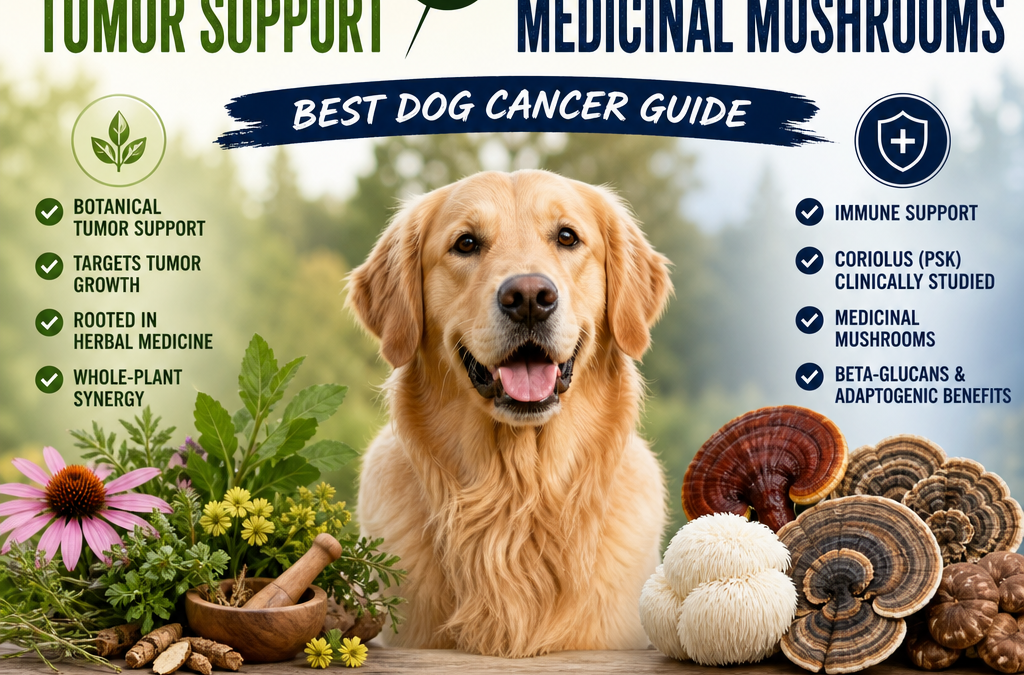
Botanical tumor support vs Immune / Coriolus / medicinal mushrooms is an important comparison for dog owners exploring supportive care during a cancer diagnosis. Supplements may help promote general wellness, appetite, digestion, or immune function, but they are not replacements for veterinary diagnosis and treatment. A thoughtful dog cancer supplement comparison should consider the dog’s cancer type, current medications, organ health, treatment plan, and overall goals of care.
Understanding the Main Categories
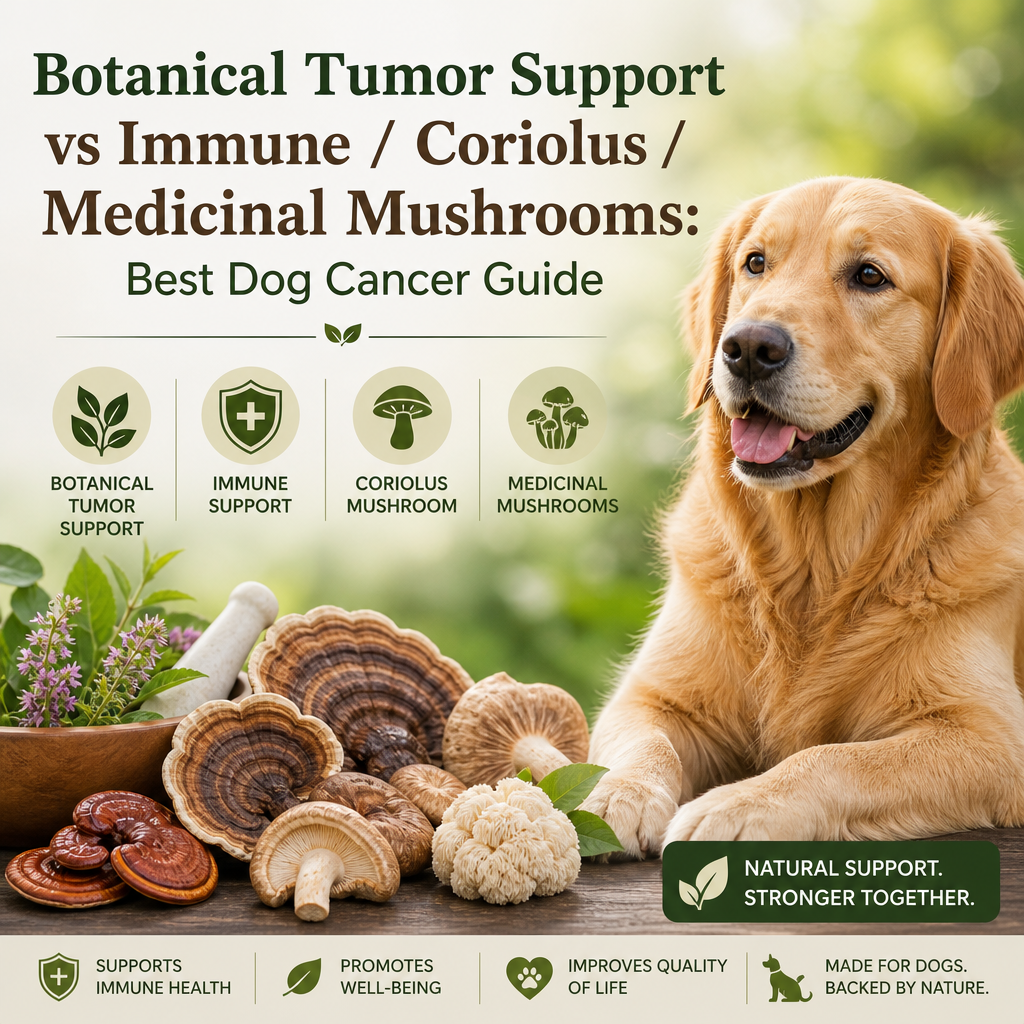
The phrase “botanical tumor support” generally refers to plant-derived ingredients selected for their antioxidant, anti-inflammatory, immune-modulating, or cellular-support properties. These formulas may contain herbs such as turmeric, milk thistle, green tea compounds, ginger, or other botanical extracts. The exact ingredients and concentrations vary widely, so products with similar marketing claims can have very different safety profiles.
Immune supplements are a broader category. They may include vitamins, minerals, beta-glucans, medicinal mushrooms, probiotics, or herbal ingredients intended to support normal immune activity. Immune support does not necessarily mean stimulating the immune system aggressively. In a dog undergoing chemotherapy, excessive or poorly timed immune stimulation may not be appropriate, which is why product selection should be guided by a veterinarian.
Coriolus is another name commonly associated with turkey tail mushroom, scientifically known as Trametes versicolor. It contains compounds such as polysaccharide peptides and beta-glucans that have attracted research interest. Coriolus products are often marketed for immune support and as part of an integrative cancer-care plan.
Medicinal mushrooms may include turkey tail, reishi, maitake, shiitake, cordyceps, and other fungi. Each mushroom has a different chemical profile and may affect immune signaling, inflammation, blood clotting, or liver metabolism differently. “Medicinal mushrooms” should therefore not be treated as one uniform supplement category.
If you are comparing formulations, a reliable starting point is another veterinary-focused resource such as Dog Cancer Supplements: 7 Essential, Affordable and Positive Buying Tips for UK Pet Owners.
Botanical tumor support vs Immune / Coriolus / medicinal mushrooms
The key difference is usually the intended emphasis. Botanical tumor-support formulas are often designed around plant compounds that may support inflammatory balance, antioxidant defenses, normal detoxification pathways, or overall cellular health. Immune, Coriolus, and medicinal mushroom products focus more heavily on immune-related pathways, particularly innate immune activity and natural defense mechanisms.
This distinction is useful, but it should not be interpreted as proof that one category is superior. A botanical formula may still influence immune function, while a mushroom product may have antioxidant or anti-inflammatory effects. Many products combine both plant and fungal ingredients, making the label and dosage more important than the category name.
Coriolus is often considered separately because turkey tail has received more attention in veterinary and human integrative oncology than many other mushrooms. However, research findings from one species, extract, or dosage cannot automatically be applied to every turkey tail product. Extraction method, beta-glucan content, purity, storage, and manufacturing quality may substantially affect the final supplement.
That is why botanical tumor support vs Immune / Coriolus / medicinal mushrooms should be evaluated through the lens of the individual dog, not a single headline claim. The same product category may be reasonable in one case and inappropriate in another.
In Greece and elsewhere, owners often want a clear side-by-side decision. The safest approach is to compare the formula, the dog’s diagnosis, and the veterinarian’s plan rather than rely on category names alone.
What a Dog Cancer Supplement Comparison Should Examine
A meaningful dog cancer supplement comparison should begin with ingredient transparency. Look for products that list the scientific names of herbs or mushrooms, the amount per serving, extraction details when relevant, and independent quality testing. Proprietary blends that hide ingredient quantities make it difficult for a veterinarian to assess safety or calculate the total daily exposure.
The next consideration is the dog’s treatment plan. Some botanical compounds and mushrooms may influence liver enzymes responsible for metabolizing medications. Others may affect platelet function or blood clotting. These effects could matter when a dog is receiving chemotherapy, corticosteroids, nonsteroidal anti-inflammatory drugs, targeted medications, or surgery.
Organ function also matters. Dogs with liver disease, kidney disease, gastrointestinal inflammation, or a history of pancreatitis may tolerate certain supplements poorly. A product that is reasonable for a healthy senior dog may be unsuitable for a dog with reduced liver clearance or a sensitive digestive system.
Product quality is equally important. Supplements should ideally be manufactured under recognized quality standards and tested for contaminants such as heavy metals, pesticides, bacteria, mold, and inaccurate ingredient concentrations. Mushroom products require particular attention because misidentified species or poor-quality raw materials can undermine both safety and effectiveness.
For a useful evidence-based overview of turkey tail and immune research, the U.S. National Center for Complementary and Integrative Health provides a helpful reference on complementary approaches at NCCIH’s official integrative health resources.
It also helps to ask a practical question: what problem is the supplement meant to solve? If the goal is appetite support, a botanical blend may be more relevant. If the goal is immune support during an integrative cancer plan, a mushroom extract may fit better. The answer depends on the dog, not the trend.
Potential Benefits and Limitations
Supportive supplements may help address practical concerns that arise during cancer care. Depending on the ingredients, they may support appetite, stool quality, normal inflammatory balance, antioxidant defenses, or general vitality. Some dogs appear to tolerate treatment better when nutrition, hydration, nausea control, and digestive health are managed comprehensively.
However, supplements should not be described as cures. Evidence in canine cancer remains limited for many products, and studies in people or laboratory models do not guarantee the same results in dogs. Cancer is also not one disease. A supplement that appears promising for one tumor type may have little relevance to another.
Antioxidants illustrate the complexity. Oxidative stress can contribute to cellular damage, but some cancer treatments may partly rely on oxidative mechanisms. Whether a particular antioxidant should be used during treatment depends on the drug, dose, timing, and veterinary assessment. More is not always better.
When people compare botanical tumor support vs Immune / Coriolus / medicinal mushrooms, they often assume the mushroom side is always the gentler option. In reality, both categories can be helpful, neutral, or problematic depending on the formula and the dog’s medical history.
There is also a quality-of-evidence issue. A product may contain a respected ingredient, but that does not guarantee the finished supplement has the right dose or the right extraction. The best-looking label can still be disappointing if the manufacturing is poor.
How to Use These Products Responsibly
Before adding botanical tumor support, Coriolus, or another medicinal mushroom product, provide the full label to the veterinary oncologist or primary veterinarian. Include all other supplements, treats, medications, and dietary additions. This allows the care team to identify duplicate ingredients and possible interactions.
Introduce only one new product at a time, using the recommended dose unless the veterinarian gives different instructions. Monitor for vomiting, diarrhea, reduced appetite, itching, lethargy, unusual bruising, or changes in thirst and urination. Stop the product and contact the veterinary team if concerning symptoms appear.
Keep a simple record of the product, dose, start date, treatment schedule, appetite, stool quality, and energy level. This makes it easier to determine whether the supplement is helping, causing side effects, or having no noticeable effect.
Practical caution matters because botanical tumor support vs Immune / Coriolus / medicinal mushrooms can overlap with medications in ways that are easy to miss. Clear documentation helps your veterinarian review the full support plan safely.
When in doubt, ask whether the supplement could affect surgery, chemotherapy timing, liver enzymes, or bleeding risk. Those are often the most important safety questions in an oncology setting.
Choosing the Most Appropriate Approach
The best choice is rarely determined by the label claim alone. For some dogs, the priority may be maintaining appetite and body weight. For others, the focus may be gastrointestinal support, recovery after surgery, or maintaining comfort during chemotherapy. A mushroom-based immune product may be considered in one situation, while a carefully selected botanical formula or no supplement at all may be more appropriate in another.
Ultimately, botanical tumor support vs Immune / Coriolus / medicinal mushrooms is not a simple contest between competing categories. The most responsible approach combines evidence, product quality, veterinary oversight, and the individual dog’s needs. Supplements can sometimes complement conventional cancer care, but nutrition, pain control, infection prevention, appropriate treatment, and quality of life should remain the foundation of the plan.
If you are still deciding between options, revisit the label, check the source of the extract, and confirm the plan with your veterinarian. In many cases, the safest answer is not choosing one side of botanical tumor support vs Immune / Coriolus / medicinal mushrooms blindly, but selecting the product that fits the dog’s diagnosis, medications, and overall care goals.
For owners who want a practical rule of thumb, choose the product with the clearest ingredient disclosure, the best quality controls, and the most appropriate fit for the dog’s medical situation. That simple filter can prevent many avoidable mistakes.
by TCMVET | Aug 27, 2026 | Research and News
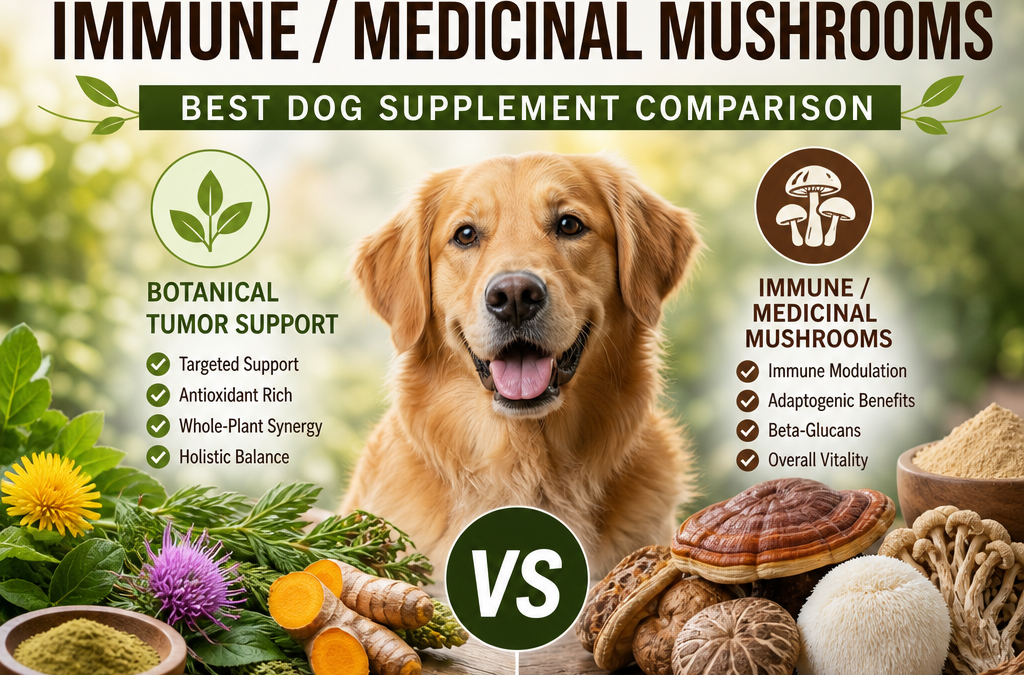
Botanical tumor support vs Immune / medicinal mushrooms is an important comparison for dog owners exploring supportive care during a cancer diagnosis. Both approaches may provide nutritional or wellness benefits, but they are not interchangeable, and neither should replace veterinary treatment. The right choice depends on the dog’s diagnosis, current medications, liver and kidney health, appetite, and overall treatment plan.
Understanding the dog cancer supplement comparison
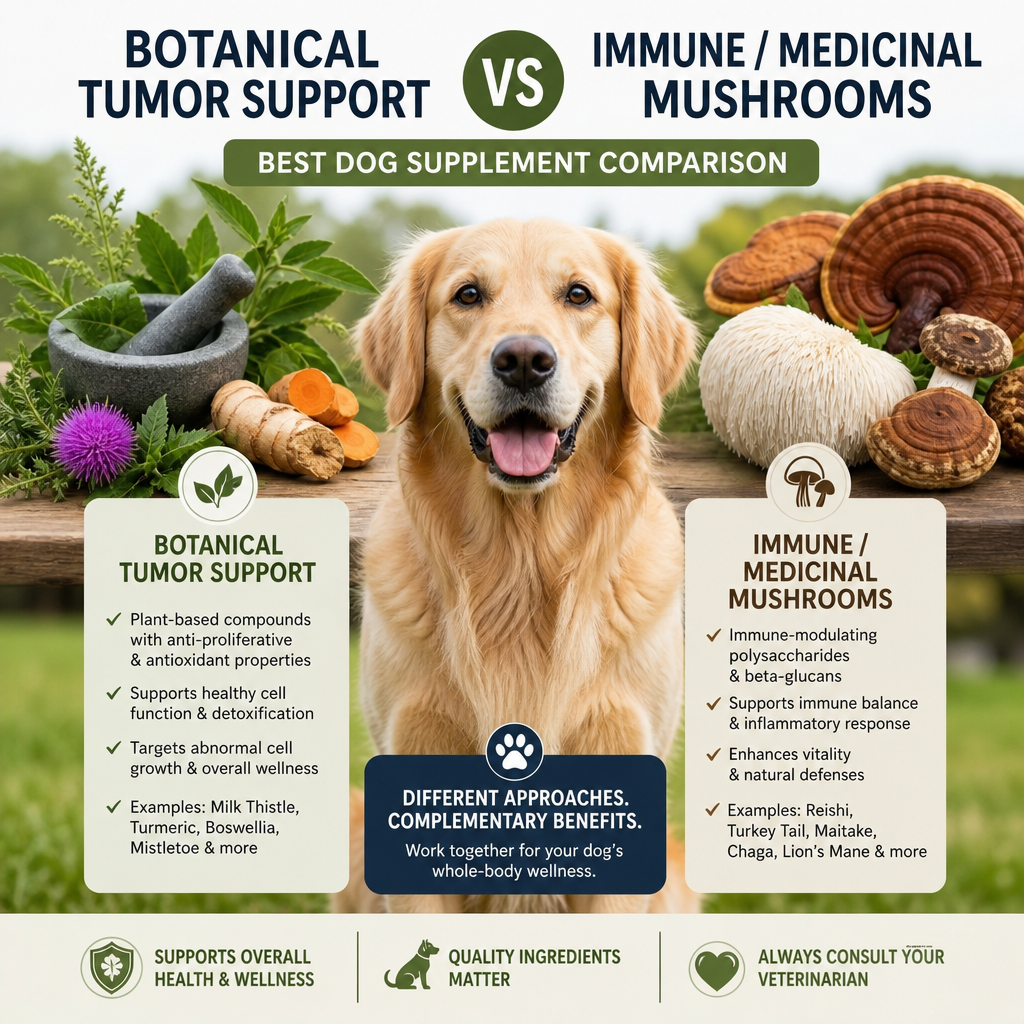
Supplements marketed for dogs with cancer generally fall into several categories. Some botanical formulas contain concentrated plant extracts traditionally used for antioxidant, digestive, or inflammatory support. Immune and medicinal mushrooms typically include species such as turkey tail, reishi, maitake, shiitake, or cordyceps.
These products are often promoted as supporting immune function, maintaining appetite, improving energy, or helping the body cope with disease. However, product quality varies widely. A supplement’s label may list a familiar ingredient without identifying the active compounds, extraction method, concentration, or testing standards.
A useful dog cancer supplement comparison should therefore examine more than the ingredient name. Owners should consider the intended purpose, available evidence, potential interactions, product quality, and the dog’s individual medical needs. For readers who want a broader overview of mushroom-based support, see the benefits of medicinal mushrooms for dogs.
Botanical tumor support: What it may offer
Botanical tumor support formulas often combine several herbs or plant-derived compounds. Depending on the product, ingredients may include turmeric or curcumin, milk thistle, green tea extract, medicinal herbs, omega-rich plants, or other compounds selected for antioxidant and liver-support purposes.
The potential advantages of botanical formulas include:
- Broad nutritional or antioxidant support
- Ingredients aimed at digestive or liver wellness
- Flexibility to target specific concerns, such as appetite or inflammation
- Availability in combination products designed for dogs
However, “natural” does not automatically mean safe. Some botanicals can affect blood clotting, blood pressure, liver enzymes, or the way prescription drugs are metabolized. Concentrated extracts may be significantly stronger than the same plant consumed as a food. In addition, formulas containing multiple herbs can make it difficult to identify which ingredient is responsible for an adverse reaction.
Botanical products may be especially unsuitable immediately before surgery or alongside medications that affect clotting. Certain herbs can also create concerns for dogs receiving chemotherapy or other drugs processed by the liver.
When owners compare botanical tumor support vs Immune / medicinal mushrooms, the botanical side often offers more flexibility but also more variables. That can be useful in some cases, yet it makes label review and veterinary guidance even more important.
Immune and medicinal mushrooms: What they may offer
Medicinal mushrooms are fungi valued for compounds such as beta-glucans, triterpenes, polysaccharides, and other bioactive constituents. Turkey tail is one of the most commonly discussed mushrooms in canine cancer support because of research involving polysaccharide compounds and immune activity. Reishi, maitake, shiitake, and cordyceps are also frequently used in veterinary supplement products.
The potential benefits of mushroom-based supplements include:
- Support for normal immune response
- Inclusion of beta-glucans and other naturally occurring compounds
- Use as part of a broader wellness plan
- Generally simple ingredient profiles when a single mushroom is selected
The limitations are equally important. Evidence from laboratory studies, human research, or small veterinary studies cannot automatically be applied to every dog or cancer type. A mushroom product may contain fruiting-body extract, mycelium, or a mixture of both, and these forms can differ in active compound content.
Mushrooms may also cause digestive upset, allergic reactions, or changes in immune activity. Dogs with autoimmune disease, bleeding disorders, or certain organ problems require additional caution. A product that combines several mushrooms with herbs and vitamins may offer convenience, but it can also increase uncertainty about dosage and interactions.
If your veterinarian recommends a mushroom-based product, a good starting point is a standardized extract from a reputable brand. That is often easier to assess than a broad blend when comparing botanical tumor support vs Immune / medicinal mushrooms for long-term use.
Botanical tumor support vs Immune / medicinal mushrooms: Key differences
The central difference is that botanical products generally focus on plant-derived compounds, while medicinal mushroom products emphasize fungal compounds associated with immune modulation and general wellness.
Botanical formulas may be more appropriate when the primary goal involves digestive support, antioxidant protection, or liver wellness, provided the ingredients are compatible with the dog’s treatment. Mushroom products may be considered when an owner and veterinarian are specifically evaluating immune-supportive ingredients, especially when a clearly standardized extract is available.
Neither category should be viewed as a direct cancer cure. Supplements cannot reliably shrink tumors, prevent metastasis, or substitute for surgery, chemotherapy, radiation, targeted therapy, or palliative care. Their role, when appropriate, is supportive rather than curative.
For some families, the decision comes down to matching the product with the dog’s current needs. In that sense, botanical tumor support vs Immune / medicinal mushrooms is less about choosing a winner and more about choosing the safer, clearer fit for the treatment plan.
How to evaluate a supplement label
A high-quality label should identify the exact ingredients, amounts per serving, extraction method, and recommended serving size based on the dog’s weight. Look for manufacturers that provide independent testing for contaminants, heavy metals, pesticides, bacteria, and ingredient identity.
Important questions include:
- Does the product identify active compounds, such as beta-glucans, rather than listing only “mushroom powder”?
- Are the amounts provided for each ingredient?
- Is the product manufactured under consistent quality standards?
- Does the company provide a certificate of analysis?
- Are unnecessary flavorings, sweeteners, or proprietary blends included?
- Is the formulation designed specifically for dogs?
Avoid products containing ingredients known to be toxic to dogs, including xylitol. Also be cautious with supplements that make definitive claims such as “kills cancer,” “replaces chemotherapy,” or “guarantees tumor reduction.” Such claims are warning signs rather than evidence of effectiveness.
For general safety context, the American Veterinary Medical Association guidance on food and supplement safety is a helpful reference for pet owners.
Safety during cancer treatment
Veterinary supervision is particularly important when a dog is receiving chemotherapy, radiation, corticosteroids, pain medication, anti-inflammatory drugs, antibiotics, or anticoagulants. Some supplements may alter drug absorption or metabolism, affect blood counts, or increase the risk of bleeding.
It is usually wise to introduce only one new supplement at a time. Start only with veterinary approval and monitor for vomiting, diarrhea, reduced appetite, lethargy, itching, jaundice, unusual bruising, or changes in thirst and urination. Bloodwork may be recommended when a product could affect the liver, kidneys, immune system, or blood cells.
Timing can also matter. A veterinarian may recommend pausing certain supplements before surgery or adjusting their use around treatment sessions. Never assume that a supplement is harmless simply because it is sold without a prescription.
These precautions matter whether you are considering botanical tumor support vs Immune / medicinal mushrooms, because both categories can interact with treatment when used at the wrong time or in the wrong combination.
Making a practical choice
The best choice in a dog cancer supplement comparison is not necessarily the product with the longest ingredient list. A simple, transparent formula may be easier to evaluate and safer to combine with medical care. The decision should be based on the dog’s diagnosis, symptoms, treatment goals, laboratory results, and quality-of-life priorities.
Owners should bring the complete supplement label to the veterinary appointment, including serving instructions and ingredient amounts. An integrative or veterinary oncology professional can help assess whether a botanical formula, mushroom extract, neither, or a carefully selected combination makes sense.
Ultimately, supportive supplements should complement evidence-based cancer care. Good nutrition, hydration, pain control, regular monitoring, stress reduction, and maintaining a comfortable daily routine are often just as important as any capsule or powder. When used thoughtfully and under professional guidance, botanical and medicinal mushroom products may have a place in a comprehensive plan—but informed caution is essential.
If you are still comparing botanical tumor support vs Immune / medicinal mushrooms, the safest next step is to review the label with your veterinarian before starting anything new. That simple step can help you avoid interactions and choose the most appropriate support for your dog.
by TCMVET | Aug 27, 2026 | Research and News
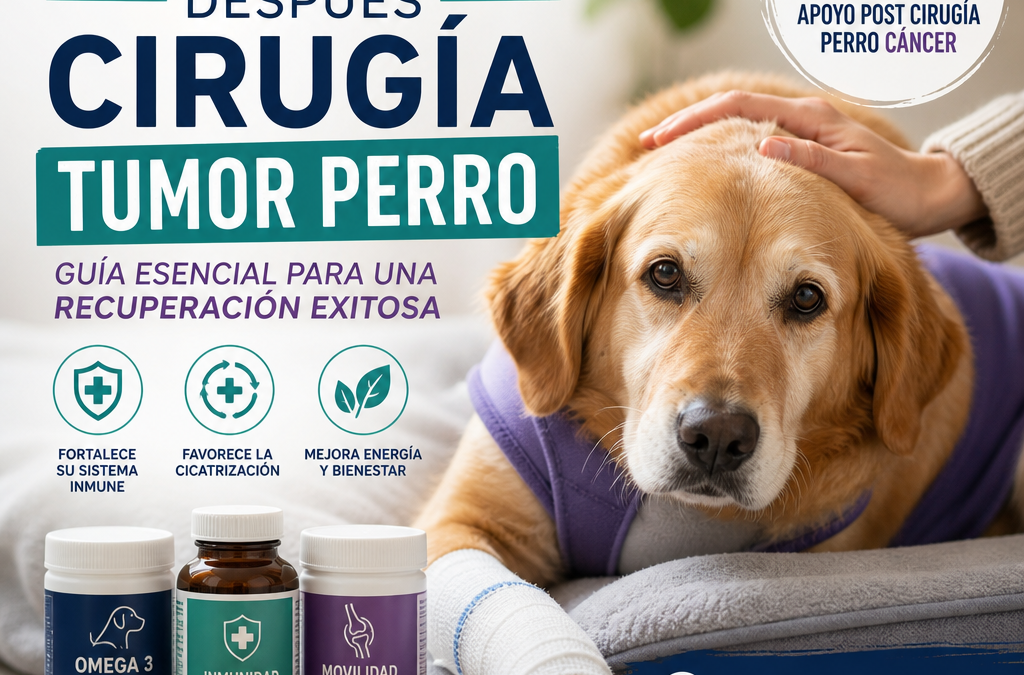
Suplementos después cirugía tumor perro pueden formar parte del cuidado de un paciente oncológico, pero nunca deben administrarse sin la supervisión del veterinario. Tras retirar un tumor, el organismo necesita tiempo, energía y nutrientes para reparar tejidos, controlar la inflamación y recuperar su funcionamiento normal. Una alimentación adecuada, el descanso y el seguimiento médico son la base de la recuperación; los suplementos pueden ser un apoyo complementario cuando existe una necesidad concreta.
Recuperación tras la cirugía de un tumor en perros
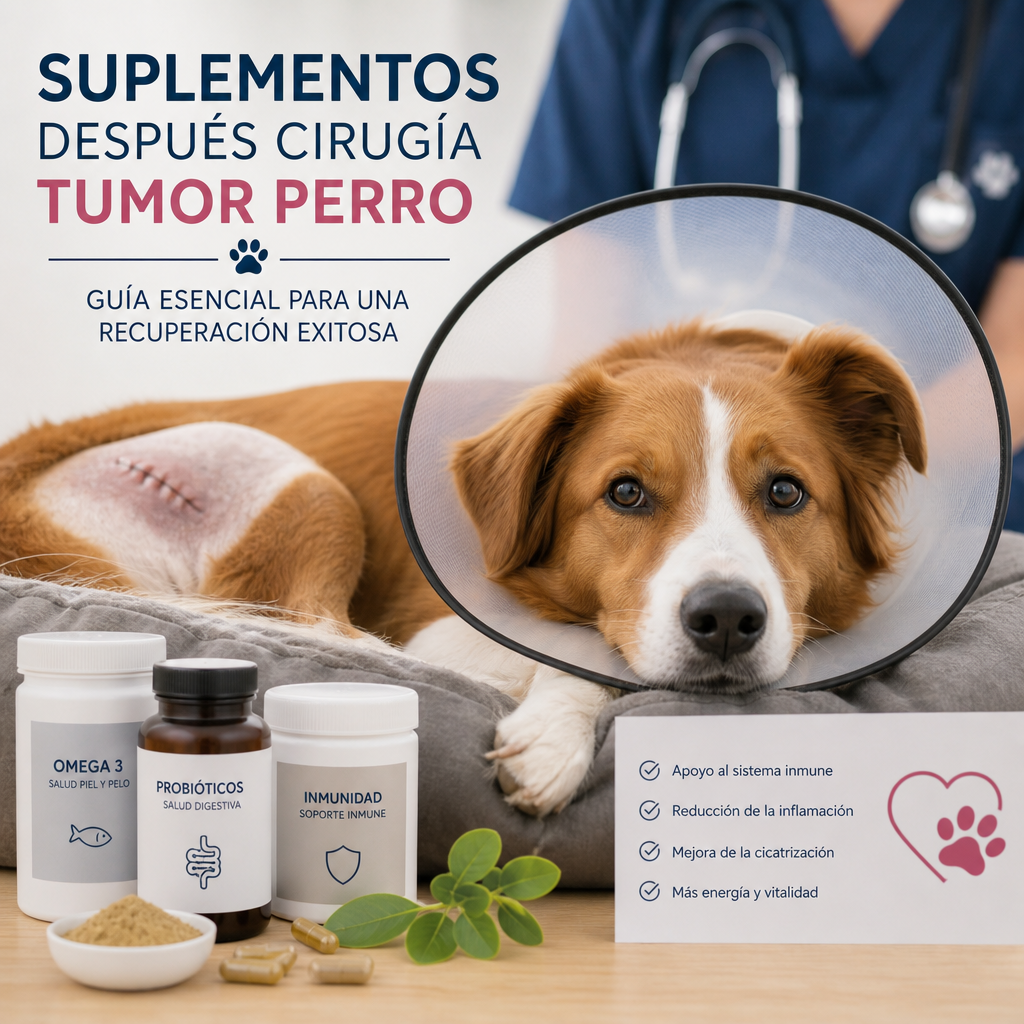
La recuperación cirugía tumor perro depende del tipo de tumor, su localización, el tamaño de la intervención, la edad del perro y si recibe tratamientos adicionales como quimioterapia o radioterapia. En los primeros días es habitual observar somnolencia, menor apetito, cierta incomodidad y limitación de movimiento. Sin embargo, estos signos deben mejorar progresivamente.
El veterinario indicará cómo cuidar la herida, cuándo retirar o revisar los puntos y qué medicamentos administrar. Es importante respetar las dosis y los horarios, especialmente cuando se prescriben analgésicos, antibióticos o antiinflamatorios. No se deben combinar productos naturales con fármacos sin autorización, ya que algunos pueden aumentar el riesgo de sangrado, alterar la presión arterial o modificar la acción de determinados medicamentos.
Durante este periodo, el perro necesita un ambiente tranquilo, limpio y seguro. Debe evitar saltos, carreras, escaleras y juegos bruscos hasta recibir permiso médico. También conviene vigilar la incisión todos los días para detectar enrojecimiento intenso, secreción, mal olor, hinchazón, sangrado o apertura de los bordes.
En esta fase, el objetivo no es solo que la herida cierre, sino que el animal recupere energía de manera estable. Por eso, el descanso, la hidratación y la comida correcta tienen tanto valor como cualquier complemento nutricional. Una evolución lenta no siempre significa un problema, pero sí exige observar cambios en el apetito, el ánimo y la movilidad.
En algunos casos, el veterinario puede pedir controles de seguimiento más frecuentes para evaluar cómo responde el organismo y ajustar el plan si aparece dolor, náuseas o cansancio excesivo. Esa vigilancia temprana ayuda a detectar a tiempo pequeños cambios que pueden influir en la recuperación cirugía tumor perro y en la calidad de vida del animal.
Si la cirugía fue compleja o el perro ya tenía un estado corporal bajo, la convalecencia puede durar más de lo esperado. Aun así, con cuidados constantes, descanso y una buena estrategia nutricional, muchos perros mejoran de forma gradual y mantienen una evolución favorable durante las primeras semanas.
Cuándo pueden ser útiles los suplementos
Los suplementos pueden considerarse cuando la dieta no cubre las necesidades del animal, existe pérdida de peso, disminución del apetito, debilidad muscular o una carencia nutricional confirmada. También pueden utilizarse como apoyo en perros sometidos a tratamientos oncológicos, siempre dentro de un plan individualizado.
En muchos casos, el equipo veterinario valora primero si el perro realmente necesita un suplemento o si basta con ajustar la alimentación. Esa decisión depende del estado corporal, del tipo de tumor, de la cirugía realizada y de la presencia de efectos secundarios como náuseas, diarrea o estreñimiento. En otras palabras, no se trata de añadir productos por costumbre, sino de responder a una necesidad concreta.
Entre los complementos que el veterinario podría valorar se encuentran:
- Ácidos grasos omega-3: presentes en aceites de pescado de calidad, pueden contribuir al control de ciertos procesos inflamatorios y ayudar a mantener la piel y el pelaje. La dosis debe calcularse según el peso y el estado de salud.
- Probióticos: pueden ser útiles para favorecer el equilibrio intestinal, especialmente si el perro ha recibido antibióticos o presenta diarrea relacionada con el estrés o el tratamiento.
- Vitaminas y minerales: solo son recomendables cuando existe una deficiencia o una indicación concreta. Un exceso de vitaminas liposolubles, como A, D, E o K, puede ser perjudicial.
- Suplementos calóricos: pueden ayudar a perros que comen poco y necesitan mantener su peso, aunque deben elegirse según sus necesidades y tolerancia digestiva.
- Antioxidantes: su uso en pacientes con cáncer requiere especial precaución. Algunos tratamientos pueden verse afectados por determinados antioxidantes en dosis elevadas, por lo que no deben administrarse por iniciativa propia.
No todos los productos etiquetados como “naturales” son seguros. La calidad, la concentración, la procedencia y la interacción con otros tratamientos son factores fundamentales. En este punto, los suplementos después cirugía tumor perro solo deben verse como una herramienta más dentro de un plan médico completo.
Si buscas una guía más amplia para comparar opciones y seguridad, también puedes revisar mejores suplementos para perros con cáncer y claves para elegirlos con seguridad, donde se explican criterios útiles para tomar decisiones informadas.
Para entender mejor por qué la supervisión profesional es tan importante, conviene recordar que cada perro metaboliza los nutrientes y los medicamentos de forma distinta. Lo que resulta útil para uno puede no serlo para otro, especialmente cuando existen cirugías recientes, cambios en el apetito o tratamientos simultáneos.
Alimentación durante el apoyo post cirugía perro cáncer
La nutrición es uno de los pilares del apoyo post cirugía perro cáncer. El objetivo es proporcionar proteínas de buena calidad, energía suficiente y una dieta fácil de digerir. En muchos casos, el veterinario puede recomendar un alimento terapéutico o una dieta formulada por un especialista en nutrición veterinaria.
Si el apetito es bajo, pueden ofrecerse porciones pequeñas varias veces al día. Calentar ligeramente la comida puede intensificar su aroma y hacerla más atractiva, siempre evitando temperaturas excesivas. También es importante mantener agua fresca disponible y controlar la cantidad ingerida.
No conviene cambiar bruscamente de alimento ni ofrecer restos de comida, embutidos, alimentos muy grasos o productos condimentados. Algunos perros necesitan una transición gradual para evitar vómitos o diarrea. Si deja de comer durante un periodo prolongado, pierde peso rápidamente o vomita de forma repetida, debe ser evaluado por un profesional.
Conviene recordar que el soporte nutricional no consiste únicamente en “que coma algo”. En un paciente oncológico, cada bocado debe aportar energía útil y ser tolerado sin empeorar el malestar digestivo. Por eso, en algunos casos se recomiendan dietas húmedas, texturas blandas o pequeñas tomas frecuentes. El objetivo es sostener la masa muscular, favorecer la cicatrización y evitar que la recuperación se vuelva más lenta de lo necesario.
Si el perro presenta rechazo persistente a la comida, el veterinario puede plantear estrategias temporales como ajustar el horario de las tomas, usar estimulantes del apetito o modificar la presentación del alimento. Nunca se debe improvisar una dieta casera desequilibrada, porque podría agravar la pérdida de peso o generar deficiencias.
Durante esta etapa, el apoyo post cirugía perro cáncer también depende de una hidratación adecuada. Cuando el perro bebe poco, puede ser necesario aumentar el aporte de agua mediante comida húmeda o pautas específicas indicadas por el profesional. Una hidratación correcta ayuda a que el intestino funcione mejor y a que los tejidos se recuperen con más facilidad.
Además, conviene mantener horarios estables y un entorno relajado para las comidas. Los ruidos, el estrés y la prisa pueden reducir el interés por la comida en perros sensibles o debilitados. Un ambiente tranquilo favorece que el perro asocie la alimentación con seguridad y comodidad.
Apoyo nutricional y suplementos después cirugía tumor perro
Cuando el veterinario lo considera apropiado, los suplementos después cirugía tumor perro pueden ayudar a cerrar pequeñas brechas nutricionales, pero solo si se integran con una dieta completa y bien tolerada. En un perro convaleciente, el exceso suele ser tan poco útil como la falta de aporte.
Por eso, antes de elegir suplementos después cirugía tumor perro, conviene revisar qué come el animal, cuánto tolera y si hay efectos secundarios digestivos. Un producto útil en una fase puede dejar de serlo más adelante, así que la reevaluación periódica es parte del proceso.
Cuando se combinan alimentación terapéutica y suplementos después cirugía tumor perro, el objetivo es sostener la energía, proteger la masa muscular y evitar pérdidas de peso que compliquen la cicatrización. Esa combinación debe ser sencilla, práctica y fácil de seguir en casa.
Control del dolor, descanso y actividad física
Un perro que siente dolor puede mostrarse inquieto, esconderse, jadear, lamerse la zona intervenida o rechazar la comida. El tratamiento analgésico debe administrarse exactamente como fue indicado. Nunca se deben utilizar medicamentos humanos como ibuprofeno, paracetamol o aspirina sin autorización veterinaria, porque pueden causar intoxicaciones graves.
El descanso favorece la cicatrización, pero la inmovilidad absoluta durante demasiado tiempo también puede debilitar la musculatura. Las caminatas cortas con correa suelen ser adecuadas cuando el especialista las autoriza. La actividad debe aumentar gradualmente y adaptarse a la cirugía realizada.
Para evitar que el perro lama o muerda la herida, puede ser necesario utilizar un collar isabelino o una prenda posquirúrgica. Aunque resulte incómodo, proteger la incisión reduce el riesgo de infección y complicaciones.
Durante la rehabilitación, muchos cuidadores se preguntan si conviene acelerar el regreso a la rutina. La respuesta suele ser no. Un aumento brusco de actividad puede abrir la herida, provocar dolor o retrasar la cicatrización. Lo más prudente es seguir el plan de evolución que marque el veterinario y observar cómo responde el perro a cada pequeño cambio.
También puede ayudar mantener horarios estables de comida, descanso y paseo. La rutina reduce el estrés y facilita que el organismo concentre sus recursos en sanar. En perros mayores o debilitados, esta organización diaria marca una diferencia importante en el bienestar general.
En algunos pacientes, el dolor no se expresa de forma evidente. Por eso es útil vigilar señales discretas como rigidez al levantarse, menor interés por caminar, postura encorvada o cambios en el sueño. Cuando el dolor se controla bien, la recuperación cirugía tumor perro suele ser más ordenada y el perro tolera mejor la alimentación y la movilidad.
Además, el descanso no significa aislamiento total. La compañía tranquila de la familia, sin juegos intensos ni manipulación excesiva, puede aportar seguridad emocional. Un perro que se siente acompañado suele relajarse más y descansar mejor, lo que también favorece la reparación del tejido.
Suplementos después cirugía tumor perro: seguridad e interacciones
Los suplementos después cirugía tumor perro no son inocuos por el simple hecho de venderse sin receta. Un producto puede contener ingredientes activos que interactúan con analgésicos, antibióticos, quimioterapia o anticoagulantes. Por eso, antes de empezar cualquier complemento, el veterinario debe revisar la historia clínica completa.
Entre los riesgos más importantes se encuentran el exceso de vitaminas, el uso de aceites de baja calidad, la contaminación de algunos productos y la falta de control sobre la dosis real. En un perro con cáncer, además, hay que prestar atención especial a los suplementos antioxidantes o a ciertas hierbas que se promocionan como “inmunoestimulantes”, porque no siempre son adecuadas para todos los casos.
Las siguientes precauciones ayudan a reducir problemas:
- No iniciar varios productos a la vez.
- Introducir un solo cambio por vez para poder detectar efectos adversos.
- Revisar si el suplemento está formulado para perros y no para humanos.
- Verificar la dosis exacta según el peso real del animal.
- Informar al veterinario sobre aceites, polvos, cápsulas, snacks funcionales y productos “naturales”.
Si se necesita una referencia fiable sobre seguridad alimentaria y nutrición, el portal de la información para la salud animal de la FDA ofrece recursos útiles para propietarios y profesionales. Aunque no sustituye la consulta veterinaria, puede servir como apoyo educativo para entender por qué el control de calidad y la supervisión son tan importantes.
Cuando se combinan tratamientos oncológicos con suplementos, el margen de error se reduce. Por eso, el seguimiento clínico y la comunicación con el veterinario son más valiosos que cualquier promesa comercial. Una elección prudente protege la recuperación y evita contratiempos innecesarios.
En la práctica, lo más seguro es tratar cualquier suplemento como parte del tratamiento, no como un añadido aislado. Si se suspende o se inicia un nuevo producto, el profesional debe saberlo para valorar si puede alterar el apetito, la digestión, la coagulación o la respuesta general del perro. Esa coordinación es especialmente útil en las primeras semanas posteriores a la cirugía.
Además, algunos suplementos pueden resultar adecuados solo durante un tiempo limitado. Cuando el perro mejora, quizá ya no sean necesarios. Revisar periódicamente la utilidad real de cada producto evita gastos innecesarios y reduce el riesgo de sobrecargar el organismo con ingredientes que no aportan un beneficio claro.
Señales de alarma tras la operación
La supervisión diaria permite detectar problemas a tiempo. Es necesario contactar con el veterinario si aparecen fiebre, apatía intensa, dolor que empeora, encías pálidas, dificultad para respirar, vómitos persistentes, diarrea intensa, falta total de apetito, incapacidad para orinar o una herida muy inflamada.
También se debe consultar si el perro aumenta o pierde peso de manera marcada, presenta debilidad repentina o desarrolla nuevos bultos. Los controles posteriores permiten revisar la cicatrización, analizar los resultados histopatológicos y decidir si hace falta continuar con otras terapias.
En algunos perros, los primeros signos de complicación son sutiles: menos ganas de moverse, jadeo sin motivo aparente, inquietud nocturna o rechazo de la comida que antes aceptaba bien. Si esos cambios aparecen, conviene no esperar “a ver si se le pasa”. Un aviso temprano puede evitar una recaída en el proceso de recuperación.
Además, hay que vigilar el comportamiento general. Si el perro se muestra más apagado de lo habitual o deja de interesarse por el entorno, eso puede indicar dolor, fiebre o un problema digestivo. Un seguimiento cuidadoso ayuda a distinguir una molestia leve de una situación que requiere atención inmediata.
Otra señal importante es el olor anormal en la herida o la presencia de secreción persistente. Aunque algunas molestias leves puedan ser esperables tras la cirugía, una evolución que empeora en vez de mejorar requiere una revisión profesional. Cuanto antes se actúe, más fácil suele ser corregir el problema.
Un plan individualizado mejora la recuperación
No existe un suplemento universal para todos los perros operados de un tumor. El mejor enfoque combina diagnóstico, nutrición, medicación, control del dolor y revisiones periódicas. Antes de añadir cualquier complemento, el veterinario debe conocer todos los productos que toma el animal, incluidos aceites, hierbas, vitaminas y premios funcionales.
Con vigilancia constante y un plan adaptado, muchos perros pueden recuperar progresivamente su apetito, movilidad y bienestar. La clave es entender que los suplementos son un complemento, no un sustituto de la cirugía, la alimentación completa ni el tratamiento oncológico indicado.
Cuando la familia participa activamente en el seguimiento, la evolución suele ser más ordenada. Observar, anotar cambios y comunicar dudas al especialista facilita detectar avances reales o pequeños retrocesos antes de que se conviertan en un problema mayor. En ese sentido, el cuidado en casa es parte del tratamiento.
Si tu perro está pasando por esta etapa, recuerda que los suplementos después cirugía tumor perro deben elegirse con criterio, paciencia y supervisión. Una buena decisión no es la que promete más, sino la que protege mejor la salud del animal y se integra con seguridad en su recuperación.
También ayuda revisar periódicamente si el plan sigue siendo adecuado. Un perro puede necesitar apoyo diferente según cambien su apetito, su energía o la evolución de la herida. Ajustar con calma, en lugar de acumular productos, suele ser el camino más seguro y sostenible para una recuperación saludable.
En resumen, combinar cuidados postoperatorios, nutrición de calidad y control veterinario ofrece mejores resultados que confiar solo en un producto concreto. Si se eligen bien, los suplementos después cirugía tumor perro pueden acompañar el proceso de forma responsable, pero siempre como parte de una estrategia completa y bien supervisada.
by TCMVET | Aug 27, 2026 | Research and News
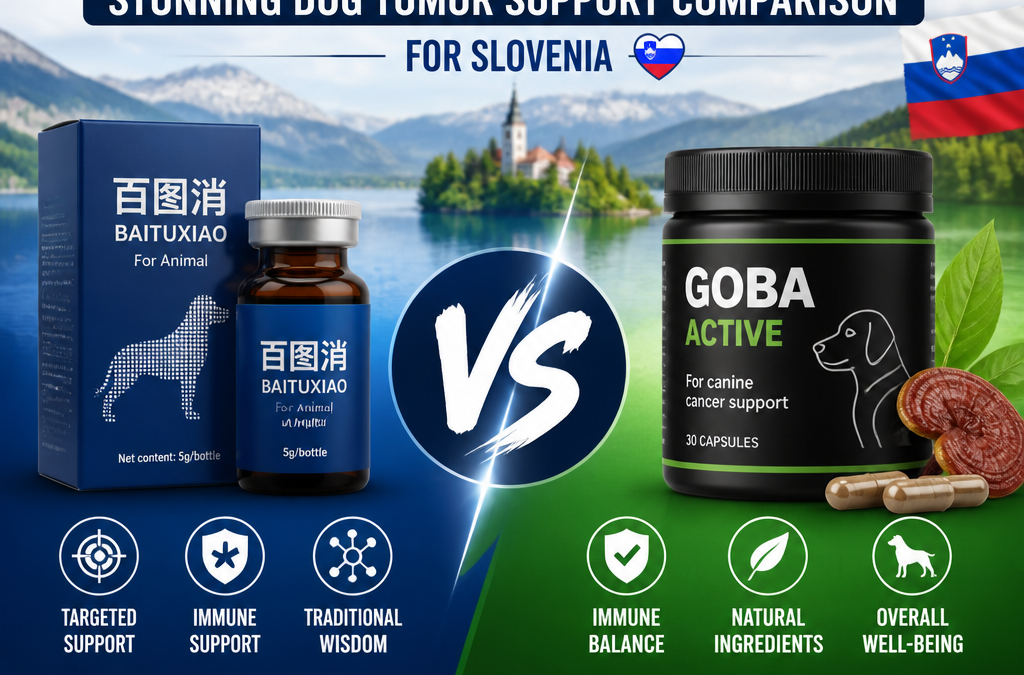
Baituxiao vs GOBA Active is a comparison many Slovenian dog owners may consider when looking for supportive options after a dog has been diagnosed with a tumor. Both products are discussed as complementary supplements, but they should not be treated as replacements for veterinary diagnosis, surgery, chemotherapy, radiation, or other evidence-based care. Understanding their ingredients, intended use, limitations, and practical considerations can help owners have a more informed conversation with a veterinarian.
A tumor diagnosis is understandably stressful. Dogs may experience changes in appetite, weight, energy, mobility, digestion, or behavior, while some tumors produce few visible signs in the early stages. Because different cancers behave differently, support should always be based on the individual dog’s condition, laboratory results, imaging, current medication, and overall quality of life.
Baituxiao vs GOBA Active: What Are These Products?
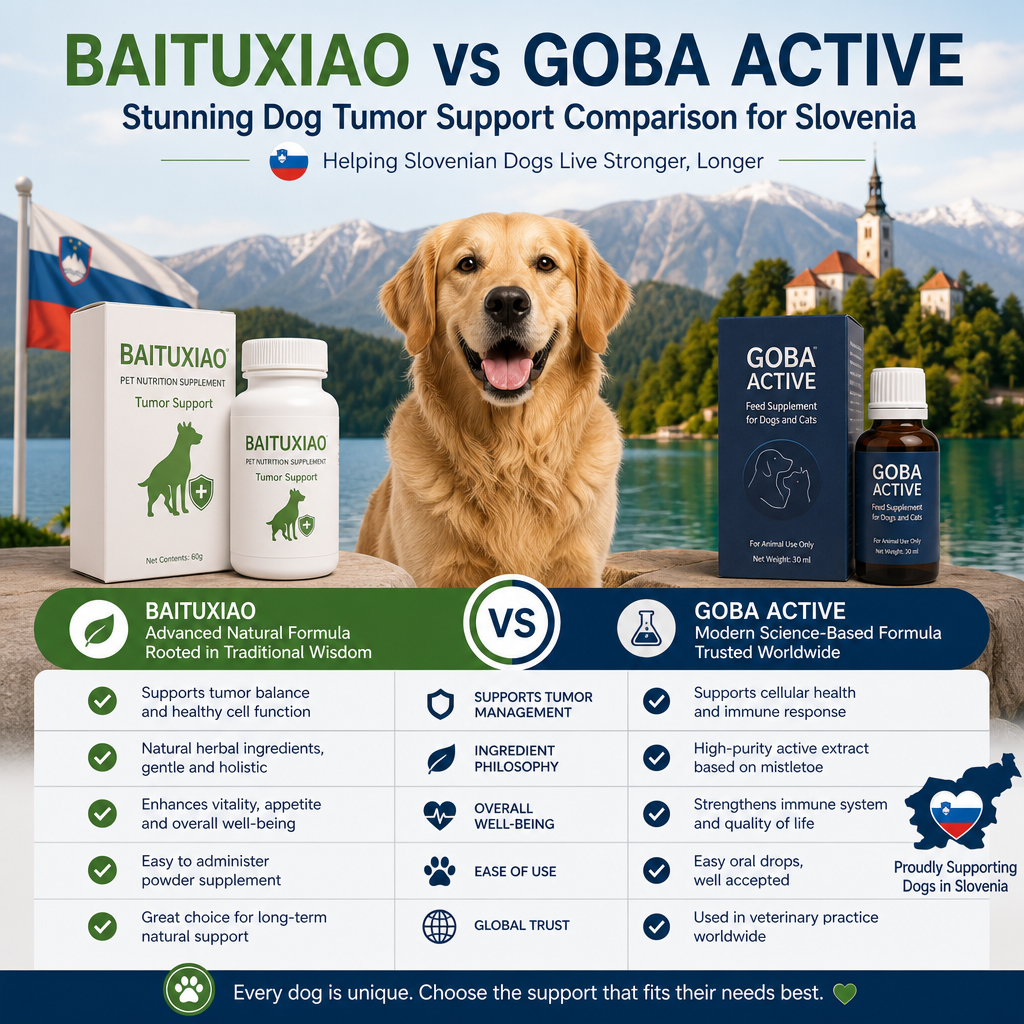
Baituxiao is generally presented as a traditional herbal supplement formulated to support dogs with masses or other tumor-related concerns. Its ingredients may include a blend of botanical substances traditionally associated with immune balance, circulation, inflammation, and general vitality. Exact formulas can vary by manufacturer, market, and product version, so the label should be reviewed carefully before use.
GOBA Active is also marketed as a supportive supplement for dogs, often with an emphasis on nutritional and botanical ingredients intended to promote general wellness. Depending on the product formulation, it may contain compounds associated with immune support, antioxidant activity, digestion, or maintenance of normal energy levels.
The most important point in any GOBA Active comparison is that product names alone do not establish effectiveness. Owners should examine the complete ingredient list, dosages, manufacturing information, safety warnings, and evidence available for the specific formulation being purchased.
Key Differences in Formulation and Intended Support
The primary difference between Baituxiao and GOBA Active is likely to be their ingredient profiles and the type of support they emphasize. One product may focus more heavily on traditional herbs, while the other may combine botanical extracts with vitamins, minerals, mushroom compounds, or other nutritional ingredients.
When reviewing a dog tumor support comparison, consider the following factors:
- Ingredient transparency: The label should identify each active ingredient and its amount per serving.
- Quality control: Look for responsible manufacturing, batch testing, and clear contact information.
- Formulation purpose: Some products target general wellness, while others are marketed specifically for dogs with tumors.
- Administration: Powders, capsules, tablets, and liquid formulas differ in convenience and tolerance.
- Potential interactions: Herbal compounds can affect blood clotting, liver enzymes, blood pressure, digestion, or sedation.
- Evidence level: Testimonials are not the same as controlled veterinary research.
A supplement with a longer ingredient list is not necessarily better. In some cases, a simpler formulation may make it easier to identify the source of side effects or avoid conflicts with prescribed medication.
For owners comparing Baituxiao vs GOBA Active, ingredient clarity matters more than marketing claims. A careful Baituxiao vs GOBA Active review should start with the label, not the packaging. In many cases, the safest Baituxiao vs GOBA Active decision is the one that fits the dog’s care plan with the fewest unknowns.
Comparing Potential Benefits Without Overpromising
Supportive supplements may help some dogs maintain appetite, normal digestion, energy, or general wellbeing, but claims that a product can shrink tumors or cure cancer should be approached with caution. A dog’s response can depend on tumor type, stage, location, immune status, age, diet, and concurrent treatment.
Baituxiao may appeal to owners interested in traditional herbal support, particularly when the product’s ingredients are clearly listed and the dog’s veterinarian considers them appropriate. GOBA Active may appeal to those seeking a broader wellness formula or a product designed for ongoing nutritional support. However, neither choice should be made solely on marketing language.
The goal should be supportive care: helping the dog remain comfortable, maintain normal routines, eat adequately, and tolerate veterinary treatment as well as possible. Any improvement should be assessed alongside objective veterinary monitoring rather than assumed to reflect tumor regression.
When people compare Baituxiao vs GOBA Active, it is easy to focus on the possibility of stronger support. Yet the real value of Baituxiao vs GOBA Active lies in how well each product matches the dog’s needs. If the Baituxiao vs GOBA Active comparison is done properly, it becomes a question of safety, tolerance, and practical usefulness rather than promises of a cure.
Safety Considerations for Slovenian Dog Owners
Before introducing either product, consult a veterinarian, ideally one familiar with oncology or integrative veterinary medicine. This is especially important if the dog is receiving chemotherapy, corticosteroids, anti-inflammatory drugs, anticoagulants, seizure medication, antibiotics, or medication for liver, kidney, or heart disease.
Potential warning signs after starting a supplement include vomiting, diarrhea, worsening lethargy, loss of appetite, skin reactions, unusual bruising, pale gums, increased thirst, or changes in urination. Stop administration and contact a veterinarian if concerning symptoms appear.
Owners in Slovenia should also verify that the product is legally and responsibly marketed, stored correctly, and supplied with Slovenian or understandable safety information when required. Purchase through a reputable source rather than relying on anonymous online listings. Check the expiration date, seal, lot number, storage instructions, and whether the product is intended specifically for dogs.
It is also wise to introduce only one new supplement at a time. That makes it easier to identify side effects and allows a clearer Baituxiao vs GOBA Active comparison if the veterinarian asks which product was used. In a real-world Baituxiao vs GOBA Active decision, careful observation can matter just as much as the ingredient list.
How to Make a Practical GOBA Active Comparison
A useful GOBA Active comparison should be based on the dog’s medical needs rather than brand popularity. Create a simple list of the dog’s diagnosis, current medications, recent blood-test results, appetite, weight, and symptoms. Then compare each product using the following questions:
- Are all ingredients and quantities clearly disclosed?
- Has the veterinarian reviewed the formula?
- Could any ingredient affect prescribed treatment?
- Is the dosage appropriate for the dog’s size and health?
- Does the manufacturer provide quality-control information?
- Can the product be administered consistently?
- Is the cost reasonable for long-term use?
- What specific outcome will be monitored?
Keeping a daily record of appetite, stool quality, activity, pain signs, and body weight can help determine whether a supplement is tolerated. It also gives the veterinarian useful information when adjusting the care plan.
For owners comparing Baituxiao vs GOBA Active, it can also help to write down what each product is supposed to do in plain language. If the claim is vague, that may be a sign to ask more questions before buying. The clearest Baituxiao vs GOBA Active choice is usually the one that fits the dog’s treatment plan with the fewest unknowns.
Another practical way to approach Baituxiao vs GOBA Active is to think about the dog’s current stage of care. A dog beginning treatment may need something very different from a dog that is already stable and simply needs nutritional support. That is why Baituxiao vs GOBA Active should be treated as part of a broader plan, not as a stand-alone answer.
The Role of Nutrition and Veterinary Treatment
No dog tumor support comparison should distract from the fundamentals of cancer care. A complete treatment plan may include diagnostic imaging, biopsy, surgery, chemotherapy, radiation, pain management, appetite support, physical rehabilitation, and regular monitoring. Nutrition is also important. Dogs with cancer may need a highly digestible diet with adequate calories and protein, but dietary decisions should account for kidney, liver, gastrointestinal, or pancreatic disease.
Supplements can sometimes complement treatment, but they may also create risks if used without supervision. Some herbal substances can interfere with anesthesia, increase bleeding risk, alter drug metabolism, or place additional demands on the liver and kidneys.
Veterinary guidance is especially important if the dog already has vomiting, poor appetite, weight loss, or dehydration. In those cases, the timing of a supplement can matter as much as the formula itself. A safe plan may involve starting one product at a time, monitoring the dog for several days, and adjusting only with professional advice.
For a broader look at supportive options, some owners also compare products such as Dog Tumour Supplements: 7 Safe, Effective Support Options Compared to understand how different formulas are positioned for dogs with cancer-related needs.
Dog owners often want a simple answer, but supportive care is rarely simple. Baituxiao vs GOBA Active should be weighed alongside the dog’s diet, medications, and lab work. If the veterinarian has concerns about the Baituxiao vs GOBA Active formula, it is better to pause than to continue without guidance.
Further Reading and Trusted Guidance
When researching cancer support products, it helps to rely on sources that explain risks, benefits, and realistic expectations. General pet advice can be useful, but it should not replace medical guidance. For clear information on canine cancer care and ongoing monitoring, the Merck Veterinary Manual provides a reputable overview of cancer basics and treatment considerations at Merck Veterinary Manual.
Trusted references can help Slovenian dog owners separate hopeful marketing from evidence-based support. They also make it easier to discuss questions with a veterinarian, especially when a supplement appears attractive but may not be appropriate for a specific dog.
If you are still comparing Baituxiao vs GOBA Active, reliable veterinary references can also help you ask better questions about ingredients, dosing, and possible drug interactions. The more informed the conversation, the safer the final choice will be for the dog.
Final Perspective
Baituxiao vs GOBA Active is not a simple contest in which one product is automatically superior. The better option, if either is appropriate, depends on the dog’s diagnosis, current treatment, ingredient sensitivities, and veterinarian’s assessment. A responsible dog tumor support comparison should prioritize transparent labeling, realistic expectations, safety, and measurable quality-of-life goals.
For Slovenian owners, the most reliable approach is to use supplements only as part of a broader veterinary plan. Careful monitoring, open communication with the veterinary team, and prompt attention to new symptoms can help ensure that supportive products serve the dog’s wellbeing rather than delay necessary treatment. In practice, Baituxiao vs GOBA Active should be judged by how safely each product fits the dog’s care plan, not by bold promises.
In the end, the best outcome is not choosing a popular brand but choosing a sensible plan. If Baituxiao vs GOBA Active is discussed with a veterinarian, reviewed against the dog’s actual medical needs, and monitored closely, the decision is more likely to support comfort and quality of life.
by TCMVET | Aug 27, 2026 | Research and News
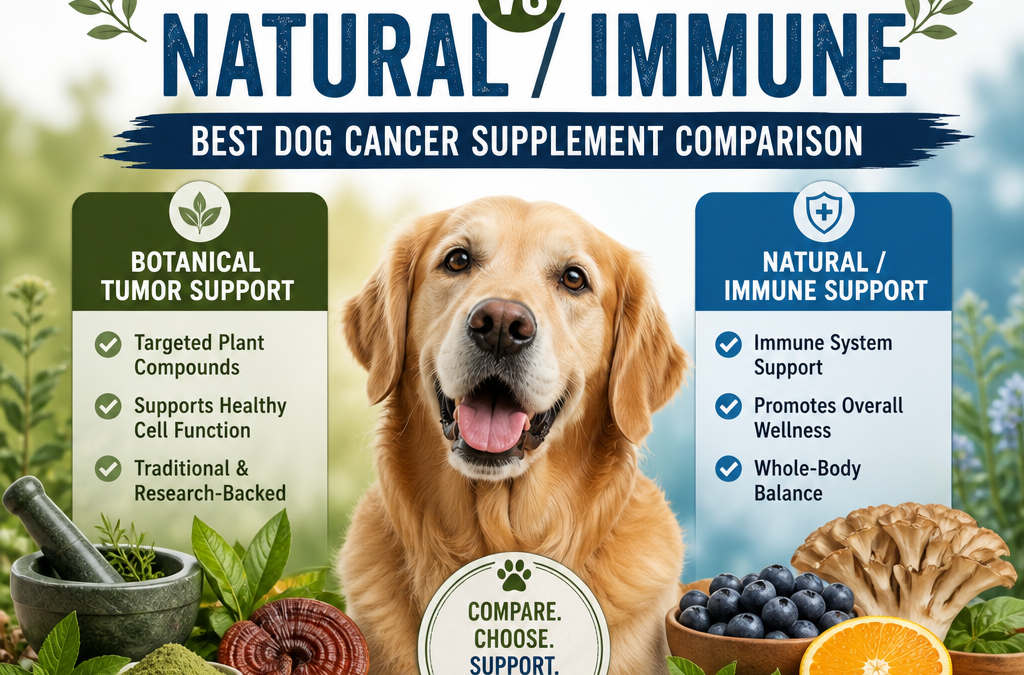
Botanical tumor support vs Natural / immune is an important comparison for dog owners exploring complementary care after a cancer diagnosis. While supplements cannot replace veterinary treatment, carefully selected products may support comfort, nutrition, and overall well-being. The best choice depends on the dog’s diagnosis, treatment plan, age, medications, and individual health status.
Cancer care should always begin with a veterinarian, ideally a veterinary oncologist. Some supplements can interfere with chemotherapy, radiation, surgery, anesthesia, or prescription medications. Others may be inappropriate for dogs with liver disease, kidney disease, bleeding disorders, or gastrointestinal sensitivity. Understanding the differences between botanical tumor-support products and natural or immune-focused formulas can help owners have more productive conversations with their veterinary team. If you want a practical starting point, this dog cancer supplement comparison can help you narrow the options.
Botanical tumor support vs Natural / immune: Understanding the difference
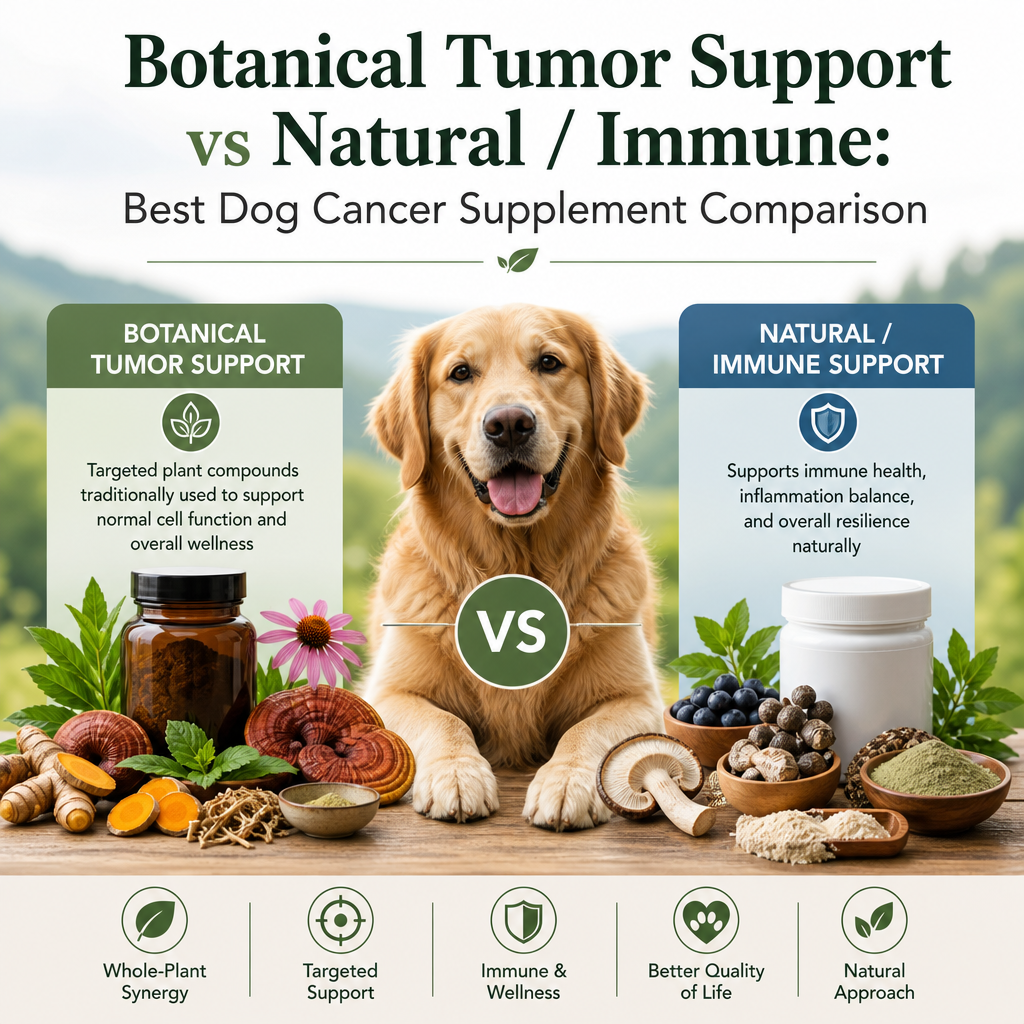
Botanical tumor-support supplements generally contain concentrated herbs, plant extracts, mushrooms, or other naturally derived compounds selected for their potential role in cellular health. Common ingredients may include medicinal mushrooms, turmeric compounds, green tea extracts, milk thistle, boswellia, or specific herbal blends. These products are often marketed as supporting healthy inflammatory balance, antioxidant defenses, normal cellular function, or the body’s response to abnormal cells.
Natural or immune supplements usually take a broader wellness approach. Rather than focusing primarily on cellular or tumor-related pathways, they may aim to support immune balance, digestion, appetite, energy, or general nutritional status. Ingredients can include beta-glucans, probiotics, omega-3 fatty acids, vitamins, minerals, digestive enzymes, and immune-supportive mushroom extracts.
The categories can overlap. A mushroom-based formula, for example, may be promoted for both immune support and tumor-related wellness. The most meaningful distinction is usually the product’s intended purpose, ingredient concentration, evidence quality, and safety profile—not simply whether it is labeled “natural.”
For owners comparing options, a vet-approved guide can be helpful. For example, some readers also review dog cancer supplements when they want a broader look at supplement selection for canine cancer support.
When choosing between botanical tumor support vs Natural / immune products, it also helps to think in terms of the dog’s current goals. Some dogs need help maintaining appetite and body weight, while others need a formula that fits carefully timed medication schedules. A dog cancer supplement comparison is most useful when it accounts for those real-world details rather than relying on labels alone.
Botanical products are often chosen because they contain multiple plant compounds with biological activity. Some ingredients have been studied in laboratory or animal research for antioxidant, anti-inflammatory, immune-modulating, or cell-signaling effects. However, laboratory findings do not automatically prove that a supplement treats cancer in living dogs.
Potential benefits may include support for normal inflammatory responses, oxidative-stress management, liver function, or appetite and comfort. Certain ingredients may also complement a broader nutritional plan. For example, omega-3 fatty acids are sometimes included in veterinary cancer nutrition because of their role in maintaining healthy inflammatory pathways and supporting body condition.
The primary limitation is variability. Herbal products can differ substantially in potency, purity, extraction method, and labeling accuracy. A supplement may contain a promising ingredient but provide an amount that has not been studied in dogs. Some botanical compounds may also affect blood clotting, liver enzymes, blood pressure, or the metabolism of medications.
For this reason, “more ingredients” does not necessarily mean “more effective.” A shorter formula with transparent dosing and reliable quality control may be safer than a complex blend with proprietary amounts.
When comparing botanical tumor support vs Natural / immune choices, it helps to verify ingredient claims against trusted reference material. The U.S. National Center for Complementary and Integrative Health explains how botanical products are studied and why quality can vary; see the official overview at NCCIH’s guide to herbs and botanicals.
Owners should also remember that a botanical product does not automatically mean a safer product. Even plant-based ingredients can be potent, and the wrong combination may create problems during surgery preparation or while a dog is receiving medication. In practice, botanical tumor support vs Natural / immune is less about “natural equals safe” and more about matching the formula to the patient.
In a thorough dog cancer supplement comparison, botanical formulas are often best evaluated by their clarity. Can you see the exact ingredient amounts? Is the extraction method explained? Does the manufacturer provide batch testing or other quality control information? These details matter because they help the veterinary team judge whether the product fits the care plan.
Botanical formulas may also be selected when an owner wants a product that targets more specific pathways, such as inflammatory balance or liver support. That said, the evidence base for many ingredients is still evolving, so expectations should remain conservative. A well-chosen botanical product may be a helpful support tool, but it should remain one piece of a larger strategy that includes diet, medical treatment, and follow-up monitoring.
Immune-focused supplements are commonly used when a dog needs broad support during illness or treatment. They may provide nutrients involved in normal immune function, intestinal health, and recovery from stress. Beta-glucans from medicinal mushrooms, probiotics, prebiotics, vitamins, and trace minerals are frequently found in these products.
Maintaining the gastrointestinal system can be especially valuable. Dogs undergoing cancer treatment may experience reduced appetite, nausea, diarrhea, constipation, or changes in taste and food preferences. A healthy digestive system can help support nutrient absorption and body condition, although probiotics or other digestive products should be introduced carefully.
Immune support should not be interpreted as immune stimulation at all costs. Cancer biology is complex, and the immune system needs balance rather than indiscriminate activation. Dogs with autoimmune conditions or those receiving immunosuppressive medication may require particular caution. A veterinarian can determine whether an immune-focused product is appropriate and whether its ingredients could complicate treatment.
In some cases, owners prefer to compare a product with region-specific alternatives before making a purchase decision. If you are researching this topic in Central Europe, you may also find this related option useful: Alternatives to Medicinal Mushrooms / Veterinary Mycotherapy.
Natural and immune formulas are often appealing because they may feel simpler and more general-purpose than a highly targeted botanical blend. In a dog cancer supplement comparison, that can be an advantage when the main goal is to support digestion, maintain energy, or provide broad nutritional backup. Botanical tumor support vs Natural / immune choices can therefore depend on whether the priority is a focused ingredient strategy or a more general wellness approach.
Another point worth considering is consistency. A formula that the dog tolerates well every day is usually more useful than a more complex product that causes gastrointestinal upset. Owners often find that immune-support products work best when they are introduced slowly and monitored over time, especially if the dog already takes multiple prescriptions.
Dog cancer supplement comparison: Key factors to evaluate
A practical dog cancer supplement comparison should consider more than marketing claims. Start by reviewing the ingredient list and the amount of each active component. Products that hide quantities behind a proprietary blend make it harder for a veterinarian to assess safety.
Look for manufacturing information, batch testing, expiration dates, and quality standards. Supplements made specifically for dogs are generally preferable to human products, which may contain unsafe sweeteners, excessive doses, or ingredients unsuitable for canine metabolism. Xylitol, for example, is highly toxic to dogs and may appear in some human supplements.
Consider the dog’s treatment schedule as well. Supplements with potential blood-thinning effects may be inappropriate before surgery. Antioxidant-heavy products may require discussion before radiation or certain chemotherapy protocols. Herbs that influence liver enzymes could change how prescription drugs are processed. Timing may matter too, so the veterinary team should provide specific instructions rather than relying on general label directions.
Finally, evaluate the actual goal. Is the priority appetite, weight maintenance, stool quality, mobility, comfort, energy, or support during treatment? A supplement selected for a clear purpose is easier to monitor than a product intended to address every aspect of cancer at once.
This is where the phrase botanical tumor support vs Natural / immune becomes most useful in practice: not as a marketing slogan, but as a quick reminder to match the product’s function to the dog’s needs.
For dog owners who want to compare product types and keep a broader shopping checklist in view, botanical tumor support vs Natural / immune should be only one part of the decision. The more complete dog cancer supplement comparison includes ingredient quality, dosing clarity, and veterinary compatibility.
When reviewing labels, it helps to ask a few simple questions. Is the product intended to support the immune system, the digestive tract, or a more specific cellular pathway? Are the active ingredients supported by any published research? Does the dosing look realistic for a dog’s size and condition? These questions can quickly separate useful supplements from products that rely mainly on broad claims.
Owners should also be cautious of products that promise too much. Any formula that sounds like a stand-alone cure should raise concern. A responsible veterinary supplement may support comfort or resilience, but it should not replace evidence-based care. In other words, botanical tumor support vs Natural / immune is a comparison about support strategy, not a substitute for diagnosis or treatment.
If the dog is already receiving a carefully managed cancer protocol, it is wise to bring the supplement list to every appointment. Small details matter, including how long the dog has taken the product and whether any side effects appeared after starting it. This record can help the veterinarian decide whether to continue, pause, or change the plan.
Safety, monitoring, and realistic expectations
No supplement should be viewed as a cure for cancer unless it has been rigorously evaluated and specifically recommended by a qualified veterinary professional. Supplements may support quality of life, but they should not delay surgery, chemotherapy, radiation, pain management, or other evidence-based care.
Introduce only one new product at a time. This makes it easier to identify side effects such as vomiting, diarrhea, itching, lethargy, appetite changes, or unusual bruising. Keep a record of the product name, dose, start date, and any changes in the dog’s behavior or symptoms.
Regular monitoring may include bloodwork, weight checks, appetite assessment, and observation of hydration and stool quality. A product that is well tolerated in one dog may not be suitable for another. Stopping a supplement and contacting the veterinarian is appropriate when concerning symptoms appear.
In a dog cancer supplement comparison, safety should always outweigh enthusiasm. The best supplement is the one that fits the treatment plan, the dog’s condition, and the owner’s ability to monitor results consistently.
Botanical tumor support vs Natural / immune decisions also become easier when owners set realistic expectations. A supplement may help with appetite, stool quality, or comfort, yet still play only a supporting role in the overall care plan.
It is also important to remember that “immune support” is not always beneficial in every situation. Some dogs may need the immune system to be modulated rather than intensified, and certain medical conditions can change what is appropriate. That is why botanical tumor support vs Natural / immune should always be discussed in the context of the individual dog’s diagnosis, medications, and laboratory results.
Owners can improve safety by asking the veterinary team about washout periods before surgery or procedure days. They can also ask whether a supplement should be given with food, whether it should be separated from prescriptions, and what warning signs would justify stopping it. Those simple questions can prevent many common problems in a supplement routine.
Choosing the most appropriate approach
The choice between botanical tumor support and natural or immune-focused supplementation should be individualized. Botanical formulas may appeal to owners seeking targeted plant-based ingredients, while natural and immune products may be better suited to broader wellness goals such as digestion, nutrition, or recovery. In many cases, the most useful plan combines a complete diet, appropriate veterinary treatment, symptom control, and carefully selected supplementation.
The strongest decision is not based on the most impressive label or the longest ingredient list. It is based on transparent dosing, responsible manufacturing, veterinary guidance, and measurable goals. With realistic expectations and close monitoring, a thoughtfully chosen supplement may become one part of a comprehensive plan designed to help a dog maintain comfort and quality of life during cancer care.
When you are deciding between botanical tumor support vs Natural / immune options, remember that the goal is not to pick a side. The goal is to choose the safest, most appropriate support for the individual dog and to revisit that choice as the treatment plan changes.
For ongoing research, many owners also compare formulations used in different countries, especially when availability varies. A related example is the K9 Immunity / K9 Immunity Plus Alternative article, which can help readers understand how similar immune-support products are positioned across markets.
Botanical tumor support vs Natural / immune choices are best viewed as two approaches with some overlap, not as competing promises. The right pick is the one that supports the dog’s comfort, works with the veterinary plan, and can be monitored safely over time.
For many families, the best outcome comes from keeping the process simple. Choose one product with a clear purpose, review it with the veterinarian, watch for changes, and adjust if needed. That disciplined approach is often more effective than trying several supplements at once.
In summary, a thoughtful dog cancer supplement comparison should balance function, safety, and practicality. Botanical tumor support vs Natural / immune can both have a place in care, but only when the formula fits the dog’s current needs and the medical team agrees it is appropriate.
