by TCMVET | Aug 19, 2026 | Research and News
Soft Tissue Sarcoma Dog Supplements may provide supportive nutrition for dogs diagnosed with cancer, but they should never replace veterinary treatment. These tumors develop in connective tissues such as muscle, fat, nerves, blood vessels, and fibrous tissue. Treatment commonly involves surgery, radiation therapy, chemotherapy, or careful monitoring, depending on the tumor’s grade, location, size, and spread. Supplements can sometimes help maintain appetite, muscle condition, digestion, and general well-being when used thoughtfully and under veterinary supervision.
Understanding soft tissue sarcoma in dogs
Soft tissue sarcomas are a broad group of tumors. Some grow slowly and remain localized, while others are more aggressive and may spread to distant organs. A veterinarian usually recommends diagnostic testing such as a fine-needle aspirate, biopsy, blood work, and imaging before creating a treatment plan.
The most important factors include whether the tumor can be completely removed, whether cancer cells remain at the surgical margins, and whether the disease has metastasized. A supplement cannot shrink a tumor reliably or eliminate cancer cells. However, appropriate nutritional support may help a dog cope with the physical demands of illness and treatment.
For owners who want a deeper overview of cancer risk patterns in dogs, this guide to soft tissue sarcoma in dogs can be a helpful companion resource.
When families first hear the diagnosis, they often search for soft tissue sarcoma dog supplements because they want to do something supportive right away. That instinct is understandable, but the best first step is usually a treatment plan built around the tumor’s behavior and the dog’s overall health.
In everyday practice, soft tissue sarcoma dog supplements are most useful when they are chosen with a clear purpose. For one patient, the goal may be to preserve weight and muscle. For another, the goal may be to improve stool quality during a medication change. For a third, the most important aim may be to reduce stress around eating. The diagnosis may be the same, but the supportive plan should still be individualized.
What dog sarcoma support should include
Effective dog sarcoma support begins with the basics: adequate calories, high-quality protein, hydration, pain control, restful sleep, and regular veterinary monitoring. A dog that is losing weight, refusing food, vomiting, or experiencing diarrhea needs medical attention rather than a supplement alone.
Nutrition should be tailored to the individual dog. Many dogs with cancer benefit from highly digestible foods containing sufficient protein and calories. Some veterinary diets are formulated for dogs with cancer or reduced appetite. Homemade diets may also be appropriate in certain cases, but they should be designed by a veterinary nutritionist to avoid deficiencies.
Emotional support matters as well. Maintaining a familiar routine, providing comfortable bedding, limiting unnecessary stress, and adjusting exercise to the dog’s energy level can improve daily quality of life.
When a dog is undergoing treatment, supportive care often changes from week to week. Appetite may fluctuate after surgery or during a chemotherapy cycle. Mobility may improve after pain control is adjusted. Digestive comfort may change after antibiotic use. That is why soft tissue sarcoma dog supplements should be reviewed often instead of being chosen once and forgotten.
Soft Tissue Sarcoma Dog Supplements and daily care
When used correctly, soft tissue sarcoma dog supplements may fit into a larger plan that prioritizes comfort, appetite, and body condition. The goal is not to replace standard treatment, but to support the dog while therapy is underway or when palliative care is the main focus.
In practice, the most helpful supplement choices often support practical goals rather than the cancer itself. For example, one dog may need help keeping weight on, while another may need better stool quality, and another may need joint comfort after surgery or reduced mobility.
Soft Tissue Sarcoma Dog Supplements are most useful when the treatment team already understands the dog’s eating habits, medication list, and current lab work. That context makes it easier to choose a product that is useful without creating avoidable risks.
Owners sometimes hope that supplements alone will make the cancer easier to manage. In reality, the strongest results usually come from combining thoughtful nutrition, careful monitoring, appropriate pain relief, and whatever cancer-directed therapy the veterinarian recommends. When soft tissue sarcoma dog supplements are part of that bigger picture, they are more likely to be beneficial.
Potential supplements for dogs with sarcoma
Several supplement categories are commonly discussed in canine cancer care. Their usefulness depends on the dog’s diagnosis, current medications, blood work, and overall condition.
When people ask which soft tissue sarcoma dog supplements are best, the answer is rarely the same for every case. A supplement that helps a thin, picky eater may be unnecessary for a dog that is stable and comfortable. Likewise, a product that is well tolerated at home may still be inappropriate during surgery planning or radiation therapy.
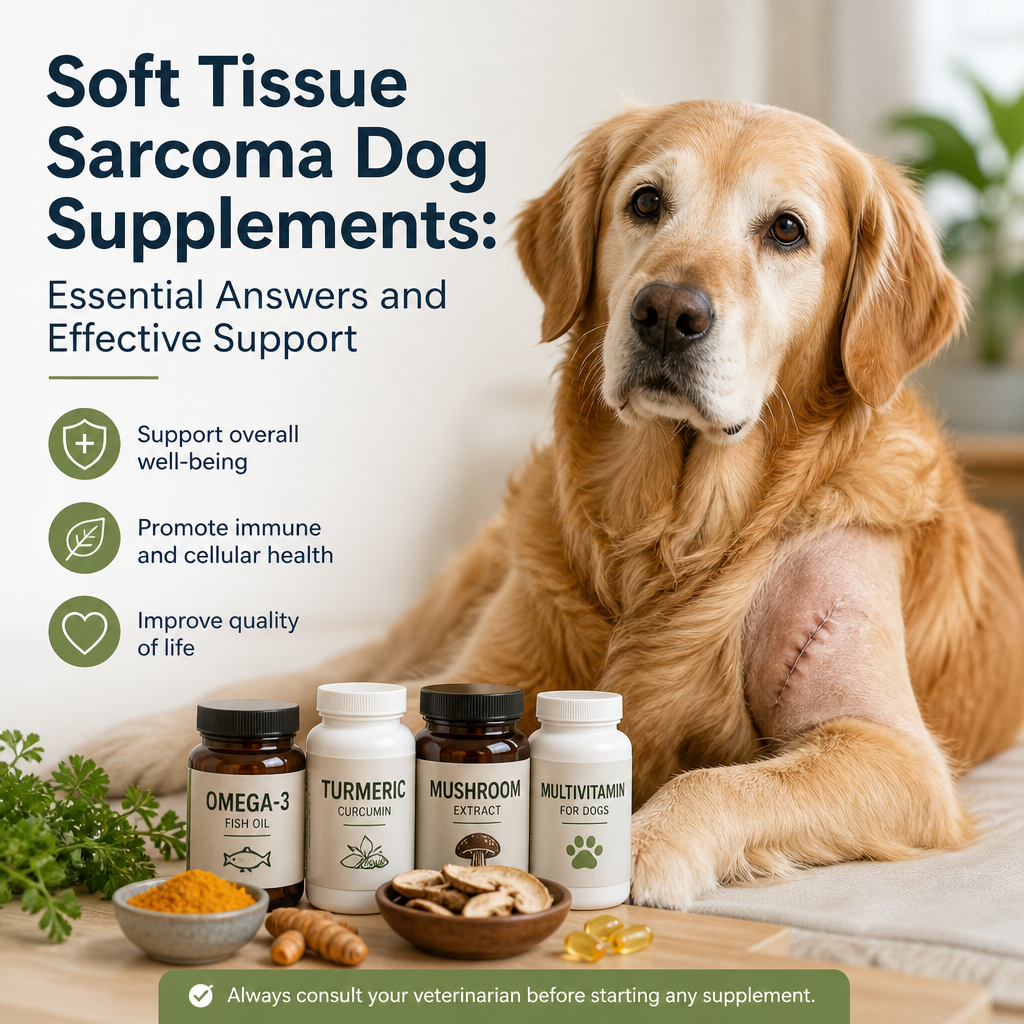
Omega-3 fatty acids
Fish oil provides EPA and DHA, which may support normal inflammatory balance and help maintain skin, coat, and general health. Some veterinary nutrition plans use omega-3 fatty acids to support dogs with cancer, particularly when appetite or body condition is declining.
The product should be tested for purity and appropriate for dogs. Too much fish oil can cause digestive upset, weight gain, or problems with blood clotting. Dogs scheduled for surgery or those taking anticoagulant medications may require special precautions.
Because fish oil is one of the more common options in soft tissue sarcoma dog supplements, owners often ask whether a higher dose is better. In most cases, the answer is no; the safest dose is the one matched to the dog’s size, diet, and concurrent treatment plan.
Omega-3 products can also be helpful when a dog’s coat becomes dull or when calorie intake is inconsistent. That does not make them a cancer treatment, but it does make them a practical part of supportive care when the veterinarian approves their use.
Antioxidants
Antioxidants such as vitamins C and E, selenium, and certain plant compounds are often included in soft tissue sarcoma dog supplements. Their role is complicated. While antioxidants can protect cells from oxidative stress, high-dose supplementation may interfere with some cancer treatments, particularly treatments that rely partly on oxidative damage.
For this reason, antioxidant products should not be started during chemotherapy or radiation without approval from the veterinary oncologist. More is not necessarily better, and concentrated human products may contain unsafe ingredients.
If a veterinarian does recommend an antioxidant, the exact product, dose, and timing should be reviewed carefully. That kind of detail matters because even a supplement that seems harmless may change how a treatment works when it is given at the wrong time.
Medicinal mushrooms
Products containing compounds from mushrooms such as turkey tail are sometimes used as complementary support. Early research has explored immune-related effects, but evidence in dogs remains limited and product quality varies significantly. Supplements may differ in extraction methods, concentration, purity, and labeling accuracy.
A veterinary professional should review the exact product before use, especially if the dog has liver disease, is taking immunosuppressive drugs, or is receiving chemotherapy.
Owners researching soft tissue sarcoma dog supplements often see mushroom products promoted as immune support. The idea sounds appealing, but the quality of the evidence and the quality of the product are both important. A trustworthy brand with clear labeling is preferable to a heavily marketed product with vague ingredient claims.
Probiotics and digestive support
Probiotics may help some dogs manage digestive changes associated with stress, diet changes, antibiotics, or cancer treatment. They are not a treatment for sarcoma, but maintaining a healthy intestinal environment can support appetite and nutrient absorption.
Choose a veterinary-formulated product and monitor for gas, loose stool, or worsening gastrointestinal signs. Dogs with severe illness or compromised immune systems may need additional caution.
Digestive support can also include bland, easily digestible meals, smaller and more frequent feedings, and good hydration. In many cases, that combination does more for a dog’s comfort than any single supplement.
Joint and mobility supplements
Tumors affecting limbs, muscles, or nerves can make movement painful. Glucosamine, chondroitin, and related ingredients may support joint health, although they do not treat the tumor itself. Pain management should be directed by a veterinarian, since prescription medications, physical therapy, weight control, and environmental modifications may be more effective.
Owners comparing options often ask whether soft tissue sarcoma dog supplements can improve mobility. They may help with comfort in some cases, but they work best when matched to the dog’s condition and used alongside the treatment plan.
Mobility support can also include simple daily changes, such as non-slip rugs, raised food bowls, short leash walks, and easy access to rest areas. These adjustments often make a bigger difference than any single product.
In dogs with a painful limb mass or after surgery, even modest changes can matter. A supportive harness, careful stair management, and a well-padded recovery area may reduce strain and make movement less stressful. Supplements can be part of that plan, but they are only one piece of comfort care.
Appetite and calorie support
Some dogs with cancer benefit from supplements or nutrient-dense toppers that encourage eating. This may include veterinary-approved calorie boosters, palatable broths made for dogs, or products designed to support recovery after illness. Appetite support is especially important when a dog is losing muscle or leaving food in the bowl.
These products should be chosen with the same caution as other soft tissue sarcoma dog supplements. A tempting food topper is not useful if it causes diarrhea, worsens nausea, or pushes the dog away from a balanced diet. The best choice is one the dog actually enjoys and tolerates consistently.
Safety considerations before using supplements
Supplements for dogs with sarcoma can interact with medications, affect bleeding, alter blood sugar, or place extra stress on the liver and kidneys. Always provide the veterinarian with a complete list of supplements, medications, treats, and human foods the dog receives.
Avoid products containing xylitol, garlic, excessive vitamin D, stimulants, or undisclosed herbal blends. Human supplements are particularly risky because they may contain ingredients or dosages unsuitable for dogs. Products with independent quality testing and clear ingredient labels are preferable.
It is also important to introduce only one new product at a time. This makes it easier to identify side effects. Stop the supplement and contact the veterinarian if the dog develops vomiting, diarrhea, weakness, unusual bruising, loss of appetite, jaundice, or changes in drinking and urination.
Before trying soft tissue sarcoma dog supplements, it is wise to ask whether the dog is stable enough for any new addition. If surgery, chemotherapy, or radiation is planned, timing may matter as much as the ingredient list.
The same caution applies when owners are comparing multiple soft tissue sarcoma dog supplements at once. Adding several products together can make it difficult to know which one is helping and which one may be causing a problem.
Quality control is another major issue. Two products with the same label may not contain the same active ingredients, and some may include amounts far different from what appears on the package. When possible, choose brands that publish testing results or use third-party certification. That extra step can reduce risk, especially for dogs already receiving cancer therapy.
It also helps to remember that supplements can be inappropriate at different stages of care. A product that is fine for a stable patient may need to be paused before anesthesia. Another may be safe during recovery but not during active treatment. The safest approach is to treat soft tissue sarcoma dog supplements as part of the medical plan, not as separate wellness items.
Questions to discuss with the veterinary team
Before adding soft tissue sarcoma dog supplements, ask:
- Is this product compatible with the planned treatment?
- Could it affect bleeding or anesthesia?
- Does the dog need additional calories or protein?
- Are liver and kidney values suitable for this supplement?
- What dosage is appropriate for the dog’s weight?
- Should the supplement be stopped before surgery?
- How will success or side effects be monitored?
A veterinary oncologist, primary-care veterinarian, or board-certified veterinary nutritionist can help create a safe, individualized plan. For dogs with other tumor concerns, the article on skin cancer in dogs offers another useful example of how diagnostics and treatment planning can differ.
For evidence-based guidance on supplement safety, the Veterinary Information Network’s veterinary supplement overview is a reputable educational reference that many pet owners find helpful.
When owners bring a product list to the appointment, it helps the veterinary team compare the proposed soft tissue sarcoma dog supplements against the dog’s diagnosis, current medications, and treatment goals. That conversation can prevent risky overlaps and unnecessary spending.
It can be helpful to write down exactly when each supplement was started, what dose is being used, and whether any changes have appeared since then. A simple log makes follow-up visits more productive and helps the veterinarian judge whether a supplement is genuinely useful.
Measuring meaningful support
The goal of supplementation should be practical and measurable. Track appetite, body weight, stool quality, activity, comfort, sleep, and enjoyment of normal routines. Regular weigh-ins can reveal gradual muscle or fat loss before it becomes obvious. Photographs and brief daily notes may help the veterinary team recognize changes.
Ultimately, the best supplements for dogs with sarcoma are those that fit into a broader care plan. Surgery, cancer-directed treatment, pain control, nutrition, hydration, and quality-of-life monitoring remain the foundation of care. With careful veterinary guidance, targeted soft tissue sarcoma dog supplements may offer additional support while minimizing unnecessary risks.
When used with realistic expectations, soft tissue sarcoma dog supplements can be one small part of a thoughtful care plan. They may help a dog eat a little better, feel a little steadier, or maintain strength during treatment, but they work best when the medical plan is already clear and well supervised.
Owners should also look for the kind of progress that matters most to the individual dog. Better appetite, easier movement, less digestive upset, or improved energy after treatment may be more meaningful than any promise on a label. In that sense, the best soft tissue sarcoma dog supplements are the ones that support the dog’s real-life comfort and fit safely into the veterinarian’s plan.
When there is uncertainty, it is better to pause and ask than to guess. A brief conversation with the care team can often clarify whether a product is worth using, when it should be given, and whether it should be stopped before a procedure. That careful approach gives soft tissue sarcoma dog supplements a better chance of helping without creating avoidable problems.
by TCMVET | Aug 19, 2026 | Research and News
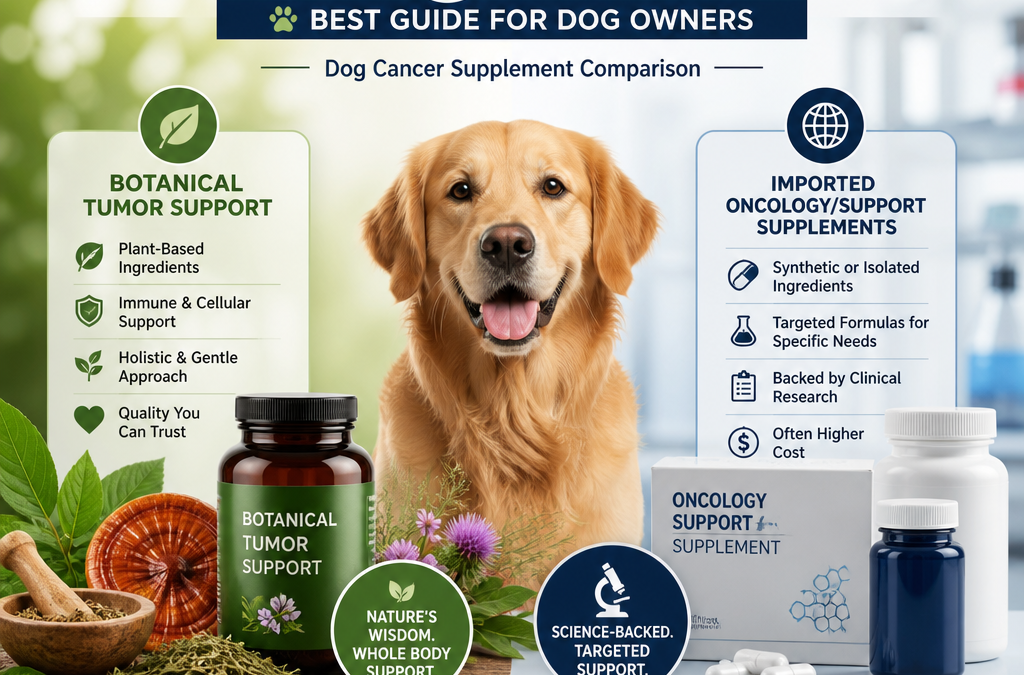
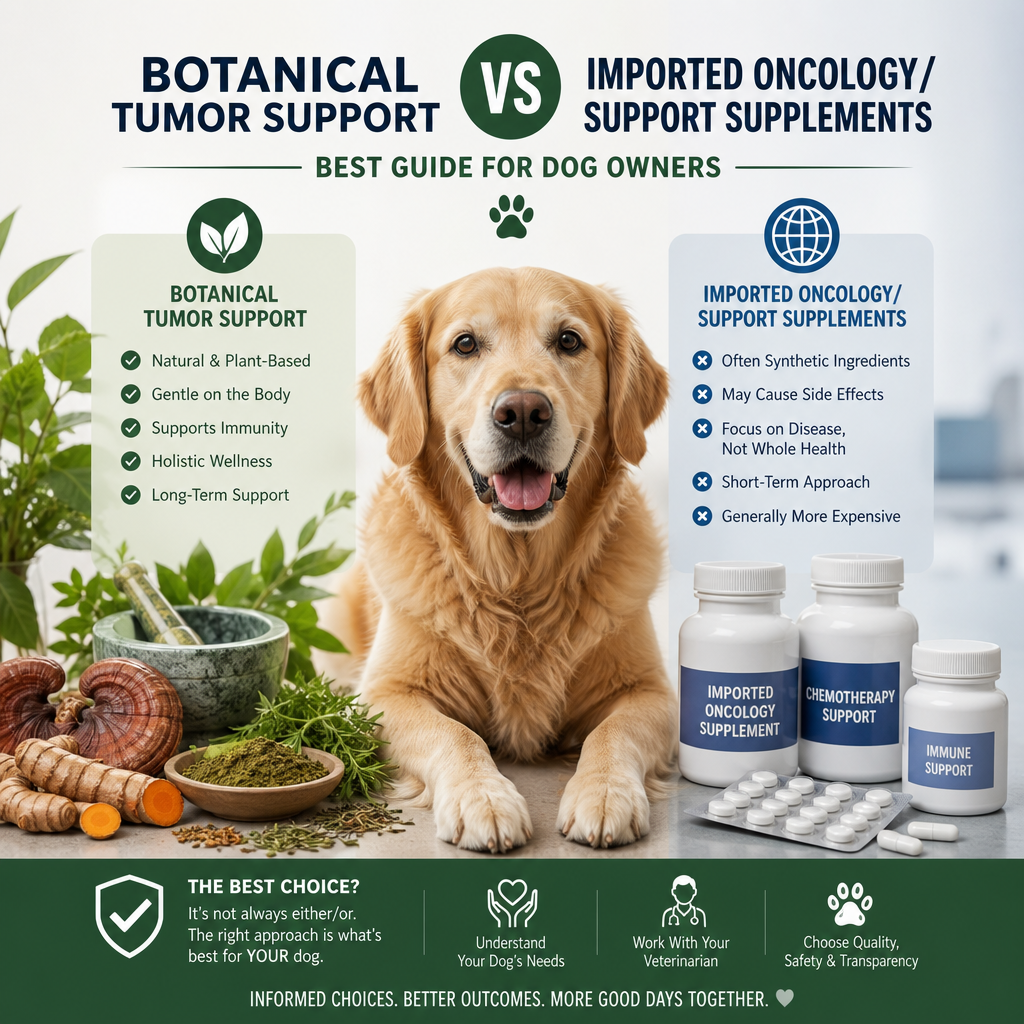
Botanical tumor support vs Imported oncology/support supplements is an important comparison for dog owners exploring complementary care during a cancer diagnosis. Although supplements may help support nutrition, comfort, or general well-being, they are not substitutes for veterinary oncology, surgery, chemotherapy, radiation, or other evidence-based treatments. The safest choice depends on the dog’s diagnosis, current medications, organ health, treatment goals, and the quality of the product itself.
Understanding the dog cancer supplement comparison
A dog cancer supplement comparison should begin with realistic expectations. Most supplements are designed to support a specific area of health rather than eliminate a tumor. Products may aim to support appetite, digestion, immune function, antioxidant balance, mobility, or recovery during treatment. However, marketing language can make supportive products sound like cancer cures, which may lead owners to delay appropriate veterinary care.
“Botanical tumor support” generally refers to formulas containing plant-derived ingredients such as medicinal mushrooms, turmeric compounds, green tea extracts, milk thistle, or other herbs. Imported oncology or support supplements may contain similar ingredients, but they can also include specialized compounds, vitamins, minerals, enzymes, or blends developed and manufactured in another country. The label’s origin alone does not determine whether a product is effective or safe.
For dog owners in Malta, the decision often comes down to transparency, veterinary guidance, and whether the supplement fits the dog’s treatment plan. When evaluating botanical tumor support vs Imported oncology/support supplements, it helps to focus on what the product actually does, not just how it is advertised. That same mindset is useful when comparing products for appetite support, liver support, joint comfort, or immune modulation, because the best choice is the one that matches the dog’s needs and treatment goals.
It is also helpful to remember that cancer care is not only about the tumor itself. Dogs may lose weight, feel nauseous, sleep more, or become less active during treatment, and these changes can influence which supplement category seems most appealing. In some cases, a simple supportive formula is enough to help with comfort and nutrition. In other cases, a more carefully selected imported product may offer clearer dosing, better labeling, or stronger manufacturing controls. The point is not to choose based on trends, but to choose based on the dog’s situation.
Good decision-making starts with a complete picture of the dog’s age, cancer type, stage, current medications, laboratory results, and concurrent health problems. A dog with liver changes, for example, may need a very different support approach from a dog with a tumor but otherwise normal bloodwork. For that reason, botanical tumor support vs Imported oncology/support supplements should be viewed as part of a broader veterinary plan rather than a stand-alone solution.
Botanical tumor support: potential benefits and limitations
Botanical formulas appeal to many owners because they are associated with traditional medicine and naturally occurring compounds. Some botanical ingredients have been investigated in laboratory, animal, or limited clinical research for antioxidant, anti-inflammatory, or immune-modulating activity. For example, certain mushroom extracts are studied for compounds that may influence immune signaling, while milk thistle is commonly used in products intended to support liver function.
However, laboratory findings do not automatically translate into meaningful tumor control in dogs. A compound may affect cancer cells in a test tube but have limited absorption, inconsistent dosing, or different effects inside a living animal. The available evidence may also vary substantially by cancer type, product formulation, and dose.
Another challenge is standardization. Two products may list the same herb but contain different concentrations of active compounds. Extraction methods, growing conditions, storage, and processing can all influence potency. A high-quality botanical supplement should identify the source, standardized constituents when applicable, recommended dosing, lot information, expiration date, and independent testing.
Natural does not mean risk-free. Botanicals can cause digestive upset, allergic reactions, sedation, changes in blood pressure, or effects on the liver and kidneys. Some may influence blood clotting or alter how prescription medications are metabolized. These concerns are especially important before surgery or when a dog is receiving chemotherapy, steroids, pain medication, anticoagulants, or other treatments.
Owners comparing botanical tumor support vs Imported oncology/support supplements should also remember that a traditional ingredient can still be poorly formulated. A well-known herb in a weak or contaminated product may be less useful than a carefully manufactured imported formula with stronger quality control. In practical terms, the best botanical product is usually the one that is transparent, conservatively dosed, and easy for the veterinary team to review.
There are situations where botanical support can be a reasonable part of care, especially when the goal is to support digestion, appetite, or general resilience rather than to treat the cancer directly. Even then, the supplement should be treated like any other active product. Owners should not assume that “gentle” or “plant-based” automatically means safe in every patient, particularly in dogs with chronic illness or dogs taking multiple medications.
One common problem is overestimating what botanical products can accomplish. A supportive herb or mushroom extract may help a dog feel better, but it will not replace surgery for a removable mass, chemotherapy for a systemic disease, or pain control for a painful tumor. If a product is advertised as a cure, the claim should be viewed with caution. A realistic evaluation of botanical tumor support vs Imported oncology/support supplements always begins with what the product can and cannot reasonably do.
Imported oncology and support supplements
Imported oncology or support supplements may offer sophisticated formulations and concentrated ingredients. Some are produced by companies with extensive research programs, veterinary distribution networks, or manufacturing standards that exceed basic supplement requirements. Certain products may also provide detailed technical information, certificates of analysis, and veterinary dosing guidance.
At the same time, imported products can be difficult to evaluate when labeling is incomplete or written according to regulations that differ from those in the owner’s country. Ingredient names, serving sizes, quality standards, and claims may not be directly comparable. A product sold online may also be exposed to heat, humidity, or prolonged shipping, potentially affecting stability.
Owners should be cautious with products that make strong claims such as “shrinks tumors,” “replaces chemotherapy,” or “works for every type of cancer.” These statements are warning signs, particularly when they are supported mainly by testimonials rather than controlled veterinary research. A reputable supplement company should clearly explain intended use, limitations, contraindications, and manufacturing controls.
For additional background on canine cancer warning signs, this guide from VCA Hospitals on cancer in dogs is a useful starting point for owners who want to understand symptoms and treatment considerations before choosing supportive products.
Imported formulas can sometimes be more consistent than locally sourced alternatives because they may come from companies that specialize in veterinary supplements and invest in quality assurance. Still, imported does not automatically mean superior. If the product is difficult to verify, lacks clear batch information, or uses vague proprietary blends, then its origin offers little advantage. The better question is whether the supplement can be traced, explained, and safely used alongside the dog’s current care.
Another practical issue is access. Some imported supplements are expensive, hard to reorder, or unavailable in a timely way if the dog does well on them. That matters because consistency is important in supportive care. If the owner cannot reliably obtain the same formula, a veterinary team may prefer a more stable and locally accessible option, provided it meets quality standards. In this sense, the choice between botanical tumor support vs Imported oncology/support supplements should include cost, availability, and continuity of care, not just the label or the marketing story.
Key factors in choosing between supplement types
The most useful way to approach botanical tumor support vs Imported oncology/support supplements is to compare evidence and quality rather than country of origin. Consider the following factors:
Ingredient transparency
The label should list every active and inactive ingredient, amounts per serving, and the form used. Proprietary blends that hide individual quantities make it difficult to assess dosing or identify possible interactions.
Manufacturing quality
Look for good manufacturing practice standards, batch or lot numbers, expiration dates, and independent testing for contamination. Testing should address heavy metals, pesticides, microbes, and, where relevant, potency and adulteration.
Veterinary compatibility
The product should be reviewed by the veterinarian managing the dog’s cancer. A veterinary oncologist or integrative veterinary professional can assess whether the supplement fits the dog’s treatment plan.
Evidence and intended purpose
Ask what the product is actually intended to support. A supplement for appetite, joint comfort, or liver support should not be presented as a direct antitumor therapy. Evidence is more useful when it relates to the exact ingredient, dose, formulation, and condition being treated.
Dose and patient-specific risks
A dose appropriate for one dog may be unsuitable for another. Small dogs, senior dogs, dogs with liver or kidney disease, and dogs taking multiple medications require particular caution. Children and dogs may also be exposed accidentally if products are stored carelessly, especially when formulas contain concentrated extracts or sweeteners that are unsafe for pets.
When you compare products, it can help to think in terms of four questions: Is the ingredient list clear? Is the quality verified? Does the product have a plausible purpose for this dog? And can it be used safely with the current treatment plan? If the answer to any of these questions is uncertain, the product deserves a more cautious review. That cautious approach is especially important for botanical tumor support vs Imported oncology/support supplements because both categories can be marketed with persuasive language that hides real limitations.
Owners sometimes assume that a larger ingredient list means a stronger product. In practice, more ingredients can mean more uncertainty, more opportunities for interactions, and less clarity about which component is helping. A carefully selected single-ingredient formula may be easier to monitor than a complex blend, especially when a dog is already receiving prescription treatment.
It is also wise to ask whether the product has a reasonable shelf life and how it should be stored in warm or humid conditions. In Malta, storage conditions matter more than many owners realize. Heat and moisture can affect powder stability, capsule integrity, and liquid formulations. Even a well-made product can underperform if it is not stored correctly, which is another reason the product’s practical handling matters as much as its origin.
Possible interactions with cancer treatment
Supplements can affect cancer care in several ways. Antioxidant-heavy products may theoretically interfere with treatments that rely partly on oxidative damage, although the clinical importance depends on the specific drug and dose. Herbs that affect liver enzymes may change medication levels in the bloodstream. Ingredients that influence clotting can increase surgical or bleeding risks. Minerals and fiber may also affect absorption of certain medications.
For these reasons, owners should provide the veterinary team with the complete product label, not just the brand name. It is often wise to stop nonessential supplements before a planned procedure, but the timing should be determined by the veterinarian. Never discontinue prescribed cancer medication in favor of a supplement without professional guidance.
When discussing botanical tumor support vs Imported oncology/support supplements, it is also useful to ask whether the product has any published interaction data. Even limited evidence can help a veterinarian decide if the supplement should be avoided, delayed, or monitored more closely during treatment.
Potential interactions are not limited to prescription chemotherapy. Supplements can also interact with anesthetics, anti-nausea drugs, pain medications, anticonvulsants, steroids, and thyroid medication. Some products may seem harmless because they are sold as wellness formulas, yet their active compounds can still alter metabolism or organ function. That is why a label review is never optional when cancer treatment is underway.
Dog owners should also pay attention to symptoms that could signal a problem after starting a new product. Vomiting, diarrhea, sudden lethargy, bruising, unusual thirst, poor appetite, or yellowing of the gums are all reasons to contact the veterinarian promptly. If any of these signs appear soon after a new supplement is introduced, the product may need to be stopped until the team can assess the situation.
A practical decision-making approach
Start by identifying the dog’s diagnosis, stage, treatment plan, and current symptoms. Next, define a specific supportive goal, such as maintaining calorie intake, easing gastrointestinal upset, supporting mobility, or addressing a documented nutritional deficiency. Avoid adding several products at once because doing so makes it difficult to determine which one caused a benefit or side effect.
Introduce only one new supplement at a time, use the recommended dose, and monitor appetite, stool quality, energy, drinking, urination, skin changes, and any signs of pain or bleeding. Report vomiting, diarrhea, weakness, jaundice, unusual bruising, or sudden behavioral changes promptly.
A balanced diet, adequate hydration, pain control, prescribed treatment, emotional comfort, and regular veterinary monitoring usually have a greater effect on quality of life than an unverified supplement. In many cases, the best product is not the one with the longest ingredient list but the one with transparent labeling, reliable testing, a clear purpose, and veterinary oversight.
Dog owners often ask whether imported products are automatically better than botanical formulas. In reality, botanical tumor support vs Imported oncology/support supplements should be weighed by safety, consistency, and fit for the individual dog rather than by assumptions about what sounds more advanced or more natural. A product that matches the dog’s symptoms and works with the treatment plan is usually more valuable than one that simply appears modern or traditional.
If the dog is already on a carefully managed cancer protocol, a supplement should be added only when it has a clear reason to be there. For example, a dog with reduced appetite may benefit from nutritional support, while a dog with a sensitive stomach may need a gentler formula or no supplement at all. The goal is to make life easier for the dog, not to create another variable to monitor.
Keeping a simple log can be very helpful. Note the product name, dose, start date, and any changes in appetite, stool quality, energy, or comfort. This record gives the veterinarian a clearer picture of whether the product is helping. It also reduces guesswork when several supportive measures are being considered. In complex cases, that level of organization can make botanical tumor support vs Imported oncology/support supplements much easier to compare in a meaningful way.
Helpful questions to ask before buying
Before choosing a product, ask the seller or veterinary team the following questions:
- What is the exact intended use of this supplement?
- Are all ingredients and amounts listed clearly on the label?
- Has the product been tested for contaminants and potency?
- Is there any evidence in dogs, not only in cell or laboratory studies?
- Could this product interact with my dog’s prescriptions or upcoming procedure?
- How should the supplement be stored in Malta’s climate to preserve stability?
These questions can quickly separate serious products from vague marketing. They also make it easier to compare botanical tumor support vs Imported oncology/support supplements without relying on packaging claims alone.
If you are still undecided after asking these questions, a good next step is to ask the veterinarian whether the goal is symptom support, nutritional support, or possible anti-inflammatory support. A product that fits one of those goals clearly may be worth a trial, while a product with no clear purpose usually is not. That kind of filtering keeps the plan focused and reduces the chance of unnecessary supplements.
Owners can also ask whether a product has any official batch testing, a recognizable manufacturer, or a published contact point for product safety questions. Companies that stand behind their formula are usually willing to provide more than marketing language. This can be particularly helpful if you are comparing a locally available botanical formula with an imported product that seems more polished on paper but is harder to verify in practice.
What good supportive care looks like
Supportive care works best when it is practical and measurable. That means setting a realistic goal, such as improved appetite, steadier weight, less nausea, or better energy, and then tracking whether the supplement actually helps. If there is no clear benefit after a reasonable trial, the product may not be worth continuing.
Supportive care also means keeping the whole dog in view. Senior dogs with cancer may need joint support, digestive support, and appetite support at the same time, but the best plan is still one that is simple enough to monitor. If you are already reading about senior dog cancer care, it may help to review broader guidance such as senior dog cancer risks and aging dog health alongside supplement choices.
Because owners sometimes search for botanical tumor support vs Imported oncology/support supplements when they are overwhelmed by choices, the safest answer is usually the same: choose the product with the clearest evidence, the cleanest label, and the strongest veterinary oversight.
Good supportive care also respects the limits of supplements. Even a well-chosen product cannot correct every issue in a cancer patient. A dog may still need pain medication, anti-nausea treatment, dietary changes, or a modified exercise routine. When supplements are used as one small part of a complete plan, they are more likely to be helpful. When they are treated as a replacement for diagnosis or treatment, the risk to the dog increases.
In many households, the simplest supportive plan is also the best one. One supplement, one purpose, one monitoring process, and one supervising veterinarian often produces better results than a long list of products with overlapping claims. This is especially true when owners are trying to decide between botanical tumor support vs Imported oncology/support supplements and need a clear, manageable path forward.
Final perspective
Botanical tumor support vs Imported oncology/support supplements should be evaluated through the same essential standards: safety, evidence, quality, transparency, and compatibility with veterinary treatment. Plant-based ingredients can be useful in selected situations, and imported formulas may offer valuable research or manufacturing expertise, but neither category is automatically superior.
The most responsible dog cancer supplement comparison focuses on the individual patient rather than promotional claims. Supplements may play a supportive role when carefully selected, but cancer care should remain centered on an accurate diagnosis, an individualized treatment plan, and ongoing communication with the veterinary team.
For dog owners in Malta, that approach is especially important because the best choice may differ based on availability, shipping conditions, and local veterinary recommendations. With the right guidance, botanical tumor support vs Imported oncology/support supplements can be compared in a way that supports your dog’s health without replacing proven treatment.
To summarize the decision simply: choose products that are transparent, clinically reasonable, and easy to monitor. Avoid products that promise cure-level results or hide key details behind a polished label. When in doubt, ask the veterinary team to review the formula before starting it. That small step can prevent unnecessary risk and make supportive care more effective over time.
by TCMVET | Aug 19, 2026 | Research and News
Botanical tumor support vs Cross-border oncology / supplement products is an important comparison for pet owners exploring additional support for a dog with cancer. While supplements may help address nutrition, inflammation, appetite, or general wellness, they are not interchangeable with veterinary oncology treatment. The most responsible approach is to understand what each option can and cannot do, assess product quality carefully, and use any supplement only as part of a veterinarian-guided care plan.
Botanical tumor support vs Cross-border oncology / supplement products
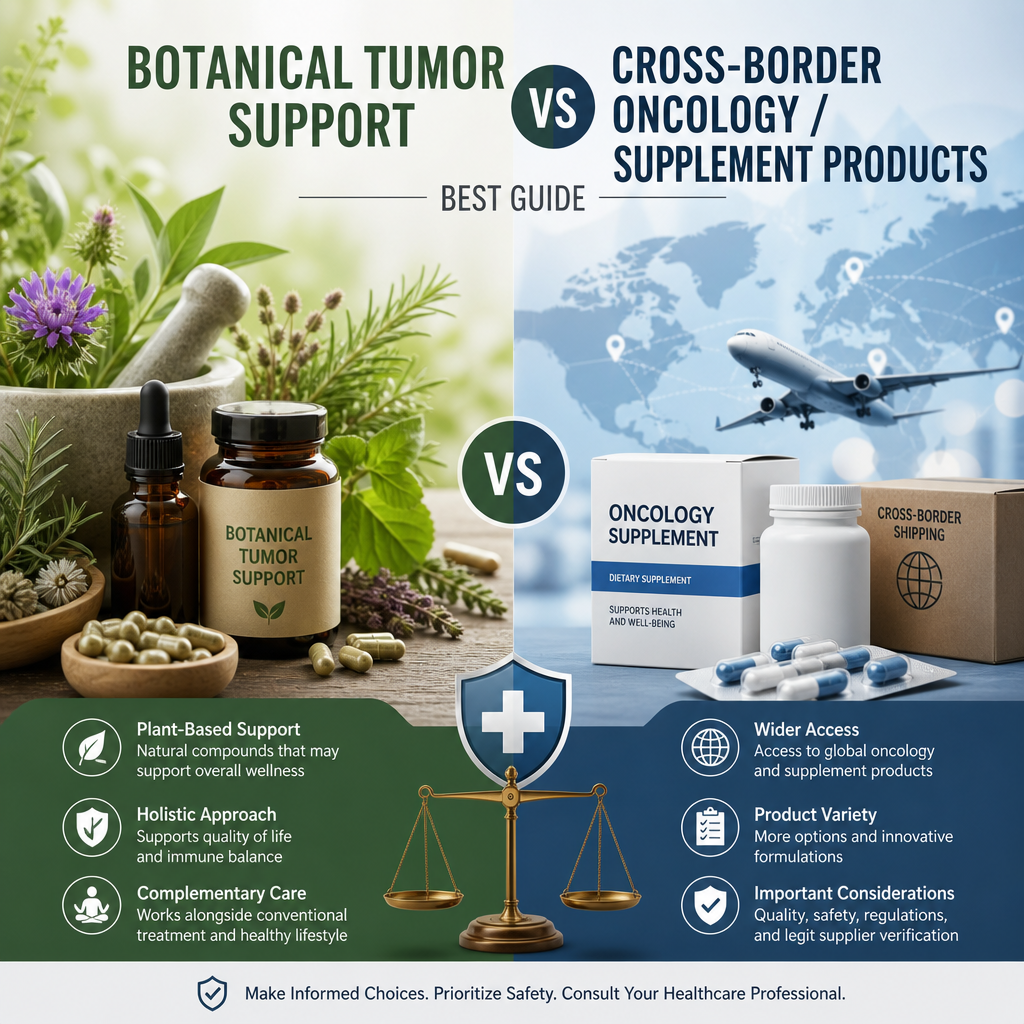
Botanical tumor support usually refers to plant-derived compounds used alongside conventional cancer care. These may include medicinal mushrooms, turmeric-derived curcuminoids, green tea compounds, milk thistle, boswellia, or other herbal ingredients. Their proposed roles can include antioxidant activity, immune support, digestive support, and assistance with maintaining quality of life.
In a practical sense, botanical tumor support is often chosen because owners want something gentle, familiar, and compatible with routine care. That interest is understandable, especially when a dog is dealing with appetite changes, fatigue, or treatment side effects. Even so, every botanical product should be judged by the same standards used for any active health product. The question is not whether a supplement sounds natural; the question is whether it is appropriate for the specific dog, the specific diagnosis, and the current oncology plan.
Cross-border oncology or supplement products are a broader category. They may include prescription medications, imported veterinary products, compounded formulas, nutritional products, and nonprescription supplements purchased from another country. The phrase “cross-border” does not automatically indicate that a product is superior or unsafe. It means that additional questions must be asked about manufacturing standards, labeling, storage, legal status, and veterinary oversight.
In other words, botanical tumor support vs Cross-border oncology / supplement products is not a contest between good and bad products. It is a comparison between different product categories that may vary widely in purpose, quality, and evidence. A responsible dog owner should look beyond the country of origin and focus on safety, formulation, and clinical fit.
The key distinction is that botanical support is defined primarily by its ingredients and intended supportive role, whereas cross-border oncology products may range from evidence-based medical treatments to products with limited documentation. Comparing them requires more than looking at marketing claims or ingredient lists.
For many owners, the central issue is not whether a product is local or imported, but whether it fits the dog’s diagnosis and treatment plan. That is why veterinary review matters in any dog cancer supplement comparison.
What botanical tumor support may offer
A carefully selected botanical formula can sometimes complement a dog’s cancer care plan. Depending on the ingredients, possible goals may include:
- Supporting appetite and digestion
- Helping maintain body condition
- Providing nutrients during recovery
- Supporting normal inflammatory pathways
- Offering compounds with antioxidant or immune-modulating properties
- Promoting general comfort and wellness
These goals are supportive rather than curative. That distinction matters, because many owners search for botanical tumor support after conventional care has already started or when they are trying to reduce discomfort without adding unnecessary complexity. Used appropriately, some products may help a dog feel better or tolerate a treatment plan more comfortably. Used poorly, the same products may create confusion, side effects, or interactions.
However, evidence varies substantially from one ingredient to another. Research conducted in laboratory cells, rodents, or humans cannot automatically be applied to dogs. Dosage, absorption, metabolism, and toxicity may differ among species. Even a plant that is traditionally used in people may be inappropriate for dogs in concentrated extract form.
Botanical products should therefore be assessed by their specific ingredients, amounts, formulation, and intended use—not simply by the words “natural,” “herbal,” or “holistic.” Natural substances can produce side effects and may interact with chemotherapy, radiation, surgery, steroids, pain medicines, or drugs processed by the liver.
When families search for botanical tumor support, they are often trying to do something proactive and gentle. The most useful products are the ones that make sense on paper, have a clear rationale, and fit the dog’s actual needs. In many cases, the best results come from matching the product to a very specific goal rather than trying to do everything at once.
If owners want to understand the biology behind a tumor diagnosis before selecting any supportive product, it can help to review how tumor behavior, immune imbalance, and treatment response differ from one case to another. A broader resource such as Dog Cancer Biology Helpful Immune Imbalance & Tumor Factors can provide helpful context.
Understanding cross-border oncology and supplement products
Imported or cross-border products can create both opportunities and risks. Some may contain ingredients unavailable locally, while others may be marketed under regulatory systems that differ from those in the dog’s home country. Product names, concentrations, dosing instructions, and quality standards may not translate clearly between markets.
When discussing botanical tumor support vs Cross-border oncology / supplement products, one of the most important practical differences is regulation. A botanical product may be sold as a supplement with minimal oversight in one country but require more specific labeling or approvals in another. Likewise, an oncology-related product may be standard in one market and difficult to evaluate in another because instructions, language, or dosage conventions differ.
Important concerns include:
- Unclear ingredient amounts: A label may list a proprietary blend without stating the quantity of each active ingredient.
- Different quality controls: Manufacturing, testing, contamination screening, and batch consistency can vary.
- Storage and shipping issues: Heat, humidity, delays, or improper packaging may reduce product stability.
- Counterfeit or mislabeled products: Online marketplaces can make it difficult to verify the original manufacturer.
- Regulatory differences: A product legally sold as a supplement in one country may be classified differently elsewhere.
- Limited veterinary guidance: Instructions may be written for humans or based on assumptions that do not apply to dogs.
A product’s foreign origin is not proof of effectiveness, and local availability is not proof of poor quality. The practical question is whether the product has reliable documentation and can be safely integrated into the dog’s treatment plan.
For dogs already receiving treatment, cross-border products should be checked carefully for ingredient overlap, hidden excipients, and dosing inconsistencies. This is especially important if the dog has a sensitive stomach, liver disease, kidney disease, or a history of medication intolerance. Even a helpful product can become a problem if the concentration is different from what the owner expects.
For readers who are comparing supportive options in different markets, this article can also be paired with regional guidance such as Ocoxin Pets alternative 5 Powerful Ways to Support Dogs in Spain when researching supplement choices and vet-guided care.
Dog cancer supplement comparison: the most important criteria
A useful dog cancer supplement comparison should focus on safety, transparency, evidence, and compatibility with treatment. Consider the following criteria before making a decision.
Ingredient transparency
Choose products that identify every active ingredient and provide the amount per serving. Avoid vague blends that make it impossible to calculate a meaningful dose. The label should also disclose inactive ingredients, allergens, preservatives, and flavoring agents when relevant.
Good labeling is especially important when owners are weighing botanical tumor support vs Cross-border oncology / supplement products, because the labels may follow different national standards. A clear label makes it easier to compare ingredients fairly and to discuss the product with the veterinarian.
Manufacturing and testing
Look for products made in facilities that follow recognized quality standards. Independent testing for contaminants, heavy metals, pesticides, microbes, and accurate ingredient levels provides greater confidence. A certificate of analysis can be helpful, although it should come from a credible laboratory and correspond to the specific product batch.
If the product is imported, ask whether the same batch was tested before export, after arrival, or not at all. That detail matters because transport conditions can influence stability and shelf life. A supplement that is well made but poorly stored may not perform as expected.
Veterinary compatibility
Your veterinarian should know about every supplement your dog receives. This is especially important before surgery or when the dog is receiving chemotherapy, radiation, targeted medication, anticoagulants, nonsteroidal anti-inflammatory drugs, anticonvulsants, or corticosteroids. Some supplements may affect bleeding, blood pressure, liver enzymes, immune activity, or drug absorption.
Veterinary compatibility should also be considered in relation to the dog’s age, breed, weight, and concurrent illnesses. Senior pets may process certain compounds more slowly, and small dogs can be more sensitive to dosing errors. A product that seems mild in theory may still be too concentrated for a frail patient.
Evidence and realistic claims
Be cautious of products claiming to cure cancer, replace chemotherapy, dissolve tumors, or guarantee survival. These statements are warning signs. A trustworthy product generally presents supportive goals rather than promises of a cure and distinguishes laboratory findings from clinical evidence.
The best way to evaluate these claims is to ask what type of evidence exists. Is there data from dogs, or only from laboratory models? Was the study small, uncontrolled, or based on a different species? Strong claims should be backed by stronger evidence, not just by testimonials or sales language.
Dog-specific formulation
Human products may contain ingredients that are unsuitable for dogs, including xylitol, excessive vitamin D, concentrated essential oils, or inappropriate mineral levels. A canine product should still be evaluated carefully, but it is often easier to assess when the formulation and directions are specifically designed for veterinary use.
Another point to remember in botanical tumor support vs Cross-border oncology / supplement products is that “for pets” does not automatically mean “safe for every pet.” The dog’s medical history should always guide the final decision.
Potential risks of combining supplements with cancer treatment
The most serious mistake is assuming that a supplement is harmless because it is natural. Certain concentrated botanicals can affect liver enzymes and potentially change how medications are metabolized. Others may increase bleeding risk, alter blood sugar, cause gastrointestinal upset, or stimulate the immune system in ways that are undesirable for a particular treatment plan.
Antioxidant supplements also require thoughtful discussion. Antioxidants may support normal cells under some conditions, but their use during radiation or certain chemotherapy protocols may be controversial because treatment can partly rely on oxidative mechanisms. The right decision depends on the specific cancer, medication, timing, and overall health of the dog.
Dogs with liver disease, kidney disease, clotting disorders, diabetes, seizure disorders, or gastrointestinal problems may face additional risks. Puppies, senior dogs, and underweight patients may also respond differently to concentrated products.
These concerns do not mean botanical options have no place in care. They mean that a dog cancer supplement comparison should always include safety first, especially when a dog is already on prescription therapy. Even supportive ingredients should be handled like real medical tools, not like flavorless food additives.
A cautious owner should also avoid layering too many supplements at once. Multiple products can lead to overlapping ingredients, unintended high doses, or confusion when side effects occur. Simplicity often makes monitoring safer and more effective.
How to make a safer decision
Start by identifying the primary goal. Is the aim to support appetite, maintain weight, ease digestive problems, address a documented deficiency, or provide general nutritional support? A clear goal helps prevent the use of multiple overlapping products.
Next, gather complete product information, including photographs of the label, serving size, manufacturer, lot number, and suggested dose. Share this information with the veterinary team. Ask whether any ingredient conflicts with the dog’s diagnosis or current medications.
Introduce only one new product at a time, unless a veterinarian gives different instructions. This makes it easier to identify side effects. Monitor appetite, vomiting, diarrhea, energy, thirst, urination, skin changes, and any unusual behavior. Stop the product and contact the veterinarian if concerning symptoms appear.
Regular monitoring may include bloodwork, weight checks, liver and kidney assessments, and evaluation of tumor response. Supplements should never delay imaging, surgery, oncology consultations, pain management, or other recommended care.
It can also help to review primary-source product or ingredient information from recognized medical references. For example, the PubMed research database is a reliable place to verify whether a botanical ingredient has been studied in dogs or in related species.
Owners comparing botanical tumor support vs Cross-border oncology / supplement products may also want to ask practical questions before purchasing. What is the exact active ingredient? Is the dose expressed clearly? Has the product been used in dogs, or only discussed in human studies? Can the manufacturer explain the source and testing process? These questions help turn a marketing decision into a health decision.
If a product must be imported, confirm how it will be shipped, whether it requires refrigeration, and how long it remains stable after opening. Ask whether the package includes a lot number and expiration date. These details may seem minor, but they matter when a dog’s treatment depends on consistent quality.
The role of quality of life
Cancer care is not measured only by tumor size or survival time. Appetite, comfort, mobility, sleep, interaction, hydration, and enjoyment of daily activities are also important. A supplement may be worthwhile if it supports a specific quality-of-life objective and does not interfere with effective treatment.
Some dogs benefit most from symptom support rather than aggressive product use. For example, if appetite is poor, a product that helps with digestion or palatability may matter more than one that promises broad anti-tumor activity. If joint stiffness or discomfort is the main problem, then quality-of-life support may take priority over other claims.
The strongest plan usually combines evidence-based veterinary oncology with individualized nutrition, pain control, symptom management, and honest monitoring. Botanical products can have a place in that plan, but they should be selected with the same caution applied to any active medical substance.
Ultimately, botanical tumor support vs Cross-border oncology / supplement products is not a simple contest between “natural” and “medical” options. The safest choice depends on the dog’s diagnosis, treatment protocol, health status, product quality, and veterinary supervision. Transparent labeling, realistic expectations, and careful monitoring are the foundation of responsible supplement use.
For owners comparing options across markets, this discussion also fits into a broader decision-making process that includes local availability, cost, and follow-up care. A lower-priced product is not automatically better if the dosing is unclear or the source cannot be verified. Likewise, a premium imported product is not automatically worth the price unless it has a clear role in the care plan.
Every dog cancer supplement comparison should balance hope with evidence. Botanical support may be useful, and imported products may have a place, but neither should replace clinical judgment. A product earns trust when it is transparent, practical, and appropriate for the dog in front of you.
In practice, the best answer is rarely the most dramatic one. A carefully chosen botanical formula, used for the right reason, may help. A cross-border product may also be appropriate if it is well documented and professionally supervised. The key is to protect the dog, not the marketing claim. When owners keep that priority in mind, botanical tumor support vs Cross-border oncology / supplement products becomes a clearer and safer decision.
by TCMVET | Aug 19, 2026 | Research and News
Botanical Tumor Support vs Cross-border Supplements is an important comparison for dog owners seeking additional support after a canine cancer diagnosis. Supplements may help address nutrition, inflammation, appetite, or general wellness, but they are not substitutes for veterinary diagnosis and treatment. The safest decisions come from understanding what each product category can realistically provide, how quality is verified, and whether the product fits the dog’s specific condition and treatment plan.
Understanding the dog cancer supplement comparison
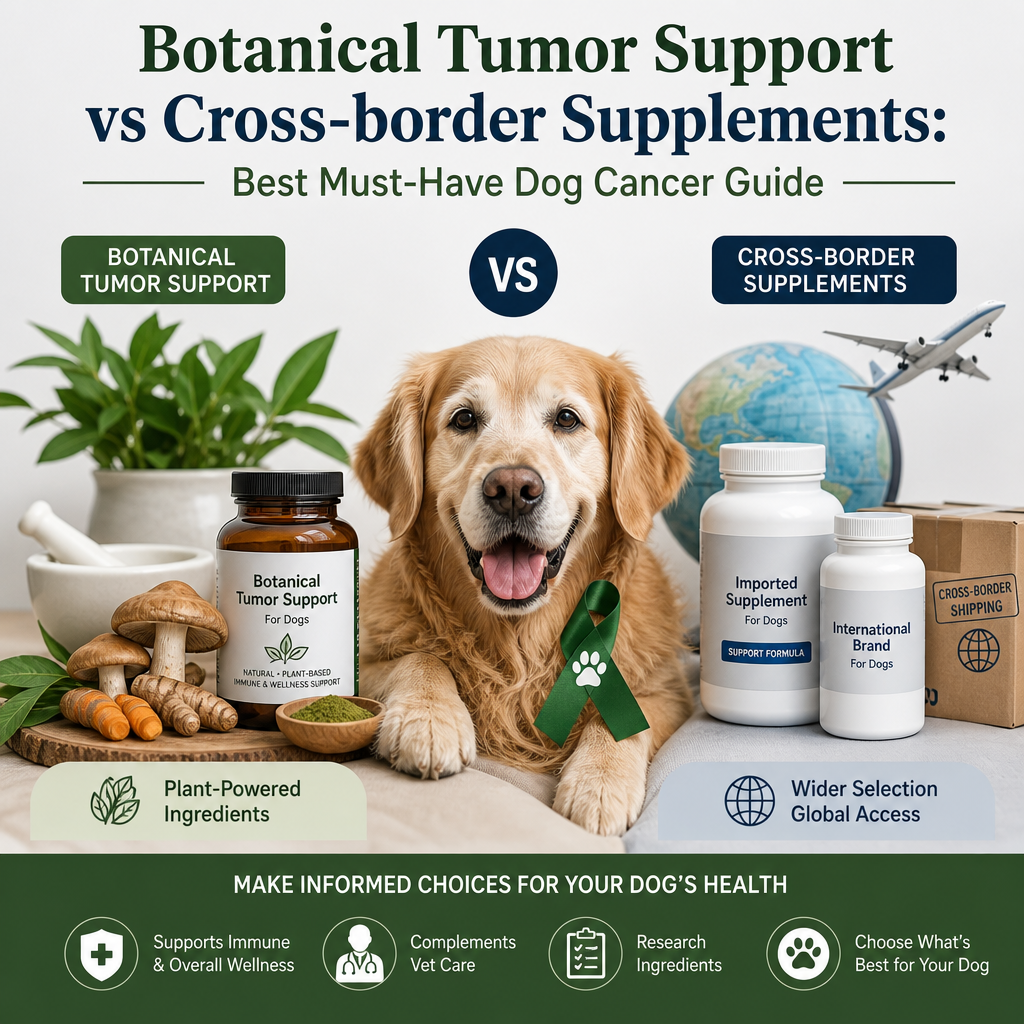
A dog cancer supplement comparison should begin with purpose rather than marketing claims. Some products are designed to provide broad nutritional support, while others focus on botanical ingredients traditionally associated with immune balance, antioxidant activity, or digestive health. Cross-border supplements may include products purchased from another country, imported through online marketplaces, or formulated under regulatory systems that differ from those in the owner’s home country.
These categories are not automatically superior or inferior to one another. Their value depends on the ingredients, manufacturing standards, dosage accuracy, veterinary oversight, and the individual dog’s health status. A supplement that is reasonable for a dog receiving palliative care may not be appropriate for a dog undergoing surgery, chemotherapy, radiation, or targeted treatment.
Cancer is also not one disease. Lymphoma, mast cell tumors, osteosarcoma, hemangiosarcoma, and other cancers have different biological behaviors and treatment requirements. Therefore, a product should never be selected solely because it is promoted as a general “cancer cure” or “tumor eliminator.”
When owners compare options, the goal is not to find a miracle product. The real goal is to identify a product that supports comfort, nutrition, and daily function without creating new risks. In practice, botanical tumor support vs Cross-border supplements becomes a question of evidence, quality, and fit.
It also helps to separate emotional pressure from medical reality. Online ads, influencer posts, and anecdotal stories can make a supplement look indispensable, but every dog responds differently. A practical decision starts with diagnosis, treatment goals, lab results, and the veterinarian’s view of what the dog can safely tolerate right now.
For example, a dog with a sensitive stomach may need a very simple formula, while a dog with poor appetite may benefit more from nutrition support than from a long list of botanical ingredients. That is why the same product can be useful for one patient and unhelpful for another.
What botanical tumor support may include
Botanical tumor support generally refers to formulas containing plant-derived ingredients. Common examples may include medicinal mushrooms, turmeric-derived compounds, milk thistle, green tea extracts, boswellia, or other herbs. Depending on the formulation, these ingredients may be marketed for antioxidant support, inflammatory balance, liver health, immune function, or appetite and digestion.
The potential advantage of a well-formulated botanical product is that its ingredient purpose can often be clearly defined. A veterinarian may be able to review the formula and determine whether it could complement the dog’s care plan. Products from reputable manufacturers may also provide standardized extracts, certificates of analysis, batch information, and testing for contaminants.
However, “natural” does not mean risk-free. Botanicals can affect blood clotting, blood pressure, liver enzymes, sedation, or gastrointestinal function. Some may interfere with the metabolism of prescription medications. Others may be unsuitable before surgery or during specific chemotherapy protocols. Concentrated extracts can also be much stronger than the whole plant forms used in traditional diets.
Owners researching botanical tumor support vs Cross-border supplements should also remember that a product’s origin does not tell the whole story. A carefully made botanical formula can be safer than a poorly labeled imported product, and a cross-border product can be safer than a local one if it has stronger documentation and better quality control.
For background on ingredient safety and regulatory oversight in animal supplements, the U.S. Food and Drug Administration provides a helpful overview of pet food and supplement labeling standards at the FDA pet food and supplement guidance page.
When reviewing a botanical formula, pay close attention to whether the ingredients are standardized. Standardization matters because “turmeric,” for example, can mean very different levels of active compounds depending on the extract, while mushroom products may vary widely in beta-glucan content and processing method. The label should make it easier, not harder, to understand what the dog is actually receiving.
It is also worth asking whether the formula is intended for short-term support or long-term use. Some botanical ingredients may be better suited to a limited trial, followed by monitoring and reassessment. A supplement that sounds appealing in theory may still be a poor fit if the dog’s stool quality declines or if the product causes vomiting, lethargy, or medication interactions.
Evaluating cross-border supplements
Cross-border supplements can provide access to products, ingredients, or formulations that are not widely available locally. Some overseas manufacturers maintain excellent quality-control systems and publish detailed information about testing and production. In certain cases, international products may offer useful specialized formulas or clearly stated ingredient standards.
The challenge is that regulatory requirements vary significantly between countries. A product labeled as a supplement in one region may be subject to different manufacturing, claims, testing, and labeling rules elsewhere. Translation issues can make dosage instructions unclear, while online listings may omit expiration dates, lot numbers, storage conditions, or complete ingredient disclosures.
Importation also creates practical risks. Heat, humidity, and extended shipping can damage sensitive ingredients. Customs delays may expose products to unsuitable conditions. Counterfeit or gray-market products can appear identical to legitimate products but contain incorrect concentrations or undisclosed substances.
Before purchasing a cross-border supplement, owners should verify the manufacturer’s physical location, contact details, lot-specific testing, expiration date, recommended canine dosage, and ingredient quantities. It is also wise to avoid products that promise guaranteed tumor shrinkage, claim to replace chemotherapy, or rely mainly on testimonials.
In a careful comparison, botanical tumor support vs Cross-border supplements should be judged by traceability and transparency. If a company cannot explain where the product was made, how it was tested, or what each dose contains, the label should be treated with caution.
Practical signs of a more trustworthy product
- Clear ingredient amounts per serving
- Batch or lot number printed on the package
- Recent expiration date and storage instructions
- Independent testing or a certificate of analysis
- Species-specific dosing guidance for dogs
- Simple contact information for the manufacturer
These details do not guarantee effectiveness, but they do help owners make a more informed choice. In many cases, the safest option is the one with the clearest documentation.
When a cross-border product appears attractive because it is cheaper or easier to order online, pause and check whether the savings come with hidden risks. A lower upfront price can be offset by poor quality control, uncertain storage conditions, or a lack of support if something goes wrong. In sensitive cases, predictability is often more valuable than convenience.
Safety matters more than product origin
The most meaningful difference in a dog cancer supplement comparison is not whether a product is domestic, botanical, or imported. It is whether the product is transparent, tested, and medically appropriate. A trustworthy label should identify every active and inactive ingredient, provide amounts per serving, and explain storage and dosing instructions.
Quality indicators may include independent laboratory testing, current certificates of analysis, contamination screening, and good manufacturing practices. Testing should ideally address heavy metals, pesticides, microbes, solvents, and adulterated pharmaceutical substances. Owners should be cautious when a company refuses to provide documentation or uses vague phrases such as “proprietary cancer blend” without listing quantities.
Veterinary review is especially important when a dog has reduced liver or kidney function, a bleeding disorder, diabetes, seizures, digestive disease, or a history of medication sensitivity. Puppies, elderly dogs, and dogs with poor appetite may also require more careful dosing.
Botanical Tumor Support vs Cross-border Supplements can both become risky if the product is too concentrated, poorly labeled, or combined with several other remedies at once. More ingredients do not always mean more benefit.
Owners should also remember that a supplement can affect the practical side of care even when it does not cause a dramatic side effect. For example, a product that slightly reduces appetite may be a problem for a dog already struggling to maintain body weight. Likewise, a formula that causes mild diarrhea can still matter if the dog is frail, dehydrated, or recovering from treatment.
Safety is therefore not just about avoiding emergencies. It is also about protecting daily comfort, preserving nutrition, and reducing the chance that a supportive product becomes one more burden on an already stressed patient.
Why ingredient interactions matter
Some botanical ingredients may affect clotting or liver metabolism, while others can change how a drug is absorbed or broken down. That means a supplement can look harmless on a shelf and still create complications once it is given alongside prescription therapy. This is one reason veterinarians often ask for the full label before approving a new product.
Interactions are not limited to cancer drugs. Pain relievers, anti-nausea medications, antibiotics, steroids, and even anesthesia protocols can all be affected by supplements in different ways. A careful review of the dog’s full medication list is essential before adding anything new.
If a supplement contains several plant extracts, the interaction review becomes more complicated. In that case, it may be useful to introduce the product only when the treatment schedule is stable and the dog’s baseline condition is well documented. That makes it easier to spot whether any change is truly related to the supplement.
Questions to discuss with the veterinarian
Before adding any supplement, owners should provide the veterinarian with the complete product label and answer several practical questions:
– What is the intended purpose of the supplement?
– Could any ingredient interact with chemotherapy, steroids, pain medication, antibiotics, or anesthesia?
– Is the dosage appropriate for the dog’s weight and organ function?
– Should the product be stopped before surgery or a treatment session?
– What side effects should be monitored?
– Are there better-supported nutritional options?
– How will success or intolerance be evaluated?
Keeping a written supplement record can prevent accidental duplication. Some products contain overlapping ingredients, such as turmeric, vitamin E, omega-3 fatty acids, or medicinal mushrooms. Combining several formulas may increase the risk of excessive dosing without providing additional benefit.
When owners bring a product label to the appointment, the discussion is usually more productive. That is especially true when the topic is botanical tumor support vs Cross-border supplements, because the veterinarian can compare ingredient quality, dose, and timing against the dog’s current treatments.
It can also help to prepare a short list of priorities before the visit. For example, is the main goal better appetite, calmer digestion, more energy, or improved comfort? Clear goals allow the veterinarian to assess whether a supplement is likely to be useful or whether the focus should stay on diet adjustment, anti-nausea therapy, pain control, or a different supportive strategy.
Owners who are unsure how a supplement fits into a broader care plan should ask for simple language, not just technical terms. A good discussion should leave the family with a clear yes, no, or “not right now,” along with the reason behind the recommendation.
Monitoring the dog after supplementation
A supplement should be introduced only when the dog’s veterinary team understands the plan. Starting one product at a time makes it easier to identify benefits or adverse reactions. Owners should monitor appetite, stool quality, vomiting, energy, thirst, urination, skin changes, bruising, and behavior.
Any sudden deterioration, persistent vomiting or diarrhea, refusal to eat, unusual bleeding, breathing difficulty, collapse, or severe lethargy requires prompt veterinary attention. A supplement should be discontinued only according to veterinary guidance when stopping suddenly could affect treatment, but most nonessential products can be reassessed if adverse effects appear.
It is also important to define realistic goals. Improved appetite, stable weight, better stool quality, or improved comfort may be meaningful outcomes. A supplement should not be judged solely by whether a visible tumor changes, and no product should delay proven cancer treatment.
For many dogs, the most meaningful sign that a product is helping is subtle: more consistent eating, less digestive upset, or steadier energy. Those day-to-day improvements matter more than dramatic promises, especially when the discussion centers on botanical tumor support vs Cross-border supplements.
A simple monitoring log can be very useful. Write down the product name, dose, time given, food taken with it, and any changes observed over the next several days. This record makes follow-up visits more productive and helps the veterinary team decide whether to continue, adjust, or stop the product.
If the dog is already receiving multiple therapies, tracking becomes even more important. Owners may otherwise mistake a natural fluctuation in appetite or comfort for a supplement effect. Documentation helps separate coincidence from true response.
Making a responsible choice
For many families, the best approach is to prioritize veterinary treatment, adequate calories and protein, hydration, pain control, and quality of life before considering supplemental products. Botanical tumor support may be reasonable when the formula is transparent and compatible with medical care. Cross-border supplements may also be considered when the manufacturer demonstrates reliable testing and the product can be legally and safely obtained. If you are comparing product options in other European markets, you may also find it useful to review Ocoxin Pets Alternative: 7 Best Affordable Dog Tumor Supplements in the UK for a broader look at formulation and support style.
Ultimately, botanical tumor support vs Cross-border supplements is less about choosing a winning category and more about evaluating evidence, safety, transparency, and individual suitability. A careful dog cancer supplement comparison helps owners move beyond bold claims and focus on what can genuinely support their dog without creating additional risks.
When in doubt, ask the veterinarian to review the label before the first dose. That simple step can prevent avoidable problems and keep the plan aligned with the dog’s treatment goals. In the end, botanical tumor support vs Cross-border supplements should be assessed by how well the product fits the dog, not by how loudly it is marketed.
Responsible choices usually come from patience. It is better to spend a little extra time confirming the origin, formulation, and purpose of a product than to rush into a purchase because a page promises fast results. A careful, evidence-aware approach protects the dog and gives owners more confidence in the plan.
Practical checklist before you buy
Before ordering any supplement, pause and review the basics. This step can prevent wasted money and reduce the chance of avoidable side effects.
- Confirm the dog’s diagnosis and treatment stage.
- Ask whether the product is meant for support, comfort, or nutrition.
- Check the full ingredient list and serving size.
- Look for batch numbers, testing details, and expiration dates.
- Review storage instructions and shipping conditions.
- Verify that the dosage is written clearly for dogs.
- Share the label with the veterinarian before the first use.
This checklist is especially useful when comparing botanical tumor support vs Cross-border supplements because the marketing language may sound similar even when the quality signals are very different. The label should answer the practical questions without forcing the owner to guess.
How to evaluate labels and claims
Supplement labels can be persuasive, but not all persuasive labels are reliable. A responsible label usually identifies the active ingredients, the amount per dose, and the intended use in clear language. It should not depend on vague claims about “detox,” “immune boosting,” or “natural cancer reversal” without supporting detail.
Beware of terms that sound scientific but do not tell you much about the actual product. Words like “advanced,” “extra strength,” or “professional grade” can be marketing language rather than quality proof. Likewise, before-and-after photos and emotional testimonials may not reflect how the product works in real veterinary practice.
When evaluating botanical tumor support vs Cross-border supplements, ask whether the claims match the evidence available on the label or from the manufacturer. If the product seems to promise more than any supplement realistically can, the safest answer is often to walk away.
It is also smart to check whether the label matches the website description exactly. Differences in ingredient amounts, serving recommendations, or product names can indicate poor quality control. Consistency across packaging and online information is a good sign; confusion is not.
Supportive care goals for dogs with cancer
Supportive care should aim to improve the dog’s day-to-day experience. That may include preserving appetite, easing digestion, maintaining body weight, reducing discomfort, and helping the dog stay engaged with family life. Supplements can play a role, but only when they are part of a broader plan.
In many cases, the most helpful improvements are modest and practical. A dog that eats a little more consistently, tolerates medication better, or rests more comfortably may be doing better even if the tumor itself has not changed. Those outcomes matter because they affect the dog’s overall well-being.
That is why the discussion around botanical tumor support vs Cross-border supplements should remain grounded in real-life care goals. The best product is the one that supports the dog safely, fits the treatment plan, and can be monitored over time.
If a product cannot do those things, it is not the right choice, no matter how appealing it looks online. Clear labeling, veterinary review, and realistic expectations remain the foundation of good decision-making for dogs with cancer.
In summary, botanical tumor support vs Cross-border supplements is a question of quality, compatibility, and trust. The right choice should support the dog’s comfort and treatment plan while avoiding unnecessary risk.
by TCMVET | Aug 19, 2026 | Research and News
Suplemento tumor mamario perro es una búsqueda cada vez más frecuente entre las familias que desean acompañar el tratamiento de una perra con una masa mamaria. Sin embargo, ningún suplemento sustituye la evaluación veterinaria, la cirugía cuando está indicada, el análisis histopatológico ni los controles posteriores. Los complementos pueden tener un papel de apoyo, pero deben elegirse según el estado general del animal, el tipo de tumor y los medicamentos que recibe.
En este contexto, la información clara ayuda a tomar mejores decisiones. Cuando se habla de suplemento tumor mamario perro, no se trata de prometer resultados milagrosos, sino de entender qué puede aportar un producto, qué límites tiene y en qué situaciones conviene evitarlo. Esa mirada realista es la que protege la salud de la perra y también la tranquilidad de su familia.
Qué es un tumor mamario en perros
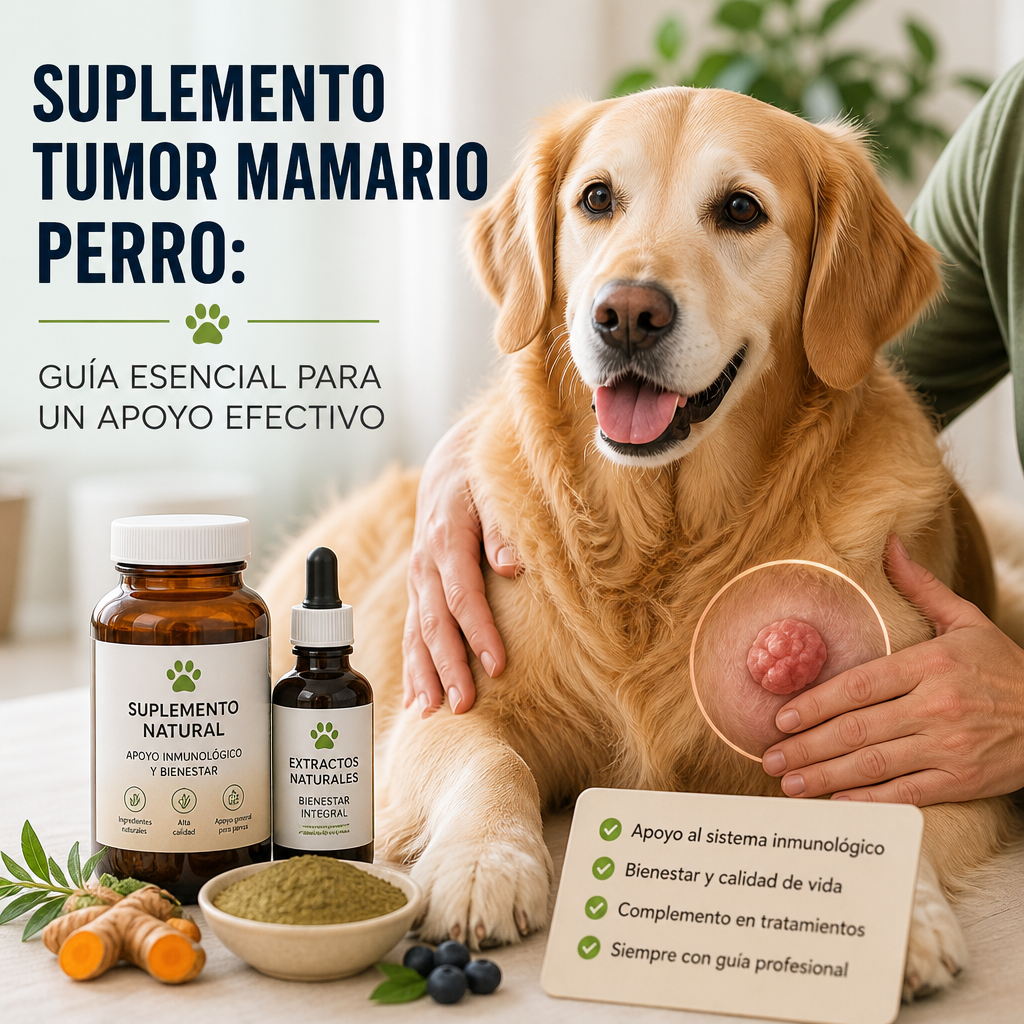
Los tumores mamarios son masas que aparecen en las glándulas mamarias, especialmente en perras adultas o mayores que no han sido esterilizadas o que lo fueron a una edad avanzada. Algunas lesiones son benignas, mientras que otras pueden ser malignas y extenderse a los ganglios linfáticos o los pulmones.
No es posible determinar la gravedad únicamente por el tamaño o la apariencia externa de la masa. Una lesión pequeña puede requerir atención inmediata, y una masa grande no siempre indica el mismo pronóstico. El diagnóstico suele incluir exploración física, pruebas de imagen, análisis de sangre y, sobre todo, citología o biopsia. El estudio del tejido permite conocer el tipo de tumor y orientar el tratamiento.
Ante un bulto en una mama, no conviene esperar a que crezca ni aplicar productos caseros. La atención temprana ofrece más opciones para actuar y permite controlar mejor el dolor, la inflamación y otros posibles síntomas. En muchas familias, el interés por un suplemento tumor mamario perro aparece justo en este momento, cuando se busca algo útil pero también seguro.
También es importante recordar que cada caso evoluciona de forma distinta. Hay perras que mantienen buen apetito y energía, mientras que otras presentan pérdida de peso, cansancio o molestias al moverse. Esa diferencia explica por qué no existe una recomendación única para todas las pacientes. El plan debe adaptarse a la realidad clínica de cada animal.
Suplemento tumor mamario perro: qué puede aportar
Un suplemento puede apoyar determinadas funciones del organismo, como el mantenimiento del peso, la recuperación tras una intervención, la salud digestiva o el control del estrés. No obstante, sus beneficios dependen de la situación concreta de cada paciente. En un contexto oncológico, el objetivo principal es acompañar, no sustituir.
Entre los complementos que un veterinario podría valorar se encuentran:
- Ácidos grasos omega-3: presentes en aceites de pescado purificados, pueden contribuir al mantenimiento de una respuesta inflamatoria equilibrada y favorecer la piel y el estado general.
- Antioxidantes: vitaminas y compuestos antioxidantes pueden ayudar a proteger las células frente al estrés oxidativo, aunque no deben presentarse como una cura contra el cáncer.
- Probióticos: pueden ser útiles para mantener la microbiota intestinal, especialmente durante periodos de estrés, cambios de dieta o determinados tratamientos.
- Suplementos nutricionales hipercalóricos: pueden ayudar a perros con poco apetito o pérdida de peso, siempre que se utilicen bajo supervisión.
- Apoyo articular o proteico: algunos animales necesitan soporte adicional durante la recuperación quirúrgica o cuando presentan debilidad y pérdida de masa muscular.
La elección debe basarse en la dieta habitual, la función renal y hepática, el peso, la edad y los tratamientos indicados. Un producto apropiado para un perro sano puede ser inadecuado para otro con enfermedad renal, problemas de coagulación o sensibilidad gastrointestinal. Por eso, antes de comprar un suplemento tumor mamario perro, conviene revisar primero el historial clínico completo.
Un punto útil para las familias es entender que no todos los complementos actúan igual. Algunos se enfocan en el soporte nutricional, otros en la digestión y otros en la tolerancia al tratamiento. Esa diferencia importa, porque el perro con un tumor mamario puede necesitar energía adicional, control de náuseas, mejor apetito o simplemente una dieta más fácil de aceptar.
Cuando el veterinario valora opciones de apoyo, también tiene en cuenta la calidad del producto. No basta con que el envase prometa “bienestar” o “defensas más fuertes”. Es preferible revisar la composición exacta, la dosis por kilo, la procedencia de los ingredientes y si el producto está formulado específicamente para perros. En un caso de cáncer, la precisión es más valiosa que el marketing.
Tumor mamario perro apoyo: medidas realmente importantes
Cuando se busca tumor mamario perro apoyo, es fundamental priorizar las medidas con mayor impacto clínico. La primera es cumplir el plan establecido por el veterinario. Si se recomienda extirpar la masa, retrasar la cirugía para probar un suplemento puede permitir que la enfermedad avance.
También es importante ofrecer una alimentación completa y equilibrada. Durante la enfermedad, muchos perros comen menos, por lo que pueden beneficiarse de raciones pequeñas y frecuentes, alimentos húmedos o una dieta terapéutica recomendada por un profesional. Nunca se deben realizar cambios bruscos ni administrar dietas caseras sin formulación adecuada.
El control del dolor es otro aspecto esencial. El animal debe descansar en un lugar cómodo, limpio y tranquilo, evitando saltos y esfuerzos después de una intervención. Además, conviene vigilar el apetito, el consumo de agua, las deposiciones, la respiración y el aspecto de la herida.
Los controles periódicos permiten detectar cambios de forma temprana. Según el caso, el veterinario puede recomendar revisiones de las glándulas mamarias, palpación de ganglios, radiografías torácicas, ecografías u otras pruebas. En algunos pacientes, un seguimiento ordenado marca la diferencia entre actuar a tiempo o descubrir complicaciones cuando ya están más avanzadas.
Si la perra está en recuperación, el entorno también cuenta. Una cama blanda, paseos cortos, evitar escaleras y mantener horarios estables ayudan a reducir el estrés. Estas medidas no son un sustituto del tratamiento, pero sí pueden mejorar el bienestar diario mientras se decide si conviene o no usar un suplemento tumor mamario perro.
Además, el acompañamiento emocional de la familia influye más de lo que parece. Una perra con dolor o cansancio puede sentirse más segura con rutinas predecibles, voz calmada y manipulación suave. El bienestar no depende solo del tratamiento médico; también se apoya en pequeños hábitos cotidianos que reducen la ansiedad y facilitan la recuperación.
Cuándo puede tener más sentido un complemento
Un complemento puede resultar más útil cuando existe pérdida de apetito, convalecencia tras cirugía, dificultad para mantener el peso o un periodo de mayor desgaste físico. En estos casos, el objetivo es sostener el organismo y facilitar la recuperación. Aun así, la selección debe ser individual y prudente.
También puede ser razonable valorar un suplemento cuando el veterinario detecta necesidades concretas, por ejemplo, un soporte digestivo temporal o una ayuda nutricional durante un tratamiento prolongado. El criterio profesional evita usar productos innecesarios y reduce el riesgo de interacciones.
En algunos casos, la recuperación se complica por náuseas, cambios de olor hacia la comida o estrés por la hospitalización. Ahí el enfoque debe ser práctico: alimentos mejor aceptados, hidratación suficiente y, si procede, apoyo nutricional puntual. Un suplemento tumor mamario perro puede formar parte de ese plan si realmente encaja con el cuadro clínico.
Suplementos tumor mamario perro: precauciones antes de utilizarlos
La etiqueta “natural” no significa que un producto sea inocuo. Algunos suplementos pueden interferir con la anestesia, aumentar el riesgo de sangrado, alterar la presión arterial o modificar el efecto de ciertos fármacos. Esto resulta especialmente relevante antes de una cirugía o durante tratamientos oncológicos.
Los productos con ajo, dosis elevadas de determinadas vitaminas, extractos de plantas, hongos medicinales o compuestos con efecto anticoagulante requieren especial prudencia. También deben evitarse los productos destinados a humanos, ya que pueden contener xilitol, cafeína, dosis excesivas u otros ingredientes peligrosos para los perros.
Antes de dar cualquier complemento, es conveniente informar al veterinario del nombre comercial, la composición, la dosis y la frecuencia. La calidad también importa: es preferible elegir productos con ingredientes claramente especificados, controles de fabricación y dosificación adecuada para animales.
Los suplementos tumor mamario perro no deberían iniciarse por recomendación informal de internet, vecinos o redes sociales. Aunque el consejo parezca bien intencionado, un caso oncológico requiere revisar interacciones, estado general y objetivos terapéuticos. La mejor decisión suele ser la más personalizada.
Si quieres revisar información general y buenas prácticas sobre la prevención y el manejo de la enfermedad oncológica en perros, una referencia útil es el material educativo de la Asociación Americana de Medicina Veterinaria sobre el cáncer en mascotas. Puede ayudar a entender por qué el seguimiento profesional sigue siendo la base del tratamiento.
Otro aspecto clave es no mezclar varios productos a la vez sin una razón clara. Si se introducen muchos complementos simultáneamente, luego resulta difícil saber cuál ayuda, cuál no aporta nada o cuál está causando molestias digestivas. En oncología veterinaria, simplificar suele ser una ventaja.
Alimentación y recuperación tras el diagnóstico
Después del diagnóstico, la nutrición se convierte en una pieza central del cuidado. Si la perra mantiene el apetito, lo ideal es conservar una dieta equilibrada y altamente digestible, evitando cambios innecesarios. Si come menos, el veterinario puede recomendar ajustar la densidad calórica, la textura o la frecuencia de las tomas.
La pérdida de masa muscular es un problema frecuente cuando una enfermedad se prolonga. Por eso, no basta con que el perro “coma algo”; es importante que reciba suficiente energía y proteína de calidad. En determinados pacientes, un suplemento tumor mamario perro puede ayudar a completar la ingesta, siempre que no sustituya una dieta adecuada.
Durante la recuperación, conviene observar cómo responde el perro a cada comida. Algunas perras aceptan mejor alimentos templados, otras prefieren texturas suaves, y otras necesitan varias tomas pequeñas en lugar de una sola ración grande. Esta observación diaria es sencilla, pero aporta información valiosa.
También ayuda mantener una buena hidratación. Si la paciente bebe poco, puede haber mayor cansancio, heces más secas y peor recuperación. El veterinario puede orientar sobre maneras seguras de aumentar la ingesta de agua, siempre según el caso. Cuando el estado general mejora, cualquier complemento que se use suele tolerarse mejor.
La recuperación no solo depende del intestino o del apetito. El sueño, el dolor y el ánimo también influyen. Una perra con molestias puede rechazar la comida, moverse menos y recuperarse más despacio. Por eso, el control del dolor y la comodidad ambiental son tan importantes como la elección de un suplemento tumor mamario perro.
Señales de alarma que requieren atención veterinaria
Una masa que crece rápidamente, sangra, se ulcera o produce secreción debe revisarse sin demora. También es urgente consultar si la perra presenta dolor intenso, fiebre, decaimiento marcado, pérdida rápida de peso, dificultad para respirar, vómitos persistentes o falta de apetito prolongada.
Después de una cirugía, el enrojecimiento progresivo, la hinchazón excesiva, la apertura de la herida o la secreción anormal pueden indicar complicaciones. En estos casos, un suplemento no resolverá el problema y se necesita una valoración profesional.
Conviene recordar que una evolución aparentemente estable no siempre significa que todo vaya bien. En algunos tumores mamarios, los cambios internos no se ven a simple vista. Por eso, aunque la familia esté usando un suplemento tumor mamario perro, los controles programados siguen siendo imprescindibles.
Si la perra deja de caminar con normalidad, muestra tos persistente, jadea más de lo habitual o se muestra muy apagada, la consulta no debe posponerse. Estos signos pueden relacionarse con dolor, infección, anemia u otras complicaciones que requieren evaluación rápida. Actuar pronto suele ofrecer más opciones y mejor pronóstico funcional.
Cómo integrar un suplemento de forma responsable
El uso de un suplemento debe formar parte de un plan general que incluya diagnóstico, tratamiento, nutrición, control del dolor y seguimiento. Es recomendable introducir un solo producto cada vez para identificar posibles reacciones y respetar siempre la dosis indicada.
La familia puede llevar un registro del peso, el apetito, la actividad, los medicamentos y cualquier cambio en la masa. Esta información ayuda al veterinario a valorar la evolución y ajustar el tratamiento. El objetivo principal no es “fortalecer las defensas” de manera indefinida, sino conservar la calidad de vida y apoyar las necesidades reales del animal.
También puede ser útil anotar si el perro acepta bien el producto, si aparecen diarreas, gases, vómitos o cambios en las heces, y si hay variaciones en el nivel de energía. Estas observaciones facilitan detectar si el suplemento está aportando algo positivo o si, por el contrario, conviene retirarlo.
En la práctica, el mejor enfoque combina decisiones sencillas y medibles: dieta adecuada, pauta médica clara, vigilancia de la herida, ejercicio moderado y revisión de cualquier complemento con el profesional que lleva el caso. Un suplemento tumor mamario perro puede formar parte de ese plan, pero no debe ocupar el lugar central.
Cuando el veterinario aprueba un suplemento, lo ideal es introducirlo de manera gradual y observar su tolerancia durante varios días. Si todo va bien, se puede mantener según la pauta indicada; si no, conviene suspenderlo y reevaluar. Esta forma de proceder reduce riesgos y evita decisiones impulsivas.
Preguntas frecuentes sobre el apoyo nutricional
¿Todos los tumores mamarios necesitan suplementos?
No. Algunos perros se benefician de apoyo nutricional, pero otros no lo necesitan. La decisión depende del estado general, la cirugía prevista, la medicación y la tolerancia digestiva. El hecho de tener una masa mamaria no obliga a usar complementos.
¿Puedo empezar un suplemento antes de operar?
Solo con aprobación veterinaria. Antes de una cirugía, ciertos ingredientes pueden aumentar el riesgo de sangrado o interferir con la anestesia. Si existe una intervención próxima, es importante revisar cualquier suplemento tumor mamario perro con antelación.
¿Un suplemento mejora el pronóstico?
Por sí solo, no. El pronóstico depende del tipo de tumor, del estadio, de la extensión de la enfermedad y de la respuesta al tratamiento. Un complemento puede apoyar el bienestar, pero no reemplaza las medidas que realmente cambian el curso clínico.
¿Qué señales indican que un complemento no va bien?
Vómitos, diarrea, apatía, picor, hinchazón, rechazo del alimento o empeoramiento general pueden indicar intolerancia o interacción. Si aparece cualquiera de estos signos, debe suspenderse el producto y consultarse al veterinario.
¿Es útil usar varios complementos a la vez?
No siempre. A veces añadir demasiados productos complica la rutina y aumenta el riesgo de interacciones o molestias digestivas. Lo más prudente suele ser elegir solo lo necesario, valorar la respuesta y ajustar con supervisión profesional.
En conclusión, un suplemento tumor mamario perro puede ser útil en situaciones concretas, pero no reemplaza la atención veterinaria ni actúa por sí solo contra la enfermedad. La mejor estrategia combina un diagnóstico preciso, decisiones terapéuticas oportunas, nutrición adecuada, vigilancia constante y complementos seleccionados con criterio profesional. Cuando se usa bien, el apoyo nutricional suma; cuando se usa sin control, puede distraer de lo esencial.
