by TCMVET | Aug 18, 2026 | Research and News
Suplementos osteosarcoma perro: el apoyo nutricional puede desempeñar un papel importante durante el tratamiento del osteosarcoma, una de las neoplasias óseas más frecuentes y agresivas en perros. Sin embargo, ningún suplemento sustituye la cirugía, la quimioterapia, la radioterapia, los analgésicos ni el seguimiento veterinario. Su función debe entenderse como complementaria: ayudar a mantener el estado corporal, proteger la masa muscular, favorecer el bienestar general y cubrir necesidades específicas cuando el animal no come adecuadamente.
¿Qué es el osteosarcoma en perros?
El osteosarcoma es un cáncer que se origina en el tejido óseo. Suele afectar con mayor frecuencia a perros grandes o gigantes y puede aparecer en las extremidades, aunque también puede localizarse en otras zonas del esqueleto. Los signos más habituales incluyen cojera persistente, dolor, inflamación localizada, dificultad para levantarse y menor disposición a caminar o jugar.
El diagnóstico suele requerir pruebas de imagen, como radiografías o tomografía, además de análisis y, en determinados casos, una biopsia. El tratamiento depende de la localización del tumor, la presencia de metástasis, la edad del animal y su estado general. La amputación y la quimioterapia son opciones frecuentes, pero el plan debe individualizarse.
Suplementos osteosarcoma perro: qué objetivos pueden tener
Cuando se habla de suplementos osteosarcoma perro, es importante establecer expectativas realistas. Estos productos no destruyen el tumor ni han demostrado curar el cáncer por sí solos. Su utilidad puede centrarse en objetivos de apoyo, como los siguientes:
– Mantener un peso corporal adecuado.
– Reducir la pérdida de masa muscular.
– Mejorar la tolerancia al ejercicio suave.
– Apoyar la salud articular y la movilidad.
– Contribuir al equilibrio nutricional durante periodos de poco apetito.
– Favorecer la recuperación después de una intervención.
– Ayudar a controlar determinados déficits confirmados mediante análisis.
La selección debe realizarse según el tratamiento que recibe el perro. Algunos nutrientes pueden interactuar con medicamentos, afectar a la coagulación o modificar la respuesta al tratamiento. Por eso, la recomendación de un veterinario especializado en oncología o nutrición clínica es especialmente valiosa.
Nutrición antes y durante el tratamiento
Antes de añadir cualquier producto, conviene revisar la alimentación completa. Una dieta comercial de buena calidad, adecuada para la edad, el tamaño y el estado clínico, suele proporcionar una base equilibrada. En perros con cáncer, el veterinario puede valorar una dieta con suficiente proteína, alta densidad energética y buena palatabilidad.
La proteína ayuda a conservar la musculatura, mientras que las calorías suficientes evitan que el organismo utilice sus propios tejidos como fuente de energía. Si existe pérdida de peso, náuseas o falta de apetito, pueden ser necesarios alimentos húmedos, raciones pequeñas y frecuentes o dietas terapéuticas.
No es recomendable imponer cambios bruscos de alimentación durante la quimioterapia. Las modificaciones deben hacerse gradualmente, salvo que el equipo veterinario indique lo contrario. También es importante registrar el peso, el apetito, las deposiciones, los vómitos y el nivel de actividad para detectar cambios rápidamente.
Cuando el perro tolera peor la comida, una estrategia sencilla puede ser ofrecer la ración en varias tomas pequeñas, templarla ligeramente para mejorar el aroma y evitar premios muy grasos o indiscriminados. En estos casos, la prioridad es mantener una ingesta constante y segura, no buscar soluciones rápidas. Un plan nutricional bien diseñado puede hacer que los suplementos osteosarcoma perro sean un apoyo útil y no una carga adicional para el organismo.
Cáncer óseo perro suplementos: opciones que se valoran con más frecuencia
La expresión cáncer óseo perro suplementos engloba distintas alternativas, pero no todas tienen el mismo respaldo ni son apropiadas para todos los pacientes.
Ácidos grasos omega-3
Los omega-3, especialmente el EPA y el DHA procedentes del aceite de pescado, pueden ser considerados por sus propiedades antiinflamatorias y por su posible utilidad para mantener la condición corporal. En algunos perros también pueden contribuir al soporte articular.
La dosis debe calcularse según el peso, el contenido real de EPA y DHA y el estado de salud del animal. Los productos de baja calidad pueden estar oxidados o contener cantidades insuficientes. Además, las dosis elevadas pueden causar molestias digestivas o influir en la coagulación, por lo que deben utilizarse con precaución antes de una cirugía.
En la práctica clínica, este tipo de apoyo se valora sobre todo cuando hay pérdida de condición corporal, inflamación persistente o dificultad para mantener una ingesta suficiente. Aun así, el seguimiento veterinario sigue siendo esencial para ajustar la dieta y evitar excesos innecesarios.
Antioxidantes
Los antioxidantes, como las vitaminas E y C, forman parte de muchas fórmulas destinadas al apoyo general. Sin embargo, durante ciertos tratamientos oncológicos existe debate sobre el uso de dosis elevadas, ya que algunos tratamientos pueden actuar parcialmente mediante mecanismos relacionados con el estrés oxidativo.
Esto no significa que todos los antioxidantes estén prohibidos, sino que su empleo debe ser prudente y supervisado. Nunca conviene administrar megadosis por iniciativa propia.
Apoyo articular y movilidad
La glucosamina, la condroitina, el colágeno y otros ingredientes se utilizan habitualmente para la salud articular. Pueden ser útiles en perros con desgaste articular o dificultad de movimiento, pero no tratan el tumor óseo. En un paciente con dolor, la prioridad es establecer un plan analgésico veterinario eficaz; un suplemento articular no debe sustituirlo.
En algunos pacientes, el objetivo es que el perro se mueva con mayor comodidad para comer mejor, descansar mejor y conservar una rutina mínima de actividad. Por eso, los suplementos osteosarcoma perro suelen tener más sentido cuando se integran en un enfoque global de movilidad, analgesia y nutrición.
Vitaminas y minerales
Las vitaminas y los minerales son necesarios para múltiples funciones, pero suplementarlos sin conocer la dieta o los resultados analíticos puede provocar desequilibrios. El calcio, el fósforo, la vitamina D y otros nutrientes intervienen en el metabolismo óseo, aunque aportar más cantidad no significa mejorar el hueso afectado por el cáncer.
Los suplementos minerales deben administrarse únicamente cuando existe una indicación clara. En algunos casos, un exceso puede perjudicar los riñones, alterar la absorción de otros nutrientes o complicar el control de determinadas enfermedades.
Para ampliar criterios de seguridad y uso responsable, también puede consultarse la guía global de nutrición de la WSAVA, que ayuda a valorar la alimentación en pacientes veterinarios.
Osteosarcoma perro apoyo: medidas que también importan
El osteosarcoma perro apoyo no depende solo de cápsulas o polvos nutricionales. El entorno y los cuidados diarios tienen una influencia considerable en la calidad de vida.
Una cama acolchada y de fácil acceso puede reducir la presión sobre las articulaciones. Las superficies antideslizantes ayudan a evitar caídas, especialmente después de una amputación o cuando existe debilidad. Los paseos deben ser cortos, controlados y adaptados al nivel de dolor, evitando saltos y carreras.
El control del dolor es fundamental. Un perro que jadea en reposo, se esconde, cambia de postura continuamente, deja de comer o evita el contacto puede estar experimentando molestias importantes. Estos signos deben comunicarse al veterinario, ya que existen diferentes opciones analgésicas y no todas son adecuadas para todos los pacientes.
También conviene controlar la herida quirúrgica, mantener una rutina tranquila y ofrecer contacto afectivo sin forzar al animal. La rehabilitación profesional puede ayudar a recuperar movilidad y confianza, sobre todo después de una amputación.
La comunicación con el equipo clínico también mejora la evolución general. Si el perro pierde apetito, se muestra más cansado o cambia su forma de apoyar una extremidad, conviene avisar cuanto antes. Detectar a tiempo esos cambios permite ajustar tanto el tratamiento como el soporte nutricional, incluidos los suplementos osteosarcoma perro cuando realmente aportan valor.
Cómo elegir un suplemento con seguridad
Antes de comprar un producto, es recomendable revisar varios aspectos:
1. Composición completa: debe indicar claramente los ingredientes y sus cantidades.
2. Origen y control de calidad: es preferible elegir fabricantes con procesos de control y análisis por lote.
3. Ausencia de promesas milagrosas: frases como “cura el cáncer” o “elimina tumores” son señales de alarma.
4. Compatibilidad con el tratamiento: el veterinario debe conocer todos los productos administrados.
5. Dosis adecuada: no debe extrapolarse la dosis humana al perro.
6. Seguimiento: hay que observar apetito, vómitos, diarrea, energía y cambios de peso.
Los productos naturales tampoco están exentos de riesgos. Algunas plantas pueden ser tóxicas, alterar la presión arterial, afectar al hígado o interferir con medicamentos. “Natural” no equivale automáticamente a seguro.
Si el objetivo es mejorar el confort diario, suele ser más prudente elegir pocos productos, bien justificados y fáciles de administrar, que acumular fórmulas distintas sin una meta clara. En el manejo del cáncer óseo perro suplementos, la simplicidad y la supervisión suelen ofrecer mejores resultados que la improvisación.
Señales de alerta durante la suplementación
Si después de comenzar un suplemento aparecen vómitos persistentes, diarrea intensa, picor, hinchazón facial, apatía marcada, sangrado, pérdida rápida de peso o rechazo completo de la comida, debe suspenderse la administración hasta consultar con el equipo veterinario. En caso de dificultad respiratoria, dolor intenso o incapacidad repentina para apoyar una extremidad, la atención debe ser inmediata.
El objetivo final no es añadir el mayor número posible de productos, sino ofrecer un apoyo racional, seguro y adaptado. Una alimentación completa, el control del dolor, el seguimiento oncológico y un entorno cómodo suelen tener más importancia que cualquier suplemento aislado. Con orientación profesional, los suplementos osteosarcoma perro pueden integrarse de forma responsable dentro de un plan global centrado en la comodidad y la calidad de vida. Cuando se usan bien, los suplementos osteosarcoma perro pueden acompañar el tratamiento sin sustituirlo y ayudar a sostener al paciente en cada etapa.
by TCMVET | Aug 18, 2026 | Research and News
Ocoxin Pets is a complementary nutritional product designed to support dogs during serious illness, including cases in which tumors or cancer have been diagnosed. For pet owners in Greece, choosing a supplement can be confusing, especially when products make broad claims about immunity, appetite, or recovery. A careful Ocoxin Pets review should therefore focus on its intended role, ingredients, practical use, safety considerations, and the importance of veterinary supervision rather than presenting it as a cure.
When a dog is dealing with a tumor, everyday decisions can feel urgent. Owners often want something that may help the dog eat better, maintain strength, and feel more comfortable while treatment is being planned or already underway. That is understandable, but it is also why the details matter. The best supplement is not necessarily the one with the boldest marketing. It is the one that fits the dog’s diagnosis, treatment plan, and overall condition.
This article keeps the focus on realistic support. It does not assume that a nutritional product can replace surgery, chemotherapy, radiation therapy, pain relief, or ongoing monitoring. Instead, it looks at how Ocoxin Pets may be used as part of a broader plan, what owners in Greece should check before buying, and how to judge whether the product is helping in a meaningful way.
What is Ocoxin Pets?
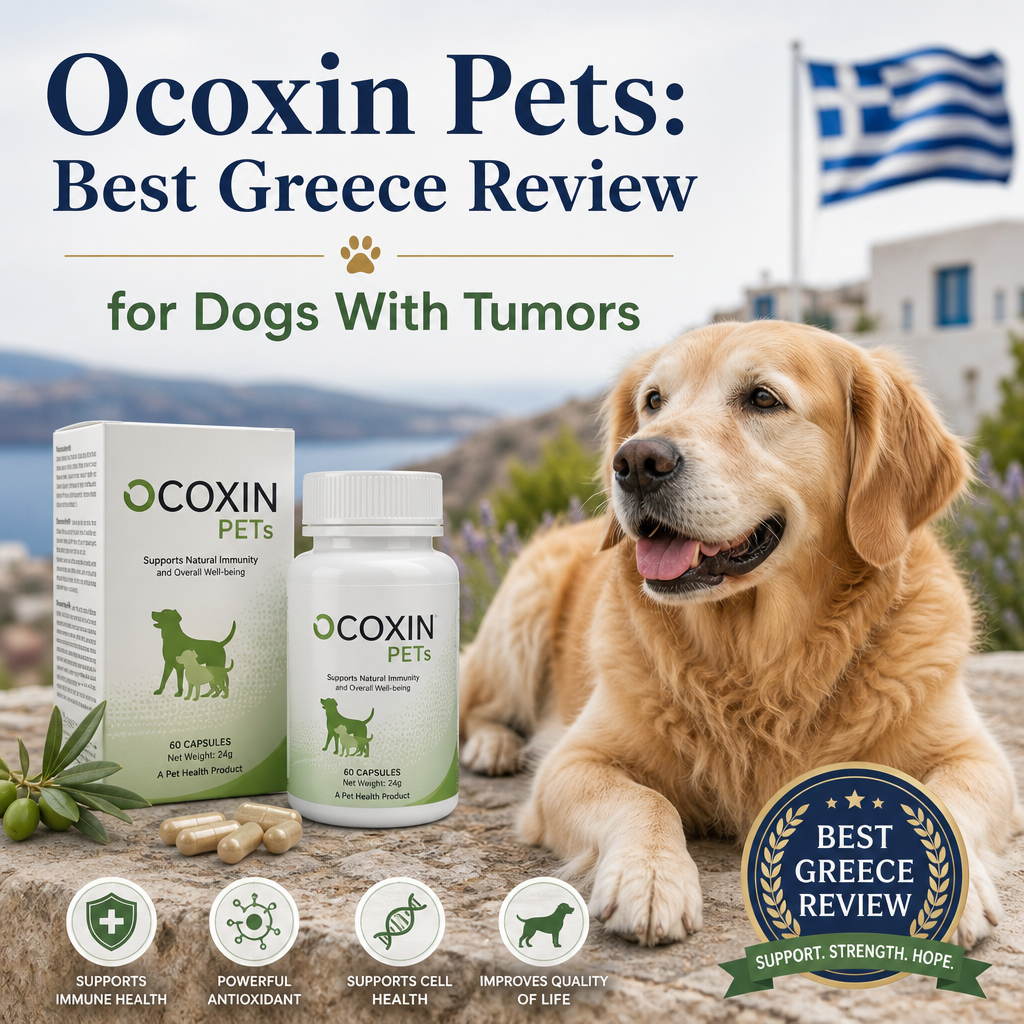
Ocoxin Pets is generally described as a veterinary-support supplement formulated for companion animals. Products in this category may contain combinations of plant extracts, vitamins, minerals, antioxidants, amino acids, or other nutritional compounds intended to help maintain a dog’s condition during periods of physical stress.
Dogs with tumors may experience reduced appetite, weight loss, fatigue, digestive changes, inflammation, or treatment-related side effects. A supportive supplement may be considered to help maintain nutritional status and overall wellbeing. However, the exact formulation, recommended dosage, and method of administration should always be confirmed from the current product packaging or official veterinary information, since formulas and instructions can differ between markets.
That point matters for pet owners in Greece because imported products, local distributors, and online sellers may not always present identical labeling or instructions. Even if the product name is the same, the available format, concentration, or usage guidance may differ. A careful review should therefore begin with the actual label in hand, not with assumptions based on a generic description.
The most important point is that Ocoxin Pets should not be viewed as a substitute for surgery, chemotherapy, radiation therapy, pain management, or other treatments recommended by a veterinarian. Its potential role is supportive, not curative. In other words, it may be one tool in a larger care plan, not the plan itself.
For owners comparing options, it can also help to review other affordable dog tumor supplement options before making a final decision. Comparing products side by side often makes it easier to see which ingredients are clearly explained, which claims are realistic, and which products are simply marketed well.
Ocoxin Pets dog cancer support: What can owners realistically expect?
The phrase “Ocoxin Pets dog cancer support” is often used to describe the product’s possible role alongside conventional veterinary care. In practical terms, support may involve helping a dog maintain appetite, energy, hydration, body weight, and general resilience. These factors can be important because dogs undergoing cancer treatment may be vulnerable to malnutrition and loss of muscle mass.
Supportive care is not only about one supplement. It is about making sure the dog can continue to eat, drink, move, rest, and tolerate treatment as well as possible. A supplement may be one part of that effort, especially if it is easy to give and the dog accepts it well. However, the response is individual. Some dogs may tolerate a product well, while others may refuse it, develop digestive upset, or show no noticeable change.
Owners should evaluate the dog’s condition using observable measures such as eating habits, water intake, body weight, activity, stool quality, comfort, and sleep. Those observations are often more useful than vague impressions. If a dog seems brighter after starting a supplement, it still helps to ask why. Was it the product, a change in pain control, improved nausea management, a better feeding routine, or simply a good day? Careful observation gives a clearer answer.
It is also essential to distinguish supportive care from claims that a supplement can shrink tumors or eliminate cancer. There is no responsible basis for promising that any nutritional product will cure every type of canine tumor. Cancer is not one single disease; different tumors behave differently and require different diagnostic and treatment approaches. A mast cell tumor, a lymphoma, an osteosarcoma, and a benign mass do not all require the same strategy, and a single supplement cannot solve every case.
Veterinarians often recommend focusing on measurable goals such as maintaining body condition and preserving appetite, rather than expecting dramatic short-term changes. That approach keeps decisions practical and reduces the chance of disappointment or unnecessary product switching. It also helps owners in Greece stay grounded when online advice becomes overwhelming or contradictory.
In many cases, the best expectation is modest but meaningful: steadier appetite, easier administration of daily care, better tolerance during difficult periods, and a clearer sense that the dog is being supported holistically. Those outcomes may sound smaller than dramatic marketing promises, but they are usually more useful in real life.
Ingredients and evidence: What should a review examine?
A reliable Ocoxin Pets review should look beyond promotional language. Start by checking the complete ingredient list and the amount of each active ingredient. Broad descriptions such as “immune support” or “natural antioxidants” are less useful than transparent labeling that identifies specific compounds and quantities.
The evidence should also be assessed carefully. Research performed in laboratory cell cultures or in humans may not demonstrate the same effects in dogs. Likewise, positive experiences shared by individual owners are not equivalent to controlled clinical evidence. A veterinarian can help interpret whether the ingredients are appropriate for a particular dog, especially if the animal has liver disease, kidney problems, diabetes, gastrointestinal sensitivity, or another medical condition.
Antioxidant products deserve particular attention during cancer treatment. Some chemotherapy and radiation protocols may involve oxidative mechanisms, and the effect of adding concentrated antioxidants can depend on the treatment plan, dose, timing, and individual patient. This does not mean that antioxidants are automatically unsafe, but it does mean that owners should not introduce them without discussing the decision with the treating veterinary team.
When evaluating any supplement, it is also useful to ask whether the product has clear quality controls, batch consistency, and storage guidance. These practical details matter because dogs with cancer may already be medically fragile, and inconsistent products can make it harder to understand what is helping. A supplement that is difficult to store, hard to measure, or poorly labeled can create avoidable confusion.
Owners should also think about palatability. A product can look promising on paper, but if the dog refuses it, the real-world benefit becomes limited. Flavor, texture, smell, and ease of administration all matter. Some dogs take liquids more easily than tablets; others accept a small amount mixed with food. A product that is theoretically strong but practically impossible to use is rarely the best choice.
Another useful question is whether the product is being introduced at the right time. In a dog already coping with nausea, diarrhea, or reduced appetite, adding multiple new items at once can make it difficult to know what is helping and what is causing trouble. A more measured approach is usually better: one change at a time, with careful monitoring.
For owners who want a structured way to judge supplements, the following checklist can help.
Questions to ask before buying
- What is the exact purpose of the supplement in my dog’s care plan?
- What ingredients are included, and in what amounts?
- Could it interact with current medications or treatments?
- How long should we trial it before judging the result?
- What changes should I monitor at home?
- Is the product easy for my dog to take consistently?
- Does the label clearly explain storage, dosage, and expiry information?
If the answers are unclear, that is usually a sign to pause and ask a veterinarian for guidance before buying. The more fragile the dog’s condition, the more valuable a careful, evidence-based decision becomes.
How Ocoxin Pets may be used in Greece
For families searching for Ocoxin Pets Greece, availability may depend on veterinary clinics, pharmacies, specialist distributors, or online retailers. Before purchasing, check that the product is authentic, properly sealed, within its expiry date, and stored according to the manufacturer’s instructions.
Greek pet owners should also make sure that the label provides clear information in a language they can understand or obtain accurate guidance from a veterinarian or qualified pharmacist. Buying from an unknown online source can create risks involving counterfeit products, poor storage conditions, incorrect dosage information, or outdated stock.
The supplement should be administered exactly as directed. Never assume that a human formulation, a product intended for another animal, or a different concentration can be substituted safely. Dosage may depend on body weight, age, diagnosis, appetite, concurrent medication, and the dog’s ability to swallow or digest the product. A dog that is smaller, older, or medically unstable may need a different level of caution than a healthy adult dog.
Owners should also think about where the product fits in the daily routine. If the dog receives medication twice a day, a supplement that must be taken on an empty stomach may be inconvenient or counterproductive. If the dog already struggles with nausea, the timing of administration may matter just as much as the ingredient list.
For broader educational context on cancer in pets, the American Veterinary Medical Association overview of cancer in pets is a helpful reference for understanding why veterinary diagnosis and monitoring remain essential.
If owners in Greece are comparing regional alternatives, a useful related read is Ocoxin Pets alternative options for dogs with tumors in the Netherlands, which shows how supportive products can differ by market. Looking at different regional articles can help owners understand whether a product is genuinely specialized or simply presented differently depending on the country.
Because online shopping can be unpredictable, it is also wise to verify seller reputation, return policies, and storage conditions during shipping. Heat exposure during transport can affect some nutritional products, and a low price is not helpful if the item arrives damaged or compromised. Greek pet owners should be especially attentive when ordering during warm months or from sellers with long delivery times.
Practical ways owners can support a dog with tumors
Supportive care works best when it is part of a larger routine. Even when a supplement is used, many dogs still need thoughtful day-to-day management to stay comfortable and maintain strength. That may include offering smaller, more frequent meals, ensuring fresh water is always available, keeping the environment calm, and following a veterinarian’s instructions on medication timing.
Regular weight checks can be especially useful. A slow loss of body mass may be easier to detect on a scale than by sight alone. Some owners also keep a simple log of appetite, energy level, stool consistency, and any signs of nausea. These notes can make follow-up veterinary visits more productive.
Exercise should generally remain gentle and adapted to the dog’s condition. Short, low-stress walks may help preserve mobility and mood, but strenuous activity is not always appropriate. The best plan depends on the tumor type, the dog’s strength, and any treatment side effects.
Comfort at home can also make a noticeable difference. Soft bedding, easy access to food and water, reduced stair use, and a predictable routine may all help a dog feel more secure. If the dog is painful, restless, or withdrawn, supportive care should never rely on nutrition alone. Pain control and medical reassessment may be needed instead.
Many owners find it helpful to separate “daily living” goals from “medical treatment” goals. Daily living goals might include eating a little more consistently, resting comfortably, or walking to the garden without distress. Medical goals might include completing a treatment cycle, maintaining lab values, or reducing tumor-related symptoms. A supplement should serve those goals, not distract from them.
If the dog is picky or has a reduced appetite, owners can ask the veterinarian whether warming the food slightly, changing the meal schedule, or using a different feeding method may help. Sometimes the small practical adjustments matter more than any single product purchase.
Simple home monitoring list
- How much did the dog eat today?
- Did the dog drink normally?
- Is weight stable, rising, or falling?
- How is energy compared with last week?
- Any vomiting, diarrhea, or constipation?
- Any signs of pain, stiffness, or restlessness?
- Did the dog accept the supplement easily?
This kind of monitoring is not complicated, but it can be very valuable. It helps owners respond early when something changes and gives the veterinary team better information for decision-making.
Safety, side effects, and veterinary supervision
Even products marketed as natural or nutritional can cause adverse reactions. Possible problems may include vomiting, diarrhea, excessive salivation, refusal of food, itching, lethargy, or changes in behavior. If these signs appear after administration, stop and contact the veterinarian for advice, particularly if symptoms are severe or persistent.
Dogs with cancer frequently take several medications at once. Painkillers, anti-inflammatory drugs, steroids, chemotherapy medicines, antibiotics, and appetite stimulants may all interact with supplements or affect how the dog tolerates them. A complete list of everything the dog receives—including supplements, treats, and herbal products—should be shared with the veterinarian.
Urgent veterinary attention is needed if a dog has difficulty breathing, repeated vomiting, collapse, uncontrolled pain, severe weakness, pale gums, blood in vomit or stool, or refuses food and water for an extended period. A supplement should never delay assessment of these signs.
In many cases, the safest approach is to introduce one change at a time. That makes it easier to identify whether a supplement is useful or whether a new symptom is related to something else in the treatment plan. It also reduces confusion when multiple products are being discussed by different family members or different clinics.
Veterinary supervision becomes even more important if the dog is elderly, underweight, or living with another illness. Kidney disease, liver disease, endocrine disease, and gastrointestinal disorders can all influence whether a supplement is appropriate. What looks harmless in one dog may be unsuitable in another.
Owners should also be careful not to interpret “natural” as the same thing as “safe for every dog.” Many natural substances are biologically active. That is why professional advice matters. The goal is not to avoid all supplements. The goal is to choose wisely, use them correctly, and stop them promptly if they cause problems or do not provide a clear benefit.
Is Ocoxin Pets worth considering?
Ocoxin Pets may be worth discussing as part of a broader supportive-care plan, particularly when the goal is to maintain nutrition and quality of life. Its value should be judged by the dog’s individual response and by objective veterinary monitoring rather than by dramatic promises.
Before starting it, ask the veterinarian what benefit is expected, how long a trial should last, which signs should be monitored, and whether it could interfere with current treatment. Keep a simple record of appetite, weight, activity, digestion, and comfort. This makes it easier to determine whether the product is helping, causing problems, or having no meaningful effect.
It can also help to set a review date. For example, if the supplement is started today, decide in advance when to assess it again. That makes the process less emotional and more practical. If the dog’s appetite improves, the weight stabilizes, or digestion remains steady, that may support continuing the product. If nothing changes after a fair trial, the veterinarian may suggest stopping it or trying a different approach.
Ultimately, the best care plan combines an accurate diagnosis, appropriate cancer treatment, pain control, nutritional support, and regular communication with the veterinary team. Ocoxin Pets may have a place within that plan, but informed decisions and professional supervision should remain the foundation of care for every dog with a tumor.
Owners who want to compare options before buying can also review other affordable Ocoxin Pets alternative support products for dogs in Spain to better understand how similar supplements are positioned in neighboring markets.
For dog owners in Greece, the key takeaway is simple: use supplements as support, not as a replacement for veterinary medicine. If Ocoxin Pets is chosen, it should be chosen for a clear reason, monitored carefully, and reviewed honestly. That approach gives the dog the best chance of receiving useful help without unnecessary risk.
In a difficult cancer journey, the most valuable tools are often the ones that improve comfort, preserve strength, and help the family stay organized. If Ocoxin Pets contributes to that goal, it may be worth considering. If it does not, there are always other supportive strategies to discuss with the veterinary team.
by TCMVET | Aug 18, 2026 | Research and News
Ocoxin Pets is a nutritional supplement designed to support dogs and cats during serious illness, including cancer treatment. For pet owners searching for Ocoxin Pets Croatia, the most important question is not whether a supplement can “cure” a tumor, but whether it may offer useful nutritional and immune support alongside professional veterinary care. This honest review explains what the product is, what it may do, its limitations, safety considerations, and how Croatian pet owners should approach its use.
What Is Ocoxin Pets?
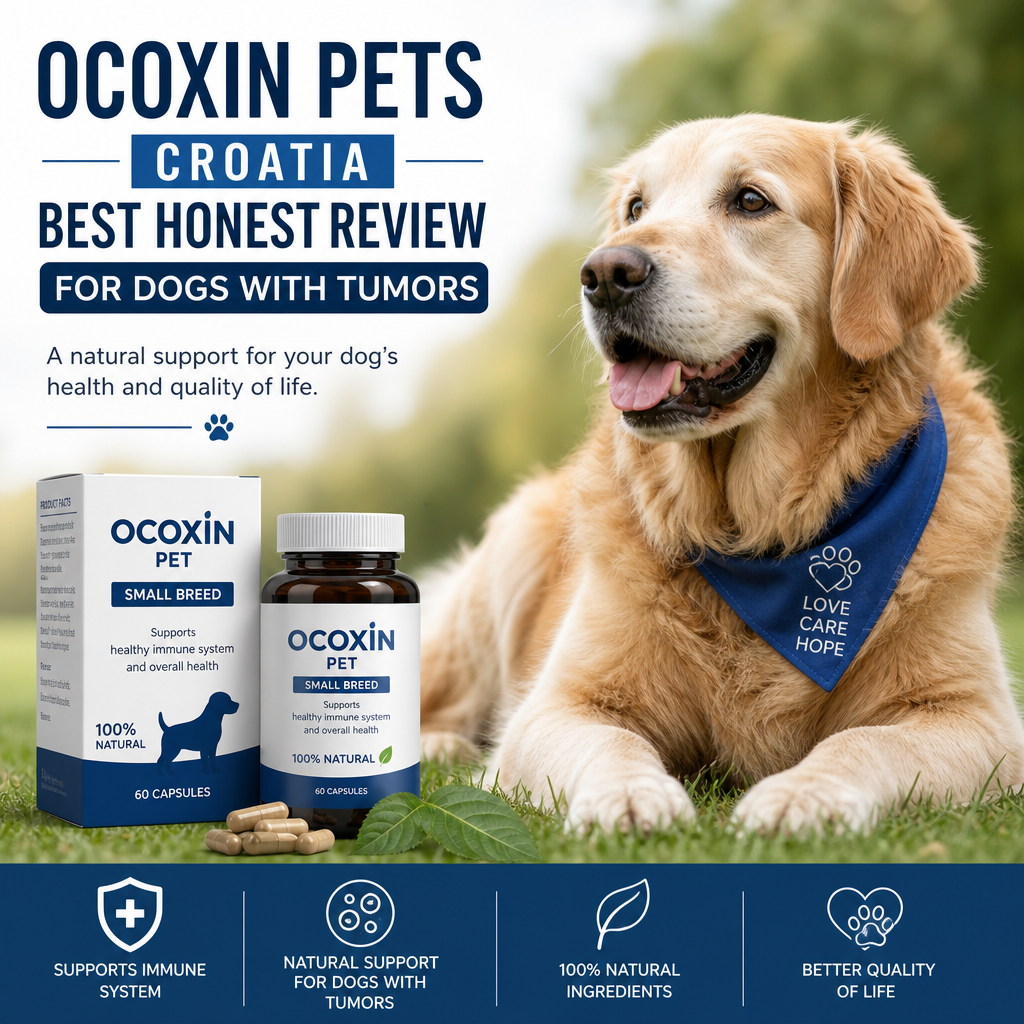
Ocoxin Pets is generally presented as a veterinary nutritional supplement containing a combination of plant-based compounds, vitamins, minerals, antioxidants, and other nutrients. Its formulation is intended to help support an animal’s overall condition when the body is under stress.
Dogs with tumors may experience reduced appetite, weight loss, fatigue, digestive problems, inflammation, or weakening during surgery, chemotherapy, radiation, or palliative care. A supplement such as Ocoxin Pets may be used as part of a broader supportive plan, but it should not replace diagnosis or treatment prescribed by a veterinarian.
The exact ingredients and concentrations can vary by market and product version, so pet owners in Croatia should carefully read the current label and official product information. It is also wise to verify that the product is intended specifically for animals and to purchase it from a reliable veterinary pharmacy, clinic, or authorized distributor.
When owners first discover a tumor diagnosis, it is common to look for every possible way to help. That is understandable. Still, the safest decision is to separate emotional hope from medical evidence. Supportive supplements can have a place, but they should be selected carefully and used with realistic expectations.
Ocoxin Pets dog cancer support: What can it realistically offer?
The phrase Ocoxin Pets dog cancer support is often used to describe the product’s potential role in helping dogs maintain strength and nutritional status during cancer care. This support may include several areas:
- Helping provide nutrients when appetite is reduced
- Supporting normal energy metabolism
- Supplying antioxidants and plant-derived compounds
- Assisting general immune function
- Helping maintain body condition during prolonged illness
- Supporting recovery after medical procedures
These benefits should be understood as supportive rather than curative. Cancer is not one single disease. Different tumors behave differently, and the best treatment depends on the tumor’s type, location, stage, and biological characteristics.
A supplement may help a dog cope better with illness, but there is no reliable basis for claiming that Ocoxin Pets eliminates tumors, replaces chemotherapy, prevents metastasis, or guarantees longer survival. Responsible product use requires realistic expectations.
In day-to-day practice, “support” may mean helping a dog eat a little better, remain more comfortable, or keep a steadier routine while undergoing veterinary treatment. Those are meaningful goals, especially for a dog that is losing weight or becoming tired. However, these goals are different from shrinking a tumor or changing the overall course of cancer on their own.
For owners, that distinction matters. A supplement can be useful if it fits into the plan, but it should never create the impression that medical treatment is optional. If a dog has a treatable tumor, timely diagnosis and a proper treatment strategy are usually the most important factors.
Ocoxin Pets review: Potential advantages
A balanced Ocoxin Pets review should consider both possible benefits and limitations. One potential advantage is that the product is formulated for companion animals rather than being a general human supplement. Veterinary-oriented formulations may be easier to administer and more appropriate for an animal’s nutritional needs.
Another possible advantage is convenience. Dogs undergoing cancer treatment may be reluctant to eat, and a palatable liquid, powder, or other easy-to-administer form can be simpler for owners than combining several separate products. Consistent administration is often important when a supplement is being used as part of a long-term care plan.
Some owners may also appreciate the product’s focus on supportive nutrition. Maintaining appetite, hydration, muscle mass, and comfort is a central part of cancer care. Even when a supplement does not directly affect the tumor, helping a dog remain nourished and comfortable can be valuable.
Ocoxin Pets may also appeal to owners because it is often discussed as part of a broader wellness approach rather than a single-purpose product. In real life, dogs with tumors often need more than one kind of support. They may need pain relief, anti-nausea care, appetite stimulation, dietary adjustment, and close follow-up. A supplement that fits into that larger framework can feel more practical than a one-note product.
For readers comparing supportive products, our guide to affordable dog tumor supplements in the UK can help you understand how different options are positioned for dogs with cancer-related needs.
However, positive experiences from individual owners should not be confused with clinical proof. Testimonials can be encouraging, but they cannot establish that a product works for every dog or every type of cancer.
Another potential advantage is that the supplement may be easier to discuss with a veterinarian than unregulated internet remedies. Because the label is more specific than many over-the-counter products, it is often easier for the veterinary team to review ingredients, identify concerns, and decide whether the supplement belongs in the care plan.
Important limitations and possible risks
The main limitation is the lack of strong, independent clinical evidence proving that Ocoxin Pets can treat cancer or significantly extend survival. Marketing language may describe immune support, antioxidant activity, or improved vitality, but these claims do not automatically demonstrate a tumor-fighting effect in real-world veterinary patients.
Supplements can also cause problems. A dog may develop vomiting, diarrhea, reduced appetite, or an allergic reaction. More importantly, some ingredients can interact with prescription medicines, chemotherapy drugs, corticosteroids, anticoagulants, or supplements already being used.
Antioxidants require particular care during cancer treatment. Their role is complex, and the effect may depend on the type of therapy, dosage, and timing. Owners should never assume that “natural” means risk-free. A veterinarian familiar with the dog’s medical history should review the full ingredient list before use.
Dogs with kidney disease, liver disease, diabetes, pancreatitis, pregnancy, or multiple medications may need additional caution. The appropriate dose may also depend on body weight, age, nutritional status, and the product’s formulation.
It is also important to remember that a dog can appear to “do better” for reasons that are unrelated to the supplement itself. Better appetite from medication, improved hydration, calmer handling, or the natural ups and downs of the disease can all influence day-to-day observations. That is why supplement decisions should be based on veterinary advice and ongoing monitoring, not on one good or bad day.
To better understand general nutrition and oncology considerations, the National Cancer Institute’s overview of dietary supplements and cancer care explains why supplementation should be handled carefully during treatment.
There is also a practical risk in delaying proven therapy while waiting for a supplement to work. If a tumor is growing quickly or causing pain, breathing problems, bleeding, or severe weight loss, the veterinarian may need to act immediately. Supplements are best viewed as additions to care, not substitutes for urgent treatment.
How to use Ocoxin Pets responsibly in Croatia
For anyone researching Ocoxin Pets Croatia, the first step is to speak with the treating veterinarian. Bring the packaging or a clear photograph of the ingredient list to the appointment. The veterinarian can assess whether the supplement is compatible with the dog’s diagnosis and current treatment.
Use only the recommended animal dosage. Do not increase the amount because the dog appears weak, and do not combine it with several other immune or antioxidant products without professional guidance. Keep a simple record of administration, appetite, bowel movements, energy, weight, and any unusual symptoms.
Product authenticity and storage also matter. Buy from a trustworthy source and check the expiration date, seal, batch information, and storage instructions. Avoid products with damaged packaging or unclear labeling. When ordering from another country, confirm shipping conditions, legal requirements, and whether the item has been stored correctly.
If you are comparing regional options, this article on affordable Ocoxin Pets alternatives for dogs with tumors in the Netherlands shows how owners often evaluate supportive care products alongside veterinary advice.
Owners in Croatia should also keep local access in mind. If a product is difficult to source consistently, it may not be the best long-term option for a dog that needs regular support. Availability, cost, and reliability all matter when treatment is ongoing. A supplement that can only be obtained sporadically may be less helpful than a more stable plan based on widely available nutrition and veterinary medication.
When possible, ask the clinic whether the product should be given with food, on an empty stomach, or at a specific time relative to other medicines. Small details can affect tolerance. For example, some dogs tolerate supplements better when they are introduced gradually, while others do best when the routine stays exactly the same every day.
What supportive care should look like alongside supplementation
When a dog has a tumor, the supplement itself is only one small part of the bigger picture. The most useful supportive care plans often focus on practical goals that improve daily comfort and help the dog maintain strength.
These can include:
- Monitoring body weight every one to two weeks
- Adjusting meals for appetite changes
- Using prescription diets if recommended by the veterinarian
- Managing nausea, pain, or constipation promptly
- Making water easily available throughout the day
- Reducing stress at home and keeping routines predictable
In some cases, the veterinarian may recommend a different nutritional strategy altogether, especially if the dog has a sensitive stomach, poor tolerance for supplements, or advanced disease. That is why no single product should be viewed as a complete solution.
Supportive care also includes watching for changes that may not seem obvious at first. A dog that stops jumping onto the sofa, sleeps more than usual, eats more slowly, or seems less interested in walks may be telling you something important. Noticing those changes early can help the veterinarian adjust treatment before the dog becomes significantly weaker.
Hydration matters as much as calories in many cancer cases. A dog that is drinking poorly may struggle even if appetite seems acceptable. If your veterinarian recommends wet food, broth-like toppers, or other feeding strategies, those may be just as important as any supplement.
Practical home care tips during treatment
For many families, the hardest part of cancer care is the day-to-day routine at home. A supplement may be part of that routine, but the overall environment often has a bigger effect on comfort and quality of life. Simple changes can make a noticeable difference.
Helpful home care habits may include:
- Offering smaller meals more often instead of one large meal
- Keeping food bowls easy to reach for older or weak dogs
- Using consistent feeding times to reduce stress
- Watching for hiding, restlessness, or breathing changes
- Recording appetite and stool quality in a notebook or phone app
- Keeping the dog warm, clean, and comfortable
If a dog is receiving chemotherapy or other intensive treatment, home monitoring becomes even more important. Owners are often the first to notice side effects such as diarrhea, lethargy, poor appetite, or vomiting. Reporting these signs quickly can help the veterinary team make better decisions about the next step.
It may also help to create a simple daily schedule. Dogs often feel calmer when meals, walks, medication, and rest happen at roughly the same times each day. A stable routine can reduce stress and make it easier to tell whether a supplement is truly helping or whether the dog is simply having a good day.
If more than one caregiver is involved, write down the plan so everyone gives the same dose at the same time. Supplement mistakes are more common when family members, neighbors, or pet sitters share responsibility without a clear record.
Questions to ask the veterinarian
Before starting Ocoxin Pets, owners may wish to ask:
- Is this supplement appropriate for my dog’s tumor type and current health?
- Could it interfere with chemotherapy, radiation, surgery, or other medicines?
- What dose and schedule are suitable for my dog?
- Which side effects should prompt discontinuation?
- Should blood tests, weight, appetite, or kidney and liver function be monitored?
- Are there better-supported nutritional options for this particular case?
These questions help transform supplement use from an internet-driven decision into a coordinated part of veterinary care.
It is also reasonable to ask whether the dog’s current treatment plan is aimed at cure, control, or comfort. The answer can change how a supplement fits into the bigger picture. For a dog receiving palliative care, comfort and appetite may matter most. For a dog undergoing active treatment, avoiding interactions may be the priority.
Other supportive options to discuss
Some owners want to know whether there are alternatives that may fit their dog better. Depending on the diagnosis, the veterinarian may suggest appetite support, prescription nutrition, anti-nausea medication, pain control, omega-3 fatty acids, or other targeted supportive measures.
For a broader comparison of affordable supportive products, our article on dog tumor support options in Spain may also help readers explore how different supplements are discussed in real-world care decisions.
Because every dog’s needs are different, the best choice is not necessarily the most popular product. It is the one that fits the medical plan, is tolerated well, and supports the dog’s comfort and quality of life.
In some cases, the most effective “alternative” is not another supplement at all. It may be a diet change, better pain control, or a medication that reduces nausea and allows the dog to eat normally again. When the dog is more comfortable, the overall care plan often becomes easier for both the pet and the family.
How to judge whether a supplement is helping
Owners often want a simple answer to a difficult question: is it working? The honest answer is that supportive supplements usually need a practical evaluation rather than a dramatic one. Instead of expecting the tumor to disappear, look for signs such as steadier appetite, better energy, fewer digestive problems, or improved willingness to move around.
A useful evaluation period should be discussed with the veterinarian. If there is no meaningful benefit after a reasonable trial, or if side effects appear, it may be better to stop and redirect efforts elsewhere. Continuing an expensive or inconvenient supplement without clear value is rarely the best use of resources.
It can help to compare your dog with their own baseline rather than with another dog. The goal is not perfection. The goal is a better day-to-day quality of life than the dog would have had without the extra support.
Final assessment
Ocoxin Pets may have a role as supportive nutrition for some dogs with tumors, especially when appetite, energy, or general condition is affected. Nevertheless, an honest Ocoxin Pets review must emphasize that it is not a proven cancer cure and should never replace surgery, chemotherapy, radiation, pain management, nutritional planning, or regular veterinary monitoring.
For pet owners in Croatia, the safest approach is to treat Ocoxin Pets as an optional supportive product whose usefulness depends on the individual dog. Evidence-based cancer treatment should remain the foundation, while any supplement should be selected with veterinary guidance, realistic expectations, and close observation of the animal’s response.
In short, the most responsible use of Ocoxin Pets is as one possible piece of a veterinarian-guided care plan, not as a standalone answer to cancer. That perspective helps Croatian owners make calmer, more informed decisions for their dogs.
by TCMVET | Aug 18, 2026 | Research and News
Ocoxin Pets is a nutritional supplement designed to support dogs and other companion animals during periods of illness, recovery, or increased physical stress. In Slovenia, interest in this product has grown among owners looking for affordable dog cancer support that can complement veterinary treatment. However, supplements should never be presented as a cure for cancer. The most responsible approach is to understand what Ocoxin Pets may offer, where its limits are, and how it should be used alongside professional veterinary care.
What is Ocoxin Pets?
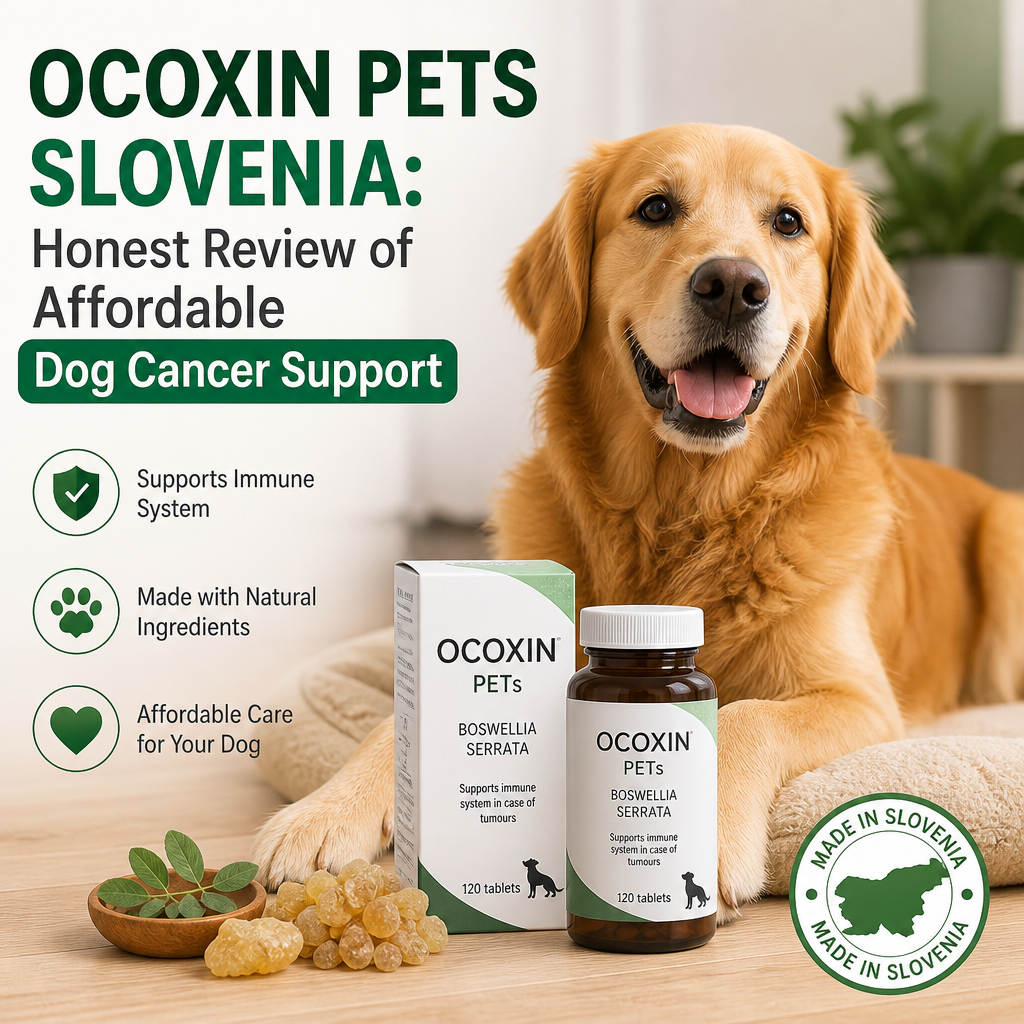
Ocoxin Pets is commonly described as a complementary nutritional product for animals. Its formulation is intended to provide supportive nutrients and bioactive compounds that may help maintain appetite, energy, immune function, and general condition. These goals can be particularly important for dogs affected by cancer, chronic disease, treatment-related side effects, or prolonged recovery.
Cancer can affect a dog in many ways. Some animals experience weight loss, reduced appetite, digestive problems, fatigue, inflammation, or a gradual decline in muscle mass. Chemotherapy, radiotherapy, surgery, and other treatments may add further strain. A nutritional supplement may therefore be considered as part of a wider supportive-care plan, especially when maintaining quality of life is a priority.
The product should be viewed as an adjunct rather than a replacement for diagnosis or treatment. No supplement can take the place of surgery, chemotherapy, pain management, prescription medication, or regular veterinary monitoring.
Ocoxin Pets dog cancer support: What can it realistically do?
The phrase “dog cancer support” can mean several different things. It may refer to helping a dog maintain nutritional intake, supporting recovery after treatment, assisting general vitality, or providing additional dietary compounds during a demanding period. These are reasonable supportive aims, but they are not the same as treating or eliminating a tumor.
A dog receiving cancer care may benefit from practical nutritional support when illness causes appetite loss or weakness. Some owners report that their pets seem more willing to eat or maintain better energy while using supplements, although individual responses vary widely. Improvements may also result from better pain control, changes in diet, treatment of nausea, or natural fluctuations in the disease.
An honest assessment should therefore avoid promising dramatic results. Ocoxin Pets may be useful for some animals as part of a comprehensive care plan, but evidence for any supplement must be interpreted carefully. Experiences shared by owners can be encouraging, yet personal testimonials do not prove that a product works for every dog or directly affects cancer progression.
Ingredients and nutritional considerations
Before purchasing Ocoxin Pets, owners should review the current ingredient list and product instructions. Formulas can change between markets, and the Slovenian packaging may provide specific details about dosage, storage, and intended use. It is important to check whether the product contains ingredients that could conflict with a dog’s medical condition or prescribed medication.
Dogs with kidney disease, liver problems, diabetes, pancreatitis, food allergies, or digestive sensitivities may require special consideration. Some ingredients that are well tolerated by one animal may cause vomiting, diarrhea, or appetite changes in another. Puppies, pregnant dogs, elderly animals, and dogs with multiple conditions may also need individualized advice.
A veterinarian can help assess whether the supplement is appropriate and whether the dog’s diet already provides adequate amounts of certain nutrients. Adding several products at once can make it difficult to identify the cause of a side effect and may create unnecessary nutritional overlap.
Ocoxin Pets review: Potential advantages
One of the main advantages mentioned by owners is affordability. Cancer treatment can be expensive, and many families seek supportive options that do not create an additional financial burden. A product that is easy to administer and available through Slovenian suppliers may be more practical than specialized imported supplements.
Another potential benefit is convenience. If Ocoxin Pets can be given with food or according to a straightforward daily schedule, it may fit more easily into a dog’s care routine. Consistency matters when supporting an animal through a long treatment period.
The product may also appeal to owners who want a nutritional supplement rather than an aggressive alternative remedy. Used responsibly, this approach keeps the focus on veterinary treatment while addressing appetite, strength, and general wellbeing.
For readers comparing supportive options in Europe, it may also help to review affordable dog tumor supplement alternatives in the UK to understand how similar products are positioned in other markets.
Limitations and possible concerns
The most important limitation is that Ocoxin Pets should not be described as an anticancer cure. A supplement cannot be relied upon to shrink tumors, prevent metastasis, or replace clinically proven treatment. Delaying veterinary care because of optimistic product claims can seriously harm an animal.
Scientific evidence may also be limited compared with the evidence available for conventional cancer therapies. Owners should distinguish between laboratory findings, manufacturer information, anecdotal reviews, and high-quality clinical research. These types of evidence do not carry the same weight.
Side effects are possible, even with products marketed as natural or gentle. Monitor the dog for vomiting, diarrhea, unusual lethargy, itching, changes in thirst, or worsening appetite. Any concerning reaction should be discussed with a veterinarian, particularly if the dog is receiving chemotherapy, corticosteroids, anti-inflammatory medicines, or other prescriptions.
Using Ocoxin Pets in Slovenia
For owners searching for Ocoxin Pets Slovenia, purchasing from a reputable veterinary, pharmacy, or authorized supplier is important. Check the product seal, expiration date, batch information, storage instructions, and language of the label. Avoid products with unclear origins or exaggerated promises such as guaranteed tumor reduction or certain cures.
Prices may vary depending on package size, retailer, delivery costs, and availability. Comparing the cost per daily dose is more useful than comparing the price of the package alone. A veterinarian may also be able to recommend comparable nutritional products or explain whether a supplement is necessary at all.
When introducing the product, follow the recommended dosage rather than assuming that a larger amount will produce better results. Keep a simple record of appetite, weight, stool quality, activity, and any changes in symptoms. This information can help the veterinary team determine whether the supplement appears beneficial or should be stopped.
To better understand ingredient quality and animal supplement standards, owners can also review the European Food Safety Authority guidance on feed additives, which explains how nutritional products are evaluated in the EU.
How to make a responsible decision
The best decision begins with the dog’s diagnosis, treatment plan, and current condition. Ask the veterinarian whether Ocoxin Pets is compatible with the prescribed therapy, whether the dog needs additional calories or protein, and which signs would require urgent attention.
Supportive cancer care should also include adequate pain control, hydration, suitable food, nausea management, regular checkups, and emotional comfort. In some cases, a therapeutic diet or a tailored feeding plan may provide more meaningful support than a general supplement.
For Slovenian owners who want a broader view of similar products and pricing strategies in Europe, related reading such as the Ocoxin Pets alternative for dogs with tumors in the Netherlands may help compare options without losing sight of veterinary priorities.
Overall, Ocoxin Pets may be a reasonably priced option for owners seeking complementary nutritional support in Slovenia. Its value is most realistically judged by safety, tolerability, ease of use, and its role within a broader veterinary plan—not by claims that it can cure cancer. An honest Ocoxin Pets review should recognize both possibilities: it may help some dogs maintain their condition, but it is not a substitute for evidence-based cancer care.
by TCMVET | Aug 18, 2026 | Research and News
Integratore osteosarcoma cane: quando un cane riceve una diagnosi di osteosarcoma, ogni scelta nutrizionale deve essere valutata con attenzione e inserita in un percorso veterinario personalizzato. Gli integratori possono offrire un supporto alla qualità della vita, ma non sostituiscono chirurgia, chemioterapia, radioterapia, analgesia o altri trattamenti prescritti. L’obiettivo realistico è aiutare l’organismo a mantenere energia, appetito, massa muscolare e benessere generale, evitando prodotti inutili o potenzialmente rischiosi.
Che cos’è l’osteosarcoma nel cane
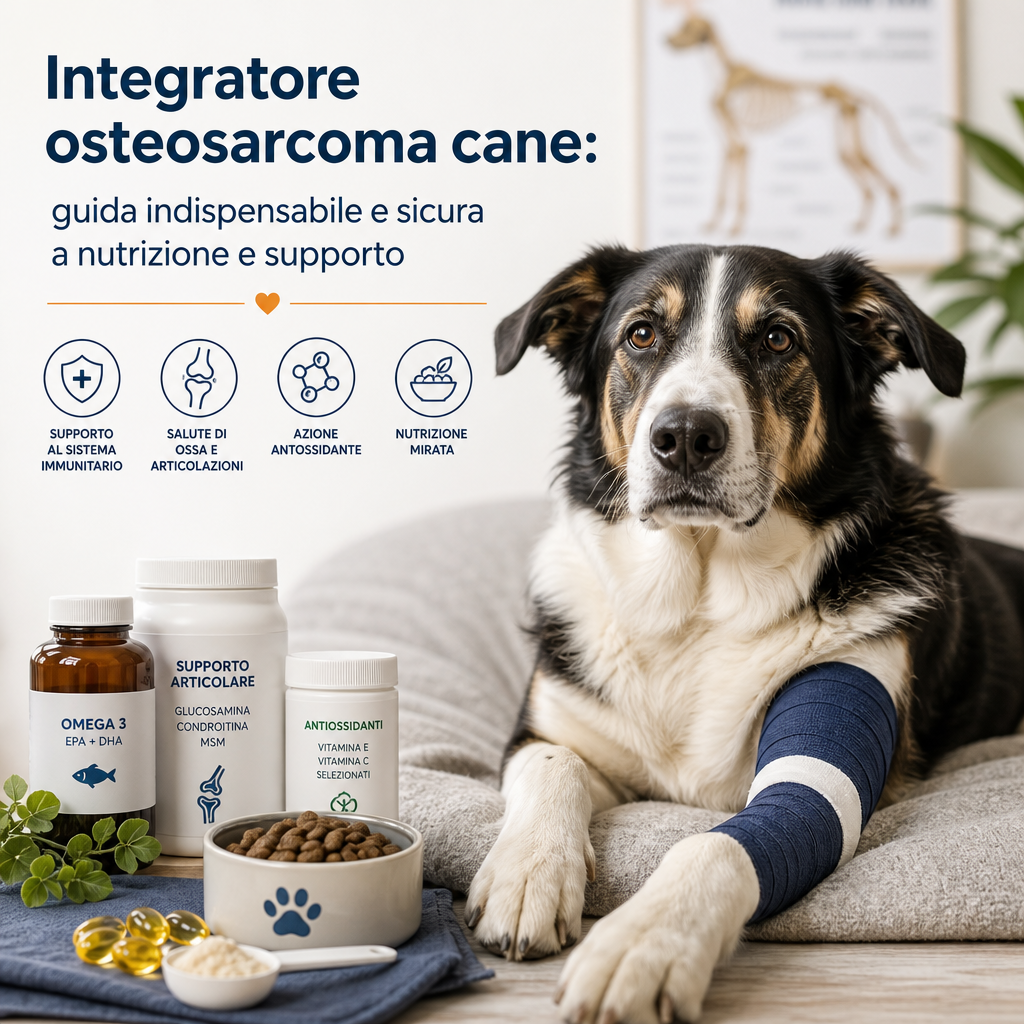
L’osteosarcoma è il tumore osseo maligno più comune nel cane. Colpisce più frequentemente gli arti, soprattutto in soggetti di taglia grande o gigante, anche se può comparire in altre sedi dello scheletro. I segnali iniziali possono includere zoppia persistente, dolore, gonfiore localizzato e difficoltà nel movimento. In alcuni casi, l’osso indebolito dalla malattia può andare incontro a frattura patologica.
La diagnosi richiede esami di diagnostica per immagini, come radiografie o tomografia computerizzata, e spesso un campionamento del tessuto. Il veterinario oncologo stabilisce quindi il piano terapeutico più adatto, considerando età, condizioni generali, localizzazione del tumore e presenza di eventuali metastasi.
Per il proprietario, il primo obiettivo è capire che l’osteosarcoma nel cane richiede una gestione integrata. La nutrizione, il controllo del dolore e il monitoraggio clinico devono procedere insieme, perché un animale che mangia male o soffre tende a perdere peso e a reagire peggio alle terapie. In questo contesto, l’osteosarcoma cane supporto non significa improvvisare, ma costruire un piano coerente con la situazione reale del paziente.
È utile anche comprendere che la malattia può evolvere rapidamente e in modo diverso da cane a cane. Alcuni soggetti mantengono un buon appetito nelle fasi iniziali, altri mostrano subito stanchezza, riduzione dell’attività e dolore marcato. Per questo ogni scelta, compreso l’uso di un integratore osteosarcoma cane, va collegata al quadro clinico reale e non a un approccio standardizzato.
Nel percorso diagnostico e terapeutico, il veterinario può valutare anche la presenza di metastasi polmonari o di altre complicazioni. Questo passaggio è importante perché influisce sulle decisioni relative alla nutrizione, alla mobilità e al livello di assistenza quotidiana. Un cane con malattia più avanzata può aver bisogno di un supporto più delicato, con obiettivi orientati soprattutto al comfort.
Integratore osteosarcoma cane: quale ruolo può avere
Un integratore per osteosarcoma nel cane non cura il tumore e non può sciogliere la massa o impedire da solo la progressione della malattia. Il suo ruolo, quando appropriato, è di supporto. Può contribuire a compensare carenze, sostenere l’alimentazione durante le terapie o aiutare la gestione di alcuni aspetti correlati, come infiammazione, perdita di peso o riduzione dell’appetito.
Prima di scegliere qualsiasi prodotto è essenziale chiarire:
- quali farmaci sta assumendo il cane;
- se sono presenti problemi renali, epatici o gastrointestinali;
- se l’animale mangia una dieta completa e bilanciata;
- se l’integratore è stato studiato nei cani;
- quale dose sia realmente appropriata per peso e condizioni cliniche.
La qualità del prodotto è altrettanto importante. È preferibile orientarsi verso formulazioni con ingredienti chiaramente indicati, controlli di qualità e dosaggi verificabili. I prodotti destinati all’uomo non sono automaticamente sicuri per gli animali.
In pratica, l’integratore osteosarcoma cane va considerato come uno strumento di sostegno, non come una soluzione autonoma. Una scelta corretta nasce dalla valutazione del quadro clinico, dalla terapia in corso e dagli obiettivi realistici del trattamento: mantenere appetito, energia, idratazione e comfort, senza interferire con ciò che il veterinario ha già impostato.
Quando si parla di osteosarcoma cane supporto, è importante distinguere tra ciò che può davvero aiutare e ciò che promette troppo. Un integratore ben scelto può essere utile se inserito in una strategia completa, mentre un prodotto casuale rischia di aggiungere costi, confusione e possibili interazioni. Per questo il supporto nutrizionale deve essere sempre personalizzato.
Tumore osseo cane integratori: nutrienti da valutare con il veterinario
Quando si parla di tumore osseo cane e integratori, l’attenzione si concentra spesso su alcune categorie di sostanze. Tuttavia, la loro utilità dipende dal singolo paziente e non deve essere data per scontata.
Gli acidi grassi omega-3, presenti soprattutto nell’olio di pesce purificato, possono essere considerati per il loro ruolo nel mantenimento della risposta infiammatoria e della salute cutanea, articolare e generale. La quantità deve essere stabilita dal veterinario, perché dosi eccessive possono causare disturbi gastrointestinali o aumentare il rischio di sanguinamento in determinate situazioni.
Gli antiossidanti, come vitamina E, vitamina C e altri composti, richiedono particolare prudenza durante chemio o radioterapia. Alcuni trattamenti funzionano anche attraverso meccanismi che coinvolgono lo stress ossidativo; per questo, una supplementazione indiscriminata potrebbe non essere appropriata. Non bisogna quindi somministrare alte dosi senza un preciso parere oncologico.
I supporti articolari a base di glucosamina, condroitina o ingredienti simili possono essere valutati se il cane presenta rigidità o problematiche articolari concomitanti. Non agiscono direttamente sul tumore osseo, ma possono contribuire al comfort di alcuni animali, sempre all’interno di una gestione completa del dolore.
Anche vitamine e minerali sono utili soprattutto quando esiste una carenza documentata o un’alimentazione non adeguata. Somministrare calcio, vitamina D o altri minerali senza controllo può risultare dannoso e alterare l’equilibrio metabolico.
Per chi desidera approfondire la sicurezza generale degli alimenti e dei supplementi destinati al cane, può essere utile consultare anche le informazioni di riferimento dell’AAFCO sulle linee guida per l’alimentazione degli animali domestici, così da distinguere meglio tra prodotti completi, complementari e formulazioni non adatte a un uso prolungato.
In alcuni casi il veterinario può preferire un approccio molto sobrio, con pochi interventi mirati, invece di una lunga lista di prodotti. Questo vale soprattutto quando il cane assume già farmaci importanti o mostra segni di sensibilità gastrointestinale. Anche in questo scenario, la parola chiave resta integrazione ragionata: l’integratore osteosarcoma cane deve rispondere a un bisogno preciso, non a un’idea generica di “rinforzo”.
Tra i fattori più importanti c’è anche la digeribilità. Se un cane tollera male un certo ingrediente, il beneficio teorico del prodotto si annulla rapidamente. In un percorso oncologico, infatti, nausea, feci molli, gonfiore addominale e inappetenza possono peggiorare il quadro generale. Meglio quindi una formula semplice, ben tollerata e monitorabile nel tempo, piuttosto che una miscela complessa difficile da interpretare.
Nutrizione e mantenimento della massa muscolare
La nutrizione rappresenta una parte fondamentale dell’osteosarcoma cane supporto. Un cane oncologico dovrebbe ricevere un alimento completo, digeribile e adatto alla sua fase di vita, con un apporto proteico sufficiente a preservare la massa muscolare. La perdita di muscolo può ridurre forza, mobilità e capacità di affrontare le terapie.
Se l’appetito diminuisce, può essere utile proporre piccoli pasti frequenti, riscaldare leggermente il cibo per aumentarne l’aroma o utilizzare una dieta umida indicata dal veterinario. Cambiamenti improvvisi, alimenti grassi, ossa, carne cruda non controllata e ricette casalinghe squilibrate possono creare ulteriori problemi.
Il peso dovrebbe essere monitorato regolarmente, insieme alla quantità di cibo assunta, alla consistenza delle feci, al livello di attività e alla presenza di nausea o vomito. Un calo ponderale progressivo deve essere comunicato tempestivamente al veterinario.
Il cane con osteosarcoma può avere giorni migliori e giorni peggiori. Per questo è utile osservare non solo quanto mangia, ma anche come si muove, come riposa e se mostra interesse per il cibo. In caso di appetito altalenante, il veterinario può proporre strategie pratiche per aumentare l’assunzione calorica senza forzature. In questa fase, l’osteosarcoma cane supporto passa spesso anche da una gestione molto semplice e concreta: pasti più appetibili, orari regolari e attenzione ai piccoli segnali di disagio.
Le diete formulate per pazienti oncologici vengono talvolta valutate, ma la scelta va personalizzata. Non esiste un unico schema valido per tutti: alcuni cani tollerano meglio alimenti più energetici, altri necessitano di una maggiore digeribilità, altri ancora richiedono un controllo stringente su grassi e fibre. L’obiettivo non è seguire una moda nutrizionale, ma mantenere una buona condizione corporea durante l’intero percorso clinico.
Se il cane perde appetito in modo marcato, un controllo rapido è preferibile a molti tentativi fai-da-te. Intervenire presto permette spesso di evitare che una lieve inappetenza diventi un problema più complesso, con calo di peso, disidratazione e maggiore debolezza. Anche per questo l’integratore osteosarcoma cane non dovrebbe mai essere l’unica risposta: alimentazione, idratazione e terapia del dolore sono strettamente collegate.
Un altro aspetto spesso sottovalutato è la composizione corporea. Anche quando il peso totale sembra stabile, la massa muscolare può ridursi. Un cane più magro ma con meno muscolo può mostrarsi meno vigoroso e più affaticato. Per questo il monitoraggio non deve basarsi solo sulla bilancia, ma anche sull’aspetto generale, sulla postura e sulla capacità di alzarsi con facilità.
Una buona alimentazione, in questi casi, non significa abbondare indiscriminatamente, ma offrire ciò che il cane riesce davvero a utilizzare. Una dieta ben scelta, eventualmente supportata da un integratore osteosarcoma cane adatto, può aiutare a conservare energia e resistenza per affrontare meglio il percorso terapeutico.
Osteosarcoma cane supporto: dolore, movimento e sicurezza
Il supporto non riguarda soltanto gli integratori. Il controllo del dolore è una priorità assoluta e può richiedere una combinazione di farmaci prescritti, modifiche dell’attività e adattamenti dell’ambiente domestico. Non somministrare mai antidolorifici per uso umano senza autorizzazione: alcuni possono essere gravemente tossici per il cane.
Poiché l’osso colpito può essere fragile, è importante ridurre salti, corse, scale e giochi bruschi. Passeggiate brevi e controllate possono essere indicate, ma solo secondo le istruzioni del veterinario. Tappeti antiscivolo, rampe, ciotole facilmente raggiungibili e una cuccia confortevole aiutano a ridurre il rischio di cadute.
Segnali come dolore improvviso e intenso, incapacità di appoggiare l’arto, gonfiore rapido, vocalizzazioni, affanno o forte abbattimento richiedono un contatto urgente con la clinica veterinaria.
Quando si valuta un integratore osteosarcoma cane, va ricordato che il benessere quotidiano è influenzato anche da fattori molto pratici. Un cane che può alzarsi senza scivolare, sdraiarsi con facilità e ricevere assistenza nei movimenti conserva più serenità. La sicurezza ambientale, quindi, non è un dettaglio, ma una parte essenziale del piano di supporto.
In alcuni casi il veterinario può suggerire un percorso combinato che comprenda fisioterapia dolce o semplici esercizi di mobilizzazione, sempre se compatibili con la stabilità dell’osso e con il dolore presente. Ogni attività va però pianificata con cautela: l’obiettivo è favorire il comfort, non spingere il cane oltre il limite. Un supporto ben costruito deve essere misurato, graduale e coerente con le condizioni dell’animale.
È utile anche ricordare che il movimento va adattato al singolo soggetto. Un cane ancora attivo può trarre beneficio da brevi uscite frequenti, mentre un soggetto più dolorante può aver bisogno soprattutto di riposo controllato e assistenza negli spostamenti. Non esiste un’unica regola valida per tutti, e anche in questo caso la personalizzazione è la scelta migliore.
Prodotti da evitare e interazioni possibili
Diffidare dei prodotti che promettono di curare il cancro, ridurre una massa in pochi giorni o sostituire le terapie convenzionali. Anche sostanze naturali possono avere effetti farmacologici, interagire con chemioterapici, influire sulla coagulazione o sovraccaricare fegato e reni.
È utile presentare al veterinario l’elenco completo di tutto ciò che il cane assume: integratori, farmaci, snack funzionali, prodotti erboristici e rimedi acquistati online. La trasparenza consente di evitare duplicazioni e combinazioni pericolose.
Molti proprietari cercano informazioni sul tumore osseo cane integratori perché desiderano fare qualcosa di utile nell’immediato. È comprensibile, ma la prudenza è fondamentale. Anche un prodotto apparentemente innocuo può essere inadatto in presenza di altri farmaci o patologie concomitanti. Per esempio, alcune formule “naturali” possono contenere sostanze ad alto impatto sul fegato o ingredienti non ben standardizzati, con un rischio maggiore proprio nei cani già debilitati.
Per questo conviene scegliere un solo canale di valutazione: il veterinario curante o il veterinario oncologo. Evitare di sommare consigli letti online, indicazioni di forum e suggerimenti del negoziante riduce la probabilità di errori. L’integratore osteosarcoma cane dovrebbe entrare nel piano terapeutico solo quando il suo uso è davvero giustificato e monitorabile.
Se un prodotto provoca vomito, diarrea, irrequietezza, peggioramento dell’appetito o cambiamenti insoliti, sospenderlo e avvisare il veterinario è la scelta più prudente. La reazione avversa non significa necessariamente che il supporto nutrizionale sia sbagliato in sé; spesso indica che quella specifica formulazione non è adatta a quel paziente.
Un altro rischio è la sovrapposizione di prodotti con ingredienti simili. Due supplementi diversi possono contenere le stesse vitamine, gli stessi antiossidanti o gli stessi acidi grassi, finendo per aumentare inutilmente il carico giornaliero. Una revisione completa della lista dei prodotti evita errori facili ma potenzialmente importanti.
Quando contattare il veterinario
Il veterinario va avvisato rapidamente se il cane presenta dolore non controllato, rifiuto completo del cibo, vomito ripetuto, diarrea persistente, disidratazione, letargia marcata, peggioramento della zoppia o difficoltà respiratoria. Nei pazienti con osteosarcoma, anche un cambiamento apparentemente piccolo può avere un peso clinico significativo.
È utile annotare in modo semplice alcuni dati: quanto mangia il cane, se beve normalmente, quanto cammina, quando compare il dolore e quali prodotti assume. Queste informazioni aiutano il medico a valutare se l’osteosarcoma cane supporto sta funzionando oppure se occorre modificare qualcosa.
Una buona comunicazione rende più efficace ogni decisione. Se il proprietario conosce il nome esatto di ogni integratore osteosarcoma cane e della terapia in corso, il veterinario può individuare più velocemente eventuali interferenze o doppioni. Anche questa attenzione pratica migliora la sicurezza complessiva del percorso.
Conviene inoltre fissare controlli regolari anche quando il cane sembra stabile. Le condizioni di un paziente oncologico possono cambiare in modo progressivo e silenzioso, e un monitoraggio ravvicinato aiuta a intervenire prima che il problema diventi più evidente. L’aggiornamento periodico del piano di supporto è spesso ciò che rende più utile qualsiasi integrazione.
Approccio pratico quotidiano
Nella vita di tutti i giorni, il proprietario può fare molto per migliorare la gestione del cane con osteosarcoma. Una routine prevedibile, con orari costanti per pasti, riposo e passeggiate, riduce lo stress e rende più facile notare i cambiamenti. Un ambiente tranquillo aiuta anche a capire se il cane mangia con più serenità o se mostra segnali di disagio dopo l’assunzione di un integratore osteosarcoma cane.
È utile preparare una piccola scheda di monitoraggio con peso, appetito, qualità delle feci, livello di energia e risposta ai farmaci. Bastano poche note al giorno per avere un quadro più chiaro. Anche una variazione lieve può essere significativa, soprattutto se si ripete per più giorni consecutivi.
La gestione domestica dovrebbe includere anche l’accessibilità. Se il cane fatica a salire sul divano o ad entrare in auto, meglio usare supporti, rampe o aiuto manuale per evitare sforzi inutili. Ogni movimento deve essere fatto con calma e senza torsioni brusche dell’arto interessato. Questo tipo di attenzione concreta sostiene davvero l’osteosarcoma cane supporto.
Quando il cane ha meno appetito, l’obiettivo non è “spingerlo a mangiare di più” a tutti i costi, ma trovare ciò che riesce ad accettare. Piccole modifiche nella consistenza, nella temperatura e nella frequenza dei pasti possono fare una grande differenza. Se il cane rifiuta il cibo abituale, il veterinario può consigliare alternative più adatte e temporanee.
Nel tempo, il supporto nutrizionale va rivalutato. Un integratore utile in una fase può non esserlo più in una successiva. Il quadro clinico, i trattamenti e la tolleranza digestiva possono cambiare, quindi anche l’integratore osteosarcoma cane dovrebbe essere considerato uno strumento dinamico, da aggiornare insieme al piano terapeutico.
Domande frequenti
L’integratore può sostituire le cure principali?
No. L’integratore osteosarcoma cane serve solo come supporto. Chirurgia, chemioterapia, radioterapia e terapia del dolore restano gli strumenti centrali quando indicati dal veterinario.
Gli omega-3 sono sempre utili?
Non sempre. Possono essere considerati in alcuni casi, ma la dose e l’opportunità vanno valutate in base a farmaci, digestione e condizioni generali del cane.
Posso dare un prodotto per uso umano?
Non senza indicazione veterinaria. Alcuni ingredienti, dosaggi o eccipienti possono non essere adatti al cane o interferire con le terapie in corso.
Se il cane mangia poco, devo cambiare subito integratore?
Non necessariamente. Prima bisogna capire la causa: dolore, nausea, stanchezza, effetti collaterali o semplice disappetenza. In molti casi il problema non è il supplemento, ma il quadro clinico complessivo.
Come capisco se il supporto sta funzionando?
Osservando appetito, peso, energia, comfort, regolarità intestinale e capacità di muoversi. Se questi parametri peggiorano, serve una rivalutazione veterinaria.
Per approfondire i principi generali sulla nutrizione e sulla formulazione dei prodotti destinati ai cani, una risorsa utile è la guida dell’American Kennel Club sulla nutrizione del cane, che offre un quadro divulgativo affidabile e facilmente consultabile.
Conclusione
In conclusione, l’integratore osteosarcoma cane può essere preso in considerazione solo come parte di un piano personalizzato. Alimentazione completa, controllo del dolore, monitoraggio del peso e collaborazione con il veterinario sono i pilastri più importanti. Un approccio prudente e basato sulle evidenze permette di sostenere il cane senza creare false aspettative né compromettere le cure realmente necessarie.
Se usato con criterio, l’osteosarcoma cane supporto può migliorare il comfort quotidiano e aiutare l’animale ad affrontare meglio il percorso terapeutico. La chiave è scegliere pochi interventi mirati, verificare ogni prodotto e mantenere il dialogo con il veterinario lungo tutto il trattamento. In questo modo, l’integratore osteosarcoma cane diventa un aiuto concreto e non un rischio aggiuntivo.
La scelta migliore, quasi sempre, è quella più semplice e ben monitorata: un supporto nutrizionale realistico, integratori davvero pertinenti e controlli regolari. Questo approccio aiuta a proteggere la serenità del cane e a dare al proprietario strumenti pratici, sicuri e davvero utili nel quotidiano.
