by TCMVET | Aug 19, 2026 | Research and News
Ocoxin Pets is a veterinary nutritional supplement designed to provide supportive care for dogs and cats facing serious health challenges, including cancer. For families searching for an Ocoxin Pets review in Lithuania, the most important point is that this product should be viewed as complementary support—not as a replacement for veterinary diagnosis, surgery, chemotherapy, radiation therapy, or prescribed medication. A carefully planned supportive routine may help maintain appetite, energy, hydration, and general wellbeing during treatment, but every pet needs an individualized medical plan.
What is Ocoxin Pets?
Ocoxin Pets is formulated as a supplement for companion animals. Its ingredients are intended to support the body during periods of illness, recovery, or increased physiological stress. Products of this kind commonly focus on antioxidant protection, nutritional support, and maintaining normal immune function. The exact composition, dosage, and presentation should always be checked on the current packaging or official product information, because formulations and instructions can vary by market.
Cancer can affect a dog’s body in several ways. A tumor may alter metabolism, reduce appetite, cause pain, or interfere with normal organ function. Treatments can also produce side effects such as nausea, fatigue, digestive upset, or changes in food preferences. Nutritional supplements may be useful in helping address some of these challenges, but their role depends on the animal’s diagnosis, age, weight, medications, and overall condition.
Ocoxin Pets dog cancer support: what owners should know
Ocoxin Pets dog cancer support is best understood as part of a broader veterinary care strategy. It may be considered when an animal needs additional nutritional help during cancer treatment or recovery. Some owners use supportive supplements to encourage food intake, help maintain body condition, or provide nutrients when a dog is eating less than usual.
However, no supplement should be presented as a cure for cancer. Scientific evidence for individual veterinary supplements can be limited, and results may vary considerably between animals. A product that is tolerated well by one dog may be unsuitable for another, particularly when kidney, liver, gastrointestinal, or immune problems are present.
Before introducing Ocoxin Pets, discuss it with the veterinarian responsible for the dog’s treatment. The veterinarian can evaluate whether the ingredients are appropriate and whether they could interact with chemotherapy drugs, corticosteroids, anti-inflammatory medicines, antibiotics, or other prescriptions. For broader guidance on supportive-care options, some owners also compare other regional articles such as this UK guide to affordable dog tumor supplements.
Potential supportive benefits
The possible benefits of a supplement such as Ocoxin Pets may include:
- Providing additional nutritional support during illness
- Helping maintain strength when appetite is reduced
- Supporting recovery after procedures or intensive treatment
- Complementing a balanced diet recommended by a veterinarian
- Contributing to general wellbeing during a demanding treatment period
These potential benefits should be assessed realistically. A supplement cannot remove a tumor, replace pain control, prevent all treatment side effects, or guarantee a better clinical outcome. Its value is generally measured by how well it fits into the animal’s complete care plan.
For owners trying to decide whether support is worth pursuing, it helps to focus on practical outcomes. Has the dog become more willing to eat? Is energy stable enough for short walks or normal home activity? Are weight loss and dehydration being managed more effectively? These are the kinds of signs that can make supportive care feel useful in daily life, even when the main cancer treatment is still the priority.
It is also worth remembering that cancer care often changes over time. A supplement that seems reasonable during one stage of treatment may no longer be appropriate if the dog’s appetite, bloodwork, or medication plan changes. That is why regular check-ins with the veterinary team matter just as much as the product itself.
How to use Ocoxin Pets responsibly
Correct administration is essential. Follow the dosage instructions supplied with the product and never estimate a dose based only on the size of another animal. Dogs with cancer may have changing nutritional needs, and the appropriate amount can depend on body weight, appetite, disease stage, and concurrent treatment.
Introduce any new supplement carefully. Observe the dog for changes in appetite, vomiting, diarrhea, constipation, itching, lethargy, or unusual behavior. If adverse signs appear, stop and contact a veterinarian promptly. A dog undergoing cancer treatment may already be vulnerable, so even apparently minor symptoms deserve attention when they persist or worsen.
It is also important to record all supplements and medications the dog receives. Keeping a simple list makes it easier for the veterinary team to identify possible interactions and adjust treatment safely. Avoid combining several products with overlapping ingredients unless a professional has reviewed the entire routine.
When possible, give the supplement at the same time each day so the routine stays consistent. Many owners find it easier to pair supportive products with a meal, because this can reduce stomach upset and make the process less stressful for the dog. If a dog refuses food, do not force the supplement without speaking to the veterinarian first, since the refusal may signal nausea, pain, or another treatment-related problem that needs attention.
A practical routine may include:
- Checking the label before every dose
- Using the exact measuring method recommended on the package
- Watching for changes in stool, vomiting, thirst, or behavior
- Noting whether the dog’s appetite or energy improves after starting the product
- Sharing updates with the clinic at the next visit or sooner if problems occur
These simple habits help turn a supplement from a vague idea into a monitored part of care. That matters because cancer support is most effective when the family can describe what is happening at home in a clear, organized way.
Ocoxin Pets Lithuania: buying and veterinary considerations
For owners looking for Ocoxin Pets Lithuania availability, purchase the product through reputable veterinary clinics, pharmacies, or established animal-health retailers. Check the label for the intended species, batch information, expiry date, storage instructions, and manufacturer details. Be cautious with products sold through unverified marketplaces, especially when packaging appears damaged or the instructions are unclear.
Lithuanian pet owners should also consider consulting a local veterinarian before ordering from abroad. Imported products may have different labeling, dosage guidance, or storage requirements. A clinic can help determine whether the product is appropriate for the dog and whether a locally available alternative may be better suited to the animal’s condition.
Availability should never be the main factor in choosing a supplement. Product quality, veterinary suitability, transparent labeling, and safe administration are more important than convenience or online popularity. For general safety guidance on pet supplements and medicines, the U.S. Food and Drug Administration’s animal and veterinary resources offer a reliable reference point for owners learning what to ask a veterinary professional.
Before buying, consider the following questions:
- Has a veterinarian confirmed that the supplement fits the dog’s current treatment plan?
- Does the packaging clearly state how the product should be used?
- Can the seller verify storage conditions and product authenticity?
- Is the dog taking medications that could require extra caution?
- Would a different supportive option be easier to monitor at home?
Answering these questions in advance can prevent unnecessary expense and reduce the risk of giving a product that does not suit the dog’s medical needs. This is especially important when treatment decisions are already emotionally difficult for the family.
Diet and daily care during cancer treatment
Supplementation works best alongside consistent everyday care. Dogs with cancer often benefit from a palatable, digestible diet that provides adequate calories and protein. Some animals need a therapeutic diet, while others may require adjusted meals because of nausea, dental problems, gastrointestinal disease, or treatment-related changes.
Small, frequent meals can be easier to tolerate than one large portion. Fresh water should always be available, and the dog’s weight should be monitored regularly. Sudden weight loss, persistent refusal of food, repeated vomiting, difficulty breathing, severe weakness, or uncontrolled pain requires urgent veterinary attention.
Emotional support also matters. A quiet resting area, gentle exercise when approved by the veterinarian, predictable routines, and careful observation can improve comfort. The goal of supportive care is not only to prolong life but also to preserve quality of life.
In daily life, the smallest changes often reveal the most. A dog that comes to the bowl more eagerly, rests more comfortably, or tolerates medication better may be showing that the care plan is helping. On the other hand, a dog that hides, pants excessively, or becomes less interested in favorite foods may need a reassessment rather than simply another supplement.
Supportive care at home can also include:
- Keeping meal times calm and predictable
- Offering food in a comfortable location with minimal noise
- Monitoring water intake and litter-free bathroom habits
- Using short, gentle walks instead of strenuous activity
- Tracking pain signs such as stiffness, restlessness, or reluctance to move
These details may seem small, but together they give the veterinarian a fuller picture of how the dog is coping. That information can be as valuable as any product claim when decisions need to be made quickly.
What to consider in an Ocoxin Pets review
A fair Ocoxin Pets review should consider both possible advantages and limitations. Owners may appreciate the product’s convenience and its role in a structured supportive-care routine. Some dogs may tolerate it well and continue eating or maintaining energy while receiving treatment. On the other hand, individual experiences are not the same as clinical proof, and online testimonials cannot replace veterinary assessment.
When evaluating the product, consider whether the dog shows measurable improvements in appetite, body weight, activity, comfort, or recovery. Keep expectations realistic and discuss observations with the veterinarian. If the supplement causes digestive problems or does not fit the treatment plan, continuing it simply because it is marketed for cancer support may be counterproductive.
It can help to write down a few simple observations over one to two weeks. For example, note how much the dog eats, whether vomiting occurs, whether energy levels change, and whether bathroom habits remain stable. These notes make the review more objective and less influenced by worry or hope alone.
Ultimately, Ocoxin Pets may have a place in supportive veterinary care for selected dogs, but it should be used cautiously and professionally. The strongest approach combines timely diagnosis, evidence-based cancer treatment, appropriate nutrition, symptom control, regular monitoring, and compassionate daily care. If you are comparing options, internal resources like the Netherlands guide to affordable alternatives may help you understand how supportive products differ across markets.
For Lithuanian owners, the best decision is usually the one that fits the dog’s diagnosis, the veterinarian’s recommendations, and the family’s ability to monitor the pet closely over time. With that approach, Ocoxin Pets can be considered as one part of a thoughtful cancer-support plan rather than a standalone solution.
In practical terms, the most responsible choice is to treat the supplement as a tool for comfort and nutritional support, not as the main event. If the dog is responding well, that is encouraging. If not, the plan should be adjusted quickly instead of waiting for symptoms to worsen. That balanced mindset is often the difference between a hopeful purchase and genuinely helpful care.
by TCMVET | Aug 19, 2026 | Research and News
Ocoxin Pets is attracting attention among Latvian dog owners looking for additional nutritional support during a difficult cancer diagnosis. While no supplement can replace veterinary treatment, products designed to support appetite, digestion, immunity, and general wellbeing may have a place in a carefully planned care routine. This Ocoxin Pets review explains what the product is, how it may be used as part of dog cancer support, what owners should consider in Latvia, and why professional guidance remains essential.
What is Ocoxin Pets?
Ocoxin Pets is a veterinary nutritional supplement formulated for companion animals, particularly dogs and cats. It is generally associated with supportive care for animals facing serious illness, including cancer. The product is intended to complement conventional treatment rather than act as a standalone cure.
Cancer can affect a dog in several ways. The disease itself may cause fatigue, weight loss, reduced appetite, inflammation, or changes in digestion. Treatments such as chemotherapy, radiotherapy, surgery, or corticosteroids may also influence energy levels and food intake. A nutritional product may be considered to help maintain overall condition during this period, although its suitability depends on the individual animal.
The exact ingredients, concentration, recommended serving, and preparation instructions should always be checked on the current packaging or official product information. Formulations and availability can differ between markets, so Latvian buyers should verify that they are purchasing an authentic veterinary product from a reputable source.
Ocoxin Pets dog cancer support: What can it realistically do?
The phrase “dog cancer support” should be understood carefully. Supportive care is designed to help maintain quality of life and physical resilience; it does not mean that a supplement destroys tumors or replaces cancer therapy.
Potential reasons a veterinarian may consider a product such as Ocoxin Pets include:
- Supporting nutritional intake when appetite is reduced
- Helping maintain body condition during prolonged illness
- Providing supplementary nutrients during demanding treatment
- Supporting hydration or feeding routines when mixed with food or liquid, if appropriate
- Contributing to general wellbeing as part of a broader care plan
The value of any supplement depends on the dog’s diagnosis, age, weight, treatment plan, kidney and liver function, current diet, and other medications. A product that is appropriate for one dog may be unsuitable for another. Owners should avoid interpreting positive product descriptions as guarantees of clinical results.
What does an Ocoxin Pets review reveal?
An Ocoxin Pets review should look beyond advertising claims and focus on practical and medical considerations. Owners often want to know whether a supplement is easy to administer, whether dogs accept its taste, how long one package lasts, and whether it causes digestive changes. These details can be useful, but personal experiences are not the same as controlled clinical evidence.
When evaluating reviews, look for specific information rather than vague statements. A credible review may explain the dog’s age, diagnosis, concurrent treatment, dosage instructions, duration of use, and observed changes. It should also distinguish between improvements in appetite or energy and claims about tumor reduction.
Online reviews can be affected by many factors. A dog may feel better because of pain relief, improved nutrition, treatment response, or natural fluctuations in symptoms. Conversely, a lack of visible improvement does not necessarily mean a supplement has no nutritional value. Cancer care is complex, and results cannot be reliably predicted from testimonials alone.
For broader context on cancer care in dogs, the Merck Veterinary Manual overview of cancer in dogs is a useful educational reference.
How it may fit into a veterinary care plan
Before introducing Ocoxin Pets, discuss it with the veterinarian managing the dog’s cancer. This is especially important if the dog is receiving chemotherapy, immunosuppressive drugs, anti-inflammatory medication, or treatment for kidney, liver, or gastrointestinal disease.
A veterinarian may recommend:
- Reviewing the ingredient list for possible interactions.
- Confirming the correct amount for the dog’s body weight.
- Deciding whether the supplement should be given with food.
- Monitoring appetite, stool quality, vomiting, hydration, and weight.
- Stopping the product if adverse effects occur.
- Adjusting the feeding plan as the dog’s condition changes.
Owners should never delay surgery, chemotherapy, pain management, or diagnostic testing because they are trying a supplement. In many cases, the most important forms of support are effective pain control, adequate calories and protein, hydration, infection prevention, and regular veterinary monitoring.
Helpful feeding strategies can make a meaningful difference. Smaller, more frequent meals may be easier for a dog with nausea or low appetite. Warm food can be more appealing than cold food, and adding water or using a veterinarian-approved broth may help with hydration. If a dog is losing weight, the veterinary team may recommend a more calorie-dense diet rather than relying on supplements alone.
Owners should also pay attention to comfort. Pain, constipation, nausea, and anxiety can all reduce interest in eating. A nutritional supplement may fit into a care plan more successfully when these issues are addressed first. If the dog is on medication for pain or nausea, timing the supplement around those medicines may improve tolerance, but that decision should always be made with a veterinarian.
For dogs with advanced cancer, care goals sometimes shift from aggressive treatment to maintaining comfort and routine. In those situations, the best supplement is the one the dog tolerates consistently, not the one with the most ambitious marketing claims. Simple, sustainable choices often work better than complicated feeding plans that are difficult to follow every day.
Ocoxin Pets Latvia: Buying and availability considerations
For people searching for Ocoxin Pets Latvia, reliable sourcing is a major consideration. Purchase the product through a recognized veterinary clinic, established pet pharmacy, or trustworthy specialist retailer. Check the packaging for batch information, expiry date, storage instructions, importer details, and language-appropriate directions.
Before ordering online, confirm whether the seller provides clear contact information and product documentation. Be cautious of websites promising guaranteed cancer cures, dramatic results, or unusually low prices. Such claims may indicate counterfeit, expired, improperly stored, or unauthorized products.
Latvian dog owners should also consider delivery conditions. Some products may require protection from heat, moisture, or freezing. If the item arrives damaged, unsealed, or with unclear labeling, contact the seller before giving it to the dog. Keeping the receipt and package can be useful if a product concern develops.
If you are comparing options, this related guide may also help: Ocoxin Pets alternative: 5 Powerful, Affordable Options for Dogs With Tumors in the Netherlands.
Availability can also vary by season, distributor, and local stock. Because of that, it is wise to ask the seller whether the product is currently in stock and whether future batches are expected. If a dog is already taking a supplement and the owner is trying to avoid interruptions, ordering early may prevent a gap in use. However, it is still better to wait for verified stock than to buy from an unverified source that cannot confirm authenticity.
Owners in Latvia may also want to compare the product information leaflet with the advice from their veterinary team. Even when a product is sold legally, the recommended use may not match the needs of a dog with cancer, especially if the dog has diabetes, pancreatitis, liver disease, or a history of food sensitivities. In those cases, a veterinarian can help determine whether the supplement is worth trying at all.
Possible precautions and side effects
Although nutritional supplements are often perceived as harmless, they can still cause problems. Dogs may experience changes in stool, nausea, vomiting, reduced appetite, or intolerance to an ingredient. A sick dog may also be more sensitive than a healthy animal.
Stop administration and contact a veterinarian if the dog develops repeated vomiting, severe diarrhea, facial swelling, breathing difficulty, marked weakness, refusal to drink, or sudden deterioration. These signs may be related to the underlying illness or another treatment, but they require prompt attention.
It is also important not to combine several immune-support, herbal, antioxidant, or nutritional products without professional advice. Multiple products can duplicate ingredients or complicate the assessment of side effects.
Dogs with cancer often take several medicines at once, so even a small supplement choice deserves careful review. Some pets may be receiving anti-nausea drugs, pain relief, appetite stimulants, antibiotics, or medications to protect the stomach. A supplement that seems minor on its own can still affect the overall routine, especially if it changes appetite, stool consistency, or the timing of other treatments.
Owners should watch for subtle changes after starting a new product. Less enthusiasm for meals, extra gas, softer stool, or mild restlessness may not seem urgent, but they can help reveal whether the supplement is a good fit. If symptoms appear soon after the first doses, the veterinary team may suggest pausing the product and reintroducing it only if appropriate.
Questions to ask before starting
A short discussion with the veterinarian can make the decision safer and more practical. Ask:
- Is this supplement suitable for my dog’s diagnosis?
- Could it interact with current medication or chemotherapy?
- What dose and schedule are appropriate?
- Should it be given with food?
- What changes should I monitor?
- How long should we try it before reassessing?
- Are there better options for appetite, calories, or digestive support?
Keeping a simple daily record of food intake, water consumption, weight, vomiting, stool quality, activity, and comfort can help the veterinary team judge whether the overall care plan is working.
It may also help to ask whether the dog’s current diet is still appropriate. Some dogs with cancer do better on a food that is easier to digest, more palatable, or more calorie-dense. If the dog is already eating well, a supplement may play only a small role. If appetite is poor, however, the veterinarian may prioritize appetite support, pain control, or diet changes before focusing on any extra product.
Owners may want to ask how success should be measured. In some dogs, the goal may simply be stable weight, fewer upset stomach episodes, or improved interest in meals. In others, the goal may be maintaining strength during a treatment cycle. Setting realistic expectations early can prevent frustration and make it easier to decide whether the supplement is helping.
Food, comfort, and daily care during treatment
Nutrition is only one part of care for a dog with cancer. Daily comfort, hydration, rest, and stress reduction can be just as important. A calm feeding environment may encourage a dog to eat more reliably. Offering meals at the same time each day, using familiar bowls, and avoiding strong smells or excessive activity around feeding time can make a difference.
Hydration should also be monitored closely. Dogs that eat less may drink less, and vomiting or diarrhea can quickly make dehydration worse. If a dog is unwilling to drink, the veterinary team may recommend ways to encourage water intake or may suggest medical support. Supplements should never replace fluid therapy when it is needed.
Many owners also benefit from keeping the dog’s routine as normal as possible. Gentle walks, quiet rest, and familiar sleeping spaces can reduce stress. Some dogs feel better when they can follow predictable patterns, even during treatment. The goal is not perfection; it is steady support that keeps the dog as comfortable as possible from day to day.
If the dog’s cancer is causing mouth pain, swallowing problems, or strong food aversion, ask the veterinarian about texture changes and flavor changes. Softened food, warmed meals, or smaller portions may be easier to manage. A supplement may only be useful if it can be given in a way the dog tolerates without distress.
What owners can realistically expect
It is understandable to hope that a supportive product will make a visible difference. In real-world care, the effects are often modest and gradual. Some dogs may show better appetite, a little more interest in food, or improved tolerance for daily routines. Others may not seem noticeably different. Neither outcome proves that the supplement is or is not useful in every situation.
Owners should think of supportive supplements as one tool among many. The most important parts of a cancer care plan usually include diagnosis, staging, treatment decisions, pain management, nutrition, follow-up appointments, and honest communication with the veterinary team. If a supplement is used, it should fit into that framework rather than distract from it.
Results may also change over time. A product that seems helpful during one treatment phase may become less useful later if the dog’s appetite declines or the disease progresses. That is why regular reassessment matters. A supplement does not need to be continued indefinitely if it no longer supports the dog’s comfort or feeding routine.
For owners researching the wider market, related alternatives may be worth comparing, especially if price or supply is a concern. If you are looking at different regional options, you may also want to read Ocoxin Pets alternative 5 Powerful Ways to Support Dogs in Spain or Ocoxin Pets Alternative: 7 Best Affordable Dog Tumor Supplements in the UK. Comparing product information can help owners and veterinarians make more informed choices, particularly when sourcing across borders is difficult.
In practice, the best expectations are simple: look for a product that is legitimate, tolerable, and compatible with the dog’s treatment plan. Anything beyond that should be treated as a possible bonus, not a promise.
Final assessment
Ocoxin Pets may be considered as a supportive nutritional product for some dogs with cancer, but expectations should remain realistic. It is not a substitute for diagnosis, oncology treatment, pain relief, or a complete veterinary nutrition plan. The strongest approach combines professional guidance with dependable sourcing, careful monitoring, and attention to the dog’s comfort and quality of life.
For owners researching Ocoxin Pets Latvia, the most important steps are to verify the product’s authenticity, review its ingredients with a veterinarian, follow the recommended administration instructions, and assess the dog’s response over time. Supportive care is most valuable when it forms part of an individualized plan rather than being treated as a cure on its own.
Choosing any cancer-support supplement should start with the dog’s actual needs, not with a marketing promise. If the supplement helps maintain appetite, supports daily nutrition, and fits safely into the treatment plan, it may have a useful role. If it causes stress, digestive upset, or confusion about priorities, it is worth reconsidering. The best outcomes usually come from steady veterinary care, thoughtful monitoring, and realistic goals for comfort and quality of life.
In the end, the decision is less about finding a miracle product and more about building a practical support plan. For many Latvian owners, that means asking careful questions, checking the source, and working closely with the veterinarian to decide whether Ocoxin Pets is an appropriate addition to the dog’s care routine.
by TCMVET | Aug 18, 2026 | Research and News
Mammary Tumour Dog Supplements may offer supportive nutrition for dogs diagnosed with mammary cancer, but they should never replace veterinary treatment. Surgery, biopsy, staging, chemotherapy, radiation, and pain management may all be appropriate depending on the tumour’s type and spread. The safest approach is to use supplements as part of a carefully supervised plan designed around your dog’s diagnosis, appetite, medications, and overall health.
Mammary tumours are among the more common cancers in female dogs, particularly in those that were not spayed early in life. Some tumours are benign, while others are malignant and may spread to nearby lymph nodes, the lungs, or other organs. Because every case is different, nutritional support must be personalised rather than based on a one-size-fits-all product. For a broader look at related concerns, you may also find Shar Pei Cancer Risks: Essential Early Tumor Signs to Know helpful.
Understanding canine mammary tumour support
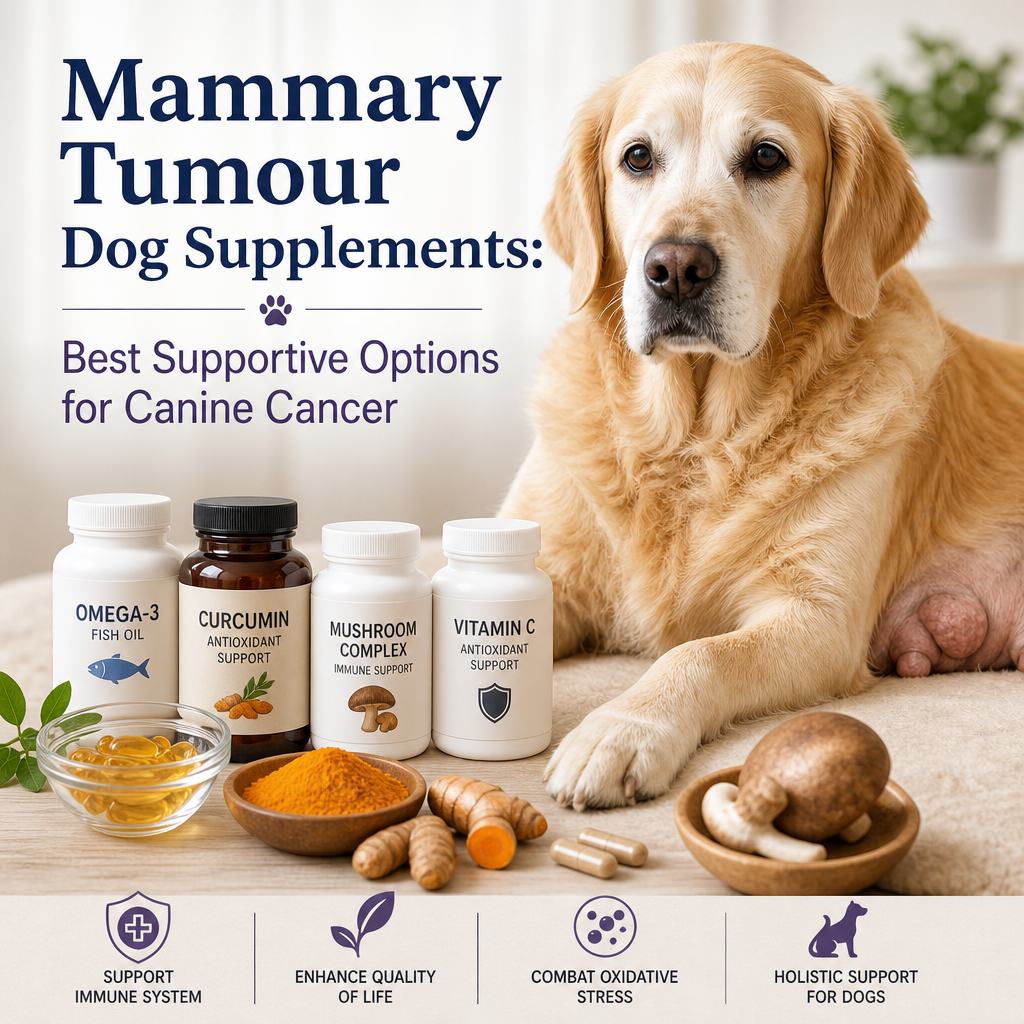
Canine mammary tumour support focuses on maintaining strength, comfort, appetite, and quality of life. A supplement cannot reliably shrink a tumour or cure cancer, and claims that a product can replace conventional treatment should be treated with caution. However, appropriate nutritional support may help a dog cope with illness, recover after surgery, and tolerate certain treatments. In many cases, mammary tumour dog supplements are most useful when they support appetite, digestion, and recovery.
Before starting anything, your veterinarian may recommend blood tests, imaging, a biopsy, or other diagnostic procedures. These results help identify whether your dog has kidney, liver, or digestive problems that could affect supplement safety. They also reveal whether a product could interfere with medication or anaesthesia. If you want to understand cancer risk factors in other breeds, the American Veterinary Medical Association offers a helpful overview of pet cancer information at AVMA’s cancer in pets resource.
It is also worth remembering that supportive care works best when it matches the stage of disease. A dog that has a small, fully removed mass may need a very different plan from a dog with confirmed spread to lymph nodes or lungs. That is why mammary tumour dog supplements should be selected case by case, with clear goals such as maintaining appetite, reducing treatment-related stress, or supporting recovery after surgery.
Best mammary tumour dog supplements to discuss with your veterinarian
There is no universal supplement that fits every dog, but several supportive options may be discussed with your veterinarian. The right choice depends on your dog’s body condition, current medications, planned treatment, and how well she is eating. In some cases, mammary tumour dog supplements are used for only a short period around surgery or chemotherapy, while in others they become part of a longer-term care plan.
Omega-3 fatty acids
Fish oil provides the omega-3 fatty acids EPA and DHA. These nutrients may support normal inflammatory responses and help maintain skin, coat, joints, and general body condition. Some veterinary nutrition plans use omega-3 fatty acids for dogs with cancer, particularly when appetite, inflammation, or muscle loss is a concern. Among mammary tumour dog supplements, omega-3s are often discussed first because they can fit into many care plans.
Quality and dosage matter. Fish oil can cause digestive upset and may affect blood clotting, which is especially important before surgery or when a dog is taking anticoagulant or antiplatelet medication. Choose a veterinary-recommended product with clearly stated EPA and DHA levels rather than relying only on the total amount of oil. If a dog is not tolerating the oil well, the dose may need to be adjusted or changed to a different product.
High-quality nutritional support
Cancer and cancer treatment can increase the risk of weight loss and muscle wasting. A complete, balanced diet with adequate protein and calories is often more important than adding several separate supplements. Some dogs benefit from calorie-dense veterinary diets, recovery foods, or carefully prepared home-cooked meals formulated by a veterinary nutritionist. In practice, mammary tumour dog supplements work best when the overall diet is already meeting basic nutritional needs.
Appetite stimulants, probiotics, or digestive support may be considered when nausea, diarrhoea, constipation, or reduced appetite develops. These products should address a specific problem rather than being added automatically. A dog that is losing weight needs prompt veterinary attention, because supplementing alone may not correct the underlying issue. If your dog is also a senior or has another health problem, compare support plans with breed-specific cancer articles such as Samoyed Cancer Risks: Essential Early Signs and Common Tumors.
Practical feeding support can make a meaningful difference. Warm food, smaller meals, and a quiet feeding area may help a nauseated dog eat more consistently. In some cases, your veterinarian may recommend anti-nausea medication or prescription diets before adding more products. This type of feeding strategy often matters more than trying multiple mammary tumour dog supplements at once.
Antioxidants
Vitamins C and E, selenium, and other antioxidants are frequently marketed as supplements for dog mammary cancer. Antioxidants have important roles in normal health, but high doses are not automatically beneficial. In some situations, excessive antioxidant supplementation could potentially interfere with the intended effects of certain cancer treatments.
Ask the veterinary oncology team before using antioxidant products, especially during chemotherapy or radiation. A balanced commercial diet usually provides appropriate baseline nutrients, while additional doses should be based on a clear clinical reason. This is especially important when choosing mammary tumour dog supplements for a dog already receiving prescription therapy. If the tumour has been removed and your veterinarian is monitoring recovery, the need for added antioxidants may still be limited.
Medicinal mushrooms and herbal products
Products containing medicinal mushrooms, turmeric, green tea extracts, or other herbs are sometimes promoted for canine cancer support. Evidence in dogs remains limited and product quality can vary significantly. Some herbal ingredients may affect the liver, kidneys, blood pressure, blood clotting, or the metabolism of prescription drugs.
“Natural” does not mean risk-free. Avoid concentrated human products unless a veterinarian specifically approves them, as they may contain unsafe ingredients, excessive doses, alcohol, sweeteners, or combinations that have not been studied in dogs. If you are researching complementary care, the National Center for Complementary and Integrative Health has a useful general guide to supplements and herbs at NCCIH’s herbs at a glance resource.
These products also deserve extra caution when surgery is planned. Some herbs may increase bleeding risk or alter how other medicines are processed. For that reason, mammary tumour dog supplements in this category should be reviewed by your veterinarian well before an operation or a chemotherapy visit.
Joint and mobility supplements
Dogs recovering from surgery or dealing with advanced disease may become less active and stiff. Glucosamine, chondroitin, green-lipped mussel, or other joint-support products may help some dogs maintain mobility, although they do not treat the tumour itself. Mobility support can be valuable for comfort, but it should be combined with pain control, appropriate exercise, weight management, and soft bedding.
These products are not a substitute for pain relief, yet they can be part of a practical comfort plan. When your veterinarian reviews mammary tumour dog supplements, ask whether a mobility product fits your dog’s recovery stage or long-term comfort needs. Even a small improvement in movement can make it easier for a dog to get up, rest comfortably, and continue normal daily routines.
Supplements for dog mammary cancer: safety considerations
The most important safety rule is to give your veterinarian a complete list of everything your dog receives. Include prescription medications, over-the-counter products, vitamins, herbs, treats, and topical preparations. This allows the veterinary team to assess possible interactions and determine whether a supplement should be stopped before surgery.
Watch for vomiting, diarrhoea, itching, lethargy, unusual bruising, yellowing of the gums or eyes, changes in thirst, or worsening appetite. Stop the product and contact your veterinarian if concerning symptoms appear. Never give human pain relievers, high-dose vitamins, or essential oils without professional guidance.
Product testing is another concern. Supplements are not always regulated as strictly as prescription medicines, and labels may not accurately reflect purity or potency. Look for products made by reputable manufacturers that provide batch testing, clear ingredient lists, and dosing information for dogs. That caution applies to mammary tumour dog supplements as much as it does to any other cancer-support product.
Timing matters too. A supplement that seems harmless during recovery may still be inappropriate during chemotherapy, radiation, or the days leading up to surgery. If your dog has been prescribed antibiotics, pain medication, steroids, or anti-nausea medication, the full treatment list should be reviewed before anything new is introduced.
Building a complete supportive care plan
Nutrition is only one part of canine mammary tumour support. Regular veterinary examinations help monitor the surgical site, lymph nodes, breathing, appetite, weight, and comfort. Follow-up imaging or laboratory testing may be recommended to detect changes early.
At home, record your dog’s food and water intake, weight, activity, bowel movements, and daily comfort. Small, frequent meals may be easier to tolerate than large portions. Keep food appealing without constantly changing diets, and ask your veterinarian about safe ways to increase calories if appetite declines.
Gentle activity can help preserve muscle and emotional wellbeing, but exercise should match your dog’s energy and post-operative restrictions. A quiet resting area, easy access to water, and non-slip flooring can make daily life more comfortable.
Mammary Tumour Dog Supplements can be useful when selected for a specific need and used under veterinary supervision. The strongest supportive plan combines appropriate cancer treatment with complete nutrition, careful monitoring, pain relief, and attention to quality of life. Rather than searching for a single “best” supplement, work with your veterinarian to choose safe options that complement your dog’s diagnosis and treatment goals.
When chosen carefully, mammary tumour dog supplements may help support appetite, recovery, and comfort without interfering with the medical plan. The key is to use them selectively, keep the veterinary team informed, and focus on what your individual dog truly needs.

by TCMVET | Aug 18, 2026 | Research and News
Ocoxin Pets is a nutritional support product designed for dogs and cats, often considered by owners whose pets are undergoing treatment for cancer or recovering from serious illness. In Estonia, interest in products such as Ocoxin Pets has grown as pet owners look for supportive care that can complement veterinary treatment. However, supplements should never replace a professional diagnosis, prescribed medication, surgery, chemotherapy, or other recommended care. A careful review of the product, its intended use, and its limitations can help owners make safer decisions.
What Is Ocoxin Pets?
Ocoxin Pets is formulated as a veterinary nutritional supplement rather than a conventional cancer medicine. Its ingredients are generally intended to provide nutritional and antioxidant support, help maintain appetite and energy, and support the body during periods of physical stress. Depending on the product formulation and local packaging, it may contain a combination of vitamins, minerals, plant-derived compounds, and other nutritional substances.
Dogs with cancer may experience reduced appetite, weight loss, fatigue, digestive problems, or a decline in general condition. These issues can be caused by the disease itself or by treatments such as chemotherapy and radiation therapy. A supplement may be considered as part of a broader supportive plan, particularly when a veterinarian believes that additional nutritional help is appropriate.
It is important to understand that a product marketed for support does not mean it can eliminate tumors or cure cancer. Cancer in dogs includes many different diseases, and each case requires an individualized treatment plan.
In day-to-day care, owners often want something that feels practical, easy to give, and unlikely to disrupt treatment. That is where nutritional supplements become part of the conversation. Even so, the best outcomes usually come from combining careful feeding, symptom management, regular checkups, and honest monitoring of the dog’s comfort. If a dog is losing weight rapidly or refusing food, that usually calls for prompt veterinary attention rather than relying on a supplement alone.
Support products can also be easier to consider when you understand how they fit into the bigger picture. A supplement may help a dog maintain strength, but it cannot replace diagnostic testing, pain relief, or treatment decisions based on tumor type and stage. For that reason, it is best viewed as one supportive tool among several, not as a standalone answer.
Ocoxin Pets dog cancer support: What Can It Do?
The main purpose of Ocoxin Pets dog cancer support is to help maintain a dog’s general condition while the animal receives veterinary care. Supportive nutrition may be useful in several areas:
- Maintaining appetite and food intake
- Supporting normal energy levels
- Helping a dog cope with physical stress
- Providing selected vitamins and nutrients
- Supporting recovery after illness or treatment
- Helping owners provide a structured care routine
Some owners may also look for antioxidant ingredients because oxidative stress can increase during illness. However, antioxidants are not automatically beneficial in every situation or at every dose. Certain cancer treatments may interact with supplements, and the effects can vary depending on the type of cancer, medication, dosage, and the dog’s overall health.
For this reason, the safest approach is to show the complete ingredient list to the treating veterinarian. The vet can assess whether the product is suitable alongside chemotherapy, steroids, pain medication, antibiotics, surgery, or other treatments. For owners comparing supportive options, it can also help to review Ocoxin Pets Alternative: 7 Best Affordable Dog Tumor Supplements in the UK to see how different products are positioned in veterinary care discussions.
Supportive care can also be useful between treatment visits. Some dogs need help with recovery after surgery, while others need assistance during difficult cycles of therapy. A supplement may fit into this plan if it is tolerated well and does not interfere with the dog’s medication schedule. Still, if the dog has already lost interest in food or is showing severe weakness, the vet may recommend a different approach first, such as anti-nausea medication, a therapeutic diet, or more direct appetite support.
It is also worth separating short-term comfort from long-term disease control. A supportive supplement may make a dog more willing to eat, which can be important for energy and recovery, but that improvement does not necessarily mean the cancer itself is improving. Owners should watch for practical changes such as eating habits, daily activity, and ease of recovery after treatment rather than expecting dramatic results.
Ocoxin Pets review: Ingredients and Possible Benefits
A useful Ocoxin Pets review should focus on realistic expectations rather than promising dramatic results. The potential value of a supplement usually depends on its ingredients, nutritional quality, dosage instructions, and the individual animal’s response.
Plant-based ingredients and antioxidant compounds may support normal cellular protection, while vitamins and minerals can help address nutritional gaps. Some formulas are also intended to be easy to administer and suitable for animals with reduced appetite. These features can be practical for owners caring for a sick dog.
Nevertheless, “natural” does not automatically mean risk-free. Dogs can react badly to certain botanical ingredients, and excessive amounts of vitamins or minerals may cause harm. Supplements can also create digestive effects such as vomiting, diarrhea, constipation, or refusal to eat. A dog with liver or kidney disease may require especially careful supervision because the body may process nutrients and compounds differently.
Evidence is another important consideration. A supplement may have promising ingredients without having strong clinical evidence proving that it improves survival or treats cancer. Owners should be cautious about testimonials presented as proof. Individual success stories cannot replace controlled veterinary research.
It is also worth remembering that the quality of a supplement matters just as much as the ingredient list. Clear labeling, consistent manufacturing, and appropriate dosage guidance can make a real difference in safety. A product that sounds impressive on a sales page may still be unsuitable for a dog with a complex medical history. This is why the best Ocoxin Pets review is one that balances possibility with caution.
When reading labels, owners should look beyond marketing claims and pay attention to the practical details. Is the formula meant for daily use? Does it list all active ingredients and their amounts? Does it provide clear guidance for small, medium, and large dogs? Those basic questions are often more useful than broad promises about vitality or recovery.
Owners should also remember that supportive ingredients may affect dogs differently depending on age and health status. A younger dog with a short-term loss of appetite may respond differently from an older dog with multiple chronic conditions. That is one more reason veterinary guidance matters before adding any supplement to a cancer care plan.
How to Use Ocoxin Pets Safely
Before starting Ocoxin Pets, consult the veterinarian responsible for the dog’s cancer care. Provide information about all products the dog is taking, including prescription medicines, pain relief, flea and tick treatments, vitamins, herbal products, and special diets.
Follow the dosage instructions on the official packaging or the veterinarian’s recommendation. Do not increase the dose because a dog appears unwell, and do not give human cancer supplements unless a veterinary professional specifically instructs you to do so. Human products may contain ingredients or concentrations that are unsafe for animals.
Monitor the dog closely after introducing any new supplement. Contact a veterinarian if the dog develops persistent vomiting, diarrhea, severe tiredness, changes in drinking or urination, facial swelling, breathing difficulty, or a sudden worsening of symptoms. A supplement should be stopped and reviewed if it appears to cause problems.
Owners should also keep a simple health record. Tracking appetite, body weight, stool quality, vomiting, activity, pain, and medication times can help the veterinarian determine whether the dog is benefiting from the overall care plan.
Practical safety also includes timing. If a dog takes several medications each day, it can help to separate products so the schedule stays manageable. That reduces the chance of missed doses and makes it easier to identify which item is causing a reaction if one develops. When in doubt, ask the vet whether the supplement should be given with food, at a set time of day, or apart from other medicines.
Careful observation is especially useful during the first week of use. Many dogs tolerate a new supplement without issue, but if appetite drops, stool changes, or lethargy appear soon after introduction, the timing may be meaningful. Recording those changes can help the veterinarian decide whether to continue, adjust, or stop the product.
If the dog is already receiving treatment that affects the stomach, liver, kidneys, or immune system, the veterinarian may want to review the supplement more closely. That extra step is not a sign that the product is dangerous by default; it simply reflects the need to keep every part of the care plan working together safely.
Ocoxin Pets Estonia: Buying and Storage Considerations
When searching for Ocoxin Pets Estonia, purchase the product through a reliable veterinary clinic, licensed pharmacy, or established pet health supplier. Check the label, batch number, expiry date, storage instructions, and intended species. Avoid products with damaged packaging, unclear labeling, or unusually low prices from unknown sellers.
Estonian pet owners should also consider language and regulatory information on the packaging. Instructions should be understandable, and the seller should be able to provide details about the manufacturer and product status. Imported supplements may have different formulations or dosage recommendations, so comparing online descriptions alone can be misleading.
Store the product exactly as directed, away from excessive heat, moisture, and direct sunlight. Keep it securely out of reach of pets and children. Even a product intended for dogs can be dangerous if consumed in excessive quantities.
If ordering online, check whether the seller provides clear contact information and enough product detail to confirm what you are buying. A reliable source should be able to answer basic questions about storage, shelf life, and delivery conditions. That matters more than a polished marketing page, especially when you are supporting a dog with a serious condition.
Shipping and storage matter even more during colder or hotter weather. Extreme temperature changes can affect product quality before it reaches your home, so it is sensible to ask how the item was packed and whether it should be used soon after opening. Good storage habits protect both safety and value.
When a supplement is part of an ongoing treatment routine, it helps to keep it with the dog’s other care supplies in a dry, organized place. That makes it easier to follow instructions correctly and notice when it is time to reorder before the bottle runs out.
Is Ocoxin Pets Right for Every Dog?
No supplement is appropriate for every dog. Suitability may depend on the dog’s age, breed, weight, diagnosis, stage of disease, appetite, organ function, and current treatment. A dog with severe kidney disease, liver problems, digestive disease, or multiple medications may need a more cautious approach.
The most important goals are usually comfort, adequate nutrition, pain control, hydration, and quality of life. In some cases, a veterinarian may recommend a therapeutic diet, appetite support, anti-nausea medication, or another intervention instead of—or in addition to—a supplement.
If you want to understand broader supplement choices and how other pet owners approach tumor support, you may also find this useful: Ocoxin Pets alternative: 5 Powerful, Affordable Options for Dogs With Tumors in the Netherlands. It offers another perspective on practical support options without replacing veterinary advice.
A balanced decision should therefore consider the product as one possible component of supportive care, not as a standalone cancer solution. Veterinary guidance, regular monitoring, and honest evaluation of the dog’s quality of life remain more important than any single supplement.
In some families, the question is not whether a supplement is “good” in theory, but whether it fits a dog’s current needs. A dog that is stable and eating well may tolerate an additional nutritional product, while a dog with recurring vomiting or significant organ compromise may need a simpler plan. The right choice is the one that supports daily comfort without adding avoidable stress.
It may also help to think about treatment goals in practical terms. If the priority is to preserve appetite, reduce strain, and keep a dog comfortable during active therapy, then a supportive supplement may have a place. If the priority is minimizing the number of products given each day, then a simpler plan may be better. Those decisions should be made with the veterinarian, not in isolation.
Affordable support options to discuss with your vet
For many families, cost is an important factor when deciding how to support a dog with cancer. Ocoxin Pets may be one option, but it is not the only way to provide nutritional support. Some veterinarians may suggest a different supplement, a prescription diet, or symptom-focused treatment that better matches the dog’s condition and the owner’s budget.
Useful comparison questions include whether the product is intended for long-term use, whether it has a clear ingredient list, whether there are known interactions with chemotherapy or pain medication, and whether the dosage is realistic for your dog’s size. It is also worth asking whether a simple diet adjustment could provide a similar benefit without adding unnecessary complexity.
In practice, the best choice is the one that supports the dog’s comfort and appetite while fitting the treatment plan. That may mean using Ocoxin Pets, a different supplement, or no supplement at all if the veterinarian believes the risks outweigh the likely benefits.
Cost should be weighed against practicality. A less expensive option that your dog will reliably accept may be more helpful than a more costly product that sits unused. Some dogs respond better to small, frequent meals, warm food, or a diet change than to any supplement. A good veterinary plan should take all of that into account and remain realistic for the household.
When discussing alternatives, it can help to focus on the outcome you want rather than the product name. Do you want to improve appetite, support weight maintenance, reduce nausea, or simply make daily care easier? Once that goal is clear, your veterinarian can help narrow down the most sensible and affordable path.
Frequently asked questions about Ocoxin Pets
Can Ocoxin Pets cure cancer in dogs?
No. Ocoxin Pets is a supportive nutritional product, not a cancer cure. It may help with appetite, energy, or general condition in some dogs, but it does not replace diagnosis or treatment.
Should Ocoxin Pets be used with chemotherapy?
Only with veterinary guidance. Some supplements may interact with cancer medications, so the oncologist or treating veterinarian should review the ingredient list before use.
How do I know if the supplement is helping?
Look for practical signs such as better appetite, stable weight, improved comfort, and easier daily care. If nothing changes or side effects appear, speak with the veterinarian about whether to continue.
Can I give it without a prescription?
Availability can vary by market, but a supplement should still be discussed with a veterinarian before use, especially when a dog is receiving cancer treatment or other medications.
What should I do if my dog refuses it?
Do not force the product. Ask the veterinarian whether a different supplement, another form of support, or a change in feeding routine would be more appropriate.
Final Assessment
Ocoxin Pets may be considered as part of supportive nutrition for dogs with cancer, especially when appetite, energy, or general condition is a concern. The product may offer useful nutritional support for some animals, but it should not be presented as a cure or replacement for evidence-based veterinary treatment. A responsible Ocoxin Pets review must acknowledge both its possible supportive role and the limits of available evidence.
For owners in Estonia, the best approach is to buy from a trustworthy source, verify the formulation, follow professional dosage advice, and monitor the dog carefully. Used thoughtfully and under veterinary supervision, Ocoxin Pets may fit into a broader plan focused on comfort, nutrition, and quality of life. For general background on nutrient support and safety, the Merck Veterinary Manual is a useful educational reference.
In short, the product may be helpful for some dogs, but it works best as part of a larger care plan that includes veterinary oversight, careful observation, and a clear understanding of the dog’s goals of care. That approach gives owners the best chance of making a choice that is both compassionate and medically sound.
Before deciding, compare the dog’s current condition, current medications, and daily comfort level against what the supplement can realistically provide. If the goal is gentle support rather than aggressive treatment, Ocoxin Pets may be one option to discuss with the veterinary team. If the dog needs more immediate medical help, the priority should always be direct care first.
Ultimately, the best decision is the one that protects safety, respects the dog’s comfort, and stays aligned with professional guidance. That is the most reliable way to support a dog through cancer care in Estonia.
by TCMVET | Aug 18, 2026 | Research and News
Ocoxin Pets is a nutritional support product that some pet owners in Cyprus consider when their dogs are dealing with cancer or other serious health challenges. An Ocoxin Pets review should begin with an important distinction: this type of supplement is not a replacement for veterinary diagnosis, surgery, chemotherapy, radiation, or prescribed medication. Instead, it may be discussed as part of a broader care plan designed to support appetite, nutrition, immunity, and quality of life.
For owners facing a difficult diagnosis, the most helpful question is not whether a supplement can cure cancer, but whether it may offer safe, practical support alongside professional treatment. That mindset keeps expectations realistic and helps families make better decisions for their dogs’ comfort and wellbeing.
When a dog receives a cancer diagnosis, owners often search for practical and affordable ways to provide additional support. Ocoxin Pets dog cancer support is one option that may be recommended by a veterinarian, particularly when a dog is experiencing reduced appetite, weight loss, weakness, or recovery-related nutritional needs. Understanding what the product can and cannot do is essential before making a purchase.
What is Ocoxin Pets?
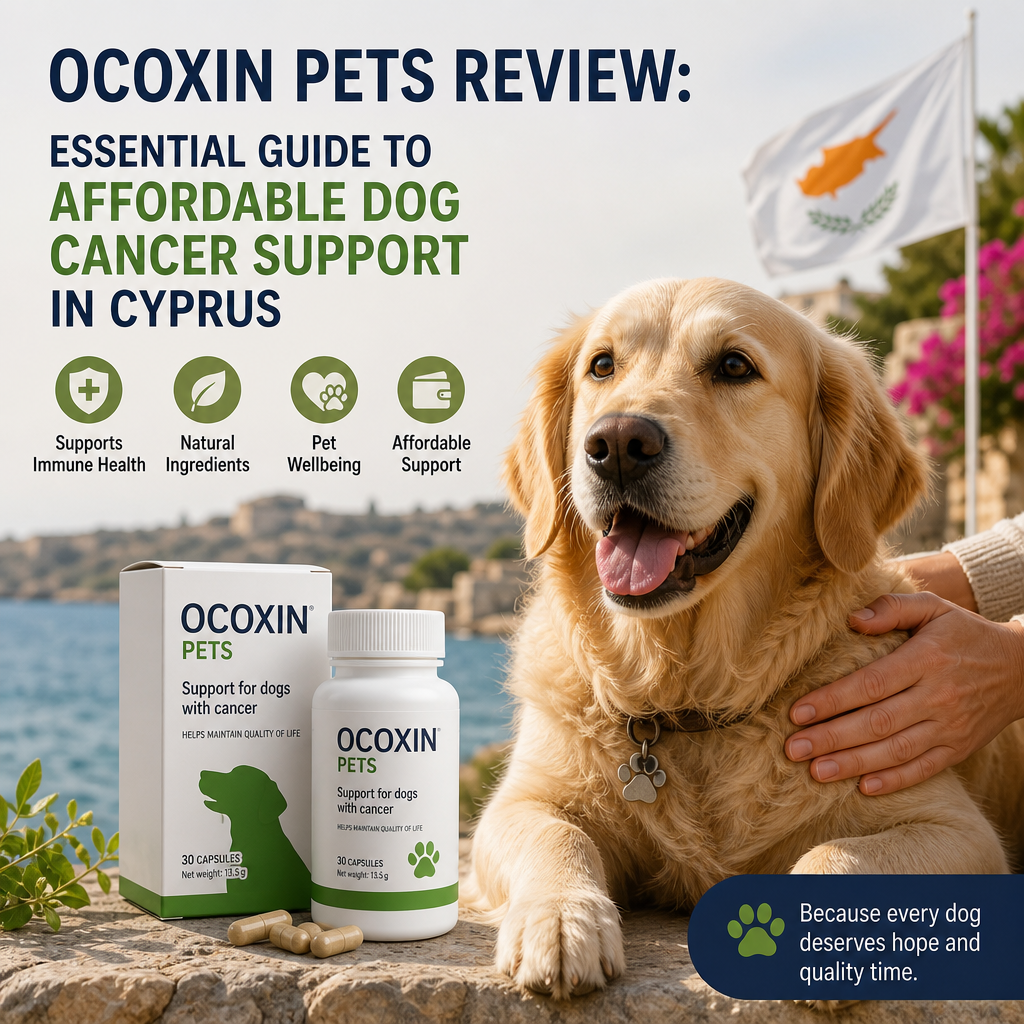
Ocoxin Pets is generally presented as a complementary nutritional product for dogs and other companion animals. Its formulation is associated with ingredients intended to provide antioxidant and nutritional support. Depending on the specific product and market, the formula may include vitamins, minerals, plant-derived compounds, amino acids, or other nutrients.
The purpose of such products is usually supportive rather than curative. Cancer affects dogs in different ways, depending on the type, location, stage, and treatment plan. Some dogs continue eating normally, while others develop nausea, fatigue, inflammation, digestive problems, or a loss of interest in food. A nutritional supplement may be considered when the veterinary team believes additional dietary support could be useful.
Because formulations and dosing instructions can change, owners should read the current product label and consult a veterinarian before use. A dog’s age, body weight, diagnosis, medications, kidney function, liver health, and general condition all influence whether a supplement is appropriate.
In practical terms, that means the same product may be reasonable for one dog and unsuitable for another. A careful review of the individual case is always more important than a generic recommendation.
Ocoxin Pets dog cancer support: What can it realistically do?
The phrase Ocoxin Pets dog cancer support should be understood in terms of supportive care, not a promise of cancer treatment. Nutritional products may help some dogs maintain energy intake or receive nutrients during a difficult period, but there is no responsible basis for assuming that a supplement alone can eliminate a tumor or stop cancer progression.
Potential goals of supportive supplementation may include:
- Helping provide additional nutritional intake
- Supporting dogs with reduced appetite
- Complementing a balanced diet
- Assisting general recovery during illness or treatment
- Supporting overall wellbeing when recommended by a veterinarian
The results can vary considerably. Some dogs tolerate a product well and show improved interest in food or daily activity. Others may notice no visible difference, or may experience digestive upset. A supplement should therefore be evaluated through objective observations such as appetite, body weight, stool quality, hydration, comfort, and energy levels.
It can also help to think in smaller steps. If a dog eats a little more, appears less nauseous, or becomes easier to manage at mealtimes, that may still be meaningful support even if it does not change the underlying disease.
Where to compare similar support options
If you are comparing products for dogs with tumors, it can help to review other affordable support articles before deciding. For example, you can also look at Ocoxin Pets Alternative: 7 Best Affordable Dog Tumor Supplements in the UK for a broader view of supplement-style support options.
Owners in other regions may also find it useful to compare approaches and pricing with Ocoxin Pets alternative 5 Powerful Ways to Support Dogs in Spain, especially when looking for similar nutritional support ideas.
A useful Ocoxin Pets review should focus on the actual ingredients rather than relying only on marketing language. Antioxidants and plant-based compounds are frequently included in pet supplements because they may help protect cells from oxidative stress. However, “natural” does not automatically mean safe for every dog, and antioxidant products can interact with certain treatments or medical conditions.
Owners should check:
- The complete ingredient list
- The recommended serving based on body weight
- The product’s expiry date and storage requirements
- The manufacturer’s quality and traceability information
- Any warnings involving pregnancy, chronic disease, or medication
- Whether the product is intended for dogs specifically
It is also wise to avoid combining several supplements with overlapping ingredients unless a veterinarian approves the combination. Excessive intake of certain vitamins, minerals, or herbal compounds may cause harm or interfere with treatment.
When reviewing a label, pay attention to whether the ingredient list is complete and easy to verify. Clear labeling usually makes it easier to judge whether a product fits a dog’s current health needs.
For general pet-supplement safety standards and responsible labeling expectations, owners can review guidance from the U.S. Food and Drug Administration’s pet food and supplement information.
Safety and veterinary supervision
Cancer care often involves multiple medications, including pain relief, anti-inflammatory drugs, antibiotics, anti-nausea medicines, steroids, or chemotherapy agents. Supplements can potentially affect absorption, metabolism, blood clotting, or treatment response. This is why veterinary supervision is especially important for dogs undergoing active cancer therapy.
Contact a veterinarian promptly if a dog develops repeated vomiting, persistent diarrhea, facial swelling, breathing difficulty, severe lethargy, refusal to drink, or a sudden decline after starting any new product. Even mild symptoms should be discussed if the dog is already medically fragile.
Never delay urgent care while waiting to see whether a supplement works. Difficulty breathing, uncontrolled pain, collapse, seizures, heavy bleeding, or severe dehydration requires immediate veterinary attention.
It is also sensible to track changes after introducing any supplement. A simple log of meals, water intake, bowel movements, and activity can reveal whether the product is helping, doing nothing, or causing problems.
Ocoxin Pets Cyprus: Buying and practical considerations
For owners searching for Ocoxin Pets Cyprus, availability may depend on local veterinary clinics, pet pharmacies, specialist retailers, and online suppliers. Before ordering, confirm that the product is intended for the Cypriot market or can legally be imported, and check whether the seller provides clear information about batch numbers, expiry dates, and storage.
Cyprus has a warm climate, particularly during the summer months. Products containing sensitive nutritional or botanical ingredients should be stored exactly as directed, away from direct sunlight, moisture, and excessive heat. Improper storage can reduce product quality even when the packaging appears intact.
Price is another important consideration. The cheapest option is not necessarily the best value if it lacks reliable labeling or has an uncertain supply history. Compare the cost per serving, not merely the price of the container. Ask a veterinarian whether the product is appropriate and whether a simpler dietary adjustment could meet the same nutritional goal at lower cost.
For owners who need a broader view of affordable options, it can be useful to compare the product with regional alternatives and ask which option best fits the dog’s diagnosis, appetite, and treatment plan.
How to include it in a broader care plan
A supplement should be only one part of a complete support strategy. Dogs with cancer may benefit from a carefully selected diet, adequate hydration, pain management, regular monitoring, and emotional comfort. Some dogs need calorie-dense food, while others require a diet adapted to digestive, kidney, or liver problems.
Keep a simple daily record of food intake, water consumption, medication, bowel movements, vomiting, mobility, and behavior. This information can help the veterinarian determine whether the dog is improving or whether the treatment plan needs adjustment.
Quality of life should remain the central goal. A dog that is comfortable, hydrated, interested in family interaction, and able to enjoy some normal activities may be coping well, even when treatment is ongoing. Conversely, persistent pain, distress, or inability to eat should never be dismissed as an unavoidable part of cancer.
If you are still comparing support options, another helpful regional resource is Ocoxin Pets alternative: 5 Powerful, Affordable Options for Dogs With Tumors in the Netherlands, which may help owners think through practical alternatives and pricing expectations.
Some families also find it useful to revisit the treatment plan every few weeks with the veterinary team, especially if appetite, weight, or energy levels change. Small adjustments made early are often easier than trying to correct a larger decline later.
Final assessment
An Ocoxin Pets review is most balanced when it recognizes both its possible value and its limitations. Ocoxin Pets may serve as a complementary nutritional support option for some dogs, but it is not a proven standalone cure for cancer. The right choice depends on the dog’s diagnosis, current treatment, nutritional needs, and overall health.
For pet owners in Cyprus, the safest approach is to purchase through a reputable source, verify the label and storage conditions, and discuss the product with a qualified veterinarian. Used thoughtfully as part of professional cancer care, nutritional support may help some dogs maintain strength and comfort—but informed supervision should always come before supplementation.
When chosen carefully and monitored closely, supportive nutrition can be one more way to protect comfort and dignity during a challenging time.
