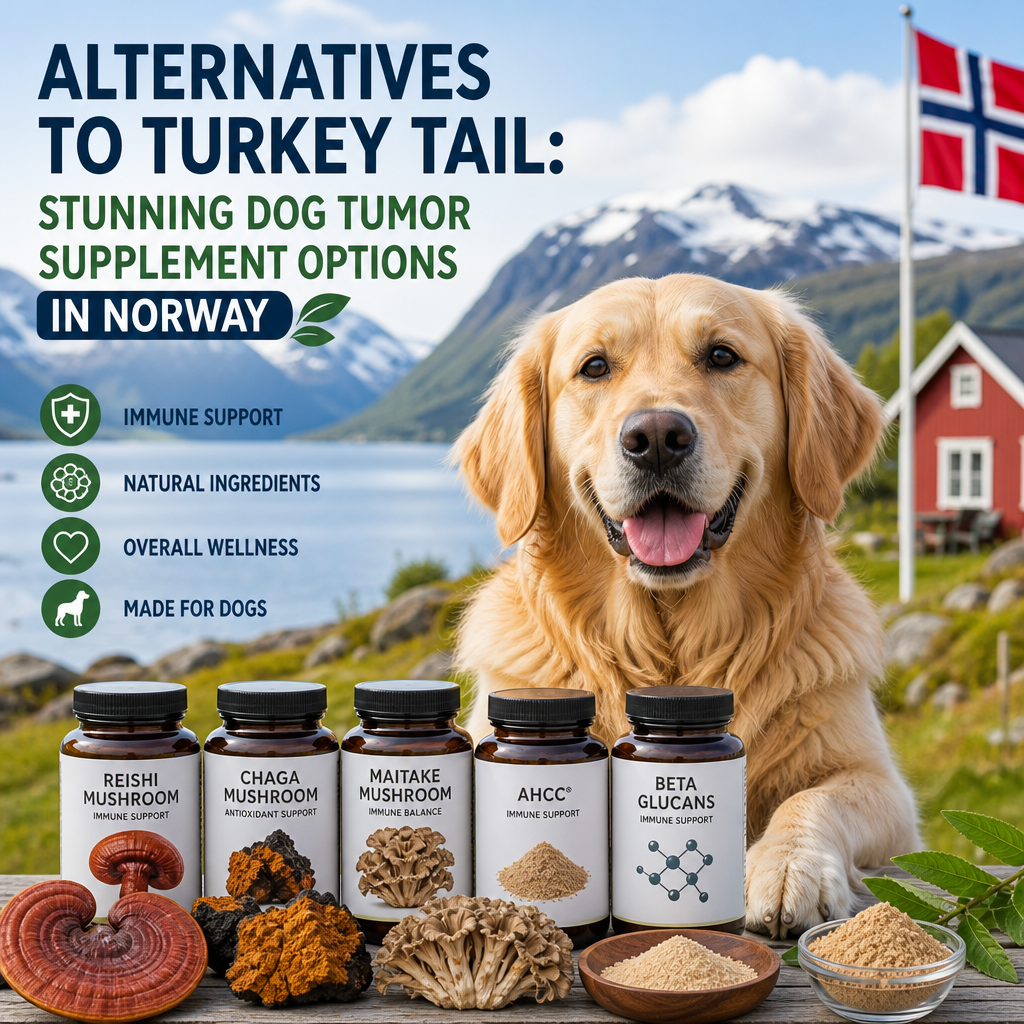
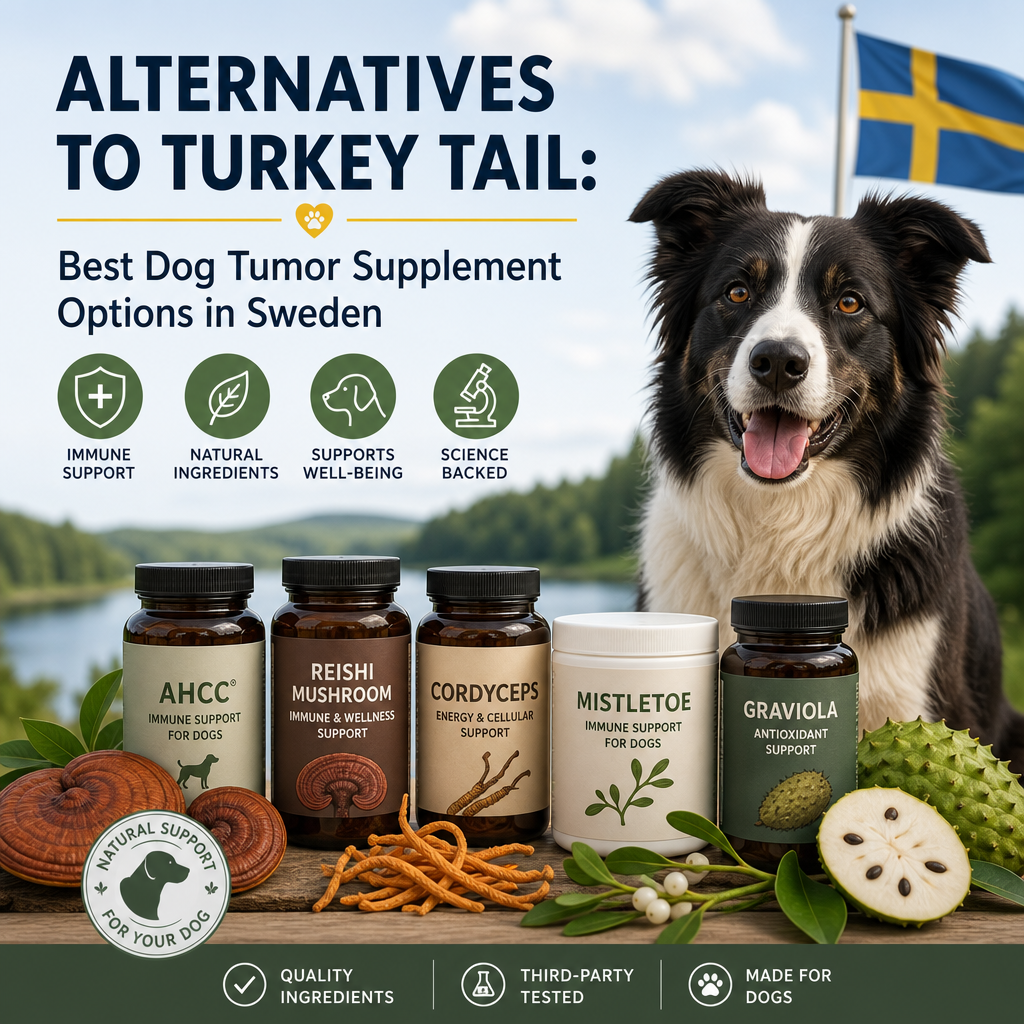
Alternatives to Turkey Tail can be useful for Norwegian dog owners exploring supportive nutrition during a dog’s cancer care. Turkey Tail mushroom is widely discussed because of its beta-glucans and other compounds, but it is not the only supplement option available. Depending on a dog’s diagnosis, treatment plan, appetite, digestion, and overall health, veterinarians may consider several nutritional strategies alongside conventional care.
Why Consider Dog Tumor Supplement Alternatives?
Turkey Tail, scientifically known as Trametes versicolor, has attracted interest for its immune-supporting compounds. However, every dog responds differently to supplements, and no mushroom product should be viewed as a replacement for surgery, chemotherapy, radiation, pain management, or other veterinary treatment.
There are several reasons an owner may investigate dog tumor supplement alternatives. A particular product may be unavailable in Norway, too expensive, poorly tolerated, or unsuitable for a dog taking certain medications. Some dogs may experience digestive upset, reduced appetite, or allergic reactions. Others may need a more targeted approach, such as nutritional support for weight loss, inflammation, recovery after surgery, or treatment-related nausea.
The right supplement depends on the individual dog rather than on a single “best” ingredient. Veterinary guidance is especially important because supplements can interact with medicines or affect blood clotting, liver function, immune activity, and anesthesia safety. For that reason, alternatives to Turkey Tail should be chosen with the same care you would use for any other part of a cancer-support plan.
It also helps to think in terms of goals. Are you trying to improve appetite, support digestion, maintain body weight, or add general wellness support? Once the goal is clear, it becomes easier to compare options and avoid products that sound impressive but do not fit the dog’s actual needs. In practice, the most effective supplements are often the ones that are simple, transparent, and easy to monitor.
Medicinal Mushrooms Beyond Turkey Tail
One of the most obvious categories of alternatives to Turkey Tail is other medicinal mushrooms. Reishi, maitake, shiitake, and cordyceps are often included in canine wellness products. These mushrooms contain different combinations of beta-glucans, triterpenes, antioxidants, and other bioactive compounds.
Reishi is commonly associated with immune balance and general resilience. Maitake has been studied for its polysaccharides, while shiitake provides compounds such as lentinan. Cordyceps is often marketed for energy and stamina, although evidence in dogs remains limited.
Product quality is crucial. Mushroom powders and extracts are not interchangeable. A reputable product should identify the mushroom species, growing medium, extraction method, active compounds, batch testing, and contaminant screening. Wild-harvested products may carry greater risks of contamination or inconsistent potency. Owners in Norway should also check whether products are legally marketed as animal supplements and whether the manufacturer provides clear dosing information.
When reviewing alternatives to Turkey Tail, look at the extract type, the part of the mushroom used, and whether the product includes filler ingredients. A capsule made from a standardized extract may behave very differently from a simple powder. That distinction matters when a dog is already dealing with cancer-related fatigue, nausea, or a sensitive stomach.
Another important point is consistency. If a dog seems to do well on one mushroom formula, switching to a different brand can change the response because the concentration and extraction method may differ. This is one reason veterinarians often prefer products with a clearly labeled ingredient panel and predictable dosing. The goal is not to collect as many supplements as possible, but to find a dependable one that can be evaluated over time.
Owners should also be cautious with blends that include many ingredients at once. A multi-mushroom formula may sound comprehensive, but it can make it harder to know which component is helping or causing a side effect. For sensitive dogs, simpler is often better.
Omega-3 Fatty Acids for Inflammation and Nutrition
Fish oil is among the most commonly considered dog tumor supplement alternatives. Its main active fats, EPA and DHA, support normal inflammatory regulation and may help maintain skin, coat, joints, and overall nutritional status. Dogs with illness may also benefit from calorie-dense nutrition when maintaining weight becomes difficult.
High-quality fish oil should provide the actual amount of EPA and DHA rather than listing only the total volume of oil. Products should be protected from oxidation and stored according to the manufacturer’s instructions. Rancid oil can cause digestive problems and has little nutritional value.
Krill oil and algae-derived DHA are other options, particularly for owners seeking alternatives to traditional fish oil. However, omega-3 supplements can affect blood clotting and may not be appropriate around surgery or with certain medications. A veterinarian should determine whether the product fits the dog’s treatment plan.
According to the National Center for Complementary and Integrative Health, supplement quality and evidence vary widely, so it is wise to review claims carefully before buying anything new: supplements and cancer treatment research.
When choosing between omega-3 products, pay attention to palatability as well. A supplement that a dog refuses to eat has little practical value, no matter how good the label looks. Softgel capsules may be easy for some dogs, while liquids can be easier for others when mixed into a meal. If a dog is nauseous, start cautiously and watch for loose stools or fishy burps.
When omega-3s may be especially helpful
For dogs that are losing weight, eating less, or struggling with inflammation, omega-3s can be part of a broader nutritional plan. They do not replace treatment, but they can support body condition and may help make meals more useful from a calorie and fat-soluble nutrient standpoint.
Some owners use omega-3s as one of several alternatives to Turkey Tail because the benefit is practical and easy to understand. Instead of aiming for a direct anticancer effect, the goal is to support the body during a demanding treatment period. That distinction matters, because supportive nutrition can improve day-to-day comfort even when a supplement does not change the tumor itself.
Antioxidant and Nutritional Support
Some dogs undergoing cancer treatment experience reduced appetite, muscle loss, or digestive changes. In these cases, a complete nutritional strategy may be more useful than a highly concentrated supplement. Veterinary-formulated diets, appetite support, and carefully selected nutrients can help preserve body condition.
Antioxidants such as vitamins C and E, selenium, and certain plant compounds are often promoted for cellular protection. Nevertheless, high-dose antioxidant supplementation should be approached carefully during chemotherapy or radiation. Some treatments rely partly on oxidative processes, so adding large amounts of antioxidants without veterinary advice may interfere with the intended treatment effect.
A balanced diet that supplies appropriate protein, energy, vitamins, and minerals is usually more important than adding multiple isolated nutrients. Dogs with poor appetite may need smaller meals, warmed food, wet food, or a therapeutic diet recommended by a veterinary professional.
In practical terms, this means the best alternatives to Turkey Tail are often not dramatic “cancer-fighting” products at all. They may be supportive feeding tools that help a dog stay comfortable, hydrated, and strong enough to continue treatment.
Good nutrition also supports recovery after stressful vet visits, surgery, or changes in medication. A dog that eats better is usually easier to medicate, easier to monitor, and better able to keep up body weight. That makes nutritional support one of the most overlooked but valuable parts of supportive care.
Nutrition-first support for sick dogs
When possible, prioritize palatable meals, consistent feeding times, and a slow transition to any new food or supplement. Sudden changes can upset the stomach and make it harder to tell whether a product is helping or causing side effects.
It can also be useful to keep a simple log of appetite, stool quality, vomiting, energy, and body weight. Small changes are easier to notice when they are written down. This kind of monitoring is especially helpful if you are trying more than one of the alternatives to Turkey Tail over time and want to know what actually makes a difference.
Curcumin and Herbal Products
Curcumin, derived from turmeric, is another frequently discussed option. It is known for its anti-inflammatory properties, but absorption varies significantly between products. Formulations may include oils, phospholipids, or other ingredients intended to improve bioavailability.
Other herbal ingredients, including milk thistle, boswellia, ginger, and green tea compounds, may appear in canine wellness formulas. Milk thistle is often used in products designed to support the liver, while ginger may help some dogs with nausea or digestive discomfort. Evidence differs widely, and “natural” does not automatically mean safe.
Herbal supplements may influence liver enzymes, blood pressure, sedation, or clotting. They may also contain multiple ingredients that make it difficult to identify the cause of a reaction. For dogs receiving chemotherapy, corticosteroids, anti-inflammatory drugs, or seizure medication, professional review is essential before using these products.
Some owners in Norway search for alternatives to Turkey Tail because they want a gentler or more familiar ingredient profile. In that case, an evidence-based herbal discussion with a vet is still the safest starting point.
If you are comparing herbal choices, ask whether the product has a clear purpose. A supplement meant for liver support should not be mistaken for a product designed for digestion or immune support. Matching the ingredient to the goal reduces wasted spending and lowers the risk of stacking too many overlapping formulas.
Important cautions with herbs
Several herbs can look harmless on a label but become complicated when used alongside cancer treatment. That is why alternatives to Turkey Tail should not be selected only because they are plant-based. Dose, concentration, sourcing, and drug compatibility all matter.
If a product includes multiple herbs, start by reviewing every ingredient one by one. Look for added flavors, preservatives, and sweeteners as well. A simple formula often creates fewer questions than a long proprietary blend.
Probiotics and Digestive Support
Digestive health can become a practical priority during illness. Stress, antibiotics, dietary changes, and cancer treatment may contribute to diarrhea, constipation, gas, or reduced appetite. Canine-specific probiotics can support a healthy intestinal microbiome in some situations.
A good probiotic product should list the strains, viable organisms, storage requirements, and expiration date. Products intended for humans may contain sweeteners or other ingredients unsuitable for dogs. Prebiotic fibers, such as certain fermentable fibers, may also support beneficial gut bacteria, but they can worsen gas or diarrhea if introduced too quickly.
Digestive supplements are supportive rather than tumor treatments. Persistent vomiting, diarrhea, blood in the stool, dehydration, or sudden appetite loss requires veterinary attention rather than self-treatment.
Because the gut and immune system are closely connected, many owners consider probiotics alongside alternatives to Turkey Tail when they want to support overall resilience. That approach can be reasonable, as long as the product is suitable for dogs and introduced carefully.
Probiotics may also be useful after antibiotics or during periods of stress, such as travel, hospitalization, or a change in diet. In those moments, the goal is not necessarily to fight the tumor directly but to keep the digestive system steady. When digestion improves, the dog is often better able to eat and absorb the nutrients needed for recovery.
Practical probiotic tips
Start with one product at a time.
Use the dose recommended by the manufacturer or your veterinarian.
Watch for changes in stool, appetite, and energy.
Store the product exactly as directed.
Other supportive options worth discussing
Beyond the most common categories, some dogs may benefit from additional supportive strategies such as digestive enzymes, calorie boosters, or veterinarian-selected appetite support. These are not direct substitutes for cancer therapy, but they may make daily care easier. In many cases, the most useful alternatives to Turkey Tail are the ones that solve a specific problem, such as poor intake, loose stool, or low energy.
Pet owners should be careful not to stack too many products at once. Combining several supplements can increase the risk of stomach upset and make it difficult to tell what is working. A step-by-step plan with one change at a time is usually easier to manage and safer to evaluate.
Choosing Products in Norway
When comparing alternatives to Turkey Tail in Norway, look beyond advertising claims. Choose products from transparent manufacturers that provide full ingredient lists, batch testing, contaminant screening, and clear instructions for dogs. Avoid products that promise to cure cancer or replace veterinary treatment.
Norwegian weather and storage conditions also matter. Oils, probiotics, and mushroom extracts can be sensitive to heat, moisture, and light. Follow storage instructions carefully, and avoid purchasing products with unclear import details or questionable labeling.
Before introducing anything new, write down the product name, ingredients, concentration, intended dose, and starting date. Give only one new supplement at a time when possible. This makes it easier to identify benefits or adverse effects.
It is also sensible to consider how easy a product will be to continue long term. If a supplement is expensive, hard to source, or difficult to store, it may not be sustainable. Many owners prefer alternatives to Turkey Tail that are practical, affordable, and simple enough to keep giving consistently.
What to ask your veterinarian
Before trying any supplement, ask whether it is safe alongside current medications, whether there are clotting or liver concerns, and whether the product should be paused before anesthesia or surgery. Those questions are especially important when a dog is already receiving a complex cancer protocol.
It is also smart to ask whether a supplement might change appetite, bowel habits, or lab values. That way, you know what to monitor after starting the product. A clear plan helps you evaluate whether the supplement truly earns its place in the routine.
A Safer, Individualized Approach
The most appropriate dog tumor supplement alternatives depend on the dog’s cancer type, medications, laboratory results, body weight, and treatment goals. A veterinary oncologist or primary veterinarian can help evaluate whether a supplement is appropriate and monitor liver enzymes, kidney function, blood counts, appetite, and weight.
Supplements may provide nutritional or supportive benefits, but they should form only one part of a broader care plan. Adequate calories, hydration, pain control, rest, emotional comfort, and timely medical treatment are equally important. By focusing on product quality and individualized veterinary advice, Norwegian dog owners can make more informed decisions while protecting their companion’s safety and quality of life.
In other words, the best alternatives to Turkey Tail are the ones that fit the dog in front of you. If a product supports appetite, digestion, comfort, or recovery without interfering with treatment, it may earn a place in the plan. If not, it is better left out. That careful approach gives dogs the best chance at steadier support and a better day-to-day quality of life.
Used thoughtfully, alternatives to Turkey Tail can complement a broader care plan without creating confusion or unnecessary risk. The key is to stay realistic, choose quality products, and keep the veterinarian involved at every step. With that approach, you can support your dog in a way that is both practical and compassionate.
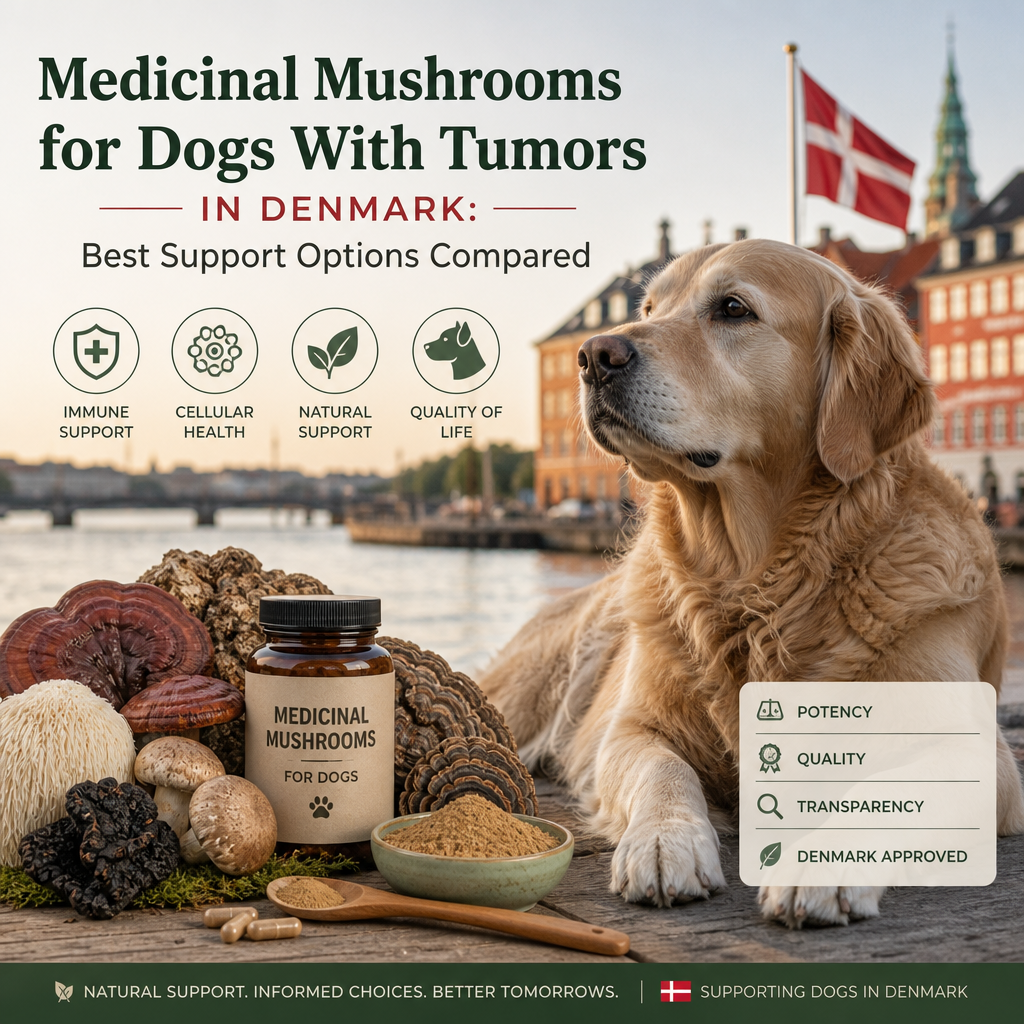
Medicinal Mushrooms are becoming a topic of interest among Danish dog owners looking for supportive care options for dogs with tumors. Although these natural products cannot replace veterinary diagnosis or cancer treatment, certain mushroom extracts may offer nutritional and immune-supportive properties when used carefully. The most important considerations are product quality, veterinary guidance, the dog’s individual condition, and compatibility with surgery, chemotherapy, radiation, or prescribed medication.
Medicinal Mushrooms are fungi that contain naturally occurring compounds such as beta-glucans, triterpenes, sterols, and polysaccharides. In laboratory and animal research, some of these compounds have been associated with immune modulation, antioxidant activity, and support for normal inflammatory responses.
For dogs with cancer, the goal is generally not to “cure” a tumor with a supplement. Instead, a carefully selected product may be used as part of a broader supportive plan designed to help maintain appetite, energy, digestion, immune function, and quality of life. Evidence in dogs remains limited compared with conventional oncology research, so claims should be viewed cautiously.
A supplement should never delay diagnostic testing or treatment. Tumors can behave very differently depending on their location, stage, cell type, and rate of growth. A veterinarian, ideally one with oncology experience, should remain central to every treatment decision.
Medicinal Mushrooms: the main options compared
Several mushroom species are commonly included in canine supplements. They are not interchangeable, and the quality of evidence varies. When owners compare Medicinal Mushrooms, it helps to look at the intended use, the extraction method, and the dog’s current treatment plan.
Turkey tail
Turkey tail, also known as Trametes versicolor or Coriolus versicolor, is one of the most discussed mushrooms in veterinary cancer support. It contains compounds known as polysaccharopeptides, including PSK and PSP, which have been studied for immune-related effects.
Some canine research has explored turkey tail extracts in dogs with specific cancers, particularly hemangiosarcoma. Results have suggested possible benefits in selected situations, but the evidence is not strong enough to treat turkey tail as a standalone therapy. Its potential role is best understood as complementary support under veterinary supervision. Many owners first encounter Medicinal Mushrooms through this species because it is so widely discussed in cancer-support conversations.
Reishi
Reishi, or Ganoderma lucidum, contains triterpenes and polysaccharides. It is often marketed for immune balance, antioxidant support, and general vitality. Reishi may also have calming or anti-inflammatory properties, although these effects can vary according to the extract and dose.
Because reishi may influence blood clotting and immune activity, caution is important before surgery or when a dog is taking anticoagulants, anti-inflammatory drugs, or immunosuppressive medication. If a dog is already receiving a complex plan, the use of Medicinal Mushrooms should be reviewed alongside the rest of the medication list.
Maitake
Maitake, or Grifola frondosa, is rich in beta-glucans and is commonly promoted for immune support. It may be included in blends intended to support dogs undergoing conventional cancer treatment.
Maitake can affect blood glucose and immune responses, so dogs with diabetes, autoimmune disease, or complex medication plans require extra care. The mushroom’s potential benefits should be weighed against the dog’s overall health rather than considered in isolation.
Shiitake
Shiitake, or Lentinula edodes, contains beta-glucans and other compounds that may support normal immune function. It is often used as part of a broader mushroom blend.
While food-grade shiitake is generally familiar as a culinary mushroom, concentrated extracts are different from ordinary dietary servings. Dogs may experience digestive upset, and poorly processed products may contain excessive fiber or compounds that are difficult to tolerate.
Cordyceps
Cordyceps products are typically marketed for stamina, respiratory support, and energy. They may appeal to owners whose dogs are experiencing fatigue, but evidence for cancer-related use in dogs is currently limited.
Cordyceps can potentially interact with medications affecting blood clotting or the immune system. Product identity is also important because many commercial products use cultivated species or mycelial biomass rather than the traditional mushroom form.
If you are comparing Medicinal Mushrooms for a dog with a tumor, the safest approach is to ask whether the product fits the dog’s diagnosis, current medicines, and treatment goals. For a broader overview of how mushroom support is discussed in canine health, see The Healing Power of Medicinal Mushrooms in Canine Health.
Dog cancer supplements Denmark: what to look for
When comparing dog cancer supplements Denmark, owners should focus less on impressive marketing language and more on traceability and formulation. A reputable product should clearly state the mushroom species, the part used, extraction method, concentration, serving guidance, and batch information.
Useful quality indicators include:
Independent testing for heavy metals, pesticides, microbes, and contaminants
Clear labeling of active compounds, especially beta-glucans
A product designed specifically for dogs
A manufacturer with transparent sourcing and contact information
No unsupported promises that the product eliminates or cures cancer
Practical dosing instructions based on body weight
Products sold in Denmark may be available through veterinary clinics, specialist pet retailers, pharmacies, or online stores. Danish and European regulations can differ depending on whether a product is classified as a feed supplement, complementary feed, or another category. Owners should be cautious with imported products that make medicinal claims without providing reliable testing or European compliance information.
For readers who want to compare one common mushroom category in more depth, the article on current scientific research on Turkey tail mushroom compounds provides helpful background on the type of evidence often discussed in veterinary support care.
Dog tumor support Denmark: integrating supplements safely
Dog tumor support Denmark should be approached as a complete care plan rather than a single supplement. A dog’s support program may include pain control, anti-nausea medication, nutritional management, dental care, mobility assistance, and regular monitoring of symptoms.
Before introducing Medicinal Mushrooms, provide the veterinarian with the full product label. This is especially important if the dog is receiving chemotherapy, corticosteroids, nonsteroidal anti-inflammatory drugs, antibiotics, anticonvulsants, or medication for heart disease or diabetes.
Potential adverse effects include vomiting, diarrhea, reduced appetite, itching, lethargy, or changes in blood sugar. A supplement should be stopped and veterinary advice sought if symptoms appear after starting it. Blood tests may also be recommended to monitor liver and kidney function, particularly when a dog is receiving several treatments at once.
It is usually sensible to introduce only one new product at a time. This makes it easier to identify both benefits and side effects. Never assume that a natural product is automatically safe, especially around surgery. Some mushroom compounds may affect platelets, blood pressure, or immune activity.
Single-mushroom products make it easier to evaluate tolerance and identify which ingredient a dog is receiving. They may be preferable when a veterinarian wants a cautious, controlled approach.
Blends can provide a broader range of mushroom compounds, but they may also make dosing and quality assessment more difficult. Some blends contain very small amounts of several ingredients, along with herbs, vitamins, or minerals that may interact with treatment. A long ingredient list is not necessarily a sign of a better product.
The extraction method also matters. Hot-water extraction is commonly used to concentrate polysaccharides, while alcohol extraction may be used for certain triterpenes and other compounds. A product that explains its extraction process is generally easier to assess than one that simply lists “mushroom powder.”
For a dog with a tumor, maintaining quality of life is often more meaningful than pursuing aggressive supplement routines. Adequate calories, hydration, palatable food, comfortable movement, restful sleep, and effective pain management can have a major impact.
Some dogs tolerate supplements well, while others are sensitive to changes in diet. If a mushroom product causes nausea or reduces appetite, its use may be counterproductive. Owners should track appetite, weight, stool quality, energy, pain signs, and enjoyment of daily activities.
Medicinal Mushrooms may have a place in supportive canine care, but they work best when considered one part of an evidence-informed plan. Veterinary oversight, reliable product testing, realistic expectations, and close observation are essential for making dog cancer supplements Denmark and dog tumor support Denmark safer and more responsible choices. In other words, Medicinal Mushrooms should support the care plan, not replace it.
For many families, the best next step is a discussion with their veterinarian about whether a mushroom extract fits the dog’s current stage of care, medication schedule, and digestive tolerance. That practical conversation is usually more valuable than choosing a product based on marketing alone, especially when managing Medicinal Mushrooms as part of a broader cancer-support strategy.
When a senior dog diagnosed with cancer receives that news, the experience can feel frightening, confusing, and emotionally overwhelming for the whole family. A cancer diagnosis does not always mean that your dog’s life will end immediately, nor does it automatically determine what treatment is best. With thoughtful veterinary guidance, careful observation, and plenty of comfort, many older dogs can continue enjoying meaningful time with the people and activities they love.
Understanding a Senior Dog Diagnosed with Cancer
Cancer is not one single disease. It includes many types of tumors and blood cancers, each with different behaviors, treatment options, and likely outcomes. Some cancers grow slowly and may be managed for months or years, while others are more aggressive and require urgent decisions. If you are facing a senior dog diagnosed with cancer, the first step is learning what type of cancer your dog has and what that means for daily care.
Your veterinarian may recommend additional testing, such as blood work, X-rays, ultrasound, a fine-needle aspirate, biopsy, or advanced imaging. These tests can help identify the cancer type, determine whether it has spread, and guide treatment recommendations. Ask your veterinary team to explain the diagnosis in clear language, including the expected course of the disease, possible side effects, costs, and realistic goals.
A second opinion from a veterinary oncologist can also be valuable. Specialists may offer chemotherapy, radiation, surgery, immunotherapy, or clinical trials that are not available at every general practice. Seeking more information does not mean you are delaying care; it can help you make a decision that fits your dog’s health, temperament, and your family’s circumstances.
If you are comparing support options, it can also help to review trusted educational resources like the Cornell veterinary cancer information page for an overview of common questions and care considerations.
For many families, the first few days after a senior dog diagnosed with cancer can be the hardest. It helps to slow down, write down the questions you want answered, and gather the details that will guide the next step. The diagnosis itself may feel huge, but the best plan usually starts with a few practical facts: what kind of cancer it is, where it is located, whether it has spread, and how it is affecting your dog right now.
It can also help to ask whether the cancer is likely to cause pain, breathing changes, bleeding, lameness, or digestive problems. Those symptoms may influence how quickly you need to act and whether treatment should focus on control, comfort, or both. A clear picture of the disease makes the next choices easier to understand.
Because older dogs often have more than one medical condition, it is important to consider the whole patient rather than the cancer alone. A dog with arthritis, a heart murmur, kidney disease, or previous anesthesia complications may need a more conservative plan. That broader view is a big part of compassionate old dog cancer support.
Creating a Practical Old Dog Cancer Support Plan
Old dog cancer support begins with comfort, routine, and close communication with your veterinarian. Older dogs may have other conditions, such as arthritis, kidney disease, heart problems, or cognitive changes. These issues can affect which cancer treatments are safe and how your dog responds to illness. A senior dog diagnosed with cancer often needs a plan that balances treatment with day-to-day comfort.
Keep a daily record of important changes. Note your dog’s appetite, water intake, energy, sleep, bowel movements, urination, breathing, pain signals, and interest in family interaction. A simple calendar or phone note can reveal patterns that are difficult to remember during stressful appointments.
Make your home easier and safer to navigate. Provide soft, supportive bedding in a quiet location, use nonslip rugs on slippery floors, and place food and water where your dog can reach them without climbing stairs. Ramps or steps may help dogs access favorite areas, but they should be stable and supervised.
Pain management is an essential part of cancer care. Dogs may hide discomfort, so watch for panting at rest, trembling, restlessness, reluctance to move, hunched posture, withdrawal, excessive licking, or changes in sleep. Never give human pain medication unless a veterinarian specifically prescribes it. Many common household medications are dangerous or fatal to dogs.
For some families, a senior dog diagnosed with cancer needs only small changes at first: softer bedding, shorter walks, and fewer stairs. These adjustments can reduce stress and help your dog conserve energy while you and your veterinarian decide on the next steps.
When the illness progresses, old dog cancer support may also include help with lifting, gentle grooming, or adjusting meal times to match when your dog feels best. Small routines can make a difficult diagnosis feel more manageable.
Practical care should also include planning for appointments, medication schedules, and emergency contact numbers. Write down the clinic phone number, after-hours emergency hospital, medication doses, and the times each medicine should be given. That simple list can reduce mistakes and lower stress when you are tired or worried.
It is also wise to think ahead about transportation. Some older dogs feel better lying down in the car with a supportive blanket or crate, while others need help getting in and out of the vehicle. Preparing in advance makes trips to the clinic easier and less physically stressful for both you and your dog.
As you build your routine, remember that a senior dog diagnosed with cancer may have good days and bad days. A flexible plan is often more useful than a strict schedule. On better days, you might allow a little extra play, a longer sniff walk, or a special meal approved by the veterinarian. On harder days, the priority may simply be rest and quiet companionship.
Nutrition and Hydration During Cancer Care
A dog with cancer may eat less because of pain, nausea, medication side effects, stress, or changes caused by the disease. Offer small, frequent meals rather than one large portion. Warming food slightly can increase its aroma, and adding a veterinarian-approved topper may make meals more appealing.
Do not make major dietary changes without professional advice. Some dogs benefit from a carefully balanced therapeutic diet, but homemade meals can become nutritionally incomplete if they are not formulated by a veterinary nutritionist. Maintaining adequate calories and hydration is often more important than pursuing a trendy cancer diet.
Contact your veterinarian if your dog refuses food for a prolonged period, vomits repeatedly, develops diarrhea, or cannot keep water down. Appetite stimulants, anti-nausea medication, fluids, or other supportive treatments may improve comfort and quality of life.
If your dog is losing weight, ask whether calorie-dense foods or a prescription diet may help. A senior dog diagnosed with cancer may need frequent reassessment because nutritional needs can change quickly during treatment or palliative care.
Hydration matters just as much as calories. Some dogs drink less because they feel nauseated or weak, so fresh water should always be easy to reach. If your veterinarian recommends it, you can also ask whether wet food, broth approved for dogs, or fluid therapy is appropriate for your dog’s condition.
Food intake is not just about calories; it also affects energy, immune function, and recovery. Even when a dog’s appetite is not perfect, small wins matter. A few bites of a favorite meal, licked-clean bowls, and steady hydration can all be signs that your care plan is helping.
Some owners find it helpful to offer food at times when their dog seems most comfortable, such as after a rest period or after anti-nausea medication has had time to work. Others do better by offering several smaller meals across the day. The goal is to find a pattern your dog can tolerate while avoiding pressure and frustration.
If your senior dog diagnosed with cancer has mouth pain, trouble chewing, or nausea, the texture of food may matter as much as the recipe. Softening kibble with warm water, using canned food, or offering a veterinarian-approved recovery diet can sometimes make eating easier. Ask your vet before changing the diet if your dog has other health issues such as pancreatitis or kidney disease.
Supplements for Senior Dogs with Cancer
Many owners ask about supplements for senior dogs with cancer, including fish oil, antioxidants, medicinal mushrooms, probiotics, and herbal products. Some supplements may support general health, but “natural” does not automatically mean safe or effective. Certain products can interfere with chemotherapy, increase bleeding risk, affect the liver, or alter how prescription medications work.
Always provide your veterinarian with a complete list of supplements, including brands and dosages. Avoid starting a supplement immediately before surgery or cancer treatment unless the veterinary team approves it. Quality also matters because supplements are not regulated in the same way as prescription medications. Look for products from reputable manufacturers that provide clear ingredient information and independent quality testing.
Omega-3 fatty acids are sometimes recommended for selected dogs because they may support skin, joint, and inflammatory health. However, the correct dosage depends on your dog’s weight, diet, medical history, and treatment plan. Supplements should complement—not replace—appropriate veterinary care.
If you are considering supplements for senior dogs with cancer, ask whether the product could affect anesthesia, blood clotting, or liver function. That extra conversation can prevent avoidable complications later in treatment. It is also wise to discuss any supplement changes before each chemotherapy visit or surgery date.
Some families search for supplements for senior dogs with cancer because they want to do everything possible at home. That instinct is understandable, but the safest approach is to choose only products that fit your veterinarian’s plan and your dog’s medical needs.
Before buying anything new, look at the purpose of the product. Is it meant to improve appetite, support joint comfort, aid digestion, or provide calorie support? A clear goal makes it easier to judge whether the supplement is worth using and whether it should be continued. Many supplements sound promising but add cost without adding meaningful benefit.
It is also smart to watch for interactions. For example, a dog receiving treatment may already be taking anti-nausea medicine, pain relief, antibiotics, or steroids. Adding multiple supplements at once can make it hard to tell what is helping and what is causing side effects. One change at a time is usually the safest strategy.
If your veterinarian approves a supplement, ask how and when to give it, what side effects to watch for, and when to stop it. That simple plan can keep your senior dog diagnosed with cancer safer while still allowing thoughtful supportive care.
Choosing Treatment or Palliative Care
Cancer treatment decisions should be based on more than survival time. Consider how treatment may affect daily comfort, mobility, appetite, and enjoyment. Some therapies are well tolerated by dogs, while others may involve frequent visits, anesthesia, or temporary side effects.
Palliative care focuses on comfort rather than eliminating the cancer. It may include pain medication, anti-nausea treatment, appetite support, mobility assistance, wound care, and changes to the home environment. Hospice care can provide additional guidance when the disease is advanced.
There is no universally correct choice. Some families pursue aggressive treatment, while others prioritize peaceful time at home. The most compassionate plan is one that reflects your dog’s needs and preserves dignity.
For some dogs, treatment may add time with a good quality of life. For others, palliative care is the better match. Your veterinary team can help you compare likely benefits and burdens so the plan stays realistic and humane.
A senior dog diagnosed with cancer may do well with a measured approach that starts with symptom control, then adds treatment only if it truly improves comfort and function. That flexibility can reduce stress for both the dog and the family.
When discussing options, ask practical questions. How often are the visits? What side effects are most common? What would the first week after treatment look like? If the cancer grows despite treatment, what would the next step be? These questions do not mean you are being pessimistic. They help you understand the path ahead.
In some cases, the best decision may be to avoid intensive therapy and focus on time together. That can still be active care. Comfort care, pain relief, and emotional closeness are valuable forms of treatment, especially for a senior dog diagnosed with cancer who is already managing age-related changes.
For families who are uncertain, a short trial of treatment may sometimes provide helpful information. If the dog responds well and feels comfortable, you may continue. If the side effects outweigh the benefit, you can shift back to palliative care. The right answer can change over time, and your plan can change too.
Monitoring Quality of Life
Quality-of-life assessments can make difficult decisions more objective. Track whether your dog is eating, drinking, resting comfortably, breathing normally, staying clean, moving safely, and showing interest in favorite activities. Also consider the balance between good days and difficult days.
A formerly social dog who no longer responds to family, a dog experiencing uncontrolled pain, or a dog unable to breathe comfortably may need urgent veterinary evaluation. Discuss warning signs and emergency plans before a crisis occurs.
When suffering can no longer be controlled, euthanasia may be the kindest option. Your veterinarian can explain the process and help you plan a calm, private goodbye. Choosing euthanasia is not giving up; it is a final act of protection when comfort and dignity can no longer be maintained.
Many families find it useful to write down a few quality-of-life questions each week. Is your dog eating? Is your dog comfortable? Is your dog still interested in affection, naps in favorite spots, or short walks? Those answers can guide the next steps with more clarity.
To make decisions less overwhelming, some owners keep a simple quality-of-life score for a senior dog diagnosed with cancer. Even a short weekly note can help you and your veterinarian see whether the plan is helping or whether it needs to change.
Watch for subtle changes as well as obvious ones. A dog that starts sleeping in unusual places, hides more often, avoids touch, or stops greeting the family with enthusiasm may be telling you that comfort is slipping. These quiet signs are easy to overlook when you see your dog every day.
It can be useful to think in terms of “goals of care.” For one family, the goal may be comfort and minimal clinic visits. For another, it may be a few more months of good-quality time with a treatment plan. There is no wrong goal as long as it remains centered on the dog’s well-being.
If you are unsure whether your dog is still doing well, ask your veterinarian for a simple checklist. A practical list can include appetite, hydration, mobility, pain, breathing, and happiness. Reviewing those points regularly helps turn emotional uncertainty into a clearer decision-making process.
Supporting Yourself While Caring for Your Dog
Caring for an older dog with cancer can bring grief, fatigue, financial pressure, and uncertainty. Accept practical help from trusted family members, keep veterinary questions written down, and allow yourself time to process difficult emotions. Your dog benefits from your presence, but you do not have to manage every responsibility alone.
Focus on the moments your dog can still enjoy: gentle companionship, short sniffing walks, favorite foods approved by the veterinarian, quiet grooming, and familiar routines. A diagnosis changes the future, but it does not erase the value of today. Through attentive care, informed decisions, and compassion, you can help your senior dog feel safe, loved, and comfortable throughout the journey.
In the hardest moments, remember that a senior dog diagnosed with cancer still deserves comfort, dignity, and calm. Even small choices, made consistently, can help your dog feel supported and secure.
If you want to continue learning about canine cancer care, you may also find this related guide on dog cancer supplements helpful when discussing supportive options with your veterinarian.
Support for yourself matters, too. Try to sleep when you can, eat regular meals, and let other people take over small tasks like pharmacy pickups or house chores. When you are less exhausted, it becomes easier to notice what your dog needs and to make thoughtful decisions with your veterinarian.
It may help to prepare for changes before they happen. Decide who will come with you to appointments, who can help with medication reminders, and who you want to call if your dog has a sudden decline. A little planning can reduce panic during an already stressful time.
Most of all, try to measure success by comfort and connection, not by perfection. A senior dog diagnosed with cancer does not need a flawless routine. Your steady presence, calm voice, and willingness to adjust can make a real difference every day.
Alternatives to Turkey Tail / medicinal mushrooms can give Swedish dog owners additional options when they are looking for supportive supplements during veterinary care for tumors. Turkey Tail mushroom, also known as Trametes versicolor, is widely discussed for its polysaccharides and immune-related compounds, but it is not the only supplement considered for canine health. Other medicinal mushrooms, nutritional compounds, and carefully selected supportive products may also have a role. However, no supplement should replace diagnosis, surgery, chemotherapy, radiation, or other treatment recommended by a veterinarian.
Turkey Tail has attracted attention because some of its compounds, particularly beta-glucans and polysaccharide-protein complexes, have been studied for their interaction with the immune system. Despite this interest, individual dogs can respond differently. A dog may have digestive sensitivity, take medications that could interact with supplements, or have a condition for which a particular product is unsuitable.
Availability is another consideration in Sweden. Products vary in quality, concentration, labeling, and delivery form. Some supplements may be imported, while others are sold through veterinary clinics, pet pharmacies, or specialist retailers. Looking beyond a single ingredient can help owners discuss a broader, more practical support plan with their veterinarian.
The right choice depends on the dog’s tumor type, stage of disease, overall health, current treatment, appetite, liver and kidney function, and medication list. For that reason, alternatives to Turkey Tail / medicinal mushrooms should always be chosen with the full medical picture in mind.
In many cases, the best alternatives to Turkey Tail / medicinal mushrooms are the ones that fit the dog’s real-world needs, not the loudest marketing claim. That is why careful product selection matters as much as the ingredient list.
Owners also benefit from comparing practical support goals. Some dogs need help maintaining weight, while others need a product that is gentler on the stomach or easier to give every day. In those situations, alternatives to Turkey Tail / medicinal mushrooms can be discussed as part of a larger supportive-care plan rather than as a single “best” ingredient.
Medicinal mushrooms as alternatives to Turkey Tail / medicinal mushrooms
Several medicinal mushrooms are used in complementary animal health products. Research in dogs is still developing, and evidence from laboratory or human studies cannot automatically be applied to canine cancer. Even so, these mushrooms are commonly included in discussions about dog tumor supplement alternatives.
Reishi
Reishi, or Ganoderma lucidum, contains beta-glucans and triterpenes. It is often marketed for immune support and general vitality. Some products combine reishi with Turkey Tail or other mushroom extracts, while others use it as a standalone ingredient.
Reishi may affect immune activity and could potentially influence blood clotting or interact with medications. Dogs undergoing surgery or taking anticoagulants require particular caution. A veterinarian should review any reishi product before use. For some dogs, reishi becomes one of the practical alternatives to Turkey Tail / medicinal mushrooms when a broader supportive formula is preferred.
When owners read labels, they should also check whether the product contains fruiting body extract, mycelium, or a blend. That detail affects the final composition and may explain why two products with similar names perform very differently. In this category, the phrase alternatives to Turkey Tail / medicinal mushrooms often includes products that look similar on the shelf but differ significantly in extraction and dose.
Maitake
Maitake, or Grifola frondosa, is another mushroom known for its beta-glucan content. It is commonly included in immune-support blends and may be appealing to owners seeking a mushroom-based alternative. Product quality is important because the amount and extraction method can differ considerably between brands.
Some maitake supplements are sold as part of a multi-mushroom blend, while others are single-ingredient formulas. Multi-mushroom products can be convenient, but they may also make it harder to understand which ingredient is causing a benefit or side effect. For dogs with sensitive digestion, simpler formulas are often easier to evaluate. That is one reason alternatives to Turkey Tail / medicinal mushrooms are not all interchangeable.
Shiitake
Shiitake, or Lentinula edodes, provides polysaccharides and other nutrients. It is sometimes used in combination formulas rather than as a concentrated single extract. Whole-food mushroom products may not deliver the same compounds as standardized extracts, so owners should read labels carefully and ask how the product was prepared.
Shiitake may be familiar as a food ingredient, but food use and supplement use are not the same thing. A powder designed for the kitchen is not automatically appropriate for canine supportive care. If the goal is to compare alternatives to Turkey Tail / medicinal mushrooms, it is important to look for veterinary-focused products with transparent dosing information.
Cordyceps
Cordyceps products are often promoted for energy, stamina, and respiratory support. These qualities may sound useful for dogs experiencing fatigue, but evidence for tumor support remains limited. Cordyceps can also be inappropriate for some dogs with immune-related conditions or those receiving specific medications.
Because “energy support” can mean different things in different dogs, a veterinarian should help decide whether cordyceps is relevant at all. A dog that is tired because of anemia, pain, nausea, or dehydration needs a different strategy than a dog with general reduced stamina. In that context, alternatives to Turkey Tail / medicinal mushrooms may be more useful when they address the underlying issue instead of simply adding another mushroom extract.
Chaga
Chaga contains antioxidant compounds and is frequently sold as an extract or powder. However, it may contain high levels of oxalates, which can be a concern for dogs with kidney disease or a history of certain urinary stones. Chaga should never be considered automatically safe simply because it is natural.
For owners comparing alternatives to Turkey Tail / medicinal mushrooms, it helps to remember that “mushroom supplement” is not a quality guarantee. Extraction method, source material, and dose all matter.
More broadly, mushroom products should be checked for the actual concentration of active compounds, not just the presence of a familiar ingredient name. That is especially important when a dog is already receiving multiple treatments. In a careful plan, alternatives to Turkey Tail / medicinal mushrooms should support the dog without adding unnecessary risk.
Non-mushroom dog tumor supplement alternatives
Alternatives to Turkey Tail / medicinal mushrooms do not have to be medicinal mushrooms. Some nutritional supplements are used to support appetite, body condition, inflammation management, or normal organ function during cancer care.
Omega-3 fatty acids
Fish oil provides EPA and DHA, which may help support normal inflammatory balance and skin, coat, and joint health. Omega-3 supplements are sometimes considered for dogs with reduced appetite or muscle loss, although they are not cancer cures.
The product should provide a clearly stated amount of EPA and DHA rather than only listing total fish oil. Quality matters because rancid oil can cause digestive problems. Omega-3s may also affect platelet function, so dosage and timing should be reviewed before surgery or alongside medications.
Because omega-3s are widely used and easy to source, they often fit well into a practical plan alongside other alternatives to Turkey Tail / medicinal mushrooms that focus on comfort and nutritional support.
In some dogs, a fish oil supplement can be more helpful than a mushroom product if the main goal is preserving body condition or supporting coat quality. That does not make omega-3s a treatment for cancer, but it does make them a useful example of how alternatives to Turkey Tail / medicinal mushrooms may serve different supportive goals.
Medicinal-grade nutrition and calorie support
Maintaining body weight and muscle is often a central goal during tumor treatment. A complete veterinary diet, calorie-dense food, or clinically formulated recovery product may be more valuable than an unproven supplement if a dog is losing weight.
Owners should monitor appetite, vomiting, diarrhea, drinking, body weight, and muscle condition. A veterinarian or veterinary nutritionist can recommend suitable calorie levels and feeding strategies.
If appetite is poor, the most useful intervention may be a softer texture, stronger aroma, smaller meals, or a diet that is easier to digest. In those cases, alternatives to Turkey Tail / medicinal mushrooms should be considered only after the basic nutritional plan is working well.
Antioxidant and vitamin products
Vitamins C and E, selenium, and other antioxidants are sometimes included in canine supplements. Their use during chemotherapy or radiation should be individualized. High doses may be inappropriate, and some antioxidants could theoretically interfere with treatment goals, depending on the protocol.
Avoid stacking multiple products with overlapping ingredients. A dog can receive excessive amounts of certain vitamins and minerals, particularly when supplements are combined with fortified commercial food.
It is also worth checking whether a supplement is intended for short-term support or daily long-term use. Some products are designed for a narrow purpose, such as recovery after illness, while others are broader wellness formulas. As part of alternatives to Turkey Tail / medicinal mushrooms, vitamins and antioxidants require especially careful label reading.
Probiotics and digestive support
Cancer treatment, stress, antibiotics, and dietary changes can affect digestion. A veterinary probiotic may help support normal gastrointestinal function in selected cases. Probiotics should be chosen for dogs, stored correctly, and introduced gradually. They are supportive products, not direct treatments for tumors.
If the dog is already struggling with nausea or loose stool, a simpler digestive plan may be more helpful than adding another botanical. In that situation, the most effective alternatives to Turkey Tail / medicinal mushrooms may be targeted nutrition and gut support rather than a complex mushroom blend.
Digestive support can also make it easier to give medications and supplements consistently. That consistency matters because a product that is theoretically useful but impossible to administer will not help much in daily life.
How to choose supplements in Sweden
When comparing dog tumor supplement alternatives in Sweden, start with transparency. Look for a complete ingredient list, clearly stated serving guidance, batch or lot information, expiration date, manufacturer contact details, and instructions for storage. Products with vague “proprietary blends” make it difficult to determine what the dog is actually receiving.
Choose supplements from reputable veterinary or animal-health suppliers. Be cautious with products that promise to shrink tumors, replace conventional treatment, or work for every type of cancer. Such claims are not a substitute for clinical evidence.
It is also useful to check whether the product is intended specifically for dogs. Human supplements may contain xylitol, high doses of certain nutrients, herbs, or flavorings that are unsafe for animals. Swedish packaging may include dosage information based on body weight, but the veterinarian should still confirm the appropriate amount.
For a broader educational overview of dog cancer support and integrative care, the American Kennel Club’s dog cancer resource offers a helpful starting point for owners who want to understand common treatment and care questions.
Swedish dog owners may also want to compare product forms. Chews can be easier to give, but capsules may offer more precise dosing. Oils can be useful for omega-3s, while powders may be convenient for mixing into food. When choosing among alternatives to Turkey Tail / medicinal mushrooms, the easiest product to administer is often the one most likely to be used consistently.
Before starting any supplement, provide the veterinarian with the product label and a full list of medications. This includes prescription drugs, pain relief, steroids, herbal products, and other supplements. Potential concerns include bleeding risk, sedation, immune effects, gastrointestinal irritation, liver metabolism, and kidney strain.
Introduce only one new product at a time. This makes it easier to identify side effects such as vomiting, diarrhea, itching, lethargy, changes in thirst, or appetite loss. Stop the product and contact the veterinary clinic if a serious reaction occurs.
The most useful supplement is not necessarily the most expensive or the one with the longest ingredient list. In many cases, nutritional adequacy, pain control, hydration, regular monitoring, and emotional support have a greater effect on quality of life than adding several untested products.
If a supplement is being considered alongside surgery, chemotherapy, or radiation, the veterinarian should have the final say on timing. That is especially important when choosing among alternatives to Turkey Tail / medicinal mushrooms that may influence clotting, digestion, or immune activity.
A practical approach is to keep a short log of each new product, including the date started, dose, feeding changes, and any observed effects. This helps the veterinary team spot patterns and decide whether a supplement is actually worthwhile. Good monitoring is one of the simplest ways to use alternatives to Turkey Tail / medicinal mushrooms responsibly.
A balanced approach to complementary care
Medicinal mushrooms and other dog tumor supplement alternatives may provide supportive options for some dogs, but evidence and safety vary. Turkey Tail alternatives such as reishi, maitake, shiitake, cordyceps, omega-3 fatty acids, probiotics, and therapeutic nutrition each have different potential benefits and risks.
For Swedish dog owners, the best approach is to treat supplements as part of a coordinated care plan. Discuss the diagnosis and treatment protocol with a veterinarian, select products with transparent labeling, avoid exaggerated claims, and monitor the dog closely. Used responsibly, supportive supplements may complement veterinary care while keeping comfort, nutrition, and quality of life at the center of every decision.
In practical terms, the safest alternatives to Turkey Tail / medicinal mushrooms are the ones that match the dog’s condition, support the current treatment plan, and can be monitored over time with clear veterinary guidance.
When the goal is steady support rather than a quick fix, a simple, transparent supplement is often the best choice. That is why alternatives to Turkey Tail / medicinal mushrooms should be selected for fit, safety, and consistency first, and for marketing claims last.
For many dogs, the strongest supportive plan will combine good nutrition, symptom control, and one or two well-chosen products rather than an oversized supplement stack. That balanced method is usually easier for owners to maintain and easier for veterinarians to evaluate over time.
By keeping the focus on veterinary guidance, product quality, and realistic goals, alternatives to Turkey Tail / medicinal mushrooms can play a sensible supportive role in a dog’s tumor care plan.
OncoVet is a term Romanian dog owners may encounter when searching for information about canine cancer care, supportive treatment, and veterinary oncology. A diagnosis of cancer can be overwhelming, but reliable information helps families make calmer, better-informed decisions. This guide explains what OncoVet may represent, how to evaluate an OncoVet review, and what owners should know before considering any product, service, or treatment connected with dog cancer support.
Cancer in dogs is not one single disease. It includes many conditions, such as lymphoma, mast cell tumors, bone cancer, mammary tumors, hemangiosarcoma, and cancers affecting internal organs. Each diagnosis can behave differently and may require a different combination of surgery, chemotherapy, radiation therapy, immunotherapy, pain control, or monitoring.
OncoVet dog cancer support should therefore be understood as part of a broader care plan rather than an automatic replacement for veterinary treatment. Support may involve nutritional guidance, symptom management, supplements, emotional assistance for owners, or access to oncology-related information. The appropriate approach depends on the dog’s age, breed, general health, cancer type, stage, and response to treatment.
A veterinarian remains the most important source of individualized advice. Online information can explain options and help owners prepare questions, but it cannot replace physical examination, laboratory tests, imaging, biopsy results, or professional interpretation. For a broader overview of supportive care options, see minimizing side effects and enhancing comfort with TCM in canine cancer care.
For medical background on common cancer types in dogs, the American Veterinary Medical Association provides a helpful overview at AVMA cancer information for pet owners.
What an OncoVet Review Should Explain
When reading an OncoVet review, look beyond general praise or dramatic claims. A useful review should clearly explain what the service or product is, who provides it, how it is used, and what evidence supports its recommendations.
Important points to check include:
Whether the information comes from qualified veterinarians or veterinary oncology professionals
Whether the product has clearly listed ingredients and usage instructions
Whether safety warnings and possible interactions are explained
Whether claims are supported by published research or only by testimonials
Whether the service is available to owners in Romania
Whether customer support, pricing, delivery, and refund information are transparent
Whether the content acknowledges that outcomes differ between dogs
Testimonials can provide insight into customer experiences, but they are not the same as scientific evidence. A dog may improve for several reasons, including surgery, medication, changes in diet, or natural variation in the disease. For this reason, owners should be cautious about statements promising to cure cancer, eliminate tumors, or replace chemotherapy.
It is also worth comparing any claims with established oncology guidance. When a source avoids discussing diagnosis, staging, or follow-up care, it may be more promotional than educational. A reliable resource should help owners understand what is known, what is uncertain, and what requires a veterinarian’s judgment.
Evaluating OncoVet Dog Cancer Support
OncoVet dog cancer support may be useful when it helps owners organize care and understand the practical challenges of a cancer diagnosis. Helpful support can include explanations of common treatments, guidance on monitoring appetite and energy, suggestions for discussing pain with a veterinarian, and advice about maintaining quality of life.
However, supportive care must be selected carefully. Some supplements may affect blood clotting, liver metabolism, kidney function, or the effectiveness of prescription medicines. Products containing herbs or concentrated nutrients are not automatically safe simply because they are labeled natural. Dogs receiving chemotherapy or other treatments may be especially vulnerable to interactions.
Before giving a new supplement or changing a dog’s diet, owners should provide the full ingredient list to their veterinarian. This is particularly important when the dog has kidney disease, liver disease, diabetes, gastrointestinal problems, or a history of seizures.
Questions Romanian owners should ask before buying
Before choosing any cancer-support product, ask whether it has clear manufacturing standards, whether it is appropriate for your dog’s diagnosis, and whether it can be used safely alongside current prescriptions. If a product description sounds vague, makes promises that seem too good to be true, or avoids discussing risks, treat it cautiously.
In some cases, natural-support resources may be better used as part of an integrated plan that also includes established veterinary care. If your vet is open to discussing complementary approaches, you may also want to read natural treatment options for osteosarcoma in dogs to better understand holistic care in context.
Many owners also want to know how supportive care fits into a real treatment timeline. In practice, the most helpful products are often those that make daily care simpler, improve monitoring, or reduce stress during follow-up visits. Anything that delays diagnosis, replaces treatment without evidence, or encourages skipping veterinary appointments should be avoided.
Cancer Symptoms That Require Veterinary Attention
Romanian dog owners should arrange a veterinary appointment when they notice persistent or unusual changes. Possible warning signs include:
An unexplained lump that grows or changes
Unusual bleeding or discharge
Ongoing weight loss
Reduced appetite
Persistent vomiting or diarrhea
Difficulty breathing
Lameness or unexplained pain
Extreme tiredness
Difficulty urinating or defecating
A wound that does not heal
These symptoms do not always indicate cancer. Infections, hormonal conditions, injuries, and other illnesses can produce similar signs. Nevertheless, early assessment is important because some cancers are easier to manage when detected promptly.
A veterinarian may recommend blood tests, X-rays, ultrasound, cytology, biopsy, or advanced imaging. A biopsy is often necessary to identify the exact tumor type and determine how aggressive it may be.
When cancer is caught earlier, treatment choices are often broader and less urgent. That can give families more time to compare options, ask for second opinions, and plan for aftercare. Even when the diagnosis is serious, prompt veterinary attention usually improves the chances of comfort and stable symptom control.
OncoVet Romania: Practical Considerations for Owners
Searching for OncoVet Romania may lead owners to online resources, veterinary clinics, supplement suppliers, or educational platforms. Before making a purchase or booking a service, verify the provider’s identity, contact details, professional qualifications, and delivery policies.
Romanian owners should also consider whether the service offers information in a language they understand clearly. Medical decisions are too important to base on confusing instructions or vague translations. Product labels should include complete composition details, dosage guidance, storage instructions, expiration information, and any relevant warnings.
It is also useful to compare online recommendations with advice from a local veterinary clinic. A Romanian veterinarian can assess the dog directly, explain available diagnostic options, and discuss referral to a veterinary oncologist where appropriate. Costs and access to treatments may vary by city, clinic, and cancer type, so asking for a written estimate can help families plan realistically.
Local availability matters too. Even a useful support resource may not be practical if shipping is slow, instructions are unclear, or follow-up help is limited. Owners should prefer providers that respond promptly, explain ingredients in full, and encourage ongoing veterinary supervision rather than one-time purchases.
Supporting Quality of Life During Treatment
Cancer treatment is not only about extending life; it is also about maintaining comfort and enjoyment. Owners can track daily appetite, water intake, mobility, sleep, breathing, bathroom habits, and interest in normal activities. A simple diary may help identify gradual changes that are difficult to notice from one day to the next.
Comfortable bedding, easy access to water, gentle exercise, and a calm routine can make a meaningful difference. Dogs experiencing nausea, pain, weakness, or breathing problems should not be forced to exercise or eat unfamiliar foods without veterinary advice.
Palliative care may be appropriate when cancer cannot be cured or when treatment side effects outweigh potential benefits. This type of care can include pain relief, anti-nausea medication, appetite support, and emotional guidance for the family. Choosing comfort-focused care is not giving up; it is a responsible decision centered on the dog’s welfare.
Some families also look for approaches that aim to reduce treatment stress while preserving comfort. If that is relevant, the article on the benefits of TCM in canine cancer care may be useful for further reading.
Good quality of life planning also means reassessing goals as the disease changes. A treatment that made sense at diagnosis may no longer be the right choice later. Regular check-ins help families decide whether to continue aggressive care, shift to supportive care, or focus on comfort at home.
A Balanced Approach to OncoVet
The most responsible view of OncoVet is balanced and evidence-aware. Educational resources and supportive products may help owners feel less alone and more prepared, but they should complement—not replace—professional veterinary care. A trustworthy provider will avoid guaranteed-cure claims, encourage consultation with a veterinarian, explain limitations, and present realistic expectations.
For Romanian owners, the best next step after a suspected or confirmed cancer diagnosis is to gather the dog’s medical records, ask clear questions, and discuss all proposed treatments openly with a qualified veterinary professional. An informed care plan can combine appropriate medical treatment, careful symptom monitoring, safe supportive measures, and ongoing attention to quality of life.
If you are researching complementary options alongside conventional treatment, you can also explore tumor-shrinking innovations with Baituxiao as part of a broader educational review.
In the end, the best outcome usually comes from combining trustworthy information, prompt veterinary care, and realistic expectations. That approach gives dogs with tumors the best chance for comfort, stability, and dignity throughout treatment.
For owners facing a difficult diagnosis, the most helpful next step is not to chase certainty online, but to build a practical plan with a veterinarian. That plan can include medical treatment, nutrition, pain control, monitoring, and clear decision points, so each choice supports the dog’s health and comfort.
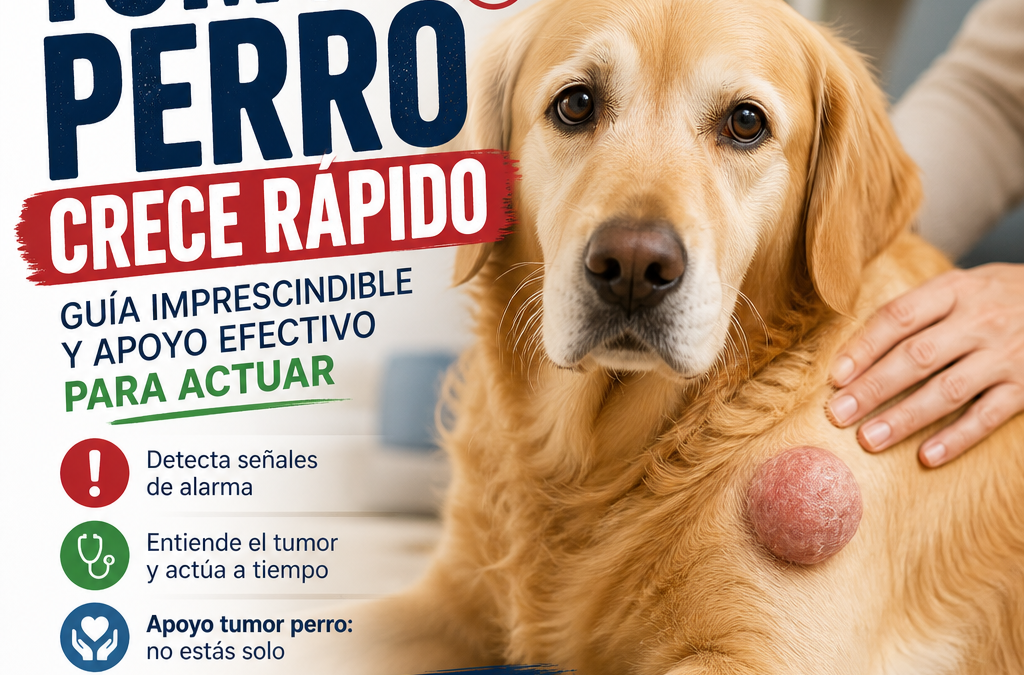
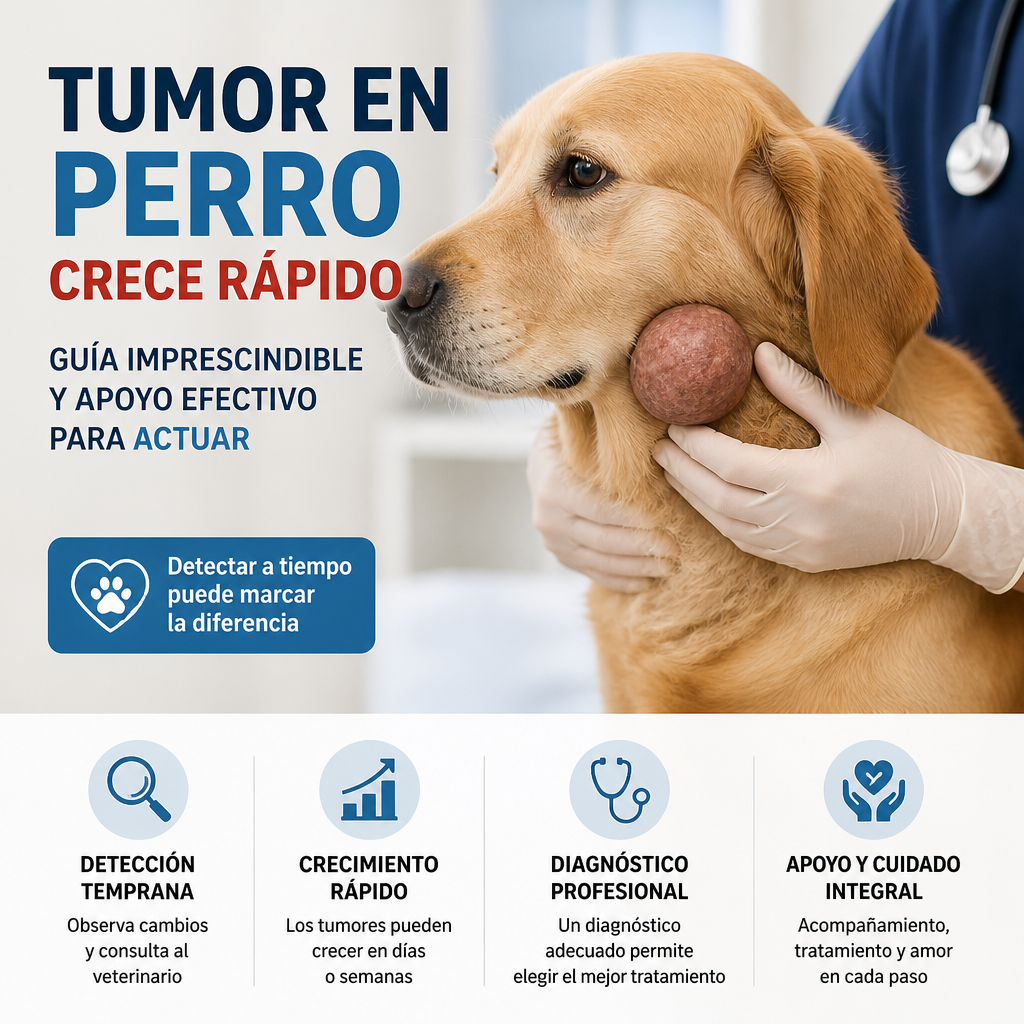
Un tumor perro crece rápido puede generar mucha inquietud, sobre todo cuando la masa cambia de tamaño en pocos días o semanas. Aun así, la velocidad de crecimiento por sí sola no permite saber si se trata de una lesión benigna, maligna, inflamatoria o infecciosa. La respuesta más segura es observar los cambios con atención y acudir pronto al veterinario para obtener un diagnóstico fiable.
¿Qué significa que un tumor en un perro crezca rápido?
La expresión “tumor perro crecimiento rápido” describe una masa que aumenta de volumen de manera evidente en un periodo corto. Puede aparecer en la piel, debajo de ella, en las mamas, en la boca, en las extremidades o en otras zonas del cuerpo. Algunas masas crecen rápidamente porque tienen un comportamiento agresivo, pero otras aumentan debido a inflamación, acumulación de líquido, infección, traumatismo o sangrado interno.
Entre las causas posibles se encuentran los lipomas, quistes, abscesos, mastocitomas, sarcomas de tejidos blandos y tumores mamarios. También existen lesiones cutáneas que pueden parecer pequeñas al principio y cambiar de forma, color o textura con el tiempo. Por eso, palpar una masa no es suficiente para determinar su naturaleza.
Un crecimiento acelerado merece atención veterinaria, especialmente si va acompañado de dolor, ulceración, sangrado, pérdida de pelo, mal olor o cambios en el comportamiento del animal. En esta fase, pensar con claridad ayuda más que intentar adivinar el origen del problema.
Conviene recordar que un bulto reciente no siempre se comporta igual que una lesión que lleva meses sin cambios. La edad del perro, la localización, la consistencia al tacto y la rapidez con la que cambia el volumen ofrecen pistas importantes, pero ninguna de ellas sustituye a la evaluación clínica. Por eso, ante un tumor perro crece rápido, la prioridad debe ser confirmar qué tipo de tejido está involucrado y si existe riesgo de extensión a otras zonas.
También es útil observar si la masa se mueve sobre la piel, si está adherida a planos profundos o si provoca molestias al caminar, masticar o acostarse. Esa información, aunque parezca simple, suele orientar la valoración inicial. En algunos casos, un aumento de tamaño refleja inflamación activa; en otros, puede indicar un proceso que necesita tratamiento urgente. La diferencia entre ambas situaciones solo se aclara con pruebas adecuadas.
Señales de alarma que requieren una consulta rápida
No todas las masas constituyen una urgencia inmediata, pero algunas señales indican que conviene buscar atención sin demora:
Crecimiento visible en días o pocas semanas.
Cambios en el color, la forma o la consistencia.
Herida abierta, sangrado, secreción o mal olor.
Dolor al tocar la zona o rechazo a que la revisen.
Dificultad para caminar, comer, respirar o tragar.
Pérdida de apetito, vómitos, diarrea o adelgazamiento.
Cansancio marcado, fiebre o comportamiento inusual.
Ganglios inflamados cerca de la masa.
Ubicación en la boca, alrededor de los ojos, en la garganta o cerca de una articulación.
Si el perro presenta dificultad respiratoria, sangrado abundante, debilidad extrema, encías pálidas, desmayo o dolor intenso, debe ser valorado como una urgencia veterinaria. Cuando un tumor perro crece rápido y además altera la respiración o la movilidad, no conviene esperar a la siguiente revisión rutinaria.
Hay signos que también merecen atención aunque no parezcan graves al principio. Por ejemplo, una masa que comienza a ulcerarse o a cambiar de color puede estar sufriendo necrosis o irritación secundaria. Del mismo modo, un perro que se lame de forma insistente una zona determinada puede estar intentando aliviar dolor o picor, lo que sugiere que algo no va bien. Tomar fotos diarias y anotar síntomas ayuda a comprobar si el cambio es real o solo una percepción momentánea.
Si la lesión está en una extremidad, observa si el perro apoya menos la pata, si evita saltar o si se sienta con frecuencia para descansar. Cuando la masa está en la boca, puede notarse dificultad para masticar, salivación excesiva o rechazo a la comida dura. En el abdomen o en el tórax, los cambios suelen ser más sutiles, pero el cansancio, la tos o la pérdida de peso pueden ser pistas valiosas. En cualquier caso, una revisión temprana reduce el riesgo de pasar por alto una enfermedad importante.
Cómo se diagnostica una masa de crecimiento rápido
El veterinario comenzará con una exploración física completa. Evaluará el tamaño, la movilidad, la temperatura, la consistencia y la relación de la masa con los tejidos cercanos. También revisará los ganglios linfáticos y buscará otras lesiones.
Una de las pruebas más utilizadas es la citología por aspiración con aguja fina. Consiste en extraer una pequeña cantidad de células para examinarlas al microscopio. En muchos casos, este procedimiento orienta rápidamente sobre si la masa contiene células inflamatorias, grasa, bacterias u otro tipo de tejido.
Cuando la citología no es concluyente, puede ser necesaria una biopsia. Esta permite analizar un fragmento de tejido y conocer con mayor precisión el tipo de lesión y su grado de agresividad. Dependiendo del caso, el profesional puede solicitar análisis de sangre, radiografías, ecografía, tomografía computarizada o resonancia magnética para comprobar si existe afectación de otros órganos.
Es importante no retrasar las pruebas por esperar a que la masa “madure” o desaparezca. El diagnóstico temprano puede ampliar las opciones de tratamiento y facilitar una intervención menos compleja. Además, en una situación de tumor perro crece rápido, la rapidez del estudio suele marcar la diferencia entre una cirugía sencilla y un abordaje mucho más amplio.
Para ampliar información general sobre signos nutricionales y cuidados complementarios durante un proceso oncológico, puede resultar útil revisar esta guía sobre mejores suplementos para perros con cáncer, siempre como apoyo y nunca como sustituto del diagnóstico veterinario.
En la consulta también puede ser útil comentar si el perro ha tenido otros bultos, alergias, infecciones de piel, pérdida de peso reciente o cambios de conducta. Algunos tumores benignos crecen deprisa durante una fase concreta y luego se estabilizan, mientras que otros procesos continúan expandiéndose sin pausa. Diferenciar estos patrones no siempre es posible en casa, pero sí ayuda a decidir qué pruebas pedir primero. El objetivo es llegar al diagnóstico con la menor demora posible y con información suficiente para elegir el mejor plan.
Qué información llevar a la consulta
Antes de la visita, conviene preparar una lista con la fecha aproximada de aparición, los cambios de tamaño observados, las mediciones si las hay, y cualquier síntoma asociado. Si cuentas con fotos tomadas en distintos días, llévalas también. Esa comparación visual suele ser muy ilustrativa cuando el tumor perro crece rápido y se necesita valorar la evolución con precisión.
Tratamientos posibles según el diagnóstico
El tratamiento depende del tipo de masa, su localización, su tamaño, la salud general del perro y la posible presencia de metástasis. En lesiones benignas pequeñas, estables y que no causan molestias, el veterinario puede recomendar vigilancia periódica. Aun así, una masa que crece rápido suele requerir una evaluación más activa.
La cirugía es una opción frecuente cuando la lesión puede extirparse por completo. En tumores malignos, el cirujano puede necesitar retirar tejido sano alrededor para reducir el riesgo de que queden células tumorales. En determinadas situaciones se emplean quimioterapia, radioterapia, tratamientos dirigidos o combinaciones de varias terapias.
Cuando la curación no es posible o el tratamiento resulta demasiado agresivo, los cuidados paliativos adquieren un papel fundamental. El objetivo es controlar el dolor, mantener el apetito, facilitar el descanso y preservar la calidad de vida durante el mayor tiempo posible.
En algunas familias, la decisión de tratar o no tratar se vuelve emocionalmente difícil. En ese contexto, pedir una explicación clara sobre objetivos, costes, posibles efectos secundarios y pronóstico ayuda a tomar decisiones más tranquilas y realistas. También es razonable solicitar un plan por fases para reevaluar la respuesta antes de avanzar a tratamientos más intensivos.
La elección terapéutica no siempre depende solo del diagnóstico histológico. A veces también influyen la edad del perro, su capacidad para tolerar anestesia, la ubicación de la masa y la posibilidad de retirar completamente la lesión. En tumores que parecen avanzados, una intervención temprana puede seguir siendo útil para reducir molestias o evitar complicaciones locales. Y cuando el cuadro es muy complejo, el veterinario puede plantear un enfoque combinado para equilibrar eficacia y confort.
Si el perro ya está siendo tratado, es importante preguntar qué signos indicarían que la terapia funciona y cuáles exigirían ajustar el plan. Por ejemplo, la aparición de vómitos, apatía o diarrea puede estar relacionada con el tratamiento o con la progresión de la enfermedad. Saber distinguir ambos escenarios ayuda a reaccionar a tiempo y a evitar complicaciones innecesarias.
Cuándo la cirugía no es suficiente
Hay masas que pueden extirparse, pero que igualmente requieren seguimiento porque tienen tendencia a reaparecer. En esos casos, el informe de anatomía patológica es clave para decidir si hacen falta controles más frecuentes, márgenes quirúrgicos mayores o tratamientos complementarios. Con un tumor perro crece rápido, el análisis posterior a la cirugía es tan importante como la intervención misma.
Apoyo tumor perro: cuidados responsables en casa
El apoyo tumor perro debe complementar, nunca sustituir, la atención veterinaria. En casa, conviene mantener una rutina tranquila y observar al animal diariamente. Anotar el tamaño de la masa, tomar fotografías con una referencia de medida y registrar cambios en el apetito o la energía puede ayudar al veterinario a valorar la evolución.
Evita apretar, pinchar, cortar o aplicar productos caseros sobre la lesión. Las pomadas humanas, los aceites esenciales, el alcohol, el agua oxigenada y algunos antiinflamatorios pueden irritar la piel o resultar tóxicos. Si la masa se ulcera, cúbrela únicamente con una gasa limpia si el veterinario lo indica y evita que el perro la lama mediante un collar protector.
Ofrece una alimentación equilibrada y agua fresca. Si tiene menos apetito, pueden recomendarse dietas más palatables, pero cualquier cambio debe ajustarse a sus necesidades médicas. El ejercicio debe adaptarse a su estado: paseos cortos y suaves pueden ser beneficiosos, mientras que los saltos o esfuerzos intensos pueden empeorar el dolor o provocar lesiones.
También es importante cuidar el entorno. Una cama cómoda, superficies antideslizantes y acceso fácil al agua pueden reducir el estrés diario. Si el perro se muestra más cansado, ajustar los horarios de paseo y descanso puede mejorar mucho su bienestar sin añadir complicaciones.
El apoyo en casa incluye también vigilar la piel alrededor de la masa. Si aparecen costras, enrojecimiento o humedad constante, puede haber irritación secundaria o infección, y eso conviene comunicarlo al veterinario. Mantener la zona limpia, siempre siguiendo la pauta profesional, suele prevenir complicaciones y reduce el malestar del perro. Cuando un tumor perro crece rápido, estos detalles cotidianos tienen más valor del que parece.
Qué no hacer mientras esperas la cita
Mientras llega la consulta, evita medicar por tu cuenta, manipular la masa repetidamente o intentar vaciarla. No apliques calor intenso ni compresas frías sin indicación profesional, porque algunas lesiones empeoran con estos intentos. Tampoco conviene retrasar la visita pensando que la masa “se reabsorberá” sola, especialmente si el tumor perro crece rápido o cambia de aspecto.
Si hay sangrado leve, presiona suavemente con una gasa limpia durante unos minutos y observa la respuesta. Si el sangrado no cede o la herida se abre más, acude a revisión cuanto antes.
También evita combinar varios productos “naturales” sin supervisión. Aunque sean de venta libre, algunos pueden interferir con medicamentos, alterar la coagulación o causar irritación en piel lesionada. La prudencia es especialmente importante cuando el perro toma otras terapias o cuando el veterinario ya ha detectado una lesión sospechosa. Un manejo simple y ordenado suele ser más seguro que intentar hacer demasiadas cosas a la vez.
Cuándo pedir una segunda opinión
Pedir una segunda opinión puede ser una decisión prudente cuando el diagnóstico no está claro, el tratamiento propuesto es complejo o la masa cambia deprisa y no encaja con la explicación inicial. También es útil si deseas confirmar si la cirugía, la biopsia o una pauta de seguimiento son realmente la mejor opción.
Una segunda valoración no significa desconfianza automática, sino que a veces ofrece una perspectiva adicional valiosa. En oncología veterinaria, revisar imágenes, citologías o biopsias con otro especialista puede aportar seguridad antes de tomar decisiones importantes.
Si puedes, solicita siempre copias de los informes, resultados de laboratorio y pruebas de imagen. Tener toda la documentación ordenada facilita que otro profesional evalúe el caso sin repetir pasos innecesarios. Esto es especialmente relevante cuando el tumor perro crece rápido y el tiempo importa.
También merece la pena pedir otra opinión si notas que el plan propuesto no responde a tus dudas o si el perro sigue empeorando pese al tratamiento inicial. En esos casos, una revisión por un especialista en oncología o cirugía puede ampliar opciones y ofrecer un pronóstico más claro. La segunda opinión no cambia el problema, pero sí puede mejorar la forma de abordarlo.
Seguimiento y calidad de vida
Incluso después de una cirugía o de un diagnóstico aparentemente favorable, las revisiones son esenciales. El veterinario puede controlar la cicatrización, revisar los ganglios, repetir pruebas y detectar recaídas de forma temprana. En algunos tumores, el seguimiento incluye controles periódicos durante meses o años.
La rapidez con la que crece una masa no debe interpretarse de forma aislada. Lo más importante es combinar ese dato con el aspecto de la lesión, los síntomas generales, los resultados de las pruebas y la respuesta al tratamiento. Actuar con rapidez, sin recurrir a remedios improvisados, ofrece al perro mejores oportunidades de recibir el cuidado adecuado y conservar una buena calidad de vida.
Si el plan pasa por cuidados paliativos, el objetivo ya no es solo alargar el tiempo, sino mantener comodidad, apetito, descanso y vínculo familiar. En esa etapa, pequeñas decisiones diarias —como adaptar el ejercicio, controlar el dolor y vigilar el apetito— pueden marcar una diferencia real.
En resumen, ante un tumor perro crece rápido, la mejor estrategia es no minimizar el cambio ni asumir un diagnóstico por intuición. Una revisión temprana, pruebas adecuadas y un seguimiento responsable ofrecen la base más sólida para actuar con calma y proteger al perro.
El seguimiento también sirve para valorar la respuesta emocional del animal. Algunos perros se muestran más reservados, duermen más o buscan menos interacción cuando sienten dolor o malestar. Detectar esos cambios ayuda a ajustar el manejo en casa y a consultar si el plan de control del dolor necesita revisión. No se trata solo de vigilar el tamaño del bulto, sino el bienestar general del perro en su día a día.
Preguntas frecuentes
¿Un tumor que crece rápido siempre es maligno?
No. Algunas masas benignas, inflamatorias o infecciosas pueden crecer rápido. Aun así, cualquier cambio acelerado requiere evaluación veterinaria para saber qué está ocurriendo realmente.
¿Puedo esperar unos días para ver si disminuye?
Solo en casos muy leves y si el veterinario ya ha visto la lesión. Si el tumor perro crece rápido, duele, sangra o cambia de aspecto, lo recomendable es pedir cita cuanto antes.
¿Sirven los remedios caseros?
No sustituyen el diagnóstico ni el tratamiento profesional. Algunos productos pueden irritar la piel o empeorar la lesión, así que es mejor no aplicarlos sin indicación veterinaria.
¿Qué debo llevar si voy a una consulta urgente?
Lleva fotos, notas sobre el crecimiento, la lista de medicamentos o suplementos y, si existe, cualquier informe previo. Esa información agiliza la valoración y ayuda a decidir las pruebas más adecuadas.
¿Qué señales indican que debo ir de inmediato?
Dificultad respiratoria, sangrado abundante, dolor intenso, desmayo, encías pálidas, debilidad extrema o incapacidad para comer o moverse con normalidad.
Si necesitas una referencia educativa sobre cáncer y masas en animales de compañía, la información clínica de la Merck Veterinary Manual ofrece una base fiable y clara para comprender por qué una masa de crecimiento acelerado merece atención profesional.