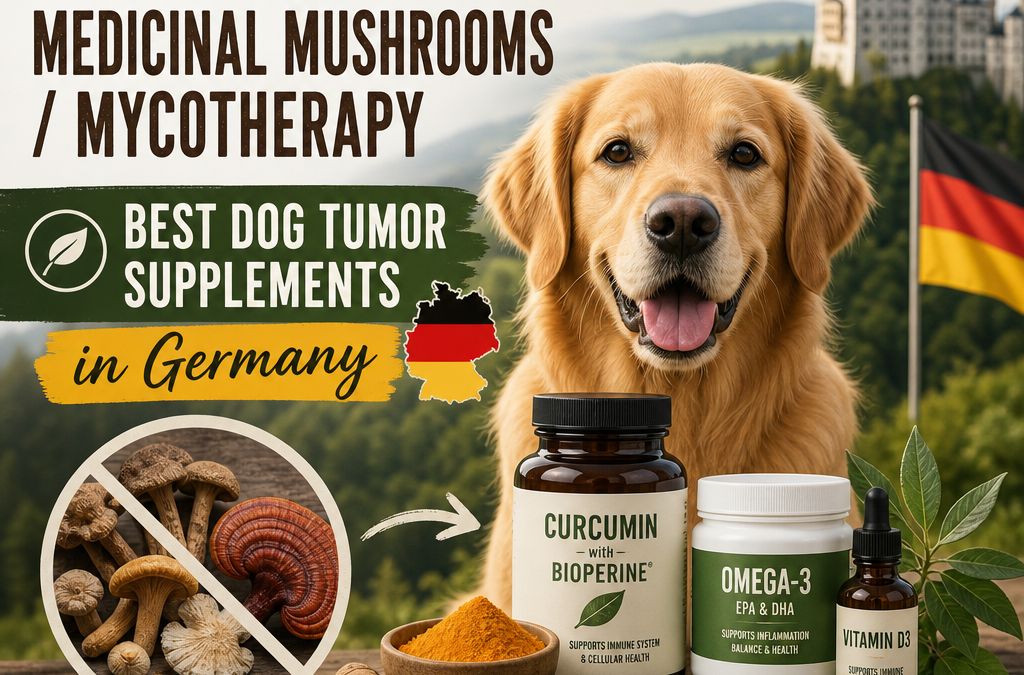
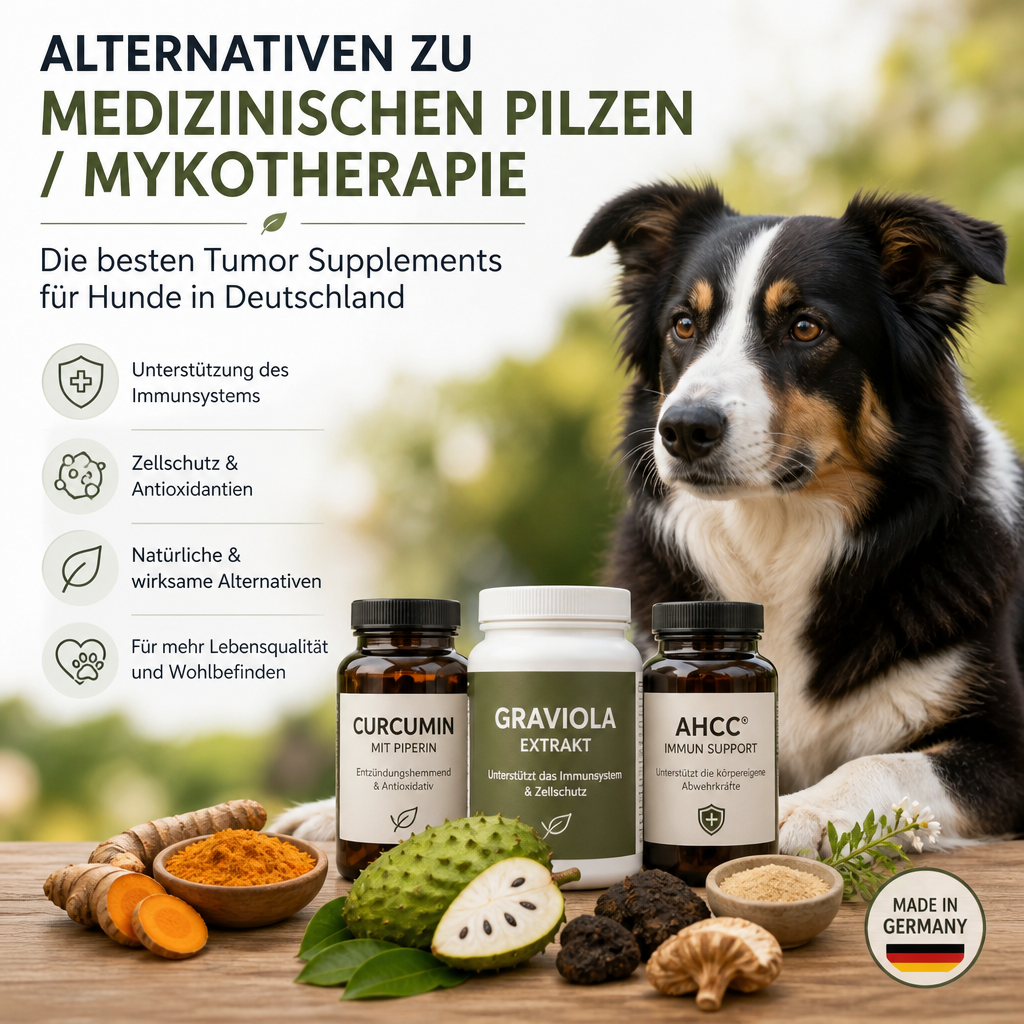
Alternatives to Medicinal mushrooms / mycotherapy are increasingly sought by dog owners in Germany who want supportive options for a dog diagnosed with a tumor. While mushroom extracts such as turkey tail, reishi, or maitake are often discussed in complementary cancer care, they are not the only supplements available. Other nutritional approaches may help maintain appetite, weight, digestion, energy, and general resilience—but they should always be used alongside veterinary diagnosis and treatment, never as a replacement for professional care.
Understanding dog tumor supplement alternatives in Germany
A tumor diagnosis can be overwhelming, especially when owners are presented with many supplements and conflicting claims. The most useful approach is to focus on the dog’s individual condition rather than choosing products based solely on popularity. Age, tumor type, stage of disease, current medication, appetite, organ function, and planned treatment all influence which supplements may be appropriate.
In Germany, pet supplements are generally regulated as complementary feed rather than as medicines. This distinction is important. A product may support nutrition or general well-being, but it cannot legally be marketed as a proven cure for cancer unless it has undergone the appropriate medicinal authorization process. Claims that a supplement can dissolve tumors, replace chemotherapy, or guarantee remission should be treated with caution.
Before introducing any product, discuss it with a veterinarian—ideally one familiar with veterinary oncology. Some supplements can affect blood clotting, liver enzymes, blood pressure, immune activity, or the absorption and metabolism of prescription medicines.
Because many readers begin by searching for alternatives to Medicinal mushrooms / mycotherapy, it helps to think beyond a single category and compare nutritional support, symptom management, and product quality rather than relying on a popular label alone. In practice, the best plan often combines diet, monitoring, and carefully selected supplements that fit the dog’s medical needs.
For dogs receiving treatment, it is also worth asking whether any supportive product could interfere with surgery, chemotherapy, or pain control. The safest alternatives to Medicinal mushrooms / mycotherapy are usually the ones chosen with a clear goal, a defined dose, and a plan for follow-up.
Omega-3 fatty acids as a practical alternative
Fish oil containing EPA and DHA is one of the most commonly considered dog tumor supplement alternatives. These long-chain omega-3 fatty acids support normal inflammatory regulation and may be useful for dogs experiencing weight loss, reduced appetite, or muscle loss. They can also contribute to skin, coat, and cardiovascular health.
A veterinarian should help determine the appropriate dose based on the dog’s body weight, diet, diagnosis, and overall health. Products should be tested for purity and oxidation, with clear information about the actual EPA and DHA content rather than only the total amount of fish oil.
Potential side effects include loose stools, nausea, or an unpleasant fishy odor. High doses may also influence blood clotting, making veterinary supervision especially important before surgery or in dogs receiving anticoagulant medication.
Omega-3s do not act like a direct cancer treatment, but they can be a practical part of supportive care. For some dogs, they are among the most useful alternatives to Medicinal mushrooms / mycotherapy because they fit into a broader nutrition plan and are relatively easy to administer when the product quality is high.
High-quality protein and nutritional support
Cancer and other serious illnesses can increase the risk of weight loss and muscle wasting. In these cases, the most valuable supplement may not be a complex herbal formula but a nutritionally appropriate diet with sufficient calories and highly digestible protein.
Depending on the dog’s condition, a veterinarian may recommend an energy-dense therapeutic diet, additional wet food, or carefully selected protein sources. Some dogs benefit from small, frequent meals, gentle warming of food, or flavor enhancement to encourage eating.
Protein restriction should not be introduced automatically. It may be appropriate for certain kidney or liver conditions, but many dogs with tumors need adequate protein to preserve muscle. Any major dietary change should consider laboratory results, treatment goals, and the dog’s ability to digest and tolerate the food.
Practical feeding ideas during treatment
Owners often feel pressured to buy special products when appetite drops, but simple feeding changes may be the most helpful. Try offering smaller meals more often, using highly palatable wet food, or adding warm water or low-sodium broth if your veterinarian agrees. If the dog is losing weight, a veterinary diet designed for recovery may do more than a long list of supplements.
When comparing alternatives to Medicinal mushrooms / mycotherapy, nutrition is often the most practical place to start because it supports energy intake, digestion, and day-to-day comfort at the same time. A dog that eats more consistently is often easier to monitor, easier to medicate, and more comfortable overall.
It can help to keep a simple feeding log. Note how much the dog eats, which textures are accepted, and whether nausea, drooling, or vomiting appears after meals. This record can guide your veterinarian more effectively than guesses about whether a supplement is “working.”
Antioxidant supplements: benefits and limitations
Vitamins C and E, selenium, and other antioxidant nutrients are sometimes included in supportive formulas. These nutrients help protect cells from oxidative damage when provided in suitable amounts. However, more is not necessarily better. Excessive supplementation can cause toxicity or interfere with carefully planned treatment.
The relationship between antioxidants and cancer therapy can also be complex. Certain chemotherapy and radiation protocols rely partly on oxidative mechanisms, so high-dose antioxidant use may not be appropriate during every treatment plan. This does not mean that all antioxidants must be avoided; it means that dosing and timing should be individualized.
A complete commercial diet usually already contains essential vitamins and minerals. Adding multiple overlapping products can unintentionally create excessive intake, particularly of fat-soluble vitamins such as A, D, and E.
For that reason, some of the most sensible alternatives to Medicinal mushrooms / mycotherapy are not “more supplements” but better-balanced choices with a narrower purpose. A single well-designed product is often safer than several overlapping ones.
Prebiotics, probiotics, and digestive support
Digestive problems are common in dogs with cancer, particularly during chemotherapy, after antibiotics, or when appetite and activity levels change. Prebiotics and probiotics may support a healthy intestinal environment and help maintain normal stool quality in some dogs.
Products designed specifically for dogs are preferable because strains, concentration, storage requirements, and dosing can vary widely. A probiotic should not be viewed as a treatment for a tumor, but it may be a useful part of broader supportive care.
If a dog has persistent vomiting, severe diarrhea, blood in the stool, dehydration, or abdominal pain, supplements are not a substitute for veterinary assessment. These symptoms may indicate infection, treatment complications, obstruction, pancreatitis, or another urgent problem.
For owners exploring alternatives to Medicinal mushrooms / mycotherapy, gut support can be a sensible complement to diet and hydration because it may make daily feeding easier and help the dog stay stronger through treatment. In many cases, digestive comfort is the difference between maintaining weight and declining slowly over time.
Ask your veterinarian whether the dog might benefit from a probiotic after antibiotics, during periods of stress, or when the stool becomes inconsistent. This kind of targeted use is often more helpful than continuous, unplanned supplementation.
Curcumin and plant-based formulas
Curcumin, derived from turmeric, is frequently included in complementary animal products. Laboratory research has investigated its anti-inflammatory and cellular effects, but evidence in dogs with naturally occurring tumors remains limited. Absorption is also variable, and formulations may contain additional ingredients that affect safety.
Other botanical ingredients—such as boswellia, milk thistle, green tea compounds, or traditional European herbs—may be promoted for immune or liver support. “Natural” does not automatically mean safe. Plant extracts can interact with chemotherapy, sedatives, anti-inflammatory drugs, or medications processed by the liver.
In Germany, buyers should check whether a product provides a complete ingredient list, batch information, manufacturer details, feeding instructions, and clear warnings. Avoid products with undisclosed proprietary blends or dramatic promises. If you are comparing alternatives to Medicinal mushrooms / mycotherapy, product transparency matters as much as the ingredient name.
Curcumin and similar botanicals may be worth discussing when the goal is symptom support, not cure. In that context, the best alternatives to Medicinal mushrooms / mycotherapy are the products that remain understandable, consistent, and easy to monitor over time.
CBD products are sometimes considered for dogs with chronic pain, anxiety, or reduced quality of life. Evidence remains developing, and product quality can vary. CBD may cause drowsiness, gastrointestinal upset, or changes in liver enzyme activity, and it can interact with other medicines.
Cannabinoid products should only be discussed with a veterinarian who knows the dog’s complete medication list. Products containing significant amounts of THC are particularly unsuitable because THC can be toxic to dogs.
Because dosing and product composition differ so much, cannabinoid supplements should never be chosen simply because they are popular. Among the many alternatives to Medicinal mushrooms / mycotherapy, CBD is one that requires especially careful screening, clear expectations, and regular reassessment.
Seven supportive options to discuss with your veterinarian
If you are comparing supportive products for a dog with a tumor, these seven categories are the most common starting points:
Omega-3 fatty acids for inflammation support and body condition
High-quality digestible protein for maintaining muscle and strength
Targeted calories and recovery-oriented diets for weight support
Carefully dosed antioxidant nutrients, when appropriate
Probiotics and prebiotics for digestive stability
Plant-based formulas such as curcumin, when compatible with treatment
CBD or other cannabinoid products, only under veterinary guidance
These are not cures, and they are not interchangeable. The right choice depends on the dog’s diagnosis, current symptoms, medications, and tolerance. In practice, the best alternatives to Medicinal mushrooms / mycotherapy are the ones matched to a clear clinical need rather than a marketing claim.
How to choose safer supplements in Germany
When comparing dog tumor supplement alternatives, consider the following points:
Choose products with transparent labeling and precise ingredient amounts.
Look for quality-control information, such as independent contaminant testing.
Avoid products claiming to cure cancer or replace veterinary treatment.
Introduce only one new supplement at a time.
Record the product, dose, start date, appetite, stool quality, and other changes.
Stop the product and contact a veterinarian if adverse effects appear.
Reassess supplements regularly as the dog’s condition and treatment change.
German veterinary practices may also provide access to veterinary nutrition services, oncology consultations, and laboratory monitoring. Blood tests can be particularly useful when a dog is receiving supplements that may affect the liver, kidneys, or blood clotting.
If you are reading about alternatives to Medicinal mushrooms / mycotherapy because a product did not suit your dog, bringing the label to your veterinarian can help you compare ingredients against the dog’s diagnosis and current medicines. A practical review is often more valuable than trying the next advertised “miracle” product.
It is also wise to check whether the supplement was manufactured for pets or intended for human use. Human products can contain doses, sweeteners, or fillers that are not ideal for dogs. Clear sourcing and simple formulations make supportive care easier to manage.
Supporting quality of life remains the priority
The purpose of complementary care is to help a dog feel and function as well as possible. A useful plan may include pain control, nausea management, appetite support, a suitable diet, gentle activity, comfortable rest, and emotional support from the family. Supplements can sometimes contribute to this plan, but they should not distract from proven treatments or delay necessary care.
For many dogs, the best alternative to mycotherapy is a carefully tailored combination of nutrition, symptom management, and regular veterinary monitoring. The right choice depends less on finding a single “best” product and more on matching supportive care to the dog’s diagnosis, treatment, and day-to-day needs.
In other words, the most reliable alternatives to Medicinal mushrooms / mycotherapy are the ones that fit the dog’s actual medical situation, are easy to tolerate, and are reviewed regularly with a veterinarian. If a product helps with appetite, stool quality, or comfort without causing side effects, it may earn its place in the plan.
Owners who stay focused on practical goals usually get better results than those chasing dramatic claims. In that sense, the best alternatives to Medicinal mushrooms / mycotherapy are not the flashiest ones—they are the safest, most relevant, and most consistent options for the individual dog.
Ultimately, the goal is not to replace veterinary oncology, but to support the dog with careful choices, close monitoring, and realistic expectations. When selected thoughtfully, alternatives to Medicinal mushrooms / mycotherapy can play a helpful role in comfort and quality of life.
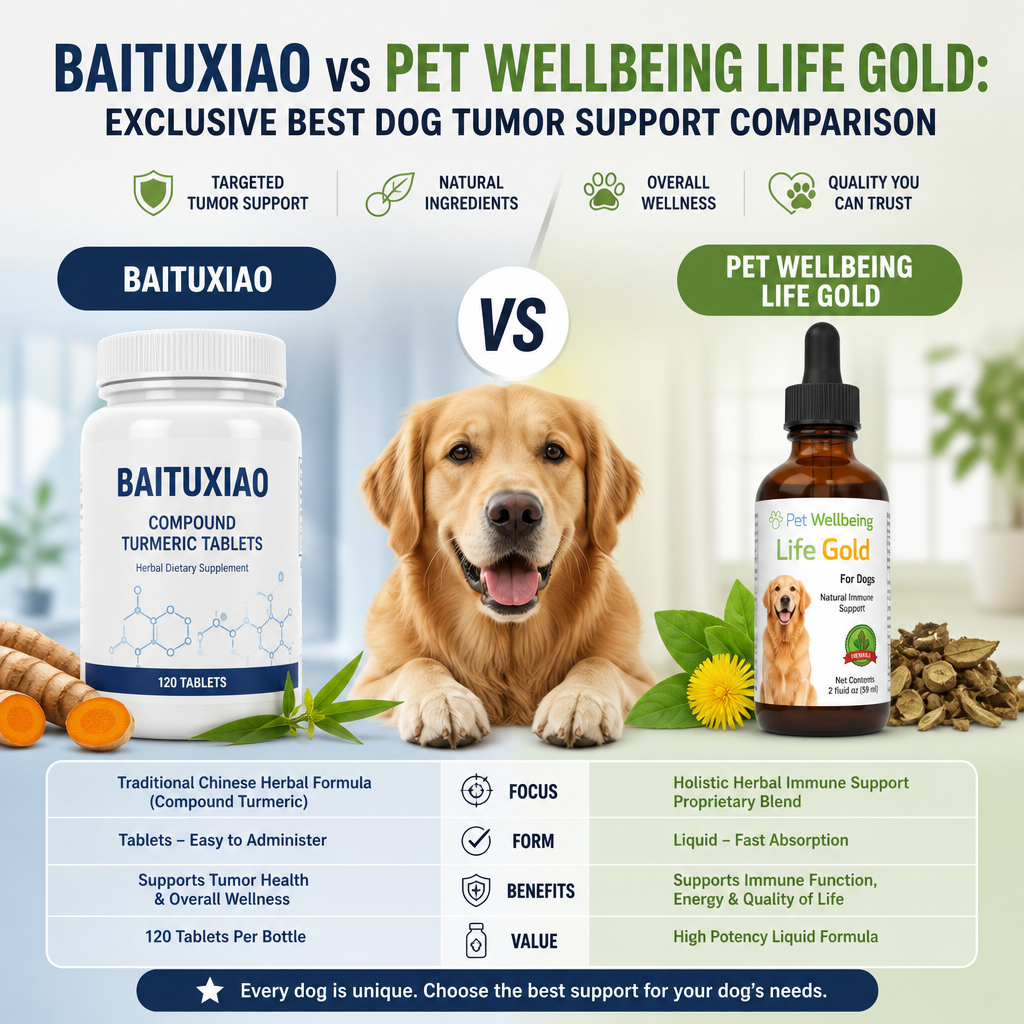
Baituxiao vs Pet Wellbeing Life Gold is a comparison many dog owners encounter when looking for supportive care during a cancer diagnosis or when trying to maintain their dog’s overall wellness. Both products are commonly discussed as complementary supplements, but they are not interchangeable, and neither should be considered a replacement for veterinary diagnosis or treatment. Understanding their intended uses, ingredients, administration, and safety considerations can help owners have a more productive conversation with their veterinarian.
Baituxiao vs Pet Wellbeing Life Gold: Different Support Philosophies
The clearest difference in this dog tumor support comparison is the way each formula is positioned. Baituxiao is generally marketed as a targeted herbal supplement for dogs with tumors or abnormal growths. Its ingredient profile is often built around traditional Chinese medicine concepts and botanicals selected for immune, circulation, inflammation, or tissue-support purposes.
Pet Wellbeing Life Gold, by contrast, is typically presented as a broader wellness formula. It is commonly associated with liquid herbal support designed to help maintain vitality, immune function, appetite, digestion, and general quality of life. Rather than focusing exclusively on tumor-related support, it may be used as part of a wider health plan.
These distinctions matter because a dog with a confirmed cancer diagnosis may have very different needs from a healthy senior dog seeking general nutritional support. The right choice depends on the dog’s condition, current medications, treatment plan, and tolerance for supplements. In many cases, owners first compare Baituxiao vs Pet Wellbeing Life Gold because they want a natural option, but the better decision still depends on medical context.
For owners who want to read more about early warning signs that can appear alongside lumps or tumors, this guide on dog lumps and benign lump awareness can be a helpful starting point.
Pet Wellbeing Life Gold comparison: Ingredients and Formulation
A Pet Wellbeing Life Gold comparison should begin with the label rather than promotional claims. Herbal products can vary by formulation, market, and product updates, so owners should review the current packaging and manufacturer information carefully. When you compare Baituxiao vs Pet Wellbeing Life Gold, the ingredient list is one of the most important parts of the decision.
Life Gold is generally a liquid product, which can make it easier to measure and mix with food. Liquid administration may be useful for dogs that refuse tablets or have difficulty swallowing capsules. However, liquid formulas may have a strong herbal flavor, and some dogs may reject them initially.
Baituxiao is commonly supplied in a capsule or powder-based format, depending on the product version and supplier. Capsules can be convenient for precise dosing, while powders may be opened and mixed with food when permitted by the product instructions. Owners should not assume that all herbal ingredients are automatically safe simply because they are natural. Certain herbs may affect blood clotting, blood pressure, liver metabolism, or gastrointestinal function.
When comparing labels, look for:
A complete ingredient list
Amounts for each active ingredient
Recommended dosing by body weight
Manufacturing and quality-control information
Batch, expiration, and storage details
Warnings involving pregnancy, surgery, or medication use
Products that do not clearly disclose their ingredients or dosing instructions deserve additional caution. In a Baituxiao vs Pet Wellbeing Life Gold review, transparency matters as much as the marketing language.
How the Products May Fit Into a Veterinary Care Plan
Supplements should be viewed as supportive tools, not primary cancer therapies. A veterinarian may recommend surgery, chemotherapy, radiation, targeted medication, pain management, dietary changes, or monitoring, depending on the tumor type and stage. A supplement may be considered only after these factors are evaluated.
In the Baituxiao vs Pet Wellbeing Life Gold discussion, one product may appear more appealing because it is marketed specifically for tumors, while the other may seem more suitable for general strength and wellness. Marketing language, however, does not establish clinical effectiveness. The most appropriate product is the one that fits the dog’s diagnosis and does not interfere with evidence-based treatment.
Owners should provide the veterinarian with the exact product label and a list of every medication, supplement, and treat the dog receives. This is especially important before surgery, biopsy, chemotherapy, or radiation. Some herbal ingredients may need to be discontinued before procedures because of potential effects on bleeding or drug metabolism.
For a broader look at region-specific supplement comparisons, see this internal resource on Golden Retriever cancer risks and early tumor signs, which may help owners think about breed-related risk and monitoring needs.
Dogs with cancer can be more vulnerable to side effects because they may already have poor appetite, weight loss, nausea, diarrhea, dehydration, or reduced organ function. Introducing a new supplement should therefore be done cautiously.
Possible signs of intolerance include vomiting, loose stools, excessive salivation, itching, lethargy, refusal to eat, or changes in drinking and urination. Any severe or persistent reaction requires veterinary attention. A supplement should also be reconsidered if the dog’s liver or kidney values change unexpectedly.
Dosing deserves particular care. More is not necessarily better, and a dose suitable for one dog may be inappropriate for another because of age, breed, body weight, tumor type, or concurrent illness. Owners should follow the product’s instructions unless a veterinarian provides different guidance.
Because Baituxiao vs Pet Wellbeing Life Gold may involve different delivery forms, owners should also think about practical safety. A liquid can be easier to hide in food, while a capsule may be better if the dog eats unpredictably and needs a measured amount. Either way, the dog’s response should be observed closely during the first week of use.
Choosing Between the Two Options
A practical dog tumor support comparison should focus on the individual dog rather than on which product has the stronger advertising message. Baituxiao may be considered by owners seeking a more tumor-focused herbal formula, while Pet Wellbeing Life Gold may appeal to those looking for broader wellness and vitality support. Neither description guarantees a particular outcome.
Consider the following questions before choosing:
Has the dog received a confirmed diagnosis?
What treatment is currently planned or underway?
Does the dog have liver, kidney, digestive, or bleeding problems?
Is the dog taking prescription medication?
Will the product be easy to administer consistently?
Does the manufacturer provide transparent dosing and quality information?
Has the veterinarian reviewed the full ingredient list?
A product that is difficult to give or causes appetite and digestive problems may provide little practical benefit, even if its ingredient profile appears promising. When owners ask about Baituxiao vs Pet Wellbeing Life Gold, this is usually the stage where the conversation should return to the dog’s actual daily routine and health status.
If you are also comparing herbal support options for other dogs, this article on Basenji cancer risks and early tumor signs can provide another useful example of how breed-specific concerns affect supplement conversations.
The Importance of Monitoring Results
Once a veterinarian approves a supplement, monitor the dog systematically. Track appetite, weight, activity, stool quality, vomiting, pain behaviors, sleep, and overall comfort. Keep notes about when the supplement was started and whether any other changes occurred at the same time.
Routine veterinary examinations and diagnostic testing remain essential. Bloodwork or imaging may be needed to evaluate disease progression and organ function. Owners should not rely on improved energy or appetite alone as proof that a tumor is shrinking, since symptoms can fluctuate for many reasons.
It may also help to set a simple schedule for reassessment after starting Baituxiao vs Pet Wellbeing Life Gold. A short observation period can show whether the dog tolerates the product, but longer-term follow-up is what helps determine whether the supplement fits into the overall care plan.
Ultimately, Baituxiao vs Pet Wellbeing Life Gold is not a simple contest between two competing products. The better decision comes from matching the formula to the dog’s medical needs, reviewing potential interactions, and using supplements only as part of a professionally guided care plan. Thoughtful monitoring, transparent product information, and regular veterinary oversight provide the strongest foundation for supporting a dog’s comfort and quality of life. For many owners, the safest takeaway from Baituxiao vs Pet Wellbeing Life Gold is that the right supplement is the one that aligns with the veterinarian’s plan and the dog’s day-to-day tolerance.
Alternatives to Immune / medicinal mushrooms can be useful for dog owners in Bosnia and Herzegovina who are looking for supportive options during cancer care, especially when mushroom-based products are unavailable, too expensive, or unsuitable for a particular dog. However, no supplement can replace a veterinary diagnosis, surgery, chemotherapy, radiation, or other evidence-based treatment. The safest approach is to view supplements as possible additions to a complete care plan, not as cures for tumors.
Understanding dog tumors before choosing supplements
“Tumor” describes an abnormal growth, but tumors can be benign or malignant. Their location, size, growth rate, and biological behavior determine the most appropriate treatment. A lump under the skin may be a lipoma, cyst, mast cell tumor, soft-tissue sarcoma, or another condition that cannot be identified reliably by appearance alone.
Veterinarians commonly recommend a fine-needle aspiration, biopsy, blood tests, ultrasound, X-rays, or other imaging. These tests help establish what the growth is and whether it has spread. Before purchasing dog tumor supplement alternatives, owners should obtain a clear diagnosis and ask the veterinarian whether a product could interfere with treatment.
This is particularly important because some natural substances may affect blood clotting, liver enzymes, blood pressure, or the way chemotherapy medicines are processed. “Natural” does not automatically mean safe.
For owners researching alternatives to immune / medicinal mushrooms, the most helpful first step is usually to confirm the diagnosis and then match any supportive product to the dog’s treatment plan.
Why consider alternatives to immune / medicinal mushrooms?
Medicinal mushrooms such as turkey tail, reishi, maitake, and shiitake are often marketed for immune support. Some research has examined mushroom compounds, especially polysaccharides, in relation to canine cancer care. Nevertheless, product quality varies widely, clinical evidence is still limited for many claims, and some dogs may experience digestive upset or other reactions.
Owners may seek alternatives to immune / medicinal mushrooms for several reasons:
The product is not readily available in Bosnia and Herzegovina.
Imported supplements may be expensive or difficult to verify.
The dog has allergies, digestive sensitivity, or another medical condition.
The veterinarian recommends avoiding immune-stimulating products.
The owner wants to focus on nutrition, comfort, and general wellness rather than a specialized supplement.
A well-designed supportive plan can include several practical measures that are often more important than any single supplement. For readers comparing options in nearby markets, see K9 Immunity Alternative: 7 Best Affordable Dog Tumor Supplements in Norway for another example of how product selection and support goals can differ by country.
In practice, alternatives to immune / medicinal mushrooms work best when they are chosen for a specific goal, such as appetite support, inflammation control, or overall wellbeing.
Dog tumor supplement alternatives based on nutrition
Nutrition is one of the most useful areas to address. Dogs with cancer may lose weight, experience reduced appetite, or have increased nutritional needs. A complete and balanced diet should provide adequate calories, high-quality protein, essential fatty acids, vitamins, and minerals.
Some dogs benefit from calorie-dense meals when appetite is poor, while others need a carefully controlled diet because of pancreatitis, kidney disease, diabetes, or gastrointestinal problems. A veterinary nutritionist can help create a plan that matches the dog’s diagnosis and treatment.
Omega-3 fatty acids from marine sources, particularly EPA and DHA, are sometimes used as supportive nutrients. They may help maintain skin health and support normal inflammatory processes. The dose must be appropriate, and products should be tested for purity and oxidation. Fish oil can also influence blood clotting and may not be suitable before surgery or alongside certain medications without veterinary guidance.
It is usually better to choose a reputable complete dog food than to add many individual ingredients. Homemade diets can become deficient in calcium, zinc, vitamin D, or other nutrients unless formulated professionally.
When owners search for alternatives to immune / medicinal mushrooms, nutrition is often the first place to start because it supports the whole body rather than focusing on a single ingredient. In many cases, this is the most practical of all dog tumor supplement alternatives.
Some owners also ask whether probiotics, digestive enzymes, or prescription recovery diets belong in the same conversation. They can, but only when the dog’s appetite, stool quality, and medical history support their use. A good supportive plan is individualized rather than trendy.
Food texture matters too. Warmed meals, smaller portions offered more often, and easy-to-chew options can help dogs with nausea or mouth discomfort. These simple changes often improve intake more reliably than adding another capsule.
If a dog is losing weight, the priority is to restore intake early. That may mean adjusting meal timing, changing the protein source, or using a higher-calorie formula. For many families, these practical steps are more valuable than searching for a single miracle product.
Hydration is equally important. Fresh water should always be available, and some dogs do better with broth-based toppers that contain no onion, garlic, or excess salt. Ask your veterinarian before using any homemade topper or liquid supplement.
When a dog’s diet is stable, it becomes easier to judge whether any supplement is actually helping. That makes nutritional management one of the best alternatives to immune / medicinal mushrooms in real-world cancer care.
Antioxidant supplements: benefits and cautions
Vitamin E, selenium, vitamin C, and other antioxidant compounds are frequently promoted as dog tumor supplement alternatives. These nutrients have important biological roles, but high doses can be harmful. Excessive supplementation may cause digestive problems, mineral imbalances, or toxicity.
Antioxidants also require special consideration during chemotherapy and radiation therapy. Some treatments work partly through oxidative mechanisms, so large doses of antioxidant supplements could theoretically alter treatment effects. The evidence is not the same for every drug or nutrient, which is why the oncology veterinarian should approve the timing and dosage.
Rather than combining several products, owners should provide only supplements with a specific purpose, reliable labeling, and professional oversight. To better understand the science behind canine cancer support, the PubMed Central research library is a useful place to look for peer-reviewed studies and reviews.
If a product is being considered as one of the alternatives to immune / medicinal mushrooms, it should still be checked for interactions, especially when the dog is already receiving medication.
That caution also applies to herbs and mixed formulas. A label that lists many botanical ingredients is not automatically more effective, and it may be harder to predict how the product will behave alongside cancer therapy. Simpler formulas are usually easier to assess.
Some antioxidants are best obtained from food rather than capsules. A balanced diet with appropriate fruits, vegetables, and animal protein already provides a wide spectrum of protective compounds. Supplements should fill a gap, not duplicate what the food already provides.
In practice, the question is not whether antioxidants sound beneficial in theory. The real question is whether a specific product is appropriate for a specific dog at a specific stage of treatment. That is why veterinary guidance matters so much.
Practical supportive care for dogs with tumors
Supportive care does not need to involve a supplement. Maintaining comfort, mobility, hydration, and emotional well-being can have a meaningful effect on quality of life.
Helpful measures may include:
Regular veterinary monitoring of the tumor and overall health
Pain control prescribed specifically for the dog
Comfortable bedding and easy access to food and water
Gentle exercise adapted to energy levels
Weight checks and appetite tracking
Prompt attention to vomiting, diarrhea, bleeding, breathing changes, or sudden weakness
Stress reduction through predictable routines and calm handling
Physical rehabilitation, hydrotherapy, or acupuncture may be appropriate for selected dogs, particularly when pain, arthritis, surgery, or reduced mobility is involved. These services should be provided by qualified professionals and used alongside—not instead of—veterinary cancer treatment.
In this context, alternatives to immune / medicinal mushrooms are best viewed as only one small part of a broader comfort plan that may also include pain relief, nutrition support, and monitoring.
For many families, the most realistic alternatives to immune / medicinal mushrooms are the simple measures that improve day-to-day comfort and make treatment easier to tolerate.
Quality-of-life tracking can be helpful here. A short daily note about appetite, energy, bowel movements, breathing, and pain gives the veterinarian a clearer picture than memory alone. Small patterns often reveal whether the dog is improving or quietly declining.
Owners should also prepare for treatment days. Bringing a familiar blanket, keeping travel time short, and offering a calm environment can reduce stress. These details may sound minor, but they make a real difference for many dogs with cancer.
Choosing products in Bosnia and Herzegovina
When comparing alternatives to immune / medicinal mushrooms in Bosnia and Herzegovina, product quality should be a central concern. Supplements purchased through informal websites, social media sellers, or unverified imports may have inaccurate labels or contamination risks.
Look for products that clearly state:
The active ingredients and amount per serving
The intended species and recommended dosage
Batch or lot information
An expiration date
Manufacturer contact details
Independent testing or quality certification when available
Ask a veterinarian about products available through established veterinary clinics, pharmacies, or reputable pet-health suppliers. Human supplements may contain ingredients that are unsafe for dogs, including xylitol, excessive vitamin D, certain herbal extracts, or inappropriate doses of minerals.
When searching for alternatives to immune / medicinal mushrooms, it helps to compare labels carefully and avoid products that make exaggerated promises.
Price is important, but it should not be the only criterion. A cheaper product that lacks testing, dosage clarity, or species-specific instructions may end up costing more if it causes side effects or does nothing useful.
Before buying anything online, confirm whether the seller offers a clear ingredient list, country of origin, and customer support. If that information is difficult to find, consider a different product.
Red flags and when to seek urgent help
A supplement should never delay evaluation of a suspicious lump. Veterinary attention is especially important if a growth changes quickly, becomes ulcerated, bleeds, causes pain, or is accompanied by weight loss, persistent vomiting, reduced appetite, coughing, difficulty breathing, or severe tiredness.
Owners should also be cautious of products claiming to “dissolve,” “cure,” or “reverse” cancer without clinical evidence. Such promises can lead to delayed treatment and unnecessary expense. Responsible supportive care uses realistic language: a product may support nutrition or general wellness, but it cannot be assumed to eliminate a tumor.
For dog owners in Bosnia and Herzegovina, the best approach is to combine timely diagnosis, individualized veterinary treatment, high-quality nutrition, careful symptom monitoring, and only those supplements that a veterinarian considers appropriate. Alternatives to immune / medicinal mushrooms may have a role, but the foundation of cancer care remains an accurate diagnosis and a plan tailored to the individual dog.
In short, alternatives to immune / medicinal mushrooms can be helpful, but they work best when chosen carefully, used selectively, and matched to the dog’s medical needs.
When in doubt, ask your veterinarian to review the exact label before you start anything new. That simple step can prevent dangerous interactions and help you focus on support that is truly useful.
Good cancer care is not about buying more supplements. It is about choosing the right tools, at the right time, for the right dog.
The most effective plan usually combines evidence-based treatment, practical nutrition, comfort measures, and close monitoring. With that approach, alternatives to immune / medicinal mushrooms become part of a thoughtful care strategy rather than a risky replacement for veterinary medicine.
Cáncer perro metástasis apoyo: cuando un perro recibe un diagnóstico oncológico avanzado, toda la familia necesita información clara, acompañamiento y un plan de cuidados realista. La presencia de metástasis significa que las células tumorales se han extendido desde el lugar donde comenzó el cáncer hacia otros tejidos u órganos, pero no implica que no haya nada que hacer. El objetivo del tratamiento puede centrarse en controlar la enfermedad, aliviar el dolor, conservar la movilidad y mantener la mejor calidad de vida posible.
¿Qué significa que un tumor en un perro tenga metástasis?
La metástasis ocurre cuando las células de un tumor primario viajan por la sangre o el sistema linfático y forman nuevos focos tumorales. Los pulmones, el hígado, los ganglios linfáticos y los huesos son algunos de los lugares que pueden verse afectados, aunque la localización depende del tipo de cáncer.
Un tumor perro metástasis requiere una valoración completa. El veterinario puede recomendar análisis de sangre, radiografías, ecografías, tomografía computarizada, citología o biopsia. Estas pruebas ayudan a conocer la extensión de la enfermedad y a determinar si conviene utilizar cirugía, quimioterapia, radioterapia, medicamentos paliativos o una combinación de tratamientos.
Es importante recordar que cada caso es diferente. La edad, el estado general, el tipo de tumor, la velocidad de crecimiento y la respuesta al tratamiento influyen en el pronóstico. La existencia de metástasis suele dificultar la curación, pero todavía pueden existir opciones para reducir síntomas y prolongar el bienestar.
En este punto, el cáncer perro metástasis apoyo debe enfocarse en decisiones informadas, realistas y centradas en el bienestar diario del animal.
Objetivos del tratamiento en el cáncer avanzado
En las fases metastásicas, el tratamiento no siempre busca eliminar por completo el cáncer. En muchos perros, la prioridad es ralentizar la progresión y controlar las molestias. Este enfoque se conoce como tratamiento paliativo y puede incluir analgésicos, antiinflamatorios, medicamentos contra las náuseas, estimulantes del apetito y terapias específicas contra determinados tipos de tumores.
La quimioterapia veterinaria suele administrarse con protocolos adaptados para proteger la calidad de vida. A diferencia de lo que muchas personas imaginan, los perros no siempre experimentan efectos secundarios intensos. Cuando aparecen, pueden incluir falta de apetito, vómitos, diarrea, cansancio o disminución temporal de las defensas. El veterinario debe explicar qué signos requieren atención inmediata.
La cirugía puede ser útil si existe un tumor localizado que provoca dolor, sangrado, obstrucción o dificultad para moverse. Sin embargo, cuando hay múltiples metástasis, es necesario valorar cuidadosamente si una intervención aportará beneficios suficientes frente a los riesgos de la anestesia y la recuperación.
En una etapa así, el cáncer perro metástasis apoyo también implica revisar con frecuencia si el plan sigue siendo proporcionado y amable para el perro.
Control del dolor y de los síntomas
El dolor puede manifestarse de formas sutiles. Algunos perros lloran o cojean, pero otros simplemente duermen más, dejan de subir escaleras, jadean sin motivo aparente, se esconden, cambian de postura con frecuencia o pierden interés por sus actividades habituales. Cualquier cambio persistente debe comunicarse al veterinario.
El control del dolor puede requerir varios medicamentos y ajustes periódicos. Nunca deben administrarse fármacos humanos por cuenta propia, ya que algunos son tóxicos para los perros incluso en cantidades pequeñas. El paracetamol, el ibuprofeno y la aspirina pueden causar problemas graves si no se utilizan bajo una indicación veterinaria precisa.
También conviene observar la respiración, la alimentación, la hidratación, las deposiciones y la capacidad para descansar. Una respiración trabajosa, encías pálidas, vómitos repetidos, sangrado, colapso, dolor intenso o incapacidad para levantarse son motivos para acudir a un servicio veterinario de urgencias.
Cuando el dolor está bien controlado, el cáncer perro metástasis apoyo se vuelve más efectivo porque el perro puede descansar, comer y moverse con menos sufrimiento.
Alimentación e hidratación durante la enfermedad
La nutrición no cura por sí sola el cáncer, pero puede ayudar a conservar la fuerza y tolerar mejor determinados tratamientos. Lo más importante es que el perro coma una dieta completa, equilibrada y adecuada para su estado. En algunos casos, el veterinario puede recomendar una alimentación con mayor densidad energética, proteínas de buena calidad o una textura más fácil de aceptar.
Las comidas pequeñas y frecuentes pueden funcionar mejor que una ración grande. También puede ser útil ofrecer la comida ligeramente templada para intensificar su aroma, siempre que el animal la tolere. No se deben hacer cambios bruscos de dieta ni utilizar alimentos crudos sin valorar los riesgos de contaminación, especialmente si el perro recibe quimioterapia y tiene defensas bajas.
La deshidratación puede empeorar el cansancio y la debilidad. Hay que mantener agua limpia y accesible en varios puntos de la casa. Si el perro no bebe, vomita o presenta diarrea, el veterinario puede valorar fluidoterapia y medicamentos de apoyo.
Si el apetito baja de forma sostenida, conviene pedir orientación profesional cuanto antes; en casos complejos, el enfoque de cáncer perro metástasis apoyo ayuda a decidir ajustes de dieta y medicación sin improvisar.
Suplementos para perros con cáncer: precauciones importantes
Los suplementos perro cáncer se han vuelto populares, pero no todos tienen evidencia suficiente ni son seguros para todos los animales. Algunos productos pueden interferir con la quimioterapia, alterar la coagulación, sobrecargar el hígado o los riñones, o modificar la absorción de otros medicamentos.
Antes de utilizar omega-3, antioxidantes, extractos de plantas, hongos medicinales, vitaminas o productos comerciales, es fundamental consultar al veterinario oncólogo. “Natural” no significa automáticamente inocuo. Además, las dosis para perros no deben calcularse a partir de las recomendaciones humanas.
Un suplemento solo debería incorporarse cuando exista un objetivo concreto, una dosis veterinaria y un seguimiento. También conviene elegir productos con controles de calidad y evitar mezclas de composición imprecisa. El tratamiento principal nunca debe sustituirse por suplementos, dietas milagro o remedios sin respaldo médico.
En cualquier fase, el cáncer perro metástasis apoyo debe priorizar la seguridad antes que las promesas comerciales.
Cuidados diarios y bienestar emocional
El entorno debe ser cómodo, tranquilo y seguro. Una cama acolchada, superficies antideslizantes y rampas pueden facilitar el descanso y reducir el riesgo de caídas. Los paseos deben adaptarse a la energía del perro: caminatas breves, lentas y frecuentes suelen ser mejores que actividades largas o intensas.
El contacto afectuoso, las rutinas conocidas y la compañía familiar pueden disminuir el estrés. No es necesario estimularlo constantemente; algunos perros necesitan más horas de sueño y espacios tranquilos. La calidad de vida incluye poder descansar, interactuar, comer con interés, moverse razonablemente y disfrutar de momentos agradables.
Llevar un registro diario puede ayudar a tomar decisiones objetivas. Se pueden anotar el apetito, el dolor, la movilidad, la respiración, los vómitos, las deposiciones y los momentos de interés o alegría. Estos datos permiten detectar cambios y hablar con el veterinario con mayor precisión.
Un apoyo cotidiano constante hace que el cáncer perro metástasis apoyo sea más humano y más útil para toda la familia.
¿Cómo ayuda el cáncer perro metástasis apoyo en la vida diaria?
Cuando la familia entiende qué observar y cómo actuar, el cuidado diario se vuelve más ordenado y menos angustiante. El cáncer perro metástasis apoyo no se limita a dar medicamentos: también implica anticipar necesidades, reducir el esfuerzo físico y ajustar las rutinas para que el perro conserve energía.
Por ejemplo, conviene colocar el comedero y el bebedero en un lugar de fácil acceso, evitar escaleras innecesarias y ofrecer salidas al exterior más cortas pero más frecuentes. En perros con debilidad o dolor, un arnés de soporte puede facilitar los traslados y disminuir el riesgo de caídas.
También ayuda reservar momentos de calma sin visitas excesivas ni ruido. Algunos perros se benefician de una rutina predecible, con horarios estables para comer, descansar y recibir medicación. Esta estabilidad puede hacer más llevadero el proceso tanto para el animal como para la familia.
Si aparecen dudas sobre cambios de comportamiento, pérdida de apetito o cansancio, el cáncer perro metástasis apoyo debe incluir una comunicación rápida con el veterinario para ajustar el plan antes de que el malestar avance.
¿Cuándo pedir una revisión veterinaria urgente?
Hay señales que no deben esperar a la próxima cita programada. Una revisión urgente es recomendable si el perro tiene dificultad respiratoria, sangrado abundante, convulsiones, desmayo, dolor que no cede, vómitos persistentes, abdomen muy distendido o incapacidad para mantenerse en pie.
También conviene consultar sin demora si deja de comer o beber por completo, si la deshidratación progresa o si el nivel de conciencia cambia de forma evidente. En un contexto de enfermedad avanzada, actuar rápido puede evitar sufrimiento innecesario y permitir ajustes oportunos del tratamiento.
En estas situaciones, el cáncer perro metástasis apoyo incluye reconocer límites, pedir ayuda y no intentar resolver el problema solo en casa.
Cómo valorar la calidad de vida
La calidad de vida debe revisarse de manera continua, no únicamente durante las crisis. Una herramienta práctica consiste en observar si el perro tiene más días buenos que malos. También pueden evaluarse el dolor, el hambre, la hidratación, la higiene, la felicidad, la movilidad y la interacción con la familia.
Cuando los síntomas ya no se controlan, el animal no puede descansar, deja de comer y beber, sufre dolor persistente o muestra más días malos que buenos, es necesario hablar con el veterinario sobre las opciones disponibles. En algunos casos, la eutanasia humanitaria puede ser la decisión más compasiva para evitar sufrimiento. Considerarla no significa abandonar al perro, sino priorizar su bienestar cuando la enfermedad ha avanzado demasiado.
El acompañamiento veterinario, la observación diaria y el cariño familiar son pilares esenciales. Ante un cáncer metastásico, cuidar no consiste únicamente en tratar el tumor, sino en proteger cada día posible de comodidad, dignidad y vínculo.
Si necesitas una idea final, recuerda que el cáncer perro metástasis apoyo no reemplaza la atención profesional: la complementa con presencia, constancia y decisiones centradas en el perro.
Alternatives to Herbal / antioxidant / immune products are attracting attention among Ukrainian dog owners looking for supportive care during a pet’s cancer treatment. However, supplements should never replace veterinary diagnosis, surgery, chemotherapy, radiation, or other recommended therapies. The most useful approach is to choose evidence-informed products that address a dog’s specific nutritional needs, treatment plan, and overall health rather than relying on broad promises about boosting immunity or eliminating tumors.
When people search for alternatives to Herbal / antioxidant / immune support, they are usually looking for something practical, safe, and easier to evaluate. In many cases, the best option is not a dramatic “cancer-fighting” formula at all, but a carefully chosen supplement that helps maintain appetite, muscle, energy, digestion, and comfort while the dog receives veterinary care.
Why dog tumor supplement alternatives require careful consideration
A tumor can affect appetite, digestion, energy, immunity, and nutrient requirements. Cancer treatments may also cause nausea, diarrhea, changes in taste, fatigue, or weight loss. Because every tumor type and treatment protocol is different, a supplement that is appropriate for one dog may be unsuitable for another.
Before purchasing dog tumor supplement alternatives in Ukraine, owners should ask a veterinarian to review:
The tumor type and stage
Current medications and treatment schedule
Liver and kidney function
Appetite, body weight, and muscle condition
Any digestive symptoms or food allergies
The complete ingredient list of the proposed supplement
This review is essential because some natural ingredients may alter drug metabolism, affect blood clotting, or interfere with chemotherapy and surgery.
It also helps to think beyond the word “natural.” A plant extract, mushroom blend, or vitamin formula can still be pharmacologically active. In other words, one of the safest alternatives to Herbal / antioxidant / immune products is not automatically a gentler product, but a better-matched one.
In practice, the best alternatives to Herbal / antioxidant / immune formulas are chosen with a purpose. They should support the dog’s condition, fit the treatment timeline, and avoid unnecessary ingredients that add cost without adding value. That kind of careful selection is especially important when a dog is already dealing with a serious illness and may be sensitive to changes in diet or medication.
Nutritional support as an alternative to vague immune formulas
One of the most practical alternatives to Herbal / antioxidant / immune blends is targeted nutritional support. Dogs with cancer often need enough calories and high-quality protein to preserve muscle mass. A complete veterinary diet may be more valuable than a fashionable supplement, especially when a dog is losing weight or eating poorly.
Depending on the veterinary assessment, nutritional support may include:
A highly digestible, energy-dense diet
Adequate animal-based protein
Omega-3 fatty acids from purified fish oil
Carefully selected vitamins or minerals when a deficiency is confirmed
Appetite-support strategies recommended by a veterinarian
Small, frequent meals to improve tolerance
Fish oil is sometimes used because its EPA and DHA content can support normal inflammatory balance. Yet dosage matters, product purity matters, and fish oil may not be appropriate for every patient, particularly dogs with certain bleeding risks, pancreatitis concerns, or upcoming surgery.
Nutrition is often the foundation of supportive care, and that is why alternatives to Herbal / antioxidant / immune products should be judged partly on whether they help the dog eat, digest, and maintain body condition. If a supplement looks impressive but does nothing to improve daily functioning, it may not be the most useful choice.
Dog tumor supplement alternatives with antioxidant ingredients
Antioxidants are commonly promoted for dogs with cancer, but “more” does not automatically mean “better.” Some cancer therapies rely partly on oxidative mechanisms, and high-dose antioxidant supplementation could potentially interfere with treatment. Evidence varies according to the substance, dose, tumor type, and medication combination.
Veterinary-approved products may contain ingredients such as:
Vitamin E
Selenium
Coenzyme Q10
Carotenoids
Green tea-derived compounds
Milk thistle extracts
Mushroom-derived compounds
These substances should be considered only after a veterinarian reviews the treatment plan. Concentrated extracts can be pharmacologically active, and products designed for people may contain unsafe doses, alcohol, xylitol, excessive minerals, or other ingredients harmful to dogs.
Some owners in Ukraine assume that antioxidant support is always helpful during cancer care, but the reality is more complex. The most responsible use of alternatives to Herbal / antioxidant / immune formulas is to evaluate each ingredient individually rather than trusting the marketing theme on the front label. A dog that is receiving chemotherapy, for example, may need a very different level of antioxidant support than a dog that is recovering from surgery or receiving palliative care.
Careful evaluation also helps prevent unnecessary supplement stacking. If a diet already includes certain vitamins, adding more through multiple products may increase risk without offering extra benefit. This is another reason why alternatives to Herbal / antioxidant / immune supplements should be selected with a complete view of the dog’s entire care plan.
Herbal products: potential benefits and important risks
Herbal supplements may appear gentle because they are plant-based, but natural products can have strong biological effects. Some herbs influence liver enzymes, platelet function, blood pressure, or the nervous system. They may also vary significantly in potency from one batch to another.
When evaluating alternatives to Herbal / antioxidant / immune products, look for transparent labeling that provides:
The exact botanical name
The amount of each active ingredient
Manufacturing and expiration information
Batch or quality-control details
Clear dosing instructions for dogs
Warnings about drug interactions
Avoid products that promise to “shrink tumors,” “cure cancer,” or replace conventional treatment. Such claims are not a substitute for clinical evidence and may delay essential care.
Herbal formulas can still have a place in a carefully supervised plan, especially when a veterinarian is aiming to support appetite, digestion, relaxation, or comfort. The key is to use a product because it fits the dog’s needs, not because it sounds impressive or “immune boosting.”
For many families, the safest path is to begin with clear goals. If the goal is better appetite, then choose a product or diet that can realistically support eating. If the goal is calmer digestion, then select a formula that addresses that issue specifically. That practical mindset makes alternatives to Herbal / antioxidant / immune products easier to compare and less likely to disappoint.
Functional ingredients that may support quality of life
Some supplements are selected not to treat the tumor directly but to support comfort and daily function. Joint-support ingredients may help a dog remain mobile, while digestive products can be useful when treatment affects the gastrointestinal tract. Probiotics, fiber, or digestive enzymes should be chosen according to the dog’s symptoms and the veterinarian’s advice.
For dogs experiencing pain, mobility problems, or reduced activity, a comprehensive plan may include prescribed pain relief, gentle exercise, environmental adjustments, and nutritional support. A supplement alone is unlikely to address significant discomfort.
Quality of life should remain the central goal. Useful measures include appetite, hydration, sleep, mobility, interest in family interaction, breathing comfort, and the balance between good and difficult days.
In practice, the best alternatives to Herbal / antioxidant / immune products are often the ones that make daily life easier. That may mean a digestible diet, a carefully dosed omega-3 product, or a targeted supportive formula instead of a broad blend with many unsupported claims.
It can also help to think in stages. During active treatment, the most helpful product may be one that supports eating and hydration. During recovery, the focus may shift toward rebuilding strength and preserving muscle. In late-stage care, the most valuable supplement may be the one that keeps the dog comfortable with the fewest side effects. These changing priorities are why alternatives to Herbal / antioxidant / immune formulas should not be chosen as permanent one-size-fits-all solutions.
Common signs a supplement is helping rather than harming
Owners should look for subtle but meaningful improvements rather than dramatic promises. Positive signs can include steadier appetite, less nausea, better stool quality, improved willingness to walk, fewer signs of fatigue, and a calmer routine at home. If those benefits do not appear, the product may not be worth continuing.
It is also wise to keep expectations realistic. Supportive care can improve comfort and nutritional status, but it does not replace medical treatment. Dogs with serious illness usually do best when supplements are used as one part of a larger plan guided by a veterinarian.
If you are comparing products and want to see how a region-specific supplement strategy is described elsewhere, the post on K9 Immunity Alternative: Best Affordable Dog Tumor Supplements in France can be useful for understanding how ingredient transparency and affordability affect decision-making.
Choosing dog tumor supplement alternatives in Ukraine
Pet owners in Ukraine can find supplements through veterinary clinics, specialized pharmacies, pet stores, and online retailers. Availability and product quality can differ, so purchasing decisions should be made carefully.
Choose products that:
Are intended for veterinary use or clearly labeled for dogs.
Provide complete ingredient and dosage information.
Come from a manufacturer with reliable quality-control practices.
Include Ukrainian or understandable safety instructions where possible.
Can be traced to an authorized seller.
Do not make unsupported cancer-cure claims.
Be especially cautious with imported products sold through informal marketplaces. Counterfeit or poorly stored supplements may contain incorrect ingredients or lose potency because of heat and moisture exposure.
When checking labels, pay attention to serving size, the form of the ingredient, and whether the product is designed for long-term use or short-term support. Those details matter because the wrong product can be inconvenient at best and risky at worst. For that reason, alternatives to Herbal / antioxidant / immune supplements should be chosen with the same care you would use for any other part of cancer support.
As a practical rule, prioritize clear labeling, veterinarian oversight, and realistic goals. That approach often leads to better decisions than choosing the loudest or most heavily marketed product.
What to ask before buying any supplement
Before starting a new product, ask whether it solves a real problem. Does the dog need more calories, better digestion, less nausea, joint support, or help maintaining weight? If the answer is unclear, the supplement may not be necessary. It is also sensible to ask whether the product has been used in dogs before, whether it interacts with any current medications, and whether the veterinarian can monitor its effect over time.
Owners should also think about practicality. A supplement that is hard to give, smells unpleasant, or causes the dog to refuse food may be a poor fit even if its ingredient list looks attractive. In contrast, simpler alternatives to Herbal / antioxidant / immune products often work better because they are easier to administer consistently and less likely to upset the dog.
Budget matters too. A low-cost product that supports daily nutrition may be more valuable than a high-priced formula filled with unsupported claims. Good supportive care should be sustainable, since cancer treatment can last for months and sometimes longer.
How veterinarians typically evaluate supportive supplements
Veterinarians generally look at the whole patient, not just the tumor. They may review laboratory results, body condition, muscle condition, treatment side effects, hydration, and the dog’s ability to maintain daily routines. This broader view helps determine whether a supplement is worth trying.
For example, if bloodwork shows reduced liver function, a veterinarian may avoid certain botanical extracts. If the dog has pancreatitis risk, a fat-based supplement may need to be limited. If the dog is heading into surgery, products that affect clotting may be paused. Because of these possibilities, alternatives to Herbal / antioxidant / immune products should be introduced only with a plan, not on impulse.
That kind of veterinary oversight does more than reduce risk. It also helps identify which supportive steps are most likely to improve quality of life in a meaningful way. A product that improves stool quality, supports appetite, or helps maintain body weight can be a worthwhile tool even if it does not directly target the tumor.
Safe use and monitoring
Introduce only one new supplement at a time, unless the veterinarian gives different instructions. This makes it easier to identify side effects. Monitor appetite, vomiting, stool quality, thirst, urination, energy, skin changes, and any unusual bleeding or bruising.
Stop the product and contact a veterinarian if the dog develops repeated vomiting, severe diarrhea, facial swelling, breathing difficulty, sudden weakness, dark stools, or a marked decline in appetite. Keep a written list of all supplements, medications, foods, and doses, and bring it to every veterinary appointment.
It can also help to create a simple monitoring log at home. Note the date, the product used, the amount given, meal intake, stool quality, and any changes in mood or mobility. This record makes it easier for the veterinarian to decide whether a supplement is useful, unnecessary, or possibly causing trouble.
The strongest alternatives to broad Herbal / antioxidant / immune claims are not necessarily the most expensive products. They are individualized, transparent, and integrated into a complete cancer-care plan. In Ukraine, dog owners can make safer choices by prioritizing veterinary guidance, reliable product sourcing, nutritional adequacy, and the dog’s comfort rather than promises of a miracle cure.
In the end, the best results usually come from steady, practical support. For many families, the right answer among alternatives to Herbal / antioxidant / immune products is a combination of nutrition, symptom control, and careful monitoring that protects both safety and quality of life.
When comparing alternatives to Herbal / antioxidant / immune products, it helps to remember that the most useful choice is often the simplest one that fits the dog’s current condition.
For example, a dog with poor appetite may benefit more from improved calorie intake than from a complex formula that claims to boost immunity in general. Another dog may need digestion support first, while another may need help maintaining weight during treatment. That is why alternatives to Herbal / antioxidant / immune formulas should always be matched to a specific problem rather than chosen as a catch-all solution.
Owners should also stay alert to changes over time. A supplement that seemed appropriate at diagnosis may no longer be the best option after surgery, chemotherapy, or a change in pain medication. Rechecking alternatives to Herbal / antioxidant / immune products with the veterinarian at each stage of treatment helps keep the plan safe and relevant.
In Ukraine, practical access matters too. Some families may have only a few products available locally, while others may rely on imported items. Even then, the same rule applies: select alternatives to Herbal / antioxidant / immune supplements based on ingredient quality, clear dosing, and a realistic expected benefit.
Finally, keep the focus on comfort, nutrition, and safety. A good supportive product should be easy to give, sensible to monitor, and aligned with the dog’s care plan. Used that way, alternatives to Herbal / antioxidant / immune products can be part of thoughtful supportive care without creating extra risk.
Alternatives to Immune / medicinal mushrooms can be valuable for Bulgarian dog owners looking for complementary support during a tumor diagnosis. Although supplements cannot replace veterinary treatment, carefully selected products may help support nutrition, immune function, digestion, energy, and quality of life. The right choice depends on the dog’s diagnosis, current medication, appetite, organ health, and treatment plan.
Alternatives to Immune / medicinal mushrooms for dog tumor support
Medicinal mushrooms such as turkey tail, reishi, shiitake, and maitake are often discussed in holistic veterinary care because they contain compounds called beta-glucans and other bioactive substances. However, not every dog tolerates mushrooms well, and some owners may prefer products with more predictable ingredients, easier dosing, or better availability in Bulgaria.
Dog tumor supplement alternatives may include omega-3 fatty acids, medicinal herbs, antioxidants, digestive support, specialized nutrition, and veterinary-formulated products. Their purpose is generally supportive rather than curative. A supplement may help maintain body condition or reduce nutritional deficiencies, but it should not be promoted as a treatment that destroys tumors.
Before adding anything new, consult a veterinarian—particularly if the dog is receiving chemotherapy, corticosteroids, nonsteroidal anti-inflammatory drugs, antibiotics, or surgery-related care.
When evaluating alternatives to Immune / medicinal mushrooms, it also helps to think about the dog’s current goals. Some dogs need appetite support, while others need help maintaining weight, managing digestion, or keeping up energy during treatment.
Omega-3 Fatty Acids for Nutritional Support
Fish oil is one of the most commonly considered alternatives to Immune / medicinal mushrooms. It provides the long-chain omega-3 fatty acids EPA and DHA, which support normal inflammatory balance, skin health, brain function, and cardiovascular health. For dogs with cancer, omega-3s may also be useful when maintaining appetite, muscle condition, and overall nutritional quality is a priority.
Choose a product that clearly lists the amount of EPA and DHA rather than simply stating the total quantity of fish oil. Veterinary-quality liquid oils or capsules are usually easier to dose accurately. Products should be stored correctly to reduce oxidation, since rancid oil can cause digestive upset and provide poor nutritional value.
Fish oil is not suitable for every dog. It may require caution in animals with pancreatitis, bleeding disorders, fat intolerance, or certain surgical schedules. A veterinarian should determine the appropriate amount based on body weight and the complete diet.
Among the alternatives to Immune / medicinal mushrooms, omega-3s are often chosen because they are familiar, widely available, and relatively easy to fit into an existing feeding routine.
Antioxidant Vitamins and Minerals
Some dog tumor supplement alternatives focus on nutrients such as vitamin E, selenium, zinc, and vitamin C. These nutrients contribute to normal immune function, tissue maintenance, and protection against oxidative stress. However, more is not necessarily better. High doses can be harmful, and antioxidant supplementation may need to be adjusted around certain cancer treatments.
Vitamin E is often included in skin and immune-support formulas, while zinc supports skin, coat, and normal cellular processes. Selenium is required only in very small quantities, and excessive intake can be toxic. Vitamin C is produced naturally by healthy dogs, so supplementation should be considered carefully rather than assumed to be necessary.
A complete commercial diet may already provide adequate levels of these nutrients. Blood tests, diet evaluation, and veterinary guidance are useful before adding concentrated products.
If a dog is already eating a complete diet, these alternatives to Immune / medicinal mushrooms should be viewed as targeted support rather than default additions.
Herbal Supplements and Plant-Based Ingredients
Herbal formulas are another category of alternatives to Immune / medicinal mushrooms. Ingredients sometimes used in veterinary supplements include turmeric, milk thistle, astragalus, boswellia, and certain standardized botanical extracts.
Turmeric and boswellia are often selected for their potential support of normal inflammatory processes. Milk thistle is commonly used in products designed to support liver function, especially when a dog is taking medications that require hepatic metabolism. Astragalus and other botanicals may appear in immune-support formulas.
The quality of herbal products varies widely. A label should identify the exact plant, plant part, extract strength, batch information, and manufacturer. Avoid products that contain vague “proprietary blends” without individual quantities. Herbs can interact with prescription medicines, alter blood clotting, affect blood pressure, or influence liver enzymes, so professional supervision is essential.
When comparing herbal options, it can help to review what the formula is actually designed to do. Some owners looking for broader support also compare products in other European markets, such as dog tumor supplement options in Denmark, to better understand ingredient patterns and dosing approaches.
For owners exploring alternatives to Immune / medicinal mushrooms, herbal blends may look appealing, but they still need the same careful review for safety, transparency, and suitability.
Probiotics and Digestive Support
Maintaining digestive health is especially important when a dog experiences nausea, diarrhea, reduced appetite, or changes in eating habits. Probiotics may help support a balanced intestinal microbiome, while prebiotic fibers can provide nourishment for beneficial bacteria.
A useful canine probiotic should identify specific bacterial strains and the guaranteed number of live organisms through the expiration date. Some products also include digestive enzymes, soluble fiber, or vitamin B supplements. These additions may be helpful in selected cases, but they are not universally necessary.
Introduce digestive supplements gradually and stop them if symptoms worsen. Persistent vomiting, diarrhea, dehydration, or refusal to eat requires veterinary attention rather than additional supplementation.
For many owners, digestive support becomes one of the most practical alternatives to Immune / medicinal mushrooms because it can be easier to monitor daily and may help stabilize food intake during difficult treatment periods.
High-Quality Nutrition as a Core Strategy
One of the most effective alternatives to Immune / medicinal mushrooms is not a single capsule but a carefully managed diet. Dogs undergoing illness may lose weight and muscle, making adequate calories and protein particularly important. A complete, balanced veterinary diet can be more beneficial than a long list of untested supplements.
Some dogs prefer warmed food, smaller frequent meals, or a combination of wet and dry textures. Appetite stimulants and anti-nausea medication may be appropriate under veterinary direction. Homemade diets should be formulated by a veterinary nutritionist because unbalanced recipes can lead to deficiencies in calcium, vitamins, amino acids, or essential fatty acids.
Avoid sudden major dietary changes during chemotherapy or recovery unless the veterinary team recommends them. Consistency can make it easier to identify which food or supplement is causing a reaction.
Among all alternatives to Immune / medicinal mushrooms, nutrition is usually the foundation because it supports the whole treatment plan rather than a single body system.
Finding Reliable Options in Bulgaria
Pet owners searching for alternatives to Immune / medicinal mushrooms in Bulgaria can find supplements through veterinary clinics, established pharmacies, specialized pet stores, and reputable online retailers. Availability may vary between Sofia, Plovdiv, Varna, Burgas, and smaller communities, so product sourcing should be planned in advance when a dog is undergoing regular treatment.
Look for Bulgarian or European labeling that provides dosage instructions, ingredients, batch identification, expiration dates, storage conditions, and manufacturer details. Avoid products intended for humans when the formula contains ingredients unsafe for dogs, such as xylitol, excessive vitamin D, concentrated essential oils, or inappropriate flavoring agents.
Imported products should be checked for clear labeling and reliable distribution. A higher price does not automatically indicate better quality, but extremely inexpensive products with no testing information deserve caution.
Careful sourcing matters because the best alternatives to Immune / medicinal mushrooms are the ones that are both practical and dependable from one purchase to the next.
Safety Comes Before Supplementation
Every supplement should be evaluated in the context of the dog’s complete medical history. Dogs with liver disease, kidney disease, diabetes, clotting problems, pancreatitis, or gastrointestinal disorders may have additional restrictions. Supplements can also interfere with anesthesia, chemotherapy, radiation therapy, or prescribed medications.
Keep a written list of every product, including the brand, ingredient amounts, starting date, and daily dose. This helps the veterinarian identify possible interactions and evaluate whether the supplement is producing a meaningful benefit.
The best dog tumor supplement alternatives are those selected for a specific purpose, supported by reasonable evidence, and monitored carefully. Used responsibly, nutritional and supportive products may contribute to comfort and quality of life, while diagnosis-specific veterinary treatment remains the central part of cancer care.
In short, the most effective alternatives to Immune / medicinal mushrooms are the ones that fit the dog’s needs, the treatment plan, and the owner’s ability to monitor results. That is why a veterinary review is so important before adding any new product.
If you are comparing options for a dog tumor supplement plan, keep the goals realistic: support appetite, protect muscle mass, improve digestive comfort, and avoid unnecessary risks. In many cases, these alternatives to Immune / medicinal mushrooms work best as part of a broader care plan rather than as stand-alone solutions.
Bulgarian owners often want the same three things from a supplement: clear labeling, safe ingredients, and measurable support. When those standards are met, alternatives to Immune / medicinal mushrooms can be a practical addition to everyday care.
Choosing alternatives to Immune / medicinal mushrooms is less about finding a perfect replacement and more about matching the right supportive product to the dog’s current needs. With veterinary guidance, careful labeling checks, and realistic expectations, those options can play a useful role in day-to-day care.
Ultimately, alternatives to Immune / medicinal mushrooms are most helpful when they support comfort, nutrition, and consistency without adding avoidable risk. That balance is especially important for dogs in Bulgaria whose treatment plans may involve multiple medications and changing health needs.
For many families, the best result comes from combining one or two well-chosen alternatives to Immune / medicinal mushrooms with a stable diet, close observation, and regular veterinary follow-up.
When chosen thoughtfully, alternatives to Immune / medicinal mushrooms can make supportive care simpler, safer, and easier to sustain over time.
That practical approach is what usually matters most: dependable products, sensible dosing, and a care plan built around the dog rather than the supplement itself.