由 TCMVET | 8 月 25, 2026 | 研究與新聞
Freeland Onco-Pet is a veterinary supplement often discussed by dog owners looking for additional nutritional support during cancer care. A responsible evaluation should begin with an important distinction: products marketed for canine cancer support are not replacements for diagnosis, surgery, chemotherapy, radiation therapy, or other treatments prescribed by a veterinarian. Instead, they may be considered as part of a broader care plan focused on nutrition, comfort, immune health, and quality of life.
What Is Freeland Onco-Pet?
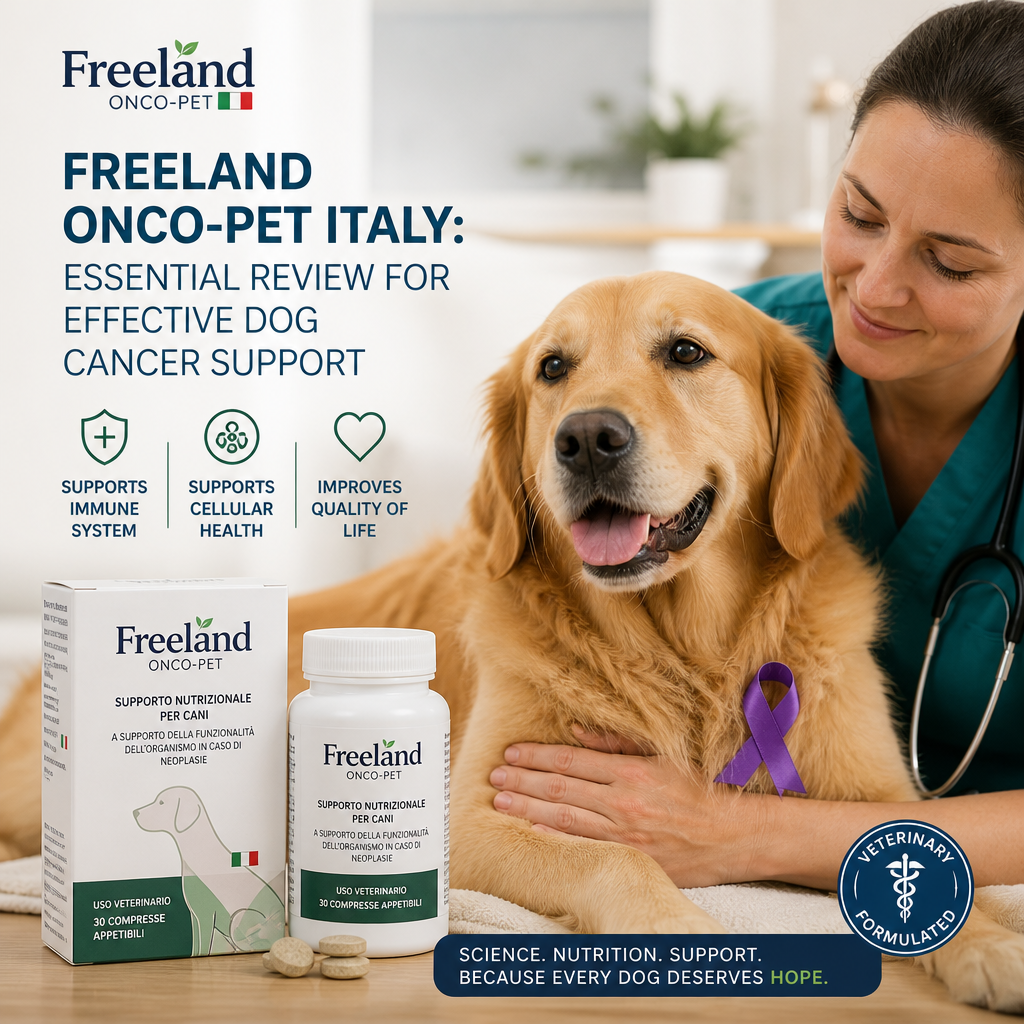
Freeland Onco-Pet is presented as a supportive product for dogs affected by serious illness, including cancer. Its purpose is generally associated with helping maintain the animal’s overall condition during periods of physical stress. Dogs undergoing cancer treatment may experience reduced appetite, weight loss, fatigue, digestive changes, or difficulty maintaining muscle mass. Nutritional support can therefore be relevant, particularly when a dog is eating less or has increased metabolic demands.
However, the exact role of any supplement depends on its ingredients, dosage, formulation, and the individual dog’s condition. Pet owners should carefully review the official product label and consult a veterinarian before use. A supplement that is suitable for one dog may be inappropriate for another, especially when the animal has liver disease, kidney disease, diabetes, gastrointestinal problems, or is taking multiple medications.
Freeland Onco-Pet review: What Should Owners Examine?
A useful Freeland Onco-Pet review should look beyond promotional claims. Several factors deserve attention before adding the product to a dog’s daily routine.
成分透明度
The label should clearly identify every active and inactive ingredient, along with the amount provided per serving. Vague descriptions make it difficult for veterinarians and owners to assess possible benefits, interactions, or risks. Ingredients should be evaluated according to the dog’s health status rather than assumed to be safe simply because they are described as natural.
Scientific support
Evidence for veterinary supplements varies considerably. Some individual nutrients have documented roles in canine nutrition, while claims about treating or slowing cancer may not be supported by strong clinical trials. Owners should distinguish between evidence showing that an ingredient supports general nutrition and evidence demonstrating a direct effect on a specific cancer.
生產標準
Quality control is especially important for products given to animals with weakened immune systems. Look for information about manufacturing practices, batch testing, storage instructions, expiration dates, and contact details for the responsible company. Products purchased through unofficial marketplaces may be counterfeit, improperly stored, or past their recommended shelf life.
實際管理
A supplement is only useful if a dog will accept it and tolerate it. Powder, liquid, capsule, and chewable formats each have advantages and disadvantages. The product should not cause persistent vomiting, diarrhea, loss of appetite, unusual sleepiness, or other concerning symptoms. Any adverse reaction warrants prompt veterinary advice.
For a broader background on evidence-based pet cancer care, see canine cancer care resources from our site.
Freeland Onco-Pet dog cancer support and veterinary care
Freeland Onco-Pet dog cancer support should be viewed as complementary rather than curative. Cancer in dogs includes many different diseases, and treatment depends on the tumor’s location, stage, grade, and biological behavior. A veterinary oncologist may recommend imaging, biopsy, surgery, chemotherapy, radiation, immunotherapy, pain management, or palliative care.
Supplements can also interfere with treatment. Certain nutrients and herbal compounds may affect blood clotting, liver enzymes, immune activity, or the way medications are metabolized. This is why the veterinary team should know about every supplement, treat, oil, and over-the-counter product the dog receives. Providing a photograph of the label or a complete ingredient list can make the discussion more productive.
Owners should also be cautious of statements promising to eliminate tumors, replace conventional treatment, or guarantee recovery. No responsible product should encourage delaying professional diagnosis. Early veterinary assessment often gives dogs more treatment options and helps identify pain, infection, obstruction, or other complications that may require immediate attention.
Potential benefits of supportive nutrition
Cancer and its treatment can place substantial demands on a dog’s body. Maintaining adequate calories, hydration, and protein may help preserve strength and support recovery. Depending on the diagnosis, a veterinarian may recommend a complete therapeutic diet, appetite support, feeding adjustments, or treatment for nausea and pain.
A supplement may be considered when it fits within this nutritional plan. The goal should be practical and measurable: helping the dog eat, maintain body weight, tolerate treatment, or remain comfortable. Owners can monitor appetite, water intake, body weight, stool quality, activity, and signs of pain. These observations provide useful information during veterinary appointments.
It is also important not to force-feed a dog without professional guidance. Force-feeding can create anxiety, increase the risk of aspiration, and make food aversion worse. A veterinarian can recommend safer strategies when appetite declines.
Freeland Onco-Pet Italy: Buying and checking the product
People searching for Freeland Onco-Pet Italy should verify the source before purchasing. Product availability, labeling, shipping conditions, and local regulatory requirements may differ by country. An authentic product should have clear packaging, a batch or lot number, an expiration date, storage instructions, and identifiable manufacturer or distributor information.
Avoid websites that use extreme promises, pressure buyers with unrealistic urgency, or provide no verifiable company details. It is also wise to compare the online listing with the manufacturer’s official information and ask a veterinarian or pharmacist about any unclear ingredients. Customs delays and unsuitable temperatures during shipping can affect some products, particularly liquids or items requiring controlled storage. For general reference on veterinary medicine and supplement regulation, the European Medicines Agency provides useful guidance at the European Medicines Agency veterinary overview.
Before giving the first dose, confirm the recommended amount for the dog’s weight and follow the label unless the veterinarian provides different instructions. Never assume that a human dosage is appropriate for a dog.
How to make a careful decision
The best decision involves balancing potential benefits with the dog’s diagnosis, current treatment, comfort, and overall quality of life. Discuss the product with the veterinarian, provide the full ingredient list, and establish what outcome would justify continuing it. If there is no noticeable benefit or if side effects occur, reassessment is appropriate.
Freeland Onco-Pet may be considered by some owners as one element of supportive canine cancer care, but its value depends on product quality, scientific evidence, correct use, and professional supervision. The most effective approach combines timely veterinary treatment, appropriate nutrition, pain control, emotional support, and regular monitoring. Above all, the dog’s comfort and welfare should remain the central measure of any cancer-support decision.
When used thoughtfully, Freeland Onco-Pet can be discussed as part of a wider care plan rather than a stand-alone solution. For owners in Italy, the safest path is to verify the product, consult a veterinarian familiar with oncology, and keep the dog’s needs at the center of every decision.
由 TCMVET | 8 月 25, 2026 | 研究與新聞
Dog Cancer Loss of Appetite Supplements can provide valuable nutritional support when illness, treatment side effects, or pain make eating difficult. Maintaining a healthy weight is important for strength, immune function, healing, and quality of life, but supplements should never replace veterinary care. A veterinarian can help identify the reason for appetite loss and create a safe feeding plan based on your dog’s diagnosis, treatment, medications, and overall condition.
When a dog is losing interest in food, the best approach is usually a combination of symptom control, diet adjustments, and carefully chosen Dog Cancer Loss of Appetite Supplements. The right products may make meals easier to accept, but they work best when they are matched to the dog’s medical needs and daily tolerance.
Why appetite loss matters in dogs with cancer
Dogs with cancer may eat less for many reasons. Tumors can affect digestion, metabolism, or the ability to chew and swallow. Chemotherapy, radiation, surgery, and certain medications may cause nausea, mouth discomfort, altered taste, constipation, or fatigue. Anxiety and pain can also reduce interest in food.
A short period of reduced appetite may not cause serious harm, but ongoing food refusal can lead to muscle loss, dehydration, weakness, and slower recovery. Weight loss is especially concerning when a dog loses lean muscle rather than only body fat. Muscle supports mobility, immune activity, and the ability to tolerate medical treatment.
Monitoring your dog’s weight, appetite, water intake, stool, energy, and body condition can help your veterinarian respond early. Contact the veterinary team promptly if your dog refuses food for a prolonged period, vomits repeatedly, cannot keep water down, appears painful, or becomes unusually weak.
When dogs are struggling to eat, the right plan may include diet changes, symptom control, and carefully selected Dog Cancer Loss of Appetite Supplements. The goal is to make food easier to accept while supporting overall health.
It also helps to remember that cancer-related anorexia is often more complex than simple pickiness. A dog may want to eat but feel nauseated after just a few bites, or may be hungry yet too tired to finish a normal meal. That is why Dog Cancer Loss of Appetite Supplements are most useful when they are chosen as part of a bigger support strategy rather than as a single solution.
Early action matters. If a dog loses interest in food for more than a day or two, the problem can snowball quickly. Less food intake means less energy, less protein for muscle maintenance, and often less enthusiasm for movement and interaction. A timely nutrition plan can help break that cycle before it becomes harder to reverse.
Dog Cancer Loss of Appetite Supplements to discuss with a veterinarian
The best supplement depends on the underlying cancer, current diet, laboratory results, and treatment plan. Products marketed for appetite or weight gain are not automatically safe for every dog. Some contain concentrated herbs, stimulants, minerals, or high levels of fat that may interfere with medications or worsen digestive problems.
Omega-3脂肪酸
Veterinary-formulated omega-3 fatty acids, particularly EPA and DHA from fish oil, are commonly discussed as part of cancer nutrition for dogs. They may help support normal inflammatory balance and provide concentrated calories. However, dosing matters. Excessive amounts can contribute to diarrhea, pancreatitis risk, abnormal bleeding, or unwanted interactions with medications.
Use a product designed for pets and ask your veterinarian to recommend an appropriate dose based on your dog’s weight and health status. Avoid giving human supplements without checking the ingredient list, since some products contain additives that are unsafe for dogs.
High-calorie nutritional gels and liquid diets
Veterinary nutritional gels, calorie-dense pastes, and recovery diets may help dogs that are eating only small portions. These products are often formulated to provide energy, protein, vitamins, and minerals in a compact serving. They can be useful after surgery or during periods of treatment-related appetite loss.
High-calorie products should be introduced gradually and used according to professional guidance. A dog with pancreatitis, severe gastrointestinal disease, or certain liver conditions may need a lower-fat or specially formulated diet instead.
If you are comparing supportive products, a veterinarian may also suggest reading about 荷蘭針對腫瘤狗的 Ocoxin Pets 替代選項 as part of a broader supplement discussion.
益生菌和消化支持
Some dogs experience diarrhea, constipation, or digestive changes during cancer treatment. A veterinary probiotic may help support a balanced intestinal environment, although results vary and probiotics are not appropriate for every immunocompromised patient. Digestive enzymes should also be used only when recommended, because unnecessary supplementation can cause irritation or fail to address the actual problem.
Appetite-stimulating medications
Although not technically supplements, prescription appetite stimulants may be more reliable than over-the-counter products. Veterinarians may consider medications such as capromorelin or other options depending on the dog’s condition. These treatments require professional supervision, especially when nausea, pain, kidney disease, or liver disease is present.
Because appetite loss can have several causes at once, Dog Cancer Loss of Appetite Supplements work best when they are part of a vet-guided plan rather than a stand-alone fix.
Some families also ask whether a supplement should be changed as treatment changes. The answer is often yes. A product that works well after surgery may not be the best choice during chemotherapy, and a dog that tolerated one formula last month may now need a different texture, calorie level, or digestive support. Reassessing Dog Cancer Loss of Appetite Supplements regularly keeps the plan aligned with the dog’s current needs.
It is also wise to review the label carefully. Look for unnecessary fillers, added sweeteners, or ingredients that your dog has not tolerated well in the past. Simpler formulas are often easier to adjust, and that flexibility can be useful when the appetite fluctuates from week to week.
Dog cancer weight loss support through complete nutrition
Supplements work best when they complement a complete and balanced diet. Cancer nutrition for dogs should provide adequate calories, highly digestible protein, essential fatty acids, vitamins, minerals, and appropriate hydration. The ideal diet varies according to the type of cancer and any organ problems.
Some dogs do well with a veterinary therapeutic diet, while others benefit from a carefully formulated home-prepared plan created by a board-certified veterinary nutritionist. Homemade meals can be tempting when a dog refuses regular food, but improvised recipes often lack essential nutrients or contain inappropriate amounts of fat, calcium, or phosphorus.
To increase acceptance, offer small meals several times a day rather than one large portion. Warm food slightly to enhance its aroma, unless your veterinarian advises otherwise. Hand-feeding, using a quiet eating area, or offering different safe textures may also help. Avoid constantly changing foods, since abrupt dietary changes can cause gastrointestinal upset.
For owners seeking a practical next step, Dog Cancer Loss of Appetite Supplements should be matched to the feeding approach, whether that means a recovery diet, a calorie booster, or a targeted digestive aid. The right choice depends on what the dog can tolerate day to day.
In many cases, the feeding plan matters as much as the product itself. A dog that refuses one texture may still accept another, and a small change in warmth, moisture, or scent can make a noticeable difference. When used thoughtfully, Dog Cancer Loss of Appetite Supplements can support a more consistent daily routine and reduce the stress that often surrounds mealtime.
It can also be helpful to think in terms of “nutrition density” instead of just volume. When a dog cannot manage large meals, every bite needs to count. Dense nutrition, careful portioning, and consistent timing often make a bigger difference than trying to force more food at once.
Some owners find success by dividing the day into many small opportunities to eat. A dog may refuse breakfast but eagerly eat a late-morning snack or accept a spoonful after a rest period. That pattern is normal during illness, and it is one reason Dog Cancer Loss of Appetite Supplements are often most effective when used with flexible meal scheduling.
Managing nausea, pain, and treatment side effects
An appetite supplement cannot overcome untreated nausea or pain. Dogs that approach food and then turn away may feel sick, have oral discomfort, or associate eating with previous nausea. Veterinary treatment may include anti-nausea medication, pain control, dental or mouth care, hydration therapy, or management of constipation.
Tell the veterinary team about every supplement, treat, herbal product, and medication your dog receives. Certain ingredients may affect blood clotting, blood pressure, liver metabolism, or the effectiveness of chemotherapy. “Natural” does not always mean risk-free, particularly for dogs undergoing intensive treatment.
Before starting any product, ask whether it fits your dog’s cancer type, current medications, and digestive tolerance.
Reliable nutrition guidance from a veterinary professional can prevent wasteful trial-and-error and reduce the chance that Dog Cancer Loss of Appetite Supplements will conflict with treatment.
If nausea or pain is driving the appetite problem, supportive products alone are unlikely to solve it. In that situation, the most helpful step may be adjusting the medical plan first and then reassessing food intake once the dog feels more comfortable. This is often the safest way to use Dog Cancer Loss of Appetite Supplements effectively.
Some dogs also need help with side effects that do not seem directly related to appetite. Mild constipation, dry mouth, sore gums, or even travel stress can make eating less appealing. Addressing those smaller problems can improve the response to Dog Cancer Loss of Appetite Supplements and may reduce the need for more aggressive intervention later.
For dogs receiving ongoing therapy, timing can matter too. If a treatment day predictably causes nausea or fatigue, plan meals and supplements around the window when the dog feels best. A predictable routine can improve acceptance and help you notice whether a product is truly helping.
When assisted feeding may be needed
If appetite loss continues despite medical treatment, a veterinarian may discuss assisted feeding. In some cases, temporary feeding through a syringe or feeding tube can provide nutrition while the underlying problem is addressed. Force-feeding by mouth is not recommended without professional instruction because it can increase stress and create a risk of aspiration.
A feeding tube may sound intimidating, but it can be a practical and comfortable way to deliver food, water, and some medications. The veterinary team can explain care requirements and determine whether this approach suits the dog’s diagnosis and quality-of-life goals.
For some families, this stage is when supportive products become part of a wider plan that includes pain management, hydration, and carefully selected Dog Cancer Loss of Appetite Supplements. In other cases, the most helpful intervention is simply controlling the side effect that is keeping the dog from eating.
Assisted feeding is not a failure. It can be a temporary bridge that protects body condition while treatment continues or while a reversible cause of anorexia is addressed. Used with veterinary guidance, it may help preserve strength and reduce the risk that a short-term eating problem becomes a more serious nutritional crisis.
It is also important to set realistic expectations. Assisted feeding does not mean your dog will stop enjoying food forever, and it does not mean every oral supplement must be abandoned. In many cases, Dog Cancer Loss of Appetite Supplements are still used alongside assisted feeding when they fit the dog’s digestive tolerance and medical needs.
If your dog begins to eat more reliably again, the feeding plan can often be adjusted. The veterinary team may reduce tube use, lower calorie support, or simplify the routine as your dog’s comfort improves. That gradual transition is one more reason consistent monitoring is so important.
Creating a practical nutrition monitoring plan
Keep a daily record of meals offered, food consumed, water intake, vomiting, stool quality, medications, and energy levels. Weigh your dog regularly using the same scale and conditions whenever possible. At veterinary visits, ask about body condition score and muscle condition, not just body weight.
The goal of dog cancer weight loss support is not simply to add calories. It is to preserve muscle, maintain hydration, reduce discomfort, and support meaningful daily activity. Early intervention generally gives dogs more options and helps prevent a manageable appetite problem from becoming a serious nutritional crisis.
A practical monitoring plan should also note what your dog will willingly eat. Some owners find that a specific flavor, temperature, or texture is accepted for only a short time, so keeping simple notes can help identify patterns. That information can make it easier to choose the next round of Dog Cancer Loss of Appetite Supplements with less guesswork.
If you want a reputable reference for cancer and nutrition basics, the American College of Veterinary Internal Medicine provides helpful educational information at the ACVIM website.
With veterinary guidance, carefully selected Dog Cancer Loss of Appetite Supplements may be one part of a broader plan that includes appropriate food, symptom control, monitoring, and emotional support. A balanced strategy tailored to the individual dog offers the best chance of maintaining strength and comfort throughout treatment.
For dogs that need more specialized support, your veterinarian may also discuss options that fit the broader treatment plan, including diet adjustments, targeted digestive care, and long-term weight maintenance strategies. Used this way, Dog Cancer Loss of Appetite Supplements are not a quick fix but a practical tool within complete cancer care.
Many owners worry about whether they are “doing enough” when a dog eats poorly during cancer care. The most helpful mindset is to focus on small, trackable wins: a few extra bites, fewer nausea episodes, steadier weight, or better energy after meals. Those changes can show that the plan is working, even if progress is gradual.
Consistency is usually more valuable than dramatic changes. A simple routine that your dog can tolerate every day is often better than a complicated plan that only works for a few meals. When used appropriately, Dog Cancer Loss of Appetite Supplements can support that steady routine and make it easier to keep your dog nourished over time.
由 TCMVET | 8 月 25, 2026 | 研究與新聞
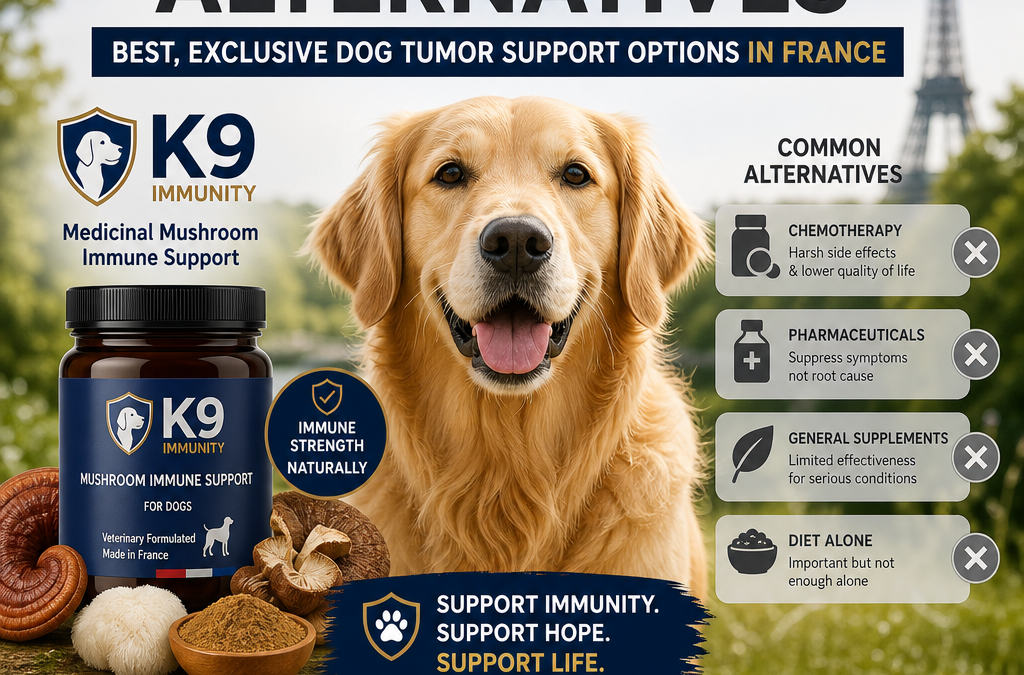
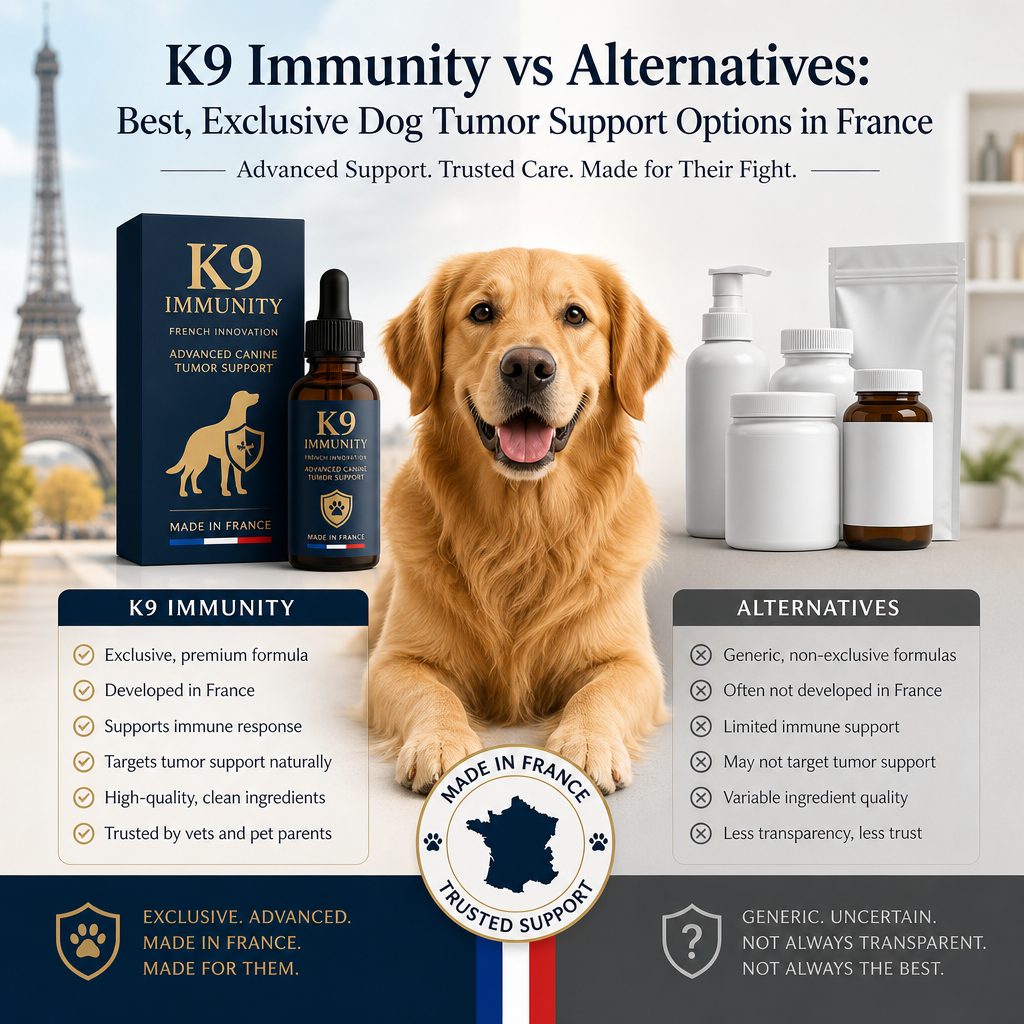
K9 Immunity vs Alternatives is an important comparison for owners exploring supportive care for a dog with cancer or another serious tumor-related condition. In France, families may encounter medicinal mushroom extracts, veterinary supplements, nutritional protocols, and complementary therapies promoted as immune support. These products can sometimes play a role alongside veterinary treatment, but they are not interchangeable, and none should replace diagnosis, surgery, chemotherapy, radiotherapy, or other evidence-based care recommended by a veterinarian.
For readers comparing options in a broader supplement landscape, it can also help to review related approaches such as alternatives to medicinal mushrooms / veterinary mycotherapy, especially when ingredient quality, dosing, and treatment compatibility matter.
Understanding dog tumor support options
“Tumor support” can refer to several different goals. Some owners are looking for help maintaining appetite and body weight, while others want to support normal immune function, energy, digestion, or recovery during treatment. A responsible plan begins by identifying the dog’s actual needs rather than choosing a supplement based only on marketing claims.
Veterinary support may include:
– Pain and nausea management
– Nutritional support and appetite assistance
– Treatment of infections or inflammation
– Surgery, chemotherapy, radiotherapy, or targeted treatment
– Monitoring of bloodwork and organ function
– Carefully selected complementary supplements
The appropriate approach depends on the tumor type, its location, stage, treatment plan, and the dog’s age and overall health. A supplement that is tolerated by one dog may be unsuitable for another, particularly when liver disease, kidney disease, bleeding risk, or medication interactions are involved.
Many owners search for a simple answer, but dog tumor care is rarely simple. A dog with mild digestive upset may need a very different plan from a dog that is losing muscle mass, and both may differ again from a dog preparing for surgery. This is why K9 Immunity vs alternatives should be viewed through the lens of the dog’s current medical priorities, not as a one-size-fits-all decision.
In practice, the most useful support options often address the most immediate problem first. If a dog is nauseated, controlling nausea may matter more than adding another supplement. If appetite is low, getting enough calories may matter more than choosing between two immune products. This sequence helps owners avoid piling on products that sound helpful but do not meet the dog’s real needs.
When owners review K9 Immunity vs alternatives, they should also ask whether the plan supports comfort, stability, and monitoring. A measured approach is usually better than making several changes at once, because it becomes easier to see what is actually helping.
K9 Immunity vs Alternatives: what is being compared?
K9 Immunity is commonly discussed as a canine immune-support product associated with medicinal mushroom ingredients and other nutritional compounds. The exact formulation, dosage, manufacturing standards, and availability may vary by market, so owners should check the current product label and consult a veterinary professional before use.
When comparing K9 Immunity vs alternatives, it is useful to examine five factors:
1. 成分透明度: 活性成分和數量是否清楚列出?
2. Product quality: Is there evidence of consistent manufacturing, testing, and contamination control?
3. 獸醫相容性: Could the formula interact with prescribed medication or affect surgery and chemotherapy?
4. Practical suitability: Can the dog tolerate the product, and is the dosage realistic?
5. Evidence and expectations: Does the product make reasonable support claims rather than promising to cure cancer?
The strongest choice is not necessarily the most expensive or the most heavily advertised. It is the option that fits the dog’s veterinary plan, has clear labeling, and can be monitored safely.
Owners in France often compare commercial immune-support products against a more conservative approach: using only what is needed, when it is needed, and with enough information to judge whether it is helping. That approach can be especially important when a dog is already taking multiple medications or undergoing active treatment.
When K9 Immunity vs alternatives is discussed online, the conversation can sound more decisive than the science really is. A supplement may be popular, but popularity is not proof of benefit. Likewise, a lower-cost product is not automatically inferior if it is transparent, well tolerated, and appropriate for the dog’s condition.
It is also worth remembering that K9 Immunity vs alternatives is not only a debate about ingredients. It is also about whether the owner can realistically track response, side effects, and compatibility with the rest of the care plan. That practical question often matters more than the branding.
Medicinal mushroom / immune support
Medicinal mushroom / immune support products often contain extracts from mushrooms such as turkey tail, reishi, maitake, shiitake, or cordyceps. These mushrooms contain compounds, including beta-glucans, that have attracted scientific interest because of their potential effects on immune signaling and inflammation.
However, laboratory findings do not automatically prove that a supplement will shrink a tumor or extend a dog’s life. Research in veterinary oncology is still developing, and studies may involve specific extracts, doses, or tumor types that do not apply to every commercial product. Whole mushroom powders, concentrated extracts, and blended formulas can have very different chemical profiles.
Owners should also be cautious with products that use broad claims such as “boosts immunity” or “kills cancer cells.” The immune system is complex, and stimulating immune activity is not always appropriate. Dogs receiving immunomodulating drugs, corticosteroids, chemotherapy, or other treatments require individualized advice.
A practical way to evaluate this category is to ask whether the product tells you exactly what it contains and why those ingredients were chosen. If the label is vague, the support claim is broad, or the company cannot explain quality control, the product deserves skepticism. That is true even when the product is presented as a natural option.
Some owners are drawn to mushroom-based formulas because they seem holistic and familiar. But “natural” products can still vary widely in purity, strength, and safety. In the context of K9 Immunity vs alternatives, the difference may come down less to the source of the ingredient and more to how well the product is manufactured, dosed, and matched to the dog’s treatment plan.
For evidence-informed readers, an educational starting point is the National Center for Complementary and Integrative Health’s overview of medicinal mushrooms, which explains that research is still evolving and that safety and interaction questions remain important: Medicinal Mushrooms: What You Need To Know.
For some dogs, the phrase K9 Immunity vs alternatives can be simplified further: the question is whether a mushroom-based product adds anything meaningful beyond a carefully monitored treatment plan. If the answer is unclear, conservative support may be the better choice.
Comparing supplements with nutritional support
One alternative to a mushroom-based product is a veterinary nutrition plan. Nutrition does not treat cancer directly, but maintaining adequate calories, protein, hydration, and essential nutrients can be valuable during illness. Some dogs experience appetite loss, vomiting, diarrhea, difficulty chewing, or increased metabolic demands. In these cases, a complete and palatable diet may provide more practical benefit than adding several untested supplements.
Veterinary nutritionists can help select food based on the dog’s condition. The plan may include a therapeutic diet, calorie-dense meals, feeding adjustments, or appetite support prescribed by a veterinarian. Homemade diets should not be improvised, because nutritional imbalances can develop quickly, especially when a dog is already ill.
This is one of the most important points in any K9 Immunity vs alternatives comparison: a product that sounds specialized may still be less useful than a well-built nutrition strategy. If the dog is losing weight, refusing food, or struggling to digest meals, then feeding support often deserves priority.
Owners can also monitor changes more easily with nutrition than with many supplements. Appetite, stool quality, weight, and energy provide practical clues about whether the plan is working. That feedback can help veterinarians adjust the diet faster and more safely than trial-and-error supplement stacking.
In some cases, nutritional support may also include omega-3 fatty acids or highly digestible diets if the veterinarian thinks those additions are appropriate. Even then, the focus should remain on tolerance, consistency, and the dog’s overall treatment goals rather than on the number of products used.
When evaluating K9 Immunity vs alternatives, nutrition is often the baseline against which every other support option should be judged. If the dog’s food intake is poor, no supplement can compensate for inadequate calories for long.
Herbal and antioxidant alternatives
Herbal products, omega-3 fatty acids, probiotics, and antioxidant formulas are also marketed among dog tumor support options. Some may help address specific concerns, such as gastrointestinal function or dietary support, but they should be evaluated individually.
Antioxidants deserve particular care during chemotherapy or radiotherapy. Although oxidative stress can contribute to cellular damage, some cancer treatments rely partly on oxidative mechanisms. This does not mean antioxidants are always inappropriate; it means timing, dose, and treatment type matter. The veterinary oncologist should approve any supplement used during active treatment.
Herbal products can also affect blood clotting, blood pressure, sedation, liver enzymes, or drug metabolism. “Natural” does not mean risk-free, and products intended for humans may contain ingredients or concentrations unsuitable for dogs.
When comparing K9 Immunity vs alternatives in this category, the key question is whether the product addresses a real need. For example, a probiotic may be useful if a dog has digestive upset, while a calming herbal blend may be irrelevant or even unhelpful if the dog’s main issue is poor appetite. Matching the product to the symptom is more meaningful than using a broad “immune” label as the deciding factor.
It is also wise to avoid combining multiple products that overlap in ingredients. Stacking several formulas can accidentally increase the dose of the same herb or antioxidant, making side effects harder to identify. A simple plan is easier to review, easier to stop if needed, and easier for the veterinary team to evaluate.
Some owners ask whether a human supplement can be adapted for a dog. The safe answer is usually no unless a veterinarian specifically approves it. Human products may differ in sweeteners, flavorings, dosing, and inactive ingredients that are not appropriate for pets.
That is why K9 Immunity vs alternatives should not be reduced to a single “best supplement” claim. The better question is which option is least risky and most useful for the dog’s current symptoms, medications, and treatment phase.
Additional options worth discussing with your veterinarian
Beyond mushroom-based formulas and general immune blends, several other dog tumor support options may be considered in France depending on the case. These should always be selected with veterinary guidance, because the right choice depends on the diagnosis, treatment stage, and the dog’s tolerance.
Possible discussions may include:
- 食慾支持: helpful when nausea or early satiety reduces food intake
- 消化支持: useful if treatment affects stool quality or gut comfort
- Weight-maintenance strategies: important for dogs losing muscle mass
- Pain-control adjustments: often more valuable than adding a new supplement
- 水分補充: may improve comfort and recovery in select cases
- Prescription oncology support: when the veterinarian recommends a specific medical product rather than a general supplement
These choices can be more practical than chasing a single product promise. In many cases, K9 Immunity vs alternatives becomes less about a brand-name supplement and more about deciding whether the dog needs symptom relief, nutrition help, or a carefully supervised adjunct to treatment.
Owners sometimes overlook the value of reassessment. A support option that made sense at diagnosis may no longer be the best fit after surgery, after a treatment cycle, or if the dog’s appetite changes. Rechecking the plan keeps care aligned with the dog’s current needs.
Safety and regulatory considerations in France
In France, owners should distinguish between a complementary feed, a nutritional supplement, and a veterinary medicinal product. These categories may have different requirements for labeling, approved claims, quality control, and veterinary oversight. A product sold online may not meet the same standards as one distributed through a regulated veterinary channel.
在購買之前,請檢查:
– The full ingredient list and quantities
– Batch or lot information
– Manufacturer contact details
– Expiration date and storage instructions
– Recommended canine dosage
– Warnings and contraindications
– Whether the product is intended for dogs rather than humans
– Independent quality testing, where available
Be particularly cautious with imported products, unclear dosage instructions, exaggerated testimonials, and promises of guaranteed tumor reduction. Discuss the product with a French veterinarian, veterinary oncologist, or veterinary pharmacist who understands the dog’s diagnosis and current medications.
It is also important to consider the timing of supplements around procedures. Some ingredients can influence clotting or anesthesia risk, while others may affect liver metabolism. If surgery is planned, the veterinary team should know about every supplement well before the procedure date.
Owners who are comparing K9 Immunity vs alternatives often benefit from a simple safety checklist: what is in the product, why is it being used, how will we know if it helps, and what side effects should trigger a stop? Those questions keep the conversation grounded in the dog’s welfare rather than in marketing language.
For practical guidance on product quality and pet supplement labeling, the U.S. Food and Drug Administration’s animal health pages are also useful background reading, especially when evaluating claims and ingredient transparency: FDA Animal & Veterinary.
In real-world care, K9 Immunity vs alternatives may also depend on availability and continuity. If a product is hard to source consistently, it can be difficult to assess whether the dog is responding well or simply experiencing fluctuations from inconsistent use.
How to make a responsible choice
A useful comparison starts with the dog’s treatment goals. For example, a dog struggling to maintain weight may need nutritional intervention, while a dog experiencing treatment-related nausea may benefit more from prescribed anti-nausea medication and hydration support. A mushroom extract may be considered only after these immediate needs are addressed.
Introduce only one new supplement at a time, unless the veterinarian provides a different plan. Keep a written record of the product, dose, start date, appetite, stool quality, energy, and any changes in medication. Stop the supplement and contact the veterinary team if the dog develops vomiting, diarrhea, facial swelling, breathing difficulty, unusual bleeding, marked lethargy, or worsening appetite.
If your veterinarian approves a supplement trial, set a review date in advance. That way, the decision is based on observed changes rather than hopes alone. A clear review point also makes it easier to discontinue products that are not helping.
Owners may find it helpful to define success before starting anything new. Success might mean better appetite, steadier weight, improved stool quality, or simply no negative interactions with treatment. These are realistic goals, and they make it easier to judge whether an option belongs in the care plan.
Ultimately, K9 Immunity vs alternatives is not a contest with one universal winner. The best dog tumor support options are those supported by transparent information, appropriate veterinary supervision, and realistic expectations. Complementary care can help improve comfort and quality of life for some dogs, but it should remain part of an integrated medical plan rather than a substitute for professional cancer treatment.
For many French dog owners, the smartest next step is a discussion with the veterinary team about whether a supplement is needed at all. In some cases, the right answer will be a carefully selected product; in others, it will be dietary support, symptom control, or simply close monitoring. That is why K9 Immunity vs alternatives should always be decided in the context of the whole case, not just the label on the bottle.
In summary, K9 Immunity vs alternatives should be treated as a careful medical decision rather than a brand comparison. The safest path is the one that supports the dog’s comfort, fits the treatment plan, and stays flexible as needs change. Before choosing, ask whether K9 Immunity vs alternatives is truly the best fit for the dog’s current condition, or whether a simpler, better-supported approach would serve the dog more effectively.
由 TCMVET | 8 月 25, 2026 | 研究與新聞
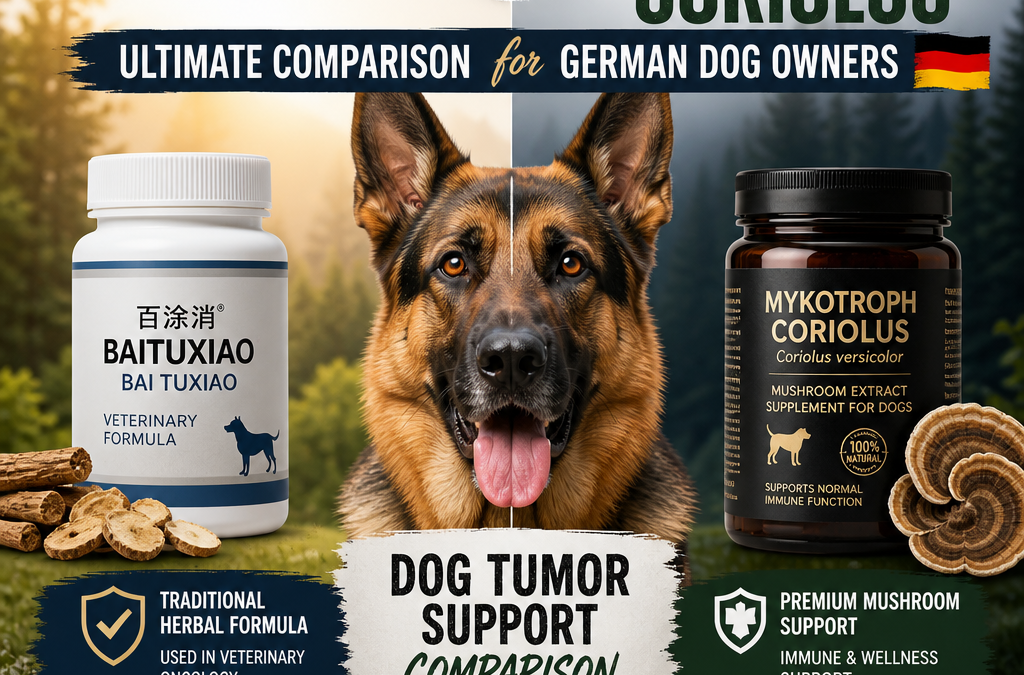
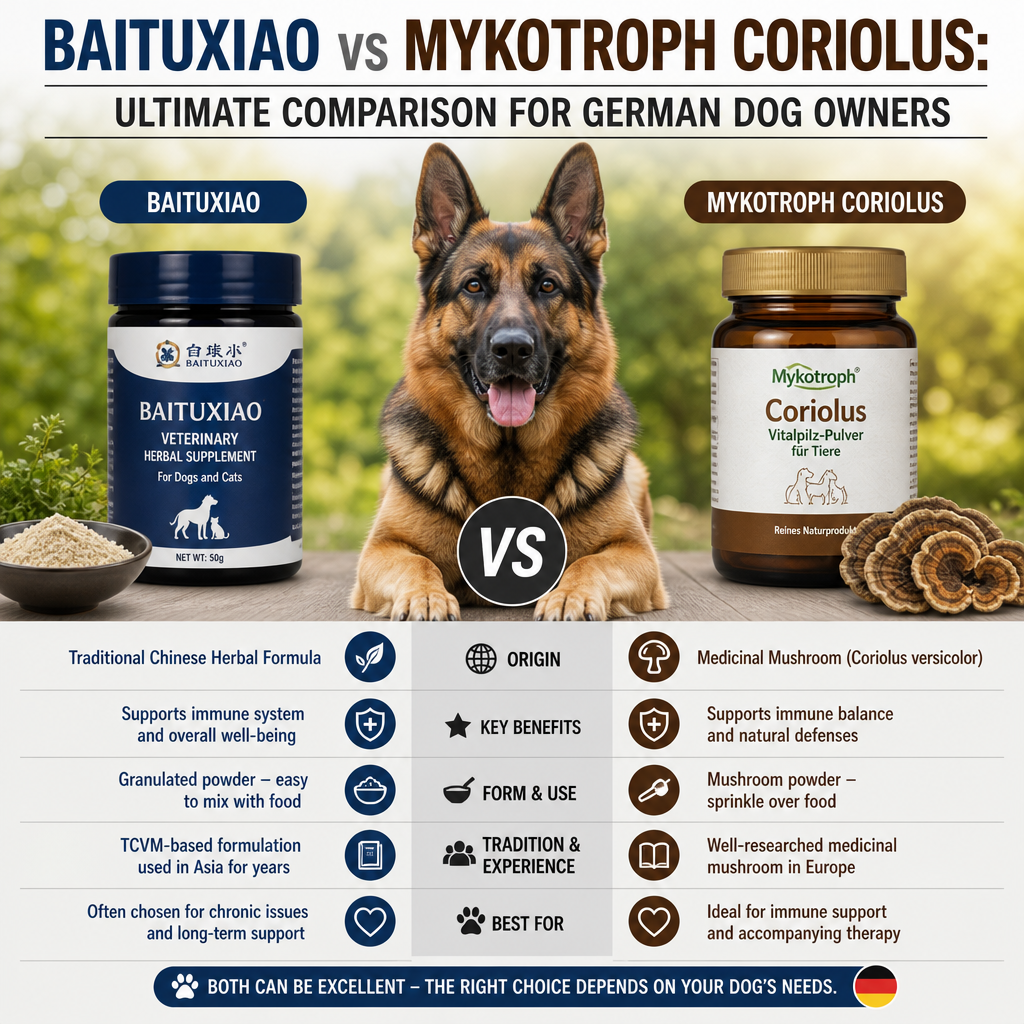
Baituxiao vs Mykotroph Coriolus is a comparison many German dog owners encounter when looking for complementary support for a dog with a tumor or other serious health concern. Both products are associated with medicinal mushroom ingredients, but they are not automatically interchangeable. Their formulations, intended use, dosing instructions, quality standards, and compatibility with veterinary treatment can differ considerably.
Before choosing either product, it is essential to remember that dietary supplements cannot replace diagnosis, surgery, chemotherapy, radiation, pain control, or other treatments prescribed by a veterinarian. A careful comparison can nevertheless help owners ask better questions and make a more informed decision together with their veterinary team.
Why medicinal mushroom supplements are considered for dogs
Medicinal mushrooms have attracted interest because they contain compounds such as beta-glucans, polysaccharides, triterpenes, and other naturally occurring substances. These compounds are studied for their potential effects on immune regulation and general wellbeing. Coriolus versicolor, also known as turkey tail mushroom, is particularly well known in discussions about supportive care for animals with cancer.
However, laboratory findings and studies in humans do not automatically prove that a specific supplement will improve outcomes in dogs. The effect depends on the mushroom species, extraction method, concentration, product purity, dosage, and the individual dog’s condition. A supplement should therefore be viewed as supportive nutrition rather than a direct tumor treatment.
For owners researching Baituxiao vs Mykotroph Coriolus, the real question is not which name sounds stronger, but which product is better matched to the dog’s condition and existing veterinary plan. If you want to compare a different turkey tail-based option, this overview of turkey tail mushroom support for dogs can also help put the topic in context.
It also helps to understand that many mushroom supplements are marketed with similar promises but very different formulas. In a practical Baituxiao vs Mykotroph Coriolus review, the species used, the concentration of extract, and the transparency of the label matter more than the front-of-pack marketing language. Owners who compare products carefully are usually better prepared to discuss options with their veterinarian and avoid unnecessary confusion.
The most important part of any Baituxiao vs Mykotroph Coriolus evaluation is the ingredient list. Baituxiao is generally marketed as a broader mushroom-based formula, while Mykotroph Coriolus focuses more specifically on Coriolus versicolor. The exact composition may vary by market, product version, or manufacturer, so owners should always check the current packaging and official product information.
A multi-mushroom formula may provide a wider range of mushroom extracts. That can be attractive for owners seeking broad immune support, but it also makes it harder to identify which ingredient is responsible for a benefit or side effect. A single-mushroom product may offer a more targeted approach and can be easier to discuss with a veterinarian, especially when the dog is already taking several medications.
The name of a mushroom on the label is not enough. Owners should look for the scientific name, the amount per serving, whether the product uses fruiting bodies or mycelium, and whether the ingredients are raw powders or extracts. Extraction methods can affect the concentration and availability of active compounds.
當比較 Baituxiao vs Mykotroph Coriolus, it also helps to check whether the product information is clear enough for a veterinarian to evaluate. A transparent label makes it easier to judge whether the supplement belongs in a broader dog tumor support comparison or whether it should be ruled out because of vague ingredient disclosure.
Another useful detail is whether the supplement is designed for dogs or adapted from a human product. When a product has been formulated for pets, the serving guidance, flavoring, and practical handling are often easier to manage. In contrast, a human product may require extra scrutiny because it could contain excipients or concentrations that are less suitable for dogs. That is why a Baituxiao vs Mykotroph Coriolus assessment should include not only the active mushroom, but also the full formula behind it.
For owners comparing options in this category, it can help to think beyond the brand name and ask what the formula is trying to achieve. Some products emphasize immune support, while others are positioned for general vitality. A sensible Baituxiao vs Mykotroph Coriolus review considers whether the product matches the dog’s current needs, not just whether it belongs to a popular supplement category.
It is also worth noting how the product is presented for daily use. Capsules, powders, and chewable formats each have different strengths. A powder may be easier to mix into food, while capsules can offer more consistent dosing. In a Baituxiao vs Mykotroph Coriolus decision, practical usability matters because a supplement only has value if the dog will actually take it consistently.
Mykotroph Coriolus comparison: what to examine
A meaningful Mykotroph Coriolus comparison should include more than price. Consider the following factors:
- 成分透明度: The label should clearly state the mushroom species and quantity.
- Extraction details: Hot-water or dual-extraction processes may produce a different compound profile than simple mushroom powder.
- 質量控制: Batch testing for heavy metals, pesticides, microbes, and contaminants is especially important.
- Dosage guidance: Instructions should be clear and appropriate for the dog’s weight.
- 可口性: A product that the dog refuses or repeatedly vomits is not practical.
- 儲存要求: Some preparations require protection from heat, light, or moisture.
- Manufacturer reliability: Clear contact details and accessible quality information are positive signs.
Owners should also distinguish between a product designed for humans and one specifically formulated for animals. Human supplements may contain additional ingredients that are unsuitable for dogs, including sweeteners, flavorings, herbs, or excessive levels of certain nutrients.
If you are still deciding between options in this category, a wider perspective can be useful. This article on alternatives to medicinal mushrooms in veterinary support explains how other dog tumor support products may compare when mushroom formulas are not ideal.
When doing a Mykotroph Coriolus comparison, ask whether the product is based on a standardized extract or a simple dried material. Standardization can make batch-to-batch consistency easier to understand, while non-standardized powders may vary more from one production run to another. The more detailed the manufacturer’s information is, the easier it becomes for a vet to assess whether the product is appropriate for your dog’s needs.
For German dog owners, this is especially relevant because online marketplaces often mix imported goods, translated labels, and products with limited technical detail. In a Baituxiao vs Mykotroph Coriolus decision, the best option is often the one that answers the most questions before you even ask them.
Another point worth checking is the source of the raw material. Product pages that explain where the mushrooms are grown and how they are processed usually give owners more confidence than listings that only repeat general wellness claims. A careful Mykotroph Coriolus comparison should also look for evidence of consistency across batches, since dogs with sensitive stomachs often tolerate stable formulas better than products that change without notice.
狗腫瘤支持比較:安全第一
Any dog tumor support comparison must begin with safety rather than marketing claims. Dogs with cancer may have reduced appetite, digestive sensitivity, impaired liver or kidney function, or a weakened immune system. These factors can change how a supplement is tolerated.
Possible side effects from mushroom-based products may include loose stools, vomiting, reduced appetite, gas, or allergic reactions. Although many dogs tolerate such products, an adverse reaction can be more serious in a dog already receiving intensive treatment. A veterinarian should be consulted before starting a supplement, particularly if the dog is undergoing chemotherapy, radiation, surgery, corticosteroid treatment, or immune-modulating therapy.
Potential interactions also deserve attention. Some mushroom compounds may influence immune activity or blood clotting. This may be relevant for dogs taking anticoagulant medication, anti-inflammatory drugs, or drugs prescribed around an operation. Supplements should normally be stopped or adjusted only under veterinary guidance, especially before surgery.
For owners comparing Baituxiao vs Mykotroph Coriolus, safety should be the first filter. A product that looks attractive on paper may still be a poor choice if the dog has a fragile digestive system or is already on a complex medication schedule.
One practical point is timing. If your dog has just started a new cancer therapy, it may be sensible to wait before adding another supplement so that any changes in appetite, energy, or stool quality can be traced more easily. That simple approach can make a Baituxiao vs Mykotroph Coriolus trial far easier to evaluate and can help your veterinary team identify what is helping and what is not.
Another safety consideration is the dog’s overall condition. Senior dogs, very small dogs, and dogs with chronic gastrointestinal disease often need a more cautious introduction. Starting slowly and watching for subtle changes is more useful than assuming a supplement is harmless because it is natural. Natural ingredients can still be biologically active, and that is exactly why a careful dog tumor support comparison matters.
When a dog is already under veterinary treatment, even small changes should be observed closely. A supplement may appear to be helping one week and then become difficult to tolerate the next. Keeping notes on appetite, stool quality, and energy levels can make a Baituxiao vs Mykotroph Coriolus choice much easier to assess in real life. That kind of monitoring is especially helpful when the goal is comfort and stability rather than dramatic short-term changes.
How German dog owners can assess product quality
German consumers often benefit from strong labeling and consumer-protection standards, but a product sold online is not automatically high quality. Check whether the packaging identifies the responsible manufacturer or distributor, provides a complete ingredient declaration, and includes a batch number and expiry date.
It is also useful to look for independent laboratory testing and realistic wording. Statements promising to “destroy tumors,” “cure cancer,” or replace veterinary treatment should be treated as warning signs. Responsible manufacturers usually describe their products as nutritional or supportive supplements and avoid guaranteeing medical outcomes.
When purchasing from outside Germany or the European Union, owners should pay additional attention to import rules, labeling language, storage conditions, and the possibility that the product has been exposed to heat or humidity during transport.
For a reliable external reference on mushroom safety and composition, the U.S. National Center for Complementary and Integrative Health provides a helpful overview of mushrooms in cancer treatment research. It is not a guide for choosing a pet supplement, but it does explain why product quality and evidence matter.
German owners should also pay attention to customer-service responsiveness and documentation. If a company cannot answer questions about extraction ratios, raw material origin, or test results, that is a concern. In a Baituxiao vs Mykotroph Coriolus comparison, good documentation often separates a trustworthy product from one that merely looks professional online.
It can also help to compare storage and packaging formats. Capsules, powders, tinctures, and chewable products all have different practical advantages. A supplement that is easier to store, measure, and administer often creates fewer problems in daily use, especially for dogs who are already stressed by treatment routines.
One useful habit is to save screenshots or photos of the label before ordering. Online listings can change, and translated descriptions sometimes omit important details. If you are reviewing Baituxiao vs Mykotroph Coriolus for a second time, keeping the original label information on hand can make it easier to discuss the product with a veterinary professional later.
Choosing between the two products
There is no universal winner in the Baituxiao vs Mykotroph Coriolus discussion. A narrower Coriolus product may appeal to owners who prefer a simpler ingredient profile and a more focused supplement. A broader formula may be considered when a veterinarian is comfortable with the complete ingredient list and believes that its formulation fits the dog’s overall needs.
The dog’s diagnosis, age, weight, medication, blood-test results, digestive health, and treatment plan should guide the decision. It is usually wiser to introduce only one new supplement at a time, beginning with the recommended amount and monitoring the dog carefully. Keep a written record of appetite, stool quality, energy, vomiting, itching, and any changes noticed after introduction.
Never delay a veterinary appointment because a supplement is being tried. Rapid weight loss, breathing difficulty, persistent vomiting, severe pain, collapse, bleeding, or refusal to eat require prompt professional attention.
當被謹慎使用時,, Baituxiao vs Mykotroph Coriolus becomes less about brand loyalty and more about fit. The best choice is usually the one that is most transparent, easiest to dose, and least likely to complicate ongoing treatment.
In many cases, the final decision depends on the goals you and your vet have set. If the objective is to support appetite, comfort, and day-to-day resilience, the supplement should be evaluated as part of a broader care plan rather than as a stand-alone solution. That perspective keeps the Baituxiao vs Mykotroph Coriolus debate grounded in the dog’s real needs instead of in product hype.
A balanced view also means accepting that no supplement works for every dog. Some dogs do better with a simple, targeted formula, while others need a different supportive approach entirely. The key is to choose the product that fits the treatment plan, is easy to monitor, and causes the fewest practical problems at home. In that sense, Baituxiao vs Mykotroph Coriolus is not just a product comparison; it is a decision about how to support a dog safely and consistently.
A practical decision checklist
Before purchasing either product, German dog owners can ask:
- What is the exact diagnosis, and is supplementation appropriate for this case?
- Does the product contain a clearly identified mushroom species and measured extract?
- Are there independent tests for contamination and batch consistency?
- Could any ingredient interact with current medication?
- Is the dosage appropriate for the dog’s body weight and condition?
- How will success or intolerance be monitored?
- Can the veterinarian review the complete label?
The best dog tumor support comparison is ultimately individualized. Product quality, transparent labeling, veterinary oversight, and careful monitoring matter more than bold advertising or a single ingredient claim. Used responsibly, a suitable supplement may form part of a broader supportive-care plan, but the foundation should always remain evidence-based veterinary treatment, comfort, nutrition, and the dog’s quality of life.
For owners still researching Baituxiao vs Mykotroph Coriolus, it is worth remembering that the most valuable supplement is the one that fits the dog’s real needs rather than the one with the most dramatic marketing. A calm, evidence-based conversation with your veterinarian is the safest way to decide.
As a final step, revisit the label, compare the dosage instructions, and review your dog’s current medications before making any purchase. That simple habit can turn Baituxiao vs Mykotroph Coriolus from a confusing online search into a clear, practical choice for your dog’s supportive care.
由 TCMVET | 8 月 25, 2026 | 研究與新聞
Pet Wellbeing Life Gold is a herbal supplement designed to provide nutritional and botanical support for dogs facing serious health challenges, including cancer. For United Kingdom owners, choosing any complementary product requires careful consideration of ingredients, safety, veterinary guidance, and realistic expectations. It should never be viewed as a replacement for diagnosis or conventional treatment, but it may form part of a wider wellbeing plan created with a qualified veterinary professional.
What is Pet Wellbeing Life Gold?
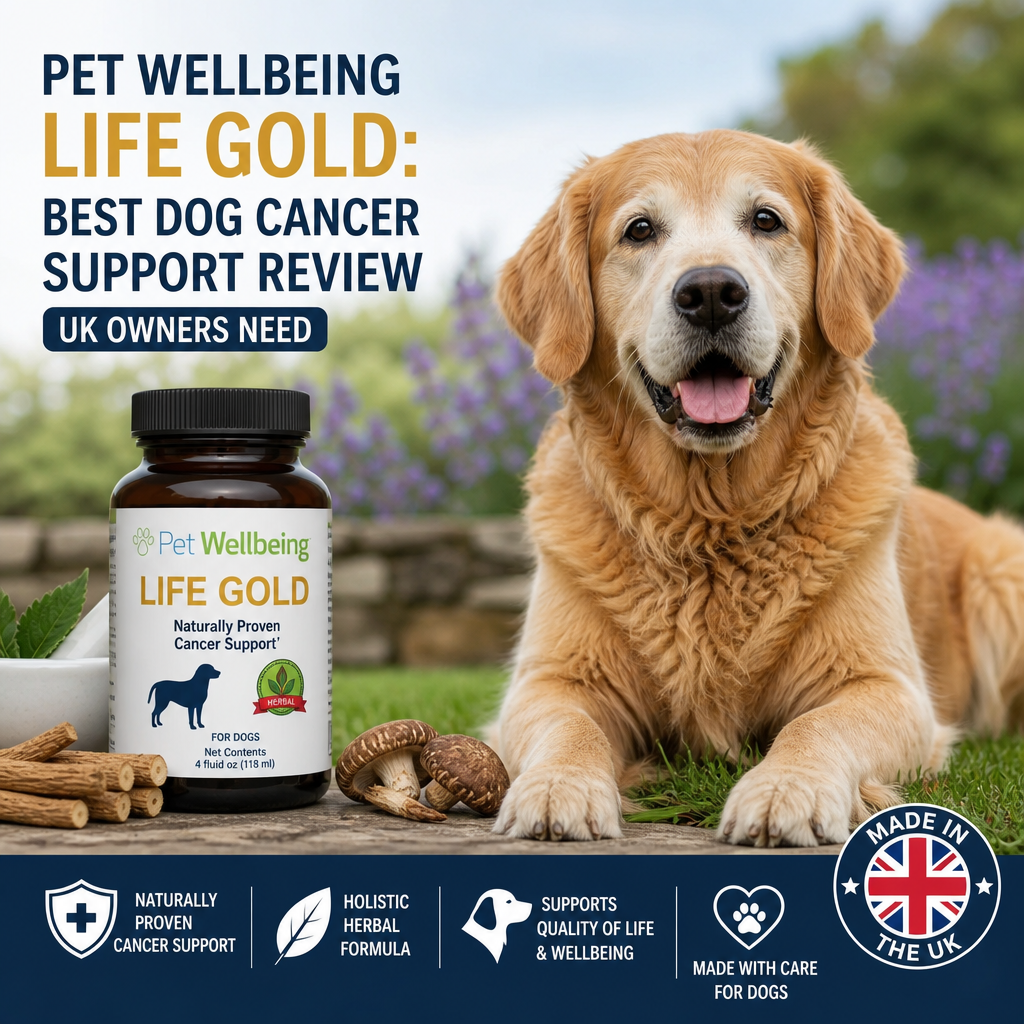
Pet Wellbeing Life Gold is marketed as a liquid herbal formula for dogs. Products in this category are generally intended to support the body during periods of illness, helping maintain appetite, energy, digestion, immune function, or overall resilience. Liquid supplements can be particularly practical because they may be mixed with food or administered according to the manufacturer’s instructions.
The formula is associated with traditional herbal ingredients selected for their potential supportive properties. However, “natural” does not automatically mean risk-free. Herbal substances can be biologically active, may affect the way medicines work, and can be unsuitable for dogs with certain conditions. This is especially important when a dog is receiving chemotherapy, steroids, pain relief, anti-inflammatory medicines, or other prescriptions.
If your dog is already under veterinary care, it is worth discussing supportive options alongside broader guidance from trusted resources such as the American Cancer Society’s overview of complementary and integrative medicine.
Pet Wellbeing Life Gold dog cancer support: what owners should know
Many owners searching for Pet Wellbeing Life Gold dog cancer support are looking for something that can improve comfort or quality of life. That is an understandable concern. Cancer can affect a dog’s appetite, weight, digestion, energy, mobility, and emotional wellbeing, while treatment may create additional side effects.
A supplement may be considered as supportive care, but it is not an established cure for cancer. There is no responsible basis for claiming that a herbal product can eliminate tumours, replace surgery, or guarantee a response to chemotherapy. The most valuable role of a complementary product is usually to support general wellbeing alongside a veterinary treatment plan.
Before introducing it, discuss the product with your vet. Provide the full ingredient list, dosage information, and details of every medication or supplement your dog is already receiving. A veterinary surgeon can assess whether the ingredients are appropriate for your dog’s diagnosis, age, breed, liver and kidney function, and current treatment.
When owners compare options, they often find it helpful to think in terms of cancer support rather than cure. That distinction matters, especially when making decisions for a dog with limited energy or ongoing treatment side effects. Pet Wellbeing Life Gold may have a role, but it should stay within a supervised care plan.
Potential reasons owners consider the product
Dog owners may consider a supplement such as Life Gold for several reasons:
- To support general nutritional wellbeing during illness
- To help maintain appetite and body condition
- To provide additional botanical support during veterinary treatment
- To encourage a consistent daily care routine
- To support quality of life when a dog is vulnerable or recovering
These goals are reasonable, but outcomes can vary widely. A dog’s response depends on the type and stage of cancer, existing health conditions, diet, medication, and individual tolerance. Owners should monitor the dog rather than assuming that a supplement will produce a specific result.
Keeping a simple daily record can help. Note appetite, water intake, energy, bowel movements, vomiting, discomfort, sleep, and interest in normal activities. This information gives your vet a clearer picture of whether the dog is stable, improving, or developing possible side effects.
Pet Wellbeing Life Gold may be easier to trial when you already have a routine for meals, medication, and symptom tracking. That makes it simpler to notice whether anything changes after the supplement is introduced.
Pet Wellbeing Life Gold review: assessing benefits and limitations
A balanced Pet Wellbeing Life Gold review should consider both its potential usefulness and its limitations. The product may appeal to owners because it is easy to administer and is positioned as a gentle, natural option. Some dogs may tolerate it well, particularly when it is introduced gradually and given with food where appropriate.
However, individual testimonials are not the same as controlled clinical evidence. A dog may appear better after starting a supplement because of changes in pain management, diet, hydration, treatment response, or natural fluctuations in symptoms. Conversely, a dog may deteriorate despite receiving a supplement because the underlying disease is progressing. This makes it difficult to attribute changes to one product without professional assessment.
Owners should also examine practical details, including product storage, expiry dates, batch information, serving guidance, and the reliability of the retailer. Avoid products with unclear labelling or unsupported claims. A trustworthy manufacturer should provide transparent ingredient information and clear instructions for use.
For families also weighing other canine cancers and risk discussions, it can help to read about broader background factors such as 犬類癌症病因:有益的、重要的遺傳因子與風險. Understanding the bigger picture often makes supplement decisions feel more grounded.
Pet Wellbeing Life Gold review discussions should also be measured against the dog’s real needs. A product that is convenient is not automatically the most useful choice if the main issue is pain, nausea, dehydration, or weight loss. In those cases, the most effective help may come from a vet-led adjustment to treatment rather than from a herbal formula.
Safety and possible interactions
Safety is the most important issue when adding a supplement to a cancer care plan. Herbal ingredients may influence blood clotting, blood pressure, digestion, liver enzymes, or immune activity. These effects could be relevant before surgery or alongside medicines.
Contact a vet promptly if your dog develops repeated vomiting, diarrhoea, severe lethargy, facial swelling, breathing difficulty, loss of appetite, unusual bleeding, or a sudden change in behaviour after taking the product. Stop and seek advice if you suspect an adverse reaction, unless your veterinary team has given different instructions.
Never use a human supplement as a substitute, and do not combine multiple herbal products without professional advice. Some ingredients that are safe for people can be harmful to dogs, while concentrated oils and poorly controlled products may pose additional risks.
These precautions matter even more for dogs with complex illnesses. If your pet has a tumour involving the spleen, for example, supportive care discussions may overlap with information on 血管肉瘤對脾臟癌和出血性腫瘤有益, because bleeding risk and medication choices can become especially important.
Buying Pet Wellbeing Life Gold in the United Kingdom
When looking for Pet Wellbeing Life Gold United Kingdom purchasing options, use an established retailer or the manufacturer’s authorised sales channel. Check whether the product is labelled for dogs, whether the packaging is sealed, and whether the seller provides a full ingredient list and usage instructions.
UK owners should also consider delivery conditions, returns policies, and whether the product has been stored correctly. Supplements are not regulated in exactly the same way as licensed veterinary medicines, so marketing language should be treated carefully. Claims suggesting that a product “cures” cancer or works for every dog are warning signs.
Your vet may also recommend alternatives with stronger nutritional evidence, such as a complete, energy-dense diet, appetite support, prescription medication, or a referral to a veterinary oncologist. These options can often be more important than adding a supplement.
Pet Wellbeing Life Gold may still be discussed as part of the larger support plan, but the purchase decision should always come after confirming that it fits your dog’s current treatment and condition.
How to make a sensible decision
The best approach is to treat Life Gold as a possible complementary product rather than a primary cancer treatment. Ask your vet three practical questions: Is it suitable for my dog’s condition? Could it interact with current medication? How will we measure whether it is helping?
Introduce only one new product at a time, follow the stated serving guidance, and avoid increasing the amount because improvement is not immediate. Continue all prescribed treatment unless your vet specifically advises otherwise. Most importantly, focus on the dog’s comfort, hydration, nutrition, pain control, and ability to enjoy daily life.
For some owners, the decision is also emotional: they want to feel they are doing something supportive without creating avoidable risk. That is understandable, and a calm vet conversation can make the choice much easier. Pet Wellbeing Life Gold can be considered, but only as one small part of a broader plan.
Overall, Pet Wellbeing Life Gold may interest UK owners seeking additional support for a dog with cancer, but expectations should remain realistic. Veterinary supervision, evidence-based treatment, and regular monitoring should always come first. A supplement can potentially complement good care, but it cannot replace the expertise and treatment plan provided by a veterinary team.
