
by TCMVET | Sep 16, 2024 | Dog Cancer & Tumors
Cancer is one of the leading causes of death in dogs, and researchers have found that a dog’s size plays a significant role in determining its risk of developing cancer. While all dogs are susceptible to cancer, studies have shown that larger breeds are more prone to certain types of cancers than smaller breeds. Understanding this link between size and cancer risk can help dog owners make informed decisions about their pets’ health and care. In this article, we’ll explore why large dogs have a higher risk of cancer, the most common cancers in large breeds, and how to reduce your dog’s cancer risk.
The Link Between Size and Cancer Risk
Several studies have indicated that large and giant dog breeds are more likely to develop cancer than small and medium-sized breeds. The primary reason for this increased risk is believed to be related to the biology of larger dogs, including their accelerated growth rate, shorter lifespan, and larger number of cells, all of which may contribute to a higher likelihood of cancer development.
1. Faster Growth Rates
Large breed dogs tend to grow rapidly during their early stages of life. This accelerated growth can result in abnormal cell replication, which increases the chances of cells developing into cancerous tumors. The faster the growth, the more opportunities there are for errors in DNA replication, which can lead to cancer.
2. Shorter Lifespan
On average, larger dogs live shorter lives than smaller dogs. While small dogs may live 12 to 15 years or more, giant breeds like Great Danes or Saint Bernards typically live only 7 to 10 years. Since cancer is often a disease that develops with age, large dogs experience the aging process faster, which can result in an earlier onset of cancer.
3. Increased Cell Volume
Large dogs have more cells than smaller dogs, simply because they are larger animals. The greater the number of cells in a dog’s body, the more opportunities there are for mutations and the development of cancerous cells. This correlation between cell volume and cancer risk is one of the key reasons why larger breeds are more susceptible to cancer.
Common Cancers in Large Dog Breeds
While cancer can affect any dog, certain types of cancer are more commonly found in larger breeds. Being aware of these specific cancer types can help dog owners stay vigilant and seek early treatment if necessary.
1. Osteosarcoma (Bone Cancer)
Osteosarcoma is a common type of bone cancer, particularly in large and giant breeds such as Great Danes, Rottweilers, and Irish Wolfhounds. It often affects the long bones of the legs and can be aggressive, spreading to other areas of the body. Early symptoms include limping, swelling, and pain in the affected area.
2. Hemangiosarcoma
Hemangiosarcoma is an aggressive cancer that affects the blood vessels and is most commonly found in larger breeds like German Shepherds and Golden Retrievers. This type of cancer typically affects the spleen, liver, and heart. It can be difficult to detect in its early stages, often presenting with vague symptoms like lethargy or loss of appetite.
3. Lymphoma
Lymphoma, a cancer of the lymphatic system, is prevalent across all dog sizes but is particularly common in larger breeds. Dogs with lymphoma may develop swollen lymph nodes, loss of appetite, and lethargy. It can often be treated successfully if caught early, though it may recur.
4. Mast Cell Tumors
Mast cell tumors are skin cancers that occur more frequently in larger dogs. These tumors can appear as lumps or bumps on the skin and may vary in size and appearance. While some mast cell tumors are benign, others can be malignant and spread to other parts of the body.
How to Reduce Cancer Risk in Large Dogs
While a dog’s size can contribute to cancer risk, there are several ways to reduce the likelihood of cancer development and promote overall health.
1. Maintain a Healthy Weight
Obesity is a significant risk factor for cancer in dogs. Maintaining a healthy weight through proper diet and regular exercise can reduce the strain on your dog’s body and lower the risk of cancer. Overweight dogs are more likely to develop chronic inflammation, which can lead to cancerous cell mutations.
2. Regular Veterinary Checkups
Early detection is critical in treating cancer. Schedule regular veterinary checkups to monitor your dog’s health, particularly as they age. Your vet can perform routine blood work and physical exams to detect early signs of cancer or other health issues.
3. Spaying and Neutering
Spaying and neutering your dog can reduce the risk of certain cancers, particularly reproductive cancers such as mammary cancer in females and testicular cancer in males. Consult with your veterinarian to determine the best time to spay or neuter your dog, as early intervention can help prevent cancer from developing.
4. Provide a Nutrient-Rich Diet
Feeding your dog a balanced, nutrient-dense diet can support their immune system and overall health. Include high-quality proteins, healthy fats, and antioxidant-rich fruits and vegetables to help reduce inflammation and support cellular health.
5. Avoid Exposure to Toxins
Limit your dog’s exposure to known carcinogens, such as tobacco smoke, pesticides, and certain chemicals. Providing a clean, toxin-free environment can lower the chances of your dog developing cancer.
While larger dogs are more prone to cancer due to their size, there are many proactive steps you can take to reduce the risk. From maintaining a healthy weight and regular checkups to providing a nutritious diet and minimizing exposure to toxins, you can help your large dog live a healthier and longer life. Always consult with your veterinarian if you have concerns about your dog’s cancer risk or notice unusual symptoms.

by TCMVET | Sep 16, 2024 | Dog Cancer & Tumors
In recent years, there has been growing concern about the potential health risks that plastic poses to both humans and animals. As a dog owner, you may wonder if the everyday plastic items your dog comes into contact with—such as toys, food bowls, or containers—could increase their risk of developing cancer. While there is no definitive answer, it’s essential to understand the potential dangers associated with plastic and how to reduce your dog’s exposure to harmful chemicals.
Can Plastic Cause Cancer in Dogs?
While direct links between plastic and cancer in dogs are still under research, some chemicals found in certain plastics are known to be harmful and may pose cancer risks over time. These chemicals can leach into food, water, or be ingested by dogs through chewed toys or plastic items.
Here are the most common types of plastics and their potential risks:
1. Bisphenol A (BPA)
BPA is a chemical found in polycarbonate plastics and epoxy resins, which are often used in plastic food containers, water bottles, and even dog toys. BPA has been linked to various health issues in humans, including cancer, and is considered an endocrine disruptor. Although studies focusing on BPA and cancer in dogs are limited, it’s believed that exposure to this chemical could pose similar risks for pets.
2. Phthalates
Phthalates are chemicals used to make plastics more flexible, and they are often found in products like vinyl flooring, plastic packaging, and dog toys. These chemicals are also known endocrine disruptors and may interfere with hormone function. While more studies are needed, long-term exposure to phthalates has been suggested to increase the risk of cancer in animals, including dogs.
3. Microplastics
Microplastics are tiny plastic particles that can contaminate water and food sources. These particles can accumulate in a dog’s system when they drink from contaminated water or ingest food that has come into contact with plastic packaging. Although the link between microplastics and cancer is still being studied, long-term exposure may contribute to inflammation and other health problems in dogs.
Common Sources of Plastic Exposure for Dogs
Dogs can come into contact with plastic in many everyday situations, often without pet owners realizing the potential risks. Here are some common sources of plastic exposure:
- Plastic food and water bowls: Cheap plastic bowls can leach chemicals like BPA and phthalates into your dog’s food and water, especially when exposed to heat or sunlight.
- Plastic toys: Dogs love to chew on toys, but many dog toys are made from materials containing harmful chemicals. If a dog ingests small pieces of plastic, these chemicals could enter their system.
- Plastic packaging: Many commercial dog foods and treats come in plastic packaging, which may expose the food to chemicals during storage or handling.
- Household plastics: Items like plastic bags, bottles, and containers may be chewed on or ingested by curious dogs, leading to accidental exposure to harmful chemicals.
How to Minimize Plastic-Related Risks
Although plastic is nearly unavoidable in modern life, there are several steps you can take to minimize your dog’s exposure to potentially harmful chemicals.
1. Use Stainless Steel or Ceramic Bowls
Opt for stainless steel or ceramic bowls for your dog’s food and water instead of plastic. These materials do not leach harmful chemicals and are generally more durable. Be sure to clean the bowls regularly to avoid bacterial buildup.
2. Choose BPA-Free and Phthalate-Free Toys
When purchasing dog toys, look for products labeled BPA-free and phthalate-free. Many companies now offer eco-friendly, non-toxic dog toys made from natural materials like rubber or organic fibers. These toys are safer for your dog to chew on and won’t expose them to harmful chemicals.
3. Avoid Heating Plastic Containers
Never heat your dog’s food in plastic containers, as the heat can cause harmful chemicals to leach into the food. If you need to warm your dog’s meal, transfer it to a ceramic or glass dish first.
4. Store Dog Food in Safe Containers
Instead of keeping dog food in its original plastic packaging, transfer it to an airtight, BPA-free container or a stainless steel bin. This will help reduce the risk of chemical leaching into your dog’s food.
5. Limit Your Dog’s Access to Plastic Household Items
Keep plastic bags, bottles, and other household items out of your dog’s reach. Not only can chewing on these items expose your dog to harmful chemicals, but small plastic pieces can also pose a choking hazard or lead to intestinal blockages.
While the link between plastic and cancer in dogs is not yet conclusive, certain chemicals found in plastic, such as BPA and phthalates, are known to pose health risks. To reduce the potential for plastic-related health issues, it’s best to limit your dog’s exposure to plastic by opting for safer alternatives like stainless steel bowls, BPA-free toys, and eco-friendly materials. Always stay informed and consult your veterinarian if you have concerns about your dog’s health and safety.

by TCMVET | Sep 15, 2024 | Food & Health
When a dog is diagnosed with cancer, it becomes crucial to provide them with a diet that supports their immune system and overall well-being. Nutrition can play an essential role in managing cancer, improving quality of life, and even aiding in recovery. In this article, we’ll explore the best and worst foods for dogs with cancer, helping you make informed choices to support your dog’s health during this challenging time.
The Best Foods for Dogs with Cancer
1. High-Quality Protein
Protein is vital for dogs, especially those battling cancer. Tumors tend to steal essential nutrients from the body, which can lead to muscle loss and weakness. High-quality proteins help maintain lean muscle mass and support overall strength. The best sources of protein for dogs with cancer include:
- Chicken
- Turkey
- Fish (such as salmon)
- Eggs
- Lamb
Choose organic, grass-fed, or free-range sources when possible, as they are less likely to contain harmful chemicals or hormones.
2. Omega-3 Fatty Acids
Omega-3 fatty acids are known for their anti-inflammatory properties and can help slow down the growth of cancer cells. They can also support your dog’s immune system and reduce inflammation. Good sources of omega-3 fatty acids include:
- Fish oil (especially salmon or sardine oil)
- Flaxseed oil
- Chia seeds
Incorporating these fats into your dog’s diet can provide them with the necessary nutrients to fight cancer more effectively.
3. Antioxidant-Rich Vegetables
Vegetables high in antioxidants help combat free radicals, which can contribute to cancer growth. Including these vegetables in your dog’s meals can support their immune system and slow the progression of the disease. Recommended antioxidant-rich vegetables for dogs include:
- Spinach
- Broccoli
- Carrots
- Blueberries
- Kale
- Sweet potatoes
Cook the vegetables lightly to make them easier for your dog to digest, and avoid using any seasoning.
4. Mushrooms
Certain types of mushrooms, such as shiitake, maitake, and reishi, have shown potential anti-cancer properties. These mushrooms are rich in polysaccharides, which can boost immune function and help slow cancer progression. Adding small amounts of these mushrooms to your dog’s meals can be beneficial, but always consult your veterinarian for guidance on portion sizes.
5. Low-Carbohydrate, High-Fat Diets
Cancer cells tend to thrive on sugar, so reducing your dog’s carbohydrate intake can potentially slow tumor growth. A ketogenic-style diet (low-carb, high-fat) is often recommended for dogs with cancer. Focus on healthy fats like coconut oil, olive oil, and fish oil while reducing grains and starchy foods.
The Worst Foods for Dogs with Cancer
1. Processed Foods and Treats
Processed dog foods, especially those with artificial preservatives, coloring, and flavorings, can harm a dog with cancer. These foods often contain low-quality ingredients that offer little to no nutritional benefit. Avoid feeding your dog:
- Commercially processed treats
- Kibble with chemical additives
- Canned food with high sugar content
Instead, opt for homemade treats or raw, minimally processed food options.
2. Grains and Starches
Cancer cells feed on glucose, so limiting foods high in carbohydrates is crucial. Foods such as grains, potatoes, and corn can raise blood sugar levels, potentially accelerating cancer growth. Avoid these carbohydrate-heavy foods:
- White rice
- Wheat
- Corn
- Potatoes
Substitute these with low-carb options such as leafy greens or non-starchy vegetables.
3. High-Sugar Foods
Sugar can fuel cancer cell growth, so it’s essential to avoid feeding your dog any foods with high sugar content. This includes not only processed sugary treats but also naturally high-sugar fruits. Steer clear of:
- Grapes and raisins (which are toxic to dogs)
- Bananas
- Apples with seeds
- Sugary dog treats
Choose low-sugar fruits like blueberries or cranberries for snacks instead.
4. Dairy Products
Many dogs are lactose intolerant, and dairy can cause digestive upset. In addition, certain dairy products can increase inflammation in the body, which may negatively affect dogs with cancer. Avoid giving your dog:
- Milk
- Cheese
- Ice cream
- Yogurt (unless it’s plain and unsweetened)
If you want to include some dairy, opt for plain, unsweetened, and organic varieties, but introduce them in moderation.
5. Fried and Fatty Foods
Excessive fried or fatty foods can put stress on your dog’s digestive system, leading to inflammation and weight gain. Avoid feeding your dog anything fried, such as:
- Bacon
- Fried chicken
- Fast food
Instead, focus on healthy fats like those from fish oil or coconut oil to provide essential nutrients without causing harm.
Providing the right diet is essential for managing your dog’s cancer and supporting their health. Focus on feeding high-quality protein, omega-3 fatty acids, and antioxidant-rich vegetables, while avoiding processed foods, sugars, and high-carbohydrate items. Always consult with a veterinarian or a pet nutritionist to ensure that you are meeting your dog’s specific nutritional needs and supporting their fight against cancer.

by TCMVET | Sep 15, 2024 | Food & Health
If your dog refuses to eat, it can be a worrying situation for any pet owner. A dog may stop eating for various reasons, ranging from stress and health issues to simply being a picky eater. Understanding the cause and applying the right strategies can help get your dog back to eating properly. Below are several practical tips to encourage a dog to eat that refuses to do so.
1. Rule Out Health Issues
Before addressing behavioral factors, ensure your dog isn’t suffering from any underlying health problems. Loss of appetite can be a sign of illness such as gastrointestinal issues, dental pain, or infections. If your dog hasn’t eaten for more than 24 hours, consult a veterinarian to rule out serious conditions.
2. Create a Calm Feeding Environment
Dogs, like humans, can feel stressed or anxious, which might impact their appetite. Create a calm and quiet space for feeding, away from distractions or loud noises. This environment can help your dog feel more secure and relaxed during mealtime.
3. Stick to a Routine
Consistency is key for dogs. Feed your dog at the same time every day to establish a routine. Remove the food after 20-30 minutes if your dog hasn’t eaten, and offer it again during the next meal. This helps train your dog to understand that food is available at set times, which can encourage them to eat when offered.
4. Try a Different Food
Sometimes dogs refuse food simply because they’ve grown tired of it or don’t like it. Consider switching to a new flavor or type of food, such as wet food if they’re used to dry kibble. Alternatively, try adding a little chicken broth, yogurt, or small amounts of wet dog food to make their regular food more appealing.
5. Warm the Food
Warming up your dog’s food slightly can enhance its aroma and make it more appetizing. You can do this by adding a bit of warm water or gently heating the food in the microwave (for no more than a few seconds). Be sure the food is not too hot to avoid burning your dog’s mouth.
6. Use Positive Reinforcement
Encourage your dog to eat by using positive reinforcement. Praise and reward them with attention or a small treat after they eat. Avoid forcing your dog to eat, as this can create negative associations with mealtime.
7. Exercise Before Meals
Dogs are more likely to eat when they’re hungry. Ensure your dog gets enough physical activity before mealtime. A brisk walk or a game of fetch can stimulate their appetite and make them more likely to finish their food.
8. Hand-Feed or Offer Smaller Portions
If your dog is very reluctant to eat, try hand-feeding small amounts to encourage them. Offering smaller portions can also make meals less overwhelming for dogs that may be feeling unwell or anxious.
9. Avoid Overfeeding Treats
Treats are great for training but can sometimes ruin your dog’s appetite. Make sure you’re not giving too many treats throughout the day, as this can lead to them refusing regular meals. Balance the amount of treats with their overall caloric intake.
10. Consult a Veterinarian or Canine Nutritionist
If your dog continues to refuse food despite your efforts, seek professional advice. A veterinarian or canine nutritionist can help determine if a change in diet or a specific feeding plan is necessary to encourage healthy eating habits.
Getting a dog to eat that refuses can be challenging, but it’s essential to stay patient and try different approaches. Whether it’s adjusting their food, creating a stress-free environment, or consulting a professional, there are many strategies you can implement to ensure your dog stays healthy and nourished.

by TCMVET | Sep 14, 2024 | pet Chinese herbal medicine
Baituxiao is a comprehensive herbal supplement formulated to support dogs and cats in managing tumors and cancer. Developed using principles of Traditional Chinese Medicine (TCM), Baituxiao combines a wide array of medicinal herbs and mushrooms, including well-known ingredients like Reishi and Turkey Tail mushrooms, which have long been recognized for their immune-boosting and anti-tumor properties. This product offers a natural, holistic approach to helping pets combat cancer, while also enhancing their quality of life.
1. How Baituxiao Works
Baituxiao’s formula consists of over 60 herbs and natural ingredients, carefully selected for their combined effects in reducing tumor growth, promoting cancer cell death, and improving overall well-being. These ingredients help by:
- Inhibiting Tumor Growth: The active compounds in Baituxiao have anti-tumor properties, reducing the size of existing tumors and preventing the spread of cancer cells.
- Promoting Apoptosis: One of the key functions of Baituxiao is to induce apoptosis (programmed cell death) in cancerous cells, helping to shrink tumors naturally.
- Boosting the Immune System: Ingredients like Reishi and Turkey Tail mushrooms are known for their immune-enhancing effects, which can help the body fight off cancer cells more effectively.
- Reducing Inflammation and Pain: Baituxiao’s anti-inflammatory properties make it ideal for reducing swelling and relieving pain, especially after surgery or chemotherapy.
- Improving Post-Surgical Recovery: The supplement supports blood circulation and helps reduce the recurrence of tumors after surgery by promoting healing and restoring balance to the body.
2. Key Benefits of Baituxiao
- Complementary to Conventional Treatments: Baituxiao can be used alongside traditional cancer treatments like surgery, chemotherapy, and radiation without any adverse interactions. In fact, it is known to reduce the side effects of these treatments and enhance their effectiveness.
- Safe for Long-Term Use: Since Baituxiao is made from natural ingredients, it can be used for extended periods without the risks of significant side effects, making it a sustainable option for managing chronic conditions like cancer.
- Holistic Health Support: Beyond targeting the tumors, Baituxiao works to restore balance in the body, addressing the underlying issues that contribute to the development of tumors. It’s a comprehensive approach that improves not only the cancer but the pet’s overall health and vitality.
3. Why Choose Baituxiao for Your Pet
Cancer is a complex disease, and while Baituxiao is not a cure, it provides a valuable, holistic tool in managing the symptoms and progression of tumors in pets. Many dogs and cats have shown improvements in their energy levels, mobility, and overall comfort while using Baituxiao. It is especially useful for those pets who have undergone surgery, as it promotes faster healing and reduces the likelihood of tumor recurrence.
Baituxiao offers a natural, safe, and effective way to help manage tumors in pets, improving their quality of life while supporting traditional cancer treatments. Whether used as a complementary therapy or a long-term supplement, Baituxiao’s all-natural ingredients work to shrink tumors, reduce pain, and enhance overall health, giving pets a better chance at enjoying their lives despite a cancer diagnosis.

by TCMVET | Sep 14, 2024 | Dog Cancer & Tumors
When a dog is diagnosed with cancer, it can be a devastating experience for any pet owner. However, with the right care and attention, you can help your furry companion live comfortably and enjoy quality of life, even while battling this illness. Understanding how to provide the best care for a dog with cancer involves addressing both their physical and emotional needs. In this article, we will explore how to care for a dog with cancer, from managing symptoms to offering emotional support.
1. Understand the Diagnosis
The first step in caring for a dog with cancer is fully understanding the diagnosis. Cancer comes in many forms, and the prognosis can vary greatly depending on the type, stage, and location of the cancer. Common types of cancer in dogs include:
- Lymphoma
- Mast cell tumors
- Osteosarcoma (bone cancer)
- Hemangiosarcoma
- Liver cancer
Consult with your veterinarian to gain a thorough understanding of the type of cancer your dog has, what treatments are available, and what you can expect in terms of outcomes.
2. Work with Your Veterinarian on a Treatment Plan
Treatment for cancer in dogs can vary widely, and it’s essential to work closely with your veterinarian to develop a tailored treatment plan. Some common cancer treatments include:
- Surgery: If the tumor is localized, surgery can sometimes be the most effective way to remove the cancer.
- Chemotherapy: This is often used to treat cancers that have spread throughout the body, such as lymphoma.
- Radiation Therapy: Radiation can help shrink tumors that are inoperable or reduce symptoms like pain.
- Palliative Care: In some cases, treatment may focus on managing pain and improving quality of life, especially if the cancer is advanced or untreatable.
3. Manage Pain and Symptoms
Cancer can cause a variety of symptoms in dogs, including pain, fatigue, and digestive issues. It’s crucial to manage these symptoms to keep your dog as comfortable as possible. Your veterinarian may prescribe medications to control pain, inflammation, and nausea. Additionally, alternative treatments like acupuncture or physical therapy can help alleviate discomfort.
Some ways to manage your dog’s symptoms include:
- Pain Relief: Medications like NSAIDs or opioids may be used to reduce pain.
- Dietary Changes: A special diet rich in easily digestible proteins and low in carbohydrates may help support your dog’s immune system and maintain energy levels.
- Hydration: Ensure your dog is well-hydrated, especially if cancer or treatments cause vomiting or diarrhea.
4. Adjust Diet for Optimal Health
Nutrition plays a critical role in supporting a dog with cancer. Dogs with cancer often experience changes in appetite or difficulty digesting certain foods. A balanced diet tailored to the needs of a cancer patient can help maintain strength and improve overall health. Here are some dietary considerations:
- High-Quality Protein: Dogs with cancer may require more protein to maintain muscle mass and immune function. Consult your vet about high-quality protein sources.
- Healthy Fats: Omega-3 fatty acids, found in fish oil, can have anti-inflammatory effects and may help slow the growth of some tumors.
- Low Carbohydrate: Some studies suggest that cancer cells thrive on glucose, so reducing carbohydrate intake could potentially slow the cancer’s progression.
5. Provide Emotional Support and Comfort
A cancer diagnosis can be stressful for both the dog and the owner. Dogs, like humans, can experience anxiety, confusion, or depression during illness. Providing emotional support is just as important as physical care. Spend quality time with your dog, offer comfort through petting and gentle interaction, and maintain a calm and positive environment.
- Keep a Routine: Maintaining a regular daily routine can provide a sense of normalcy and reduce stress.
- Create a Comfortable Space: Ensure your dog has a quiet, cozy area where they can rest without being disturbed.
6. Monitor for Changes in Behavior
As your dog undergoes treatment, it’s essential to closely monitor any changes in behavior or symptoms. If your dog seems more lethargic than usual, experiences increased pain, or has difficulty eating, these could be signs that the cancer is progressing or that the treatment needs to be adjusted. Regular check-ups with your vet are crucial during this time.
7. Explore Holistic and Alternative Therapies
Some pet owners turn to holistic therapies to complement conventional cancer treatments. While not a replacement for veterinary care, therapies like acupuncture, CBD oil, and herbal supplements may provide relief from symptoms like pain, anxiety, or nausea. Always consult your vet before trying alternative treatments to ensure they won’t interfere with the primary treatment plan.
Caring for a dog with cancer requires a balance of medical care, symptom management, and emotional support. By working closely with your veterinarian, providing a comfortable environment, and adjusting your dog’s diet and routine, you can help them live as comfortably as possible during their illness. Every dog’s journey with cancer is unique, and while it’s a difficult time, providing love, attention, and care can make a world of difference for your beloved pet.

by TCMVET | Sep 14, 2024 | Dog Cancer & Tumors
Liver cancer is a serious condition that can affect dogs of any breed or age, though it tends to be more common in older dogs. Detecting liver cancer early is crucial, as it can significantly improve the chances of effective treatment and a better quality of life for your pet. In this article, we will discuss the key signs of liver cancer in dogs, the diagnosis process, and available treatment options to help pet owners navigate this challenging condition.
1. What is Liver Cancer in Dogs?
Liver cancer in dogs can either originate in the liver (primary liver cancer) or spread from other parts of the body (metastatic liver cancer). The most common type of primary liver cancer in dogs is hepatocellular carcinoma, which forms in the liver’s cells. The liver plays a vital role in detoxifying the body, producing bile, and supporting metabolism, making its health critical to your dog’s overall well-being.
2. Signs and Symptoms of Liver Cancer in Dogs
Liver cancer in dogs can be challenging to detect in its early stages because the symptoms are often subtle or mistaken for other health issues. However, there are several warning signs to watch for that may indicate liver cancer:
- Loss of Appetite: Dogs with liver cancer often lose interest in food, leading to noticeable weight loss and reduced energy levels.
- Vomiting and Diarrhea: Digestive issues such as frequent vomiting, diarrhea, or even constipation may develop as the liver’s function declines.
- Lethargy: One of the most common signs of liver cancer is a lack of energy. Dogs may appear tired, weak, and reluctant to play or exercise.
- Jaundice: A yellowing of the skin, eyes, and gums, known as jaundice, is a key indicator of liver problems. This occurs when the liver is unable to process bilirubin, a substance produced during the breakdown of red blood cells.
- Abdominal Swelling: Swelling in the abdomen, sometimes accompanied by pain or discomfort, could be a sign of a tumor or fluid buildup in the liver.
- Increased Thirst and Urination: As the liver’s ability to filter toxins decreases, dogs may experience increased thirst and urination.
- Behavioral Changes: Some dogs may become more irritable or withdrawn, while others may seem confused or disoriented due to the buildup of toxins in the bloodstream.
3. Diagnosing Liver Cancer in Dogs
If your dog shows any of the above symptoms, it’s important to consult a veterinarian for a thorough examination. Diagnosing liver cancer typically involves:
- Physical Examination: The vet will check for signs of pain, swelling, or jaundice.
- Blood Tests: Liver function tests, including checking liver enzyme levels, can indicate abnormalities in liver performance.
- Ultrasound or X-rays: Imaging tests can help visualize tumors or abnormal growths in the liver.
- Biopsy: A tissue sample from the liver may be taken to confirm whether the tumor is cancerous.
4. Treatment Options for Liver Cancer in Dogs
The treatment of liver cancer in dogs depends on the type, size, and stage of the tumor, as well as the dog’s overall health. Some common treatment options include:
- Surgery: If the tumor is localized and has not spread, surgical removal of the tumor may be possible. This offers the best chance for recovery in cases of hepatocellular carcinoma.
- Chemotherapy: In cases where surgery isn’t possible or the cancer has spread, chemotherapy may be used to slow the progression of the disease. However, chemotherapy is generally less effective for primary liver cancer than other types.
- Medications: Pain management and medications to control symptoms like vomiting, diarrhea, and discomfort are often part of the treatment plan.
- Dietary Changes: A special diet formulated for dogs with liver disease may help reduce the strain on the liver and improve quality of life.
- Palliative Care: In advanced cases, where curative treatment is not an option, palliative care can focus on providing comfort and managing pain for the dog in their final stages of life.
5. Prognosis and Life Expectancy
The prognosis for dogs with liver cancer depends on several factors, including the type of cancer, its stage at diagnosis, and the dog’s overall health. Dogs that undergo successful surgery to remove localized tumors may live for several more years. However, in cases where the cancer has spread or surgery is not an option, the prognosis is often poorer, with a focus on maintaining quality of life.
6. Preventing Liver Cancer in Dogs
While there is no guaranteed way to prevent liver cancer in dogs, maintaining regular veterinary check-ups can help detect health issues early. Feeding your dog a balanced diet, providing regular exercise, and avoiding exposure to harmful toxins are essential steps in supporting liver health.
Liver cancer in dogs is a serious diagnosis, but recognizing the early signs and getting timely treatment can make a significant difference in your dog’s quality of life. Always consult your veterinarian if you notice any concerning symptoms, and work with them to develop the best treatment plan for your pet.

by TCMVET | Sep 14, 2024 | Food & Health
Dogs, much like humans, can experience anxiety. While their natural instincts help them navigate the world, certain situations can overwhelm their senses, leading to stress and anxiety. Understanding the causes of anxiety in dogs is crucial for providing the right care and support. In this article, we will explore the main causes of anxiety in dogs, its symptoms, and some practical tips to help your furry friend feel more secure and calm.
1. Separation Anxiety
One of the most common causes of anxiety in dogs is separation from their owners. Dogs are social animals that thrive on companionship. When left alone for extended periods, especially if they aren’t used to it, they can develop separation anxiety. This condition manifests in behaviors such as excessive barking, destructive chewing, pacing, or attempting to escape when you leave the house.
2. Fear of Loud Noises
Loud and unexpected sounds, such as thunderstorms, fireworks, or even household noises like vacuum cleaners, can be overwhelming for many dogs. This type of fear-based anxiety is triggered by the dog’s inability to process or escape from the frightening sound, often leading to trembling, hiding, or vocalizing.
3. Changes in Environment
Dogs are creatures of habit, and any change in their environment can cause anxiety. Moving to a new home, introducing a new family member (whether human or animal), or even rearranging furniture can be unsettling. Such changes disrupt their sense of security, causing anxiety in response to the unfamiliar surroundings or routines.
4. Lack of Socialization
Puppies that are not properly socialized during their formative weeks may grow into adult dogs that are fearful or anxious around other animals or unfamiliar people. This can lead to anxiety during walks, visits to the vet, or when meeting new people. Proper socialization helps dogs build confidence and reduces anxiety triggers.
5. Medical Conditions
Anxiety in dogs can sometimes be a symptom of underlying health issues. Pain, illness, or even age-related cognitive decline can cause anxiety. If your dog’s anxiety seems sudden or unusual, it’s always a good idea to consult with a veterinarian to rule out medical causes.
Symptoms of Anxiety in Dogs
Recognizing anxiety in dogs is crucial for timely intervention. Common signs of anxiety in dogs include:
- Excessive barking or whining
- Panting or pacing
- Trembling or shaking
- Aggression or destructive behavior
- Licking or chewing paws
- Urinating or defecating indoors despite being house-trained
How to Help a Dog with Anxiety
There are several ways to alleviate anxiety in dogs. Here are some effective strategies:
- Provide a Safe Space: Create a quiet, comfortable space where your dog can retreat when they feel anxious.
- Exercise: Regular physical activity helps reduce anxiety by releasing pent-up energy and promoting relaxation.
- Training and Behavior Modification: Gradual exposure to anxiety-inducing triggers, along with positive reinforcement, can help desensitize your dog.
- Calming Products: Items like anxiety wraps, calming collars, and pheromone diffusers can offer comfort.
- Consult a Veterinarian: In severe cases, anxiety medications or therapy may be recommended.
Understanding the causes of anxiety in dogs is the first step toward helping them lead a stress-free life. Whether the trigger is separation, fear of loud noises, or changes in their environment, being proactive and responsive to their needs can significantly reduce anxiety. With the right approach, you can create a calm and reassuring environment that keeps your dog feeling safe and happy.

by TCMVET | Sep 13, 2024 | Food & Health
Bladder cancer in dogs, most commonly transitional cell carcinoma (TCC), can be a challenging diagnosis for pet owners. However, there are several ways to support your dog’s health, improve their quality of life, and help manage symptoms. In this article, we will explore the dietary changes, supplements, and treatment options available to help dogs with bladder cancer. These strategies aim to complement conventional treatments and provide relief from discomfort while promoting overall wellness.
Understanding Bladder Cancer in Dogs
Bladder cancer, particularly transitional cell carcinoma (TCC), is a malignant tumor that forms in the lining of the bladder. As the tumor grows, it can cause difficulty urinating, blood in the urine, and other uncomfortable symptoms. Early detection and treatment can improve your dog’s prognosis, but supportive care is also essential in managing the disease.
What to Feed a Dog with Bladder Cancer
One of the first things pet owners can do is adjust their dog’s diet. Proper nutrition is critical for supporting the immune system, reducing inflammation, and helping the body cope with cancer. While there is no specific “bladder cancer diet,” certain foods and dietary adjustments can make a difference.
- High-Quality, Balanced Diet Ensure your dog is eating a high-quality diet that contains balanced nutrients. Avoid foods with artificial additives, preservatives, and fillers, as these can place extra strain on your dog’s body. Opt for natural, whole-food ingredients like lean meats, fresh vegetables, and easily digestible grains or grain-free options.
- Anti-Inflammatory Foods Reducing inflammation is a key part of managing bladder cancer in dogs. Foods rich in omega-3 fatty acids, such as salmon or fish oil supplements, can help reduce inflammation and support overall health. Other anti-inflammatory foods like turmeric (in safe, veterinarian-approved doses) and leafy greens may also offer benefits.
- Low-Carbohydrate Diet Cancer cells thrive on glucose, so some pet owners choose to limit carbohydrates in their dog’s diet. While more research is needed, a low-carb diet may reduce sugar levels in the body, making it harder for cancer cells to grow. This approach typically involves focusing on protein and healthy fats rather than starchy carbohydrates.
- Moisture-Rich Foods Bladder cancer can make it difficult for dogs to pass urine comfortably. Feeding your dog moisture-rich foods like canned food or adding water or broth to their meals can help maintain hydration and ease urination.
Supplements for Dogs with Bladder Cancer
In addition to a healthy diet, certain supplements may help support your dog’s health and manage bladder cancer symptoms. Always consult with your veterinarian before introducing any new supplements.
- Fish Oil (Omega-3 Fatty Acids) Fish oil is widely recognized for its anti-inflammatory properties. Omega-3 fatty acids can help reduce inflammation in the body, potentially slowing the progression of cancer and alleviating discomfort. It’s one of the most common supplements recommended for dogs with cancer.
- Turmeric (Curcumin) Curcumin, the active ingredient in turmeric, has been shown to have anti-inflammatory and antioxidant properties. Some studies suggest that curcumin may slow the growth of cancer cells. Ensure you follow dosage recommendations from your vet, as too much turmeric can cause digestive upset in dogs.
- CBD Oil Cannabidiol (CBD) has gained popularity as a natural supplement for cancer patients, including dogs. CBD oil is thought to reduce pain, inflammation, and anxiety, improving the quality of life for dogs with bladder cancer. However, it’s important to choose a high-quality, veterinarian-approved CBD product and monitor your dog’s response carefully.
- Probiotics Cancer treatments, such as chemotherapy, can impact your dog’s digestive system. Adding probiotics to your dog’s diet can help support gut health, improve digestion, and maintain a balanced microbiome, which is essential for overall health and immune function.
- Cranberry Supplements Bladder cancer can increase the risk of urinary tract infections (UTIs). Cranberry supplements, often used to promote urinary tract health, may help reduce the likelihood of infections and support bladder function. Speak with your vet to determine the correct dosage for your dog.
Conventional Treatments for Dogs with Bladder Cancer
While diet and supplements can play an important role, conventional veterinary treatments are critical for managing bladder cancer in dogs. Depending on your dog’s diagnosis and the stage of cancer, your veterinarian may recommend one or more of the following treatments:
- Non-Steroidal Anti-Inflammatory Drugs (NSAIDs) NSAIDs like piroxicam are commonly used in the treatment of bladder cancer in dogs. These medications can help reduce inflammation and slow the growth of the tumor. NSAIDs are often prescribed as part of a long-term management plan and may help alleviate discomfort.
- Chemotherapy Chemotherapy is frequently used to treat TCC in dogs. While it can’t cure bladder cancer, chemotherapy can slow the progression of the disease and improve the quality of life. It’s often combined with other treatments to provide comprehensive care.
- Radiation Therapy In some cases, radiation therapy may be recommended to shrink the tumor or control its growth. Radiation is typically used when the tumor is inoperable or to relieve pain and discomfort caused by the mass pressing on surrounding tissues.
- Surgery If the tumor is detected early and is small, surgery may be an option to remove it. However, bladder cancer is often challenging to operate on due to the location of the tumor. Surgery may also be combined with chemotherapy or radiation for a more aggressive approach.
- Palliative Care For dogs in the advanced stages of bladder cancer, palliative care focuses on managing pain and improving the dog’s quality of life. This approach may include pain management medications, anti-inflammatory drugs, and therapies to ensure the dog remains comfortable for as long as possible.
Managing Your Dog’s Comfort
In addition to dietary changes and treatments, maintaining your dog’s comfort and well-being is crucial. Some practical ways to support your dog during their bladder cancer treatment include:
- Encouraging hydration: Make sure your dog has constant access to fresh water to prevent dehydration and ease urinary issues.
- Providing soft bedding: Ensure your dog has a comfortable place to rest, as cancer and its treatments can leave them feeling fatigued.
- Monitoring urination: Keep an eye on your dog’s urination habits. If you notice increased straining, blood in the urine, or other changes, consult your vet right away.
- Maintaining a routine: Dogs thrive on routine, and keeping a consistent schedule for feeding, exercise, and rest can help reduce stress during their cancer journey.
Holistic Support for Dogs with Bladder Cancer
Bladder cancer is a serious diagnosis, but by combining traditional veterinary treatments with dietary support and supplements, you can help improve your dog’s quality of life. A balanced, nutrient-rich diet, anti-inflammatory foods, and veterinarian-approved supplements can support your dog’s health while they undergo treatment. Always work closely with your veterinarian to ensure that any new foods or supplements you introduce are safe and appropriate for your dog’s specific needs.
By taking a holistic approach and addressing your dog’s nutritional and medical needs, you can give your pet the best possible care as they navigate their cancer journey.

by TCMVET | Sep 13, 2024 | Dog Cancer & Tumors
When a dog is diagnosed with cancer, pet owners often seek holistic ways to support their pet’s health. Detoxing, or the process of helping the body eliminate harmful substances, is one natural approach that many turn to. While detoxing cannot cure cancer, it may help alleviate some of the toxic burden on a dog’s system, especially during or after conventional treatments like chemotherapy or radiation. In this article, we’ll explore how detoxing can benefit dogs with cancer, methods to support detoxification, and what to consider when integrating it into a cancer care plan.
What is Detox for Dogs?
Detoxification is the body’s natural process of removing toxins, which are harmful substances that can come from the environment, food, medications, or the body’s own metabolic waste. For dogs with cancer, detoxing aims to reduce the buildup of these toxins, which may contribute to fatigue, inflammation, or further illness. Supporting the liver, kidneys, and lymphatic system—the organs primarily responsible for detoxification—can help a dog feel better and improve their overall quality of life.
Benefits of Detox for Dogs with Cancer
Detoxing offers several potential benefits for dogs battling cancer, including:
- Reducing Toxic Load: Dogs undergoing cancer treatments like chemotherapy or radiation are exposed to harsh chemicals. A detox regimen can support the liver and kidneys in processing and eliminating these substances, reducing the strain on the body.
- Boosting Immune Function: By eliminating toxins and improving organ function, detoxing may help bolster the immune system, allowing the body to better fight infections and potentially slow cancer progression.
- Improving Energy and Vitality: A dog that is overloaded with toxins may feel sluggish and fatigued. Detoxing can help improve a dog’s energy levels, promoting a better quality of life during cancer treatment.
- Supporting Digestion and Nutrient Absorption: Cancer treatments can impact digestion, leading to poor nutrient absorption. Detoxing, particularly by promoting gut health, can help the body better absorb vitamins and minerals necessary for healing and recovery.
Methods for Detoxing Dogs with Cancer
Detoxing a dog should always be done in consultation with a veterinarian, particularly one experienced in holistic or integrative medicine. Below are some common methods that may be used to support detoxification in dogs with cancer:
- Dietary Changes A clean, whole-food diet is one of the simplest ways to support detoxification. Feeding your dog high-quality, natural ingredients free from preservatives, artificial colors, and unnecessary fillers can reduce the burden on their liver and kidneys. Key dietary changes include:
- Fresh, Organic Foods: Organic meats, vegetables, and fruits reduce the intake of pesticides and other chemicals.
- Anti-Inflammatory Foods: Incorporating anti-inflammatory foods like turmeric, omega-3 rich fish (like salmon), and blueberries can help reduce inflammation and support overall detoxification.
- Probiotics and Fiber: Adding probiotics or fiber-rich foods to your dog’s diet can support healthy digestion and help remove toxins from the gastrointestinal tract.
- Herbal Supplements Many herbal supplements are known for their detoxifying properties and can be safely administered to dogs under the guidance of a veterinarian. Common detox herbs include:
- Milk Thistle: Known for its ability to protect and regenerate liver cells, milk thistle is a popular detox herb that can help the liver process and eliminate toxins.
- Dandelion Root: Dandelion root supports both liver and kidney function, making it a useful herb for overall detoxification.
- Burdock Root: Burdock root can help purify the blood and support liver health, making it a valuable addition to a detox regimen.
- Hydration Ensuring your dog is well-hydrated is essential for supporting the kidneys and flushing toxins from the system. Fresh, clean water should always be available, and in some cases, a veterinarian may recommend the use of electrolyte solutions to support hydration, especially in dogs undergoing chemotherapy.
- Detox Baths A detox bath using natural ingredients like Epsom salts can help relax your dog and draw out toxins through the skin. Epsom salt baths are thought to help reduce inflammation and support the body’s natural detoxification processes. However, always consult with your vet before trying any new treatment.
- Lymphatic Massage The lymphatic system plays a crucial role in detoxification by transporting waste products out of tissues and into the bloodstream to be filtered and removed. Gentle lymphatic massage can stimulate this system, helping to move toxins out of the body more efficiently. Always seek professional guidance for this type of therapy.
- Exercise While cancer treatments may leave your dog feeling fatigued, regular low-impact exercise can support detoxification by improving circulation, stimulating the lymphatic system, and promoting overall well-being. Activities like short walks or gentle swimming can be beneficial but should be tailored to your dog’s energy levels and physical condition.
Considerations When Detoxing Dogs with Cancer
While detoxing can be beneficial for dogs with cancer, it’s essential to approach it cautiously, especially if your dog is undergoing conventional treatments like chemotherapy or radiation. Always consult with a veterinarian before introducing any new detox regimen, as some methods or supplements may interfere with cancer treatments or exacerbate symptoms.
Some key considerations include:
- Timing: Detoxing should be done strategically, particularly around chemotherapy sessions. Some veterinarians may advise detoxing after a chemotherapy session to help the body eliminate the chemicals more efficiently.
- Monitoring: Keep a close eye on your dog’s health and behavior while detoxing. If any new symptoms arise, or if your dog seems to feel worse, contact your vet immediately.
- Individual Needs: Every dog is different, and what works for one dog may not work for another. Tailoring the detox approach to your dog’s specific needs is essential for safety and effectiveness.
Supporting Your Dog’s Health Through Detox
Detoxing can be a helpful complementary approach to supporting your dog’s health during cancer treatment. By reducing the toxic load on their body and supporting vital organs like the liver and kidneys, detoxification may improve their quality of life and overall well-being. However, detox should never replace conventional cancer treatments but rather serve as an additional tool in providing comprehensive care.
Work closely with a veterinarian to develop a personalized detox plan for your dog, ensuring that it aligns with their medical needs and treatment protocols. With the right balance of holistic and traditional care, you can give your dog the best chance of staying strong and comfortable through their cancer journey.

by TCMVET | Sep 13, 2024 | Dog Cancer & Tumors
Discovering that your puppy has a bladder mass can be both shocking and distressing. While bladder masses are more common in older dogs, they can occasionally occur in younger pups as well. The diagnosis often leads to many questions: What is the cause of the mass? What treatment options are available? What are the next steps? In this article, we will explore the potential causes, diagnosis, and treatment options for puppies with bladder masses, helping pet owners make informed decisions.
What is a Bladder Mass?
A bladder mass is an abnormal growth of tissue in or around the bladder. These masses can vary in size and may be benign (non-cancerous) or malignant (cancerous). While bladder masses are more typical in older dogs, certain conditions can lead to their development in puppies.
Common types of bladder masses include:
- Polyps: These are small, benign growths that may form in the bladder lining and typically do not spread.
- Tumors: Both benign and malignant tumors can form in the bladder. One of the most concerning types of bladder tumors is transitional cell carcinoma (TCC), a malignant form of cancer.
- Infections or Inflammation: Sometimes, inflammation from chronic infections or urinary issues can cause thickening or growth in the bladder that may mimic a mass.
What Causes Bladder Masses in Puppies?
In puppies, bladder masses are less common than in older dogs, but several factors can contribute to their development:
- Congenital abnormalities: Some puppies may be born with abnormalities in their urinary system that lead to mass formation.
- Infections: Recurrent urinary tract infections (UTIs) or bladder infections can lead to inflammation, scarring, or growths in the bladder.
- Bladder stones: Puppies with bladder stones may develop secondary infections or irritation that could result in masses.
- Cancer: While rare in puppies, certain types of cancer, like transitional cell carcinoma (TCC), can affect young dogs.
Diagnosis: How to Identify a Bladder Mass
If your veterinarian suspects a bladder mass in your puppy, they will likely perform several diagnostic tests to determine the nature and cause of the mass.
- Physical Examination: A thorough physical examination will help the vet assess your puppy’s overall health and check for other signs of illness.
- Ultrasound or X-ray: Imaging tests like ultrasounds or X-rays can provide detailed information about the mass, including its size, location, and whether it has spread to other parts of the body.
- Urinalysis: A urinalysis may be performed to check for infections, blood, or abnormal cells in the urine, which could indicate inflammation or cancer.
- Biopsy or Fine-Needle Aspiration: In some cases, the vet may recommend a biopsy or fine-needle aspiration to obtain a sample of the mass. This sample can be analyzed to determine if the mass is benign or malignant.
- Blood Tests: Blood tests can provide insight into your puppy’s overall health and help rule out other conditions.
Treatment Options for Puppies with Bladder Masses
Once a bladder mass is diagnosed, your veterinarian will discuss treatment options based on the mass’s size, location, and whether it is benign or malignant.
- Surgical Removal If the mass is accessible and hasn’t spread to other parts of the body, surgery may be recommended to remove the mass. Surgical removal can be effective for benign growths like polyps or even malignant tumors if caught early. However, surgery comes with risks, particularly in young puppies, so it’s important to weigh the benefits and potential complications.
- Medications In cases where surgery isn’t viable or the mass is caused by an infection or inflammation, medications may be prescribed. For example, antibiotics may be given if the mass is related to a bladder infection. Anti-inflammatory medications or steroids can also help reduce swelling and discomfort.
- Chemotherapy or Radiation Therapy For malignant tumors like transitional cell carcinoma, chemotherapy or radiation therapy may be recommended. While these treatments aim to slow cancer growth and provide symptom relief, they can come with side effects, especially in young dogs. Your vet will help guide you through the pros and cons of these treatments.
- Palliative Care If the bladder mass is malignant and advanced, palliative care may be the best option. Palliative care focuses on managing symptoms, providing comfort, and maintaining the puppy’s quality of life. This approach might include pain management, anti-inflammatory medications, and dietary adjustments.
- Holistic or Complementary Therapies Some pet owners explore holistic approaches, such as dietary supplements, herbal remedies, or acupuncture, as complementary therapies. While these should not replace traditional treatments, they may help improve your puppy’s overall well-being and provide additional support during recovery.
What is the Prognosis?
The prognosis for a puppy with a bladder mass varies greatly depending on the cause and the nature of the mass. For benign masses, surgical removal often results in a good outcome with no long-term complications. However, if the mass is malignant, such as in cases of transitional cell carcinoma, the prognosis may be more guarded, especially if the cancer has spread.
Early detection and treatment offer the best chance for a positive outcome. Regular veterinary check-ups and monitoring are crucial to catch any signs of recurring issues or further complications.
Caring for a Puppy with a Bladder Mass
Caring for a puppy with a bladder mass can be challenging, but maintaining a focus on your pet’s quality of life is key. Make sure to follow your veterinarian’s recommendations closely, including administering medications as prescribed, adjusting the puppy’s diet if necessary, and providing plenty of love and comfort.
Additionally, monitor your puppy for signs of discomfort or worsening symptoms, such as straining to urinate, blood in the urine, or lethargy. Early intervention can make a significant difference in treatment outcomes.
Moving Forward After a Bladder Mass Diagnosis
Finding out your puppy has a bladder mass can be overwhelming, but understanding the potential causes and treatment options can help you navigate the journey ahead. Whether the mass is benign or malignant, the goal is to provide the best possible care for your puppy. By working closely with your veterinarian, you can explore all available treatment options and ensure your puppy stays comfortable and happy.

by TCMVET | Sep 13, 2024 | Dog Cancer & Tumors
Osteosarcoma is an aggressive bone cancer that often affects large and giant breed dogs. Traditional treatment options like chemotherapy are commonly used to slow down the spread of cancer and alleviate symptoms. However, chemotherapy can come with side effects that may decrease a dog’s quality of life, leading many pet owners to seek alternative treatments. In this article, we will explore various alternatives to chemotherapy for dogs with osteosarcoma, including natural therapies, palliative care, and cutting-edge medical advancements.
What is Osteosarcoma in Dogs?
Osteosarcoma is the most common type of bone cancer in dogs, typically developing in the long bones of the limbs. It tends to spread quickly to other parts of the body, including the lungs. Early diagnosis is crucial for managing the disease, but once diagnosed, most veterinarians recommend aggressive treatments like surgery, radiation, and chemotherapy. While chemotherapy is effective at delaying the spread of cancer, it can result in significant side effects, including nausea, fatigue, and lowered immune response.
Why Consider Alternatives to Chemotherapy?
Although chemotherapy can extend the life of a dog with osteosarcoma, not all dogs respond well to the treatment. Common side effects such as vomiting, diarrhea, and lethargy can severely impact a dog’s quality of life. Some pet owners prefer more holistic or alternative treatments that focus on maintaining comfort and well-being without the aggressive side effects of chemotherapy.
Additionally, some dogs may be too old or frail to undergo chemotherapy, making alternative treatments a safer option.
Alternatives to Chemotherapy for Dogs with Osteosarcoma
- Palliative Care and Pain Management Palliative care focuses on making the dog as comfortable as possible, managing symptoms like pain and inflammation rather than trying to treat the cancer itself. This approach can significantly improve the quality of life for dogs in the later stages of osteosarcoma. Common options include:
- Nonsteroidal anti-inflammatory drugs (NSAIDs): These medications reduce pain and inflammation, providing relief for dogs suffering from bone cancer.
- Opioids: Medications like tramadol and morphine may be used for more severe pain.
- Bisphosphonates: These drugs can help slow bone destruction and reduce pain caused by the cancer.
- Radiation Therapy Radiation therapy is often recommended as an alternative to chemotherapy, particularly for dogs that cannot undergo surgery. While it doesn’t cure osteosarcoma, radiation therapy can shrink tumors and alleviate pain. This is a less invasive option than surgery and can be combined with other treatments to improve the dog’s comfort.
- Immunotherapy Immunotherapy is an emerging field of cancer treatment that stimulates the dog’s immune system to recognize and attack cancer cells. This method is seen as a promising alternative to chemotherapy and can offer a less toxic way to manage osteosarcoma.
- Cancer Vaccines: These vaccines are designed to boost the immune system’s ability to target cancer cells. While still in experimental stages, cancer vaccines show promise in extending the life expectancy of dogs with osteosarcoma.
- Monoclonal Antibodies: This type of immunotherapy uses antibodies that bind specifically to cancer cells, marking them for destruction by the dog’s immune system.
- Holistic and Natural Therapies Some pet owners opt for a more natural approach to cancer treatment, combining holistic therapies with conventional treatments. While these methods should not replace veterinary care, they can help support the dog’s overall well-being.
- CBD Oil: Cannabidiol (CBD) is increasingly popular for its potential to reduce pain and inflammation. While research is ongoing, many dog owners report positive effects in pain management for cancer-stricken pets.
- Acupuncture: Acupuncture is another alternative treatment that has shown to alleviate pain and improve a dog’s quality of life. It can be especially beneficial when combined with other treatments.
- Dietary Supplements: Some supplements, such as omega-3 fatty acids and turmeric, may help reduce inflammation and support immune function. Always consult with a veterinarian before introducing new supplements.
Considerations Before Choosing an Alternative Treatment
Before choosing an alternative to chemotherapy, it’s important to consult with a veterinarian who specializes in oncology. Each dog’s situation is unique, and what works for one may not work for another. Factors like the stage of the cancer, the dog’s overall health, and the owner’s goals for treatment should all be taken into consideration.
While some alternative treatments can improve quality of life and provide symptom relief, they may not be as effective as chemotherapy in extending the dog’s lifespan. Therefore, it’s essential to weigh the benefits and risks of each treatment option.
Finding the Right Treatment for Your Dog
Osteosarcoma is a challenging diagnosis, but with the right treatment plan, you can help your dog maintain a good quality of life. While chemotherapy is a common treatment, it is not the only option. Whether you explore palliative care, radiation therapy, immunotherapy, or holistic treatments, the goal should always be to provide comfort, reduce pain, and enhance your dog’s well-being.
By understanding the full range of available treatments, you can make informed decisions about what’s best for your pet. Ultimately, the right approach will depend on your dog’s individual needs, but alternatives to chemotherapy offer hope and comfort for many dogs facing osteosarcoma.

by TCMVET | Sep 13, 2024 | Dog Cancer & Tumors
Dog cancer is a heart-wrenching diagnosis, and many pet owners find themselves searching for ways to understand the disease better. One of the most important concepts in cancer research is apoptosis, often referred to as “programmed cell death.” This natural process plays a critical role in maintaining the balance of cell growth and death in the body. In this article, we’ll explore apoptosis, its role in dog cancer, and why understanding it is essential for potential treatments.
What is Apoptosis?
Apoptosis is the body’s way of controlling cell growth. It is a programmed process that allows cells to die in a controlled manner, preventing damaged or unnecessary cells from harming the body. Apoptosis helps maintain healthy tissues by removing old or faulty cells and making way for new ones. In a healthy body, this process ensures that cell growth and death are balanced.
Apoptosis and Cancer
Cancer, including cancer in dogs, arises when the balance between cell growth and death is disrupted. When cells stop undergoing apoptosis and instead continue to grow uncontrollably, tumors can form. These abnormal cells do not die when they should, leading to the spread of cancer throughout the body. In many cases, the mutations that lead to cancer interfere with the normal apoptosis process, allowing damaged cells to proliferate unchecked.
The Role of Apoptosis in Dog Cancer
In dogs with cancer, the normal apoptotic processes may be altered. For example, cancer cells may develop mechanisms to evade apoptosis, allowing them to survive and multiply even when they are damaged or abnormal. By understanding how cancer cells avoid apoptosis, researchers can develop new treatments that encourage these harmful cells to die, potentially stopping cancer progression.
There are several ways that apoptosis plays a role in different types of dog cancers:
- Inhibition of Apoptosis: Cancer cells may produce proteins that prevent apoptosis, allowing them to survive even when they should be destroyed.
- Resistance to Apoptosis-Inducing Treatments: Some cancers become resistant to therapies that aim to trigger apoptosis, such as chemotherapy or radiation, making treatment more challenging.
- Potential for Targeted Therapies: Research into apoptosis pathways offers hope for more targeted therapies. By understanding how cancer cells resist apoptosis, scientists can develop drugs designed to reintroduce the natural cell death process in these cells.
Why Apoptosis Matters in Treating Dog Cancer
Understanding apoptosis is critical in developing new cancer treatments. Many conventional treatments, such as chemotherapy and radiation, aim to induce apoptosis in cancer cells. When these treatments are successful, they can slow or stop tumor growth. However, some cancers evolve to become resistant to apoptosis, making treatment more difficult.
New research into targeted therapies focuses on reactivating the apoptotic pathways in cancer cells. By forcing cancer cells to undergo apoptosis, these treatments may offer more effective and less toxic options than traditional methods.
Additionally, supplements and natural treatments aimed at boosting the immune system or promoting cell health can support the body’s natural apoptotic processes. While these are not cures, they may complement conventional treatments and help improve the overall well-being of dogs battling cancer.
Final Thoughts: Hope in Apoptosis Research
Apoptosis is a vital process in the body, and its role in cancer cannot be understated. For dogs with cancer, understanding how cancer cells evade apoptosis offers hope for new and more effective treatments. As research into apoptosis continues, targeted therapies that encourage cancer cells to undergo programmed cell death may become a key weapon in the fight against dog cancer. Early detection and an understanding of how apoptosis works are essential in giving dogs the best chance at a longer, healthier life.

by TCMVET | Sep 13, 2024 | Dog Cancer & Tumors
Intestinal tumors in dogs, although relatively rare, can significantly impact a pet’s health and longevity. Studies suggest that these tumors make up approximately 3% of all canine tumor cases and are most often seen in older dogs. Certain breeds and genders are more predisposed to developing intestinal tumors, including both non-lymphatic and lymphatic varieties. Understanding which dogs are at higher risk and recognizing the early signs can lead to faster diagnosis and more effective treatment.
1. Breed Predispositions: Which Dogs Are at Higher Risk?
Certain dog breeds are more likely to develop intestinal tumors, with different types of tumors being prevalent in specific breeds. Non-lymphatic tumors tend to affect large breeds, particularly:
- German Shepherds: Known for their susceptibility to non-lymphatic intestinal tumors, especially as they age.
- Collies: Another breed prone to non-lymphatic tumors, especially in the small intestine.
On the other hand, some breeds are more predisposed to developing lymphatic tumors (lymphoma), which commonly affect the gastrointestinal system:
- Boxers: Boxers are particularly prone to developing lymphoma, a type of cancer that can target the intestines.
- Shar-Peis: Like Boxers, Shar-Peis have an increased risk of developing lymphoma, affecting their digestive health.
Owners of these breeds should be particularly vigilant about their dogs’ health as they age, as the risk of intestinal tumors increases significantly in dogs over the age of seven.
2. Gender Predispositions: Males at Higher Risk
Gender also plays a role in the development of intestinal tumors in dogs. Male dogs are statistically more likely to develop these tumors compared to their female counterparts. While the reasons for this are not entirely clear, studies suggest that hormonal differences could play a role in this predisposition.
Male dogs of the breeds listed above should be monitored closely, particularly as they reach middle age and beyond, for early signs of intestinal problems.
3. Key Signs and Symptoms of Intestinal Tumors in Dogs
Recognizing the early signs of intestinal tumors in dogs is critical for timely intervention and treatment. While the symptoms can vary depending on the tumor’s location, size, and progression, some common warning signs include:
- Weight Loss: Sudden, unexplained weight loss can be a major indicator of an intestinal tumor, particularly if it’s accompanied by other symptoms.
- Loss of Appetite: A decrease in your dog’s interest in food or complete anorexia could signal an underlying tumor in the gastrointestinal tract.
- Intermittent Vomiting or Diarrhea: Gastrointestinal tumors often cause periodic vomiting and diarrhea, which may seem to improve and then worsen.
- Abdominal Pain and Discomfort: Tumors can cause abdominal pain, and in severe cases, this may lead to peritonitis, which presents as fever and severe discomfort.
- Signs of Bleeding: Internal bleeding from ulcerated tumors can result in anemia, low protein levels, and low platelet counts.
- Malabsorption: Tumor growth in the intestines can cause malabsorption issues, leading to further weight loss and nutritional deficiencies.
Early detection of these symptoms can help in managing the condition more effectively and may improve the chances of successful treatment.
4. Diagnosis and Treatment Options
If your dog is displaying any of the symptoms listed above, especially if they belong to a high-risk breed or are male, it’s essential to consult a veterinarian. Diagnostic tools like ultrasounds, X-rays, and endoscopies can help identify the presence of tumors, while biopsies can confirm the type of tumor.
Treatment typically involves a combination of surgery, chemotherapy, and supportive care. The prognosis depends on the tumor type, stage, and how quickly treatment begins.
While intestinal tumors in dogs are uncommon, certain breeds and genders are more predisposed to developing these serious health issues. German Shepherds, Collies, Boxers, and Shar-Peis, particularly male dogs, are at higher risk, and their owners should be aware of the key symptoms. Early detection and prompt treatment are crucial to improving the chances of recovery and ensuring the best possible quality of life for your dog.

by TCMVET | Sep 13, 2024 | Dog Cancer & Tumors
Intestinal tumors in dogs, while not very common, represent a significant health concern, particularly in older dogs. These tumors make up approximately 3% of all canine tumor cases, with about 0.6% of them detected during autopsies. Tumors in the intestines, comprising both the small and large intestines, account for 92% of all non-oral gastrointestinal tumors. The majority of small intestinal tumors occur in dogs older than seven years, and certain breeds and genders are more susceptible. Understanding the prevalence, risk factors, and clinical symptoms of canine intestinal tumors can help in early detection and treatment.
1. Prevalence of Intestinal Tumors in Dogs
While intestinal tumors are relatively rare, their impact on affected dogs is significant. These tumors can develop in both the small and large intestines, with the small intestine being the most commonly affected area. Tumors in the gastrointestinal tract can take various forms, including non-lymphatic and lymphatic tumors, with lymphoma being one of the more common types found in the intestines of some dog breeds.
2. Risk Factors: Breed, Age, and Gender
Several factors can increase a dog’s risk of developing intestinal tumors, including breed, age, and gender. Older dogs, particularly those over seven years old, are more prone to developing tumors in the intestines. Male dogs have a slightly higher predisposition to these tumors compared to females.
Certain breeds are at greater risk of developing specific types of intestinal tumors. For example, German Shepherds and Collies are more susceptible to non-lymphatic intestinal tumors, while breeds such as Boxers and Shar-Peis have a higher risk of developing lymphoma in the intestines. Knowing the breed predisposition can help owners be more vigilant about symptoms, especially as their dogs age.
3. Clinical Symptoms of Intestinal Tumors
Intestinal tumors in dogs can present a range of symptoms, which may vary in severity depending on the tumor’s size, location, and progression. Some of the most common clinical signs include:
- Weight Loss: Sudden, unexplained weight loss is a key symptom of intestinal tumors.
- Appetite Loss: Dogs with tumors may show a loss of interest in food or experience anorexia.
- Intermittent Vomiting and Diarrhea: These gastrointestinal issues often occur sporadically, making it difficult to identify a consistent pattern.
- Bleeding: Ulceration of the tumor can lead to internal bleeding, resulting in anemia, low protein levels, and thrombocytopenia.
- Abdominal Pain: Tumors can cause abdominal discomfort, and in some cases, lead to peritonitis, which is characterized by pain and fever.
- Malabsorption: If the tumor cells infiltrate the intestinal villi, it can lead to malabsorption and blockages in the lymphatic system, further complicating digestion and nutrient absorption.
Prompt recognition of these symptoms and early diagnosis are crucial to managing the progression of intestinal tumors in dogs. If left untreated, these tumors can lead to severe complications, including peritonitis or complete gastrointestinal blockage.
While intestinal tumors are not common in dogs, they can have a significant impact on the health and quality of life of affected pets, especially older dogs. Understanding the risk factors, including breed and gender predispositions, along with recognizing early clinical symptoms, can help in early detection and improve the chances of successful treatment. If your dog exhibits any of the symptoms listed above, it is essential to consult a veterinarian for a thorough evaluation.

by TCMVET | Sep 13, 2024 | pet Chinese herbal medicine
Shiitake mushrooms (Lentinula edodes) are one of the most widely used edible mushrooms, valued for their rich flavor and impressive nutritional profile. With caps ranging from two to five inches in width, these mushrooms come in shades of light and dark brown, adding depth to dishes worldwide. Native to eastern Asia, shiitake mushrooms have become a staple ingredient in many kitchens, but their benefits go beyond flavor. In fact, they’ve been used for centuries in traditional medicine to promote health and wellness.
1. The History and Origins of Shiitake Mushrooms
The name “shiitake” is derived from the Japanese Castanopsis tree, known as “shii,” where the mushrooms grow naturally, and “take,” which means mushroom in Japanese. While shiitake mushrooms were originally found in the wild growing on decaying wood, they are now widely cultivated in various countries, including Japan, China, Singapore, Canada, and the United States. Remarkably, one log can produce mushrooms for several years, making them a sustainable choice for home cultivation.
2. Shiitake Mushrooms in Traditional Medicine
Shiitake mushrooms have long been incorporated into traditional medicine due to their antiviral, antibacterial, and antifungal properties. These mushrooms are nutrient powerhouses, loaded with vitamins, minerals, fiber, enzymes, and essential fatty acids. They also contain many of the same amino acids found in meat, making them a great option for plant-based diets. These qualities remain intact no matter how the mushrooms are prepared—whether they’re sautéed, roasted, or dried.
In traditional medicine, shiitake mushrooms are often used to boost the immune system, especially during illnesses such as colds or the flu. Their ability to enhance overall health has earned them a prominent place in natural remedies.
3. Shiitake Mushrooms for Dogs
Given the wide-ranging health benefits of shiitake mushrooms for humans, it’s no surprise that they are now gaining popularity as a health supplement for dogs. Shiitake mushrooms are commonly used in canine supplements to help boost the immune system, but their advantages don’t stop there. With their rich nutritional content, shiitake mushrooms can support multiple areas of canine health, from enhancing immunity to promoting digestive health.
For dogs, the same beneficial properties of shiitake mushrooms—antiviral, antibacterial, and antifungal—can help protect against various ailments. Additionally, the high levels of antioxidants found in these mushrooms can reduce inflammation, support heart health, and improve overall vitality.
4. How to Safely Incorporate Shiitake Mushrooms into Your Dog’s Diet
While shiitake mushrooms can be a valuable addition to your dog’s diet, it’s essential to ensure that they are prepared safely. Always cook mushrooms before feeding them to your dog, as raw mushrooms can be difficult for them to digest. If you’re considering adding shiitake mushrooms as a regular supplement, consult your veterinarian for guidance, especially if your dog has existing health conditions.
Shiitake mushrooms are a versatile, nutrient-rich food that offers impressive health benefits for both humans and dogs. From enhancing immune function to promoting better overall health, this superfood has become a popular ingredient in supplements and natural remedies. With their rich nutritional content and medicinal properties, shiitake mushrooms are a valuable addition to a healthy lifestyle.

by TCMVET | Sep 13, 2024 | Food & Health
Mushrooms have long been valued for their nutritional and medicinal properties in human diets, but did you know that certain mushroom species can also benefit your dog? With more than fourteen thousand species of mushrooms discovered and classified, around three thousand are considered edible, and many of these varieties pack a nutritional punch that extends beyond humans. In fact, edible mushrooms can provide significant health benefits for your dog, promoting everything from immune system support to reducing inflammation.
1. Nutritional Powerhouses: Why Mushrooms are Good for Dogs
Mushrooms are rich in vitamins, minerals, and antioxidants that are essential for maintaining good health. These nutrients work in synergy with natural compounds and enzymes to provide numerous health benefits. Some of these include decreasing cancer risks, supporting the immune system, improving digestive health, and even protecting the brain. This makes mushrooms a valuable addition to your dog’s diet, especially when you choose varieties that are known for their specific health benefits.
2. Mushroom Varieties That Benefit Your Dog
Not all mushrooms are safe for dogs, but certain species can offer incredible health advantages. Here are a few mushrooms that can help your dog thrive:
- Shiitake: Known for its immune-boosting properties, Shiitake mushrooms are also rich in antioxidants, which help reduce inflammation and support overall health.
- Turkey Tail: This mushroom is famous for its cancer-fighting properties. It contains polysaccharides that stimulate the immune system and may even help prevent tumor growth in dogs.
- Maitake: Rich in beta-glucans, Maitake mushrooms enhance the immune system and have anti-inflammatory effects, making them great for dogs with arthritis or joint issues.
- Reishi: Often called the “Mushroom of Immortality,” Reishi mushrooms help reduce stress, improve sleep, and support heart health.
- Chaga: This powerful mushroom is packed with antioxidants, which help protect your dog’s cells from oxidative damage and support overall health.
- Cordyceps: Known for boosting energy levels, Cordyceps mushrooms also support lung function and help improve endurance, making them an excellent choice for active dogs.
3. How Mushrooms Can Help Dogs with Health Conditions
Incorporating these mushrooms into your dog’s diet can offer targeted health benefits. For example, dogs suffering from chronic inflammation, such as those with arthritis, can benefit from the anti-inflammatory properties of mushrooms like Reishi and Maitake. Additionally, dogs with weakened immune systems can gain significant support from the immune-boosting properties of Shiitake and Turkey Tail mushrooms.
4. Safe Mushroom Use for Dogs
While mushrooms can be highly beneficial for your dog, not all mushrooms are safe. Some wild mushrooms are toxic, so it’s important to only feed your dog species that are known to be safe and beneficial. It’s also a good idea to consult with your veterinarian before introducing mushrooms into your dog’s diet, particularly if your dog has existing health conditions or is taking medication.
Mushrooms are a fantastic, nutrient-dense food that can provide numerous health benefits for your dog. From boosting the immune system to reducing inflammation and improving energy levels, certain mushroom varieties like Shiitake, Turkey Tail, Maitake, Reishi, Chaga, and Cordyceps are packed with valuable compounds that can promote your dog’s overall well-being. With the right guidance, incorporating mushrooms into your dog’s diet can be an excellent way to support their health.

by TCMVET | Sep 12, 2024 | Food & Health
As our beloved dogs grow older, their mental health can begin to decline, just like in humans. In some cases, dogs may even develop cognitive dysfunction syndrome (CDS), a condition similar to Alzheimer’s disease. Fortunately, there are many strategies you can adopt to help maintain your dog’s cognitive health and reduce the chances of mental decline. With dogs living longer than ever, it’s important to ensure they enjoy the best possible quality of life during their golden years. Here are some effective ways to support your aging dog’s mental sharpness.
1. Mental Stimulation
Research shows that cognitive decline can be slowed or even reversed in humans through brain-training exercises. The same principle applies to dogs. Regular mental stimulation can help keep your dog’s brain active and healthy. Activities like playing with teaser balls encourage problem-solving, which can reduce the likelihood of brain function decline. Additionally, teaching your dog new tricks and varying your daily walking routes are excellent ways to engage their mind.
2. Dietary Support: The Power of Luteolin
Luteolin, a flavonoid found in many fruits and vegetables, has shown promise in improving brain function in both mice and humans. Although there is limited research specifically on dogs, it is reasonable to believe that luteolin could offer similar cognitive benefits for our canine companions. You can easily add luteolin-rich foods to your dog’s diet. These include celery, thyme, green peppers, carrots, and rosemary. Incorporating these ingredients into your dog’s meals may help boost brain function and slow down cognitive decline.
3. Consistent Physical Activity
Exercise is not only essential for physical health but also for maintaining mental sharpness. Regular walks, playtime, and interactive games help your dog stay active both mentally and physically. Consider engaging your dog in activities that challenge their mind, such as agility courses or hide-and-seek games, to enhance their cognitive function.
4. Socialization
Just like humans, dogs benefit from social interaction. Keeping your dog engaged with other dogs and people can prevent isolation and mental decline. Regular social outings or playdates with other dogs can stimulate their minds and provide new experiences that help them stay sharp.
5. Healthy Sleep Routine
Sleep is essential for brain health. Ensure your dog has a comfortable and quiet space to sleep, as a good night’s rest allows their brain to recover and function optimally. Older dogs may need more sleep, so make sure to provide ample rest time for your furry friend.
By taking these steps early in your dog’s life, you can help slow down cognitive decline and ensure they enjoy a happy, healthy, and mentally active life well into their senior years. Keeping their minds engaged through mental exercises, a healthy diet, regular physical activity, socialization, and a solid sleep routine can go a long way in protecting your dog’s cognitive health.

by TCMVET | Sep 12, 2024 | Food & Health
Hydration plays a crucial role in maintaining your dog’s overall health, particularly when it comes to reducing inflammation. Water is essential for flushing toxins from the body, promoting healthy kidney function, and preventing conditions like urinary tract infections and kidney stones, which can lead to inflammation. Ensuring that your dog stays properly hydrated is one of the simplest yet most important steps you can take to support their well-being.
Why Hydration Matters for Dogs
Water is fundamental to nearly every bodily function. For dogs, staying hydrated helps regulate body temperature, aids digestion, supports organ function, and even improves joint lubrication. Dehydration, on the other hand, can lead to a host of health issues, including lethargy, reduced kidney function, and an increased risk of inflammation-related conditions.
1. Reducing Inflammation
Proper hydration helps reduce inflammation by flushing toxins out of the body. Toxins that accumulate in the body can trigger inflammatory responses, which lead to pain and discomfort. By drinking enough water, your dog’s kidneys are able to effectively remove these toxins, reducing the risk of inflammation-related conditions.
2. Preventing Urinary Tract Infections and Kidney Stones
Dehydration can lead to concentrated urine, which increases the risk of urinary tract infections and kidney stones. Both of these conditions can cause inflammation and pain in dogs. Regular hydration helps dilute urine and supports healthy kidney function, reducing the risk of these painful issues.
3. Supporting Joint Health
Water plays an essential role in keeping joints well-lubricated, which is particularly important for older dogs or dogs with arthritis. Proper hydration ensures that synovial fluid—the fluid that cushions joints—can work effectively, reducing the risk of joint inflammation and pain.
How to Ensure Your Dog Stays Hydrated
- Provide Fresh Water at All Times: Make sure your dog always has access to clean, fresh water, both indoors and outdoors. Change the water regularly to keep it free from contaminants.
- Monitor Water Intake: In hotter weather or after exercise, dogs will need more water. Keep an eye on their water intake, and encourage them to drink more if necessary.
- Offer Hydration Alternatives: If your dog isn’t drinking enough water, try adding low-sodium broth to their meals or offering water-rich foods like cucumbers or watermelon (in moderation).
Signs of Dehydration in Dogs
It’s important to recognize the signs of dehydration early to prevent serious health issues. Symptoms include:
- Dry gums or nose
- Lethargy or weakness
- Sunken eyes
- Panting excessively
- Loss of skin elasticity
If you notice these signs, encourage your dog to drink water, and if dehydration persists, consult your veterinarian immediately.
Proper hydration is essential for your dog’s health, particularly when it comes to reducing inflammation and preventing conditions like urinary tract infections and kidney stones. By ensuring your dog has constant access to fresh water and monitoring their intake, especially during hot weather or after exercise, you can help them stay healthy and comfortable.

by TCMVET | Sep 12, 2024 | Dog Cancer & Tumors
Medicinal mushrooms, such as Reishi and Shiitake, have long been used in traditional medicine for their health benefits. Now, pet owners are discovering that these mushrooms can also help boost their dog’s immune system and reduce inflammation. However, it’s important to introduce them carefully into your dog’s diet under veterinary guidance. In this article, we’ll explore how medicinal mushrooms can benefit your dog’s health and what precautions to take when using them.
Why Medicinal Mushrooms Are Good for Dogs
Medicinal mushrooms are packed with bioactive compounds that can benefit your dog’s overall health. Some of the key components include:
- Polysaccharides: Known for their immune-boosting properties, polysaccharides help regulate the immune system, making it more effective at fighting infections and diseases.
- Glycoproteins: These compounds support the immune system and improve overall wellness.
- Triterpenoids: With their anti-inflammatory properties, triterpenoids help reduce inflammation, which is especially beneficial for dogs with chronic inflammatory conditions like arthritis.
1. Reishi Mushrooms: The Immune Modulator
Reishi mushrooms are known for their immune-modulating properties. They help balance the immune system, making it stronger when needed and calming it down when the body’s response is too aggressive. Reishi can be particularly helpful for dogs with autoimmune conditions or chronic inflammation.
2. Shiitake Mushrooms: Fighting Inflammation
Shiitake mushrooms contain a wide variety of nutrients that help reduce inflammation and improve digestion. They are rich in vitamins B and D, as well as minerals like selenium and zinc, which support the immune system. Shiitake mushrooms also have anti-cancer properties, which can be an added benefit for dogs at risk of or currently fighting cancer.
Are Mushrooms Safe for Dogs?
When considering medicinal mushrooms for your dog, it’s important to distinguish between safe, edible varieties like Reishi and Shiitake, and wild mushrooms, which can be highly toxic. As a general rule, if a mushroom is safe for humans, it’s safe for dogs. However, never allow your dog to eat wild mushrooms, as many can be poisonous.
How to Introduce Medicinal Mushrooms to Your Dog’s Diet
While medicinal mushrooms offer great benefits, they should always be introduced under the guidance of a veterinarian. Mushrooms need to be appropriately dosed based on your dog’s size, breed, and health condition. Some dogs may also have allergies, so it’s essential to monitor them closely after introducing any new supplement.
Forms of Mushroom Supplements:
- Powders: Can be mixed into your dog’s food.
- Capsules: An easy option for precise dosing.
- Tinctures: Liquid extracts that can be added to meals or given directly.
Medicinal mushrooms like Reishi and Shiitake can be a great addition to your dog’s diet, offering immune support, reducing inflammation, and even providing anti-cancer properties. However, always consult your vet before adding any new supplement to your dog’s diet. With proper guidance, medicinal mushrooms can help your dog stay healthier and happier for years to come.

by TCMVET | Sep 11, 2024 | Dog Cancer & Tumors
A dog’s behavior is one of the clearest indicators of how they’re feeling. While it’s common to attribute changes in mood or actions to stress or aging, sudden behavioral shifts may signal underlying health problems, such as pain or illness. In particular, cancer can cause subtle yet significant behavioral changes, and recognizing these signs early can be crucial to your dog’s well-being.
How Behavioral Changes Could Signal Health Problems
1. Sudden Aggression or Irritability
If your once-gentle and friendly dog starts showing signs of aggression or irritability, it may be a response to pain. When dogs don’t feel well, they tend to withdraw from touch, especially in sore or sensitive areas. This discomfort can cause them to lash out in an attempt to prevent further pain, particularly if touched in areas affected by internal issues like tumors.
2. Avoiding Physical Contact
Dogs that once loved being picked up or having their bellies rubbed may begin to avoid human contact. This behavior is not an act of disobedience or rejection, but rather a way for your dog to communicate that something isn’t right. Internal tumors or other health issues can cause discomfort when pressure is applied, and dogs will instinctively try to protect themselves by avoiding touch.
3. Withdrawal and Lethargy
A sudden lack of interest in play, exercise, or social interaction is another behavioral change that could indicate a health problem. Dogs may become lethargic or retreat to quiet, isolated areas if they’re feeling unwell. While occasional tiredness can be normal, especially for older dogs, consistent withdrawal is a warning sign that shouldn’t be ignored.
4. Loss of Appetite
Changes in eating habits, such as a dog refusing food or eating less than usual, are another behavioral clue that something may be wrong. In the case of cancer, internal tumors can disrupt digestion or cause nausea, leading to a reduced appetite. If your dog’s eating habits change suddenly, it’s essential to consult your veterinarian.
Why These Changes Matter
Dogs can’t tell us when they’re in pain or feeling unwell, so they use behavior to communicate discomfort. Unfortunately, many cancers remain hidden for months before external symptoms become apparent. By paying close attention to any changes in your dog’s behavior, you may catch the early signs of serious conditions like cancer before they progress too far.
What to Do If You Notice Behavioral Changes
If your dog displays sudden changes in behavior, it’s important not to ignore them. Schedule a visit to the veterinarian for a thorough check-up. Early detection can improve the chances of successful treatment, especially if cancer or another serious illness is the cause.
Behavioral changes in dogs are often the first and only external sign of an underlying health issue. Whether it’s sudden aggression, avoidance of physical contact, or lethargy, these changes should be taken seriously. By staying vigilant and seeking veterinary advice, you can help ensure that your dog receives the care they need.
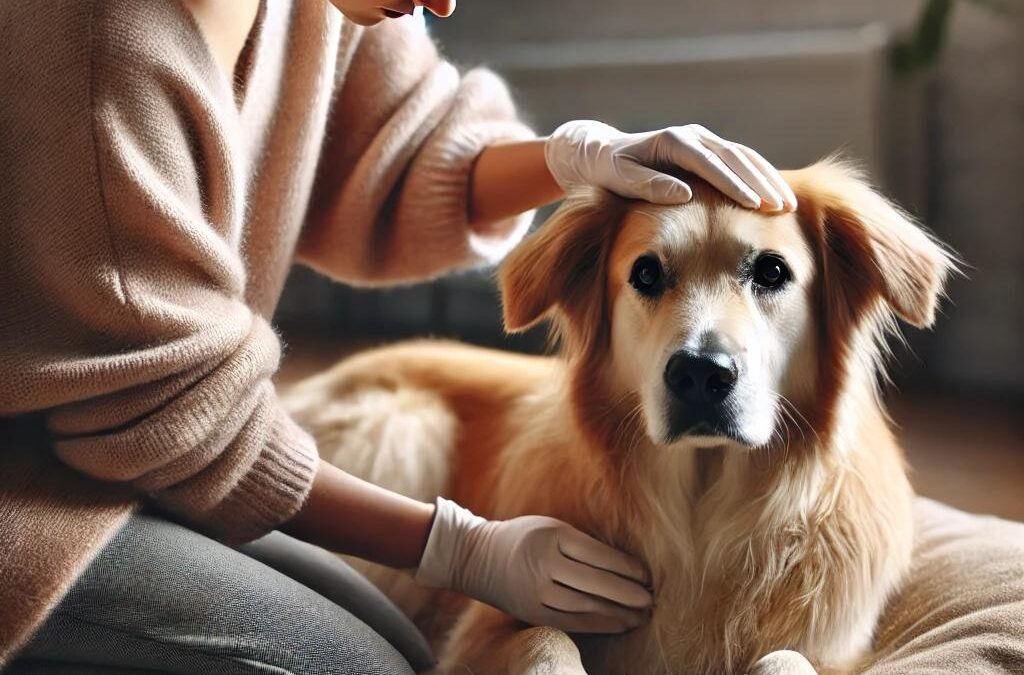
by TCMVET | Sep 11, 2024 | Dog Cancer & Tumors
Cancer is one of the leading causes of death in dogs, with the Flint Animal Cancer Center reporting that up to 50% of dogs succumb to the disease. Just like in humans, early detection is critical in increasing the chances of successful treatment. While many symptoms can be caused by other conditions, recognizing potential warning signs early on could make a big difference in your dog’s prognosis.
Key Signs and Symptoms of Canine Cancer
Here are some of the most common signs of cancer in dogs. If you notice any of these symptoms, it’s important to schedule a veterinary visit to rule out any serious conditions.
1. Collapsing or Weakness
Sudden weakness, lethargy, or collapsing can be a sign of a serious health issue, including cancer. Large breed dogs are particularly prone to tumors of the spleen, which can cause these symptoms. Even if your dog seems to recover quickly, it’s essential to have them checked by a vet immediately.
2. Unusual Lumps and Bumps
Lumps and swellings that don’t go away or continue to grow can be a sign of tumors. Not all lumps are cancerous, but it’s important to have any abnormal growths examined to rule out malignancy.
3. Abnormal Discharges
Any unusual discharge, including bleeding, vomiting, diarrhea, or pus, could be an indicator of an underlying health issue, including cancer. If your dog shows these symptoms, consult your veterinarian for an evaluation.
4. Weight Loss or Loss of Appetite
A sudden lack of interest in food and noticeable weight loss can signal serious illness. If your dog’s appetite decreases without an obvious cause, such as a change in food or routine, it’s time to consult your vet.
5. Difficulty Breathing, Urinating, Defecating, Eating, or Swallowing
When everyday functions like breathing, eating, or going to the bathroom become a challenge for your dog, it could indicate a more serious health issue. Tumors can block airways, digestive tracts, or urinary pathways, so these symptoms should not be ignored.
6. Pain or Sensitivity
If your dog becomes sensitive to touch, limps, or avoids physical activity, they may be in pain. While joint issues or arthritis can cause similar symptoms, it’s worth investigating if cancer could be the underlying cause.
While many of these symptoms can be related to non-cancerous conditions, early detection of cancer in dogs can be crucial for successful treatment. If your dog shows any of these signs, don’t hesitate to seek veterinary attention. Regular check-ups and staying vigilant about your dog’s health can make all the difference.

by TCMVET | Sep 11, 2024 | Dog Cancer & Tumors
While it’s widely known that smoking and secondhand smoke are harmful to humans, many pet owners don’t realize the significant risks it poses to their furry and feathered companions. Pets exposed to smoke and its residue are at a much higher risk for various health problems, including respiratory issues, skin and eye irritation, and even cancer. Protecting your pet from the dangers of secondhand smoke is just as important as safeguarding human health.
The Impact of Secondhand Smoke on Pets
All pets, not just dogs, are vulnerable to the harmful effects of secondhand smoke. When pets breathe in smoke, or when smoke residue sticks to their fur, feathers, or surrounding surfaces, they are exposed to thousands of harmful chemicals. This exposure happens every time they groom themselves, lick a smoker’s skin, or simply breathe the contaminated air in their home.
Harmful Residue Lingers in the Environment
One of the lesser-known facts about smoking is that even after the smoke clears, harmful residue remains on clothing, carpets, furniture, and pet fur or feathers. This sticky, oily residue contains over 7,000 chemicals, some of which can be re-released into the air or consumed by pets. This means that pets in a smoking household are exposed to dangerous toxins every day.
Health Risks for Dogs and Cats
Different pets face different health risks depending on their breed and exposure level.
1. Dogs
- Dogs exposed to secondhand smoke are twice as likely to develop lung or nasal cancers compared to dogs in smoke-free environments.
- Long-nosed breeds, such as Greyhounds, Borzois, and Doberman Pinschers, are at a higher risk of developing nose cancer because smoke particles can become trapped in their nasal passages.
- Short and medium-nosed breeds, like Pugs, Bulldogs, Beagles, and Brittany Spaniels, have a greater risk of lung cancer due to their shorter nasal passages, allowing more smoke to reach their lungs.
2. Cats
- Cats exposed to smoking environments are three times more likely to be diagnosed with cancer, particularly oral cancers and lymphoma. This increased risk is due to the fact that cats groom themselves frequently, ingesting smoke residue that has settled on their fur.
Protecting Your Pets from Secondhand Smoke
The best way to protect your pets from the harmful effects of secondhand smoke is to maintain a smoke-free environment. If you smoke, consider doing so outside, away from your pets, and avoid smoking in spaces where they spend their time. Regular cleaning of your home, furniture, and pet bedding can also help minimize exposure to harmful smoke residue. By taking these steps, you can ensure a healthier, safer environment for your beloved pets.

by TCMVET | Sep 10, 2024 | Dog Cancer & Tumors
Weight gain in dogs is often attributed to overeating or lack of exercise, but when it’s paired with an enlarged abdomen, it could be a sign of something more serious. Abdominal tumors are a relatively common cause of rapid weight gain and bloating in dogs, and early detection is key to successful treatment. In this article, we’ll explore the potential causes behind an enlarged abdomen and weight gain in dogs, and why monitoring these changes is crucial for your pet’s health.
What Causes Weight Gain and an Enlarged Abdomen in Dogs?
Weight gain in dogs can happen for a variety of reasons, ranging from simple overeating to more serious underlying health issues. When you notice your dog’s belly becoming visibly larger and their weight increasing rapidly, it’s important to look deeper into the potential causes.
Some possible reasons include:
- Overeating and Lack of Exercise: The most common cause of weight gain is excessive calorie intake paired with insufficient physical activity. However, this typically leads to gradual weight gain rather than a rapid change in weight or belly size.
- Hypothyroidism: A condition where the thyroid gland does not produce enough hormones, leading to a slower metabolism. Dogs with hypothyroidism may gain weight quickly despite eating the same amount of food.
- Fluid Retention: Certain medical conditions can cause fluid to build up in your dog’s abdomen, leading to a bloated appearance. Heart disease, liver disease, or kidney failure can all cause fluid accumulation (ascites) in the abdominal cavity.
- Pregnancy: In unspayed female dogs, weight gain and an enlarged belly could be due to pregnancy.
- Abdominal Tumors: Perhaps the most concerning cause of a rapidly enlarging abdomen is an abdominal tumor. These tumors can grow quickly and cause your dog’s belly to swell. In some cases, the tumor itself increases your dog’s weight, even though they may be losing muscle mass elsewhere.
Abdominal Tumors and Cancer in Dogs
Abdominal tumors are one of the more serious causes of an enlarged belly in dogs. These tumors can form on the liver, spleen, kidneys, or other organs within the abdominal cavity. Some of the most common cancers that result in abdominal tumors include:
- Hemangiosarcoma: A type of cancer that affects blood vessels and often develops on the spleen or liver.
- Lymphoma: A cancer of the lymphatic system that can cause swelling in the abdomen.
- Liver Tumors: Tumors in the liver can cause significant swelling and weight gain due to fluid retention or the growth of the tumor itself.
Abdominal tumors can lead to rapid weight gain due to fluid buildup or the mass of the tumor, and in some cases, they may cause discomfort, loss of appetite, and lethargy. Unfortunately, cancer is often not detected until the tumor has grown large enough to be visible, which is why it’s essential to monitor changes in your dog’s weight and belly size closely.
Other Symptoms to Watch For
In addition to weight gain and a swollen belly, there are other signs that may indicate a more serious issue like cancer:
- Lack of appetite: Despite gaining weight, your dog may seem uninterested in food.
- Lethargy: A noticeable decrease in energy or unwillingness to exercise.
- Discomfort or pain: Your dog may seem uncomfortable when their belly is touched or show signs of pain when moving.
- Vomiting or diarrhea: Digestive issues can also be a sign of tumors or other abdominal conditions.
When to See a Vet
If your dog is experiencing rapid weight gain, an enlarged abdomen, or any of the symptoms mentioned above, it’s crucial to seek veterinary care immediately. Your veterinarian will likely perform a physical examination, blood tests, and possibly imaging such as X-rays or ultrasounds to determine the cause of the weight gain and swelling.
Early detection is critical in managing abdominal tumors and other conditions, so don’t wait to address these changes in your dog’s health.
How to Help Your Dog
If your dog is diagnosed with an abdominal tumor or other serious condition, your veterinarian will discuss the available treatment options. These may include surgery, chemotherapy, or palliative care depending on the type and stage of the disease.
In the meantime, keep an eye on your dog’s diet and exercise levels. While cancer and other medical conditions may cause weight gain, maintaining a balanced diet and regular exercise routine is still important for overall health.
Weight gain paired with an enlarged abdomen in dogs is not something to take lightly, especially when it occurs rapidly. While many cases may be due to overeating or other less serious conditions, the possibility of abdominal tumors or cancer should not be ignored. Regular checkups and early intervention are key to ensuring your dog’s well-being and longevity. If you notice any sudden changes in your dog’s weight or belly size, make sure to consult your vet immediately.

by TCMVET | Sep 10, 2024 | Dog Cancer & Tumors
As dogs age, it’s normal for them to slow down a bit. However, a sudden or noticeable decrease in your dog’s activity level could be a sign that something is wrong. One potential cause behind this lethargy is cancer, which can greatly affect a dog’s energy and overall well-being. Understanding the link between changes in activity levels and potential health issues is crucial for early diagnosis and treatment.
Sudden Lethargy: When to Be Concerned
Lethargy is often one of the first signs that something is wrong with your dog’s health. Dogs that are normally playful and energetic may suddenly become uninterested in exercise, walks, or playtime. While it’s true that older dogs tend to slow down naturally, a significant or rapid decline in energy levels isn’t something to ignore.
Here are some signs to watch for:
- Reduced interest in physical activities such as running, fetching, or playing.
- Sleeping more than usual or appearing tired even after mild exertion.
- Reluctance to go for walks or engage in their usual routines.
- Difficulty getting up or moving around, especially when there is no obvious injury.
These changes might not just be related to aging. In fact, if the lethargy comes on quickly or without a clear cause, it could be an indicator of a more serious issue, such as cancer.
Cancer and Its Impact on Activity Level
Cancer can cause a variety of symptoms in dogs, one of which is a marked change in their activity level. As cancer progresses, the disease may cause discomfort, fatigue, or even pain, making your dog less willing or able to move. Tumors, inflammation, and organ dysfunction can all contribute to decreased energy and a lack of interest in regular activities.
Dogs suffering from cancer may also exhibit other signs such as weight loss, loss of appetite, or unusual lumps. When these symptoms occur alongside lethargy, it’s important to consult a veterinarian for a thorough examination.
Other Causes of Lethargy in Dogs
While cancer is a serious concern, it’s important to remember that lethargy can also be caused by a range of other conditions. Some potential reasons include:
- Infections or illnesses such as viral or bacterial infections.
- Pain from arthritis or joint issues.
- Heart problems that reduce your dog’s stamina.
- Metabolic disorders such as hypothyroidism or diabetes.
- Digestive issues that leave your dog feeling unwell.
Because lethargy is a symptom of many different health conditions, it’s essential to have your dog checked by a vet to determine the exact cause.
When to Visit the Vet
If you notice that your dog’s activity level has changed suddenly or dramatically, it’s time to consult with your veterinarian. The earlier you catch potential health issues, the better the chance for successful treatment, especially in the case of cancer.
Your vet will likely perform a physical exam, run diagnostic tests such as blood work, and possibly recommend imaging like X-rays or ultrasounds to determine the underlying cause of your dog’s lethargy. If cancer is detected, your vet will discuss the available treatment options, including surgery, chemotherapy, or palliative care, depending on the type and stage of the disease.
How to Support Your Dog
Whether your dog’s lethargy is due to cancer, aging, or another medical condition, there are ways you can help support their energy levels and overall well-being:
- Ensure a balanced diet that meets their nutritional needs.
- Keep them hydrated, as dehydration can exacerbate fatigue.
- Provide a comfortable resting space to help them recover their strength.
- Consult with your vet about appropriate supplements or medications to help manage pain or discomfort.
A sudden change in your dog’s activity level can be a red flag for underlying health issues, including cancer. While it’s natural for dogs to slow down as they age, an unexplained decrease in energy or lethargy warrants a trip to the vet. Early diagnosis and treatment are crucial for managing serious conditions, so keeping an eye on your dog’s behavior can help ensure their health and happiness.

by TCMVET | Sep 10, 2024 | Food & Health
Berries like blueberries, raspberries, and cranberries are not just delicious snacks for humans—they are also powerful superfoods that can benefit your dog’s health. Packed with antioxidants, vitamins, and fiber, these little fruits have the potential to boost your dog’s immune system, improve memory, support heart health, and even help prevent cancer. Let’s explore the benefits of these berries and how to incorporate them into your dog’s diet.
Why Berries are Great for Dogs
Berries are rich in antioxidants, which are crucial for fighting off free radicals—unstable molecules that can cause oxidative stress and contribute to cancer development. Including antioxidant-rich foods in your dog’s diet helps protect their cells from damage, potentially reducing the risk of cancer. In addition to antioxidants, berries provide essential vitamins like vitamin C, as well as fiber that supports healthy digestion.
Blueberries: A Nutritional Powerhouse
Blueberries are one of the best fruits to include in your dog’s diet. They are low in calories but high in antioxidants, making them ideal for cancer prevention. Blueberries are also linked to improved cognitive function and memory, which is beneficial for senior dogs.
You can offer your dog fresh or frozen blueberries as a healthy snack or mix them into their meals. Most dogs enjoy the sweet taste, so blueberries are usually a hit.
Raspberries: Heart-Healthy and Full of Fiber
Raspberries are another fantastic berry to consider. In addition to being loaded with antioxidants, raspberries are high in fiber, which helps support a healthy digestive system. They also have anti-inflammatory properties, which can benefit dogs suffering from chronic inflammation, arthritis, or joint issues.
However, some dogs may find the taste of underripe raspberries a bit too tart. In that case, try blending them into a smoothie or mixing them with other foods your dog already enjoys.
Cranberries: The Natural Urinary Tract Protector
Cranberries are widely known for their ability to support urinary tract health by preventing bacteria from adhering to the bladder wall. They are particularly useful for dogs prone to urinary tract infections (UTIs). Cranberries are also full of antioxidants, vitamins, and fiber, making them a powerful tool in your dog’s cancer-prevention diet.
Since cranberries can be quite bitter, many dogs may refuse to eat them raw. If this is the case, cranberry supplements or natural, unsweetened cranberry juice can be a great alternative. You can also mix cranberries with your dog’s food to make them more palatable.
How to Feed Berries to Your Dog
If your dog enjoys the taste of fresh berries, you can serve them raw as treats or mix them into their regular food. Make sure to wash the berries thoroughly to remove any pesticides or dirt.
For dogs that are picky eaters, or who dislike the bitterness of certain berries like cranberries or underripe raspberries, you can try blending them into a smoothie or mixing them with other foods, such as yogurt, to make them more appetizing. There are also berry-based supplements available for dogs, which provide a concentrated dose of their health benefits.
Berries like blueberries, raspberries, and cranberries are excellent additions to your dog’s diet, thanks to their high antioxidant content and numerous health benefits. Whether served as treats, mixed into meals, or offered in supplement form, these superfoods can help protect your dog from cancer, support heart health, and improve their overall well-being. Incorporating berries into your dog’s diet is a simple and natural way to boost their health and help prevent disease.

by TCMVET | Sep 10, 2024 | Food & Health
Cruciferous vegetables, such as broccoli, are not just superfoods for humans; they can also provide significant health benefits for dogs. Packed with nutrients, antioxidants, and cancer-fighting compounds, these vegetables are becoming a popular addition to canine diets, especially for dogs facing cancer. Let’s explore how broccoli and its cruciferous cousins can contribute to your dog’s overall health and potentially aid in cancer prevention.
The Health Benefits of Broccoli for Dogs
Broccoli is one of the most nutrient-dense vegetables you can offer your dog. Rich in vitamins A, C, and K, as well as fiber, calcium, and antioxidants, broccoli delivers a wide range of health benefits.
1. Powerful Antioxidants: Broccoli is packed with antioxidants, which play a vital role in neutralizing harmful free radicals. These free radicals can cause oxidative stress in your dog’s body, which may lead to cell damage and even cancer. By including antioxidant-rich foods like broccoli in your dog’s diet, you may help reduce the risk of cancer development.
2. Supports the Immune System: The combination of vitamins, minerals, and antioxidants in broccoli gives your dog’s immune system a natural boost. A strong immune system is crucial for dogs fighting cancer or recovering from illness, as it helps the body ward off infections and inflammation.
3. Anti-Inflammatory Properties: Inflammation is a key player in many chronic conditions, including cancer. Broccoli contains compounds with anti-inflammatory properties, which may help reduce inflammation in the body and provide relief for dogs with arthritis, allergies, or chronic pain.
4. Aids in Detoxification: Broccoli is known for its detoxifying properties. It contains phytonutrients that help support the liver’s ability to detoxify harmful substances in your dog’s body. A healthy liver is essential for maintaining overall health and supporting your dog’s natural defenses.
Other Cruciferous Vegetables to Include in Your Dog’s Diet
While broccoli is a top choice, it’s not the only cruciferous vegetable that can benefit your dog. Other vegetables in this family, such as cabbage, kale, Brussels sprouts, and cauliflower, are also loaded with nutrients and cancer-fighting compounds. Including a variety of these vegetables in your dog’s meals can provide a more diverse range of health benefits.
Here are some other cruciferous vegetables to consider:
- Cabbage: High in fiber and vitamins, cabbage can help improve digestion and support the immune system. Lightly steam it for easier digestion.
- Brussels Sprouts: These mini powerhouses are rich in vitamins and antioxidants that can help reduce inflammation and promote overall health.
- Kale: Known as a superfood, kale is full of antioxidants and phytonutrients that contribute to cancer prevention and boost the immune system.
- Cauliflower: Like broccoli, cauliflower is rich in vitamins and minerals that support detoxification and reduce inflammation.
How Cruciferous Vegetables Fight Cancer
One of the key reasons cruciferous vegetables are so effective in cancer prevention is their high content of glucosinolates. When these compounds are broken down during digestion, they produce biologically active compounds such as sulforaphane and indole-3-carbinol, both of which have been studied for their anti-cancer properties.
Sulforaphane, in particular, has been shown to inhibit the growth of cancer cells and even trigger cancer cell death in some cases. By feeding your dog cruciferous vegetables, you’re providing a natural source of these powerful compounds, which may help in preventing or slowing the progression of cancer.
Safe Ways to Feed Cruciferous Vegetables to Dogs
When it comes to adding cruciferous vegetables to your dog’s diet, moderation is key. Too much broccoli or other cruciferous vegetables can cause digestive upset, such as gas or bloating. It’s best to lightly steam these vegetables to make them easier for your dog to digest and absorb their nutrients.
Start with small portions and observe how your dog reacts. If your dog tolerates the vegetables well, you can gradually increase the amount. However, it’s always a good idea to consult your veterinarian before making any major changes to your dog’s diet, especially if your dog is undergoing treatment for cancer.
Cruciferous vegetables like broccoli are more than just a healthy snack for your dog—they’re a powerhouse of nutrients and cancer-fighting compounds. By incorporating these vegetables into your dog’s meals, you can help boost their immune system, reduce inflammation, and potentially prevent or slow down cancer progression. Remember to introduce these vegetables slowly and consult your vet to ensure they are safe for your dog’s individual health needs.

by TCMVET | Sep 10, 2024 | Dog Cancer & Tumors
Chaga mushroom, a peculiar fungus found on birch trees in cold climates, has been gaining popularity as a potential natural remedy for various health issues, including cancer. While its rough, blackened appearance might seem unattractive, its health benefits have sparked interest in both human and veterinary medicine. Could this strange mushroom be a miracle cure for canine cancer?
What is Chaga Mushroom?
Chaga (Inonotus obliquus) is a parasitic fungus that primarily grows on birch trees in northern regions such as Siberia, Alaska, and Canada. It has been used in traditional medicine for centuries, particularly in Russia and Eastern Europe, where it’s revered for its ability to boost the immune system, fight inflammation, and support overall health.
Rich in antioxidants, Chaga contains compounds like polysaccharides, beta-glucans, and triterpenoids, all of which contribute to its potential healing properties. In humans, Chaga is used to enhance immune function and has been investigated for its anti-cancer properties. But how does it work for dogs?
Chaga Mushroom and Canine Cancer
Canine cancer is a devastating diagnosis for any pet owner. Traditional treatments like chemotherapy and radiation often come with significant side effects, leading many dog owners to seek alternative or supplementary therapies. This is where Chaga mushroom comes in.
1. Immune System Boosting: One of Chaga’s primary benefits is its ability to enhance immune system function. The beta-glucans in Chaga stimulate the immune response, helping the body to fight cancer cells more effectively. For dogs undergoing cancer treatment, a stronger immune system can support recovery and improve overall well-being.
2. Anti-Inflammatory Properties: Chronic inflammation is linked to cancer growth in both humans and animals. Chaga’s powerful anti-inflammatory properties may help reduce the inflammation associated with cancer, potentially slowing down tumor progression in dogs.
3. Antioxidants for Fighting Free Radicals: Chaga is packed with antioxidants, particularly superoxide dismutase (SOD), which helps neutralize free radicals. Free radicals can damage cells and contribute to cancer development, so reducing their impact may protect your dog’s health.
Is Chaga Safe for Dogs?
While Chaga mushroom shows promise as a natural remedy for canine cancer, it’s important to consult your veterinarian before adding any supplements to your dog’s diet. Each dog is unique, and what works for one may not be suitable for another, especially if your dog is undergoing cancer treatments like chemotherapy or radiation.
Chaga supplements for dogs are available in various forms, including powders and tinctures. Always ensure the product is sourced from high-quality, organic Chaga to avoid contamination with harmful substances. Additionally, follow dosage recommendations carefully to prevent potential side effects such as digestive upset or liver strain.
How to Administer Chaga to Dogs
If your veterinarian approves Chaga as part of your dog’s cancer care plan, you can typically add it to their food or administer it in tincture form. Many dog owners report improvements in their dogs’ energy levels, appetite, and overall health after introducing Chaga into their diet.
Chaga mushroom is not a magical cure-all, but it holds significant potential as a complementary treatment for canine cancer. Its immune-boosting, anti-inflammatory, and antioxidant properties make it a promising natural remedy for supporting dogs through their cancer journey. However, always work closely with your veterinarian to ensure that Chaga is safe and appropriate for your pet’s specific needs.

by TCMVET | Sep 10, 2024 | Dog Cancer & Tumors
Keeping your dog at a healthy weight is about more than just mobility and overall well-being—it’s also a crucial aspect of cancer prevention. Studies show that obesity in dogs significantly increases the risk of cancer, primarily due to the chronic inflammation associated with excess body fat. By maintaining an ideal weight through a balanced diet and regular exercise, you can help reduce your dog’s risk of developing cancer while promoting a longer, healthier life.
The Link Between Obesity and Cancer in Dogs
Excess body fat in dogs can trigger a cascade of health problems, from joint issues to heart disease, but one of the lesser-known risks is cancer. Research published in the Veterinary Journal highlights the correlation between obesity and an increased likelihood of certain types of cancers in dogs, including mammary tumors and bladder cancer. Chronic inflammation caused by excessive fat tissue is believed to be a key driver of this increased risk. Inflammation creates an environment in which abnormal cells can grow, increasing the chance of cancer development.
Dogs that are overweight or obese also experience higher levels of oxidative stress and hormone imbalances, both of which contribute to cancer formation. Hormones like insulin and leptin, which are affected by obesity, play a role in cell growth and proliferation, potentially leading to tumor formation.
How to Maintain a Healthy Weight for Cancer Prevention
The good news is that maintaining your dog’s weight within a healthy range is an effective way to reduce cancer risk and improve overall health. Here are some key strategies for keeping your dog fit and healthy:
- Balanced Diet: Work with your veterinarian to establish a diet that is tailored to your dog’s needs. This should include high-quality, nutrient-dense food that provides the right balance of proteins, fats, and carbohydrates. Avoid overfeeding and focus on portion control to prevent weight gain.
- Regular Exercise: Exercise plays a critical role in maintaining a healthy weight. Make sure your dog gets daily physical activity, whether through walks, playtime, or other forms of exercise suited to their age and energy levels. Physical activity helps burn calories, improve metabolism, and reduce the buildup of excess fat.
- Monitor Weight and Body Condition: Regularly check your dog’s weight and body condition to ensure they are staying within a healthy range. Your veterinarian can help assess your dog’s body condition score (BCS) and recommend adjustments to their diet or exercise routine if needed.
- Limit Treats and Snacks: While it can be tempting to reward your dog with treats, it’s important to limit them, especially if your dog is prone to weight gain. Look for healthy treat options, or use vegetables like carrots as low-calorie alternatives.
- Schedule Regular Vet Checkups: Regular veterinary visits are essential for monitoring your dog’s overall health and weight. Your vet can help track your dog’s progress and make recommendations for diet or exercise changes as needed.
Benefits of Maintaining a Healthy Weight Beyond Cancer Prevention
In addition to reducing the risk of cancer, maintaining a healthy weight offers numerous other health benefits for your dog:
- Improved Joint Health: Dogs that maintain a healthy weight are less likely to suffer from joint issues like arthritis, as there is less strain on their bones and joints.
- Better Cardiovascular Health: Weight management supports heart health, reducing the risk of heart disease and hypertension in dogs.
- Enhanced Longevity: Studies have shown that dogs at a healthy weight tend to live longer than their overweight counterparts. By keeping your dog fit, you’re likely adding years to their life.
- Increased Energy and Quality of Life: Dogs that are at an ideal weight tend to be more energetic and have a better overall quality of life. They are more active, agile, and able to enjoy daily activities without the burden of excess weight.
Maintaining your dog’s weight within a healthy range is one of the most effective ways to reduce their risk of cancer and other chronic health issues. By focusing on a balanced diet, regular exercise, and ongoing veterinary care, you can help your dog lead a healthier, happier, and longer life. The proactive steps you take today can significantly impact your dog’s well-being in the future, making weight management a key component of cancer prevention.

by TCMVET | Sep 10, 2024 | Medicines & Therapies
As pet owners seek out ways to improve their dogs’ health, especially when faced with challenging diagnoses like cancer, CBD (cannabidiol) is emerging as a powerful natural option. Derived from the cannabis plant, CBD is non-psychoactive and has been widely studied for its potential in supporting canine health. While its use for managing pain and anxiety in dogs is well-known, recent research highlights its role in cancer therapy, offering potential benefits in reducing tumor growth and enhancing the effectiveness of traditional treatments.
How CBD Can Aid in Canine Cancer Treatment
Cannabidiol works by interacting with a dog’s endocannabinoid system (ECS), a crucial part of maintaining overall health. The ECS regulates key functions such as pain management, immune response, and inflammation. In dogs with cancer, CBD’s ability to influence the ECS is promising, as it can support the body’s fight against cancer while reducing the negative effects of the disease.
Several studies indicate that CBD may play a role in inducing apoptosis, or programmed cell death, in cancer cells, preventing them from multiplying. This ability to selectively target cancer cells while sparing healthy ones makes CBD a potentially powerful tool in combating cancer in dogs.
A study published in the Journal of Pharmacology and Experimental Therapeutics reported that CBD reduced the viability of cancer cells in canine subjects. The findings suggest that CBD may help slow tumor progression, especially in aggressive cancers like lymphoma and osteosarcoma.
Synergistic Effects of CBD with Conventional Cancer Treatments
One of the most exciting aspects of CBD in cancer therapy is its potential to complement traditional treatments such as chemotherapy and radiation. While these treatments are often effective at targeting cancer cells, they can cause significant side effects, including nausea, pain, and fatigue.
Emerging research shows that CBD may reduce these side effects and enhance the efficacy of conventional cancer treatments. By reducing inflammation and providing pain relief, CBD can make the treatment process more tolerable for dogs, improving their quality of life throughout the therapy.
Additionally, CBD has shown the ability to protect healthy cells from damage during chemotherapy and radiation, which could lead to better outcomes and a quicker recovery for dogs undergoing these intensive treatments.
Managing Pain and Anxiety in Dogs with Cancer
Dogs with cancer often face chronic pain and increased levels of anxiety, whether from the disease itself or the treatments they undergo. CBD offers a natural, non-invasive way to manage both conditions. Its interaction with the ECS helps reduce pain signals in the brain, providing relief for dogs suffering from discomfort.
Furthermore, CBD has calming properties that can reduce anxiety levels in dogs, making them feel more comfortable and relaxed during vet visits or while recovering from treatments. This dual effect—managing both physical and emotional stress—makes CBD a valuable tool in improving a dog’s overall well-being as they battle cancer.
Ensuring Safe Use of CBD for Dogs
While CBD is generally well-tolerated by dogs, it’s crucial for pet owners to consult with a veterinarian before introducing it into their pet’s cancer care plan. Dosage and product quality are key factors in ensuring the safety and effectiveness of CBD. Veterinarians can recommend high-quality, third-party tested CBD products that are free from harmful additives or contaminants.
It’s also important to ensure that CBD won’t interfere with any medications your dog may be taking as part of their cancer treatment. A veterinarian can provide guidance on proper dosing, the timing of administration, and any potential interactions with traditional therapies.
The Future of CBD in Canine Cancer Therapy
As research into CBD and its potential therapeutic benefits continues, its role in treating canine cancer is becoming clearer. Whether used to complement traditional treatments or as part of a holistic approach to cancer care, CBD offers a promising way to support the health and comfort of dogs facing this difficult diagnosis.
From reducing tumor growth to managing pain and anxiety, CBD’s wide-ranging effects provide hope for pet owners looking for natural ways to enhance their dog’s cancer treatment plan. As always, it’s essential to work closely with a veterinarian to ensure that CBD is used safely and effectively for your dog’s unique needs.
CBD’s role in canine cancer therapy continues to expand as more research uncovers its potential benefits. From reducing cancer cell viability to improving the effectiveness of traditional treatments and managing pain and anxiety, CBD offers a natural, holistic approach to supporting dogs with cancer. Pet owners interested in incorporating CBD into their dog’s cancer care should seek guidance from a veterinarian to ensure that their pet receives the safest and most effective treatment possible.
