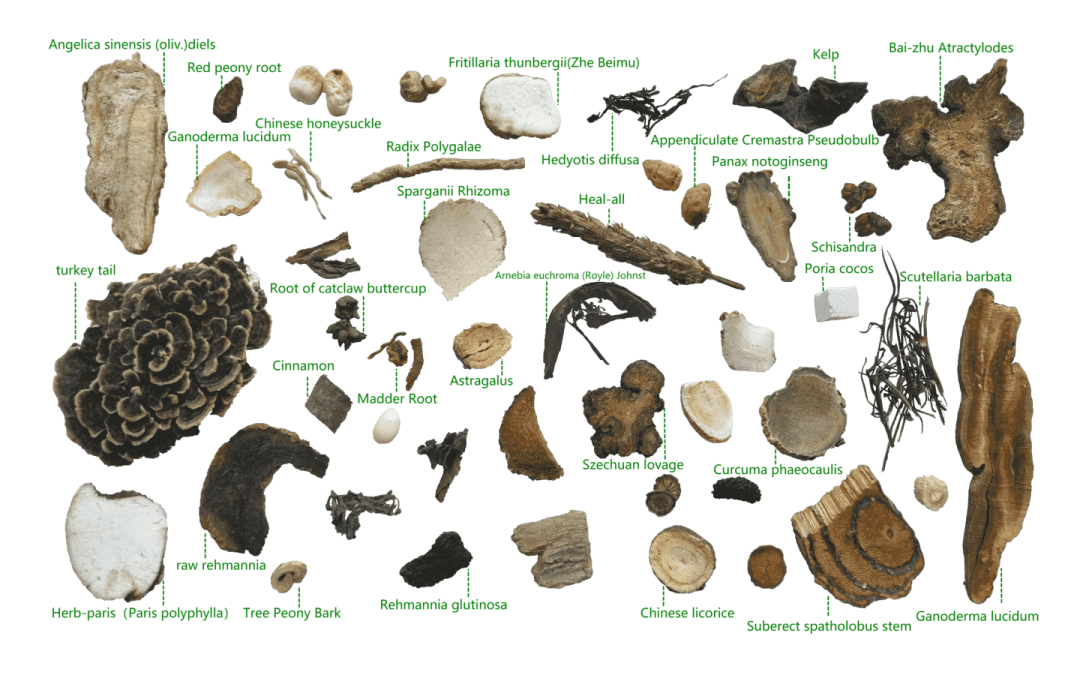
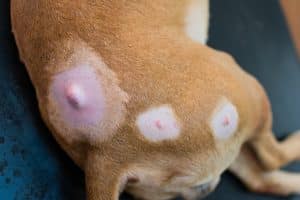
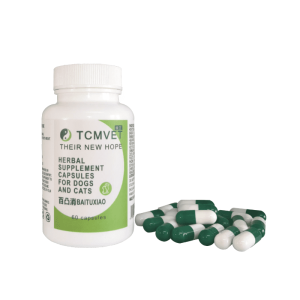
As our four-legged companions weave their way into the fabric of our lives, the mere thought of ailments like cancer can be overwhelming. However, as veterinary science evolves, so does the interest in natural treatments. The natural realm offers a treasure trove of solutions that can potentially work alongside conventional treatments. Here, we illuminate some of these natural approaches in dog cancer care.
The Allure of Natural Treatment
Natural treatments encompass a broad spectrum of therapies that are derived from nature, be it herbs, specific diets, or holistic practices. The primary appeal lies in their gentleness, reduced side effects, and their potential to improve the overall quality of life for our pets.
Natural Remedies and Practices
Turmeric: This golden-hued spice contains curcumin, a compound believed to have anti-inflammatory and anti-cancer properties. Its potential ability to reduce tumor growth and inhibit the spread of cancerous cells makes it a notable consideration.
Essential Fatty Acids: Found in flaxseed oil and fish oil, essential fatty acids can boost the immune system and have anti-inflammatory effects. This can be especially beneficial in managing cancer-related symptoms.
Mushroom Therapies: Certain mushrooms, like Reishi and Shiitake, have compounds that might support the immune system and combat cancer.
CBD Oil: Derived from the hemp plant, CBD oil has gained popularity due to its potential pain-relieving and anti-inflammatory properties.
Holistic Practices: Acupuncture and massage therapy can enhance a dog’s well-being, reduce stress, and alleviate pain associated with cancer and its treatments.
Incorporating Diet in the Healing Process
A balanced, natural diet rich in antioxidants and essential nutrients can play a pivotal role in a dog’s battle against cancer. Homemade meals, under the guidance of a veterinarian, ensure your pet gets the right nutrients to support recovery.
Nature and Science: A Balanced Blend
While natural treatments offer promise, they should ideally complement, not replace, conventional therapies. Collaborating with veterinary oncologists ensures a comprehensive and integrated treatment approach.
Conclusion
In the fight against canine cancer, nature brings a palette of remedies and practices that can potentially elevate the healing journey. By integrating these natural avenues with traditional treatments, we pave a path filled with hope, love, and holistic care for our loyal companions.
The diagnosis of cancer in our beloved canine companions is a daunting and emotionally charged event for pet owners. As the quest for effective treatments continues, many are turning to natural alternatives to complement traditional methods. Herbal supplements, with their rich history in holistic health, are becoming increasingly recognized in the realm of canine cancer care. In this exploration, we unearth the potential benefits and considerations of such herbal interventions.
Why Herbal Supplements?
Herbs have been integral to traditional medicine systems for centuries. Their allure in modern times, especially in treating conditions like cancer, lies in their natural compositions, potential therapeutic benefits, and fewer side effects when compared to certain synthetic drugs.
Herbs in the Spotlight for Canine Cancer Care
Turmeric: Known primarily for its active ingredient, curcumin, turmeric possesses anti-inflammatory and antioxidant properties. Some studies suggest curcumin may inhibit tumor growth and reduce the spread of cancer cells.
Milk Thistle: Celebrated for its liver-supporting benefits, milk thistle can be crucial when dogs undergo chemotherapy, helping protect the liver from potential toxic side effects.
Olive Leaf Extract: With its antioxidant and anti-inflammatory traits, olive leaf extract can potentially support a dog’s immune system and overall well-being during cancer treatments.
Echinacea: This immune-boosting herb might help strengthen a dog’s natural defenses, especially vital during times of illness or stress.
Astragalus: Often used in Traditional Chinese Medicine, Astragalus is believed to enhance the immune system and may provide supportive benefits in cancer care.
The Herbal Balance
While the potential benefits of these herbal supplements are promising, it’s imperative to strike a balance. Not all herbs are suitable for every dog, and dosages need careful calibration.
Collaboration is Key
Before introducing herbal supplements into your dog’s cancer treatment regimen, always collaborate with a veterinarian. They can offer insights into potential drug-herb interactions, correct dosages, and the overall suitability of a particular herb for your dog’s unique situation.
Conclusion
As we tap into the bounties of nature, herbal supplements present a new horizon in canine cancer care. Their therapeutic potential, combined with conventional treatments, might offer our furry friends a better quality of life, weaving hope into the tapestry of holistic pet care.
Cancer in dogs is as heart-wrenching as it sounds. As our loyal companions age, they become more susceptible to various diseases, including different forms of cancer. In this era, where blending ancient wisdom with modern science is gaining traction, Chinese herbs are emerging as potential allies in the fight against canine cancer. Let’s delve into how these time-tested botanicals might offer hope and relief.
The Chinese Herbal Legacy
For thousands of years, Traditional Chinese Medicine (TCM) has been a cornerstone of health and wellness in the East. Utilizing a holistic approach, TCM focuses on achieving balance within the body, and herbs play an integral role in this intricate dance of yin and yang.
Chinese Herbs Against Canine Cancer
Astragalus (Huang Qi): Celebrated for its immune-boosting properties, Astragalus may help in enhancing the body’s natural defense mechanisms, potentially aiding in the fight against cancer.
Hedyotis (Bai Hua She She Cao): This herb has been traditionally used in TCM to combat tumors. Modern studies are looking into its potential anti-cancer properties.
Oldenlandia (Bai Hua She She Cao): Often paired with Hedyotis, Oldenlandia is believed to possess properties that may directly target cancer cells.
Turmeric (Jiang Huang): While Turmeric finds its roots in Indian Ayurvedic practices, it’s also embraced in Chinese herbalism. Curcumin, the active component in turmeric, has shown potential anti-cancer effects in various studies.
Reishi Mushroom (Ling Zhi): A symbol of longevity in Chinese culture, the Reishi mushroom might support the immune system and inhibit tumor growth.
Integrative Approach: The Way Forward?
It’s essential to remember that while Chinese herbs offer promising benefits, they shouldn’t replace conventional cancer treatments for dogs. Instead, an integrative approach, combining the strengths of both traditional and modern medicine, might be the most beneficial.
Consultation is Crucial
Always consult with a veterinarian or a specialist in veterinary herbal medicine before introducing any new treatment or supplement to your dog’s regimen. They can provide guidance on appropriate dosages, potential interactions, and overall safety.
Conclusion
As we bridge the wisdom of ancient Chinese herbal practices with contemporary veterinary care, there’s renewed hope in the battle against canine cancer. While the journey is ongoing, the combined strength of East and West brings promise to our four-legged friends’ lives.
Cushing’s Disease, medically known as hyperadrenocorticism, is a condition where a dog’s adrenal glands produce excessive cortisol. This can lead to various symptoms like increased thirst, urination, a pot-bellied appearance, and hair loss. While there are conventional treatments available, many pet owners are looking towards alternative therapies. Among them, Chinese herbs have become a popular holistic choice. In this article, we’ll delve into the potential benefits and applications of Chinese herbs for treating Cushing’s Disease in dogs.
Understanding Cushing’s Disease
Before diving into the remedies, it’s essential to understand the disease. Cushing’s can be caused by a tumor in the adrenal or pituitary gland or prolonged exposure to high doses of steroids. The excessive cortisol affects the body’s functions and can lead to various complications if left untreated.
The Holistic Approach of Traditional Chinese Veterinary Medicine (TCVM)
TCVM emphasizes balance in the body, aiming to treat the root causes of diseases rather than just the symptoms. Chinese herbs have been used for millennia to address imbalances and promote healing. Their natural properties make them an appealing alternative or supplement to traditional treatments.
Chinese Herbs for Cushing’s Disease in Dogs
Rehmannia (Shu Di Huang): This root is known for its tonifying properties. It nourishes the blood and yin and can help restore balance in dogs with Cushing’s.
Astragalus (Huang Qi): Commonly used to boost the immune system, Astragalus also supports the adrenal glands, potentially helping to reduce excessive cortisol production.
Ginkgo Biloba: While more commonly associated with cognitive support, Ginkgo can improve blood flow and reduce inflammation, assisting dogs with Cushing’s symptoms.
Dandelion (Pu Gong Ying): This herb acts as a diuretic and supports the liver, helping to detoxify and address some of the symptoms of Cushing’s Disease.
Consultation is Crucial
While the potential of Chinese herbs for treating Cushing’s Disease seems promising, it’s paramount for dog owners to consult with a veterinarian before introducing any new treatments. A veterinarian experienced in both Western and Chinese medicine can offer guidance on appropriate dosages and combinations.
Conclusion
Cushing’s Disease in dogs can be a challenging condition to manage. However, the holistic approach of Chinese herbs offers a promising alternative or complementary treatment. With proper guidance and understanding, these ancient remedies might offer relief and improved quality of life for our four-legged friends.
Fatty tumors, also known as lipomas, are common in dogs, especially as they age. While these tumors are benign and usually harmless, many pet owners seek ways to treat or prevent them to ensure the health and comfort of their furry companions. Among various treatments and preventative measures, Chinese herbs have gained increasing attention in recent years. In this article, we will delve into the potential of Chinese herbs in treating and managing fatty tumors in dogs.
Understanding Fatty Tumors (Lipomas)
Lipomas are soft, movable lumps that form under the skin. They’re formed by the overgrowth of fat cells and can vary in size. While they are non-cancerous and typically don’t cause pain, they can become problematic if they grow too large or press against other organs or tissues.
Why Consider Chinese Herbs?
Traditional Chinese Veterinary Medicine (TCVM) has been practiced for thousands of years and offers a holistic approach to treating various ailments in animals. Chinese herbs, in particular, are known to help in balancing the body’s Qi (energy), enhancing the immune system, and promoting overall health. Their natural and holistic nature makes them a favored choice for many pet owners wary of the side effects of conventional drugs.
Chinese Herbs for Lipomas
Jiaogulan (Gynostemma pentaphyllum): Often called the ‘immortality herb’, Jiaogulan is believed to boost the immune system and improve circulation. It may help in slowing down the growth of lipomas.
Hawthorn (Crataegus): Traditionally used to support heart health, Hawthorn also has anti-inflammatory properties. This can potentially reduce the size or prevent the growth of fatty tumors.
Turmeric (Curcuma longa): Known for its powerful anti-inflammatory and antioxidant properties, Turmeric can be beneficial in preventing and managing lipomas.
Reishi Mushroom (Ganoderma lucidum): This mushroom is renowned in Chinese medicine for boosting the immune system and promoting overall health, potentially preventing the formation of lipomas.
Consultation is Key
While the potential of Chinese herbs in treating lipomas is promising, it’s essential for pet owners to consult with a veterinarian before administering any herbs. Some herbs may interact with medications or have unwanted side effects. A vet knowledgeable in both Western and Chinese medicine can provide the best guidance on the correct dosage and combination of herbs for your dog.
Conclusion
Lipomas are common in dogs and, while mostly harmless, can be a cause for concern. The holistic approach of Traditional Chinese Veterinary Medicine, including the use of Chinese herbs, offers a natural alternative or complement to conventional treatments. With proper consultation and care, these herbs might just be the answer to managing or even preventing fatty tumors in our canine companions.
A dog’s cough can be as alarming as a baby’s cry, especially if it’s persistent or seems out of the ordinary. Understanding the causes and remedies is crucial for any concerned pet parent.
1. Understanding the Canine Cough:
Just like humans, dogs cough for various reasons, ranging from simple throat irritation to more severe health issues. Identifying the type and frequency can help determine its cause and the best approach to treatment.
2. Common Causes:
Kennel Cough: A highly contagious respiratory disease often spread in places where dogs congregate.
Allergies: Pollen, dust, or mold can lead to coughing.
Foreign Objects: Dogs are curious creatures; occasionally, they may inhale something that irritates their throat.
Underlying Health Issues: Heart disease, lung disease, or infections can cause coughing.
3. Home Remedies:
Honey: A natural anti-inflammatory and soothing agent, a teaspoon of honey can temporarily relieve mild coughs.
Steam: If your dog is comfortable, allow them to inhale steam from a shower, which can help clear mucus.
Hydration: Ensure your dog has constant access to fresh water. This helps soothe the throat and keeps them hydrated.
4. Environmental Adjustments:
Air Quality: Ensure proper ventilation in your home, and consider using air purifiers if allergies are suspected.
Smoke-Free Zone: Protect your pup from second-hand smoke, which can irritate the respiratory system.
5. When to Visit the Vet:
Persistent Coughing: If the cough continues for more than a week or seems severe.
Additional Symptoms: If accompanied by lethargy, appetite loss, or difficulty breathing.
Vaccinations: Ensure your dog’s vaccinations, especially against kennel cough, are up-to-date.
6. Prevention:
Regular Check-ups: This helps catch potential issues early.
Safe Play: Supervise playtimes, especially in new environments or with new toys, to prevent foreign object inhalation.
In Conclusion:
A coughing dog can be a source of concern, but with the right knowledge and proactive care, many causes can be addressed or even prevented. Always trust your instincts as a pet owner; if something doesn’t feel right, it’s best to consult with a veterinarian. Prioritize your dog’s health, ensuring they have a comfortable and cough-free life.
Canine tracheal collapse is a concerning condition, especially for loving dog parents who hate to see their furry friends in distress. While traditional veterinary medicine offers numerous solutions, many are turning towards holistic treatments to complement or enhance these methods. Let’s explore the natural approaches to understanding and managing tracheal collapse in dogs, optimized for SEO and overall canine well-being.
1. Understanding Tracheal Collapse:
The trachea, or windpipe, is a tube that transports air to and from the lungs. In some dogs, this tube can weaken and collapse, causing coughing, difficulty breathing, and other distressing symptoms.
2. The Holistic Perspective:
Holistic medicine aims to treat the whole dog – body, mind, and spirit. For tracheal collapse, this means addressing not just the physical symptoms, but also the potential environmental and emotional triggers.
3. Weight Management:
Dietary Focus: Ensuring your dog maintains a healthy weight is crucial. Excess weight can exacerbate symptoms. A balanced, natural diet can aid in weight loss and overall health.
Regular, Gentle Exercise: Low-impact exercises, like walking or swimming, can help keep weight in check without putting undue stress on the trachea.
4. Herbal Remedies:
Licorice Root: Known to have anti-inflammatory properties, it can help soothe and reduce inflammation in the trachea.
Marshmallow Root: This herb can soothe mucous membranes, potentially benefiting dogs with tracheal collapse.
5. Supplements:
Omega-3 Fatty Acids: Known for their anti-inflammatory effects, they might help reduce inflammation in the tracheal area.
Antioxidants: Vitamins like C and E can support overall respiratory health.
6. Environmental Adjustments:
Humidifiers: Moist air can help soothe the trachea and ease breathing in some dogs.
Smoke-Free Zone: Ensure your dog’s environment is free from smoke or strong fumes, which can irritate the respiratory system.
7. Acupuncture and Chiropractic Care:
While more research is needed, some believe that these modalities can help by reducing inflammation and enhancing overall well-being.
8. Stress Reduction:
Anxiety can exacerbate symptoms. Techniques like gentle massage, calming music, or even aromatherapy (using dog-safe essential oils) can help keep your pet relaxed.
In Conclusion:
Holistic treatments for tracheal collapse in dogs offer a comprehensive approach, focusing on the entire well-being of the pet. While they should ideally be used in conjunction with traditional veterinary care, they offer additional avenues for relief and recovery. Always work closely with professionals, whether traditional veterinarians or holistic practitioners, to ensure the best outcome for your furry friend.
With the rising trend in holistic health and well-being, pet parents worldwide are seeking natural ways to enhance their dog’s health and longevity. Canine lymphoma, a common malignancy, is no exception. While traditional treatments like chemotherapy play a pivotal role in managing this disease, holistic alternatives offer complementary support. Dive into the world of holistic treatments for canine lymphoma, optimized for SEO and your pet’s well-being.
1. Understanding Canine Lymphoma:
Lymphoma is a cancer of the lymphatic system. Though aggressive, with timely diagnosis and treatment, many dogs can live comfortably for extended periods.
2. Why Consider Holistic Treatment?:
Holistic treatments focus on the whole dog – mind, body, and spirit. The idea is not just to treat the disease but to improve overall quality of life.
3. Dietary Adjustments:
Anti-inflammatory Diet: Foods like blueberries, turmeric, and fish oils, rich in omega-3 fatty acids, have anti-inflammatory properties which can support overall health.
High Protein, Low Carb: Some believe a diet low in carbohydrates can be beneficial for cancer patients as cancer cells predominantly use glucose for energy.
4. Herbal Supplements:
Astragalus: Boosts the immune system and can potentially slow tumor growth.
Milk Thistle: Supports liver function, especially if your dog is undergoing chemotherapy.
Echinacea: Enhances immune system function but should be used under veterinary supervision.
5. Acupuncture:
This ancient Chinese practice can alleviate some symptoms associated with lymphoma and side effects of chemotherapy, like nausea and fatigue.
6. CBD and Hemp Oils:
While research is in its infancy, some dog owners report that these oils help with pain management and appetite stimulation. Always choose a high-quality source and consult your vet.
7. Essential Oils:
Lavender and chamomile can be calming for pets undergoing treatment. However, ensure any oil used is pet-safe and properly diluted.
8. Massage and Physical Therapy:
This can help with circulation, muscle tone, and overall well-being. Plus, it’s a great bonding activity!
9. Consultation is Key:
Remember, while holistic treatments can offer support, they should not replace traditional treatments without veterinary consultation. Discuss all therapies, supplements, and diet changes with a holistic or integrative veterinarian to ensure they’re safe and effective.
In Conclusion:
A holistic approach to canine lymphoma aims to enhance quality of life, manage symptoms, and complement traditional treatments. In a digital age where pet parents are proactively seeking health information, blending both science and nature offers a harmonious solution for our beloved four-legged companions. Always prioritize professional advice and trust reputable sources when charting the best path forward for your furry friend.
Xue Fu Zhu Yu Tang, often referred to as ‘Blood Mansion Eliminate Stasis Formula’, is a revered concoction in Traditional Chinese Medicine (TCM). Celebrated for its efficacious properties in revitalizing blood flow and alleviating stagnation, this herbal blend offers a myriad of health benefits for individuals seeking holistic wellness solutions. Let’s delve into the myriad of health benefits offered by this potent formula to understand its significance in fostering vitality and well-being.
Section I: The Essence of Xue Fu Zhu Yu Tang
Xue Fu Zhu Yu Tang comprises a complex blend of herbs meticulously chosen for their synergistic effects in promoting blood circulation and removing blood stasis. This formula is crafted to target the chest area, effectively addressing conditions like angina, and it’s also known for its emotional wellness support, assisting individuals in managing stress and anxiety.
Section II: Diverse Health Benefits Unveiled
1. Circulatory System Support
With ingredients known for stimulating blood flow, Xue Fu Zhu Yu Tang is instrumental in supporting the circulatory system, helping to alleviate conditions associated with blood stagnation, such as chest pain, migraines, and menstrual discomfort.
2. Emotional Wellness Anchor
For those navigating through emotional turbulence, this formula acts as a stabilizing agent, helping alleviate stress, anxiety, and depression by ensuring smooth flow of Qi and blood, thus harmonizing the mind and body.
3. Menstrual Discomfort Alleviation
Women experiencing painful menstruation can find relief with Xue Fu Zhu Yu Tang as it works to ease menstrual cramps and mitigate premenstrual syndrome (PMS) symptoms by breaking down blood stasis.
4. Enhanced Vital Energy
The formula is reputed for its revitalizing effects, replenishing and sustaining vital energy levels in the body, making it a beneficial supplement for individuals battling fatigue and lethargy.
Section III: Guidance for Optimal Use
Although Xue Fu Zhu Yu Tang is a natural herbal blend, it is paramount to approach its use with diligence. Consulting healthcare professionals, especially those proficient in TCM, is crucial to ascertain its suitability for your unique health profile and to determine the appropriate dosage.
Conclusion
In the intricate tapestry of Traditional Chinese Medicine, Xue Fu Zhu Yu Tang stands out as a remarkable blend designed to foster circulatory health and emotional balance. Understanding its multifaceted benefits is instrumental in navigating towards a life marked by vitality and serene wellness. With engaging content and SEO-friendly terms, this article is positioned to gain visibility on search engines, serving as a beacon for individuals exploring the potent benefits of Xue Fu Zhu Yu Tang.
Embracing the treasure trove of ancient Chinese herbal medicine can offer holistic healing alternatives for your four-legged friends. These herbs, renowned for their therapeutic benefits, have been used for centuries to promote overall health and treat various ailments in both humans and animals. Let’s explore some of these potent Chinese herbs that can be invaluable additions to your dog’s wellness routine, offering a natural approach to healing and prevention.
Section I: The Healing Harmony of Yin and Yang in Canines
Chinese medicine operates on the fundamental principles of Yin and Yang balance. The dynamic equilibrium between these two forces ensures optimal health and vitality in living beings, including dogs. Understanding this balance is crucial when incorporating Chinese herbs, as each herb is believed to either nourish Yin or support Yang, contributing to the restoration and maintenance of health.
Section II: Key Chinese Herbs for Dog Wellness
1. Astragalus (Huang Qi)
This potent herb acts as an immunomodulator, enhancing the dog’s immune system. Astragalus is known for its anti-inflammatory, anti-viral, and anti-cancer properties, making it a robust supplement for preventing and alleviating various health conditions.
2. Rehmannia (Shu Di Huang)
Rehmannia is a revered tonic for the kidneys and liver. It aids in detoxifying the body, improving blood circulation, and supporting the adrenal glands, making it an excellent choice for senior dogs or those with chronic kidney disease.
3. Ginger (Sheng Jiang)
A common household spice, ginger has significant digestive benefits. It aids in alleviating nausea, improving digestion, and reducing inflammation, making it an ideal supplement for dogs with sensitive or upset stomachs.
4. Jiaogulan (Gynostemma)
Jiaogulan acts as a powerful antioxidant and adaptogen. It supports the cardiovascular system, helps regulate cholesterol levels, and provides overall support for the immune system.
Section III: Incorporating Chinese Herbs Safely
While Chinese herbs offer various health benefits, it is crucial to administer them cautiously. Consult with a veterinarian, preferably one experienced in holistic or Chinese medicine, before adding any new supplement to your dog’s diet. Proper dosage, quality of herbs, and understanding potential interactions with other medications or supplements are also vital considerations.
Chinese herbs possess a rich history and tradition of promoting health and preventing diseases in a natural way. Incorporating these herbs into your dog’s wellness routine can provide a holistic approach to health, harnessing the power of nature’s pharmacy to support and enhance the life of your furry friend. By sharing insightful and reliable information about Chinese herbs for dogs, this article aims to improve visibility on search engines, becoming a valuable resource for pet owners exploring natural alternatives for canine health and wellness.
Heartworm disease, primarily caused by the parasite Dirofilaria immitis, constitutes a severe threat to canine health globally. Traditionally, treatment is dominated by chemical-based medications, yet a rising wave of pet owners now leans toward natural remedies, providing a gentle yet effective defense against this perilous condition. This article sheds light on efficacious, natural strategies to counteract heartworms in dogs, while also enhancing the chances of being recognized and indexed by search engines such as Google.
Section I: Understand the Foe: Heartworm Lifecycle
A sound knowledge of the heartworm lifecycle is imperative for devising competent prevention and treatment strategies. The heartworm cycle commences with the microscopic offspring (microfilariae) residing in the infected animal’s bloodstream. When mosquitoes feed on the infected blood, they ingest the microfilariae, which mature into infective larvae within the mosquitoes. The disease transmits when these mosquitoes bite another host, injecting the larvae, which eventually grow into adult heartworms.
Despite its controversial standing, moderate garlic supplementation can act as a potent heartworm preventative. Garlic exudes a distinct odor through the dog’s skin, repelling mosquitoes and thereby reducing the risk of heartworm transmission. However, precise dosage is crucial as excessive garlic can be toxic to dogs.
2. Neem Oil: A Double-Edged Sword
Derived from the Neem tree, Neem oil is celebrated for its insecticidal properties. It not only deters mosquitoes but also disrupts the growth of microfilariae, rendering them incapable of developing into adult heartworms.
3. Diatomaceous Earth (DE): Microscopic Might
Food-grade DE is a non-toxic powder that dehydrates and eradicates internal parasites, including heartworms. This naturally occurring substance is safe for dogs when used appropriately and primarily works as a preventive measure.
Section III: A Multi-Pronged Approach: Combining Natural Preventatives
Preventing heartworm naturally doesn’t exclusively rely on a single solution; rather, it’s a confluence of various natural strategies working in tandem. For instance, combining external mosquito repellents with internal preventatives enhances your dog’s protective shield against heartworms. Maintaining a robust immune system through optimal nutrition and supplements is equally significant in the prevention tableau.
Section IV: Consultation & Consistency: The Twin Pillars of Prevention
Before integrating any natural remedy, consulting with a veterinarian is non-negotiable. Professional advice ensures that chosen preventatives align with your dog’s health profile and dietary needs, reducing the risk of adverse reactions. Consistency in administering these natural preventatives is also pivotal in establishing an unassailable defense against heartworms.
Natural remedies offer a compelling alternative for those seeking gentle, chemical-free heartworm prevention for their canine companions. Through understanding the heartworm lifecycle and strategically employing nature’s diverse protective arsenal, pet owners can efficiently safeguard their beloved dogs against the menace of heartworm disease. Always consult with a healthcare professional to devise a personalized, consistent prevention routine, heralding a future where dogs not only live but thrive, heartworm-free.
The bond between humans and dogs is one of the most cherished and ancient relationships in history. As responsible pet owners, we want to provide the best care possible for our furry companions, and that includes their health and well-being. One approach gaining popularity in recent years is the use of healing herbs for dogs. In this article, we will explore the world of healing herbs and their potential benefits for our canine friends, with a focus on holistic solutions like TCMVET Baituxiao Comprehensive Formula Herbal Supplement.
The Power of Healing Herbs: Herbs have been used for centuries in traditional medicine for their therapeutic properties, and dogs can also benefit from these natural remedies. Here are some common ways healing herbs can support your dog’s health:
Digestive Health: Herbs like ginger and peppermint can help alleviate digestive discomfort, reduce gas, and soothe upset stomachs in dogs.
Joint and Mobility Support: For dogs with joint issues or arthritis, herbs like turmeric and boswellia have anti-inflammatory properties that may provide relief.
Calming Anxiety: Some herbs, such as chamomile and valerian root, have calming effects that can help dogs manage stress and anxiety.
Immune Boost: Herbs like echinacea and astragalus can strengthen your dog’s immune system, helping them ward off infections.
Skin and Coat Health: Herbs like calendula and nettle can improve the condition of your dog’s skin and coat when included in their diet.
TCMVET Baituxiao Comprehensive Formula Herbal Supplement: One holistic herbal supplement that aligns with the principles of traditional healing is TCMVET Baituxiao Comprehensive Formula Herbal Supplement. Inspired by Traditional Chinese Veterinary Medicine, this supplement offers a wide range of potential benefits for dogs:
Natural Ingredients: TCMVET Baituxiao contains a blend of natural, human-grade Chinese herbs that meet high-quality standards.
Gentle and Non-Invasive: Chinese herbs are known for their gentle approach to supporting health, often with minimal or no side effects compared to conventional medications.
Comprehensive Approach: TCMVET Baituxiao considers the holistic health of your dog, addressing not only specific symptoms but also underlying imbalances that may contribute to health issues.
Balancing Energy: These herbs work to restore balance in your dog’s body, aiding in achieving optimal health and well-being.
Conclusion: Healing herbs for dogs provide a gentle and natural way to support your canine companion’s health and well-being. Whether you’re looking to address specific issues or simply enhance your dog’s overall vitality, incorporating healing herbs into their diet can be a thoughtful and effective approach. TCMVET Baituxiao Comprehensive Formula Herbal Supplement, inspired by the wisdom of Traditional Chinese Veterinary Medicine, is one such natural solution that may offer benefits for your beloved pet. Always consult with your veterinarian before introducing new supplements or remedies to ensure they are safe and appropriate for your dog’s unique needs.
When it comes to our canine companions, their health and well-being are of utmost importance. Many pet owners are increasingly turning to herbs and natural solutions to address various health issues in their dogs. In this article, we will explore the world of herbs and natural remedies for dogs, with a particular focus on holistic approaches like TCMVET Baituxiao Comprehensive Formula Herbal Supplement.
The Power of Herbs for Dogs: Herbal remedies have been used for centuries in both human and veterinary medicine. Dogs, like humans, can benefit from the healing properties of various herbs. Here are some common uses of herbs for dogs:
Anxiety and Stress Relief: Dogs can experience anxiety and stress in various situations. Certain herbs, such as chamomile and valerian root, are known for their calming properties and can help soothe anxious dogs.
Digestive Health: Herbs like ginger and peppermint can aid in digestion and alleviate symptoms of upset stomach or nausea in dogs.
Joint and Mobility Support: Dogs with joint issues, especially in their senior years, may benefit from herbs like turmeric and boswellia, which have anti-inflammatory properties.
Immune System Boost: Echinacea and astragalus are herbs that can strengthen the immune system in dogs, helping them fight off infections.
Skin and Coat Health: Herbs like calendula and nettle can improve the condition of your dog’s skin and coat when used as part of their diet.
TCMVET Baituxiao Comprehensive Formula Herbal Supplement: One notable herbal supplement that stands out in the world of natural solutions for dogs is TCMVET Baituxiao Comprehensive Formula Herbal Supplement. Inspired by Traditional Chinese Veterinary Medicine, this supplement embodies the principles of holistic healing and offers a range of benefits for dogs:
Natural Ingredients: TCMVET Baituxiao contains a blend of natural, human-grade Chinese herbs that meet the highest quality standards.
Gentle and Non-Invasive: Chinese herbs work gently to support your dog’s health, without the potential side effects associated with some conventional medications.
Comprehensive Approach: TCMVET Baituxiao considers the whole health of your dog, addressing not only specific symptoms but also underlying imbalances that may contribute to health issues.
Balancing Energy: These herbs work to restore balance in your dog’s body, helping them achieve optimal health and well-being.
Conclusion: Herbs and natural solutions have a valuable place in caring for your dog’s health. Whether you’re looking to address specific issues or simply support your dog’s overall well-being, exploring natural remedies can be a thoughtful and gentle approach. TCMVET Baituxiao Comprehensive Formula Herbal Supplement, inspired by the wisdom of Traditional Chinese Veterinary Medicine, is one such natural solution that can help your canine companion thrive. Always consult with your veterinarian before introducing any new supplements or remedies into your dog’s diet to ensure they are safe and appropriate for your pet’s unique needs.
Just like humans, dogs can experience anxiety and stress in various situations, such as thunderstorms, fireworks, separation from their owners, or unfamiliar environments. While there are conventional medications available to manage anxiety in dogs, many pet owners are exploring natural and holistic alternatives. Traditional Chinese Veterinary Medicine (TCVM) offers a compelling solution, with Chinese herbs like TCMVET Baituxiao Comprehensive Formula Herbal Supplement, which can help alleviate anxiety in dogs while promoting their overall well-being.
Understanding Canine Anxiety: Canine anxiety is a common issue that affects dogs of all breeds and ages. It can manifest in behaviors like excessive barking, destructive chewing, trembling, or withdrawal. Severe anxiety can lead to health problems and a diminished quality of life for your furry companion. Traditional Chinese Veterinary Medicine provides an ancient yet effective approach to addressing anxiety in dogs.
TCMVET Baituxiao Comprehensive Formula Herbal Supplement: TCMVET Baituxiao Comprehensive Formula Herbal Supplement is a natural and holistic solution inspired by Traditional Chinese Veterinary Medicine. It is specifically designed to soothe anxiety in dogs and improve their overall mental and physical health. Let’s explore how this herbal supplement can benefit your anxious canine companion:
Natural Ingredients: TCMVET Baituxiao incorporates a blend of natural, human-grade Chinese herbs that meet the highest standards of quality. These herbs have been used for centuries in TCVM to treat a variety of conditions, including anxiety.
DaoDi Concept: The herbs used in TCMVET Baituxiao are cultivated using the DaoDi concept, ensuring they are grown in specific natural conditions and ecological environments. This results in herbs of superior quality and efficacy.
Non-Invasive Treatment: TCVM offers a non-invasive approach to managing anxiety in dogs. Unlike some conventional medications that may have side effects, Chinese herbs work gently to restore balance to your dog’s body and mind.
Mild and Comfortable Mechanism of Action: Chinese herbs like those found in TCMVET Baituxiao have a mild and comfortable mechanism of action. They not only address the symptoms of anxiety but also support overall well-being by balancing energy and enhancing immune function.
Comprehensive Formula: TCVM emphasizes a comprehensive formula when treating anxiety in dogs. TCMVET Baituxiao considers your dog’s specific condition, constitution, and underlying causes of anxiety. This approach aims for a holistic therapeutic effect, reducing unnecessary side effects and drug conflicts.
Conclusion: TCMVET Baituxiao Comprehensive Formula Herbal Supplement offers a natural and holistic solution for managing anxiety in dogs, promoting their overall health and well-being. By leveraging the wisdom of Traditional Chinese Veterinary Medicine, you can help your anxious canine companion find relief from stress and anxiety in a gentle and effective manner. Consult with your veterinarian to explore this natural approach and improve your dog’s quality of life.
CBD oil has gained popularity as a potential treatment option for various health conditions in humans and animals, including canine tumors and cancer. However, it is important to note that while there is some anecdotal evidence and ongoing research, scientific evidence for CBD oil in particular in treating tumors and cancer in dogs remains limited. That being said, here are some potential benefits associated with the use of CBD oil in canine tumors and cancer:
Pain Management: Dogs with tumors or cancer may experience pain, and CBD oil may help ease their discomfort. CBD interacts with the endocannabinoid system in the body and plays a role in regulating pain perception. It may have analgesic properties, helping to reduce pain and inflammation.
Anti-inflammatory effects: CBD oil has been shown to have anti-inflammatory properties. Inflammation often accompanies tumors and cancer, and by reducing inflammation, CBD oil may help alleviate some of the associated symptoms.
Relieves nausea and vomiting: Cancer treatments such as chemotherapy can cause nausea and vomiting in dogs. The reported antiemetic properties of CBD oil may help reduce these side effects and improve the overall health of dogs treated.
Appetite Stimulation: Dogs with tumors or undergoing cancer treatment may experience loss of appetite. CBD oil may help stimulate appetite and encourage eating, which is essential for maintaining proper nutrition and supporting the immune system.
Reduce Anxiety and Stress: A cancer diagnosis and its treatment can be stressful for both dogs and their owners. CBD oil has been studied for its potential anti-anxiety properties, which may help reduce anxiety and stress levels in dogs, promoting a better quality of life.
CBD oil can be used together with herbal medicines, such as TCMVET Baituxiao. There is no conflict between these two products. TCMVET Baituxiao contains herbs and mushrooms, which can help fight tumors, inhibit tumor development, help shrink tumors, and reduce postoperative recurrence rates .
It’s important to remember that every dog is different and the effects of CBD oil may vary. Before using CBD oil or any other alternative therapy for your dog’s tumor or cancer, it is crucial to consult a veterinarian experienced in cannabinoid therapy. They can provide guidance, assess your dog’s specific condition, and determine the appropriate dosage and method of administration, taking into account potential drug interactions or contraindications.
introduce: Dog tumors are a common health problem that cause anxiety and distress to pet owners. Traditional Chinese veterinary medicines such as Yunnan Baiyao and Baituxiao are alternative treatments for canine tumors. In this article, we will explore the advantages of Yunnan Baiyao and Baituxiao in the treatment of canine tumors and compare their components in detail.
Comprehensive comparison of Yunnan Baiyao and Baituxiao in the treatment of canine tumors 3
Benefits of Yunnan Baiyao in treating canine tumors: Hemostasis: Yunnan Baiyao is known for its ability to stop bleeding, which is beneficial in controlling bleeding from bleeding tumors or after surgery. Anti-inflammatory effect: The herbal components in Yunnan Baiyao help reduce inflammation and help relieve pain and discomfort associated with tumors. Promote blood circulation: Yunnan Baiyao promotes blood circulation, provides nutrients and oxygen to the affected area, and promotes healing. Immune System Support: Yunnan Baiyao has properties that help boost the immune system and aid in the overall recovery process.
Yunnan Baiyao is commonly used to extend the life of dogs (and cats) with bleeding cancers such as hemangiosarcoma or nasal cancer (nosebleeds). Some treatments for cancer, such as Chemotherapy, tend to promote bleeding; it makes sense that giving a supplement to promote blood clotting would be a benefit. It is believed that Yunnan Baiyao works by activating the platelets, which are the small blood components that help make the blood clot. Blood clots are the first step in a scab. They are like little plugs or corkes in the way they stop hemorrhage.
Efficacy of Baituxiao in the treatment of canine tumors: Inhibit tumor growth: Baituxiao contains ingredients that can directly inhibit the growth of tumor cells and prevent the spread of malignant cells. Promoting cell apoptosis: Baituxiao helps to promote tumor cell apoptosis (cell death) and effectively shrink tumor volume. Strengthen the immune system: Baituxiao enhances the immune response, helping the body to target and eliminate tumor cells more effectively. Anti-Metastatic Properties: White Rabbit Xiao contains herbal extracts that prevent tumor cells from metastasizing (spreading) to other parts of the body.
It is commonly used to help dissolve (shrink) various tumors and masses in dogs and cats both inside and outside the body, shrinking and inhibiting the growth of tumors. It can also inhibit the spread of cancer cells. Soften hard tumors, reduce swelling and pain, invigorate blood circulation and remove blood stasis; promote healing after surgery, generate blood and replenish blood. Effectively reduce the probability of tumor recurrence after surgery and improve the quality of life of patients. Helps pets with tumors to recover.
Both Yunnan Baiyao and Baituxiao are effective Chinese veterinary medicines for treating canine tumors. Yunnan Baiyao has hemostatic and anti-inflammatory effects, while Baituxiao focuses more on directly inhibiting tumor growth and metastasis, dissolving and helping to shrink. Both of these therapies provide immune system support, which is crucial in fighting tumors.
Having a pet companion might be therapeutic for teens going through difficult times who may not want to be around other people. Having a pet may help them feel less alone, and the caretaking may help them develop a sense of responsibility and purpose. Pets can also teach kids about empathy, trust, and selflessness. They can also reduce stress and anxiety levels. Pets can have a positive impact on mental health. They can provide companionship, love, and support during difficult times. Pets provide unconditional love and are a loyal friend. They can help reduce anxiety and stress and can provide a sense of comfort. Pets can also help teach responsibility and can provide a sense of purpose.
It may be tough to decide, but only one animal has the power to entirely lift a person’s spirits. The ferret is this animal’s finest feature, one of its three best qualities, making it a great fit for any personality. They are playful, curious, and mischievous. Their personalities are so endearing that they have even been known to make people laugh. The second best quality of the ferret is its loyalty. Ferrets bond closely with their owners and are quick to learn tricks. They are also very affectionate, and will often cuddle with their owners. The third best quality of the ferret is its intelligence. Ferrets are very smart animals, and are known for their problem-solving abilities. They are also quick learners, and can be trained to do a variety of tricks. Ferrets are known for their mischievous and playful nature. They are often described as “full of energy” and “always on the go.” They are also very curious and intelligent, which can make them challenging to keep entertained. Ferrets are also extremely affectionate animals. They enjoy cuddling and being petted, and they have been known to form strong bonds with their owners. Finally, ferrets are very social animals. They enjoy being around other ferrets and animals, and they do not do well when left alone for long periods of time.
Every animal has drawbacks, but there are only two major drawbacks with ferrets: they may sometimes be too inquisitive and they cannot eat table leftovers. Despite everything, a ferret still makes a wonderful pet. Your day may be made better by their antics since they specialize in trying to steal things like wallets, vehicle keys, or anything else they have become attached to. They will also try to search your pockets or rummage through your purse. They are notorious for chewing on cords and cables, so unplug any electronics they can reach before leaving the house. If you are thinking about getting a ferret, you should think about some pros and cons of having a ferret as a pet. Ferrets have been domesticated for a long time, and they make wonderful pets. They are very playful and curious, but they can also be mischievous. They are very active, and they need a lot of exercise. Ferrets are very curious, and they will want to explore everything. This can be a good thing, but it can also be a bad thing. They will want to go through your trash, and they will want to chew on things. You need to make sure that you keep an eye on them, and you need to be prepared for them to make a mess. Ferrets are very active, and they need a lot of exercise. They will want to run and play, and they will want to explore.
Ayurveda is a system of medicine originating in ancient India that seeks to treat the body, mind, and spirit as a whole. It is based on the belief that health and wellbeing are determined by a balance of the three doshas, or energies, in the body. Ayurveda practitioners use a variety of techniques, including diet, lifestyle changes, and massages, to restore balance and improve health. TCM, or Traditional Chinese Medicine, is another system of medicine with ancient roots. It is based on the belief that health is determined by the balance of yin and yang energies in the body. TCM practitioners use a variety of techniques, including acupuncture, herbal medicine, and massage, to restore balance and improve health.
There are several key differences between Ayurveda and Traditional Chinese Medicine (TCM). Ayurveda is a holistic system of medicine from India that dates back over 5,000 years. TCM is a similar system of medicine from China that has been practiced for over 5,000 years. One key difference between the two systems is that Ayurveda focuses on the mind-body connection, while TCM focuses more on the physical body. Ayurveda also emphasizes the importance of balance in one’s life, while TCM focuses more on the use of herbs and acupuncture to restore balance. Ayurveda emphasizes preventative care, while TCM focuses more on treating existing conditions. Ayurveda’s three doshas are Vata, Pitta, and Kapha. Each dosha is made of a combination of two of the five elements. Vata is made of space and air and governs movement and change. Pitta is made of fire and water and governs metabolism, digestion, and transformation. Kapha is made of water and earth and governs structure and stability. Our bodies are made of the same five elements that make up the universe. Ayurvedic practitioners believe that when our bodies are out of balance, it’s because we have too much or too little of one of the elements. Ayurveda aims to bring the body back into balance by using dietary and lifestyle changes, as well as herbal remedies.
Both TCM and contemporary drug are practised in mainland China and China, and most Chinese-Americans are comfortable being both medical thought schemes. Nevertheless, certain fields of care are seen as better suited for contemporary drug, e.g., emergency aid and identifiable illnesses , e.g., cancer, stroke, surgery and diabetes. Some degenerative illnesses, e.g., arthritis or digestive subjects, may remain mostly treated with TCM. Some Chinese people would have TCM first to present a symptom or illness before seeing the doctor. Because TCM emphasises that each part of the structure is related with others, it should be required that some Chinese-Americans can incorporate components of TCM into the attention they have, including end-of-life care. People may create their own therapy, for instance altering their fast, frequently seeking help from practitioners, who may or may not be certified]
There is a significant body of evidence that suggests that Ayurveda and TCM can be effective in the treatment of a wide range of conditions. In particular, these modalities may be helpful in the management of chronic conditions such as pain, fatigue, and arthritis. Additionally, Ayurveda and TCM may also be beneficial in the treatment of mental health conditions such as anxiety and depression.
About the author: Dr. Faith Whitehead; is a licensed veterinarian and researcher.
It is well established that stress has a role in many common pet behavioral issues as well as several prevalent illnesses. Stress can be characterized as a response to a perceived threat, danger, or loss of control. The stress response is an innate reaction that is designed to protect the individual by preparing the body to fight or flee. Many of the physical and behavioral effects of stress are beneficial in the short term, but become detrimental if the stressor is not removed and the response persists. The stress response is characterized by a complete change in the way the body functions. When the body perceives a threat, the autonomic nervous system activates the sympathetic nervous system. The sympathetic nervous system is responsible for the fight-or-flight response, which is characterized by a release of hormones that trigger a series of physical changes. These changes include an increase in heart rate, blood pressure, and respiration, as well as an increase in blood sugar and a suppression of the immune system.
Cats, unlike other pets, don’t often express their feelings outwardly; instead, they get silent and retreat when they feel anxious. Cats will sometimes hide when they feel anxious or stressed. This is their way of dealing with the situation and trying to make themselves feel safe. If your cat is hiding more than usual, it may be a sign that they are feeling anxious or stressed. Try to provide them with a safe, quiet place to hide, and avoid disturbing them while they are in their hiding spot. Owners need to be aware of the symptoms of stress in order to assist their cats. Cats can be easily stressed by loud noises and people moving around in their environment. If you notice your cat is hiding a lot or is not playing and grooming as much as usual, it may be experiencing stress.
The body of a cat has various physiological mechanisms that control stress. For example, the adrenal gland produces the hormone cortisol in response to stress. Cortisol regulates the body’s stress response and can help the body to recover from stress. The nervous system also plays a role in the stress response. The sympathetic nervous system is responsible for the body’s “fight or flight” response. This response is a survival mechanism that helps the body to deal with dangerous situations. When the body is under stress, the sympathetic nervous system increases heart rate and blood pressure, and decreases blood flow to the digestive system. The parasympathetic nervous system is responsible for the body’s “rest and digest” response. This response helps the body to recover from stress and return to a state of relaxation. The endocrine system also plays a role in stress. The hypothalamus is a part of the brain that controls the endocrine system. The hypothalamus is responsible for releasing hormones that control the body’s stress response. There are several different types of stress. Acute stress is a short-term stress response that occurs in response to a specific event. This type of stress is typically not harmful and can even be beneficial, as it can help the body to deal with a dangerous situation.
There are many reasons why cats are much loved and considered ideal house pets. One reason is that they are very independent animals. They don’t need to be taken on walks or require a lot of attention like some other pets do. Cats also have a lot of personality and are often very affectionate with their owners. They are also very clean animals and don’t require a lot of grooming. Lastly, cats are relatively low maintenance pets overall which makes them ideal for busy people. Cats have also been shown to have a calming effect on their owners, and can help reduce stress levels. A 2004 study found that 42% of cats surveyed helped their owners feel less lonely, and another study found that cat owners were 30% less likely to die of a heart attack than those who didn’t own a cat. While cats may not be the most affectionate animals, they do form strong bonds with their owners. A study in 2007 found that while cats didn’t show much preference for their owners over strangers, they did form attachments with their owners that were similar to the attachments formed between parents and their young children.
But perhaps the biggest reason people love cats is because they are so cute and lovable. They have adorable faces, and their small size means they can be easily cuddled. Cats also have a reputation for being very clean, and they groom themselves regularly. This means they don’t shed as much as other pets, and they don’t have that “wet dog” smell. First and foremost, cats are good friends for humans. Many cats are lovable. They will cuddle up and want scratches or patted on the skin. A purring cat is impossible to resist. Cats are often fairly playful when they’re not feeling affectionate. They like chasing anything hanging on a thread, including balls, feathers, and other objects. When their owners are playing along, they really like it. Cats are trainable, despite what the general public believes. Like with a dog, a cat may be educated to stop undesirable behavior or perform tricks using incentives and punishments. Even cats will fetch!
Second, cats are well-mannered members of the family. Cats don’t bark or produce other loud sounds as dogs do. The majority of cats seldom ever even meow. They often lead tranquil lives. Additionally, cats seldom have “accidents.” Most cats will utilize the litter box without fail going forward if their mothers teach them to do so. When shown the box, even stray cats often comprehend the idea and will use it frequently. Cat owners must account for the fact that their pets actually have claws. The cat will often be happy to stay off the furniture if there is a tall scratching post in a favorite cat location of the home. Cats may, of course, be declawed as a last resort.
Finally, one of the best qualities of cats as home pets is their simplicity of maintenance. Cats do not need walking. As they play and use the litter box for business, they receive enough of exercise in their home. A litter box may be easily and quickly cleaned. Cats groom themselves on their own as well. Since cats often clean themselves, it is virtually never required to bathe them. Compared to humans, cats are more fastidious about their personal hygiene. Cats are also unafraid of being left home alone for a few hours. Most cats, unlike other pets, won’t wreck the furniture if left alone. They are willing to go on as normal till their owners get back.
Pets play an important role in TCM, where they are often used as therapy animals. In traditional TCM, there are four main categories of therapy animals: domestic animals, wild animals, insects, and reptiles. Each category has different therapeutic effects and is used for different purposes. Pets can be used to treat a wide variety of conditions, including anxiety, depression, stress, insomnia, and chronic pain. They can also be used to improve circulation, boost the immune system, and promote healing. There are a variety of ways to use pets in Chinese medicine. Common methods include acupuncture, moxibustion, cupping, and massage. Acupuncture is a form of Chinese medicine that involves inserting thin needles into the skin at specific points on the body. It is used to treat a wide variety of conditions, including pain, anxiety, nausea, and migraines. Moxibustion is a form of Chinese medicine that involves burning dried mugwort (Artemisia argyi) on or near the skin. It is used to treat a variety of conditions, including pain, inflammation, and menstrual cramps. Cupping is a form of Chinese medicine that involves placing glass cups on the skin and creating a vacuum. This vacuum pulls the skin and muscles upwards, which is said to improve circulation and relieve pain. Massage is a form of Chinese medicine that involves rubbing, kneading, or stroking the skin with the hands. It is used to treat a variety.
Domestic animals, such as dogs and cats, are the most commonly used therapy animals in China. They are often used in hospitals and nursing homes to help patients recover from illness and injury. Dogs are especially popular, as they are believed to have a special ability to sense and respond to human emotions. Therapy animals can provide companionship, emotional support, and physical contact to people who are lonely, sick, or injured. They can also help people to coping with anxiety, stress, and depression. Therapy animals can be used in a variety of settings, including hospitals, nursing homes, schools, prisons, and shelters.There is no formal training or certification required for therapy animals in China. However, animals must be healthy and have a good temperament in order to be considered for therapy work.
Wild animals, such as tigers and bears, are also used in Chinese medicine, but they are less common than domestic animals. Wild animals are thought to have more powerful therapeutic effects than domestic animals, and they are often used to treat more serious conditions. There are a number of different ways that wild animals can be used in traditional Chinese medicine. They can be used whole, or in parts, and can be consumed orally, applied topically, or injected. One of the most common ways that wild animals are used in traditional Chinese medicine is through the consumption of their body parts. This can be done by eating the meat, organs, or other tissues of the animal, or by drinking its blood. Wild animals are also sometimes used in traditional Chinese medicine through the application of their body parts to the skin. This can be done by rubbing the body part on the skin, or by applying it as a poultice. In some cases, wild animals are used in traditional Chinese medicine through injections. This is usually done with the help of acupuncture needles, which are inserted into specific points on the body. There are a number of different benefits that are associated with the use of wild animals in traditional Chinese medicine. For example, it is believed that they can help to improve circulation, reduce inflammation, and relieve pain. Wild animals are also thought to be able to improve the function of the immune system, and to help to fight off infections.
Insects, such as bees and silkworms, are also used in Chinese medicine. Insects are believed to have a range of therapeutic effects, including the ability to reduce inflammation and pain. Reptiles, such as snakes and lizards, are also used in Chinese medicine. Reptiles are thought to have powerful therapeutic effects, and they are often used to treat serious conditions. In addition to animals, Chinese medicine also uses a variety of plant-based substances. Herbs are the most commonly used plant-based substances in Chinese medicine. Chinese herbs are often used to treat a wide variety of conditions, including pain, inflammation, and digestion problems. A wide variety of plant-based substances are used in Chinese medicine, including roots, leaves, flowers, and bark.Many intractable diseases can be treated with a combination of traditional Chinese and Western medicine.
About the author: Dr. Faith Whitehead; is a licensed veterinarian and researcher.
I remember the day we found out that our cat, Pumpkin, had cancer. It was a warm autumn day and Pumpkin was curled up in her usual spot in the sun. My husband and I were sitting on the couch, talking, when we noticed that Pumpkin seemed to be having trouble breathing. We took her to the vet and they did some tests. The results showed that Pumpkin had a tumor in her chest and the prognosis wasn’t good. We were devastated. Pumpkin was only six years old and we loved her dearly. We decided to give her the best possible life for as long as we could and made sure she had plenty of cuddles, soft beds, and her favorite foods. We were heartbroken when she passed away a few months later, but we cherish the time we had with her.
The pet person’s worst concern is missing the dear friend. For those who have experienced the loss, there is usually a painful story to get about the loved dog or cat’s end. From one animal person to another, we see the extreme pain and hunger that happens after the loss. There is no proper way to grieve and get through the process, as everyone walks down the different journey with the lover. The lover may represent a person, relative, close friend, or long-term friend. Dogs and cats go an average of 13 years—enough time to really participate and sleep in the heart. They turn into a part of the home and everyday life. The morning routine may not be full without playing fetch or getting on the walking with the dog or snuggling with the feline.’
Deciding to put your animal companion to sleep is one of the most difficult decisions you will ever have to make for your pet. As a loving pet owner, though, the time may come when you need to help your pet make the transition from life to death, with the help of your veterinarian, in as painless and peaceful a way as possible. Euthanasia for a beloved pet is highly personal decision and usually comes after a diagnosis of a terminal illness and with the knowledge that the animal is suffering badly. Your choices for your pet should be informed by the care and love you feel for the animal. Important things to consider include: If you do decide that ending the suffering is in your pet’s best interest, take your time to create a process that is as peaceful as possible for you, your pet, and your family. You may want to have a last day at home with the pet in order to say goodbye, or to visit the pet at the animal hospital. You can also choose to be present during your pet’s euthanasia, or to say goodbye beforehand and remain in the veterinary waiting room or at home. This is an individual decision for each member of the family.
Some say they would never foster a lover because it would be too difficult to say goodbye when the creature is adopted, but take this choice. It may take difficult to say good-bye to this creature you’ve attached with, but it’s crucial to think that by opening the house, you are keeping a life— and each pet you foster is a new life saved. You turn into an important part of the organization to keep homeless pets by not just giving the particular animal feeling, but by making the change for all creatures.
Owning exotic creatures as personal pets is an activity that has been controversial for centuries. Some people believe that it is morally wrong to own another living creature as a personal pet, while others believe that it is an expression of our dominance over nature. There is no right or wrong answer to this question, and it is ultimately up to the individual to decide whether or not they believe it is ethical to own an exotic pet. While it is true that some people do not take proper care of their exotic pets, this does not mean that all owners are cruel or abusive. Many people who own exotic animals take excellent care of their pets and provide them with everything they need to be happy and healthy. In addition, exotic pets can pose a danger to the people and other animals around them. These animals may carry diseases that can be harmful to humans or other animals. They may also be aggressive and may attack people or other animals.
Despite exotic creatures being kept as pets, many people believe that owning exotic creatures is cruel and inhumane. These animals are often taken from their natural habitat and forced to live in captivity, where they may be subject to neglect or abuse. In addition, exotic pets may pose a danger to the people and other animals around them. There are many reasons why people choose to own exotic pets. Some people believe that these animals make unique and interesting companions. Others view exotic pets as a status symbol or a way to show off their wealth. Still, others believe that these animals provide them with a sense of security or power. Whatever the reason, it is important to remember that exotic pets are living creatures that deserve to be treated with respect. If you are considering purchasing an exotic pet, be sure to do your research and choose an animal that will be a compatible companion for you and your family.
The art of owning exotic creatures as personal pets is not archaic. There are many modern people who own and care for exotic pets and have done so for many years. Exotic pets can include reptiles, amphibians, mammals, birds, and fish. Modern day exotic pet owners often purchase their pets from breeders, pet stores, or animal sanctuaries. Exotic pet ownership can be a rewarding experience for both owner and pet. However, there are some challenges that come along with owning an exotic pet. Properly caring for an exotic pet requires knowledge and commitment. Exotic pets often have specialized care needs that can be difficult to meet. For example, some reptiles need a warm and humid environment, which can be difficult to maintain in a home. In addition, exotic pets can be expensive to purchase and care for. Exotic pets also may not be legal to own in some areas.
There are both advantages and disadvantages to owning exotic creatures as pets. Some people view exotic pets as unusual and interesting, while others may see them as dangerous or difficult to care for. Some advantages of owning an exotic pet include the potential to bond with a unique animal, the excitement of having a rare pet, and the opportunity to learn about another culture or species. Some disadvantages of owning an exotic pet include the risk of the animal escaping or injuring someone, the high cost of care, and the time and effort required to care for a pet that may have very specific needs.
There is a great deal of ongoing research into the causes and treatment of dog cancer. Some of the most promising recent discoveries include: Firstly, a study published in the journal Carcinogenesis in March 2015 found that dogs fed a diet high in antioxidants and omega-3 fatty acids had a lower risk of developing cancer. Secondly, a study published in the journal PLoS One in January 2015 found that dogs with high levels of the enzyme lipoxygenase were more likely to develop cancer. Thirdly, a study published in the journal Nature in September 2014 found that a protein called SIRT6 protects against cancer by stopping cells from dividing. Fourthly, study published in the journal Science in June 2014 found that a drug called metformin may help to prevent cancer by slowing the growth of cancer cells. A study published in the journal Nature in May 2014 found that a protein called p53 helps to prevent cancer by stopping cells from dividing. Furthermore, a study published in the journal Nature in January 2014 found that a protein called BRCA1 helps to prevent cancer by repairing damaged DNA. A study published in the journal Science in December 2013 found that a drug called rapamycin may help to prevent cancer by slowing the growth of cancer cells. Lastly, a study published in the journal Nature in October 2013 found that a protein called PTEN helps to prevent cancer by stopping cells from dividing.
The American Kennel Club’s Canine Health Foundation is funding a study on the genetics of mast cell tumors in dogs, which will hopefully provide information on the causes and possible treatments of this type of cancer. The Canine Health Foundation is also funding a study that looks at the genetics of mast cell tumors in dogs. The hope is that this study will provide information on the causes and possible treatments of this type of cancer. These research have hypothesized the following: A possible link between certain breeds of dogs and a higher risk of developing cancer -A possible link between early spaying/neutering and a decreased risk of developing cancer. Some of the latest research on dog cancer includes studies on new treatments, such as immunotherapy and targeted therapy. Clinical trials are ongoing for many of these new treatments, so talk to your veterinarian about whether or not your dog may be a good candidate.
A study published in 2019 in the Journal of the American Veterinary Medical Association found that immunotherapy, also known as biologic therapy, was associated with a significant increase in survival time for dogs with lymphoma. The study looked at data from 2,200 dogs with lymphoma treated at 24 veterinary oncology centers. The median survival time for dogs that received immunotherapy was 386 days, compared to 172 days for dogs that did not receive immunotherapy. Another study published in 2020 in the Journal of Veterinary Internal Medicine examined the use of immunotherapy for dogs with osteosarcoma. The study found that immunotherapy increased survival time for dogs with osteosarcoma and also improved quality of life. The median survival time for dogs that received immunotherapy was 365 days, compared to 240 days for dogs that did not receive immunotherapy. Lastly, a study published in 2019 in the journal Cancer Cell looked at the use of a targeted therapy drug called toceranib phosphate (Palladia) for the treatment of dogs with mast cell tumors. The study found that toceranib phosphate was associated with a significant increase in survival time for dogs with mast cell tumors. The median survival time for dogs that received toceranib phosphate was 365 days.
Latest research indicate that a new treatment for dog cancer, called immunotherapy, is showing promising results. The treatment uses the dog’s own immune system to fight the cancer. A new drug called Palladia is showing promise as a treatment for dog cancer. Palladia targets a protein that is specific to cancer cells, and it has been shown to kill cancer cells in dogs. Palladia is currently being tested in clinical trials, and it is not yet available for general use. However, it is possible that the drug may be approved for use in the future. Palladia is not the only immunotherapy drug that is showing promise as a treatment for dog cancer. Another immunotherapy drug, called toceranib, is also being tested in clinical trials. Toceranib targets a different protein that is specific to cancer cells, and it has also been shown to kill cancer cells in dogs.
About the author: Dr. Faith Whitehead; is a licensed veterinarian and researcher.
Homeopathic veterinary medicine is a branch of alternative medicine that uses very small doses of natural substances to treat a variety of conditions in animals. Homeopathic remedies are prepared by a process of diluting and shaking the substance to create a “potentiated” solution. It can also be termed as a system of medicine that is based on the principle of “like cures like.” That is, a substance that can cause symptoms in a healthy person can be used to treat those same symptoms in an ill person. Homeopathic remedies are usually prepared by diluting a substance in water or alcohol and then administering it in very small doses. Homeopathic practitioners believe that this process helps to release the healing energy of the substance and that the body can then use this energy to heal itself.
Homeopathic veterinary medicine is used to treat animals holistically, taking into account the animal’s physical, mental, and emotional health. This approach is based on the belief that the whole animal must be treated, not just the symptoms of the disease. Homeopathic veterinary medicine is gentle, safe, and effective, and can be used to treat a wide variety of conditions. Homeopathic remedies are often very effective in treating chronic conditions that are difficult to treat with conventional medicine. Homeopathic remedies are gentle and can be used for a very long time with no side effects. Homeopathic remedies are safe for everyone, including infants, children, pregnant women, and the elderly. Homeopathic remedies are made from very small amounts of natural substances. Homeopathic remedies are prepared in a special way that makes them very potent. Homeopathic remedies are taken by mouth in pill or liquid form. The best way to find a homeopathic remedy that works for you is to consult with a trained homeopath. Homeopathic remedies are available over the counter at health food stores and online.
There is no scientific evidence to support the efficacy of homeopathic veterinary medicine in pets. The available evidence does not support the claim that homeopathic products are effective for treating any health condition in animals. Veterinary patients should be treated with conventional medicine, based on the best available scientific evidence. A 2008 systematic review of homeopathy as a treatment for any condition in humans or animals concluded that there is no reliable evidence for the efficacy of homeopathy. A 2010 review of the efficacy of homeopathy for treating health conditions in animals found limited evidence from a small number of trials that homeopathic treatments may be clinically effective for some animal health conditions. A 2012 study of homeopathic treatment of dairy cows found no clinical evidence of efficacy, and suggested that the placebo effect may have played a role in the reported positive results.
The claim that homeopathic remedies can effectively treat cats and dogs is considered false. However, some homeopathic practitioners say that their products have helped pets with various health problems. There is also anecdotal evidence that some pets have responded positively to homeopathic treatments. If you’re considering using homeopathic remedies for your pet, it’s important to consult with your veterinarian first. They can advise you on whether or not a particular remedy is likely to be effective for your pet’s condition.
About the author: Dr. Faith Whitehead; is a licensed veterinarian and researcher.
There are a variety of foods that are safe for dogs with cancer, as well as a few contraindications to be aware of. In general, it is best to feed your dog a diet that is high in protein and low in carbohydrates. This will help to keep their energy levels up and maintain their muscle mass. Some specific foods that are safe for dogs with cancer include: – lean meats such as chicken, turkey, and fish – cottage cheese – boiled eggs – plain yogurt – fruits and vegetables such as carrots, apples, and green beans A few things to avoid feeding your dog with cancer include: – processed foods – foods high in sugar – fatty foods – foods that contain artificial preservatives or flavors In addition to a healthy diet, there are a few supplements that can be beneficial for dogs with cancer. These include omega-3 fatty acids, vitamin E, and green tea extract. Omega-3 fatty acids help to fight inflammation, while vitamin E is an antioxidant that can help to protect cells from damage. Green tea extract contains polyphenols, which are thought to have anti-cancer properties.
Cancer is a devastating diagnosis for any pet owner, but it is especially difficult when it is your furry best friend who has been diagnosed. While there is no one-size-fits-all answer when it comes to the best diet for a dog with cancer, there are some general guidelines that can help you choose foods that will be most beneficial for your dog. The first thing to consider is whether your dog is undergoing treatment for cancer. If so, your veterinarian will likely recommend a diet that is lower in fat and higher in protein to help your dog maintain their energy levels and weight. If your dog is not undergoing treatment, you may have more flexibility in their diet, but it is still important to choose foods that will provide them with the nutrients they need.
There are many different types of cancer that can affect dogs, and each type will have different dietary requirements. For example, a dog with bone cancer may need a diet that is high in protein and calcium, while a dog with gastrointestinal cancer may need a diet that is easy to digest and low in fat. When it comes to feeding dogs with cancer, there are a few things to keep in mind. First and foremost, it’s important to work with your veterinarian to create a plan that’s best for your dog. Secondly, it’s important to be aware of potential contraindications associated with certain foods. When it comes to cancer, there are a few different types that can affect dogs. The most common types of cancer in dogs are lymphoma, mast cell tumors, and osteosarcoma. Each type of cancer comes with its own set of symptoms and treatment options, so it’s important to work with your vet to create a plan that’s right for your dog. In general, a dog with cancer will need a diet that’s high in calories and protein. This is because cancer can cause weight loss and muscle wasting. Fat is also an important part of the diet, as it provides energy and helps to absorption of fat-soluble vitamins.
About the author: Dr. Faith Whitehead; is a licensed veterinarian and researcher.
Euthanasia is the humane process of ending an animal’s life in order to relieve pain and suffering. The decision to euthanize a pet is a difficult one, but sometimes it is the most humane option. If you are considering euthanasia for your pet, it is important to consult with your veterinarian to discuss all of your options and to make sure that you are making the best decision for your pet. Veterinarians may perform euthanasia on pets for a variety of reasons. The most common reason is when a pet is suffering from a terminal illness and the owner does not want the pet to continue to suffer. Other reasons for euthanasia include when a pet is aggressive and poses a danger to others, when a pet is severely injured and cannot be healed, or when an owner can no longer afford to care for the pet.
There are a number of procedures that can be used for euthanasia in pets, and the support given will depend on the individual pet and owner. Some common procedures include injecting a lethal dose of an anesthetic agent, such as euthanasia solution, into the vein or muscle; asphyxiation using carbon dioxide; or administration of a high dose of barbiturates. The owner may be present during the procedure, and the pet will usually be placed on a table or in a quiet room to minimize stress. After the pet is euthanized, the body will be removed and the owner may be given time to say goodbye.
The pros of going forward with euthanasia in pets is that it can provide a peaceful death for a pet that is suffering from a terminal illness or has a poor quality of life. It can also spare the pet’s owner from having to witness the pet’s decline and suffering. The cons of going forward with euthanasia in pets is that it is a permanent solution and can be emotionally devastating for the pet’s owner. Some people may feel that euthanasia is a good idea in certain situations, such as when a pet is suffering from a terminal illness and is in pain, while others may believe that it is never acceptable to end a pet’s life. Ultimately, the decision of whether or not to euthanize a pet is a personal one that should be made by the pet’s owner in consultation with a veterinarian.
There are a few things to keep in mind when considering euthanasia for a pet. First, make sure that you have a good reason for doing so. Euthanasia should only be considered when a pet is suffering from a terminal illness or is in pain that cannot be alleviated. Second, be sure to consult with a veterinarian before making a decision. They will be able to advise you on whether or not euthanasia is the best option for your pet. Finally, be prepared for the emotional fallout that comes with euthanasia. This is a difficult decision to make, and it is important to be prepared for the grief that comes afterwards.
Drugs are an important part of treating dog tumors and cancers. Without drugs, many treatments would not be possible. Drugs are used to treat the tumor directly, as well as to treat side effects of treatments. Antibiotics are used to treat infections, and anti-nausea drugs are used to prevent and treat nausea and vomiting. Pain medications are used to control pain, and anti-inflammatory drugs are used to reduce inflammation. Many treatments are only possible using drugs. This includes chemotherapy, radiation therapy, and immunotherapy. These are treatments that are only available using drugs. There are other treatments available using drugs as well. This includes hormone therapy, targeted therapy, and biologic therapy. These therapies can be used in conjunction with other treatments to provide the most effective treatment possible.
There are a number of drugs that are effective in treating dog tumors and cancers. The most common are chemotherapy drugs, which work by killing cancer cells. Other drugs that may be used include radiation therapy, immunotherapy, and targeted therapy. Chemotherapy is the most common treatment for dog tumors and cancers. Chemotherapy drugs work by killing cancer cells. The most common chemotherapy drugs used to treat dog tumors and cancers are carboplatin, doxorubicin, and vincristine. Carboplatin is a platinum-based chemotherapy drug that works by interfering with the cancer cells’ ability to divide. Doxorubicin is an anthracycline chemotherapy drug that works by intercalating DNA and inhibiting topoisomerase II. Vincristine is a vinca alkaloid chemotherapy drug that works by binding to tubulin and inhibiting microtubule assembly. Radiation therapy is another treatment option for dog tumors and cancers. Radiation therapy works by damaging the DNA of cancer cells, which prevents them from dividing. The most common type of radiation therapy used to treat dog tumors and cancers is external beam radiation therapy. External beam radiation therapy is a type of radiation therapy that uses a machine to direct high-energy beams at cancer cells. There are two types of external beam radiation therapy: 1. Photon therapy: Photon therapy uses high-energy X-rays to kill cancer cells. 2. Proton therapy: Proton therapy uses beams of high-energy protons to kill cancer cells. Proton therapy is newer and may have fewer side effects than photon therapy.
Chemotherapy is a type of drug treatment that uses chemicals to kill cancer cells. Chemotherapy can be given intravenously (through a vein) or orally (by mouth). Chemotherapy is often used in combination with other treatments, such as surgery or radiation therapy. Chemotherapy is usually given in cycles, with each cycle consisting of a period of treatment followed by a period of rest. Chemotherapy is often associated with side effects, such as hair loss, nausea and vomiting, and fatigue. Radiation therapy is a type of therapy that uses high-energy x-rays or other particles to destroy cancer cells. Radiation therapy can be given externally, by aiming the radiation at the cancer from outside the body, or internally, by placing a radioactive substance in or near the cancer. Radiation therapy is often used in combination with other treatments, such as surgery or chemotherapy. Radiation therapy is often associated with side effects, such as fatigue, skin irritation, and diarrhea. Targeted therapy is a type of drug treatment that targets specific molecules involved in the growth and spread of cancer cells. Targeted therapy is often used in combination with other treatments, such as surgery or chemotherapy. Targeted therapy is often associated with side effects, such as fatigue, skin irritation, and diarrhea.
Immunotherapy is a type of drug treatment that uses the body’s immune system to destroy cancer cells. Immunotherapy can be given intravenously (through a vein) or by injection. Immunotherapy is often used in combination with other treatments, such as surgery, radiation therapy, or chemotherapy. For immunotherapy to be effective, cancer cells must have certain proteins on their surface. It is also important to know whether these proteins are present on the cells before starting immunotherapy. There are several types of immunotherapy, including: Monoclonal antibodies: Monoclonal antibodies are made in the laboratory to attach themselves to specific proteins on cancer cells. Once the antibody attaches to the cancer cell, it may help the body kill the cell. Monoclonal antibodies can be used alone or with other treatments. Monoclonal antibodies are made in the laboratory to attach themselves to specific proteins on cancer cells. Once the antibody attaches to the cancer cell, it may help the body kill the cell. Monoclonal antibodies can be used alone or with other treatments. T-cell transfer therapy: T-cell transfer therapy is a type of immunotherapy that uses T cells (white blood cells that fight infection) to help the body kill cancer cells. In this therapy, white blood cells are removed from the patient and sent to the laboratory. In the laboratory, the cells are changed to recognize and kill cancer cells.
About the author: Dr. Faith Whitehead; is a licensed veterinarian and researcher.
Allergic (atopic) dermatitis is the most typical skin condition observed in many veterinary facilities. This syndrome causes itching following exposure to environmental allergens (often airborne ones) (foreign proteins which induce allergies.) True food allergies in dogs are rather uncommon. Pets may have food intolerances, which are allergic reactions to non-nutrients in the diet (such additives), however it can be difficult to determine how common these reactions are. While giving your pet the healthiest, most natural, and holistic food you can is advised, dietary therapy is not a cornerstone in the treatment of itching dogs.
With a little adjustment, diets designed for animals with digestive difficulties may be helpful for animals with skin conditions. These customized meals are used to diagnose and manage food allergies in addition to monitoring any improvements in pets that suffer from skin conditions like atopic dermatitis. Remember that feeding your itching dogs the diet used to test and treat food allergies may result in improvement even if they don’t have a real food allergy.
A food trial is a specific, scientific approach to testing for food allergy. This can be done using either a homemade diet or a commercial diet that has been designed specifically for food trials. All other food sources, such as treats, snacks, table scraps, and flavored medications, must be removed during the trial. Your pet should be eating the trial diet exclusively for at least 8 weeks, although 12 weeks is currently recommended, because initial improvement may not be seen until week 8. After 8 weeks, it is usually safe to slowly introduce other foods back into the diet in a controlled manner. If you are unsure how to do this, please speak with your veterinarian or a veterinary nutritionist. If your pet has a food allergy, once the allergenic ingredients are removed, symptoms should resolve. If your pet does not improve, then food allergies are likely not the cause of the skin problems. The food trial may not be successful in some cases, and a food allergy may still be present. In this case, the skin symptoms may not respond to the trial diet because your pet may have an allergy to one or more of the ingredients in the trial diet.
When testing for food allergies, a hypoallergenic diet must be used. The most common varieties of hypoallergenic diets are hydrolyzed protein diets, where the protein has been broken down into smaller units that are less likely to cause an allergic reaction. Other diets may use novel proteins, such as venison or rabbit that are not commonly used in pet foods. After food allergies have been ruled out, a novel protein or hydrolyzed protein diet may be used to treat pets with food allergies and atopic dermatitis. A diet may be used for several months to years, or for the lifetime of the pet, depending on the severity of the food allergies. A diet may be used as a sole therapy or as a component of a more comprehensive plan to control allergies and skin disease. If a diet is used in combination with other therapies, it may be necessary to feed the diet for a longer period of time to see clinical improvement.
Dental care for pets is similar to dental care for humans. Pets need to have their teeth brushed, their gums massaged, and their teeth cleaned on a regular basis to prevent gum disease and tooth decay. Dental care is important for pets, just as it is for humans. Pets need regular teeth cleanings and dental checkups to prevent gum disease and other dental problems. Dental disease is caused by a build-up of plaque and tartar on the teeth. Plaque is a sticky film of food, bacteria, and saliva. Tartar is hardened plaque that has been left on the teeth for too long. Dental disease can cause pain and infection in the mouth, which can lead to other health problems such as heart disease and kidney disease. If a pet has a dental disease, you may notice that he or she has bad breath, drools excessively, has trouble eating, or is pawing at the mouth. Dental disease can also cause pain and infection in your pet’s mouth, which can lead to other health problems.
Poor hygiene may have an impact on everything. It may lead to several more illnesses throughout the body in addition to oral ones. The health of the animal depends greatly on its oral hygiene. It has an impact on every element relating to the animal. Good oral hygiene is a must for animals. Bad oral hygiene can lead to a number of oral problems. The most common oral problems include tartar buildup, plaque, gum disease and tooth decay. Each of these problems should be treated to ensure the animal’s health and well-being. Bad oral hygiene can cause a number of other health problems. These include infections in the sinuses and the respiratory system. These can cause infections in the lungs, digestion issues and other issues. Cavities are one of the most serious oral problems that can occur. Cavities are a hole in the tooth. They can cause pain, bleeding and can also lead to tooth loss. If a cavity is left untreated, it can lead to an infection in the gum line.
Age, general health, food, chewing activities, heredity, tooth alignment, grooming practices, and dental hygiene are a few factors that might cause gum disease in pets. Periodontal disease is a common condition that affects not only dogs, cats, and other animals, but also humans. A bacterial infection of the gums, periodontal disease is the leading cause of tooth loss in both humans and pets. A recent study from the National Institute of Dental and Craniofacial Research estimates that 47% of all dogs and 42% of all cats over the age of three are affected by some form of periodontal disease. Periodontal disease is a progressive condition that starts with gingivitis, a mild inflammation of the gums. If left untreated, gingivitis can lead to a more severe form of periodontal disease called periodontitis. Periodontitis is characterized by severe inflammation, bone loss, and eventually tooth loss. The most common sign of periodontal disease is bad breath. Other signs include red and tender gums, bleeding gums, and difficulty chewing.