
by TCMVET | Sep 23, 2024 | pet Chinese herbal medicine
Metastatic tumors are malignant growths that spread from a primary cancerous site to other areas of the body, including the skin. In dogs, these tumors often appear as ulcerated lumps and can be challenging to diagnose and treat due to their aggressive nature. While conventional treatments such as surgery, chemotherapy, and radiation are the primary methods for managing metastatic tumors, Chinese herbal medicine can offer additional support. By integrating traditional Chinese herbs into a comprehensive treatment plan, pet owners may help improve their dog’s overall quality of life and immune function. In this article, we will explore the use of Chinese herbal medicine alongside conventional treatments to manage metastatic tumors in dogs.
What Are Metastatic Tumors in Dogs?
Metastatic tumors occur when cancer cells spread from a primary tumor in one part of the body to secondary locations such as the skin. These secondary tumors often manifest as multiple ulcerated lumps that grow rapidly and may invade surrounding tissues. Since the primary tumor may be hidden deep within the body, identifying it can be difficult based on skin symptoms alone. Early intervention and a whole-body treatment approach are key to managing these aggressive cancers.
Signs of Metastatic Tumors
- Multiple ulcerated lumps on the skin
- Rapid growth of skin tumors, penetrating deeper into the surrounding tissue
- Non-healing lesions that may bleed
- Lethargy or changes in behavior
- Swollen lymph nodes
These symptoms indicate that the cancer is spreading, and prompt veterinary care is essential for diagnosis and treatment.
Conventional Treatment Options
Conventional treatment for metastatic tumors typically includes:
- Surgical Removal of Skin Tumors: Surgery may be required to remove the visible skin tumors and alleviate discomfort.
- Chemotherapy or Radiation Therapy: These treatments aim to shrink tumors and target cancer cells throughout the body.
- Whole-Body Cancer Management: Since metastatic tumors have spread from a primary site, a comprehensive approach is necessary to address both the primary and secondary tumors.
While these methods are critical for treating metastatic cancer, Chinese herbal medicine can be used in combination with conventional therapies to support the body’s healing process and manage symptoms.
Chinese Herbal Medicine for Metastatic Tumors
In traditional Chinese medicine (TCM), the body’s balance of energy, or “Qi,” plays a vital role in health. When the Qi is out of balance, disease may occur, including cancer. Chinese herbal medicine aims to restore balance, strengthen the immune system, and address specific symptoms associated with cancer.
Here are some Chinese herbs commonly used to support dogs with metastatic tumors:
1. Huang Qi (Astragalus membranaceus)
Astragalus is one of the most widely used herbs in TCM for immune support and vitality. It is known to enhance the body’s defense against disease by boosting immune function and helping to protect the body from further cancer spread. Astragalus can be particularly beneficial for dogs undergoing chemotherapy or radiation, as it helps mitigate some of the side effects while supporting overall energy.
2. Bai Hua She She Cao (Oldenlandia diffusa)
This herb is traditionally used to clear heat and toxins from the body, which is important in managing cancer. Bai Hua She She Cao is often used in TCM for its anti-inflammatory and anti-cancer properties. It may help slow tumor growth and reduce inflammation, making it a valuable addition to a dog’s cancer care plan.
3. Ban Zhi Lian (Scutellaria barbata)
Ban Zhi Lian is another potent anti-cancer herb in Chinese medicine. It is known to reduce swelling, clear heat, and eliminate toxins. In some cases, it is used to help shrink tumors and manage pain associated with cancer.
4. Dang Shen (Codonopsis pilosula)
Often used as a gentle substitute for ginseng, Dang Shen is an adaptogenic herb that helps improve energy, reduce fatigue, and strengthen the immune system. It is particularly useful for dogs undergoing intense treatments like chemotherapy, as it helps restore energy levels and supports recovery.
5. Ling Zhi (Reishi Mushroom)
Reishi mushrooms are known for their immune-modulating effects, helping to balance the immune response and support the body’s natural defenses. Reishi is often used in cancer care for its potential to slow the growth of tumors and reduce inflammation.
6. Huo Luo Xiao Ling Dan (Miraculous Remedy for Invigorating Blood Circulation)
This classical Chinese herbal formula is used to invigorate blood flow, disperse stagnation, and alleviate pain. It can be helpful for dogs with metastatic tumors that are causing discomfort, as it helps improve circulation and reduce swelling.
Integrating Chinese Herbal Medicine with Conventional Treatments
It’s important to note that Chinese herbal medicine should not replace conventional treatments for metastatic tumors but rather complement them. By integrating herbs with surgery, chemotherapy, or radiation, pet owners can help strengthen their dog’s immune system, manage symptoms, and improve quality of life. Working with a veterinarian who specializes in holistic or integrative medicine is crucial to developing a balanced treatment plan that includes both conventional and herbal therapies.
Dietary Considerations
In addition to Chinese herbal medicine, dietary adjustments can play a significant role in supporting a dog with cancer. A diet rich in high-quality protein, antioxidants, and omega-3 fatty acids can help reduce inflammation and support overall health. Foods such as fish, leafy greens, and berries can provide essential nutrients that bolster the immune system.
Managing metastatic tumors in dogs requires a comprehensive, whole-body approach that combines conventional treatments with supportive therapies like Chinese herbal medicine. Herbs such as Astragalus, Bai Hua She She Cao, and Reishi mushrooms can help strengthen the immune system, reduce inflammation, and promote healing alongside surgery and chemotherapy. By working with a veterinarian who understands both conventional and herbal treatments, pet owners can create an integrative plan that enhances their dog’s well-being and quality of life.

by TCMVET | Sep 23, 2024 | Dog Cancer & Tumors
Metastatic tumors, or tumors that originate in one part of the body and spread to other areas, can pose a serious health risk in dogs. While it is rare for a primary tumor to metastasize to the skin, it does happen in certain cases, leading to multiple ulcerated lumps on the skin. Identifying and treating metastatic tumors is challenging, as the primary tumor is often aggressive and may spread quickly. This article explores how metastatic tumors affect dogs, their symptoms, and the importance of a whole-body treatment approach.
What Are Metastatic Tumors?
Metastatic tumors occur when cancer cells from a primary tumor elsewhere in the body spread to secondary locations, including the skin. While all malignant tumors have the potential to spread, it is uncommon for them to travel specifically to the skin. When they do, the resulting skin tumors are usually multiple and ulcerated, appearing as lumps that grow and invade deeper layers of the skin.
Why Metastatic Tumors Are Difficult to Diagnose
One of the challenges with metastatic tumors is that they may have different characteristics compared to the primary tumor. Because only a small population of cells from the primary tumor spreads to the skin, these metastatic cells may display different microscopic features, making it difficult to trace their origin. As a result, the skin tumors alone may not provide sufficient clues about the nature or location of the primary tumor.
Additionally, metastatic tumors grow quickly and often infiltrate surrounding tissue, making treatment more complicated. Early detection and identification of the primary tumor are essential for improving the chances of a positive outcome.
Symptoms of Metastatic Tumors in Dogs
- Multiple ulcerated lumps on the skin
- Lumps that grow quickly and deepen into the surrounding tissue
- Lesions that may bleed or become infected
- Signs of illness such as lethargy, loss of appetite, or weight loss, depending on the location of the primary tumor
If you notice these symptoms in your dog, it’s crucial to consult a veterinarian immediately, as metastatic tumors often spread aggressively.
Treatment for Metastatic Tumors
Because metastatic tumors involve both the skin and an internal primary tumor, treatment requires a comprehensive approach. The following are common steps in the treatment process:
- Identify the Primary Tumor: The first step is identifying the source of the metastatic tumors. This may involve advanced diagnostic tests such as imaging (X-rays, CT scans, MRIs) and biopsies.
- Treat the Primary Tumor: Once the primary tumor is identified, treatment options may include surgery, chemotherapy, or radiation therapy, depending on the tumor type and location.
- Treat the Skin Tumors: Skin tumors may require surgical removal, especially if they are causing discomfort, infection, or bleeding. However, removing the skin tumors alone is rarely sufficient if the primary tumor is not treated as well.
- Whole-Body Treatment: In many cases, systemic treatment such as chemotherapy is necessary to address both the primary tumor and any metastatic growths in the skin.
Prognosis
Unfortunately, the prognosis for dogs with metastatic tumors is often guarded to poor. Because these tumors spread rapidly and involve multiple areas of the body, achieving a complete cure can be challenging. However, early detection and aggressive treatment can improve the dog’s quality of life and, in some cases, prolong survival.
Metastatic tumors in dogs, while rare, are serious and require a whole-body approach to treatment. Recognizing the signs of these tumors, particularly ulcerated lumps on the skin, and seeking veterinary care early can make a difference in the outcome. Treatment for metastatic tumors typically involves a combination of addressing the primary tumor and managing skin growths through surgery, chemotherapy, or other therapies. Pet owners should be vigilant about monitoring their dog’s health and consulting a veterinarian if any unusual lumps or skin changes are noticed.

by TCMVET | Sep 23, 2024 | Dog Cancer & Tumors
Apocrine gland adenocarcinomas are rare but malignant tumors that originate from the sweat glands. While these tumors are uncommon in domestic animals, they tend to appear most often in older dogs and cats. In this article, we will explore the symptoms, risk factors, and treatment options for apocrine gland adenocarcinomas in dogs, providing valuable information for pet owners to recognize and address this serious condition early.
What Are Apocrine Gland Adenocarcinomas?
Apocrine gland adenocarcinomas are malignant tumors that develop in the sweat glands of dogs. These tumors can appear as thick lumps or ulcers, typically located in areas where the front legs meet the trunk or near the groin. While relatively rare, these adenocarcinomas are aggressive, with a tendency to invade nearby tissues and spread to lymph nodes, making early detection and treatment critical.
Risk Factors and Breeds Prone to Apocrine Gland Adenocarcinomas
Although any dog can develop apocrine gland adenocarcinomas, certain breeds are more susceptible. The most at-risk breeds include:
- Treeing Walker Coonhounds
- Norwegian Elkhounds
- German Shepherds
- Mixed-breed dogs
Older dogs are also more prone to developing these malignant tumors, regardless of breed.
Symptoms to Look For
Recognizing the symptoms of apocrine gland adenocarcinomas is essential for early diagnosis and treatment. Common signs include:
- Thick lumps or nodules on the skin, particularly near the armpits or groin
- Ulcerated areas that may not heal
- Lumps that grow quickly or change in appearance
- Swelling in nearby lymph nodes
- Lethargy or discomfort in affected areas
These tumors often go unnoticed until they have spread, so regular check-ups with a veterinarian are crucial, especially for older or at-risk breeds.
Treatment Options for Apocrine Gland Adenocarcinomas
The primary treatment for apocrine gland adenocarcinomas is complete surgical removal of the tumor. Due to their aggressive nature, these tumors are likely to spread into surrounding tissues and lymph nodes, so surgery must aim to remove as much affected tissue as possible. In some cases, the removal of nearby lymph nodes may also be necessary to prevent further spread.
Unfortunately, little is known about the effectiveness of chemotherapy in treating apocrine gland adenocarcinomas. While chemotherapy may be considered in some cases, especially where the cancer has spread or surgery is not a viable option, it is not currently the primary method of treatment. More research is needed to understand the role of chemotherapy in managing this type of cancer.
Prognosis
The prognosis for dogs with apocrine gland adenocarcinomas depends largely on the size of the tumor at diagnosis, whether it has spread to other tissues or lymph nodes, and the success of the surgical removal. Early detection offers the best chance for a successful outcome. If caught early and completely removed, some dogs may have a good quality of life after treatment.
Apocrine gland adenocarcinomas are aggressive and malignant tumors that can pose a serious health risk to dogs, especially older dogs and certain breeds like Treeing Walker Coonhounds and Norwegian Elkhounds. Early detection and complete surgical removal are key to improving the prognosis for affected pets. Pet owners should monitor their dogs for any unusual lumps or skin changes, particularly near the armpits and groin, and seek veterinary care if abnormalities are found.

by TCMVET | Sep 23, 2024 | Dog Cancer & Tumors
Apocrine gland cysts and adenomas are common benign conditions seen in middle-aged to older dogs, particularly affecting breeds like the Great Pyrenees, Chow Chows, and Alaskan Malamutes. These cysts and adenomas develop from apocrine glands, which are associated with hair follicles and are found in the skin. This article provides an in-depth look at these conditions, including causes, symptoms, and treatment options.
What are Apocrine Gland Cysts?
Apocrine gland cysts are non-cancerous cysts that occur in the skin of dogs. They are typically seen in the middle to upper skin layers, loosely associated with hair follicles. Apocrine cysts can form on the head, neck, and other areas, often presenting as one or more fluid-filled sacs under the skin. These cysts are usually benign, meaning they do not spread or become cancerous.
There are two forms of apocrine gland cysts:
- Localized Apocrine Cysts: These develop in or near individual hair follicles and are more commonly found on the head and neck of dogs.
- Diffuse Apocrine Cysts: This form involves multiple cysts forming in the apocrine glands associated with multiple hair follicles. They can appear in areas of uninjured skin, making them harder to treat if they become widespread.
While benign, these cysts may sometimes cause discomfort, especially if they grow large or rupture.
What are Apocrine Gland Adenomas?
Apocrine gland adenomas are benign tumors that can arise in the apocrine glands. They appear as firm to soft masses and may contain fluid that ranges in color from clear to brownish. Typically, these cysts are not larger than 1.6 inches (4 centimeters) in diameter. Like apocrine cysts, adenomas are also found on the head, neck, and legs of older dogs, and, in rare cases, cats and horses.
Apocrine adenomas come in two types:
- Apocrine Adenomas: These are solid, benign growths formed by the apocrine glands.
- Apocrine Ductular Adenomas: These involve the ducts of the apocrine glands, leading to cystic formations.
Breeds at Higher Risk
Certain dog breeds are more prone to developing apocrine gland cysts and adenomas. The most commonly affected breeds include:
- Great Pyrenees
- Chow Chows
- Alaskan Malamutes
Older dogs in these breeds are more likely to develop these conditions, though the exact cause remains unknown. Genetics, environmental factors, and age may play a role in their development.
Symptoms to Look For
- Visible cysts or lumps on the head, neck, or legs
- Fluid-filled sacs under the skin
- Soft to firm masses that may vary in size
- Discoloration of the skin or cyst fluid (clear to brown)
- Possible rupture of cysts causing localized inflammation or infection
While these cysts and adenomas are generally painless, they can cause discomfort if they rupture or grow in sensitive areas.
Treatment Options
The primary treatment for apocrine gland cysts and adenomas is surgical removal. However, this can be challenging, particularly in cases where cysts are diffuse and spread across a larger area of the skin. In localized cases, the surgery is typically straightforward, and the prognosis is excellent after removal.
In situations where surgery is not an option, veterinarians may recommend monitoring the cysts for changes in size or discomfort. If cysts rupture, antibiotics may be required to prevent infection.
Apocrine gland cysts and adenomas in dogs are generally benign and treatable conditions. While they can cause cosmetic issues and occasional discomfort, early detection and treatment can help prevent complications. Owners of at-risk breeds such as Great Pyrenees, Chow Chows, and Alaskan Malamutes should monitor their dogs for the development of these cysts as they age, and consult a veterinarian for proper diagnosis and treatment.

by TCMVET | Sep 22, 2024 | Dog Cancer & Tumors
Cornifying epitheliomas, also known as keratoacanthomas or infundibular keratinizing acanthomas, are benign skin tumors that commonly affect middle-aged dogs. These tumors are characterized by tough, layered lumps that protrude from the skin and can resemble small horns. While generally harmless, they may cause discomfort or lead to complications if left untreated. This article explores the causes, symptoms, and treatment options for cornifying epitheliomas in dogs.
What Are Cornifying Epitheliomas?
Cornifying epitheliomas are benign tumors that typically arise from hair follicles. These growths form nests of tough, layered lumps on the skin, which may look like small horns or cornified cysts. They can develop anywhere on the dog’s body but are most frequently found on the back, tail, and legs. In some cases, these tumors may cause irritation, leading to scratching or biting, which can result in secondary infections or skin trauma.
Breeds at Risk for Cornifying Epitheliomas
Certain dog breeds are more prone to developing cornifying epitheliomas. Middle-aged dogs are particularly susceptible, and specific breeds at higher risk include:
- Norwegian Elkhounds
- Belgian Sheepdogs
- Lhasa Apsos
- Bearded Collies
Norwegian Elkhounds and Lhasa Apsos are particularly at risk for developing multiple tumors or a more widespread form of the disease.
Symptoms of Cornifying Epitheliomas
The primary symptom of cornifying epitheliomas is the presence of tough, horn-like tumors on the skin. These tumors can vary in size and may cause discomfort depending on their location. Some key symptoms include:
- Raised, horn-like lumps: The tumors appear as tough, layered growths that stick up from the skin surface.
- Cornified cysts: In some cases, the tumors may appear as cornified cysts rather than horns.
- Self-trauma: Dogs may scratch, rub, or bite at the tumors, leading to trauma or ulceration.
- Secondary infections: If the tumors are irritated or broken open, they can become infected.
Causes of Cornifying Epitheliomas
While the exact cause of cornifying epitheliomas is not fully understood, they most likely originate from hair follicles. Genetic factors may play a role in certain breeds, especially those predisposed to the condition. Environmental factors such as skin irritation or trauma may also contribute to the development of these tumors.
Treatment Options for Cornifying Epitheliomas
Treatment for cornifying epitheliomas depends on the severity of the condition and whether the tumors are causing discomfort or complications. In some cases, the tumors may be left untreated if they are not causing any issues. However, treatment is recommended in cases of self-trauma, ulceration, or secondary infection.
- Surgical Removal: Surgical removal is the preferred treatment option, especially if the dog is experiencing discomfort or if the tumors are prone to infection. However, it’s important to note that dogs are likely to develop additional tumors over time.
- Oral Retinoid Medications: For dogs with a generalized form of the disease, oral retinoid medications may be prescribed to help manage the condition and reduce the occurrence of new tumors.
- Monitoring: In cases where the tumors are not causing any issues, regular monitoring is advised to ensure they do not worsen or lead to complications.
Cornifying epitheliomas are benign tumors that can cause discomfort and complications in dogs, particularly in certain breeds like Norwegian Elkhounds and Lhasa Apsos. While treatment is not always necessary, surgical removal is recommended in cases where the tumors lead to self-trauma or infection. With proper management, most dogs can live comfortably with this condition, although additional tumors may develop over time.

by TCMVET | Sep 22, 2024 | Dog Cancer & Tumors
Cutaneous angiosarcomas, also known as angioendotheliomas, are malignant tumors that arise from blood vessels in the skin. These tumors can initially resemble benign hemangiomas but later progress into aggressive malignancies. While they can affect many breeds, dogs with short, white coats and high exposure to sunlight are particularly susceptible. In this article, we will explore the causes, symptoms, and treatment options for cutaneous angiosarcomas in dogs.
What Are Cutaneous Angiosarcomas?
Cutaneous angiosarcomas are rare but aggressive tumors that develop from the blood vessels in the skin. These tumors can appear on various parts of the body, most often affecting the underside of the trunk, hips, thighs, and lower legs in dogs. While they may initially appear harmless, resembling benign hemangiomas, they can become malignant and spread to surrounding tissues.
Breeds Prone to Angiosarcomas
Certain dog breeds are more susceptible to cutaneous angiosarcomas, either due to their coat type or genetic predisposition.
- Sun-Related Risk: Dogs with short, white coats, such as Whippets, Italian Greyhounds, white Boxers, and Pit Bull Terriers, are more likely to develop sun-caused angiosarcomas due to their increased exposure to ultraviolet (UV) radiation.
- Genetic Risk: Breeds like Irish Wolfhounds, Vizslas, Golden Retrievers, and German Shepherds are also prone to developing these tumors, although not as a result of sun exposure.
Causes of Cutaneous Angiosarcomas
Sun exposure is a significant risk factor for developing cutaneous angiosarcomas in breeds with short, light-colored coats. Prolonged UV radiation can damage the skin’s cells, leading to mutations that eventually result in tumor formation. In non-sun-related cases, genetic factors likely contribute to the development of angiosarcomas in predisposed breeds.
Symptoms of Cutaneous Angiosarcomas
Cutaneous angiosarcomas may initially present as small, benign-looking lumps on the skin. Over time, these tumors may grow and become more aggressive. Common symptoms include:
- Red or purple bumps: These bumps often resemble bruises or benign hemangiomas.
- Ulceration: As the tumor progresses, it may break open and ulcerate, causing discomfort and infection.
- Swelling: Localized swelling in the affected area may occur as the tumor grows.
- Rapid growth: These tumors can grow quickly, spreading to nearby tissues.
Treatment Options for Cutaneous Angiosarcomas
The treatment for cutaneous angiosarcomas largely depends on the size and location of the tumor. Early detection and intervention are crucial for successful management. Treatment options include:
- Cryosurgery: Small surface tumors can often be treated with freezing, a procedure known as cryosurgery. This method effectively destroys the tumor cells with minimal invasiveness.
- Laser Surgery: Laser surgery can also be used to remove small tumors, offering a precise and effective treatment option with a lower risk of scarring.
- Sun Exposure Avoidance: For dogs prone to sun-related angiosarcomas, reducing UV exposure is critical. Limiting time in the sun, applying dog-safe sunscreen, and using protective clothing can help prevent new tumors from forming.
- Long-Term Monitoring: Even after successful treatment, new tumors may develop over time, so long-term monitoring is essential to catch any future growths early.
Cutaneous angiosarcomas are aggressive blood vessel tumors that can significantly impact a dog’s health, particularly for breeds with high sun exposure or genetic predispositions. Early detection and prompt treatment are vital for managing the condition. Pet owners can help reduce their dog’s risk by minimizing sun exposure and seeking veterinary advice at the first sign of any suspicious skin growths.

by TCMVET | Sep 22, 2024 | Dog Cancer & Tumors
Epidermal hamartomas, also known as nevi, are rare skin conditions that appear as dark, pointy bumps on a dog’s skin. While they are benign, these growths can cause cosmetic concerns and are prone to secondary infections, especially in puppies. In this article, we will explore the symptoms, causes, and treatment options for epidermal hamartomas in dogs.
What Are Epidermal Hamartomas?
Epidermal hamartomas are benign skin lesions that form dark, raised bumps, sometimes arranged in a line on the skin. These bumps are typically more common in young dogs and puppies, and while they may look unpleasant, they are not cancerous. However, hamartomas can form pimples or thickened skin folds, leading to discomfort and potential infection.
Symptoms of Epidermal Hamartomas
The primary sign of epidermal hamartomas is the appearance of dark, pointy bumps on the dog’s skin. These growths may vary in size and shape and can present in different forms:
- Pointy, dark bumps: The nevi may be small and dark, appearing as pointed growths on the skin’s surface.
- Pimples or thick skin folds: In some cases, the skin around the hamartoma thickens or forms pimple-like structures.
- Linear arrangement: Occasionally, these bumps appear in a line, which can be a distinguishing feature of the condition.
- Prone to infection: Due to the nature of the growths, they can trap bacteria, leading to secondary infections, particularly if the dog scratches or irritates the area.
Causes and Risk Factors
While the exact cause of epidermal hamartomas is not always known, several factors contribute to their development:
- Genetics: In certain breeds, such as Cocker Spaniels, epidermal hamartomas may be inherited. This genetic predisposition makes them more likely to develop this condition at a young age.
- Puppies: These skin growths are more frequently observed in puppies, although they can appear in dogs of any age.
Treatment Options for Epidermal Hamartomas
Treatment of epidermal hamartomas largely depends on the size and number of growths. While they are benign, the risk of infection and their unsightly appearance often prompts treatment. Options include:
- Surgical removal: Small hamartomas can typically be surgically removed with minimal complications. This is often the preferred option if the nevi are few and localized.
- Drug treatment: For dogs with large or multiple hamartomas, surgical removal may not be feasible. In these cases, medication can help manage the condition. Anti-inflammatory drugs or antibiotics may be prescribed if there is a secondary infection.
- Regular monitoring: For benign lesions that do not cause discomfort or infection, regular monitoring by a veterinarian may be enough to ensure the growths do not worsen.
Epidermal hamartomas are rare, benign skin conditions most commonly seen in puppies and certain breeds, such as Cocker Spaniels. While they are not harmful, their appearance and the risk of infection often make removal or treatment necessary. If you notice unusual bumps or skin changes on your dog, consult a veterinarian to determine the best course of action.
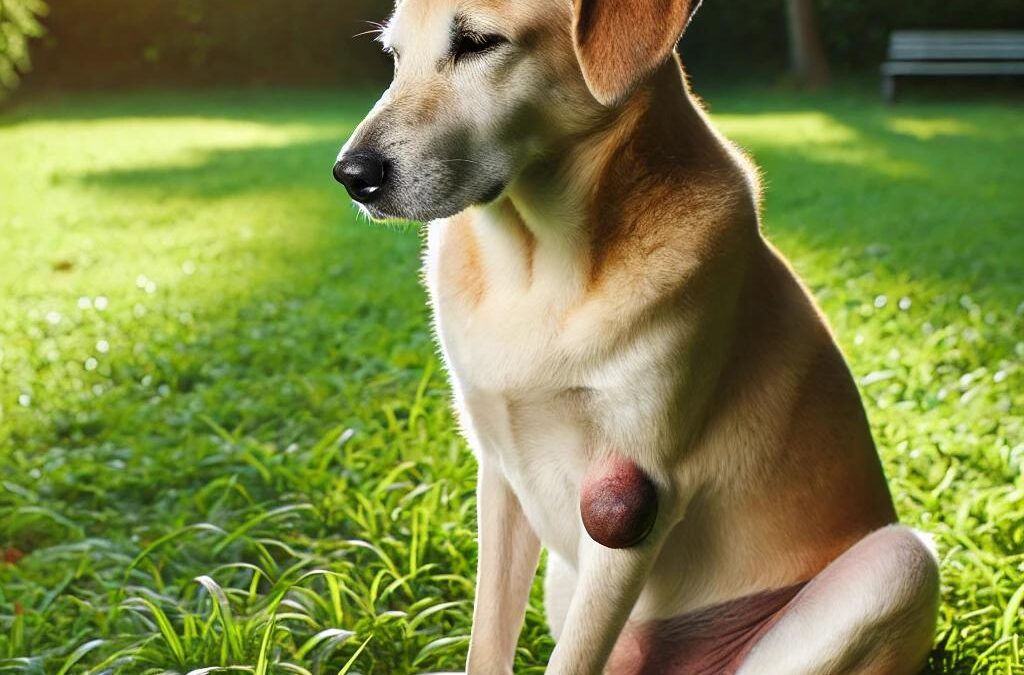
by TCMVET | Sep 21, 2024 | Dog Cancer & Tumors
Basal cell tumors are one of the most common types of benign skin tumors found in dogs. These growths typically affect middle-aged to older dogs and can appear as firm, dome-shaped masses on the skin. While generally non-cancerous, basal cell tumors can still cause discomfort due to their size and the potential for ulceration. In this article, we will explore the symptoms, causes, and treatment options for basal cell tumors in dogs.
What Are Basal Cell Tumors?
Basal cell tumors are skin growths that originate from the basal cells found in a dog’s skin. These tumors are typically benign, meaning they are not cancerous, but they can grow large and cause discomfort. They are most commonly found on the dog’s head (especially the ears), neck, and forelimbs. Although they are benign, they may cause problems such as ulceration, inflammation, and discomfort, particularly if they grow in size.
Symptoms of Basal Cell Tumors in Dogs
Basal cell tumors generally present as firm, elevated masses on the skin. These growths may vary in size, from small bumps less than 0.4 inches (1 centimeter) to large masses over 4 inches (10 centimeters) in diameter. Some additional characteristics include:
- Solitary lumps: The tumors often appear as single masses rather than multiple growths.
- Hairless or ulcerated surface: These lumps are frequently hairless, and in some cases, they may break open and ulcerate.
- Dome-shaped growths: The masses tend to have a dome-like shape, often sticking out from the skin on stalk-like projections.
- Dark coloration: In some instances, the tumors can be dark in color.
- Secondary cysts: Cysts may form within or around the tumor.
Despite their benign nature, basal cell tumors can become problematic when they ulcerate and cause secondary inflammation. Dogs with these tumors may experience discomfort, especially if the mass becomes infected or leads to the death of surrounding skin tissue.
Causes of Basal Cell Tumors in Dogs
Several factors may contribute to the development of basal cell tumors in dogs:
- Age: These tumors are more common in middle-aged to older dogs.
- Breed predisposition: Certain breeds, including Wirehaired Pointing Griffons, Kerry Blue Terriers, and Wheaten Terriers, are more likely to develop basal cell tumors.
- Sun exposure: Prolonged exposure to UV radiation may increase the risk of skin tumors in dogs.
Treatment Options for Basal Cell Tumors in Dogs
The most effective treatment for basal cell tumors is surgical removal. Since these tumors can grow large and cause discomfort due to ulceration and inflammation, removing the tumor eliminates the source of irritation. Surgery is typically straightforward, especially when the tumor is caught early before it grows too large.
In some cases, additional treatments such as antibiotics or anti-inflammatory medications may be prescribed to manage secondary infections or inflammation caused by the tumor. Once the tumor is removed, the chances of recurrence are generally low, and the dog’s quality of life improves significantly.
Basal cell tumors in dogs, while benign, can cause significant discomfort due to their size and potential for ulceration. Regular monitoring of your dog’s skin, especially if they belong to a breed predisposed to these tumors, can help catch any growths early. Surgical removal is an effective treatment and can prevent further complications such as infections or inflammation. If you notice any unusual lumps or masses on your dog’s skin, consult a veterinarian to determine the best course of action.

by TCMVET | Sep 21, 2024 | Dog Cancer & Tumors
Skin tags, also known as acrochordons, are common benign skin lumps that frequently appear on older dogs. While harmless, these growths can sometimes cause concern for pet owners due to their appearance and the possibility of multiple occurrences. In this article, we will explore what skin tags are, why they develop, how they are diagnosed, and the available treatment options.
What Are Skin Tags in Dogs?
Skin tags are small, benign growths that can appear anywhere on a dog’s body. They often resemble stalk-like extensions and may have a wart-like surface. Although these growths can affect dogs of any breed, larger breeds tend to be at higher risk. Skin tags typically do not cause discomfort or pain unless they become irritated or injured.
Causes of Skin Tags in Dogs
While the exact cause of skin tags is not fully understood, several factors contribute to their development, particularly in older dogs. These factors include:
- Aging: As dogs age, their skin undergoes changes, making older dogs more susceptible to developing skin tags.
- Genetics: Certain breeds, especially large ones, are more prone to developing skin tags.
- Friction: Areas of the skin that experience frequent rubbing or friction, such as under the collar or around the legs, may be more likely to develop skin tags.
Diagnosing Skin Tags in Dogs
Skin tags are generally harmless, but it is essential to have them properly diagnosed by a veterinarian. This is particularly important as some skin conditions, such as warts or tumors, can appear similar to skin tags. A veterinarian may recommend a biopsy to confirm that the growth is benign. If your dog develops one skin tag, it is common for others to appear over time.
Treatment Options for Skin Tags in Dogs
While most skin tags do not require removal, surgical intervention may be considered if the growth becomes irritated, infected, or unsightly. Removal is typically done using methods such as excision, laser removal, or cryotherapy (freezing). However, unless the skin tag is causing discomfort or affecting the dog’s quality of life, surgery is often not necessary.
Skin tags in dogs are generally harmless but may cause worry for pet owners due to their appearance. Proper diagnosis and understanding of their benign nature can alleviate concerns. If a skin tag becomes problematic, consulting a veterinarian about removal options can help keep your dog comfortable and healthy.

by TCMVET | Sep 21, 2024 | pet Chinese herbal medicine
Salvia miltiorrhiza, commonly known as Danshen, is a powerful traditional Chinese herb widely used for its ability to promote blood circulation, reduce swelling, and alleviate discomfort. This medicinal herb has long been valued in Chinese medicine for its ability to clear heat and relieve blood stasis. When it comes to cysts, Danshen can play an essential role in reducing inflammation, promoting local blood flow, and easing the swelling associated with cyst formation.
How Does Salvia Miltiorrhiza (Danshen) Work?
Danshen works by promoting blood circulation and resolving blood stasis, which are key to reducing swelling and inflammation. Blood stasis occurs when blood flow is blocked or stagnant, leading to localized swelling and discomfort, particularly in cases of cysts or other forms of inflammation. Danshen helps dissolve this stagnation, promoting the free flow of blood in the affected area and supporting the body’s natural healing processes.
Additionally, the herb has cooling properties, which help clear excess heat from the body. This cooling effect can help soothe inflamed cysts, reducing redness and irritation. By addressing both blood stasis and heat, Danshen is effective in relieving symptoms like pain, swelling, and discomfort caused by cysts.
Benefits of Salvia Miltiorrhiza for Cysts
- Improves Blood Circulation: Danshen is known for its ability to enhance blood flow. This is particularly useful in cases where cysts are caused by poor circulation or blood stasis. By improving circulation, the herb helps the body deliver vital nutrients and oxygen to the affected area, accelerating healing and reducing the size of the cyst.
- Reduces Swelling and Inflammation: The anti-inflammatory properties of Danshen make it a great option for reducing swelling. It helps alleviate the fluid buildup and tissue swelling often associated with cysts, making the cyst less prominent and easing discomfort.
- Relieves Pain and Discomfort: Cysts can sometimes cause pain or discomfort, especially if they are large or in sensitive areas. By improving circulation and reducing inflammation, Danshen can help relieve the discomfort associated with cysts.
- Clears Heat: Danshen’s cooling properties help clear excess heat in the body, a common symptom of inflammation and swelling. This makes it particularly effective for cysts that are red, warm, or irritated.
How to Use Danshen for Cysts
Danshen is typically available in various forms, including capsules, tinctures, and teas. The most appropriate form and dosage will depend on the specific needs of the individual and should be determined in consultation with a healthcare professional experienced in traditional Chinese medicine.
For external application, Danshen can be used in herbal ointments or poultices applied directly to the affected area to promote blood circulation and reduce swelling around the cyst.
Salvia miltiorrhiza, or Danshen, is a potent herbal remedy for cysts and other conditions related to poor blood circulation and inflammation. Its ability to improve blood flow, reduce swelling, and alleviate discomfort makes it an excellent option for managing cysts naturally. As with any herbal treatment, it’s essential to consult a healthcare provider to determine the most effective way to incorporate Danshen into your care plan.

by TCMVET | Sep 21, 2024 | Dog Cancer & Tumors
True cysts in dogs are fluid-filled sacs that develop under the skin and are usually benign. These cysts form when cells within the lining of the sac produce and secrete fluid, causing the lump to grow over time. While true cysts are generally harmless, they can become bothersome, depending on their size and location.
What Are True Cysts in Dogs?
True cysts are enclosed lumps that contain fluid secreted by the cells in their lining. Unlike some other types of cysts, which may be filled with semi-solid material, true cysts are filled primarily with fluid, making them soft and sometimes squishy to the touch. They can vary in size, from small, barely noticeable lumps to larger cysts that become more prominent over time.
These cysts can occur in any breed or age of dog, and while they are typically benign, they may need veterinary attention if they cause discomfort or begin to leak fluid.
Causes of True Cysts
True cysts in dogs are usually caused by a blockage in a gland or duct, leading to fluid accumulation. This blockage may occur due to:
- Trauma or irritation: Injury or repeated irritation to the skin can lead to cyst formation.
- Infections: Skin infections may block glands and ducts, contributing to cyst development.
- Genetics: Some breeds are more predisposed to developing cysts due to genetic factors.
Symptoms of True Cysts
True cysts are often easy to identify as they present as lumps beneath the skin. The most common symptoms include:
- Soft, fluid-filled lump: True cysts are typically soft or squishy, unlike tumors, which are usually firmer.
- Varying size: Cysts can grow over time, with some remaining small and others becoming larger and more noticeable.
- Fluid leakage: If punctured or damaged, a true cyst may leak fluid. This fluid can dry on the fur around the cyst, forming crusts.
- Discomfort: In some cases, the cyst may cause discomfort depending on its size and location. Cysts near joints or in areas where the dog is frequently touched may become bothersome.
Are True Cysts Harmful?
Most true cysts are not harmful to dogs. They are benign and generally do not pose any significant health risks. However, they can become problematic if they grow too large or are located in areas that cause discomfort to the dog. Additionally, if a cyst is punctured, it may become irritated or infected, leading to complications.
Treatment Options for True Cysts
In many cases, true cysts do not require any treatment and may be left alone unless they cause discomfort or complications. However, if a cyst becomes bothersome, there are several treatment options available:
- Drainage: A veterinarian may drain the cyst by puncturing it and removing the fluid. This is a simple procedure but may need to be repeated if the cyst refills.
- Surgical Removal: For larger cysts or cysts that continue to refill, surgical removal may be the best option. The entire cyst, including the lining, is removed to prevent recurrence.
- Antibiotics: If a cyst becomes infected, a veterinarian may prescribe antibiotics to reduce inflammation and prevent further complications.
Preventing Cyst Formation
While true cysts cannot always be prevented, regular grooming and skin care can help reduce the risk of irritation and blockages that lead to cyst formation. If your dog has a history of cysts, regular check-ups with the veterinarian can help monitor for any new growths and address them before they become problematic.
True cysts are common, fluid-filled lumps that can develop on dogs for various reasons, such as blocked glands or skin trauma. Although these cysts are generally harmless, they may cause discomfort if they grow large or leak fluid. If you notice a lump on your dog, it’s important to consult with your veterinarian to ensure proper diagnosis and treatment. In most cases, true cysts can be easily managed, allowing your dog to remain comfortable and healthy.

by TCMVET | Sep 21, 2024 | Dog Cancer & Tumors
Cysts in dogs are a common occurrence and can be caused by a variety of factors. These fluid-filled or semi-solid sacs can appear under the skin or within internal organs. While most cysts are benign and harmless, it’s important to understand what causes them and when they may need veterinary attention.
Common Causes of Dog Cysts
- Inflammation: One of the primary causes of cyst formation is inflammation. When a dog’s skin becomes inflamed due to infection, irritation, or an allergic reaction, the glands or hair follicles can become blocked, leading to cysts.
- Trauma: Physical injury to the skin can also trigger cysts. If your dog has been scratched, bitten, or injured, the damaged tissue may develop into a cyst as part of the body’s healing process.
- Clogged Hair Follicles and Skin Glands: Just like in humans, dogs’ hair follicles and sebaceous (oil) glands can become clogged. When these pathways are blocked, fluid or material may build up, leading to the formation of a cyst. This is especially common in dogs with oily skin or in areas where grooming may irritate the skin.
- Excessive Grooming: Over-grooming, whether through licking or brushing, can sometimes irritate the skin and trigger cysts. Repeated irritation can cause minor trauma to the skin’s surface, leading to blocked follicles or glands, which in turn causes cysts to develop.
Breeds Prone to Cysts
Cysts can form in dogs of any breed or age, but certain breeds have a genetic predisposition. Dogs that are more likely to develop cysts include:
- Cocker Spaniels: Known for their thick coat and sensitive skin, Cocker Spaniels are prone to sebaceous cysts.
- Boxers: This breed is predisposed to developing various skin growths, including cysts, especially as they age.
- Golden Retrievers: Their thick double coat and skin conditions make them susceptible to cyst formation.
- Schnauzers: Schnauzers often develop comedones, or “Schnauzer bumps,” which are a type of cyst caused by clogged hair follicles.
Types of Dog Cysts
Cysts can vary in size and appearance, depending on their cause. Some common types include:
- Sebaceous Cysts: These are caused by clogged sebaceous glands and are filled with a waxy substance. They are common in many breeds, especially those with oily skin.
- Follicular Cysts: These form when hair follicles become blocked, often due to skin infections or excessive grooming.
- Dermoid Cysts: These are congenital and occur when skin layers fail to separate properly during development, leading to a cyst formation.
Treatment and Prevention
Most cysts in dogs are benign and don’t require treatment unless they become infected or grow large enough to cause discomfort. In cases where a cyst becomes painful or bothersome, a veterinarian may recommend draining or surgically removing it. Regular grooming, checking for lumps, and maintaining your dog’s overall skin health can help prevent cysts from forming. If you notice any unusual lumps or bumps on your dog, it’s always best to consult with your veterinarian for a proper diagnosis.
Dog cysts can form for a variety of reasons, including inflammation, trauma, clogged glands, and excessive grooming. While these growths are usually harmless, certain breeds are more prone to cyst formation due to genetic factors. Understanding the causes and knowing when to seek veterinary advice ensures your dog stays healthy and comfortable.

by TCMVET | Sep 20, 2024 | Dog Cancer & Tumors
As a pet parent, discovering a lump on your dog can be concerning. These lumps can be either cysts or tumors, both of which present similarly but differ significantly in terms of severity and treatment. Recognizing the differences between cysts and tumors in dogs is crucial for determining the best course of action and ensuring your dog’s health.
What Are Cysts in Dogs?
Cysts are enclosed pockets of tissue that form within the skin and are typically filled with fluid or solid material. They are often discovered by pet owners while petting or brushing their dog. Cysts generally develop slowly over time, and they are usually benign, meaning they are not cancerous.
Most cysts feel soft and are somewhat movable under the skin, although some can feel firmer depending on their size and contents. While cysts are non-threatening, they can occasionally become infected or grow large enough to cause discomfort, which may require veterinary intervention.
What Are Tumors in Dogs?
Tumors, on the other hand, are abnormal growths of cells that can be either benign or malignant (cancerous). Tumors can appear anywhere on a dog’s body and, unlike cysts, tend to feel more solid and are less movable beneath the skin. The growth rate of tumors varies; some tumors grow quickly, while others may take time to develop.
Malignant tumors are the ones that pose a greater risk to a dog’s health. They can spread to other parts of the body and damage vital organs, which is why early detection and treatment are essential. Even benign tumors, though not cancerous, can cause issues if they grow too large or press on nearby organs.
Key Differences Between Cysts and Tumors
While cysts and tumors may look similar because they both protrude from the skin, they have important differences:
- Consistency: Cysts are generally softer and filled with fluid or material, while tumors tend to be solid and less movable.
- Growth Rate: Cysts develop slowly over time, while tumors can grow at varying rates, some very rapidly.
- Cause: Cysts are benign, while tumors can be either benign or malignant.
- Risk: Cysts are not life-threatening, but tumors, especially malignant ones, can spread and become dangerous.
Why an Accurate Diagnosis is Crucial
Although cysts are typically harmless, it’s still important to have any lump or growth on your dog evaluated by a veterinarian. A proper diagnosis ensures that you’re aware of whether the growth is benign or something more serious. Vets may use tools such as fine-needle aspiration, biopsy, or imaging tests like ultrasounds to determine the nature of the lump.
Understanding whether your dog has a cyst or a tumor will guide the treatment plan. Cysts may be drained or surgically removed if they cause discomfort, but tumors—especially malignant ones—often require more aggressive treatment, such as surgery, radiation, or chemotherapy.
Treatment Options for Cysts vs. Tumors
- Cysts: Treatment for cysts is typically less invasive. In many cases, they may not need any treatment unless they become infected or uncomfortable. In such cases, they can be drained or surgically removed.
- Tumors: For benign tumors, removal may be an option if the tumor is large or causing issues. Malignant tumors, however, require more extensive treatment to prevent them from spreading. This can include surgery, radiation therapy, or chemotherapy, depending on the type and stage of the cancer.
If you find a lump on your dog, it’s essential not to panic but to seek professional advice. While cysts are generally harmless and slow-growing, tumors can present a serious health risk, particularly if malignant. Consulting with your veterinarian for an accurate diagnosis is the best way to determine whether the lump is a cyst or a tumor, and to ensure your dog receives the appropriate treatment. Early detection and intervention are key to keeping your furry friend healthy and happy.

by TCMVET | Sep 20, 2024 | Dog Cancer & Tumors
Inflammatory mammary carcinoma (IMC) in dogs is one of the most aggressive forms of mammary cancer. This condition typically presents as a rapidly progressing tumor that spreads extensively, making it difficult to treat effectively. Unlike other forms of mammary tumors, IMC tends to infiltrate surrounding tissues early on and spreads throughout the body even before a diagnosis is made. Due to its aggressive nature, the prognosis for dogs with inflammatory mammary carcinoma is often poor.
Why Surgery is Not an Effective Option for IMC
Surgery, which is often a first-line treatment for many types of cancer, tends to be less effective in dogs with inflammatory mammary carcinoma. One of the main reasons is the microscopic cancer cells that extend far beyond the palpable mass, making complete surgical removal nearly impossible. Even if the visible tumor is removed, there is a high likelihood that the cancer has already spread to other parts of the body, particularly through the lymphatic system.
In fact, studies have shown that surgery does not necessarily improve the survival rate in dogs with IMC. This is because, by the time the tumor is detected, it has often metastasized to vital organs such as the lungs, liver, and lymph nodes. As a result, the focus of treatment typically shifts to palliative care and managing the symptoms rather than attempting to cure the disease through surgery.
Current Treatment Options: Radiation Therapy and NSAIDs
Despite the limited success of surgical intervention, there are other treatments available that can help manage inflammatory mammary carcinoma in dogs. Radiation therapy has proven to be somewhat effective in slowing the progression of the disease. Radiation is aimed at reducing the size of the tumor and alleviating some of the associated pain and discomfort.
Another important part of managing IMC in dogs is the use of non-steroidal anti-inflammatory drugs (NSAIDs). These medications work to reduce inflammation and may help in controlling the spread of cancer cells. NSAIDs can be especially beneficial for improving the quality of life of dogs suffering from this aggressive cancer. However, it’s important to note that NSAIDs alone are not a cure, and they are usually part of a broader treatment plan involving other therapies.
Prognosis and Quality of Life
Even with aggressive treatments like radiation therapy and NSAIDs, the overall prognosis for dogs with inflammatory mammary carcinoma remains poor. Most dogs diagnosed with this condition have a life expectancy of just a few months to a year. The focus, therefore, tends to be on palliative care, improving the dog’s quality of life, and ensuring they remain as comfortable as possible during their remaining time.
Early detection is crucial for managing any form of cancer, but due to the fast-growing and highly aggressive nature of IMC, it is often diagnosed at an advanced stage. This makes it challenging to achieve long-term survival, even with aggressive treatment.
Inflammatory mammary carcinoma is a devastating diagnosis for dogs and their owners. Given the cancer’s aggressive spread and the poor prognosis, surgery is often not recommended as a treatment option. Instead, radiation therapy and NSAIDs are the current standards of care, focusing on symptom management and improving quality of life. While there is no cure for this form of cancer, these treatments can provide some relief for affected dogs and help them live more comfortably in their remaining months.

by TCMVET | Sep 19, 2024 | Food & Health
Slippery elm, a tree native to North America, has long been valued for its medicinal properties. Its bark is commonly used in natural remedies for both humans and animals. Cats and dogs, in particular, can benefit from slippery elm’s soothing, anti-inflammatory, and healing properties. This natural remedy addresses a variety of health issues, including digestive problems, inflammation, skin irritations, and respiratory issues.
How Slippery Elm Benefits the Digestive System
One of the most significant benefits of slippery elm is its ability to soothe and support the digestive system. Cats and dogs frequently experience digestive problems such as diarrhea, constipation, and upset stomachs. These conditions can be uncomfortable, painful, and potentially dangerous. Slippery elm’s mucilage content is the key to its digestive benefits. When mixed with water, mucilage forms a gel-like substance that coats the digestive tract, reducing inflammation and irritation.
This coating effect not only soothes the digestive system but also helps absorb toxins and promote a healthier gut environment. Slippery elm may even support the growth of beneficial bacteria in the gut, helping maintain a balanced microbiome. A healthy gut microbiome is crucial for proper digestion, immune function, and overall health. By reducing harmful bacteria and supporting the “good” bacteria, slippery elm contributes to better digestive health in pets.
Anti-Inflammatory Properties for Pets with Chronic Conditions
Slippery elm is well-known for its anti-inflammatory properties, which can be particularly beneficial for cats and dogs suffering from chronic conditions. Inflammation is a natural bodily response to injury or infection, but chronic inflammation can lead to more serious health issues over time.
Pets suffering from arthritis, allergies, or skin conditions can benefit from slippery elm’s ability to reduce inflammation. The anti-inflammatory effects can also help relieve discomfort associated with respiratory issues and even cancer. By reducing inflammation throughout the body, slippery elm supports your pet’s overall well-being and reduces the risk of long-term complications from chronic inflammatory conditions.
Promoting Healing for Skin Irritations and Wounds
Slippery elm is also highly effective when used topically to promote the healing of wounds, burns, and skin irritations. The mucilage in the bark forms a protective layer over the affected area, soothing the skin and reducing inflammation. This can help relieve itching and pain while speeding up the healing process. It’s a gentle, natural alternative for pets with sensitive skin who may not tolerate harsher treatments.
Whether your pet is dealing with minor skin irritations, hot spots, or burns, applying slippery elm topically can help reduce discomfort and encourage faster recovery. It is particularly helpful for pets with allergies or those prone to skin infections, as it reduces inflammation and promotes healing in a natural, non-irritating way.
Respiratory Health: A Natural Remedy for Coughs and Mucus
In addition to its digestive and anti-inflammatory benefits, slippery elm can also help alleviate respiratory issues in pets. Cats and dogs suffering from coughs, respiratory infections, or other breathing difficulties can benefit from the soothing properties of slippery elm.
When ingested, slippery elm coats the throat and reduces inflammation in the respiratory tract, making it easier for pets to breathe. It also helps expel mucus from the lungs, which is particularly beneficial for pets suffering from respiratory infections. Whether your pet has a persistent cough or struggles with mucus buildup, slippery elm provides a natural way to support respiratory health and ease discomfort.
A Versatile and Natural Remedy for Your Pet’s Health
Slippery elm offers a wide range of health benefits for both cats and dogs. From soothing digestive issues and reducing inflammation to promoting healing and supporting respiratory health, this natural remedy is a gentle yet effective option for many common pet health problems. Whether your pet is dealing with chronic conditions like arthritis or allergies, or experiencing acute digestive or respiratory issues, slippery elm can provide relief and promote better overall health.
Incorporating slippery elm into your pet’s care routine is a safe and natural way to support their well-being, whether used internally for digestion and respiratory health, or topically for skin irritations. Always consult with your veterinarian before introducing any new supplement to your pet’s diet to ensure it is appropriate for their specific needs.

by TCMVET | Sep 19, 2024 | Dog Cancer & Tumors
Pets often hide signs of internal health issues, including cancer, until the disease has progressed to a critical point. Many times, the first sign of an internal cancer may seem to appear suddenly, even though the disease has been quietly developing for months or even years. By the time a pet’s body can no longer compensate, the symptoms become noticeable, leaving owners surprised by the rapid change.
Understanding this delayed symptom onset is essential for pet owners, as it highlights the importance of routine checkups and early detection.
Why Cancer Symptoms May Appear Suddenly
Internal cancers can grow undetected for a long time because pets naturally mask their discomfort. In the wild, animals that show signs of illness or weakness become vulnerable, so they develop a strong instinct to hide pain. This survival mechanism remains in domesticated animals, often making it difficult for owners to detect early health problems.
While a cancerous tumor or internal issue may be silently developing, it might only reach a critical size or affect vital organs much later. Once the body can no longer manage, sudden symptoms appear, which can include:
- Lethargy and Weakness: A pet may suddenly seem extremely tired or weak, showing difficulty in standing, walking, or engaging in normal activities.
- Loss of Appetite and Weight Loss: Even though the underlying disease has been progressing for some time, a sudden drop in appetite or unexplained weight loss may be the first visible sign.
- Difficulty Breathing or Coughing: In cases where cancer affects the lungs or chest, pets may show sudden signs of labored breathing or start coughing unexpectedly.
- Digestive Upset: Vomiting, diarrhea, or abdominal bloating may appear without warning, even if the cancer has been slowly affecting the digestive system for months.
- Lumps or Swelling: While internal cancers often go unnoticed, a lump or swelling may suddenly become visible, indicating a more advanced stage of the disease.
- Sudden Collapse or Fever: In severe cases, pets may collapse due to internal bleeding or infection caused by cancer. Recurring fevers without an obvious cause could also be a sign of an underlying issue.
The Importance of Regular Veterinary Checkups
Because pets often hide signs of cancer until the disease has reached a critical point, regular veterinary checkups are key to early detection. Routine visits to the vet can catch subtle changes in your pet’s health that may not be obvious at home. Here’s why these checkups are so important:
- Physical Exams: A thorough physical examination can help detect lumps, swelling, or other abnormalities that might indicate internal cancer. Vets are trained to notice small changes that could be easily missed by pet owners.
- Blood Tests: While most cancers do not show specific markers in routine blood work, blood tests can still reveal abnormalities in organ function or blood cell counts, leading to further investigation.
- Imaging Tests: X-rays, ultrasounds, or CT scans allow vets to see inside the body and identify tumors or abnormal growths. These tests can detect issues long before they cause visible symptoms.
- Early Intervention: Detecting cancer in its early stages gives pet owners more treatment options and a better chance of improving their pet’s quality of life. In many cases, early intervention can slow or stop the progression of the disease.
What To Do If Symptoms Appear Suddenly
If you notice a sudden change in your pet’s health, it’s essential to seek veterinary attention immediately. Even if the signs seem minor, such as a decrease in appetite or a temporary period of lethargy, they could be early indicators of a serious underlying issue like cancer.
Some of the signs to look for include:
- Sudden weakness or inability to move
- Persistent coughing, panting, or breathing difficulties
- Vomiting or diarrhea that lasts for more than a day
- Abdominal bloating or visible swelling
- Unexplained weight loss or loss of appetite
- Recurring fevers without an obvious infection
By catching these signs early and taking action, you can give your pet the best possible chance for diagnosis and treatment.
Cancer in pets can develop quietly for months or even years before symptoms appear. When signs do emerge, they often seem sudden and severe because the disease has reached a point where the body can no longer compensate. This makes regular veterinary checkups essential for early detection. By monitoring your pet’s health and acting quickly when changes arise, you can help detect cancer early, giving your pet the best chance for effective treatment.

by TCMVET | Sep 19, 2024 | Dog Cancer & Tumors
Cancer is a serious concern for pet owners, and unfortunately, pets are often experts at hiding signs of illness until the disease has progressed. This makes early cancer screening vital for ensuring the best possible outcome. Cancer symptoms in pets are often vague, so recognizing subtle changes and seeking veterinary care promptly can make a significant difference in your pet’s health and quality of life.
The Importance of Early Cancer Screening
Pets can easily mask the signs of a developing cancer. By the time they start showing noticeable symptoms, the cancer may already be in an advanced stage. Early detection through routine screenings, veterinary checkups, and awareness of subtle symptoms can improve the chances of early diagnosis and successful treatment.
Common but Vague Signs of Cancer in Pets
Because cancer symptoms can be vague and resemble many other less severe conditions, it’s easy to overlook the early warning signs. Here are some common changes that may indicate a more serious underlying issue:
- Digestive Upset: Vomiting, diarrhea, or changes in bowel movements could be early signs of a cancerous process affecting the gastrointestinal system. While these symptoms may be temporary or caused by a mild condition, persistent digestive issues warrant further investigation.
- Loss of Appetite: A sudden or gradual decrease in appetite can signal more than just a picky eater. Cancer often causes a pet to lose interest in food due to discomfort or metabolic changes.
- Weight Loss: Unexplained weight loss, even if your pet is still eating, can be a red flag for internal tumors or metabolic imbalances caused by cancer. This is especially concerning if the weight loss occurs without any dietary changes.
- Panting or Coughing: Difficulty breathing, panting excessively, or coughing could indicate lung or chest cancer. These symptoms are often mistaken for respiratory infections, but if they persist, they should be evaluated by a vet.
- Weakness or Lethargy: While older pets naturally slow down, a noticeable decrease in energy or weakness could be a sign of cancer affecting internal organs, muscles, or bones.
- Fever: If your pet has a recurring fever without an obvious infection, this could be a sign of cancer. The body’s immune system may be fighting a hidden tumor, leading to intermittent fevers.
Why Even Minor Changes Matter
It’s important to recognize that even seemingly minor changes in your pet’s behavior, appetite, or energy level can be early warning signs of cancer. Since pets can’t tell us when something is wrong, subtle shifts in their daily habits are often the only clues. Monitoring these changes and seeking prompt veterinary attention can lead to early diagnosis, which significantly improves treatment outcomes.
What to Do if You Notice Changes
If you notice any of the following in your pet, it’s important to schedule a vet visit:
- Loss of appetite lasting more than a few days
- Persistent vomiting, diarrhea, or digestive issues
- Unexplained weight loss
- Excessive panting or coughing that doesn’t improve
- Weakness, lethargy, or loss of interest in activities they used to enjoy
- Recurring fevers without obvious cause
Your veterinarian will likely recommend further tests, such as blood work, X-rays, or ultrasounds, to determine the underlying cause of the symptoms. If cancer is suspected, early intervention can provide more treatment options and a better prognosis.
Preventive Care and Routine Screenings
In addition to monitoring for symptoms, regular veterinary checkups are crucial for catching cancer early. Your vet can perform routine screenings that may detect hidden issues before they become severe. These might include:
- Blood tests: To check for abnormal values that could indicate cancer or other diseases.
- Imaging: X-rays, ultrasounds, or CT scans can reveal hidden masses or tumors.
- Physical exams: A thorough exam can help your vet identify any lumps, bumps, or irregularities that may require further investigation.
Early cancer screening is critical because pets often hide symptoms until the disease has progressed. Vague symptoms such as digestive upset, loss of appetite, weight loss, or weakness can indicate something serious, and even minor changes should not be ignored. Regular veterinary care and monitoring your pet’s behavior for any subtle shifts can help detect cancer early, improving your pet’s chances of successful treatment and recovery.

by TCMVET | Sep 19, 2024 | Dog Cancer & Tumors
Cancer is one of the leading causes of illness in pets, but detecting it through routine annual lab work can be challenging. While blood tests can reveal valuable information about your pet’s overall health, most cancers don’t directly show up in standard tests. However, there are some exceptions and clues that can prompt further investigation. In this article, we’ll explore how routine lab work relates to cancer detection and what signs to watch for.
Why Most Cancers Don’t Show Up on Routine Lab Work
When veterinarians conduct routine lab work on pets, they primarily look at factors such as red and white blood cell counts, organ function, and metabolic indicators. These tests give a snapshot of your pet’s overall health but may not directly indicate the presence of cancer. Here’s why:
- No General Cancer Markers: Unlike some other diseases, there are no general markers for cancer that can be tested through routine lab work. Cancer is a complex disease that can manifest in many ways, and most cancers develop without leaving specific traces in bloodwork.
- Exceptions to the Rule: There are some types of cancer that do affect lab results, such as lymphoblastic leukemia and multiple myeloma. These cancers originate in the bone marrow, where blood cells are produced. As a result, they often lead to abnormal blood cell counts or other blood abnormalities that can be detected on routine tests.
- Organ Function Changes: While cancer itself may not show up on lab tests, the effects of cancer on other parts of the body sometimes do. For example, cancers affecting organs like the liver or kidneys can cause changes in organ function values. Elevated liver enzymes or impaired kidney function may prompt your vet to investigate the underlying cause further.
Signs That May Prompt Further Testing
Though routine lab work may not always reveal cancer, there are signs that could prompt your veterinarian to dig deeper. Some of these include:
- Abnormal Blood Cell Counts: Unusual increases or decreases in white blood cells, red blood cells, or platelets may indicate an underlying problem. In some cases, these abnormalities are linked to blood cancers like leukemia.
- Elevated Calcium Levels: Hypercalcemia (high calcium levels in the blood) can sometimes be a sign of cancer. Certain tumors, like lymphoma, may cause elevated calcium, which can be flagged during routine tests.
- Changes in Organ Function: If liver or kidney function values are abnormal, it may indicate the presence of a tumor in these organs. For instance, cancers affecting the liver may lead to elevated liver enzymes, prompting additional imaging or testing.
- Unexplained Weight Loss or Symptoms: If a pet shows unexplained symptoms like weight loss, lethargy, or loss of appetite, and routine lab work doesn’t provide answers, veterinarians may conduct additional tests such as X-rays, ultrasounds, or biopsies to search for hidden cancers.
Diagnostic Tools Beyond Routine Lab Work
If cancer is suspected despite normal lab work, there are additional diagnostic tools that veterinarians can use:
- Imaging: X-rays, ultrasounds, and CT scans can help detect tumors or abnormalities inside the body. These tools are often essential in identifying cancers that don’t affect blood test results.
- Biopsies: In cases where a tumor or abnormal mass is found, a biopsy can provide a definitive diagnosis. A small tissue sample is taken and analyzed to determine whether cancer is present.
- Bone Marrow Aspirates: For cancers like leukemia or multiple myeloma, a bone marrow aspirate may be necessary to look for abnormal blood cells directly in the bone marrow.
- Advanced Blood Tests: While routine lab work may not show cancer, more specialized tests, such as tests for specific proteins or cancer-related mutations, are sometimes used to aid in diagnosis.
What Pet Owners Should Know About Routine Lab Work
Routine lab work is essential for monitoring your pet’s health, but it’s important to understand its limitations when it comes to cancer detection. Pet owners should remain vigilant for any unusual changes in their pets, even if lab work comes back normal. Regular veterinary checkups, combined with imaging and other diagnostic tools, provide the best chance for early cancer detection and treatment.
If your pet shows unexplained symptoms or if there are abnormal values on their lab work, don’t hesitate to discuss additional testing options with your vet. Early detection is key to improving outcomes and giving your pet the best possible care.
While routine lab work is an essential part of maintaining your pet’s health, it’s not a foolproof method for detecting cancer. With the exception of cancers affecting blood cells, most cancers will not show up in standard tests. However, changes in organ function or abnormal blood values can signal the need for further investigation. Understanding the role of lab work in cancer detection can help pet owners make informed decisions about their pet’s health and ensure timely treatment.

by TCMVET | Sep 19, 2024 | Dog Cancer & Tumors
Detecting cancer inside a pet’s body is one of the greatest challenges for veterinarians and pet owners alike. Unlike external tumors or skin abnormalities, internal cancers remain hidden and often go unnoticed until they have advanced. Understanding the signs, combining that knowledge with physical examinations and lab work, is crucial for early detection and successful treatment.
Common Symptoms of Internal Cancer in Pets
Though internal cancers can be challenging to identify visually, pets often exhibit subtle signs that, when noticed early, can lead to a timely diagnosis. Here are some key symptoms pet owners should watch out for:
- Unexplained Weight Loss: Sudden or unexplained weight loss is one of the most common early warning signs of internal cancer in pets. This could be due to a tumor affecting the body’s metabolism or organs involved in digestion.
- Changes in Appetite: A pet that suddenly refuses to eat or shows less interest in food may be dealing with internal issues. Loss of appetite, particularly when paired with other symptoms, should be investigated.
- Lethargy: If a once-active pet becomes lethargic or seems constantly tired, this could indicate an underlying health problem. While lethargy can be associated with many conditions, it’s often one of the key symptoms in internal cancers.
- Abdominal Distension: Visible swelling or bloating of the abdomen could indicate an internal mass or fluid accumulation, often associated with cancers of the liver, spleen, or other abdominal organs.
- Difficulty Breathing: Certain internal cancers, particularly those affecting the lungs or chest cavity, may result in labored or rapid breathing. If your pet is showing respiratory distress without any apparent cause, it’s essential to seek veterinary attention immediately.
The Role of Veterinary Exams and Lab Tests
While symptoms provide valuable clues, they are often not enough to definitively diagnose internal cancers. That’s where veterinary exams and lab work come into play.
- Physical Examination: A thorough physical exam can sometimes reveal abnormalities that are not visible externally, such as enlarged lymph nodes, abdominal masses, or irregular heartbeats.
- Blood Tests: Routine blood tests can offer essential insights into your pet’s internal health. Abnormalities in red and white blood cell counts, liver enzymes, or kidney function may suggest the presence of cancer or other serious health issues.
- Imaging: Techniques like X-rays, ultrasounds, and CT scans are invaluable tools in detecting internal cancers. These imaging tests allow veterinarians to visualize organs and tissues, identifying any masses, fluid buildup, or structural abnormalities.
- Biopsy: In many cases, a biopsy—where a sample of tissue is taken for analysis—is the definitive method for diagnosing cancer. This helps determine the type, stage, and aggressiveness of the cancer, guiding the course of treatment.
Treatment Options for Internal Cancers in Pets
Once cancer has been diagnosed, the treatment plan will depend on various factors, including the type of cancer, its stage, and the overall health of the pet. Here are the common treatment options:
- Surgery: For localized tumors, surgery may be the best option to remove the mass and prevent it from spreading. Early detection is key, as some cancers may have already spread to other parts of the body.
- Chemotherapy: Chemotherapy is a systemic treatment that can target cancer cells throughout the body. It is often recommended for cancers that have spread or are not suitable for surgery.
- Radiation Therapy: This treatment is used to shrink tumors or kill cancer cells. It is especially effective for certain types of cancers that are not easily removed through surgery.
- Palliative Care: If the cancer is too advanced, palliative care focuses on improving the pet’s quality of life, managing pain, and ensuring comfort in their remaining days.
The Importance of Early Detection
Early detection is crucial in managing cancer in pets. Regular veterinary checkups, blood work, and monitoring any changes in your pet’s behavior or physical condition can help identify potential problems before they become serious. If cancer is caught early, there is a greater chance of successful treatment and extending your pet’s life.
Cancer detection in pets, especially when it is internal, can be a difficult and emotional journey. Being vigilant about your pet’s health, understanding the warning signs, and seeking prompt veterinary care can make all the difference. With the right approach, early diagnosis, and treatment, pets with internal cancer can live longer, more comfortable lives.

by TCMVET | Sep 19, 2024 | Dog Cancer & Tumors
Plasmacytomas are rare tumors in dogs that originate from plasma cells, a type of white blood cell responsible for producing antibodies. While plasmacytomas are uncommon, they can be a serious condition that requires prompt veterinary care. In this article, we’ll explore what plasmacytomas are, their symptoms, how they’re diagnosed, and the treatment options available to help your dog recover.
What Are Plasmacytomas in Dogs?
Plasmacytomas are tumors formed from plasma cells, often appearing in various parts of a dog’s body, including the skin, gastrointestinal tract, or oral cavity. Most plasmacytomas are benign (non-cancerous), but in some cases, they can be malignant and spread to other areas of the body, such as bones or internal organs.
There are two main types of plasmacytomas seen in dogs:
- Cutaneous Plasmacytomas: These occur on the skin and are the most common type of plasmacytoma in dogs. They typically present as solitary masses on the limbs, head, or trunk.
- Extramedullary Plasmacytomas: These develop outside the bone marrow, most often in mucous membranes, such as the mouth, stomach, or intestines.
Symptoms of Plasmacytomas in Dogs
Plasmacytomas may not cause noticeable symptoms in the early stages, but as the tumor grows, signs can become more apparent. The symptoms your dog displays will vary depending on the location of the plasmacytoma:
- Cutaneous Plasmacytomas: These are usually small, raised, firm, and solitary lumps found on the skin. The lumps may be red, ulcerated, or cause mild irritation, but are often painless.
- Oral or Gastrointestinal Plasmacytomas: Dogs with plasmacytomas in the mouth or digestive tract may exhibit symptoms such as:
- Difficulty eating or swallowing
- Vomiting
- Diarrhea or bloody stools
- Weight loss
- Bad breath (halitosis)
- Systemic Symptoms: If the plasmacytoma is malignant and spreads, your dog may experience more general signs of illness, such as fatigue, loss of appetite, or unexplained weight loss.
Causes and Risk Factors
The exact cause of plasmacytomas in dogs is not well understood, but there are certain risk factors and breeds that appear to be more prone to developing these tumors:
- Breed predisposition: Older dogs and breeds such as Cocker Spaniels, Golden Retrievers, and Scottish Terriers are more likely to develop plasmacytomas.
- Age: Plasmacytomas are most commonly seen in middle-aged to senior dogs, though they can occur in younger animals as well.
Diagnosing Plasmacytomas in Dogs
If you notice a lump on your dog’s skin or your dog is experiencing symptoms that suggest a plasmacytoma, a visit to the veterinarian is essential for proper diagnosis. The diagnostic process typically includes:
- Physical examination: Your vet will perform a thorough physical examination, particularly inspecting any lumps or masses for size, shape, and texture.
- Fine-needle aspiration (FNA): A small needle is inserted into the lump to collect cells for analysis. This is a quick and minimally invasive way to evaluate the type of tumor.
- Biopsy: In some cases, a surgical biopsy may be necessary to remove a larger sample of the tumor tissue for more detailed examination.
- Imaging tests: If there is concern that the plasmacytoma has spread internally, your vet may recommend X-rays, ultrasound, or MRI scans to check for tumors in other parts of the body.
- Blood work: Blood tests may be conducted to assess the overall health of your dog and to look for any signs that the tumor is affecting internal organs.
Treatment Options for Plasmacytomas in Dogs
The treatment approach for plasmacytomas depends on the size, location, and whether the tumor is benign or malignant. Common treatment options include:
- Surgical Removal: Surgery is the most common treatment for cutaneous plasmacytomas. Since these tumors are usually benign, complete surgical excision typically results in a full recovery. In cases of oral or gastrointestinal plasmacytomas, surgery may also be necessary to remove the tumor.
- Radiation Therapy: If the plasmacytoma is inoperable or if surgical margins are incomplete, radiation therapy may be used to shrink the tumor or prevent its regrowth.
- Chemotherapy: Chemotherapy is generally reserved for cases where the plasmacytoma is malignant and has spread to other areas of the body. Chemotherapy can help control the spread of cancerous cells and improve quality of life.
- Monitoring: For benign plasmacytomas that are not causing any symptoms or discomfort, your vet may suggest a wait-and-see approach, monitoring the tumor for any signs of growth or changes.
Prognosis for Dogs with Plasmacytomas
The prognosis for dogs with plasmacytomas largely depends on whether the tumor is benign or malignant. Dogs with benign cutaneous plasmacytomas that are surgically removed have an excellent prognosis, with most making a full recovery.
However, if the plasmacytoma is malignant or has spread to other parts of the body, the prognosis may be more guarded, and long-term management may be necessary.
Plasmacytomas are rare tumors in dogs, but they can be successfully managed with early diagnosis and appropriate treatment. If you notice any unusual lumps or signs of illness in your dog, prompt veterinary care is crucial. With timely intervention, many dogs with plasmacytomas go on to live healthy, happy lives.

by TCMVET | Sep 19, 2024 | Medicines & Therapies
Caring for your dog after surgery is a critical part of their recovery process. Whether your dog has undergone a routine procedure or a more complex surgery, your post-operative care plays a vital role in helping them heal properly and avoid complications. In this article, we’ll provide a comprehensive guide on how to care for your dog after surgery, ensuring their comfort and promoting a smooth recovery.
1. Preparing Your Dog’s Recovery Space
Before your dog returns home after surgery, it’s important to create a safe, comfortable space where they can rest and heal. This space should include:
- A quiet area: Keep your dog away from noise, other pets, and high-traffic areas to reduce stress.
- Soft bedding: Provide comfortable, clean bedding to support their body, especially if they’ll be lying down for extended periods.
- Easy access to food and water: Place their food and water bowls within reach to minimize movement.
- Limited movement: Restrict access to stairs or elevated areas where your dog might jump or injure themselves.
2. Managing Pain and Medications
After surgery, your vet will likely prescribe medications to manage pain, prevent infection, and aid in healing. Here’s how to handle medications safely:
- Follow instructions carefully: Always administer medications exactly as prescribed by your vet. Don’t skip doses or give your dog over-the-counter medications without consulting your vet.
- Monitor for side effects: Be on the lookout for any signs of adverse reactions, such as vomiting, diarrhea, or excessive lethargy, and contact your vet if you notice anything unusual.
- Comfort and soothing: Pain can make dogs anxious or restless. Providing comfort with a soft voice, gentle petting, and their favorite toys can help calm them.
3. Monitoring the Surgical Site
One of the most important aspects of post-surgery care is keeping the surgical site clean and free from infection. Here’s what to watch for:
- Check for signs of infection: Monitor the incision daily for any signs of infection, such as redness, swelling, discharge, or foul odor. If you notice any of these, contact your vet immediately.
- Prevent licking or biting: Dogs often lick or chew at their incision, which can lead to infection or open wounds. Use an Elizabethan collar (cone) or a dog recovery suit to prevent this behavior.
- Keep the area clean and dry: Avoid bathing your dog until your vet gives the all-clear, as moisture can cause infections. If the wound becomes dirty, clean it gently with a vet-approved antiseptic solution.
4. Managing Your Dog’s Activity Levels
While your dog may start to feel better after a few days, limiting their physical activity is crucial for proper healing. Here’s how to manage activity levels:
- Follow your vet’s instructions: Your vet will provide specific guidelines on when your dog can resume normal activities. It’s essential to follow these closely to prevent reopening the wound or causing further injury.
- Leash walks only: For the first few weeks, restrict your dog’s exercise to short, slow leash walks. Avoid running, jumping, or rough play until your vet confirms it’s safe to do so.
- Mental stimulation: To keep your dog entertained without physical exertion, offer puzzle toys or interactive treat dispensers. Mental stimulation can help prevent boredom during the recovery period.
5. Nutrition and Hydration
Proper nutrition and hydration are key to your dog’s healing process. After surgery, follow these tips to ensure your dog is getting the right care:
- Offer small, frequent meals: Post-surgery, your dog may have a reduced appetite. Offer smaller portions of their regular food or a vet-recommended bland diet until their appetite returns to normal.
- Ensure hydration: Make sure your dog has constant access to fresh water. If they’re reluctant to drink, try adding a little water to their food or offering ice cubes to lick.
- Supplements: In some cases, your vet may recommend supplements like omega-3 fatty acids or probiotics to support healing and boost your dog’s immune system.
6. Managing Your Dog’s Emotional Well-Being
Dogs, like humans, can feel anxious, stressed, or even depressed after surgery. Here are some ways to support their emotional well-being during recovery:
- Provide comfort and reassurance: Spend extra time with your dog, offering gentle affection and staying close by to reduce their stress.
- Maintain a routine: Sticking to a regular schedule for feeding, bathroom breaks, and medication can provide a sense of normalcy, helping your dog feel more secure.
- Avoid overwhelming your dog: Limit visitors and stimulation during the recovery period to prevent stress or over-excitement.
7. Follow-Up Veterinary Appointments
Regular follow-up appointments with your vet are essential to monitor your dog’s healing progress and address any concerns. During these visits:
- Get the stitches checked: Your vet will examine the incision to ensure it’s healing properly and may remove stitches if necessary.
- Discuss recovery progress: Talk to your vet about any changes in your dog’s behavior, appetite, or mobility, and follow their advice for continued care.
- Ask about long-term care: If your dog underwent surgery for a more serious condition, such as cancer, your vet might recommend further treatments, lifestyle changes, or long-term medication.
Caring for your dog after surgery requires patience, attention, and a commitment to following your vet’s recommendations. By providing a comfortable recovery environment, managing medications and pain, monitoring the surgical site, and keeping your dog’s activity levels in check, you’ll be setting them up for a smooth and successful recovery. Always consult your vet if you have any concerns, and remember that your dog’s well-being depends on the care they receive at home.

by TCMVET | Sep 18, 2024 | Dog Cancer & Tumors
In recent years, the connection between gut health and overall well-being has become a topic of great interest, not only for humans but also for our pets. The gut microbiome—the complex community of bacteria living in the digestive tract—plays a significant role in various aspects of health, including immunity, digestion, and even cancer risk. In this article, we’ll explore the link between your dog’s gut bacteria and cancer, and how maintaining a healthy microbiome can potentially reduce cancer risk.
Understanding the Gut Microbiome in Dogs
The gut microbiome consists of trillions of microorganisms, including bacteria, fungi, and viruses, that live in the gastrointestinal tract of animals. In dogs, these microbes help break down food, produce essential nutrients, and support the immune system. A balanced microbiome is crucial for your dog’s overall health, as it helps prevent inflammation and protects against diseases, including cancer.
The Gut-Cancer Connection
Researchers have discovered that the gut microbiome has a profound impact on cancer development and progression. Here’s how gut bacteria may influence cancer risk in dogs:
- Immune System Regulation: The gut microbiome plays a critical role in regulating the immune system. A healthy, balanced microbiome promotes a strong immune response, which can detect and destroy cancer cells early. On the other hand, an imbalanced microbiome (dysbiosis) can weaken the immune system, making it harder for the body to fight off cancerous cells.
- Chronic Inflammation: An unhealthy gut microbiome can lead to chronic inflammation in the body, which is a known risk factor for cancer. Inflammation causes cells to become damaged, and over time, this can result in mutations and the formation of tumors.
- Toxin Production: Some harmful bacteria in the gut produce toxins that can damage DNA and promote cancer development. Keeping the gut microbiome in balance can help prevent the overgrowth of these harmful bacteria.
- Impact on Cancer Treatments: Recent studies suggest that the gut microbiome may influence how well cancer treatments, such as chemotherapy and immunotherapy, work. A healthy microbiome may improve treatment outcomes, while an imbalanced one may reduce the effectiveness of these therapies.
Signs of an Unhealthy Gut in Dogs
It’s essential to monitor your dog’s gut health to ensure their microbiome is functioning correctly. Signs of an unhealthy gut include:
- Digestive issues: Diarrhea, constipation, bloating, and excessive gas can indicate an imbalance in the gut bacteria.
- Skin problems: Chronic itching, inflammation, and infections may be related to poor gut health.
- Weakened immune system: Frequent infections or a slow recovery from illness can be signs that your dog’s gut microbiome isn’t supporting their immune function.
- Behavioral changes: Some dogs with gut imbalances may become more anxious, lethargic, or display behavioral changes due to discomfort.
How to Support Your Dog’s Gut Health
Supporting your dog’s gut health is crucial for their overall well-being and may help reduce their cancer risk. Here are some ways to maintain a healthy microbiome in dogs:
- Probiotics and Prebiotics: These supplements can help maintain the balance of beneficial bacteria in your dog’s gut. Probiotics introduce good bacteria, while prebiotics serve as food for these bacteria, promoting their growth.
- High-Quality Diet: A balanced, high-quality diet rich in fiber, vitamins, and minerals can support gut health. Avoid processed foods and focus on whole, nutrient-dense ingredients to nourish your dog’s microbiome.
- Avoid Overuse of Antibiotics: While antibiotics are sometimes necessary, overuse can kill off beneficial bacteria in the gut, leading to dysbiosis. Only use antibiotics when prescribed by your veterinarian and discuss alternatives when possible.
- Regular Exercise: Physical activity can promote healthy gut bacteria and improve digestion. Make sure your dog gets regular exercise to keep their gut functioning optimally.
- Stress Management: Just like humans, dogs experience stress, which can negatively impact their gut health. Providing a calm environment, routine, and mental stimulation can help keep your dog’s gut bacteria in balance.
Can Gut Health Prevent Cancer in Dogs?
While no single factor can completely prevent cancer, maintaining a healthy gut microbiome may reduce your dog’s risk of developing cancer. By supporting your dog’s immune system, reducing chronic inflammation, and keeping harmful bacteria in check, a balanced microbiome can play a key role in protecting your dog from cancer.
The connection between your dog’s gut bacteria and cancer risk is an emerging area of research that highlights the importance of gut health in disease prevention. By focusing on maintaining a balanced gut microbiome, you can help support your dog’s overall health and potentially reduce their risk of cancer. Remember to consult your veterinarian before making any changes to your dog’s diet or health regimen to ensure their specific needs are met.

by TCMVET | Sep 18, 2024 | Dog Cancer & Tumors
Dog tumors, especially those found on the leg, are a common concern for many pet owners. These growths can range from benign (non-cancerous) to malignant (cancerous) and may vary in size, appearance, and behavior. Understanding the causes, symptoms, and treatment options for tumors on a dog’s leg is crucial for ensuring timely care and management. In this article, we’ll explore what you need to know about tumors on a dog’s leg and how to address them effectively.
What Causes Tumors on a Dog’s Leg?
Tumors on a dog’s leg can be caused by various factors, including:
- Genetics: Certain dog breeds are predisposed to developing tumors, such as Boxers, Bulldogs, and Golden Retrievers.
- Age: Older dogs are more likely to develop tumors as their cells are more prone to mutations over time.
- Environmental factors: Prolonged exposure to toxins, radiation, or chemicals can increase the risk of tumor formation.
- Infections and inflammation: Chronic infections or inflammation in the leg area may lead to the development of tumors.
- Immune system issues: A weakened or compromised immune system can lead to abnormal cell growth.
Types of Tumors Found on a Dog’s Leg
There are several types of tumors that can appear on a dog’s leg, including:
- Lipomas: These are benign, fatty tumors that often grow slowly and are soft to the touch. While they are not cancerous, they can become large and uncomfortable.
- Mast cell tumors: One of the most common skin cancers in dogs, mast cell tumors can appear on the leg and may vary in severity. They require immediate veterinary attention.
- Osteosarcoma: A type of bone cancer, osteosarcoma can affect the leg bones, leading to swelling, pain, and lameness.
- Fibrosarcoma: This is a malignant tumor of the connective tissue, which can develop on the leg and may infiltrate surrounding tissues.
- Histiocytomas: These are benign tumors commonly found in younger dogs. They often resolve on their own but may need removal if they grow large or cause discomfort.
Symptoms of Dog Tumors on the Leg
Detecting a tumor on your dog’s leg early can make a significant difference in treatment outcomes. Here are the signs to look for:
- Lumps or masses: Any noticeable lump or swelling on the leg should be examined by a vet, especially if it grows rapidly.
- Lameness: A tumor that affects the bones or joints may cause your dog to limp or have difficulty walking.
- Pain or sensitivity: Tumors, especially cancerous ones, can cause pain and discomfort when touched.
- Changes in skin: The skin over the tumor may become discolored, ulcerated, or show signs of inflammation.
- Loss of appetite or lethargy: In some cases, the presence of a tumor may cause a general decline in your dog’s health.
Diagnosis and Veterinary Examination
If you notice a lump on your dog’s leg, it’s essential to consult your vet for a proper diagnosis. Your vet may perform several tests, including:
- Physical examination: The vet will inspect the size, shape, and location of the tumor.
- Fine needle aspiration (FNA): This involves extracting a small sample of cells from the tumor to analyze whether it is benign or malignant.
- Biopsy: In some cases, a biopsy is required to get a more detailed understanding of the tumor type.
- X-rays or ultrasound: These imaging techniques help assess the depth and spread of the tumor, especially if it involves the bones.
- Blood tests: These may be used to determine if the cancer has spread or if there are underlying health conditions.
Treatment Options for Dog Tumors on the Leg
The treatment for a tumor on a dog’s leg depends on the type and stage of the tumor. Common treatment options include:
- Surgery: For many tumors, especially benign ones like lipomas, surgical removal is often the best option. In some cases, amputation of the leg may be necessary, particularly with aggressive cancers like osteosarcoma.
- Chemotherapy: For malignant tumors, chemotherapy may be used alongside surgery to prevent the spread of cancerous cells.
- Radiation therapy: This treatment is often used for tumors that cannot be fully removed through surgery or when the cancer has spread to nearby tissues.
- Cryotherapy: This method involves freezing and destroying small, superficial tumors.
- Holistic approaches: Some pet owners opt for natural treatments, including supplements, herbal remedies, or dietary changes, to support their dog’s overall health.
Long-Term Care and Monitoring
After treatment, it’s essential to monitor your dog closely for any signs of recurrence or complications. Regular veterinary check-ups, a balanced diet, and ensuring a healthy lifestyle can help your dog recover and maintain its quality of life.
A tumor on a dog’s leg can be a frightening discovery, but with proper veterinary care and attention, many dogs go on to live healthy, happy lives. Early detection and prompt treatment are key to improving outcomes, so always monitor your dog for any unusual lumps or changes in behavior. If you suspect your dog has a tumor, contact your vet as soon as possible for an accurate diagnosis and personalized treatment plan.

by TCMVET | Sep 18, 2024 | Dog Cancer & Tumors
When a dog develops a tumor, especially one like a mast cell tumor, it’s a concerning situation. If the tumor bursts open, the level of worry intensifies. Knowing how to manage an open tumor on your dog can make a significant difference in their health and comfort. This article will guide you through the steps you should take and provide important insights on caring for a dog with an open tumor.
Why Do Dog Tumors Burst Open?
Tumors in dogs, particularly certain types like mast cell tumors, can become large and ulcerated. These tumors have fragile blood vessels and may burst due to trauma, pressure, or natural breakdown of the tissue. A burst tumor is not only distressing to witness, but it also poses a risk of infection and requires immediate attention.
Signs of a Burst Tumor
If your dog has a tumor, you should regularly inspect it for signs of rupture. Here are the symptoms to watch for:
- Open wound: The skin may split, revealing the underlying tissue.
- Bleeding: There could be significant bleeding or oozing of blood and other fluids.
- Foul odor: Infected wounds often emit a strong, unpleasant smell.
- Pain and discomfort: Your dog may lick, scratch, or appear uncomfortable around the tumor site.
- Swelling or inflammation: The area around the tumor might swell, become red, or inflamed.
Immediate Steps to Take
If your dog’s tumor bursts, it is important to act quickly. Here are the steps to take:
- Stay calm: Your dog will sense your anxiety, so it’s important to stay composed.
- Clean the wound: Use a saline solution or clean water to gently rinse the wound and remove dirt or debris. Avoid using harsh chemicals unless directed by a vet.
- Apply pressure: If there is active bleeding, apply gentle pressure with a clean cloth or gauze until it slows.
- Use a bandage: After cleaning the wound, you can loosely cover it with sterile gauze to protect it from further contamination. Ensure the bandage isn’t too tight.
- Seek veterinary care: An open tumor requires professional attention. Your vet may need to clean the wound further, prescribe antibiotics to prevent infection, and suggest pain management options.
Long-Term Care for Dogs with Open Tumors
Once the immediate situation is under control, long-term care is essential. Your vet will guide you through the proper steps, but here are some general tips:
- Wound care: Keep the area clean and change bandages as directed by your vet. You may need to use medicated ointments to promote healing and prevent infection.
- Pain management: Ensure your dog is comfortable by following the prescribed pain relief plan.
- Monitor for infection: Signs of infection include increased redness, swelling, pus, or a worsening smell. If you notice any of these, contact your vet immediately.
- Surgical intervention: In some cases, surgery may be recommended to remove the tumor entirely or to clean the wound.
Preventing Further Tumor Complications
To prevent further issues with your dog’s tumors, regular veterinary checkups are critical. Early detection and intervention can prevent tumors from reaching a stage where they might burst. In some cases, tumors can be surgically removed before they become problematic. Additionally, discussing treatment options like chemotherapy or radiation with your vet can help manage the progression of certain cancerous tumors.
A dog’s tumor bursting open is a serious situation that requires immediate attention. By following the proper steps and consulting with your vet, you can manage the situation and help ensure your dog’s comfort and safety. Regular checkups and prompt treatment are the best ways to prevent further complications and give your dog the best chance at a healthy life.

by TCMVET | Sep 17, 2024 | Dog Cancer & Tumors
Cancer is one of the leading causes of death in dogs, and while conventional treatments such as surgery, chemotherapy, and radiation are often used, many pet owners are exploring natural remedies to complement these therapies. Natural remedies can offer supportive care, helping to manage symptoms, boost the immune system, and improve the overall quality of life for dogs battling cancer. In this article, we explore various natural remedies and how they may benefit dogs with cancer.
How Can Natural Remedies Help Dogs with Cancer?
While natural remedies are not a cure for cancer, they can play a significant role in supporting conventional cancer treatments. They may help to alleviate side effects, reduce inflammation, improve appetite, and strengthen the immune system. When used alongside veterinary care, natural remedies can help dogs cope better with their condition and treatments.
Key Natural Remedies for Dogs with Cancer
Here are some of the most commonly used natural remedies for dogs with cancer:
1. Herbal Supplements
Herbal remedies have been used for centuries in traditional medicine and can offer valuable support for dogs with cancer.
- Turmeric (Curcumin): Known for its anti-inflammatory and antioxidant properties, turmeric is widely used as a natural remedy for cancer. Curcumin, the active ingredient, has been shown to slow tumor growth and reduce inflammation, making it a helpful addition to cancer treatment plans.
- Milk Thistle: This herb is commonly used to support liver function, which is crucial when a dog is undergoing chemotherapy or taking medication. Milk thistle helps detoxify the liver and may protect it from the harmful effects of drugs used in cancer treatment.
- Astragalus: Astragalus is believed to boost the immune system and has been used in traditional Chinese medicine for centuries. It may help increase a dog’s resistance to infections and support their overall health during cancer treatment.
2. Medicinal Mushrooms
Medicinal mushrooms such as Reishi, Maitake, and Shiitake have been studied for their immune-boosting and anti-cancer properties. These mushrooms contain beta-glucans, which stimulate the immune system and help the body fight cancer more effectively.
- Reishi Mushroom: Known as the “mushroom of immortality,” Reishi has anti-tumor and immune-enhancing effects, making it beneficial for dogs with cancer.
- Maitake Mushroom: Studies have shown that Maitake mushrooms can slow the growth of tumors and enhance the effectiveness of chemotherapy treatments.
3. CBD Oil
Cannabidiol (CBD) is a non-psychoactive compound derived from the hemp plant that has gained popularity for its potential benefits in cancer care for dogs. CBD oil may help:
- Pain management: CBD is known for its pain-relieving properties and can help dogs cope with cancer-related discomfort and pain caused by treatments.
- Reducing inflammation: CBD has anti-inflammatory properties that can alleviate swelling and discomfort associated with tumors.
- Improving appetite: Cancer treatments often reduce a dog’s appetite, leading to weight loss. CBD oil can help stimulate appetite and improve nutritional intake.
4. Omega-3 Fatty Acids
Omega-3 fatty acids, found in fish oil and flaxseed oil, have powerful anti-inflammatory properties and may help slow the growth of cancer cells. These healthy fats support immune function and are beneficial in reducing the inflammation that often accompanies cancer.
- Fish oil: Rich in EPA and DHA, fish oil can reduce inflammation and improve the overall health of dogs undergoing cancer treatment. It may also help protect healthy cells from the damaging effects of cancer therapies.
5. Dietary Adjustments
Proper nutrition plays a key role in supporting dogs with cancer. Many veterinarians recommend switching to a high-protein, low-carbohydrate diet to help “starve” cancer cells, as cancer tends to thrive on sugar.
- High-quality protein sources: Provide lean meats such as chicken, turkey, and fish to help maintain muscle mass and energy levels.
- Anti-cancer vegetables: Vegetables like broccoli, spinach, and sweet potatoes are rich in antioxidants and vitamins that support immune health.
6. Acupuncture and Massage Therapy
Alternative therapies such as acupuncture and massage can complement cancer treatments by providing pain relief, reducing stress, and improving circulation.
- Acupuncture: This traditional Chinese medicine technique involves inserting thin needles into specific points on the body to stimulate healing and relieve pain. Acupuncture can help manage symptoms such as nausea, fatigue, and pain in dogs with cancer.
- Massage therapy: Gentle massage can improve circulation, relieve muscle tension, and reduce stress in dogs undergoing cancer treatment. It can also promote relaxation and emotional well-being.
Benefits of Natural Remedies for Dogs with Cancer
Natural remedies can offer several benefits when used in conjunction with traditional cancer treatments. Some of the key benefits include:
- Pain relief: Many natural remedies, such as CBD oil and acupuncture, help relieve cancer-related pain, improving the dog’s comfort and quality of life.
- Reduced inflammation: Herbs like turmeric and omega-3 fatty acids have anti-inflammatory effects, which may help slow cancer progression and reduce tumor-related swelling.
- Boosted immune system: Medicinal mushrooms and herbs like astragalus can strengthen the immune system, helping the dog’s body fight cancer more effectively.
- Improved appetite and digestion: CBD oil and certain dietary changes can stimulate appetite and improve digestion, ensuring the dog receives the nutrients it needs to maintain strength during treatment.
Precautions When Using Natural Remedies
While natural remedies can offer support, it is important to consult with a veterinarian before introducing any new supplements or therapies. Some natural remedies may interact with conventional cancer treatments or may not be suitable for all dogs, depending on their condition. Always follow professional guidance to ensure your dog’s safety and well-being.
Natural remedies can provide valuable support for dogs with cancer, helping to manage symptoms, improve comfort, and enhance overall well-being. From herbal supplements and medicinal mushrooms to CBD oil and dietary changes, these holistic approaches can complement conventional cancer treatments, offering a more comprehensive care plan for dogs. As always, consult your veterinarian before implementing any new remedies to ensure they are safe and effective for your dog’s unique needs.

by TCMVET | Sep 17, 2024 | Dog Cancer & Tumors
Pollution is an increasing concern for both humans and animals, and recent research shows that it can play a significant role in the development of cancer in dogs. As our environment becomes more contaminated by chemicals, pesticides, and air pollutants, dogs are being exposed to harmful substances that may contribute to the rise of cancer cases among pets. Understanding how pollution affects our canine companions and taking preventive measures can help reduce the risk of cancer and other health problems in dogs.
How Pollution Affects Dogs
Dogs are exposed to environmental toxins in many ways, from the air they breathe to the surfaces they walk on and even the food they eat. Their close contact with the ground and their natural behaviors, such as licking and sniffing, make them particularly vulnerable to pollutants.
Common Sources of Pollution for Dogs:
- Air Pollution: Dogs living in urban areas are constantly exposed to smog, industrial chemicals, and car emissions. Just like humans, dogs can inhale these airborne toxins, which may cause respiratory problems and increase the risk of cancers, particularly lung and nasal tumors.
- Pesticides and Herbicides: Pesticides used in lawns, parks, and public areas are one of the most common sources of toxic exposure for dogs. When they walk on chemically treated grass or play in gardens sprayed with pesticides, these substances can be absorbed through their paws or ingested when they lick themselves.
- Water Contamination: Polluted water sources, including lakes, rivers, and even tap water, can expose dogs to harmful chemicals like lead, arsenic, and industrial waste. Drinking contaminated water over time can lead to a buildup of these toxins in their bodies, increasing the risk of cancer and other health issues.
- Household Chemicals: Many household products, including cleaning agents, paints, and insecticides, contain toxic ingredients that can affect dogs. Long-term exposure to these chemicals, especially in poorly ventilated homes, can contribute to the development of cancers, such as lymphoma and bladder cancer.
Types of Cancer Linked to Pollution
While cancer in dogs can result from genetic factors, environmental toxins also play a crucial role in many cases. Here are some types of cancers that have been linked to pollution in dogs:
1. Lung Cancer
Lung cancer in dogs can be caused by prolonged exposure to air pollution, cigarette smoke, and industrial pollutants. Dogs living in urban areas with poor air quality are at a higher risk of developing lung cancer due to continuous inhalation of harmful particles and chemicals.
2. Lymphoma
Lymphoma is one of the most common cancers in dogs and is often associated with exposure to pesticides, herbicides, and other chemicals. Studies have shown that dogs living in homes or neighborhoods where lawns are frequently treated with pesticides are more likely to develop lymphoma.
3. Bladder Cancer
Certain chemicals found in herbicides and insecticides have been linked to bladder cancer in dogs. Dogs that are frequently exposed to treated lawns or live near areas where these chemicals are heavily used may be at a higher risk.
4. Nasal Cancer
Nasal cancer in dogs has been linked to long-term exposure to secondhand smoke, smog, and industrial pollutants. Dogs with long noses (dolichocephalic breeds) are particularly susceptible to developing nasal tumors when exposed to airborne toxins.
5. Mammary and Skin Cancers
Pollutants in the environment, such as UV radiation from the sun combined with chemical exposure from cleaning agents and pesticides, can increase the risk of mammary and skin cancers in dogs.
Steps to Protect Your Dog from Pollution
While you can’t completely shield your dog from environmental pollutants, there are several steps you can take to minimize their exposure and reduce the risk of cancer.
1. Limit Exposure to Air Pollution
- Avoid walking your dog during high-traffic hours or in areas with heavy industrial activity.
- Keep windows closed on days with poor air quality and use air purifiers at home to reduce indoor pollution.
- If you are a smoker, avoid smoking near your dog to prevent exposure to secondhand smoke.
2. Choose Natural Lawn Care
- Opt for organic or pet-safe lawn care products that do not contain harmful pesticides or herbicides.
- Avoid letting your dog walk on freshly treated lawns or play in areas where chemicals have been recently applied.
3. Provide Clean Drinking Water
- Use filtered water for your dog’s drinking water to remove potential contaminants like heavy metals and chemicals.
- If your dog swims in lakes or rivers, make sure these water sources are clean and free of pollutants.
4. Use Non-Toxic Cleaning Products
- Choose pet-safe, non-toxic cleaning products for your home. Many green or eco-friendly products are formulated without harmful chemicals that could pose a risk to your dog’s health.
- Ensure that your dog is not present when using strong chemicals or during painting or renovation projects.
5. Regular Veterinary Check-ups
- Routine vet visits are crucial for early detection of any health issues, including cancer. Discuss any concerns about your dog’s environment with your vet to ensure that they are screened for potential exposure-related risks.
- Ask your vet about cancer-preventive measures, such as supplements or dietary changes, to help boost your dog’s immune system and overall health.
Pollution is an unavoidable part of modern life, but understanding the risks it poses to dogs and taking proactive steps can help reduce the chances of pollution-related cancers. By limiting your dog’s exposure to harmful chemicals in the air, water, and environment, you can contribute to their long-term health and well-being. Regular veterinary care, combined with careful attention to your dog’s surroundings, can play a vital role in preventing cancer and other serious health issues caused by pollution.

by TCMVET | Sep 16, 2024 | Dog Cancer & Tumors
Oral melanoma is one of the most common malignant tumors in dogs, affecting the tissues in the mouth, including the gums, tongue, or palate. Early detection is crucial, as oral melanoma can be aggressive and spread to other parts of the body. Fortunately, when diagnosed in the early stages, several treatment options can improve the prognosis and quality of life for your dog. This article will explore the best treatment strategies for early-stage oral melanoma in dogs and the importance of early intervention.
What is Oral Melanoma in Dogs?
Oral melanoma is a cancer that originates from melanocytes, the pigment-producing cells in a dog’s mouth. While oral melanoma can occur in any breed, it is most commonly seen in breeds with darker pigmentation, such as Chow Chows, Poodles, and Golden Retrievers. It typically presents as a dark, irregular mass or swelling in the oral cavity, though not all melanomas are pigmented, making visual diagnosis difficult in some cases.
Early Signs of Oral Melanoma in Dogs
Recognizing the early signs of oral melanoma is key to improving outcomes. Here are some symptoms to look for:
- Bad breath: Persistent bad breath (halitosis) is one of the first signs of oral health issues, including oral cancer.
- Oral masses or swelling: Visible lumps in the mouth, whether dark or light in color, should be checked by a veterinarian.
- Difficulty eating: If your dog is struggling to chew or is drooling excessively, it could be a sign of discomfort in the mouth.
- Bleeding from the mouth: Unexplained bleeding from the gums or other areas of the mouth should not be ignored.
- Loose teeth: Oral melanoma can cause teeth to become loose or displaced due to tumor growth.
If you notice any of these signs, it’s essential to schedule a veterinary appointment immediately for a thorough examination.
Diagnosis of Oral Melanoma
The diagnosis of oral melanoma usually involves a combination of visual examination, biopsy, and imaging tests.
- Physical examination: The veterinarian will examine the oral cavity for visible masses or abnormalities.
- Biopsy: A tissue sample from the suspicious area will be taken and examined under a microscope to confirm the presence of cancer cells.
- Imaging: X-rays, CT scans, or MRIs may be used to assess the extent of the tumor and determine if it has spread to surrounding tissues or lymph nodes.
Best Treatment Options for Early Oral Melanoma in Dogs
Treating early-stage oral melanoma offers the best chance of success. Here are the most effective treatment strategies available:
1. Surgical Removal Surgery is the primary treatment option for dogs diagnosed with early-stage oral melanoma. The goal of the surgery is to completely remove the tumor along with a margin of healthy tissue to reduce the chances of recurrence.
- Complete excision: If the tumor is localized and hasn’t spread, surgical removal can be curative in some cases.
- Partial mandibulectomy or maxillectomy: In cases where the tumor is near the jawbone, part of the jaw may need to be removed to ensure all cancerous cells are excised.
Surgical intervention in early-stage cases typically offers the best prognosis, and many dogs can recover well with minimal side effects.
2. Radiation Therapy Radiation therapy is often used when the tumor cannot be entirely removed through surgery or when there is a risk of recurrence. Radiation therapy is effective in shrinking tumors and targeting remaining cancer cells after surgery.
- External beam radiation: This form of radiation uses high-energy rays to target and destroy cancer cells in the affected area.
- Stereotactic radiation therapy: This is a more precise method that focuses on delivering radiation directly to the tumor with minimal damage to surrounding tissues.
Radiation therapy is generally well-tolerated by dogs and can significantly extend survival times in cases of oral melanoma.
3. Immunotherapy (Melanoma Vaccine) Immunotherapy has gained attention as a promising treatment option for canine melanoma. The melanoma vaccine (Oncept) is designed to stimulate the dog’s immune system to attack melanoma cells and prevent further spread of the cancer.
- How it works: The vaccine trains the immune system to recognize and destroy cells that contain melanoma-specific proteins.
- When it’s used: The melanoma vaccine is usually administered after surgery or radiation therapy to reduce the risk of recurrence or metastasis.
While the melanoma vaccine is not a cure, it has been shown to extend the life expectancy of dogs treated for melanoma and is especially useful in early-stage cases.
4. Chemotherapy Although chemotherapy is not typically as effective for melanoma as it is for other cancers, it may be used as an adjunct therapy in cases where the tumor is inoperable or has metastasized.
- Purpose: Chemotherapy helps to slow the progression of cancer and may be combined with other treatments to maximize the chances of success.
Chemotherapy can be administered orally or through injections, depending on the treatment plan designed by your veterinarian.
Prognosis for Early Oral Melanoma in Dogs
The prognosis for dogs with early-stage oral melanoma depends on several factors, including the size of the tumor, its location, and whether it has spread. Dogs with smaller, localized tumors that are surgically removed have a significantly better prognosis compared to those with advanced-stage melanoma. With early detection and a combination of surgery, radiation, and immunotherapy, many dogs can achieve extended survival times and maintain a good quality of life.
Importance of Regular Dental Check-ups
Because early detection is key to successfully treating oral melanoma, regular dental exams are crucial, especially for older dogs or breeds predisposed to this type of cancer. Your veterinarian will be able to monitor for any changes in the mouth, catch potential issues early, and recommend prompt treatment.
Early oral melanoma in dogs can be managed effectively if caught early, with surgery being the most common and successful treatment option. The addition of radiation therapy, immunotherapy, and chemotherapy can improve the chances of survival and prevent the spread of the disease. Regular veterinary check-ups and prompt attention to any oral abnormalities are critical to ensuring the best possible outcome for your dog.

by TCMVET | Sep 16, 2024 | Dog Cancer & Tumors
Canine anal adenocarcinoma is a malignant tumor that originates in the anal glands of dogs. This form of cancer, though rare, is aggressive and can spread quickly to other parts of the body. Early detection and timely treatment are critical to managing this condition and improving the dog’s quality of life. In this article, we will explore the symptoms, how the disease spreads, and the available treatment options to help dog owners understand how to manage this serious condition.
What is Canine Anal Adenocarcinoma?
Canine anal adenocarcinoma is a type of cancer that arises from the secretory cells of the anal sac glands. These glands are located near the anus and produce a secretion that is part of the dog’s scent-marking behavior. Although the exact cause of this cancer is not well understood, it primarily affects older dogs and is more common in certain breeds such as Spaniels, German Shepherds, and Alaskan Malamutes.
Symptoms of Canine Anal Adenocarcinoma
In the early stages, the symptoms of anal adenocarcinoma can be subtle, which often delays diagnosis. However, as the tumor grows, more noticeable symptoms can emerge.
Common signs to watch for include:
- Visible swelling near the anus or under the tail
- Difficulty defecating: This can result from a growing tumor that obstructs the anal canal.
- Scooting or licking: Dogs may frequently lick or scoot their rear end in an attempt to relieve discomfort.
- Blood in stool: Owners might notice blood in their dog’s feces, which can be a sign of tumor growth.
- Loss of appetite and weight loss: As the cancer progresses, a dog’s appetite may diminish, leading to weight loss.
- Increased thirst and urination: In some cases, anal adenocarcinoma can affect the adrenal glands, leading to abnormal hormone levels that cause increased thirst and urination.
Spread of Canine Anal Adenocarcinoma
The spread, or metastasis, of anal adenocarcinoma is a major concern. This type of cancer tends to metastasize early, often spreading to regional lymph nodes, the lungs, and abdominal organs. Due to its aggressive nature, it can also affect the pelvic region, causing complications with bowel movements and discomfort in the hindquarters.
Stages of Spread:
- Localized tumor: At first, the tumor may only be present in the anal sac glands.
- Spread to lymph nodes: The cancer may spread to nearby lymph nodes, particularly those located near the rectum.
- Metastasis to distant organs: Over time, the cancer can spread to the liver, lungs, spleen, and other abdominal organs.
Early detection is crucial to preventing widespread metastasis. Regular veterinary check-ups, especially for older dogs or breeds predisposed to this condition, can help catch the disease in its earlier stages.
Diagnosis
To diagnose anal adenocarcinoma, a veterinarian may conduct the following:
- Physical examination: A rectal exam can reveal a mass near the anus or rectum.
- Biopsy: A tissue sample from the tumor will be examined to confirm whether it is malignant.
- X-rays or CT scans: These imaging tests help determine if the cancer has spread to other organs or lymph nodes.
- Ultrasound: This can provide a detailed image of internal structures and reveal if there are any affected abdominal organs.
Treatment Options for Canine Anal Adenocarcinoma
Once diagnosed, the treatment of anal adenocarcinoma depends on the size of the tumor, its location, and whether it has metastasized. A combination of surgery, radiation therapy, and chemotherapy is commonly used to manage this cancer.
1. Surgical Removal Surgery is often the first line of treatment. The goal is to remove the tumor completely if it is localized. In some cases, this may involve removing part of the rectum or surrounding tissue. If the cancer has spread to the lymph nodes, those may also be removed.
2. Radiation Therapy Radiation therapy can be used in conjunction with surgery to target any remaining cancer cells. This treatment is especially helpful in cases where the tumor cannot be entirely removed or has spread to nearby tissues.
3. Chemotherapy Chemotherapy may be recommended if the cancer has metastasized or is inoperable. It can help slow the spread of the disease and shrink tumors, although it is not always a curative option. Chemotherapy is typically used to manage the disease and extend the dog’s life expectancy.
4. Palliative Care For dogs with advanced-stage cancer or in cases where treatment is not an option, palliative care focuses on managing pain and maintaining quality of life. Pain medications, anti-inflammatory drugs, and dietary changes can help alleviate discomfort and keep your dog comfortable.
Prognosis
The prognosis for canine anal adenocarcinoma largely depends on how early the cancer is detected and treated. If the tumor is caught before it spreads, the prognosis is generally more favorable, and the dog may have a good chance of recovery following surgery. However, if the cancer has already metastasized to other organs, the prognosis is more guarded, with treatment primarily focused on extending life and managing symptoms.
Canine anal adenocarcinoma is an aggressive cancer that requires early detection and prompt treatment. By being vigilant for symptoms and taking your dog for regular check-ups, you can improve the chances of early diagnosis and successful management. With the right combination of treatments and supportive care, it is possible to enhance your dog’s quality of life, even in the face of this serious diagnosis.

by TCMVET | Sep 16, 2024 | Dog Cancer & Tumors
Caring for a dog diagnosed with cancer can be a challenging and emotional experience. While treatment options like surgery, chemotherapy, and radiation may be recommended, improving your dog’s quality of life should also be a top priority. By making small yet impactful adjustments to your dog’s daily routine, environment, and diet, you can help manage symptoms, reduce pain, and ensure they live as comfortably as possible.
1. Provide a Nutritious and Balanced Diet
Diet plays a crucial role in supporting your dog’s health during cancer treatment. Dogs with cancer often experience weight loss, muscle wasting, and a weakened immune system. To combat this, focus on a diet rich in high-quality proteins, healthy fats, and cancer-fighting antioxidants.
Key Diet Tips:
- Lean meats and fish provide essential protein and omega-3 fatty acids, which help reduce inflammation.
- Vegetables like broccoli, spinach, and sweet potatoes are packed with antioxidants that support the immune system.
- Coconut oil or fish oil can be added to meals to promote skin health and boost energy levels.
2. Manage Pain and Discomfort
Cancer can cause significant pain and discomfort, especially in advanced stages. Consult your veterinarian about appropriate pain management strategies, which may include medications, physical therapy, or alternative treatments such as acupuncture.
Pain Management Strategies:
- Medications: Nonsteroidal anti-inflammatory drugs (NSAIDs) or opioids may be prescribed to manage pain effectively.
- Acupuncture: This traditional Chinese medicine technique can help alleviate pain and improve mobility in dogs.
- Massage therapy: Gentle massages can reduce muscle tension and improve circulation, providing relief.
3. Create a Comfortable Living Space
As your dog battles cancer, it’s essential to create a peaceful and comfortable living environment. A soft bed, warm blankets, and a quiet space away from household noise can help reduce stress and promote rest.
Comfort Tips:
- Orthopedic beds: These beds provide extra support to joints and muscles, reducing discomfort.
- Calming products: Natural calming aids like lavender sprays or CBD oil can help reduce anxiety and improve sleep quality.
- Environmental adjustments: Ensure that your dog has easy access to water, food, and favorite resting spots, especially if mobility is an issue.
4. Encourage Gentle Exercise and Mental Stimulation
While rigorous activity may be off the table, gentle exercise can still benefit your dog by improving circulation, reducing stiffness, and maintaining muscle tone. Activities like short walks or light play sessions can also boost your dog’s mood and provide mental stimulation.
Exercise Ideas:
- Short walks: Even a 10-15 minute walk can help keep your dog active and prevent muscle atrophy.
- Interactive toys: Puzzle toys or treat-dispensing toys can engage your dog mentally, offering distraction and enjoyment.
- Hydrotherapy: Swimming or walking on an underwater treadmill can be a low-impact exercise option that supports joint health.
5. Monitor Symptoms and Maintain Regular Vet Check-ups
Regular monitoring of your dog’s condition is crucial. Keep a log of any changes in appetite, behavior, weight, or energy levels. Frequent vet check-ups ensure that any new symptoms are addressed promptly, and treatment plans can be adjusted as necessary.
Monitoring Tips:
- Weight tracking: Monitor your dog’s weight regularly to ensure they aren’t losing too much muscle or fat.
- Symptom log: Keep track of symptoms like vomiting, diarrhea, lethargy, or changes in eating habits, and report them to your vet.
6. Consider Alternative Therapies
In addition to conventional treatments, many pet owners explore alternative therapies to support their dog’s well-being. While not a replacement for veterinary care, holistic treatments may complement existing treatment plans.
Alternative Therapies:
- Herbal supplements: Traditional Chinese Medicine herbs like turmeric, astragalus, and medicinal mushrooms may boost immunity and fight cancer cells.
- Cannabidiol (CBD): Some research suggests that CBD oil may help reduce pain, inflammation, and anxiety in dogs with cancer.
- Homeopathy: Some pet owners turn to homeopathic remedies to manage symptoms such as pain, nausea, and fatigue.
7. Provide Emotional Support and Bonding Time
Your dog needs emotional support just as much as physical care. Spend quality time together, shower your dog with affection, and provide comfort in times of stress. This will help reduce anxiety and improve their overall mood.
Bonding Activities:
- Cuddling and petting: Physical touch can comfort your dog and strengthen your bond.
- Positive reinforcement: Use treats and praise to encourage your dog during tough moments, like vet visits or medication time.
- Quiet time together: Simply being in your dog’s presence can help reduce stress and provide emotional support.
While cancer in dogs is a serious diagnosis, there are many ways to improve their quality of life throughout treatment. A combination of nutritious food, proper pain management, a comfortable environment, gentle exercise, and emotional support can go a long way in ensuring your dog remains happy and comfortable. Working closely with your veterinarian to tailor a care plan will help you provide the best possible care for your canine companion during this difficult time.

by TCMVET | Sep 16, 2024 | Dog Cancer & Tumors
When a beloved dog is diagnosed with cancer, many pet owners seek holistic therapies to complement traditional treatments. Acupuncture is one such alternative that has gained popularity in recent years for its potential to alleviate symptoms, reduce pain, and improve overall well-being in dogs with cancer. In this article, we’ll explore how acupuncture can support dogs undergoing cancer treatment, its benefits, and what to expect during an acupuncture session.
What is Acupuncture for Dogs?
Acupuncture is an ancient healing practice originating from Traditional Chinese Medicine (TCM), in which thin needles are inserted into specific points on the body to stimulate energy flow, or “Qi.” In veterinary acupuncture, these points are targeted to help relieve pain, boost the immune system, and promote healing. Acupuncture is used alongside conventional treatments like surgery, chemotherapy, or radiation to help manage symptoms and improve the quality of life for dogs with cancer.
How Acupuncture Helps Dogs with Cancer
While acupuncture is not a cure for cancer, it can help manage cancer-related symptoms and side effects from conventional treatments. Here are some ways in which acupuncture benefits dogs battling cancer:
1. Pain Relief
One of the primary reasons for using acupuncture in dogs with cancer is pain management. Cancer and its treatments can cause discomfort, inflammation, and pain, which may impact a dog’s mobility and quality of life. Acupuncture stimulates the release of natural pain-relieving chemicals like endorphins and serotonin, which help alleviate discomfort.
2. Improved Appetite
Cancer treatments like chemotherapy often cause nausea and loss of appetite in dogs, leading to weight loss and malnutrition. Acupuncture can help stimulate appetite by regulating digestive function and reducing nausea. This helps dogs maintain a healthy weight and get the nutrients they need during treatment.
3. Reduction of Inflammation
Acupuncture can help reduce inflammation, which is a common side effect of cancer and its treatments. Inflammation can worsen pain and slow down healing. By stimulating circulation and the nervous system, acupuncture can reduce swelling and inflammation, making your dog more comfortable.
4. Boosting the Immune System
A strong immune system is critical for dogs fighting cancer. Acupuncture can help enhance immune function by promoting the body’s natural defense mechanisms. This can aid in recovery, helping the body fight off infections and improve overall resilience.
5. Enhanced Energy and Well-Being
Cancer treatments can leave dogs feeling fatigued and lethargic. Acupuncture helps improve energy levels by stimulating the flow of Qi, which is believed to restore balance to the body. This can help increase a dog’s vitality, improve their mood, and enhance their overall well-being.
What to Expect During an Acupuncture Session
Veterinary acupuncture is typically performed by a certified veterinarian who has specialized training in acupuncture techniques for animals. Here’s what you can expect during a session:
- Initial Consultation: During the first appointment, your veterinarian will evaluate your dog’s condition, medical history, and cancer diagnosis. They will discuss your dog’s symptoms and overall health to develop a customized acupuncture treatment plan.
- Placement of Needles: The veterinarian will gently insert thin, sterile needles into specific acupuncture points on your dog’s body. These points are selected based on your dog’s symptoms and the areas of the body affected by cancer or treatment side effects. The needles are left in place for 10 to 30 minutes, depending on the session.
- Calm and Relaxing Environment: Acupuncture is generally a relaxing experience for dogs. Many dogs become calm or even drowsy during the session. Some veterinarians use calming music or soothing scents to create a peaceful atmosphere for your pet.
- Frequency of Treatments: The number of acupuncture sessions your dog will need depends on their condition and response to treatment. Some dogs may benefit from weekly sessions, while others may require more frequent treatments in the early stages.
Is Acupuncture Safe for Dogs?
Yes, acupuncture is considered a safe and minimally invasive treatment for dogs, especially when performed by a qualified veterinarian. The risk of side effects is low, with most dogs experiencing no discomfort during or after the procedure. Some dogs may experience mild fatigue or slight soreness after their first session, but these effects are temporary and usually resolve quickly.
Acupuncture as Part of a Holistic Cancer Treatment Plan
It’s important to remember that acupuncture is not a standalone treatment for cancer. Instead, it is a complementary therapy designed to support the conventional cancer treatments your veterinarian prescribes, such as surgery, chemotherapy, or radiation. The combination of traditional and holistic therapies can improve your dog’s quality of life and help manage cancer symptoms more effectively.
When to Consider Acupuncture for Your Dog
If your dog has been diagnosed with cancer and is undergoing treatments like chemotherapy or surgery, acupuncture may be a beneficial addition to their treatment plan. It can help relieve pain, reduce stress, improve appetite, and boost overall well-being. Always consult with your veterinarian to determine if acupuncture is a good option for your dog’s specific condition.
Acupuncture offers a promising way to support dogs with cancer by managing symptoms, reducing pain, and improving their overall quality of life. Although it’s not a cure for cancer, it can be an effective complementary therapy to help your dog feel more comfortable during treatment. If you’re considering acupuncture for your dog, consult with a certified veterinary acupuncturist to ensure the best possible care.
