
by TCMVET | May 28, 2024 | Dog Cancer & Tumors
Understanding Lymphoma in Dogs
Lymphoma is one of the most common cancers in dogs, affecting the lymphatic system. This system, part of the immune system, includes lymph nodes, the spleen, and other organs. While the diagnosis of lymphoma can be overwhelming, advancements in veterinary medicine offer hope for effective management and potential remission.
Symptoms of Canine Lymphoma
Recognizing the symptoms of lymphoma in dogs is crucial for early detection and treatment. Common signs include:
- Swollen lymph nodes
- Lethargy
- Weight loss
- Decreased appetite
- Increased thirst and urination
- Respiratory distress
If you notice any of these symptoms in your dog, consult a veterinarian immediately for a thorough examination and diagnostic tests.
Diagnosis and Staging
Veterinarians diagnose lymphoma through a combination of physical exams, blood tests, and imaging studies such as X-rays or ultrasounds. A biopsy of the affected lymph node or organ is often necessary to confirm the diagnosis. Staging the cancer, which involves determining its spread and severity, is critical for developing an appropriate treatment plan.
Treatment Options
While a cure for lymphoma in dogs remains elusive, several treatment options can extend a dog’s life and improve its quality of life. The most common treatments include:
Chemotherapy
Chemotherapy is the primary treatment for canine lymphoma. It involves using drugs to kill cancer cells and prevent their spread. Most dogs tolerate chemotherapy well, with minimal side effects such as nausea, vomiting, and hair loss. Different chemotherapy protocols, such as the CHOP protocol, can be tailored to the individual dog’s needs.
Radiation Therapy
Radiation therapy targets specific areas affected by lymphoma, often used in conjunction with chemotherapy. It is particularly effective for localized lymphoma, such as in the nasal cavity or central nervous system.
Surgery
Surgery is less common for lymphoma treatment but can be beneficial in cases where the cancer is localized to a single lymph node or organ. It is usually followed by chemotherapy to address any remaining cancer cells.
Holistic and Supportive Care
Alongside conventional treatments, holistic approaches and supportive care can enhance a dog’s well-being. Dietary changes, supplements, and herbal remedies like TCMVET Baituxiao can support the immune system and improve overall health. Regular check-ups and monitoring are essential to adjust treatment plans as needed.
Prognosis and Quality of Life
The prognosis for dogs with lymphoma varies based on the cancer stage, type, and treatment response. While a complete cure is rare, many dogs achieve remission, meaning the cancer is undetectable for a period. With appropriate treatment, dogs can live several months to a few years beyond diagnosis, enjoying a good quality of life.
Conclusion
While lymphoma in dogs is a serious diagnosis, it is not necessarily a death sentence. Advances in veterinary medicine and a combination of treatments can significantly extend your dog’s life and enhance their quality of life. Early detection and a proactive approach to treatment are key. Always consult with your veterinarian to explore the best options for your beloved pet.
By focusing on effective management strategies and supportive care, pet owners can provide their dogs with the best possible outcome, even in the face of lymphoma.

by TCMVET | May 27, 2024 | Dog Cancer & Tumors
Mast cell tumors (MCTs) are among the most common types of skin cancer in dogs. They can vary widely in their behavior, from benign growths to highly aggressive cancers that spread rapidly. The decision of when to stop fighting a mast cell tumor in a beloved pet is one of the most challenging and heart-wrenching dilemmas a pet owner can face. This article aims to provide a comprehensive guide to understanding mast cell tumors, treatment options, and the critical factors to consider when making this difficult decision.
Understanding Mast Cell Tumors
Mast cells are a type of white blood cell involved in allergic reactions and inflammation. When these cells form tumors, they can appear as lumps on the skin or under the skin. Mast cell tumors are graded based on their appearance under a microscope, which helps predict their behavior and guide treatment. The three grades are:
- Grade I (low grade): These tumors are generally well-differentiated and have a low potential for spreading.
- Grade II (intermediate grade): These tumors have a moderate potential for spread and may behave unpredictably.
- Grade III (high grade): These tumors are poorly differentiated, aggressive, and have a high likelihood of spreading to other parts of the body.
Treatment Options
Treatment for mast cell tumors can include surgery, chemotherapy, radiation therapy, and targeted therapies. The choice of treatment depends on the tumor’s grade, location, size, and whether it has spread. Common approaches include:
- Surgical Removal: Often the first line of treatment, especially for Grade I and some Grade II tumors. Complete excision with wide margins can be curative.
- Chemotherapy: Used for high-grade tumors or when surgery is not feasible. It can help control the disease and slow its progression.
- Radiation Therapy: Often used post-surgery if the tumor margins are not clean or for tumors in difficult-to-operate locations.
- Targeted Therapies: Drugs like tyrosine kinase inhibitors (e.g., Palladia) target specific pathways in cancer cells and can be effective for treating MCTs.
Factors to Consider
When evaluating whether to continue treatment or stop fighting the tumor, several factors need to be considered:
1. Quality of Life
The primary consideration should always be the dog’s quality of life. Symptoms of mast cell tumors can include pain, itching, swelling, and gastrointestinal issues due to histamine release. Owners should assess their dog’s comfort, happiness, and ability to perform normal activities. If treatments are causing significant discomfort without substantial improvement, it may be time to reconsider ongoing aggressive treatments.
2. Treatment Efficacy
Evaluate how well the treatments are working. If the tumor is not responding to treatment or continues to spread despite aggressive interventions, the likelihood of achieving a good outcome diminishes. At this point, continuing treatment may only prolong suffering without improving the quality of life.
3. Age and Overall Health
Older dogs or those with other significant health issues may not tolerate aggressive treatments well. In such cases, the risks and side effects of treatment may outweigh the potential benefits. A holistic view of the dog’s overall health and longevity should guide decision-making.
4. Financial Considerations
Treating mast cell tumors can be expensive, involving surgery, chemotherapy, and ongoing medications. Owners must realistically assess their financial ability to continue treatment and balance it with the expected outcomes.
5. Emotional and Ethical Considerations
The emotional toll on the family is significant. Owners should consider their emotional readiness to handle prolonged treatment and the potential loss of their pet. Ethical considerations also come into play, as owners must weigh the desire to prolong their pet’s life against the potential for prolonged suffering.
Palliative Care and Hospice
When the decision is made to stop fighting the tumor, focus shifts to palliative care. The goal is to maintain the best quality of life for as long as possible. Palliative care can include pain management, anti-inflammatory drugs, and medications to control symptoms like itching and gastrointestinal distress. In some cases, hospice care may be appropriate, providing comfort and dignity in the pet’s final days.
Conclusion
Deciding when to stop fighting a mast cell tumor in a dog is profoundly personal and challenging. It requires a careful evaluation of the dog’s quality of life, the effectiveness of treatments, and the overall well-being of both the pet and the owner. Consulting with a trusted veterinarian, seeking second opinions, and leaning on support networks can provide guidance and comfort during this difficult time. Ultimately, the decision should center on what is in the best interest of the beloved pet, ensuring their remaining time is filled with love, comfort, and peace.

by TCMVET | May 27, 2024 | Food & Health
Boswellia, also known as Indian frankincense, is a natural resin extracted from the Boswellia serrata tree. Renowned for its potent anti-inflammatory and antioxidant properties, Boswellia has been used for thousands of years in traditional medicine. Recently, it has gained popularity in pet care, especially for treating arthritis and other inflammatory conditions in dogs. This article explores the benefits of Boswellia for dogs, how to use it safely, and what to consider when choosing the best Boswellia supplements for your furry friend.
What is Boswellia?
Boswellia is a resin derived from the Boswellia serrata tree. It contains active compounds, such as boswellic acids, which have been shown to possess powerful anti-inflammatory and pain-relieving properties. These benefits make Boswellia an excellent natural alternative for managing joint health and reducing inflammation in dogs.
Benefits of Boswellia for Dogs
- Anti-Inflammatory Effects
- Arthritis Relief: Boswellia is particularly effective in reducing the inflammation and pain associated with arthritis. Regular use can help improve mobility and overall quality of life for dogs suffering from joint issues.
- Inflammatory Bowel Disease (IBD): Boswellia can help manage symptoms of IBD in dogs by reducing intestinal inflammation and promoting digestive health.
- Antioxidant Properties
- Cell Protection: The antioxidants in Boswellia help neutralize free radicals, protecting cells from oxidative stress and supporting overall health.
- Respiratory Health
- Breathing Support: Boswellia can help reduce inflammation in the respiratory tract, making it beneficial for dogs with bronchitis or asthma.
How to Use Boswellia for Dogs
- Oral Supplements
- Tablets or Capsules: Boswellia supplements are commonly available in tablet or capsule form. These can be given directly to your dog according to the veterinarian’s recommended dosage.
- Powder: Boswellia powder can be mixed with your dog’s food, making it easy to incorporate into their daily diet.
- Topical Application
- Boswellia Oil: Diluted Boswellia oil can be used to massage your dog’s joints, providing localized relief from pain and inflammation. Ensure the oil is properly diluted and monitor your dog to prevent licking.
Choosing the Best Boswellia Supplement for Dogs
- High Quality and Purity
- Opt for pure, natural Boswellia supplements without added fillers or artificial ingredients. High-quality products ensure your dog receives the full benefits of Boswellia.
- Third-Party Testing
- Look for supplements that have been third-party tested for purity and potency. This certification provides assurance of the product’s safety and effectiveness.
- Dosage and Formulation
- Choose a supplement formulated specifically for dogs, with appropriate dosages based on your dog’s weight and health condition. Consult your veterinarian for personalized dosage recommendations.
Precautions and Considerations
- Consult Your Veterinarian: Always consult your veterinarian before starting your dog on a Boswellia supplement to ensure it is safe and appropriate for their specific health needs.
- Monitor for Reactions: When introducing Boswellia, monitor your dog for any adverse reactions. If you notice any negative effects, discontinue use and consult your veterinarian.
- Avoid Overdose: Follow the recommended dosage guidelines carefully to prevent any potential side effects from overuse.
Conclusion
Boswellia is a versatile and natural remedy that can provide numerous health benefits for dogs, from reducing joint inflammation to supporting overall well-being. By choosing high-quality Boswellia supplements and using them correctly, you can help improve your dog’s quality of life and manage inflammatory conditions effectively. Always consult with your veterinarian to ensure Boswellia is a safe and suitable option for your dog’s health care regimen.

by TCMVET | May 27, 2024 | Dog Cancer & Tumors
Pancreatic cancer in dogs is a serious and often life-threatening condition that requires prompt attention and care. This comprehensive guide will help pet owners understand the symptoms, diagnosis, and treatment options for pancreatic cancer in dogs, ensuring they are well-equipped to support their furry companions.
What is Pancreatic Cancer in Dogs?
Pancreatic cancer in dogs involves the abnormal growth of cells in the pancreas, an essential organ responsible for producing digestive enzymes and insulin. This type of cancer can be either exocrine (affecting the digestive enzyme-producing cells) or endocrine (affecting insulin-producing cells), with exocrine pancreatic adenocarcinoma being the most common and aggressive form.
Symptoms of Pancreatic Cancer in Dogs
The symptoms of pancreatic cancer in dogs can be subtle and easily mistaken for other health issues. Common signs to watch for include:
- Loss of Appetite: Dogs with pancreatic cancer often lose interest in food, leading to weight loss.
- Vomiting and Diarrhea: Frequent vomiting and diarrhea are common due to the digestive disturbances caused by the tumor.
- Abdominal Pain: Your dog may exhibit signs of discomfort or pain in the abdomen, such as whining, restlessness, or avoiding being touched.
- Lethargy: A general lack of energy and enthusiasm for activities they once enjoyed.
- Jaundice: Yellowing of the skin and eyes, indicating liver involvement or bile duct obstruction.
- Unexplained Weight Loss: Significant weight loss without a clear cause.
Diagnosis of Pancreatic Cancer in Dogs
Accurate diagnosis of pancreatic cancer in dogs involves a combination of clinical examination and diagnostic tests:
- Physical Examination: A thorough physical check by a veterinarian to identify any palpable masses or signs of discomfort.
- Blood Tests: To assess the overall health of your dog and identify any abnormalities in liver and pancreatic enzymes.
- Imaging Tests: X-rays, ultrasound, or CT scans are crucial for visualizing the pancreas and detecting tumors.
- Biopsy: A tissue sample may be taken from the pancreas to confirm the presence of cancerous cells.
Treatment Options for Pancreatic Cancer in Dogs
Treatment for pancreatic cancer in dogs depends on the stage of the disease and the overall health of the dog. Common treatment options include:
- Surgery: Surgical removal of the tumor is the most effective treatment if the cancer is detected early and has not spread.
- Chemotherapy: Often used in conjunction with surgery or when surgery is not feasible. Chemotherapy helps to slow the growth of cancer cells and manage symptoms.
- Pain Management: Ensuring your dog’s comfort with pain relief medications and supportive care.
- Nutritional Support: Special diets and supplements to help maintain your dog’s weight and nutritional status during treatment.
Prognosis and Life Expectancy
The prognosis for dogs with pancreatic cancer varies based on the cancer’s stage at diagnosis and the success of the treatment plan. Early detection and aggressive treatment can improve the outlook, but pancreatic cancer is generally associated with a poor prognosis due to its aggressive nature and late diagnosis.
Conclusion
Pancreatic cancer in dogs is a challenging diagnosis for any pet owner. Understanding the symptoms, seeking prompt veterinary care, and exploring all treatment options can make a significant difference in your dog’s quality of life. Regular check-ups and paying attention to any changes in your dog’s behavior or health are key to early detection and treatment of this serious condition.
By staying informed and proactive, you can provide the best possible care for your furry friend, ensuring they receive the necessary support and treatment to manage pancreatic cancer effectively.

by TCMVET | May 27, 2024 | Dog Cancer & Tumors
When a beloved pet is diagnosed with a mouth tumor, the emotional toll can be overwhelming. As a pet owner, it’s crucial to understand the costs involved in the surgical removal of a dog’s mouth tumor. This guide aims to provide a detailed breakdown of the factors influencing the cost of dog mouth tumor removal, helping you make informed decisions for your pet’s health and well-being.
Factors Influencing the Cost of Dog Mouth Tumor Removal
- Type of Tumor
- Benign vs. Malignant: Benign tumors typically require less extensive surgery compared to malignant ones, which might involve more complex procedures and follow-up treatments.
- Location and Size: Tumors in more accessible locations may be easier and cheaper to remove than those in tricky areas or larger in size, requiring more intricate surgery.
- Pre-Surgical Tests
- Blood Tests: Essential for evaluating the overall health of your dog and ensuring they can safely undergo anesthesia.
- Imaging (X-rays, CT scans, MRI): These tests help determine the extent of the tumor and plan the surgery accurately, adding to the overall cost.
- Surgical Procedure
- Veterinary Surgeon Expertise: More experienced surgeons may charge higher fees due to their expertise and higher success rates.
- Surgical Complexity: Complex surgeries involving specialized equipment or longer durations will naturally be more expensive.
- Anesthesia
- The type and duration of anesthesia required can significantly impact the cost. General anesthesia is typically used for tumor removals, necessitating thorough monitoring and specialized care.
- Post-Surgical Care
- Hospitalization: Post-operative care may require your dog to stay in the veterinary hospital for observation and recovery, adding to the overall expense.
- Medications: Pain relief, antibiotics, and other medications are essential for your dog’s recovery and can contribute to the costs.
- Follow-Up Treatments
- Chemotherapy/Radiation: If the tumor is malignant, additional treatments such as chemotherapy or radiation may be necessary, substantially increasing the overall cost.
- Regular Check-Ups: Post-surgical follow-ups are crucial to monitor your dog’s recovery and detect any recurrence of the tumor early on.
Average Cost Breakdown
The cost of dog mouth tumor removal can vary widely based on the factors mentioned above. On average, pet owners can expect to pay:
- Basic Surgery: $500 – $1,500
- Advanced Surgery: $2,000 – $5,000
- Pre-Surgical Tests and Imaging: $200 – $1,000
- Anesthesia: $200 – $500
- Post-Surgical Care and Medications: $100 – $500
- Follow-Up Treatments (if needed): $1,000 – $5,000
Tips for Managing Costs
- Pet Insurance: Invest in a good pet insurance plan that covers surgical procedures, which can significantly reduce out-of-pocket expenses.
- Financial Assistance: Look for veterinary financial assistance programs or non-profit organizations that help cover the cost of essential treatments.
- Payment Plans: Many veterinary clinics offer payment plans that allow you to spread out the cost of surgery over several months.
Conclusion
Understanding the cost of dog mouth tumor removal is essential for pet owners facing this challenging situation. By being aware of the factors influencing the cost and exploring ways to manage expenses, you can ensure that your furry friend receives the best possible care without undue financial strain. Always consult with your veterinarian to get an accurate estimate tailored to your dog’s specific needs and circumstances.
By staying informed and prepared, you can make the best decisions for your pet’s health and well-being, ensuring they lead a happy and healthy life.

by TCMVET | May 26, 2024 | Dog Cancer & Tumors
Facing the reality of a brain tumor diagnosis in a beloved dog is heart-wrenching. While modern veterinary medicine offers treatments that can prolong life and improve quality, there may come a time when euthanasia becomes the most humane option. This article explores the signs, considerations, and emotional aspects of deciding when to euthanize a dog with a brain tumor, providing guidance to pet owners during this difficult time.
Understanding Brain Tumors in Dogs
Types of Brain Tumors
Brain tumors in dogs can be classified into two main categories:
- Primary Tumors: These originate in the brain and include gliomas, meningiomas, and choroid plexus tumors.
- Secondary Tumors: These metastasize to the brain from other parts of the body, such as hemangiosarcoma or mammary carcinoma.
Symptoms of Brain Tumors
Symptoms can vary depending on the tumor’s location and size but commonly include:
- Seizures: One of the most common signs, ranging from mild to severe.
- Behavioral Changes: Increased aggression, confusion, or lethargy.
- Motor Dysfunction: Difficulty walking, balance issues, or paralysis.
- Vision Problems: Blindness or difficulty seeing.
- Pain: Indicated by whimpering, restlessness, or avoidance of touch.
Treatment Options
Medical Treatments
- Surgery: Can be effective if the tumor is accessible, but not all tumors are operable.
- Radiation Therapy: Helps shrink the tumor and alleviate symptoms.
- Chemotherapy: Used less frequently due to the blood-brain barrier, but can be effective for certain tumor types.
- Palliative Care: Focuses on symptom management and improving quality of life without addressing the tumor directly.
Natural Remedies
- CBD Oil: May help with pain management and reducing seizures.
- Dietary Changes: Antioxidant-rich diets and supplements can support overall health.
- Herbal Supplements: Such as turmeric and milk thistle, which have anti-inflammatory properties.
When to Consider Euthanasia
Quality of Life
The primary consideration should always be the dog’s quality of life. Ask yourself the following questions:
- Is my dog in pain? Chronic pain that cannot be managed effectively is a strong indicator.
- Can my dog perform daily activities? Eating, drinking, walking, and grooming without significant difficulty.
- Is my dog still enjoying life? Interest in favorite activities, social interactions, and responsiveness to the environment.
Veterinary Assessment
Regular consultations with your veterinarian are crucial. They can provide an objective assessment of your dog’s condition and prognosis, helping you make an informed decision.
Signs It May Be Time
- Uncontrollable Pain: Despite medication and treatment, the pain persists.
- Frequent Seizures: Seizures that are severe, frequent, and unmanageable.
- Loss of Mobility: Inability to stand, walk, or control bodily functions.
- Behavioral Deterioration: Severe anxiety, aggression, or confusion that affects safety and well-being.
- Significant Weight Loss: Inability to eat or drink, leading to rapid decline.
The Euthanasia Process
Preparing for Euthanasia
- Discuss with Your Vet: Understand the process, options for location (home or clinic), and any preparations needed.
- Plan the Day: Choose a quiet, comfortable setting, and consider who will be present.
- Emotional Preparation: Allow yourself to grieve and seek support from friends, family, or a counselor.
The Procedure
The euthanasia process is designed to be as peaceful and painless as possible for your dog:
- Sedation: Your dog may be given a sedative to relax them.
- Euthanasia Injection: Administered intravenously, leading to a painless and peaceful passing within minutes.
Coping with Loss
Grieving Process
Grieving the loss of a pet is natural and necessary. Allow yourself to feel and express your emotions. Memorializing your pet in a meaningful way can provide comfort.
Seeking Support
- Support Groups: Online or local groups can provide solace from others who understand your loss.
- Professional Help: Therapists or counselors specializing in pet loss can offer guidance.
- Family and Friends: Lean on your loved ones for emotional support during this time.
Conclusion
Deciding to euthanize a dog with a brain tumor is one of the most challenging decisions a pet owner can face. Prioritizing your dog’s quality of life, consulting with your veterinarian, and recognizing the signs that it may be time are crucial steps in making this heart-wrenching decision. Remember, choosing euthanasia is a compassionate choice to prevent further suffering and allow your beloved companion to pass peacefully.
By staying informed and seeking support, you can navigate this difficult period with empathy and understanding, ensuring your dog’s final days are filled with love and comfort.

by TCMVET | May 26, 2024 | Dog Cancer & Tumors
When a dog is diagnosed with a tumor, it can be a distressing experience for any pet owner. While conventional treatments like surgery, chemotherapy, and radiation are often necessary, there are natural methods that can support these treatments and help shrink tumors in dogs. This comprehensive guide explores various natural ways to shrink tumors, improve overall health, and enhance the quality of life for your beloved pet.
Understanding Tumors in Dogs
Types of Tumors
Tumors in dogs can be classified into two main categories:
- Benign Tumors: These are non-cancerous and typically do not spread to other parts of the body. Common benign tumors include lipomas and sebaceous adenomas.
- Malignant Tumors: These are cancerous and can spread (metastasize) to other parts of the body. Examples include mast cell tumors, lymphoma, and osteosarcoma.
Causes of Tumors
The exact cause of tumors in dogs is often unknown, but several factors may contribute:
- Genetics: Certain breeds are more prone to specific types of tumors.
- Environment: Exposure to toxins and pollutants can increase the risk.
- Diet and Lifestyle: Poor nutrition and lack of exercise can contribute to tumor development.
Natural Ways to Shrink Tumors
1. Diet and Nutrition
A balanced diet is crucial for maintaining your dog’s overall health and supporting their immune system.
Anti-Cancer Diet
- High-Quality Protein: Ensure your dog gets plenty of high-quality protein from sources like lean meats, fish, and eggs.
- Antioxidants: Foods rich in antioxidants, such as blueberries, spinach, and carrots, help fight free radicals and reduce oxidative stress.
- Omega-3 Fatty Acids: Found in fish oil, flaxseed, and chia seeds, omega-3 fatty acids have anti-inflammatory properties and can help slow tumor growth.
- Low Carbohydrates: Cancer cells thrive on carbohydrates. Reducing carbohydrate intake can help starve the cancer cells.
2. Herbal Supplements
Several herbs have properties that may help shrink tumors and support overall health.
Turmeric (Curcuma longa)
- Benefits: Contains curcumin, which has strong anti-inflammatory and antioxidant properties.
- How to Use: Add a small amount to your dog’s food, gradually increasing the dose based on your dog’s size and tolerance.
Milk Thistle (Silybum marianum)
- Benefits: Supports liver function and detoxification, which is crucial during cancer treatment.
- How to Use: Available in powder, capsule, or liquid form. Consult your vet for the correct dosage.
Astragalus (Astragalus membranaceus)
- Benefits: Boosts the immune system and enhances overall vitality.
- How to Use: Can be given as a tincture or in powdered form. Follow veterinary advice for dosage.
3. CBD Oil
CBD oil has gained popularity for its potential to reduce pain, inflammation, and anxiety in pets.
- Benefits: May help reduce tumor size, alleviate pain, and improve appetite.
- How to Use: Administer based on product instructions and your vet’s guidance. Start with a low dose and monitor your dog’s response.
4. Acupuncture and Traditional Chinese Medicine (TCM)
Acupuncture and TCM can be beneficial in managing cancer symptoms and improving overall well-being.
- Benefits: Helps balance the body’s energy, reduce pain, and support the immune system.
- How to Use: Consult a certified veterinary acupuncturist for a tailored treatment plan.
5. Regular Exercise
Keeping your dog active is essential for their physical and mental health.
- Benefits: Regular exercise helps maintain a healthy weight, boosts the immune system, and improves mood.
- How to Use: Tailor the exercise routine to your dog’s capabilities, ensuring not to overexert them.
6. Regular Veterinary Check-Ups
Routine veterinary visits are vital for monitoring your dog’s health and adjusting treatment plans as needed.
- Benefits: Early detection of any changes in tumor size or new health issues.
- How to Use: Schedule regular check-ups and follow your vet’s recommendations for tests and treatments.
Conclusion
While conventional treatments are often necessary for managing tumors in dogs, incorporating natural methods can provide additional support and improve your pet’s quality of life. A balanced diet, herbal supplements, CBD oil, acupuncture, regular exercise, and routine veterinary check-ups are all valuable components of a comprehensive care plan.
Always consult with your veterinarian before starting any new treatments or making significant changes to your dog’s diet or lifestyle. By taking a holistic approach, you can help your dog fight cancer and enjoy a happier, healthier life.

by TCMVET | May 25, 2024 | Dog Cancer & Tumors
Anal gland adenocarcinoma is a malignant tumor originating from the anal glands of dogs. This type of cancer is relatively rare but highly aggressive, often leading to significant health issues and discomfort for affected dogs. Understanding the symptoms, diagnostic methods, and treatment options for anal gland adenocarcinoma is crucial for early intervention and improving the quality of life for these pets. This article provides a comprehensive overview of this condition, aiming to inform pet owners and veterinarians about the best practices in managing anal gland adenocarcinoma in dogs.
What is Anal Gland Adenocarcinoma? Anal gland adenocarcinoma is a type of cancer that develops in the secretory glands located near a dog’s anus. These glands are responsible for producing a scent-marking fluid. The adenocarcinoma form is characterized by the uncontrolled growth of glandular epithelial cells, which can invade nearby tissues and metastasize to other parts of the body, such as the lymph nodes, liver, and lungs.
Symptoms: Recognizing the symptoms of anal gland adenocarcinoma early can significantly affect the outcome of treatment. Common signs include:
- Swelling or Mass Near the Anus: A noticeable lump or swelling around the anal area.
- Scooting and Licking: Increased scooting behavior or excessive licking of the anal region due to discomfort.
- Difficulty Defecating: Straining to defecate or changes in stool consistency.
- Bleeding or Discharge: Presence of blood or unusual discharge from the anus.
- Pain and Discomfort: Signs of pain when sitting or during bowel movements.
- Systemic Symptoms: In advanced cases, dogs may exhibit weight loss, lethargy, decreased appetite, and generalized weakness.
Diagnosis: Accurate diagnosis of anal gland adenocarcinoma involves several steps:
- Physical Examination: A thorough examination by a veterinarian to detect masses or abnormalities in the anal region.
- Fine Needle Aspiration (FNA): A minimally invasive procedure where a small sample of cells is extracted from the mass for cytological examination.
- Biopsy: Surgical removal of a tissue sample from the tumor for histopathological analysis, providing a definitive diagnosis.
- Imaging: Techniques such as X-rays, ultrasound, CT scans, or MRI to assess the extent of the tumor and check for metastasis.
- Blood Tests: Comprehensive blood work to evaluate the dog’s overall health and identify any concurrent conditions.
Treatment: The treatment plan for anal gland adenocarcinoma depends on the stage of the cancer and the overall health of the dog. Common treatment options include:
- Surgery: The primary treatment for localized anal gland adenocarcinoma is surgical removal of the tumor. This may involve a complete anal sacculectomy (removal of the affected gland) and surrounding tissues. In some cases, more extensive surgery is required if the tumor has spread.
- Radiation Therapy: Post-surgical radiation therapy may be recommended to eliminate any remaining cancer cells and reduce the risk of recurrence. It can also be used palliatively to relieve symptoms in advanced cases.
- Chemotherapy: Chemotherapy may be used alone or in combination with surgery and radiation, particularly for cancers that have metastasized. It helps to control the spread of the disease and improve the quality of life.
- Palliative Care: For cases where curative treatment is not possible, palliative care focuses on managing symptoms and maintaining the dog’s comfort and quality of life.
Prognosis: The prognosis for dogs with anal gland adenocarcinoma varies widely based on factors such as the tumor’s size, the extent of metastasis, and the success of the treatment. Early detection and aggressive treatment can improve the chances of a favorable outcome. However, the aggressive nature of this cancer often results in a guarded prognosis, especially if detected at an advanced stage.
Conclusion: Anal gland adenocarcinoma in dogs is a serious and potentially life-threatening condition that requires prompt and comprehensive veterinary care. Awareness of the symptoms and early intervention are crucial for improving treatment outcomes. Pet owners should seek veterinary advice if they notice any signs of anal gland issues in their dogs. Advances in veterinary oncology continue to offer new hope, but the aggressive nature of anal gland adenocarcinoma underscores the importance of regular veterinary check-ups and early detection.

by TCMVET | May 25, 2024 | Food & Health
As pet owners become increasingly conscious of their dogs’ dietary needs, alternative and supplemental feeds like alfalfa pellets are gaining attention. Originally formulated for livestock, alfalfa pellets are now being explored for their potential benefits in canine diets. This article delves into the nutritional benefits, potential uses, and considerations for incorporating alfalfa pellets into a dog’s diet.
What Are Alfalfa Pellets? Alfalfa (Medicago sativa) is a nutrient-rich forage crop, commonly known as lucerne. It is highly valued in agriculture for its high protein content, digestible fiber, and array of vitamins and minerals. Alfalfa pellets are made by drying and compressing alfalfa into small, easy-to-handle pellets. These pellets retain most of the nutritional benefits of fresh alfalfa, making them a convenient feed option.
Nutritional Benefits of Alfalfa Pellets:
- High Fiber Content: Alfalfa pellets are rich in fiber, which is essential for maintaining a healthy digestive system in dogs. Fiber aids in regulating bowel movements, preventing constipation, and supporting gut health.
- Quality Protein Source: Alfalfa is a good source of plant-based protein, which is crucial for muscle development and repair. Protein is a vital nutrient for all dogs, especially active and growing ones.
- Rich in Vitamins and Minerals: Alfalfa pellets are packed with essential vitamins and minerals, including:
- Calcium: Important for bone health.
- Vitamin K: Aids in blood clotting and bone metabolism.
- Vitamin C and E: Powerful antioxidants that support the immune system.
- Magnesium: Supports nerve and muscle function.
- Natural Antioxidants: The antioxidants in alfalfa help combat free radicals, reducing oxidative stress and supporting overall health.
- Low in Fat: Alfalfa pellets have a low fat content, which can help maintain a healthy weight in dogs, particularly those prone to obesity.
Potential Uses of Alfalfa Pellets in Canine Diets:
- Dietary Supplement: Alfalfa pellets can be used as a supplement to provide additional fiber, vitamins, and minerals. This can be particularly beneficial for dogs with specific dietary deficiencies or those on a homemade diet.
- Weight Management: Due to their low calorie and high fiber content, alfalfa pellets can be a useful addition to the diet of overweight dogs, helping them feel full without adding extra calories.
- Digestive Health: The fiber in alfalfa pellets supports healthy digestion and can help prevent common digestive issues such as constipation.
- Joint and Bone Health: The calcium and other minerals in alfalfa support strong bones and joint health, making it a valuable supplement for aging dogs or those with joint issues.
Considerations and Precautions: While alfalfa pellets offer several benefits, there are important considerations to keep in mind:
- Moderation is Key: Alfalfa pellets should be used as a supplement, not a primary food source. Excessive intake can lead to imbalances in the diet, particularly in terms of protein and calcium levels.
- Allergies and Sensitivities: Some dogs may be allergic or sensitive to alfalfa. It’s essential to introduce alfalfa pellets gradually and monitor for any adverse reactions such as gastrointestinal upset or allergic symptoms.
- Consult a Veterinarian: Before adding alfalfa pellets to your dog’s diet, consult with a veterinarian. They can provide guidance on appropriate serving sizes and ensure that the addition complements your dog’s overall nutrition plan.
- Quality of Pellets: Ensure that the alfalfa pellets you choose are of high quality, free from additives, pesticides, and contaminants. Organic options are preferable.
Conclusion: Alfalfa pellets can be a nutritious and beneficial supplement to a dog’s diet, offering a range of vitamins, minerals, and fiber. However, as with any dietary change, it’s crucial to approach with caution, ensuring moderation and seeking veterinary advice. By doing so, pet owners can enhance their dogs’ health and well-being, leveraging the natural benefits of this nutrient-rich forage crop.

by TCMVET | May 25, 2024 | Dog Cancer & Tumors
Veterinary oncology specialists play a crucial role in the field of animal health care, particularly in the diagnosis, treatment, and management of cancer in pets. Their expertise and dedication contribute significantly to improving the quality of life for animals and offering support to pet owners facing the challenges of cancer treatment.
Understanding Veterinary Oncology: Veterinary oncology is a specialized branch of veterinary medicine focused on the study and treatment of cancer in animals. Veterinary oncologists undergo extensive training, which includes advanced education in oncology, pathology, surgery, and internal medicine. This comprehensive knowledge equips them to provide tailored treatment plans for pets diagnosed with cancer.
Diagnosis and Treatment: One of the primary responsibilities of veterinary oncology specialists is to accurately diagnose cancer in animals. This often involves a combination of diagnostic imaging, such as X-rays, ultrasounds, and MRIs, as well as laboratory tests, including blood work and biopsies.
Once a diagnosis is confirmed, veterinary oncologists collaborate with pet owners to develop individualized treatment strategies. These may include surgery, chemotherapy, radiation therapy, immunotherapy, or a combination of these modalities. The goal is to effectively target the cancer while minimizing side effects and maximizing the pet’s quality of life.
Compassionate Care: Beyond medical expertise, veterinary oncology specialists provide compassionate care to both pets and their owners throughout the treatment process. They understand the emotional impact of a cancer diagnosis on families and offer support, guidance, and empathy every step of the way.
In addition to administering treatment, veterinary oncologists educate pet owners about their options, prognosis, and potential outcomes. They encourage open communication and ensure that pet owners feel empowered to make informed decisions about their pet’s care.
Research and Advancements: Veterinary oncology is a dynamic field that continually evolves with advancements in medical technology and research. Veterinary oncology specialists actively participate in clinical trials and research studies to explore new treatment options, improve existing therapies, and enhance our understanding of cancer biology in animals.
By staying at the forefront of veterinary oncology research, specialists can offer cutting-edge treatments and better outcomes for pets diagnosed with cancer. Their commitment to advancing the field benefits not only individual patients but also contributes to the collective knowledge and progress in veterinary medicine.
Conclusion: Veterinary oncology specialists are invaluable members of the veterinary community, providing expert care and support to pets and their families affected by cancer. Through their dedication, compassion, and ongoing pursuit of excellence, they make a significant difference in the lives of animals, offering hope and healing in the face of adversity.

by TCMVET | May 25, 2024 | Dog Cancer & Tumors
Lipomas are benign fatty tumors that are common in dogs, especially as they age. While they are generally harmless, they can become bothersome if they grow large or develop in locations that interfere with movement. Many pet owners seek natural ways to manage or reduce lipomas in their dogs. This article explores natural treatments for lipomas, including diet changes, herbal supplements, and other holistic approaches.
Understanding Lipomas in Dogs
Lipomas are soft, fatty lumps that develop under the skin. They are composed of adipose (fat) tissue and are usually non-cancerous. Although they can appear anywhere on a dog’s body, they are most commonly found on the torso, neck, upper legs, and armpits. Symptoms include:
- Soft, movable lumps under the skin
- Lumps that are typically painless
- Slow-growing masses
While lipomas do not usually pose a serious health risk, large or strategically placed lipomas can cause discomfort or mobility issues, prompting owners to seek treatment.
Natural Treatments for Lipomas in Dogs
1. Dietary Changes
A healthy diet plays a crucial role in managing lipomas naturally. Here are some dietary modifications that can help:
- High-Quality Protein: Ensure your dog is getting high-quality, lean protein sources. Avoid processed meats and opt for fresh, natural options like chicken, turkey, or fish.
- Low Carbohydrates: Reduce the intake of carbohydrates, especially refined and processed ones. Opt for complex carbohydrates such as sweet potatoes and brown rice.
- Healthy Fats: Incorporate healthy fats like omega-3 fatty acids found in fish oil, flaxseed oil, and krill oil. These fats have anti-inflammatory properties that can help manage lipomas.
- Fresh Vegetables and Fruits: Include a variety of fresh vegetables and fruits in your dog’s diet. They provide essential vitamins, minerals, and antioxidants that support overall health.
2. Herbal Supplements
Herbal supplements can help support the natural treatment of lipomas. Some effective herbs include:
- Turmeric: Known for its anti-inflammatory and antioxidant properties, turmeric can help reduce the size of lipomas. You can add turmeric powder to your dog’s food or use a turmeric supplement.
- Milk Thistle: This herb supports liver health, which can aid in detoxifying the body and managing lipomas.
- Dandelion Root: Dandelion root acts as a natural diuretic and supports liver function, helping to eliminate toxins from the body.
- Burdock Root: Burdock root has anti-inflammatory and detoxifying properties that can support the reduction of lipomas.
3. Essential Oils
Certain essential oils can be used topically to help reduce lipomas:
- Frankincense Oil: Known for its anti-inflammatory properties, frankincense oil can be diluted with a carrier oil and applied to the lipoma.
- Castor Oil: Castor oil has been traditionally used to dissolve fatty deposits. Apply it topically to the lipoma daily.
- Tea Tree Oil: Diluted tea tree oil can help reduce inflammation and prevent infection.
4. Regular Exercise
Regular exercise is crucial for maintaining a healthy weight and reducing the risk of lipomas. Exercise helps in burning fat and improves overall health. Aim for daily walks, playtime, and activities that keep your dog active and engaged.
5. Maintaining a Healthy Weight
Keeping your dog at a healthy weight can help prevent the development of new lipomas and manage existing ones. Obesity can contribute to the formation of lipomas, so it is essential to monitor your dog’s weight and adjust their diet and exercise routine accordingly.
Conclusion
Treating lipomas in dogs naturally involves a combination of dietary changes, herbal supplements, essential oils, and regular exercise. While these natural methods can help manage and reduce lipomas, it is essential to consult with your veterinarian before starting any new treatment regimen. Regular check-ups and monitoring are crucial to ensure your dog’s overall health and well-being.
For more information on natural treatments and herbal supplements for dogs, visit our website. Your dog’s health is our top priority, and we are here to support you in providing the best care for your furry friend.

by TCMVET | May 25, 2024 | Dog Cancer & Tumors
Lymphoma is one of the most common cancers in dogs, affecting the lymphatic system, which is part of the body’s immune system. It can occur in various parts of the body, including the lymph nodes, spleen, liver, and bone marrow. Understanding the best treatment options for canine lymphoma is crucial for pet owners seeking to provide the best care for their furry companions. This article explores the most effective treatments for lymphoma in dogs and highlights the benefits of incorporating TCMVET Baituxiao, a comprehensive herbal supplement, into the treatment plan.
Understanding Canine Lymphoma
Lymphoma in dogs is a malignant cancer that originates in the lymphocytes, a type of white blood cell. Symptoms of lymphoma can vary depending on the type and location of the cancer but often include:
- Enlarged lymph nodes
- Weight loss
- Loss of appetite
- Lethargy
- Fever
- Difficulty breathing
Conventional Treatments for Lymphoma
The primary conventional treatment for lymphoma in dogs is chemotherapy. Chemotherapy aims to destroy cancer cells and prolong the life of the pet while maintaining a good quality of life.
1. Chemotherapy
Chemotherapy is the most effective conventional treatment for canine lymphoma. It involves using a combination of drugs to target and kill cancer cells. Common chemotherapy protocols include the CHOP protocol, which uses a combination of cyclophosphamide, doxorubicin, vincristine, and prednisone. While chemotherapy can have side effects such as nausea, vomiting, and reduced immunity, many dogs tolerate the treatment well and experience significant improvement.
2. Steroids
Steroids like prednisone can be used alone or in combination with chemotherapy to reduce inflammation and shrink tumors. Steroids can provide temporary relief from symptoms but are not a long-term solution.
3. Radiation Therapy
Radiation therapy is often used in cases where lymphoma is localized to a specific area. It can effectively shrink tumors and alleviate symptoms. However, it is not suitable for widespread lymphoma and can be expensive and time-consuming.
Integrating Herbal Supplements: TCMVET Baituxiao
While conventional treatments are effective, integrating herbal supplements like TCMVET Baituxiao can enhance the overall treatment plan, support the immune system, and improve the quality of life for dogs with lymphoma.
Benefits of TCMVET Baituxiao
- Immune System Support: TCMVET Baituxiao contains herbs that boost the immune system, helping the body fight off cancer cells more effectively. Ingredients like Astragalus and Reishi mushroom are known for their immune-enhancing properties.
- Anti-Inflammatory Properties: The supplement includes herbs such as Scutellaria Barbata and Red Peony Root, which have strong anti-inflammatory effects. Reducing inflammation can help alleviate symptoms and improve the dog’s comfort.
- Antioxidant Effects: Antioxidants in herbs like Hedyotis Diffusa and Reishi mushroom help neutralize free radicals, reducing oxidative stress and protecting healthy cells from damage.
- Promotes Apoptosis: TCMVET Baituxiao promotes apoptosis, the process of programmed cell death, in cancer cells. This helps in reducing tumor size and slowing the progression of the disease.
- Improves Quality of Life: By supporting overall health, reducing inflammation, and boosting the immune system, TCMVET Baituxiao can help improve the quality of life for dogs undergoing conventional cancer treatments.
How to Use TCMVET Baituxiao
Administering TCMVET Baituxiao is straightforward and can be done alongside conventional treatments. Follow the dosage instructions provided by the manufacturer or consult with your veterinarian to tailor the dosage to your dog’s specific needs. The supplement can be mixed with food or given with a small amount of warm water to enhance acceptance.
Conclusion
The best treatment for lymphoma in dogs involves a combination of conventional treatments and supportive care. Chemotherapy remains the cornerstone of lymphoma treatment, but integrating herbal supplements like TCMVET Baituxiao can provide additional benefits. TCMVET Baituxiao supports the immune system, reduces inflammation, and promotes overall well-being, helping dogs with lymphoma live more comfortably and possibly extend their lives.
For more information on TCMVET Baituxiao and how it can support your dog’s cancer treatment, visit our website. Give your dog the gift of comprehensive care with the power of traditional Chinese herbal medicine.

by TCMVET | May 24, 2024 | Food & Health
Inflammatory Bowel Disease (IBD) is a chronic condition in dogs characterized by persistent inflammation of the gastrointestinal tract. This condition can cause a range of symptoms, including vomiting, diarrhea, weight loss, and abdominal pain, significantly impacting a dog’s quality of life. Diet plays a crucial role in managing IBD, and many pet owners turn to homemade dog food to provide their dogs with the best possible nutrition. This guide will delve into the benefits of homemade dog food for IBD, key ingredients, and how to create a balanced diet for your furry friend.
Understanding Inflammatory Bowel Disease in Dogs
IBD in dogs is a condition where the immune system mistakenly attacks the lining of the digestive tract, leading to inflammation. The exact cause of IBD is unknown, but it is believed to be a combination of genetic, environmental, and dietary factors. Symptoms of IBD can vary in severity and may include:
- Chronic diarrhea
- Vomiting
- Weight loss
- Loss of appetite
- Abdominal pain and discomfort
- Lethargy
Managing IBD often involves a combination of medication, lifestyle changes, and dietary modifications. Since diet plays a critical role in controlling inflammation and managing symptoms, many pet owners find success with homemade dog food tailored to their dog’s specific needs.
Benefits of Homemade Dog Food for IBD
Homemade dog food offers several advantages over commercial diets, particularly for dogs with IBD:
- Ingredient Control: When you prepare your dog’s food at home, you have complete control over the ingredients. This allows you to avoid common allergens and irritants that may exacerbate IBD symptoms.
- Freshness and Quality: Homemade food is typically fresher than commercial options and can be made with high-quality, whole-food ingredients.
- Customization: You can tailor the diet to meet your dog’s specific nutritional needs and preferences, ensuring they receive the right balance of nutrients.
- Reduced Additives and Preservatives: Commercial dog foods often contain additives and preservatives that can trigger inflammation. Homemade food allows you to eliminate these potentially harmful substances.
Key Ingredients for Homemade Dog Food for IBD
When formulating a homemade diet for a dog with IBD, it is essential to choose ingredients that are easy to digest, anti-inflammatory, and nutritionally balanced. Here are some key components to consider:
1. Lean Proteins
- Chicken: Skinless, boneless chicken breast is a good source of lean protein. Avoid fatty cuts and skin, which can exacerbate inflammation.
- Turkey: Similar to chicken, turkey breast is another excellent lean protein source.
- Fish: Fish like salmon and whitefish provide essential omega-3 fatty acids, which have anti-inflammatory properties.
2. Complex Carbohydrates
- Sweet Potatoes: Rich in fiber and nutrients, sweet potatoes are gentle on the digestive system.
- Pumpkin: Pumpkin is another excellent source of fiber that can help regulate digestion.
- Rice: White or brown rice can be a good carbohydrate source, but some dogs with IBD may tolerate white rice better due to its lower fiber content.
3. Vegetables
- Carrots: Carrots are a great source of vitamins and fiber.
- Green Beans: Low in calories and high in fiber, green beans can be easily incorporated into a homemade diet.
- Zucchini: Another mild vegetable that is easy to digest and provides essential nutrients.
4. Healthy Fats
- Fish Oil: Rich in omega-3 fatty acids, fish oil can help reduce inflammation and support overall health.
- Coconut Oil: A good source of medium-chain triglycerides (MCTs), which are easily digestible and provide quick energy.
Sample Homemade Dog Food Recipe for IBD
Here is a simple and nutritious recipe that can help manage IBD symptoms in dogs:
Ingredients:
- 1 cup of cooked, skinless, boneless chicken breast (shredded)
- 1 cup of cooked sweet potatoes (mashed)
- 1/2 cup of cooked carrots (diced)
- 1/2 cup of cooked green beans (chopped)
- 1 tablespoon of fish oil
Instructions:
- Cook the chicken breast thoroughly and shred it into small pieces.
- Cook the sweet potatoes, carrots, and green beans until they are soft and easy to digest.
- Mix all the ingredients in a large bowl, ensuring they are well combined.
- Add the fish oil and mix thoroughly.
- Allow the food to cool to room temperature before serving.
Tips for Feeding Dogs with IBD
- Introduce New Foods Gradually: When introducing homemade food or new ingredients, do so gradually to monitor for any adverse reactions.
- Maintain Consistency: Keep meal times and portion sizes consistent to help regulate digestion.
- Monitor Symptoms: Keep a close eye on your dog’s symptoms and adjust the diet as necessary in consultation with your veterinarian.
- Hydration: Ensure your dog has access to fresh water at all times to stay hydrated.
Conclusion
Homemade dog food can be a valuable tool in managing IBD, providing your dog with tailored nutrition that supports their digestive health. By carefully selecting ingredients and working closely with your veterinarian, you can help alleviate your dog’s IBD symptoms and improve their quality of life. Remember, every dog is unique, so it may take some trial and error to find the perfect diet for your furry friend.
For more information on homemade dog food recipes and tips for managing IBD, consult with your veterinarian and consider seeking advice from a veterinary nutritionist. Your dog’s health and happiness are worth the effort.

by TCMVET | May 24, 2024 | Research and News
Mast cell tumors (MCTs) are one of the most common skin tumors in dogs, posing significant health risks. They can vary in behavior from benign to highly aggressive and metastatic. As a pet owner, discovering an MCT on your dog can be distressing, but there are effective treatments and supplements available to help manage this condition. In this comprehensive guide, we will explore the role of supplements in managing mast cell tumors and introduce TCMVET Baituxiao, a top-tier herbal supplement designed to support dogs with MCTs.
Understanding Mast Cell Tumors in Dogs
Mast cell tumors arise from mast cells, which are part of the immune system and play a role in allergic reactions and inflammation. These tumors can appear anywhere on the body but are most commonly found on the skin. Symptoms can include lumps, redness, swelling, and in severe cases, gastrointestinal issues due to histamine release.
Conventional Treatments for Mast Cell Tumors
Conventional treatments for MCTs include surgery, radiation therapy, and chemotherapy. While these treatments can be effective, they often come with side effects and may not always be suitable, especially for older dogs or those with underlying health issues. This is where natural supplements can play a crucial role in supporting overall health and improving treatment outcomes.
The Role of Supplements in Managing Mast Cell Tumors
Supplements can help manage mast cell tumors in several ways:
- Immune System Support: Enhancing the immune system helps the body fight cancer cells more effectively.
- Anti-Inflammatory Properties: Reducing inflammation can slow tumor growth and improve quality of life.
- Antioxidant Effects: Antioxidants neutralize free radicals, which can damage cells and contribute to cancer progression.
- Improving Quality of Life: Supplements can help alleviate symptoms and side effects of conventional treatments, improving the overall well-being of the dog.
Introducing TCMVET Baituxiao: A Comprehensive Herbal Supplement
TCMVET Baituxiao is a specially formulated herbal supplement designed to support dogs with various types of tumors, including mast cell tumors. Here’s why it stands out:
Key Ingredients and Their Benefits
- Hedyotis Diffusa: Known for its immune-boosting and anti-cancer properties, Hedyotis Diffusa helps inhibit tumor growth and promote apoptosis (programmed cell death) of cancer cells.
- Scutellaria Barbata: This herb has strong anti-inflammatory and antioxidant properties, helping reduce tumor-induced inflammation and oxidative stress.
- Reishi Mushroom (Ganoderma Lucidum): Reishi is renowned for its immune-modulating effects, enhancing the body’s ability to fight cancer and improve overall health.
- Astragalus: A powerful adaptogen, Astragalus boosts immune function, reduces inflammation, and enhances the body’s resilience against stress and disease.
- Red Peony Root: Known for its ability to improve blood circulation and alleviate pain, Red Peony Root helps manage symptoms associated with tumors.
Benefits of TCMVET Baituxiao for Dogs with Mast Cell Tumors
- Inhibits Tumor Growth: The synergistic effects of the herbs in Baituxiao help slow down the proliferation of mast cell tumors.
- Reduces Inflammation: The anti-inflammatory properties of the ingredients help manage swelling and discomfort associated with MCTs.
- Boosts Immune Function: By enhancing the immune system, Baituxiao helps the body combat cancer cells more effectively.
- Promotes Apoptosis: The supplement encourages the natural process of cell death in cancer cells, helping to shrink tumors.
- Improves Quality of Life: With reduced inflammation and improved immune function, dogs can experience a better quality of life even while undergoing conventional treatments.
How to Use TCMVET Baituxiao
Administering TCMVET Baituxiao is simple and can be done alongside conventional treatments. It is recommended to follow the dosage instructions provided by the manufacturer or consult with a veterinarian to tailor the dosage to your dog’s specific needs.
Conclusion
Managing mast cell tumors in dogs requires a holistic approach that combines conventional treatments with supportive supplements. TCMVET Baituxiao offers a natural, effective solution to support your dog’s health, enhance their immune system, and improve their quality of life. By incorporating this comprehensive herbal supplement into your dog’s care regimen, you can provide them with the best possible support in their fight against mast cell tumors.
For more information and to purchase TCMVET Baituxiao, visit our website. Give your dog the gift of natural, holistic care and help them live a healthier, happier life.

by TCMVET | May 24, 2024 | Research and News
Fatty tumors, also known as lipomas, are common in dogs, especially as they age. While they are usually benign and not life-threatening, they can sometimes cause discomfort or impede mobility, particularly if they grow large. This guide will delve into the various methods for managing and removing fatty tumors in dogs, providing you with actionable insights to ensure your furry friend’s well-being.
Understanding Fatty Tumors in Dogs
Lipomas are composed of fat cells and typically develop under the skin. They can occur anywhere on a dog’s body but are most commonly found on the torso, limbs, and neck. While the exact cause of lipomas is unknown, factors such as genetics, age, and obesity are believed to contribute to their development.
Signs and Symptoms
Detecting a fatty tumor early can make management easier. Key signs to watch for include:
- Soft, round, and movable lumps under the skin.
- Gradual growth over time.
- Typically painless when touched.
- Occurrence in middle-aged or older dogs.
Diagnostic Process
If you notice any unusual lumps on your dog, it’s crucial to consult a veterinarian. The diagnostic process generally involves:
- Physical Examination: Initial assessment of the lump’s size, shape, and consistency.
- Fine Needle Aspiration (FNA): Extracting cells from the lump with a needle for microscopic examination.
- Biopsy: In some cases, a tissue sample may be taken for more detailed analysis to rule out malignancy.
Treatment Options
While not all fatty tumors require treatment, several options are available if they cause discomfort or hinder your dog’s mobility:
- Surgical Removal
- When to Consider: Surgery is typically recommended for large lipomas, those that interfere with movement, or if there’s uncertainty about the lump’s nature.
- Procedure: The veterinarian will make an incision to remove the tumor entirely. Recovery involves managing the surgical site and ensuring the dog remains calm to prevent complications.
- Pros and Cons: Surgery is effective but comes with risks such as infection, anesthesia complications, and cost.
- Liposuction
- When to Consider: Suitable for smaller lipomas or those in locations where traditional surgery might be challenging.
- Procedure: Similar to human liposuction, this minimally invasive method involves suctioning out the fat cells.
- Pros and Cons: Less invasive with quicker recovery, but may not completely remove all tumor cells, leading to potential regrowth.
- Holistic and Natural Remedies
- Dietary Changes: Implementing a balanced diet rich in omega-3 fatty acids and antioxidants may help manage lipomas. Foods like fish oil, turmeric, and green leafy vegetables are beneficial.
- Herbal Supplements: Products like TCMVET Baituxiao have shown promise in reducing tumor size and enhancing overall vitality. Always consult a veterinarian before starting any supplement.
- Weight Management: Maintaining a healthy weight can prevent the development of new lipomas and manage existing ones.
- Observation and Monitoring
- When to Consider: If the lipoma is small, not causing discomfort, and benign.
- Procedure: Regular check-ups with the veterinarian to monitor the tumor’s growth and ensure it remains non-problematic.
- Pros and Cons: Non-invasive and cost-effective, but requires vigilance to catch any changes early.
Prevention Strategies
While you can’t completely prevent lipomas, certain strategies may reduce the risk:
- Healthy Diet: Feed your dog a balanced diet to prevent obesity.
- Regular Exercise: Keep your dog active to maintain a healthy weight.
- Routine Vet Check-ups: Early detection through regular veterinary visits can help manage lipomas effectively.
Conclusion
Fatty tumors in dogs, though usually benign, can be a cause for concern. Understanding the signs, diagnosis, and treatment options can help you make informed decisions for your pet’s health. Whether you opt for surgical removal, holistic remedies, or regular monitoring, the key is to stay proactive and consult your veterinarian regularly. By maintaining a healthy lifestyle for your dog, you can minimize the impact of these common growths and ensure a happy, healthy life for your furry companion.
This comprehensive guide aims to equip you with the knowledge needed to tackle dog fatty tumors effectively. For more detailed advice and personalized treatment plans, always consult with your veterinarian.

by TCMVET | May 23, 2024 | Dog Cancer & Tumors
Soft tissue sarcomas are a group of malignant tumors that originate from the connective tissues in dogs, including muscles, fat, blood vessels, and nerves. These tumors can vary widely in their behavior and aggressiveness. Understanding the life expectancy of dogs with untreated soft tissue sarcoma is crucial for pet owners making informed decisions about their pet’s care. This detailed guide will explore the factors influencing prognosis, typical progression of the disease, and the potential impact on a dog’s quality of life.
Understanding Soft Tissue Sarcoma in Dogs
Soft tissue sarcomas in dogs are generally slow-growing but can be locally invasive, meaning they can infiltrate surrounding tissues. They are less likely to metastasize (spread) to distant organs compared to other cancers, but this can still occur, particularly with more aggressive forms of the disease.
Factors Influencing Life Expectancy
The life expectancy of a dog with untreated soft tissue sarcoma depends on several factors:
- Tumor Grade:
- Low-Grade Tumors: These are less aggressive and tend to grow slowly. Dogs with low-grade tumors may live longer without treatment, sometimes several months to a few years.
- High-Grade Tumors: These are more aggressive, grow faster, and are more likely to metastasize. Life expectancy for dogs with high-grade tumors is typically shorter without treatment.
- Tumor Size and Location:
- Size: Larger tumors can cause more significant discomfort and physical issues. They may also be more challenging to manage without intervention.
- Location: Tumors located in areas where they interfere with vital functions (e.g., near the respiratory or digestive systems) can significantly impact life expectancy and quality of life.
- Overall Health of the Dog:
- Dogs in good general health may cope better with the disease for a longer period. Conversely, dogs with other health issues may have a reduced life expectancy.
Typical Progression of Untreated Soft Tissue Sarcoma
Without treatment, soft tissue sarcomas will continue to grow and invade surrounding tissues. The progression of the disease can lead to several complications:
- Local Invasion: As the tumor grows, it can invade and destroy adjacent tissues, causing pain, inflammation, and potential loss of function in the affected area.
- Ulceration: Tumors on the skin’s surface may ulcerate, leading to infection and discomfort.
- Compression of Structures: Tumors near vital structures can compress them, causing significant health issues. For example, a tumor near the esophagus might interfere with swallowing, or one near the lungs could impact breathing.
- Metastasis: In some cases, the cancer may spread to other parts of the body, such as the lungs or lymph nodes, which can further complicate the disease and reduce life expectancy.
Managing Quality of Life
Even without treatment, it’s essential to focus on maintaining your dog’s quality of life. Here are some ways to support your dog:
- Pain Management:
- Medications: Your veterinarian can prescribe pain relief medications to help manage discomfort.
- Comfort Measures: Providing a comfortable and supportive environment can help ease pain. Soft bedding and a quiet space can be beneficial.
- Nutritional Support:
- Balanced Diet: Ensure your dog receives a nutritious diet to support their overall health.
- Supplements: Discuss with your vet the possibility of adding supplements to support your dog’s immune system and overall well-being.
- Regular Monitoring:
- Veterinary Visits: Regular check-ups with your veterinarian can help manage symptoms and adjust care as needed.
- Home Care: Monitor your dog’s condition closely, noting any changes in behavior, appetite, or comfort levels.
Conclusion
The life expectancy of a dog with untreated soft tissue sarcoma can vary widely based on several factors, including tumor grade, size, location, and the dog’s overall health. While untreated soft tissue sarcoma generally leads to a shorter life expectancy, focusing on maintaining quality of life through pain management, nutritional support, and regular veterinary care can help ensure your dog’s remaining time is as comfortable as possible. Always consult with your veterinarian to discuss the best approach for your dog’s specific situation.

by TCMVET | May 23, 2024 | Dog Cancer & Tumors
Hemp oil has gained significant popularity as a natural supplement for humans and pets alike, thanks to its potential health benefits. One question many dog owners have is whether hemp oil can help dogs with cancer. This article will delve into the potential benefits, scientific evidence, and considerations for using hemp oil as part of a cancer care regimen for dogs, ensuring that you make an informed decision for your pet’s health.
Understanding Hemp Oil and Its Components
Hemp oil, derived from the seeds of the hemp plant, is rich in essential fatty acids, vitamins, and minerals. Unlike CBD oil, which is extracted from the flowers, leaves, and stalks of the hemp plant, hemp seed oil does not contain significant amounts of cannabinoids like CBD or THC. However, it still offers several health benefits due to its nutritional profile.
Potential Benefits of Hemp Oil for Dogs with Cancer
- Anti-Inflammatory Properties:
- Omega Fatty Acids: Hemp oil is high in omega-3 and omega-6 fatty acids, which have anti-inflammatory properties. Chronic inflammation can exacerbate cancer symptoms, and reducing inflammation can improve your dog’s quality of life.
- Immune System Support:
- Nutrient-Rich: Hemp oil contains vitamins and minerals that support overall health and immune function. A strong immune system is vital for dogs fighting cancer, helping their bodies to combat the disease and recover from treatments.
- Skin and Coat Health:
- Healthy Fats: The fatty acids in hemp oil promote healthy skin and a shiny coat. Dogs undergoing cancer treatments may experience dry, flaky skin, and hemp oil can help alleviate these issues.
- Digestive Health:
- Easily Digestible: Hemp oil is easy on the stomach and can help improve digestion. This is particularly beneficial for dogs with cancer who may have reduced appetite or digestive issues due to their condition or treatment.
Scientific Evidence and Research
While there is limited specific research on the effects of hemp oil on dogs with cancer, several studies highlight the general benefits of hemp oil and its components. The anti-inflammatory and immune-supporting properties of omega fatty acids are well-documented, and these benefits can indirectly support a dog’s fight against cancer.
How to Administer Hemp Oil to Dogs
Dosage:
- The appropriate dosage of hemp oil can vary based on the dog’s size, weight, and specific health condition. A general guideline is to start with a small dose, such as 1/4 teaspoon per day for small dogs, 1/2 teaspoon for medium dogs, and 1 teaspoon for large dogs. Gradually increase the dose based on your dog’s response and under veterinary guidance.
Administration Tips:
- Mix with Food: The easiest way to give hemp oil to your dog is by mixing it with their food. Ensure the oil is evenly distributed to avoid any digestive upset.
- Direct Oral Administration: For precise dosing, you can administer hemp oil directly into your dog’s mouth using a dropper. Be gentle and ensure your dog is comfortable during this process.
Potential Side Effects
Hemp oil is generally safe for dogs, but it’s essential to watch for any adverse reactions, such as:
- Gastrointestinal Upset: Some dogs may experience diarrhea or upset stomach, especially if given too much oil initially.
- Allergic Reactions: Though rare, some dogs might be allergic to hemp oil. Symptoms can include itching, swelling, or difficulty breathing. Discontinue use and consult your vet if you notice these signs.
Consultation with Your Veterinarian
Before introducing hemp oil into your dog’s diet, it’s crucial to consult with your veterinarian. They can provide personalized advice based on your dog’s health status, cancer type, and overall treatment plan. Your vet can also help monitor your dog’s response to the supplement and adjust the dosage as needed.
Conclusion
Hemp oil can offer several health benefits for dogs with cancer, including anti-inflammatory effects, immune system support, and improved skin and coat health. While it may not be a cure for cancer, it can be a valuable part of a holistic approach to managing your dog’s condition. Always consult with your veterinarian before starting any new supplement to ensure it’s safe and appropriate for your dog.

by TCMVET | May 23, 2024 | Food & Health
Milk thistle is a popular herbal supplement known for its liver-protective properties in humans. Many pet owners wonder if they can give milk thistle designed for humans to their dogs. This article will explore the benefits, dosage, and safety considerations of using milk thistle for dogs, ensuring that you make informed decisions for your pet’s health.
Understanding Milk Thistle and Its Benefits
Milk thistle (Silybum marianum) contains a powerful compound called silymarin, which is known for its antioxidant, anti-inflammatory, and liver-protective effects. It has been used for centuries to treat liver diseases and support overall liver health in humans. These benefits can also extend to dogs, particularly those with liver conditions or those requiring liver support due to medications or toxins.
Is Milk Thistle Safe for Dogs?
Milk thistle is generally considered safe for dogs when used appropriately. However, it is crucial to use a product specifically formulated for pets or consult with your veterinarian before giving human-grade milk thistle to your dog. Human supplements may contain additives or dosages unsuitable for dogs.
Benefits of Milk Thistle for Dogs
- Liver Support:
- Detoxification: Milk thistle helps detoxify the liver, making it beneficial for dogs exposed to toxins or medications that strain the liver.
- Regeneration: It promotes liver cell regeneration, which is crucial for dogs with liver disease or damage.
- Antioxidant Properties:
- Oxidative Stress: The antioxidant properties of silymarin combat oxidative stress, protecting cells from damage and supporting overall health.
- Anti-Inflammatory Effects:
- Inflammation Reduction: By reducing inflammation, milk thistle can help manage conditions associated with chronic inflammation in dogs.
Dosage and Administration
Recommended Dosage:
- The typical dosage for dogs is around 75-100 mg of silymarin per 10 pounds of body weight per day. This can vary based on the specific health condition and the dog’s individual response to the supplement.
Administration Tips:
- Capsules/Tablets: If using human-grade capsules or tablets, ensure they do not contain harmful additives. Open the capsule and mix the appropriate amount of powder into your dog’s food.
- Liquid Extracts: These can be more easily adjusted for accurate dosing. Choose alcohol-free extracts to avoid potential toxicity.
Potential Side Effects
While milk thistle is generally safe, some dogs may experience mild side effects, such as:
- Gastrointestinal Upset: Diarrhea or mild stomach upset can occur, particularly if the dosage is too high.
- Allergic Reactions: Rarely, some dogs may have an allergic reaction, manifesting as itching or swelling.
Consultation with Your Veterinarian
Before starting any new supplement, it is vital to consult your veterinarian. They can provide guidance tailored to your dog’s specific health needs and ensure that milk thistle is an appropriate addition to their care regimen.
Conclusion
Milk thistle can be a beneficial supplement for dogs, particularly for liver support and managing inflammation. While it is generally safe, it is essential to use the correct dosage and consult with your veterinarian, especially when using human-grade products. By taking these precautions, you can effectively support your dog’s health and well-being with milk thistle.

by TCMVET | May 23, 2024 | Dog Cancer & Tumors
Discovering a tumor on your dog can be a distressing experience. While it’s always best to consult with a veterinarian for any medical condition, some pet owners may seek ways to manage the situation at home. This detailed guide will cover steps you can take to address a tumor on your dog at home, emphasizing the importance of professional guidance, potential home remedies, and supportive care.
Understanding Tumors in Dogs
Tumors can be benign (non-cancerous) or malignant (cancerous). The nature of the tumor significantly influences the appropriate course of action. Benign tumors might not require removal and can often be monitored, while malignant tumors generally need prompt medical intervention.
Importance of Veterinary Consultation
Before attempting any home treatment, it’s crucial to have the tumor evaluated by a veterinarian. They can perform necessary diagnostics, such as biopsies or imaging, to determine the type of tumor and its best treatment options. Attempting to remove or treat a tumor at home without professional advice can lead to complications, infection, or worsening of the condition.
Home Care and Management
While professional medical treatment is preferred, some supportive home care measures can help manage your dog’s comfort and health.
1. Monitoring the Tumor:
- Regular Inspection: Check the tumor daily for changes in size, shape, color, or discharge.
- Documentation: Keep a record of any changes to share with your vet during checkups.
2. Hygiene and Cleanliness:
- Cleaning: Gently clean the area around the tumor with a mild antiseptic solution to prevent infection.
- Dressings: If the tumor is ulcerated or bleeding, use sterile gauze and bandages to protect the area and absorb any discharge.
3. Nutrition and Supplements:
- Balanced Diet: Feed your dog a high-quality, balanced diet to support their immune system.
- Supplements: Consider supplements like omega-3 fatty acids, which have anti-inflammatory properties, or turmeric, known for its anti-cancer benefits. Always consult your vet before introducing new supplements.
4. Pain Management:
- Pain Relief: If your dog shows signs of discomfort, discuss pain relief options with your vet. Over-the-counter medications for humans can be toxic to dogs.
Home Remedies and Alternative Treatments
While not a substitute for veterinary care, some natural remedies might support your dog’s overall health and well-being.
1. Herbal Treatments:
- Turmeric: Contains curcumin, which has anti-inflammatory and anti-cancer properties. Add a small amount to your dog’s food.
- CBD Oil: Known to reduce pain and inflammation. Ensure you use a pet-specific product and consult your vet for proper dosing.
2. Topical Applications:
- Castor Oil: Some believe it can help reduce tumor size. Apply a small amount to the tumor daily and monitor for any skin reactions.
- Aloe Vera: Can soothe irritated skin around the tumor. Use a pure, pet-safe aloe vera gel.
When to Seek Immediate Veterinary Care
Certain symptoms indicate the need for immediate veterinary attention:
- Rapid Growth: Sudden increase in tumor size.
- Ulceration or Bleeding: Persistent bleeding or an open wound.
- Pain and Discomfort: Signs of pain, lethargy, or changes in behavior.
- Secondary Infections: Redness, swelling, or discharge indicating infection.
Conclusion
While there are ways to support your dog’s health at home when dealing with a tumor, professional veterinary care is irreplaceable. Always consult your vet before starting any home treatment. Regular monitoring, maintaining hygiene, and providing a balanced diet can help manage your dog’s condition. Remember, your vet is your best resource for ensuring your dog’s well-being and addressing any health concerns effectively.

by TCMVET | May 23, 2024 | Food & Health
When your beloved canine companion is diagnosed with cancer, their diet becomes a crucial part of their care. Proper nutrition can support their immune system, improve their quality of life, and potentially slow the progression of the disease. This detailed guide will explore the best homemade food options for dogs with cancer, focusing on ingredients that offer optimal nutritional benefits.
Understanding the Nutritional Needs of Dogs with Cancer
Dogs with cancer often experience changes in their metabolism, leading to weight loss and muscle wasting. Their bodies might need more protein and fats while managing carbohydrates carefully to prevent feeding cancer cells. The goal is to provide a diet that maintains energy levels, supports the immune system, and offers easily digestible nutrients.
Key Components of a Cancer-Fighting Dog Diet
- High-Quality Protein:
- Sources: Lean meats like chicken, turkey, and fish (salmon or sardines).
- Benefits: Proteins are essential for muscle maintenance and repair. Fish also provides omega-3 fatty acids, which have anti-inflammatory properties and may help slow cancer growth.
- Healthy Fats:
- Sources: Fish oil, flaxseed oil, and coconut oil.
- Benefits: Healthy fats provide energy and support the immune system. Omega-3 fatty acids, in particular, have been shown to reduce inflammation and may inhibit cancer cell growth.
- Low Glycemic Carbohydrates:
- Sources: Vegetables like broccoli, spinach, and kale; and fruits like blueberries and apples.
- Benefits: Low glycemic carbs are less likely to spike blood sugar levels, which can feed cancer cells. Vegetables and fruits also provide antioxidants that combat oxidative stress.
- Fiber:
- Sources: Pumpkin, sweet potatoes, and green beans.
- Benefits: Fiber aids in digestion and helps maintain a healthy gut. It can also prevent constipation, which is common in dogs undergoing cancer treatment.
- Antioxidants:
- Sources: Berries (blueberries, strawberries), leafy greens, and turmeric.
- Benefits: Antioxidants help neutralize free radicals, reducing cellular damage. Turmeric contains curcumin, a compound known for its anti-cancer properties.
Sample Homemade Dog Food Recipe for Dogs with Cancer
Ingredients:
- 1 pound lean ground turkey
- 1 cup cooked quinoa
- 1 cup chopped spinach
- 1/2 cup blueberries
- 1 tablespoon flaxseed oil
- 1/2 cup pumpkin puree
- 1 teaspoon turmeric
Instructions:
- Cook the Turkey: In a large skillet, cook the ground turkey over medium heat until fully cooked. Drain any excess fat.
- Prepare Quinoa: Cook the quinoa according to package instructions. Allow it to cool slightly.
- Combine Ingredients: In a large bowl, mix the cooked turkey, quinoa, spinach, blueberries, pumpkin puree, and turmeric.
- Add Flaxseed Oil: Drizzle the flaxseed oil over the mixture and stir well to combine.
- Serve and Store: Serve the food at room temperature. Store any leftovers in the refrigerator for up to three days or freeze portions for later use.
Additional Tips for Feeding Dogs with Cancer
- Consult Your Vet: Always consult with your veterinarian before making any significant changes to your dog’s diet. They can provide guidance tailored to your dog’s specific condition.
- Small, Frequent Meals: Offer small, frequent meals to help maintain your dog’s energy levels and prevent nausea.
- Stay Hydrated: Ensure your dog has access to fresh water at all times. Proper hydration is crucial for overall health.
- Avoid Harmful Ingredients: Steer clear of ingredients that can be toxic or hard to digest, such as onions, garlic, and artificial additives.
Conclusion
喂养患癌症的狗需要仔细考虑它们的营养需求,以支持它们的健康和福祉。通过在他们的饮食中加入高质量的蛋白质、健康的脂肪、低血糖碳水化合物、纤维和抗氧化剂,你可以帮助你的毛茸茸的朋友对抗癌症并保持良好的生活质量。始终与你的兽医密切合作,制定最适合你的狗的独特需求的饮食计划。
By focusing on these key components and maintaining a balanced diet, you can play a vital role in your dog’s cancer journey, offering them the best possible nutrition and care.

by TCMVET | May 22, 2024 | Food & Health
When a dog is diagnosed with cancer, providing optimal nutrition becomes crucial to support its health, manage symptoms, and improve the effectiveness of treatment. The right diet can help strengthen the immune system, maintain body weight, and enhance overall quality of life. This article explores the best dietary strategies for dogs with cancer, including specific nutrients, food types, and feeding practices that can make a significant difference in their health and well-being.
Understanding the Nutritional Needs of Dogs with Cancer
Cancer significantly impacts a dog’s metabolism, often increasing the need for specific nutrients while decreasing appetite and altering nutrient absorption. The goals of a cancer-specific diet are to:
- Support the Immune System
- Enhance the body’s ability to fight cancer and prevent infections.
- Maintain Body Weight and Muscle Mass
- Prevent muscle wasting and ensure adequate caloric intake despite reduced appetite.
- Improve Quality of Life
- Manage symptoms such as nausea, diarrhea, and pain through appropriate dietary choices.
- Complement Conventional Treatments
- Support the effectiveness of treatments like chemotherapy and radiation.
Key Components of a Cancer-Specific Diet
- High-Quality Protein
- Importance: Protein is essential for maintaining muscle mass and supporting the immune system.
- Sources: Lean meats (chicken, turkey), fish, eggs, and plant-based proteins like lentils and chickpeas.
- Recommendation: Aim for a diet with at least 30% protein content from high-quality sources.
- Healthy Fats
- Importance: Fats provide a concentrated energy source and essential fatty acids that have anti-inflammatory and immune-boosting properties.
- Sources: Fish oil (rich in omega-3 fatty acids), flaxseed oil, and coconut oil.
- Recommendation: Include healthy fats making up 20-30% of the diet, focusing on omega-3 fatty acids for their anti-cancer properties.
- Low Carbohydrates
- Importance: Cancer cells thrive on glucose; therefore, reducing carbohydrate intake can help starve cancer cells while providing energy through fats and proteins.
- Sources: Minimize grains and starchy vegetables, opting for low-glycemic vegetables like leafy greens and cruciferous vegetables (broccoli, cauliflower).
- Recommendation: Carbohydrates should constitute less than 20% of the diet, focusing on fiber-rich, low-glycemic vegetables.
- Antioxidant-Rich Foods
- Importance: Antioxidants help combat oxidative stress and inflammation, supporting the immune system.
- Sources: Blueberries, spinach, carrots, pumpkin, and sweet potatoes.
- Recommendation: Incorporate a variety of colorful vegetables and fruits to provide a broad spectrum of antioxidants.
- Supplements
- Fish Oil: Rich in omega-3 fatty acids, fish oil can help reduce inflammation and support the immune system.
- Probiotics: Enhance gut health and improve nutrient absorption.
- Turmeric (Curcumin): Known for its anti-inflammatory and anti-cancer properties.
- Milk Thistle: Supports liver function and detoxification.
- Medicinal Mushrooms: Reishi, shiitake, and maitake mushrooms boost the immune system and have anti-cancer properties.
Creating a Balanced Meal Plan
- Consult with a Veterinarian
- Importance: Before making any dietary changes, consult with your veterinarian or a veterinary nutritionist to tailor a diet plan specific to your dog’s needs and health status.
- Sample Meal Plan
- Breakfast: Cooked chicken breast with steamed broccoli and a teaspoon of fish oil.
- Lunch: Ground turkey mixed with pumpkin puree and a side of blueberries.
- Dinner: Salmon fillet with spinach and sweet potato mash.
- Snacks: Carrot sticks, apple slices (without seeds), and small amounts of plain yogurt.
- Home-Cooked vs. Commercial Diets
- Home-Cooked: Allows for precise control over ingredients and nutrient content. Requires careful planning and consultation with a nutritionist to ensure balance.
- Commercial Diets: Look for high-quality, cancer-specific commercial diets that are grain-free and rich in protein and healthy fats. Brands like Hill’s Prescription Diet and Royal Canin offer specialized formulas.
Feeding Practices and Tips
- Frequent, Small Meals
- Offering small, frequent meals can help manage nausea and ensure consistent nutrient intake.
- Hydration
- Ensure your dog has access to fresh water at all times. Consider adding moisture to meals with broths or wet food.
- Palatability
- Enhance the flavor and appeal of meals by adding a small amount of low-sodium broth or warming the food slightly.
- Monitoring and Adjusting
- Regularly monitor your dog’s weight, appetite, and overall health. Adjust the diet as needed in consultation with your veterinarian.
Conclusion
A well-planned diet can significantly impact a dog’s ability to cope with cancer, enhancing their quality of life and supporting overall health. By focusing on high-quality proteins, healthy fats, low carbohydrates, and antioxidant-rich foods, you can provide your dog with the best possible nutritional support during their battle with cancer. Always work closely with your veterinarian to tailor a diet plan that meets your dog’s specific needs and adjusts as their condition evolves. With the right approach, you can help your dog maintain strength, vitality, and well-being throughout their cancer treatment.

by TCMVET | May 22, 2024 | Food & Health
In recent years, the use of medicinal mushrooms has gained popularity in both human and veterinary medicine. Among the various mushroom supplements available, the 5 Defenders Mushroom blend has emerged as a potent option for enhancing the health and well-being of dogs. This blend typically includes a mix of five powerful medicinal mushrooms: Reishi, Shiitake, Maitake, Turkey Tail, and Chaga. Each of these mushrooms brings unique health benefits that, when combined, can offer comprehensive support for your dog’s immune system, overall health, and disease prevention.
Overview of the 5 Defenders Mushroom Blend
- Reishi (Ganoderma lucidum)
- Immune Modulation: Reishi is known for its ability to balance and support the immune system, making it beneficial for both immune-compromised and immune-overactive dogs.
- Anti-Cancer Properties: Reishi contains compounds that have shown promise in inhibiting the growth of cancer cells and enhancing the effectiveness of chemotherapy.
- Stress Reduction: Known as the “mushroom of immortality,” Reishi also helps reduce stress and improve overall well-being.
- Shiitake (Lentinula edodes)
- Immune Support: Shiitake mushrooms are rich in polysaccharides, particularly beta-glucans, which boost the immune response.
- Antimicrobial Properties: Shiitake has natural antibacterial and antiviral properties, helping to protect dogs from infections.
- Liver Health: Shiitake supports liver function and detoxification processes, which is crucial for dogs on medication or those exposed to toxins.
- Maitake (Grifola frondosa)
- Immune Enhancement: Maitake is well-regarded for its potent immune-boosting properties, aiding in the fight against infections and diseases.
- Blood Sugar Regulation: Maitake can help regulate blood sugar levels, making it beneficial for dogs with diabetes or metabolic issues.
- Anti-Tumor Effects: Studies have shown that Maitake has anti-tumor properties, which can be beneficial in the management of cancer.
- Turkey Tail (Trametes versicolor)
- Cancer Fighting: Turkey Tail is renowned for its anti-cancer properties, particularly in enhancing the immune system’s ability to target and destroy cancer cells.
- Gut Health: This mushroom supports a healthy gut microbiome, which is essential for overall health and immune function.
- Antioxidant Benefits: Turkey Tail is rich in antioxidants that help protect cells from damage and support overall health.
- Chaga (Inonotus obliquus)
- Antioxidant Powerhouse: Chaga is one of the most antioxidant-rich foods, helping to fight oxidative stress and reduce inflammation.
- Immune Boosting: Chaga supports the immune system, enhancing the body’s ability to fight infections and diseases.
- Anti-Inflammatory: Chaga’s anti-inflammatory properties can help manage chronic conditions and improve overall well-being.
Health Benefits of the 5 Defenders Mushroom Blend for Dogs
- Enhanced Immune Function The combined immune-boosting properties of these five mushrooms make the 5 Defenders blend a powerful supplement for enhancing your dog’s immune system. This can help protect against infections, improve response to vaccinations, and support recovery from illness.
- Cancer Prevention and Management The anti-cancer properties of Reishi, Maitake, and Turkey Tail, combined with the antioxidant benefits of Chaga, provide a comprehensive approach to cancer prevention and management. These mushrooms can help slow the growth of tumors, enhance the effectiveness of conventional cancer treatments, and improve quality of life for dogs with cancer.
- Anti-Inflammatory and Antioxidant Effects Chronic inflammation is at the root of many health issues in dogs, including arthritis, allergies, and autoimmune diseases. The 5 Defenders mushrooms offer strong anti-inflammatory and antioxidant benefits, helping to manage and reduce inflammation, and protect cells from oxidative damage.
- Support for Digestive Health A healthy gut is crucial for overall well-being and immune function. Turkey Tail, in particular, supports a healthy gut microbiome, aiding in digestion and nutrient absorption. This can be especially beneficial for dogs with digestive issues or those on long-term medications that affect gut health.
- Liver Health and Detoxification The detoxifying properties of Shiitake and Reishi support liver health, helping to cleanse the body of toxins. This is particularly important for dogs exposed to environmental toxins, those on medication, or those with liver issues.
- Blood Sugar Regulation Maitake’s ability to help regulate blood sugar levels can be beneficial for dogs with diabetes or metabolic syndrome, helping to maintain stable blood sugar levels and improve overall metabolic health.
How to Incorporate 5 Defenders Mushroom into Your Dog’s Diet
- Choosing the Right Supplement
- Quality: Ensure you choose a high-quality supplement from a reputable manufacturer. Look for products that use whole mushroom fruiting bodies rather than mycelium-based products, as the former contains higher concentrations of active compounds.
- Form: 5 Defenders Mushroom supplements are available in various forms, including powders, capsules, and tinctures. Choose the form that is easiest to administer to your dog.
- Dosage
- Consult Your Veterinarian: Always consult with your veterinarian before adding any new supplement to your dog’s diet, especially if your dog has pre-existing health conditions or is on medication.
- Start Slow: Introduce the supplement gradually to allow your dog’s system to adjust. Start with a lower dose and gradually increase to the recommended dosage based on your dog’s weight and health needs.
- Administration
- Mixing with Food: The most common method is to mix the mushroom powder with your dog’s regular food. Ensure it is thoroughly mixed to avoid selective eating.
- Capsules and Tinctures: These can be administered directly or mixed with a treat or food.
Conclusion
The 5 Defenders Mushroom blend offers a wealth of health benefits for dogs, from enhanced immune function and cancer prevention to improved digestive health and inflammation management. By incorporating this powerful supplement into your dog’s diet, you can help support their overall health and well-being. Always consult with your veterinarian to ensure the supplement is appropriate for your dog and to determine the correct dosage. With careful administration, the 5 Defenders Mushroom blend can be a valuable addition to your dog’s wellness routine, helping them live a healthier and happier life.

by TCMVET | May 22, 2024 | Dog Cancer & Tumors
Cutaneous hemangiosarcoma is a malignant tumor originating from the endothelial cells of blood vessels, primarily affecting the skin of dogs. This aggressive cancer is known for its potential to spread rapidly and often presents at an advanced stage. Understanding the symptoms, diagnosis, and treatment options is crucial for pet owners and veterinarians to effectively manage this condition.
What is Cutaneous Hemangiosarcoma?
Cutaneous hemangiosarcoma is a type of cancer that arises from the endothelial cells lining the blood vessels. It usually appears as red or purple nodules or plaques on the skin, which may ulcerate or bleed. This tumor predominantly affects middle-aged to older dogs, with breeds like Golden Retrievers and German Shepherds being more susceptible.
Symptoms
The symptoms of cutaneous hemangiosarcoma can vary depending on the tumor’s location and stage. Common signs include:
- Skin Lesions:
- Red, purple, or black nodules or plaques
- Lesions that may ulcerate and bleed
- Rapidly growing masses on the skin
- General Symptoms:
- Lethargy
- Loss of appetite
- Weight loss
- Secondary Symptoms:
- Bruising or bleeding easily
- Swelling in the affected area
Diagnosis
Diagnosing cutaneous hemangiosarcoma involves a combination of clinical examination and diagnostic tests:
- Physical Examination:
- A thorough examination of the skin and overall health status.
- Biopsy:
- A sample of the tumor tissue is taken for histopathological examination to confirm the diagnosis.
- Imaging:
- X-rays or ultrasound may be used to check for metastasis (spread) to internal organs.
- Blood Tests:
- To assess the dog’s overall health and detect any signs of systemic involvement.
Treatment
Treatment options for cutaneous hemangiosarcoma typically involve a combination of surgery, chemotherapy, and radiation therapy:
- Surgery:
- Surgical removal of the tumor is the primary treatment. Complete excision with clear margins is crucial to reduce the risk of recurrence.
- Chemotherapy:
- Used to target any remaining cancer cells and reduce the risk of metastasis. Common drugs include doxorubicin and cyclophosphamide.
- Radiation Therapy:
- May be used post-surgery to eliminate residual cancer cells, particularly in cases where complete surgical excision is challenging.
- Supportive Care:
- Pain management, wound care, and nutritional support are essential for maintaining the dog’s quality of life during treatment.
Prognosis
The prognosis for dogs with cutaneous hemangiosarcoma depends on several factors, including the tumor’s size, location, and stage at diagnosis, as well as the effectiveness of the treatment. Early detection and aggressive treatment can improve outcomes, but the aggressive nature of this cancer often results in a guarded prognosis.
Prevention and Monitoring
While there is no surefire way to prevent cutaneous hemangiosarcoma, regular veterinary check-ups and monitoring for skin changes can aid in early detection. Pet owners should be vigilant about any unusual lumps, bumps, or changes in their dog’s skin and seek veterinary advice promptly.
Conclusion
Cutaneous hemangiosarcoma is a serious and aggressive form of skin cancer in dogs. Understanding the symptoms, diagnostic procedures, and treatment options is essential for effective management. Collaboration between pet owners and veterinarians is key to providing the best care and improving the quality of life for dogs affected by this challenging condition. Regular monitoring and prompt intervention can make a significant difference in the outcomes for dogs with cutaneous hemangiosarcoma.

by TCMVET | May 22, 2024 | pet Chinese herbal medicine
Dandelion root is a popular herbal remedy known for its numerous health benefits. In recent years, it has gained popularity among pet owners as a natural supplement for dogs. Dandelion root can support liver health, improve digestion, and act as a diuretic. However, it’s crucial to know the appropriate dosage to ensure its safety and effectiveness for your dog.
Benefits of Dandelion Root for Dogs
Dandelion root offers several benefits for dogs, including:
- Liver Support
- Detoxification: Dandelion root helps in detoxifying the liver, which is essential for dogs, especially those undergoing medication or treatment.
- Improved Liver Function: It can promote bile production, aiding in digestion and overall liver health.
- Digestive Health
- Aids Digestion: Dandelion root stimulates appetite and helps in breaking down food, improving nutrient absorption.
- Prevents Constipation: The fiber content in dandelion root can help regulate bowel movements and prevent constipation.
- Diuretic Properties
- Reduces Water Retention: As a natural diuretic, dandelion root can help reduce water retention and flush out toxins through urine.
- Supports Kidney Health: It promotes kidney function and can be beneficial for dogs with urinary tract issues.
Appropriate Dosage of Dandelion Root for Dogs
The appropriate dosage of dandelion root depends on the form you are using and your dog’s size and health condition. Here are general guidelines:
- Dried Dandelion Root
- Small Dogs (up to 20 lbs): 1/4 teaspoon per day.
- Medium Dogs (21-50 lbs): 1/2 teaspoon per day.
- Large Dogs (51-100 lbs): 1 teaspoon per day.
- Giant Dogs (over 100 lbs): Up to 2 teaspoons per day.
- Dandelion Root Tincture
- Small Dogs (up to 20 lbs): 10-15 drops, 1-2 times per day.
- Medium Dogs (21-50 lbs): 20-30 drops, 1-2 times per day.
- Large Dogs (51-100 lbs): 40-50 drops, 1-2 times per day.
- Giant Dogs (over 100 lbs): Up to 60 drops, 1-2 times per day.
- Dandelion Root Capsules or Tablets
- Follow the manufacturer’s dosage instructions based on your dog’s weight. Typically, it ranges from 1/4 to 1 capsule per day for small dogs, up to 2 capsules per day for larger dogs.
Precautions and Considerations
While dandelion root is generally safe for dogs, there are a few precautions to keep in mind:
- Consult Your Veterinarian: Always consult with your veterinarian before adding any new supplement to your dog’s diet, especially if your dog has existing health conditions or is on medication.
- Monitor for Allergic Reactions: Watch for signs of allergic reactions, such as itching, swelling, or digestive upset. If any adverse reactions occur, discontinue use and consult your veterinarian.
- Gradual Introduction: Introduce dandelion root gradually to allow your dog’s system to adjust and to monitor for any potential side effects.
Conclusion
Dandelion root can be a beneficial natural supplement for dogs, offering liver support, improved digestion, and diuretic properties. Understanding the appropriate dosage and taking necessary precautions can help you safely incorporate dandelion root into your dog’s diet. Always consult with your veterinarian to ensure it is suitable for your dog’s specific health needs and to determine the correct dosage. With the right approach, dandelion root can be a valuable addition to your dog’s wellness routine.

by TCMVET | May 22, 2024 | Dog Cancer & Tumors
When a beloved dog is diagnosed with cancer, pet owners often seek the best ways to support their pet’s health and improve their quality of life. Among the various dietary considerations, beets have emerged as a potential superfood. This article explores whether beets are beneficial for dogs with cancer, considering their nutritional properties and potential health benefits.
Nutritional Profile of Beets
Beets are rich in essential nutrients and bioactive compounds, including:
- Vitamins: Beets are high in vitamins A, C, and several B vitamins, which are crucial for overall health.
- Minerals: They provide important minerals such as potassium, magnesium, and iron.
- Fiber: Beets contain dietary fiber, which aids in digestion and promotes gut health.
- Antioxidants: Beets are known for their high antioxidant content, particularly betalains, which give them their distinctive red color.
Potential Benefits of Beets for Dogs with Cancer
The following points highlight how beets might benefit dogs with cancer:
- Antioxidant Properties
- Oxidative Stress Reduction: Cancer and its treatments can cause oxidative stress, leading to cell damage. The antioxidants in beets can help neutralize free radicals and reduce oxidative stress, potentially slowing the progression of cancer.
- Anti-Inflammatory Effects
- Inflammation Reduction: Chronic inflammation is associated with cancer progression. Betalains in beets have anti-inflammatory properties that may help reduce inflammation and improve the dog’s overall health.
- Immune System Support
- Immune Boosting: Vitamins and minerals in beets, particularly vitamin C and iron, can support the immune system, helping the dog’s body to fight cancer more effectively.
- Digestive Health
- Improved Digestion: The fiber in beets aids in digestion and promotes a healthy gut microbiome, which is essential for nutrient absorption and overall well-being.
- Detoxification
- Liver Support: Beets can help support liver function, aiding in the detoxification process. This is especially beneficial for dogs undergoing chemotherapy or other cancer treatments that can tax the liver.
How to Incorporate Beets into a Dog’s Diet
While beets can offer various health benefits, it’s important to introduce them properly into a dog’s diet:
- Cooked Beets: Always cook beets before feeding them to your dog to make them easier to digest and to reduce the risk of gastrointestinal upset.
- Moderation: Start with small amounts to ensure your dog tolerates beets well. Too much fiber can cause digestive issues.
- No Additives: Avoid adding salt, sugar, or spices to the beets. Plain, cooked beets are the best option.
- Consult a Veterinarian: Always consult with your veterinarian before making significant changes to your dog’s diet, especially if your dog has cancer.
Conclusion
Beets can be a nutritious addition to the diet of dogs with cancer, offering antioxidant, anti-inflammatory, and immune-boosting benefits. However, they should be introduced in moderation and as part of a balanced diet tailored to the specific needs of a dog with cancer. Consulting with a veterinarian is crucial to ensure that beets and other dietary changes are appropriate for your pet’s individual health condition and treatment plan. By carefully incorporating beets into your dog’s diet, you can provide additional nutritional support to help them combat cancer and maintain a better quality of life.
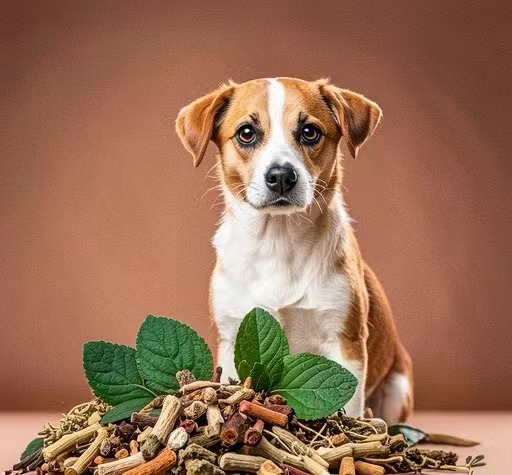
by TCMVET | May 22, 2024 | Dog Cancer & Tumors
Lymphoma is one of the most common cancers affecting dogs, particularly in middle-aged and older canines. It originates in the lymphocytes, a type of white blood cell, and can affect various organs, including the lymph nodes, spleen, liver, and bone marrow. Conventional treatments like chemotherapy are often effective but can come with significant side effects. As a result, many pet owners are exploring natural treatments to support their dog’s health and enhance their quality of life. Among these, Chinese herbs have gained attention for their potential to complement traditional therapies and provide holistic benefits.
Understanding Lymphoma in Dogs
Lymphoma in dogs presents in several forms, with multicentric lymphoma (affecting multiple lymph nodes) being the most common. Symptoms can include:
- Swollen lymph nodes
- Lethargy
- Weight loss
- Loss of appetite
- Fever
- Increased thirst and urination
Early diagnosis and a comprehensive treatment plan are crucial for managing the disease and improving the dog’s prognosis.
Natural Treatment Approaches
Natural treatments for lymphoma aim to support the dog’s immune system, alleviate symptoms, and enhance overall well-being. These approaches can be used alongside conventional treatments or, in some cases, as standalone therapies. Key natural treatments include:
- Dietary Changes
- High-Quality Protein: Ensuring a diet rich in high-quality, easily digestible protein supports the immune system and overall health.
- Antioxidants: Foods high in antioxidants, such as blueberries, spinach, and carrots, can help combat oxidative stress associated with cancer.
- Omega-3 Fatty Acids: Found in fish oil, these fatty acids have anti-inflammatory properties and can help slow cancer progression.
- Herbal Supplements
- Turmeric: Contains curcumin, known for its anti-inflammatory and anticancer properties.
- Milk Thistle: Supports liver health, crucial for dogs undergoing chemotherapy.
- Echinacea: Boosts the immune system and helps fight infections.
- Acupuncture
- Acupuncture can help relieve pain, improve appetite, and enhance overall vitality. It works by stimulating specific points on the body to promote natural healing processes.
- Chinese Herbs Chinese herbal medicine has a long history of use in treating various ailments, including cancer. For dogs with lymphoma, specific herbs can provide significant benefits:
- Astragalus (Huang Qi): Known for its immune-boosting properties, astragalus helps strengthen the body’s defenses against cancer.
- Reishi Mushroom (Ling Zhi): Has anticancer, anti-inflammatory, and immune-modulating effects.
- Hedyotis Diffusa (Bai Hua She She Cao): Exhibits antitumor properties and helps reduce inflammation.
- Scutellaria Barbata (Ban Zhi Lian): Known for its antitumor and detoxifying effects.
Integrating Chinese Herbs with Conventional Treatments
Combining Chinese herbs with conventional treatments such as chemotherapy can enhance efficacy and reduce side effects. This integrative approach aims to:
- Enhance Immune Function: Herbs like astragalus and reishi can boost the immune system, helping the body fight cancer more effectively.
- Reduce Side Effects: Chinese herbs can alleviate side effects of chemotherapy, such as nausea, fatigue, and loss of appetite.
- Promote Overall Health: Herbs contribute to the dog’s general well-being, improving energy levels, digestion, and vitality.
Case Studies and Research
Several studies and anecdotal evidence support the use of Chinese herbs in managing canine lymphoma. For example, a study on dogs with lymphoma treated with a combination of conventional therapies and Chinese herbal formulas showed improved survival times and quality of life compared to those receiving conventional treatments alone.
Conclusion
Natural treatments, including dietary changes, herbal supplements, acupuncture, and Chinese herbs, offer promising avenues for managing lymphoma in dogs. Integrating these approaches with conventional therapies can provide a holistic treatment plan that enhances the dog’s immune function, reduces side effects, and improves overall health. As always, it is essential to consult with a veterinarian experienced in integrative medicine to develop a tailored treatment plan for your dog’s specific needs. This holistic approach can help ensure the best possible outcomes for dogs battling lymphoma, providing them with a higher quality of life and a better chance of recovery.

by TCMVET | May 22, 2024 | Dog Cancer & Tumors
In recent years, advancements in veterinary medicine have brought immunotherapy to the forefront of cancer treatment for dogs. Immunotherapy works by activating or enhancing the dog’s immune system to fight against cancer cells, providing a relatively gentle and effective treatment option. Additionally, the use of Chinese herbs can further improve the efficacy of immunotherapy, reduce side effects, and enhance the overall health of dogs.
Principles of Immunotherapy
Immunotherapy primarily operates through the following mechanisms:
- Immune Checkpoint Inhibitors: These drugs block cancer cells from using immune checkpoints to evade the immune system, allowing immune cells to recognize and destroy cancer cells.
- Cytokine Therapy: This involves the use of natural or recombinant cytokines (such as interferons and interleukins) to boost the immune system’s response to cancer cells.
- Cancer Vaccines: These stimulate the dog’s body to produce an immune response against specific cancer antigens, helping the immune system recognize and attack cancer cells.
Role of Chinese Herbs in Immunotherapy
Chinese herbs contribute to cancer immunotherapy in dogs in several ways:
- Enhancing Immune Function: Herbs like astragalus, reishi, and ginseng are known for their immune-boosting properties, which can enhance the dog’s immune response to cancer.
- Antitumor Effects: Certain herbs, such as Hedyotis diffusa and Scutellaria barbata, are believed to have direct antitumor effects, inhibiting the growth and spread of cancer cells.
- Improving Treatment Tolerance: Chinese herbs can help alleviate the side effects of immunotherapy, improving the dog’s tolerance to treatment and overall quality of life.
Advantages of Combining Immunotherapy with Chinese Herbs
- Synergistic Effects: Immunotherapy and Chinese herbs can complement each other, enhancing the overall treatment efficacy. For instance, immune checkpoint inhibitors can be combined with immune-boosting herbs to strengthen the immune response.
- Reduced Side Effects: The use of Chinese herbs can help mitigate the side effects of immunotherapy, such as fatigue and loss of appetite, thereby improving the dog’s quality of life.
- Holistic Health Management: Chinese herbs not only target cancer treatment but also help in managing the overall health of the dog, improving its physical condition and disease resistance.
Case Studies
Studies have shown that combining Chinese herbs with immunotherapy can lead to better treatment outcomes and improved tolerance in canine cancer patients. For example, in a study on malignant melanoma in dogs, the combination of immunotherapy with herbs like astragalus and reishi significantly extended survival times and reduced side effects.
Conclusion
As an emerging treatment option for canine cancer, immunotherapy activates the dog’s own immune system, providing a safe and effective way to combat cancer. The integration of Chinese herbs can further enhance the therapeutic effects, reduce side effects, and improve the overall well-being of dogs, offering a holistic approach to cancer treatment.

by TCMVET | May 22, 2024 | Dog Cancer & Tumors
Mammary tumors are a common health issue in unspayed female dogs, with nearly half of these tumors being malignant. While traditional treatments such as surgery, chemotherapy, and radiation therapy are essential, complementary therapies can significantly enhance treatment outcomes and improve the quality of life for dogs with mammary tumors. This article explores various complementary therapies that can be integrated with conventional treatments to provide a holistic approach to managing mammary tumors in dogs.
Understanding Mammary Tumors in Dogs
Mammary tumors develop in the mammary glands and can be either benign (non-cancerous) or malignant (cancerous). Malignant tumors have the potential to metastasize, spreading to other parts of the body. Early detection and comprehensive treatment are crucial for managing this condition effectively.
Importance of Complementary Therapies
Complementary therapies are used alongside conventional treatments to support overall health, reduce side effects, and enhance the dog’s quality of life. These therapies can include nutritional support, herbal medicine, acupuncture, and physical therapy.
Nutritional Support
Role in Treatment:
- Importance: Proper nutrition is vital for maintaining overall health and supporting the immune system during cancer treatment.
- Components: A balanced diet with high-quality proteins, healthy fats, and essential vitamins and minerals.
Key Nutritional Strategies:
- High-Quality Protein:
- Benefits: Supports muscle maintenance and overall health.
- Sources: Lean meats, fish, and high-quality commercial dog foods.
- Omega-3 Fatty Acids:
- Benefits: Anti-inflammatory properties that can help reduce inflammation associated with cancer.
- Sources: Fish oil supplements, fatty fish like salmon and sardines.
- Antioxidants:
- Benefits: Help combat oxidative stress, which can damage cells and contribute to cancer progression.
- Sources: Blueberries, spinach, and specially formulated antioxidant supplements.
- Balanced Diet:
- Benefits: A well-balanced diet supports overall health and can help mitigate side effects of conventional treatments.
- Components: Include a mix of proteins, fats, and carbohydrates tailored to the dog’s needs.
Herbal Medicine
Role in Treatment:
- Importance: Certain herbs have anti-inflammatory and immune-boosting properties that can support cancer treatment.
- Examples: Turmeric (curcumin), milk thistle, and Astragalus.
Key Herbal Strategies:
- Turmeric (Curcumin):
- Benefits: Anti-inflammatory and antioxidant properties.
- Administration: Can be added to the dog’s diet in consultation with a veterinarian.
- Milk Thistle:
- Benefits: Supports liver function and detoxification.
- Administration: Available as supplements or extracts.
- Astragalus:
- Benefits: Immune-boosting properties.
- Administration: Typically given as a supplement.
Acupuncture
Role in Treatment:
- Importance: Acupuncture can help manage pain, reduce inflammation, and improve overall well-being.
- Procedure: Involves the insertion of fine needles into specific points on the body to stimulate healing.
Key Benefits:
- Pain Management:
- Effectiveness: Can help reduce pain associated with cancer and its treatments.
- Procedure: Sessions typically last 20-30 minutes and are performed by a trained veterinary acupuncturist.
- Inflammation Reduction:
- Effectiveness: Helps reduce inflammation and improve comfort.
- Procedure: Regular sessions can provide ongoing relief.
Physical Therapy
Role in Treatment:
- Importance: Physical therapy helps maintain mobility and reduce discomfort associated with cancer symptoms.
- Techniques: Includes exercises, massages, and hydrotherapy to improve strength and flexibility.
Key Physical Therapy Strategies:
- Exercise:
- Benefits: Helps maintain muscle mass and overall health.
- Activities: Tailored exercise programs designed by a veterinary physical therapist.
- Massage:
- Benefits: Reduces muscle tension and promotes relaxation.
- Procedure: Regular sessions can help improve circulation and reduce pain.
- Hydrotherapy:
- Benefits: Supports low-impact exercise and pain relief.
- Procedure: Involves exercises performed in water to reduce stress on joints.
Integrating Complementary Therapies with Conventional Treatment
Combining complementary therapies with conventional treatments can provide a holistic approach to managing mammary tumors in dogs. Pet owners should work closely with their veterinarian to develop an integrated treatment plan that addresses all aspects of their dog’s health.
Monitoring and Adjusting Treatment
Regular monitoring and adjustments to the treatment plan are essential to ensure the best possible outcome. This includes:
- Regular Check-Ups:
- Frequency: Frequent veterinary visits to monitor the dog’s condition and response to treatment.
- Blood Tests and Imaging:
- Purpose: Periodic blood tests and imaging studies to assess the effectiveness of the treatment and make necessary adjustments.
- Symptom Management:
- Focus: Ongoing management of symptoms such as pain, inflammation, and digestive issues.
Complementary therapies, including nutritional support, herbal medicine, acupuncture, and physical therapy, can play a significant role in improving the treatment outcomes and quality of life for dogs with mammary tumors. By integrating these therapies with conventional treatments, pet owners can provide a holistic approach to managing their dog’s condition. Always consult a veterinarian before starting any new treatments to ensure they are safe and appropriate for your dog’s specific needs.

by TCMVET | May 22, 2024 | Dog Cancer & Tumors
Mammary tumors are a prevalent health concern in unspayed female dogs, with approximately half of these tumors being malignant. Preventing mammary tumors is crucial for the well-being of your canine companion. By implementing specific lifestyle and dietary adjustments, pet owners can significantly reduce the risk of their dogs developing these tumors. This article explores effective strategies to prevent mammary tumors and promote overall canine health.
Understanding Mammary Tumors in Dogs
Mammary tumors develop in the mammary glands of dogs and can be either benign (non-cancerous) or malignant (cancerous). Malignant tumors have the potential to spread to other parts of the body, making early detection and prevention vital. While the exact cause of mammary tumors is not always clear, certain risk factors, such as hormonal influences, play a significant role.
Importance of Spaying
Spaying is one of the most effective preventive measures against mammary tumors. Spaying dogs before their first heat cycle can drastically reduce the risk of developing these tumors. The risk increases with each subsequent heat cycle, making early spaying a critical preventive step.
Lifestyle Adjustments for Mammary Tumor Prevention
- Regular Veterinary Check-Ups:
- Importance: Routine veterinary visits can help detect early signs of health issues, including mammary tumors.
- Frequency: Annual check-ups are recommended for younger dogs, and bi-annual visits for senior dogs.
- Exercise and Physical Activity:
- Benefits: Regular physical activity helps maintain overall health and prevent obesity, which is a risk factor for many health issues, including cancer.
- Activities: Daily walks, playtime, and interactive toys can keep your dog physically active and mentally stimulated.
- Stress Reduction:
- Importance: Chronic stress can weaken the immune system and increase the risk of various diseases.
- Strategies: Provide a stable and loving environment, ensure proper socialization, and use calming products if necessary.
Dietary Adjustments for Mammary Tumor Prevention
- High-Quality Diet:
- Importance: A balanced, high-quality diet supports overall health and immune function.
- Components: Include high-quality protein sources, healthy fats, and a variety of vegetables to provide essential nutrients.
- Antioxidant-Rich Foods:
- Benefits: Antioxidants help combat oxidative stress, which can damage cells and contribute to cancer development.
- Sources: Blueberries, spinach, carrots, and other antioxidant-rich foods can be beneficial.
- Omega-3 Fatty Acids:
- Benefits: Omega-3 fatty acids have anti-inflammatory properties and can support immune function.
- Sources: Fish oil supplements, flaxseed, and fatty fish like salmon can be excellent additions to your dog’s diet.
- Minimize Processed Foods and Additives:
- Importance: Processed foods and artificial additives can contribute to inflammation and other health issues.
- Alternatives: Opt for natural, whole-food-based dog foods with minimal additives to promote better health.
- Maintain a Healthy Weight:
- Impact: Obesity is a risk factor for many diseases, including cancer. Maintaining a healthy weight can reduce this risk.
- Approach: Follow feeding guidelines and adjust portions based on your dog’s activity level and body condition to prevent obesity.
Regular Monitoring and Early Detection
- Home Examinations:
- Procedure: Pet owners should regularly palpate their dog’s mammary glands to check for lumps or masses.
- Frequency: Monthly checks are recommended, especially for unspayed females.
- Veterinary Visits:
- Procedure: Regular veterinary check-ups can help detect early signs of mammary tumors and other health issues.
- Frequency: Annual check-ups for younger dogs and bi-annual visits for senior dogs.
Preventing mammary tumors in dogs involves a combination of lifestyle and dietary adjustments that promote overall health and well-being. Spaying your dog early, providing regular veterinary care, ensuring proper nutrition, and maintaining a healthy weight are key strategies. By implementing these measures, pet owners can significantly reduce the risk of mammary tumors and enhance their dogs’ quality of life. Regular monitoring and early detection are crucial for managing health issues promptly, ensuring your furry companion stays healthy and happy for years to come.

by TCMVET | May 20, 2024 | Dog Cancer & Tumors
When a dog is diagnosed with cancer, proper nutrition and supportive supplements can play a crucial role in their overall health and quality of life. This article aims to provide a comprehensive guide on the best diet and supplements for dogs with cancer, helping pet owners make informed decisions to support their furry companions.
Understanding the Nutritional Needs of Dogs with Cancer
Cancer can significantly impact a dog’s metabolism and nutritional needs. Here are some key considerations for feeding a dog with cancer:
- High-Quality Protein: Dogs with cancer often require high-quality protein sources to maintain muscle mass and support their immune system. Opt for lean meats like chicken, turkey, and fish.
- Low Carbohydrates: Cancer cells thrive on carbohydrates. Reducing the carbohydrate content in your dog’s diet can help slow down the growth of cancer cells. Focus on low-carb vegetables like spinach, broccoli, and cauliflower.
- Healthy Fats: Omega-3 fatty acids have anti-inflammatory properties and can help support the immune system. Include sources like fish oil, flaxseed oil, and coconut oil in your dog’s diet.
- Antioxidants: Antioxidants help combat oxidative stress, which is often elevated in dogs with cancer. Include antioxidant-rich foods like blueberries, carrots, and leafy greens.
Best Diet for Dogs with Cancer
A balanced and tailored diet can help improve the quality of life for dogs with cancer. Here are some dietary recommendations:
Homemade Diet
A homemade diet allows you to control the ingredients and tailor the nutrition to your dog’s specific needs. Consult with a veterinarian or a pet nutritionist to create a balanced meal plan. Here’s a sample recipe:
- Protein Source: 50% lean meat (chicken, turkey, or fish)
- Vegetables: 25% low-carb vegetables (spinach, broccoli, cauliflower)
- Healthy Fats: 10% fats (fish oil, flaxseed oil, coconut oil)
- Carbohydrates: 15% complex carbs (sweet potatoes, pumpkin)
Commercial Cancer-Specific Diets
Several commercial dog foods are formulated specifically for dogs with cancer. These diets are designed to provide balanced nutrition while minimizing ingredients that may feed cancer cells. Look for brands that offer high protein, low carbohydrate, and high fat content, with added antioxidants and Omega-3 fatty acids.
Supplements for Dogs with Cancer
In addition to a balanced diet, certain supplements can support a dog’s health during cancer treatment. Here are some beneficial supplements:
- Fish Oil: Rich in Omega-3 fatty acids, fish oil helps reduce inflammation and supports the immune system.
- Probiotics: Probiotics promote a healthy gut microbiome, which is crucial for overall health and immune function.
- Turmeric: Curcumin, the active ingredient in turmeric, has anti-inflammatory and antioxidant properties that can help combat cancer.
- CBD Oil: Cannabidiol (CBD) oil can help manage pain, reduce inflammation, and improve overall well-being in dogs with cancer.
- Mushroom Extracts: Certain mushrooms like Reishi, Shiitake, and Maitake have immune-boosting and anti-cancer properties.
Consulting with a Veterinarian
Before making any significant changes to your dog’s diet or introducing new supplements, consult with your veterinarian. They can provide personalized recommendations based on your dog’s specific type of cancer, overall health, and treatment plan.
Proper nutrition and supportive supplements can play a vital role in the health and quality of life of dogs with cancer. By focusing on a balanced diet rich in high-quality proteins, healthy fats, and low carbohydrates, and incorporating beneficial supplements, you can help support your dog through their cancer journey. Always consult with a veterinarian to ensure that any dietary changes or supplements are safe and appropriate for your pet.
