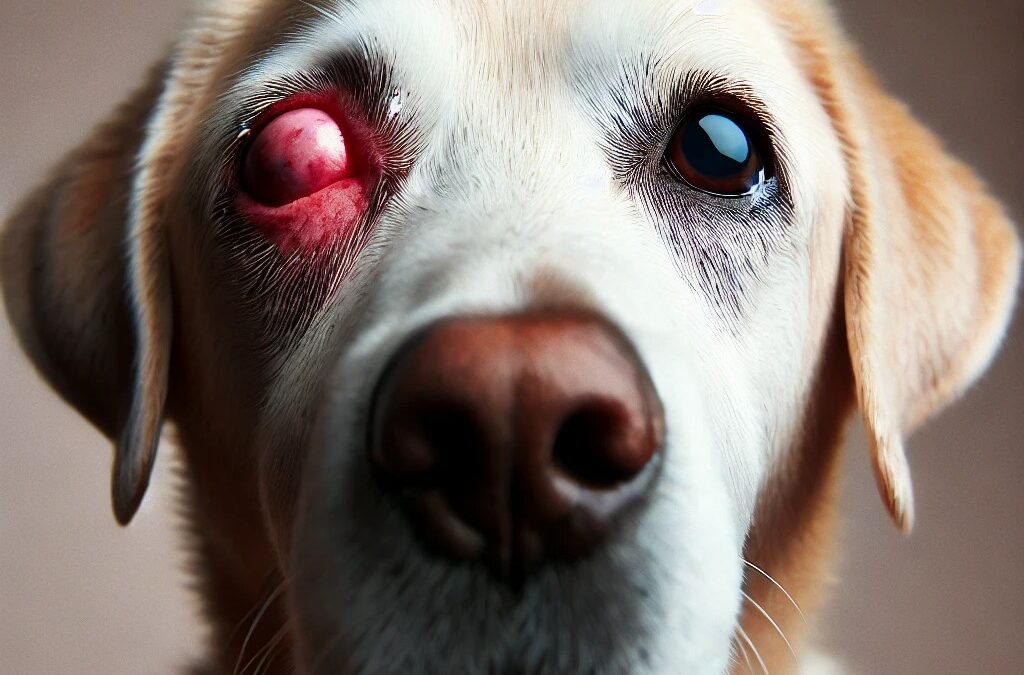
Pleural effusion, the abnormal accumulation of fluid in the chest cavity, can be a challenging complication for dogs recovering from cancer. This condition not only affects their comfort and quality of life but also poses significant health risks. This article explores effective strategies to manage and combat pleural effusion in canines following cancer treatment.
Understanding Pleural Effusion
Pleural effusion occurs when fluid gathers in the pleural space, the thin gap between the lungs and the chest wall. This can result from various conditions, including cancer, heart disease, and infections. In post-cancer dogs, it’s often triggered by the cancer itself or as a side effect of treatments like chemotherapy or radiation.
Signs of Pleural Effusion
The signs of pleural effusion in dogs can include:
Difficulty breathing or rapid breathing
Lethargy or decreased activity levels
Coughing
Distended abdomen, as fluid may also accumulate in the abdominal cavity
Diagnostic Approaches
Accurate diagnosis is crucial for effective treatment. Veterinary approaches include:
X-rays or Ultrasound: These imaging techniques help visualize the extent of fluid accumulation.
Thoracentesis: This procedure involves removing fluid from the chest cavity for analysis, helping to determine the underlying cause of the effusion.
Strategic Treatments
The treatment of pleural effusion focuses on both immediate relief and long-term management:
Fluid Drainage: Regular drainage through thoracentesis can relieve pressure on the lungs and improve breathing.
Medications: Depending on the underlying cause, medications such as diuretics to reduce fluid production or antibiotics for infection may be prescribed.
Surgery: In some cases, surgical intervention might be necessary to repair or remove diseased tissue causing fluid buildup.
Supportive Care
Alongside medical treatment, supportive care is vital. This includes:
Nutritional Support: Ensuring your dog maintains a balanced diet to support their immune system and overall health.
Comfort Measures: Providing a calm and comfortable environment can help reduce stress and promote recovery.
Ongoing Monitoring
Regular follow-ups with a veterinarian are essential to monitor the dog’s condition and adjust treatment plans as needed. This ongoing care is crucial for managing pleural effusion effectively and ensuring the best possible outcome for your canine companion.
Managing pleural effusion in dogs post-cancer requires a comprehensive approach that includes prompt diagnosis, effective treatment, and compassionate care. With the right strategies, dogs can enjoy a good quality of life, even after facing significant health challenges like cancer.
Canine cancer is a multifaceted disease that not only affects the well-being of our beloved pets but also has the potential to influence various specific organ functions. Among these, the mesangial zone in the kidneys plays a critical role, and its health can be significantly impacted by the presence of cancer. This article delves into how canine cancer can affect this vital area and what it means for overall pet health.
Understanding the Mesangial Zone
The mesangial zone is located within the kidneys and is crucial for filtering blood and maintaining overall kidney function. It supports the glomeruli, structures that filter waste from the blood. The health of this zone is essential for the effective functioning of the kidneys, impacting fluid and electrolyte balance, waste removal, and blood pressure regulation in dogs.
Canine Cancer’s Reach to the Mesangial Zone
Certain types of cancer, particularly those that metastasize, can reach the mesangial zone. Metastasis to the kidneys can lead to secondary conditions that impair the mesangial cells, affecting their ability to support the glomeruli. Common cancers that may reach the kidneys include lymphoma, leukemia, and cancers originating from organs close to the kidneys.
Symptoms of Mesangial Zone Impact
When canine cancer affects the mesangial zone, symptoms might not be immediately evident. However, as the condition progresses, symptoms such as lethargy, decreased appetite, increased thirst and urination, and weight loss can occur. These signs often mirror those of other kidney diseases, making it imperative to conduct thorough veterinary evaluations.
Diagnosing Mesangial Complications
Diagnosis of mesangial involvement in canines with cancer involves a combination of blood tests, urine analysis, and imaging studies like ultrasounds or CT scans. A biopsy of kidney tissue may also be necessary to ascertain the extent of cancer’s impact on the mesangial zone.
Treatment Options
Treatment varies depending on the type and stage of cancer, as well as the overall health of the dog. Options may include chemotherapy, radiation, or surgery if the tumor is localized. Supportive treatments such as fluid therapy, dietary changes, and medications to support kidney function may also be essential.
Preventive Measures and Monitoring
Preventing the spread of cancer to the mesangial zone involves regular check-ups and early detection of primary cancers. For dogs diagnosed with cancer, ongoing monitoring of kidney function and the health of the mesangial zone is crucial to manage and mitigate potential complications effectively.
The connection between canine cancer and the health of the mesangial zone is a complex aspect of veterinary medicine that requires careful attention and management. Understanding this link is vital for providing the best care for our pets, ensuring they lead as healthy and comfortable lives as possible, even when facing cancer.
Radiation therapy stands as a cornerstone in the fight against canine cancer, providing hope and healing to countless dogs and their families. This treatment, though intense, can be a game-changer in managing and potentially curing various types of cancers in our canine companions.
Understanding Radiation Therapy
Radiation therapy involves the use of high-energy particles or waves, such as X-rays, gamma rays, or electron beams, to destroy or damage cancer cells. For dogs, this form of treatment is primarily used to target localized tumors, reducing their size or eliminating them altogether without the need for invasive surgery.
The Mechanism of Radiation
The power of radiation lies in its ability to cause irreparable damage to the DNA of cancer cells. Unlike healthy cells, cancer cells are less capable of repairing this DNA damage, leading to their death or a significant reduction in their growth rate. This selective destruction is what makes radiation therapy both effective and valuable in veterinary oncology.
When is Radiation Used?
Veterinarians recommend radiation therapy for several scenarios, including:
Cases where surgery isn’t possible due to the tumor’s location.
As a follow-up treatment to surgery to eliminate any remaining cancer cells.
In palliative care, to relieve symptoms and improve the quality of life for dogs with advanced cancer.
Types of Radiation Therapy
There are two main types of radiation therapy used in treating dogs:
External Beam Radiation (EBRT): The most common form, where radiation is directed at the cancer from outside the body. It’s often used for tumors that are accessible and where precise targeting is crucial.
Brachytherapy: This involves placing radioactive sources very close to or inside the tumor, providing a high radiation dose directly to the cancer cells while minimizing exposure to healthy tissues.
What to Expect During Treatment
Radiation therapy is typically scheduled in multiple sessions over several weeks. While it is non-invasive and each session is relatively quick, general anesthesia is required to keep the dog still during treatment, ensuring precision and effectiveness.
Potential Side Effects
While radiation therapy is a potent weapon against cancer, it’s not without its side effects. These can include localized hair loss, skin irritation, and, in some cases, more severe reactions depending on the area treated. However, most side effects are temporary and can be managed with appropriate veterinary care.
Radiation therapy remains a key player in the arsenal against canine cancer, offering a blend of high efficacy and targeted action against tumors. For many dogs, this treatment not only extends life but also enhances the quality of life, making it a valuable option for those facing the challenges of cancer.
Cancer in dogs is a formidable foe, with its reach potentially extending beyond the commonly known areas to more specific regions such as the ileum, part of the small intestine. Understanding the potential effects of canine cancer on the ileum not only enlightens pet owners but also guides them in better managing their pet’s health.
Understanding the Ileum’s Role in Canine Health
The ileum, a crucial segment of the small intestine, plays a vital role in nutrient absorption and the overall digestive process. It is here that the majority of the digestive enzymes are absorbed back into the body, making its functionality crucial for the health of your pet.
Canine Cancer: A Threat to the Ileum
Cancer can affect any part of a dog’s body, and the gastrointestinal tract is no exception. Tumors located in or near the ileum can disrupt this crucial digestive process, leading to malabsorption, weight loss, and a general decline in health. The types of cancer that might impact the ileum include lymphoma, which is known for its predilection to affect the intestines, and adenocarcinoma, which commonly targets glandular tissue such as that found in the digestive system.
Symptoms Indicating Ileal Impact
If a dog’s ileum is affected by cancer, certain symptoms may become evident. These can include chronic diarrhea, weight loss, and a visibly bloated abdomen. In more severe cases, the presence of blood in the stool might be noticed, an indicator of significant gastrointestinal distress or damage.
Diagnosing and Treating Ileal Implications
Veterinary diagnosis might include imaging studies like X-rays or ultrasound, and confirmatory biopsies if a tumor is suspected. Treatment varies based on the cancer type and progression but might involve surgical removal of tumors, chemotherapy, or radiation therapy, all aimed at reducing the tumor burden and alleviating symptoms.
Supportive Care and Management
Supporting a dog undergoing cancer treatment, especially when the ileum is involved, requires a multifaceted approach. Nutritional management, possibly including an easily digestible diet or even parenteral nutrition in severe cases, becomes crucial. Pain management and hydration support are also key components of care that can significantly improve quality of life.
While the connection between canine cancer and the ileum might not be the first consideration when a diagnosis is made, understanding this relationship is vital. It ensures that dogs receive the care needed to manage their condition and maintain a good quality of life. For pet owners, staying informed and proactive about the health of every part of their dog’s body is crucial in the fight against cancer.
Regular veterinary check-ups are a cornerstone of preventive health care for pets. Particularly when it comes to cancer, one of the leading causes of death in dogs, early detection through these check-ups can be a game-changer. This article explores how regular veterinary visits might help in detecting and potentially preventing cancer in dogs, providing valuable information for pet owners dedicated to prolonging their companions’ lives.
The Power of Prevention: Early Detection Through Regular Check-Ups
Early detection of cancer can significantly improve the prognosis for dogs. Regular vet visits allow for thorough physical exams that can identify the early signs of cancer that pet owners might overlook. These signs include unexplained weight loss, persistent sores, swelling, bleeding or discharge from any body opening, and unusual odors. Early detection is crucial because it can lead to earlier and more effective treatment options.
Screening Tests During Veterinary Visits
During regular check-ups, veterinarians can conduct various screening tests that help in detecting cancer at an early stage. These tests might include blood tests, urine analysis, X-rays, and ultrasounds. Some vets also recommend specific cancer screenings for breeds that are genetically predisposed to certain types of cancers. For example, breeds like Boxers, Golden Retrievers, and Rottweilers are at higher risk for certain cancers and might benefit from tailored screening protocols.
Educating Pet Owners on Warning Signs
Veterinary visits are also an opportunity for vets to educate pet owners on the warning signs of cancer and the importance of prompt veterinary attention if symptoms arise. Knowledge is power, and informed pet owners are more likely to notice changes in their pets’ health and seek veterinary advice early.
The Role of Wellness Exams in Overall Health
Wellness exams are not just about cancer detection. They also provide veterinarians with the opportunity to evaluate a dog’s overall health and to administer necessary vaccinations and parasite control, which can prevent other diseases that might complicate a dog’s overall health condition and affect its cancer risk.
Limitations of Regular Check-Ups
While regular veterinary visits are essential, they do not guarantee cancer prevention. Some cancers develop rapidly and may not be easily detectable until they are at an advanced stage. However, regular check-ups increase the chances of early detection and can potentially lead to more successful treatment outcomes.
Regular veterinary check-ups play a critical role in monitoring a dog’s health and can potentially aid in the early detection of cancer. While not a panacea, these visits are a fundamental part of a proactive health care regimen that can lead to earlier interventions and better health outcomes. Pet owners are encouraged to maintain a schedule of regular veterinary visits as part of their commitment to their pets’ health and well-being.
Cancer in dogs is a serious concern for any pet owner, but when it occurs in a pregnant female, it raises additional worries about the effects on the unborn puppies. This article delves into the complexities of cancer in pregnant dogs and its potential risks to their offspring, providing essential insights for pet owners and breeders.
Understanding the Impact of Maternal Cancer
Cancer in pregnant dogs, depending on its type and progression, can pose risks not just to the health of the mother but also to her developing puppies. The primary concern is how the mother’s health can impact gestation and delivery. For instance, some cancers may impair the mother’s ability to carry the pregnancy to term or affect her health to the extent that it jeopardizes her life and, by extension, that of her puppies.
Types of Cancers and Transmission Risks
Certain cancers are more concerning than others in the context of pregnancy. For example, cancers that affect the reproductive organs, such as mammary gland tumors or uterine cancer, can have direct implications on the pregnancy. While the transmission of cancer cells from the mother to the fetus is extremely rare in dogs, the overall health of the mother plays a crucial role in the viability of the pregnancy.
Effects on Nutrient Supply and Hormonal Balance
A pregnant dog with cancer might struggle with maintaining adequate nutrition for herself and her puppies. Cancers can alter metabolic rates or increase nutritional demands, which complicates maintaining a pregnancy. Additionally, hormonal balances crucial for pregnancy maintenance might be disrupted by the presence of certain tumors, particularly those that produce hormones.
Veterinary Care and Monitoring
Regular veterinary check-ups are vital when managing a pregnancy in a dog with cancer. Ultrasounds, blood tests, and other diagnostic tools can help monitor the health of both mother and puppies. In some cases, veterinarians may recommend specific treatments that are safe during pregnancy or even suggest terminating the pregnancy if the mother’s cancer is too advanced.
Management and Supportive Care
For pregnant dogs with cancer, management involves a delicate balance of treating the cancer and supporting the pregnancy. This might include specialized diets, supplements, and medications that are safe for use during pregnancy. Supportive care, such as fluid therapy and pain management, may also be necessary to ensure the mother’s comfort and health during this period.
While cancer in pregnant dogs presents unique challenges and concerns, with careful veterinary supervision and appropriate care, it is possible to manage the mother’s health and optimize outcomes for her puppies. It is crucial for pet owners to work closely with their veterinarians to tailor a plan that considers the best interests of both the mother and her unborn puppies.
As our environments become increasingly contaminated with industrial byproducts, concerns about the impact of heavy metals on health are not just limited to humans but extend to our pets as well. This article explores the potential link between exposure to heavy metals and the incidence of cancer in dogs, offering crucial insights for pet owners who are keen on safeguarding their furry friends’ health.
Understanding Heavy Metals and Their Sources
Heavy metals, such as lead, mercury, cadmium, and arsenic, are natural components of the Earth’s crust but are toxic at high concentrations. These metals can be introduced into a dog’s environment through various means, including polluted water sources, contaminated soil, and even certain pet foods. Exposure can also occur through second-hand smoke, household products, and the improper disposal of electronic waste.
The Biological Impact of Heavy Metals on Dogs
Once ingested, inhaled, or absorbed through the skin, heavy metals can accumulate in a dog’s body, particularly in the kidneys, liver, and nervous system. This accumulation can lead to oxidative stress, where the production of free radicals surpasses the body’s ability to counteract their harmful effects. Oxidative stress is a well-documented trigger for cellular mutations and cancer in mammals.
Research Linking Heavy Metals to Canine Cancer
Several studies have investigated the relationship between heavy metal exposure and cancer in dogs. For instance, research has found increased levels of certain metals in the systems of dogs diagnosed with various types of cancers, suggesting a possible link. However, definitive proof of causation remains elusive, and researchers continue to study the extent to which these toxins can influence cancer development.
Symptoms of Heavy Metal Poisoning in Dogs
Symptoms of heavy metal poisoning can be diverse and depend on the type of metal and exposure level. Common signs include gastrointestinal distress, vomiting, diarrhea, lethargy, and more severe neurological symptoms such as tremors or seizures. Long-term exposure can lead to chronic health issues, including an increased risk of developing cancer.
Preventive Measures for Pet Owners
Pet owners can take several steps to minimize their dogs’ exposure to heavy metals. These include providing clean, filtered water; ensuring a high-quality diet free from contaminants; and avoiding areas known to be polluted with heavy metals. Regular vet check-ups can also help detect and mitigate the effects of heavy metal exposure early.
While the link between heavy metals and canine cancer is still under investigation, the potential risks they pose make it essential for pet owners to be aware and proactive in managing their pets’ environments. By understanding and minimizing exposure to these dangerous elements, you can help protect your dog’s health and potentially reduce their risk of cancer.
Cancer can drastically alter a dog’s life, including its dietary needs. Post-cancer nutrition is pivotal in supporting recovery and overall well-being. This article delves into the critical role of protein in the diets of dogs that have been diagnosed with cancer, providing insights for pet owners on how to effectively manage their furry friend’s nutrition during this challenging time.
Understanding the Role of Protein in Canine Cancer Recovery
Protein is a fundamental component of a healthy diet for dogs, particularly those recovering from cancer. It helps in repairing tissues, supporting immune function, and maintaining muscle mass, which can be compromised during cancer treatments such as chemotherapy or radiation. The right amount of protein can help a dog regain strength and improve its quality of life post-diagnosis.
How Much Protein is Adequate?
The amount of protein needed can vary significantly depending on the type of cancer, the treatments undergone, and the individual dog’s overall health and activity level. Generally, veterinarians recommend a higher protein intake for cancer-recovering dogs to support tissue repair and to bolster the immune system. However, it’s crucial to balance the quantity and quality of protein to avoid overburdening the kidneys, especially if they have been affected by the cancer or its treatment.
Choosing the Right Protein Sources
Not all proteins are created equal, especially when it comes to dogs with cancer. High-quality, easily digestible proteins are preferred. These can include cooked lean meats like chicken, turkey, and fish. In some cases, veterinarians might also recommend specialized commercial diets formulated for cancer patients, which contain balanced nutrients tailored to support recovery.
Adjustments Based on Cancer Type
Dietary needs can also vary depending on the type of cancer. For instance, dogs with gastrointestinal tumors may require a more easily digestible diet with moderate to high protein but lower in fat. Meanwhile, dogs with other types of cancer might benefit from different adjustments. It’s essential to consult with a veterinary nutritionist who can tailor a diet plan based on your dog’s specific condition and needs.
Monitoring and Adjustments
Regular veterinary check-ups are crucial to monitor the dog’s response to its new diet and adjust as necessary. Blood work and other tests can help ensure that the diet is supporting the dog’s health without causing additional strain on any compromised organs.
Protein plays a vital role in the diet of dogs recovering from cancer. By providing the right type and amount of protein, pet owners can significantly influence their dog’s recovery and overall health. Always consult with a veterinarian or a canine nutritionist to develop a feeding strategy that’s best suited to your dog’s specific health needs.
In the realm of canine health, the connection between emotional well-being and physical health has been a subject of ongoing research. Particularly intriguing is the potential link between emotional stress and the onset of cancer in dogs. This article explores whether the stress experienced by our furry friends can indeed act as a catalyst for cancer, shedding light on a topic that is crucial for every pet owner.
The Science Behind Stress and Cancer in Dogs
Stress, both in humans and animals, triggers a cascade of physiological responses. In dogs, chronic stress can lead to the suppression of the immune system, making it less effective at detecting and fighting cells that could lead to cancer. Research indicates that the stress hormone cortisol, when persistently elevated, may promote an environment conducive to cancer growth. Moreover, stress can lead to behavioral changes and exacerbate inflammatory responses, which are known risk factors in the development of cancer.
Clinical Studies and Observations
Several veterinary studies have aimed to correlate the levels of stress with cancer prevalence in dogs. Although direct causality is challenging to establish, there is growing evidence suggesting that dogs under continuous stress have higher incidences of certain types of cancers. For instance, dogs with a history of anxiety or prolonged exposure to stressful environments may show a higher prevalence of lymphoma or mammary tumors.
Types of Stress Affecting Dogs
It’s important to understand what constitutes stress in dogs. Emotional stress can arise from several sources, including separation anxiety, the addition of a new pet or family member, or significant changes in their routine or environment. Each dog reacts differently, indicating that what might be stressful for one might not affect another similarly. Identifying stressors in your dog’s life and understanding their impact is vital for managing their health.
Preventive Measures and Stress Management
Managing and reducing stress could potentially lower the risk of cancer in dogs. This involves regular exercise, mental stimulation, and ensuring a stable environment. Professional trainers and veterinarians can offer advice on stress reduction techniques and behavioral therapies that can help maintain your dog’s emotional balance. Additionally, routine check-ups can detect early signs of stress-related health issues before they develop further.
While the direct link between emotional stress and cancer in dogs remains under investigation, the correlation is strong enough to warrant attention. By understanding and mitigating the stressors in your dog’s life, you can potentially enhance their quality of life and possibly reduce their risk of developing cancer. For dog owners, the message is clear: a happy dog is not just a joy but might also be a key to better health.
As a pet owner, you want the best for your furry friend, and that includes seeing tangible health improvements when you start them on a new supplement. Baituxiao, known for its natural and potent formula, promises to boost your pet’s health. But how long does it take to see results with Baituxiao? Let’s delve into the timeline for your pet’s health transformation with this remarkable supplement.
Understanding Baituxiao’s Powerful Ingredients
Baituxiao is crafted with a blend of natural ingredients designed to support overall wellness, boost the immune system, and promote a healthy lifestyle for pets. Key ingredients include Omega-3 fatty acids, green tea extract, Coenzyme Q10, bromelain, blueberry extract, vitamin E, and probiotics. These components work synergistically to deliver comprehensive health benefits to your pet.
The Initial Phase: 1-2 Weeks
During the first one to two weeks of using Baituxiao, you may start to notice subtle changes in your pet’s overall demeanor and energy levels. The powerful antioxidants in green tea extract and vitamin E begin to work on reducing oxidative stress, while probiotics start balancing the gut microbiome, leading to better digestion and possibly more regular bowel movements.
What to Watch For:
Increased energy levels
Improved digestion
Slight changes in coat shine and softness
The Intermediate Phase: 3-4 Weeks
By the third to fourth week, more noticeable changes should start to occur. Omega-3 fatty acids and Coenzyme Q10 will contribute to better joint health, reduced inflammation, and enhanced cardiovascular function. This period is crucial as the body adjusts to the new nutrients and begins to exhibit more significant health improvements.
What to Watch For:
Reduced inflammation and joint pain
Improved mobility and agility
Enhanced cardiovascular health
The Long-Term Phase: 6-8 Weeks and Beyond
After six to eight weeks of consistent use, the full benefits of Baituxiao should become apparent. The cumulative effect of the natural ingredients supports optimal health, robust immune function, and overall vitality. You will likely see your pet at their best, with a shiny coat, vibrant energy, and a noticeable reduction in any previous health issues.
What to Watch For:
Shiny and healthy coat
Robust immune system with fewer infections
Overall improved quality of life and vitality
Factors Influencing the Timeline
While these general timelines provide a good framework, it’s important to remember that every pet is unique. Factors such as age, breed, current health status, and specific health issues can influence how quickly your pet responds to Baituxiao. Older pets or those with chronic conditions may take longer to show improvements compared to younger, healthier pets.
Maximizing Results with Consistency
Consistency is key when it comes to supplements. Ensure you are giving Baituxiao to your pet daily as directed. Combining the supplement with a balanced diet and regular exercise can further enhance the results. Regular check-ups with your veterinarian will also help monitor your pet’s progress and make any necessary adjustments to their health regimen.
Baituxiao offers a promising natural solution for improving your pet’s health, with results typically visible within a few weeks to a couple of months. The timeline for seeing results may vary, but with patience and consistent use, you can expect to see your pet thrive. For more information on how Baituxiao can benefit your pet and to read success stories, visit our website. Invest in your pet’s health with Baituxiao and embark on a journey to a happier, healthier life for your furry friend.
Choosing the right supplement for your pet can be a daunting task, especially with the myriad of options available on the market. One question pet owners often ask is whether a particular supplement is suitable for all pets. Baituxiao, known for its natural and potent formula, claims to offer universal benefits. But is it truly suitable for all pets? Let’s delve into what makes Baituxiao a versatile choice for pet health.
Understanding Baituxiao’s Formulation
Baituxiao is crafted with a blend of natural ingredients that are chosen for their safety and efficacy. The supplement aims to support overall wellness, boost the immune system, and promote a healthy lifestyle for pets. Here are some key ingredients that contribute to its universal appeal:
1. Omega-3 Fatty Acids
Known for their anti-inflammatory properties, Omega-3 fatty acids support heart health, joint health, and cognitive function. These essential fats are beneficial for both dogs and cats, making them a versatile ingredient in Baituxiao.
2. Green Tea Extract
Rich in antioxidants, green tea extract helps protect cells from damage and supports the immune system. It is generally safe for most pets in moderate amounts and contributes to overall health and vitality.
3. Coenzyme Q10
Coenzyme Q10 (CoQ10) is a powerful antioxidant that supports cellular energy production and protects against oxidative stress. It is beneficial for pets of all ages, particularly those with cardiovascular concerns.
4. Bromelain
Bromelain, an enzyme found in pineapples, has strong anti-inflammatory and digestive benefits. It aids in nutrient absorption and can help reduce inflammation, making it suitable for pets with sensitive digestive systems.
5. Blueberry Extract
Blueberry extract is packed with antioxidants that combat oxidative stress and support overall health. It helps maintain cognitive function and supports a healthy immune system in pets.
6. Vitamin E
Vitamin E is an essential nutrient that supports skin health, immune function, and overall well-being. It is a common and safe ingredient for most pets, contributing to their health on multiple levels.
7. Probiotics
A healthy gut is essential for a strong immune system. Probiotics in Baituxiao help maintain a balanced gut microbiome, which is beneficial for pets of all kinds, supporting their digestive health and immunity.
Benefits for Various Pet Types
Dogs
Baituxiao’s ingredients support joint health, heart health, and immune function in dogs. The anti-inflammatory properties of Omega-3 fatty acids and bromelain are particularly beneficial for older dogs or those with arthritis.
Cats
For cats, Baituxiao provides antioxidants, liver support, and essential nutrients that help maintain a shiny coat, healthy skin, and robust immune system. The inclusion of blueberry extract and probiotics also supports digestive health.
Senior Pets
Senior pets can benefit significantly from Baituxiao’s formulation. CoQ10 and Omega-3 fatty acids support heart health and cognitive function, while antioxidants like vitamin E and green tea extract help combat age-related oxidative stress.
Active Pets
For highly active pets, the anti-inflammatory and antioxidant properties of Baituxiao help support recovery and overall vitality. Ingredients like Omega-3 fatty acids and bromelain aid in maintaining joint health and reducing inflammation from physical activity.
Why Baituxiao Stands Out
Baituxiao is committed to using high-quality, natural ingredients that are safe and effective for a wide range of pets. The absence of artificial additives and fillers ensures that your pet receives only the best nature has to offer. This makes Baituxiao a reliable choice for pet owners looking for a versatile and comprehensive supplement.
While Baituxiao is formulated to be suitable for a broad range of pets, it’s always recommended to consult with your veterinarian before introducing any new supplement into your pet’s diet. Baituxiao’s natural ingredients provide universal benefits, making it a valuable addition to your pet’s health regimen.
As pet owners, noticing lumps on our furry companions can be distressing. While some lumps are harmless, others might indicate underlying health issues that need attention. Natural supplements like Baituxiao are gaining popularity for their potential to support overall health and reduce lumps. But can Baituxiao truly help with this concern? Let’s explore the benefits and ingredients of Baituxiao to understand its role in lump reduction.
Understanding Pet Lumps
Lumps can appear for various reasons, including benign tumors, cysts, infections, or malignant growths. Early detection and proper care are crucial. Strengthening the immune system and reducing inflammation are key strategies in managing these lumps, and this is where Baituxiao comes into play.
The Natural Power of Baituxiao
Baituxiao is formulated with a blend of potent natural ingredients known for their health benefits. Here’s how these ingredients can contribute to lump reduction in pets:
1. Omega-3 Fatty Acids
Omega-3 fatty acids, commonly found in fish oil, are known for their anti-inflammatory properties. They help reduce inflammation and can inhibit the growth of tumors, making them a crucial component in managing pet lumps.
2. Green Tea Extract
Green tea extract is rich in antioxidants, particularly catechins, which help protect cells from damage and reduce inflammation. This extract can support the immune system and potentially inhibit the growth of abnormal cells.
3. Coenzyme Q10
Coenzyme Q10 (CoQ10) is a powerful antioxidant that supports cellular energy production and protects cells from oxidative damage. By enhancing cellular health, CoQ10 can help the body combat abnormal growths and support overall well-being.
4. Bromelain
Bromelain, an enzyme found in pineapples, has strong anti-inflammatory properties and can help reduce swelling and inflammation around lumps. It also aids in the digestion and absorption of nutrients, supporting overall health.
5. Milk Thistle
Milk thistle is known for its liver-supporting properties. A healthy liver is essential for detoxifying the body and maintaining a strong immune system, both of which are crucial in managing lumps.
6. Vitamin E
Vitamin E is a powerful antioxidant that helps protect cells from oxidative stress and supports immune function. It can help reduce inflammation and promote healthy skin and tissue around lumps.
7. Probiotics
A healthy gut is crucial for a strong immune system. Probiotics in Baituxiao help maintain a balanced gut microbiome, enhancing the body’s natural defenses against lumps and other health issues.
Why Choose Baituxiao?
Baituxiao stands out due to its commitment to natural ingredients and quality. Free from artificial additives, this supplement ensures your pet receives the best nature has to offer. By boosting the immune system and reducing inflammation, Baituxiao provides comprehensive support for managing lumps.
Success Stories from Pet Owners
Many pet owners have reported positive outcomes after incorporating Baituxiao into their pets’ diets. While individual results may vary, the natural blend of ingredients in Baituxiao shows promise in supporting overall health and potentially aiding in lump reduction.
Baituxiao is not a substitute for professional veterinary care, but it can be a valuable addition to your pet’s health regimen. The natural ingredients in Baituxiao work synergistically to support the immune system, reduce inflammation, and promote overall well-being, potentially aiding in lump reduction.
In the quest for optimal health, both for ourselves and our beloved pets, nature often holds the key. Baituxiao has harnessed this power by creating a supplement that supports and enhances the immune system of our furry friends. But what exactly goes into this potent formula? Let’s delve into the natural ingredients that make Baituxiao a standout product in pet wellness.
The Magic of Natural Ingredients
Baituxiao’s formula is a carefully crafted blend of natural ingredients, each selected for its unique health benefits. These ingredients work synergistically to boost the immune system, ensuring your pet stays healthy and vibrant. Here’s a closer look at the key components:
1. Astragalus Root
Astragalus root is renowned for its immune-boosting properties. This ancient herb has been used in traditional Chinese medicine for centuries to enhance vitality and protect against illness. It helps increase white blood cell production, which is crucial for fighting infections and maintaining a robust immune system.
2. Echinacea
Echinacea is another powerful herb known for its ability to strengthen the immune system. It works by stimulating the activity of macrophages, the cells responsible for attacking pathogens in the body. This herb not only helps prevent infections but also reduces the duration and severity of illnesses.
3. Turmeric
Turmeric is a well-known anti-inflammatory agent. It contains curcumin, a compound that helps reduce inflammation in the body, supporting overall immune health. By minimizing inflammation, turmeric helps ensure that your pet’s immune system can function optimally.
4. Ginger Root
Ginger root is a versatile herb with numerous health benefits. It aids digestion, reduces inflammation, and supports the immune system. Ginger’s antioxidant properties help protect cells from damage, ensuring your pet remains healthy and active.
5. Reishi Mushrooms
Reishi mushrooms are known as “the mushrooms of immortality” in traditional Chinese medicine. They are packed with beta-glucans, compounds that enhance the immune response and help the body combat stress and fatigue. Reishi mushrooms support overall wellness, making them a vital component of Baituxiao’s formula.
6. Vitamin C
Vitamin C is a powerful antioxidant that plays a crucial role in immune function. It helps protect cells from oxidative stress, supports the production of white blood cells, and enhances the body’s natural defense mechanisms. Including vitamin C in Baituxiao ensures your pet receives essential immune support.
7. Probiotics
A healthy gut is essential for a strong immune system. Probiotics are beneficial bacteria that support gut health and enhance nutrient absorption. By promoting a balanced gut microbiome, probiotics help ensure that your pet’s immune system remains robust and efficient.
The Baituxiao Difference
Baituxiao stands out not only for its effective ingredients but also for its commitment to quality. The supplement is free from artificial additives, ensuring your pet receives only the best nature has to offer. Each ingredient is carefully sourced and tested to guarantee its purity and potency.
Incorporating Baituxiao into your pet’s daily routine is a natural way to boost their immune system and support overall health. The combination of powerful herbs, antioxidants, and probiotics provides comprehensive immune support, ensuring your pet stays healthy and happy.
In today’s fast-paced world, our pets are our constant companions, bringing joy and comfort to our lives. As responsible pet owners, ensuring their health and well-being is a top priority. One crucial aspect of pet health is a robust immune system, which protects against various diseases and infections. Enter Baituxiao, a natural supplement designed to boost your pet’s immune system and enhance their overall vitality.
Understanding the Immune System in Pets
The immune system is a complex network of cells, tissues, and organs working together to defend the body against harmful invaders like bacteria, viruses, and parasites. A strong immune system is essential for maintaining good health and preventing illnesses. Factors such as age, stress, poor nutrition, and environmental toxins can weaken the immune system, making pets more susceptible to diseases.
The Power of Baituxiao
Baituxiao is formulated with a blend of natural ingredients known for their immune-boosting properties. This supplement is designed to enhance the body’s natural defense mechanisms, ensuring that your pet remains healthy and energetic. Let’s delve into how Baituxiao supports your pet’s immune system.
1. Rich in Antioxidants
Baituxiao contains a potent mix of antioxidants, which play a crucial role in neutralizing harmful free radicals in the body. Free radicals can damage cells, leading to a weakened immune system and increased vulnerability to diseases. By incorporating antioxidants into your pet’s diet, Baituxiao helps protect their cells and supports overall health.
2. Boosts White Blood Cell Production
White blood cells are the frontline defenders of the immune system. They identify and attack foreign invaders, ensuring the body remains free from infections. Baituxiao includes ingredients that stimulate the production of white blood cells, enhancing your pet’s ability to fight off infections and stay healthy.
3. Supports Gut Health
A significant portion of the immune system resides in the gut. A healthy gut flora is essential for a strong immune response. Baituxiao contains prebiotics and probiotics that promote a balanced gut microbiome, improving digestion and supporting immune function. A healthy gut translates to a robust immune system capable of warding off illnesses.
4. Reduces Inflammation
Chronic inflammation can weaken the immune system, making pets more prone to diseases. Baituxiao includes natural anti-inflammatory ingredients that help reduce inflammation in the body, supporting overall immune health. By minimizing inflammation, Baituxiao ensures your pet’s immune system remains strong and efficient.
5. Enhances Nutrient Absorption
Proper nutrition is vital for a healthy immune system. Baituxiao aids in the absorption of essential nutrients, ensuring your pet receives the vitamins and minerals they need to maintain a strong immune response. This supplement provides a comprehensive approach to health, covering all bases to keep your pet thriving.
Why Choose Baituxiao?
Baituxiao stands out in the market due to its commitment to quality and natural ingredients. It is free from artificial additives, ensuring that your pet receives only the best nature has to offer. By choosing Baituxiao, you’re investing in a product that prioritizes your pet’s health and well-being.
Incorporating Baituxiao into your pet’s daily routine is a proactive step towards ensuring their immune system remains strong and resilient. With its blend of natural ingredients, Baituxiao offers comprehensive support for your pet’s health, helping them lead a vibrant and disease-free life. Give your pet the gift of a robust immune system with Baituxiao, and watch them thrive with boundless energy and vitality.
As a responsible pet owner, protecting your dog from pests is a priority. Chemical repellents are commonly used to keep fleas, ticks, and other parasites at bay. However, recent concerns have emerged about the potential long-term effects of these chemicals, including the risk of cancer. This article explores the hidden dangers of frequent chemical repellent use and provides safer alternatives to keep your dog healthy and pest-free.
Understanding Chemical Repellents
Chemical repellents for dogs often contain active ingredients such as pyrethroids, organophosphates, and carbamates. These substances are effective at repelling and killing pests but may pose health risks with prolonged exposure.
Potential Risks of Frequent Chemical Repellent Use
Toxicity: Overuse of chemical repellents can lead to toxicity, affecting your dog’s nervous system, liver, and kidneys.
Cancer Risk: Some studies suggest a link between certain chemicals in repellents and an increased risk of cancer, particularly lymphoma and bladder cancer in dogs.
Skin Irritation: Frequent application of chemical repellents can cause skin irritation, allergic reactions, and hair loss.
Environmental Impact: Chemical residues from repellents can contaminate soil and water, posing risks to wildlife and ecosystems.
Identifying Safe Alternatives
Natural Repellents: Products containing essential oils like lavender, eucalyptus, and cedarwood can effectively repel pests without the harmful side effects of chemicals.
Regular Grooming: Frequent brushing and bathing help remove pests and reduce the need for chemical repellents.
Preventive Measures: Keeping your home and yard clean, using flea combs, and washing your dog’s bedding regularly can minimize pest infestations.
Diet and Supplements: A healthy diet and supplements such as brewer’s yeast and garlic can naturally repel pests.
How to Minimize Risks if Using Chemical Repellents
Follow Instructions: Always adhere to the manufacturer’s guidelines for application frequency and dosage.
Consult Your Veterinarian: Seek advice from your vet on the safest and most effective products for your dog.
Rotate Products: Avoid using the same repellent continuously to prevent buildup of toxins.
Monitor Your Dog: Watch for any signs of adverse reactions, such as excessive scratching, vomiting, or lethargy, and discontinue use if necessary.
Success Stories
Many pet owners have successfully transitioned to natural and preventive pest control methods, reporting fewer health issues and improved well-being for their dogs. These success stories highlight the effectiveness of non-chemical alternatives in maintaining a healthy, pest-free environment.
While chemical repellents are effective in controlling pests, their frequent use can pose significant health risks to your dog, including cancer. By exploring safer alternatives and adopting preventive measures, you can protect your dog from pests without compromising their health. Always consult with your veterinarian to choose the best pest control strategy for your furry friend.
Cancer in dogs is a challenging diagnosis that often leads pet owners to seek complementary therapies to improve their furry friend’s quality of life. One such therapy is head massage. This article explores the safety and benefits of head massage for dogs with cancer, providing valuable insights for pet owners.
Understanding Head Massage for Dogs
Head massage involves gentle, rhythmic strokes on a dog’s head, promoting relaxation and stress relief. It can be particularly beneficial for dogs undergoing cancer treatment, as it helps to alleviate anxiety and discomfort.
Benefits of Head Massage for Dogs with Cancer
Stress Relief: Reduces anxiety and stress, which can improve overall well-being.
Pain Management: Helps to alleviate pain and discomfort associated with cancer and its treatments.
Improved Circulation: Enhances blood flow, promoting healing and reducing inflammation.
Bonding: Strengthens the bond between the pet and the owner, providing emotional support for both.
Is Head Massage Safe for Dogs with Cancer?
While head massage offers numerous benefits, it’s essential to consider the following safety aspects:
Gentle Touch: Always use gentle pressure to avoid causing any pain or discomfort.
Consult Your Veterinarian: Before starting any new therapy, consult your veterinarian to ensure it’s appropriate for your dog’s specific condition.
Avoid Tumor Sites: Be cautious and avoid direct pressure on or around tumor sites to prevent any potential harm.
How to Perform a Safe Head Massage
Create a Calm Environment: Find a quiet, comfortable space where your dog feels safe.
Use Gentle Strokes: Start with light, gentle strokes using your fingertips, moving in circular motions.
Observe Your Dog’s Reactions: Pay attention to your dog’s body language. If they show signs of discomfort, stop immediately.
Keep Sessions Short: Begin with short sessions, gradually increasing the duration as your dog becomes more comfortable.
Integrating Head Massage with Other Treatments
Head massage can be a valuable addition to your dog’s cancer treatment plan. When combined with conventional treatments and holistic approaches like Baituxiao, a Traditional Chinese Medicine supplement, it can enhance your dog’s overall quality of life.
Success Stories
Many pet owners have reported positive outcomes from incorporating head massage into their dog’s care routine. Dogs have shown reduced anxiety, improved mood, and better tolerance to cancer treatments, showcasing the potential benefits of this gentle therapy.
Head massage offers a safe and effective way to provide comfort and support to dogs battling cancer. By alleviating stress and pain, improving circulation, and strengthening the bond between you and your pet, head massage can significantly enhance your dog’s quality of life. Always consult with your veterinarian before starting any new therapy to ensure it’s suitable for your dog’s specific condition.
Cancer in dogs is a heart-wrenching diagnosis that prompts pet owners to explore various treatment options. Among the emerging therapies is phototherapy, also known as light therapy. This article delves into the safety and effectiveness of phototherapy for dogs with cancer, offering insights to help you make informed decisions for your furry friend’s health.
Understanding Phototherapy
Phototherapy involves the use of specific wavelengths of light to penetrate tissues and promote healing. It has been used for various medical conditions in both humans and animals, including wound healing, inflammation reduction, and pain management.
How Phototherapy Works
Phototherapy utilizes light-emitting diodes (LEDs) or lasers to deliver light energy into the body’s cells. This energy can stimulate cellular activity, improve circulation, and promote the release of endorphins, contributing to pain relief and accelerated healing.
Potential Benefits of Phototherapy for Dogs with Cancer
Pain Relief: Phototherapy can help alleviate pain associated with tumors and cancer treatments.
Reduced Inflammation: It can minimize inflammation, potentially slowing tumor growth.
Enhanced Healing: Light therapy may accelerate the healing of surgical sites or radiation burns.
Improved Quality of Life: By reducing pain and inflammation, phototherapy can enhance your dog’s overall well-being.
Safety Considerations
While phototherapy holds promise, its safety for dogs with cancer depends on several factors:
Type of Cancer: Phototherapy may not be suitable for all types of cancer. Tumors that are sensitive to light or those located near vital organs require careful consideration.
Stage of Cancer: Advanced cancer stages might necessitate more aggressive treatments, making phototherapy a complementary option rather than a primary treatment.
Veterinary Supervision: Always consult with a veterinarian experienced in phototherapy to ensure proper application and avoid potential side effects.
Success Stories and Research
Many pet owners have reported positive outcomes with phototherapy, citing reduced pain and improved mobility in their dogs. While anecdotal evidence is encouraging, ongoing research aims to provide more concrete data on the effectiveness and safety of phototherapy for canine cancer patients.
Integrating Phototherapy into Your Dog’s Cancer Treatment Plan
If you’re considering phototherapy for your dog, follow these steps:
Consult Your Veterinarian: Discuss the potential benefits and risks based on your dog’s specific condition.
Create a Holistic Plan: Combine phototherapy with other treatments, such as chemotherapy, surgery, or herbal supplements like Baituxiao.
Monitor Progress: Regular veterinary check-ups are essential to track your dog’s response to treatment and adjust the plan as needed.
Phototherapy offers a promising, non-invasive option to enhance the quality of life for dogs battling cancer. While it is not a cure, it can be a valuable part of a comprehensive treatment plan when used under veterinary supervision. As research continues, phototherapy may become a more widely accepted and utilized tool in veterinary oncology.
As a pet owner, discovering lumps and bumps on your dog can be concerning. While some may be harmless, others could indicate underlying health issues. Providing your dog with the right supplements can play a crucial role in managing and preventing these growths. In this article, we introduce Baituxiao, a highly effective Traditional Chinese Medicine (TCM) supplement designed to address lumps and bumps in dogs.
Understanding Dog Lumps and Bumps
Lumps and bumps can appear on dogs for various reasons, ranging from benign conditions to more serious health concerns. Common types include:
Lipomas: Benign fatty tumors.
Sebaceous Cysts: Blocked oil glands.
Mast Cell Tumors: Can be benign or malignant.
Abscesses: Usually caused by infections or bites.
The Role of Supplements in Managing Lumps and Bumps
Supplements can support your dog’s immune system, reduce inflammation, and promote overall skin health, making them a valuable addition to traditional treatments.
Introducing Baituxiao: The Ultimate Supplement for Dog Lumps and Bumps
Baituxiao is a TCM-based supplement that offers a natural and effective solution for managing lumps and bumps in dogs. This herbal formula is designed to shrink tumors, reduce inflammation, and support your dog’s overall well-being.
Benefits of Baituxiao
Natural Ingredients: Contains a blend of herbs known for their anti-tumor and anti-inflammatory properties.
Holistic Approach: Promotes overall health and wellness, not just the affected area.
Non-Invasive: A stress-free alternative to surgical procedures.
How Baituxiao Works
Baituxiao works by harnessing the power of traditional Chinese herbs to support the body’s natural healing processes. The ingredients in Baituxiao help to:
Reduce Tumor Size: The anti-tumor properties of the herbs help shrink benign and malignant growths.
Ease Inflammation: Anti-inflammatory herbs reduce swelling and discomfort associated with lumps.
Boost Immunity: Supports the immune system to help prevent future growths.
Success Stories with Baituxiao
Many pet owners have seen remarkable improvements in their dogs after using Baituxiao. From reducing the size of lipomas to completely resolving cysts, Baituxiao has proven to be a reliable and effective supplement.
How to Incorporate Baituxiao into Your Dog’s Routine
Administering Baituxiao is simple and can be easily integrated into your dog’s daily routine. The recommended dosage depends on your dog’s size and the severity of the condition. Always consult with a veterinarian experienced in TCM for the best results.
Preventing Future Lumps and Bumps
In addition to using Baituxiao, here are some tips to help prevent future lumps and bumps in your dog:
Regular Vet Check-ups: Early detection is key to effective treatment.
Healthy Diet: Ensure your dog receives a balanced diet rich in nutrients.
Grooming: Regular grooming helps in early detection of new lumps or changes in existing ones.
Lumps and bumps on dogs are common, but with the right approach, they can be managed effectively. Baituxiao offers a natural, holistic solution to support your dog’s health and well-being. By incorporating Baituxiao into your pet care routine, you can provide a proactive approach to managing and preventing lumps and bumps, ensuring your dog stays healthy and happy.
Discovering lumps and bumps on your dog can be alarming. While not all lumps are dangerous, it’s crucial to address them promptly to ensure your furry friend’s health and comfort. In this guide, we’ll explore various treatment options, including the innovative TCM product Baituxiao, which has been garnering praise for its effectiveness.
Understanding Dog Lumps and Bumps
Lumps and bumps can appear on dogs for various reasons, including benign tumors, cysts, warts, and malignant growths. Understanding the nature of these lumps is the first step toward effective treatment.
Common Causes of Lumps in Dogs
Lipomas: These are benign, fatty tumors that are usually harmless but can grow large and uncomfortable.
Sebaceous Cysts: These are blocked oil glands that can become inflamed or infected.
Mast Cell Tumors: These can be benign or malignant and require immediate attention.
Abscesses: Often caused by infections or bites, these need to be drained and treated with antibiotics.
Conventional Treatment Options
Surgical Removal: For large or suspicious lumps, surgical removal is often recommended.
Cryotherapy: Freezing small, benign lumps can be effective and less invasive.
Medication: Antibiotics for abscesses or anti-inflammatory drugs for benign lumps can help manage symptoms.
Introducing Baituxiao: A Natural Solution
Baituxiao, a Traditional Chinese Medicine (TCM) product, offers a natural alternative for treating dog lumps and bumps. This herbal formula is designed to shrink tumors, reduce inflammation, and promote overall skin health without the side effects commonly associated with conventional treatments.
Benefits of Baituxiao
Natural Ingredients: Made from a blend of herbs known for their anti-tumor and anti-inflammatory properties.
Non-Invasive: Avoids the stress and risks of surgical procedures.
Holistic Approach: Supports overall health and wellness, not just the targeted area.
How to Use Baituxiao
Administering Baituxiao is simple and can be easily integrated into your dog’s daily routine. The recommended dosage depends on your dog’s size and the severity of the condition. Always consult a veterinarian experienced in TCM for the best results.
Success Stories
Many pet owners have reported significant improvements in their dogs’ conditions after using Baituxiao. From shrinking lipomas to resolving stubborn cysts, Baituxiao has proven to be a valuable addition to pet care routines.
Preventing Future Lumps and Bumps
Regular Check-ups: Routine vet visits can catch issues early.
Balanced Diet: Ensure your dog is getting a diet rich in nutrients.
Regular Grooming: Helps in early detection of any new lumps or changes in existing ones.
Lumps and bumps on dogs are common but should never be ignored. With the right approach, including natural remedies like Baituxiao, you can ensure your dog’s health and comfort. Remember to consult your veterinarian before starting any new treatment to tailor the approach to your dog’s specific needs.
When a dog faces the challenge of cancer treatment, maintaining their enthusiasm and positive outlook can significantly enhance their quality of life. A happy dog is more resilient and better equipped to cope with the rigors of treatment. This article explores strategies to keep your dog’s spirits high during their cancer treatment journey, ensuring they remain active, joyful, and optimistic.
Recognizing the Emotional Needs of Dogs
Dogs are sensitive creatures who can experience stress and anxiety, especially during illness. Recognizing the signs of emotional distress—such as changes in appetite, behavior, or energy levels—can help you address their needs and maintain their happiness.
Creating a Comforting Environment
Familiar Surroundings: Ensure your dog has a safe and comfortable space where they can relax. Familiarity provides comfort and reduces anxiety.
Consistent Routine: Maintain a regular schedule for feeding, walking, and playtime to provide a sense of normalcy and stability.
Engaging Activities for Mental and Physical Stimulation
Interactive Toys: Use puzzle toys and treat dispensers to keep your dog mentally engaged and distracted from any discomfort.
Gentle Play: Tailor playtime to your dog’s energy levels. Gentle activities, such as soft fetch or light tug-of-war, can keep them active without overexerting them.
Physical Comfort and Care
Comfortable Bedding: Provide a soft, supportive bed to help your dog rest comfortably, especially if they experience discomfort from their treatment.
Massage and Grooming: Regular grooming and gentle massages can help your dog relax and feel cared for, enhancing their overall well-being.
Nutritional Support
Balanced Diet: Ensure your dog’s diet is rich in nutrients that support their health and recovery. Consult your veterinarian for a diet plan tailored to their specific needs.
Healthy Treats: Reward your dog with nutritious treats that boost their mood without interfering with their treatment.
Emotional Support and Social Interaction
Quality Time: Spend ample quality time with your dog, providing them with the attention and affection they need. Simple activities like cuddling and petting can be incredibly comforting.
Controlled Socialization: Arrange for controlled social interactions with other friendly dogs if your dog enjoys socializing, helping to alleviate feelings of isolation.
Monitoring and Adjusting
Regular Vet Visits: Keep up with veterinary appointments to monitor your dog’s progress and make necessary adjustments to their treatment plan.
Behavioral Observation: Watch for any changes in your dog’s behavior that might indicate discomfort or distress. Early intervention can prevent further complications.
Keeping your dog’s spirits high during cancer treatment involves a combination of physical care, mental stimulation, and emotional support. By creating a supportive environment, engaging in enjoyable activities, and providing consistent companionship, you can help your dog navigate their treatment journey with a positive outlook. A happy, enthusiastic dog is more resilient and better equipped to face the challenges of medical treatment, ensuring they continue to enjoy a fulfilling and joyful life.
When our beloved pets face serious health challenges like cancer or osteoporosis, maintaining their spirits becomes as crucial as their medical treatment. A happy and content dog can cope better with the rigors of treatment and recovery. This article explores various strategies to keep your dog happy during their treatment journey, ensuring they enjoy quality life even in tough times.
Understanding the Emotional Needs of Dogs
Dogs, much like humans, experience a range of emotions. The stress of medical treatments can affect their mood and behavior. Recognizing the signs of distress and implementing strategies to uplift their spirits can significantly improve their overall well-being.
Creating a Comfortable Environment
Safe Space: Ensure your dog has a comfortable and quiet place to rest. A cozy bed in a familiar environment can help them feel secure.
Consistency: Maintain a consistent routine to provide a sense of normalcy. Regular feeding, walking, and playtime can create a stable environment amidst the changes brought by treatment.
Engaging Activities and Mental Stimulation
Interactive Toys: Puzzle toys and treat dispensers can keep your dog mentally engaged and distracted from any discomfort.
Gentle Play: Adapt playtime to your dog’s energy levels. Gentle games like tug-of-war or fetch with a soft toy can provide enjoyment without overexerting them.
Training Sessions: Short, positive reinforcement training sessions can be a fun way to keep their mind active and strengthen your bond.
Physical Comfort and Care
Massage Therapy: Gentle massages can relax your dog and alleviate some physical discomfort associated with their condition.
Hydrotherapy: Swimming or water therapy can be beneficial, especially for dogs with osteoporosis, as it provides low-impact exercise.
Proper Grooming: Regular grooming can make your dog feel better and promote bonding time. Pay attention to any sensitivities they might have due to treatment.
Nutrition and Treats
Balanced Diet: Ensure your dog receives a nutritious diet that supports their health. Consult your vet for dietary recommendations tailored to their condition.
Healthy Treats: Reward your dog with healthy treats that won’t interfere with their treatment. Small, frequent rewards can boost their mood.
Emotional Support and Companionship
Quality Time: Spend quality time with your dog, providing them with the attention and affection they need. Simple activities like cuddling or sitting together can be immensely comforting.
Socialization: If your dog enjoys the company of other dogs or people, arrange for controlled social interactions. This can help them feel less isolated.
Positive Reinforcement: Use positive reinforcement to encourage good behavior and resilience. Celebrate small victories to keep their spirits high.
Monitoring and Adjusting
Regular Check-ups: Keep up with veterinary appointments to monitor your dog’s progress and adjust their treatment plan as needed.
Behavioral Changes: Be vigilant for any changes in your dog’s behavior that might indicate pain or distress. Early intervention can prevent further discomfort.
Keeping your dog happy during treatment for cancer or osteoporosis involves a combination of physical care, mental stimulation, and emotional support. By creating a comfortable environment, engaging in enjoyable activities, and providing consistent companionship, you can help your dog navigate their treatment journey with a positive spirit. Remember, a happy dog is more resilient and better equipped to cope with the challenges of medical treatment.
As pet owners, we strive to provide our furry companions with the best care possible. However, two significant health concerns, canine cancer and osteoporosis, pose serious risks to their well-being. This article delves into the risk factors associated with these conditions and offers insights into prevention strategies, aiming to equip pet owners with the knowledge needed to safeguard their dogs’ health.
Understanding Canine Cancer
Canine cancer is a leading cause of death among dogs, affecting various breeds and ages. It encompasses a range of malignancies, including lymphoma, mast cell tumors, and osteosarcoma. Identifying the risk factors can help in early detection and intervention.
Common Risk Factors for Canine Cancer
Age: Older dogs are more susceptible to cancer due to accumulated cellular damage over time.
Breed: Certain breeds, such as Golden Retrievers, Boxers, and Rottweilers, have a higher predisposition to specific cancers.
Genetics: Family history plays a crucial role; dogs with cancer-prone relatives are at greater risk.
Environmental Exposure: Prolonged exposure to carcinogens, such as pesticides and tobacco smoke, can increase cancer risk.
Diet and Obesity: Poor diet and obesity can contribute to the development of cancer, emphasizing the importance of balanced nutrition.
Recognizing Osteoporosis in Dogs
Osteoporosis, a condition characterized by weakened bones, is less commonly discussed but equally concerning. It can lead to fractures and reduced mobility, significantly impacting a dog’s quality of life.
Common Risk Factors for Canine Osteoporosis
Age: Similar to cancer, older dogs are more prone to osteoporosis due to natural bone density loss.
Breed: Small and toy breeds are particularly susceptible, but large breeds can also be affected.
Nutritional Deficiencies: Lack of essential nutrients, particularly calcium and vitamin D, can weaken bones.
Lack of Exercise: Regular physical activity is crucial for maintaining bone density; sedentary lifestyles increase osteoporosis risk.
Hormonal Imbalances: Conditions like hypothyroidism and hyperparathyroidism can contribute to bone density loss.
Prevention Strategies for Canine Cancer and Osteoporosis
Prevention is always better than cure. Implementing proactive measures can significantly reduce the risk of both cancer and osteoporosis in dogs.
Diet and Nutrition
Balanced Diet: Provide a well-balanced diet rich in essential nutrients. Incorporate high-quality proteins, healthy fats, and a variety of fruits and vegetables.
Supplements: Consider supplements like Omega-3 fatty acids, antioxidants, and vitamins to support overall health and immunity.
Weight Management: Maintain a healthy weight to reduce the risk of obesity-related cancers and bone density loss.
Regular Exercise
Physical Activity: Ensure your dog gets regular exercise to strengthen bones and maintain a healthy weight. Activities like walking, running, and playing are beneficial.
Strength Training: Incorporate strength training exercises, such as climbing stairs or playing with resistance toys, to build bone density.
Routine Veterinary Check-ups
Regular Screenings: Schedule routine veterinary visits for early detection of potential health issues. Regular blood tests and imaging can identify problems before they become severe.
Dental Health: Dental hygiene is essential, as infections can spread and affect overall health, including bones.
Environmental Safety
Limit Exposure to Carcinogens: Avoid exposing your dog to harmful chemicals, pesticides, and second-hand smoke.
Safe Living Environment: Provide a safe and clean living environment to reduce the risk of infections and injuries.
Understanding the risk factors for canine cancer and osteoporosis is crucial for proactive pet care. By implementing preventive measures, including a balanced diet, regular exercise, and routine veterinary check-ups, you can significantly reduce the risk of these conditions and ensure your dog leads a healthy and fulfilling life. Stay informed, stay vigilant, and cherish every moment with your loyal companion.
As devoted pet owners, ensuring the comfort and well-being of our furry companions is paramount. Pain management is a critical aspect of veterinary care, especially for dogs suffering from chronic conditions or recovering from surgery. This article delves into the benefits and risks of various analgesics for dogs, offering insights to help you make informed decisions for your pet’s pain relief.
Understanding Pain in Dogs
Recognizing pain in dogs can be challenging, as they often hide their discomfort. Common signs of pain include limping, reduced activity, changes in appetite, and vocalizations. Identifying these signs early and seeking veterinary advice is crucial for effective pain management.
Types of Analgesics for Dogs
Non-Steroidal Anti-Inflammatory Drugs (NSAIDs)
Benefits: NSAIDs like carprofen and meloxicam are commonly prescribed for their anti-inflammatory and pain-relieving properties. They are effective for conditions such as arthritis and post-surgical pain.
Risks: Potential side effects include gastrointestinal issues, kidney damage, and liver problems. Regular monitoring and adherence to dosage recommendations are essential.
Opioids
Benefits: Opioids such as tramadol and morphine provide powerful pain relief, making them suitable for severe pain and post-operative care.
Risks: Side effects can include sedation, constipation, and potential for dependency. They should be used under strict veterinary supervision.
Gabapentin
Benefits: Gabapentin is effective for neuropathic pain and as part of multimodal pain management. It is often used for chronic pain conditions.
Risks: Possible side effects include sedation and ataxia. Gradual dosage adjustments are recommended to minimize adverse effects.
Corticosteroids
Benefits: Corticosteroids like prednisone can reduce inflammation and provide pain relief for conditions like autoimmune diseases and severe allergies.
Risks: Long-term use can lead to side effects such as increased thirst, hunger, and potential for immune suppression. They should be used with caution and under veterinary guidance.
Alternative and Complementary Therapies
CBD Oil: Increasingly popular for its anti-inflammatory and analgesic properties, CBD oil can be a valuable addition to pain management strategies.
Acupuncture and Physical Therapy: These non-pharmacological approaches can enhance pain relief and improve mobility, often used in conjunction with traditional medications.
Balancing Benefits and Risks
When considering analgesics for your dog, it is crucial to weigh the benefits against potential risks. Here are some key factors to consider:
Veterinary Guidance: Always consult with your veterinarian before starting any pain management regimen. They can provide tailored advice based on your dog’s specific needs and health condition.
Monitoring: Regular check-ups and monitoring are essential to identify any adverse reactions early and adjust treatment plans accordingly.
Combination Therapy: Sometimes, a combination of medications and therapies can provide optimal pain relief with fewer side effects.
Natural Supplements: Integrating natural supplements, such as Omega-3 fatty acids and glucosamine, can support joint health and reduce inflammation, complementing traditional analgesics.
Effective pain management in dogs requires a careful balance of benefits and risks. By understanding the different types of analgesics available and working closely with your veterinarian, you can ensure your furry friend enjoys a comfortable and pain-free life. Stay vigilant, informed, and proactive in managing your dog’s pain, and cherish the joy and companionship they bring to your life.
Canine bone cancer, also known as osteosarcoma, is a formidable adversary for our furry companions. As pet owners, understanding the implications of this disease is crucial, especially when it comes to the potential for paralysis. This article delves into the intricacies of canine bone cancer, its symptoms, treatment options, and how it can lead to paralysis, providing valuable insights for pet owners seeking to protect their beloved pets.
Understanding Canine Bone Cancer
Osteosarcoma is the most common type of bone cancer in dogs, predominantly affecting large and giant breeds. This aggressive cancer originates in the bone, leading to pain, swelling, and ultimately, the destruction of the bone itself. Early detection is vital for effective treatment, yet the symptoms can often be mistaken for less severe conditions like arthritis or minor injuries.
Symptoms to Watch For
Recognizing the early signs of osteosarcoma can make a significant difference in your dog’s prognosis. Common symptoms include:
Lameness: Persistent limping or difficulty walking is often one of the first signs.
Swelling: Noticeable swelling at the site of the tumor, typically around the limbs.
Pain: Your dog may show signs of discomfort or pain when touched or when using the affected limb.
Fatigue: Reduced activity levels and reluctance to play or exercise.
Weight Loss: Unexplained weight loss despite normal eating habits.
The Link Between Bone Cancer and Paralysis
One of the most devastating complications of canine bone cancer is the potential for paralysis. As the tumor grows, it can exert pressure on surrounding tissues, including nerves. If the cancer spreads to the spine or affects the spinal cord, it can lead to partial or complete paralysis. This progression underscores the importance of early detection and intervention.
Diagnosis and Treatment Options
Diagnosing osteosarcoma typically involves a combination of physical examinations, X-rays, and biopsies. Once confirmed, treatment options may include:
Surgery: Amputation of the affected limb is often recommended to remove the primary tumor and alleviate pain.
Chemotherapy: To address metastasis and improve survival rates, chemotherapy is often administered alongside surgery.
Radiation Therapy: This can be used to manage pain and reduce tumor size, particularly in cases where surgery is not feasible.
Alternative and Complementary Therapies
In addition to conventional treatments, many pet owners explore alternative therapies to support their dog’s health. These may include:
CBD Oil: Known for its anti-inflammatory and pain-relieving properties, CBD oil is increasingly used to manage cancer symptoms and improve quality of life.
Dietary Supplements: Supplements like Omega-3 fatty acids and antioxidants can support overall health and strengthen the immune system.
Physical Therapy: Tailored exercises and therapies can help maintain mobility and muscle strength, reducing the risk of paralysis.
Preventive Measures and Regular Check-ups
While osteosarcoma cannot always be prevented, regular veterinary check-ups and a healthy lifestyle can play a significant role in early detection and management. Maintaining an active lifestyle, providing a balanced diet, and monitoring any changes in your dog’s behavior or physical condition are essential steps in safeguarding their health.
Canine bone cancer is a challenging diagnosis, but understanding its implications, especially the threat of paralysis, empowers pet owners to take proactive measures. Early detection, combined with a comprehensive treatment plan, can significantly improve your dog’s quality of life and potentially extend their time with you. Stay vigilant, stay informed, and cherish every moment with your loyal companion.
When we think about canine cancer, the focus often falls on tumors and their direct effects. However, the impact of cancer on a dog’s balance and coordination is a crucial aspect that can significantly affect their quality of life. This article explores how cancer affects these critical functions and what pet owners can do to help their furry friends navigate these challenges.
The Connection Between Canine Cancer and Balance Issues
1. Brain Tumors and Neurological Effects
Brain tumors are a primary cause of balance and coordination issues in dogs. These tumors can interfere with the brain’s normal functions, including those that control movement and balance. Symptoms might include:
Head Tilt: A noticeable tilt of the head to one side.
Circling: Walking in circles rather than a straight line.
Stumbling and Falling: Difficulty maintaining balance, leading to frequent falls.
Seizures: Uncontrolled movements that can affect overall coordination.
2. Inner Ear Tumors
The inner ear plays a vital role in maintaining balance. Tumors in this area can disrupt the vestibular system, leading to:
Dizziness: Dogs may appear disoriented and unsteady.
Nystagmus: Rapid, involuntary eye movements.
Loss of Coordination: Difficulty walking or standing normally.
3. Metastatic Cancer
Cancer that spreads from its original site to other parts of the body can also affect balance and coordination. For example, cancer that metastasizes to the spine can compress the spinal cord, impacting a dog’s ability to walk and maintain balance.
Symptoms to Watch For
Early detection is key to managing balance and coordination issues in dogs with cancer. Symptoms to monitor include:
Unsteady Gait: Walking with a wobble or unsteady steps.
Lack of Coordination: Difficulty performing routine movements.
Reluctance to Move: Avoiding physical activity due to discomfort or instability.
Frequent Falls: Tripping or falling more often than usual.
Eye and Head Movements: Abnormal eye movements or head tilting.
Diagnosis and Treatment
Proper diagnosis and timely intervention can help manage the impact of cancer on your dog’s balance and coordination. Veterinary care may include:
1. Neurological Examination
A comprehensive neurological exam can help identify the underlying cause of balance issues. This may involve:
Reflex Tests: Checking limb reflexes and responses.
Eye Movement Assessment: Observing for nystagmus or abnormal eye movements.
Gait Analysis: Evaluating walking patterns and coordination.
2. Imaging Techniques
Advanced imaging techniques like MRI and CT scans can detect tumors in the brain, inner ear, or spine, providing a clear picture of the affected areas.
3. Treatment Options
Treatment depends on the type and location of the cancer. Options may include:
Surgery: Removing tumors that are accessible and operable.
Radiation Therapy: Targeting tumors with radiation to shrink them and alleviate symptoms.
Chemotherapy: Using drugs to slow tumor growth and spread.
Supportive Care: Medications to manage symptoms and improve quality of life.
Supporting Your Dog at Home
Helping your dog cope with balance and coordination issues involves making some adjustments at home:
1. Safe Environment
Ensure your home is free from obstacles that could cause your dog to trip or fall. Use non-slip mats and remove clutter from pathways.
2. Assistive Devices
Consider using harnesses or support slings to help your dog move around safely.
3. Gentle Exercise
Encourage gentle exercise to maintain muscle strength and coordination, but avoid activities that could cause falls or injuries.
4. Regular Veterinary Visits
Keep up with regular veterinary check-ups to monitor your dog’s condition and adjust treatments as necessary.
Canine cancer can significantly impact a dog’s balance and coordination, but with early detection, appropriate treatment, and supportive care, you can help your furry friend navigate these challenges. By staying vigilant and proactive, you can ensure your dog maintains the best possible quality of life.
Understanding the intricate relationship between canine cancer and blood sugar levels is vital for pet owners and veterinarians. Recent studies suggest that managing blood sugar levels can play a crucial role in the treatment and prevention of cancer in dogs. This article delves into the connection between cancer and blood sugar, highlighting key insights and practical steps for maintaining your dog’s health.
How Blood Sugar Levels Affect Canine Cancer
1. The Role of Glucose in Cancer Growth
Cancer cells thrive on glucose, using it as a primary energy source to fuel their rapid growth and proliferation. Elevated blood sugar levels can create an environment that supports the development and spread of cancer. By understanding this connection, pet owners can take proactive steps to regulate their dog’s blood sugar, potentially slowing cancer progression.
2. Insulin Resistance and Cancer Risk
Just like in humans, insulin resistance in dogs can lead to elevated blood sugar levels. Insulin resistance occurs when cells become less responsive to insulin, a hormone that helps regulate blood sugar. This condition not only increases the risk of diabetes but also creates a favorable environment for cancer cells to grow. Monitoring and managing insulin resistance is, therefore, a crucial aspect of cancer prevention and treatment in dogs.
Symptoms and Diagnosis
Recognizing the symptoms of blood sugar imbalances and cancer in dogs is essential for early detection and intervention. Common signs include:
Increased Thirst and Urination: These can indicate high blood sugar levels.
Unexplained Weight Loss: Despite eating well, weight loss can signal diabetes or cancer.
Lethargy: Low energy levels can be a symptom of both high blood sugar and cancer.
Frequent Infections: High blood sugar can weaken the immune system, making dogs more susceptible to infections.
Visible Tumors or Lumps: Physical signs of cancer that require immediate veterinary attention.
To diagnose these conditions, veterinarians may perform blood tests, glucose tolerance tests, and biopsies to identify the underlying issues and develop a treatment plan.
Managing Blood Sugar Levels in Dogs with Cancer
1. Diet and Nutrition
A balanced diet low in simple sugars and high in protein and fiber can help regulate blood sugar levels. Foods with a low glycemic index release glucose slowly, preventing spikes in blood sugar. Consider incorporating these elements into your dog’s diet:
Lean Proteins: Chicken, turkey, and fish
Fiber-Rich Vegetables: Green beans, carrots, and pumpkin
Whole Grains: Brown rice and oats
Consult with your veterinarian to create a tailored nutrition plan that meets your dog’s specific needs.
2. Regular Exercise
Physical activity helps regulate blood sugar levels and maintain a healthy weight, reducing the risk of both diabetes and cancer. Engage your dog in regular walks, play sessions, and activities that keep them active and fit.
3. Medications and Supplements
In some cases, veterinarians may prescribe medications to manage blood sugar levels or recommend supplements that support metabolic health. These can include:
Insulin: For dogs diagnosed with diabetes
Omega-3 Fatty Acids: To support overall health and reduce inflammation
Antioxidants: To combat oxidative stress and support the immune system
4. Regular Monitoring
Frequent veterinary check-ups and blood tests are crucial for monitoring your dog’s blood sugar levels and overall health. Early detection of any imbalances allows for prompt adjustments to their treatment plan.
Understanding the link between canine cancer and blood sugar levels offers a new perspective on managing your dog’s health. By maintaining balanced blood sugar levels through proper diet, exercise, and veterinary care, you can create a healthier environment that may help prevent or slow the progression of cancer. Stay proactive and informed to ensure your furry friend enjoys a long, healthy life.
In the realm of alternative treatments for canine cancer, magnet therapy has emerged as a promising option for pet owners seeking holistic approaches to enhance their dog’s health and well-being. This article delves into the potential benefits of magnet therapy for dogs with cancer, how it works, and what you should consider before integrating it into your pet’s treatment plan.
What is Magnet Therapy?
Magnet therapy, also known as magnetic field therapy, involves the use of static magnetic fields to improve health. In humans, it has been used to alleviate pain, reduce inflammation, and enhance overall well-being. For dogs, the concept is similar: applying magnets to specific areas of the body may help manage symptoms and support the healing process.
How Magnet Therapy Works for Dogs
Magnet therapy is believed to work by stimulating blood flow and enhancing the delivery of oxygen and nutrients to tissues. This increased circulation can help reduce inflammation and pain, which are common issues in dogs with cancer. Additionally, magnets are thought to influence cellular function, potentially promoting the body’s natural healing processes.
Benefits of Magnet Therapy for Dogs with Cancer
1. Pain Relief
Cancer often causes significant discomfort in dogs. Magnet therapy can help alleviate pain by increasing blood flow to affected areas, reducing muscle tension, and promoting the release of endorphins—natural painkillers produced by the body.
2. Reduced Inflammation
Inflammation is a major concern in canine cancer, contributing to pain and the progression of the disease. Magnet therapy’s ability to enhance circulation may help reduce inflammation, leading to improved comfort and mobility for your pet.
3. Enhanced Healing
By promoting better blood flow and oxygenation, magnet therapy can support the healing of tissues damaged by cancer or its treatments, such as surgery or radiation. This can aid in faster recovery times and improved overall health.
4. Non-Invasive and Drug-Free
One of the significant advantages of magnet therapy is that it is non-invasive and does not involve pharmaceuticals, making it a suitable option for dogs that may not tolerate traditional medications well.
Considerations and Precautions
Before starting magnet therapy for your dog, it is crucial to consult with a veterinarian, preferably one experienced in holistic and alternative treatments. Here are some considerations:
1. Professional Guidance
A veterinarian can provide guidance on the appropriate type and strength of magnets to use, as well as the correct placement and duration of treatment to ensure safety and efficacy.
2. Individual Response
Not all dogs may respond to magnet therapy in the same way. Monitoring your dog’s response and adjusting the treatment as needed is essential for optimal results.
3. Complementary Treatment
Magnet therapy should be viewed as a complementary treatment rather than a standalone solution. It can be integrated with conventional cancer treatments such as chemotherapy, radiation, or surgery to enhance overall outcomes.
How to Get Started
If you’re interested in exploring magnet therapy for your dog, start by discussing it with your veterinarian. They can recommend reputable products and provide instructions tailored to your dog’s specific condition and needs.
Magnet therapy offers a unique and innovative approach to managing canine cancer, providing benefits such as pain relief, reduced inflammation, and enhanced healing. As with any treatment, professional guidance and careful monitoring are essential to ensure the best outcomes for your beloved pet. By considering magnet therapy as part of a comprehensive cancer care plan, you can help improve your dog’s quality of life and support their journey to better health.
When it comes to canine health, cancer is a formidable adversary that can wreak havoc on multiple systems within the body. One often overlooked aspect of this disease is its profound impact on the cardiovascular system. Understanding how cancer can affect your dog’s heart and blood vessels is crucial for early detection, effective treatment, and overall well-being.
How Cancer Affects the Cardiovascular System
1. Direct Invasion of Cardiac Tissues
Certain cancers, such as hemangiosarcoma, originate in the blood vessels and can directly invade the heart. Hemangiosarcoma commonly affects the spleen, liver, and heart, particularly the right atrium. This aggressive cancer can lead to significant cardiovascular complications, including pericardial effusion, where fluid accumulates around the heart, impeding its normal function.
2. Metastasis to the Heart and Blood Vessels
Cancer cells from primary tumors in other parts of the body can metastasize to the heart and blood vessels. This spread can cause blockages, disrupt blood flow, and lead to secondary tumors within the cardiovascular system. The resulting strain on the heart can compromise its ability to pump blood efficiently.
3. Paraneoplastic Syndromes
Paraneoplastic syndromes are indirect effects of cancer that can significantly impact the cardiovascular system. These syndromes occur when tumors produce substances that interfere with normal bodily functions. For instance, some tumors can cause hypercoagulability, leading to an increased risk of blood clots. These clots can travel to the heart or lungs, causing life-threatening conditions such as pulmonary embolism.
Symptoms to Watch For
Detecting cardiovascular issues related to cancer in dogs requires vigilance. Symptoms to watch for include:
Persistent Coughing: This can indicate fluid buildup in the lungs due to heart failure.
Shortness of Breath: Difficulty breathing or rapid breathing can be signs of cardiovascular compromise.
Lethargy and Weakness: A decline in energy levels may suggest poor blood circulation.
Fainting or Collapsing: These severe symptoms require immediate veterinary attention.
Swelling: Look for swelling in the abdomen or limbs, which could indicate fluid retention.
Diagnostic Approaches
Early diagnosis is key to managing cardiovascular complications in dogs with cancer. Diagnostic methods include:
Echocardiography: This ultrasound-based technique allows veterinarians to visualize the heart’s structure and function, identifying tumors or fluid accumulation.
Electrocardiography (ECG): An ECG can detect irregular heart rhythms caused by cancerous growths or paraneoplastic syndromes.
Blood Tests: Comprehensive blood panels can reveal markers of heart stress or hypercoagulability.
Imaging: X-rays, CT scans, and MRIs can provide detailed images of the heart and surrounding tissues, highlighting abnormalities.
Treatment Options
Treatment for cancer-related cardiovascular issues in dogs depends on the type and stage of cancer, as well as the severity of the cardiovascular involvement. Options include:
Surgery: Removing tumors that directly invade the heart or blood vessels can relieve symptoms and improve heart function.
Chemotherapy: This systemic treatment can shrink tumors and slow their spread, alleviating cardiovascular strain.
Radiation Therapy: Targeted radiation can reduce tumor size and mitigate its impact on the heart.
Medications: Drugs that manage heart failure, control arrhythmias, or prevent blood clots are essential in supportive care.
Understanding the complex relationship between canine cancer and the cardiovascular system is vital for pet owners and veterinarians alike. By recognizing the symptoms, utilizing advanced diagnostic tools, and pursuing appropriate treatments, we can improve the quality of life for dogs battling this dual health challenge. Stay vigilant and proactive in your dog’s healthcare to ensure they receive the best possible care.
Cancer in dogs can lead to a variety of health complications, including blindness. This article explores how different types of cancer can affect a dog’s vision, the symptoms to watch for, and the importance of early detection and treatment.
How Cancer Can Cause Blindness in Dogs
Ocular Tumors: Tumors can develop directly within the eye, affecting structures such as the retina, optic nerve, or other critical components responsible for vision. Common ocular cancers include melanoma, lymphoma, and adenocarcinoma. These tumors can cause significant damage to the eye, leading to partial or complete blindness. Symptoms may include visible masses on the eye, redness, swelling, or changes in eye color.
Brain Tumors: Tumors located in the brain, particularly in areas affecting the optic nerves or visual cortex, can disrupt a dog’s ability to see. The optic nerves transmit visual information from the eyes to the brain, and any pressure or damage from a tumor can impair this process. Symptoms might include sudden vision loss, changes in behavior, seizures, or head tilting.
Metastatic Cancer: Cancer that originates in other parts of the body can spread (metastasize) to the eyes or brain, leading to similar issues as primary tumors in these locations. Metastatic cancer often progresses rapidly, making early detection and intervention crucial.
Paraneoplastic Syndromes: These are indirect effects of cancer that can impact various parts of the body, including the eyes. Certain cancers can cause immune system reactions that damage ocular tissues, resulting in vision loss.
Symptoms to Watch For
If your dog has cancer, it’s important to monitor for signs of vision problems. Symptoms indicating potential blindness include:
Squinting or closing one eye
Excessive tearing or discharge
Redness or swelling around the eyes
Cloudiness or visible masses on the eye
Behavioral changes such as bumping into objects or hesitancy to move in dim light
Sudden or gradual loss of vision
Diagnosis and Treatment
Early detection and intervention are key to managing cancer-related blindness in dogs. Diagnostic methods include:
Physical Examination: A thorough eye exam by a veterinarian to check for abnormalities.
Imaging: Techniques such as MRI, CT scans, or ultrasound to detect tumors in the eyes or brain.
Biopsy: Taking a sample of the tumor to determine its type and guide treatment.
Treatment options vary depending on the type and location of the cancer. They may include:
Surgery: Removal of the tumor to prevent further damage and potentially restore vision.
Radiation Therapy: Targeting the tumor with radiation to shrink it and reduce its impact on vision.
Chemotherapy: Using drugs to treat cancer and slow its progression.
Palliative Care: For advanced cases, focusing on maintaining comfort and quality of life.
Cancer can significantly impact a dog’s vision, leading to partial or complete blindness. Understanding the connection between cancer and blindness, recognizing the symptoms, and seeking prompt veterinary care are crucial steps in managing this condition. By staying informed and proactive, you can help ensure your dog receives the best possible care.