by TCMVET | Aug 26, 2026 | Research and News
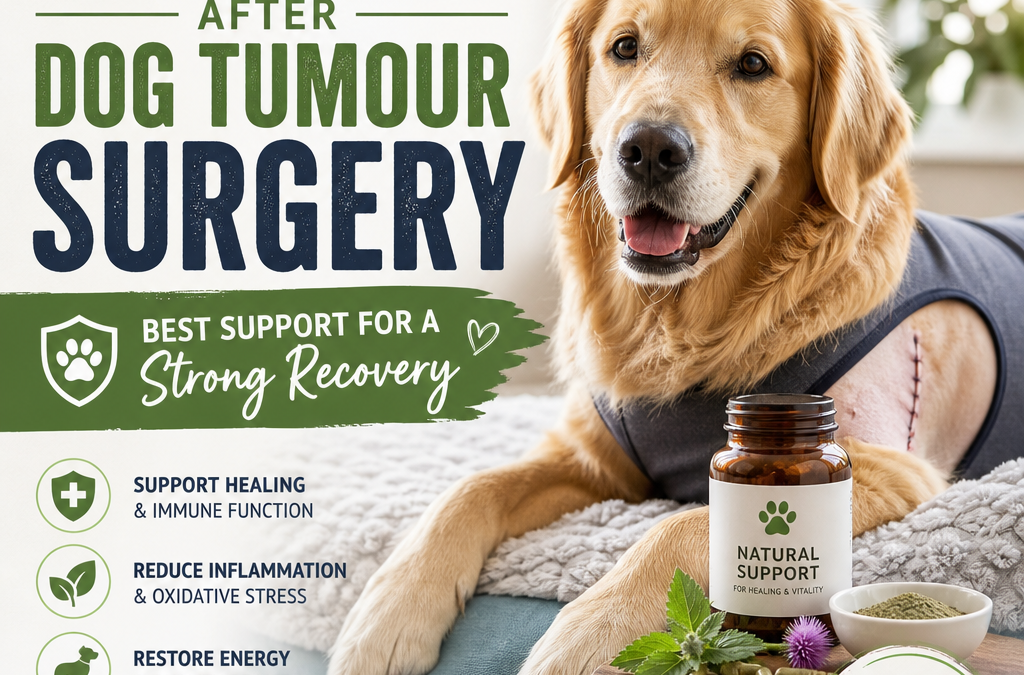
Supplements After Dog Tumour Surgery can play a supportive role in healing, maintaining strength, and helping a dog return to normal activity—but they should never replace veterinary treatment or be introduced without professional guidance. Recovery from tumour removal varies considerably depending on the tumour type, surgical site, stage of disease, and whether chemotherapy, radiation, or additional medication is required. The safest approach combines careful monitoring, appropriate nutrition, pain control, rest, and supplements selected for the individual dog.
Because every recovery is different, it helps to think in practical stages. In the first stage, the focus is on pain control, incision care, hydration, and steady eating. In the second stage, the goal is to rebuild strength, support digestion, and prevent setbacks. In the longer term, the plan may shift toward maintaining weight, protecting mobility, and preparing for follow-up treatment if the oncology team recommends it. Supplements After Dog Tumour Surgery are most useful when they fit into that larger recovery picture rather than being used as a stand-alone fix.
Understanding dog cancer surgery recovery
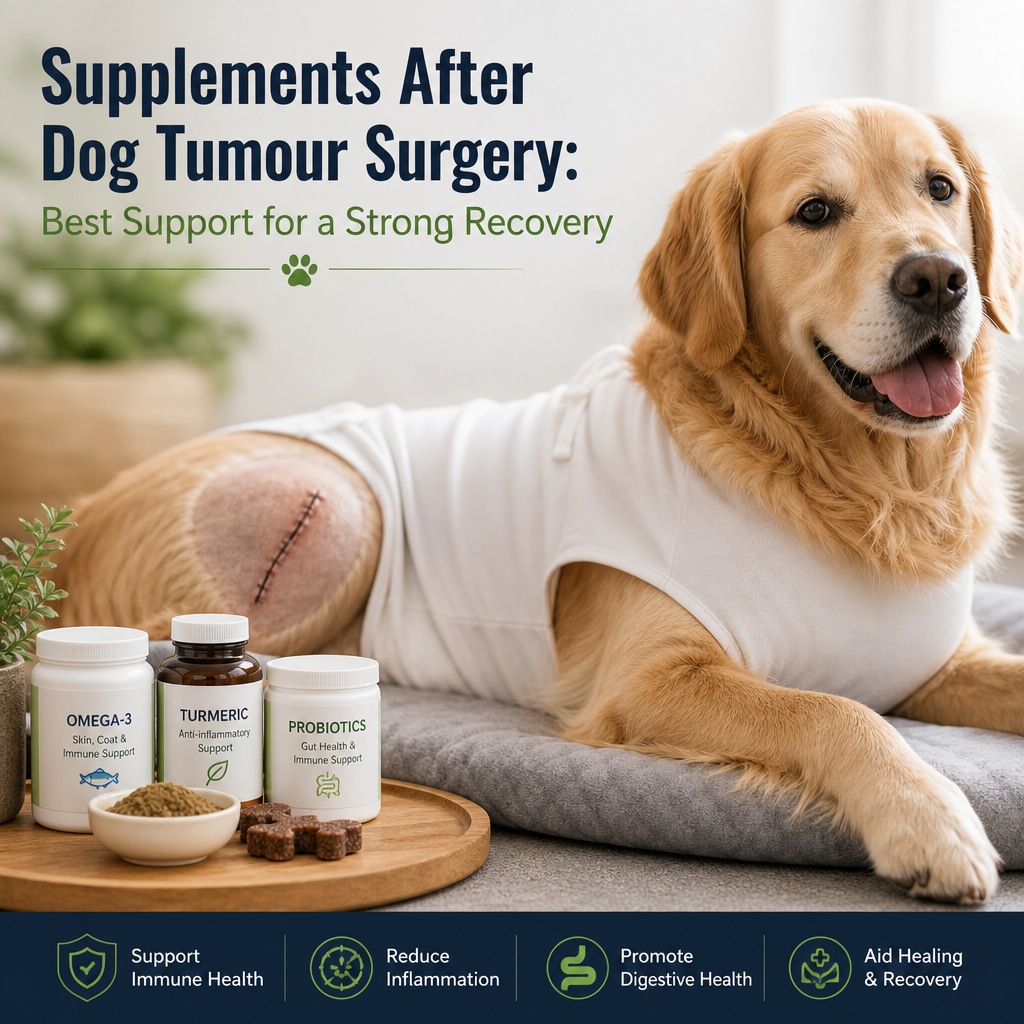
Dog cancer surgery recovery begins as soon as the operation is complete. During the first days, the main priorities are protecting the incision, controlling pain, preventing infection, and ensuring the dog eats and drinks adequately. Some dogs recover quickly, while others may need several weeks before they regain their usual energy.
Your veterinarian may prescribe pain relief, antibiotics, anti-inflammatory medication, or other treatments. These medicines should be given exactly as directed. It is particularly important not to add human painkillers, herbal products, or over-the-counter remedies without approval, as some can cause poisoning, bleeding, kidney damage, or dangerous interactions.
A follow-up appointment is often needed to assess wound healing and discuss pathology results. The laboratory report may influence future treatment and determine whether supportive care should focus mainly on healing, immune health, digestive comfort, or long-term cancer management.
In many cases, the first 10 to 14 days are the most delicate part of recovery. A dog may seem brighter one day and more tired the next, especially after a major procedure. That variation is normal, but worsening pain, swelling, or appetite loss should always be reported. During this stage, Supplements After Dog Tumour Surgery should be chosen only if they fit the dog’s current condition and medication plan.
It is also worth remembering that recovery is not just physical. A dog may feel unsettled after surgery, especially if the household routine changes or if the dog must wear an e-collar. Keeping the environment calm, predictable, and quiet can reduce stress and may make feeding and medication easier. Small comforts matter: a soft bed, easy access to water, and gentle reassurance can all support the healing process.
Where supplements after dog tumour surgery may help
Supplements are not a cure for cancer, and there is no universal product that suits every recovering dog. However, selected supplements may support specific needs when used alongside a balanced diet and veterinary care.
The best products are those that fill a real gap, such as reduced appetite, digestive upset, mobility stiffness, or a need for additional nutritional support. If you are comparing options, a practical guide like Best Supplements for Dogs with Cancer: 7 Essential UK Support Tips can help you understand how supportive care choices are usually evaluated.
When thinking about Supplements After Dog Tumour Surgery, it helps to separate “helpful” from “necessary.” Helpful products may improve comfort, appetite, or nutrient intake. Necessary products are the ones your veterinarian has recommended to address a clear need. The safest recovery plan starts with necessity and then adds only what is genuinely useful.
Owners sometimes feel pressure to do everything possible after a cancer diagnosis, but more is not always better. A dog that is already taking pain relief and anti-nausea medication may not need a long list of extra products. In many cases, the most effective support comes from a simple routine built around food intake, wound care, rest, and one or two well-chosen supplements.
Omega-3 fatty acids
Fish oil containing EPA and DHA is commonly discussed in canine cancer support. These essential fatty acids may help support a healthy inflammatory response, skin condition, and overall nutritional status. They can be especially useful for dogs whose appetite is reduced or whose diet requires additional nutritional support.
Quality and dosage matter. Fish oil can contribute extra calories and may increase the risk of bleeding in some situations, particularly when combined with certain medications or before another procedure. Choose a veterinary-recommended product and ask about the correct dose based on body weight.
Omega-3s are also often considered because they are easy to add to food and can be useful for dogs who are too sore to eat large meals. When used well, they fit naturally into a broader recovery plan that supports healing without overwhelming the digestive system.
If you are still comparing brands or formulas, look for clear ingredient labels, a trustworthy manufacturer, and evidence that the product has been tested for quality. Supplements After Dog Tumour Surgery should ideally be simple to dose, easy to tolerate, and appropriate for the dog’s current medication list.
Probiotics and digestive support
Anaesthesia, antibiotics, stress, dietary changes, and reduced activity can all affect digestion. A veterinary probiotic may help maintain a healthy balance of intestinal bacteria and support normal stool quality. Some products also contain prebiotic fibres that nourish beneficial bacteria.
Probiotics should be introduced gradually, especially if the dog already has diarrhoea, vomiting, or a sensitive stomach. Persistent digestive symptoms require veterinary assessment rather than relying solely on supplements.
In a dog that is recovering slowly, digestive balance can make a noticeable difference to energy and appetite. That is one reason Supplements After Dog Tumour Surgery are most useful when they are tailored to the symptoms actually present, rather than added out of habit.
Digestive support can also be important if the dog’s appetite drops after surgery or if pain medication causes constipation or nausea. In those cases, the right probiotic or fibre source may help improve stool quality and make feeding more comfortable. However, if the dog cannot keep food down, has bloody diarrhoea, or becomes dehydrated, supplements are not enough and veterinary attention is needed quickly.
Antioxidants
Vitamins C and E, selenium, and other antioxidants are sometimes included in canine cancer-support products. These nutrients help protect cells from oxidative stress, but more is not necessarily better. High doses can be harmful, and the role of antioxidants may depend on the type of cancer and the treatment plan.
Dogs receiving chemotherapy or radiation should only receive antioxidant supplements with the oncology team’s approval. Some treatments work partly through oxidative mechanisms, so unsupervised supplementation could potentially interfere with the intended therapy. For general background on how cancer care decisions are made in veterinary medicine, the American Veterinary Medical Association’s cancer in pets guidance is a helpful reference.
Antioxidant use is best thought of as part of a broader medical discussion, not an automatic addition to the diet. If the dog is recovering well, eating properly, and not receiving additional cancer therapy, the veterinary team may still decide that a basic recovery diet is enough. In that case, adding antioxidants may not improve the outcome and could complicate the plan unnecessarily.
Joint and mobility support
After surgery, dogs may move differently or remain inactive for an extended period. If the tumour affected a limb, joint, bone, or nearby tissue, mobility support may become particularly important. Ingredients such as glucosamine, chondroitin, green-lipped mussel, or specific omega-3 preparations may be considered for joint comfort.
These products usually work gradually and are not substitutes for prescribed pain medication or rehabilitation. Controlled exercise, physiotherapy, and weight management may provide equal or greater benefits for mobility.
If your dog is stiff after rest, short leash walks and gentle movement can help more than adding several products at once. A simple, steady routine often works better than a complicated stack of Supplements After Dog Tumour Surgery.
Mobility support is especially valuable for older dogs or dogs that already had arthritis before the operation. After surgery, reduced movement can quickly lead to muscle loss and stiffness, so a plan that combines pain management, rest, and carefully timed exercise is usually more effective than relying on any single supplement alone.
Protein and nutritional support
Adequate protein and calories are essential for tissue repair, immune function, and maintenance of muscle. Some dogs benefit more from a complete, highly digestible veterinary diet than from a collection of supplements. Appetite stimulants, recovery foods, or nutritional gels may be recommended when eating is difficult.
Do not make major dietary changes immediately after surgery unless your veterinarian advises it. Sudden changes can cause gastrointestinal upset, while homemade diets may become nutritionally incomplete if not formulated by a veterinary nutritionist.
For owners looking for more guidance on practical nutritional choices, Dog Cancer Supplements: 7 Essential, Affordable and Positive Buying Tips for UK Pet Owners offers a useful comparison point for support products that may fit a recovery plan.
Protein deserves special attention during recovery because the body needs it to rebuild tissue and preserve lean mass. If a dog is eating less than usual, the goal is often to make each meal count rather than to feed larger portions. Highly digestible food, warmed meals, or small frequent servings may be more useful than adding multiple powders or capsules. In that context, Supplements After Dog Tumour Surgery can be a helpful add-on, but they should never crowd out the basics of a complete diet.
Post tumour surgery dog support at home
Effective post tumour surgery dog support involves practical care as much as supplementation. Keep the incision clean and dry, prevent licking with an appropriate protective collar or garment, and restrict running, jumping, and rough play until the veterinary team confirms that activity can increase.
Inspect the wound daily for swelling, redness, discharge, opening, excessive heat, or a worsening smell. Mild bruising or swelling may occur, but sudden changes should be reported. Monitor appetite, water intake, urination, bowel movements, breathing, and behaviour. A simple recovery diary can help you identify trends and provide useful information during follow-up visits.
Comfortable bedding and a quiet room can reduce stress. Dogs should generally be encouraged to take short, controlled walks when permitted, as gentle movement can support circulation and prevent stiffness. However, activity must match the surgical site and the veterinarian’s instructions.
Many owners also find it useful to create a daily checklist for medicines, meals, wound checks, and rest periods. This keeps the recovery process predictable and reduces the chance of missed doses or overactivity. If your dog is already receiving a joint or digestive product, note any changes carefully so the vet can tell whether the plan is helping.
Another useful home-care habit is to keep supplies close at hand. A recovery kit might include any prescribed medicines, a clean towel, a spare e-collar, a measuring spoon for food additives, and a notebook for observations. This can make daily care easier and reduce the risk of mistakes when several tasks need to be done at different times.
It also helps to keep visitors and household noise low during the early recovery period. Even well-meaning excitement can encourage a dog to stand, jump, or become overactive. Calm surroundings support rest, and rest supports healing. In this way, home management and Supplements After Dog Tumour Surgery work best together when the recovery environment is controlled and consistent.
Feeding, hydration, and appetite support
Eating enough is one of the most important parts of post-operative recovery. If a dog stops eating, it becomes harder to maintain strength, heal tissue, and tolerate medication. Fresh water should always be available, and some dogs may need encouragement to drink more frequently after surgery.
Small, frequent meals are often easier than one or two large meals. Warming food slightly, offering strong-smelling vet-approved diets, or using appetite-friendly recovery foods can sometimes make a big difference. If the dog is nauseous, the veterinarian may prescribe anti-sickness medication before suggesting supplements.
Hydration matters just as much as calories. Dehydration can slow healing and make a dog seem weak or withdrawn. Signs include tacky gums, reduced urination, sunken eyes, and increased lethargy. If these appear, contact the veterinary team rather than trying to manage the problem with supplements alone.
When dogs are not eating well, owners often ask whether powders, oils, or tablets will solve the problem. In reality, the answer depends on why the appetite has dropped. Pain, nausea, anxiety, constipation, or infection can all reduce food intake. Supplements After Dog Tumour Surgery are most effective when the underlying cause is understood and managed first.
A feeding plan should also respect any special instructions from the surgeon or oncology team. For example, some dogs need a bland diet after anaesthesia, while others do better with their usual food to avoid stomach upset. The safest approach is to ask before changing anything major.
How to choose safe products
Supplements are not all created equal. The best products are transparent about ingredients, dosage, and manufacturing standards. Avoid products with vague proprietary blends, exaggerated promises, or claims that sound too good to be true. A sensible recovery product should support health, not promise to cure disease.
Look for products that are made for dogs rather than adapted from human formulas. Human supplements can contain sweeteners, flavourings, or dosages that are inappropriate for canine use. If a product has no clear label or no information about quality control, it is better to choose a different option.
When in doubt, ask your veterinary team whether the product is appropriate for your dog’s surgery, tumour type, and current medicines. This is especially important if the dog has liver disease, kidney disease, bleeding problems, pancreatitis, or a history of digestive sensitivity.
For dog owners comparing choices across different stages of cancer care, a broader overview such as Dog Tumour Supplements: 7 Safe, Effective Support Options Compared can help frame the decision. It is often easier to make a smart choice when you understand which ingredients are aimed at appetite, mobility, immunity, or general support.
It is also reasonable to decide that no supplement is needed right away. If the dog is eating well, moving comfortably, and healing normally, the simplest plan may be the best plan. Supplements After Dog Tumour Surgery should be added for a reason, not just because they are available.
Safety precautions before giving supplements
Before choosing Supplements After Dog Tumour Surgery, provide the veterinarian with a complete list of everything your dog receives, including prescription medicines, vitamins, treats, herbal products, and topical preparations. This helps identify possible interactions.
Avoid products containing undisclosed blends, excessive minerals, stimulants, or ingredients intended for humans. Buy from reputable manufacturers that provide clear labelling and quality testing. Never assume that a “natural” product is automatically safe. Garlic, certain concentrated essential oils, high-dose vitamin D, and some herbal ingredients can be dangerous for dogs.
Supplements should also be paused or adjusted before future surgery, biopsy, dental treatment, or invasive procedures if the veterinary team advises it. Some products affect clotting, blood pressure, sedation, or liver metabolism.
As a practical rule, introduce one product at a time and wait to see how the dog responds. That makes it easier to spot side effects such as loose stool, decreased appetite, itching, or unusual sleepiness. If a product does not clearly improve recovery, it may not be worth continuing.
Store all products safely out of reach, especially if they are flavoured or resemble treats. Dogs recovering from surgery may be more likely to chew packaging, and accidental overconsumption can create urgent problems. Even a supplement that is useful in the right dose can become harmful if the dog eats too much at once.
When to contact the veterinarian
Contact the veterinary team promptly if your dog refuses food for an extended period, repeatedly vomits, develops severe diarrhoea, appears unusually weak, has pale gums, struggles to breathe, shows uncontrolled pain, or has difficulty urinating. Call immediately if the incision opens, bleeds heavily, produces pus, or becomes rapidly swollen.
Long-term follow-up is equally important. Regular examinations and recommended imaging or blood tests can detect recurrence, treatment side effects, or nutritional problems early. Supplements may contribute to comfort and general wellbeing, but the strongest recovery plan is one based on the tumour diagnosis, surgical findings, medication schedule, and your dog’s changing needs.
For many families, the most reassuring approach is to treat recovery as a series of small, measurable steps. Good wound care, a stable feeding routine, appropriate activity restriction, and sensible Supplements After Dog Tumour Surgery can work together to support healing without adding unnecessary risk.
Planning the next stage of care
Recovery does not end when the stitches come out. Depending on the tumour type and margins, your veterinarian may discuss additional treatment, regular blood testing, repeat imaging, or longer-term supportive care. That is where careful planning matters most.
Some dogs need only short-term help after surgery. Others may require ongoing cancer support, especially if the pathology report suggests a higher risk of recurrence. If that is the case, products used now should be considered in the context of the next stage of treatment rather than as a one-time solution.
Owners often ask whether one product is enough or whether several should be combined. The answer depends on the dog’s appetite, weight, mobility, medication schedule, and lab results. In many cases, a high-quality diet plus one or two sensible additions is more effective than a long list of Supplements After Dog Tumour Surgery.
If the goal is broader cancer support beyond the immediate recovery period, you may also find it helpful to review Dog Tumour Supplements: 7 Safe, Effective Support Options Compared for a wider look at supportive care choices.
As recovery progresses, keep reviewing what is working and what is not. A supplement that made sense during the first week may no longer be needed once appetite improves or the dog begins walking normally again. Reassessing the plan with your veterinarian helps avoid unnecessary products and keeps the focus on genuine recovery goals.
In the end, the best outcome usually comes from a simple formula: follow the surgical aftercare instructions carefully, feed a complete and digestible diet, use medication exactly as prescribed, and add Supplements After Dog Tumour Surgery only when they have a clear purpose. That approach is practical, safer, and more likely to support a strong recovery.
by TCMVET | Aug 26, 2026 | Research and News
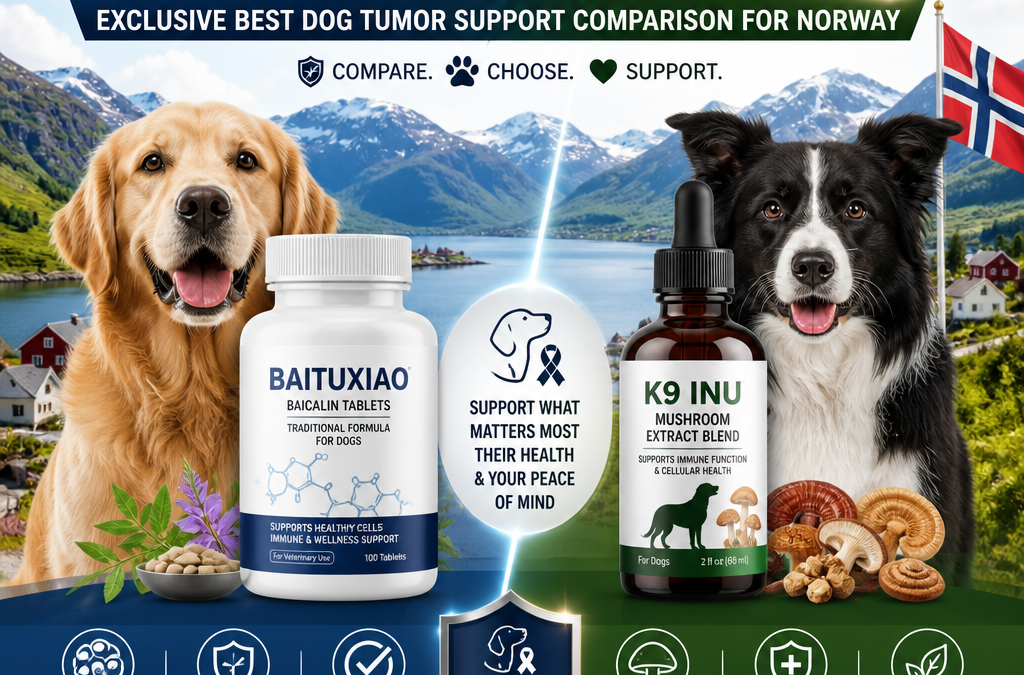
Baituxiao vs K9 INU is a comparison many Norwegian dog owners may consider when looking for additional support after a dog has been diagnosed with a tumor. Both products are marketed as complementary supplements, but they should not be viewed as replacements for veterinary diagnosis, surgery, chemotherapy, radiation, pain management, or other clinically recommended care. Understanding their intended use, ingredients, practical differences, and safety considerations can help owners make a more informed decision together with their veterinarian.
Why dog tumor support requires careful evaluation
A tumor is not a single disease. It may be benign or malignant, slow-growing or aggressive, localized or spread throughout the body. The appropriate treatment depends on the tumor type, location, grade, stage, the dog’s age, and general health. A supplement that appears appropriate for one dog may be unsuitable for another, particularly if the dog is taking prescription medicines or has liver, kidney, gastrointestinal, or bleeding problems.
Supportive products are generally used to complement a veterinary treatment plan. Their possible goals may include supporting appetite, maintaining normal immune function, helping the dog cope with treatment-related stress, or providing nutritional compounds with antioxidant activity. However, evidence for supplements in canine cancer care varies considerably. Product claims should therefore be assessed carefully rather than accepted as proof of therapeutic benefit.
In many cases, owners begin comparing options only after hearing difficult news from the clinic. That is understandable, but the first step should still be a complete diagnosis and a discussion of available care. If you are also looking at other complementary options, you may find it helpful to review alternative dog tumor support options alongside the current treatment plan.
It also helps to remember that the same label can mean different things in different markets. The support approach, the dose, and even the ingredient profile may vary by supplier. That is why any Baituxiao vs K9 INU review should begin with the exact product you can actually buy, not with a generalized claim online.
For dog owners, the practical question is often not whether a supplement sounds promising, but whether it can be used without disrupting treatment or causing avoidable side effects. That is especially important when the dog is already under stress from a cancer diagnosis, surgery recovery, or a changing appetite.
Baituxiao vs K9 INU: differences in product positioning
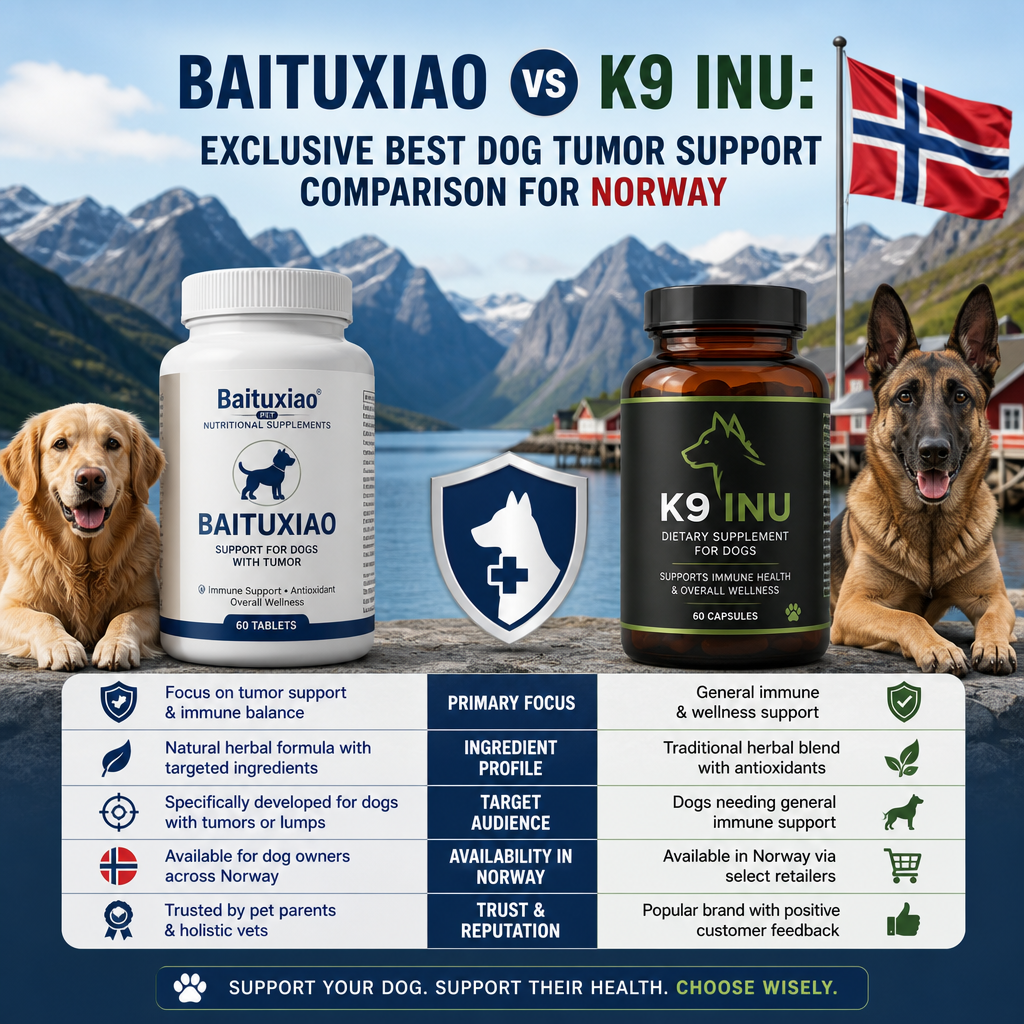
The most important starting point in a Baituxiao vs K9 INU comparison is that these products may be positioned differently depending on the manufacturer, seller, and formulation available in a particular market. Owners should examine the current label instead of relying only on online descriptions or promotional language.
Baituxiao is commonly presented as a traditional herbal or botanical support product. Its formulation may include several plant-derived ingredients selected for general wellness, immune support, or antioxidant purposes. Because multi-ingredient herbal formulas can vary by supplier and region, checking the complete ingredient list, amounts, manufacturing information, and administration instructions is essential.
K9 INU is generally marketed as a canine supplement intended to provide nutritional or botanical support for dogs with serious health concerns. Its exact composition, concentration, and recommended use should also be confirmed from the official packaging. Some products sold under similar names may differ in ingredients or dosage, making it risky to compare products based only on brand names.
For a reliable dog tumor support comparison, compare the actual labels side by side. Look at active ingredients, serving size, additives, allergens, batch information, storage requirements, and whether the product is specifically manufactured for dogs. A careful Baituxiao vs K9 INU review should also ask whether the product has a clear purpose beyond marketing language. A label that explains support in plain terms is usually easier to trust than one that promises broad results without specifics.
If the label is vague, ask the seller for a full ingredient panel and the manufacturer’s quality documentation. This matters because a product sold under a familiar name can still vary from one market to another. For example, some owners in Europe researching broader oncology support also compare products such as K9 Immunity Alternative: Best Affordable Dog Tumor Supplements in France when they are trying to understand what is actually in a supplement and how it fits with veterinary care.
It may also help to ask how the product is meant to be used in everyday life. Is it intended for short-term support during treatment? Is it a general wellness formula? Does it require capsules, powders, or liquids? These practical details can matter just as much as the brand name when a dog is already dealing with a reduced appetite or a sensitive stomach.
Ingredient quality and evidence matter
A supplement’s reputation does not establish that it treats cancer. The quality of evidence can range from laboratory research and small preliminary studies to controlled clinical trials in dogs. These types of evidence are not interchangeable. An ingredient that affects cancer cells in a laboratory setting does not automatically shrink tumors in living animals.
Owners should be cautious about claims such as “cures cancer,” “guaranteed tumor removal,” or “works for every dog.” Such statements are medically unreliable and may encourage delays in effective treatment. More responsible products describe themselves as supportive and make clear that veterinary care remains necessary.
When reviewing Baituxiao or K9 INU, consider whether the manufacturer provides transparent information about sourcing, quality testing, contaminant screening, and manufacturing standards. Herbal supplements can contain variable concentrations, and contamination with heavy metals, pesticides, microbes, or undeclared pharmaceutical substances is a potential concern. Products imported into Norway may also be subject to different rules than medicines approved for veterinary use.
It is also worth checking whether the product cites any primary research or expert guidance. A useful external reference for understanding the limits of complementary care in veterinary oncology is the American Veterinary Medical Association’s overview of cancer in pets, which explains why diagnosis, staging, and treatment planning remain central.
For readers who are considering broader botanical support, another relevant example is Supporting Your Dog with Tumors Naturally: Benefits of Jinyinhua, which shows how a single ingredient discussion can be approached more carefully than broad marketing claims.
Evidence quality also matters because it helps set expectations. A product with limited preliminary support may still be considered by some owners as part of comfort-focused care, but that does not make it a treatment. In a Baituxiao vs K9 INU decision, the best question is often not which one sounds stronger, but which one has the clearest composition, the most transparent quality controls, and the least chance of interfering with care.
In that sense, the comparison is really about risk management. If one product has uncertain sourcing, incomplete labeling, or no clear quality documentation, it may be less suitable even if its promotional material sounds impressive. A cautious owner will usually favor transparency over bold promises.
What to ask before using any supplement
Before starting any product, ask whether the dog’s diagnosis has been confirmed with appropriate testing. A supplement can only be evaluated properly when the tumor type and treatment plan are known. That is especially important if the dog has already undergone surgery or is scheduled for follow-up imaging.
Also ask whether the dog is currently receiving chemotherapy, radiation, immunotherapy, pain relief, or antibiotics. Even products that appear gentle can alter how the body processes medicine or affect appetite, digestion, and clotting. A veterinary oncologist can help determine whether a supplement is worth trying or whether the safest approach is to avoid extra products entirely.
When owners slow down and review the case carefully, the choice between Baituxiao vs K9 INU becomes less about advertising and more about compatibility with the dog’s actual needs. That is the right way to frame the decision, especially when the goal is comfort and stable day-to-day function rather than unrealistic promises.
Useful questions include whether the product needs to be given with food, whether it can be split into smaller doses, and whether a dog with nausea would tolerate it at all. Those details may seem minor, but they can determine whether a product is practical enough to use consistently. If the dog refuses the supplement or develops stomach upset, the theoretical value of the product becomes much less important than real-world tolerance.
Owners should also ask whether they are trying to solve a specific problem or simply hoping to do something helpful. A supplement should have a clear role. It may be aimed at supporting appetite, easing convalescence, or providing general nutritional support, but it should not be added just because a diagnosis feels overwhelming. Thoughtful selection is better than adding multiple products without a plan.
If there is any uncertainty about the dog’s condition, it is reasonable to wait before making changes. Veterinary guidance can prevent unhelpful overlap between supplements and prescriptions. In many cases, the safest decision is to keep the regimen simple until the care team has reviewed the product and its ingredients.
Safety considerations for Norwegian dog owners
Norwegian owners should purchase supplements through trustworthy channels and verify whether the product can legally be imported or sold in Norway. Customs requirements, labeling rules, and veterinary medicine regulations may apply, particularly when a product makes disease-treatment claims. A veterinarian or Norwegian pharmacy may be able to clarify whether a specific product is appropriate and legally available.
Potential side effects may include vomiting, diarrhea, reduced appetite, lethargy, skin reactions, or changes in thirst and urination. Herbal products can also interact with medicines. For example, some ingredients may influence blood clotting, sedation, blood pressure, liver enzymes, or the metabolism of chemotherapy drugs. This is especially important before surgery, biopsy, dental procedures, or invasive treatment.
Do not introduce multiple new supplements at the same time. If a veterinarian approves a product, introduce it according to the recommended dose and monitor the dog closely. Keep a record of the product name, batch number, dose, start date, and any changes in symptoms. Stop the supplement and contact the veterinary clinic if the dog develops persistent gastrointestinal symptoms, unusual bleeding, severe weakness, breathing difficulty, facial swelling, or a sudden decline.
If you are comparing imported products, remember that the safest choice is not always the most heavily advertised one. A cautious, label-based comparison is more useful than relying on testimonials. That is particularly true for owners who have also looked at Energyvet / Cytovet system alternative: 7 Powerful Must-Have Dog Tumor Supplements in Slovakia and are trying to understand how different support products are positioned in European markets.
Norwegian dog owners should also think about continuity of supply. A product that is difficult to reorder, changes formula without notice, or arrives with inconsistent packaging may be a poor long-term choice. If a supplement is part of an ongoing support plan, consistency matters because sudden changes can make it harder to judge whether the product is helping or causing problems.
Another safety issue is interaction with the dog’s existing condition. A dog with poor kidney function, liver disease, or a tendency to bleed may need a much more conservative approach than a healthy adult dog. For that reason, a Baituxiao vs K9 INU comparison should always be filtered through the dog’s medical history rather than through general advice alone.
Practical ways to compare product labels
When owners compare supplements carefully, the conversation becomes less confusing. Start with the ingredient list and look for full disclosure. A product that names its ingredients clearly is easier to review with a veterinarian than one that relies on a proprietary blend without amounts. Exact quantities matter because two products with similar ingredients can have very different strengths.
Next, check whether the product states the intended species. A supplement designed specifically for dogs is usually more appropriate than one borrowed from human wellness trends. Dog-specific products are not automatically safer, but they are easier to evaluate for dosing and formulation concerns. This is one reason why a Baituxiao vs K9 INU review should go beyond marketing claims and focus on the actual package details.
Then look at excipients or inactive ingredients. Flavors, thickeners, preservatives, and coatings can matter for dogs with sensitivities. Some dogs tolerate capsules better than chews, while others need powders mixed into food. If a product is impossible to administer without stress, it may not be a practical option even if the label looks promising.
Finally, look for proof of manufacturing quality. Batch numbers, expiration dates, lot tracing, and clear storage instructions suggest a more organized product. If none of that information is available, caution is warranted. Owners do not need to become formulators, but they do need enough information to ask the right questions.
Choosing between the two products
There is no universal winner in the Baituxiao vs K9 INU discussion. The better choice depends on the individual dog and the product’s verified formulation. A veterinarian may recommend avoiding supplements altogether during certain treatments, while in other cases a carefully selected product may be acceptable as part of nutritional and palliative support.
Before choosing, ask these practical questions:
- Has the tumor been identified through appropriate veterinary testing?
- Is the dog receiving surgery, chemotherapy, radiation, immunotherapy, or pain relief?
- Could any ingredient interact with current medication?
- Does the dog have liver, kidney, stomach, or clotting problems?
- Is the product manufactured specifically for dogs?
- Are the ingredients and quantities clearly listed?
- Is there credible quality-control information?
- Can the dog swallow and tolerate the product comfortably?
A supplement should never delay diagnostic imaging, biopsy, referral to a veterinary oncologist, or treatment for pain and nausea. Maintaining appetite, hydration, mobility, and quality of life is often more meaningful than pursuing unsupported claims about tumor elimination.
If you want to compare a different supporting product category for dogs with tumors, it may also help to read about Turkey Tail Mushroom: A Natural Supplement for Supporting Breast Tumor Treatment in Dogs. Looking at a few structured examples can make it easier to identify what is evidence-based and what is merely promotional language.
In practice, the best decision may be to choose neither product until the veterinarian has reviewed the full picture. That can feel frustrating for owners who want to act quickly, but thoughtful timing often prevents unnecessary complications. If a supplement is appropriate, it should fit the dog’s condition, routine, and treatment plan without creating extra risk.
When a veterinarian may advise caution or avoidance
There are several situations where even a well-marketed supplement should be approached carefully. A veterinarian may advise caution if the dog is about to have surgery, if blood clotting is already a concern, or if the dog is receiving a drug with a narrow safety margin. A product that seems harmless on the shelf may still be inappropriate in a specific clinical context.
Caution is also sensible when a dog has a poor appetite, frequent vomiting, diarrhea, or significant weight loss. In those cases, the priority may be stabilization, hydration, and symptom control rather than adding another product to the regimen. If the dog cannot keep food down, even a useful supplement may not be realistic.
Some owners hope a supplement will give them more time before making difficult treatment choices. That is understandable, but it should not be the basis of a decision. A good Baituxiao vs K9 INU comparison does not replace medical judgment. It supports it by identifying which product, if any, has a place in the broader plan.
A balanced approach to dog tumor support comparison
A responsible dog tumor support comparison should focus on transparency, safety, evidence, and the dog’s quality of life rather than dramatic marketing promises. Baituxiao and K9 INU may appeal to owners seeking complementary support, but neither should be assumed to replace proven veterinary care. The most appropriate decision is one made after reviewing the exact formulation with a veterinarian who understands the dog’s diagnosis and treatment plan.
For Norwegian families, local veterinary guidance is particularly valuable because it can address available oncology services, import considerations, medication interactions, and follow-up monitoring. Used carefully and realistically, supportive products may have a place in an overall care plan. The priority, however, should always remain accurate diagnosis, timely treatment, comfort, and the best possible quality of life for the dog.
In the end, Baituxiao vs K9 INU is not just a brand-to-brand decision. It is a question of fit, safety, and whether a product can be integrated responsibly into a dog’s care. If the answer is unclear, the safest move is to pause and ask the veterinarian before starting anything new.
That careful mindset is especially useful for owners who want to stay proactive without taking unnecessary risks. When the evidence is incomplete, the labels are inconsistent, or the medical situation is complex, the most helpful path is usually to simplify, review, and coordinate with the veterinary team before making a final choice.
Ultimately, a well-informed Baituxiao vs K9 INU decision should support the dog’s comfort, not add stress for the family or interfere with treatment. If the product cannot clearly meet that standard, it is better to step back and keep the focus on proven care.
by TCMVET | Aug 26, 2026 | Research and News
Botanical Tumor Support vs Medicinal Mushrooms is an important comparison for Danish dog owners exploring supportive care during cancer treatment. Both approaches may provide useful nutritional and immune support, but they are not interchangeable, and neither should replace veterinary diagnosis or conventional cancer therapy. The right choice depends on the dog’s cancer type, treatment plan, general health, medications, and individual tolerance.
Understanding the dog cancer supplement comparison
A dog cancer supplement comparison should begin with realistic expectations. Supplements cannot reliably cure cancer, shrink every tumor, or guarantee longer survival. Their potential role is supportive: helping maintain appetite, digestion, energy, immune balance, or quality of life while a veterinarian manages the primary disease.
Cancer is not one condition. Lymphoma, mast cell tumors, osteosarcoma, hemangiosarcoma, and other cancers behave differently and respond to different treatments. A supplement that may be reasonable for one dog could be unsuitable for another, especially when chemotherapy, radiation, surgery, corticosteroids, or pain medication are involved.
In Denmark, pet owners should also consider product quality and labeling. Choose products designed specifically for dogs, with clear ingredient lists, batch information, dosage guidance, and preferably independent testing. Human supplements may contain concentrated ingredients, sweeteners, herbs, or additives that are unsafe for animals. For broader background on one common option, see the benefits of medicinal mushrooms for dogs.
When discussing Botanical Tumor Support vs Medicinal mushrooms, the most helpful question is not which one sounds more natural, but which one fits the dog’s diagnosis and current therapy. That question keeps the focus on safety and usefulness rather than marketing.
It also helps to define the goal before buying anything. Some supplements are chosen to support liver function, some are selected for immune modulation, and some are used mainly because they are easy to administer. A thoughtful plan avoids unnecessary overlap. In that context, Botanical Tumor Support vs Medicinal mushrooms becomes a practical decision about fit, not a battle between trends.
Dog owners often feel pressure to act quickly after a cancer diagnosis, but the best decisions come from reading labels carefully, comparing ingredients, and checking whether the product aligns with the veterinarian’s plan. If a product cannot explain what it is meant to do, it is usually not the right choice.
What is botanical tumor support?
Botanical tumor support generally refers to plant-derived ingredients used as complementary care. Depending on the formulation, these may include turmeric or curcumin, milk thistle, green tea compounds, medicinal herbs, omega-rich plant oils, or other botanical extracts.
The proposed benefits vary. Some plant compounds have antioxidant, anti-inflammatory, or cell-signaling properties in laboratory research. Milk thistle, for example, is commonly discussed for liver support, while turmeric is often used to support a balanced inflammatory response. However, laboratory findings do not automatically prove that a supplement will treat cancer in a living dog.
Botanical formulas may be broad or highly concentrated. This matters because “natural” does not always mean harmless. Certain herbs can affect liver enzymes, platelet function, blood pressure, or the absorption and breakdown of medications. A complex product can also make it difficult to identify which ingredient is causing a side effect.
For these reasons, botanical support should be selected according to the dog’s medical profile rather than based solely on a general claim such as “supports tumor health.” In a careful Botanical Tumor Support vs Medicinal mushrooms review, plant-based products often make sense only when the ingredient profile and dose are clearly understood.
Some Danish owners prefer a botanical product because it feels more familiar or easier to combine with nutrition changes. That can be reasonable, but the actual formulation matters more than the category name. A single well-studied ingredient at an appropriate dose is usually more practical than a long, undefined blend.
Botanical support is often best when the dog needs a gentle, targeted approach and the veterinarian wants to avoid adding multiple immune-active ingredients at once. A simple formula can make monitoring easier, especially during the first few weeks of use. If the dog has a sensitive stomach, a single-ingredient or low-complexity formula may also be easier to tolerate.
Owners sometimes ask whether botanical products are automatically safer than mushroom products. The answer is no. Safety depends on the species, dose, quality control, and the dog’s medications. The category itself is less important than the exact formula and the clinical situation.
What are medicinal mushrooms?
Medicinal mushrooms are fungi used in extracts or powders for their naturally occurring compounds, particularly beta-glucans and other polysaccharides. Common examples in pet supplements include turkey tail, reishi, maitake, shiitake, and cordyceps.
Turkey tail is frequently discussed in relation to canine cancer support because research has examined certain mushroom-derived compounds in dogs with specific cancers. Still, evidence differs between whole mushrooms, hot-water extracts, standardized extracts, and isolated compounds. A product’s name alone does not reveal its strength or quality.
Mushroom supplements are generally promoted for immune modulation rather than direct tumor destruction. Immune modulation means influencing immune activity, potentially helping it respond in a more balanced way. This is different from simply “boosting” the immune system, which can be an oversimplification and may not be appropriate for every patient.
Medicinal mushrooms can also cause digestive upset, allergic reactions, or interactions with medication. Some may influence blood clotting or immune activity, which is particularly relevant before surgery or during immunosuppressive treatment.
For dog owners comparing Botanical Tumor Support vs Medicinal mushrooms, the biggest practical question is often evidence versus flexibility. Mushroom formulas may be easier to standardize, while botanical blends may offer broader nutritional support. The right choice depends on what the veterinarian is trying to support.
When used correctly, a mushroom product may complement a plan that already includes diet, monitoring, and conventional therapy. It should still be treated as supportive care, not as a replacement for oncology treatment.
Mushroom products also vary in how they are processed. Fruiting-body extracts, mycelium products, and mixed preparations do not behave the same way, and the active compound levels can differ significantly. That is why a label review matters. Two products with the same mushroom name may not offer the same support at all.
If a veterinarian suggests a mushroom-based supplement, ask what the primary purpose is. The answer might be immune support, appetite support, or a broader wellness goal. Clear goals make it much easier to evaluate whether the product is worth continuing.
Botanical Tumor Support vs Medicinal Mushrooms: key differences
The main difference is the type of biological support each category aims to provide. Botanical products often focus on inflammation, oxidative stress, liver function, or general metabolic support. Medicinal mushrooms more commonly focus on immune signaling and beta-glucan content.
Another difference is formulation. Botanical products may contain several unrelated herbs, creating a wide range of possible effects. Mushroom products can also be blended, but a single-species extract may offer a clearer starting point for evaluating tolerance and dosage.
Evidence is another important consideration. Some mushroom extracts have been studied in specific canine cancer contexts, but the research is still limited compared with conventional veterinary oncology. Botanical ingredients may have extensive laboratory research while having less direct evidence in dogs with naturally occurring cancer.
Neither category should automatically be considered superior. The best option depends on the dog’s diagnosis, current treatment, laboratory results, and veterinary assessment.
In practice, Botanical Tumor Support vs Medicinal mushrooms is less about a winner and more about fit. A dog with poor appetite, liver stress, or medication sensitivity may need a different supportive approach than a dog whose veterinarian is specifically looking for immune-modulating support.
If you are comparing options, ask whether the product has a clear purpose, a predictable dose, and a realistic mechanism. That simple framework usually filters out many products that sound promising but offer little practical value.
Another helpful distinction is timing. Some supportive supplements are introduced after treatment begins, while others are discussed before surgery or during recovery. Timing matters because even a useful supplement can be inappropriate at the wrong stage of care. That is especially true when a dog is about to undergo anesthesia or a medication change.
The phrase Botanical Tumor Support vs Medicinal mushrooms often sounds like a simple two-choice decision, but many cases are more nuanced. Some dogs may tolerate one category well and not the other. Others may benefit from neither if the treatment plan is already complex or the dog is fragile. A good plan keeps the dog’s comfort and safety ahead of any category preference.
How different dog cancers affect the choice
Different cancers create different needs, and that changes how a supplement should be evaluated. A dog with lymphoma may already be receiving chemotherapy and supportive medications, so any added supplement needs to be checked for interactions. A dog with osteosarcoma may need strong pain control and appetite support, making digestion and tolerance especially important.
Mast cell tumors can involve histamine release and complex medication schedules, so adding an herb that affects the stomach, blood vessels, or drug metabolism could complicate management. Hemangiosarcoma may also require close attention to clotting and overall stability. In each case, the support plan should match the medical reality rather than the marketing language.
This is one reason Botanical Tumor Support vs Medicinal mushrooms cannot be answered in the abstract. A supplement that seems mild on paper may still be unsuitable for a dog with liver compromise, low platelets, or a history of digestive sensitivity.
Dogs receiving surgery may need a pause on certain botanical or mushroom products before the procedure. The exact timeline depends on the ingredient and the veterinarian’s guidance. Safety planning is much easier when the supplement list is finalized early instead of days before an operation.
For chronic cases, the question is often whether the dog can keep taking the supplement long enough to matter. If a product repeatedly causes stomach upset or refusals at mealtime, it is unlikely to be a practical long-term choice. Comfort and compliance are part of effectiveness.
Some owners hope a natural supplement can work as an alternative to conventional treatment, but that is not how cancer care works. Supportive products are best viewed as adjuncts. They may help the dog feel better, maintain strength, or tolerate treatment more comfortably, but they do not replace a cancer care plan designed by a veterinarian.
Safety considerations for Danish dog owners
Before introducing any supplement, discuss it with the veterinarian treating the dog. This is especially important if the dog is receiving chemotherapy, radiation, steroids, nonsteroidal anti-inflammatory drugs, anticoagulants, seizure medication, or drugs processed by the liver.
Potential warning signs include vomiting, diarrhea, reduced appetite, unusual tiredness, skin reactions, yellowing of the gums or eyes, bleeding, or sudden changes in thirst and urination. Stop the supplement and contact a veterinarian if concerning symptoms occur.
Avoid products with undisclosed proprietary blends, exaggerated cure claims, high-dose essential oils, or ingredients that have not been evaluated for dogs. Essential oils are particularly unsuitable for casual internal use because concentration and toxicity vary widely.
Quality control is also essential. Look for testing for heavy metals, pesticides, microbial contamination, and accurate ingredient identity. Mushroom products should state the species used and whether the product is a fruiting-body extract, mycelium-based product, or blended preparation. Botanical products should identify standardized extracts where relevant.
For a helpful reference on general supplement safety and claims, the American Veterinary Medical Association’s overview of nutritional supplements for pets explains why veterinary guidance matters so much.
This matters even more in a Botanical Tumor Support vs Medicinal mushrooms decision, because both categories can look gentle while still affecting medications, digestion, or liver metabolism. A safer product is one that is transparent, dose-consistent, and reviewed by the dog’s care team.
When Danish owners shop for supplements, they should also check that the label is understandable, the dosage is practical, and the manufacturer provides contact information. If the seller cannot explain the product clearly, that is a warning sign. Good products are usually easy to verify.
If the dog is already losing weight, refusing food, or showing nausea, do not assume a supplement will fix the problem. In many cases, those symptoms need direct veterinary management first. Supportive care is most useful when the dog is stable enough to benefit from it.
How to choose a supportive supplement
Start with the treatment goal. If appetite, digestion, or liver values are the main concern, a veterinarian may prioritize one type of support over another. If immune-related support is being considered, a standardized mushroom extract may be discussed. If inflammation or liver metabolism is a concern, a carefully selected botanical product may be more relevant.
Introduce only one new supplement at a time. This makes it easier to monitor appetite, stool quality, energy, and any adverse reaction. Use the manufacturer’s dog-specific dosage unless the veterinarian provides different instructions, and keep a written record of all medications and supplements.
Nutrition remains the foundation of supportive cancer care. A complete, balanced diet, adequate hydration, appropriate calorie intake, pain control, and regular veterinary monitoring often have a greater impact on quality of life than adding multiple supplements.
Many owners searching for Botanical Tumor Support vs Medicinal mushrooms want a simple answer, but the most responsible answer is usually individualized. The best supplement is the one that supports the current treatment plan without adding unnecessary risk.
If the dog is already taking several medications, especially cancer drugs or liver-metabolized prescriptions, bring the full ingredient label to the veterinary appointment. That step can prevent interactions and help determine whether a botanical or mushroom-based product is the safer choice.
It can also help to keep a symptom log. Note changes in appetite, stool quality, water intake, energy, and sleep after introducing a new product. Small changes are easier to spot when they are written down, and the veterinarian can use that information to decide whether to continue, adjust, or stop the supplement.
In some cases, the safest option is to wait. If the dog is mid-treatment, recovering from surgery, or struggling with nausea, the priority may be stabilization rather than adding a new supportive product. Waiting is not doing nothing; it is a decision that protects the dog from extra variables.
A practical evidence-based perspective
The most responsible dog cancer supplement comparison does not ask which category is universally best. It asks which product has a clear purpose, credible quality control, reasonable evidence, and a safe place within the dog’s overall treatment plan.
Botanical tumor support may be useful when targeted plant compounds are selected for a specific supportive goal. Medicinal mushrooms may be considered when a veterinarian believes immune-modulating support is appropriate. In some cases, neither option is advisable, particularly when treatment interactions or organ impairment create added risk.
For Danish dog owners, the safest approach is collaborative care: obtain a confirmed diagnosis, share the complete ingredient label with the veterinarian, monitor the dog carefully, and avoid replacing proven treatment with unverified claims. Supplements can sometimes complement cancer care, but thoughtful selection and professional supervision are what make that support responsible.
In short, Botanical Tumor Support vs Medicinal mushrooms should be judged by usefulness, safety, and fit, not by trends. The more closely the supplement matches the dog’s condition and medical plan, the more likely it is to be a sensible part of supportive care.
When in doubt, keep the plan simple, monitor closely, and reassess with the veterinarian as the cancer treatment changes. That approach protects the dog while still allowing room for carefully chosen supportive options.
It is also wise to set expectations for the family. Supplements may help a dog feel steadier, but they are usually not dramatic. Improvements, if they happen, are often subtle: a little more interest in food, slightly better energy, or fewer digestive complaints. Those small gains can still matter a great deal in real life.
One more practical point: if a product is difficult to give, the dog may never receive enough of it to be useful. Palatability matters. Capsules, powders, liquids, and chews all have different strengths and drawbacks. The best supplement is the one the dog can actually take consistently.
Final thoughts for Danish dog owners
Botanical Tumor Support vs Medicinal Mushrooms is not a question with a single universal winner. It is a decision about goals, evidence, safety, and compatibility with a dog’s treatment plan. For some dogs, a carefully chosen botanical product may be the better fit. For others, a standardized mushroom extract may make more sense. In many cases, the most important factor is not the category but the quality of the product and the guidance behind it.
For owners in Denmark, the safest path is to work with a veterinarian, review ingredient labels carefully, and choose support that matches the dog’s diagnosis and tolerance. That approach gives the dog the best chance of benefiting from supportive care without creating avoidable risk.
When used thoughtfully, Botanical Tumor Support vs Medicinal mushrooms can become part of a broader care plan that prioritizes comfort, monitoring, and realistic expectations. That is the most practical way to support a dog through cancer treatment.
If you are still deciding between options, remember that the right supplement should be understandable, transparent, and easy to fit into the current medical plan. A careful choice today can make daily care easier and safer over the long term.
by TCMVET | Aug 26, 2026 | Research and News
Perro cáncer pérdida apetito: cuando un perro con cáncer deja de comer, pierde peso o muestra menos interés por sus alimentos, no se trata simplemente de un problema de conducta. La falta de apetito puede estar relacionada con la propia enfermedad, los efectos secundarios del tratamiento, el dolor, las náuseas, el estrés o cambios en el metabolismo. Actuar pronto, con orientación veterinaria, es esencial para conservar la fuerza, mejorar el bienestar y favorecer una mejor tolerancia a los cuidados oncológicos.
Causas más frecuentes
La perro cáncer pérdida apetito puede aparecer en cualquier etapa. Algunos tumores alteran el metabolismo y provocan un gasto energético elevado, mientras que otros afectan directamente al aparato digestivo, la boca o los órganos relacionados con la digestión. Además, la quimioterapia, la radioterapia y ciertos medicamentos pueden causar náuseas, vómitos, diarrea o cambios en el sabor y el olor de la comida.
El dolor también influye de manera importante. Un perro que siente molestias puede acercarse al comedero, oler la comida y alejarse. En casos de tumores orales, dentales o en la garganta, masticar y tragar puede resultar incómodo. Por este motivo, nunca conviene atribuir la falta de apetito únicamente a “caprichos” sin investigar la causa.
La pérdida de apetito persistente debe comunicarse al veterinario, especialmente si dura más de 24 horas, aparece junto con vómitos o diarrea, o se acompaña de apatía, dificultad para respirar, dolor o deshidratación.
Por qué necesita atención
La pérdida de peso es uno de los signos más preocupantes durante una enfermedad oncológica. Un perro cáncer pérdida peso puede estar perdiendo grasa, masa muscular o ambas. La disminución de músculo afecta a la movilidad, la fuerza y la capacidad del organismo para recuperarse, por lo que no basta con ofrecer alimentos muy calóricos sin supervisión.
En algunos pacientes aparece la caquexia, un síndrome asociado al cáncer en el que el cuerpo utiliza la energía de manera anormal y degrada tejido muscular. En estas circunstancias, aunque el perro coma algo, puede continuar adelgazando. La intervención nutricional debe enfocarse en mantener la masa corporal y proporcionar nutrientes de buena calidad, no solo en aumentar las calorías.
El control del peso debe realizarse con regularidad. Pesar al perro una vez por semana, en condiciones similares, permite detectar cambios antes de que sean evidentes visualmente. También es útil registrar la cantidad de alimento ingerida, la frecuencia de los vómitos, la consistencia de las heces y el nivel de actividad.
Principios fundamentales de la nutrición perro cáncer
La nutrición perro cáncer debe ser individualizada. No existe una dieta universal válida para todos los pacientes, ya que las necesidades dependen del tipo de tumor, el tratamiento, la edad, el peso, la función renal y hepática, y la presencia de otros problemas de salud.
En términos generales, la dieta debe aportar:
- Proteínas de alta calidad, necesarias para conservar la musculatura.
- Energía suficiente en un volumen que el perro pueda tolerar.
- Grasas digestibles, que pueden aumentar la densidad calórica.
- Agua y humedad adecuadas para reducir el riesgo de deshidratación.
- Vitaminas y minerales en proporciones equilibradas.
Algunos perros toleran mejor los alimentos húmedos o ligeramente templados, porque desprenden más aroma y resultan fáciles de masticar. También pueden funcionar porciones pequeñas ofrecidas varias veces al día. En lugar de presentar un plato grande, dividir la ración diaria en cuatro o seis tomas puede reducir las náuseas y evitar que el animal se sienta abrumado.
Los cambios de dieta deben hacerse progresivamente cuando la situación lo permita. Sin embargo, si el perro apenas come, el veterinario puede recomendar una transición más rápida o una dieta terapéutica específica. Las recetas caseras improvisadas no siempre son completas y pueden generar desequilibrios de calcio, fósforo, vitaminas o aminoácidos.
La perro cáncer pérdida apetito suele requerir una revisión conjunta de la dieta y del control de síntomas para que la alimentación sea realmente útil. Para ampliar criterios prácticos sobre opciones seguras, consulta también mejores suplementos para perros con cáncer: 7 claves imprescindibles, útiles y seguras para elegir.
Cómo estimular el apetito de forma segura
El entorno influye mucho en la alimentación. Conviene ofrecer la comida en un lugar tranquilo, alejado de ruidos, otros animales y olores intensos. Algunos perros comen mejor después de un paseo corto, siempre que su estado físico lo permita. La paciencia es importante: forzar la comida puede aumentar el rechazo y el estrés.
Antes de intentar estimular el apetito, hay que controlar las causas médicas. El veterinario puede valorar medicamentos contra las náuseas, analgésicos, protectores gastrointestinales o estimulantes del apetito. No se deben administrar fármacos humanos ni suplementos por cuenta propia, ya que algunos son tóxicos para los perros o interfieren con el tratamiento oncológico.
También puede ser útil cambiar la textura: comida triturada, paté veterinario o preparaciones blandas pueden facilitar la ingesta cuando existe dolor oral o debilidad. El agua debe estar siempre disponible y renovarse con frecuencia.
La perro cáncer pérdida apetito mejora con más frecuencia cuando se combinan medidas sencillas y constantes: ambiente calmado, raciones pequeñas y un control clínico adecuado. Si estás valorando apoyo adicional, revisa este recurso sobre suplementos para perros con cáncer: 7 consejos imprescindibles, seguros y positivos para elegir mejor y coméntalo siempre con tu veterinario antes de introducir cualquier cambio.
Alimentos y prácticas que requieren precaución
Los alimentos muy grasos, los restos de comida y los productos condimentados pueden causar problemas digestivos. Cebolla, ajo, chocolate, uvas, pasas, alcohol, xilitol y ciertos huesos son peligrosos para los perros. Tampoco es recomendable añadir suplementos antioxidantes, hierbas medicinales o megadosis de vitaminas sin consultar al oncólogo veterinario, porque algunos productos podrían modificar la respuesta a determinados tratamientos.
La alimentación cruda merece especial precaución en perros inmunodeprimidos. Las bacterias presentes en alimentos sin cocinar pueden representar un riesgo mayor durante la quimioterapia o cuando las defensas están bajas. La seguridad alimentaria debe ser una prioridad: recipientes limpios, conservación adecuada y retirada de la comida sobrante después de un tiempo razonable.
En el contexto de la perro cáncer pérdida apetito, conviene evitar experimentos rápidos con dietas extremas. Lo más seguro es ajustar la alimentación con un plan coherente, sencillo y revisado por un profesional.
También puede ayudar recordar que la perro cáncer pérdida apetito no siempre se resuelve solo cambiando el alimento; muchas veces hace falta tratar el dolor, las náuseas o la inflamación para que el perro vuelva a comer con normalidad.
Cuándo acudir al veterinario con urgencia
Es necesario buscar atención veterinaria inmediata si el perro no come ni bebe, vomita repetidamente, presenta diarrea intensa, sangre en las heces, encías muy pálidas, debilidad marcada, abdomen doloroso, dificultad para respirar o signos de deshidratación. También debe consultarse rápidamente si la pérdida de peso es acelerada o si el animal no consigue mantener ningún alimento.
El equipo veterinario puede realizar análisis, revisar la hidratación, ajustar el tratamiento y diseñar un plan nutricional. En algunos casos, cuando la ingesta oral no es suficiente, se consideran técnicas de alimentación asistida. Estas decisiones deben tomarse de forma individual y teniendo en cuenta el confort y la calidad de vida del perro.
Como referencia general sobre señales de alerta y evaluación clínica, puedes revisar la información de la Cornell University College of Veterinary Medicine, una fuente educativa reconocida para propietarios y cuidadores.
Si la perro cáncer pérdida apetito se acompaña de apatía notable o deshidratación, no conviene esperar a la siguiente revisión: cuanto antes se actúe, más opciones habrá de estabilizar al paciente.
El objetivo es conservar bienestar y calidad de vida
La nutrición no sustituye al tratamiento contra el cáncer, pero sí forma parte esencial del cuidado integral. Mantener un peso estable, controlar el dolor y las náuseas, ofrecer comidas apetecibles y vigilar la hidratación puede ayudar al perro a afrontar mejor la enfermedad.
Cada día conviene observar no solo cuánto come, sino también cómo duerme, si busca compañía, si puede caminar, si disfruta de sus rutinas y si muestra signos de dolor. Un plan coordinado entre la familia y el veterinario permite adaptar la alimentación a los cambios del paciente y priorizar siempre su bienestar.
La perro cáncer pérdida apetito requiere seguimiento, paciencia y decisiones prudentes. Con apoyo profesional, una nutrición perro cáncer bien planteada y una vigilancia continua del peso, es posible ofrecer más confort y mejores condiciones para cada etapa del tratamiento.
Cuando el objetivo es sostener la energía y el ánimo, la perro cáncer pérdida apetito debe verse como una señal clínica importante, no como un detalle menor. Con una intervención temprana y un plan adaptado, muchos perros pueden mantener mejor su fuerza, su comodidad y su calidad de vida.
by TCMVET | Aug 26, 2026 | Research and News
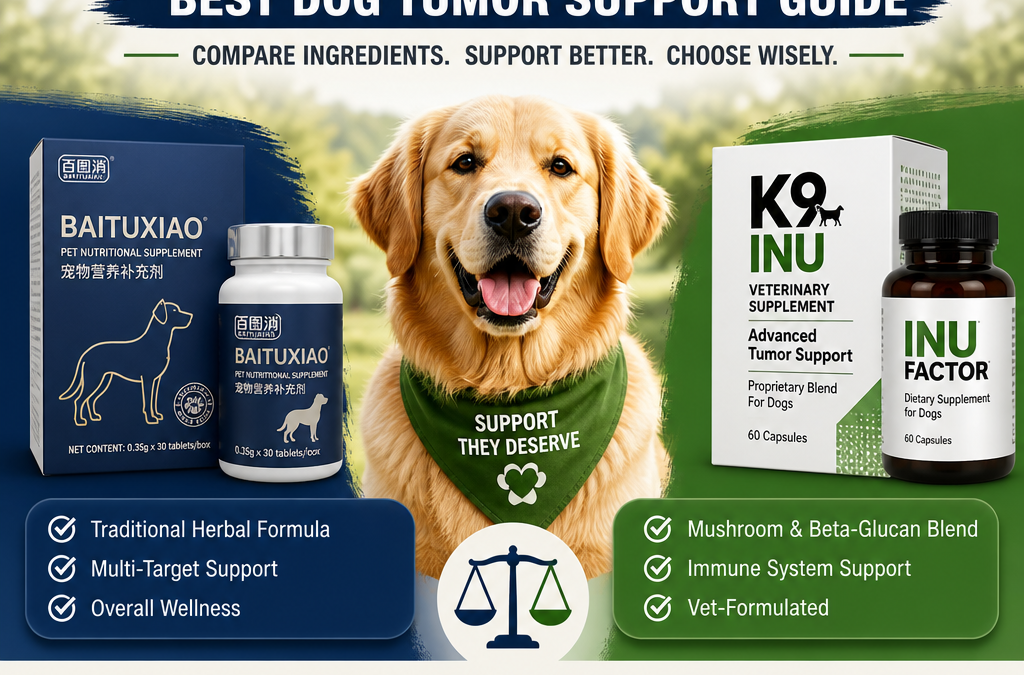
Baituxiao vs K9 INU / INUFactor is a comparison many dog owners explore after learning that their companion has a tumor or another serious health condition. Both products are commonly discussed as complementary wellness options, but they are not substitutes for veterinary diagnosis, surgery, chemotherapy, radiation, or other evidence-based treatments. The right choice depends on the dog’s diagnosis, current medications, overall health, and the veterinarian’s recommendations.
If you are comparing supplements in Sweden or anywhere else, the safest starting point is still a veterinarian-led plan. You can also review general cancer-support guidance from the American Veterinary Medical Association’s cancer in pets resource while keeping your dog’s own case front and center.
For broader context on supportive care, it can also help to review our canine cancer support guide before deciding whether any supplement belongs in your dog’s plan.
Understanding the K9 INU / INUFactor comparison
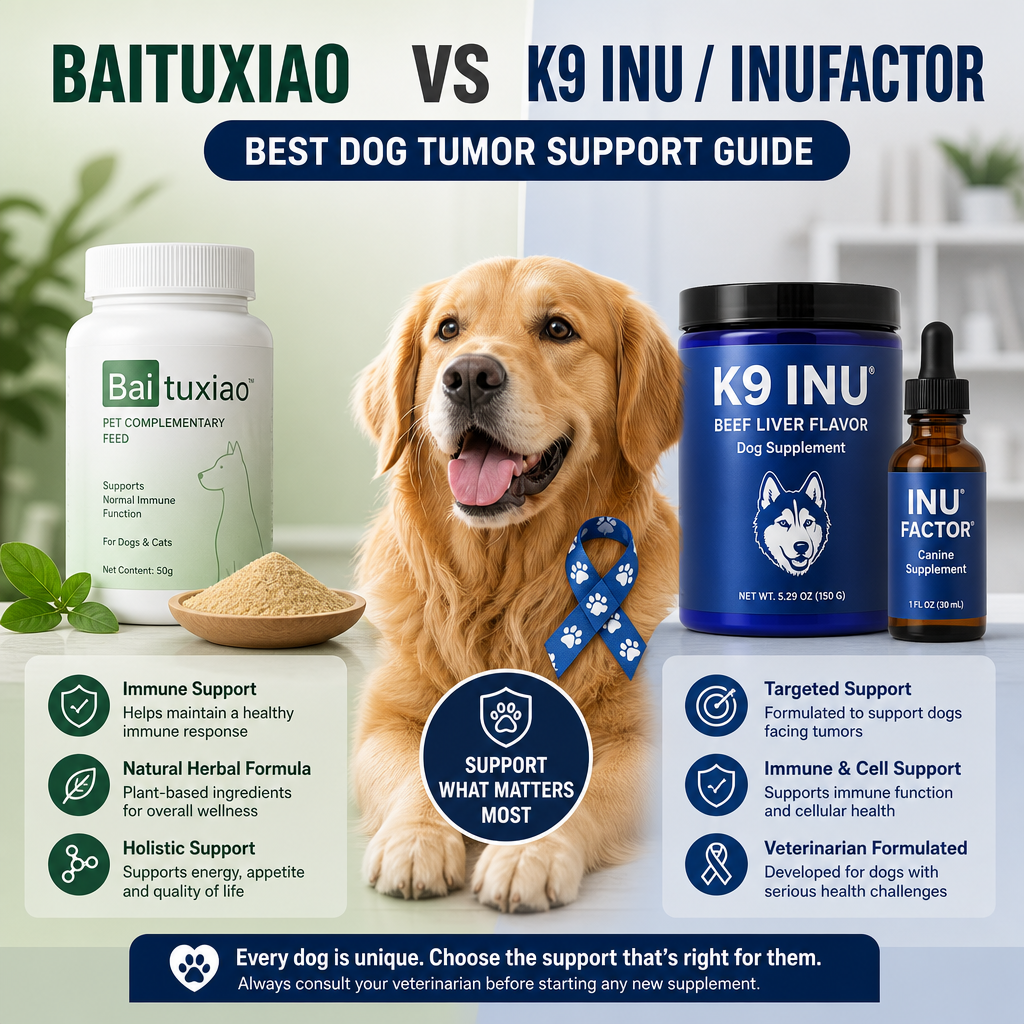
K9 INU, also known as INUFactor in some markets, is generally presented as a nutritional supplement designed to support immune function and overall vitality. Its formula may include ingredients such as medicinal mushroom extracts, plant compounds, vitamins, minerals, or other nutritional components, depending on the specific product and region.
The product is typically used as part of a broader wellness plan. Supporters often consider it for dogs dealing with chronic illness, recovery after procedures, reduced appetite, or the stress associated with long-term treatment. However, supplement formulations can change, so owners should read the current label carefully rather than relying only on descriptions found online.
The most important point in a K9 INU / INUFactor comparison is that immune support does not mean a supplement can directly eliminate a tumor. A dog’s immune system is complex, and supplements cannot be assumed to produce a predictable anticancer effect in every patient.
In practical terms, Baituxiao vs K9 INU / INUFactor often comes down to how each formula is positioned and how clearly the manufacturer explains the ingredients. That clarity matters more than any broad claim on the front of the package.
Many owners also want to know whether a supplement is meant for short-term comfort or long-term use. That distinction matters because cancer care often changes over time. A product that seems reasonable during recovery from surgery may not be appropriate during chemotherapy, and a dog’s tolerance can change as the disease progresses. This is one reason Baituxiao vs K9 INU / INUFactor should always be reviewed in the context of the full treatment plan.
Owners in Sweden may also need to consider availability, import delays, and product labeling in another language. Even when a supplement is easy to find online, the actual pack you receive may not match the description on a reseller page. Checking the label, lot number, and ingredient list before use can prevent misunderstandings later.
What is Baituxiao?
Baituxiao is another supplement frequently discussed in relation to canine tumor support. It is marketed as a traditional or natural formula containing multiple botanical and other active ingredients. Depending on the product version, the label may reference compounds associated with inflammation, cellular health, circulation, or immune balance.
Because Baituxiao may contain several concentrated herbal ingredients, the formula deserves especially careful review. Natural does not automatically mean risk-free. Herbal products can affect the liver, kidneys, blood clotting, blood pressure, digestion, or the metabolism of prescription medicines.
In a Baituxiao vs K9 INU / INUFactor review, the exact ingredient list matters more than broad marketing claims. Owners should verify the serving instructions, ingredient amounts, manufacturing information, expiration date, and quality-control statements. Products with unclear labeling make it more difficult for a veterinarian to assess safety.
For dog owners trying to understand Baituxiao vs K9 INU / INUFactor, the first question should always be whether either product fits the dog’s current treatment plan. A supplement that looks promising online may still be the wrong choice for a dog with liver disease, clotting concerns, or multiple prescriptions.
It is also worth remembering that “support” can mean very different things depending on the brand. Some products are aimed at general vitality, while others are positioned as tumor-focused formulas. That difference does not prove superiority. Instead, it tells you where each manufacturer is placing its emphasis and what type of expectation the owner may reasonably have.
If your dog has been prescribed a specific medication schedule, ask the veterinarian whether the supplement should be taken with food, away from food, or not at all. Timing matters because some ingredients may affect stomach tolerance or interfere with how certain drugs are absorbed. A careful review now is better than trying to fix a problem after side effects appear.
Baituxiao vs K9 INU / INUFactor: key differences
The two products may differ in their primary positioning, formulation style, dosing instructions, and intended use. K9 INU / INUFactor is often viewed as a general immune and nutritional support product, while Baituxiao is more commonly associated with a multi-herbal approach to tumor-related wellness.
Neither distinction proves that one product is more effective. A supplement with more ingredients is not necessarily stronger, and a simpler formula is not necessarily safer. The practical comparison should focus on the individual dog.
When Baituxiao vs K9 INU / INUFactor is evaluated properly, owners should compare the label, the manufacturer’s transparency, and the veterinarian’s view of possible interactions. That approach is more useful than comparing advertising language.
Ingredient transparency
Look for a complete label that identifies each active ingredient and its quantity. Proprietary blends can make it difficult to determine how much of each substance the dog receives. Transparent labeling allows the veterinarian to identify possible interactions and avoid duplicate ingredients.
Ingredient transparency also helps owners compare products across markets. A supplement sold under one name may have a slightly different formulation in another country, and that can change the risk profile. Baituxiao vs K9 INU / INUFactor is therefore not just a brand comparison; it is a formulation comparison.
Evidence and product quality
There is a major difference between evidence for an individual ingredient, evidence for a supplement formula, and evidence for treating a specific canine tumor. Owners should be cautious when testimonials are presented as proof. Ask whether the product has undergone independent quality testing and whether the manufacturer follows recognized manufacturing standards.
Reliable quality control is especially important when comparing Baituxiao vs K9 INU / INUFactor because the formulas may differ across regions and distributors. A product that appears familiar by name may not be identical from one market to another.
It can also help to look for batch consistency and basic manufacturing details. Even if a product is not a prescription drug, the company should still be able to explain where it is made, how it is tested, and how it is stored. Vague quality claims are not reassuring when a sick dog is involved.
Medication interactions
Dogs with tumors may receive pain relievers, steroids, antibiotics, chemotherapy drugs, anti-nausea medicines, or medications for unrelated conditions. Some herbal ingredients may increase bleeding risk, alter drug metabolism, or intensify gastrointestinal side effects. Combining several supplements can create additional concerns.
Veterinarians often rely on standard pharmacology references when checking for interaction risks, and the Merck Veterinary Manual is a useful general reference for pet health and medical background.
Because interactions are not always obvious, owners should treat every new product as a medical decision rather than a wellness accessory. The fact that a supplement is sold for dogs does not mean it is safe for every dog. Age, breed, liver function, kidney function, and concurrent medication use can all affect whether a product is sensible.
Tolerance and administration
A dog with cancer may already have nausea, diarrhea, constipation, poor appetite, or difficulty swallowing. A product that is difficult to administer or causes digestive upset may reduce quality of life. Start only under professional guidance and monitor the dog closely.
In Baituxiao vs K9 INU / INUFactor discussions, palatability and ease of dosing can matter just as much as ingredient lists. If a dog refuses the supplement or becomes ill after taking it, the theoretical benefit becomes irrelevant.
Practical administration issues are often underestimated. Powder, capsule, tablet, and liquid formats can all affect whether the dog actually receives the intended dose. If you cannot give the product consistently, it is not the right choice, no matter how attractive the marketing sounds.
Dog tumor support comparison: what should owners prioritize?
A useful dog tumor support comparison should begin with the diagnosis, not the supplement. Tumors vary widely in their behavior and treatment. A localized mass, lymphoma, mast cell tumor, bone tumor, and metastatic disease may require completely different management plans.
Before choosing a supplement, ask the veterinary team:
- What type of tumor has been diagnosed?
- Has the tumor been staged?
- Is surgery recommended?
- Could chemotherapy or radiation improve control or comfort?
- Which symptoms should be monitored at home?
- Could the supplement interfere with current treatment?
- Are there safer ways to support appetite, hydration, mobility, or pain control?
Quality of life should remain the central goal. Appropriate nutrition, pain management, hydration, rest, emotional comfort, and timely treatment often provide more meaningful benefits than an unproven product used alone.
That is why Baituxiao vs K9 INU / INUFactor should be a secondary question after the medical plan is established. The best supportive choice is the one that fits the dog’s diagnosis and daily needs without creating new risks.
When owners compare options carefully, Baituxiao vs K9 INU / INUFactor becomes less about brand preference and more about fit, safety, and practicality. One dog may tolerate a supplement well, while another may need to avoid it entirely because of medication interactions or digestive sensitivity.
It is also wise to think about how much monitoring the dog will need once a product is started. Even a seemingly mild supplement can change stool quality, energy, or appetite. If you are unsure whether a change is caused by the supplement or by the disease itself, stop and check with the veterinarian before continuing.
In real-world care, the best dog tumor support comparison includes the logistics of daily life. Can the product be given with food? Will the dog accept the taste? Is the dose easy to measure? Those practical details can determine whether a supplement is truly usable or just attractive on paper.
Owners should also consider whether the dog is eating enough to justify a supplement that must be taken with meals. In some dogs, the right immediate priority is nutritional stabilization, not adding another product. A veterinary nutrition plan may do more for strength and recovery than any supplement chosen in isolation.
Another useful question is whether the supplement would still make sense if the diagnosis changes. Tumor care is not static. A product that seems reasonable for a slow-growing mass may become less useful after surgery, or after the oncology team changes the medication schedule. A flexible, reevaluated approach is safer than a fixed one.
Possible risks and warning signs
Supplements may cause vomiting, diarrhea, appetite changes, lethargy, itching, or allergic reactions. More serious problems can include liver injury, kidney stress, abnormal bleeding, or interactions with anesthesia and prescription medicines.
Stop the product and contact a veterinarian promptly if the dog develops repeated vomiting, black or bloody stool, pale gums, severe weakness, yellowing of the eyes or gums, difficulty breathing, facial swelling, collapse, or a sudden worsening of pain.
Do not give human cancer medications, concentrated essential oils, or multiple herbal products without veterinary approval. Dogs process many substances differently from humans, and some seemingly harmless ingredients can be toxic.
Any owner researching Baituxiao vs K9 INU / INUFactor should also remember that “more support” is not always better. When several products are used together, it becomes harder to tell which one caused a side effect or whether the combination is safe.
That caution matters even more if the dog is already receiving prescription therapy. A supplement that seems helpful at first may still create problems later if the dog’s condition changes or another medicine is added. Careful re-checks are part of responsible long-term management.
It can be helpful to write down the date the supplement was started and any symptoms that appear afterward. That simple log can make follow-up visits more productive and may help the veterinary team identify patterns that are otherwise easy to miss.
If your dog has surgery scheduled, always ask whether the supplement should be stopped beforehand. Some products may affect bleeding or anesthesia safety, and the surgical team needs a complete list of everything your dog has taken recently. This applies just as much to Baituxiao vs K9 INU / INUFactor as it does to conventional medicines.
How to make a responsible choice
When comparing Baituxiao and K9 INU / INUFactor, create a complete list of everything the dog receives, including food, treats, supplements, flea and tick products, and prescription medicines. Bring product labels or clear photographs of the packaging to the veterinarian.
Choose a product only when the ingredients are clearly disclosed, the manufacturer provides reliable quality information, and the veterinary team believes it is appropriate for the dog’s condition. Use the recommended amount, avoid stacking similar products, and keep a record of appetite, stool quality, energy, weight, and other symptoms.
If you are still weighing Baituxiao vs K9 INU / INUFactor, make the decision based on safety, compatibility, and the dog’s overall care plan rather than on marketing promises. A conservative choice is often the best choice.
Most importantly, treat these products as optional supportive tools rather than primary tumor therapies. A supplement may have a place in an individualized care plan, but it should never delay diagnosis or replace a treatment with established veterinary benefits. A careful, veterinarian-guided approach offers the best balance between hope, safety, and meaningful support for a dog living with cancer.
It is also reasonable to ask the veterinarian what success would look like. For some dogs, the goal may be better appetite or more comfortable days at home. For others, the goal may be to support recovery while the oncology plan continues. Clear goals make it easier to judge whether a product is truly helping or simply adding complexity.
Keep in mind that supportive care can be layered. A thoughtful diet, pain control, anti-nausea medication, mobility support, and stress reduction may work together more effectively than any single supplement. The question is not only which product sounds better, but which overall plan is likely to keep the dog comfortable and stable.
For many owners, the best outcome is not choosing the most aggressive supplement; it is choosing the least risky option that still supports the dog’s comfort. That approach aligns well with Baituxiao vs K9 INU / INUFactor because it prioritizes evidence, practicality, and safety over hype.
In the end, Baituxiao vs K9 INU / INUFactor is not about finding a miracle product. It is about choosing the safest, most sensible support for a dog already facing a serious illness. When in doubt, ask your veterinarian to review the label, the diagnosis, and the treatment schedule before you start anything new.
For Swedish dog owners, that final step is especially important if the product must be imported or ordered through a reseller. Availability should never outrank medical suitability, and a well-informed veterinary recommendation is the best safeguard against unnecessary risk.
If you are still uncertain after reviewing both options, step back and compare them against the same standard: clear ingredients, known quality control, low interaction risk, and a realistic role in the dog’s care. That is the most practical way to decide whether either product belongs in the plan at all.
By keeping the focus on the dog’s actual condition, you can evaluate Baituxiao vs K9 INU / INUFactor with less confusion and more confidence. The final decision should support the veterinary treatment plan, not compete with it.
by TCMVET | Aug 26, 2026 | Research and News
Ocoxin Pets vs alternatives is an important comparison for Romanian pet owners whose dogs or cats are undergoing cancer treatment. Nutrition cannot cure a tumor, replace surgery, chemotherapy, radiation therapy, or veterinary monitoring, but appropriate nutritional support may help maintain appetite, body condition, hydration, and quality of life. The right product depends on the animal’s diagnosis, treatment plan, age, weight, appetite, and other health conditions.
Why oncology nutritional support matters
Cancer can affect an animal’s nutritional status in several ways. Tumors may alter metabolism, while pain, nausea, stress, inflammation, or medication side effects can reduce food intake. Some animals lose weight and muscle rapidly; others experience digestive problems or become unusually selective with food. Maintaining lean body mass is especially important because muscle loss can weaken mobility, immune function, and tolerance to treatment.
Oncology nutritional support generally aims to help with:
- Maintaining adequate calorie and protein intake
- Supporting appetite during periods of reduced food interest
- Providing nutrients involved in antioxidant and metabolic processes
- Supporting recovery after surgery or other procedures
- Improving hydration and digestive tolerance
- Preserving comfort and daily activity
A supplement should therefore be viewed as one part of a broader care plan. Before starting any product, the veterinarian should evaluate weight trends, blood tests, kidney and liver function, current medication, and the type and stage of cancer.
For a broader overview of pet cancer support products, readers can also compare options in this Romania-focused guide to dog tumor supplement alternatives.
Many owners search for Ocoxin Pets vs alternatives because they want a supportive option that fits their pet’s daily needs. In practice, the best choice is usually the one that matches appetite, disease stage, and treatment tolerance rather than the brand name alone. That is why Ocoxin Pets vs alternatives should be reviewed alongside diet, medication, and the pet’s real daily response.
Ocoxin Pets: what it is intended to provide
Ocoxin Pets is a veterinary nutritional supplement commonly considered for animals that need additional support during oncology care or recovery. Its formulation is designed to provide a combination of nutritional and bioactive ingredients rather than serving as a complete diet. Depending on the product version and market, the formulation may include compounds such as amino acids, vitamins, minerals, plant-derived ingredients, and other nutrients associated with immune or metabolic support.
The main potential advantages of Ocoxin Pets are convenience and a multi-ingredient approach. A single product may be easier for owners to administer than several separate supplements. It is also marketed specifically for pets, which is preferable to adapting a human product without veterinary guidance.
However, it is essential to keep expectations realistic. Evidence for cancer-related supplements in companion animals is often more limited than evidence for standard cancer treatments. A supplement may support general nutritional status, but it should not be described as a tumor treatment unless robust clinical evidence and veterinary recommendations support that claim.
When comparing Ocoxin Pets vs alternatives, it helps to remember that support products are intended to assist care, not replace the veterinary oncology plan. That distinction is especially important for pets with poor appetite, weight loss, or concurrent medical issues. In many cases, Ocoxin Pets vs alternatives is really a decision between broad support and more targeted nutritional help.
Ocoxin Pets vs alternatives: key comparison points
When evaluating Ocoxin Pets vs alternatives, owners should compare more than brand names or advertising claims. The most useful criteria include nutritional purpose, ingredient transparency, safety, palatability, cost, and compatibility with the animal’s treatment.
It also helps to ask a practical question: what problem needs to be solved right now? If the answer is poor appetite, a calorie-focused product may be better. If the answer is muscle loss, the priority may be digestible protein and complete nutrition. If the answer is digestive upset, a gut-focused product may be more suitable. Ocoxin Pets vs alternatives should be judged against the pet’s most urgent need.
1. Complete therapeutic diets
Veterinary therapeutic diets may be the most important alternative when the animal is losing weight or has poor appetite. These diets are formulated to provide balanced calories, digestible protein, essential fatty acids, and appropriate vitamins and minerals. Some are designed for recovery, gastrointestinal sensitivity, or high energy needs.
A complete diet has a major advantage over a supplement: it can supply a substantial portion of the animal’s daily nutritional requirements. Ocoxin Pets or another supplement may be added when the veterinarian considers it appropriate, but it cannot compensate for a severely inadequate diet.
For dogs and cats with cancer, diet quality matters because appetite can fluctuate from day to day. In that setting, a complete therapeutic food may provide more dependable nutritional support than Ocoxin Pets vs alternatives that only add a small number of nutrients.
Owners in Romania sometimes focus on a branded supplement first, but a food-first approach is often more effective. If the pet is unwilling to eat enough, even the best supplement has limited value. That is why Ocoxin Pets vs alternatives should be considered only after checking whether the base diet already meets the pet’s needs.
2. Omega-3 fatty acid products
Fish oil and veterinary omega-3 supplements are frequently discussed in dog tumor support options. EPA and DHA may help support normal inflammatory responses and are often included in nutrition plans for animals with chronic disease. Product quality varies considerably, so the label should clearly state the amount of EPA and DHA rather than only listing total fish oil.
Omega-3 supplements can cause digestive upset in some animals and may not be suitable for every patient, particularly those with specific pancreatic, bleeding, or gastrointestinal concerns. Dosage should be determined by a veterinarian.
If a pet already receives a balanced diet and needs a focused fatty-acid product, omega-3s may be more practical than Ocoxin Pets vs alternatives that are designed as broader multi-ingredient blends. In other words, Ocoxin Pets vs alternatives may not be the best comparison when a single nutrient target is the real goal.
3. High-calorie nutritional gels and recovery formulas
For animals eating too little, calorie-dense gels, liquid diets, and recovery formulas may be more immediately useful than a general supplement. They can help provide energy in a small volume and may be easier to administer during short periods of poor appetite.
These products are not interchangeable with a normal balanced diet. Some are intended only for temporary use, and feeding by syringe should be performed carefully to reduce the risk of aspiration. Animals that refuse food persistently may need medical treatment for nausea, pain, dehydration, or other underlying problems.
In practical terms, Ocoxin Pets vs alternatives often comes down to whether the pet needs broader nutritional support or a more urgent calorie boost. A recovery formula may be the better fit when intake drops sharply. If the animal is stable but needs maintenance support, Ocoxin Pets vs alternatives may lean toward a gentler daily product rather than a high-energy formula.
4. Probiotics and digestive support
Probiotics may be considered when cancer treatment or medication causes diarrhea or intestinal imbalance. Their effectiveness depends on the specific strain, dose, and health status of the animal. Digestive support products should be selected carefully, especially in immunocompromised patients.
If the main problem is stool quality rather than appetite, probiotics may be a stronger match than Ocoxin Pets vs alternatives focused on general oncology nutrition. The right product should address the most pressing symptom first.
For some pets, digestive comfort is the step that makes eating possible again. Once the stomach and intestines are calmer, the owner can reassess Ocoxin Pets vs alternatives and decide whether a broader support product is still needed. This step-by-step approach is often safer than introducing multiple items at once.
5. Human supplements and homemade mixtures
Human supplements are among the riskiest dog tumor support options because they may contain inappropriate doses, sweeteners such as xylitol, herbs that interact with medication, or ingredients that are unsafe for pets. Homemade diets can also become deficient in essential nutrients unless formulated by a veterinary nutrition specialist.
Natural does not automatically mean safe. Certain concentrated plant extracts may affect liver enzymes, blood clotting, blood pressure, or the metabolism of chemotherapy drugs. If you need an evidence-based primer on cancer-related nutrition, the Tufts veterinary nutrition guide to dogs with cancer is a useful educational reference.
That caution applies equally when owners compare Ocoxin Pets vs alternatives and are tempted by internet advice. Veterinary approval matters more than marketing language or anecdotal claims. A well-meaning but poorly chosen supplement can make care harder instead of easier.
6. Appetite support and feeding strategies
Sometimes the most helpful alternative is not another supplement at all, but a better feeding strategy. Small meals given more often may be better tolerated than large meals. Warming food slightly can improve aroma. Offering familiar foods in a quiet area can reduce stress. These simple changes may improve intake even before any new product is added.
If appetite remains low, the veterinarian may look for nausea, constipation, oral pain, or medication side effects. In that case, the discussion about Ocoxin Pets vs alternatives should pause until the underlying barrier to eating is addressed. Support products work best when the pet is able to eat them consistently.
7. Monitoring response over time
The best oncology support plan is one that is monitored and adjusted. A useful product should show a practical benefit such as better eating, stable weight, improved stool quality, or better day-to-day energy. If there is no improvement after an appropriate trial period, the plan may need to change.
That monitoring step is often overlooked in the Ocoxin Pets vs alternatives conversation. Owners may compare labels, but what matters most is whether the animal looks, eats, and feels better over time. If not, the selected product may not be the right fit.
When reviewing Ocoxin Pets vs alternatives, a simple record of appetite, weight, and stool quality can be more useful than assumptions. Even a short note each day can help the veterinarian identify what is helping and what is not.
How to choose oncology nutritional support in Romania
In Romania, pet owners can find supplements through veterinary clinics, pharmacies, specialized pet stores, and online retailers. Purchase from a reliable source and check the product label, batch information, expiry date, storage instructions, and recommended animal species. Avoid products that make absolute claims such as “eliminates cancer” or “replaces chemotherapy.”
Ask the veterinarian the following practical questions:
- Is the animal losing weight or muscle?
- Is the current food complete and appropriate?
- Does the product interact with chemotherapy, steroids, painkillers, or other medication?
- Are the kidneys and liver functioning normally?
- Is the animal’s appetite problem caused by nausea, pain, or another treatable issue?
- What dosage and duration are appropriate?
- Which signs require immediate veterinary attention?
The answer may be Ocoxin Pets, a different supplement, a therapeutic diet, or no additional product at all. A targeted plan is generally safer and more effective than combining several products without supervision.
When owners compare Ocoxin Pets vs alternatives, they should also think about long-term practicality. If a product is too expensive, poorly tolerated, or difficult to give every day, it is less likely to help. The best choice is the one that the pet will actually accept and that fits the veterinary plan.
Owners should also consider how quickly support is needed. A pet with steady weight and a decent appetite may do well with conservative nutritional support, while a pet with muscle loss or declining food intake may need a more intensive plan. In either case, Ocoxin Pets vs alternatives should be judged by real-world response over time.
Another useful point is consistency. A supplement that is taken irregularly is unlikely to provide meaningful help. If the pet dislikes the taste, a different format may be better. In that sense, Ocoxin Pets vs alternatives includes practical issues like flavor, dosing simplicity, and how easily the product fits into the daily routine.
Supporting a pet beyond supplements
Nutritional support works best alongside a comfortable feeding routine. Offer small, frequent meals and keep food bowls in a quiet, familiar location. Warmed food may have a stronger aroma and appeal to an animal with a reduced sense of smell. Always provide fresh water, and monitor eating, drinking, vomiting, diarrhea, energy, and body weight.
A rapid decline in appetite, repeated vomiting, breathing difficulty, severe weakness, dehydration, or uncontrolled pain requires prompt veterinary attention. These signs should not be managed with supplements alone.
Owners often search for Ocoxin Pets vs alternatives because they want a practical way to help a pet through cancer care. The most useful takeaway is that support should match the patient, not the marketing message. In some cases Ocoxin Pets may be appropriate; in others, a therapeutic diet, omega-3 product, or recovery formula may be more useful. The best oncology nutritional support in Romania is the option that protects comfort, strength, and quality of life while staying aligned with veterinary guidance.
For readers comparing the broader category of pet cancer support products, a helpful next step is reviewing local veterinary recommendations and monitoring whether the chosen supplement improves appetite, weight maintenance, and daily comfort over time. That practical follow-up matters more than any label claim, and it is the most reliable way to compare Ocoxin Pets vs alternatives in real life.
In short, Ocoxin Pets vs alternatives should be evaluated through a veterinary lens: what the pet needs now, what it can tolerate, and what best supports daily nutrition during treatment. That approach helps Romanian owners make a calmer, more informed choice. If you are still weighing Ocoxin Pets vs alternatives, focus on the option that improves intake, maintains muscle, and supports the pet’s comfort throughout care.
When used well, oncology nutritional support can make a meaningful difference in a pet’s day-to-day stability. It may not change the diagnosis, but it can improve energy, resilience, and the ability to keep eating. For many families, that is the most important part of choosing between Ocoxin Pets vs alternatives.
