by TCMVET | Aug 26, 2026 | Research and News
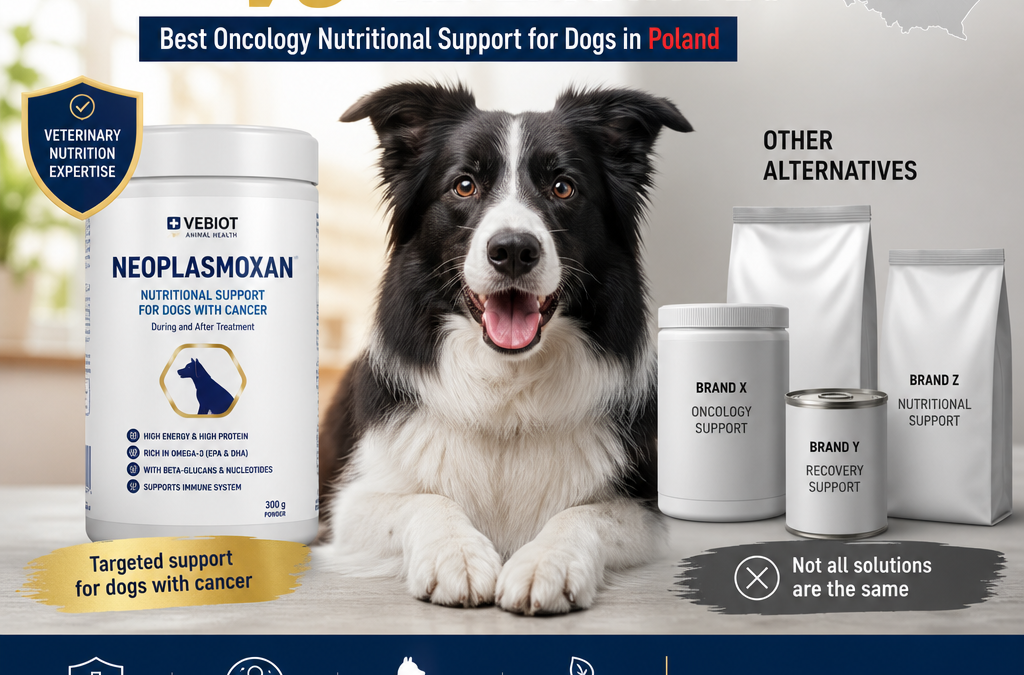
VEBIOT Neoplasmoxan vs Alternatives is a comparison many Polish dog owners consider after a cancer diagnosis. While no nutritional product can replace surgery, chemotherapy, radiotherapy, or veterinary monitoring, carefully selected support may help maintain appetite, body condition, digestion, and daily comfort. The right choice depends on the tumor type, treatment plan, laboratory results, current diet, and the dog’s individual response.
For owners comparing VEBIOT Neoplasmoxan vs alternatives, the goal is not to find a miracle product. It is to choose the safest and most practical support that fits the dog’s needs and the veterinarian’s plan. In some cases, that means a complete therapeutic diet; in others, it means a targeted supplement or medical appetite support.
Why oncology nutritional support matters for dogs
Cancer can affect a dog’s nutritional status in several ways. Some tumors increase energy demands, while others cause inflammation, nausea, pain, or changes in metabolism. Treatment may also reduce appetite or lead to vomiting, diarrhea, altered taste, and fatigue. Losing muscle and body weight can make recovery more difficult and may reduce tolerance of therapy.
Oncology nutritional support aims to help preserve lean muscle, provide adequate calories, and maintain normal digestive function. It may include a complete therapeutic diet, appetite-support strategies, carefully selected supplements, or a combination recommended by a veterinarian. Nutritional care should be personalized rather than based solely on the product label.
A dog receiving cancer treatment should usually have regular assessments of weight, muscle condition, appetite, hydration, stool quality, and blood results. A stable body weight is useful, but muscle condition is equally important because a dog can retain weight while losing muscle. That is one reason why VEBIOT Neoplasmoxan vs alternatives should never be judged only by the front panel claims or by the number of ingredients listed.
In practical terms, oncology nutritional support is about daily function. A dog that eats more consistently, digests food better, and maintains strength may be better able to handle the stress of treatment. Even small improvements in intake can matter when illness, medication, or oral discomfort make eating difficult. For this reason, owners often need to think about nutrition support as part of the overall treatment plan rather than as a separate decision.
It is also important to remember that dogs vary widely in how they respond. One patient may continue eating normally and need only a modest dietary adjustment, while another may lose appetite quickly and require a more structured plan. Because of that variation, comparing VEBIOT Neoplasmoxan vs alternatives is most useful when the comparison is anchored to the dog’s current condition, not to generic expectations.
Veterinary oncology nutrition also becomes more important when treatment is prolonged. A product that seems adequate for a few days may not be enough over several weeks if the dog gradually loses weight or becomes more selective about food. Monitoring and adjustment are therefore part of the nutritional strategy itself.
VEBIOT Neoplasmoxan vs Alternatives: what should be compared?
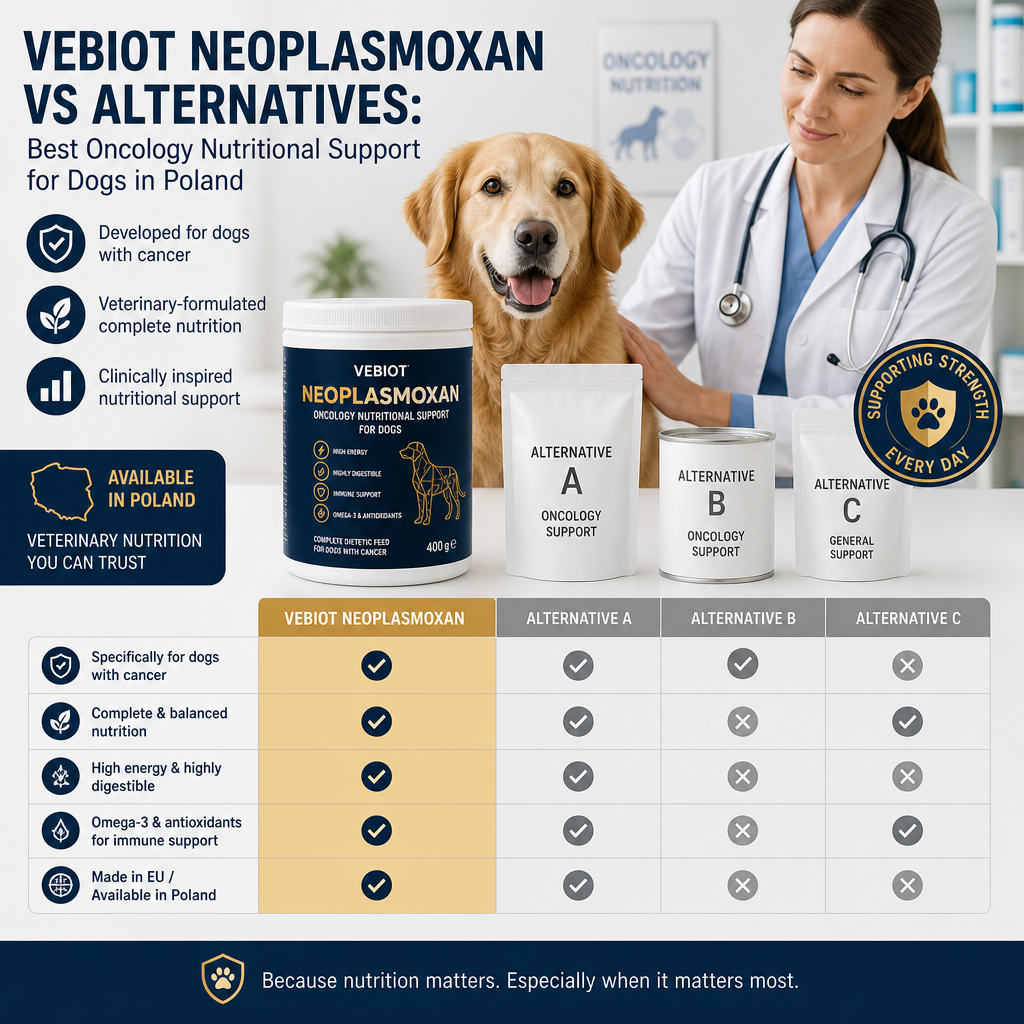
When comparing VEBIOT Neoplasmoxan vs alternatives, owners should look beyond marketing descriptions. Important comparison points include ingredients, intended use, evidence, dosage, palatability, safety, and compatibility with prescribed treatment.
VEBIOT Neoplasmoxan is marketed as a nutritional support product for dogs with neoplastic disease. Depending on the formulation and local availability, it may contain a combination of nutrients and bioactive ingredients intended to support general condition during oncology care. Because formulas, package instructions, and distribution details can change, the current Polish product label should always be checked before use.
Alternatives may include veterinary oncology diets, high-energy recovery foods, omega-3 fatty acid products, digestive support formulas, or condition-specific supplements. These products do not all serve the same purpose. A complete diet can provide calories and essential nutrients, whereas a supplement may address only one nutritional area.
The most useful questions are:
- Is the product nutritionally complete or intended only as a supplement?
- Does it provide meaningful calories and protein?
- Are the ingredients suitable for the dog’s kidney, liver, and gastrointestinal status?
- Has the veterinarian reviewed possible interactions with medication?
- Can the dog tolerate and reliably consume it?
- Is there credible evidence for its intended use?
- Is the dosage clear and practical?
It also helps to distinguish short-term support from long-term support. Some products are best used temporarily during a difficult treatment phase, while others may be suitable as part of an ongoing feeding plan. This distinction matters because a dog’s nutritional needs may change between diagnosis, active treatment, recovery, and palliative care. VEBIOT Neoplasmoxan vs alternatives should be compared with those stages in mind.
Another practical comparison point is ease of administration. A product may look good on paper but be difficult to give if the dog rejects the taste, resists tablets, or cannot tolerate the smell. In everyday care, adherence often matters more than theoretical benefit. A simple product that the dog accepts consistently may be more effective than a complicated option that is used only sporadically.
Main categories of dog tumor support options
Complete veterinary diets
Therapeutic diets are often the foundation of nutritional care. They are formulated to provide balanced nutrition, consistent calorie content, and appropriate levels of protein, fat, vitamins, and minerals. Some oncology-focused diets emphasize energy density and highly digestible ingredients, while others are designed for recovery or a specific medical condition.
A complete diet is particularly valuable when the dog is eating poorly because each small portion can deliver more nutrition. However, not every dog with cancer needs a specialized cancer diet. Dogs with pancreatitis, kidney disease, diabetes, or severe gastrointestinal problems may require a different formula.
When appetite is reduced, a high-quality therapeutic diet may be more helpful than multiple separate supplements. It can simplify feeding, reduce the chance of ingredient overlap, and make calorie intake easier to track. For some dogs, simply finding a more palatable diet with a favorable texture is enough to improve daily intake.
Owners sometimes assume that a specialized cancer formula must always be superior to a regular diet, but that is not necessarily true. The best diet is the one that the dog can eat safely and consistently. If a dog refuses a prescribed formula, the veterinary team may need to adapt the plan rather than insist on one specific product. This is another reason VEBIOT Neoplasmoxan vs alternatives cannot be judged in isolation from the dog’s eating behavior.
Omega-3 fatty acids
Marine-derived omega-3 fatty acids, especially EPA and DHA, are commonly discussed in canine oncology nutrition. They may support healthy inflammatory regulation and help maintain general nutritional status. The correct dose depends on the product, the dog’s body weight, diet, and medical condition.
Fish oil is not automatically harmless. It can contribute extra calories, cause digestive upset, and require caution in dogs with clotting problems, pancreatitis risk, or certain medications. A veterinarian should confirm the appropriate product and dose.
Omega-3 supplements are often used because they are easy to combine with other nutritional strategies. Still, they should be selected carefully. Product concentration, freshness, and storage quality all affect usefulness. A rancid or poorly stored oil is not a good choice, especially for a dog already dealing with reduced appetite or nausea.
For some dogs, omega-3s are best added only after the primary feeding problem is controlled. For others, they are part of a broader nutritional plan from the beginning. The key is to use them with a clear goal, not just because they are commonly mentioned in online discussions of VEBIOT Neoplasmoxan vs alternatives.
Digestive and appetite support
Some dogs need help with nausea, vomiting, diarrhea, constipation, or reduced appetite before any supplement can be useful. Veterinary treatment may include anti-nausea medication, pain control, appetite stimulants, hydration support, or management of treatment-related gastrointestinal effects.
Palatability also matters. Warmed food, smaller frequent meals, and different textures can sometimes improve intake. Sudden diet changes should be avoided unless medically necessary, as they may worsen digestive upset.
Digestive support is often the difference between a product being theoretically useful and practically useful. If a dog feels nauseated or has abdominal discomfort, even an otherwise appropriate supplement may not be accepted. That means the first step is sometimes symptom management rather than nutrition optimization. In that sense, VEBIOT Neoplasmoxan vs alternatives should be viewed alongside the dog’s current symptoms, not separately from them.
Appetite support can also involve routine and environment. Quiet feeding areas, consistent meal times, and reduced stress may help some dogs eat better. This is especially relevant in dogs undergoing repeated treatments, where stress and fatigue can compound poor intake. Nutritional support is therefore not only about products; it is also about how feeding is managed at home.
Targeted supplements
Products containing antioxidants, amino acids, medicinal mushrooms, vitamins, or herbal ingredients are widely available. Their quality and evidence vary considerably. “Natural” does not necessarily mean safe, and concentrated supplements may affect drug metabolism, blood clotting, blood pressure, or liver function.
During chemotherapy or radiotherapy, introducing several new products at once makes it difficult to identify benefits or side effects. A simple, documented plan is safer than combining numerous supplements based on online recommendations.
Owners should also keep in mind that supplement labels can be difficult to compare directly. Two products may list similar ingredients but use different concentrations or delivery forms, which can produce very different practical results. A product that appears comprehensive may still be weak in the ingredient that matters most for the dog’s condition. That is why a careful review of the full formulation is more helpful than focusing on brand popularity.
For owners researching VEBIOT Neoplasmoxan vs alternatives, a good next step is to compare product purpose first, then ingredient profile, and only then brand name. If a product does not match the dog’s main problem, it is unlikely to help much. If the main issue is poor appetite, for example, an expensive antioxidant blend may not be as useful as a palatable recovery diet or medical appetite support.
It is also reasonable to ask whether a supplement is meant to support the patient directly or simply to complement a broader feeding plan. Some products are useful only as add-ons, and expecting them to function as the core nutritional strategy can lead to disappointment. Clear expectations improve decision-making and prevent unnecessary spending.
How to choose support in Poland
In Poland, owners can find veterinary diets and supplements through veterinary clinics, specialist pet pharmacies, animal health retailers, and online stores. Purchasing through a reliable source is important because storage conditions, authenticity, batch information, and expiry dates affect product quality.
The product should have clear Polish labeling or instructions, manufacturer information, batch details, recommended use, and dosage guidance. Owners should be cautious of products that promise to cure cancer, replace conventional treatment, or guarantee tumor shrinkage. Such claims are not consistent with responsible veterinary oncology care.
Before purchasing, discuss the product with the veterinarian managing the dog’s cancer. Bring the full ingredient list, not just the front of the package. This is especially important if the dog receives chemotherapy, corticosteroids, non-steroidal anti-inflammatory drugs, anticoagulants, anticonvulsants, or medication for kidney or liver disease.
It can also help to review reliable background guidance from the American Veterinary Medical Association’s overview of cancer in pets before making changes at home. Educational references like this do not replace your veterinarian, but they can help you ask better questions.
If you are also comparing product categories beyond this local market, internal reference guides such as Ocoxin Pets Alternative: 7 Powerful Must-Have Supplements for Dog Tumors in Canada can be useful for understanding how different oncology support strategies are evaluated.
Practical access also matters. A product that is difficult to reorder, frequently out of stock, or hard to obtain at the correct dosage may not be ideal for a dog that needs stable daily support. When comparing VEBIOT Neoplasmoxan vs alternatives, think about continuity of supply as well as formulation. A good plan should be sustainable over time.
Owners should also consider whether the chosen support can be integrated into the family’s routine. If a supplement requires complicated preparation, precise timing, or frequent monitoring that is unrealistic at home, it may be less practical than a simpler alternative. Good oncology nutrition is only effective when caregivers can use it consistently.
How the alternatives are usually grouped
When people search for VEBIOT Neoplasmoxan vs alternatives, they often expect a single best answer. In practice, the most suitable choice usually falls into one of four groups: a complete diet, an omega-3 product, a digestive/appetite support tool, or a targeted supplement used alongside treatment.
A complete diet is the strongest option when the main issue is inadequate daily nutrition. Omega-3 products may be more helpful when the objective is supporting overall condition with a specific fatty acid profile. Appetite and digestive support are appropriate when the dog cannot eat enough to benefit from anything else. Targeted supplements make sense only when their ingredients match a specific need and the veterinarian agrees that the product is appropriate.
This framework prevents owners from choosing based only on popular advertising. It also helps reduce the risk of stacking multiple products that overlap in purpose or create unnecessary side effects.
Another way to think about the options is by urgency. If the dog is actively losing weight or eating very poorly, immediate calorie delivery and appetite stabilization matter most. If the dog is relatively stable, there may be more time to compare ingredients and fine-tune a longer-term plan. In either case, VEBIOT Neoplasmoxan vs alternatives should be judged by the outcome you need right now.
Finally, there is a difference between support that is preventative and support that is corrective. Preventative support tries to maintain strength before the dog declines further. Corrective support responds to an existing problem such as nausea, low intake, or muscle loss. Knowing which category applies to your dog can make the choice much easier.
Monitoring the dog after introducing a product
Any nutritional support should be introduced gradually when possible. Monitor appetite, water intake, vomiting, stool consistency, energy, skin condition, and body weight. Keep a simple daily record so changes can be discussed objectively with the veterinary team.
Contact a veterinarian promptly if the dog refuses food for an extended period, vomits repeatedly, develops severe diarrhea, becomes markedly weak, has difficulty breathing, shows uncontrolled pain, or experiences rapid weight loss. These signs may require medical treatment rather than a change in supplement.
It is also wise to review the response after one to two weeks, especially if you are testing a new product. If the dog is not eating better, is losing weight, or has worse stool quality, the plan should be adjusted rather than continued automatically.
Monitoring should be structured, not vague. A simple checklist of food intake, stool quality, activity, and comfort can reveal trends that are easy to miss day to day. For dogs with cancer, even small changes may be meaningful. A decline in enthusiasm for food can signal nausea, pain, or progression of disease, all of which should be discussed with the veterinarian.
It can also be helpful to weigh the dog at the same time each week and, if possible, use the same scale. This helps separate real changes from day-to-day fluctuation. Owners often notice a dog “looks thinner,” but objective measurements give the veterinary team more reliable information.
A practical decision framework
The best oncology nutritional support is not necessarily the most expensive or the most heavily promoted. Start by identifying the main problem: inadequate calories, muscle loss, nausea, digestive upset, poor palatability, or a disease-specific dietary restriction. Then select the simplest product or dietary strategy that addresses that problem safely.
VEBIOT Neoplasmoxan vs Alternatives should therefore be judged by fit, not by hype. VEBIOT Neoplasmoxan may be appropriate for some dogs as part of a broader veterinary plan, while another dog may benefit more from a complete therapeutic diet, omega-3 supplementation, recovery nutrition, or medical appetite and nausea control. The comparison should focus on the individual dog rather than on a universal ranking.
When in doubt, keep the plan simple and track results carefully. Nutritional support works best when integrated with oncology treatment, regular examinations, laboratory monitoring, and realistic quality-of-life goals. Supplements can play a supportive role, but they should complement—not replace—evidence-based cancer care prescribed by a qualified veterinarian.
For many families, the safest answer in the VEBIOT Neoplasmoxan vs alternatives discussion is a combination approach: one primary nutritional strategy, one clearly justified supplement if needed, and close veterinary oversight. That approach gives the dog support without adding unnecessary complexity.
At the end of the comparison, the most important question is not which brand sounds strongest, but which option helps the dog maintain appetite, strength, and comfort with the least risk. When used thoughtfully, nutritional support can make a real difference in daily care, especially when treatment is ongoing and the dog’s needs change over time.
If you are still deciding, revisit the dog’s current symptoms, treatment phase, and feeding routine before making a purchase. That simple step often clarifies whether VEBIOT Neoplasmoxan vs alternatives should be resolved in favor of a therapeutic diet, a specific supplement, or a veterinarian-guided medical support plan.
by TCMVET | Aug 25, 2026 | Research and News
Hund Krebs Appetitlosigkeit ist ein häufiges und belastendes Problem, das viele Halter verunsichert. Frisst ein erkrankter Hund deutlich weniger oder verweigert er sein Futter vollständig, kann dies verschiedene Ursachen haben: Schmerzen, Übelkeit, Nebenwirkungen einer Behandlung, Entzündungen, Stress oder die Krebserkrankung selbst. Eine passende Ernährung und gezielte Unterstützung können dazu beitragen, die Lebensqualität zu erhalten und den Körper zu stärken. Wichtig ist jedoch, jede anhaltende Futterverweigerung tierärztlich abklären zu lassen.
Warum verliert ein Hund mit Krebs den Appetit?
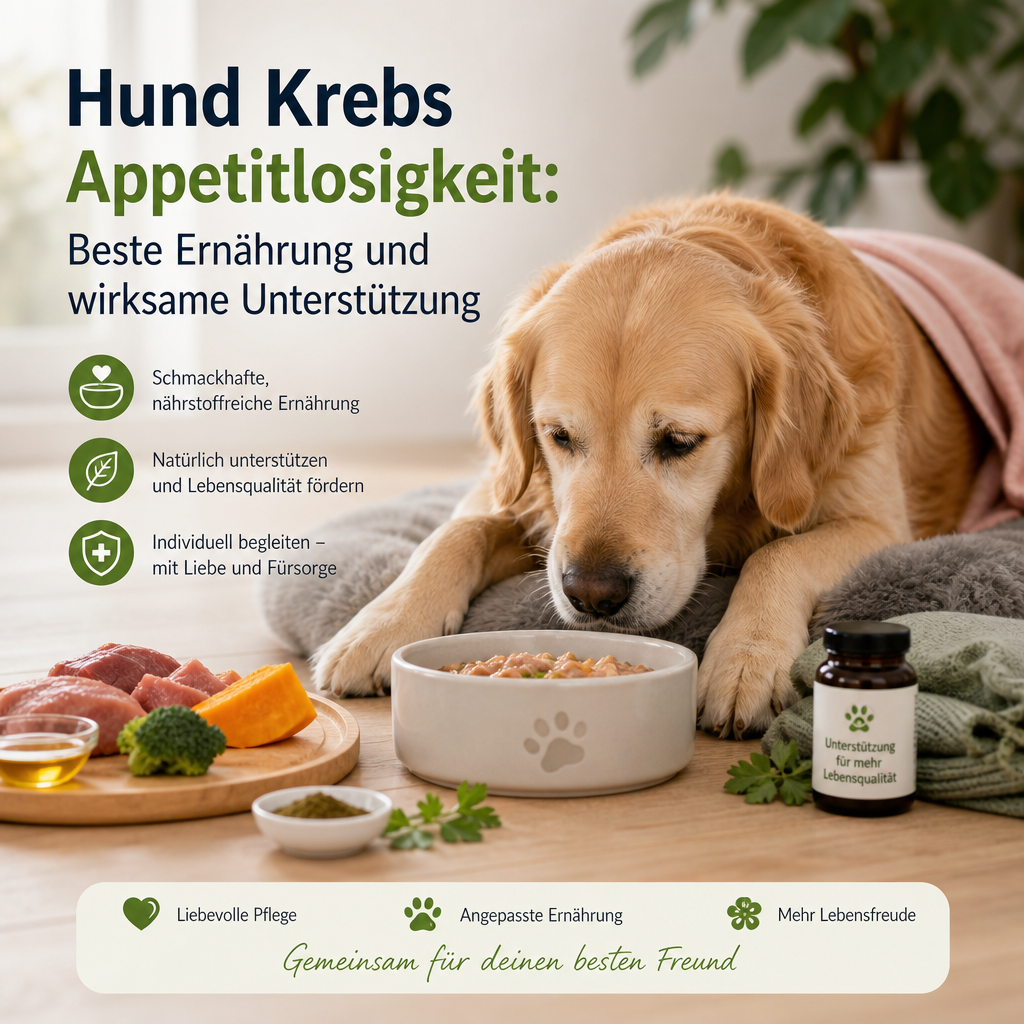
Krebserkrankungen können den gesamten Stoffwechsel verändern. Manche Tumoren setzen Botenstoffe frei, die Entzündungsprozesse fördern und das Hunger- sowie Sättigungsgefühl beeinflussen. Gleichzeitig benötigt der Körper oft mehr Energie, während der Hund weniger Nahrung aufnimmt. Dadurch kann ein Teufelskreis entstehen: Der Hund frisst weniger, baut Muskelmasse ab und wird zunehmend schwächer.
Auch die Behandlung kann die Futteraufnahme beeinträchtigen. Chemotherapien, Bestrahlungen oder bestimmte Medikamente können Übelkeit, Durchfall, Verstopfung, Maulschmerzen oder einen veränderten Geschmack verursachen. Bei Tumoren im Maul-, Hals- oder Verdauungsbereich kann das Fressen zusätzlich schmerzhaft sein. Deshalb sollte nicht nur das Futter betrachtet werden, sondern auch die Frage, ob der Hund überhaupt beschwerdefrei fressen kann.
Gerade bei Hund Krebs Appetitlosigkeit ist es wichtig, mögliche Auslöser nicht nur zu vermuten, sondern systematisch zu prüfen. Ein Hund kann aus ganz unterschiedlichen Gründen nicht fressen: Manche haben Schmerzen beim Kauen, andere fühlen sich permanent übel, und wieder andere verbinden das Futter mit einem unangenehmen Erlebnis wie einer Medikamentengabe. Je besser die Ursache eingegrenzt wird, desto gezielter kann geholfen werden.
Ein weiterer Aspekt ist die Stressbelastung. Viele Hunde reagieren empfindlich auf Veränderungen im Alltag, häufige Tierarztbesuche oder ungewohnte Gerüche. Wenn gleichzeitig eine schwere Erkrankung vorliegt, kann sich das Fressverhalten deutlich verschlechtern. Deshalb ist es sinnvoll, nicht nur die Ernährung, sondern auch Ruhe, Routine und eine stressarme Umgebung zu berücksichtigen.
Wichtig ist außerdem die Beobachtung des gesamten Verhaltens. Frisst der Hund langsamer als sonst, schiebt er Futter aus dem Napf oder leckt nur daran, kann das bereits ein früher Hinweis sein. Auch Schmatzen, häufiges Schlucken oder das Meiden bestimmter Futterkonsistenzen deuten darauf hin, dass nicht nur mangelnder Hunger, sondern ein konkretes Problem vorliegt.
Wenn Sie Hund Krebs Appetitlosigkeit verstehen wollen, hilft es, zwischen echtem Appetitverlust und Fressproblemen zu unterscheiden. Manche Hunde möchten eigentlich fressen, können es aber wegen Schmerzen, Übelkeit oder Schluckbeschwerden nicht richtig. Diese Unterscheidung ist für die weitere Versorgung besonders wichtig.
Hund Krebs Gewichtsverlust früh erkennen
Hund Krebs Gewichtsverlust zeigt sich nicht immer sofort. Viele Halter bemerken zunächst nur, dass der Vierbeiner weniger aktiv ist oder das Fell schlechter aussieht. Regelmäßige Gewichtskontrollen helfen, Veränderungen früh wahrzunehmen. Bei kleinen Hunden können bereits wenige hundert Gramm bedeutsam sein. Zusätzlich sollte der Körperzustand beurteilt werden: Sind die Rippen stärker sichtbar? Werden Wirbelsäule und Hüftknochen auffälliger? Wirkt die Muskulatur an Rücken und Hinterläufen dünner?
Ein Verlust an Muskelmasse ist besonders problematisch. Er kann die Beweglichkeit, die Widerstandskraft und die Verträglichkeit einer Therapie verschlechtern. Deshalb sollte das Ziel nicht einfach darin bestehen, möglichst viele Kalorien anzubieten. Entscheidend ist eine gut verträgliche, schmackhafte Nahrung mit ausreichend Energie und hochwertigem Protein. Der Tierarzt kann das Gewicht, den Body-Condition-Score und den Muskelzustand regelmäßig kontrollieren.
Auch kleine Veränderungen im Alltag geben Hinweise. Wenn der Hund sein Futter länger stehen lässt, einzelne Bestandteile aussortiert oder plötzlich nur noch bestimmte Leckerchen nimmt, kann das auf beginnende Probleme hindeuten. Viele Halter übersehen solche Signale zunächst, weil der Hund nicht vollständig verweigert, sondern nur langsamer oder wählerischer frisst. Genau in dieser Phase lässt sich Hund Krebs Appetitlosigkeit oft noch besser beeinflussen als später.
Ein einfaches Ernährungsprotokoll kann hier sehr hilfreich sein. Notieren Sie täglich, wie viel gefressen wurde, ob es Erbrechen oder Durchfall gab und ob die Portionen vollständig aufgenommen wurden. Ergänzen Sie nach Möglichkeit das Körpergewicht in festen Abständen. So erkennen Sie Muster, etwa ob bestimmte Futtersorten besser funktionieren oder ob die Futteraufnahme an Tagen mit Medikamentengabe besonders schlecht ist.
Auch die Muskelpflege sollte mitgedacht werden. Ein Hund kann trotz scheinbar stabilem Gewicht Muskulatur verlieren, wenn er zu wenig frisst oder zu viel Energie verbraucht. Deshalb reicht es nicht, nur auf die Waage zu schauen. Gerade bei Hund Krebs Appetitlosigkeit ist der Blick auf Körperkondition, Kraft und Bewegungsfreude besonders wertvoll.
Ernährung krebskranker Hund: Worauf kommt es an?
Die Ernährung krebskranker Hund sollte individuell angepasst werden. Es gibt keine universelle Krebsdiät, die für jeden Hund geeignet ist. Die richtige Zusammensetzung hängt unter anderem von der Tumorart, dem Krankheitsstadium, der Behandlung, dem Alter und möglichen Begleiterkrankungen ab.
Häufig wird eine energiereiche Nahrung empfohlen, damit der Hund mit kleinen Portionen möglichst viele Kalorien aufnimmt. Hochwertige Proteine können helfen, die Muskulatur zu erhalten. Auch gut verträgliche Fettquellen können die Energiedichte erhöhen. Allerdings sind fettreiche Mahlzeiten nicht für jeden Hund geeignet. Bei einer Bauchspeicheldrüsenerkrankung, bestimmten Leberproblemen oder wiederkehrendem Durchfall kann ein hoher Fettanteil Beschwerden verschlimmern.
Kohlenhydrate müssen nicht grundsätzlich gemieden werden. Manche Hunde vertragen gut gekochten Reis, Kartoffeln oder Hafer. Andere benötigen eine stärker angepasste Zusammensetzung. Entscheidend ist, welche Nahrung der Hund verträgt und gerne frisst. Eine selbst gekochte Ration sollte möglichst von einer tierärztlichen Ernährungsberatung berechnet werden, damit keine Mängel bei Vitaminen, Mineralstoffen oder Aminosäuren entstehen.
Bei der Auswahl des Futters ist außerdem die Konsistenz wichtig. Weiche, leicht zu schluckende Mahlzeiten sind bei Maulschmerzen oder Schluckproblemen oft besser geeignet als harte Kroketten. Manche Hunde nehmen pures Nassfutter besser an, andere profitieren von leicht erwärmten oder pürierten Mahlzeiten. Wenn die Hündin oder der Hund eine bestehende Nierenerkrankung, Pankreatitis oder Magen-Darm-Probleme hat, sollte die Ration besonders sorgfältig abgestimmt werden. Gerade dann ist es sinnvoll, die Ernährung nicht auf Verdacht zu ändern.
Viele Halter fragen sich, ob eine proteinreiche oder eher kohlenhydratarme Fütterung grundsätzlich besser sei. Die Antwort lautet: Es kommt auf den Einzelfall an. In der Praxis zählt vor allem, dass der Hund ausreichend frisst, die Nahrung gut verträgt und nicht weiter abbaut. Selbst die beste Theorie nützt wenig, wenn das Futter im Napf bleibt. Deshalb sollte die Ernährung immer an die aktuelle Situation angepasst werden.
Verlässliche Informationen zu ernährungsmedizinischen Grundlagen finden Sie auch bei der Tierkrebshilfe mit allgemeinen Hinweisen zu Krebs beim Tier. Solche Quellen ersetzen keine Untersuchung, können aber helfen, die Fragen rund um Fütterung und Krankheitsmanagement besser einzuordnen.
Zur unterstützenden Planung gehören auch klare Prioritäten: Was verträgt der Hund sicher, was frisst er zuverlässig, und welche Zutaten verschlechtern sein Befinden? Genau diese Fragen sind bei Hund Krebs Appetitlosigkeit oft wichtiger als strenge Ernährungsregeln. Eine gute Ration ist die, die der Hund tatsächlich annimmt und dauerhaft verträgt.
Wenn eine Anpassung nötig ist, sollten Veränderungen schrittweise erfolgen. Zu schnelle Umstellungen führen oft zu zusätzlicher Ablehnung oder Magen-Darm-Beschwerden. Eine ruhige, kontrollierte Umstellung ist in vielen Fällen die bessere Wahl und unterstützt die Akzeptanz langfristig.
Hund Krebs Appetitlosigkeit: 7 praktische Tipps für den Alltag
Bei Hund Krebs Appetitlosigkeit können kleine, konsequente Anpassungen im Alltag viel bewirken. Ziel ist nicht, den Hund zu drängen, sondern ihm das Fressen so leicht wie möglich zu machen. Die folgenden Tipps sind oft hilfreich, wenn Schmerzen, Übelkeit oder Stress die Aufnahme erschweren.
- Mehrere kleine Mahlzeiten über den Tag verteilt anbieten statt einer großen Portion.
- Futter frisch servieren und nach kurzer Zeit wieder wegnehmen, ohne Druck aufzubauen.
- Weiche, gut zu schluckende Konsistenzen testen, wenn Kauen unangenehm ist.
- Futter leicht erwärmen, damit der Geruch intensiver und oft attraktiver wird.
- Den Futterplatz ruhig, hell und frei von Ablenkung halten.
- Neue Sorten nur langsam einführen und die Verträglichkeit genau beobachten.
- Ein Futtertagebuch führen, um Muster bei Appetit, Verträglichkeit und Gewicht zu erkennen.
Das Erwärmen des Futters auf Körper- oder Zimmertemperatur kann den Geruch verstärken und die Akzeptanz verbessern. Besonders bei verstopfter Nase oder verändertem Geruchssinn kann dies hilfreich sein. Eine kleine Menge schmackhafter Zusätze, etwa ungewürzte Brühe oder gekochtes Fleisch, kann das Interesse steigern. Brühe darf jedoch keine Zwiebeln, keinen Knoblauch, keine Gewürze und möglichst wenig Salz enthalten.
Neue Futtermittel sollten nicht plötzlich in großen Mengen eingeführt werden. Besser ist es, zunächst eine kleine Portion anzubieten und die Verträglichkeit zu beobachten. Zwangsfütterung kann Stress, Abwehrverhalten oder sogar ein dauerhaftes Meideverhalten gegenüber dem Futter auslösen. Bei starker Übelkeit hilft auch das attraktivste Futter nicht ausreichend. In diesem Fall muss die Ursache behandelt werden.
Zusätzlich können kleine Veränderungen im Fütterungsumfeld viel bewirken. Ein ruhiger Raum ohne andere Tiere, feste Fütterungszeiten und wenig Ablenkung erhöhen oft die Bereitschaft zu fressen. Manche Hunde profitieren davon, wenn das Futter nach einem kurzen Spaziergang oder in einer entspannten Phase angeboten wird. Auch die Napfhöhe kann eine Rolle spielen, wenn Nacken, Schultern oder Maul schmerzen.
Wenn Hund Krebs Appetitlosigkeit bereits länger besteht, sollten Sie die Fütterung nicht immer wieder komplett umstellen. Häufig ist Kontinuität besser als ständiges Testen neuer Sorten. Ein gut verträgliches Futter, das der Hund akzeptiert, ist oft wertvoller als eine theoretisch ideale, aber praktisch verweigerte Ration. Beobachten Sie, welche Temperatur, Textur und Geruchsintensität am besten funktionieren.
Bei manchen Hunden kann ein Futtertagebuch dabei helfen, die Auslöser noch genauer zu erkennen. Dort lassen sich auch kleine Reaktionen festhalten, zum Beispiel Unruhe nach dem Fressen, vermehrtes Schmatzen oder kurzes Wegdrehen vom Napf. Solche Details sind oft wichtig, wenn der Tierarzt die Situation einschätzen und eine passende Strategie empfehlen soll.
Es lohnt sich außerdem, die Tagesform zu berücksichtigen. Viele Hunde fressen morgens schlechter als abends oder umgekehrt. Wenn Sie feste Muster erkennen, können Sie die Fütterungszeiten anpassen und die Erfolgschancen erhöhen. Genau solche praktischen Anpassungen machen im Alltag oft den entscheidenden Unterschied.
Bei Hund Krebs Appetitlosigkeit können auch kleine Belohnungen helfen, sofern sie zur Gesamtration passen. Ein winziger, gut verträglicher Zusatz kann Motivation schaffen, ohne den Magen zu belasten. Wichtig bleibt dabei, die Kalorienzufuhr im Blick zu behalten und nicht nur kurzfristig auf Begeisterung zu setzen.
Medikamente und unterstützende Maßnahmen
Der Tierarzt kann bei Bedarf Medikamente gegen Übelkeit, Schmerzen oder Entzündungen verschreiben. In manchen Fällen kommen zusätzlich appetitanregende Präparate infrage. Diese sollten niemals eigenständig gegeben werden, da einige Wirkstoffe bei bestimmten Tumoren oder Organerkrankungen ungeeignet sein können.
Auch die Zahngesundheit und die Maulhöhle sollten kontrolliert werden. Wunden, Entzündungen oder ein Tumor im Maul können dazu führen, dass der Hund zwar Hunger hat, aber nicht fressen kann. Bei Schluckbeschwerden oder häufigem Erbrechen ist eine gründliche Untersuchung besonders wichtig. Wenn die normale Fütterung vorübergehend nicht ausreicht, kann der Tierarzt weitere Möglichkeiten wie spezielle Flüssignahrung oder eine unterstützende Sondenernährung besprechen.
Nahrungsergänzungsmittel sollten ebenfalls kritisch betrachtet werden. Einige Präparate können die Wirkung von Medikamenten beeinflussen oder die Leber und Nieren zusätzlich belasten. Antioxidative Produkte, Kräutermischungen oder hoch dosierte Vitamine gehören daher nur nach tierärztlicher Rücksprache in den Ernährungsplan.
Wer über unterstützende Ergänzung nachdenkt, sollte besonders auf Sicherheit achten. Nicht jedes Produkt, das im Internet als hilfreich beworben wird, ist für einen krebskranken Hund sinnvoll. Vor allem bei laufender Therapie ist entscheidend, dass sich Präparate nicht gegenseitig beeinträchtigen. Ein gutes Beispiel sind Ergänzungen mit unklaren Dosierungen oder Mischungen aus vielen Wirkstoffen, deren Zusammenspiel schwer zu beurteilen ist. Hier ist weniger oft mehr.
In der Praxis werden unterstützende Maßnahmen häufig kombiniert: gute Schmerzkontrolle, Behandlung von Übelkeit, ausreichend Flüssigkeit, ein angenehmes Futterangebot und gegebenenfalls eine angepasste Ergänzung. Genau diese Verbindung ist meist wirkungsvoller als eine einzelne Maßnahme allein. Wenn der Hund Schmerzen hat, bringt auch die nährstoffreichste Mahlzeit wenig. Wenn er aber beschwerdeärmer ist und das Futter besser annimmt, verbessert sich die Gesamtsituation häufig deutlich.
Für weiterführende, sichere Kaufhinweise zu passenden Produkten kann auch der Beitrag Nahrungsergänzungsmittel Hund Krebs: 7 wichtige, sichere Kauf-Tipps für eine gute Entscheidung hilfreich sein. Dort geht es vor allem darum, Risiken besser einzuschätzen und eine sinnvolle Auswahl zu treffen.
Bei der Auswahl von Ergänzungen ist zudem ein Blick auf mögliche Wechselwirkungen wichtig. Besonders wenn bereits Schmerzmittel, Antiemetika oder andere Medikamente verabreicht werden, sollte jede zusätzliche Gabe abgestimmt sein. So vermeiden Sie unnötige Belastungen und unterstützen den Hund gezielt statt zufällig.
Gerade bei Hund Krebs Appetitlosigkeit ist ein sorgfältiger, schrittweiser Ansatz oft am effektivsten. Eine Kombination aus medizinischer Behandlung, sinnvoller Ernährung und ruhigen Fütterungsgewohnheiten bietet meist die beste Grundlage für mehr Stabilität im Alltag.
Wann ist sofort tierärztliche Hilfe notwendig?
Eine vollständige Futterverweigerung über längere Zeit, wiederholtes Erbrechen, starker Durchfall, deutliche Schwäche oder Teilnahmslosigkeit sind Warnzeichen. Auch wenn der Hund nicht trinkt, Schwierigkeiten beim Atmen hat, starke Schmerzen zeigt oder rasch Gewicht verliert, sollte unverzüglich eine Tierarztpraxis kontaktiert werden.
Für die Beurteilung kann es hilfreich sein, ein Tagebuch zu führen. Darin sollten Futtermenge, Trinkverhalten, Erbrechen, Kotabsatz, Gewicht, Medikamente und Aktivitätsniveau festgehalten werden. Diese Informationen erleichtern es dem Tierarzt, Veränderungen einzuschätzen und die Behandlung anzupassen.
Wenn ein Hund trotz angepasster Fütterung kaum frisst, sollte man nicht zu lange abwarten. Besonders bei Hund Krebs Appetitlosigkeit können wenige Tage bereits einen Unterschied machen, wenn der Körper ohnehin geschwächt ist. Je früher gehandelt wird, desto eher lassen sich Schmerzen, Übelkeit oder andere Ursachen behandeln.
Ein akuter Notfall kann auch dann vorliegen, wenn der Hund plötzlich kollabiert, sehr apathisch wirkt oder die Schleimhäute blass erscheinen. Solche Anzeichen können auf Kreislaufprobleme, starke Schmerzen oder andere ernste Komplikationen hindeuten. In diesem Fall ist eine sofortige tierärztliche Abklärung wichtig und sollte nicht verschoben werden.
Eine gute Ernährung kann Krebs nicht heilen, aber sie kann den Hund dabei unterstützen, seine Kräfte zu bewahren und sich wohler zu fühlen. Im Mittelpunkt stehen eine ausreichende Energie- und Flüssigkeitsaufnahme, die Erhaltung der Muskulatur, möglichst wenig Übelkeit und eine Fütterung, die der Hund gerne annimmt. Mit einer eng abgestimmten Kombination aus medizinischer Behandlung, angepasster Ernährung und liebevoller Begleitung lässt sich die Lebensqualität vieler krebskranker Hunde spürbar verbessern.
Wenn Sie Hund Krebs Appetitlosigkeit früh erkennen und konsequent begleiten, erhöhen Sie die Chance, Gewicht und Kraft besser zu erhalten. Eine ruhige Fütterungsroutine, passende Futtermittel und eine tierärztlich abgestimmte Unterstützung sind dabei die wichtigsten Bausteine. So wird aus einer belastenden Situation Schritt für Schritt ein besser kontrollierbarer Alltag.
Am Ende zählt vor allem, dass Sie aufmerksam bleiben und Veränderungen ernst nehmen. Kleine Fortschritte beim Fressen, mehr Ruhe beim Napf oder ein stabileres Gewicht sind wichtige Signale. Mit Geduld, Beobachtung und professioneller Begleitung lässt sich Hund Krebs Appetitlosigkeit oft deutlich besser managen, als es im ersten Moment scheint.
by TCMVET | Aug 25, 2026 | Research and News
Ocoxin Pets is a nutritional supplement designed to support dogs that may need additional nutritional care during serious illness, including tumors. For owners in Spain, understanding what this product can and cannot do is essential before adding it to a dog’s treatment plan. A supplement may help support appetite, hydration, energy, and general wellbeing, but it should never replace veterinary diagnosis, surgery, chemotherapy, radiotherapy, pain management, or other prescribed care.
If you are comparing supportive options, you may also find our guide to supportive supplement choices for dogs in Spain useful when discussing your dog’s care plan with a veterinarian.
What is Ocoxin Pets?
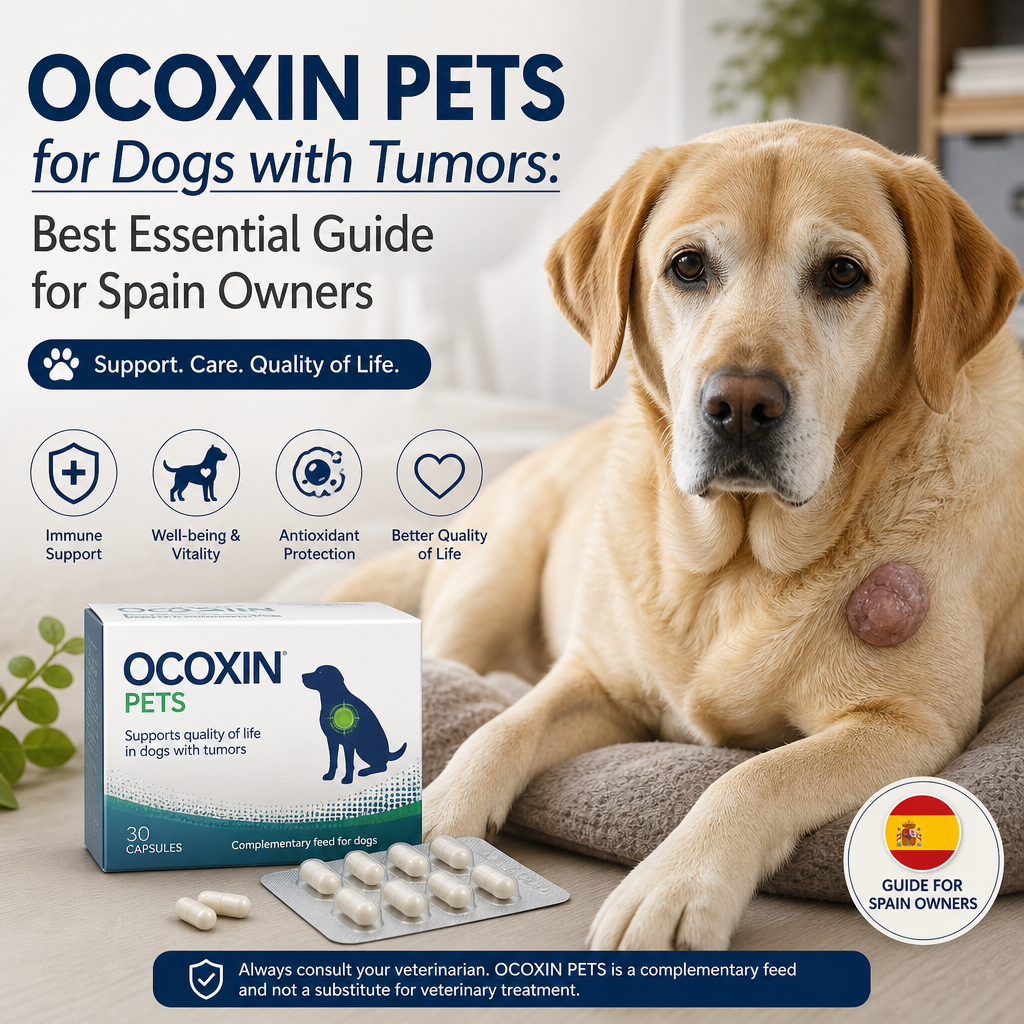
Ocoxin Pets is generally presented as a complementary nutritional product for companion animals. Its formulation is intended to provide supportive nutrients and compounds that may help dogs cope with the physical demands of illness. Products in this category are often used when a dog has reduced appetite, weight loss, weakness, or increased nutritional needs.
The exact ingredients, dosage, and presentation can vary by market, so Spanish owners should check the current product label and official information supplied by the manufacturer or distributor. It is also important to distinguish between a veterinary supplement and a registered veterinary medicine. Supplements are not expected to treat or eliminate tumors in the same way as medicines or cancer therapies.
A dog with cancer may experience changes in metabolism, appetite, digestion, immune function, and energy levels. Nutritional support can be useful as part of a broader care plan, particularly when eating becomes difficult or when maintaining body condition is a challenge. For reference on cancer-related nutrition principles, the VCA Hospitals guide to cancer in dogs explains why appetite, weight, and comfort matter so much during treatment.
Ocoxin Pets dog cancer support: what owners should expect
The term Ocoxin Pets dog cancer support refers to the product’s possible role as an adjunct to veterinary care. Its purpose is supportive rather than curative. Depending on the dog’s condition, a veterinarian may consider nutritional supplementation to help maintain normal body functions and improve comfort during treatment.
Potential goals may include:
- Supporting food intake in dogs with a poor appetite
- Helping maintain body weight and muscle condition
- Providing additional nutrients during periods of illness or recovery
- Supporting hydration when used according to professional guidance
- Complementing a balanced diet and an individualized treatment plan
- Helping owners monitor general wellbeing more systematically
The benefits of any supplement can differ substantially between dogs. A product that appears helpful for one animal may be unsuitable for another, especially if the dog has kidney disease, liver problems, diabetes, gastrointestinal sensitivity, or is taking several medications.
Cancer care should therefore be based on the individual diagnosis. Tumor type, stage, location, laboratory results, age, and quality-of-life concerns all influence the most appropriate approach.
Ocoxin Pets review: evidence, limitations, and realistic claims
When reading an Ocoxin Pets review, owners should look beyond testimonials and focus on the quality of the available information. Personal experiences can be useful for understanding how a product is administered or tolerated, but they do not prove that a supplement treats cancer. Dogs may improve because of surgery, medication, dietary changes, reduced pain, or natural variation in the disease—not necessarily because of one product.
A balanced review should consider several questions:
- Is the product intended as a supplement or a veterinary medicine?
- Are the ingredients and quantities clearly listed?
- Is there reliable information about use in dogs?
- Has the product been evaluated for safety and quality?
- Could it interact with chemotherapy, steroids, anti-inflammatory drugs, or other treatments?
- Does the dog’s veterinarian agree that it is appropriate?
- Is the product being promoted with claims that sound stronger than the available evidence?
Owners should be cautious with statements suggesting that a supplement can shrink tumors, cure cancer, or replace conventional treatment. Such claims can delay effective care and may put a vulnerable animal at greater risk.
Safety considerations for dogs with tumors
Before giving Ocoxin Pets, provide the veterinarian with a complete list of everything the dog is receiving. This includes prescription medicines, painkillers, deworming products, vitamins, herbal preparations, and special diets. Even ingredients considered “natural” can affect digestion, blood clotting, liver enzymes, or the action of medicines.
Watch for possible adverse reactions such as vomiting, diarrhea, constipation, itching, swelling, marked lethargy, refusal to eat, or changes in drinking and urination. If severe or persistent symptoms appear, stop administering the product until a veterinarian has provided advice. Emergency signs—including difficulty breathing, collapse, uncontrolled bleeding, repeated vomiting, or severe pain—require immediate veterinary attention.
Dosage should be based on the product’s official instructions and the dog’s individual needs. Never assume that a human product, a different formulation, or a larger dose is safe for a dog. Keep the container, batch information, and ingredient list available in case the veterinary team needs to investigate a reaction.
Choosing Ocoxin Pets in Spain
For owners searching for Ocoxin Pets Spain, purchasing through a reputable veterinary clinic, established animal-health supplier, or authorized distributor is preferable. Check that the packaging is sealed, the expiry date is valid, and the label includes clear instructions. Spanish consumers should also verify whether the product is legally marketed for animals in Spain and whether the seller provides traceable product information.
A veterinarian in Spain can help clarify whether the supplement is suitable alongside the dog’s current treatment. Veterinary practices may also recommend alternatives, such as a therapeutic recovery diet, high-calorie food, appetite support, anti-nausea medication, or a carefully formulated homemade diet supervised by a veterinary nutrition professional.
Price is another practical consideration. Long-term cancer care can be expensive, and a supplement should offer a reasonable benefit relative to its cost. Spending money on supportive products should not reduce access to essential diagnostics, analgesia, follow-up appointments, or prescribed treatment.
Nutrition and quality of life remain central
A supplement is only one part of supportive care. Dogs with tumors often benefit from small, frequent meals, an appealing food texture, quiet feeding areas, and careful monitoring of weight. The diet should be complete and balanced unless a veterinarian has recommended a specific therapeutic plan. Sudden dietary changes can worsen gastrointestinal symptoms.
Owners can keep a daily record of appetite, water intake, vomiting, stool quality, mobility, pain signs, sleep, interaction, and enjoyment of normal activities. This information helps the veterinary team assess whether the dog is stable and whether treatment should be adjusted.
Quality of life is the main goal of cancer support. Ocoxin Pets may be considered as a complementary nutritional option for some dogs, but its role should remain realistic and medically supervised. Used responsibly, it may form part of a broader plan focused on comfort, nutrition, and wellbeing. It should never be regarded as a standalone cure or a substitute for professional veterinary care.
by TCMVET | Aug 25, 2026 | Research and News
Freeland Onco-Pet is a veterinary supplement often discussed by dog owners looking for additional nutritional support during cancer care. A responsible evaluation should begin with an important distinction: products marketed for canine cancer support are not replacements for diagnosis, surgery, chemotherapy, radiation therapy, or other treatments prescribed by a veterinarian. Instead, they may be considered as part of a broader care plan focused on nutrition, comfort, immune health, and quality of life.
What Is Freeland Onco-Pet?
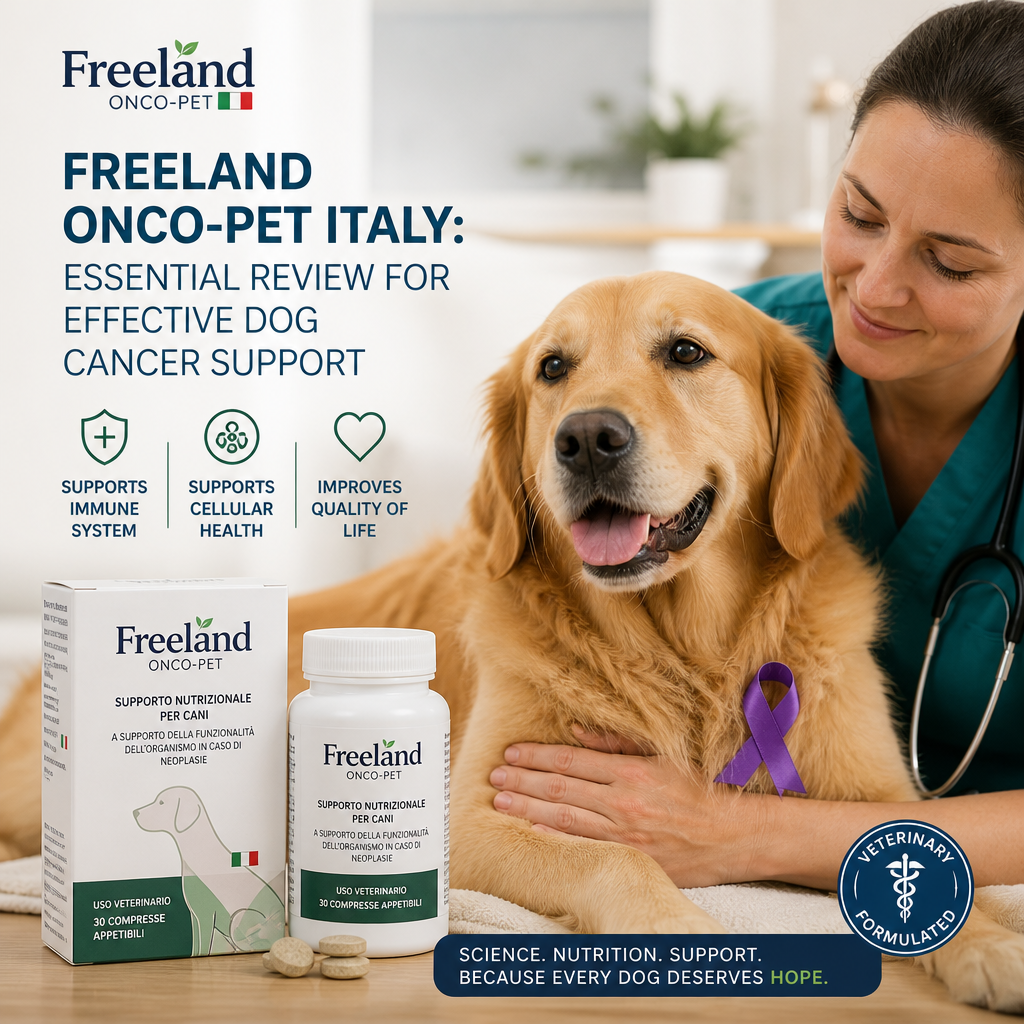
Freeland Onco-Pet is presented as a supportive product for dogs affected by serious illness, including cancer. Its purpose is generally associated with helping maintain the animal’s overall condition during periods of physical stress. Dogs undergoing cancer treatment may experience reduced appetite, weight loss, fatigue, digestive changes, or difficulty maintaining muscle mass. Nutritional support can therefore be relevant, particularly when a dog is eating less or has increased metabolic demands.
However, the exact role of any supplement depends on its ingredients, dosage, formulation, and the individual dog’s condition. Pet owners should carefully review the official product label and consult a veterinarian before use. A supplement that is suitable for one dog may be inappropriate for another, especially when the animal has liver disease, kidney disease, diabetes, gastrointestinal problems, or is taking multiple medications.
Freeland Onco-Pet review: What Should Owners Examine?
A useful Freeland Onco-Pet review should look beyond promotional claims. Several factors deserve attention before adding the product to a dog’s daily routine.
Ingredient transparency
The label should clearly identify every active and inactive ingredient, along with the amount provided per serving. Vague descriptions make it difficult for veterinarians and owners to assess possible benefits, interactions, or risks. Ingredients should be evaluated according to the dog’s health status rather than assumed to be safe simply because they are described as natural.
Scientific support
Evidence for veterinary supplements varies considerably. Some individual nutrients have documented roles in canine nutrition, while claims about treating or slowing cancer may not be supported by strong clinical trials. Owners should distinguish between evidence showing that an ingredient supports general nutrition and evidence demonstrating a direct effect on a specific cancer.
Manufacturing standards
Quality control is especially important for products given to animals with weakened immune systems. Look for information about manufacturing practices, batch testing, storage instructions, expiration dates, and contact details for the responsible company. Products purchased through unofficial marketplaces may be counterfeit, improperly stored, or past their recommended shelf life.
Practical administration
A supplement is only useful if a dog will accept it and tolerate it. Powder, liquid, capsule, and chewable formats each have advantages and disadvantages. The product should not cause persistent vomiting, diarrhea, loss of appetite, unusual sleepiness, or other concerning symptoms. Any adverse reaction warrants prompt veterinary advice.
For a broader background on evidence-based pet cancer care, see canine cancer care resources from our site.
Freeland Onco-Pet dog cancer support and veterinary care
Freeland Onco-Pet dog cancer support should be viewed as complementary rather than curative. Cancer in dogs includes many different diseases, and treatment depends on the tumor’s location, stage, grade, and biological behavior. A veterinary oncologist may recommend imaging, biopsy, surgery, chemotherapy, radiation, immunotherapy, pain management, or palliative care.
Supplements can also interfere with treatment. Certain nutrients and herbal compounds may affect blood clotting, liver enzymes, immune activity, or the way medications are metabolized. This is why the veterinary team should know about every supplement, treat, oil, and over-the-counter product the dog receives. Providing a photograph of the label or a complete ingredient list can make the discussion more productive.
Owners should also be cautious of statements promising to eliminate tumors, replace conventional treatment, or guarantee recovery. No responsible product should encourage delaying professional diagnosis. Early veterinary assessment often gives dogs more treatment options and helps identify pain, infection, obstruction, or other complications that may require immediate attention.
Potential benefits of supportive nutrition
Cancer and its treatment can place substantial demands on a dog’s body. Maintaining adequate calories, hydration, and protein may help preserve strength and support recovery. Depending on the diagnosis, a veterinarian may recommend a complete therapeutic diet, appetite support, feeding adjustments, or treatment for nausea and pain.
A supplement may be considered when it fits within this nutritional plan. The goal should be practical and measurable: helping the dog eat, maintain body weight, tolerate treatment, or remain comfortable. Owners can monitor appetite, water intake, body weight, stool quality, activity, and signs of pain. These observations provide useful information during veterinary appointments.
It is also important not to force-feed a dog without professional guidance. Force-feeding can create anxiety, increase the risk of aspiration, and make food aversion worse. A veterinarian can recommend safer strategies when appetite declines.
Freeland Onco-Pet Italy: Buying and checking the product
People searching for Freeland Onco-Pet Italy should verify the source before purchasing. Product availability, labeling, shipping conditions, and local regulatory requirements may differ by country. An authentic product should have clear packaging, a batch or lot number, an expiration date, storage instructions, and identifiable manufacturer or distributor information.
Avoid websites that use extreme promises, pressure buyers with unrealistic urgency, or provide no verifiable company details. It is also wise to compare the online listing with the manufacturer’s official information and ask a veterinarian or pharmacist about any unclear ingredients. Customs delays and unsuitable temperatures during shipping can affect some products, particularly liquids or items requiring controlled storage. For general reference on veterinary medicine and supplement regulation, the European Medicines Agency provides useful guidance at the European Medicines Agency veterinary overview.
Before giving the first dose, confirm the recommended amount for the dog’s weight and follow the label unless the veterinarian provides different instructions. Never assume that a human dosage is appropriate for a dog.
How to make a careful decision
The best decision involves balancing potential benefits with the dog’s diagnosis, current treatment, comfort, and overall quality of life. Discuss the product with the veterinarian, provide the full ingredient list, and establish what outcome would justify continuing it. If there is no noticeable benefit or if side effects occur, reassessment is appropriate.
Freeland Onco-Pet may be considered by some owners as one element of supportive canine cancer care, but its value depends on product quality, scientific evidence, correct use, and professional supervision. The most effective approach combines timely veterinary treatment, appropriate nutrition, pain control, emotional support, and regular monitoring. Above all, the dog’s comfort and welfare should remain the central measure of any cancer-support decision.
When used thoughtfully, Freeland Onco-Pet can be discussed as part of a wider care plan rather than a stand-alone solution. For owners in Italy, the safest path is to verify the product, consult a veterinarian familiar with oncology, and keep the dog’s needs at the center of every decision.

by TCMVET | Aug 25, 2026 | Research and News
Dog Cancer Loss of Appetite Supplements can provide valuable nutritional support when illness, treatment side effects, or pain make eating difficult. Maintaining a healthy weight is important for strength, immune function, healing, and quality of life, but supplements should never replace veterinary care. A veterinarian can help identify the reason for appetite loss and create a safe feeding plan based on your dog’s diagnosis, treatment, medications, and overall condition.
When a dog is losing interest in food, the best approach is usually a combination of symptom control, diet adjustments, and carefully chosen Dog Cancer Loss of Appetite Supplements. The right products may make meals easier to accept, but they work best when they are matched to the dog’s medical needs and daily tolerance.
Why appetite loss matters in dogs with cancer
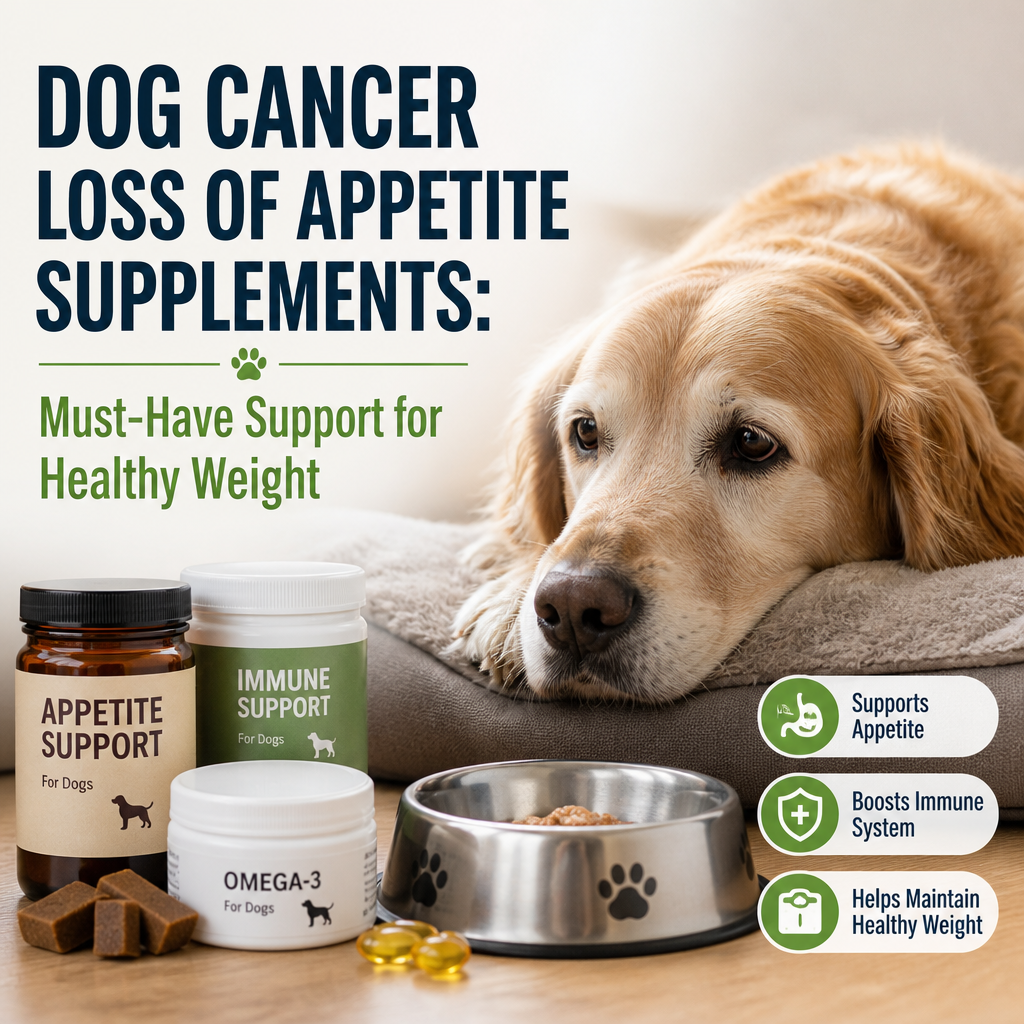
Dogs with cancer may eat less for many reasons. Tumors can affect digestion, metabolism, or the ability to chew and swallow. Chemotherapy, radiation, surgery, and certain medications may cause nausea, mouth discomfort, altered taste, constipation, or fatigue. Anxiety and pain can also reduce interest in food.
A short period of reduced appetite may not cause serious harm, but ongoing food refusal can lead to muscle loss, dehydration, weakness, and slower recovery. Weight loss is especially concerning when a dog loses lean muscle rather than only body fat. Muscle supports mobility, immune activity, and the ability to tolerate medical treatment.
Monitoring your dog’s weight, appetite, water intake, stool, energy, and body condition can help your veterinarian respond early. Contact the veterinary team promptly if your dog refuses food for a prolonged period, vomits repeatedly, cannot keep water down, appears painful, or becomes unusually weak.
When dogs are struggling to eat, the right plan may include diet changes, symptom control, and carefully selected Dog Cancer Loss of Appetite Supplements. The goal is to make food easier to accept while supporting overall health.
It also helps to remember that cancer-related anorexia is often more complex than simple pickiness. A dog may want to eat but feel nauseated after just a few bites, or may be hungry yet too tired to finish a normal meal. That is why Dog Cancer Loss of Appetite Supplements are most useful when they are chosen as part of a bigger support strategy rather than as a single solution.
Early action matters. If a dog loses interest in food for more than a day or two, the problem can snowball quickly. Less food intake means less energy, less protein for muscle maintenance, and often less enthusiasm for movement and interaction. A timely nutrition plan can help break that cycle before it becomes harder to reverse.
Dog Cancer Loss of Appetite Supplements to discuss with a veterinarian
The best supplement depends on the underlying cancer, current diet, laboratory results, and treatment plan. Products marketed for appetite or weight gain are not automatically safe for every dog. Some contain concentrated herbs, stimulants, minerals, or high levels of fat that may interfere with medications or worsen digestive problems.
Omega-3 fatty acids
Veterinary-formulated omega-3 fatty acids, particularly EPA and DHA from fish oil, are commonly discussed as part of cancer nutrition for dogs. They may help support normal inflammatory balance and provide concentrated calories. However, dosing matters. Excessive amounts can contribute to diarrhea, pancreatitis risk, abnormal bleeding, or unwanted interactions with medications.
Use a product designed for pets and ask your veterinarian to recommend an appropriate dose based on your dog’s weight and health status. Avoid giving human supplements without checking the ingredient list, since some products contain additives that are unsafe for dogs.
High-calorie nutritional gels and liquid diets
Veterinary nutritional gels, calorie-dense pastes, and recovery diets may help dogs that are eating only small portions. These products are often formulated to provide energy, protein, vitamins, and minerals in a compact serving. They can be useful after surgery or during periods of treatment-related appetite loss.
High-calorie products should be introduced gradually and used according to professional guidance. A dog with pancreatitis, severe gastrointestinal disease, or certain liver conditions may need a lower-fat or specially formulated diet instead.
If you are comparing supportive products, a veterinarian may also suggest reading about Ocoxin Pets alternative options for dogs with tumors in the Netherlands as part of a broader supplement discussion.
Probiotics and digestive support
Some dogs experience diarrhea, constipation, or digestive changes during cancer treatment. A veterinary probiotic may help support a balanced intestinal environment, although results vary and probiotics are not appropriate for every immunocompromised patient. Digestive enzymes should also be used only when recommended, because unnecessary supplementation can cause irritation or fail to address the actual problem.
Appetite-stimulating medications
Although not technically supplements, prescription appetite stimulants may be more reliable than over-the-counter products. Veterinarians may consider medications such as capromorelin or other options depending on the dog’s condition. These treatments require professional supervision, especially when nausea, pain, kidney disease, or liver disease is present.
Because appetite loss can have several causes at once, Dog Cancer Loss of Appetite Supplements work best when they are part of a vet-guided plan rather than a stand-alone fix.
Some families also ask whether a supplement should be changed as treatment changes. The answer is often yes. A product that works well after surgery may not be the best choice during chemotherapy, and a dog that tolerated one formula last month may now need a different texture, calorie level, or digestive support. Reassessing Dog Cancer Loss of Appetite Supplements regularly keeps the plan aligned with the dog’s current needs.
It is also wise to review the label carefully. Look for unnecessary fillers, added sweeteners, or ingredients that your dog has not tolerated well in the past. Simpler formulas are often easier to adjust, and that flexibility can be useful when the appetite fluctuates from week to week.
Dog cancer weight loss support through complete nutrition
Supplements work best when they complement a complete and balanced diet. Cancer nutrition for dogs should provide adequate calories, highly digestible protein, essential fatty acids, vitamins, minerals, and appropriate hydration. The ideal diet varies according to the type of cancer and any organ problems.
Some dogs do well with a veterinary therapeutic diet, while others benefit from a carefully formulated home-prepared plan created by a board-certified veterinary nutritionist. Homemade meals can be tempting when a dog refuses regular food, but improvised recipes often lack essential nutrients or contain inappropriate amounts of fat, calcium, or phosphorus.
To increase acceptance, offer small meals several times a day rather than one large portion. Warm food slightly to enhance its aroma, unless your veterinarian advises otherwise. Hand-feeding, using a quiet eating area, or offering different safe textures may also help. Avoid constantly changing foods, since abrupt dietary changes can cause gastrointestinal upset.
For owners seeking a practical next step, Dog Cancer Loss of Appetite Supplements should be matched to the feeding approach, whether that means a recovery diet, a calorie booster, or a targeted digestive aid. The right choice depends on what the dog can tolerate day to day.
In many cases, the feeding plan matters as much as the product itself. A dog that refuses one texture may still accept another, and a small change in warmth, moisture, or scent can make a noticeable difference. When used thoughtfully, Dog Cancer Loss of Appetite Supplements can support a more consistent daily routine and reduce the stress that often surrounds mealtime.
It can also be helpful to think in terms of “nutrition density” instead of just volume. When a dog cannot manage large meals, every bite needs to count. Dense nutrition, careful portioning, and consistent timing often make a bigger difference than trying to force more food at once.
Some owners find success by dividing the day into many small opportunities to eat. A dog may refuse breakfast but eagerly eat a late-morning snack or accept a spoonful after a rest period. That pattern is normal during illness, and it is one reason Dog Cancer Loss of Appetite Supplements are often most effective when used with flexible meal scheduling.
Managing nausea, pain, and treatment side effects
An appetite supplement cannot overcome untreated nausea or pain. Dogs that approach food and then turn away may feel sick, have oral discomfort, or associate eating with previous nausea. Veterinary treatment may include anti-nausea medication, pain control, dental or mouth care, hydration therapy, or management of constipation.
Tell the veterinary team about every supplement, treat, herbal product, and medication your dog receives. Certain ingredients may affect blood clotting, blood pressure, liver metabolism, or the effectiveness of chemotherapy. “Natural” does not always mean risk-free, particularly for dogs undergoing intensive treatment.
Before starting any product, ask whether it fits your dog’s cancer type, current medications, and digestive tolerance.
Reliable nutrition guidance from a veterinary professional can prevent wasteful trial-and-error and reduce the chance that Dog Cancer Loss of Appetite Supplements will conflict with treatment.
If nausea or pain is driving the appetite problem, supportive products alone are unlikely to solve it. In that situation, the most helpful step may be adjusting the medical plan first and then reassessing food intake once the dog feels more comfortable. This is often the safest way to use Dog Cancer Loss of Appetite Supplements effectively.
Some dogs also need help with side effects that do not seem directly related to appetite. Mild constipation, dry mouth, sore gums, or even travel stress can make eating less appealing. Addressing those smaller problems can improve the response to Dog Cancer Loss of Appetite Supplements and may reduce the need for more aggressive intervention later.
For dogs receiving ongoing therapy, timing can matter too. If a treatment day predictably causes nausea or fatigue, plan meals and supplements around the window when the dog feels best. A predictable routine can improve acceptance and help you notice whether a product is truly helping.
When assisted feeding may be needed
If appetite loss continues despite medical treatment, a veterinarian may discuss assisted feeding. In some cases, temporary feeding through a syringe or feeding tube can provide nutrition while the underlying problem is addressed. Force-feeding by mouth is not recommended without professional instruction because it can increase stress and create a risk of aspiration.
A feeding tube may sound intimidating, but it can be a practical and comfortable way to deliver food, water, and some medications. The veterinary team can explain care requirements and determine whether this approach suits the dog’s diagnosis and quality-of-life goals.
For some families, this stage is when supportive products become part of a wider plan that includes pain management, hydration, and carefully selected Dog Cancer Loss of Appetite Supplements. In other cases, the most helpful intervention is simply controlling the side effect that is keeping the dog from eating.
Assisted feeding is not a failure. It can be a temporary bridge that protects body condition while treatment continues or while a reversible cause of anorexia is addressed. Used with veterinary guidance, it may help preserve strength and reduce the risk that a short-term eating problem becomes a more serious nutritional crisis.
It is also important to set realistic expectations. Assisted feeding does not mean your dog will stop enjoying food forever, and it does not mean every oral supplement must be abandoned. In many cases, Dog Cancer Loss of Appetite Supplements are still used alongside assisted feeding when they fit the dog’s digestive tolerance and medical needs.
If your dog begins to eat more reliably again, the feeding plan can often be adjusted. The veterinary team may reduce tube use, lower calorie support, or simplify the routine as your dog’s comfort improves. That gradual transition is one more reason consistent monitoring is so important.
Creating a practical nutrition monitoring plan
Keep a daily record of meals offered, food consumed, water intake, vomiting, stool quality, medications, and energy levels. Weigh your dog regularly using the same scale and conditions whenever possible. At veterinary visits, ask about body condition score and muscle condition, not just body weight.
The goal of dog cancer weight loss support is not simply to add calories. It is to preserve muscle, maintain hydration, reduce discomfort, and support meaningful daily activity. Early intervention generally gives dogs more options and helps prevent a manageable appetite problem from becoming a serious nutritional crisis.
A practical monitoring plan should also note what your dog will willingly eat. Some owners find that a specific flavor, temperature, or texture is accepted for only a short time, so keeping simple notes can help identify patterns. That information can make it easier to choose the next round of Dog Cancer Loss of Appetite Supplements with less guesswork.
If you want a reputable reference for cancer and nutrition basics, the American College of Veterinary Internal Medicine provides helpful educational information at the ACVIM website.
With veterinary guidance, carefully selected Dog Cancer Loss of Appetite Supplements may be one part of a broader plan that includes appropriate food, symptom control, monitoring, and emotional support. A balanced strategy tailored to the individual dog offers the best chance of maintaining strength and comfort throughout treatment.
For dogs that need more specialized support, your veterinarian may also discuss options that fit the broader treatment plan, including diet adjustments, targeted digestive care, and long-term weight maintenance strategies. Used this way, Dog Cancer Loss of Appetite Supplements are not a quick fix but a practical tool within complete cancer care.
Many owners worry about whether they are “doing enough” when a dog eats poorly during cancer care. The most helpful mindset is to focus on small, trackable wins: a few extra bites, fewer nausea episodes, steadier weight, or better energy after meals. Those changes can show that the plan is working, even if progress is gradual.
Consistency is usually more valuable than dramatic changes. A simple routine that your dog can tolerate every day is often better than a complicated plan that only works for a few meals. When used appropriately, Dog Cancer Loss of Appetite Supplements can support that steady routine and make it easier to keep your dog nourished over time.
by TCMVET | Aug 25, 2026 | Research and News
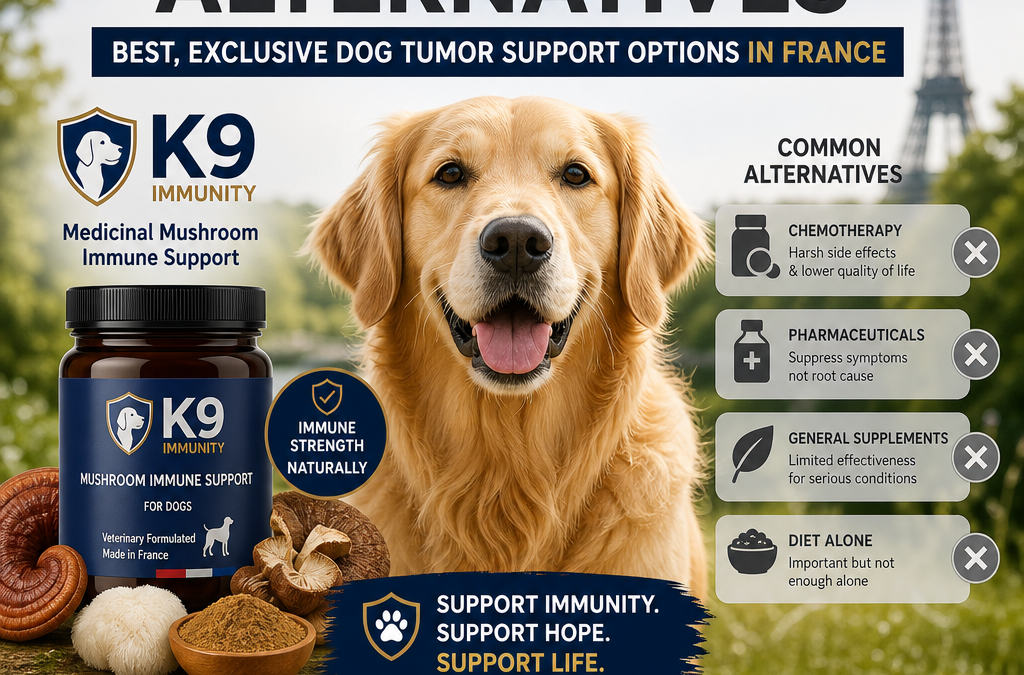
K9 Immunity vs Alternatives is an important comparison for owners exploring supportive care for a dog with cancer or another serious tumor-related condition. In France, families may encounter medicinal mushroom extracts, veterinary supplements, nutritional protocols, and complementary therapies promoted as immune support. These products can sometimes play a role alongside veterinary treatment, but they are not interchangeable, and none should replace diagnosis, surgery, chemotherapy, radiotherapy, or other evidence-based care recommended by a veterinarian.
For readers comparing options in a broader supplement landscape, it can also help to review related approaches such as alternatives to medicinal mushrooms / veterinary mycotherapy, especially when ingredient quality, dosing, and treatment compatibility matter.
Understanding dog tumor support options
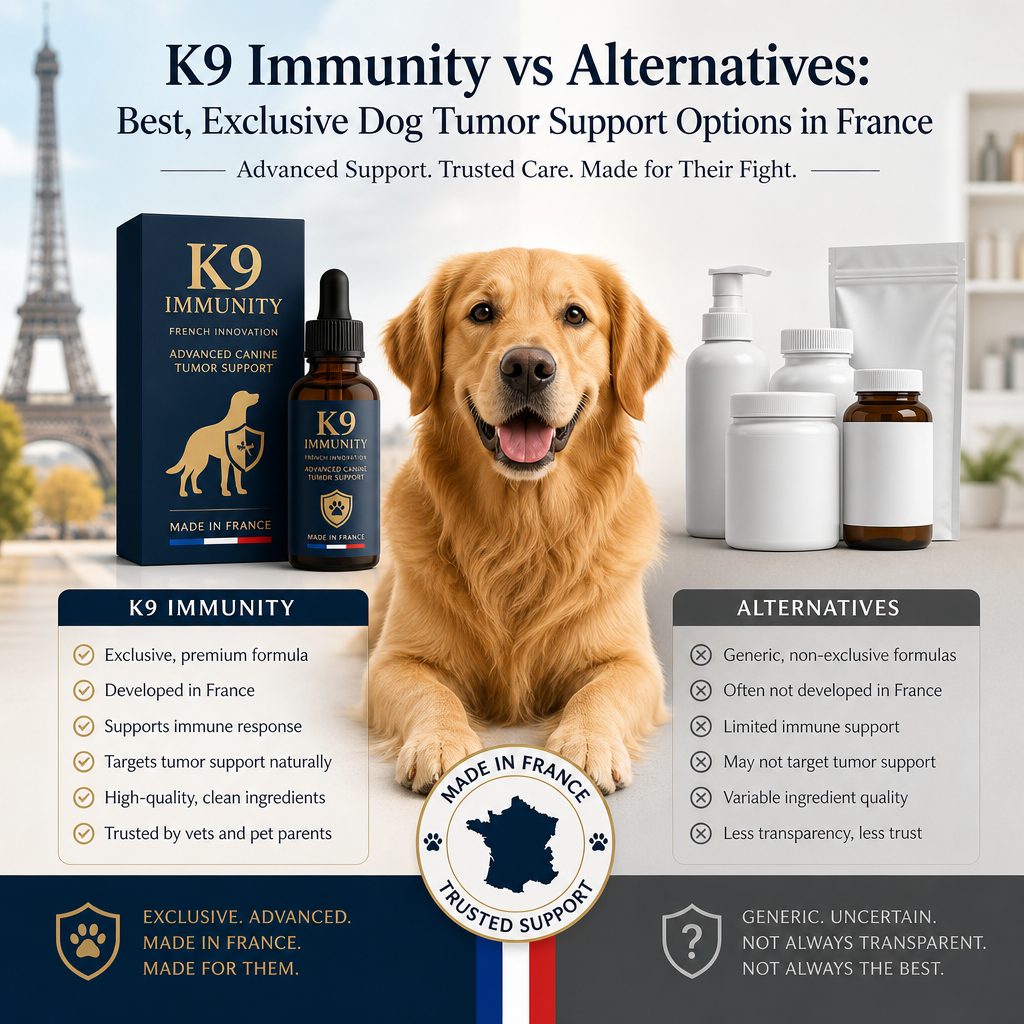
“Tumor support” can refer to several different goals. Some owners are looking for help maintaining appetite and body weight, while others want to support normal immune function, energy, digestion, or recovery during treatment. A responsible plan begins by identifying the dog’s actual needs rather than choosing a supplement based only on marketing claims.
Veterinary support may include:
– Pain and nausea management
– Nutritional support and appetite assistance
– Treatment of infections or inflammation
– Surgery, chemotherapy, radiotherapy, or targeted treatment
– Monitoring of bloodwork and organ function
– Carefully selected complementary supplements
The appropriate approach depends on the tumor type, its location, stage, treatment plan, and the dog’s age and overall health. A supplement that is tolerated by one dog may be unsuitable for another, particularly when liver disease, kidney disease, bleeding risk, or medication interactions are involved.
Many owners search for a simple answer, but dog tumor care is rarely simple. A dog with mild digestive upset may need a very different plan from a dog that is losing muscle mass, and both may differ again from a dog preparing for surgery. This is why K9 Immunity vs alternatives should be viewed through the lens of the dog’s current medical priorities, not as a one-size-fits-all decision.
In practice, the most useful support options often address the most immediate problem first. If a dog is nauseated, controlling nausea may matter more than adding another supplement. If appetite is low, getting enough calories may matter more than choosing between two immune products. This sequence helps owners avoid piling on products that sound helpful but do not meet the dog’s real needs.
When owners review K9 Immunity vs alternatives, they should also ask whether the plan supports comfort, stability, and monitoring. A measured approach is usually better than making several changes at once, because it becomes easier to see what is actually helping.
K9 Immunity vs Alternatives: what is being compared?
K9 Immunity is commonly discussed as a canine immune-support product associated with medicinal mushroom ingredients and other nutritional compounds. The exact formulation, dosage, manufacturing standards, and availability may vary by market, so owners should check the current product label and consult a veterinary professional before use.
When comparing K9 Immunity vs alternatives, it is useful to examine five factors:
1. Ingredient transparency: Are the active ingredients and amounts clearly listed?
2. Product quality: Is there evidence of consistent manufacturing, testing, and contamination control?
3. Veterinary compatibility: Could the formula interact with prescribed medication or affect surgery and chemotherapy?
4. Practical suitability: Can the dog tolerate the product, and is the dosage realistic?
5. Evidence and expectations: Does the product make reasonable support claims rather than promising to cure cancer?
The strongest choice is not necessarily the most expensive or the most heavily advertised. It is the option that fits the dog’s veterinary plan, has clear labeling, and can be monitored safely.
Owners in France often compare commercial immune-support products against a more conservative approach: using only what is needed, when it is needed, and with enough information to judge whether it is helping. That approach can be especially important when a dog is already taking multiple medications or undergoing active treatment.
When K9 Immunity vs alternatives is discussed online, the conversation can sound more decisive than the science really is. A supplement may be popular, but popularity is not proof of benefit. Likewise, a lower-cost product is not automatically inferior if it is transparent, well tolerated, and appropriate for the dog’s condition.
It is also worth remembering that K9 Immunity vs alternatives is not only a debate about ingredients. It is also about whether the owner can realistically track response, side effects, and compatibility with the rest of the care plan. That practical question often matters more than the branding.
Medicinal mushroom / immune support
Medicinal mushroom / immune support products often contain extracts from mushrooms such as turkey tail, reishi, maitake, shiitake, or cordyceps. These mushrooms contain compounds, including beta-glucans, that have attracted scientific interest because of their potential effects on immune signaling and inflammation.
However, laboratory findings do not automatically prove that a supplement will shrink a tumor or extend a dog’s life. Research in veterinary oncology is still developing, and studies may involve specific extracts, doses, or tumor types that do not apply to every commercial product. Whole mushroom powders, concentrated extracts, and blended formulas can have very different chemical profiles.
Owners should also be cautious with products that use broad claims such as “boosts immunity” or “kills cancer cells.” The immune system is complex, and stimulating immune activity is not always appropriate. Dogs receiving immunomodulating drugs, corticosteroids, chemotherapy, or other treatments require individualized advice.
A practical way to evaluate this category is to ask whether the product tells you exactly what it contains and why those ingredients were chosen. If the label is vague, the support claim is broad, or the company cannot explain quality control, the product deserves skepticism. That is true even when the product is presented as a natural option.
Some owners are drawn to mushroom-based formulas because they seem holistic and familiar. But “natural” products can still vary widely in purity, strength, and safety. In the context of K9 Immunity vs alternatives, the difference may come down less to the source of the ingredient and more to how well the product is manufactured, dosed, and matched to the dog’s treatment plan.
For evidence-informed readers, an educational starting point is the National Center for Complementary and Integrative Health’s overview of medicinal mushrooms, which explains that research is still evolving and that safety and interaction questions remain important: Medicinal Mushrooms: What You Need To Know.
For some dogs, the phrase K9 Immunity vs alternatives can be simplified further: the question is whether a mushroom-based product adds anything meaningful beyond a carefully monitored treatment plan. If the answer is unclear, conservative support may be the better choice.
Comparing supplements with nutritional support
One alternative to a mushroom-based product is a veterinary nutrition plan. Nutrition does not treat cancer directly, but maintaining adequate calories, protein, hydration, and essential nutrients can be valuable during illness. Some dogs experience appetite loss, vomiting, diarrhea, difficulty chewing, or increased metabolic demands. In these cases, a complete and palatable diet may provide more practical benefit than adding several untested supplements.
Veterinary nutritionists can help select food based on the dog’s condition. The plan may include a therapeutic diet, calorie-dense meals, feeding adjustments, or appetite support prescribed by a veterinarian. Homemade diets should not be improvised, because nutritional imbalances can develop quickly, especially when a dog is already ill.
This is one of the most important points in any K9 Immunity vs alternatives comparison: a product that sounds specialized may still be less useful than a well-built nutrition strategy. If the dog is losing weight, refusing food, or struggling to digest meals, then feeding support often deserves priority.
Owners can also monitor changes more easily with nutrition than with many supplements. Appetite, stool quality, weight, and energy provide practical clues about whether the plan is working. That feedback can help veterinarians adjust the diet faster and more safely than trial-and-error supplement stacking.
In some cases, nutritional support may also include omega-3 fatty acids or highly digestible diets if the veterinarian thinks those additions are appropriate. Even then, the focus should remain on tolerance, consistency, and the dog’s overall treatment goals rather than on the number of products used.
When evaluating K9 Immunity vs alternatives, nutrition is often the baseline against which every other support option should be judged. If the dog’s food intake is poor, no supplement can compensate for inadequate calories for long.
Herbal and antioxidant alternatives
Herbal products, omega-3 fatty acids, probiotics, and antioxidant formulas are also marketed among dog tumor support options. Some may help address specific concerns, such as gastrointestinal function or dietary support, but they should be evaluated individually.
Antioxidants deserve particular care during chemotherapy or radiotherapy. Although oxidative stress can contribute to cellular damage, some cancer treatments rely partly on oxidative mechanisms. This does not mean antioxidants are always inappropriate; it means timing, dose, and treatment type matter. The veterinary oncologist should approve any supplement used during active treatment.
Herbal products can also affect blood clotting, blood pressure, sedation, liver enzymes, or drug metabolism. “Natural” does not mean risk-free, and products intended for humans may contain ingredients or concentrations unsuitable for dogs.
When comparing K9 Immunity vs alternatives in this category, the key question is whether the product addresses a real need. For example, a probiotic may be useful if a dog has digestive upset, while a calming herbal blend may be irrelevant or even unhelpful if the dog’s main issue is poor appetite. Matching the product to the symptom is more meaningful than using a broad “immune” label as the deciding factor.
It is also wise to avoid combining multiple products that overlap in ingredients. Stacking several formulas can accidentally increase the dose of the same herb or antioxidant, making side effects harder to identify. A simple plan is easier to review, easier to stop if needed, and easier for the veterinary team to evaluate.
Some owners ask whether a human supplement can be adapted for a dog. The safe answer is usually no unless a veterinarian specifically approves it. Human products may differ in sweeteners, flavorings, dosing, and inactive ingredients that are not appropriate for pets.
That is why K9 Immunity vs alternatives should not be reduced to a single “best supplement” claim. The better question is which option is least risky and most useful for the dog’s current symptoms, medications, and treatment phase.
Additional options worth discussing with your veterinarian
Beyond mushroom-based formulas and general immune blends, several other dog tumor support options may be considered in France depending on the case. These should always be selected with veterinary guidance, because the right choice depends on the diagnosis, treatment stage, and the dog’s tolerance.
Possible discussions may include:
- Appetite support: helpful when nausea or early satiety reduces food intake
- Digestive support: useful if treatment affects stool quality or gut comfort
- Weight-maintenance strategies: important for dogs losing muscle mass
- Pain-control adjustments: often more valuable than adding a new supplement
- Hydration support: may improve comfort and recovery in select cases
- Prescription oncology support: when the veterinarian recommends a specific medical product rather than a general supplement
These choices can be more practical than chasing a single product promise. In many cases, K9 Immunity vs alternatives becomes less about a brand-name supplement and more about deciding whether the dog needs symptom relief, nutrition help, or a carefully supervised adjunct to treatment.
Owners sometimes overlook the value of reassessment. A support option that made sense at diagnosis may no longer be the best fit after surgery, after a treatment cycle, or if the dog’s appetite changes. Rechecking the plan keeps care aligned with the dog’s current needs.
Safety and regulatory considerations in France
In France, owners should distinguish between a complementary feed, a nutritional supplement, and a veterinary medicinal product. These categories may have different requirements for labeling, approved claims, quality control, and veterinary oversight. A product sold online may not meet the same standards as one distributed through a regulated veterinary channel.
Before purchasing, check:
– The full ingredient list and quantities
– Batch or lot information
– Manufacturer contact details
– Expiration date and storage instructions
– Recommended canine dosage
– Warnings and contraindications
– Whether the product is intended for dogs rather than humans
– Independent quality testing, where available
Be particularly cautious with imported products, unclear dosage instructions, exaggerated testimonials, and promises of guaranteed tumor reduction. Discuss the product with a French veterinarian, veterinary oncologist, or veterinary pharmacist who understands the dog’s diagnosis and current medications.
It is also important to consider the timing of supplements around procedures. Some ingredients can influence clotting or anesthesia risk, while others may affect liver metabolism. If surgery is planned, the veterinary team should know about every supplement well before the procedure date.
Owners who are comparing K9 Immunity vs alternatives often benefit from a simple safety checklist: what is in the product, why is it being used, how will we know if it helps, and what side effects should trigger a stop? Those questions keep the conversation grounded in the dog’s welfare rather than in marketing language.
For practical guidance on product quality and pet supplement labeling, the U.S. Food and Drug Administration’s animal health pages are also useful background reading, especially when evaluating claims and ingredient transparency: FDA Animal & Veterinary.
In real-world care, K9 Immunity vs alternatives may also depend on availability and continuity. If a product is hard to source consistently, it can be difficult to assess whether the dog is responding well or simply experiencing fluctuations from inconsistent use.
How to make a responsible choice
A useful comparison starts with the dog’s treatment goals. For example, a dog struggling to maintain weight may need nutritional intervention, while a dog experiencing treatment-related nausea may benefit more from prescribed anti-nausea medication and hydration support. A mushroom extract may be considered only after these immediate needs are addressed.
Introduce only one new supplement at a time, unless the veterinarian provides a different plan. Keep a written record of the product, dose, start date, appetite, stool quality, energy, and any changes in medication. Stop the supplement and contact the veterinary team if the dog develops vomiting, diarrhea, facial swelling, breathing difficulty, unusual bleeding, marked lethargy, or worsening appetite.
If your veterinarian approves a supplement trial, set a review date in advance. That way, the decision is based on observed changes rather than hopes alone. A clear review point also makes it easier to discontinue products that are not helping.
Owners may find it helpful to define success before starting anything new. Success might mean better appetite, steadier weight, improved stool quality, or simply no negative interactions with treatment. These are realistic goals, and they make it easier to judge whether an option belongs in the care plan.
Ultimately, K9 Immunity vs alternatives is not a contest with one universal winner. The best dog tumor support options are those supported by transparent information, appropriate veterinary supervision, and realistic expectations. Complementary care can help improve comfort and quality of life for some dogs, but it should remain part of an integrated medical plan rather than a substitute for professional cancer treatment.
For many French dog owners, the smartest next step is a discussion with the veterinary team about whether a supplement is needed at all. In some cases, the right answer will be a carefully selected product; in others, it will be dietary support, symptom control, or simply close monitoring. That is why K9 Immunity vs alternatives should always be decided in the context of the whole case, not just the label on the bottle.
In summary, K9 Immunity vs alternatives should be treated as a careful medical decision rather than a brand comparison. The safest path is the one that supports the dog’s comfort, fits the treatment plan, and stays flexible as needs change. Before choosing, ask whether K9 Immunity vs alternatives is truly the best fit for the dog’s current condition, or whether a simpler, better-supported approach would serve the dog more effectively.
