by TCMVET | Nov 12, 2024 | Dog Cancer & Tumors
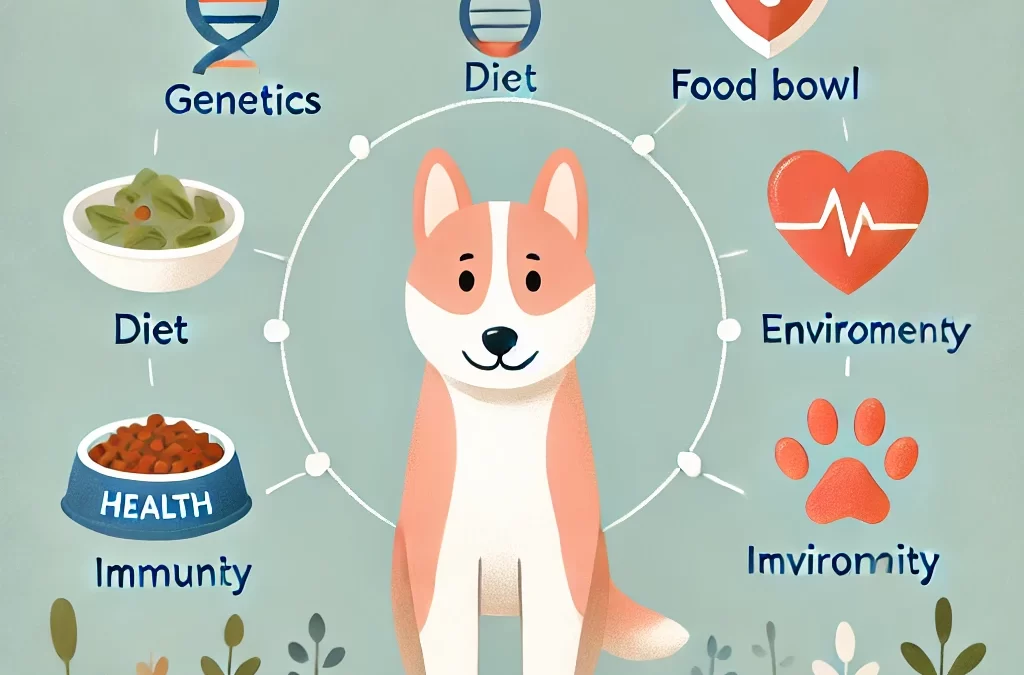
Cancer is one of the most challenging diseases for humans and pets alike, and it’s particularly heartbreaking when it affects our beloved dogs. But understanding why and how cancer develops in dogs can shed light on prevention and provide insight into early detection. While there’s no surefire way to prevent cancer, let’s explore the main contributing factors, emerging research, and ways we can help reduce risks.
1. Genetics: The Influence of Breed and Family History
Some breeds have a higher predisposition to cancer. For example, breeds like Golden Retrievers, Boxers, and Rottweilers are genetically inclined to develop certain cancers. Research suggests that inherited genetic mutations play a significant role in these tendencies. A study published in Canine Genetics and Epidemiology revealed that particular breeds have shared genetic traits that make them more susceptible to tumors. As a result, a dog’s lineage can increase its risk, meaning pet parents of certain breeds need to be extra vigilant with regular vet check-ups.
2. Environmental Factors: Carcinogens and Everyday Toxins
Dogs are exposed to environmental toxins just like humans. Common culprits include secondhand smoke, certain cleaning products, pesticides, and pollution. Dogs, with their close contact with floors and outdoor surfaces, can easily ingest or inhale harmful substances, unknowingly bringing toxins into their bodies. There is also mounting evidence that shows a direct correlation between exposure to specific carcinogens and increased cancer risks in dogs.
Actionable Insight: To minimize exposure, consider choosing natural cleaning products, avoiding smoking around pets, and ensuring your dog’s play areas are free from pesticides.
3. Diet: The Role of Nutrition in Cancer Prevention
What a dog eats can have profound effects on their health, influencing everything from immune function to cellular health. Poor-quality food, high in fillers and artificial additives, can contribute to cellular mutations and inflammation, potentially leading to cancer. On the other hand, a balanced diet rich in antioxidants, omega fatty acids, and natural proteins can support cellular repair and immune defenses.
Dietary Recommendation: Consider switching to high-quality, organic, or even home-cooked meals tailored to meet your dog’s nutritional needs. Always consult with a veterinarian for guidance on the best diet.
4. Hormonal Influences and Reproductive Health
Hormones are powerful chemical messengers in the body, and they can influence tumor growth. Studies have shown that spaying or neutering at the appropriate age can reduce the risk of certain cancers, such as mammary or testicular cancers. However, the timing of these procedures is essential, as early spaying or neutering has been linked with an increased risk of other cancers, such as osteosarcoma.
Balanced Decision: Talk with your vet about the best time for spaying or neutering your dog, as timing may vary depending on breed and individual health.
5. Infections and Viruses
Certain infections and viruses are known to be carcinogenic. In dogs, viruses like the canine papillomavirus can cause warts that may develop into malignant tumors in rare cases. Additionally, infections that cause chronic inflammation can lead to cellular changes and mutations over time, potentially leading to cancer.
6. Aging: The Inevitable Factor
Age is one of the most significant risk factors for cancer in dogs. With improvements in veterinary care, dogs are living longer, and with age comes an increased likelihood of cancer. As a dog’s cells age, the mechanisms for repairing DNA damage can become less efficient, making it easier for cancerous mutations to occur.
Preventative Steps and Lifestyle Changes for a Healthier Life
While not all cases of cancer are preventable, certain lifestyle adjustments can help reduce risks. Here are some preventative measures that could promote long-term health:
- Routine Veterinary Care: Regular check-ups help detect any abnormal growths or early warning signs.
- Healthy Diet Choices: Choose food high in essential nutrients, free of artificial additives and fillers.
- Maintain a Clean Environment: Use non-toxic products and avoid exposing your dog to harmful chemicals.
- Exercise Regularly: Keeping your dog active supports a robust immune system, vital for fighting off diseases.
Conclusion: Knowledge as Our Best Defense
Understanding the factors that contribute to cancer in dogs can help us make informed choices and, where possible, reduce the risk. While genetics and age are beyond our control, we can take steps to ensure our dogs lead healthier, longer lives. By remaining vigilant, prioritizing quality care, and fostering a toxin-free environment, we can give our dogs the best chance at a cancer-free life.

by TCMVET | Nov 11, 2024 | Dog Cancer & Tumors
A diagnosis of a splenic tumor in a beloved dog can be heart-wrenching, as these tumors often pose a serious health risk. However, gaining an understanding of the types of splenic tumors, survival rates, and potential treatments can help dog parents make the best choices for their pet’s wellbeing. In this article, we’ll explore splenic tumors in dogs from a fresh perspective, focusing on the realities and options that can provide both clarity and hope.
1. What Are Splenic Tumors?
- Hemangiosarcoma: A malignant and aggressive tumor type, hemangiosarcoma is unfortunately common in canine spleens and often spreads rapidly to other organs.
- Hemangioma and Splenic Masses: Benign tumors and masses can also form on the spleen. Though these do not spread like hemangiosarcoma, they can rupture, leading to internal bleeding.
- Lymphoma: This type, arising in the lymphatic system, may also affect the spleen, adding complexity to the condition.
2. Recognizing Symptoms Early
- Subtle Symptoms: Splenic tumors are often asymptomatic until they reach an advanced stage. Symptoms may include lethargy, loss of appetite, and weight loss.
- Acute Crisis: In cases where the tumor ruptures, symptoms can escalate rapidly. Pale gums, collapse, abdominal swelling, and labored breathing may signal internal bleeding, requiring immediate veterinary attention.
3. Survival Rates and What They Mean
- Splenic Hemangiosarcoma: With hemangiosarcoma, the prognosis is often guarded due to its aggressive nature. Median survival rates with surgery alone can range from 2-3 months.
- With Chemotherapy: Combining surgery with chemotherapy can extend survival, sometimes offering 6-12 months, depending on the individual dog’s response.
- Benign Tumors and Masses: Survival rates for benign masses are considerably more optimistic, as surgical removal can often provide a complete solution without recurrence.
4. Exploring Treatment Options
- Surgical Intervention: Splenectomy, or removal of the spleen, is the most common treatment for splenic tumors. It can provide immediate relief from symptoms and prevent further complications from a ruptured mass.
- Chemotherapy: This is often recommended for malignant tumors like hemangiosarcoma to control the spread, though it may not be curative. Some dogs tolerate chemotherapy well, showing few side effects.
- Alternative Therapies: Many pet parents explore natural supplements like medicinal mushrooms, which may boost immune function. While these aren’t substitutes for surgery or chemotherapy, they can serve as complementary support.
5. Providing a Good Quality of Life
- Managing Pain and Comfort: Pain management is essential to ensure a good quality of life. Veterinarians often recommend pain relief medications or even acupuncture.
- Diet and Nutrition: Providing a balanced diet rich in antioxidants and immune-boosting supplements can support overall health, especially during treatment or recovery.
- Low-Stress Environment: Minimizing stress through a calm and familiar environment can make a big difference, helping your dog feel comfortable and secure.
6. Why There’s Still Hope
- Promising Research: Ongoing research into canine cancers, especially hemangiosarcoma, may lead to better treatments and outcomes.
- New Therapies: Immunotherapy and targeted treatments are in development, with some showing early promise in trials. Although these are not yet widely available, they offer hope for the future.
- Stories of Resilience: Many dogs with splenic tumors defy the odds and live longer than expected, especially with attentive care and timely treatment.
7. How to Support Your Dog’s Journey
- Veterinary Guidance: Building a strong relationship with your veterinarian is crucial. They can tailor a treatment plan and provide resources for managing your dog’s condition.
- Support Communities: Many online support groups exist for dog parents dealing with cancer, offering encouragement, advice, and shared experiences that can be incredibly uplifting.
Conclusion
Splenic tumors in dogs present unique challenges, but with prompt diagnosis, informed decisions, and compassionate care, many dogs maintain a good quality of life. While survival rates vary, staying proactive and hopeful can make all the difference. Remember, each journey is unique, and by supporting your dog through every step, you’re giving them the love and care they deserve.

by TCMVET | Nov 11, 2024 | Dog Cancer & Tumors
When dog parents discover a lump in their furry friend’s throat, it’s natural to feel concerned. While some lumps may be harmless, others could indicate serious health issues. This article dives into what these lumps might mean, how to identify the concerning signs, and proactive steps to take.
1. Why Do Lumps Develop in Dogs’ Throats?
- Common Causes: Benign growths, such as lipomas or cysts, are often harmless but can sometimes appear near the throat.
- Infections or Inflammation: Swollen lymph nodes could indicate an infection or immune response.
- Tumors: Both benign and malignant tumors can develop in the throat, affecting nearby tissues and organs.
2. Types of Lumps You Might Notice
- Lipomas: Soft and easily movable, usually painless.
- Lymphadenopathy: Swollen lymph nodes that feel firm and are often symmetrical.
- Malignant Tumors: Firm, fixed lumps that may cause discomfort or difficulty swallowing.
3. Recognizing Symptoms Beyond the Lump
- Difficulty Swallowing: This could be an indicator of growth affecting the esophagus or surrounding muscles.
- Coughing or Gagging: If the lump presses against the airway, it could cause respiratory symptoms.
- Change in Appetite or Weight Loss: A serious concern if combined with a persistent throat lump.
4. When Should You Be Concerned?
- Rapid Growth: If the lump grows quickly, it’s essential to have it checked by a veterinarian.
- Pain and Sensitivity: Discomfort or a change in behavior, such as shying away from touch, warrants a closer look.
- Other Symptoms: Unexplained lethargy, persistent coughing, or vocal changes can signal an underlying issue.
5. Diagnosis: What to Expect at the Vet
- Physical Examination: The vet will palpate the area to assess size, texture, and mobility.
- Imaging Tests: X-rays or ultrasound scans provide a view of the lump’s depth and proximity to other organs.
- Biopsy: The most definitive test, where a sample is taken and examined for abnormal cells.
6. Treatment Options
- Watchful Waiting: For benign lumps, the vet may suggest monitoring rather than immediate intervention.
- Surgical Removal: If the lump interferes with daily activities or poses a health risk, surgery is a common choice.
- Natural Supplements and Therapies: Anti-inflammatory supplements or herbal support can benefit some conditions.
- Chemotherapy or Radiation: For malignant tumors, vets may recommend oncology treatments.
7. Prevention and Monitoring
- Regular Check-ups: Routine vet visits can catch unusual growths early.
- Home Monitoring: Gently feel your dog’s throat and other areas for lumps. Keep a log if any changes occur.
- Healthy Diet and Supplements: Nutrient-rich foods and immune-boosting supplements may help reduce the risk of certain tumors.
Conclusion
While finding a lump in your dog’s throat can be unsettling, proactive care and understanding potential causes can bring peace of mind. Always consult a veterinarian for professional advice, and remember that not all lumps are dangerous. By staying vigilant, you’re taking the best steps toward ensuring your dog’s health and happiness.

by TCMVET | Nov 9, 2024 | Food & Health
When a dog receives a cancer diagnosis, pet owners are faced with a flurry of questions and concerns, including how to best support their dog’s health through diet. Proper nutrition plays a vital role in maintaining strength, supporting the immune system, and enhancing overall quality of life during this challenging time. This article explores unique and evidence-based approaches to feeding a dog with cancer.
The Importance of Tailored Nutrition for Dogs with Cancer
Cancer can change a dog’s metabolism and nutritional needs, making standard diets insufficient. A customized diet can help manage weight, maintain muscle mass, and provide the energy needed to fight the disease. Feeding a dog with cancer is about ensuring they receive nutrient-dense meals that support healing and vitality.
Key Nutritional Components to Consider
- High-Quality Protein: Cancer and its treatments often result in muscle wasting. Providing easily digestible, high-quality protein sources like lean meats, fish, and eggs can help maintain muscle mass.
- Healthy Fats: Omega-3 fatty acids, such as those found in fish oil, flaxseed, and krill oil, are known for their anti-inflammatory properties and may slow the growth of cancer cells. These fats can serve as a primary energy source, as cancer cells rely heavily on glucose.
- Low Carbohydrate Intake: Since cancer cells thrive on glucose, reducing carbohydrate intake can potentially slow down their growth. Instead, aim for complex carbohydrates with a low glycemic index if needed, such as certain vegetables.
- Antioxidants: Incorporate foods rich in antioxidants, such as blueberries, spinach, and kale. Antioxidants help neutralize free radicals and support the immune system.
- Essential Vitamins and Minerals: Zinc, selenium, and vitamins C and E can contribute to immune health and combat oxidative stress.
Innovative Diet Ideas for Dogs with Cancer
1. Homemade Anti-Cancer Diet
Creating a balanced homemade diet allows for complete control over the ingredients and nutritional profile. A suggested recipe might include:
- Lean protein: Boiled chicken or turkey.
- Healthy fats: Drizzle with fish oil.
- Vegetables: Lightly steamed broccoli, kale, or carrots for added vitamins.
- Supplements: Consider adding a canine multivitamin or probiotics for gut health.
2. Commercial Cancer-Specific Dog Foods
There are high-quality commercial dog foods designed specifically for dogs with cancer. Look for formulas that emphasize low carbohydrates, high protein, and omega-3 fatty acids. Ensure that any commercial option meets the Association of American Feed Control Officials (AAFCO) standards for complete and balanced nutrition.
Foods to Avoid
- High-Sugar Treats: Sugary snacks and high-carb foods can provide energy to cancer cells, which thrive on glucose.
- Highly Processed Foods: These foods often contain preservatives and additives that may be detrimental to a dog’s health.
- Toxic Foods: Avoid any known toxic foods, such as grapes, chocolate, onions, and garlic, as these can exacerbate health issues.
Integrating Holistic and Supportive Approaches
In addition to dietary changes, consider integrating supportive care such as:
- Herbal Supplements: Consult with a veterinarian knowledgeable in herbal medicine to explore supplements like turmeric (curcumin) or medicinal mushrooms such as reishi and maitake.
- Hydration: Ensure your dog stays well-hydrated. Broths made from chicken or bone broth can add essential minerals while encouraging fluid intake.
- Digestive Enzymes: These can aid in digestion and improve nutrient absorption, especially for dogs experiencing treatment-related digestive issues.
Final Thoughts
Feeding a dog with cancer requires a thoughtful and balanced approach that takes into account their changing nutritional needs. By focusing on high-quality proteins, healthy fats, reduced carbohydrates, and antioxidant-rich foods, pet owners can create a diet that supports their dog’s well-being and complements veterinary treatment. Always consult with a veterinarian before making significant changes to your dog’s diet to ensure it aligns with their individual needs and treatment plan.
A holistic, nutrient-rich approach to feeding can make a significant difference in maintaining your dog’s vitality and comfort during their battle with cancer. With the right dietary choices, you can provide meaningful support and care during their journey.
by TCMVET | Nov 9, 2024 | Food & Health
Cancer in dogs is a devastating diagnosis for pet owners, leading many to explore alternative and supportive treatments to enhance their beloved companions’ quality of life. One dietary approach that has been gaining attention is the ketogenic (keto) diet, which has been studied for its potential benefits in supporting dogs with cancer. This article will delve into what makes the keto diet distinctive, why it may be beneficial for dogs with cancer, and essential considerations for pet owners.
Understanding the Keto Diet
The keto diet is a high-fat, low-carbohydrate eating plan that shifts the body’s metabolism from relying on glucose (sugar) to ketones—compounds produced when fat is metabolized in the liver. In humans, this metabolic state, known as ketosis, has been linked to numerous health benefits, including weight loss and improved cognitive function. For dogs, the principles remain the same: reducing carbohydrate intake to starve cancer cells that thrive on glucose while supporting overall health through increased healthy fat consumption.
How the Keto Diet Impacts Cancer
Cancer cells have unique metabolic requirements; they typically rely on glycolysis—a process that breaks down glucose for energy—at a much higher rate than normal cells. By limiting carbohydrate intake and increasing fat consumption, the keto diet aims to deprive cancer cells of their preferred energy source while providing ketones that healthy cells can utilize for energy. This shift may slow down the growth of tumors, improve the dog’s energy levels, and support better overall health.
Benefits of a Keto Diet for Dogs with Cancer
- Reduced Inflammation: Healthy fats, such as omega-3 fatty acids found in fish oil, may help reduce inflammation in dogs, potentially easing the discomfort associated with cancer.
- Improved Energy Levels: Dogs with cancer often experience lethargy due to the disease and its treatments. Ketones can serve as an efficient fuel source for the body and brain, potentially boosting energy.
- Enhanced Immune Function: A diet rich in healthy fats and low in inflammatory carbohydrates can support a stronger immune system, helping the dog fight off secondary infections.
- Controlled Weight Management: Cancer treatment can lead to weight loss or gain. The keto diet’s high-fat composition can help maintain a stable weight, crucial for dogs undergoing treatment.
Considerations and Risks
While the keto diet may offer potential benefits, it is not without risks and should be carefully managed:
- Nutritional Balance: Ensuring that a dog receives a balanced diet while following a keto plan is essential. Consulting with a veterinarian or a veterinary nutritionist is crucial to avoid deficiencies.
- Pancreatitis Risk: Dogs predisposed to pancreatitis may not be suitable candidates for a high-fat diet. Close monitoring is necessary.
- Transition Period: Shifting a dog to a keto diet requires a gradual transition to avoid gastrointestinal distress. This process may take a few weeks as the body adapts to using ketones instead of glucose.
How to Implement a Keto Diet for Your Dog
If you are considering the keto diet for your dog with cancer, here are some tips to get started:
- Consult Your Veterinarian: This cannot be overstated. A professional will help determine if your dog is a good candidate for a keto diet and monitor their progress.
- Plan the Diet: Focus on high-quality, animal-based fats such as fish oil, chicken fat, and coconut oil. Include moderate amounts of protein and very low carbohydrates.
- Incorporate Supplements: Nutritional supplements like omega-3 fatty acids, vitamin E, and probiotics can complement the diet and enhance its benefits.
- Monitor Ketone Levels: Pet owners can use blood ketone meters to ensure their dog remains in a state of ketosis. This helps in adjusting the diet as needed.
Real-Life Success Stories
There have been anecdotal reports from pet owners who have observed positive changes in their dogs after switching to a keto diet. Improved energy levels, reduced tumor growth rates, and better overall vitality have been noted in some cases. While scientific studies on the subject are still emerging, the preliminary results and personal testimonials indicate that this approach may be worth exploring for canine cancer care.
Final Thoughts
The keto diet is not a cure for cancer, but it can be a powerful complementary tool in managing the disease. By providing an alternative energy source that may hinder cancer cell growth while nourishing healthy cells, the keto diet can play a role in a comprehensive treatment plan. Always work closely with veterinary professionals to create a safe and effective plan tailored to your dog’s unique needs. With thoughtful implementation and careful monitoring, the keto diet could offer hope and support for dogs battling cancer and their devoted owners.

by TCMVET | Nov 8, 2024 | Dog Cancer & Tumors
Dogs hold a cherished place in our lives, embodying loyalty, companionship, and boundless joy. However, certain breeds are genetically predisposed to cancer, making it a significant concern for many dog owners. Understanding which breeds are more susceptible to cancer and why can help owners be more vigilant and proactive in managing their pet’s health.
The Breeds at Higher Risk
While cancer can affect any dog, some breeds show a higher incidence due to their genetic makeup. Here are a few breeds known to be more prone to cancer:
- Golden Retrievers: One of the most beloved dog breeds, Golden Retrievers, unfortunately, have one of the highest cancer rates. Hemangiosarcoma and lymphoma are particularly common in this breed.
- Boxers: Known for their playful and energetic nature, Boxers are prone to developing mast cell tumors and lymphoma. Early detection and regular check-ups are crucial for this breed.
- Rottweilers: Rottweilers are susceptible to osteosarcoma, an aggressive type of bone cancer. Their large size and genetic predispositions make them particularly vulnerable.
- Bernese Mountain Dogs: This breed is admired for its gentle nature but has a high risk of histiocytic sarcoma. Owners should monitor for any unusual lumps or behavioral changes.
- German Shepherds: Renowned for their intelligence and loyalty, German Shepherds can develop hemangiosarcoma and other cancers. Their large size and genetic line contribute to their predisposition.
Understanding the Genetic Link
The genetic component plays a significant role in why certain breeds are more prone to cancer. Selective breeding, while often aimed at enhancing desirable traits, can inadvertently pass on genes that predispose dogs to various cancers. Genetic mutations, hereditary syndromes, and breed-specific predispositions are factors that contribute to the increased risk.
Recognizing the Signs
Early detection can make a significant difference in treatment outcomes. Here are some key symptoms owners should look out for:
- Unexplained weight loss
- Lethargy or decreased interest in activities
- Persistent lumps or growths
- Changes in eating or drinking habits
- Panting or difficulty breathing, especially at night
Preventive Measures and Proactive Care
While some cancers cannot be prevented, owners can take steps to reduce risks and promote overall health:
- Regular Veterinary Check-Ups: Routine visits can help catch potential issues early.
- Balanced Diet and Exercise: Maintaining a healthy weight and ensuring proper nutrition can support the immune system.
- Genetic Testing: For breeds with a high risk, genetic testing can provide insights into potential predispositions.
- Awareness of Breed-Specific Risks: Knowing the risks allows owners to be more observant and proactive in their care.
A Call for Research and Awareness
Ongoing research into canine cancer aims to better understand the genetic and environmental factors that contribute to these conditions. Awareness campaigns and funding for veterinary oncology are essential in advancing treatment options and preventive strategies.
Conclusion
Owning a dog from a breed that is prone to cancer does not mean inevitable heartache; rather, it emphasizes the importance of knowledge and preparedness. By understanding the risks, recognizing the signs, and maintaining proactive care, owners can provide their beloved companions with a higher quality of life and more precious moments together.

by TCMVET | Nov 8, 2024 | Dog Cancer & Tumors
Dogs hold a cherished place in our lives, embodying loyalty, companionship, and boundless joy. However, when a dog is diagnosed with cancer, the experience becomes an emotional and physical challenge, not just for the animal but for the owners as well. One often overlooked but significant symptom seen in dogs with cancer is panting at night. This behavior, subtle yet distressing, offers insights into the dog’s condition that may guide owners and veterinarians toward better care and management.
The Science Behind Panting
Panting is a natural behavior in dogs used primarily for regulating body temperature. However, when it becomes excessive or occurs at unusual times—such as during the night—it may signal underlying health concerns. In dogs with cancer, nighttime panting can stem from a variety of sources, including pain, anxiety, medication side effects, or disruptions in normal metabolic functions.
Unmasking the Causes
- Pain and Discomfort: Pain is one of the primary reasons a dog with cancer might pant more frequently at night. Certain types of cancer, such as osteosarcoma or aggressive tumors, can cause significant discomfort, which may worsen when the dog lies down or becomes less active.
- Medication Side Effects: Chemotherapy, pain management drugs, or corticosteroids often play a role in cancer treatment but can have side effects. Corticosteroids, for instance, may lead to increased thirst and panting as a result of hormonal changes in the body.
- Anxiety and Restlessness: Cancer can alter a dog’s behavior, leading to anxiety, especially at night when they are left to cope with discomfort in silence. The panting could be a manifestation of restlessness or unease as the dog struggles to find comfort.
- Metabolic Disruptions: Tumors and the associated cancer treatments can affect metabolic processes, leading to an increase in the dog’s respiratory rate. This disruption can trigger panting as the body attempts to maintain balance.
How to Identify When Panting is a Concern
While occasional panting is not necessarily alarming, recognizing patterns can help distinguish between normal behavior and a potential red flag. Owners should take note if the panting:
- Occurs almost exclusively at night
- Persists despite cooling measures, such as a fan or a cooler sleeping area
- Is accompanied by other symptoms such as whimpering, restlessness, or excessive thirst
Steps for Alleviating Nighttime Panting
- Pain Management: Consult your veterinarian about the most effective pain relief options. These may include adjusting the dosage or type of medication to ensure comfort without excessive side effects.
- Calming Techniques: Create a serene environment with minimal disturbances. Calming aids like dog-safe essential oil diffusers, soft music, or anxiety wraps can make a significant difference.
- Review Medication Plans: If panting seems to worsen after starting or changing a medication, discuss alternatives with your vet. Sometimes, minor adjustments can improve the dog’s nighttime comfort.
- Regular Check-Ups: Ensure consistent veterinary visits to monitor the progression of the disease and adjust care plans as needed.
Support Beyond the Symptoms
Nighttime panting is not just a symptom to address—it’s a communication from your dog that they may need extra support. Beyond medical interventions, fostering emotional well-being is vital. Gentle petting, talking to them in a soothing voice, and staying close by during difficult nights can be invaluable.
A Heartfelt Approach to Care
The journey with a dog diagnosed with cancer is unpredictable, filled with both hope and challenges. Addressing symptoms like nighttime panting requires patience, attention, and collaboration with your veterinary team. By understanding the underlying causes and responding with tailored strategies, you can create a more comfortable and loving experience for your cherished companion during this challenging time.

by TCMVET | Nov 8, 2024 | Dog Cancer & Tumors
Introduction
In the vast realm of veterinary medicine, certain conditions lurk in obscurity, eluding even the most seasoned practitioners. Splenic stromal sarcoma in dogs is one such enigma—a rare cancer originating from the connective tissue of the spleen. Unlike the more commonly diagnosed hemangiosarcoma, splenic stromal sarcoma remains a shadowy adversary, often undetected until it reaches an advanced stage.
Rethinking Diagnosis: Beyond the Conventional
Traditional diagnostic methods for splenic tumors rely heavily on imaging techniques like ultrasound and radiography, which may not distinguish stromal sarcomas from other splenic masses effectively. To revolutionize diagnosis:
- Molecular Imaging: Utilizing PET scans with specialized tracers can highlight metabolic activity specific to stromal sarcoma cells.
- Liquid Biopsies: Detecting circulating tumor DNA (ctDNA) in the bloodstream offers a non-invasive diagnostic avenue and real-time monitoring of tumor dynamics.
- Artificial Intelligence (AI): Implementing AI algorithms to analyze imaging data can enhance the detection and characterization of splenic masses, improving diagnostic accuracy.
Personalized Medicine: Tailoring Treatment to the Tumor
The heterogeneity of splenic stromal sarcoma necessitates individualized treatment strategies. Embracing personalized medicine involves:
- Genomic Profiling: Sequencing the tumor’s genetic material to identify mutations and aberrant pathways provides targets for tailored therapies.
- Targeted Therapies: Drugs designed to interfere with specific molecules involved in tumor growth can be more effective and less toxic than conventional chemotherapy.
- Immunotherapy: Stimulating the dog’s immune system to recognize and attack cancer cells offers a promising frontier, leveraging vaccines or checkpoint inhibitors.
Collaborative Research: Bridging Gaps in Knowledge
Advancing our understanding of splenic stromal sarcoma requires a concerted effort:
- Cross-Species Studies: Comparing canine stromal sarcomas with human counterparts can uncover common mechanisms and therapeutic targets.
- Veterinary Oncogenomics Consortia: Establishing collaborative networks to share data and resources accelerates research and fosters innovation.
- Clinical Trials: Encouraging participation in clinical trials expands treatment options for dogs and contributes valuable data to the scientific community.
Ethical Considerations and Owner Involvement
Innovative treatments and research endeavors must be balanced with ethical considerations:
- Informed Consent: Owners should be fully informed about the potential risks and benefits of novel diagnostics and treatments.
- Quality of Life Assessments: Prioritizing the well-being of the canine patient ensures that interventions align with compassionate care principles.
- Data Privacy: Safeguarding the genetic and medical data collected during research protects the privacy of both pets and owners.
Conclusion
Splenic stromal sarcoma in dogs challenges us to push the boundaries of veterinary medicine. By embracing advanced diagnostics, personalized therapies, and collaborative research, we can transform our approach to this rare cancer. This journey not only holds promise for improving outcomes in canine patients but also enriches the broader understanding of sarcomas across species.

by TCMVET | Nov 3, 2024 | Research and News
Cats are masters at hiding discomfort, making it challenging to spot health issues early. Recognizing subtle signs of illness can help you address problems before they become severe. This guide will walk you through the most common symptoms of illness in cats and what to do if you suspect your cat isn’t feeling well.
1. Changes in Appetite or Thirst
A noticeable change in eating or drinking habits is one of the first indicators that something may be wrong with your cat.
- Loss of Appetite: If your cat suddenly loses interest in food, it could signal gastrointestinal issues, infections, or dental problems.
- Increased Thirst: Cats with conditions like diabetes, kidney disease, or hyperthyroidism often drink more water than usual. If you notice your cat frequently at the water bowl, consult your vet.
2. Lethargy and Low Energy
Cats are known for sleeping long hours, but if your cat is less playful than usual or seems unusually tired, it could indicate illness. Common causes include infections, pain, and chronic diseases. Monitor their energy levels and take note of any significant changes in their behavior.
3. Vomiting or Diarrhea
While occasional vomiting may be normal for some cats, frequent vomiting or diarrhea can point to serious health issues, such as digestive disorders, poisoning, or infections. Persistent symptoms should be addressed promptly to prevent dehydration and ensure proper treatment.
4. Weight Loss or Gain
Sudden weight changes can be a sign of underlying health problems.
- Weight Loss: Cats with hyperthyroidism, cancer, or kidney disease often lose weight rapidly, even if they eat normally.
- Weight Gain: Unexpected weight gain may indicate hormonal imbalances or could lead to obesity, which increases the risk of other health issues.
5. Respiratory Symptoms
If your cat has difficulty breathing, wheezes, or coughs, it could signal respiratory infections, asthma, or other lung-related conditions. Sneezing and nasal discharge are also signs that your cat may need veterinary care.
6. Behavioral Changes
Cats that are unwell may hide more often, show aggression, or appear anxious. Additionally, a cat that stops grooming or becomes excessively vocal may be experiencing discomfort or pain. Pay attention to these behaviors, as they can often reveal more about your cat’s condition than physical symptoms alone.
7. Urination Issues
Changes in urination frequency, difficulty urinating, or blood in the urine can indicate urinary tract infections, kidney disease, or bladder stones. Urinary issues are particularly urgent for male cats, as a blocked urethra can be life-threatening.
8. Poor Coat Condition
A healthy cat’s coat is shiny and smooth. If your cat’s coat appears dull, matted, or greasy, it may be a sign of nutritional deficiencies, skin disorders, or illness. Cats that are unwell may also stop grooming, leading to a lackluster coat.
9. Bad Breath
Bad breath, or halitosis, in cats often points to dental problems, such as gum disease or tooth decay. Additionally, bad breath can be a symptom of kidney disease or diabetes, particularly if it’s accompanied by other symptoms like increased thirst or urination.
What to Do If You Suspect Your Cat Is Sick
If you observe any of these signs in your cat, it’s important to consult with your veterinarian. Early diagnosis and treatment can make a significant difference in managing your cat’s health.
- Monitor Symptoms: Keep track of any new behaviors or physical symptoms you notice.
- Visit the Vet: Make an appointment with your veterinarian for a thorough check-up and any necessary tests.
- Provide Comfort: Ensure your cat has a comfortable, quiet space to rest as they recover.
Cats may be stoic creatures, but paying attention to subtle signs of illness can help you catch health issues before they escalate. By being proactive about their well-being, you can ensure your feline companion stays happy and healthy.

by TCMVET | Nov 3, 2024 | Research and News
Secondhand smoke doesn’t just harm humans; it also poses significant health risks to pets, especially dogs. From respiratory issues to increased cancer risk, dogs exposed to cigarette smoke can suffer a range of health problems. In this article, we’ll explore the effects of secondhand smoke on dogs, the potential health risks, and how to protect your furry friends.
Why Secondhand Smoke is Dangerous for Dogs
Dogs are more susceptible to secondhand smoke than many realize. Their smaller size and frequent grooming habits increase their exposure to harmful chemicals. Unlike humans, dogs can’t escape or voice discomfort, making it crucial for pet owners to understand and mitigate these risks.
Health Risks of Secondhand Smoke for Dogs
- Respiratory Problems Secondhand smoke can irritate a dog’s respiratory system, causing symptoms like coughing, sneezing, and wheezing. Chronic exposure can lead to more severe conditions, including asthma and bronchitis. Dogs with preexisting respiratory issues are especially vulnerable.
- Increased Cancer Risk Studies have shown that dogs exposed to secondhand smoke face an elevated cancer risk. According to research from Colorado State University, breeds with shorter nasal passages, such as Pugs and Bulldogs, are more prone to lung cancer, as smoke particles are more likely to reach their lungs. Conversely, breeds with longer nasal passages, like Collies and German Shepherds, face a higher risk of nasal cancer, as smoke particles infiltrate the nasal cavity.
- Bladder Cancer: A study from Purdue University found that dogs exposed to cigarette smoke have a sixfold increased risk of bladder cancer. Toxic particles from smoke can settle in the bladder, increasing the likelihood of malignant cell formation.
- Eye Irritation Dogs frequently exposed to smoke may experience eye irritation, redness, and even tearing. This discomfort can cause excessive pawing at their eyes, which may lead to further irritation or infection.
- Skin Conditions Harmful chemicals in cigarette smoke don’t just affect a dog’s lungs or nasal passages; they also settle on their fur and skin. Dogs that groom themselves can ingest these chemicals, potentially leading to skin conditions like dermatitis and fur irritation.
- Cardiovascular Issues Exposure to secondhand smoke can increase a dog’s risk of heart disease. Just as with humans, smoke can damage the cardiovascular system, contributing to heart-related health issues over time.
How to Protect Your Dog from Secondhand Smoke
The best way to protect your dog from the harmful effects of secondhand smoke is to maintain a smoke-free environment. Here are a few practical steps:
- Avoid Smoking Indoors: Smoking indoors can lead to lingering smoke particles in carpets, furniture, and other surfaces that can continue to harm pets even after smoking stops.
- Establish Smoke-Free Zones: Designate specific smoking areas away from your dog, preferably outdoors.
- Clean and Ventilate: Regularly vacuum and clean your home to reduce the accumulation of smoke residue. Open windows and use air purifiers to improve indoor air quality.
- Practice Good Hygiene: If you smoke, wash your hands and change your clothing before interacting closely with your dog to minimize their exposure to lingering toxins.
Secondhand smoke poses serious health risks to dogs, from respiratory issues to cancer and cardiovascular problems. By understanding these dangers and taking preventive measures, pet owners can create a safer, healthier environment for their furry companions. Prioritizing a smoke-free home is one of the best ways to safeguard your dog’s well-being.

by TCMVET | Nov 3, 2024 | Cat Cancer & Tumors
Skin tumors are a concern for many pet owners, especially as cats age. Among the various types of skin growths, basal cell tumors are some of the most common in cats. Thankfully, most basal cell tumors are benign and manageable. In this article, we’ll explain how to recognize potential skin tumors, provide insights into basal cell tumors, and discuss practical steps for pet owners to ensure their cat’s well-being.
Understanding Skin Tumors in Cats
The skin is a cat’s largest organ, composed of multiple layers with various cell types. Tumors can arise when cells grow abnormally, creating masses that are either benign or malignant. Basal cell tumors, originating from the skin’s basal layer, are one of the more common types found in cats and are typically non-cancerous.
Signs of Skin Tumors in Cats
Regularly inspecting your cat’s skin can help you detect any unusual growths early. Here are some key signs that may indicate a skin tumor:
- Lumps or Bumps: Any new lumps on your cat’s skin should be noted. Basal cell tumors often feel firm and can range in size.
- Skin Discoloration: Although rare, some tumors may appear slightly darker than surrounding skin.
- Localized Hair Loss: If the fur around the lump begins to thin, this could be a sign of irritation or growth activity.
- Changes in Skin Texture: Tumors may cause the skin to feel rough or textured in the affected area.
What Causes Basal Cell Tumors in Cats?
The exact causes of basal cell tumors are not well understood, but certain factors may increase the likelihood of development:
- Age: Basal cell tumors are more common in older cats.
- Genetics: Some breeds are predisposed to certain types of skin growths.
- Environmental Factors: Exposure to irritants or extended periods in sunlight may play a role in skin changes.
Treatment Options for Basal Cell Tumors
The treatment of basal cell tumors generally involves surgical removal. This is typically a simple procedure for benign tumors, with minimal risks. However, if the tumor is malignant, additional treatments may be necessary:
- Surgical Removal: Most benign basal cell tumors can be fully removed, with little chance of recurrence.
- Post-Surgery Care: Keeping the surgical site clean and preventing your cat from licking the area are essential for healing.
- Follow-Up Visits: Regular check-ups after surgery are important to ensure the tumor does not recur and the area heals well.
Recovery and Home Care Tips
After surgery, most cats recover quickly with appropriate care:
- Limit Activity: Reduce your cat’s physical activity for a few days to avoid straining the surgery site.
- Monitor the Incision: Check for any signs of redness or swelling that may indicate infection.
- Avoid Licking or Scratching: Use a protective collar if necessary to prevent your cat from irritating the area.
Long-Term Outlook for Cats with Basal Cell Tumors
Cats with benign basal cell tumors have an excellent prognosis, and surgery usually resolves the issue. Even if your cat develops a basal cell tumor, this does not necessarily mean they will develop additional tumors in the future. However, routine skin checks and regular veterinary visits can help ensure any new growths are identified and treated early.
When to Consult Your Vet
If you notice any type of growth on your cat, it’s best to schedule a veterinary visit. While many skin tumors are benign, early assessment and treatment are always beneficial. Your veterinarian can recommend the best course of action and ensure that your cat remains healthy and comfortable.
Skin tumors, including basal cell tumors, are common in cats but often manageable. By staying vigilant about your cat’s skin health and seeking early treatment, you can help ensure they enjoy a healthy and happy life. Regular check-ups and prompt care can make all the difference when it comes to managing skin conditions in cats.

by TCMVET | Nov 3, 2024 | Cat Cancer & Tumors
Basal cell tumors are among the most common skin tumors found in cats, comprising roughly 25% of all cases. While many of these tumors are benign and manageable, understanding the differences between benign and malignant types is essential for ensuring your cat’s well-being. This article covers the causes, symptoms, treatment, and outlook for cats with basal cell tumors, providing helpful insights for cat owners.
What Are Basal Cell Tumors in Cats?
The cat’s skin, or epidermis, consists of multiple layers. The bottom layer, known as the basal layer, contains basal cells responsible for producing new skin cells. A basal cell tumor occurs when these cells, or related structures like hair follicles and sweat glands, begin to grow abnormally.
Types of Basal Cell Tumors in Cats
There are two main types of basal cell tumors in cats:
- Benign Basal Cell Tumors: These tumors are the most common and generally do not spread to other parts of the body. They may form a small, raised lump on the skin, which is easy to remove if necessary.
- Malignant Basal Cell Tumors (Carcinomas): Although very rare, some basal cell tumors can be malignant, growing aggressively and potentially spreading (metastasizing) to other areas.
Causes of Basal Cell Tumors
The exact cause of basal cell tumors in cats is not fully understood. Factors that may contribute include:
- Genetics: Certain breeds may be more predisposed to developing basal cell tumors.
- Environmental Exposure: Prolonged sun exposure and other environmental factors might contribute to skin cell abnormalities.
- Aging: Basal cell tumors are often found in older cats, suggesting a link with aging.
Symptoms of Basal Cell Tumors in Cats
Basal cell tumors typically appear as small, firm lumps on the cat’s skin, often in areas covered by fur. Common signs to look for include:
- Raised Bumps or Lumps: Basal cell tumors usually present as raised, round lumps on the skin.
- Smooth or Ulcerated Surface: The tumor surface may be smooth or ulcerated, depending on the type and severity.
- Color Changes: Tumors can vary in color, from pink to darkly pigmented areas.
- Hair Loss: Hair loss around the tumor area is common.
Diagnosing Basal Cell Tumors
A veterinarian may perform a physical examination and suggest further diagnostic tests, including:
- Fine Needle Aspiration (FNA): A sample of cells is extracted from the tumor and examined under a microscope.
- Biopsy: A small piece of the tumor is removed for closer analysis.
- Imaging: In cases where malignancy is suspected, imaging (X-rays or ultrasounds) may be used to determine if the tumor has spread.
Treatment Options for Basal Cell Tumors in Cats
Treatment depends on whether the tumor is benign or malignant:
- Surgical Removal: Most benign basal cell tumors can be surgically removed. This simple procedure often resolves the issue without complications.
- Radiation Therapy: In rare cases of malignant basal cell carcinoma, radiation therapy may be recommended to target cancerous cells.
- Regular Monitoring: If the tumor is benign and not causing discomfort, regular monitoring might be an option, allowing pet owners to avoid surgery.
Prognosis for Cats with Basal Cell Tumors
The outlook for cats with basal cell tumors is generally favorable. Most basal cell tumors are benign, easy to remove, and unlikely to spread. However, in the rare case of malignancy, early diagnosis and treatment significantly improve the prognosis.
Preventive Tips for Basal Cell Health
While preventing basal cell tumors outright may not be possible, a few measures can help:
- Limit Sun Exposure: Excessive sun exposure can damage skin cells, so limiting a cat’s time in direct sunlight may help.
- Regular Check-Ups: Routine veterinary visits can help detect skin tumors early and ensure timely intervention if needed.
- Monitor Skin Changes: Keeping an eye on any new lumps, bumps, or skin changes can lead to early detection and treatment.
Basal cell tumors are relatively common in cats, but fortunately, most are benign and manageable. By understanding the symptoms, causes, and treatment options, cat owners can take proactive steps to ensure the health and comfort of their feline companions.

by TCMVET | Nov 3, 2024 | Cat Cancer & Tumors
Cats may experience issues with their anal glands that are often overlooked due to the discrete nature of this area. Although anal gland cancer is rare in cats, understanding basic anal gland health is essential for preventing discomfort and addressing any complications early. This article covers the function of anal glands, common problems, symptoms to watch for, and effective ways to manage and maintain a cat’s anal gland health.
What Are Anal Glands and Why Do Cats Have Them?
Anal glands are two small sacs located just inside a cat’s anal opening. These glands produce a strong-smelling liquid that serves as a natural marker, helping cats communicate through scent. When a cat has a bowel movement, the pressure releases a small amount of this liquid from the glands. Healthy anal glands function naturally without any intervention, but issues can arise when the glands are unable to empty properly.
Common Anal Gland Issues in Cats
While many cats never experience problems with their anal glands, some may face complications, such as blockages or infections. Although more typical in dogs, cats can also develop impacted anal glands or even rare cases of anal gland cancer. Key issues to look out for include:
- Impacted Anal Glands: If the glands do not empty naturally, they can become clogged, causing discomfort.
- Infected Glands: A bacterial infection may develop within the anal sacs, resulting in swelling and pain.
- Tumors: Anal gland adenocarcinoma, though rare, is a form of cancer that originates in the anal glands.
Symptoms of Anal Gland Problems in Cats
Recognizing the signs of anal gland issues early can prevent pain and more serious complications. Symptoms of anal gland issues include:
- Scooting or Dragging the Rear: Cats with discomfort in their anal area may drag their rear across surfaces to relieve irritation.
- Excessive Licking or Biting: If the anal glands are impacted or infected, a cat may constantly lick or bite at the area around its tail.
- Swelling or Redness: Physical signs like swelling or redness near the anus may indicate an infection or blockage.
- Changes in Stool: Difficulty passing stool or unusual straining could point to a blockage or swelling in the anal region.
How to Manage and Maintain Anal Gland Health in Cats
Though anal gland problems in cats are relatively uncommon, knowing how to manage them can help keep your cat comfortable and avoid more serious health issues. Here are some steps for maintaining anal gland health:
- Regular Check-ups: Routine veterinary visits are key to catching any potential problems with your cat’s anal glands before they escalate.
- Dietary Adjustments: Ensuring that your cat has a balanced diet with adequate fiber can promote healthy digestion and regular bowel movements, which may help the glands empty naturally.
- Watch for Warning Signs: If you notice your cat scooting or showing other signs of discomfort, consider consulting your veterinarian for a check-up.
Treatment for Anal Gland Complications
When problems do arise, veterinarians have several treatment options for anal gland complications:
- Manual Expression: For mild cases, a veterinarian may manually express the glands to relieve pressure.
- Antibiotics: If an infection is present, a course of antibiotics may be prescribed to clear it up.
- Surgery: In rare cases where tumors are detected, surgical removal may be necessary. Early detection and removal are critical in managing health and improving outcomes.
Prevention Tips for Anal Gland Health
Maintaining your cat’s anal gland health doesn’t have to be complicated. Simple preventive steps can make a big difference:
- Keep an Eye on Litter Box Habits: Changes in defecation or stool consistency can indicate potential anal gland issues.
- Encourage Regular Exercise: Keeping your cat active can promote digestive health, which indirectly benefits anal gland function.
- Maintain a Healthy Weight: Overweight cats may be more prone to anal gland complications, so proper weight management is essential.
Anal gland health is an often overlooked part of caring for cats, yet it plays an important role in their comfort and wellbeing. By understanding how the anal glands function and recognizing signs of issues, cat owners can take proactive steps to ensure their cats live healthy and comfortable lives.

by TCMVET | Nov 2, 2024 | pet Chinese herbal medicine
Nasal adenocarcinoma is a common type of cancer in senior dogs, especially around ten years of age. This cancer originates in the nasal passages and sinus areas, leading to symptoms that impact breathing and comfort. While conventional treatments like radiation and surgery may help manage the disease, natural remedies and supportive care at home can further enhance your dog’s quality of life.
Symptoms of Nasal Adenocarcinoma in Dogs
Nasal adenocarcinoma in dogs often goes undiagnosed until symptoms become noticeable. Key signs of nasal cancer to watch for include:
- Chronic nasal discharge (often with blood or mucus)
- Frequent sneezing and congestion
- Facial swelling around the nose or eyes
- Noisy breathing due to obstructed airways
- Pawing at the nose or face, signaling discomfort
If your dog shows these symptoms, prompt veterinary evaluation can help in diagnosing the condition and planning an appropriate treatment approach.
Herbal Remedies to Complement Traditional Care
Integrating herbal remedies with conventional treatment can provide natural support for dogs with nasal adenocarcinoma. Here are some herbs that may help alleviate symptoms, reduce inflammation, and support immune health:
- Turmeric (Curcuma longa): With its anti-inflammatory properties, turmeric may help relieve nasal congestion and support overall immune health. It’s often used as a supplement in small amounts in food.
- Mullein (Verbascum thapsus): Known for its respiratory benefits, mullein can help soothe the respiratory system, making breathing more comfortable for dogs with nasal issues.
- Green Tea Extract: Rich in antioxidants, green tea extract may offer cellular support and potentially slow the growth of cancer cells. This extract should be used carefully and under veterinary guidance due to its potency.
- Burdock Root (Arctium lappa): Burdock is known for its detoxifying and immune-supportive properties, which can support the body’s natural defenses and help manage discomfort.
- Skullcap (Scutellaria baicalensis): This herb is used in traditional Chinese medicine for its anti-inflammatory properties and is thought to support immune health, making it beneficial for dogs with respiratory or inflammatory conditions.
Practical Tips for Adding Herbal Remedies Safely
When introducing herbal supplements, always consult with a veterinarian experienced in herbal medicine, as some herbs may interfere with other treatments. Here are a few safe practices:
- Start with small amounts to test tolerance and gradually increase as recommended.
- Opt for high-quality, dog-safe products from reputable sources.
- Monitor for any adverse reactions such as gastrointestinal upset or changes in behavior.
Creating a Comfortable Environment for Dogs with Nasal Cancer
A cozy, supportive environment can help ease the symptoms of nasal adenocarcinoma:
- Maintain Clean Air: Use an air purifier to minimize dust, dander, and allergens that might irritate your dog’s nasal passages.
- Hydration and Nutrition: Fresh water and a nutrient-rich diet can improve overall health and resilience.
- Gentle Physical Activity: Short, mild exercise sessions can help keep your dog active without overtaxing their breathing.
A Holistic Approach to Canine Cancer Care
By combining conventional treatments with natural remedies and a calming home environment, you can enhance your dog’s comfort and help them live with dignity. With attentive care and a blend of therapies, senior dogs with nasal adenocarcinoma can enjoy a higher quality of life and feel more supported throughout their journey.

by TCMVET | Nov 2, 2024 | Dog Cancer & Tumors
Nasal adenocarcinoma is a type of cancer most commonly found in the nasal passages and sinus areas of older dogs. It tends to grow aggressively in these areas, causing discomfort and respiratory issues, although it rarely spreads to other parts of the body. When it does metastasize, it usually affects the nearby lymph nodes, lungs, or brain. Dogs generally develop nasal tumors at a higher rate than cats, with most cases diagnosed around 10 years of age.
Common Symptoms of Nasal Adenocarcinoma in Dogs
Early detection of nasal adenocarcinoma is essential for effective management. Since this cancer primarily affects the nasal passage, it often causes symptoms that can be mistaken for other respiratory conditions. Key signs to watch for include:
- Persistent nasal discharge (often one-sided, with potential for blood or mucus)
- Sneezing and noisy breathing
- Swelling around the nasal area or eyes
- Increased nasal congestion or difficulty breathing
- Frequent nose-pawing due to irritation
Any of these symptoms that persist or worsen over time should prompt a visit to the veterinarian for further evaluation.
Diagnosis of Nasal Adenocarcinoma
Veterinarians typically start with a physical examination and then may recommend imaging tests like X-rays, CT scans, or MRI scans to get a clear view of the tumor’s location and size. If nasal adenocarcinoma is suspected, a biopsy may be performed to confirm the diagnosis and understand the tumor’s nature.
Treatment Approaches for Nasal Adenocarcinoma
While nasal adenocarcinoma is challenging to treat, certain therapies can help slow its growth an
- Radiation Therapy: The most common treatment for nasal adenocarcinoma, radiation helps shrink the tumor, alleviating symptoms and slowing progression. It is particularly effective in targeting the nasal area.
- Surgical Removal: In specific cases, surgery can be used to remove accessible parts of the tumor, although complete removal can be difficult given the sensitive area.
- Palliative Care: Pain management and supportive care are essential for dogs with advanced nasal tumors, focusing on enhancing their quality of life.
Supporting Quality of Life for Dogs with Nasal Cancer
For senior dogs, maintaining comfort and managing symptoms can make a significant difference. Here are a few ways to support a dog diagnosed with nasal adenocarcinoma:
- Environmental Adjustments: Use air purifiers to reduce dust and other irritants in the air, which can ease breathing difficulties.
- Gentle Exercise: Provide regular but mild exercise to keep your dog active and improve overall wellbeing without overtaxing their respiratory system.
- Nutritional Support: High-quality, easily digestible foods can help support your dog’s immune system and overall health.
Prognosis and Living with Nasal Adenocarcinoma
While nasal adenocarcinoma is aggressive locally, it has a low rate of metastasis compared to other cancers. With timely treatment and appropriate supportive care, many dogs experience an improved quality of life. Understanding the symptoms, diagnosis, and treatment options helps pet owners make informed decisions to give their dogs the best care possible.

by TCMVET | Nov 1, 2024 | pet Chinese herbal medicine
For dogs diagnosed with gastrointestinal adenocarcinoma, surgery is often a primary treatment option. However, due to the aggressive nature of these tumors, follow-up care and complementary therapies are essential for improving quality of life. Traditional herbal therapies have become a valuable addition to conventional veterinary care, providing natural options that may support healing, reduce inflammation, and enhance overall wellbeing.
Post-Surgery Veterinary Care and Monitoring
After surgery, a dog with gastrointestinal adenocarcinoma typically requires a checkup every three months to monitor for any regrowth of the tumor. These follow-ups involve:
- Physical exams to assess healing and detect any signs of discomfort.
- X-rays and ultrasound imaging to monitor for recurrence or metastasis of cancer to other organs.
Survival times can vary based on the tumor’s location, with dogs having gastric adenocarcinoma generally showing a shorter survival time (around two months), while those with intestinal adenocarcinoma may have a longer outlook, often up to ten months. This variability makes personalized care essential, which is where herbal therapies can provide additional support.
Herbal Therapies to Support Dogs with Adenocarcinoma
Integrating herbal remedies with conventional treatments can improve a dog’s comfort and quality of life. Common herbs known for their anti-inflammatory, antioxidant, and immune-supporting properties include:
- Turmeric (Curcuma longa): Known for its active compound, curcumin, turmeric has natural anti-inflammatory and antioxidant properties that may help reduce inflammation and support overall immune health.
- Chuanxiong (Szechuan Lovage): Traditionally used in Chinese medicine, Chuanxiong may help improve blood circulation and relieve pain, which can be beneficial for dogs recovering from surgery or experiencing discomfort due to tumor growth.
- Milk Thistle (Silybum marianum): This herb supports liver health, which is essential when a dog undergoes medications or treatments. Milk thistle contains silymarin, a compound that may help detoxify the liver and reduce oxidative stress.
- Green Tea Extract: Rich in catechins, green tea extract offers antioxidant support that can reduce cellular damage and enhance immune function, making it a supportive addition for dogs with cancer.
- Astragalus (Astragalus membranaceus): Known for its immune-boosting properties, astragalus may help support the immune system, potentially improving resilience and energy levels during the recovery phase.
Practical Tips for Integrating Herbal Therapy
Before introducing any herbal supplements, consult with your veterinarian, particularly if your dog is on medication, as some herbs may interact with standard treatments. Consider these tips when using herbs as part of your dog’s cancer care:
- Introduce one herb at a time and monitor for any adverse reactions.
- Choose high-quality supplements and consult with a veterinary herbalist or holistic veterinarian for guidance on safe dosages.
- Use herbs as supportive care rather than replacements for prescribed treatments, focusing on quality of life and comfort.
Enhancing Quality of Life with a Holistic Approach
Adenocarcinoma in dogs requires a comprehensive approach, blending conventional care with supportive therapies to improve wellbeing. For many pet owners, natural remedies offer a gentle, less invasive way to contribute to their dog’s health, especially in advanced cases where palliative care is prioritized. With veterinary guidance, herbal supplements can be a valuable part of your dog’s care plan, helping to extend comfort and enhance overall health.

by TCMVET | Nov 1, 2024 | Dog Cancer & Tumors
Adenocarcinoma is a form of malignant tumor that begins in the glandular and epithelial tissues lining a dog’s internal organs. While this cancer can affect various parts of the body, it often invades the gastrointestinal system (GI), with tumors found in the stomach, small intestine, large intestine, and rectum. Typically affecting older dogs, adenocarcinoma has no specific breed predisposition and is more commonly seen in male dogs. Unfortunately, it often carries a poor prognosis, making early detection and proactive care essential for improving a dog’s quality of life.
Recognizing Symptoms of Adenocarcinoma in Dogs
Adenocarcinoma can be challenging to detect, as early symptoms often resemble common gastrointestinal issues. However, signs that persist or worsen over time may be indicative of a serious condition, such as adenocarcinoma. Key symptoms to watch for include:
- Weight loss and lack of appetite
- Vomiting or diarrhea
- Lethargy and reduced activity levels
- Blood in stools or black, tarry stools
- Abdominal discomfort or pain
Owners should remain attentive to any persistent signs of gastrointestinal distress in their dogs, especially in senior pets, as early intervention can make a significant difference in treatment options and outcomes.
Diagnosis and Treatment Options for Adenocarcinoma
Diagnosis of adenocarcinoma often begins with a physical examination followed by various diagnostic tests, including blood work, X-rays, ultrasound, and possibly endoscopy or biopsy. These procedures help determine the location and extent of the cancer and inform the best course of treatment.
Treatment options may include:
- Surgery: In some cases, surgery to remove the tumor and surrounding tissue can be effective. However, the cancer may have already spread to other areas, limiting the effectiveness of surgery alone.
- Chemotherapy: This is often used in conjunction with surgery or as a standalone treatment if the cancer is widespread. Although chemotherapy might not cure the cancer, it can slow its progression and improve quality of life.
- Radiation Therapy: While less common for gastrointestinal cancers, radiation may be recommended to target tumors in specific areas.
- Supportive Care: Managing pain and other symptoms, as well as adjusting the dog’s diet to be gentle on the GI system, can improve comfort and overall quality of life.
Managing Adenocarcinoma: Care and Quality of Life
Since adenocarcinoma in dogs often has a poor prognosis, focusing on comfort and quality of life becomes paramount. Providing a highly digestible, nutrient-rich diet can help support overall health, and monitoring your dog’s weight and energy levels can help in adjusting care needs over time.
For dogs with advanced adenocarcinoma, palliative care may be the most compassionate choice. This approach centers on pain management and ensuring comfort through medications and lifestyle adjustments.
Promoting Awareness and Supporting Dogs with Adenocarcinoma
Although adenocarcinoma is rare, it’s essential for dog owners to be aware of its signs and symptoms, especially as their dogs age. Regular vet visits and prompt attention to any signs of discomfort or distress are crucial in the early detection of this cancer.
In summary, adenocarcinoma in dogs is a severe and often aggressive cancer with a challenging outlook. However, with early diagnosis, a range of treatment options, and supportive care, it is possible to improve the quality of life for affected dogs.

by TCMVET | Nov 1, 2024 | Dog Cancer & Tumors
Digestive tract tumors in dogs are complex conditions that require a detailed approach to accurately diagnose and treat. Early detection of these tumors is crucial for the best prognosis, and veterinarians use several diagnostic methods to determine the type and extent of the tumor. Here’s an overview of the main steps involved in diagnosing digestive tract tumors in dogs.
Initial Examination and History
Your veterinarian will begin with a thorough physical examination, taking into account your dog’s medical history, symptoms, and any relevant incidents that could contribute to the condition. The veterinarian will first assess whether a foreign body, inflammatory bowel disease, parasitic infection, or pancreatitis might be the cause. Ruling out these conditions helps focus on whether a tumor may be present.
Differentiating Tumor Types
Once a tumor is suspected, the veterinarian will work to distinguish it from other types, such as cancerous gland tumors. Various types of cancer can affect the digestive system, including:
- Leiomyosarcoma
This is a cancer that develops from the smooth muscle within the digestive tract, often leading to blockages or gastrointestinal symptoms.
- Lymphoma
Lymphoma is a cancer originating from lymphocytes, a type of white blood cell, which can form solid tumors in various parts of the digestive system.
Identifying the tumor type is essential for determining the appropriate treatment plan and expected prognosis.
Diagnostic Tests and Imaging
To accurately diagnose a digestive tumor, veterinarians rely on several diagnostic tests, including:
- Blood Tests
A complete blood profile, including a chemical blood profile, complete blood count, and urinalysis, provides insights into your dog’s overall health and helps detect abnormalities related to cancer.
- Abdominal Ultrasound
An ultrasound can reveal any thickening in the walls of the stomach or intestines, which may indicate a tumor. Gastric leiomyoma, a benign tumor, is commonly found at the esophageal-gastric junction, where the esophagus meets the stomach.
- Contrast Study
For this test, the veterinarian gives the dog a dose of liquid barium, which is visible on X-rays. X-ray images are taken at various stages to track the barium’s progress through the digestive tract, helping to identify any space-occupying masses. This can be particularly helpful in diagnosing tumors in the stomach, intestines, and rectum.
- Endoscopy
An upper gastrointestinal endoscopy involves inserting a flexible tube with a camera into the gastrointestinal tract, allowing for a direct visual inspection. The endoscope also has tools for collecting tissue and fluid samples, enabling a biopsy to confirm the diagnosis.
- Biopsy
If a tumor is suspected, the veterinarian may take a mucosal biopsy or tissue sample of the mass. For surface-level tumors, this technique is typically effective. However, for deep-seated tumors, a more invasive surgical biopsy may be necessary to obtain a reliable diagnosis.
Importance of Accurate Diagnosis
Diagnosing tumors accurately is essential for determining whether they are benign or malignant, which will influence treatment options. Understanding the type, size, and location of the tumor allows veterinarians to develop a targeted treatment plan, increasing the chances of improving your dog’s quality of life and outcome.

by TCMVET | Nov 1, 2024 | Dog Cancer & Tumors
Hemangiosarcoma is a serious and aggressive cancer that affects dogs, with a high tendency to spread to other organs. This article outlines the prognosis for different types of hemangiosarcoma and offers insights into care strategies that may improve a dog’s quality of life.
Hemangiosarcoma Types and Their Prognosis
- Splenic Hemangiosarcoma
Splenic hemangiosarcoma is one of the most common and aggressive types, occurring in the spleen. Without treatment, life expectancy is often limited to just a few weeks. Surgical removal of the spleen can extend survival to about 2–3 months. When combined with chemotherapy, some dogs may live up to 9 months. However, long-term survival is rare, with fewer than 10% surviving beyond one year.
- Cardiac Hemangiosarcoma
This type of hemangiosarcoma affects the heart, making it difficult to treat and typically resulting in a grave prognosis. Most dogs live only days to weeks without treatment. With palliative care and chemotherapy, survival may extend to around 4 months. However, cardiac hemangiosarcoma is generally incurable, and supportive care focuses on the dog’s comfort.
- Cutaneous Hemangiosarcoma
Cutaneous hemangiosarcoma, which affects the skin, has a relatively better prognosis. Tumors caused by UV exposure are less likely to metastasize, and dogs may live years if these tumors are removed promptly. Close monitoring of UV-exposed areas is essential, as recurrence can happen, and timely removal of new tumors is recommended.
- Subcutaneous Hemangiosarcoma
Located just below the skin, subcutaneous hemangiosarcoma has a poorer prognosis than cutaneous types because it can spread into deeper tissues. Even with treatment, survival may only be extended by a few months, depending on the tumor’s extent and response to treatment.
Treatment Options and Care Plans
For hemangiosarcoma, treatment can include surgery, chemotherapy, or a combination of approaches. Each has specific benefits and is chosen based on the tumor’s type, location, and progression.
- Surgical Removal
Surgery may be an option for splenic and skin tumors. For splenic hemangiosarcoma, removal of the spleen is a common approach, often followed by chemotherapy to reduce the risk of recurrence.
- Chemotherapy
Chemotherapy can help slow down the tumor’s spread and improve survival times, especially for aggressive types like splenic and cardiac hemangiosarcoma. However, it’s crucial to weigh chemotherapy’s benefits and potential side effects with your veterinarian.
- Palliative Care
Palliative care aims to enhance comfort and manage symptoms in dogs with advanced hemangiosarcoma. This may involve pain management, supportive therapies, and lifestyle adjustments to help the dog enjoy a better quality of life.
Monitoring and Follow-Up
Regular follow-up visits with the veterinarian are vital for tracking the progression of hemangiosarcoma. These visits may include bloodwork and diagnostic imaging to detect any changes or potential metastasis. Keeping a close watch on your dog’s health and communicating with your veterinarian will help tailor care to the dog’s needs.
Enhancing Quality of Life
While the prognosis for hemangiosarcoma remains challenging, pet owners can take proactive steps to enhance their dog’s quality of life. Balanced nutrition, gentle exercise, and creating a calm environment can positively impact a dog’s well-being. Working closely with the veterinarian to adapt the treatment plan as the disease progresses is key to ensuring that the dog remains as comfortable as possible.

by TCMVET | Nov 1, 2024 | Dog Cancer & Tumors
Diagnosing skin tumors in dogs often begins with a procedure known as a fine needle aspirate (FNA). This minimally invasive test allows veterinarians to collect a small sample of cells from a suspicious growth. However, some tumors, especially those that are blood-filled like hemangiosarcomas, may require additional testing for a definitive diagnosis.
Understanding the Fine Needle Aspirate (FNA) Procedure
The FNA test is commonly the first diagnostic step when a skin tumor is suspected. The veterinarian uses a thin needle to extract a small cell sample from the tumor, which is then placed on a slide and examined under a microscope. The advantage of FNA is that it’s a quick, low-risk procedure that provides immediate insight into the tumor’s nature.
However, not all tumors are easily diagnosed with FNA. For example, hemangiosarcomas, which are blood-filled tumors, often yield non-diagnostic results. These samples can consist mostly of blood, with few tumor cells to analyze, making it challenging for veterinarians to draw definitive conclusions from an FNA alone.
When Further Testing is Necessary: The Role of Biopsies
When an FNA does not provide enough information, particularly in cases of suspected hemangiosarcoma, a surgical biopsy may be required. A biopsy involves the removal of a larger tissue sample from the tumor, which is sent to a lab for detailed analysis. Unlike FNA, a biopsy allows pathologists to examine the tumor’s cellular structure more thoroughly, providing a more accurate diagnosis. This additional step is critical for identifying aggressive tumors like cutaneous or subcutaneous hemangiosarcomas.
Why Accurate Diagnosis Matters
Determining whether a skin tumor is benign or malignant is essential for guiding treatment. Benign tumors may only require monitoring, while malignant tumors often call for prompt treatment. For example, hemangiosarcomas are aggressive and can spread to other organs if not treated quickly. By accurately diagnosing the tumor type, veterinarians can develop a targeted treatment plan that improves the dog’s quality of life and potentially extends survival time.
Understanding the diagnostic process for skin tumors in dogs can help pet owners make informed decisions about their pet’s health. While the FNA is a useful first step, a surgical biopsy may sometimes be necessary to reach a definitive diagnosis, especially with challenging tumor types like hemangiosarcomas. If you notice any unusual growths on your dog’s skin, consult your veterinarian for an evaluation as early as possible.

by TCMVET | Nov 1, 2024 | Dog Cancer & Tumors
When a dog is diagnosed with a heart tumor, ongoing monitoring becomes crucial, especially if chemotherapy drugs like doxorubicin are part of the treatment. Regular follow-up exams help ensure that any adverse effects are detected early and managed effectively to support your dog’s quality of life.
The Importance of Heart Ultrasounds During Treatment
Your veterinarian will likely recommend serial heart ultrasounds as part of your dog’s follow-up care. These ultrasounds are non-invasive and provide essential insights into your dog’s heart health. They allow the veterinary team to monitor the tumor’s status, assess the heart muscle’s function, and detect any early signs of drug toxicity, especially if doxorubicin is prescribed.
Doxorubicin is a powerful chemotherapeutic agent that is commonly used for treating aggressive cancers. However, a known side effect of this drug is its potential to damage heart muscle. Early detection of any heart changes through ultrasound can help the vet make timely adjustments to the treatment plan to minimize risks.
The Role of Chest X-Rays in Monitoring Cancer Spread
In addition to heart ultrasounds, chest X-rays are another critical part of follow-up care. During each visit, your veterinarian will take chest X-rays to evaluate if the tumor has spread beyond the heart. These images help in identifying metastasis early, allowing for prompt intervention.
The risk of metastasis is higher with malignant tumors, making regular imaging a key component of maintaining your dog’s health. Catching any spread to other parts of the body early can provide more treatment options and potentially extend the time you have with your pet.
Doxorubicin’s Impact on Heart Health
While doxorubicin is effective for many types of cancer, its use requires close monitoring due to its potential to weaken or damage heart muscle tissue. Regular ultrasounds help the veterinary team keep track of any early signs of toxicity, which can be particularly helpful in managing dosages or considering alternative treatment options.
Understanding Prognosis for Malignant Heart Tumors
The prognosis for dogs with malignant myocardial tumors is often guarded to poor due to the aggressive nature of these tumors and the potential for metastasis. Nevertheless, with consistent follow-up and early detection of any complications, you can work with your veterinarian to provide the best possible care for your dog.
Supporting Your Dog’s Health During Treatment
Besides medical follow-ups, maintaining a healthy lifestyle for your dog through balanced nutrition, moderate exercise, and stress management can help bolster their resilience during treatment. Communication with your vet is essential for understanding any changes in your dog’s health and adjusting care as needed.

by TCMVET | Nov 1, 2024 | Dog Cancer & Tumors
Heart tumors in dogs, while uncommon, are conditions pet owners should be aware of, especially as dogs age. These tumors, which form in or around the heart, can vary in type and severity. Knowing about the different tumor types and their potential impacts can help pet owners seek timely veterinary support and manage their dog’s health effectively.
Common Types of Heart Tumors in Dogs
Heart tumors can be classified into primary tumors, which develop in the heart itself, and secondary tumors, which spread to the heart from other parts of the body.
- Primary Heart Tumors
Primary heart tumors originate directly within the heart’s structures, often in the heart muscle, blood vessels, or fibrous tissues.
- Hemangiosarcomas
This is a fast-growing malignant tumor originating from the blood vessels in the heart. It is aggressive and has a high potential for metastasis, often requiring urgent intervention.
- Fibromas and Fibrosarcomas
Tumors that develop from fibrous tissue, such as that found in the heart valves, are termed fibromas if they are benign and fibrosarcomas if malignant. Fibrosarcomas are more invasive, potentially spreading to surrounding organs.
- Myxomas and Myxosarcomas
Myxomas are benign tumors found in the heart’s upper chambers (atria). When malignant, they are termed myxosarcomas and have a higher likelihood of spreading, affecting the dog’s overall heart function.
- Rhabdomyosarcomas
A rarer form of tumor originating in the skeletal muscle tissue of the heart, rhabdomyosarcomas are always malignant and can cause significant cardiac complications.
- Secondary Heart Tumors
Secondary heart tumors reach the heart through metastasis from other areas. These include:
- Lymphomas
A type of malignant tumor arising from lymph nodes, lymphomas may eventually impact the heart, complicating cardiac health.
- Neurofibromas
Benign tumors stemming from nerve fibers, neurofibromas can affect heart tissue without spreading, though they can still disrupt heart function depending on their location.
- Granular Cell Tumors
These tumors can be benign or malignant and often affect the heart secondarily. Their origins are unclear, making their behavior in the body unpredictable.
- Osteosarcomas
Malignant bone tumors like osteosarcomas can metastasize to the heart, posing serious health risks due to their aggressive spread.
Recognizing the Symptoms
Heart tumors in dogs can be tricky to detect due to their internal nature and sometimes mild symptoms in the early stages. Common signs include lethargy, breathing difficulties, fainting, and an irregular heartbeat. As these symptoms overlap with other conditions, veterinary evaluation is necessary for accurate diagnosis.
Diagnosis and Care Tips
Diagnosis often involves advanced imaging techniques such as ultrasound, MRI, or CT scans to assess the heart’s condition. Blood tests and tissue biopsies may also be required to confirm the tumor type.
Caring for a dog with a heart tumor involves regular monitoring and supportive care, especially in cases where treatment options like surgery, radiation, or chemotherapy are not feasible. Dietary support, light exercise, and a calm environment can help improve a dog’s quality of life.
The outlook for dogs with heart tumors depends on factors like tumor type, location, and overall health. While some benign tumors can be managed without intervention, malignant tumors often have a guarded prognosis. Nevertheless, early detection and supportive care can extend a dog’s comfort and longevity.

by TCMVET | Oct 30, 2024 | Dog Cancer & Tumors
Iridociliary cysts, also known as iris or uveal cysts, are benign fluid-filled sacs that develop within the eye. While typically harmless, these cysts may occasionally grow large enough to affect vision or eye function. Both congenital and acquired cysts can occur in dogs, with certain breeds more prone to developing them due to genetic factors. This article explores the causes, symptoms, and breed-specific risks associated with iridociliary cysts and offers tips on maintaining canine eye health.
What Are Iridociliary Cysts and How Do They Form?
Iridociliary cysts form within the eye and are generally classified into two types: congenital and acquired.
- Congenital Cysts
These cysts are present at birth, caused by developmental abnormalities in the eye. Genetic predisposition is often a factor, leading certain breeds to develop these cysts more commonly. These cysts are generally small and harmless but should be monitored in case they grow larger.
- Acquired Cysts
Acquired iridociliary cysts can develop later in life due to trauma or uveitis, an inflammation of the eye’s dark layers. In many cases, the exact cause of acquired cysts remains unknown, but eye injuries or underlying health issues can contribute to their formation.
Breed Tendencies and Iridociliary Cysts
Certain dog breeds are genetically predisposed to iridociliary cysts, including:
- Boston Terriers: Boston Terriers often develop these cysts due to genetic factors, making routine eye exams beneficial for early detection.
- Golden Retrievers: Golden Retrievers are prone to a specific condition involving both iridociliary cysts and pigmentary uveitis. This combination can lead to vision issues and is sometimes linked to glaucoma.
- Labrador Retrievers: Labrador Retrievers also have a tendency toward developing eye cysts, though generally less frequently than Golden Retrievers.
- Great Danes: Great Danes may develop glaucoma associated with iridociliary cysts, so regular monitoring is important for early intervention.
Recognizing Symptoms and Complications
In most cases, iridociliary cysts are benign and asymptomatic, but they may cause issues if they grow large:
- Visible Dark Spots in the Eye: Cysts may appear as dark, semi-transparent spots within the eye, visible during routine checks.
- Vision Interference: Larger cysts can obstruct the visual field, which may affect the dog’s ability to see clearly.
- Increased Risk of Glaucoma: In some breeds, iridociliary cysts are linked to glaucoma, characterized by increased pressure in the eye that can cause pain and lead to vision loss if untreated.
Veterinary Care and Treatment Options
Most iridociliary cysts do not require treatment. However, veterinary monitoring and eye exams are recommended for early detection, especially for high-risk breeds:
- Routine Eye Exams: Regular check-ups help monitor the size and position of cysts, ensuring they don’t cause complications.
- Surgical Removal: If a cyst grows large enough to impair vision or cause discomfort, surgical removal may be recommended. This procedure is generally safe and can restore vision.
- Glaucoma Management: If glaucoma is present, medication or surgery may be necessary to relieve intraocular pressure and prevent further complications.
Eye Care Tips for Dogs Prone to Iridociliary Cysts
For dogs at higher risk of developing iridociliary cysts, proactive eye care is essential:
- Regular Check-Ups: Annual eye exams can detect any early changes, particularly in predisposed breeds.
- Monitor for Signs of Discomfort: Watch for squinting, tearing, or redness, as these may indicate irritation or other eye issues.
- Maintain Eye Hygiene: Gently clean around your dog’s eyes to prevent irritation, and avoid exposure to substances that could harm their eyes.
Managing and Monitoring Iridociliary Cysts in Dogs
While iridociliary cysts are usually benign, understanding their potential causes, breed tendencies, and symptoms can help pet owners take proactive steps. By maintaining regular eye check-ups and monitoring for any changes, you can support your dog’s eye health and address any issues early, helping them enjoy clear vision and comfort throughout their life.

by TCMVET | Oct 30, 2024 | Dog Cancer & Tumors
Iridociliary cysts, also known as iris or uveal cysts, are benign growths within a dog’s eye that typically require no treatment. These cysts form in various parts of the eye and, while usually harmless, can sometimes grow large enough to interfere with vision or normal eye function. This article explores iridociliary cysts in dogs, their symptoms, and what to watch for to ensure your pet’s optimal eye health.
What Are Iridociliary Cysts?
Iridociliary cysts develop in the eye, attached to different parts of the eye’s interior. These cysts may be round, ovoid, or slightly irregular in shape and can appear either lightly or darkly pigmented. They are generally semi-transparent and can vary widely in size. Some dogs may have only one cyst, while others may develop multiple cysts in one or both eyes.
Symptoms and Types of Iridociliary Cysts
Iridociliary cysts are often incidental findings during routine eye examinations. However, symptoms may arise when these cysts become large enough to impact a dog’s vision or eye function. Typical symptoms include:
- Pigmented Spots in the Eye: The cysts may appear as lightly or darkly pigmented spots within the eye. This pigmentation can vary based on the cyst’s location and structure.
- Semi-Transparent Appearance: Iridociliary cysts are usually semi-transparent, making them visible to veterinarians or pet owners closely observing their dog’s eyes.
- Varying Shapes and Sizes: These cysts can range from spherical to ovoid, and while most are small, they may grow large enough to interfere with vision or normal eye function.
- Unilateral or Bilateral Presence: Cysts may appear in one eye or both, depending on the underlying cause or genetic predisposition.
Complications and Associated Conditions
In most cases, iridociliary cysts remain benign and do not require treatment. However, in rare instances, they can grow large enough to disrupt normal eye function, potentially leading to:
- Impaired Vision: Larger cysts can interfere with the field of vision, affecting a dog’s ability to see clearly.
- Eye Irritation or Discomfort: The presence of larger cysts may cause mild irritation or discomfort within the eye, although this is uncommon.
- Risk of Glaucoma: Occasionally, iridociliary cysts are linked to secondary conditions such as glaucoma. Glaucoma is a more severe condition caused by increased intraocular pressure, which can lead to pain and potential vision loss if left untreated.
When to Seek Treatment for Iridociliary Cysts
Most iridociliary cysts are harmless, and treatment is rarely necessary. However, veterinary intervention may be required if:
- The cyst impairs vision: If a cyst grows large enough to block a portion of the eye or vision, treatment may be necessary to restore clear sight.
- The cyst causes discomfort: Although rare, discomfort may indicate that the cyst is irritating nearby structures.
- There are signs of glaucoma: Symptoms of glaucoma include eye redness, pain, tearing, and swelling, all of which require prompt veterinary attention.
In some cases, treatment options include drainage or surgical removal if the cyst is causing significant issues. These interventions are usually minor and pose minimal risk to the dog.
Monitoring and Ensuring Eye Health in Dogs
While iridociliary cysts are typically benign and pose little risk to your dog’s health, it’s important to monitor any eye changes closely. Regular veterinary check-ups can help ensure that these cysts are caught early and managed effectively if they become problematic. By staying informed and proactive, pet owners can support their dog’s long-term eye health and quality of life.

by TCMVET | Oct 30, 2024 | Dog Cancer & Tumors
Cancer remains one of the most common health issues in dogs, affecting all breeds and crossbreeds. However, studies show that certain purebred dogs have a heightened susceptibility to specific cancers, suggesting that genetics may play a significant role in cancer risk. This article explores the connection between breed-specific genetic factors and cancer types in dogs, focusing on recent advances in genetic research that offer new insights into the causes of cancer and potential future treatments.
The Role of Genetics in Cancer Susceptibility in Purebred Dogs
Purebred dogs are often at greater risk for specific cancers due to the limited genetic diversity within their breed lines. Selective breeding over generations has led to unique genetic patterns within each breed, some of which may carry cancer predisposition genes. Unlike the broad genetic diversity in humans, these narrowed gene pools in purebred dogs make genetic research more manageable, allowing for targeted studies on smaller populations.
Common Cancer Types and Breeds at Risk
- Histiocytic Sarcoma
Predominantly seen in breeds like Bernese Mountain Dogs and Flat-Coated Retrievers, histiocytic sarcoma is an aggressive cancer affecting immune cells. Genetic studies on these breeds have uncovered possible genetic links, aiding in early diagnosis and future research.
- Osteosarcoma
Large and giant breeds, such as Great Danes, Greyhounds, and Rottweilers, are more susceptible to osteosarcoma, a painful bone cancer. Genetic analysis has identified potential markers that may predict osteosarcoma risk, contributing to early detection and improved treatment approaches.
- Hemangiosarcoma
Known to impact Golden Retrievers, German Shepherds, and Labradors, hemangiosarcoma is a fast-growing cancer that originates in blood vessel walls. Genome-wide association studies (GWAS) are beginning to reveal genetic traits associated with hemangiosarcoma, providing a clearer picture of its hereditary basis.
- Mast Cell Tumors
Mast cell tumors affect breeds like Boxers, Bulldogs, and Boston Terriers. Genetic research suggests that certain DNA mutations in these breeds may predispose them to this cancer, offering new avenues for understanding mast cell tumor development.
- Lymphoma
Breeds like Boxers and Labrador Retrievers have an increased risk for lymphoma. Recent molecular genetic studies are highlighting specific genes linked to lymphoma in these dogs, supporting the creation of preventive and diagnostic tools.
- Melanoma
Melanoma, commonly seen in breeds such as Schnauzers and Scottish Terriers, affects skin pigmentation cells. Cytogenetic studies have identified genetic alterations in these breeds, which may help predict melanoma occurrence and progression.
- Mammary Tumors
Smaller breeds, including Poodles and Cocker Spaniels, are at higher risk for mammary tumors. Genetic mapping has shown that specific gene variations may increase susceptibility to these tumors, paving the way for improved screening.
Recent Advances: Genome-Wide Association Studies in Dogs
Recent technological advancements have allowed researchers to perform genome-wide association studies (GWAS) on canine breeds, identifying cancer-related genetic markers with precision. These studies pinpoint genetic variations associated with specific cancers, making early diagnosis, preventive measures, and tailored treatments possible. By understanding the underlying genetic components, veterinarians and breeders can make informed decisions to mitigate cancer risks in predisposed breeds.
Implications for Veterinary Oncology and Canine Health
As breed-specific genetic research advances, pet owners and veterinarians will have greater resources for understanding and managing cancer risks in dogs. Knowledge of a dog’s genetic predisposition can lead to early screening, preventive measures, and prompt intervention, ultimately improving the quality of life for at-risk breeds. This research also strengthens the role of dogs as valuable models in comparative oncology, contributing to both canine and human cancer treatment advancements.
Harnessing Genetic Insights for Cancer Prevention in Dogs
The genetic predisposition to cancer in certain dog breeds emphasizes the importance of genetic studies in veterinary oncology. With ongoing genetic discoveries, dog breeds at higher risk for specific cancers can benefit from more personalized healthcare strategies. This research not only improves canine health but also enhances our understanding of cancer genetics across species.

by TCMVET | Oct 30, 2024 | Dog Cancer & Tumors
Thrombocytopenia, a condition characterized by low platelet counts, is commonly observed in dogs with various health issues, including hematologic cancers. While thrombocytopenia has been linked to neoplastic processes, little information exists on specific changes in platelet parameters in dogs with hematologic neoplasia compared to healthy dogs. This study aimed to establish reference intervals (RIs) for platelet parameters, investigate platelet measurands in dogs with hematologic neoplasia, and examine how these parameters differ in dogs with hematologic malignancies, both with and without thrombocytopenia.
The Importance of Platelet Parameters in Hematologic Cancer
Platelets play a crucial role in blood clotting and immune response, and changes in platelet levels or function can indicate underlying health conditions. In dogs with hematologic cancers such as lymphoma, leukemia, and myeloma, platelet levels may be altered, potentially contributing to the overall disease progression and symptomatology.
Study Objectives: Establishing Reference Intervals and Assessing Platelet Changes
Our study focused on three main objectives:
- Establishing Platelet Reference Intervals
Accurate reference intervals (RIs) are essential for interpreting blood tests and diagnosing abnormalities. By establishing RIs for platelet parameters in dogs, veterinarians can better detect changes in platelet counts or function, distinguishing between healthy and affected dogs.
- Evaluating Platelet Measurands in Dogs with Hematologic Neoplasia
Platelet measurands, such as platelet count, mean platelet volume (MPV), and platelet distribution width (PDW), were assessed to identify any variations that may be associated with hematologic neoplasia. This information can help pinpoint specific changes in platelet function or count in dogs with cancer.
- Comparing Platelet Measurands in Dogs with Hematologic Malignancies with or without Thrombocytopenia
By comparing platelet parameters in dogs with hematologic cancers with and without thrombocytopenia, the study aimed to understand how thrombocytopenia may impact disease presentation and outcomes in canine cancer patients.
Key Findings: Platelet Changes in Dogs with Hematologic Neoplasia
The study revealed significant insights:
- Thrombocytopenia Presence and Platelet Function
Dogs with hematologic cancers displayed varying degrees of thrombocytopenia. In affected dogs, platelet counts were often lower than those in healthy dogs, which could contribute to bleeding tendencies and complicate disease management.
- Changes in Mean Platelet Volume and Distribution Width
Changes in mean platelet volume (MPV) and platelet distribution width (PDW) were noted in dogs with hematologic neoplasia. These parameters could indicate alterations in platelet production and function, potentially linked to the cancer’s effect on bone marrow.
- Impact of Thrombocytopenia on Disease Outcomes
Thrombocytopenic dogs with hematologic cancers may experience additional complications due to reduced platelet levels, which can affect disease progression, treatment tolerance, and quality of life.
Advancing Diagnostic and Prognostic Accuracy for Canine Hematologic Cancers
Establishing reference intervals and understanding platelet changes in dogs with hematologic neoplasia is a significant step toward enhancing diagnostic accuracy and tailoring treatment. With this knowledge, veterinarians can identify thrombocytopenia-related complications more accurately, improving overall patient care and outcomes in canine cancer treatment.
As research on canine hematologic cancers progresses, studies like this one will pave the way for better understanding and managing hematologic neoplasia in dogs, ultimately benefiting both veterinary and comparative oncology.

by TCMVET | Oct 30, 2024 | Dog Cancer & Tumors
Hematologic cancers, those impacting blood, bone marrow, and lymphatic systems, are a concerning but common diagnosis in dogs. From lymphomas to mast cell tumors and leukemias, these cancers vary widely in symptoms, progression, and treatment approaches. Understanding the basics can help pet owners recognize signs early, make informed decisions on care, and contribute to improving canine cancer research.
Types of Hematologic Cancer in Dogs and Their Signs
- Lymphoma
One of the most prevalent cancers in dogs, lymphoma, primarily affects lymphoid tissues, including lymph nodes, spleen, and bone marrow. Signs may include swollen lymph nodes, tiredness, and weight loss. Its spread to multiple organs can complicate treatment and often requires a multi-faceted approach.
- Leukemia
Leukemia in dogs affects white blood cells, leading to symptoms like pale gums, lethargy, and possibly fever. There are two main types: chronic, which progresses slowly, and acute, a faster-moving variant. Leukemia often requires quick diagnosis and treatment.
- Mast Cell Tumors
Mast cell tumors are commonly found in the skin but may also affect internal organs. They can appear as lumps under the skin, sometimes causing itchiness or swelling. High-grade mast cell tumors can spread aggressively, which makes early treatment vital.
- Histiocytic Cancer
Histiocytic cancer can arise in the skin or internal organs like the liver and spleen. These aggressive cancers may cause symptoms such as labored breathing, fatigue, and loss of appetite. Prompt diagnosis is essential as this type tends to progress quickly.
Treatment Options for Canine Hematologic Cancers
Veterinary oncologists consider several treatment approaches based on the cancer type, location, and grade. Here are common options:
- Observation and Regular Check-ups
In early stages or slow-growing cases, active monitoring may be advised. Vets may perform regular check-ups to track progression and decide if or when to initiate treatment.
- Chemotherapy
Chemotherapy is a mainstay treatment for lymphomas and leukemias, often administered over several sessions to slow the cancer’s spread. While side effects can occur, many dogs handle chemotherapy well, maintaining quality of life during treatment.
- Surgical Intervention
Surgery may be an option for localized tumors, such as specific types of mast cell or histiocytic cancers. When feasible, surgery can remove the tumor mass, which may reduce symptoms or slow disease progression.
- Radiation Therapy
Radiation is often used alongside chemotherapy or surgery for certain cancers, particularly mast cell tumors. It targets cancer cells in specific areas, reducing tumor size and alleviating symptoms.
The Role of Comparative Oncology in Advancing Cancer Treatment
Comparative oncology, a research field that studies cancer similarities in animals and humans, is contributing significantly to advancements in cancer treatment. Dogs naturally develop cancers that share genetic and biological characteristics with human cancers, providing valuable models for testing treatments and gaining insights. This approach not only aids canine health but also accelerates breakthroughs for human oncology.
Understanding the symptoms and treatment options for hematologic cancers in dogs empowers pet owners to act early and make informed decisions. Additionally, the field of comparative oncology highlights the importance of cancer research in dogs, offering hope for improved therapies and outcomes. For those caring for pets with cancer, staying educated on symptoms and treatment advancements remains key to providing the best possible care.

by TCMVET | Oct 29, 2024 | pet Chinese herbal medicine
As pets age or recover from illness, they may struggle with fatigue, reduced energy, and a loss of vitality. For those looking to support their pets with natural options, Angelica, also known as Dang Gui, offers a holistic solution. Renowned in traditional Chinese medicine for its blood-nourishing and circulation-enhancing properties, Angelica can help pets regain strength, energy, and overall vitality.
What Is Angelica (Dang Gui) and How Does It Help Pets?
Angelica is a well-known medicinal herb used to support blood health and circulation, often benefiting elderly or anemic pets and those in recovery from surgery. Its unique composition helps boost blood flow and oxygen distribution, enhancing overall energy and resilience. By addressing blood deficiencies, Angelica also supports pets experiencing Qi deficiencies, which can manifest as tiredness and reduced engagement.
Key Benefits of Angelica for Pet Health
- Improves Blood Circulation
Angelica is particularly beneficial for elderly pets or those needing better blood flow. By improving circulation, it promotes a more even distribution of oxygen, resulting in increased energy levels and better physical resilience. This is especially helpful for pets with anemia or blood deficiencies, who may have diminished energy.
- Supports Energy and Stamina
Many pets, particularly those recovering from surgery or illness, experience a drop in stamina and physical strength. Angelica’s Qi-boosting properties help restore energy, aiding pets in returning to their usual activities and encouraging a happier, more active lifestyle.
- Enhances Recovery
Pets undergoing post-surgical recovery can benefit from Angelica’s blood-nourishing effects. By supporting healthy blood flow and boosting cellular oxygenation, Angelica helps speed up the healing process, making it an ideal supplement for recovery and overall health enhancement.
How to Safely Use Angelica for Pets
- Veterinarian Consultation
Consult your veterinarian before adding Angelica to your pet’s routine. They can recommend an appropriate dosage and form based on your pet’s age, size, and specific health needs, particularly if your pet has any pre-existing conditions.
- Use in Proper Form and Dosage
Angelica is available in various pet-safe forms, such as powders, capsules, and tinctures. Follow dosage instructions carefully and start with a low dose to monitor your pet’s response. Adjust as needed under your vet’s guidance.
- Incorporate into a Balanced Health Routine
Angelica works best as part of a balanced diet and health regimen. Pairing it with nutrient-rich foods, rest, and light exercise can enhance its effects and contribute to a well-rounded recovery or energy-boosting routine.
Maximizing the Benefits of Angelica for Your Pet
- Pair with High-Quality Nutrition
A diet rich in high-quality proteins, vitamins, and minerals complements Angelica’s blood-supporting benefits. This pairing can lead to better blood health and more sustained energy, making a noticeable difference in pets with fatigue or low stamina.
- Monitor Vitality and Recovery Progress
Regularly assess your pet’s energy levels, alertness, and engagement after introducing Angelica. Improvements in playfulness, mobility, and overall enthusiasm are positive indicators that Angelica is helping.
Angelica (Dang Gui) is a valuable herbal solution for supporting blood health, energy, and vitality in pets, especially elderly pets or those recovering from surgery. Its blood-enhancing and Qi-boosting properties provide a natural way to restore energy and promote overall wellness. Always consult with a veterinarian before introducing any new supplement and consider using Angelica as part of a comprehensive, natural approach to improve your pet’s vitality.

by TCMVET | Oct 29, 2024 | pet Chinese herbal medicine
Skin conditions like eczema, rashes, and infections can make pets uncomfortable and lead to excessive scratching or irritation. For pet owners looking for natural remedies, Forsythia, also known as Lian Qiao in traditional Chinese medicine, is an herb with strong antibacterial, antiviral, and anti-inflammatory properties. This herbal solution can help soothe various skin issues, providing a gentle, holistic approach to skin health.
Understanding Forsythia (Lian Qiao) and Its Skin Benefits
Forsythia has a rich history in traditional medicine, widely used for its ability to reduce inflammation and combat infections. With its unique combination of antimicrobial and anti-inflammatory effects, Forsythia is particularly effective for pets dealing with skin problems. When applied or ingested as part of a treatment regimen, it can provide relief from symptoms and address underlying causes of skin irritation.
Top Benefits of Forsythia for Pet Skin Health
- Antibacterial Protection
Forsythia is known for its potent antibacterial properties, making it an excellent remedy for bacterial skin infections. It works by helping to prevent the spread of bacteria on the skin, reducing the severity of symptoms and promoting faster healing.
- Antiviral Properties
Besides fighting bacteria, Forsythia also has antiviral benefits, which can help in managing viral skin infections. This dual action is especially useful for pets who may have sensitive skin or are prone to recurring infections, as it addresses a broad range of potential causes.
- Reduces Inflammation
Skin issues often come with inflammation, which can lead to redness, swelling, and discomfort. Forsythia’s anti-inflammatory properties help reduce these symptoms, making pets more comfortable and less likely to scratch or irritate the affected area further.
How to Use Forsythia for Pet Skin Health
- Consult Your Veterinarian
Before adding Forsythia to your pet’s regimen, consult with your veterinarian. They can help determine the most suitable form and dosage based on your pet’s specific skin condition and overall health.
- Topical Applications
Forsythia can be used as a topical treatment for certain skin issues. Look for pet-safe creams or diluted essential oils containing Forsythia. Apply directly to the affected area, following product instructions, to help soothe the skin and reduce irritation.
- Supplements and Powders
Forsythia is also available in powders and supplements for internal use. Ensure that any supplement is pet-safe and free from additives. Your veterinarian can guide you on the proper dosage for your pet’s size and needs.
Supporting Your Pet’s Skin Health Naturally
- Combine with Other Skin-Supportive Herbs
For pets with recurring skin issues, combining Forsythia with other skin-supportive herbs like calendula or chamomile can enhance the benefits. Always confirm with your veterinarian that the herbs are safe and suitable for your pet’s condition.
- Maintain a Clean Environment
Regularly cleaning your pet’s bedding, grooming tools, and the areas they frequent can prevent the spread of bacteria or allergens that might irritate the skin. A clean environment complements the effects of Forsythia, helping to prevent further skin issues.
Forsythia (Lian Qiao) is a natural, effective option for managing skin conditions in pets. With its antibacterial, antiviral, and anti-inflammatory properties, Forsythia addresses the root causes of many common skin issues. Always consult your veterinarian before starting any new treatment, and consider incorporating Forsythia as part of a comprehensive, natural approach to your pet’s skin health.

by TCMVET | Oct 29, 2024 | pet Chinese herbal medicine
Seasonal allergies, pollutants, and environmental changes can affect a pet’s respiratory health, leading to symptoms like coughing or wheezing. For pet owners who prefer natural remedies, mulberry leaf (Sang Ye) is an herbal option that may provide respiratory relief. Known in traditional Chinese medicine for its cooling and lung-moistening properties, mulberry leaf offers gentle support for pets dealing with respiratory discomfort.
What Is Mulberry Leaf (Sang Ye)?
Mulberry leaf has long been valued in herbal medicine for its ability to address heat-related symptoms in the body. As a natural remedy, it not only supports lung health but also aids pets dealing with respiratory issues due to seasonal or environmental factors. By easing symptoms like dryness and irritation, mulberry leaf helps pets breathe easier and feel more comfortable.
Key Benefits of Mulberry Leaf for Respiratory Health
- Reduces Respiratory Heat
When pets experience respiratory discomfort, it’s often due to excess internal heat, which can worsen symptoms like coughing. Mulberry leaf has cooling properties that help reduce this internal heat, alleviating dryness and promoting calm, steady breathing.
- Hydrates and Moistens the Lungs
Dryness in the lungs can make respiratory symptoms worse. Mulberry leaf naturally moistens and soothes the lungs, helping to reduce dry coughing and ease throat irritation. This benefit is especially useful for pets in dry climates or those experiencing seasonal changes.
- Eases Coughing and Wheezing
Pets sensitive to environmental allergens or pollutants may develop wheezing or frequent coughing. By supporting respiratory comfort, mulberry leaf provides relief from these symptoms, helping pets stay more relaxed and active without breathing discomfort.
How to Safely Use Mulberry Leaf for Pets
- Consult Your Veterinarian
As with any supplement, check with your veterinarian before adding mulberry leaf to your pet’s routine. Your vet can assess if mulberry leaf is a suitable choice based on your pet’s specific health needs.
- Choose the Right Form and Dosage
Mulberry leaf is available in various pet-safe forms, such as powders or teas. Be sure to use only a trusted product free from additives or fillers. Start with a small dose and adjust as needed, following your vet’s guidance.
- Use During Seasonal Changes
Mulberry leaf can be especially helpful during seasonal transitions when pets are more susceptible to respiratory symptoms. Using it during times of increased exposure to allergens or dry weather can help keep respiratory issues at bay.
Enhancing Respiratory Health with Mulberry Leaf
- Complement with Other Herbal Remedies
For pets with chronic respiratory issues, consider pairing mulberry leaf with other herbs like marshmallow root or licorice root. These herbs can provide additional soothing effects on the respiratory system. Always consult your veterinarian before combining herbs.
- Create a Comfortable Environment
Mulberry leaf works best when combined with a clean, low-stress environment. Regularly cleaning your home, using air purifiers, and reducing exposure to smoke or strong fragrances can complement the effects of mulberry leaf for pets with respiratory sensitivities.
Mulberry leaf (Sang Ye) is a gentle, natural remedy that can help pets suffering from respiratory symptoms such as coughing or wheezing, especially during seasonal changes. Its ability to cool, moisten, and soothe the lungs makes it ideal for pets with sensitive respiratory systems. Always consult with your vet before starting any new supplement, and provide a comfortable environment to further enhance your pet’s respiratory health.
