
by TCMVET | Apr 28, 2024 | Dog Cancer & Tumors
Breast cancer in dogs, also known as mammary gland tumors, is a common type of cancer that primarily affects unspayed female dogs. These tumors can vary in size, number, and malignancy. While spaying before the first heat cycle greatly reduces the risk, it’s still important for all dog owners to be aware of the signs and treatment options for this disease.
Symptoms of mammary gland tumors in dogs may include lumps or masses in the mammary glands, which are located in the groin area. These masses may be firm, painless, and grow rapidly. In some cases, the skin over the mass may become ulcerated or inflamed. Other signs can include swollen lymph nodes in the area, bloody discharge from the nipples, and general signs of illness such as lethargy and loss of appetite.
Diagnosis of mammary gland tumors in dogs is usually done through a combination of physical examination, imaging tests such as X-rays and ultrasounds, and biopsy of the mass. Treatment options depend on the size and malignancy of the tumor, as well as the overall health of the dog. Surgery to remove the tumor is often recommended, especially if the tumor is small and hasn’t spread. In some cases, chemotherapy or radiation therapy may also be recommended.
In addition to conventional treatments, many pet owners are turning to holistic and alternative therapies to support their dog’s overall health and well-being. TCMVET BAITUXIAO, a traditional Chinese medicine, is one such option that is gaining popularity. This herbal supplement is believed to have anti-inflammatory, antioxidant, and immune-boosting properties, which may help slow the growth of tumors and improve the overall quality of life for dogs with cancer.
It’s important to note that while TCMVET BAITUXIAO and other holistic treatments may offer benefits, they should not be used as a substitute for conventional veterinary care. Always consult with a qualified veterinarian before starting any new treatment regimen for your dog.

by TCMVET | Apr 28, 2024 | Dog Cancer & Tumors
As responsible pet owners, it’s crucial to stay informed about potential health issues that can affect our furry friends. One such concern is tumor growth in dogs, which can be distressing and require careful management. Here, we explore the causes of tumor growth and ways to address it, including the role of TCMVET BAITUXIAO.
Understanding Tumors in Dogs Tumors in dogs can be either benign or malignant. Benign tumors are typically non-life-threatening and do not spread to other parts of the body. Malignant tumors, on the other hand, are cancerous and can spread to surrounding tissues and organs, leading to serious health complications.
Causes of Tumor Growth The exact causes of tumor growth in dogs are not always clear. However, genetic factors, exposure to environmental toxins, and a weakened immune system are believed to play a role. Additionally, certain breeds may be more predisposed to developing tumors than others.
Managing Tumor Growth Early detection is key to managing tumor growth in dogs. Regular veterinary check-ups can help identify tumors in their early stages when they are easier to treat. Treatment options for tumors in dogs vary depending on the type, size, and location of the tumor. Surgery, chemotherapy, and radiation therapy are common treatment modalities used to address tumor growth.
The Role of TCMVET BAITUXIAO TCMVET
been used in traditional Chinese medicine to support the body’s natural ability to fight tumors. It contains a blend of herbs that are known for their anti-inflammatory, antioxidant, and immune-boosting properties. While TCMVET BAITUXIAO is not a cure for tumors, it can be used as part of a comprehensive treatment plan to help manage tumor growth and support overall health.
Using TCMVET BAITUXIAO TCMVET BAITUXIAO is typically administered orally and can be easily mixed into your dog’s food or water. The dosage will depend on your dog’s size, weight, and overall health status, so it’s important to follow the instructions provided by your veterinarian or the product label. It’s also important to consult with your veterinarian before starting any new treatment, including herbal supplements like TCMVET BAITUXIAO.
Conclusion Managing tumor growth in dogs requires a multifaceted approach that includes regular veterinary check-ups, early detection, and appropriate treatment. TCMVET BAITUXIAO can be a valuable addition to this approach, offering support for your dog’s overall health and well-being. If you have any concerns about tumor growth in your dog, consult with your veterinarian to determine the best course of action.

by TCMVET | Apr 27, 2024 | Dog Cancer & Tumors
Traditional Chinese Medicine (TCM) has long embraced a holistic approach to health, utilizing a wide array of natural resources, including plants, animals, and insects, to treat various ailments. While many are familiar with herbal remedies, TCM also significantly employs animal and insect-based medicines, particularly in the treatment of complex diseases such as cancer. Today, we’ll delve into four notable animal and insect remedies that have been traditionally used to combat cancer, shedding light on their unique properties and applications.
1. Earthworms (Dilong)
Known in TCM as “Dilong,” earthworms are commonly used not only for treating cancer but also for addressing other health issues such as strokes and paralysis. Earthworms contain several beneficial compounds, including lumbrokinase, an enzyme that has been shown to inhibit tumors and enhance immune function. The formulation “Buyang Huanwu Tang,” which heavily features earthworms, is traditionally used to treat post-stroke paralysis.
2. Deer Antler Glue
Deer antler, processed into a gelatinous substance, is another crucial component in the TCM pharmacopeia. It is known for its ability to modulate the immune system and promote cell transformation, making it particularly effective in treating liver cancers, including challenging cases like alcohol-related liver cancer. Its efficacy was noted in shrinking a patient’s tumor from 3.5 cm to just over 1 cm within six months of treatment, highlighting its potent anti-tumor properties.
3. Toad Skin (Chanpi)
Toad skin, or “Chanpi,” might not be visually appealing, but it is highly valued in TCM for its broad therapeutic effects. Renowned ancient physician Sun Simiao praised it as “divine” for its ability to combat harmful tumors. Toad skin contains bufadienolides, which have significant anti-tumor abilities, working by inhibiting the growth of cancer cells.
4. Beehive
The beehive, constructed by bees for living and breeding, is more than just an architectural wonder; it is a potent medicinal tool in TCM. Rich in hormones, vitamins, and proteins, it helps suppress tumor growth and enhance the body’s immune functions. Beehives are frequently used to treat various cancers, including liver, stomach, and cervical cancers, and have been shown to inhibit a wide range of bacteria and viruses.
Conclusion
These four traditional remedies highlight the diversity and depth of TCM’s use of animal and insect-based treatments. Despite the modern emphasis on plant-based medicines, these traditional animal and insect derivatives play a pivotal role in TCM, especially in cancer treatment. Their continued use underscores a rich heritage of medicinal knowledge and a holistic approach to health that characterizes TCM. This blend of ancient wisdom and natural therapy offers valuable insights and potential alternatives for contemporary medical practices, especially in the ongoing fight against cancer.

by TCMVET | Apr 27, 2024 | Dog Cancer & Tumors
Eye cancer in dogs is a serious condition that can affect various parts of the eye and surrounding structures. Early detection and proper treatment are crucial for the health and well-being of our canine companions. In this article, we will explore the different types of eye cancer in dogs, common symptoms, and the latest treatment options available to help manage this challenging condition.
What is Eye Cancer in Dogs?
Eye cancer refers to any cancer that develops in or around the eye. The most common types of eye cancer in dogs include melanoma, squamous cell carcinoma, and adenocarcinoma. These cancers can affect the eyelids, the eye itself, or the structures around it.
Symptoms of Eye Cancer in Dogs
The symptoms of eye cancer in dogs can vary depending on the type and location of the tumor. Common signs include:
- A noticeable growth on the eye or eyelid
- Discoloration of the eye
- Swelling or inflammation in or around the eye
- Excessive tearing or discharge
- 明显的疼痛或不适
If you notice any of these symptoms in your dog, it is essential to consult your veterinarian immediately for a thorough examination.
Diagnosis of Eye Cancer in Dogs
Diagnosing eye cancer in dogs typically involves a comprehensive eye exam, which may include imaging tests such as ultrasound, CT scan, or MRI to determine the extent of the cancer. A biopsy may also be necessary to identify the type of cancer and guide treatment decisions.
Treatment Options for Eye Cancer in Dogs
Treatment for eye cancer in dogs depends on the type, size, and location of the tumor, as well as the overall health of the dog. Options may include:
- Surgery to remove the tumor
- Radiation therapy to destroy cancer cells
- Chemotherapy for certain types of cancers
- Cryotherapy, which uses extreme cold to treat small tumors
In some cases, if the cancer is advanced, removal of the eye may be recommended to improve the quality of life for the dog.
Prognosis and Aftercare
The prognosis for eye cancer in dogs varies based on the cancer type and stage of discovery. Early detection and treatment can lead to a better outcome. After treatment, regular follow-up visits with the veterinarian are crucial to monitor for any signs of recurrence.
It’s also important to provide a comfortable and stress-free environment for your dog during treatment and recovery. Adequate rest, proper nutrition, and loving care can make a significant difference in your dog’s health and quality of life.
Conclusion
Eye cancer in dogs is a serious condition, but with early detection and proper treatment, many dogs continue to live full and happy lives. As a pet owner, staying vigilant for any signs of eye problems and maintaining regular veterinary check-ups can help catch this condition early and provide the best chance for a successful outcome.

by TCMVET | Apr 26, 2024 | Dog Cancer & Tumors
Mast Cell Tumors (MCT) are one of the most common forms of cancer in dogs, presenting a significant challenge for pet owners and veterinarians. While chemotherapy is a common treatment, it’s not always the preferred route due to its side effects and the stress it can cause to both the pet and its owner. As an alternative, Chinese herbal medicine offers a less invasive option that has been gaining attention for its potential to manage MCT effectively without the harsh impacts of conventional chemotherapy.
Understanding Mast Cell Tumors
Mast cell tumors arise from mast cells, which are part of the immune system. These tumors can vary widely in their behavior, from benign masses that can be easily removed surgically to highly malignant tumors that can spread rapidly. Because of this variability, treatment strategies must be carefully considered.
The Role of Chinese Herbs in Treating MCT
Chinese herbal medicine has been used for centuries to treat a variety of ailments in both humans and animals. For dogs with MCT, certain herbs have been identified that target the mechanisms which drive tumor growth and metastasis:
- Yunnan Baiyao: This herb is renowned for its ability to control bleeding and reduce inflammation, which can be beneficial in cases of MCT.
- Scutellaria Baicalensis (Huang Qin): Known for its anti-inflammatory and antioxidant properties, this herb can help to stabilize mast cells and reduce the release of histamine and other chemicals that contribute to tumor growth.
- Curcuma Longa (Turmeric): Contains curcumin, which has been studied extensively for its anti-inflammatory, antioxidant, and anti-cancer properties.
- Artemisia Capillaris (Yin Chen Hao): Traditionally used to detoxify the liver, which can be supportive in cases where the body is trying to cope with cancerous cells.
Integrating Chinese Herbs into Treatment Plans
Incorporating Chinese herbs into the treatment regimen for a dog with MCT should always be done under the guidance of a veterinarian who is trained in both conventional and herbal medicine. Dosage, formulation, and administration routes need to be tailored to the individual dog’s condition and overall health profile.
Case Studies and Research
While clinical studies on the use of Chinese herbs for MCT in dogs are limited, numerous anecdotal reports and some veterinary case studies suggest that they can be an effective part of a broader treatment plan. Researchers continue to investigate these herbs to better understand their mechanisms of action and potential benefits.
Conclusion
Choosing to treat a dog’s mast cell tumors with Chinese herbs represents a shift towards holistic veterinary care. This approach considers the dog’s overall well-being and seeks to treat the cancer with minimal side effects. For pet owners looking for alternatives to chemotherapy, Chinese herbs offer a promising avenue, though they should be pursued with careful veterinary supervision to ensure the best outcomes for their beloved pets.
This exploration of Chinese herbs as a treatment for mast cell tumors in dogs without chemotherapy provides a foundational understanding for pet owners considering holistic alternatives to traditional cancer treatments.

by TCMVET | Apr 26, 2024 | Dog Cancer & Tumors
Canine osteosarcoma is a devastating diagnosis for any dog owner. This aggressive form of bone cancer primarily affects large breed dogs and can lead to significant pain and mobility issues. While traditional treatments typically involve surgery, chemotherapy, and radiation, a growing interest has emerged in the potential of herbal remedies to provide relief and support during treatment. This article explores how certain herbs may help alleviate symptoms associated with canine osteosarcoma and improve the quality of life for affected dogs.
Understanding Canine Osteosarcoma Canine osteosarcoma is the most common bone tumor found in dogs, accounting for about 85% of all malignancies originating in the skeleton. It predominantly affects the limbs but can also occur in the bones of the skull, spine, and pelvis. The rapid growth associated with this cancer often leads to early metastasis, making timely and effective treatment critical.
The Role of Herbal Remedies in Supportive Care Herbal remedies have been used in veterinary medicine as a complementary approach alongside conventional therapies. Here are some herbs that are noted for their potential benefits in supporting dogs with osteosarcoma:
- Turmeric (Curcuma longa): Known for its anti-inflammatory properties, turmeric contains curcumin, a compound that has been studied for its potential to reduce tumor growth and alleviate pain.
- Ginger (Zingiber officinale): Another powerful anti-inflammatory herb, ginger can help manage nausea and improve appetite, common issues in dogs undergoing cancer treatment.
- Milk Thistle (Silybum marianum): This herb supports liver function, which is crucial for dogs undergoing chemotherapy as it helps process and eliminate toxins associated with treatment.
- Hawthorn (Crataegus spp.): Often used for its cardiovascular benefits, hawthorn can help manage the circulatory issues that may arise from cancer or its treatment.
Incorporating Herbal Remedies into Treatment Plans Integrating herbal remedies into a dog’s cancer treatment plan should always be done under the guidance of a qualified veterinarian who is knowledgeable in both conventional and holistic medicine. The correct dosage and formulation are crucial to ensure safety and effectiveness, as well as to prevent any potential interactions with prescribed medications.
Conclusion While canine osteosarcoma remains a challenging condition, the addition of herbal remedies to conventional treatment plans offers a ray of hope. These natural options can potentially ease symptoms, improve overall health, and enhance the quality of life for dogs battling this harsh disease. As research continues to evolve, it is hoped that more definitive guidance on the use of herbs in veterinary oncology will emerge, providing dog owners with additional tools to fight this aggressive cancer.
By exploring the potential of herbal remedies, we not only expand the arsenal available to combat canine osteosarcoma but also open up a more holistic approach to treatment that considers the overall well-being of our beloved pets.

by TCMVET | Apr 25, 2024 | Cat Cancer & Tumors
When a beloved cat is diagnosed with a tumor, understanding the best treatment options is crucial. Here’s a detailed guide on the steps and considerations involved in treating feline tumors, based on insights from veterinary practices.
Step 1: Diagnostic Testing Before any treatment can begin, an accurate diagnosis is essential. This involves:
- Biopsy: A sample of the tumor is examined to determine if it’s benign or malignant.
- Comprehensive Diagnostic Tests: These include biochemical tests, X-rays, ultrasounds, and fine needle aspirates to assess the tumor’s nature and spread.
Step 2: Confirming the Treatment Plan If the tumor is malignant and aggressive, several treatment options are considered:
- Radiation Therapy: This localized treatment is effective but available only in specialized facilities due to the need for specific equipment.
- Chemotherapy: Used for widespread cancer, this approach requires a long treatment cycle and commitment to a treatment plan.
- Surgery: The tumor is surgically removed, with the procedure tailored based on its size and location.
- Cryotherapy: Although less recommended due to concerns about incomplete removal and quick recurrence.
Step 3: Initiating Treatment Treatment begins with:
- Pre-treatment Preparations: Including biochemical tests and signing consent forms.
- Fasting: The cat must fast before surgery to prepare for anesthesia.
Step 4: Post-Surgical Care and Nutritional Support Post-treatment care is critical to recovery and includes:
- Medications: Anti-inflammatory drugs and agents like Yunnan Baiyao to promote wound healing and manage infection.
- Nutritional Supplements: Products to enhance blood production and boost immunity.
- Tumor Suppressants: Medications like Hengcao Fensu are used to deactivate any residual cancer cells to prevent recurrence.
Step 5: Follow-up Checks Aftercare includes:
- Initial Monthly Check-Up: To monitor the cat’s recovery post-treatment.
- Quarterly and Biannual Reviews: Regular check-ups every three months initially, and then every six months.
For benign tumors, the treatment is simpler. Common benign growths such as small sarcomas, cysts, or lipomas are often treatable with medication alone. For example, Hengcao Fensu can be crushed and mixed with cat food. This simple regimen can significantly reduce tumors within weeks, with many cats showing improvement after only one month.
Closing Thoughts Dealing with a cat’s tumor can be a distressing experience, but with the right treatment plan and careful monitoring, many cats continue to live full and happy lives. Regular veterinary visits and adherence to prescribed treatments are essential to manage your pet’s health effectively.

by TCMVET | Apr 25, 2024 | Cat Cancer & Tumors
Introduction Cancer in cats is a broad term for a range of diseases that, while distinct in type and impact, share a common destructive nature. Cancer cells often escape detection by the body’s DNA enzymes that typically identify and eliminate abnormalities. They can also “trick” the immune system’s natural detoxifying cells, allowing them to proliferate unchecked.
Types of Cancer in Cats Cancers are categorized based on their location within the body. Carcinomas arise from epithelial tissues lining internal and external surfaces, while sarcomas develop from connective tissues like muscle, blood vessels, and bones. Lymphomas form in lymphatic tissues. Benign tumors, though typically harmless, can pose risks depending on their location and potential to produce hormones.
Carcinogenic Factors Some cats carry specific cancer-causing genes, while others have more complex genetic predispositions. Factors such as exposure to ultraviolet light, radiation, chemicals, and viral infections can activate these oncogenes. For some cats, even minor injection sites can lead to sarcoma development.
Diagnosing Cancer Accurate cancer diagnosis requires a sample from the suspected tissue. Small tumors should be completely removed for analysis, whereas larger tumors may require a biopsy or a fine needle aspirate for cytological examination. Cancer becomes a significant health concern for cats over the age of seven, although it can occur at any age. Early diagnosis is crucial for successful treatment, highlighting the importance of annual veterinary check-ups.
Cancer Treatments
- Surgery: Often the most effective treatment, used to remove tumors entirely.
- Radiation Therapy: Employed for cancers that are localized or sensitive to radiation and cannot be fully removed surgically.
- Chemotherapy: Targets rapidly growing cancer cells, particularly useful when cancer has metastasized.
- New Therapies: Include angiogenesis inhibitors that cut off the blood supply to tumors, immunotherapy to stimulate the immune system against cancer cells, and gene therapy that introduces therapeutic genes into cancer cells via viruses.
Other Considerations Pain management and euthanasia are common but difficult topics. Most veterinarians agree that a cat should not suffer unduly from treatment side effects. Sometimes, the kindest treatment might involve palliative care, even if it shortens a cat’s life.
Preventing Cancer Reducing the risk of cancer in cats involves several strategies:
- Wise selection of breeding partners to avoid hereditary risks.
- Taking precautions against feline leukemia when there’s a known risk.
- Avoiding excessive vaccinations for feline leukemia and rabies.
- Early removal of ovaries in female cats to prevent certain types of cancers.
- Minimizing exposure to known carcinogens.
- Maintaining a balanced diet to boost the immune system.
- Keeping cats at a healthy weight.
- Protecting white cats from direct sunlight.
- Regularly checking for any lumps or bumps.
- Keeping up with annual veterinary check-ups.
Conclusion Understanding the various types of feline cancers and their treatments can help cat owners manage their pets’ health more effectively. With the right preventive measures and early detection, the prognosis for cats with cancer can be significantly improved, ensuring they lead longer, healthier lives.

by TCMVET | Apr 24, 2024 | Cat Cancer & Tumors
Cats, like humans, can suffer from various types of tumors, which can significantly impact their health. As a cat owner, it’s crucial to recognize the early signs of tumors and understand the available diagnostic and treatment options to ensure your cat receives the best care possible. This article provides comprehensive insights into the types of feline tumors, symptoms to watch for, and effective treatment strategies.
Recognizing the Symptoms of Feline Tumors
Feline tumors can manifest in various forms and locations, making early detection challenging but essential. Here are some common symptoms that might indicate the presence of a tumor in cats:
- Abdominal Masses: If you notice any unusual swelling or lumps in your cat’s abdomen, it is imperative to seek veterinary care immediately. Tumors, whether benign or malignant, require prompt attention to determine the appropriate course of action.
- Respiratory Issues: Nasal tumors may cause symptoms such as sneezing, coughing, and bloody or pus-like nasal discharge. These tumors can progress from one side of the nasal cavity to both sides, causing significant discomfort and breathing difficulties.
- Changes in Mobility: Limping or difficulty walking can sometimes be attributed to tumors affecting the bones or neurological functions due to spinal compression.
- Skin Changes: Lumps on the skin that resemble sarcomas should be examined by a veterinarian. These could be harmless like lipomas (fatty tumors) or more serious conditions such as malignant tumors.
Diagnostic Techniques for Feline Tumors
Effective diagnosis of feline tumors involves several techniques depending on the tumor’s location and nature:
- X-rays and Ultrasound: These imaging techniques are crucial for identifying the size, shape, and location of abdominal and nasal tumors.
- Biopsy: This is the definitive method for diagnosing the type of tumor. A tissue sample is examined microscopically to determine whether a tumor is benign or malignant.
- Endoscopy: For nasal tumors, an endoscope can be used to visualize the nasal passages and take biopsies.
Treatment Options for Feline Tumors
The treatment of feline tumors varies based on the type and stage of the tumor:
- Surgical Removal: Surgery is often the most effective treatment for many types of tumors, particularly if they are detected early.
- Chemotherapy and Radiation Therapy: These treatments may be recommended for malignant tumors or those that cannot be completely removed surgically.
- Palliative Care: For advanced cases, managing symptoms and ensuring the cat’s comfort become the primary focus.
Preventive Measures and General Care
While some tumors are not preventable, regular veterinary check-ups can help in early detection and more effective management of tumors. Discuss the risks and benefits of vaccinations and other injections with your veterinarian, as some cases have been linked to development of tumors at injection sites.
Conclusion
As cat owners, it is vital to be observant of any changes in your cat’s health and to seek veterinary advice promptly. Understanding the symptoms, getting timely diagnosis, and employing effective treatment plans are key to managing feline tumors and ensuring your cat leads a healthy and comfortable life. This comprehensive approach not only addresses the immediate health concerns but also contributes to the broader knowledge and effective management of feline health issues.
By educating yourself and other cat owners on these crucial aspects, you contribute to a larger community effort aimed at improving feline health and welfare.

by TCMVET | Apr 24, 2024 | Cat Cancer & Tumors
As cats live longer due to advancements in science and technology, the likelihood of feline tumors has increased, surpassing the incidence rates in larger livestock. These tumors can be benign or malignant, with malignant ones posing significant risks to the health and life of cats, necessitating prompt attention.
Diagnostic Challenges in Veterinary Practice
In clinical practice, various diagnostic techniques such as palpation, visual examination, and detailed patient history are employed. However, symptoms of tumors can often be overlooked, leading to missed opportunities for timely treatment. Here are several examples of symptoms that are commonly misinterpreted:
- Lameness: If external injuries or skin diseases are ruled out, the cause of a cat’s limp might be a tumor. Initially presenting as mere lameness, further diagnostics can reveal bone tumors or even metastases compressing the spine or nerves, causing impaired mobility.
- Digestive Issues: Chronic diarrhea that persists despite treatment for common gastrointestinal issues might actually be caused by intestinal tumors.
- Urinary and Defecation Problems: Difficulties in urination or defecation without obvious causes like stones or infections could indicate tumors in the bladder, prostate, or rectal areas.
- Respiratory Distress: Difficulty breathing, initially suspected to be pneumonia or another common ailment, could in fact be an early sign of lung tumors.
- Skin and Oral Conditions: Persistent skin lesions or changes not responding to typical treatments could be signs of skin tumors such as mast cell tumors or squamous cell carcinomas. Similarly, bad breath and oral lesions might be indicative of oral cancers.
Advances in Treatment
Treatment for feline tumors can vary widely based on the type and stage of the tumor. Surgical removal remains the primary approach for many types, often followed by histopathological examination to determine the exact nature of the tumor. In cases of malignant tumors, chemotherapy and radiation therapy are also considered.
The Role of Vaccination and Injection-Site Tumors
Recent studies have highlighted a small but significant risk of injection-site tumors in cats, which can develop weeks, months, or even years after vaccination. While vaccines are crucial for preventing deadly diseases, they carry risks which, though minor, include the development of tumors at the injection sites.
Preventive Measures and Treatment Options
It’s crucial to adhere to vaccination guidelines and use vaccines as directed by manufacturers. For cats diagnosed with injection-site tumors, aggressive treatment options such as surgery, radiation, and chemotherapy are recommended. Research continues to evolve, offering new methods of treatment that are under investigation.
Vaccination and Future Care
Modern vaccines are generally safer, but no vaccine is entirely without risk. For cats that develop injection-site tumors, future vaccinations should be carefully considered and tailored to the individual’s health needs and lifestyle, based on thorough discussions with a veterinarian.
In conclusion, as the number of elderly cats increases, so does the prevalence of feline tumors. Understanding the various symptoms that could indicate the presence of a tumor and staying informed about the latest diagnostic and treatment methods can help ensure better health outcomes for our feline companions.

by TCMVET | Apr 23, 2024 | Cat Cancer & Tumors
Mammary tumors are a major health issue in older cats, accounting for about 17% of all tumors in female cats and standing as the third most prevalent tumor type. The likelihood of these tumors is increasing alongside the growing population of elderly domestic cats.
High-Risk Breeds
Domestic shorthairs and Siamese cats are particularly prone to mammary tumors, with Siamese having a notably higher incidence rate—double that of other breeds.
Early Detection
These tumors often present as hard lumps in the mammary glands and can be detected early through regular pet care activities such as bathing, grooming, or playing.
Causes and Clinical Signs
The exact causes are unclear but may be related to the use of progesterone or similar medications, with a smaller risk linked to estrogen. Symptoms depend on the tumor’s size, location, and whether it is benign or malignant. They may include weight loss, nodular swellings, and possibly ulceration in advanced stages.
Diagnosis and Treatment
Diagnosis typically begins with recognizing clinical signs and requires further examinations like biopsies to confirm if a tumor is benign or malignant. Treatment generally involves surgical removal and may include chemotherapy for malignant cases. Pre-surgical assessments such as X-rays and blood tests are crucial to minimize risks and guide recovery.
Prevention
Spaying female cats before their first estrus cycle can drastically lower the risk of developing mammary tumors. Research indicates that spayed cats are seven times less likely to develop these tumors than unspayed ones, making early spaying a key preventive measure.
Key Takeaway
Regular veterinary check-ups and close monitoring of any changes in your cat’s mammary glands are vital for early detection and effective management of mammary tumors. Spaying not only prevents unwanted litters but also significantly reduces the risk of mammary tumors, promoting a healthier life for female cats.

by TCMVET | Apr 23, 2024 | Cat Cancer & Tumors
Cancer remains a leading cause of death in mammals, including humans and pets, and presents complex challenges in treatment. As pet owners, it’s crucial to be informed about feline tumors to manage these conditions effectively when they arise. This article explores the common types of tumors in cats, their diagnosis, treatment options, and preventive measures.
Types of Common Tumors in Cats
- Soft Tissue Sarcomas:
These tumors originate from fibroblasts (cells that produce fibrous tissue) and other supportive tissues, usually developing under the skin. They vary in malignancy; some are highly aggressive, infiltrating local tissues extensively and metastasizing early to lymph nodes and lungs. Others are less aggressive and less prone to spread.
- Intestinal Adenomas:
Lymphomas and adenocarcinomas are the most prevalent tumors affecting the gastrointestinal tracts of cats. Adenocarcinomas typically involve the small or large intestines (rarely the stomach) and grow rapidly, often causing intestinal blockages. Common symptoms include loss of appetite, weight loss, vomiting, and diarrhea. These tumors frequently metastasize to local lymph nodes and extensively invade the intestinal walls.
- Mammary Tumors:
Most common in older female cats (though also seen in males and spayed females), these tumors can affect one or more mammary glands, often presenting multiple firm swellings or nodules. Over time, the skin over these nodules can ulcerate. Mammary tumors frequently spread to local lymph nodes and lungs. It’s noteworthy that mammary tumors, while less common in cats than dogs, are predominantly malignant in cats.
Diagnostic Procedures for Feline Tumors
- Observation: Regular monitoring of a cat’s behavior and physical condition is vital. Any persistent enlargement of lumps or other long-term adverse reactions, such as depression or gastrointestinal issues, should prompt a veterinary visit.
- Imaging: X-rays and ultrasound are essential to assess the abdomen and check for tumors.
- Biopsy and Biochemical Tests: Sampling local lymph nodes (through biopsy or aspiration) and blood tests are conducted to confirm the nature and extent of the tumor.
- Exploratory Surgery: When imaging is inconclusive, direct inspection and sampling of the abdomen through surgery are necessary to determine the presence and type of tumor.
Treatment Options for Feline Tumors
- Surgical Removal: Surgery is the most effective treatment for most benign tumors and is widely used if the tumor’s extent is known. It is particularly advisable for younger cats as early removal can lead to quicker and more successful recovery.
- Medication: For inoperable or malignant tumors, symptomatic treatment may include steroids, pain relievers, appetite stimulants, and nutritional supplements.
- Chemotherapy: Considered when a malignant tumor is inoperable, carries a high risk of metastasis, or has already spread. Side effects can include hair loss and bone marrow suppression.
- Radiation and Other Therapies: Techniques such as magnetotherapy, radiation therapy, and ultrasound therapy are used to treat tumors that are difficult to remove surgically, like those in the oral cavity or nasal area.
Preventive Measures
- Regular Health Checks: Especially for older cats, regular veterinary examinations can help detect diseases early.
- Neutering: Early neutering significantly reduces the risk of developing mammary tumors in female cats.
- Environmental Safety: Avoid exposing cats to areas where they might encounter chemical agents.
- Diet and Health: Providing a balanced diet and maintaining a healthy weight for cats can enhance their immune system and reduce the risk of obesity-related health issues.
Understanding these aspects of feline tumors can help cat owners manage their pets’ health more effectively and ensure a better quality of life for their feline companions.

by TCMVET | Apr 22, 2024 | Dog Cancer & Tumors
Cancer indiscriminately affects dogs of all ages and breeds, yet some breeds due to genetic predispositions or traits face a higher risk than others. Although it’s uncertain when or if a dog will develop cancer, being extra vigilant as an owner is always prudent.
1. German Shepherd
German Shepherds are cherished for their intelligence and versatility in various tasks. Unfortunately, this capable breed has a high incidence of cancer, particularly hemangiosarcoma, which is the most common type.
2. Golden Retriever
Golden Retrievers are exceedingly popular but their popularity does not shield them from diseases. Astonishingly, about 60% of Golden Retrievers may develop cancer in their lifetime, with hemangiosarcoma occurring in roughly one-third of these dogs. Males are at a higher risk than females.
3. Labrador Retriever
Similar to their close relatives, the Golden Retrievers, Labradors also appear prominently on the list of breeds prone to cancer. Despite having a life expectancy of 10-12 years, Labradors share similar genetic vulnerabilities to cancer, particularly lymphoma. Owners should watch for swelling under the chin or behind the elbows and consult a vet if these signs appear.
4. Rottweiler
Rottweilers, a large breed requiring substantial physical and mental exercise, face significant health challenges. High-intensity activities over time can put immense strain on their organs, leading to quicker degradation. Rottweilers typically live only 8-11 years and are particularly susceptible to osteosarcoma, an aggressive type of cancer, making early detection and treatment crucial.
5. Bernese Mountain Dog
The Bernese Mountain Dog has a high rate of cancer, which is a leading cause of death in the breed. These large dogs need plenty of exercise but have a short lifespan of just 6-9 years. During their brief lives, many suffer from conditions like hip and elbow dysplasia and mast cell tumors.
6. Boxer
Boxers, with their fierce appearance and gentle nature, make excellent family pets but are also at a high risk for cancer. Boxers are particularly prone to brain tumors and mast cell tumors. They also frequently suffer from hip dysplasia and cardiomyopathy.
Conclusion While all dogs are at risk for health issues, certain breeds have higher predispositions to cancer. As responsible pet owners, recognizing the signs early and providing appropriate care and regular veterinary checks can help manage these risks and extend the quality and duration of our beloved pets’ lives.

by TCMVET | Apr 22, 2024 | Dog Cancer & Tumors
When humans fall ill, our family members can immediately tell. However, dogs cannot clearly communicate their pain and discomfort. As our most loyal companions, dogs depend on us to care and look after them attentively. This article aims to enhance your understanding of canine health, encouraging regular check-ups to catch early signs of cancer in dogs.
1. Swollen Lymph Nodes
Lymphoma, a common type of cancer, can cause the lymph glands to swell. If you notice unexplained swelling under your dog’s jaw or behind the knees, it’s crucial to take them for a biopsy promptly.
2. Unexplained Lumps
Lumps on the body are a clear signal of health issues, not just in humans but in dogs as well. Lipomas, or fatty tumors under the skin, are common in dogs. Regularly check your dog for any new or unusual growths.
3. Abdominal Swelling
Sudden abdominal enlargement or a rounded belly in your dog could indicate a tumor or internal bleeding. Take your dog to the vet immediately for an ultrasound or X-ray.
4. Unexplained Weight Loss
If your dog is losing weight rapidly without a decrease in food intake, this could be a sign of cancer. A vet visit for thorough examination is advisable.
5. Vomiting or Diarrhea
While a bad stomach can cause occasional vomiting or diarrhea, frequent occurrences might suggest gastrointestinal tumors. Visit your veterinarian without delay.
6. Unexplained Bleeding
Random bleeding in your dog is a serious warning sign. Immediate veterinary consultation is necessary as it could indicate cancer.
7. Persistent Coughing
If your dog has a persistent dry cough, an X-ray of their chest may be required to check for any abnormalities.
8. Limping
Bone cancer often causes limping, especially in larger breeds. An X-ray can help diagnose this issue early.
9. Urinary Issues
While urinary tract infections are common and treatable with antibiotics, difficulty urinating or blood in the urine could indicate bladder cancer.
10. Abnormal Breathing or Eating Habits
Sudden pickiness with food, difficulty chewing, or a foul smell from the mouth can be symptoms of oral tumors. A thorough examination including an oral X-ray is recommended.
As dog owners, it’s our responsibility to be aware of the basic medical knowledge to monitor our dogs’ health regularly and ensure frequent veterinary checks. By doing so, we support our dogs’ healthy development, which is the greatest achievement for any pet owner. Share this information to help more dog lovers learn about these crucial signs.

by TCMVET | Apr 21, 2024 | Dog Cancer & Tumors
Discovering a tumor on your beloved dog can be alarming. Understanding the nature of the tumor—whether it’s benign or malignant—is crucial for determining the appropriate care and treatment. This guide will delve into the differences between benign and malignant tumors in dogs, helping you recognize potential warning signs.
Understanding Tumor Growth Rates in Dogs
- Benign Tumors: Typically, benign tumors grow slowly. It might take years for them to become noticeably larger. Their slow growth rate often means they are less of a threat and can be managed with less aggressive treatments.
- Malignant Tumors: Malignant tumors, on the other hand, grow rapidly. These tumors can increase significantly in size within a few months and may quickly advance to later stages, requiring immediate medical attention.
Recognizing Shapes and Boundaries of Canine Tumors
- Benign Tumors: Generally, benign tumors have regular shapes and clear boundaries. They do not invade surrounding tissues or organs, which helps in surgical removal and leads to better recovery outcomes.
- Malignant Tumors: Malignant tumors are characterized by irregular shapes and blurred boundaries. They often invade nearby tissues and organs, complicating treatment options and prognosis.
Feeling the Texture: What Does the Tumor Feel Like?
- Benign Tumors: These tumors are usually encapsulated in a complete membrane, making them smooth to touch and movable under the skin without causing pain.
- Malignant Tumors: In contrast, malignant tumors may not be completely encapsulated. They can affect other organs, feel rough, are immovable, and pressing on them can cause discomfort or pain.
Symptoms Associated with Canine Tumors
- Benign Tumors: Generally, benign tumors do not impact a dog’s quality of life significantly. They might go unnoticed for a long time without causing any apparent symptoms.
- Malignant Tumors: These tumors can lead to severe symptoms such as loss of appetite, weight loss, lethargy, excessive sleeping, and even ulceration and bleeding. If your dog exhibits any of these symptoms, it’s imperative to seek veterinary care immediately.
Conclusion: Early detection and understanding the type of tumor are vital in managing your dog’s health. If you notice any unusual growths or changes in your dog’s behavior, consult with a veterinarian as soon as possible. They can provide a diagnosis and recommend a treatment plan tailored to your dog’s needs.
Remember, your prompt response can make a significant difference in the outcome for your dog. Stay observant and proactive in monitoring your pet’s health.

by TCMVET | Apr 21, 2024 | Dog Cancer & Tumors
Dogs are not just pets; they are loyal companions. As responsible pet owners, it’s our duty to ensure their health and well-being. Tumors and cancer are among the common health issues that affect dogs, especially as they age. This guide will discuss preventive measures against canine tumors and how to recognize the signs early.
Understanding Common Canine Cancers Dogs can develop various types of cancers, some of which are similar to those found in humans. Here’s a quick overview of the most prevalent types:
- Lymphoma: Impacts the lymphatic system and is one of the most common types of cancer in dogs.
- Hemangiosarcoma: Typically seen in older dogs, affecting organs like the spleen and heart.
- Osteosarcoma: Commonly affects the bones and is most prevalent in larger breeds.
- 肥大细胞瘤:通常发生在皮肤中,严重程度不一。
- Melanoma: Usually found on the skin and in the oral cavity.
- Mammary Gland Tumors: Mostly found in unspayed female dogs.
Preventive Measures: Keeping Your Dog Healthy Prevention is better than cure, and here are some effective ways to help prevent cancer in dogs:
- Balanced Diet: Feed your dog a high-quality diet with the right balance of nutrients.
- Regular Exercise: Maintain a regular exercise routine to help your dog stay fit and keep their immune system strong.
- Routine Vet Visits: Annual check-ups can catch early signs of illness that you might miss.
- Avoid Carcinogens: Minimize your dog’s exposure to known carcinogens, such as second-hand smoke and excessive sun exposure.
Early Detection: Recognizing the Signs Early detection can greatly improve the prognosis for dogs with cancer. Here are symptoms you should not ignore:
- Unexplained Lumps and Bumps: Any new lumps or changes in existing lumps should be checked by a veterinarian.
- Sudden Weight Loss: Weight loss that occurs without a change in diet should be evaluated.
- Abnormal Discharges: Blood, pus, vomiting, diarrhea, or any other unusual discharge.
- Change in Appetite or Behavior: Significant changes in how much your dog eats or how they behave can be a warning sign.
- Persistent Pain or Lameness: If your dog is persistently favoring a limb or shows signs of severe pain.
Collaboration with Veterinarians If you notice any of these symptoms, consult with your veterinarian immediately. They can provide screenings and tests to determine the cause and discuss potential treatment options if necessary.
Conclusion: The health of our dogs is paramount. By understanding the risks of tumors, taking preventive steps, and recognizing the early signs, we can help ensure our canine companions lead long, healthy lives. This comprehensive approach to canine health helps not only in early detection but also in effective treatment planning.

by TCMVET | Apr 20, 2024 | Dog Cancer & Tumors
Introduction While conventional treatment options like surgery are commonly recommended for problematic lipomas, many pet owners seek complementary approaches to support their dog’s health. Here we explore integrative strategies that can help manage lipomas and enhance your dog’s overall well-being.
Holistic Management of Lipomas
- Balanced Nutrition: A balanced diet rich in omega-3 fatty acids, fiber, and antioxidants can help manage inflammation and support overall health. Foods like salmon, blueberries, and spinach can be beneficial additions to your dog’s diet.
- Regular Exercise: Consistent exercise helps maintain a healthy weight and improves overall metabolic health, which can be beneficial in managing lipomas.
- Supplements: Certain supplements can support skin health and fat metabolism. Ingredients like turmeric, which has anti-inflammatory properties, and fish oil, rich in omega-3 fatty acids, are often recommended. Discuss any new supplements with your veterinarian to ensure they are appropriate for your dog’s specific health needs.
Innovative Non-Surgical Options
- Laser Therapy: Some veterinarians offer laser therapy as a non-invasive option to help reduce the size of lipomas and alleviate any discomfort. This method uses light to stimulate cells and reduce inflammation.
- Herbal Remedies: Supplements like TCMVET Baituxiao utilize traditional Chinese herbs known to support the body’s natural ability to manage growths and improve general health. Always consult with your vet before introducing herbal remedies.
Conclusion An integrative approach to managing lipomas in dogs combines conventional veterinary care with complementary therapies. This holistic strategy not only focuses on the lipoma itself but also aims to enhance your dog’s overall health and quality of life. Regular veterinary consultations remain crucial to tailor the most effective treatment plan for your dog.
These articles are crafted to be informative and reassuring, offering practical advice and alternative options for managing lipomas in dogs, suitable for publication on a brand’s official website.

by TCMVET | Apr 20, 2024 | Dog Cancer & Tumors
Introduction Discovering a lipoma on your dog can be unsettling. These benign fatty tumors are common in dogs, especially as they age. Understanding what lipomas are, how they can affect your dog, and the options available for managing them is crucial for maintaining your pet’s health and comfort.
Understanding Lipomas Lipomas are non-cancerous tumors composed mostly of fat cells and are typically found under the skin in various parts of the body. They are soft, generally painless, and have a rubbery texture. While lipomas are not dangerous, their location and size can occasionally impact your dog’s quality of life.
Early Detection and Diagnosis Regular petting and grooming of your dog can help you catch these lumps early. If you notice a new lump, it’s important to have it examined by a veterinarian. Diagnostics may include a physical examination, fine-needle aspiration, or biopsy to confirm that it is a benign lipoma.
Management Strategies
- Monitoring: Many veterinarians recommend monitoring a lipoma for growth or changes before taking more invasive actions.
- Surgical Removal: If a lipoma becomes large enough to hinder movement or is aesthetically concerning, surgical removal might be recommended. This is a relatively straightforward procedure, and recovery is usually quick.
- Weight Management and Diet: Keeping your dog at a healthy weight can prevent new lipomas from forming and reduce the growth rate of existing ones. Discuss with your vet about a tailored diet plan that supports weight management.
Conclusion Lipomas are a common occurrence in dogs and are generally not a cause for alarm. With proper monitoring and care, dogs with lipomas can continue to live happy, full lives. Regular check-ups with your veterinarian are key to managing your pet’s health and ensuring any potential issues are addressed promptly.

by TCMVET | Apr 19, 2024 | pet Chinese herbal medicine
Can TCMVET Baituxiao be used to support pets undergoing cancer treatment?
Yes, TCMVET Baituxiao is designed to be an adjunct therapy for pets undergoing conventional cancer treatments such as chemotherapy. It contains ingredients that help mitigate the side effects of such treatments and supports the body’s ability to fight cancer by inducing cancer cell apoptosis and inhibiting tumor growth.
What are the benefits of TCMVET Baituxiao for pets with tumors?
The formula includes components like Scutellaria barbata and Campanulaceae, which are known for their anti-tumor properties. These ingredients work synergistically to inhibit tumor growth, reduce tumor size, and assist in preventing metastasis, providing a holistic approach to tumor management in pets.
-1000x675.jpg)
by TCMVET | Apr 19, 2024 | pet Chinese herbal medicine
What unique ingredients are found in TCMVET Baituxiao, and what are their roles?
TCMVET Baituxiao is crafted from a selection of premium herbs known for their efficacy in traditional Chinese medicine. Ingredients like Hedyotis diffusa and Astragalus enhance immune function, while Szechuan lovage and Red Peony Root promote blood circulation and combat inflammation. Each ingredient is carefully chosen to support various aspects of pet health, focusing on boosting immunity and preventing disease progression.
How does TCMVET Baituxiao enhance a pet’s immune system?
By leveraging herbs with immune-stimulating properties, TCMVET Baituxiao helps strengthen your pet’s natural defenses. Astragalus, for instance, is renowned for its ability to boost the immune system and enhance vitality, making it a cornerstone of this supplement’s immune-enhancing effects.
-1000x675.jpg)
by TCMVET | Apr 18, 2024 | Dog Cancer & Tumors
TCMVET Baituxiao is especially beneficial for pets dealing with various types of tumors and cancers, such as mammary tumors and lymphomas. Additionally, its ingredients help alleviate common postoperative issues like pain and inflammation, and assist in managing chronic conditions associated with aging pets. For pets prone to tumors or those in need of an immunity boost, this supplement can be a proactive step towards maintaining a healthy, happy life.
-1000x675.jpg)
by TCMVET | Apr 18, 2024 | Food & Health
Recovery from surgery or illness can be a challenging time for pets. TCMVET Baituxiao supports recovery by promoting better circulation, reducing inflammation, and enhancing energy levels through its carefully selected herbs. These properties not only help in the physical recovery process but also improve your pet’s overall well-being, making them feel more comfortable and energetic as they heal.

by TCMVET | Mar 25, 2024 | pet Chinese herbal medicine
At TCMVET, our mission is simple yet profound: to enhance the health and vitality of companion animals through the power of traditional Chinese herbal supplements. With a deep-rooted belief in the efficacy of ancient remedies, we are committed to crafting premium-quality products that harness the inherent healing properties of nature.
Rooted in History, Grounded in Science
Traditional Chinese Veterinary Medicine (TCVM) boasts a rich legacy dating back over two millennia, tracing its origins to the ancient period of Fuxi in China. It began as a humble practice, with simple herbal remedies used to treat the ailments of domesticated animals. Today, TCVM stands as a comprehensive system of animal healthcare, blending time-honored traditions with modern research insights.
Our Commitment to Quality
At TCMVET, quality is non-negotiable. We meticulously source our herbal ingredients from the pristine landscapes of China, ensuring that each plant meets rigorous standards of authenticity and purity. From origin and variety to wildness and cultivation, every aspect of our herbs is scrutinized to guarantee unmatched quality and efficacy.
Harnessing the Power of Nature
Our herbal supplements serve as powerful allies in promoting pet wellness, offering natural solutions to a wide range of health concerns. Whether used as complementary therapy alongside conventional treatments or as standalone remedies, Chinese herbs provide holistic support for pets facing complex health challenges.
Safe and Sustainable Solutions
With a legacy of safety spanning thousands of years, Chinese herbs offer a gentle yet effective approach to pet care. Unlike synthetic medications, our herbal supplements boast minimal to no side effects, making them suitable for long-term use without compromising on safety or efficacy.
At TCMVET, we invite you to embark on a journey towards optimal pet health and vitality. With our premium-quality herbal supplements, backed by centuries of wisdom and modern scientific insights, you can provide your furry companions with the care they deserve – naturally and holistically.
by TCMVET | Mar 25, 2024 | Dog Cancer & Tumors
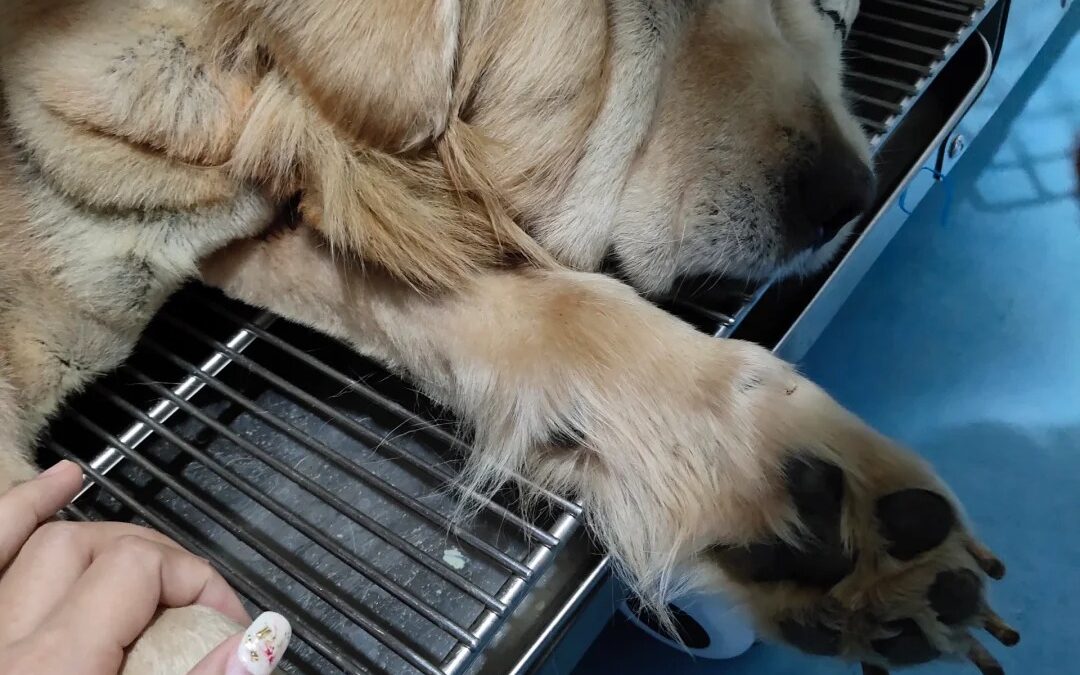
In the realm of pet care, few things are as distressing as witnessing our beloved companions battle against illness, especially when it comes to formidable foes like tumors. Yet, amidst such challenges, there shines a beacon of hope: TCMVET Baituxiao.
A Story of Struggle and Hope Imagine the plight of a helpless dog, writhing in pain, collapsing under the weight of a massive tumor, and crying out in desperate agony. This poignant image encapsulates the harsh reality faced by many pets and their owners. However, within this darkness lies a glimmer of hope – the potential for relief and healing through the innovative approach of TCMVET Baituxiao.
Understanding TCMVET Baituxiao: A Holistic Solution TCMVET Baituxiao represents a paradigm shift in pet healthcare, drawing upon the rich heritage of Traditional Chinese Medicine (TCM) to offer a holistic solution to various health challenges, including tumors. At its core, Baituxiao aims to restore balance and harmony within the body, bolstering the immune system, reducing inflammation, and potentially aiding in tumor management.
Case Study: A Compelling Journey of Healing Consider the case of a courageous dog facing a life-threatening tumor. Despite the odds stacked against them, the introduction of TCMVET Baituxiao into their treatment regimen marked a turning point in their journey. With diligent care and the support of Baituxiao’s unique blend of herbal remedies, the dog experienced a remarkable improvement in their condition. Gradually, the once agonizing cries were replaced by signs of comfort and vitality, offering a glimmer of hope to their devoted owner.
The Power of Integration: Complementing Conventional Treatment It’s essential to highlight that TCMVET Baituxiao is not a standalone solution but rather a complementary approach to conventional veterinary care. Before embarking on any new supplement or treatment, consulting with a trusted veterinarian is paramount. By integrating Baituxiao into a comprehensive treatment plan, pet owners can harness the collective benefits of both Eastern and Western medicine, maximizing the potential for their pet’s well-being.
Empowering Pet Owners: A Call to Action In conclusion, the journey of pet care is often fraught with challenges, yet it is also filled with moments of profound resilience and hope. TCMVET Baituxiao stands as a testament to the enduring bond between humans and animals, offering a beacon of healing and relief in the face of adversity. As responsible pet owners, let us embrace this opportunity to explore holistic avenues of care and empower our furry companions to live their best lives.
With TCMVET Baituxiao, the path to healing begins anew, promising a brighter and healthier future for our beloved pets.

by TCMVET | Mar 24, 2024 | pet Chinese herbal medicine
The world of canine oncology is undergoing a transformative phase with the integration of Ancient Chinese herbs into treatment regimens. This approach signifies a blend of traditional wisdom and modern veterinary practices, offering a new hope in the fight against cancer in dogs.
The Rise of Herbal Medicine in Canine Oncology
Herbal medicine, especially from Ancient Chinese traditions, has been used for millennia to treat various ailments. Its introduction into canine oncology is a result of increasing demand for holistic and less invasive treatment options for dogs with cancer.
Ancient Chinese Herbs and Their Impact
- Yunnan Baiyao: Used historically to control bleeding, it’s now employed in managing tumors that cause internal hemorrhage.
- Huang Qin (Scutellaria): Known for its anti-inflammatory and anti-tumor effects, it’s beneficial in mitigating side effects of conventional cancer therapies.
- Astragalus (Huang Qi): Boosts the immune system and is believed to inhibit tumor growth.
- Dang Gui (Angelica Sinensis): Often used for its blood-enriching properties and improving circulation.
Integrating Traditional Herbs with Modern Veterinary Science
The incorporation of these herbs into a dog’s cancer treatment plan should be a collaborative effort between pet owners and veterinarians. This integration ensures that the herbs complement rather than counteract conventional treatments.
Benefits of Using Ancient Chinese Herbs in Canine Cancer
- Holistic Treatment: Addresses not just the cancer but the overall well-being of the dog.
- Reduced Side Effects: Offers a natural way to mitigate the adverse effects of chemotherapy and radiation.
- Boosts Immunity: Many herbs have properties that strengthen the immune system, helping the body fight cancer more effectively.
Safety and Efficacy
While generally safe, the quality and dosage of these herbs are crucial. They must be sourced from reputable suppliers and administered under veterinary guidance to avoid interactions with other medications.
The use of Ancient Chinese herbs in canine oncology represents a groundbreaking shift towards more holistic cancer care. By integrating these age-old remedies with contemporary treatment methods, we can offer our canine companions a more comprehensive and gentle approach to cancer treatment.

by TCMVET | Mar 24, 2024 | pet Chinese herbal medicine
The fight against canine cancer is an ongoing battle for many pet owners. While conventional medical treatments like surgery, chemotherapy, and radiation therapy play a significant role, there’s a growing interest in integrating herbal therapy as a complementary approach. This article delves into how herbal therapy can be incorporated effectively in the treatment regimen for dogs with cancer, emphasizing its benefits and practical applications.
Understanding Canine Cancer
Cancer in dogs, like in humans, is a complex and multifaceted disease. It can manifest in various forms, affecting different breeds and ages. Early detection is crucial, as it can significantly increase the chances of successful treatment.
The Role of Herbal Therapy in Canine Cancer Treatment
Herbal therapy in dogs with cancer is not about replacing conventional treatments but complementing them. These natural remedies are used to support the dog’s overall health, mitigate side effects of conventional treatments, and potentially slow the progression of cancer.
Key Herbs Used in Canine Cancer Treatment
- Turmeric (Curcumin): Its anti-inflammatory and antioxidant properties can help in reducing tumor size and alleviating pain.
- Milk Thistle: Known for liver support, it can detoxify the body, especially after chemotherapy.
- Cannabis (CBD): Used for pain relief and reducing inflammation, CBD can improve the quality of life for dogs undergoing cancer treatment.
- Astragalus: Boosts the immune system and is believed to inhibit tumor growth.
- Ginger: Helps in managing nausea and digestive issues associated with cancer treatments.
Integrating Herbal Remedies with Conventional Treatments
It’s important to collaborate with a veterinarian who understands both herbal and conventional medicine. They can guide the appropriate use of herbal supplements, ensuring they don’t interfere with standard cancer treatments.
Benefits of Integrating Herbal Therapy
- Alleviates Side Effects: Herbal therapies can reduce side effects associated with chemotherapy and radiation.
- Boosts Overall Well-being: These herbs often contribute to better overall health, improving energy levels and appetite.
- Supports Immune System: A stronger immune system can help the body fight cancer more effectively.
Considerations and Safety
Quality and correct dosing of herbal products are crucial. It’s important to source these remedies from reputable suppliers and observe the dog for any adverse reactions.
Integrating herbal therapy into the cancer treatment plan for dogs offers a holistic approach, aligning with the growing demand for natural and less invasive treatment methods. This strategy can potentially improve the quality of life and overall health of dogs battling cancer.

by TCMVET | Mar 24, 2024 | pet Chinese herbal medicine
In the quest for effective and gentle treatments for canine tumors, pet owners and veterinarians are increasingly turning to herbal remedies. These natural treatments offer a less invasive option compared to traditional methods, focusing on enhancing the overall well-being of the pet while targeting tumors. This article explores the potential of various herbs in treating canine tumors, discussing their benefits and applications.
Understanding Canine Tumors
Canine tumors can vary in type and severity, ranging from benign growths to aggressive cancers. Common symptoms include lumps or swellings on the body, changes in appetite, lethargy, and abnormal behavior. Early detection and treatment are crucial for a favorable outcome.
Herbal Remedies for Canine Tumors
- Turmeric (Curcumin): Known for its anti-inflammatory properties, curcumin can inhibit tumor growth and relieve inflammation.
- Milk Thistle: Protects and regenerates the liver, especially important when dogs undergo chemotherapy.
- Cannabis Oil (CBD): Offers pain relief and reduces inflammation without the psychoactive effects associated with THC.
- Echinacea: Known to boost the immune system, helping the body fight against tumor growth.
- Green Tea Extract: Contains polyphenols that have been shown to inhibit the growth of cancer cells.
Integrating Herbal Treatments with Conventional Therapies
Herbal remedies can be used in conjunction with traditional cancer treatments like chemotherapy and radiation. It is essential to consult with a veterinarian before starting any herbal regimen to ensure safety and effectiveness.
Benefits of Herbal Treatments for Canine Tumors
- Reduced Side Effects: Herbal treatments are generally less harsh than conventional cancer treatments.
- Enhanced Immune System: Many herbs work by strengthening the dog’s immune system.
- Improved Quality of Life: Herbs can help maintain energy levels and overall well-being.
Safety and Quality Considerations
While herbal remedies are typically safer, it’s crucial to use high-quality, pure products and to monitor for any adverse reactions. Dosage should be carefully managed under the guidance of a veterinarian.
Herbal remedies offer a promising adjunct in the management of canine tumors. By embracing these natural treatments, pet owners can provide a more holistic and gentle approach to cancer care, potentially improving the quality of life for their beloved dogs.

by TCMVET | Mar 24, 2024 | pet Chinese herbal medicine
As more dog owners seek natural ways to support their furry companions, especially in combating ailments like cancer, Traditional Chinese Medicine (TCM) has garnered significant attention. This ancient practice, with its unique herbs, offers a complementary approach in the battle against canine cancer. Let’s explore how these traditional Chinese herbs can be a game-changer in enhancing your dog’s health.
Understanding Canine Cancer
Cancer in dogs can manifest in various forms, affecting dogs of all breeds and ages. Symptoms may include unusual lumps, changes in appetite, or lethargy. While Western medicine provides conventional treatments, integrating TCM offers a holistic alternative.
The Power of Chinese Herbs
TCM focuses on restoring balance within the body. When it comes to treating cancer, certain Chinese herbs are known for their anti-cancer properties, enhancing the immune system, and promoting overall well-being.
- Yunnan Baiyao: This herb is known for controlling bleeding and is often used in cases of tumors that cause internal or external bleeding.
- Huang Qin (Scutellaria baicalensis): Used for its anti-inflammatory and anti-tumor properties, Huang Qin can be effective in reducing the side effects of chemotherapy.
- Astragalus (Huang Qi): This herb boosts the immune system, aiding the body in fighting cancer cells.
- Ginseng: Renowned for its energy-boosting properties, Ginseng helps in maintaining the stamina of dogs undergoing cancer treatment.
Integrating TCM in Canine Cancer Care
The incorporation of TCM in cancer treatment should be done under the guidance of a veterinarian skilled in both Western and Eastern medicine. It is crucial to determine the correct herbs and dosage, ensuring they complement rather than interfere with conventional treatments.
Benefits of Chinese Herbs in Canine Cancer Treatment
- Supports Immune System: Many Chinese herbs work by strengthening the dog’s immune system, enabling it to fight cancer more effectively.
- Reduces Treatment Side Effects: These herbs can alleviate the side effects associated with chemotherapy and radiation.
- Enhances Overall Well-being: Beyond treating cancer, these herbs contribute to the general health and vitality of the dog.
Safety and Quality Considerations
When opting for Chinese herbs, choosing high-quality, pure products is vital. It’s also essential to watch for any adverse reactions and adjust the treatment accordingly.
Traditional Chinese Herbs offer a promising adjunct in the treatment of canine cancer. By embracing these ancient remedies, we open the door to a more holistic and balanced approach to cancer care, aiming to improve the quality of life for our canine companions.

by TCMVET | Mar 24, 2024 | pet Chinese herbal medicine
Canine cancer, a prevalent issue among aging pets, poses significant challenges to pet owners worldwide. While conventional treatments like surgery, chemotherapy, and radiation therapy are common, an increasing number of dog owners are turning towards a more holistic approach: herbal remedies. This article explores how these natural treatments offer a safe and effective complement to traditional canine cancer care.
Understanding Canine Cancer
Canine cancer affects various body parts and manifests in forms like lymphoma, mast cell tumors, and osteosarcoma. Recognizing the symptoms early, which may include lumps, abnormal swelling, sores, sudden weight loss, or loss of appetite, is crucial for timely intervention.
The Role of Herbal Remedies
Herbal remedies have been used in traditional medicine for centuries, known for their minimal side effects and ability to support overall well-being. When it comes to treating canine cancer, these remedies serve as a supportive therapy, aiming to boost the immune system, alleviate symptoms, and improve quality of life.
Common Herbs Used in Canine Cancer Care
- Turmeric (Curcumin) – Known for its anti-inflammatory properties, curcumin can inhibit the growth of cancer cells and reduce inflammation.
- Milk Thistle – Supports liver function, crucial when dogs undergo chemotherapy.
- Ginger – Eases gastrointestinal upset, a common side effect of cancer treatments.
- Astragalus – Boosts the immune system and has been shown to slow tumor growth.
- Cannabis Oil (CBD) – Known for pain relief and reducing inflammation without the psychoactive effects.
Integrating Herbal Remedies with Conventional Treatments
It’s important to consult with a veterinarian before introducing any herbal remedy, as they can guide on appropriate dosage and potential interactions with existing treatments. The goal is to create a balanced approach that combines the strengths of both conventional and herbal treatments.
Benefits of Herbal Remedies
- Reduced Side Effects: Herbal remedies typically have fewer side effects compared to conventional treatments.
- Improved Quality of Life: Many herbs can improve overall well-being and energy levels in dogs.
- Holistic Care: Focuses on treating the dog’s entire body rather than just the cancer.
Considerations and Safety
While herbal remedies are generally safe, they should not replace conventional treatments but rather complement them. Quality and dosage are key factors, and it’s crucial to source these herbs from reputable suppliers.
Herbal remedies offer a gentle yet effective approach to complement traditional cancer treatments in dogs. By focusing on natural ingredients and holistic health, these remedies can enhance the quality of life for our canine companions, providing a loving, supportive environment as they navigate their journey with cancer.

by TCMVET | Mar 23, 2024 | Dog Cancer & Tumors
In the ever-evolving field of veterinary medicine, a novel approach is gaining momentum: the use of herbal remedies in treating canine mast cell tumors (MCTs). This approach, which might sound unconventional to some, is rooted in a deep understanding of both the ancient wisdom of herbal medicine and the modern scientific methodology. The integration of these methodologies is not just a trend but a revolutionary step forward in veterinary oncology, offering new hope and options for our beloved four-legged friends diagnosed with MCTs.
Understanding Canine Mast Cell Tumors
MCTs are among the most common skin tumors in dogs, accounting for about 20% of all skin tumors in canines. These tumors can vary widely in their behavior, appearance, and prognosis, making them a complex challenge for veterinarians. Traditionally, treatment options have included surgery, chemotherapy, and radiation therapy, but these methods, while effective, often come with significant side effects.
The Rise of Herbal Remedies in Veterinary Oncology
In recent years, there has been a growing interest in the potential of herbal medicine to provide a more holistic approach to cancer treatment. Herbs have been used for thousands of years in human medicine, and their application in veterinary medicine, especially for cancer treatment, is now being explored with promising results.
Key Herbs and Their Potential Benefits
Some of the herbs commonly used in the treatment of canine MCTs include:
- Astragalus: Known for its immune-boosting properties, it may help in strengthening the body’s natural defense system.
- Szechuan Lovage: Believed to improve blood circulation, which is crucial in delivering nutrients and medications to the affected areas.
- Rehmannia glutinosa: Has anti-inflammatory properties, which can be beneficial in managing tumors.
Integrating Herbs with Conventional Treatments
One of the most significant aspects of using herbs in treating MCTs is their potential to be integrated with conventional treatments. This integrative approach can offer a more comprehensive treatment plan, targeting the tumor while supporting the overall health and well-being of the dog.
Navigating the Challenges and Considerations
While the use of herbal remedies is promising, it is not without challenges. The quality, dosage, and type of herb, as well as its interaction with other medications, are crucial factors to consider. Therefore, it is essential that any herbal treatment plan be developed and monitored by a veterinarian experienced in both oncology and herbal medicine.
As we continue to seek better ways to treat canine MCTs, the use of herbal remedies offers a fascinating and potentially game-changing approach. With their ability to integrate seamlessly with traditional treatments and offer a more holistic approach, herbs are carving out a significant niche in the field of veterinary oncology. The journey of “Herbs for Hounds” is just beginning, and the possibilities it holds for revolutionizing the treatment of canine mast cell tumors are as vast as they are exciting.
