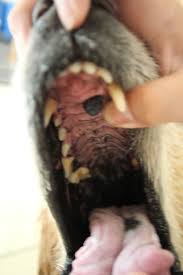
by TCMVET | Mar 6, 2024 | pet Chinese herbal medicine
In recent years, the incidence of melanoma in dogs, particularly in pigmented breeds, has been on the rise, leading to an increased interest in diverse treatment methods, including Traditional Chinese Veterinary Medicine (TCVM). This article explores the integration of Chinese herbs in treating canine melanoma, a step towards holistic pet healthcare.
The Prevalence of Canine Melanoma
Canine melanoma is a common cancer, primarily affecting the skin, oral cavity, and other areas. Despite advanced treatments like surgery and chemotherapy, there’s a growing interest in complementary therapies, including TCVM, which has been used for centuries in human medicine and is gaining traction in veterinary care.
Chinese Herbal Medicine: An Overview
Chinese herbal medicine utilizes natural plants and herbs, focusing on restoring balance in the body. In the context of canine melanoma, these herbs are believed to support the immune system, inhibit tumor growth, and alleviate symptoms associated with conventional cancer treatments.
Potential Herbal Remedies for Canine Melanoma
- Yunnan Baiyao: Known for its wound-healing and hemostatic properties, potentially beneficial in reducing bleeding in tumors.
- Astragalus (Huang Qi): Boosts the immune system and may enhance the efficacy of chemotherapy.
- Scutellaria baicalensis (Huang Qin): Contains anti-inflammatory and anti-tumor properties, which might be beneficial in cancer care.
Integrating Chinese Herbs with Conventional Treatments
The combination of Chinese herbs and conventional treatments such as surgery, chemotherapy, or radiation can provide a more holistic approach. It’s crucial to consult with a veterinarian experienced in both Western and TCVM for a tailored treatment plan.
The integration of Traditional Chinese Herbal Medicine in treating canine melanoma represents a promising area in veterinary medicine, offering a complementary approach to enhance pet health and wellbeing.

by TCMVET | Mar 6, 2024 | Dog Cancer & Tumors
Melanoma, a common form of cancer in dogs and a rarer but more serious condition in cats, is a growing concern for pet owners worldwide. Understanding the nature, symptoms, and treatment options of melanoma can significantly enhance the quality of life and treatment outcomes for our pets. This article provides a comprehensive guide for pet owners to navigate through the complexities of melanoma in pets.
Understanding Melanoma in Pets
Melanoma is a type of cancer that arises from melanocytes, the cells responsible for pigment production. In dogs, it frequently appears on the haired skin as small, dark lumps and can also develop in the oral cavity, nail beds, and eyes. Cats experience melanoma less commonly, but when they do, it tends to be more aggressive.
Symptoms and Early Detection
Early detection is crucial in managing melanoma. Pet owners should look for:
- Unusual growths or lumps on the skin or in the mouth.
- Changes in existing moles or spots.
- Swelling in the nail beds or around the eyes.
Regular veterinary check-ups are essential, especially for breeds predisposed to melanoma, such as Scottish Terriers and Golden Retrievers in dogs, and Siamese in cats.
Advanced Treatment Options
Treatment strategies have evolved significantly, with options including:
- Surgical Removal: The primary method for localized tumors.
- Radiation and Chemotherapy: Used when surgery isn’t viable or in cases of metastasis.
- Immunotherapy: Such as the canine melanoma vaccine, which boosts the pet’s immune system.
Prevention and Management
While direct causation like UV light exposure is less evident in pets, preventive measures include limiting excessive sun exposure and monitoring skin changes. Awareness and education about melanoma in pets are vital for early detection and effective treatment.
Understanding melanoma in pets is key to ensuring their wellbeing. Staying vigilant about symptoms, pursuing regular veterinary care, and exploring advanced treatment options can help manage this condition effectively. This guide serves as a resource for pet owners to better understand and care for their pets with melanoma.
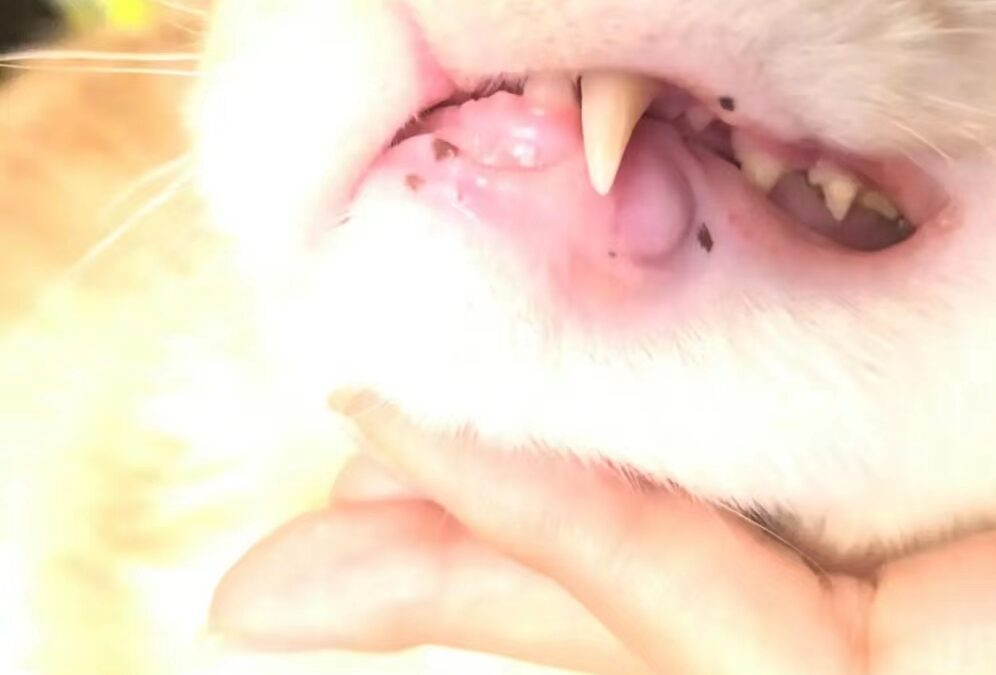
by TCMVET | Mar 6, 2024 | Dog Cancer & Tumors
Melanoma, a serious form of cancer, is not just a human affliction but also affects our beloved pets, particularly dogs and to a lesser extent, cats. This article aims to educate pet owners about melanoma in pets, focusing on early detection, treatment options, and preventative measures.
Early Detection and Symptoms
Understanding Symptoms: Pet owners should look for unusual growths or changes in their pet’s skin, oral cavity, nail beds, and eyes. In dogs, melanomas often appear as small, dark-colored lumps, while in cats, they are less common but usually more aggressive.
Regular Veterinary Check-ups: Routine check-ups can help in early detection, which is crucial for successful treatment. Veterinarians can perform thorough examinations, especially in breeds predisposed to melanoma.
Treatment Options
Surgical Removal: The primary treatment for localized tumors, aiming to remove the cancer completely.
Radiation and Chemotherapy: These are options when surgical removal isn’t feasible or in cases of metastasis.
Immunotherapy: A newer approach, like the canine melanoma vaccine, which stimulates the pet’s immune system to fight cancer.
Preventative Measures
Sun Protection: While less common, UV light can contribute to melanoma. Protecting pets from excessive sun exposure, particularly those with less hair or lighter skin, is advisable.
Awareness and Education: Being aware of the breeds at higher risk and educating oneself about the signs and treatment options can significantly impact outcomes.
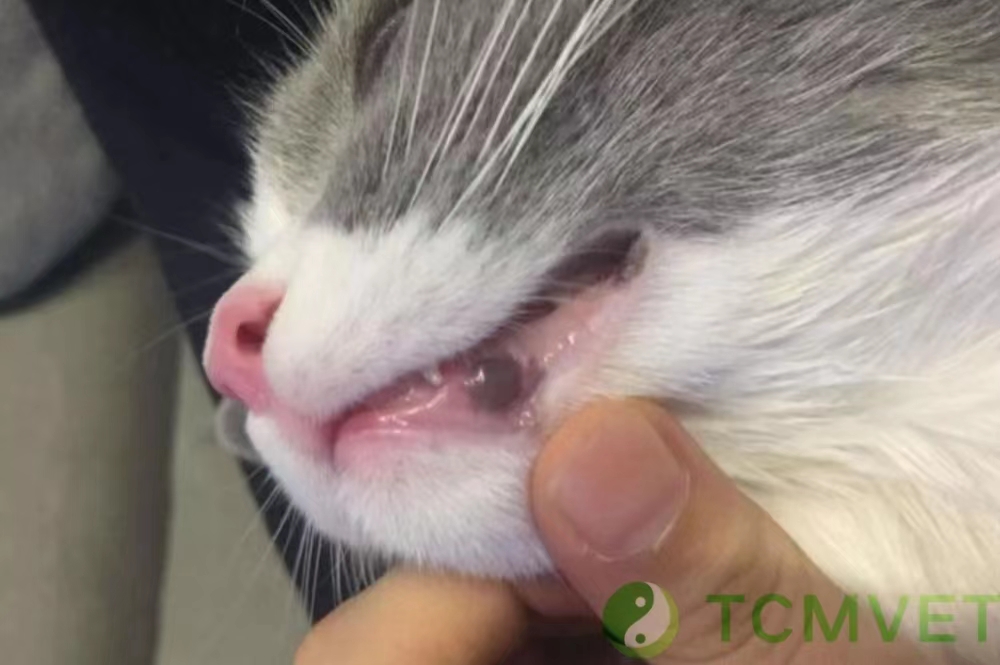
by TCMVET | Mar 6, 2024 | Dog Cancer & Tumors
Melanoma, a form of cancer arising from pigment-producing melanocytes, is a significant health concern in dogs and, to a lesser extent, in cats. This comprehensive guide aims to shed light on the characteristics, diagnosis, and potential treatment options for melanoma in these animals, providing valuable information for pet owners and veterinary professionals alike.
What is Melanoma?
Melanoma is a cancer that originates in melanocytes, the cells responsible for pigment production in the skin and other parts of the body. In dogs, it is a relatively common cancer, especially in breeds with considerable skin pigmentation. Unlike in dogs, melanoma is rarer in cats but tends to be more malignant when it occurs.
Common Sites and Appearances
In dogs, melanomas are most frequently found on the haired skin, presenting as small, brown to black masses. They can also appear as larger, flat, and wrinkled masses. Primary melanomas in dogs may also develop in the oral cavity, nailbed, footpad, eye, gastrointestinal tract, nasal cavity, anal sac, or mucocutaneous junctions. The most common site for oral melanoma in dogs includes the gingiva, lips, tongue, and hard palate.
Risk Factors and Causes
Unlike human melanomas, which are often linked to UV light exposure, canine melanoma is less likely attributed to sunlight due to the protective hair coat of most breeds. However, the exact risk factors for canine melanoma are not well established. In cats, melanoma is less common and its causes are similarly complex and not fully understood.
Diagnosis and Pathology
Diagnosing melanoma can be challenging, especially anaplastic amelanotic melanomas that resemble soft tissue sarcomas. Immunohistochemical methods are frequently used to increase diagnostic precision, employing antibodies like PNL2 and tyrosinase, in addition to Melan A and S-100.
Molecular Biology Insights
Canine and feline melanomas have a limited molecular characterization compared to human melanomas. In canine oral malignant melanomas (MMs), BRAF mutations common in human cutaneous melanoma are uncommon. However, ERK activation similarities in human and canine MMs suggest potential parallels in molecular pathways. Researchers have also identified other molecular abnormalities in canine and feline melanoma, providing new avenues for treatment research.
Treatment Options and Research
The treatment of melanoma in dogs and cats depends on various factors, including the location, size, stage, and histological characteristics of the tumor. Some of the treatment options include:
- Surgery: The primary treatment for localized melanoma, aiming to remove the entire tumor.
- Radiation Therapy: Often used for tumors that cannot be completely removed surgically.
- Chemotherapy: Employed in cases where the melanoma has spread, although its effectiveness can vary.
- Immunotherapy: A newer approach, such as the use of Oncept vaccine in dogs, specifically designed for canine melanoma.
Future Therapeutic Targets
Recent transcriptome analysis in canine melanoma has revealed new therapeutic targets in the focal adhesion and PI3K-Akt signaling pathways. Furthermore, the presence of exon 11 c-kit gene mutations in some dogs with malignant melanoma opens up the possibility for targeted therapy using KIT small molecule inhibitors.
The Road Ahead
Continued research into the molecular biology of canine and feline melanomas holds promise for the development of more effective treatments. Understanding somatic mutations in genes like NRAS and PTEN, similar to human melanoma hotspots, may offer new therapeutic avenues.
Melanoma in dogs and cats presents a unique set of challenges in veterinary medicine. Ongoing research and advances in molecular biology are key to improving diagnosis and treatment. Pet owners should be aware of the signs and consult with a veterinarian for early detection and optimal care.
by TCMVET | Mar 5, 2024 | Dog Cancer & Tumors
Oral tumors in dogs account for about 6% of all canine tumors and are a significant concern for pet owners and veterinarians. This article provides an in-depth look at the various types of oral tumors in dogs, their prevalence, symptoms, and effective treatment options.
Types of Canine Oral Tumors: Oral tumors in dogs can be classified into several categories based on their histological makeup, including:
- Epithelial Tumors: Such as squamous cell carcinoma (SCC), papillomas, fibropapillomas, intraosseous carcinomas, and infiltrative nasal carcinomas.
- Melanocytic Tumors: Including malignant melanomas.
- Mesenchymal Tumors: Like fibrosarcomas, hemangiosarcomas, and osteosarcomas.
- Mixed Tumors: Such as transmissible venereal tumors and lymphomas.
- Odontogenic Tumors: Specific to tooth-forming tissues, including ameloblastomas.
Epidemiology and Prevalence: Oral tumors are more common in older dogs and certain breeds, such as Cocker Spaniels and German Shepherds. Symptoms such as decreased appetite, bad breath, tooth loosening or loss, bleeding, eye protrusion, nosebleeds, swallowing difficulties, chewing pain, and increased thirst are often observed.
Diagnosis and Treatment: Early diagnosis through biopsies is essential for effective treatment, which may include surgery, radiation, or chemotherapy, depending on the tumor type.
Understanding the types, symptoms, and treatment options for canine oral tumors is crucial for early detection and effective management. Regular veterinary check-ups are vital for maintaining the oral health of dogs and catching any anomalies early.
by TCMVET | Mar 5, 2024 | Dog Cancer & Tumors
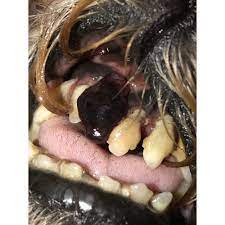
Malignant melanoma stands out as the most prevalent oral tumor in dogs, accounting for 30%-40% of all malignant oral tumors. This article aims to provide a detailed overview of malignant melanomas in canines, focusing on their prevalence, risk factors, symptoms, and treatment options.
Prevalence and Risk Factors: Malignant melanoma typically affects older dogs, with an average onset age of around 12 years. It is more common in male dogs and is seen with a higher frequency in dogs with darker oral mucosa. Certain breeds, such as Chow Chows and Golden Retrievers, are at a higher risk of developing this condition.
Symptoms and Diagnosis: Malignant melanomas in dogs can occur in various locations within the mouth, including the gums, cheek mucosa, lips, hard and soft palates, and the tongue. These tumors are often firm and darkly pigmented, although about 33% of cases may present as non-pigmented tumors. They can sometimes have ulcerated or necrotic surfaces. Rapid growth and local infiltration are characteristic of these tumors.
Treatment and Management: The management of malignant melanoma in dogs requires an integrated approach involving surgical removal, possibly followed by radiation therapy or chemotherapy. The prognosis depends on the stage of the tumor at diagnosis and the effectiveness of the treatment.
Early detection and prompt treatment are key in managing malignant melanoma in dogs. Regular veterinary check-ups and awareness of the symptoms can help in early diagnosis, improving the chances of successful treatment.

by TCMVET | Mar 5, 2024 | Dog Cancer & Tumors
Canine oral tumors are a significant health concern for dog owners and veterinarians. They account for about 6% of all tumors in dogs and can occur in various oral locations including the lips, cheek mucosa, upper and lower jaws, palate, teeth, tongue, and tonsils. This comprehensive guide aims to shed light on the different types of oral tumors in dogs, their symptoms, diagnosis, and treatment options.
Types of Canine Oral Tumors: Oral tumors in dogs can be classified into several types based on their tissue origin. These include:
- Epithelial Tumors: The most common type is the squamous cell carcinoma (SCC), but this category also includes papillomas, fibropapillomas, intraosseous carcinomas, and infiltrative nasal carcinomas.
- Melanocytic Tumors: Malignant melanomas are a serious concern due to their aggressive nature.
- Mesenchymal Tumors: These include fibrosarcomas, hemangiosarcomas, granular cell tumors, mixed mesenchymal sarcomas, neurofibrosarcomas, undifferentiated sarcomas, myxosarcomas, chondrosarcomas, osteosarcomas, and multilobular osteochondrosarcomas.
- Odontogenic Tumors: These originate from tooth-forming tissues and include ameloblastomas, calcifying epithelial odontogenic tumors, and odontomas.
- Miscellaneous Tumors: This group includes transmissible venereal tumors, mast cell tumors, lymphomas, and plasma cell tumors.
Symptoms of Oral Tumors in Dogs: The clinical signs of oral tumors in dogs can vary, but common symptoms include:
- Decreased appetite
- Bad breath
- Loose or missing teeth
- Blood in saliva
- Bulging eyes
- Nasal discharge or bleeding
- 吞咽困难
- Chewing difficulty or pain
- Excessive drooling
Diagnosis of Canine Oral Tumors: Early diagnosis is crucial for effective treatment. Diagnostic methods include:
- Physical examination
- Biopsy and histopathology
- Radiography (X-rays)
- CT scans or MRI for advanced imaging
Treatment Options: The treatment of oral tumors in dogs depends on the type, location, and stage of the tumor. Common treatment methods include:
- Surgery: This is often the primary treatment for removing the tumor.
- Radiation Therapy: Used primarily for tumors that cannot be completely removed surgically or for palliative care.
- Chemotherapy: Often used in conjunction with surgery or radiation.
- Immunotherapy: Emerging as a potential treatment, especially for melanomas.
Prevention and Prognosis: While there is no sure way to prevent oral tumors in dogs, regular dental care and check-ups can help in early detection. The prognosis depends on the type of tumor, with some like SCC and melanomas having a more guarded prognosis due to their aggressive nature.
Oral tumors in dogs are a complex health issue that requires prompt attention and specialized care. Understanding the types, symptoms, diagnosis, and treatment options is crucial for dog owners and veterinarians. Early detection and appropriate treatment can significantly improve the quality of life and prognosis for dogs with oral tumors.

by TCMVET | Mar 4, 2024 | Cat Cancer & Tumors
In recent years, the fusion of Traditional Chinese Medicine (TCM) with modern veterinary techniques has emerged as a promising approach to managing feline tumors. This integrative treatment strategy combines the holistic benefits of TCM with the precision of contemporary medical practices, offering a comprehensive approach to improving the health and quality of life of cats diagnosed with tumors. This article explores how this synergy can benefit our feline companions, highlighting the potential for a more effective and balanced treatment regimen.
- Understanding Feline Tumors:
- Offer an overview of common types of tumors in cats, including symptoms and typical treatments.
- Discuss the challenges in treating feline tumors and the need for innovative approaches.
- Principles of Traditional Chinese Medicine in Feline Care:
- Introduce the basics of TCM and its philosophy in treating illnesses.
- Explain how TCM approaches disease by focusing on restoring balance and enhancing the body’s natural healing capabilities.
- TCM Techniques for Tumor Management:
- Delve into specific TCM techniques used in feline tumor management, such as herbal medicine, acupuncture, and dietary therapy.
- Highlight herbs and practices that are known to be beneficial for cats with tumors.
- Integrating TCM with Modern Veterinary Practices:
- Discuss how TCM can complement modern treatments like chemotherapy, radiation, or surgery.
- Provide insights into how veterinarians integrate these approaches to create a personalized treatment plan for each cat.
- Case Studies: Successes in Integrated Treatment Approaches:
- Share real-life examples or case studies where the integration of TCM and modern techniques has led to positive outcomes in feline tumor management.
- Navigating the Challenges and Considerations:
- Address potential challenges and considerations in combining TCM with modern treatments, such as ensuring compatibility and avoiding interactions between different therapies.
- Future Directions in Feline Tumor Management:
- Explore ongoing research and future prospects in the field of integrative veterinary medicine.
The combination of Traditional Chinese Medicine with modern techniques represents a forward-thinking approach in the management of feline tumors. This integrative method not only treats the symptoms but also aims to enhance the overall well-being of the cat, promising a more holistic and effective treatment journey. As with any treatment plan, it’s crucial to work with a knowledgeable veterinarian to ensure the best outcome for your feline friend.

by TCMVET | Mar 4, 2024 | Cat Cancer & Tumors
The rise in tumor cases among domestic cats has raised concerns among pet owners. While modern veterinary practices play a pivotal role in treating these conditions, incorporating herbal strategies for early detection and prevention has gained traction. This comprehensive guide explores how natural remedies can be used alongside traditional methods for a more holistic approach to feline health care.
- Understanding Feline Tumors:
- Briefly describe common types of tumors in cats, including fibrosarcomas, brain tumors, intestinal tumors, mammary cancer, and osteosarcomas.
- Explain their symptoms, typical progression, and the importance of early detection.
- Role of Herbal Remedies in Early Detection:
- Introduce the concept of using herbal remedies as a preventive measure and for early detection of tumors.
- Discuss how herbs like Turmeric, Echinacea, and Milk Thistle can boost immune function and potentially help in identifying tumor growth early.
- Integrating Herbs with Regular Veterinary Care:
- Emphasize the importance of regular veterinary check-ups.
- Explain how herbs can complement these visits for an integrated approach to health monitoring.
- Preventive Herbal Strategies:
- Provide detailed information on preventive herbal strategies, including dietary supplements and topical applications.
- Discuss dosage, preparation, and administration methods for different herbs.
- Case Studies: Success Stories in Herbal Prevention:
- Share real-life examples or case studies of cats that have benefitted from herbal strategies in early tumor detection and prevention.
- Understanding Potential Risks and Side Effects:
- Address the possible risks and side effects of herbal remedies.
- Stress the importance of consulting with a veterinarian before starting any herbal treatment.
- Lifestyle Changes for Optimal Feline Health:
- Suggest lifestyle changes that can complement herbal strategies, such as diet modifications and environmental factors.
- Future of Herbal Treatments in Veterinary Care:
- Look into ongoing research and future prospects in the field of herbal treatments for feline tumors.
Incorporating herbal strategies for early detection and prevention of tumors in cats offers a promising complementary approach to traditional veterinary care. By understanding and utilizing these natural remedies under professional guidance, pet owners can contribute significantly to their cat’s health and well-being.

by TCMVET | Mar 4, 2024 | Cat Cancer & Tumors
The increasing prevalence of tumors in cats has prompted a surge in exploring alternative treatments. One promising avenue is using Traditional Chinese Herbs to boost feline immunity. This holistic approach focuses on enhancing the body’s natural defenses, offering a supportive role in tumor management and overall health. This article delves into how Traditional Chinese Herbs can be used to strengthen feline immunity against tumors, providing a complementary approach to conventional treatments.
- Understanding Tumors in Cats:
- Discuss the common types of tumors found in cats, including their causes and symptoms.
- Explain the significance of a robust immune system in preventing and fighting tumors.
- Traditional Chinese Herbs and Feline Health:
- Introduce the concept of Traditional Chinese Medicine (TCM) and its application in veterinary care.
- Highlight specific herbs used in TCM, like Astragalus for immune boosting, Lingzhi (Reishi mushroom) for anti-tumor properties, and Ginseng for overall vitality.
- Integrating Chinese Herbs into Feline Care:
- Provide guidelines on how to incorporate these herbs into a cat’s diet or treatment plan, with emphasis on consultation with a veterinarian experienced in TCM.
- Case Studies and Research:
- Present real-world examples or research studies that showcase the effectiveness of Chinese herbs in boosting feline immunity and combating tumors.
- Balancing Traditional Herbs with Conventional Treatments:
- Discuss how Traditional Chinese Herbs can complement conventional cancer treatments like chemotherapy or radiation.
- Diet and Lifestyle Adjustments for Immune Health:
- Suggest additional dietary and lifestyle changes that can support immune health, such as high-quality protein diets and stress reduction techniques.
- Potential Risks and Side Effects:
- Address possible risks or side effects associated with the use of Chinese herbs and the importance of professional guidance.
Traditional Chinese Herbs offer a promising addition to the arsenal against feline tumors. By boosting the immune system, these herbs can play a crucial role in tumor prevention and treatment, complementing conventional therapies. Always consult with a veterinarian skilled in TCM to tailor a safe and effective treatment plan for your feline friend.

by TCMVET | Mar 4, 2024 | Cat Cancer & Tumors
Cancer in cats is a challenging ordeal for both pets and their owners. While conventional treatments like chemotherapy and surgery have been the mainstay, there is a growing interest in holistic approaches, particularly in the integration of herbal remedies in veterinary care. This article explores the potential of herbs in supporting traditional cancer treatments for felines, offering a comprehensive view of how this integrative approach can benefit our feline friends.
- Understanding Feline Cancer:
- Outline common types of cancer in cats, including lymphoma, mammary cancer, and skin cancer.
- Discuss the challenges in treating cancer in felines and the importance of early detection.
- The Role of Herbs in Cancer Treatment:
- Introduce the concept of using herbs as complementary therapy in feline cancer treatment.
- Highlight specific herbs and their benefits, such as Turmeric for its anti-inflammatory and anti-cancer properties, Cat’s Claw for immune support, and Milk Thistle for liver health during chemotherapy.
- Integrating Herbal Therapy with Conventional Treatments:
- Discuss how herbal remedies can be used alongside conventional cancer treatments, emphasizing the need for a veterinary consultation to ensure safe and effective integration.
- Case Studies and Clinical Evidence:
- Present real-life case studies or clinical research that demonstrates the effectiveness of integrating herbal therapy in treating feline cancer.
- Creating a Holistic Treatment Plan:
- Offer guidance on developing a holistic treatment plan, including diet modifications, stress reduction, and regular veterinary check-ups alongside herbal supplementation.
- Potential Risks and Considerations:
- Address potential risks and side effects associated with using herbal remedies, including interactions with conventional cancer treatments.
- The Future of Integrative Veterinary Oncology:
- Explore the future prospects of integrative veterinary oncology, discussing ongoing research and potential advancements in combining herbal therapy with conventional treatments.
The integration of herbal remedies in veterinary care presents a promising avenue in the holistic treatment of feline cancer. It’s essential to approach this integrative method under the guidance of a veterinarian to ensure a safe and effective treatment plan. Embracing this holistic approach can potentially improve the quality of life and well-being of cats battling cancer.

by TCMVET | Mar 4, 2024 | Cat Cancer & Tumors
The early detection of cancer in cats is crucial for successful treatment and improved prognosis. While modern veterinary medicine has made significant strides in diagnosing and treating cancer, incorporating herbal preventions and understanding early indicators can play a vital role in safeguarding your cat’s health. This article explores how certain herbs may aid in prevention and highlights key signs to watch for early cancer detection in felines.
- Understanding Cancer in Cats:
- Briefly explain the common types of cancer in cats, such as lymphoma, mammary cancer, and skin cancer.
- Discuss the importance of early detection for effective treatment.
- Herbal Prevention Strategies:
- Introduce the concept of using herbs as a preventive measure against cancer in cats.
- Highlight specific herbs known for their cancer-preventive properties, like Turmeric (Curcumin), Green Tea, and Milk Thistle, and how they can be incorporated into a cat’s diet.
- Early Indicators of Cancer in Cats:
- List and explain early signs of cancer in cats, such as unexplained weight loss, persistent sores, changes in bowel or bladder habits, difficulty eating or swallowing, and lethargy.
- Emphasize the importance of regular veterinary check-ups for early detection.
- Integrating Herbal Prevention with Regular Veterinary Care:
- Discuss how herbal preventions can complement regular veterinary check-ups and diagnostics.
- Offer advice on working with a veterinarian to safely include herbal supplements in a cat’s health regimen.
- Case Studies and Research:
- Share research findings and case studies that support the use of herbal preventions in reducing cancer risk in cats.
- Include testimonials from cat owners and veterinarians.
- Potential Risks and Side Effects:
- Address the possible risks and side effects associated with herbal supplements and the importance of proper dosage and administration.
- Lifestyle and Environmental Factors:
- Discuss additional factors that can influence a cat’s cancer risk, such as diet, exercise, and environmental toxins.
Early detection of cancer in cats is key to successful treatment. Herbal preventions, alongside regular veterinary care, offer a proactive approach to maintaining your cat’s health. Stay vigilant for early indicators of cancer and consult with your veterinarian to create an effective and safe health plan for your feline friend.

by TCMVET | Mar 3, 2024 | Cat Cancer & Tumors
The intersection of traditional Chinese herbal medicine and modern veterinary care is opening new avenues in treating cat cancer. “Paws and Plants” explores how these ancient herbs can complement conventional therapies, offering a holistic approach to feline health.
Understanding Cat Cancer
Cancer in cats can be as complex and varied as in humans, with types like lymphoma, mammary gland tumors, and skin cancer being prevalent. Recognizing early signs is key to effective treatment and improved outcomes.
The Basis of Chinese Herbal Medicine in Cancer Care
Chinese herbal medicine, rooted in a tradition thousands of years old, focuses on restoring balance within the body. It employs a range of herbs that are believed to possess properties beneficial in fighting cancer and mitigating treatment side effects.
Key Herbs in Feline Cancer Treatment
- Astragalus (Huang Qi): Known to boost the immune system and potentially inhibit tumor growth.
- Dang Gui (Angelica Sinensis): Often used for its nourishing properties, it may help in revitalizing cats undergoing cancer treatment.
- Jin Yin Hua (Honeysuckle): Used for its anti-inflammatory and antiviral properties.
- Ginseng (Ren Shen): A well-known adaptogen, aiding in overall health and vitality.
Integrating Herbal Medicine with Conventional Cancer Treatments
Integrating Chinese herbal medicine with conventional cancer treatments like chemotherapy and radiation therapy can offer a more comprehensive approach. This integration should always be done under the guidance of a veterinarian skilled in both areas.
Research and Studies on Herbal Medicine in Veterinary Oncology
There is a growing body of research that supports the use of Chinese herbal medicine in conjunction with conventional cancer treatments. Studies have shown these herbs can help reduce side effects, improve quality of life, and sometimes enhance the efficacy of conventional treatments.
Case Studies: Success with Integrative Approaches
Anecdotal evidence and case studies have highlighted success stories where integrative approaches have benefited feline patients, leading to better tolerance of conventional treatments and improved overall well-being.
The Future of Herbal Medicine in Cat Cancer Care
As interest in holistic and integrative medicine grows, the role of Chinese herbal medicine in veterinary oncology is poised for expansion. Ongoing research and clinical trials will continue to shape and define its role in cancer care.
“Paws and Plants” underscores the potential of integrating Chinese herbal medicine in cat cancer care. This approach offers a more holistic path to treatment, aiming to enhance the quality of life for our feline companions during their cancer journey.

by TCMVET | Mar 3, 2024 | Cat Cancer & Tumors
Cancer in cats is a significant health concern, but natural treatments like herbal remedies offer a ray of hope. “Herbs for Health” provides an in-depth look at how these natural solutions can be used to treat feline cancer, emphasizing a holistic approach to pet health.
Understanding Feline Cancer
Feline cancer manifests in various forms, including lymphoma, mammary cancer, and skin cancer. Early detection is crucial for effective treatment. Symptoms can range from unexplained weight loss to changes in behavior or appearance.
The Role of Herbal Remedies in Cancer Treatment
Herbal remedies have been used in traditional medicine for centuries to treat various ailments, including cancer. These natural solutions can support conventional cancer treatments by boosting the immune system, reducing side effects, and improving overall quality of life.
Key Herbs for Feline Cancer Treatment
- Turmeric (Curcuma longa): Contains curcumin, known for its anti-inflammatory and anti-cancer properties.
- Milk Thistle (Silybum marianum): Supports liver function, helping to detoxify the body during cancer treatments.
- Astragalus (Huang Qi): Enhances immune function and may help in tumor reduction.
- Cat’s Claw (Uncaria tomentosa): Known for its immune-boosting and anti-tumor effects.
Integrating Herbal Treatments with Conventional Therapies
Herbal remedies should complement, not replace, conventional cancer treatments. Collaboration with a veterinarian is essential to create a balanced treatment plan that combines the best of both worlds.
Research and Evidence Supporting Herbal Treatments
While research on herbal treatments for feline cancer is ongoing, several studies have shown promising results. These studies suggest that herbs can play a supportive role in cancer treatment, helping to improve the effectiveness of conventional therapies.
Case Studies and Success Stories
Numerous pet owners have reported positive effects of herbal treatments on their cats’ health and well-being during cancer treatment. These anecdotal experiences provide valuable insights into the potential benefits of herbal remedies.
The Future of Herbal Treatments in Veterinary Medicine
As interest in holistic and natural treatments grows, the role of herbal remedies in veterinary medicine is expected to expand. Ongoing research will be crucial in validating and refining these treatments.
“Herbs for Health: A Guide to Treating Feline Cancer Naturally” offers a comprehensive overview of how herbal remedies can support the treatment of cancer in cats. By embracing these natural solutions, pet owners can contribute to the overall well-being and longevity of their feline companions.

by TCMVET | Mar 3, 2024 | Cat Cancer & Tumors
Feline cancer is a growing concern among pet owners. However, the ancient wisdom of Eastern medicine offers promising herbal remedies. This article explores how traditional herbs can be a vital ally in the fight against feline cancer.
Understanding Feline Cancer
Cancer in cats can manifest in various forms, including lymphoma, squamous cell carcinoma, and mammary cancer. Recognizing early symptoms such as weight loss, lethargy, or abnormal swellings is crucial for early intervention.
The Role of Eastern Herbs in Cancer Treatment
Traditional Eastern medicine, with its holistic approach, uses a variety of herbs to treat not just the symptoms but the root cause of diseases. In the context of feline cancer, these herbs are used to strengthen the body’s natural defenses and combat the growth of cancer cells.
Key Herbs and Their Properties
- Turmeric (Curcuma longa): Contains curcumin, known for its anti-inflammatory and anti-cancer properties.
- Astragalus (Huang Qi): Boosts the immune system and may help in reducing tumor growth.
- Ginseng (Ren Shen): An adaptogen that enhances overall health and vitality.
- Green Tea (Camellia sinensis): Rich in antioxidants, it can help in preventing cell damage.
Integrating Herbs with Conventional Cancer Therapies
While traditional herbs offer many benefits, they should be used in conjunction with conventional cancer treatments. Collaboration between veterinarians and herbal medicine practitioners is vital to ensure a safe and effective integrated treatment plan.
Evidence and Research in Herbal Oncology
Research in the field of herbal oncology, though still in its nascent stages, shows promising results. Studies indicate that certain herbs can reduce tumor size and enhance the effectiveness of conventional treatments.
Case Studies: Successes in Feline Herbal Treatments
Several case studies and anecdotal reports suggest that herbal treatments can improve the quality of life and longevity of cats with cancer. These stories offer hope and pave the way for more formal research.
The Future of Herbal Medicine in Veterinary Oncology
The integration of traditional herbs into veterinary oncology is an evolving field. As more research is conducted, it could lead to more effective and personalized treatment plans for feline cancer.
“Eastern Promise: Traditional Herbs in the Fight Against Feline Cancer” highlights the potential of herbal remedies as part of a comprehensive cancer treatment plan. These ancient practices, combined with modern veterinary medicine, offer a holistic approach to enhancing the health and well-being of cats.

by TCMVET | Mar 3, 2024 | Cat Cancer & Tumors
Cancer in cats is a concern for every pet owner. With advancements in veterinary medicine, herbal treatments have emerged as a supportive approach. “Whiskers and Wellness” provides an insight into how herbal remedies can aid in the fight against feline cancer.
The Rise of Cancer in Cats
As cats live longer due to improved care, the incidence of cancer increases. Common types include lymphoma, mammary cancer, and skin cancer. Early detection and treatment are key, but the journey doesn’t end there.
Herbal Treatments: Nature’s Healing Touch
Herbal treatments, used for centuries in human medicine, are now gaining traction in veterinary care. These natural remedies offer a gentler approach, potentially enhancing the quality of life for cats with cancer.
Popular Herbs for Feline Cancer
Several herbs are known for their cancer-fighting properties:
- Turmeric (Curcuma longa): Contains curcumin, which has anti-inflammatory and anti-cancer effects.
- Milk Thistle (Silybum marianum): Supports liver function, crucial in metabolizing cancer medications.
- Astragalus (Huang Qi): Boosts the immune system and may help in fighting tumors.
- Cat’s Claw (Uncaria tomentosa): Another immune system booster with anti-tumor properties.
Integrating Herbal Remedies with Conventional Cancer Treatments
Herbal remedies can complement traditional cancer treatments like chemotherapy. They may alleviate side effects and improve overall well-being. However, it’s crucial to consult with a veterinarian before starting any herbal treatment.
The Science Behind Herbal Remedies
While research in this area is still evolving, some studies suggest a positive impact of herbal remedies on cancer. These natural treatments can reduce inflammation, strengthen the immune system, and potentially inhibit tumor growth.
Case Studies and Success Stories
Many pet owners have turned to herbal remedies, often reporting improved quality of life for their cats. These anecdotes, while not definitive, suggest a potential benefit worth exploring.
The Future of Herbal Treatments in Veterinary Oncology
As interest in holistic pet care grows, so does the exploration of herbal treatments in veterinary oncology. The future looks promising, with ongoing research and a growing acceptance of integrative approaches.
“Whiskers and Wellness” sheds light on the potential of herbal treatments in managing cat cancer. By combining traditional and natural remedies, we can offer our feline friends a better chance at a comfortable, healthier life.
by TCMVET | Mar 3, 2024 | Cat Cancer & Tumors
Cancer in cats is a daunting challenge, but hope lies in nature’s bounty. Chinese herbs have been used for centuries to treat various ailments, and their role in combating feline cancer is gaining interest. This article delves into how these ancient remedies can be a game-changer in the fight against cancer in our feline friends.
The Prevalence of Cancer in Cats
Feline cancer is not uncommon and can affect cats of any age, though it’s more prevalent in seniors. Types of cancer in cats include lymphoma, skin cancer, and mammary gland cancer, each with different symptoms and treatment options.
Chinese Herbs: An Ancient Solution
Chinese herbal medicine, part of Traditional Chinese Medicine (TCM), uses a variety of plants and herbs to treat diseases. In the context of feline cancer, these herbs aim to strengthen the immune system, inhibit tumor growth, and alleviate the side effects of conventional cancer treatments.
Key Chinese Herbs for Feline Cancer
- Astragalus (Huang Qi): Known for boosting immunity and potentially inhibiting tumor growth.
- Dong Quai (Dang Gui): Used for its blood-tonifying properties, important in cancer care.
- Ginseng (Ren Shen): A powerful adaptogen that can improve overall vitality.
- Turmeric (Jiang Huang): Contains curcumin, with its anti-inflammatory and anti-cancer properties.
Integrating Chinese Herbs with Conventional Treatments
While Chinese herbs offer promising benefits, they should not replace conventional cancer treatments. Instead, they can be used alongside chemotherapy or radiation to enhance effectiveness and reduce side effects. Consultation with a veterinarian knowledgeable in both Western and Eastern medicine is crucial.
The Science Behind Chinese Herbs in Cancer Treatment
Recent studies have begun to explore the efficacy of Chinese herbs in cancer treatment, with some showing positive effects on immune function and tumor inhibition. More research is needed, but the potential is promising.
Real-Life Success Stories
Numerous anecdotes from pet owners suggest that Chinese herbs have helped their cats live longer and more comfortably with cancer. These stories, while not scientific evidence, offer hope and insight into the potential of herbal treatments.
The Future of Herbal Treatment in Veterinary Oncology
As interest in holistic and integrative veterinary medicine grows, so too does the exploration of herbal treatments in cancer care. The future of these treatments looks bright, with ongoing research and a growing body of anecdotal evidence.
“Nature’s Cure: Using Chinese Herbs to Fight Cancer in Cats” highlights the potential of Chinese herbal medicine as a complementary treatment in feline cancer care. These ancient remedies, combined with modern veterinary science, offer a holistic approach to improving the quality of life for cats with cancer.

by TCMVET | Mar 2, 2024 | Dog Cancer & Tumors
“Nature’s Healing: Traditional Chinese Herbs as a Complementary Therapy for Canine Cancer” delves into the realm where ancient practices meet modern veterinary science. This comprehensive article explores how traditional Chinese herbs are being used as complementary treatments in canine cancer, offering a holistic approach to pet healthcare.
Understanding Canine Cancer
Canine cancer, a leading cause of death in dogs, presents in various forms like lymphoma, mast cell tumors, and osteosarcoma. While modern medicine has advanced in treating these cancers, the search for less invasive and more holistic approaches remains paramount.
The Role of Traditional Chinese Medicine (TCM)
TCM, a millennia-old medical practice, uses natural herbs and holistic techniques to treat illnesses. Unlike Western medicine, which often focuses on directly combating diseases, TCM aims to restore the body’s balance and strengthen its natural defense mechanisms.
TCM Herbs in Canine Cancer Treatment
The use of TCM herbs in canine cancer treatment is based on the concept of addressing the underlying imbalances leading to the disease. The article will detail commonly used herbs like:
- Huang Qi (Astragalus): Known to boost the immune system.
- Yunnan Baiyao: Traditionally used to control bleeding and enhance wound healing.
- Dang Gui (Angelica Sinensis): Improves circulation and works as an anti-inflammatory agent.
Integration with Conventional Cancer Therapies
A key focus of the article is the integration of TCM herbs with conventional cancer treatments such as chemotherapy and radiation. This integrative approach can potentially minimize side effects, improve the quality of life, and enhance the overall efficacy of treatment.
Scientific Backing and Veterinary Perspectives
The article examines the scientific research supporting the use of TCM in treating canine cancer, alongside insights from veterinary oncologists who have adopted this approach. It discusses clinical trials and studies that validate the effectiveness of specific herbs.
Case Studies and Success Stories
Real-life case studies and success stories from pet owners and veterinarians will be featured, providing a personal and practical perspective on the use of TCM in canine cancer treatment.
A Guide for Pet Owners
Practical advice for pet owners considering TCM herbs for their dogs will be included. The article emphasizes the importance of consulting with a veterinary professional experienced in both TCM and conventional oncology.
“Nature’s Healing: Traditional Chinese Herbs as a Complementary Therapy for Canine Cancer” aims to enlighten pet owners about the benefits of integrating traditional herbal remedies with modern cancer treatments, offering a more compassionate approach to managing canine cancer.

by TCMVET | Mar 2, 2024 | Dog Cancer & Tumors
The article “Paws and Plants: Exploring Herbal Remedies for Canine Cancer” delves into the increasingly recognized role of herbal medicine in the treatment of cancer in dogs. As pet owners seek gentler, yet effective alternatives to conventional treatments, the world of natural remedies offers promising possibilities.
The Prevalence of Cancer in Dogs
Cancer is a leading cause of death in dogs, particularly in older pets. The disease’s complexity and the variety of forms it takes – from lymphomas to skin cancers – pose significant challenges in treatment.
The Rise of Herbal Medicine in Veterinary Care
Herbal medicine has been gaining traction in the veterinary field as a complementary approach to traditional cancer therapies. This shift is driven by the desire to minimize side effects and improve the quality of life for canine patients during treatment.
Understanding Herbal Remedies
Herbal remedies involve the use of plants and plant extracts to promote health and treat illness. Unlike pharmaceuticals, these remedies work in harmony with the body’s natural processes. They are known for their holistic approach, treating the whole organism rather than just the symptoms of a disease.
Key Herbs Used in Canine Cancer Treatment
- Turmeric (Curcumin): Renowned for its anti-inflammatory and anti-cancer properties.
- Milk Thistle: Supports liver health, crucial when dogs undergo chemotherapy.
- Astragalus: Known to boost the immune system, enhancing the body’s natural defense against cancer cells.
- Hemp Oil/CBD: Gaining popularity for its pain relief and anti-cancer effects.
The Science Behind Herbal Treatments
The article will explore scientific studies and clinical trials that back the efficacy of these herbs in combating canine cancer. It will address how these natural compounds interact with cancer cells and the immune system.
Integrating Herbal Remedies with Conventional Treatments
A significant focus will be on how herbal remedies can be used alongside conventional cancer treatments. This includes understanding the importance of dosage, timing, and interactions with other medications.
Veterinary Insights and Case Studies
Expert opinions from veterinary oncologists and case studies from pet owners who have turned to herbal remedies will be featured. These real-world examples provide insight into the practical application and effectiveness of herbal treatments in managing canine cancer.
Guiding Pet Owners
The article will offer guidance to pet owners considering herbal remedies for their pets. It will stress the importance of consulting with a veterinarian before starting any new treatment and choosing quality, tested products.
“Paws and Plants: Exploring Herbal Remedies for Canine Cancer” aims to educate and empower pet owners by highlighting the potential of herbal treatments in the fight against canine cancer. It underscores the importance of an integrated approach to pet health, combining the best of traditional and modern therapies.

by TCMVET | Mar 2, 2024 | Dog Cancer & Tumors
In the realm of veterinary health, the battle against canine cancer is gaining a new ally: Traditional Chinese Medicine (TCM). The article “Herbal Hope: Using Traditional Chinese Medicine to Fight Genetic and Environmental Causes of Dog Cancer” explores how ancient herbal practices are being revived and integrated into modern veterinary care to offer a holistic approach to this widespread health issue.
The Prevalence of Canine Cancer
Canine cancer is a significant health concern, with genetic and environmental factors playing crucial roles in its development. As dogs are increasingly exposed to various carcinogens and live longer due to better care, the incidence of cancer is on the rise. Common types include lymphoma, mast cell tumors, and osteosarcoma.
Understanding Traditional Chinese Medicine (TCM)
TCM, with its roots in ancient Chinese culture, is based on the concept of balancing the body’s energy, or Qi. It uses a variety of methods, including herbal medicine, acupuncture, and dietary therapy, to treat illnesses holistically. TCM focuses on addressing the underlying causes of disease rather than just the symptoms.
TCM and Canine Cancer: A Synergistic Approach
TCM offers a unique perspective on treating canine cancer. It aims to strengthen the body’s natural defenses and balance the internal systems. Herbs used in TCM are believed to have properties that can help fight both genetic and environmental causes of cancer by:
- Boosting Immunity: Enhancing the body’s natural ability to fight cancer cells.
- Detoxification: Helping to eliminate toxins that contribute to cancer development.
- Targeting Tumors: Some herbs have properties that may directly inhibit tumor growth.
Key Herbs in TCM for Canine Cancer
- Astragalus: Known for its immune-boosting properties.
- Dang Gui: Aids in blood health and circulation.
- Ginseng: Used for its overall health benefits and potential anti-cancer properties.
- Turmeric (Curcumin): Has anti-inflammatory and anti-tumor effects.
Integrating TCM into Conventional Cancer Treatments
While TCM can be a powerful tool, it’s most effective when used in conjunction with conventional cancer treatments like chemotherapy and radiation. Veterinary oncologists are increasingly open to this integrative approach, which can help mitigate side effects and improve the quality of life for dogs undergoing cancer treatment.
Scientific Research and Veterinary Perspectives
The article will delve into current research that supports the use of TCM in treating canine cancer, along with insights from veterinary experts who are leading the way in this integrative approach.
A Guide for Pet Owners
For dog owners interested in exploring TCM for their pets, the article provides practical advice. It emphasizes the importance of consulting with a veterinary professional who has experience in both conventional and herbal medicine.
“Herbal Hope: Using Traditional Chinese Medicine to Fight Genetic and Environmental Causes of Dog Cancer” sheds light on how ancient wisdom can complement modern medicine, offering new hope in the fight against canine cancer.

by TCMVET | Mar 2, 2024 | Dog Cancer & Tumors
The convergence of Eastern and Western medical practices is creating new pathways in veterinary healthcare, particularly in the treatment of canine cancer. “East Meets West: A New Approach to Treating Dog Cancer with Chinese Herbal Medicine” explores this fusion, highlighting how Chinese herbs are being incorporated into contemporary cancer treatments for dogs.
The Growing Concern of Canine Cancer
Cancer in dogs is a major health issue with increasing prevalence. As dogs live longer due to advanced veterinary care, the likelihood of developing cancer rises. Conventional treatments like chemotherapy and radiation, while effective, can have harsh side effects.
The Essence of Chinese Herbal Medicine
Chinese Herbal Medicine (CHM) is an ancient practice that forms a significant part of Traditional Chinese Medicine (TCM). It focuses on restoring balance and harmony within the body using natural herbs and plants. The philosophy behind CHM is to treat the whole body, not just the symptoms of a disease.
Integrating CHM in Canine Cancer Treatment
The integration of CHM in treating dog cancer represents a holistic approach. This method doesn’t replace conventional treatments but complements them. The focus is on enhancing the dog’s quality of life, boosting the immune system, reducing side effects of conventional treatments, and potentially targeting cancer cells.
Scientific Basis and Research
While CHM has been used for centuries, scientific research backing its efficacy in canine cancer is growing. Studies have begun to explore the anti-cancer properties of various herbs. For instance, research on herbs like Turmeric and Astragalus shows promising results in reducing tumor growth.
Key Chinese Herbs in Canine Cancer Treatment
- Turmeric (Curcumin): Known for its anti-inflammatory and anti-cancer properties.
- Astragalus: Boosts the immune system and may help in countering the effects of chemotherapy.
- Ginseng: Often used for its energy-boosting and anti-cancer effects.
- Dong Quai: Helps in blood circulation, potentially beneficial in cancer treatments.
The Role of Veterinary Oncologists
Veterinary oncologists play a crucial role in integrating CHM into cancer treatment plans. They can provide guidance on the appropriate herbs, dosages, and treatment schedules, ensuring the best possible care for canine patients.
Success Stories and Testimonials
The article would include real-life stories and testimonials from pet owners and veterinarians who have seen positive outcomes using CHM in conjunction with traditional cancer treatments. These stories provide a personal touch and help readers connect with the subject.
Guidelines for Pet Owners
The article will provide practical advice for pet owners interested in exploring CHM for their dogs. It emphasizes the importance of consulting with veterinary professionals and choosing certified herbal products.
This new approach in treating canine cancer signifies a meaningful collaboration between Eastern and Western medical practices. By embracing the strengths of both, we can open doors to more effective and compassionate cancer treatments for our beloved dogs.

by TCMVET | Mar 2, 2024 | Dog Cancer & Tumors
In recent years, the integration of traditional Chinese medicine (TCM) into veterinary care has gained significant attention. The article “Harnessing Ancient Wisdom: Combating Canine Cancer with Traditional Chinese Herbs” delves into this intriguing topic, exploring how ancient herbal remedies are being utilized in modern veterinary practices to combat canine cancer. This approach not only offers new avenues for treatment but also highlights the importance of holistic care in managing this complex disease.
Understanding Canine Cancer: Canine cancer, similar to human cancer, involves the uncontrolled growth of cells. Factors such as genetics, environmental influences, hormonal imbalances, and even viral infections can contribute to its development. As dogs age, they become increasingly susceptible to cancer, making it a leading cause of death in older dogs.
The Role of Traditional Chinese Herbs: Traditional Chinese Medicine, with its rich history spanning thousands of years, offers a unique perspective on health and disease. It emphasizes balance and harmony within the body and utilizes natural herbs to restore this equilibrium. In the context of canine cancer, TCM practitioners aim to strengthen the immune system, reduce tumor growth, and alleviate symptoms associated with conventional cancer treatments.
Key Herbs and Their Benefits:
- Astragalus (Huang Qi) – Known for its immune-boosting properties, Astragalus is believed to enhance overall vitality and help in fighting tumors.
- Ginseng (Ren Shen) – This well-known herb is reputed for its anti-fatigue and immune-enhancing effects.
- Dong Quai (Dang Gui) – Often used for its anti-inflammatory properties, Dong Quai can help in managing pain and swelling.
- Turmeric (Jiang Huang) – Containing curcumin, Turmeric is recognized for its anti-inflammatory and antioxidant properties, which are crucial in cancer care.
Integrating TCM with Conventional Treatments: The integration of TCM herbs with conventional cancer treatments like chemotherapy and radiation therapy can offer a more comprehensive approach to managing canine cancer. This combination can potentially enhance the effectiveness of conventional treatments, mitigate side effects, and improve the quality of life for dogs undergoing cancer therapy.
Safety and Professional Guidance: While TCM offers promising benefits, it is crucial to consult with a veterinarian knowledgeable in both conventional and herbal medicine. The correct dosage and formulation are essential to ensure safety and effectiveness. Additionally, not all herbs are suitable for every type of cancer or individual dog, making professional guidance indispensable.
The incorporation of traditional Chinese herbs into the treatment of canine cancer represents a fusion of ancient wisdom and modern science. This approach underlines the importance of holistic care and offers a beacon of hope for many pet owners seeking additional options in the fight against canine cancer. As research continues to evolve, it is anticipated that more innovative and effective treatments will emerge, improving the lives of our canine companions.

by TCMVET | Mar 1, 2024 | Dog Cancer & Tumors
Cancer in dogs is a growing concern for pet owners worldwide. As advancements in veterinary medicine continue, there is an increasing interest in Traditional Chinese Medicine (TCM) as a complementary approach. TCM, with its holistic view of health and disease, offers unique strategies for treating cancer in dogs. This article explores the role of TCM in canine cancer care, highlighting how it can complement conventional treatments to enhance overall well-being and quality of life for our furry companions.
Understanding Canine Cancer:
Cancer in dogs, like in humans, involves the abnormal growth of cells. Common types include lymphoma, mast cell tumors, and osteosarcoma. Symptoms vary widely but often include lumps, weight loss, or lethargy. Early detection and a comprehensive treatment approach are essential for effective management.
The TCM Perspective on Cancer:
TCM views health as a balance of energies and bodily systems. Cancer is seen as a manifestation of imbalances, such as Qi stagnation, blood stasis, or Yin-Yang disharmony. The goal of TCM in cancer treatment is to restore balance and harmony, thereby supporting the body’s natural healing processes.
Key TCM Practices for Canine Cancer:
- Herbal Therapy: TCM uses a variety of herbs, such as Astragalus, Turmeric, and Ginseng, known for their immune-boosting and anti-inflammatory properties.
- Acupuncture: This involves inserting fine needles at specific points to stimulate the body’s energy flow, which can help relieve pain and improve vitality.
- Diet Therapy: TCM emphasizes a balanced diet, often recommending specific foods that align with the dog’s individual health needs.
Integrating TCM with Conventional Cancer Treatments:
TCM can be used alongside conventional treatments such as surgery, chemotherapy, and radiation. The integration can help manage side effects, improve the effectiveness of conventional treatments, and provide a more holistic care approach.
Benefits of TCM in Canine Cancer Care:
- Enhanced Quality of Life: TCM practices can reduce pain, improve appetite, and increase energy levels.
- Support for the Immune System: Herbal remedies and acupuncture can strengthen the body’s natural defenses.
- Holistic Approach: TCM considers the whole dog, including emotional and mental well-being.
Consulting with Professionals:
It’s crucial to consult with a veterinarian who has experience in both conventional and TCM practices. This ensures a safe, effective, and personalized treatment plan for each dog.
Traditional Chinese Medicine offers a complementary path in treating dog cancer, focusing on holistic care and well-being. By integrating TCM with conventional treatments, pet owners can provide their dogs with a comprehensive approach that not only targets the cancer but also supports the overall health of their beloved pets.

by TCMVET | Mar 1, 2024 | Dog Cancer & Tumors
The diagnosis of cancer in a beloved dog is a challenging experience for any pet owner. While conventional veterinary treatments are essential, incorporating Traditional Chinese Medicine (TCM) can offer a more holistic approach to care. This article explores how Chinese medicine, with its ancient wisdom and natural remedies, can support dogs battling cancer, aiming to improve their quality of life and overall well-being.
Understanding Canine Cancer:
Cancer in dogs, like in humans, is characterized by the uncontrolled growth of cells. Common types include lymphoma, mammary cancer, and osteosarcoma. Symptoms vary but can include lumps, weight loss, lethargy, or changes in behavior. Early detection and a comprehensive treatment plan are crucial.
The Holistic Perspective of TCM:
TCM views health and illness as a balance or imbalance of the body’s vital energy, Qi. In cancer care, TCM aims to restore this balance and support the body’s natural healing processes. This approach considers the entire well-being of the dog, including physical symptoms, emotional state, and overall energy levels.
Key Components of TCM in Canine Cancer Care:
- Herbal Therapy: Chinese herbs such as Astragalus, Ginseng, and Turmeric are used for their immune-boosting and anti-inflammatory properties.
- Acupuncture: This ancient practice is used to relieve pain, reduce stress, and improve energy flow, enhancing the dog’s quality of life.
- Dietary Therapy: TCM emphasizes the importance of a balanced diet tailored to the dog’s specific needs, often incorporating whole foods and natural ingredients.
- Qi Gong and Tui Na: These gentle practices can help in maintaining the flow of Qi and provide comfort to dogs.
Integrating Chinese Medicine with Conventional Treatments:
Combining TCM with conventional treatments like chemotherapy can provide a more comprehensive approach to cancer care. TCM practices can help mitigate side effects, enhance the efficacy of conventional treatments, and contribute to a dog’s overall well-being.
The Role of a Qualified Practitioner:
Implementing TCM in a dog’s cancer treatment should always be under the guidance of a qualified practitioner. A veterinarian trained in both TCM and conventional medicine can tailor the treatment to the dog’s specific condition and ensure safe integration.
Using Chinese Medicine to support dogs with cancer offers a holistic approach that addresses not just the disease but the overall health of the pet. This integrative method can be a valuable component in the journey to recovery, offering comfort and enhanced quality of life for our canine companions.

by TCMVET | Mar 1, 2024 | Dog Cancer & Tumors
Canine cancer, a significant concern for dog owners, often requires complex treatments which can lead to various side effects. As pet owners increasingly look for holistic approaches to complement traditional therapies, Chinese herbal medicine has emerged as a promising avenue. This article delves into how Chinese herbal approaches can be effectively utilized to mitigate the symptoms of canine cancer and improve the quality of life for our four-legged friends.
Understanding Canine Cancer and Its Symptoms:
Canine cancer can manifest in various forms, including lymphoma, osteosarcoma, and mast cell tumors. Symptoms often include lethargy, unexplained weight loss, changes in appetite, or visible lumps. As these symptoms impact the dog’s quality of life, managing them becomes as crucial as treating the cancer itself.
The Role of Chinese Herbal Medicine in Canine Cancer:
Traditional Chinese Medicine (TCM) has been used for centuries to treat a variety of ailments. In the context of canine cancer, TCM focuses on restoring the balance of Qi (energy) in the body and strengthening the immune system, thus helping to alleviate cancer symptoms.
Key Chinese Herbs for Managing Cancer Symptoms in Dogs:
- Astragalus (Huang Qi): Enhances immune function and energy levels.
- Dang Gui (Angelica Sinensis): Helps in improving circulation and combating fatigue.
- Ginseng (Ren Shen): A powerful adaptogen that boosts overall vitality.
- Turmeric (Jiang Huang): Known for its anti-inflammatory properties, aiding in pain relief and reducing inflammation.
- Poria (Fu Ling): Supports spleen health, vital for digestive wellbeing and energy.
Integrating Chinese Herbs with Conventional Cancer Treatment:
Integrating Chinese herbal remedies with conventional cancer treatments can create a more comprehensive care plan. These herbs can help alleviate the side effects of treatments like chemotherapy, improve the dog’s overall well-being, and potentially enhance the body’s response to conventional treatments.
The Importance of Expert Guidance:
It is essential to consult with a veterinarian knowledgeable in both conventional oncology and Chinese herbal medicine before administering any herbal remedies. This ensures the treatments are appropriate for the dog’s specific condition and can be safely integrated with other therapies.
Chinese herbal approaches offer a holistic way to mitigate the symptoms of canine cancer, enhancing the quality of life for dogs undergoing cancer treatment. By combining these age-old remedies with modern veterinary practices, pet owners can provide their dogs with a balanced and compassionate approach to cancer care.

by TCMVET | Mar 1, 2024 | Dog Cancer & Tumors
As our beloved canine companions age, they become increasingly susceptible to various health issues, including cancer. With the rising interest in holistic health care, Traditional Chinese Medicine (TCM) offers a valuable resource. Specifically, herbal strategies from TCM have shown promise in supporting aging dogs battling cancer. This article explores these herbal remedies, their principles, and their potential role in managing cancer in older dogs.
The Challenge of Cancer in Aging Dogs:
Cancer is a significant health concern in older dogs, with common types including lymphoma, mammary tumors, and osteosarcoma. Symptoms can range from noticeable lumps and weight loss to less obvious signs like lethargy or changes in behavior. Early detection and intervention are key to managing these conditions effectively.
TCM and Its Approach to Cancer:
TCM is an ancient system of medicine that focuses on restoring and maintaining balance within the body. It views cancer as a manifestation of underlying imbalances and disharmonies in the body’s energy, or Qi. The TCM approach to cancer involves strengthening the body’s natural defenses and targeting the cancerous growths through a combination of herbal medicine, acupuncture, and dietary modifications.
Key Herbs in TCM for Canine Cancer:
- Astragalus (Huang Qi): Known for its immune-boosting properties, it helps in strengthening the body’s defense mechanism.
- Dang Gui (Angelica Sinensis): A blood tonic that helps in improving circulation and vitality.
- Ba Zheng San: A traditional formula known for its detoxifying properties, used in cases of tumors and chronic illness.
- Ginseng (Ren Shen): Improves overall energy and stamina, beneficial in counteracting the fatigue often associated with cancer.
- Turmeric (Jiang Huang): Contains curcumin, which has anti-inflammatory and antioxidant properties, and may aid in combating cancer cells.
Integrating TCM Herbs with Conventional Cancer Treatments:
The integration of TCM herbal strategies with conventional cancer treatments can offer a holistic approach to care. These herbs can help mitigate side effects of chemotherapy or radiation, support the immune system, and improve the overall quality of life for the dog.
安全性和有效性:
While TCM offers promising options, it is crucial to use these remedies under the guidance of a veterinarian experienced in both conventional and herbal medicine. Proper diagnosis, dosing, and monitoring are essential to ensure safety and efficacy.
Herbal strategies from Chinese Medicine provide a complementary approach to fighting cancer in aging dogs. By combining these ancient practices with modern veterinary care, pet owners can offer a more holistic and supportive treatment path for their canine companions facing cancer.

by TCMVET | Mar 1, 2024 | Dog Cancer & Tumors
In the realm of canine oncology, exploring diverse treatment modalities is crucial for enhancing the quality of life and prognosis for dogs diagnosed with cancer. Among these modalities, Traditional Chinese Medicine (TCM) has emerged as a complementary approach, gaining attention for its holistic and natural methods. This article aims to shed light on the effectiveness of Chinese medicine in treating canine cancers, offering insights into its principles, applications, and benefits.
The Prevalence of Cancer in Dogs:
Cancer remains one of the leading causes of death in dogs, especially as they age. Common types include lymphoma, osteosarcoma, and mast cell tumors. Early detection and a comprehensive treatment plan are pivotal in managing these conditions effectively.
TCM in Canine Oncology: An Overview:
TCM, with its thousands of years of history, approaches health and disease differently from Western medicine. It views the body as a balance of energy (Qi) and focuses on restoring harmony through various techniques, including herbal medicine, acupuncture, and dietary adjustments.
Principles of Chinese Medicine in Treating Cancer:
TCM treats cancer by addressing the underlying imbalances in the body that contribute to disease. This involves strategies to strengthen the immune system, improve Qi flow, detoxify the body, and harmonize the Yin and Yang energies.
Key Chinese Herbs for Canine Cancer:
- Astragalus (Huang Qi): Boosts immunity and has anti-tumor properties.
- Dang Gui (Angelica Sinensis): Known for its blood-nourishing qualities.
- Ginseng (Ren Shen): Enhances overall vitality and strength.
- Turmeric (Jiang Huang): Offers anti-inflammatory and antioxidant benefits.
- Poria (Fu Ling): Helps in draining dampness and strengthens the spleen.
Acupuncture in Canine Cancer Care:
Acupuncture, another facet of TCM, is utilized for pain relief, improving energy flow, and enhancing overall well-being, which is particularly beneficial for cancer-suffering dogs.
Integrating TCM with Conventional Oncology:
While Chinese medicine can be effective, it is most beneficial when used in conjunction with conventional cancer treatments like chemotherapy or radiation therapy. This integrative approach can help manage side effects, improve quality of life, and potentially enhance the efficacy of conventional treatments.
Research and Evidence on Effectiveness:
Although research on TCM in canine oncology is still evolving, numerous studies and anecdotal evidence suggest its potential in improving the quality of life and even extending the lifespan of dogs with cancer.
Consulting with Professionals:
Before incorporating TCM into a dog’s cancer treatment, it is essential to consult with a veterinarian skilled in both conventional and alternative medicine. This ensures a safe and tailored approach to each individual dog’s needs.
Understanding the effectiveness of Chinese Medicine in canine oncology opens up new avenues for treating and managing cancer in dogs. By adopting a holistic approach that combines the best of both worlds, pet owners can offer their furry companions a chance at a better quality of life during their cancer journey.

by TCMVET | Mar 1, 2024 | Dog Cancer & Tumors
As our canine companions age, their susceptibility to various forms of cancer increases significantly. While modern veterinary science has made great strides in the treatment of canine cancer, integrating Traditional Chinese Medicine (TCM) offers a holistic approach that can complement conventional treatments. This article explores the benefits of incorporating TCM in managing aging-related cancer in dogs, providing pet owners with a comprehensive understanding of this alternative therapy.
The Rising Prevalence of Canine Cancer:
Cancer is a leading cause of death in older dogs, with the incidence rising as pets live longer due to advances in veterinary care. Common types of cancer in dogs include lymphoma, osteosarcoma, and mast cell tumors. Recognizing the symptoms early, such as weight loss, lethargy, and unexplained lumps, is crucial for timely intervention.
Traditional Chinese Medicine: A Brief Overview:
TCM, a practice with thousands of years of history, encompasses various techniques like herbal medicine, acupuncture, and dietary therapy. It is based on the concept of Qi (vital energy) and the balance of Yin and Yang, aiming to restore harmony within the body.
Herbal Remedies in TCM for Canine Cancer:
Herbal medicine is a cornerstone of TCM. In managing canine cancer, TCM practitioners often prescribe herbs that target specific symptoms or work synergistically with conventional cancer treatments. Some commonly used herbs include Astragalus (for immune support), Ginseng (for energy and appetite), and Turmeric (for its anti-inflammatory properties).
Acupuncture for Pain Relief and Well-being:
Acupuncture, another pillar of TCM, involves inserting thin needles at specific points on the body to relieve pain and improve overall well-being. It’s particularly beneficial for managing pain in dogs with cancer and enhancing their quality of life.
TCM Dietary Therapy:
Diet plays a vital role in TCM. Tailored diets for dogs with cancer often include foods that are easy to digest and support immune function, such as cooked lean meats and certain vegetables. The focus is on creating a balanced diet that supports the dog’s overall health.
Integrating TCM with Conventional Cancer Treatments:
Integrating TCM with conventional cancer treatments like chemotherapy can offer a more comprehensive approach. TCM can mitigate some of the side effects of these treatments, aid in recovery, and improve the overall well-being of the dog.
Consulting with TCM Practitioners and Veterinarians:
Before integrating TCM into your dog’s cancer treatment, it’s important to consult with a qualified TCM practitioner and a veterinarian. They can work together to develop a treatment plan that’s safe and effective for your pet.
Incorporating Traditional Chinese Medicine into the management of aging-related cancer in dogs offers a holistic approach that can complement conventional treatments. By focusing on the pet’s overall well-being and addressing the root causes of illness, TCM provides an alternative path for pet owners seeking to improve the quality of life for their furry companions.

by TCMVET | Feb 29, 2024 | Dog Cancer & Tumors
Canine cancer, a prevalent and often challenging condition, affects countless dogs worldwide. As traditional medical treatments continue to evolve, many pet owners are turning towards more holistic approaches, including Chinese herbal therapy. This ancient practice, deeply rooted in Traditional Chinese Medicine (TCM), offers a unique perspective in combating canine cancer. This article delves into how Chinese herbal therapy can be used alongside conventional treatments to provide comprehensive care for dogs with cancer.
Understanding Canine Cancer:
Cancer in dogs, much like in humans, involves the uncontrolled growth of cells, leading to tumors and affecting various bodily functions. Common types include lymphoma, melanoma, and mammary cancer. Symptoms can range from lumps, swelling, and changes in appetite to more subtle signs like lethargy and weight loss.
The TCM Approach to Cancer:
TCM views disease as an imbalance in the body’s natural energy flow, or Qi. In the case of cancer, this imbalance is often attributed to factors such as Qi stagnation, blood stasis, and the accumulation of toxins. Chinese herbal therapy aims to restore balance and strengthen the body’s self-healing capabilities.
Key Chinese Herbs for Canine Cancer:
- Astragalus (Huang Qi): Boosts the immune system and is known for its anti-tumor properties.
- Dang Shen (Codonopsis): Strengthens the spleen and helps in restoring energy.
- Yunnan Baiyao: Used to control bleeding and as a pain reliever, especially beneficial for dogs with tumors that bleed.
- Turmeric (Jiang Huang): Contains curcumin, with anti-inflammatory and antioxidant properties, potentially aiding in fighting cancer cells.
- Sargassum (Hai Zao): Helps in dissolving lumps and known for its detoxifying effects.
Integrating Chinese Herbal Therapy with Conventional Treatments:
The integration of Chinese herbal therapy with conventional treatments like chemotherapy and radiation can provide a more holistic approach. These herbs can help alleviate side effects of conventional treatments, improve overall well-being, and potentially enhance the effectiveness of cancer therapies.
The Importance of Professional Guidance:
Consultation with a veterinarian who is knowledgeable in both conventional and TCM practices is crucial. They can guide the appropriate use of Chinese herbs, ensuring they complement other treatments and cater to the dog’s specific needs.
Chinese herbal therapy offers a promising complementary approach in the battle against canine cancer. By integrating these ancient herbs with modern medical treatments, pet owners can provide their dogs with a balanced and comprehensive approach to cancer care, focusing on overall wellness and quality of life.

by TCMVET | Feb 29, 2024 | Dog Cancer & Tumors
In the realm of veterinary medicine, the treatment of cancer in dogs represents a significant challenge and a source of concern for pet owners worldwide. As modern veterinary practices continue to evolve, there is a growing interest in ancient remedies, specifically the use of Chinese herbs, as a complementary approach in dog cancer care. This article delves into how the timeless wisdom of Traditional Chinese Medicine (TCM) is providing innovative solutions for contemporary health issues like canine cancer.
The Prevalence of Canine Cancer:
Cancer is one of the leading causes of death in dogs, particularly as they advance in age. Types of canine cancer include lymphoma, mast cell tumors, and osteosarcoma, among others. Recognizing early symptoms such as weight loss, lethargy, and unusual lumps is crucial for timely treatment.
Traditional Chinese Medicine (TCM): An Overview:
TCM, with its roots stretching back thousands of years, is based on the concept of balance and harmony within the body. It employs various practices, including the use of herbal remedies, acupuncture, and dietary modification, to treat illnesses by restoring this balance.
Chinese Herbs in Canine Cancer Treatment:
In TCM, herbs are not merely used to treat symptoms but are also aimed at correcting underlying imbalances that contribute to diseases like cancer. Some notable herbs used in canine cancer care include:
- Astragalus (Huang Qi): Known for boosting the immune system and potentially inhibiting tumor growth.
- Dang Gui (Angelica Sinensis): Often used for its blood-nourishing properties, beneficial for overall vitality.
- Scutellaria Baicalensis (Huang Qin): Recognized for its anti-inflammatory and anti-tumor effects.
- Silymarin (from Milk Thistle): A liver protectant, which can be especially helpful for dogs undergoing chemotherapy.
- Turmeric (Jiang Huang): Contains curcumin, known for its anti-inflammatory and antioxidant properties.
Integrating Chinese Herbs with Conventional Cancer Therapies:
Combining TCM with conventional treatments can offer a more comprehensive approach to canine cancer care. These herbs can help alleviate side effects of conventional treatments, enhance overall wellness, and potentially improve treatment outcomes.
Safety and Professional Guidance:
It’s imperative to consult with a veterinarian experienced in both TCM and conventional medicine before introducing Chinese herbs into a dog’s cancer treatment regimen. This ensures the safety and suitability of the herbs for each individual case.
The integration of Chinese herbs in canine cancer care exemplifies how ancient wisdom can address modern medical problems. This holistic approach, focusing on treating the entire body rather than just the symptoms, offers a promising avenue for enhancing the quality of life and health outcomes for dogs with cancer.
