
by TCMVET | Mar 16, 2024 | Cat Cancer & Tumors
Advanced Squamous Cell Carcinoma (SCC) in cats presents significant challenges in veterinary medicine. This article aims to shed light on these challenges, offering insights into the complexities of treating this aggressive form of cancer in felines.
Understanding Advanced Squamous Cell Carcinoma in Cats SCC is a type of malignant tumor that originates in the squamous cells, most commonly affecting the skin, mouth, and nose of cats. Advanced SCC refers to stages where the cancer has progressed significantly, often involving metastasis or extensive local invasion.
Challenges in Treatment
- Late Diagnosis: One of the primary challenges in treating advanced SCC in cats is its late diagnosis. Often, symptoms are subtle and go unnoticed until the cancer is in its advanced stages.
- Aggressive Nature: SCC is known for its aggressive growth and potential to spread (metastasize) to other body parts, complicating treatment options.
- Treatment Efficacy: Traditional treatments like surgery, chemotherapy, and radiation therapy, while effective in early stages, have limited success in advanced cases.
- Quality of Life Concerns: Maintaining the quality of life is a significant concern. Treatments can be invasive or discomforting, making it crucial to balance between managing the disease and ensuring the cat’s well-being.
- Cost of Treatment: The cost of treating advanced SCC can be prohibitive for many pet owners, limiting access to comprehensive care.
Innovative Treatment Approaches Recent advances in veterinary medicine have introduced new treatments for SCC. These include targeted therapies, immunotherapies, and novel drug combinations, which may offer new hope in managing advanced stages.
Supportive Care and Palliative Options In cases where treatment is not feasible, palliative care becomes a priority. This includes pain management, nutritional support, and other interventions to improve the quality of life for cats with advanced SCC.
Prevention and Early Detection Preventing SCC, particularly through minimizing exposure to risk factors like sunlight and tobacco smoke, and early detection through regular veterinary check-ups, are crucial in reducing the incidence of advanced SCC.
Treating advanced Squamous Cell Carcinoma in cats is fraught with challenges, from late diagnosis to the complexities of effective treatment. Advances in veterinary medicine are providing new avenues for care, but the focus should also be on prevention and early detection. For cat owners, understanding these challenges is key to providing the best possible care for their pets.
by TCMVET | Mar 16, 2024 | Cat Cancer & Tumors
Feline Squamous Cell Carcinoma (FSCC) is a significant health issue for cats, being the most prevalent oral tumor in felines. This comprehensive guide offers insights into the nature of FSCC, exploring its causes, symptoms, diagnosis, treatment, and preventative measures, providing cat owners with crucial information for managing this condition.
What is Feline Squamous Cell Carcinoma? FSCC is a malignant tumor that primarily affects the mouth and surrounding areas of cats. It originates in the squamous cells, which are thin, flat cells found in the tissue that lines the mouth. Known for its aggressive growth, FSCC can spread quickly if left untreated.
Causes and Risk Factors The exact cause of FSCC in cats is not fully understood, but several factors are believed to increase risk. Older cats are more commonly affected, with most diagnoses occurring in cats over the age of 10. Environmental factors like exposure to tobacco smoke or prolonged sun exposure may also play a role. Some research suggests a possible link to papillomavirus.
Symptoms and Early Detection Early signs of FSCC can be subtle and include difficulty eating, drooling, bad breath, and visible lumps or ulcers in the mouth. Since these symptoms can easily be mistaken for less serious dental issues, it’s important for cat owners to consult a veterinarian if they notice any persistent changes in their cat’s oral health.
Diagnosis and Staging Diagnosing FSCC typically involves a biopsy of the affected tissue. Imaging tests such as X-rays, CT scans, or MRIs may be used to determine the stage of the cancer, which is crucial for developing an effective treatment plan and understanding the prognosis.
Treatment Options Treatment varies depending on the stage of the cancer and the overall health of the cat. Surgery to remove the tumor is common in early stages. In more advanced cases, a combination of surgery, radiation therapy, and chemotherapy may be recommended. The goal is to manage the disease while maintaining the best possible quality of life for the cat.
Prognosis and Quality of Life The prognosis for cats with FSCC varies significantly. Early detection and treatment generally lead to a better outcome. Pain management and maintaining a comfortable environment are important for cats undergoing treatment for FSCC.
Prevention and Awareness Reducing exposure to risk factors like tobacco smoke and sunlight can help prevent FSCC. Regular veterinary check-ups are essential, especially for older cats. Being aware of the symptoms of FSCC and seeking early veterinary advice can lead to prompt treatment, significantly improving the prognosis.
Feline Squamous Cell Carcinoma is a serious condition that requires prompt attention. Awareness of its symptoms, regular veterinary check-ups, and understanding the available treatment options are key to managing this common oral tumor in cats. By staying informed and proactive, cat owners can play a crucial role in ensuring the health and well-being of their feline friends.

by TCMVET | Mar 15, 2024 | Dog Cancer & Tumors
Invasive Squamous Cell Carcinoma (SCC) in dogs is a condition that not only affects their physical health but also their overall well-being. While conventional veterinary treatments are essential, incorporating traditional Chinese herbal medicine (TCM) can offer additional support in managing the chronic and clinical symptoms. This article explores how TCM can complement modern treatments to enhance the quality of life for dogs with invasive SCC.
Recognizing Invasive SCC in Dogs Invasive SCC in dogs presents with symptoms like persistent sores, thickened skin patches, and, in advanced stages, ulcerations and bleeding. Understanding these signs is crucial for early intervention and effective management.
TCM Approach to Symptom Management TCM focuses on restoring balance and enhancing the body’s natural healing processes. Some herbs and formulations that can be beneficial in managing SCC symptoms include:
- Bai Hua She She Cao (Hedyotis diffusa): Known for its purported anti-cancer properties.
- Jin Yin Hua (Honeysuckle): Used for its anti-inflammatory and soothing effects.
- Xi Yang Shen (American Ginseng): Believed to boost energy and improve overall vitality.
Integrating TCM with Conventional Treatments Combining TCM with surgery, chemotherapy, or radiation can provide a more holistic treatment approach. TCM can help alleviate some of the side effects of conventional treatments and support the dog’s immune system.
TCM for Pain Management Herbs like Yan Hu Suo (Corydalis) and Yu Jin (Turmeric Tuber) are traditionally used in TCM for pain relief. They can be particularly useful in managing discomfort associated with invasive SCC.
Diet and Lifestyle Adjustments Along with herbal remedies, dietary adjustments and maintaining a stress-free environment are important. Foods rich in antioxidants and easy-to-digest nutrients can support healing and overall well-being.
Integrating traditional Chinese herbal medicine with conventional veterinary treatments offers a comprehensive approach to managing chronic and clinical symptoms of invasive SCC in dogs. It emphasizes not only treating the condition but also improving the quality of life for our canine companions.

by TCMVET | Mar 15, 2024 | Dog Cancer & Tumors
The differential diagnosis of nasal tumors in dogs, such as lymphoma, sarcomas, and melanomas, is a complex veterinary challenge. Incorporating traditional Chinese herbal medicine (TCM) alongside conventional methods can provide a more holistic approach to diagnosis and treatment. This article explores how TCM can aid in differentiating and managing these diverse nasal tumors in dogs.
Understanding Nasal Tumors in Dogs Canine nasal tumors vary greatly, with lymphoma, sarcomas, and melanomas being the most common types. Each has unique characteristics and requires distinct diagnostic approaches. Symptoms can include nasal discharge, nosebleeds, and facial deformity.
TCM Approach to Differentiating Nasal Tumors TCM focuses on balancing the body’s Qi (energy) and harmonizing the Yin and Yang. This holistic approach can assist in the differential diagnosis of nasal tumors:
- Lymphoma: TCM practitioners may look for signs of Qi stagnation and blood stasis.
- Sarcomas: In TCM, these are often associated with a deeper imbalance in the body’s vital energy.
- Melanomas: These may be linked to extreme Yin-Yang imbalances, according to TCM principles.
Herbal Remedies in TCM for Nasal Tumors
- Huang Qin (Scutellaria baicalensis): Used for its anti-inflammatory properties.
- Ku Shen (Sophora flavescens): May help in cases of lymphoma due to its cooling effects.
- He Shou Wu (Polygonum multiflorum): Believed to nourish the blood and could be beneficial for sarcomas.
- San Qi (Panax notoginseng): Often used for its purported ability to disperse blood stasis, potentially aiding in melanoma cases.
Integrating TCM with Conventional Diagnostic Methods Combining TCM with conventional diagnostics like biopsies and imaging can provide a comprehensive understanding of the tumor type. TCM may offer additional insights into the dog’s overall health condition, aiding in the selection of the most appropriate treatment.
Differential diagnosis of canine nasal tumors, such as lymphoma, sarcomas, and melanomas, can be enhanced with the inclusion of TCM. This holistic approach, alongside traditional veterinary practices, offers a promising avenue for more effective and tailored treatment strategies.

by TCMVET | Mar 15, 2024 | Dog Cancer & Tumors
The progression of Squamous Cell Carcinoma (SCC) in dogs is a concerning issue for pet owners. While conventional treatments are primary, integrating traditional Chinese herbal medicine (TCM) can offer supportive benefits at various stages of the disease. This article delves into how TCM can complement conventional treatments from the in situ to the invasive stages of canine SCC.
In Situ Stage of Canine SCC In its earliest form, SCC appears as a localized skin lesion. At this stage, intervention with TCM can be particularly beneficial. Herbs such as Jin Yin Hua (Honeysuckle) and Lian Qiao (Forsythia) are known for their anti-inflammatory and antitumor properties, potentially slowing the disease’s progression.
Early Invasive Stage As SCC progresses to early invasion, it begins to penetrate deeper tissues. Herbal remedies such as Huang Qi (Astragalus) can be used to strengthen the dog’s immune system. Ban Zhi Lian (Scutellaria barbata) is another herb believed to have anti-cancer properties and can be considered in treatment plans.
Advanced Stages of SCC In advanced stages, where the carcinoma infiltrates deeper layers and possibly metastasizes, the focus of herbal treatment shifts towards maintaining quality of life and supporting conventional treatments. Yunnan Baiyao can be used to control bleeding, a common symptom in advanced SCC. Gui Zhi (Cinnamon Twig) and Bai Shao (White Peony Root) can help alleviate pain and inflammation.
Integrating TCM with Conventional Therapies Integrating TCM with surgery, chemotherapy, or radiation therapy can provide a more holistic approach. These herbs can potentially reduce side effects of conventional treatments and support overall well-being.
Consulting with Veterinary Herbalists It’s crucial to consult with a veterinary herbalist before starting any herbal regimen. They can provide tailored advice based on the dog’s specific condition and the stage of SCC.
Combining traditional Chinese herbal medicine with conventional treatments offers a promising avenue for managing SCC in dogs at different stages. This integrated approach prioritizes not just treatment efficacy but also the overall well-being and quality of life of our canine companions.

by TCMVET | Mar 15, 2024 | Dog Cancer & Tumors
Canine Squamous Cell Carcinoma (SCC) is a common skin cancer in dogs, often exacerbated by UV radiation and pigment deficiency. Recently, the integration of traditional Chinese herbal medicine (TCM) with conventional treatments has shown promise in managing this condition. This article explores the role of UV radiation, pigment deficiency, and the potential of TCM in treating canine SCC.
Understanding Canine SCC and Its Causes SCC in dogs manifests in areas exposed to sunlight, particularly in dogs with light-colored or thin fur. UV radiation can damage DNA in skin cells, leading to cancer, especially in dogs lacking protective melanin pigment.
Traditional Chinese Herbal Medicine in SCC Treatment TCM offers a holistic approach to health, and its application in canine SCC is gaining attention. Some herbs commonly used in TCM for cancer treatment include:
- Bai Hua She She Cao (Hedyotis diffusa): Believed to have anti-tumor properties.
- Yunnan Baiyao: Used for its wound-healing and hemostatic properties.
- Astragalus (Huang Qi): Known for boosting the immune system.
Integrating TCM with Conventional Therapies Combining TCM with conventional treatments like surgery, radiation, or chemotherapy can offer a more comprehensive approach. TCM can help mitigate side effects of conventional treatments and improve overall wellness.
Preventive Measures Preventive strategies are crucial in managing SCC. Limiting sun exposure and using protective clothing or dog-safe sunscreen can help, especially for dogs with light fur or skin.
Role of Diet and Lifestyle A balanced diet, possibly including herbal supplements, can support a dog’s health. Regular veterinary check-ups are essential for early detection and treatment of SCC.
The integration of TCM in treating canine SCC presents a novel approach, especially for dogs affected by UV radiation and pigment deficiency. By combining the best of both worlds – traditional and modern – we can offer our canine companions a fighting chance against this disease.

by TCMVET | Mar 15, 2024 | Dog Cancer & Tumors
Canine nasal tumors, including squamous cell carcinoma (SCC), present a significant health concern for dog owners. While these tumors are relatively rare, they can be aggressive. Traditional treatments involve surgery, radiation, and chemotherapy, but there’s growing interest in holistic approaches, particularly the use of traditional Chinese herbal medicine. This article explores how these ancient practices can complement modern veterinary treatments.
Understanding Canine Nasal Tumors Nasal tumors in dogs, such as SCC, can manifest with symptoms like nasal discharge, nosebleeds, and facial swelling. The rarity and varied types of these tumors pose challenges in treatment and prognosis.
The Role of Traditional Chinese Herbal Medicine Traditional Chinese Medicine (TCM) has been used for centuries to treat various ailments. In the context of canine nasal tumors, TCM offers a holistic approach, focusing on balancing the body’s energy (Qi) and strengthening the immune system. Some commonly used herbs include:
- Huang Qin (Scutellaria baicalensis): Known for its anti-inflammatory and antitumor properties.
- Gan Cao (Licorice Root): Used for its soothing effect and ability to enhance other herbs’ efficacy.
- Bai Hua She She Cao (Hedyotis diffusa): Believed to possess anti-cancer properties.
Integrating Herbal Medicine with Conventional Treatments While traditional Chinese herbal medicine can offer benefits, it’s crucial to integrate these practices with conventional veterinary treatments. This integrated approach can help in:
- Reducing side effects of conventional treatments.
- Enhancing the overall well-being and immune response of the dog.
- Potentially slowing tumor progression.
The Importance of a Veterinary Herbalist Consulting a veterinary herbalist is essential when considering herbal treatments. They can provide tailored herbal prescriptions based on the dog’s specific condition, ensuring safety and efficacy.
Combining traditional Chinese herbal medicine with conventional treatments offers a promising holistic approach to managing canine nasal tumors. As interest in integrative veterinary medicine grows, more research is needed to fully understand the benefits and optimal use of these ancient practices in modern veterinary care.

by TCMVET | Mar 14, 2024 | Dog Cancer & Tumors
Invasive Squamous Cell Carcinoma (SCC) in dogs is a serious and potentially life-threatening condition that warrants prompt attention. Chronic and clinical symptoms play a crucial role in its early detection and effective management. This article aims to provide a detailed understanding of these symptoms, enhancing awareness among dog owners and aiding in early intervention.
What is Invasive Squamous Cell Carcinoma? Invasive SCC is a type of cancer that originates in the squamous cells of the skin and can spread to deeper tissues and organs. It is more aggressive than its non-invasive counterpart and requires immediate veterinary care.
Chronic Symptoms The chronic symptoms of invasive SCC in dogs often develop slowly and can be mistaken for less serious conditions. These include:
- Persistent sores or lesions that do not heal
- Thickened or scaly patches of skin
- Changes in skin color or texture
Clinical Symptoms As the disease progresses, more severe clinical symptoms appear, including:
- Noticeable lumps or swellings in the affected area
- Ulceration and bleeding of skin lesions
- Loss of appetite and weight loss
- Lethargy and decreased activity levels
Diagnosis and Importance of Early Detection Early detection of invasive SCC can significantly improve the chances of successful treatment. Diagnosis typically involves a biopsy of the affected area, followed by imaging tests to determine the extent of cancer spread.
Treatment Options Treatment varies based on the stage and severity of the cancer and may include surgery, radiation therapy, chemotherapy, or a combination of these. The earlier the treatment begins, the better the prognosis.
Prevention and Care While some factors like genetics cannot be controlled, reducing exposure to known risk factors such as excessive sunlight can help prevent SCC. Regular veterinary check-ups and monitoring for any skin changes are essential.
Awareness of the chronic and clinical symptoms of invasive SCC in dogs is key to early diagnosis and effective treatment. Dog owners should be vigilant and seek veterinary advice if they notice any concerning symptoms.

by TCMVET | Mar 14, 2024 | Dog Cancer & Tumors
Nasal tumors in dogs are a complex and varied group of cancers, each with its unique characteristics and challenges. Among these, lymphomas, sarcomas, and melanomas are particularly significant. Understanding the differential diagnosis of these tumors is essential for effective treatment and management. This article provides a comprehensive overview of these three types of nasal tumors in dogs.
Lymphoma in Dogs Lymphoma is a type of cancer that originates in the lymphatic system. In the case of nasal lymphoma in dogs, it affects the lymphoid tissue in the nasal cavity. Symptoms can include nasal discharge, nosebleeds, and facial swelling. Diagnosis often involves a biopsy, followed by imaging tests like X-rays or CT scans to determine the extent of the disease.
Sarcomas in Dogs Sarcomas are a group of cancers that arise from connective tissues. In dogs, nasal sarcomas can develop from bone, cartilage, or soft tissue within the nasal cavity. These tumors can cause similar symptoms to lymphoma, making diagnosis challenging. Biopsy and imaging tests are key to distinguishing sarcomas from other nasal tumors.
Melanomas in Dogs Melanoma is a type of cancer that develops from pigment-producing cells called melanocytes. In dogs, nasal melanomas are relatively rare but can be very aggressive. They often present as a darkly pigmented mass within the nasal cavity. Diagnostic procedures typically include a biopsy and detailed imaging to assess the tumor’s spread.
Differential Diagnosis Differential diagnosis is crucial for nasal tumors in dogs, as treatment options and prognosis vary greatly between lymphomas, sarcomas, and melanomas. It involves a combination of clinical examination, imaging, and histopathology. Accurate diagnosis is essential for determining the most effective treatment plan.
Treatment Options Treatment depends on the type and stage of the tumor. Options may include surgery, radiation therapy, chemotherapy, or a combination of these. The treatment approach is tailored to each dog’s specific situation, with a focus on quality of life and longevity.
Nasal tumors in dogs, including lymphomas, sarcomas, and melanomas, require careful differential diagnosis for effective management. Understanding these different types of tumors is key for veterinarians and pet owners in making informed decisions about treatment and care.

by TCMVET | Mar 14, 2024 | Dog Cancer & Tumors
Squamous Cell Carcinoma (SCC) in dogs is a progressive and potentially serious form of cancer. Understanding its stages, from in situ (localized) to invasive, is critical for early detection and effective treatment. This article delves into the progression of SCC in dogs, offering insights into each stage and the importance of timely intervention.
What is Squamous Cell Carcinoma in Dogs? SCC is a type of cancer that originates in the squamous cells, which are found in the skin and mucous membranes. In dogs, SCC can occur in various body parts, including the skin, mouth, and nails. Early detection is key, as the cancer can spread and become more difficult to treat.
In Situ Squamous Cell Carcinoma The earliest stage of SCC is the in situ phase, where cancer cells are present but have not yet penetrated deeper tissues. This stage is characterized by lesions or sores that do not heal, appearing as crusty or scaly patches on the skin. At this stage, the cancer is typically treatable with a high success rate.
Progression to Invasive Stages If left untreated, SCC can progress to more invasive stages. The cancer cells start to penetrate the underlying tissues and may spread to other body parts. Symptoms at this stage include larger, more aggressive lesions, swelling, and possibly bleeding or ulceration.
Diagnosis of SCC in Dogs Diagnosis typically involves a biopsy of the affected area. Imaging tests, such as X-rays or CT scans, may be used to determine the extent of the cancer’s spread.
Treatment Options Treatment varies depending on the cancer stage. For in situ SCC, surgical removal of the lesion is often effective. As the cancer progresses, treatment may include more extensive surgery, radiation therapy, chemotherapy, or a combination of these.
Prevention and Early Detection Prevention strategies include reducing exposure to risk factors such as UV light, especially for dogs with light skin or thin coats. Regular veterinary check-ups and prompt attention to any skin changes are crucial for early detection.
Understanding the progression of Squamous Cell Carcinoma in dogs from in situ to invasive stages is vital for effective treatment and management. Early detection and intervention can significantly improve the prognosis, highlighting the importance of regular veterinary visits and awareness of the disease’s signs.

by TCMVET | Mar 14, 2024 | Dog Cancer & Tumors
Canine Squamous Cell Carcinoma (SCC) is a prevalent skin cancer in dogs, raising significant concern among pet owners and veterinarians. A notable risk factor contributing to this disease is the exposure to ultraviolet (UV) radiation, particularly in dogs with pigment deficiency. This article aims to explore the intricate relationship between UV radiation, pigment deficiency, and the development of SCC in dogs, offering insights for better understanding and prevention.
Understanding Squamous Cell Carcinoma in Dogs Squamous Cell Carcinoma in dogs is a type of skin cancer that originates in the squamous cells, which are flat, scale-like cells in the outer layer of the skin. Though it can occur anywhere on the body, it is commonly found in areas with minimal fur, such as the abdomen, ears, and nose.
UV Radiation and Its Impact on Canine Skin UV radiation from the sun is a known carcinogen. Prolonged exposure to UV rays can cause damage to the DNA in skin cells, leading to mutations and eventually cancer. Dogs, like humans, are susceptible to these harmful effects, especially those with light-colored or thinly-haired skin.
Pigment Deficiency and Increased Risk Pigment deficiency in dogs refers to the lack of melanin, the natural pigment that gives color to the skin and fur and provides some protection against UV radiation. Dogs with white or light-colored fur and skin are more prone to SCC due to this deficiency. The lack of melanin means less natural protection, making these dogs more vulnerable to the damaging effects of UV rays.
Symptoms and Diagnosis Symptoms of SCC in dogs can include red, crusted, or scaly patches on the skin, particularly in sun-exposed areas. These lesions may ulcerate and bleed. Diagnosis typically involves a physical examination and biopsy of the affected area.
Preventive Measures Prevention plays a crucial role in combating SCC in dogs. Limiting sun exposure, especially during peak hours, and using sun-protective clothing or pet-safe sunscreen on vulnerable areas can significantly reduce the risk.
Treatment Options Treatment varies depending on the stage and location of the cancer. Options include surgical removal of the tumor, cryosurgery (freezing the cancer cells), radiation therapy, and chemotherapy. Early detection and treatment are crucial for a better prognosis.
Understanding the link between UV radiation, pigment deficiency, and SCC in dogs is key to prevention and early detection. By protecting dogs from excessive sun exposure and being vigilant for early signs of skin changes, pet owners can play a pivotal role in ensuring the health and longevity of their canine companions.

by TCMVET | Mar 14, 2024 | Dog Cancer & Tumors
As pet owners, we often worry about the various health issues that can affect our beloved canine companions. One such concern is the occurrence of nasal tumors in dogs, a condition that, while rare, can have significant implications for a dog’s health and well-being. This article aims to provide comprehensive information about canine nasal tumors, focusing particularly on the types, causes, symptoms, diagnosis, and treatment options, with a special emphasis on squamous cell carcinoma.
Types of Canine Nasal Tumors
Canine nasal tumors can be classified into several types, but the most common is squamous cell carcinoma. This type of cancer is linked to UV radiation and a lack of protective pigmentation, making certain dogs more vulnerable to it. Other types of nasal tumors in dogs include lymphomas, fibrosarcomas, hemangiomas, malignant melanomas, mast cell tumors, fibromas, and histiocytomas.
The Progression of Squamous Cell Carcinoma
Squamous cell carcinoma in dogs typically progresses slowly, starting as in situ carcinoma, then evolving to superficial squamous cell carcinoma, and eventually to deep invasive squamous cell carcinoma. The early stages are characterized by symptoms like redness and crusting, followed by superficial infiltration and ulceration. In the later stages, deeper infiltration and erosive lesions are common.
Symptoms to Watch Out For
The symptoms of nasal tumors in dogs can vary depending on the tumor’s location and stage. Initially, owners may notice chronic nasal discharge, nosebleeds, snoring, or breathing difficulties. As the tumor progresses, facial deformity or swelling may occur. It’s crucial to pay attention to these signs, as early detection can significantly impact treatment outcomes.
Diagnosis and Examination
Diagnosing a canine nasal tumor involves a biopsy of the erosive or proliferative lesion. Cytology and superficial biopsies are generally not informative for these types of tumors. Advanced imaging techniques like CT or MRI scans are often employed to assess the extent of the tumor and plan for surgery or other treatments. Rhinoscopy can also be useful for examining the deeper areas of the nasal cavity.
Prevention and Early Intervention
Reducing a dog’s exposure to sunlight and applying protective coloration can help prevent or slow the progression of precancerous lesions. For existing inflammation and ulcers, regular application of protective pigments is recommended, although it’s less effective once the cancer has progressed.
Treatment Options
Treatment for squamous cell carcinoma in dogs depends on the extent of infiltration. Early-stage, superficially invasive tumors can be treated effectively with cryosurgery, laser therapy, photodynamic therapy, intracavitary carboplatin, hyperthermia, or radiation therapy. For deeper invasive tumors, extensive surgical removal, often including the nasal planum, is required. Radiation therapy can also be employed post-surgery, especially if the tumor margins are not clear.
The Importance of Early Detection
The prognosis for dogs with nasal tumors varies greatly depending on the stage at which the tumor is diagnosed and treated. Early detection and treatment can lead to a better long-term prognosis. For advanced-stage tumors, treatment options are limited, and the focus may shift to palliative care to improve quality of life.
Nasal tumors in dogs, particularly squamous cell carcinoma, require prompt attention and specialized care. Understanding the types, symptoms, diagnostic methods, and treatment options is crucial for dog owners and veterinarians alike. Early detection and intervention can significantly improve the outcomes for dogs suffering from this condition. Regular veterinary check-ups and being attentive to changes in your dog’s nasal health are key to ensuring the well-being of your furry friend.

by TCMVET | Mar 13, 2024 | Dog Cancer & Tumors
The prognosis and long-term management of fibrosarcomas in dogs can be challenging. Integrating Chinese Herbal Medicine (CHM) with conventional treatment can offer additional support. This article explores how CHM can be beneficial in managing fibrosarcomas in dogs, focusing on prognosis and long-term care.
Understanding Fibrosarcomas in Dogs Fibrosarcomas are malignant tumors arising from fibrous tissues in dogs. They can be aggressive and challenging to treat. The prognosis depends on the tumor’s size, location, and the stage at diagnosis.
Conventional Treatment and Prognosis Conventional treatment usually involves surgery, radiation, and chemotherapy. The prognosis after these treatments varies, with recurrence being a common issue.
Incorporating Chinese Herbal Medicine CHM can play a supportive role in the management of fibrosarcomas in dogs, especially in improving overall health and potentially enhancing the efficacy of conventional treatments.
- Herbs for Immune Support: Herbs like Astragalus and Ginseng can strengthen the immune system, which is crucial for dogs with cancer.
- Herbs for Reducing Tumor Growth: Some herbs are believed to have anti-tumor properties that may slow down the growth of fibrosarcomas.
- Herbs for Managing Symptoms: CHM can also help manage symptoms and improve the quality of life by addressing issues like pain, inflammation, and appetite loss.
Integrating CHM with Conventional Care Integrating CHM should be done under the guidance of professionals skilled in both veterinary medicine and Chinese herbal practices. This integration ensures a balanced approach to managing the disease.
Long-Term Management Strategies Long-term management involves regular veterinary check-ups, maintaining a healthy diet and lifestyle, and the judicious use of CHM to support overall health and well-being.
Case Studies and Research While research on CHM in treating fibrosarcomas in dogs is limited, various case studies have shown positive outcomes when it is used as part of an integrated treatment plan.
The integration of Chinese Herbal Medicine into the prognosis and long-term management of fibrosarcomas in dogs offers a promising complementary approach. By combining the best of both conventional and traditional practices, it’s possible to enhance the care and quality of life for dogs with this challenging condition.

by TCMVET | Mar 13, 2024 | Dog Cancer & Tumors
Combating fibrosarcomas in dogs requires a comprehensive approach, and integrating Chinese Herbal Medicine (CHM) with nutrition and lifestyle changes can play a pivotal role. This article explores how the synergy of diet, lifestyle adjustments, and CHM can enhance the management of fibrosarcomas in dogs.
Understanding Fibrosarcomas in Dogs Fibrosarcomas are aggressive tumors arising from the connective tissues in dogs. These malignancies can grow rapidly and require early intervention. Integrating CHM with conventional treatment can provide a holistic approach to care.
The Role of Nutrition Nutritional management is critical for dogs with fibrosarcomas. A balanced diet that supports the immune system and overall health is vital.
- High-Quality Protein: Essential for repairing tissues and supporting immune function.
- Balanced Fatty Acids: Omega-3 fatty acids, known for their anti-inflammatory properties, are beneficial.
- Antioxidants and Vitamins: Crucial for supporting the immune system and combating oxidative stress.
Incorporating Chinese Herbal Medicine CHM offers a range of herbs known for their anti-cancer and immune-boosting properties. Integrating these into the dog’s diet can be beneficial:
- Astragalus: Known for its immune-boosting qualities.
- Dang Shen: A tonic herb that can enhance vitality.
- Turmeric: Contains curcumin, known for its anti-inflammatory properties.
Lifestyle Management Along with nutrition, lifestyle management is key. This includes:
- Regular Exercise: Maintaining a moderate exercise routine tailored to the dog’s condition.
- Stress Reduction: Ensuring a calm environment to support overall well-being.
- Holistic Therapies: Acupuncture and massage can complement CHM and conventional treatments.
Collaborative Approach A collaborative approach involving veterinarians and CHM practitioners ensures that the dietary and lifestyle changes align with the overall treatment plan.
Research and Case Studies Emerging studies suggest the positive impact of combining CHM, nutrition, and lifestyle changes in managing canine cancers, including fibrosarcomas.
Integrating Chinese Herbal Medicine with tailored nutrition and lifestyle management offers a holistic strategy for managing fibrosarcomas in dogs. This integrated approach supports overall health, complements conventional treatments, and enhances the quality of life for our canine companions.

by TCMVET | Mar 13, 2024 | Dog Cancer & Tumors
The treatment of fibrosarcomas in dogs often requires a comprehensive approach. Alongside conventional veterinary treatments, the integration of Chinese Herbal Medicine (CHM) is emerging as a promising complementary therapy. This article explores the various treatment options for fibrosarcomas in dogs, focusing on the integration of CHM.
Understanding Fibrosarcomas in Dogs Fibrosarcomas are a type of malignant tumor that originates from fibrous connective tissue in dogs. These tumors are known for their aggressive nature and can occur anywhere in the body, often requiring swift and effective treatment.
Conventional Treatment Options
- Surgery: The primary treatment for localized fibrosarcomas involves surgical removal of the tumor.
- Radiation Therapy: Often used post-surgery to target any remaining cancer cells.
- Chemotherapy: Applied in cases with a higher risk of metastasis.
Integrating Chinese Herbal Medicine CHM offers a holistic approach and can be integrated with conventional treatments to enhance efficacy and mitigate side effects.
- Herbal Formulations: Specific herbs are selected for their anti-cancer properties and ability to boost the immune system.
- Holistic Care: CHM considers the overall health of the dog, aiming to treat the whole body rather than just the cancer.
- Complementary Therapy: Herbal treatments can be used alongside chemotherapy and radiation to improve the overall outcome and quality of life.
Benefits of an Integrated Approach Combining CHM with conventional therapies can offer several benefits:
- Reduction in side effects from chemotherapy and radiation.
- Enhanced immune system function.
- Potential for improved treatment outcomes.
Case Studies and Research Several studies and clinical trials have shown promising results in the use of CHM in conjunction with traditional cancer treatments, although more research is needed in this area.
Choosing the Right Treatment Plan It’s crucial to work with a veterinary oncologist and a trained practitioner in CHM to develop an integrated treatment plan tailored to the individual dog’s needs.
The treatment of fibrosarcomas in dogs can be enhanced with the integration of Chinese Herbal Medicine into conventional treatment plans. This approach aims to offer a more holistic treatment, potentially improving outcomes and quality of life for dogs suffering from this aggressive form of cancer.

by TCMVET | Mar 13, 2024 | Dog Cancer & Tumors
Diagnosing fibrosarcomas in dogs presents unique challenges, and integrating traditional practices like Chinese Herbal Medicine (CHM) can provide additional insights. This article explores the conventional diagnosis of fibrosarcomas in dogs and how CHM can complement this process.
Understanding Fibrosarcomas in Dogs Fibrosarcomas are malignant tumors originating from fibrous tissues. In dogs, these tumors may appear anywhere but are commonly found in the limbs, spine, and mouth. Early and accurate diagnosis is crucial for effective treatment and management.
Conventional Diagnostic Methods The standard approach to diagnosing fibrosarcomas in dogs includes:
- Physical Examination: Vets look for lumps or abnormal growths during routine check-ups.
- Biopsy and Histopathology: Tissue samples from the tumor are examined under a microscope.
- Imaging Techniques: X-rays, ultrasounds, and MRIs help determine the tumor’s size and spread.
Integrating Traditional Chinese Herbal Medicine While CHM is not a diagnostic tool in the conventional sense, it can provide supportive insights, particularly in understanding the overall health and balance of the dog, which can be crucial in managing cancer.
- Holistic Assessment: CHM practitioners often conduct a comprehensive evaluation, including examining the dog’s tongue, pulse, and behavior, which can offer additional clues about the dog’s overall health status.
- Supporting Diagnosis with Herbal Remedies: Certain herbal formulations, known for their healing properties, might be used to support the dog’s constitution and vitality during the diagnostic process and treatment.
- Collaboration with Veterinarians: Integrating CHM requires collaboration between the veterinarian and a skilled CHM practitioner for a holistic approach to diagnosis and subsequent treatment.
Case Studies and Research Emerging research and case studies have shown the potential benefits of incorporating CHM in supporting the overall health of dogs diagnosed with fibrosarcomas, although its role in direct diagnosis is limited.
While the primary diagnosis of fibrosarcomas in dogs relies on conventional veterinary methods, the integration of CHM can offer complementary support, enhancing the overall care approach. This holistic strategy underscores the importance of treating the entire dog, not just the disease.

by TCMVET | Mar 13, 2024 | Dog Cancer & Tumors
Fibrosarcomas, a challenging form of cancer in dogs, require a multi-faceted approach to treatment. Alongside conventional veterinary methods, Traditional Chinese Veterinary Medicine (TCVM), especially herbal medicine, has emerged as a complementary approach. This article explores fibrosarcomas in dogs and the role of Chinese herbal medicine in their treatment.
Understanding Fibrosarcomas in Dogs Fibrosarcomas are malignant tumors that arise from fibrous connective tissue. In dogs, these tumors can occur anywhere in the body but are commonly found in the skin and subcutaneous tissues. They are characterized by their rapid growth and potential to metastasize, making early detection and treatment essential.
Conventional Treatment Methods The traditional approach to treating fibrosarcomas in dogs typically involves surgery, chemotherapy, and radiation therapy. These methods aim to remove or shrink the tumor and prevent its spread.
The Role of Traditional Chinese Herbal Medicine TCVM, which includes herbal medicine, acupuncture, and dietary therapy, has been used for centuries to treat various ailments in humans and animals. In the context of fibrosarcomas in dogs, Chinese herbal medicine is used as a complementary therapy.
- Herbal Compounds: Specific herbal compounds are chosen for their properties that align with cancer treatment, such as anti-tumor, anti-inflammatory, and immune-boosting effects.
- Individualized Treatment: Herbal treatments are tailored to the individual dog’s condition, considering factors like the tumor’s location, the dog’s overall health, and the stage of cancer.
- Supportive Care: Herbs can also play a role in supporting the dog’s general health, mitigating side effects of conventional treatments, and improving quality of life.
Integrating Herbal Medicine with Conventional Treatments Integrating herbal medicine with conventional treatments requires a collaborative approach between a veterinarian and a TCVM practitioner. This integration aims to use the strengths of both approaches for a more holistic treatment strategy.
Research and Case Studies Emerging research supports the use of certain herbal remedies in enhancing the efficacy of conventional cancer treatments and improving survival rates in dogs with fibrosarcomas. Case studies have shown promising results, although more research is needed.
Understanding fibrosarcomas in dogs and integrating TCVM, particularly herbal medicine, with conventional treatments, offers a promising complementary approach. This integrated method can potentially improve outcomes, reduce side effects, and enhance the quality of life for dogs battling this form of cancer.

by TCMVET | Mar 12, 2024 | Cat Cancer & Tumors
Fibrosarcomas, a form of aggressive cancer in cats, can be a distressing diagnosis for any pet owner. Understanding the prognosis and managing the condition long-term are crucial aspects of care. This article aims to provide a detailed insight into these areas, offering guidance and hope for cat owners.
Understanding Fibrosarcomas in Cats Fibrosarcomas in cats are malignant tumors that originate from fibrous connective tissue. They can occur anywhere in the body but are most commonly found on the skin or beneath it. The aggressive nature of these tumors often means they are invasive and can recur after treatment.
Factors Influencing Prognosis The prognosis for a cat with fibrosarcoma depends on several factors:
- Location and Size of the Tumor: Tumors in certain locations or of significant size can be more challenging to treat effectively.
- Stage of Cancer: Early-stage cancers have a better prognosis.
- Response to Treatment: How well the tumor responds to initial treatment (surgery, chemotherapy, or radiation) can indicate long-term outcomes.
Treatment and Its Impact on Prognosis Treatment typically involves surgical removal of the tumor, possibly followed by radiation therapy or chemotherapy. The success of these treatments in completely removing or reducing the cancer significantly impacts the prognosis.
Long-Term Management Strategies
- Regular Veterinary Check-ups: Monitoring for recurrence or spread of the cancer is vital.
- Nutrition and Diet: A nutritious diet tailored to support a cat’s immune system can aid in recovery and overall health.
- Pain Management: Effective pain management strategies are important for maintaining quality of life.
- Supportive Care: Providing a comfortable and stress-free environment is essential for a cat’s wellbeing.
The Role of Palliative Care In cases where curative treatment is not an option, palliative care focuses on providing the best possible quality of life, managing symptoms, and ensuring comfort.
While the diagnosis of fibrosarcoma in cats can be daunting, understanding the prognosis and implementing a robust long-term management plan can significantly improve a cat’s quality of life. Advances in veterinary medicine continue to enhance the prospects for cats with this condition, emphasizing the importance of early detection and comprehensive care.

by TCMVET | Mar 12, 2024 | Dog Cancer & Tumors
When it comes to managing fibrosarcomas in dogs, treatment often goes beyond medical procedures. Nutrition and lifestyle play a crucial role in supporting the overall health and well-being of dogs undergoing cancer treatment. This comprehensive guide delves into how tailored nutrition and lifestyle changes can positively impact dogs diagnosed with fibrosarcomas.
Understanding Fibrosarcomas in Dogs Fibrosarcomas are a type of malignant tumor that arises from the fibrous tissues of dogs. These tumors are known for their aggressive nature and can occur in any part of a dog’s body, although they commonly develop in the skin and subcutaneous tissues.
Nutritional Management Proper nutrition is paramount for dogs with fibrosarcomas. The goal is to provide a diet that supports their immune system, helps maintain their body weight and muscle mass, and minimizes treatment side effects.
- High-Quality Protein: Proteins are essential for healing and repairing tissues. High-quality protein sources like lean meats are recommended.
- Balanced Fats: Omega-3 fatty acids, found in fish oils, have anti-inflammatory properties and can be beneficial.
- Easily Digestible Carbohydrates: Carbohydrates provide energy, but it’s crucial to choose easily digestible options to reduce strain on the digestive system.
- Antioxidants and Vitamins: Antioxidants, vitamins, and minerals support the immune system. A diet rich in fruits and vegetables can be beneficial.
Lifestyle Adjustments
- Regular Exercise: Depending on the dog’s condition, regular, gentle exercise can help maintain muscle mass and improve mood and overall well-being.
- Stress Reduction: Stress can negatively impact a dog’s health. Creating a calm, comfortable environment is important.
- Regular Veterinary Check-ups: Continuous monitoring of the dog’s health and adjustment of the treatment plan as necessary is crucial.
Integrative Therapies Some pet owners may consider integrative therapies like acupuncture or massage, which can complement traditional treatments by helping manage symptoms and improve quality of life.
Managing fibrosarcomas in dogs extends beyond medical treatment to include nutrition and lifestyle changes. By providing a balanced diet, ensuring regular, appropriate exercise, and maintaining a stress-free environment, dog owners can significantly improve their pets’ quality of life and potentially enhance the effectiveness of traditional cancer treatments.

by TCMVET | Mar 12, 2024 | Cat Cancer & Tumors
Fibrosarcomas are among the more daunting diagnoses a cat owner can face. As a form of cancer that arises from fibrous tissue, these tumors pose a serious health threat. However, with advancements in veterinary medicine, there are several effective treatment options available. This article aims to provide an in-depth overview of these treatments, offering hope and guidance to cat owners.
Understanding Fibrosarcomas in Cats Fibrosarcomas are aggressive tumors that can occur in any part of a cat’s body but are commonly found in the skin and subcutaneous tissues. They are characterized by rapid growth and a high potential for recurrence and metastasis.
Surgical Removal The primary treatment for fibrosarcomas in cats is surgical removal of the tumor. The goal of surgery is to remove the entire tumor along with a margin of healthy tissue around it, to ensure no cancerous cells are left behind. The extent of the surgery depends on the tumor’s size and location.
Radiation Therapy Radiation therapy is often used in conjunction with surgery, especially if the tumor cannot be completely removed or if there’s a high risk of recurrence. It involves the use of high-energy rays to kill cancer cells. Radiation therapy is particularly useful for targeting specific areas and minimizing damage to surrounding healthy tissues.
Chemotherapy Chemotherapy is another option, especially in cases where the cancer has spread or there’s a significant risk of metastasis. Chemotherapy drugs can be administered orally or intravenously and work by targeting rapidly dividing cancer cells. The specific drugs and treatment regimen depend on the individual case.
Immunotherapy and Targeted Therapies Newer treatment options include immunotherapy and targeted therapies. These treatments focus on boosting the cat’s immune system to fight cancer or targeting specific molecules involved in tumor growth. While still relatively new, these therapies show promise for improving outcomes and reducing side effects.
Palliative Care In cases where curative treatment is not possible or if a cat is not a candidate for aggressive treatment, palliative care becomes the focus. This includes managing pain, ensuring proper nutrition, and maintaining quality of life.
Follow-Up and Monitoring Post-treatment, regular follow-up is crucial. This may involve physical examinations, imaging tests, and bloodwork to monitor for recurrence and manage any side effects of treatment.
The diagnosis of a fibrosarcoma in a cat can be challenging, but there are several treatment options available that offer hope. Advances in veterinary oncology continue to improve the prognosis for cats with this type of cancer. Early detection and prompt treatment are key to managing fibrosarcomas effectively.

by TCMVET | Mar 12, 2024 | Dog Cancer & Tumors
Fibrosarcomas, a formidable type of cancer in dogs, pose a significant challenge for pet owners and veterinarians alike. Early and accurate diagnosis is crucial for effective treatment and management. This article aims to provide an in-depth understanding of how fibrosarcomas in dogs are diagnosed, highlighting the importance of early detection and the latest diagnostic techniques.
Understanding Fibrosarcomas in Dogs Fibrosarcomas are malignant tumors that arise from the fibrous tissues of the body, often presenting as hard, nodular masses in the skin or subcutaneous tissues. Though less common than other tumors, they are particularly aggressive and can rapidly grow and spread if not addressed promptly.
Early Signs and Symptoms The initial step in diagnosing fibrosarcomas in dogs involves recognizing the early signs. Pet owners should watch for unusual lumps or swellings on their dog’s body, which may grow over time. These tumors can appear anywhere but are frequently found on the limbs, mouth, and trunk.
Veterinary Examination and History A thorough veterinary examination is the cornerstone of diagnosing fibrosarcomas. Vets will review the dog’s medical history, perform a physical examination, and palpate the tumor to assess its size, shape, and firmness. This initial assessment provides vital clues about the nature of the growth.
Diagnostic Imaging Imaging techniques like X-rays, ultrasounds, and MRI scans are instrumental in diagnosing fibrosarcomas. These tools help in determining the tumor’s location, size, and whether it has spread to other body parts, which is crucial for staging the cancer.
Biopsy and Histopathology The definitive diagnosis of a fibrosarcoma is made through a biopsy, where a tissue sample from the tumor is taken and examined under a microscope. Histopathology can determine the type of tumor and its aggressiveness, guiding treatment decisions.
Advanced Diagnostic Techniques Recent advancements in veterinary medicine have introduced more sophisticated diagnostic tools, including CT scans and PET scans, which offer detailed images and help in precise staging of the cancer. Genetic testing is also emerging as a tool to understand the tumor’s behavior and potential responsiveness to treatments.
The Importance of Early Detection Early detection of fibrosarcomas greatly improves the prognosis for dogs. Regular vet check-ups and prompt investigation of any new lumps can lead to early diagnosis and more effective treatment options.
Diagnosing fibrosarcomas in dogs involves a combination of vigilant observation by pet owners, thorough veterinary examinations, and advanced diagnostic tools. Understanding this process is crucial for dog owners to ensure timely and effective treatment for their furry companions.

by TCMVET | Mar 12, 2024 | Dog Cancer & Tumors
Fibrosarcomas are a significant health concern in the field of veterinary medicine, particularly affecting cats and dogs. This comprehensive guide aims to provide pet owners with vital information about fibrosarcomas in these animals, covering aspects from its definition, causes, symptoms, diagnosis, to treatment options, all tailored to enhance understanding and facilitate early detection and treatment.
What are Fibrosarcomas? Fibrosarcomas are malignant tumors that originate in the fibrous tissues of the body. In cats and dogs, these tumors typically arise from the connective tissues of the skin, subcutaneous layers, and sometimes bones. Notorious for their aggressive nature, fibrosarcomas can grow rapidly, making early detection and prompt treatment crucial.
Causes and Risk Factors The exact cause of fibrosarcomas in cats and dogs remains unclear. However, several factors are believed to contribute to their development. Genetic predispositions, chronic inflammation, and in cats, a notable association with vaccine injection sites, commonly known as “vaccine-associated sarcomas,” are considered significant contributors.
Symptoms to Look Out For Symptoms largely depend on the tumor’s location. Common signs include a noticeable lump or swelling, which might grow rapidly. As the tumor progresses, pets may exhibit pain, loss of appetite, lethargy, or difficulty moving, especially if the tumor compresses nearby organs or structures.
Diagnosing Fibrosarcomas Diagnosis involves a combination of physical examination, imaging techniques like X-rays or ultrasounds, and most importantly, a biopsy. A biopsy, where a sample of the tumor is examined microscopically, is essential for a definitive diagnosis.
Treatment Options Treatment strategies often include a combination of surgery, radiation therapy, and chemotherapy. Surgery aims to remove the tumor entirely, while radiation and chemotherapy help address any residual cancer cells and reduce the risk of metastasis.
Prevention and Early Detection Preventative measures are limited, but regular veterinary check-ups are vital for early detection. Pet owners should monitor their pets for any unusual lumps or behavioral changes and seek veterinary consultation promptly.
Understanding fibrosarcomas in cats and dogs is crucial for any pet owner. Awareness of symptoms, coupled with regular veterinary visits, can lead to early detection, which significantly improves treatment outcomes. With continual advances in veterinary oncology, the management of fibrosarcomas in pets is increasingly hopeful, emphasizing the need for informed and attentive care.

by TCMVET | Mar 8, 2024 | Dog Cancer & Tumors
Fatty tumors, also known as lipomas, are common in dogs, especially as they age. These benign tumors are made up of fat cells and typically do not pose a serious health threat. However, their size and location can sometimes cause discomfort or mobility issues for the dog. This article aims to explore ways to manage and possibly reduce fatty tumors in dogs.
Understanding Fatty Tumors in Dogs
Fatty tumors are soft, movable lumps under the skin, often found on the torso, legs, and armpits. They vary in size and can grow slowly over time. While generally harmless, it’s crucial to have any new lump checked by a veterinarian to rule out malignancy.
Causes
The exact cause of lipomas is not known, but factors like genetics, obesity, and age play a role. They are more common in middle-aged to older dogs and certain breeds.
Diagnosis
A veterinarian can usually diagnose a lipoma by feeling it, but they may recommend a biopsy or fine-needle aspiration to confirm it’s a fatty tumor.
Management Strategies
Diet and Exercise
- Maintaining a Healthy Weight: Obesity can be a contributing factor. Feeding a balanced diet and maintaining a healthy weight can help manage the size and number of lipomas.
- Regular Exercise: Regular physical activity helps in overall weight management, potentially reducing the size of fatty tumors.
Medical Interventions
- Surgery: Large or obstructive lipomas may require surgical removal.
- Liposuction: A less invasive option for reducing the size of lipomas.
Holistic Approaches
Some pet owners opt for holistic approaches, such as dietary supplements or herbal remedies, but their effectiveness is not scientifically proven.
Monitoring and Prevention
Regular check-ups with a veterinarian are essential for monitoring existing lipomas and checking for new growths. While complete prevention may not be possible, maintaining a healthy lifestyle for your dog is the best approach.
Conclusion
Fatty tumors in dogs are usually benign but can cause discomfort depending on their size and location. Maintaining a healthy lifestyle through proper diet and exercise is key in managing these tumors. It is always advisable to consult with a veterinarian for accurate diagnosis and appropriate treatment options. With proper care and monitoring, dogs with fatty tumors can continue to lead happy, healthy lives.

by TCMVET | Mar 8, 2024 | Dog Cancer & Tumors
Dogs, much like humans, can suffer from a variety of health issues, one of which includes eye tumors. These tumors can be a cause for concern for any pet owner. This article aims to provide comprehensive information about eye tumors in dogs, covering aspects such as causes, types, symptoms, diagnosis, treatment, and prevention.
Causes and Types of Eye Tumors in Dogs
Eye tumors in dogs can be caused by a variety of factors, including genetics, environmental elements, and age. There are several types of eye tumors in dogs, each with unique characteristics:
- Melanoma: The most common type, usually appearing as pigmented or non-pigmented masses.
- Lymphoma: Less common, can affect the eye and surrounding structures.
- Adenomas and Adenocarcinomas: Tumors that originate from glandular tissue.
- Squamous Cell Carcinoma: Arises from the conjunctiva or cornea.
Symptoms to Watch For
The symptoms of eye tumors in dogs can vary, but there are key signs to look out for:
- Visible growth in or around the eye.
- Redness or inflammation.
- Discharge from the eye.
- Changes in eye color or size.
- Cloudiness or change in vision.
- Eye pain or discomfort, evident through pawing or rubbing.
Diagnosing Eye Tumors in Dogs
Early diagnosis is critical for effective treatment. Veterinarians may use the following methods:
- Physical Examination: Initial assessment of the eye.
- Ophthalmic Examination: Detailed examination using specialized equipment.
- Biopsy: Taking a tissue sample for analysis.
- Imaging Tests: Such as X-rays, ultrasound, or MRI to determine the extent of the tumor.
Treatment Options
Treatment varies based on the type and stage of the tumor:
- Surgery: To remove the tumor or, in severe cases, the entire eye.
- Radiation Therapy: Used for tumors that cannot be fully removed surgically.
- Chemotherapy: Employed for certain types of cancer that affect the eye.
- Medication: To manage symptoms and control pain.
Prognosis and Prevention
The prognosis depends on the type of tumor and the stage at which it is diagnosed. Some tumors, if caught early and treated effectively, can have a good prognosis.
Prevention of eye tumors in dogs involves:
- Regular veterinary check-ups.
- Protecting dogs from excessive sunlight exposure.
- Maintaining a healthy diet and environment.
Conclusion
Eye tumors in dogs can be a significant health concern, but with early detection and appropriate treatment, many dogs continue to live fulfilling lives. Pet owners should stay vigilant for any signs of eye issues and seek veterinary care promptly for the best outcomes.
Remember, your veterinarian is your best resource for information and advice on your dog’s specific health needs.
by TCMVET | Mar 7, 2024 | Dog Cancer & Tumors
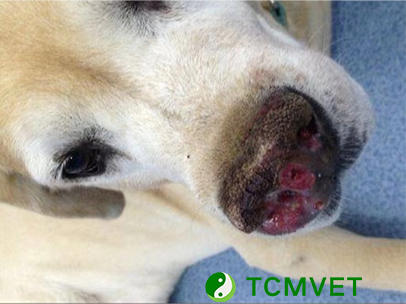
Squamous Cell Carcinoma (SCC) is one of the most common types of cancer affecting pets, particularly dogs and cats. This malignant tumor arises from squamous cells, which are found in the skin and mucous membranes. While treatment options are available, prevention and early detection remain key factors in effectively managing this disease. This article will explore the various strategies and measures pet owners can take to prevent SCC in their pets and the importance of early detection.
1. Understanding Risk Factors:
Knowledge of the risk factors is crucial in preventing SCC. Pets with light-colored or thin coats, and those who spend a considerable amount of time outdoors are at a higher risk due to increased sun exposure. Certain breeds may also be predisposed to this condition. Awareness of these risk factors helps in implementing effective preventive measures.
2. Limiting Sun Exposure:
Since UV radiation from the sun can lead to SCC, especially in areas with less fur such as the ears, nose, and belly, it’s essential to limit your pet’s exposure to intense sunlight. Using pet-safe sunscreens, providing shaded areas, and avoiding outdoor activities during peak sunlight hours can significantly reduce the risk.
3. Regular Veterinary Check-ups:
Regular check-ups with a veterinarian are vital for early detection. These check-ups often include thorough physical examinations that can help identify any early signs of SCC, such as unusual growths or lesions on the skin.
4. Self-Examination of Your Pet:
Pet owners should regularly examine their pets for any signs of SCC. This includes looking for new lumps, sores, or lesions, particularly in sun-exposed areas, and noting any changes in existing moles or spots. Early stages of SCC might appear as small, crusty, or scaly patches.
5. Diet and Nutrition:
A healthy diet rich in antioxidants can help boost a pet’s immune system. Some studies suggest that a diet rich in certain nutrients like omega-3 fatty acids, vitamins A, C, and E might help in reducing the risk of cancer. Always consult with a veterinarian for dietary recommendations tailored to your pet’s specific needs.
6. Spaying/Neutering:
For certain types of SCC, especially those associated with the reproductive organs, spaying or neutering your pet can reduce the risk. This is particularly significant for female dogs and cats, as spaying them can help prevent types of SCC linked to the genital area.
7. Environmental Management:
Minimizing exposure to environmental carcinogens is essential. This includes tobacco smoke, certain chemicals, and pesticides, all of which may contribute to the development of SCC.
8. Early Veterinary Intervention:
If any signs of SCC are detected during self-examinations, it’s crucial to seek veterinary advice immediately. Early intervention can lead to more effective treatment and a better overall prognosis.
Preventing SCC in pets involves a combination of minimizing risk factors, maintaining a healthy lifestyle, and regular medical check-ups for early detection. By understanding the risk factors, implementing preventive measures, and being vigilant about any changes in their pets’ health, owners can play a critical role in protecting their pets from this common form of cancer. Remember, early detection and prompt treatment are the keys to successfully managing SCC in pets.
by TCMVET | Mar 7, 2024 | Dog Cancer & Tumors
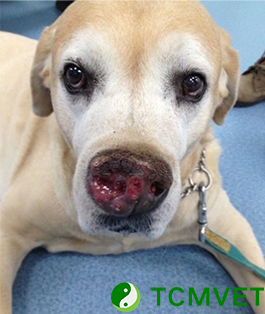
Squamous Cell Carcinoma (SCC) is a prevalent form of cancer in small animals, especially in cats and dogs. This malignancy, arising from the squamous cells lining the skin or various internal organs, poses significant health challenges. However, recent advancements in veterinary oncology and related research are bringing new hope to pet owners and veterinarians. This article explores the latest developments in SCC research and how they are reshaping the treatment and management of this condition in small animals.
1. Targeted Therapies and Precision Medicine:
Advancements in understanding the molecular basis of SCC have paved the way for targeted therapies. Precision medicine, which involves tailoring treatment based on the individual pet’s genetic makeup, is gaining traction. Researchers are identifying specific genetic mutations and pathways involved in SCC, which could lead to more effective, customized treatment plans with potentially fewer side effects compared to traditional chemotherapy.
2. Immunotherapy:
Immunotherapy, a treatment that harnesses the body’s immune system to fight cancer, is a significant breakthrough in human oncology and is now being explored in veterinary medicine. This approach includes the development of cancer vaccines and immune checkpoint inhibitors that can help the immune system recognize and attack cancer cells more effectively.
3. Advanced Imaging Techniques:
The use of advanced imaging techniques such as PET scans and high-resolution MRI is improving the ability to diagnose and stage SCC in small animals. These technologies offer more detailed and accurate insights into the tumor’s size, spread, and response to treatment, allowing for more precise surgical planning and treatment monitoring.
4. Nanotechnology:
Nanotechnology in cancer treatment is an emerging field that holds promise for treating SCC in pets. Nanoparticles can be designed to target cancer cells specifically, delivering drugs directly to the tumor and reducing the impact on healthy tissues. This approach could lead to more effective treatments with fewer side effects.
5. Enhanced Surgical Techniques:
Surgical intervention remains a cornerstone in treating SCC, and advancements in surgical techniques are improving outcomes. Minimally invasive surgeries, guided by advanced imaging, allow for more precise tumor removal with quicker recovery times. Laser surgery is another area of advancement, offering a less invasive option with less bleeding and reduced pain.
6. Better Understanding of Environmental Factors:
Research into the environmental and lifestyle factors contributing to SCC, such as sun exposure and chemical exposure, is helping in the development of better preventive strategies. This includes public awareness campaigns on the importance of protecting pets from excessive sun exposure and avoiding harmful chemicals.
7. Holistic and Supportive Care:
There is an increasing focus on holistic approaches and supportive care in managing SCC. This includes nutritional support, pain management, and alternative therapies like acupuncture and herbal medicine, which can complement traditional treatments and improve the quality of life for pets with cancer.
The landscape of SCC treatment in small animals is evolving rapidly, thanks to ongoing research and technological advancements. These developments not only promise more effective and targeted treatments but also emphasize the importance of a comprehensive approach that includes prevention and supportive care. For pet owners and veterinarians, staying informed about these advancements is key to providing the best possible care for pets with SCC.

by TCMVET | Mar 7, 2024 | Dog Cancer & Tumors
Squamous Cell Carcinoma (SCC) is a significant type of cancer found in pets, particularly in cats and dogs. While medical treatments like surgery, chemotherapy, and radiation are primary strategies for managing this condition, the role of nutrition and lifestyle in supporting these treatments is gaining increased recognition. Proper nutritional and lifestyle management can play a crucial role in improving the quality of life and potentially enhancing the overall outcome for pets with SCC.
1. Importance of a Balanced Diet:
Nutrition is fundamental in supporting a pet’s immune system and overall health, especially during cancer treatment. A diet rich in essential nutrients helps in maintaining strength, improving healing processes, and supporting the body’s natural defenses.
- High-Quality Protein: Proteins are crucial for healing and rebuilding tissues. Pets with cancer need high-quality, easily digestible protein sources to help maintain muscle mass and repair tissues damaged by cancer and its treatments.
- Omega-3 Fatty Acids: Found in fish oil, omega-3 fatty acids can help reduce inflammation and have been linked to potential anti-cancer properties.
- Antioxidants: Vitamins A, C, and E, as well as certain compounds found in fruits and vegetables, can help protect the body’s cells from damage and support immune function.
2. Managing Dietary Needs During Treatment:
Cancer treatments can often lead to side effects such as loss of appetite, nausea, or gastrointestinal issues. It’s essential to manage these side effects to ensure that the pet continues to receive adequate nutrition.
- Appetite Stimulation: Pets with reduced appetite may benefit from frequent, small meals. Palatable, high-energy foods can encourage eating.
- Specialized Diets: In some cases, veterinarians might recommend therapeutic diets formulated for pets with cancer.
3. Maintaining a Healthy Weight:
Maintaining a healthy weight is crucial. Pets that are overweight or underweight may have a harder time coping with the demands of cancer and its treatment.
- Regular Weight Checks: Regular monitoring of the pet’s weight can help in making necessary dietary adjustments.
- Balanced Caloric Intake: Ensuring the pet gets the right amount of calories is essential, as both overfeeding and underfeeding can be detrimental.
4. Physical Activity and Mental Well-being:
While it’s important to avoid overexertion, keeping pets gently active can support their overall health and well-being.
- Light Exercise: Gentle walks or play sessions can help maintain muscle mass and improve mood.
- Stress Reduction: A comfortable, stress-free environment is vital for pets with cancer. Regular interaction and a peaceful living space can greatly enhance their quality of life.
5. Avoiding Carcinogens:
Minimizing exposure to known carcinogens is a key preventive measure. This includes protecting pets from excessive sun exposure, which is a risk factor for SCC, especially in lightly pigmented skin areas.
While medical treatments are at the forefront of battling squamous cell carcinoma in pets, nutrition and lifestyle modifications play an indispensable supportive role. A balanced diet, appropriate physical activity, and a healthy living environment can contribute significantly to the pet’s overall health and well-being during cancer treatment. Pet owners should always consult with their veterinarians to devise a comprehensive, personalized care plan that encompasses all aspects of their pet’s health, including nutrition and lifestyle.
by TCMVET | Mar 7, 2024 | Cat Cancer & Tumors
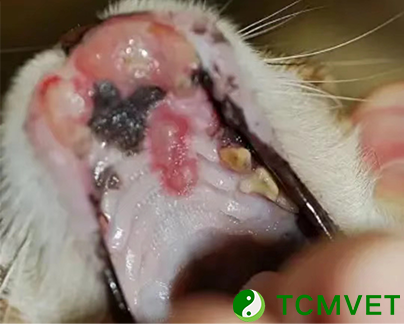
Squamous Cell Carcinoma (SCC) is a prevalent type of cancer in small animals, particularly affecting dogs and cats. It’s a malignant tumor that originates in the squamous epithelium, which is the outermost layer of the skin, as well as in the linings of the organs and cavities of the body. As a pet owner or a veterinary enthusiast, understanding the treatment options available for SCC in small animals is crucial for managing this disease effectively.
1. Surgical Removal:
Surgery is often the primary treatment for squamous cell carcinoma, particularly when the tumor is localized and has not metastasized. The goal of the surgery is to completely remove the cancerous tissue. In cases where SCC is located in the skin, the surgical removal is relatively straightforward. However, if the tumor is in more complex areas, such as the mouth or near the nail beds, the procedure can be more challenging. Post-surgical histopathology is essential to ensure that the margins are clear of cancer cells.
2. Radiation Therapy:
Radiation therapy is another effective treatment, particularly for tumors that are difficult to remove surgically, such as those in the oral cavity. It involves the use of high-energy rays to destroy cancer cells and shrink tumors. This therapy is often used post-surgery if the margins are not clear or if the cancer is inoperable. For some pets, radiation therapy can be used as a palliative treatment to relieve symptoms and improve the quality of life.
3. Chemotherapy:
Chemotherapy is less commonly used in treating SCC in small animals compared to other types of cancer, but it may be recommended in cases where the cancer has metastasized. It involves the use of drugs to kill cancer cells or slow their growth. Chemotherapy can be administered orally or through injections and often comes with side effects such as nausea, fatigue, and increased susceptibility to infections.
4. Cryosurgery:
For smaller or superficial SCC lesions, cryosurgery might be an option. This treatment involves using extreme cold (liquid nitrogen) to freeze and destroy abnormal cells. It is less invasive than traditional surgery and is usually performed on an outpatient basis.
5. Photodynamic Therapy (PDT):
PDT is a relatively new treatment option that involves using drugs, known as photosensitizing agents, alongside light to kill cancer cells. The drug is absorbed by the cancer cells and, when exposed to a specific wavelength of light, it produces a form of oxygen that kills the cells.
6. Electrochemotherapy:
Electrochemotherapy combines chemotherapy and electric pulses to enhance the absorption of chemotherapeutic drugs by the cancer cells. This treatment is gaining interest for treating tumors that are difficult to treat with conventional methods.
7. Palliative Care:
In cases where the cancer is too advanced, or the animal is not a good candidate for aggressive treatments, palliative care becomes the focus. This involves managing symptoms and maintaining the quality of life with medications, nutritional support, and pain management.
Treatment for squamous cell carcinoma in small animals varies based on the tumor’s location, size, and the general health of the animal. Advances in veterinary medicine have significantly increased the effectiveness of SCC treatments, offering hope and improved outcomes for pets diagnosed with this condition. Regular check-ups and early detection remain key in successfully managing and treating SCC. As always, consultation with a qualified veterinary oncologist is crucial to determine the best course of action for each individual case.
by TCMVET | Mar 7, 2024 | Dog Cancer & Tumors
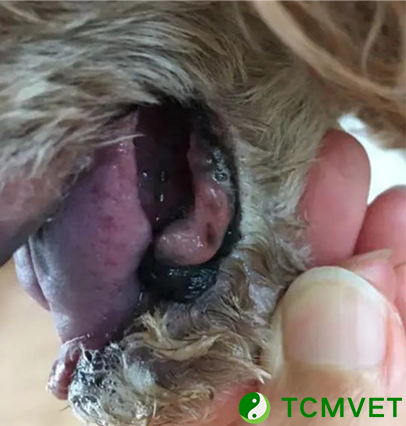
Squamous cell carcinoma (SCC) is a common form of cancer in small animals, especially cats and dogs. This malignant tumor arises from the squamous epithelium, a layer of cells found in various parts of the pet’s body, including the skin, mouth, and other areas exposed to sunlight. Understanding the symptoms and diagnostic procedures for SCC is crucial for pet owners, as early detection can significantly impact treatment outcomes.
Symptoms of Squamous Cell Carcinoma in Pets
SCC can present in multiple forms, depending on its location. Here are some of the common symptoms associated with SCC:
- Skin SCC: Often seen in areas with minimal fur and frequent sun exposure like the ears, nose, and eyelids. Symptoms include raised, crusty, or ulcerated lesions that may bleed.
- Oral SCC: This form is more aggressive and can be challenging to detect early. Symptoms include difficulty eating, drooling, a foul odor from the mouth, visible mass in the mouth, and sometimes bleeding.
- Subungual SCC: This affects the nail beds and toes. Symptoms include swelling, nail loss, and lameness.
Diagnostic Procedures for Squamous Cell Carcinoma
- Physical Examination: A thorough physical examination by a veterinarian is the first step. They will look for masses, ulcers, or lesions on the skin, in the mouth, and around the nail beds.
- Biopsy: A definitive diagnosis of SCC requires a biopsy of the tumor. This procedure involves taking a small tissue sample from the lesion and examining it under a microscope.
- Imaging Tests: X-rays, CT scans, or MRIs might be necessary to determine the extent of the tumor, especially for oral SCC, which can invade bone and surrounding tissues.
- Blood Tests and Other Diagnostics: While blood tests do not diagnose cancer, they can help assess the overall health of the pet and determine if they are fit for surgery or other treatments.
Squamous cell carcinoma in pets can be a serious condition, but with early detection and proper veterinary care, the prognosis can be positive. Pet owners should regularly check their pets for any signs of unusual growths or lesions, especially in sun-exposed areas, and consult their veterinarian if they notice any concerning symptoms. Remember, early detection and prompt treatment are key in managing this type of cancer effectively.
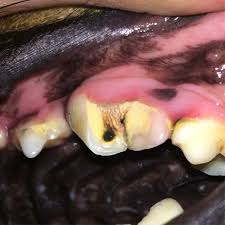
by TCMVET | Mar 6, 2024 | Dog Cancer & Tumors
The field of veterinary medicine is constantly evolving, with groundbreaking research shaping the future of pet care. This article explores the latest developments in the research of canine and feline melanoma, including the potential of Chinese herbs in innovative treatments.
Current Research in Pet Melanoma
Ongoing studies are revealing more about the molecular characteristics of melanoma in pets, such as the involvement of the MAPK signaling pathway and specific gene mutations. This research is vital in developing more effective treatments.
The Role of Chinese Herbs in Research
Researchers are exploring the potential of Chinese herbs in modulating these molecular pathways. Herbs like Baikal Skullcap (Scutellaria baicalensis) and Artemisinin have shown promise in anti-cancer research and could be relevant in treating pet melanoma.
Future Directions in Veterinary Oncology
- Personalized Medicine: Tailoring treatments based on the genetic makeup of each pet’s melanoma.
- Integrative Treatments: Combining conventional treatments with herbal medicine for a holistic approach.
Collaborative Efforts in Research
Collaborations between veterinary oncologists, geneticists, and herbal medicine experts are essential in advancing this field, potentially leading to breakthroughs in both prevention and treatment.
The future of veterinary care in managing melanoma in dogs and cats is bright, with innovative research and the integration of traditional Chinese herbs paving the way for more effective and personalized treatments.
