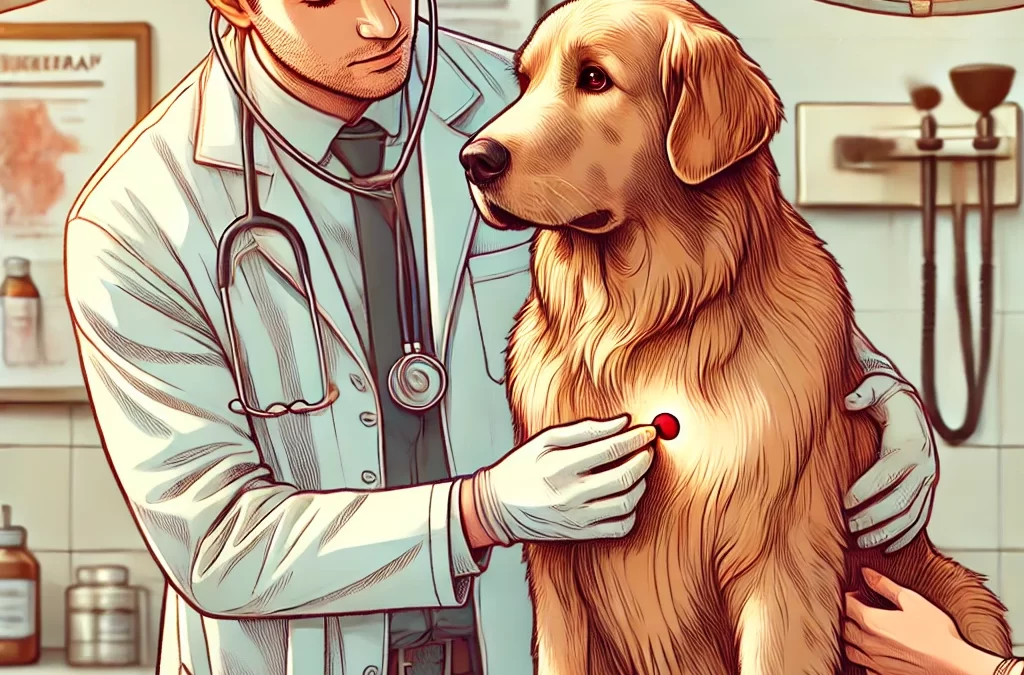
Discovering a lump on your dog’s body can be alarming. Is it just a harmless fatty tumor, or could it be something more serious? Many pet owners hesitate between monitoring the lump at home and rushing to the vet. The key is knowing how to assess the lump properly and recognizing the warning signs that require medical attention.
This article introduces a practical, hands-on guide for pet owners to evaluate their dog’s lumps and bumps, helping you make informed decisions about when to seek veterinary care.
Step-by-Step Guide to Checking Your Dog’s Lump
🖐 1. Use the “Rule of Five” Approach When examining a lump on your dog, assess these five factors:
1️⃣ Size – Is the lump smaller than a pea, or is it growing over time? 2️⃣ Shape – Is it round and smooth, or irregular and bumpy? 3️⃣ Texture – Is it soft and movable, or firm and attached to underlying tissue? 4️⃣ Color & Surface – Is the skin over the lump normal, reddened, or ulcerated? 5️⃣ Growth Rate – Has it changed in size within weeks or months?
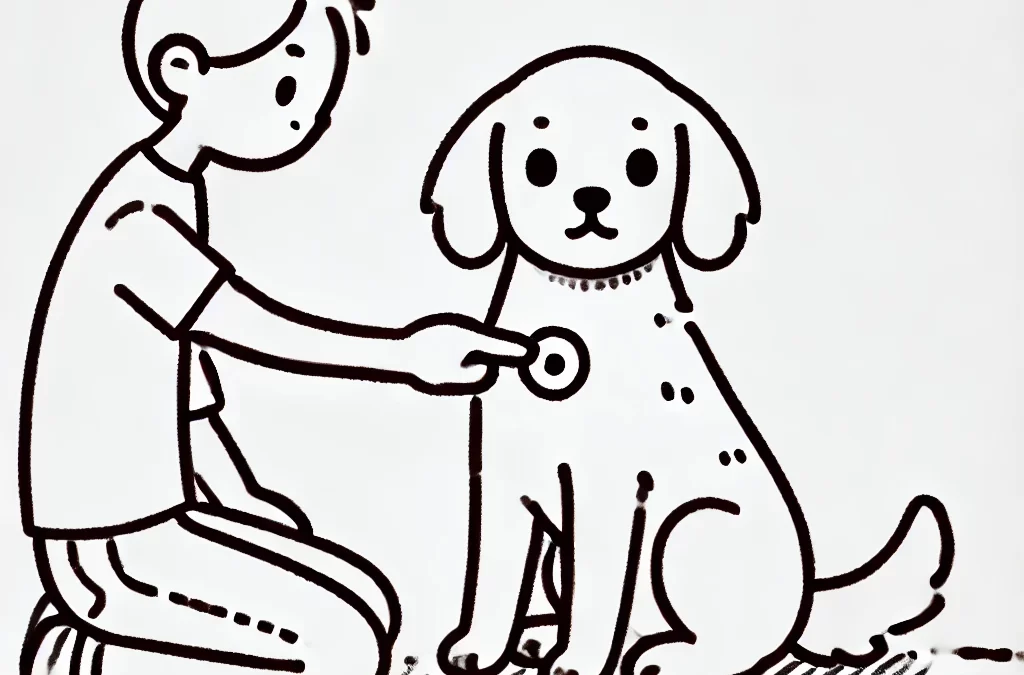
🐾 2. The “Two-Finger Test” Gently move the lump between your fingers. If it feels freely movable under the skin, it’s more likely to be benign (such as a lipoma). If it’s firmly attached to deeper tissues, it could be more concerning.
🔍 3. Observe Any Additional Symptoms Check for changes in your dog’s behavior and overall health. Are they eating well? Losing weight? Scratching or licking the lump excessively? These clues can help determine if the lump is causing discomfort or systemic effects.
Common Types of Lumps and When to Worry
🔹 Lipomas (Fatty Tumors) ✅ Soft, round, and movable ✅ Common in older or overweight dogs ✅ Usually harmless, but should be monitored for sudden growth
🔹 Sebaceous Cysts ✅ Filled with a thick, white, or yellowish substance ✅ Can rupture or become infected ✅ Often not serious but may need draining or removal if problematic
🔹 Mast Cell Tumors (MCTs) 🚨 Often appear red, swollen, or ulcerated 🚨 Can change size rapidly due to histamine release 🚨 Require immediate veterinary evaluation, as they can be aggressive
🔹 Histiocytomas ✅ Common in young dogs, usually on the head or legs ✅ Appear as red, raised, button-like lumps ✅ Often disappear on their own, but should still be checked
🔹 Soft Tissue Sarcomas 🚨 Firm, deep-seated, and slow-growing 🚨 Often do not feel well-defined 🚨 Can be invasive and may require surgical removal
When Should You See a Vet?
📌 Immediate Veterinary Visit Required If:
The lump grows rapidly or changes shape
It is firmly attached to underlying structures
There is bleeding, ulceration, or infection
The lump causes pain or discomfort
Your dog shows other symptoms like weight loss, lethargy, or appetite changes
📌 Monitor at Home If:
The lump is small, soft, and slow-growing
Your dog is acting normal with no discomfort
No rapid changes in size, texture, or color are observed
How Vets Diagnose Lumps
If a vet visit is necessary, they may use: 🩸 Fine Needle Aspiration (FNA) – Extracting cells for microscopic examination 🔬 Biopsy – Taking a tissue sample for more detailed analysis 🖥 Ultrasound or X-rays – To check for internal masses or metastasis
Final Thoughts
Not all lumps are cause for panic, but early detection is crucial. The best approach is to regularly check your dog’s body, stay alert for changes, and consult your vet when in doubt. Being proactive can make a huge difference in ensuring your dog’s long-term health.
Spleen tumors in dogs are often referred to as “silent killers” because they can grow undetected for a long time, showing minimal symptoms until they become a medical emergency. Many pet owners only realize their dog has a spleen tumor when sudden internal bleeding occurs. Understanding the risks, signs, and treatment options for canine splenic tumors is crucial for early detection and intervention.
What Are Spleen Tumors in Dogs?
The spleen is an important organ that helps with blood filtration, immune function, and iron recycling. Tumors in the spleen can be benign (non-cancerous) or malignant (cancerous). The most common types of splenic tumors in dogs include:
Hemangioma – A benign tumor made up of blood vessels.
Hemangiosarcoma (HSA) – A highly aggressive cancer that originates in blood vessel cells and has a high risk of spreading to other organs.
Lymphoma – A type of cancer that affects the lymphatic system and can involve the spleen.
Splenic Nodular Hyperplasia – A non-cancerous condition where the spleen forms abnormal nodules that can still rupture and cause bleeding.
Among these, hemangiosarcoma is the most dangerous and accounts for a large percentage of splenic tumors. It is particularly common in breeds like Golden Retrievers, German Shepherds, and Labrador Retrievers.
Symptoms of Spleen Tumors in Dogs
Early detection of spleen tumors is difficult because many dogs remain asymptomatic until the tumor grows significantly or ruptures. Some signs to watch for include:
Lethargy or weakness – Your dog may seem tired and less active than usual.
Pale gums – A sign of anemia, often due to internal bleeding.
Sudden collapse – This may occur if the tumor ruptures and causes internal bleeding.
Enlarged abdomen – A swollen belly can indicate a growing tumor or internal bleeding.
Loss of appetite and weight loss – Gradual decline in eating and body weight.
Rapid breathing or increased heart rate – A sign of low blood volume or oxygen deprivation.
If your dog shows any of these symptoms, seek veterinary care immediately, especially if they collapse or have pale gums.
How Are Spleen Tumors Diagnosed?
A veterinarian will typically use the following methods to diagnose splenic tumors:
Physical Examination – Checking for an enlarged abdomen or signs of anemia.
Ultrasound – Helps visualize masses inside the spleen.
X-rays – Can show an enlarged spleen or signs of metastasis.
Blood Tests – Detects anemia, abnormal white blood cell counts, and organ function changes.
Fine-Needle Aspiration or Biopsy – Helps determine if the tumor is benign or malignant.
In many cases, a definitive diagnosis can only be made after the spleen is surgically removed and examined.
Treatment Options for Canine Spleen Tumors
1. Surgery (Splenectomy)
If a spleen tumor is detected, the most common treatment is splenectomy (surgical removal of the spleen). Dogs can live without a spleen, but if the tumor is malignant, surgery alone is often not enough to stop cancer progression.
2. Chemotherapy
For hemangiosarcoma, chemotherapy may be recommended after surgery to slow down cancer spread. However, the prognosis remains poor, with an average survival time of 3 to 6 months even with treatment.
3. Natural and Holistic Support
Some pet owners explore natural therapies to support their dog’s immune system and quality of life. Potential options include:
Medicinal mushrooms (like Turkey Tail and Reishi) – May help support immune function.
TCM (Traditional Chinese Medicine) herbs – Some herbal blends, like Baituxiao, have been used for tumor care.
Dietary changes – A high-protein, anti-inflammatory diet may support overall health.
While these options cannot cure cancer, they may enhance well-being and slow disease progression.
Can Spleen Tumors Be Prevented?
While there is no guaranteed way to prevent spleen tumors, pet owners can take steps to reduce risks:
Regular vet check-ups – Early detection through routine exams and ultrasounds in high-risk breeds.
Avoid carcinogenic exposure – Reduce exposure to pesticides, secondhand smoke, and low-quality pet food.
Support immune health – A balanced diet with antioxidants may help prevent cell damage.
Final Thoughts
Spleen tumors in dogs are a serious health concern, especially hemangiosarcoma, which often goes undetected until it becomes life-threatening. Regular veterinary check-ups, being aware of subtle symptoms, and acting quickly if your dog shows signs of distress can make a critical difference. If your dog is diagnosed with a splenic tumor, discuss treatment options with your vet to determine the best course of action for your pet’s quality of life.
By staying informed and proactive, pet owners can provide their dogs with the best possible care and support during this challenging time.
Cancer is a growing concern for pet owners, especially those with multiple dogs. When a dog in the household is diagnosed with cancer, a common question arises: Is canine cancer contagious? Understanding the nature of cancer and how it spreads can help pet owners take appropriate precautions while providing the best care for their furry companions.
Is Cancer Contagious in Dogs?
The simple answer is no—most forms of cancer in dogs are not contagious. Unlike infectious diseases caused by viruses or bacteria, cancer is the uncontrolled growth of abnormal cells within an individual’s body. It does not spread from one dog to another through direct contact, shared food bowls, or proximity.
However, there are rare exceptions, such as transmissible venereal tumors (TVT), which can spread through direct contact, particularly during mating. TVT is one of the only naturally occurring transmissible cancers in dogs, and it mainly affects stray or unneutered dogs. Apart from this, conventional cancers such as lymphoma, osteosarcoma, and mast cell tumors cannot be transmitted between dogs.
Can Cancer Be Influenced by Environmental Factors?
While cancer itself is not contagious, dogs living in the same household may share common environmental risks that could contribute to cancer development. These include:
Exposure to secondhand smoke – Dogs in smoking households have a higher risk of developing lung cancer and nasal tumors.
Toxic chemicals – Pesticides, herbicides, and household cleaning products may increase the risk of cancer in pets.
Diet and obesity – Poor diet and obesity-related inflammation can contribute to the development of cancer over time.
Genetics – If multiple dogs in a household are from the same bloodline or breed, they may have a genetic predisposition to certain cancers.
What Should Multi-Dog Owners Do?
Even though cancer is not contagious, pet owners should take certain precautions to ensure the health and well-being of all their dogs:
1. Maintain a Healthy Environment
Keep your home free of harmful toxins, including cigarette smoke and harsh chemicals.
Avoid using pesticides and herbicides in areas where your dogs play.
2. Support a Nutritious Diet
Feed all dogs a balanced, high-quality diet with fresh, natural ingredients.
Consider supplements that support immune health, such as omega-3 fatty acids and antioxidants.
3. Monitor for Symptoms in Other Dogs
Regularly check for lumps, swelling, weight loss, or behavioral changes.
Schedule annual veterinary check-ups and routine cancer screenings, especially for senior dogs or breeds prone to cancer.
4. Provide Emotional Support
If one dog is diagnosed with cancer, other dogs in the household may experience stress or behavioral changes.
Maintain a stable routine and provide comfort to all pets in the home.
5. Consult a Veterinarian
If you have concerns about cancer risks in your home, consult your vet for personalized advice on prevention and early detection.
Conclusion
Canine cancer is not contagious, but shared environmental factors and genetic predispositions may influence cancer risks in multiple dogs within a household. By maintaining a healthy home, providing proper nutrition, and staying vigilant for symptoms, pet owners can help their dogs live longer, healthier lives. If one of your dogs is diagnosed with cancer, offering love, comfort, and appropriate medical care is the best way to support them while ensuring the well-being of your entire pack.
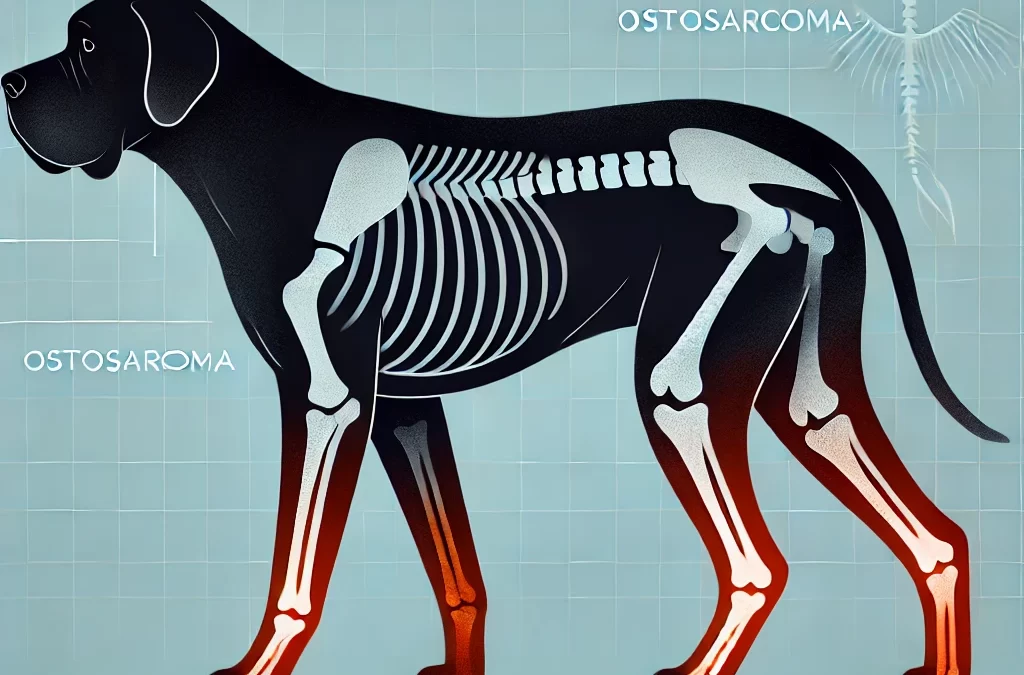
Osteosarcoma (OSA) is the most common primary bone cancer in dogs, and it disproportionately affects large and giant breeds. With its aggressive nature and rapid metastasis, this cancer presents a significant challenge for pet owners. However, understanding the risk factors and adopting preventive strategies can make a difference. This article explores why large dogs are more vulnerable to osteosarcoma and what proactive steps owners can take to minimize the risk.
Why Are Large and Giant Breeds More Susceptible to Osteosarcoma?
Rapid Growth and Bone Development Large and giant breed dogs grow quickly during their early months, putting stress on their bones. This rapid growth may lead to micro-damages in bone structures, creating a predisposition for cancerous mutations.
Genetic Factors Certain breeds have a genetic predisposition to osteosarcoma. Commonly affected breeds include:
Great Dane
Saint Bernard
Irish Wolfhound
Rottweiler
Greyhound
Labrador Retriever
Golden Retriever
Limb Length and Bone Stress Taller dogs with long limbs are more prone to bone stress. Osteosarcoma frequently occurs in weight-bearing bones like the radius, ulna, humerus, and femur.
Hormonal Influence and Spaying/Neutering Studies suggest that early spaying or neutering, particularly before skeletal maturity, may increase osteosarcoma risk. This is believed to be linked to the removal of sex hormones, which play a role in bone growth regulation.
Chronic Inflammation and Bone Trauma Repeated trauma, previous fractures, or orthopedic surgeries may increase cancer susceptibility in dogs, especially in breeds already predisposed to osteosarcoma.
How to Reduce the Risk of Osteosarcoma in Large Dogs
Controlled Growth During Puppyhood
Avoid high-calorie, rapid-growth diets that put excessive strain on developing bones.
Feed large breed puppies specially formulated food that promotes steady, controlled growth.
Balanced Diet with Antioxidants
Incorporate foods rich in omega-3 fatty acids, turmeric, and antioxidants to combat inflammation and oxidative stress.
A diet with controlled calcium and phosphorus levels supports bone health without overgrowth.
Responsible Spaying and Neutering
Consider delaying sterilization until the dog has reached skeletal maturity (typically around 18-24 months for large breeds).
Discuss alternative sterilization options with a veterinarian to balance cancer risk with reproductive health.
Regular Exercise Without Excessive Strain
Low-impact activities like swimming and controlled walks help maintain bone and joint health.
Avoid excessive jumping and repetitive high-impact activities, particularly in young dogs.
Early Detection and Routine Checkups
Regular veterinary screenings help detect subtle bone changes early.
Owners should monitor for signs such as limping, swelling in limbs, persistent pain, or sudden difficulty in movement.
Supplements for Bone Strength
Glucosamine & Chondroitin: Supports joint and bone integrity.
Vitamin D & K2: Helps with calcium absorption and bone density.
Curcumin & Medicinal Mushrooms: Exhibits anti-inflammatory and potential anti-cancer properties.
Avoidance of Environmental Toxins
Reduce exposure to known carcinogens, including pesticides, tobacco smoke, and processed pet foods with artificial additives.
Final Thoughts
While large and giant breed dogs are at higher risk for osteosarcoma, preventative care can play a significant role in reducing this threat. A well-balanced diet, controlled exercise, responsible breeding, and regular health monitoring can help pet owners manage risks effectively. Being proactive not only improves a dog’s longevity but also enhances their overall quality of life. If you notice any signs of lameness or swelling, consult a veterinarian as early diagnosis is crucial for improving outcomes.
Melanoma is one of the most concerning cancers in dogs, often appearing in the mouth, skin, nail beds, and even the eyes. While all dogs can develop melanoma, certain breeds are genetically predisposed due to their pigmentation, skin characteristics, and other biological factors. This article explores which dog breeds are more susceptible to melanoma, the role of environmental factors, and how pet owners can take preventive measures.
Why Are Some Breeds More Prone to Melanoma?
Melanoma arises from melanocytes, the pigment-producing cells in a dog’s body. The following factors contribute to an increased risk in certain breeds:
Genetic predisposition – Some breeds inherit a higher likelihood of abnormal melanocyte growth.
Pigmentation & coat color – Dogs with dark pigmentation, particularly black-coated breeds, are often more prone to oral melanoma. Conversely, lightly pigmented dogs are more susceptible to skin melanoma in sun-exposed areas.
Environmental triggers – Prolonged sun exposure, immune system function, and even diet can influence the development of melanoma in dogs.
Breeds with Higher Risk of Melanoma
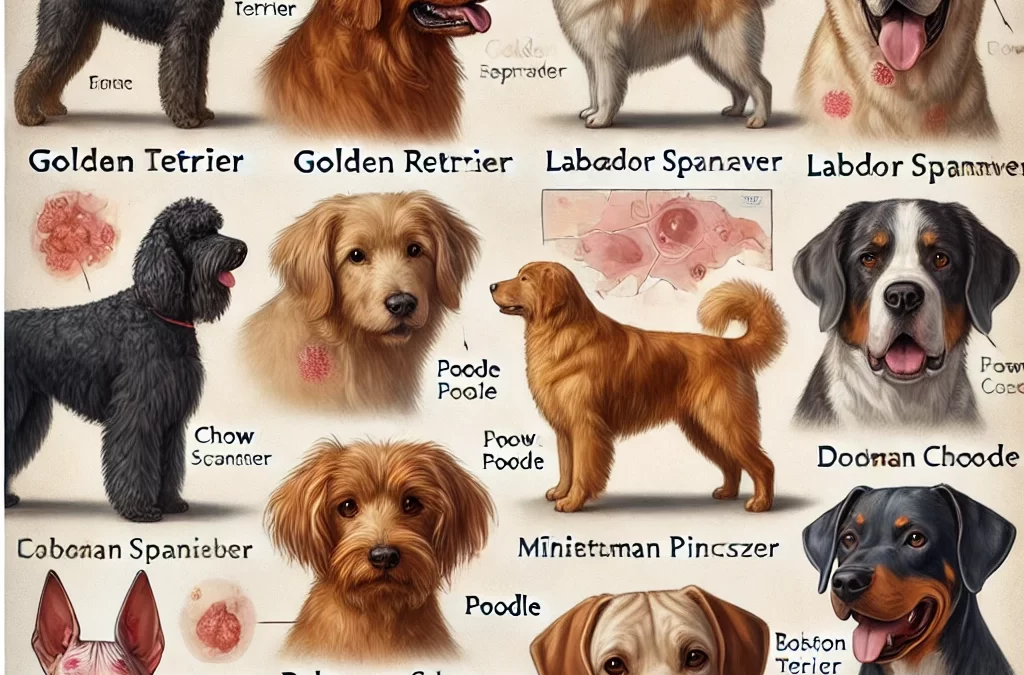
Research and veterinary case studies suggest that the following breeds have a higher risk of developing melanoma:
Scottish Terrier – Often linked to skin melanoma, especially in sun-exposed areas.
Golden Retriever – Prone to various cancers, including melanoma, particularly in their mouths.
Labrador Retriever – Increased cases of oral melanoma have been reported.
Cocker Spaniel – Higher occurrence of melanoma, particularly in the eyes (ocular melanoma).
Chow Chow – Their dark pigmentation increases susceptibility to oral melanoma.
Poodle – Miniature and standard Poodles have been diagnosed with nail bed melanoma.
Dachshund – More likely to develop skin melanoma due to genetic factors.
Doberman Pinscher – Higher incidence of oral and nail bed melanomas.
Miniature Schnauzer – Prone to both skin and oral melanoma.
Boston Terrier – Increased risk of skin melanoma, especially in lighter-colored individuals.
Environmental & Lifestyle Factors That Increase Risk
Even if a dog is not from a high-risk breed, external factors can still influence melanoma development:
Sun exposure – Dogs with lighter skin or thin fur are at risk of UV-induced skin melanoma.
Oral hygiene – Poor dental care can contribute to inflammation, potentially increasing oral melanoma risks.
Age – Older dogs are more prone to cellular mutations that lead to melanoma.
Toxins & diet – Chemical exposure and a lack of antioxidants in a dog’s diet may play a role in cancer susceptibility.
Preventive Measures for Dog Owners
Routine vet check-ups – Early detection is crucial, especially for high-risk breeds.
Oral and skin examinations – Regularly check inside your dog’s mouth, paws, and skin for unusual growths.
Sunscreen protection – Light-skinned dogs should avoid excessive sun exposure, and pet-safe sunscreen can help.
A balanced diet – Antioxidants and omega-3 fatty acids can support immune function and reduce inflammation.
Maintain oral health – Brushing your dog’s teeth and providing dental chews may lower oral melanoma risks.
Final Thoughts
While melanoma is an aggressive cancer, awareness of breed-specific risks and proactive care can help in early detection and prevention. Regular check-ups, a healthy diet, and vigilant monitoring can make a significant difference in a dog’s health. If you notice any unusual lumps, especially in your dog’s mouth, seek veterinary advice as soon as possible.
As pet owners seek alternatives to conventional cancer treatments like surgery, chemotherapy, and radiation, Traditional Chinese Medicine (TCM) has emerged as a promising complementary approach for dogs with tumors. TCM views cancer as an imbalance in the body’s vital energy (Qi) and aims to restore harmony through herbal medicine, acupuncture, and dietary therapy. But how effective is it? And how can we integrate these treatments into a holistic cancer care plan for dogs?
This article challenges conventional views on canine cancer treatment by diving deep into the ancient wisdom of TCM, merging it with modern veterinary insights to offer a fresh perspective on natural healing.
1. Understanding Cancer in Dogs from a TCM Perspective
In Western medicine, cancer is seen as uncontrolled cell growth often triggered by genetic, environmental, or dietary factors. TCM, however, interprets tumors differently:
Stagnation of Qi and Blood: Tumors form when energy and blood become blocked, preventing proper circulation.
Accumulation of Dampness and Phlegm: Excessive moisture in the body can condense into masses.
Kidney and Spleen Deficiency: Weak organ function can lead to toxin buildup, reducing the body’s ability to clear abnormal cells.
TCM treatment focuses on removing blockages, strengthening organ function, and boosting immunity rather than simply destroying cancer cells.
2. Herbal Medicine: A Natural Approach to Tumor Reduction
Chinese herbal formulas for cancer aim to shrink tumors, enhance immune function, and support organ health. Some commonly used herbs include:
Baituxiao (白兔肖): Known for its ability to inhibit tumor growth, clear heat, and detoxify the body.
Huang Qi (黄芪, Astragalus): Strengthens immunity and improves energy flow, often used alongside conventional treatments.
Ban Zhi Lian (半枝莲, Scutellaria Barbata): Has anti-cancer properties and supports liver health.
Ling Zhi (灵芝, Reishi Mushroom): A powerful adaptogen that enhances immune response and reduces inflammation.
Dang Gui (当归, Angelica Sinensis): Promotes blood circulation and prevents Qi stagnation, commonly used for tumors involving the skin or muscles.
These herbs are often prescribed in formulas tailored to a dog’s specific constitution and tumor type, making personalized treatment essential.
3. Acupuncture: Pain Management and Healing Activation
Acupuncture is widely used in human cancer patients to relieve pain and improve well-being, and the same principles apply to dogs. This practice works by stimulating specific meridian points, which:
Reduce inflammation and pain
Boost circulation to help shrink tumors
Support the immune system to slow cancer progression
Improve digestion and energy levels in weakened dogs
Acupuncture sessions are non-invasive and well-tolerated by most dogs. Many pet owners notice improvements in their dog’s mobility, comfort, and appetite after treatment.
4. Dietary Therapy: Healing Through Food
Food is medicine in TCM, and dietary adjustments play a critical role in supporting dogs with cancer. The goal is to reduce inflammation, nourish Qi, and prevent tumor growth through balanced nutrition.
Recommended Foods:
Lean proteins: Duck, rabbit, and fish are preferred over red meat, which can be inflammatory.
Anti-inflammatory vegetables: Carrots, broccoli, and mushrooms like shiitake and maitake.
Healthy grains: Millet, quinoa, and barley, which strengthen the digestive system.
Bone broth: Supports digestion and provides essential minerals.
Foods to Avoid:
Processed foods with artificial additives
Excessive fatty or greasy foods, which contribute to Dampness
Sugary treats, as sugar is believed to feed tumor growth
A carefully tailored diet, combined with herbs and acupuncture, can help maintain energy levels and improve a dog’s overall resilience against cancer.
5. Integrating TCM with Conventional Treatments
While TCM offers powerful tools for managing canine tumors, it works best when combined with Western veterinary care. Many veterinarians now adopt an integrative approach, using TCM alongside surgery, radiation, or chemotherapy to:
Reduce side effects of conventional treatments
Strengthen the dog’s body against cancer recurrence
Improve overall comfort and longevity
6. When to Consider TCM for a Dog with Cancer
TCM is particularly beneficial when:
Surgery is not an option due to the tumor’s location or the dog’s age.
The dog experiences severe side effects from chemotherapy or radiation.
The goal is palliative care to extend quality of life rather than cure the cancer.
Since every dog responds differently, working with a TCM-trained veterinarian ensures a safe and effective treatment plan.
A Holistic Future for Canine Cancer Care
Traditional Chinese Medicine provides a gentle yet powerful approach to treating canine tumors by addressing the root cause rather than just the symptoms. By incorporating herbal medicine, acupuncture, and dietary therapy, pet owners can enhance their dog’s well-being and offer a compassionate, natural path to healing.
Cancer treatment should not just focus on prolonging life but on improving the quality of each day. With the right balance of TCM and Western medicine, dogs can enjoy a more comfortable, fulfilling journey, even when facing a cancer diagnosis.
Bone cancer, particularly osteosarcoma, is one of the most aggressive cancers in dogs. It causes intense pain, often stemming from tumor growth, inflammation, and bone damage, and can lead to complications like fractures or metastasis to the lungs. For pet owners, the challenge lies in managing this pain while ensuring their dog’s life remains as fulfilling and comfortable as possible.
Here, we explore innovative approaches to pain relief and lifestyle enhancement for dogs with bone cancer, combining traditional treatments, natural remedies, and practical lifestyle adjustments.
Understanding Pain in Dogs with Bone Cancer
The pain associated with bone cancer comes from multiple sources:
Tumor growth: The cancer cells invade healthy bone tissue, causing structural instability.
Inflammation: The body’s response to cancer often triggers swelling and discomfort.
Microfractures: As the bone weakens, even normal activity can result in painful fractures.
Recognizing the signs of pain is crucial. Dogs often exhibit:
Limping or avoiding putting weight on an affected limb
Restlessness, particularly at night
Excessive licking or chewing of the affected area
Loss of appetite and general lethargy
Sensitivity or irritability when touched
Effective Pain Management Options
Managing pain is the cornerstone of care for dogs with bone cancer. Options include:
Medications for Pain Relief
Non-Steroidal Anti-Inflammatory Drugs (NSAIDs): These reduce inflammation and provide moderate pain relief.
Opioids: Medications like tramadol or morphine are often prescribed for severe pain.
Bisphosphonates: These drugs help reduce bone breakdown and may alleviate pain.
Palliative Radiation Therapy Radiation can shrink tumors and reduce inflammation, providing significant pain relief. It’s particularly effective when surgery is not an option.
Amputation or Limb-Sparing Surgery In some cases, removing the affected limb or performing surgery to stabilize the bone can drastically reduce pain and improve mobility.
Integrative and Natural Therapies
Acupuncture: Proven to help manage chronic pain and improve overall comfort.
CBD Oil: Cannabidiol can reduce pain and inflammation while promoting relaxation. Always consult your vet for appropriate dosing.
Turmeric or Curcumin Supplements: These natural anti-inflammatories can complement conventional treatments.
Enhancing Quality of Life
Pain management is just one part of the equation. To improve your dog’s daily life, consider:
Adjusting Their Living Space Provide soft bedding and ensure they have easy access to food, water, and outdoor areas. Consider ramps or non-slip rugs to make movement safer.
Low-Impact Exercise Gentle walks or swimming (if possible) can help maintain muscle strength and prevent stiffness. Monitor your dog closely to avoid overexertion.
Nutritional Support
High-protein diets can help maintain muscle mass.
Anti-inflammatory foods like fish oil or omega-3 fatty acids can support joint and bone health.
Avoid highly processed treats or kibble, as these may exacerbate inflammation.
Mental Stimulation Keep your dog engaged with puzzles, gentle play, or interactive toys to support their emotional well-being.
When to Seek Help
It’s essential to regularly assess your dog’s condition with a veterinarian. Look out for signs that their pain may be worsening, such as persistent refusal to eat, increased lethargy, or vocalizations of discomfort. In advanced stages, discussing humane options like palliative care or euthanasia may become necessary.
A Holistic Approach to Care
By combining modern medicine with holistic and lifestyle interventions, you can significantly alleviate your dog’s pain while enhancing their overall quality of life. Every dog’s journey is unique, and with the right care, even dogs facing bone cancer can experience meaningful and joyful moments with their families.
Remember, your love and attentiveness make all the difference.
When a beloved dog is diagnosed with a tumor, many pet owners face a difficult question: How long can my dog live without surgery? The answer is not straightforward, as survival time depends on various factors, including tumor type, size, location, and overall health. In this article, we explore different tumor types, alternative treatment approaches, and ways to enhance a dog’s quality of life without surgical intervention.
1. Understanding Tumor Types and Prognosis
Not all tumors are life-threatening. Some grow slowly and cause little harm, while others can rapidly invade surrounding tissues. Here are the main categories:
Benign Tumors: These are generally slow-growing and non-invasive. Examples include lipomas (fatty tumors) and benign mammary tumors. Dogs with benign tumors can often live normal lifespans without surgery.
Malignant Tumors: These are aggressive and may spread to other organs (metastasis). Examples include osteosarcoma (bone cancer), hemangiosarcoma (blood vessel cancer), and mast cell tumors. Without treatment, life expectancy may range from weeks to months, depending on the cancer stage.
Localized Tumors: Tumors that remain confined to one area, such as some skin tumors, may not significantly impact lifespan but can cause discomfort or complications over time.
2. Factors That Influence Survival Time
Several factors determine how long a dog can live with a tumor without undergoing surgery:
Tumor Growth Rate: Fast-growing tumors, such as hemangiosarcomas, may become life-threatening within months, while slow-growing tumors may take years to cause serious issues.
Tumor Location: Tumors in vital organs like the liver, lungs, or brain can cause severe symptoms much faster than those on the skin or soft tissues.
Metastasis: If the cancer has spread to other parts of the body, survival time is usually shorter.
General Health: Dogs with strong immune systems and good overall health may tolerate tumors better than those with underlying conditions.
3. Alternative and Supportive Therapies
For those choosing to avoid surgery, there are alternative treatments that may help manage symptoms and slow tumor progression:
Holistic & Herbal Remedies: Some herbs, such as turmeric, astragalus, and medicinal mushrooms (reishi, turkey tail), may support immune function and reduce inflammation.
Dietary Adjustments: A low-carb, high-fat diet may help slow cancer cell growth, as cancer thrives on glucose.
CBD Oil & Natural Pain Relief: Many pet owners report that CBD oil helps reduce inflammation, manage pain, and improve overall well-being.
Acupuncture & Physical Therapy: These treatments can help maintain mobility, reduce discomfort, and improve a dog’s quality of life.
4. Monitoring Quality of Life
If surgery is not an option, focusing on comfort and quality of life is essential. Signs that indicate a declining condition include:
Loss of Appetite: A dog refusing food or losing weight rapidly may need additional supportive care.
Difficulty Breathing: Tumors affecting the lungs or pressing on airways can make breathing difficult.
Persistent Pain or Discomfort: If pain medications no longer provide relief, it may be time to discuss palliative care or euthanasia with a veterinarian.
Lethargy and Isolation: When a dog no longer enjoys activities or withdraws from interaction, this may signal declining health.
5. When to Make the Hard Decision
While some dogs can live for months or even years with a tumor, others may experience rapid deterioration. Consulting with a trusted veterinarian is crucial in assessing when intervention or humane euthanasia is the kindest choice.
Conclusion
A dog’s life expectancy with a tumor depends on numerous factors, but with the right care, many can continue to live comfortably without surgery. By providing pain management, dietary support, and holistic therapies, pet parents can ensure their dog enjoys as much quality time as possible. The key is to monitor changes closely and prioritize comfort over aggressive interventions when necessary.
Watching a beloved dog battle late-stage cancer is an emotional and heart-wrenching journey. While a cure may not be possible, there are ways to enhance their comfort, alleviate pain, and improve their remaining quality of life. This article explores practical, compassionate, and even alternative approaches to supporting dogs with terminal cancer.
1. Prioritizing Pain Management
Pain relief is the cornerstone of late-stage cancer care. Conventional pain management options include:
Prescription Pain Medications – NSAIDs (non-steroidal anti-inflammatory drugs) and opioids (such as tramadol) help manage pain effectively.
Adjunct Therapies – Gabapentin for nerve pain and amantadine as an NMDA antagonist can improve comfort when combined with other painkillers.
CBD Oil and Herbal Remedies – Many pet owners turn to full-spectrum CBD oil, turmeric, and boswellia to help reduce inflammation and pain naturally.
2. Nutritional Support to Strengthen Vitality
A diet tailored for cancer support can slow progression and improve overall well-being. Consider:
High-Quality Protein – Lean meats and fish provide essential amino acids for muscle maintenance.
Healthy Fats – Omega-3 fatty acids from fish oil help reduce inflammation and may slow tumor growth.
Low-Carb, High-Fiber Diet – Cancer cells thrive on sugar, so reducing carbohydrate intake may help slow progression.
Natural Supplements – Medicinal mushrooms like turkey tail and reishi, along with Chinese herbs like astragalus, can provide immune support.
3. Holistic Therapies for Comfort and Mobility
Beyond medications and diet, holistic treatments can provide additional relief:
Acupuncture – Helps reduce pain, improve mobility, and stimulate energy balance.
Massage Therapy – Gentle massage enhances circulation and alleviates stiffness.
Hydrotherapy – Warm water therapy relieves joint pressure and promotes gentle exercise.
Energy Healing & Reiki – Some pet owners explore energy healing for relaxation and stress relief.
4. Creating a Comfortable Environment
Adapting your dog’s living space can make a huge difference:
Temperature Control – Older, ailing dogs struggle with temperature regulation, so keeping them warm in winter and cool in summer is essential.
Minimizing Stress – A quiet, calm environment with familiar scents can help ease anxiety and pain.
5. Managing Digestive Issues & Hydration
Cancer can lead to nausea, diarrhea, and loss of appetite. Addressing these symptoms helps improve well-being:
Appetite Stimulants – Medications like mirtazapine can encourage eating.
Homemade Bone Broths – Gentle on the stomach, packed with nutrients, and hydrating.
Probiotics & Digestive Enzymes – Support gut health and aid digestion.
Frequent Hydration – Ensuring adequate water intake prevents dehydration and supports kidney function.
6. Emotional Support & Bonding Moments
Your presence is one of the greatest comforts for a dog in their final stages. Spend time together:
Engage in Favorite Activities – A short walk, a car ride, or a quiet cuddle session can bring joy.
Talk to Your Dog – The sound of your voice is reassuring and calming.
Be Present Without Fear – Dogs sense emotions, so maintaining a peaceful and loving energy helps them feel secure.
7. Knowing When to Say Goodbye
One of the hardest decisions is determining when euthanasia is the most compassionate choice. Consider:
The HHHHHMM Scale – Developed by Dr. Alice Villalobos, this quality-of-life assessment measures Hurt, Hunger, Hydration, Hygiene, Happiness, Mobility, and More Good Days than Bad.
Veterinary Hospice & At-Home Euthanasia – Many vets offer in-home services to allow a peaceful transition in a familiar environment.
Listening to Your Dog – Changes in demeanor, persistent pain despite medication, or a complete loss of appetite can indicate it’s time.
Conclusion
Caring for a dog with late-stage cancer is a profound experience filled with love, dedication, and compassion. By focusing on pain management, nutritional support, holistic therapies, and emotional well-being, pet parents can ensure their dog’s remaining days are filled with comfort and dignity. Whether choosing palliative care or eventually making the difficult decision to say goodbye, the goal remains the same: to honor the bond and give them the best quality of life possible.
When it comes to cancer and tumor development in dogs, size matters—literally. Small and large breeds have different genetic predispositions, metabolic rates, and immune responses, all of which contribute to variations in how tumors develop, progress, and respond to treatment. If you’re a pet parent concerned about your dog’s health, understanding these differences can help you make informed decisions about prevention, early detection, and treatment.
1. The Genetic Factor: Breed-Specific Tumor Risks
Some cancers are more common in certain breeds, and a dog’s size often plays a role in this predisposition.
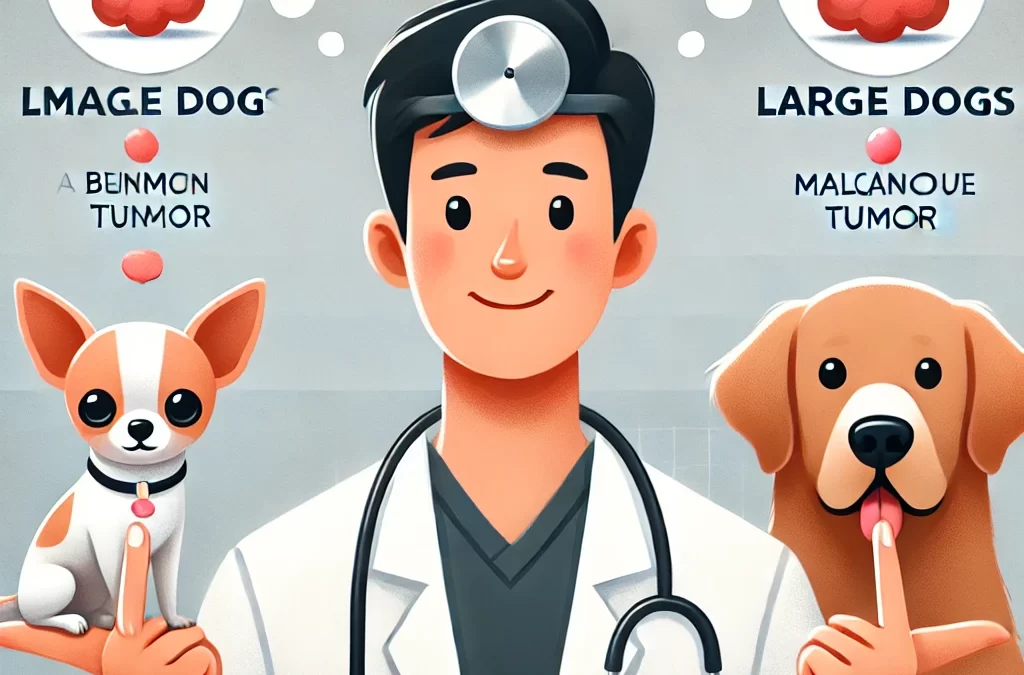
Large Breeds: Dogs like Golden Retrievers, Great Danes, and Rottweilers are more likely to develop osteosarcoma (bone cancer), hemangiosarcoma (blood vessel cancer), and lymphoma. These cancers tend to be aggressive and often metastasize quickly.
Small Breeds: Breeds like Poodles, Dachshunds, and Chihuahuas are more prone to benign tumors such as lipomas and papillomas, but they can also develop mammary tumors and bladder cancer.
The difference is not just in the type of tumors but also in how these cancers behave and respond to treatment.
2. Tumor Growth Rate and Behavior
Tumor progression varies significantly between small and large dogs due to differences in growth rates and cell metabolism.
Faster Growth in Large Dogs: Larger breeds grow rapidly as puppies, and this rapid cell division may contribute to a higher risk of developing malignant tumors later in life. Their tumors also tend to be more aggressive.
Slower Growth in Small Dogs: While tumors in small breeds may develop more slowly, they are still a concern. Benign tumors like lipomas are common but may interfere with mobility if they grow too large. Additionally, small dogs can still develop malignant tumors, such as mast cell tumors, which can spread if left untreated.
3. Life Expectancy and Tumor Onset
Large dogs tend to have shorter lifespans than small dogs, and this impacts tumor development timelines.
Early-Onset Cancers in Large Dogs: Since large breeds age faster, they are more likely to develop cancer at a younger age—often between 6 to 8 years old. This means owners should begin cancer screenings and preventive care early.
Later-Onset Tumors in Small Dogs: Small breeds may not show signs of cancer until their senior years (10+ years old), which means long-term monitoring is essential.
Understanding these timelines can help pet owners schedule vet checkups at the right time to catch potential tumors early.
4. Diagnosis and Treatment Challenges
When diagnosing and treating tumors, size plays a role in both detection and the ability to perform procedures.
Surgical Considerations: Large dogs can better tolerate some surgeries due to their larger body mass, but removing tumors in weight-bearing bones (like with osteosarcoma) can be challenging. Small dogs, on the other hand, may struggle with anesthesia risks, especially if they are very tiny.
Chemotherapy and Medication Differences: Dosing for chemotherapy is weight-dependent, and larger dogs often require higher drug doses, increasing treatment costs. Small dogs, despite needing lower doses, may experience stronger side effects due to their delicate systems.
5. Prevention and Early Detection Strategies
Regardless of size, early detection is crucial. Here’s what dog owners can do:
Routine Veterinary Checkups: Regular exams help catch tumors before they grow too large.
Physical Checks at Home: Running your hands over your dog’s body weekly can help detect unusual lumps.
Breed-Specific Cancer Screenings: Large breeds should have early X-rays and ultrasounds, while small breeds may benefit from skin and bladder screenings.
Diet and Lifestyle Adjustments: A balanced diet, regular exercise, and weight management can help support overall health and potentially reduce cancer risks.
Final Thoughts
While tumors affect both small and large dogs, their differences in genetics, tumor behavior, and treatment options mean pet owners need tailored care strategies. Large dogs are more prone to aggressive cancers at younger ages, while small dogs may develop slower-growing tumors later in life. By understanding these distinctions and prioritizing early detection, dog owners can improve their pets’ quality of life and potentially extend their time together.
Picture this: You’ve just given your dog a much-deserved belly rub after a fun-filled walk. Suddenly, your fingertips brush against a small bump you’ve never noticed before. Cue the suspenseful music—Has an alien invader (read: malignant tumor) set up camp, or is it just a harmless squatter (benign growth) chilling under your dog’s skin? Before you sound the alarm or shrug it off, let’s shed some light on how to decode these mysterious new tenants in your furry friend’s body.
1. “Growth CSI”: Forensic Clues That Matter
Think of yourself as the detective in a high-stakes crime drama. Your job is to gather all the evidence:
Texture and Mobility: Malignant tumors often feel irregular and may adhere to surrounding tissues, while benign lumps tend to be smoother and more mobile.
Rate of Growth: Is that bump rapidly inflating like a balloon, or has it remained the same size over weeks or months? Faster growth can point to malignancy.
Associated Symptoms: Changes in appetite, lethargy, weight loss, or localized pain might be extra red flags that require immediate attention.
The key takeaway? Don’t jump to conclusions just from how the lump feels. But do keep your “detective notebook” updated with observations.
2. Scientific Intel: Diagnostic Tests Reveal the Truth
Just like any good thriller, you’ll need a qualified partner to crack the case. In this episode, it’s your trusted veterinarian, armed with high-tech tools and a keen eye for detail:
Fine Needle Aspiration (FNA): A quick, minimally invasive test that can provide immediate cellular clues. Think of it as collecting “fingerprints” of the lump’s identity.
Biopsy: Sometimes, a closer look is needed—like analyzing a suspect’s DNA. A biopsy offers a deeper dive into the tissue’s structure and cell behavior.
Imaging Tools: X-rays, ultrasounds, or MRIs act as the detective’s magnifying glass, spotting hidden clues about the growth’s boundaries and potential spread.
3. Tumor or Benign Growth? Understanding the Verdict
After collecting evidence and running tests, the verdict will be in. Malignant tumors—our “alien invaders”—carry the risk of infiltration and metastasis. This often calls for prompt, sometimes aggressive, treatment, which may include surgery, chemotherapy, or radiation. Benign growths—our “harmless squatters”—generally grow slowly and stay confined, but that doesn’t mean you can always ignore them. Some benign masses can still press on vital organs or become ulcerated over time, necessitating removal or periodic monitoring.
4. Crafting a Treatment Masterplan
Whether the diagnosis is a harmless squatter or a confirmed alien invader, having a solid game plan is non-negotiable:
Surgical Removal: Often the first line of defense—like evicting a bad tenant.
Medications & Therapies: Chemotherapy, targeted therapy, or immunotherapy can tip the scales in your dog’s favor if the tumor is malignant.
Lifestyle Adjustments: From specialized diets to gentle exercise routines, holistic support helps your dog feel their best throughout treatment.
Ongoing Monitoring: Think of this as your perimeter patrol to ensure no suspicious lumps return or appear elsewhere.
5. Celebrating the Wins and Sharing the Journey
Finding a new lump can be a scary twist in your beloved pet’s story. Yet remember: not every bump is a doom-and-gloom scenario. Armed with vigilance and a proactive approach, you can turn this “alien vs. squatter” mystery into a manageable subplot in your dog’s life adventure. Share updates with your vet, celebrate small victories (a stable lump, successful surgery, good energy levels), and cherish each tail wag along the way.
Because at the end of the day, every detective story worth telling concludes with hope—and maybe a few extra treats for the world’s best sidekick, your dog.
Cancer in dogs is a formidable challenge, often diagnosed too late for effective intervention. Traditional diagnostic tools such as biopsies and imaging have their limitations—they can be invasive, costly, or incapable of detecting tumors at early stages. Enter tumor biomarkers: molecular signatures found in blood, urine, or tissue that offer a game-changing approach to canine oncology. With advancements in veterinary medicine paralleling breakthroughs in human oncology, the race is on to develop reliable, non-invasive biomarkers for early detection, real-time monitoring, and personalized treatment strategies.
1. What Are Tumor Biomarkers, and Why Do They Matter?
Tumor biomarkers are measurable biological substances that indicate the presence, progression, or response to treatment of cancer. These can be:
Proteins and Enzymes: Elevated levels of specific proteins, such as C-reactive protein (CRP) or thymidine kinase 1 (TK1), may indicate malignancies.
Circulating Tumor DNA (ctDNA): Fragments of tumor-derived DNA found in the bloodstream offer insights into genetic mutations and tumor burden.
Exosomes and MicroRNAs (miRNAs): Tiny extracellular vesicles and non-coding RNAs are emerging as promising tools for cancer detection and prognosis.
The ability to detect cancer before it becomes clinically evident could drastically improve treatment outcomes and quality of life for dogs.
2. The Biomarker Revolution: From Concept to Clinical Application
2.1. Early Detection: The Ultimate Game-Changer
Early-stage cancer is often asymptomatic, making routine screening a challenge. Biomarkers can fill this gap by identifying malignancies long before symptoms appear.
Canine-Specific CRP and TK1: Elevated levels have been linked to lymphoma, hemangiosarcoma, and mast cell tumors.
Serum microRNAs: Certain miRNA profiles correlate strongly with osteosarcoma and mammary tumors, paving the way for routine blood tests to detect high-risk cases.
2.2. Prognostic Insights: Predicting Outcomes with Precision
Not all tumors behave the same way. Biomarkers help veterinarians differentiate between aggressive cancers and slow-growing neoplasms, allowing for tailored treatment strategies.
Ki-67 and PCNA (Proliferation Markers): High expression levels suggest rapid tumor growth and a poorer prognosis.
LDH (Lactate Dehydrogenase): Elevated LDH levels often indicate metastasis in hemangiosarcoma, guiding treatment intensity.
AI-powered diagnostic tools are now being trained to analyze biomarker patterns, offering near-instant, highly accurate assessments. Imagine an AI-driven blood test that predicts cancer risk before clinical signs emerge!
3.2. Liquid Biopsy: The End of Invasive Diagnostics?
Liquid biopsy, which detects ctDNA and exosomal markers, is poised to revolutionize cancer diagnostics. Unlike traditional biopsies, it offers a minimally invasive, real-time snapshot of tumor evolution.
3.3. Personalized Medicine for Dogs
As biomarker research advances, veterinarians may soon have access to biomarker-driven decision-making, selecting the best chemotherapy, immunotherapy, or targeted treatments based on a dog’s unique tumor profile.
4. Challenges and Ethical Considerations
Despite its promise, biomarker-based diagnostics face hurdles:
Standardization Issues: Biomarker levels can vary due to breed, age, and concurrent diseases.
Cost vs. Accessibility: Advanced biomarker tests are still expensive and not widely available.
False Positives and Negatives: No biomarker test is 100% foolproof—further refinement is needed to ensure reliability.
5. Conclusion: The Dawn of a New Era in Canine Cancer Care
Tumor biomarkers are no longer just theoretical tools—they are rapidly becoming integral to canine cancer diagnosis, prognosis, and treatment. By embracing this molecular revolution, veterinary medicine is stepping into a future where cancer is detected earlier, treated more precisely, and monitored with unprecedented accuracy.
As technology evolves, the dream of a simple blood test that screens for multiple canine cancers could soon be a reality, giving dogs and their owners the precious gift of more time and better quality of life.
The world of veterinary oncology is witnessing a dramatic shift as cutting-edge technology and visionary research converge to transform our approach to canine brain tumors. While conventional diagnostic methods and traditional treatment modalities have long guided practitioners, a new era of innovation promises to redefine clinical outcomes and enhance our understanding of these complex conditions. Below, we explore how state-of-the-art diagnostic tools, artificial intelligence, and the growing influence of stereotactic radiosurgery (SRS) are pushing the boundaries of canine neuro-oncology.
From Symptoms to Suspicion: The Evolving Diagnostic Landscape 1.1. Recognizing the Unusual Historically, detecting canine brain tumors hinged on recognizing subtle neurological signs—such as persistent head tilt, ataxia, and changes in behavior or appetite. While these red flags remain crucial, advanced imaging and data analytics are offering a more nuanced perspective. Practitioners are now better able to differentiate between inflammatory conditions, infections, and neoplasms thanks to high-resolution imaging and refined diagnostic algorithms.
1.2. The Rise of Advanced Imaging • High-Field MRI: Considered the gold standard for visualizing intracranial lesions, high-field MRI provides detailed images of soft tissue and lesion boundaries. The latest MRI sequences, including functional MRI (fMRI) and diffusion tensor imaging (DTI), can delve deeper into tumor biology, revealing microstructural changes before macroscopic abnormalities appear. • Magnetic Resonance Spectroscopy (MRS): MRS offers molecular-level insights by assessing metabolic changes within the tumor. Elevated choline and lactate peaks, for instance, can serve as early warning signs of malignancy or aggressive growth. • AI-Assisted Image Analysis: Innovative algorithms driven by artificial intelligence are making it possible to detect and quantify tumor growth with remarkable speed and accuracy. These tools can integrate clinical data, imaging markers, and histopathological findings to predict a tumor’s likely progression or response to treatment.
1.3. Biopsy and Beyond Though imaging technology has evolved considerably, histopathological confirmation remains a mainstay of definitive diagnosis. Stereotactic biopsy techniques minimize invasiveness, lowering complications and accelerating recovery. In the near future, liquid biopsy—analyzing circulating tumor cells or tumor DNA in the bloodstream—could further reduce the need for invasive procedures, paving the way for real-time tumor monitoring and dynamic treatment adjustments.
The Quantum Leap: Stereotactic Radiosurgery 2.1. Breaking the Mold of Conventional Radiotherapy For decades, external beam radiotherapy was the de facto approach to treat inoperable or surgically challenging brain tumors in dogs. While effective in certain cases, it often involved multiple sessions over several weeks. Enter Stereotactic Radiosurgery (SRS)—a precision-driven technique that delivers a concentrated radiation dose to the tumor in one or just a few sessions, minimizing damage to surrounding healthy tissue.
2.2. Hallmarks of SRS • Pinpoint Precision: Advanced imaging and computerized treatment planning ensure the radiation beam targets only the tumor, sparing surrounding structures. • Reduced Treatment Sessions: Many canine SRS protocols require fewer visits, thereby reducing stress for both the pet and its owner. • Rapid Symptom Relief: High-dose radiation frequently shrinks the tumor more quickly, offering faster symptom control compared to traditional fractionated radiotherapy. • Minimal Side Effects: The focused approach translates to fewer radiation-related complications, such as skin irritation or hair loss.
2.3. Cutting-Edge Equipment Veterinary hospitals increasingly employ systems once reserved for human medicine, such as Gamma Knife and CyberKnife units. These devices rely on hundreds of convergent radiation beams or a robotic arm capable of delivering high-dose radiation from multiple angles—ensuring unparalleled accuracy and control.
2.4. Integrating SRS with Other Modalities Stereotactic radiosurgery is no longer an isolated procedure. Many specialists advocate a multimodal approach, combining: • Chemotherapy or targeted therapy to tackle microscopic disease and distant metastases. • Immunotherapy to enhance the body’s innate ability to detect and destroy cancer cells. • Nutritional support and rehabilitation to improve overall well-being, expedite recovery, and maintain muscle mass.
The Road Ahead: Challenges and Opportunities 3.1. Financial and Logistical Considerations High-end technology—such as specialized radiotherapy machines—demands significant financial outlay. Consequently, not all veterinary centers can offer SRS, limiting accessibility. However, as technology matures and more clinics adopt advanced equipment, costs may decrease.
3.2. Pushing Research Boundaries Long-term outcome data and large-scale clinical trials remain relatively scarce in veterinary medicine. By cultivating multidisciplinary collaborations between veterinarians, oncologists, radiologists, and medical physicists, the field can gather robust evidence on the safety, efficacy, and optimal protocols for SRS in dogs.
3.3. Personalized Medicine and Beyond Molecular profiling, genetic testing, and digital health records are merging to create a more personalized medicine environment in veterinary care. Future innovations might incorporate real-time biomarker tracking to adapt treatment strategies on the fly—potentially revolutionizing canine neuro-oncology in ways we can barely imagine today.
Conclusion Diagnosing and treating brain tumors in dogs has never been more sophisticated, nor more hopeful. The fusion of high-precision imaging, AI-driven analytics, and stereotactic radiosurgery is redefining what’s possible in veterinary oncology. While significant challenges remain—from ensuring widespread accessibility to gathering large-scale evidence—the collective momentum points to a brighter future for canine patients with brain tumors.
By embracing these new frontiers, we elevate not only the standard of care in canine neuro-oncology but also the broader mission of veterinary medicine itself: maximizing the health, comfort, and longevity of our beloved companions. As SRS and other groundbreaking therapies gain traction, what once seemed like a distant possibility is rapidly becoming the new norm—offering dogs with brain tumors a truly remarkable second chance at life.
Discovering that your dog has a tumor can be distressing, and one of the first questions pet owners ask is, “How long does my dog have?” The answer depends on various factors, including the type of tumor, its location, stage, treatment options, and the dog’s overall health. Understanding these elements can help you make informed decisions and provide the best possible care for your furry companion.
Types of Tumors and Their Impact on Life Expectancy
Not all tumors are life-threatening. Some are benign and may not affect your dog’s lifespan, while others are malignant and can spread aggressively.
1. Benign Tumors
Benign tumors, such as lipomas (fatty tumors) and sebaceous adenomas, typically do not impact a dog’s lifespan unless they interfere with movement or organ function. In many cases, dogs can live a normal life without treatment, though surgical removal may be considered for comfort.
2. Malignant Tumors (Cancerous Tumors)
Malignant tumors pose a more serious risk as they can invade surrounding tissues and metastasize to other organs. Common malignant tumors in dogs include:
Mast Cell Tumors (MCTs): Can be slow-growing or aggressive. With early removal, many dogs continue to live for years, but advanced cases may significantly shorten lifespan.
Osteosarcoma (Bone Cancer): Highly aggressive, often requiring amputation and chemotherapy. Without treatment, survival time is typically 3–6 months, but with treatment, some dogs live 1–2 years or longer.
Lymphoma: One of the most common canine cancers. With chemotherapy, remission can extend a dog’s life by 1–2 years, but without treatment, survival time is usually 1–2 months.
Hemangiosarcoma: A fast-spreading cancer affecting the spleen, heart, or liver. Prognosis is poor, with survival time of a few weeks to months even with treatment.
Mammary Tumors: If caught early and surgically removed, many dogs recover well. However, malignant cases that have spread significantly reduce life expectancy.
Key Factors Affecting a Dog’s Survival Time
Several variables influence how long a dog with a tumor may live:
1. Early Detection and Diagnosis
The sooner a tumor is identified, the better the chances of effective treatment. Regular veterinary check-ups and monitoring for lumps, weight loss, or behavioral changes can lead to early intervention, which can greatly extend life expectancy.
2. Tumor Type, Location, and Stage
The size, location, and spread of the tumor determine how much it will impact your dog’s health. Tumors affecting vital organs or the nervous system tend to be more dangerous, while skin tumors or those on limbs may be easier to manage.
3. Treatment Options and Response
Treatment significantly affects survival time. Common options include:
Surgery: Can completely remove benign tumors and some localized cancers, potentially leading to full recovery.
Chemotherapy: Often used for cancers like lymphoma. While it may not cure cancer, it can extend a dog’s life and improve quality of life.
Radiation Therapy: Helps shrink tumors that cannot be surgically removed.
Holistic and Palliative Care: Natural remedies, dietary changes, and pain management can improve comfort and well-being for dogs in advanced stages.
4. Overall Health and Age
A younger dog with a strong immune system is more likely to respond well to treatment compared to an older dog with other underlying health conditions. Maintaining a healthy lifestyle with a balanced diet and exercise can support better outcomes.
5. Quality of Life Considerations
Beyond survival time, a dog’s quality of life is a crucial factor. Monitoring pain levels, appetite, mobility, and energy levels can help determine the best course of action. In some cases, humane euthanasia may be the kindest option if a dog is suffering.
How to Support a Dog with a Tumor
1. Work Closely with a Veterinarian
Regular check-ups, diagnostic tests, and tailored treatment plans can help maximize your dog’s lifespan and comfort.
2. Provide a Nutrient-Rich Diet
A cancer-friendly diet rich in lean proteins, omega-3 fatty acids, and antioxidants can support the immune system and overall health.
3. Manage Pain and Discomfort
Pain management, whether through medication, acupuncture, or herbal supplements, can greatly improve a dog’s well-being.
4. Monitor Changes in Behavior
Noticing signs like increased lethargy, loss of appetite, or difficulty breathing can help you adjust care strategies in a timely manner.
5. Consider Alternative Therapies
Some pet owners explore Traditional Chinese Medicine, CBD oil, or other holistic treatments to support their dog’s health alongside conventional treatments.
Final Thoughts
A tumor diagnosis in dogs does not necessarily mean the end is near. Many dogs live happily for months or even years with proper care, treatment, and lifestyle adjustments. The key is early detection, appropriate treatment, and maintaining a high quality of life. Every dog is different, and by working closely with a veterinarian, you can make the best decisions to ensure your pet’s remaining time is as comfortable and fulfilling as possible.
Would you like to explore more about specific tumor types, treatment options, or holistic care approaches?
As a pet owner, discovering a lump on your dog can be alarming. The first thought that often comes to mind is, “Is it cancer?” However, not all lumps and bumps are tumors, and even if they are, not all tumors are malignant. Understanding the different types of growths, their potential causes, and the best course of action can help you make informed decisions about your dog’s health.
Common Causes of Lumps on Dogs
Lumps on dogs can arise for various reasons, ranging from benign fatty deposits to more concerning cancerous tumors. Here are some of the most common causes:
1. Lipomas (Fatty Tumors)
Lipomas are one of the most frequently found lumps on dogs, especially in older or overweight dogs. These are soft, movable, and usually harmless fatty deposits under the skin. While they typically don’t require treatment, a vet may recommend removal if they grow too large or interfere with movement.
2. Sebaceous Cysts
Sebaceous cysts occur when a hair follicle or oil gland becomes blocked, forming a lump filled with sebum (a greasy substance). These cysts can sometimes rupture and ooze a whitish or yellowish discharge. Most are benign, but they may need draining or removal if they become infected.
3. Abscesses
An abscess is a swollen, pus-filled area often caused by infections, insect bites, or wounds. These lumps can be warm, red, and painful to the touch. Abscesses may rupture on their own, but they usually require veterinary treatment, including drainage and antibiotics.
4. Warts (Papillomas)
Canine warts are caused by the papillomavirus and typically appear in younger dogs or those with weakened immune systems. These small, cauliflower-like growths usually resolve on their own but may require removal if they interfere with eating or movement.
5. Histiocytomas
Histiocytomas are benign tumors that commonly affect younger dogs. They appear as small, red, dome-shaped lumps, often on the legs, face, or ears. Many histiocytomas resolve on their own within a few months, though some may require removal if they persist.
6. Mast Cell Tumors (MCTs)
Mast cell tumors are among the most common skin cancers in dogs. They can vary in appearance—some may look like harmless lumps while others may be ulcerated or inflamed. MCTs can be aggressive, so any suspicious lump should be evaluated by a vet promptly.
7. Soft Tissue Sarcomas
These malignant tumors develop in connective tissues and can be slow-growing or aggressive. They often feel firm and may not be easily movable under the skin. Early detection and removal are crucial for a better prognosis.
How to Identify Whether a Lump is Concerning
While some lumps are harmless, others may require immediate veterinary attention. Consider the following characteristics:
Size & Growth Rate: If a lump grows rapidly, it may indicate malignancy.
Texture & Mobility: Soft, movable lumps are often benign, whereas firm, attached lumps can be more concerning.
Color & Appearance: Ulcerated, inflamed, or bleeding lumps warrant immediate examination.
Pain & Discomfort: If your dog reacts negatively to touch, it may indicate an infection or malignancy.
What to Do If You Find a Lump on Your Dog
1. Monitor the Lump
If the lump is small, soft, and not causing discomfort, you can monitor it for a few weeks. Take note of any changes in size, shape, or color.
2. Consult a Veterinarian
If the lump is growing quickly, feels firm, is painful, or has an unusual texture, schedule a vet visit. Your vet may perform a fine needle aspiration (FNA) or a biopsy to determine whether the lump is benign or malignant.
3. Consider Removal if Necessary
Benign lumps that are large, growing, or interfering with movement may need to be surgically removed. Cancerous tumors often require surgery, radiation, or chemotherapy.
4. Maintain a Healthy Lifestyle
A balanced diet, regular exercise, and routine vet check-ups can help support your dog’s immune system and overall health, reducing the risk of tumor development.
Final Thoughts
Not every lump on your dog is a cause for panic, but it’s always best to stay vigilant. Early detection and proper veterinary assessment can make all the difference in ensuring your dog’s health and well-being. If you notice any new or changing lumps, don’t hesitate to consult a veterinarian—your furry friend’s health is worth the extra attention!
Would you like additional information on any of the specific lump types or treatment options?
When a beloved dog is diagnosed with a tumor, it can be a heart-wrenching experience for any pet owner. Conventional medicine offers effective treatments, such as surgery, chemotherapy, and radiation, while natural therapies provide complementary benefits that support the dog’s overall well-being. Combining the two approaches offers a balanced and innovative way to manage canine tumors. This article explores how to design a comprehensive plan that integrates natural therapies with Western medicine for optimal outcomes.
Understanding the Strengths of Each Approach
Conventional medicine excels in directly addressing tumors through surgery, chemotherapy, radiation, and advanced diagnostics. These methods focus on treating the tumor itself but may lead to side effects like reduced immunity, lethargy, or gastrointestinal issues.
Natural therapies aim to enhance the body’s inherent ability to heal and cope with treatments. Options include herbal medicine, dietary adjustments, supplements, acupuncture, and massage. These therapies focus on the dog’s overall well-being, helping to mitigate the side effects of conventional treatments while promoting recovery.
Building a Comprehensive Treatment Plan
Collaborate with your veterinarian to discuss the type and stage of the tumor, available treatment options, and how to integrate natural therapies without compromising conventional treatments. Every dog responds differently, so prioritize individual needs, including age, overall health, and lifestyle.
Introduce natural therapies gradually to avoid overwhelming your dog. Start with dietary adjustments, such as adding cancer-fighting foods like spinach, carrots, and fish oil. Gradually incorporate supplements like CBD oil or medicinal mushrooms. Include stress-relieving practices like acupuncture or massage during recovery periods.
Benefits of Integrating Natural and Conventional Approaches
Enhancing treatment efficacy by using natural therapies like turmeric and medicinal mushrooms can boost immunity and reduce inflammation. Quality of life improves with pain relief and anxiety reduction through acupuncture and CBD oil. Natural antioxidants can reduce the oxidative stress caused by radiation or chemotherapy, supporting holistic healing by addressing emotional, physical, and nutritional well-being.
Monitoring and Adjusting the Plan
Regular check-ins with the vet, frequent monitoring of tumor progression, and observing your dog’s behavior are crucial. Maintain a journal to track dietary changes, supplements, and alternative therapies to identify what works best for your dog.
Myths About Combining Natural and Conventional Treatments
It is a myth that natural therapies interfere with conventional medicine. Most therapies complement traditional treatments when guided by a veterinarian. Natural therapies are not a replacement for evidence-based treatments but work best as complementary methods. Gradual integration ensures the combination is not overwhelming for your dog.
Final Thoughts
Combining natural therapies with conventional medicine offers a promising path for treating canine tumors. By addressing the tumor directly while supporting the dog’s overall health and quality of life, this approach ensures a comprehensive care plan. Collaboration with your vet, thoughtful planning, and close observation will help your furry friend fight their tumor and live their best life.
When it comes to your dog’s health, an integrative strategy brings the best of both worlds—giving you peace of mind and your pet the care they deserve.
As veterinary medicine advances, pet owners are increasingly exploring insurance options to manage the costs of complex treatments like tumor care. For dogs diagnosed with tumors, pet insurance can significantly ease financial burdens. However, understanding whether tumor treatments are covered and how to choose the best policy can be challenging. This guide provides a clear overview to help pet owners navigate their options.
Understanding Pet Insurance Coverage for Tumor Treatments
Most pet insurance policies fall into two categories:
Accident-Only Policies: These cover injuries caused by accidents but typically exclude illnesses, including tumors.
Comprehensive Policies: These plans often cover both accidents and illnesses, including cancer treatments, surgeries, and medications.
However, specifics vary by provider. Key factors affecting coverage include:
Pre-existing Conditions: If your dog was diagnosed with a tumor before you purchased insurance, it is unlikely to be covered.
Type of Tumor: Some policies may distinguish between benign and malignant tumors in terms of coverage.
Treatment Options: Coverage may include diagnostics (e.g., biopsies, imaging), surgeries, chemotherapy, radiation, and even palliative care.
Factors to Consider When Selecting Pet Insurance
When evaluating pet insurance, focus on the following aspects to ensure coverage for tumor-related expenses:
Coverage Limits
Annual or Lifetime Caps: Some policies impose a limit on how much they will pay annually or over the pet’s lifetime.
Per-Condition Limits: Policies may cap the payout for specific conditions like cancer.
Reimbursement Rate and Deductible
Reimbursement Rate: Typically ranges from 70% to 90% of the vet bill. Choose a rate that balances premium costs with out-of-pocket expenses.
Deductible: A higher deductible can lower premiums but requires more upfront payment before coverage kicks in.
Waiting Periods
Most insurance policies have waiting periods, often 14–30 days for illnesses. Treatments for tumors diagnosed during this period won’t be covered.
Inclusion of Advanced Treatments
Look for policies that explicitly cover advanced treatments like:
Chemotherapy and radiation
Immunotherapy
Experimental or alternative therapies
Exclusions
Read the fine print to understand exclusions. Some plans may not cover holistic treatments or long-term medications needed post-surgery.
Comparing Popular Pet Insurance Providers
Here’s a quick comparison of features commonly offered by leading pet insurance companies:
Provider
Tumor Treatment Coverage
Annual Limits
Waiting Period
Notable Features
Trupanion
Yes, comprehensive
Unlimited
5 days
No payout caps
Healthy Paws
Yes, including cancer
Unlimited
15 days
Covers alternative care
ASPCA Pet Health
Yes, with add-ons
$5k–Unlimited
14 days
Flexible coverage tiers
Embrace
Yes
$15k
14 days
Offers wellness add-ons
Tips for Choosing the Right Plan
Assess Your Dog’s Risk Factors: Older dogs or breeds prone to tumors may benefit from policies with extensive cancer coverage.
Review Your Budget: Factor in premiums, deductibles, and potential out-of-pocket expenses.
Ask About Direct Payment Options: Some insurers pay veterinarians directly, reducing upfront costs for owners.
Consider Additional Riders: Riders for chronic conditions or wellness care can complement basic policies.
Alternatives to Pet Insurance
If pet insurance doesn’t seem like the right fit, consider these alternatives:
Pet Health Savings Accounts: Set aside funds for emergencies.
Care Credit: Veterinary financing options for high-cost treatments.
Cancer-Specific Funds: Some organizations offer financial assistance for pets with cancer.
Conclusion
Pet insurance can be a valuable resource when dealing with tumor treatments for your dog, but careful selection is crucial. Understanding policy coverage, exclusions, and costs ensures you choose a plan tailored to your pet’s needs. Start early to avoid pre-existing condition exclusions and provide your furry companion with the best care possible.
If you’d like help comparing insurance options or have questions about your pet’s health, consult your veterinarian or a pet insurance expert for personalized advice.
Discovering that your beloved cat has a tumor can be a distressing experience. While veterinary care is essential, natural therapies may offer valuable support in managing the condition, improving your cat’s quality of life, and enhancing the effectiveness of conventional treatments.
Understanding Tumors in Cats
Tumors in cats can vary widely in type, size, and severity. Common types include:
Benign Tumors: Non-cancerous growths that may not require aggressive treatment.
Malignant Tumors: Cancerous growths that can spread to other parts of the body, requiring immediate attention.
Early detection is critical. Regular veterinary check-ups, coupled with close observation of your cat’s behavior and health, can help catch tumors at a manageable stage.
Conventional Treatment Options
Standard veterinary treatments often include surgery, chemotherapy, or radiation therapy, depending on the tumor type and location. While these methods can be effective, they may also lead to side effects such as fatigue, reduced appetite, or discomfort. This is where natural therapies come into play as complementary options to enhance care.
How Natural Therapies Can Support Cats with Tumors
Natural therapies aim to boost your cat’s overall health and help manage tumor-related symptoms. Below are some effective natural approaches:
1. Dietary Adjustments
A nutrient-rich diet can strengthen your cat’s immune system and overall health:
High-Quality Proteins: Help maintain muscle mass and energy levels.
Omega-3 Fatty Acids: Found in fish oil, these combat inflammation and may slow tumor growth.
Antioxidants: Vitamins A, C, and E help neutralize free radicals and support cellular health.
2. Herbal Supplements
Herbs have long been used to support pets with various health conditions. Some beneficial options for cats with tumors include:
Milk Thistle: Promotes liver health, especially if your cat is on medication.
Turmeric (Curcumin): Known for its anti-inflammatory and anti-cancer properties.
TCMVET Baituxiao: A natural herbal supplement designed to reduce and inhibit tumor growth in cats and dogs, helping improve their quality of life.
3. Holistic Therapies
Acupuncture: Can help manage pain and stimulate appetite.
Homeopathy: Tailored remedies can address specific symptoms and support emotional well-being.
4. CBD Oil
CBD oil may reduce pain, inflammation, and anxiety in cats with tumors. Ensure you use a pet-safe product and consult your veterinarian for dosage guidance.
5. Stress Management
Stress can worsen symptoms in sick cats. Create a calm and comfortable environment with familiar toys, blankets, and soothing routines.
The Benefits of Natural Therapies
Natural therapies can provide numerous advantages when combined with veterinary care:
Reduced Side Effects: Minimize discomfort from conventional treatments.
Improved Energy Levels: Help your cat stay active and engaged.
Holistic Healing: Support both physical and emotional well-being.
Final Thoughts
A cancer diagnosis is challenging, but combining conventional treatments with natural therapies can make a significant difference in your cat’s journey. Products like TCMVET Baituxiao and other holistic approaches offer additional support, helping your cat feel more comfortable and improving their overall health.
Always consult your veterinarian before introducing any new therapies to ensure they are safe and appropriate for your cat’s specific needs. With the right care, your feline friend can enjoy a better quality of life despite the challenges.
As devoted cat owners, ensuring the health and well-being of our feline companions is a top priority. While cats are masters of hiding their discomfort, certain early signs of tumors can signal the need for immediate attention. Combining early detection with natural therapies may provide a holistic approach to supporting their treatment and overall quality of life.
Recognizing Early Signs of Tumors in Cats
Understanding the subtle signs of tumors can help in early intervention. Some common symptoms include:
Lumps or Swelling: Unexplained growths under the skin or in the abdomen.
Weight Loss: Sudden or gradual weight reduction without changes in diet.
Changes in Appetite: Increased or decreased eating habits.
Lethargy: Persistent fatigue or reluctance to play.
Behavioral Changes: Increased hiding, aggression, or vocalization.
Vomiting or Diarrhea: Digestive disturbances without clear cause.
If you notice any of these symptoms, consult your veterinarian promptly for diagnosis. Early detection is key to managing the condition effectively.
The Role of Natural Therapies in Supporting Treatment
Natural therapies can complement veterinary care, focusing on improving your cat’s comfort, reducing side effects, and boosting overall well-being. Below are some promising natural approaches:
Nutritional Support A nutrient-rich diet tailored to your cat’s condition is crucial. Key dietary components include:
Omega-3 Fatty Acids: Found in fish oil, these help reduce inflammation and support immune function.
Antioxidants: Vitamins A, C, and E combat oxidative stress and may slow tumor progression.
Protein-Rich Foods: High-quality protein sources like chicken or turkey to maintain muscle mass.
Herbal Remedies Certain herbs are known for their anti-inflammatory and immune-boosting properties:
Turmeric (Curcumin): Known for its anti-cancer properties, it may help reduce tumor growth.
Essiac Tea: A blend of herbs often used to support pets with cancer.
Milk Thistle: Supports liver function, especially during medication or chemotherapy.
TCMVET Baituxiao: A natural supplement designed to reduce and inhibit tumor growth, providing support for cats with tumors.
CBD Oil Full-spectrum CBD oil has gained popularity for its potential to reduce pain, inflammation, and anxiety in cats with cancer. Always use products specifically formulated for pets and consult your vet before introducing CBD.
Acupuncture Acupuncture is a safe and non-invasive method to help manage pain, improve energy levels, and stimulate appetite in cats undergoing cancer treatment.
Benefits of Natural Therapies
Reduced Side Effects: Alleviate the impact of conventional treatments like chemotherapy.
Enhanced Comfort: Improve quality of life by managing pain and stress.
Holistic Healing: Support physical and emotional well-being naturally.
Early detection combined with the right natural therapies, such as TCMVET Baituxiao, can make a significant difference in your cat’s journey. Always consult a veterinarian to ensure the best care plan for your beloved pet.
Cancer in pets is a heartbreaking reality that no pet owner wishes to face. The treatments, though often life-saving, come with a myriad of side effects that can significantly impact a pet’s quality of life. As the search for better ways to support cancer-stricken pets continues, natural therapies are emerging as a beacon of hope. These therapies not only aim to reduce the adverse effects of conventional treatments but also improve the overall well-being of our furry companions.
The Challenge of Side Effects in Cancer Treatment
Conventional cancer treatments like chemotherapy, radiation, and surgery, while effective in targeting tumors, often come with a host of side effects. Common issues include:
Nausea and vomiting
Fatigue and lethargy
Loss of appetite
Pain and inflammation
Immune system suppression
For many pet owners, managing these side effects can feel like an uphill battle. Natural therapies provide an alternative or complementary way to address these challenges while focusing on the pet’s comfort and overall health.
Key Natural Therapies to Reduce Side Effects
Ginger for Nausea and Digestive Support Ginger is a time-tested remedy for nausea. Rich in anti-inflammatory compounds, it can help pets deal with chemotherapy-induced nausea and vomiting. Ginger tea or supplements, when appropriately dosed, can soothe the stomach and improve appetite.
Omega-3 Fatty Acids for Inflammation and Fatigue Found in fish oil, omega-3 fatty acids have anti-inflammatory properties that help reduce pain and promote energy levels. These fatty acids can also support the immune system and aid in maintaining a healthy coat and skin during treatment.
Probiotics for Gut Health Cancer treatments can disrupt gut flora, leading to diarrhea and reduced immunity. Probiotic supplements tailored for pets help restore a healthy gut microbiome, improving digestion and overall health.
Turmeric for Pain Relief and Anti-Inflammation Turmeric contains curcumin, a natural compound with powerful anti-inflammatory and antioxidant properties. It can help manage pain, reduce inflammation, and support the immune system during cancer treatment.
CBD Oil for Pain and Anxiety CBD oil has gained popularity for its ability to manage chronic pain and reduce anxiety in pets. It can help ease the discomfort caused by cancer treatments and improve a pet’s mood, promoting better sleep and relaxation.
Reishi Mushrooms for Immune Support Reishi mushrooms are adaptogens known for their ability to boost immunity and reduce stress. They can help protect pets from infections during immune-suppressing treatments and improve their overall resilience.
Acupuncture for Pain Management Acupuncture is a holistic therapy that has been shown to relieve pain, improve energy levels, and stimulate appetite in pets undergoing cancer treatments. It’s a non-invasive option that many pets tolerate well.
Aromatherapy for Stress Reduction Gentle scents like lavender or chamomile can help reduce stress and anxiety in pets. Essential oils, when used correctly, can create a calming environment for pets dealing with the rigors of cancer treatment.
How Natural Therapies Improve Quality of Life
The ultimate goal of natural therapies is not just to alleviate side effects but to enhance a pet’s quality of life. By targeting specific symptoms and boosting overall well-being, these therapies allow pets to experience:
Increased energy and vitality
Better appetite and digestion
Reduced pain and discomfort
A stronger immune system to fight secondary infections
A Holistic Approach to Cancer Care
Natural therapies work best when combined with conventional treatments and a supportive care plan. This holistic approach ensures that the pet’s body and mind are both nurtured. Regular check-ins with a veterinarian experienced in integrative medicine can help tailor the best treatment plan for each pet.
Real-Life Success Stories
One inspiring story involves Bella, a senior Labrador retriever diagnosed with lymphoma. After starting chemotherapy, Bella’s energy levels plummeted, and she struggled with severe nausea. Her owner incorporated ginger and CBD oil into her care plan, along with acupuncture sessions. Within weeks, Bella’s appetite improved, and she regained her playful demeanor, proving that a combination of conventional and natural therapies can make a world of difference.
A Future of Hope and Healing
As our understanding of natural therapies continues to grow, so does the potential for improving cancer care in pets. These therapies offer hope for reducing the burden of side effects and helping pets live more comfortable, fulfilling lives during their treatment journey.
If your pet is facing cancer, consider exploring natural therapies as part of a comprehensive care plan. Always consult with your veterinarian to ensure the safety and efficacy of any treatment you choose. Together, we can give our pets the best possible chance at health and happiness.
Cancer is a daunting diagnosis for any pet owner. The idea of our beloved furry companions enduring such a struggle can be overwhelming. While conventional treatments like chemotherapy and surgery are often the first line of defense, many pet parents are exploring the growing world of natural remedies. Among these, herbal support stands out as a promising option for managing cancer in cats and dogs. This article delves into how herbal therapies can complement traditional treatments, improve quality of life, and potentially help in slowing the progression of cancer in pets.
The Power of Herbal Remedies in Pet Cancer Care
Herbs have been used for centuries in traditional medicine systems like Traditional Chinese Medicine (TCM) and Ayurveda. Now, their potential in veterinary oncology is gaining recognition. Certain herbs are believed to have anti-inflammatory, immune-boosting, and even anti-cancer properties, making them valuable allies in supporting pets with cancer.
Key Herbs for Cancer Support in Pets
Turmeric (Curcuma longa) Turmeric is renowned for its active compound, curcumin, which has potent anti-inflammatory and antioxidant properties. Research suggests curcumin may help slow the growth of tumors and reduce inflammation associated with cancer.
Milk Thistle (Silybum marianum) Known for its liver-protective effects, milk thistle is often used to detoxify the body, especially in pets undergoing chemotherapy. It helps shield the liver from damage caused by toxins.
Ashwagandha (Withania somnifera) An adaptogenic herb, ashwagandha helps pets manage stress and supports the immune system. It also exhibits anti-cancer properties by inducing apoptosis (programmed cell death) in cancer cells.
Reishi Mushroom (Ganoderma lucidum) While technically a mushroom, reishi is often classified with herbs due to its medicinal properties. It enhances immune function, reduces inflammation, and contains compounds that may inhibit tumor growth.
Chuanxiong (Szechuan Lovage Root) A staple in TCM, Chuanxiong is used to improve blood circulation and reduce pain. Its anti-inflammatory effects may help pets with cancer feel more comfortable.
Green Tea (Camellia sinensis) The polyphenols in green tea, particularly epigallocatechin gallate (EGCG), have shown promise in inhibiting cancer cell growth and protecting healthy cells from oxidative damage.
Benefits of Herbal Support in Cancer Care
Herbs can provide a wide range of benefits for pets battling cancer:
Enhanced immune response. Many herbs strengthen the immune system, enabling pets to better fight cancer cells.
Reduced side effects. Herbal remedies can alleviate side effects of conventional treatments, such as nausea, fatigue, and loss of appetite.
Anti-cancer properties. Certain herbs have compounds that may directly target cancer cells, slowing their growth or inducing cell death.
Improved quality of life. By reducing inflammation and managing pain, herbs can significantly improve your pet’s overall well-being.
How to Safely Use Herbal Therapies
While herbal remedies offer incredible potential, it’s crucial to use them responsibly:
Consult a veterinarian. Always discuss herbal therapies with a vet, preferably one experienced in integrative medicine.
Quality matters. Choose high-quality, pet-safe herbal supplements from reputable brands.
Monitor progress. Keep track of any changes in your pet’s condition and report them to your vet.
Avoid overlapping medications. Some herbs may interact with conventional treatments, so it’s essential to ensure compatibility.
A Holistic Approach to Cancer Care
Herbs should not replace conventional treatments but rather complement them as part of a holistic approach. Integrating herbs with proper nutrition, moderate exercise, and emotional support can create a robust framework for improving your pet’s health.
Success Stories: Real-Life Applications
Many pet owners have shared stories of how herbal support transformed their pets’ lives during their cancer journey. From reducing tumor size to restoring energy levels, these testimonials underscore the potential of nature’s remedies.
For example, one dog battling lymphoma experienced significant improvements in appetite and mobility after starting a regimen of turmeric and reishi mushroom supplements, alongside conventional chemotherapy.
Conclusion
Herbal support offers hope and healing for pets diagnosed with cancer. By tapping into the power of nature, we can enhance their quality of life and provide a supportive environment for recovery. If your pet is facing cancer, consider exploring herbal remedies as part of a comprehensive care plan—always with the guidance of a trusted veterinarian.
A pet diagnosed with a tumor often leaves owners facing difficult decisions. One of the most common solutions is tumor removal surgery. While the procedure can offer hope, it’s essential to understand the associated risks and the critical role post-operative care plays in your pet’s recovery. Here’s an innovative take on how to navigate this challenging journey with confidence and compassion.
Step 1: Understanding the Surgery Risks
1. Anesthesia Concerns Anesthesia is a critical part of any surgery but poses risks, especially for older or ill pets. Modern veterinary practices mitigate these risks through pre-surgery blood tests, monitoring equipment, and tailored anesthesia plans.
2. Surgical Complications While rare, complications like excessive bleeding or infection can occur. Discuss your vet’s experience and the measures they take to ensure a safe procedure.
3. Tumor Recurrence Surgery doesn’t guarantee the tumor won’t return. Understanding the nature of the tumor—benign or malignant—helps set realistic expectations.
4. Underlying Conditions Some pets may have underlying conditions, such as heart disease or diabetes, which increase surgical risks. Comprehensive pre-surgical screenings are vital to identify these risks.
Step 2: Preparing for Surgery
1. Pre-Surgery Health Optimization Ensure your pet is in the best possible health. A nutrient-rich diet, regular exercise, and adequate hydration can make a significant difference in their ability to recover.
2. Mental Preparation for Your Pet Pets sense their owner’s emotions. Stay calm and positive before the surgery to help ease their anxiety. Familiar scents, toys, or bedding can also provide comfort during this time.
Step 3: Mastering Post-Operative Care
1. Managing Pain and Discomfort Pain management is crucial. Vets often prescribe medications, but you can also explore complementary options like acupuncture or cold laser therapy for added relief.
2. Ensuring Proper Wound Care Follow the vet’s guidelines on cleaning and monitoring the surgical site. Look out for signs of infection, such as redness, swelling, or discharge, and act quickly if you notice any.
3. Limiting Physical Activity Restrict your pet’s movement to prevent strain on the surgical site. Invest in a comfortable recovery crate or create a quiet recovery area with minimal distractions.
4. Adapting Diet and Hydration Post-surgery, your pet may have a reduced appetite. Offer soft, digestible foods and ensure they stay hydrated. Nutritional supplements rich in vitamins and omega-3s can support healing.
5. Monitoring Emotional Well-Being Pets can experience post-surgery anxiety or depression. Spend quality time with them, offering reassurance through gentle petting and soothing words.
Step 4: Long-Term Health Maintenance
1. Regular Checkups Follow-up visits to the vet are non-negotiable. These appointments help monitor healing and detect any early signs of tumor recurrence.
2. Building a Healthy Lifestyle A balanced diet, regular exercise, and stress reduction are vital for maintaining overall health. These practices also reduce the chances of tumors returning.
3. Exploring Preventive Therapies Natural supplements like turmeric, medicinal mushrooms, or CBD oil are gaining traction for their potential anti-inflammatory and anti-tumor properties. Always consult your vet before introducing new supplements.
Step 5: Finding Support in the Community
Facing a tumor diagnosis and surgery can be overwhelming. Joining pet owner support groups can provide emotional solace, practical tips, and a sense of solidarity during this journey.
Conclusion: A Journey of Compassion and Care
Tumor removal surgery for pets is more than just a medical procedure—it’s a step toward giving your furry companion a second chance at a happy, healthy life. By understanding the risks, preparing thoroughly, and mastering post-operative care, you can make this challenging process smoother for both you and your pet.
Remember, your dedication and love are the most powerful tools in ensuring their recovery and comfort. With the right approach, this chapter can become a testament to the unbreakable bond between you and your beloved pet.
When your beloved dog is diagnosed with a tumor, it can feel like your world has turned upside down. While the news is daunting, the journey ahead doesn’t have to be. This guide offers fresh insights into caring for your furry friend, ensuring they remain comfortable and supported during this challenging time.
1. Don’t Panic: Focus on Understanding the Diagnosis
The word “tumor” often sparks fear, but not all tumors are malignant. Consult your veterinarian to understand the type, stage, and prognosis of the tumor. Knowledge empowers you to make informed decisions.
2. Explore All Treatment Options
From surgery to chemotherapy, radiation, and even alternative therapies, the treatment landscape for canine tumors is diverse. Discuss options with your vet and consider a second opinion to ensure you’ve explored every avenue.
3. Prioritize Nutrition
A well-balanced diet can strengthen your dog’s immune system. Include antioxidant-rich vegetables, lean proteins, and omega-3 fatty acids. Consider consulting a veterinary nutritionist to tailor a diet for your dog’s specific needs.
4. Create a Comfortable Environment
Your dog’s comfort is paramount. Invest in orthopedic bedding, ensure easy access to food and water, and reduce environmental stressors like loud noises or frequent visitors.
5. Monitor for Changes
Keep a journal of your dog’s symptoms, appetite, and energy levels. Subtle changes can indicate how well the treatment is working or if adjustments are needed.
6. Embrace Natural Remedies (With Caution)
Natural therapies like CBD oil, turmeric, and medicinal mushrooms are gaining popularity for managing canine tumors. Always consult your vet before introducing any supplements to avoid interactions with ongoing treatments.
7. Provide Emotional Support
Dogs are intuitive creatures and can pick up on your stress. Stay positive, spend quality time with them, and maintain routines to give them a sense of normalcy.
8. Stay on Top of Pain Management
Pain management is crucial for dogs with tumors. Work closely with your vet to establish a plan using medications, acupuncture, or physical therapy to keep your dog comfortable.
9. Consider Palliative Care
If the tumor is untreatable, palliative care focuses on enhancing quality of life. This may include pain relief, mobility aids, and strategies to improve appetite.
10. Join a Support Community
You’re not alone on this journey. Connect with other pet owners who have gone through similar experiences. Their insights and emotional support can be invaluable.
Final Thoughts
A tumor diagnosis is not the end of the road for your dog. With the right care, they can continue to enjoy a fulfilling life. As an owner, your love and dedication make all the difference in navigating this chapter together.
By focusing on their comfort, exploring innovative treatments, and leaning on support networks, you can give your dog the best care possible during this time.
When faced with a diagnosis of tumors in dogs, many pet owners seek alternatives or complements to conventional treatments. Traditional Chinese Medicine (TCM) offers a treasure trove of natural remedies that have been used for centuries to combat illness, boost immunity, and promote overall health. Let’s dive into 10 common herbs that are making waves in holistic veterinary care and explore their potential for dogs battling tumors.
1. Astragalus (Huang Qi)
Renowned for its immune-boosting properties, astragalus is a powerhouse for dogs recovering from cancer treatments. It enhances white blood cell activity, helping to prevent infections and reduce inflammation, creating a less favorable environment for tumor recurrence.
2. Oldenlandia (Bai Hua She She Cao)
A superstar in the TCM world, oldenlandia is valued for its ability to inhibit tumor growth. Often used in herbal blends, it supports detoxification and reduces oxidative stress in the body.
3. Scutellaria (Huang Qin)
This herb is praised for its anti-inflammatory and antioxidant properties. In dogs with tumors, it can help calm systemic inflammation and improve liver function, making it a vital ally in holistic care.
4. Turmeric (Jiang Huang)
Known worldwide for its active compound curcumin, turmeric has natural anti-cancer properties. It reduces inflammation, inhibits tumor angiogenesis, and enhances the effectiveness of other treatments.
5. Reishi Mushroom (Ling Zhi)
Reishi mushrooms are adaptogens that boost the immune system, improve energy levels, and may slow tumor growth. They are gentle yet highly effective, making them suitable for long-term use.
6. Cordyceps (Dong Chong Xia Cao)
Cordyceps support respiratory health and boost energy, crucial for dogs with tumors experiencing fatigue or breathing difficulties. This herb is often used to restore vitality during recovery.
7. White Mulberry Root Bark (Sang Bai Pi)
This herb is particularly helpful for reducing coughing and calming the lungs, especially in cases where tumors affect the respiratory system. It also supports overall detoxification.
8. Licorice Root (Gan Cao)
Licorice root is a harmonizing herb in TCM. It aids digestion, reduces inflammation, and enhances the effects of other herbs in a formula, making it a versatile choice for dogs with cancer.
9. Dang Shen (Codonopsis)
A gentler alternative to ginseng, Dang Shen helps restore energy and improve appetite in dogs undergoing treatments. It supports the spleen and lungs, improving overall vitality.
10. Chuanxiong (Szechuan Lovage Root)
Known for promoting blood circulation, Chuanxiong is used to improve oxygen delivery to tissues and reduce pain or swelling caused by tumors. It is a critical herb for supporting overall comfort in affected dogs.
How to Use These Herbs Safely
While these herbs have remarkable potential, their effectiveness depends on proper dosing and administration. Overuse or improper combinations can lead to adverse effects. Always consult with a holistic veterinarian or a TCM expert to create a tailored herbal plan for your dog.
Holistic Support with Products Like TCMVET Baituxiao
For pet owners who prefer ready-to-use solutions, products like TCMVET Baituxiao combine the benefits of several key herbs into one formula. Designed to reduce tumor growth and enhance immune health, this product offers a safe and convenient way to incorporate the power of herbs into your dog’s care routine.
A Natural Way Forward
The integration of herbs into a dog’s cancer care plan can provide not only physical relief but also a sense of hope for pet owners. These natural remedies, rooted in centuries of wisdom, are now bridging the gap between traditional and modern medicine. With the right approach, herbs can help your dog live a more comfortable and vibrant life.
As advancements in veterinary medicine progress, many dogs with tumors have benefited from treatments like surgery, radiation, or chemotherapy. However, the risk of tumor recurrence remains a primary concern for pet owners. Recently, herbal medicine has gained attention as a natural and gentle approach to support post-treatment recovery and reduce the likelihood of tumor regrowth. But how exactly do herbs help in this process?
Holistic Support for Overall Health
Herbal medicine focuses on improving the dog’s overall health rather than targeting just the tumor. Herbs like astragalus and ginseng are known for boosting the immune system, helping dogs fend off potential tumor regrowth.
Additionally, herbs such as scutellaria and oldenlandia have been shown to inhibit the proliferation of abnormal cells, making them valuable components in natural post-treatment care. These properties can play a crucial role in creating an internal environment less favorable for tumor recurrence.
Regulating the Tumor Microenvironment
Tumor recurrence often stems from an imbalance in the body, including chronic inflammation or a weakened immune system. Herbal formulations work by balancing the dog’s internal environment. For example, certain herbs are known to reduce inflammation and improve blood circulation, helping to disrupt the conditions that support tumor growth.
Promoting Long-Term Wellness with TCMVET Baituxiao
One notable product that incorporates the benefits of traditional Chinese herbal medicine is TCMVET Baituxiao. This carefully formulated supplement combines key herbs known for their anti-inflammatory and immune-boosting properties. By supporting overall well-being and targeting factors associated with tumor recurrence, it helps provide an additional layer of protection for dogs recovering from tumors.
Many pet owners have observed significant improvements in their dogs’ vitality and overall health after incorporating TCMVET Baituxiao into their care routine, making it a valuable addition to long-term tumor management strategies.
A Natural Path to a Healthier Future
While conventional treatments are essential for addressing tumors, integrating herbal medicine can enhance recovery and provide extra support against recurrence. By focusing on overall health, regulating the tumor microenvironment, and using products like TCMVET Baituxiao, pet owners can take proactive steps to ensure their furry companions lead longer, healthier lives.
Always consult your veterinarian before starting any new supplement or treatment plan to ensure it aligns with your dog’s specific needs.
When it comes to canine health, tumors are a topic that often sparks fear and confusion among pet owners. While some tumors are easily noticeable, others can develop in areas that are frequently overlooked, delaying diagnosis and treatment. Let’s explore the common tumor locations in dogs and shed light on the areas that deserve more attention.
1. The Skin: More Than Meets the Eye
The skin is the most common site for tumors in dogs, including benign growths like lipomas and malignant forms like mast cell tumors. While many pet owners notice lumps during grooming, smaller growths or those in dense fur areas often go undetected.
Overlooked Areas:
Armpits and groin regions
Around the tail base
Behind the ears
Tip: Regularly run your hands over your dog’s body to check for unusual lumps, especially in hard-to-see areas.
2. The Mouth: A Silent Danger
Oral tumors often go unnoticed until they cause visible symptoms like bad breath, drooling, or difficulty eating. Common types include melanoma and squamous cell carcinoma.
Overlooked Areas:
Under the tongue
At the back of the throat
Along the gum line
Tip: Schedule regular dental check-ups and inspect your dog’s mouth for any abnormalities.
3. The Limbs: Hiding in Plain Sight
Tumors on the legs, especially bone cancers like osteosarcoma, can initially present as swelling or limping, which might be mistaken for an injury.
Overlooked Areas:
Inside the armpits
Near the paw pads
Underneath the fur on the thighs
Tip: Pay close attention to persistent limping or swelling, as these could indicate something more serious.
4. The Abdomen: A Hidden Threat
Internal tumors, such as those affecting the spleen, liver, or intestines, are among the hardest to detect. These often grow silently until they cause noticeable symptoms like bloating or weight loss.
Overlooked Signs:
Subtle changes in appetite
Slight distension of the belly
Lethargy without an obvious cause
Tip: Regular veterinary check-ups and ultrasounds can help detect these hidden threats early.
5. The Mammary Glands: A Gender-Specific Risk
Female dogs, especially those unspayed, are prone to mammary tumors, which can vary from benign to malignant. These lumps often start small and may go unnoticed in the early stages.
Overlooked Areas:
Around the nipples
Along the mammary chains
In male dogs (though rare, it’s possible)
Tip: Perform routine checks, especially if your dog is unspayed or has had a litter.
6. The Perianal Region: A Delicate Spot
Tumors in the perianal area, such as adenomas or carcinomas, are often missed due to their location. These can appear as small growths near the anus or under the tail.
Overlooked Signs:
Scooting or excessive licking
Small lumps under the tail
Difficulty defecating
Tip: During grooming, gently inspect this area for any irregularities.
7. The Eyes and Eyelids: A Subtle Intrusion
While not as common, tumors can develop in and around the eyes, including the eyelids. These are often mistaken for benign cysts or infections.
Overlooked Areas:
Beneath the eyelids
Along the tear ducts
At the corners of the eyes
Tip: Any growth near the eyes should be examined by a vet to prevent vision impairment.
Why Early Detection Matters
The earlier a tumor is detected, the better the prognosis. Many tumors, even malignant ones, can be treated effectively if caught early. Regular physical checks, grooming, and vet visits are crucial for early detection.
Conclusion: A Hands-On Approach to Health
Your hands and eyes are your best tools for keeping your dog healthy. Regularly examine your dog’s entire body, including those overlooked spots. Pair this with routine veterinary care, and you’ll be well-equipped to catch any potential issues before they escalate. After all, your vigilance is your dog’s best defense against tumors.
When faced with a tumor diagnosis in your beloved dog, making treatment decisions can feel overwhelming. Owners often ask: Should I opt for conventional treatments like chemotherapy or surgery, or explore natural therapies? Each option has its benefits, risks, and unique considerations. This guide provides a fresh perspective to help you navigate these choices.
1. Chemotherapy: A Double-Edged Sword
Chemotherapy is a common treatment for certain types of cancer, especially systemic cancers like lymphoma. It works by targeting rapidly dividing cancer cells, but it can also affect healthy cells, leading to side effects.
Pros:
Effective for systemic cancers that have spread.
Can shrink tumors and improve quality of life.
May extend survival time significantly.
Cons:
Side effects include nausea, fatigue, and immune suppression.
Requires frequent vet visits, which can be stressful for the dog.
Costs can quickly add up, depending on the type and duration of treatment.
Chemotherapy might be a good choice if your dog’s cancer is aggressive and systemic, and you’re willing to manage potential side effects.
2. Surgery: Precision in Action
Surgical intervention is often the first line of defense for localized tumors. It aims to remove the tumor entirely, providing a potential cure in cases where the cancer hasn’t spread.
Pros:
High success rate for benign or localized tumors.
Immediate removal of the tumor reduces pain and pressure on surrounding tissues.
Can provide a definitive diagnosis through biopsy.
Cons:
Not suitable for all cancers, especially metastatic ones.
Recovery can be painful and requires diligent aftercare.
Anesthesia risks, particularly for older or weaker dogs.
Surgery is ideal for tumors detected early, especially those in accessible areas with minimal surrounding tissue involvement.
3. Natural Therapies: A Holistic Approach
Natural therapies, such as herbal remedies, dietary changes, and acupuncture, focus on boosting the body’s natural defenses to fight cancer and improve quality of life.
Popular Natural Options:
Herbal Supplements: Ingredients like turmeric (curcumin) and Chuanxiong (Szechuan Lovage) are believed to reduce inflammation and inhibit tumor growth.
Dietary Adjustments: High-protein, low-carb diets may starve cancer cells by reducing their primary energy source.
Acupuncture and Massage: These can relieve pain and improve energy levels.
Pros:
Non-invasive and often free of severe side effects.
Can complement conventional treatments, enhancing their efficacy.
Focuses on overall well-being, not just the tumor.
Cons:
Lack of scientific evidence for some therapies.
Results may take time, and not all cancers respond.
Requires commitment to lifestyle changes and regular administration.
Natural therapies are best suited for dogs whose owners seek a gentler, supportive approach, either as a standalone treatment for slow-growing tumors or alongside conventional options.
Making the Right Choice
Choosing the best treatment involves a careful assessment of several factors:
Type and Stage of Cancer: Some cancers respond better to specific treatments. For example, surgery may cure a benign tumor, while chemotherapy is necessary for aggressive lymphomas.
Your Dog’s Overall Health: Older dogs or those with other health conditions may not tolerate invasive treatments.
Financial and Emotional Capacity: Treatments can be costly and emotionally draining, so consider what’s realistic for your situation.
Quality of Life: Prioritize your dog’s comfort and happiness, especially in advanced stages.
Blending Approaches for Optimal Results
Increasingly, vets recommend integrative care—combining conventional treatments with natural therapies. For example:
Surgery to remove a primary tumor, followed by a tailored diet and supplements to prevent recurrence.
Chemotherapy to manage metastasis, complemented by acupuncture to reduce nausea and fatigue.
Conclusion
There is no one-size-fits-all answer when treating canine tumors. Whether you choose chemotherapy, surgery, or natural therapies, the ultimate goal is to enhance your dog’s quality of life and provide the best possible care. Collaborate closely with your veterinarian, and don’t hesitate to seek a second opinion or explore holistic practitioners. After all, your dog’s journey is unique—and so is the love you share.
When a beloved dog is diagnosed with a tumor, it can be overwhelming for pet owners. The fear of losing a furry companion, coupled with the complexities of treatment options, can leave many questioning the best course of action. While conventional Western treatments like surgery, chemotherapy, and radiation are often recommended, an increasing number of pet owners are seeking alternative therapies, such as traditional Chinese herbal medicine, as a gentler and holistic approach to managing their dog’s condition.
Herbal remedies are rooted in millennia of healing wisdom and have been shown to offer various benefits for dogs with cancer. Unlike aggressive Western treatments, which can sometimes cause significant side effects, herbal medicine seeks to work with the body’s natural healing processes, strengthening the immune system, reducing inflammation, and promoting overall well-being. This article explores how Chinese herbal medicine can complement Western veterinary care, offering a gentler path for dogs battling tumors.
1. The Gentle Power of Herbal Medicine
Traditional Chinese Medicine (TCM) has been practiced for thousands of years, using natural herbs to treat a wide variety of conditions, including cancer. TCM does not view cancer as an isolated condition but as an imbalance in the body’s vital energies, known as “Qi.” By using a combination of herbs that address both the root cause and symptoms, Chinese herbal therapy aims to restore harmony within the body, support the immune system, and potentially inhibit tumor growth.
Common herbs like Dong Quai (Angelica sinensis), Turmeric (Curcuma longa), and Reishi Mushroom (Ganoderma lucidum) are often used to treat cancer in dogs. These herbs are known for their anti-inflammatory, antioxidant, and immune-boosting properties. For example, turmeric contains curcumin, a powerful compound that has been shown to possess anti-cancer effects by reducing inflammation and oxidative stress in the body. Reishi mushrooms have long been celebrated for their immune-enhancing abilities, supporting the body in its natural fight against abnormal cell growth.
2. Supporting the Immune System
A key aspect of herbal therapy for dogs with tumors is its emphasis on boosting the immune system. Cancerous growths often thrive in an environment where the immune system is weak or compromised. By strengthening the dog’s immune defenses, herbal remedies can enhance the body’s ability to target and destroy abnormal cells before they can proliferate.
Herbs like Astragalus (Astragalus membranaceus) and Schisandra (Schisandra chinensis) have been shown to bolster immune function and improve the body’s resistance to disease. These herbs work by stimulating white blood cell production, increasing the body’s ability to fight off infections and abnormal cell growth. This can be especially important in managing tumors and preventing the spread of cancerous cells.
3. Minimizing Side Effects
One of the biggest concerns for pet owners when it comes to cancer treatment is the potential side effects. Chemotherapy and radiation, while effective, often come with a range of unpleasant side effects such as nausea, fatigue, hair loss, and a weakened immune system. In contrast, herbal medicine is generally much gentler, with fewer side effects, and often works in conjunction with Western treatments to reduce the intensity of these adverse reactions.
For instance, Ginseng (Panax ginseng) is known for its ability to help reduce the fatigue and weakness that can result from chemotherapy or radiation therapy. It helps boost energy levels and promotes overall vitality, allowing the dog to feel stronger throughout their treatment journey. Additionally, Milk Thistle (Silybum marianum) is often used in herbal therapy to support liver health, which can be crucial for dogs undergoing toxic treatments like chemotherapy.
4. Customized Herbal Formulas
One of the greatest strengths of Chinese herbal medicine is its individualized approach. In TCM, no two cases are the same. Each treatment plan is personalized based on the dog’s unique symptoms, constitution, and overall health. A licensed veterinary herbalist may prescribe a combination of herbs tailored specifically to the dog’s needs, ensuring a more holistic and targeted approach to healing.
These custom formulas might include a variety of herbs that address the dog’s specific type of cancer, its location, and the overall health status of the pet. For example, a dog with a lung tumor may benefit from herbs that promote respiratory health and reduce coughing, while a dog with a gastrointestinal tumor may require herbs to support digestion and ease discomfort.
5. Complementary Therapy: Not a Substitute for Conventional Treatments
It’s important to note that Chinese herbal medicine is not a substitute for conventional veterinary treatments, particularly in the case of serious tumors. Rather, it should be viewed as a complementary therapy. Many veterinarians who specialize in integrative or holistic care may recommend a combination of herbal remedies and conventional treatments to offer the dog the best chance for recovery and a higher quality of life.
Herbal remedies can help alleviate some of the side effects associated with chemotherapy, improve appetite, boost energy levels, and reduce inflammation, all while supporting the body’s natural healing processes. This integrative approach helps to create a comprehensive treatment plan that addresses not just the tumor, but the dog’s overall health and well-being.
6. The Role of Diet in Tumor Management
In addition to herbs, TCM also places significant emphasis on diet and lifestyle. A nutritious, balanced diet plays a key role in maintaining a healthy immune system and promoting healing. Dogs with cancer may benefit from a diet that is rich in antioxidants, healthy fats, and high-quality proteins. Some herbalists may also recommend specific foods that help balance the dog’s internal energies, further enhancing the healing process.
7. Final Thoughts
While Western medicine has made incredible strides in treating canine tumors, the gentle, holistic approach of Chinese herbal medicine offers pet owners an alternative or complementary treatment that can ease the burden of cancer therapy. With its focus on strengthening the immune system, reducing inflammation, and supporting overall vitality, herbal remedies offer a way to help dogs feel better during their battle with cancer.
As always, pet owners should consult with their veterinarian before starting any new treatment regimen. With careful consideration and professional guidance, Chinese herbal therapy can provide an important addition to the comprehensive care of dogs with tumors, promoting both healing and quality of life in a natural, supportive way.
Cancer is a common health concern for dogs, with tumors affecting a wide range of organs and tissues. While veterinary medicine has advanced significantly with the development of treatments like surgery, chemotherapy, and radiation therapy, alternative options like Traditional Chinese Medicine (TCM) are gaining attention as complementary or even primary treatments. This article explores the advantages of both TCM and Western medicine in treating canine tumors, offering insights into how each approach works, their respective benefits, and how they can complement each other.
Western Medicine in Canine Tumor Treatment
Western veterinary medicine is largely focused on scientifically proven treatments. When a dog is diagnosed with a tumor, treatment options often include surgery, chemotherapy, and radiation therapy. Each approach is based on the goal of either removing or destroying cancerous cells.
Surgery: If the tumor is localized and operable, surgical removal is often the first step. It is a highly effective option for many benign tumors and early-stage malignant tumors. However, surgery is invasive and carries risks such as infection, anesthesia complications, and the potential for the tumor to recur.
Chemotherapy: Chemotherapy is used for tumors that are not amenable to surgery or have already metastasized. Chemotherapy drugs work by targeting rapidly dividing cells, which is a characteristic of cancer cells. While chemotherapy can extend life and improve quality of life, it can also have side effects such as nausea, fatigue, and lowered immunity, which may be challenging for a dog to endure.
Radiation Therapy: Radiation therapy is used to target and shrink tumors, especially when surgery is not an option. While it can be effective, it often requires multiple sessions and can cause side effects like hair loss and skin irritation.
Traditional Chinese Medicine in Canine Tumor Treatment
Traditional Chinese Medicine (TCM) is a holistic approach that has been used for thousands of years to treat a variety of conditions, including cancer. TCM views the body as an interconnected system, and its goal is to balance the body’s energy, or “Qi,” to promote health and healing. When it comes to tumors, TCM focuses on addressing the root cause of the illness and strengthening the body’s natural defenses.
Herbal Medicine: TCM utilizes a wide range of herbs to support the immune system, reduce inflammation, and promote the body’s ability to eliminate toxins. Herbs like Turmeric, Reishi Mushroom, Astragalus, and Dong Quai have been studied for their potential anti-cancer properties. These herbs are often prescribed in combination to target various aspects of tumor growth, such as reducing inflammation and improving immune function.
Acupuncture: Acupuncture is another common treatment in TCM. By stimulating specific points on the body, acupuncture aims to promote the flow of Qi and improve circulation. It is often used to alleviate pain, reduce inflammation, and support overall vitality in dogs undergoing cancer treatment. Some studies suggest that acupuncture may help improve the side effects of chemotherapy and radiation, such as nausea and fatigue.
Dietary Therapy: In TCM, diet is viewed as an essential part of maintaining health. Foods that are nourishing and supportive of the body’s energy are recommended to balance the effects of cancer. For dogs with tumors, TCM practitioners may recommend specific foods and dietary adjustments to strengthen the digestive system and improve overall energy levels.
Qi Gong and Tai Chi: These ancient practices focus on gentle movements and breathing techniques to promote relaxation, improve circulation, and reduce stress. Although more commonly used for humans, some practitioners recommend Qi Gong or Tai Chi exercises for dogs to improve their quality of life during cancer treatment.
Advantages of Western Medicine
Western medicine is highly effective at diagnosing and treating specific types of tumors. It is based on rigorous scientific research, making it one of the most reliable forms of treatment for cancer. The primary advantages of Western medicine include:
Precision: Western treatments, such as surgery and radiation, are highly targeted and can be tailored to the individual dog’s needs.
Speed: Surgery, chemotherapy, and radiation can offer fast-acting results, which is crucial when treating aggressive or metastatic cancers.
Proven Success Rates: For many types of tumors, Western medicine has established success rates that provide clear outcomes, whether it’s tumor removal, halting metastasis, or prolonging life.
Advantages of Traditional Chinese Medicine
While Western medicine excels in precision and fast results, TCM offers several advantages in supporting the dog’s overall health during cancer treatment and beyond. Some of these benefits include:
Holistic Approach: TCM treats the whole dog, not just the tumor. It aims to balance the body’s energy, support immune function, and address any underlying imbalances that may contribute to tumor growth.
Fewer Side Effects: TCM treatments, such as herbal medicine and acupuncture, tend to have fewer side effects compared to chemotherapy and radiation. This can be particularly beneficial for dogs who may not tolerate conventional treatments well.
Improved Quality of Life: TCM often emphasizes improving the dog’s overall health and well-being, which can lead to a better quality of life, especially in advanced stages of cancer.
Complementary Therapy: TCM can work in tandem with Western treatments to improve outcomes. For example, acupuncture may alleviate the side effects of chemotherapy, while herbal remedies can boost the immune system and support recovery.
Combining Western and Traditional Chinese Medicine
The combination of both Western and TCM approaches has shown promise in many cases. Integrative veterinary medicine recognizes the strengths of both traditions and applies them in a complementary manner. For example, a dog may undergo surgery to remove a tumor, while simultaneously receiving TCM treatments to boost their immune system and reduce the risk of recurrence.
By integrating the two approaches, pet owners can offer their dogs a more comprehensive treatment plan that addresses both the tumor itself and the overall well-being of the dog. It is essential, however, that pet owners consult with both conventional veterinarians and qualified TCM practitioners to ensure that the treatments work synergistically and do not interfere with each other.
Conclusion
When it comes to treating canine tumors, both Western and Traditional Chinese Medicine offer distinct advantages. Western medicine provides fast, targeted, and scientifically proven treatments, while TCM offers a holistic, supportive approach with fewer side effects. By combining the strengths of both systems, pet owners may be able to provide the best care for their dogs, improving both their survival rates and their quality of life. As always, it is important to consult with veterinary professionals to determine the most appropriate treatment plan based on the specific needs of the dog.
In the evolving world of veterinary medicine, there is growing recognition of the benefits of integrative treatments, combining the best of both Western and Eastern practices for the health and well-being of our canine companions.
When a cat or dog is diagnosed with a tumor, their immune system often struggles to keep up, leaving them more vulnerable to disease and slower recovery. Strengthening their immunity is a vital part of helping them combat the tumor and improve their overall well-being. Natural therapies offer a gentle and effective way to enhance immune function, supporting pets in their fight against illness.
1. Herbal Remedies for Immune Support
Herbal supplements are widely recognized for their ability to balance and strengthen the immune system. For example, TCMVET Baituxiao is specifically formulated to support pets with tumors. Its natural ingredients not only help reduce inflammation and tumor growth but also promote immune health. Regular use of such supplements can help your pet’s body mount a stronger defense against disease.
2. A Nutrient-Rich Diet
Nutrition plays a crucial role in boosting immunity. Feeding your pet a diet rich in antioxidants, omega-3 fatty acids, and high-quality protein supports their immune system. Foods like fish oil, blueberries, spinach, and sweet potatoes can provide essential nutrients that enhance your pet’s natural defenses.
3. Probiotics for Gut Health
A healthy gut is integral to a robust immune system. Probiotics help maintain a balanced gut microbiome, improving nutrient absorption and supporting immune cell function. Adding probiotic supplements or fermented foods like plain yogurt to your pet’s diet can have a significant impact.
4. Exercise and Mental Stimulation
Moderate exercise tailored to your pet’s condition can stimulate immune function. Activities like gentle walks or interactive toys not only keep them physically active but also reduce stress, which can otherwise weaken the immune system.
5. Stress Reduction
Chronic stress negatively impacts immunity. Providing a calm and comfortable environment for your pet, with consistent routines and a safe space to rest, can significantly reduce stress levels. Aromatherapy using pet-safe essential oils like lavender can also have calming effects.
6. Acupuncture and Massage Therapy
Traditional Chinese Medicine therapies like acupuncture and massage can improve circulation, stimulate immune responses, and reduce inflammation. These therapies complement other treatments and enhance your pet’s overall well-being.
7. Hydration and Detoxification
Ensuring your pet stays well-hydrated helps flush out toxins and supports kidney and liver function, which are vital for maintaining immune health. Adding a touch of natural electrolyte solutions to their water can further enhance hydration.
Combining Natural Therapies with Veterinary Care
While natural therapies offer significant benefits, they are most effective when combined with regular veterinary care. Work with your veterinarian to create a comprehensive care plan tailored to your pet’s specific needs. Discuss options like TCMVET Baituxiao and other natural remedies to ensure they complement existing treatments.
Final Thoughts
Boosting the immune system of cats and dogs with tumors is a key step in improving their quality of life and supporting their recovery. By integrating natural therapies like herbal remedies, proper nutrition, stress management, and holistic practices into your pet’s care routine, you can provide them with the strength they need to fight their condition. Always consult with your veterinarian to ensure a safe and effective approach tailored to your furry companion.