by TCMVET | Dec 16, 2024 | Dog Cancer & Tumors
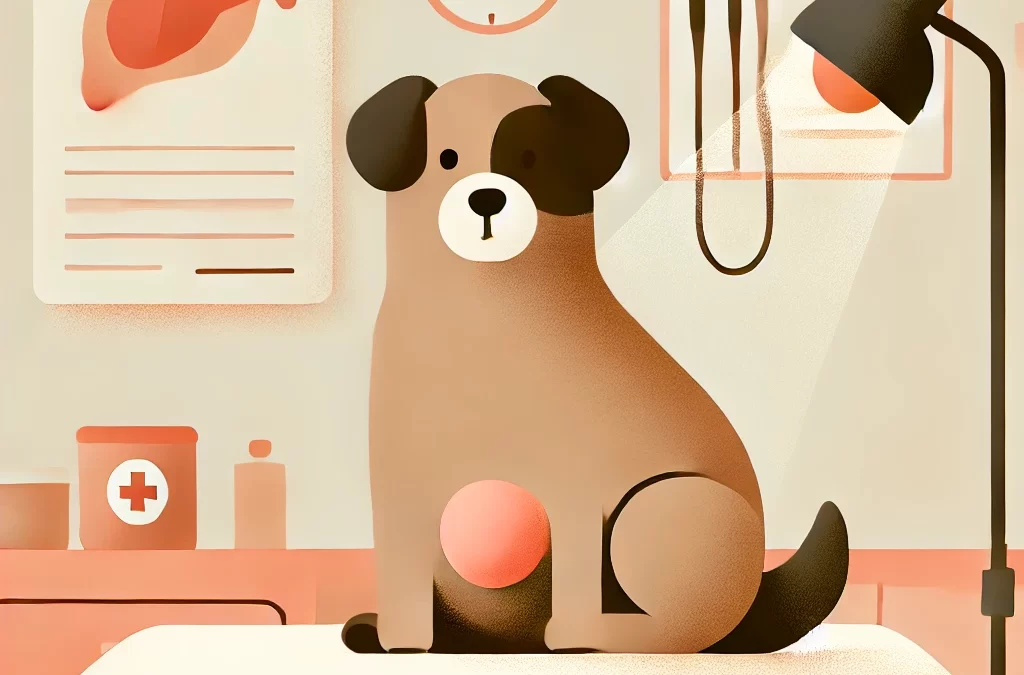
Discovering a lump on your dog’s stomach can be alarming. As pet owners, our first instinct is often worry—but not all lumps are dangerous. In fact, many are benign and manageable with proper care. To help you navigate this situation, here’s a fresh perspective on understanding, identifying, and addressing stomach lumps in dogs.
What Exactly Is a Stomach Lump?
A stomach lump in dogs refers to any abnormal mass or swelling in the abdominal area. These can vary in size, shape, and texture—some feel soft and movable, while others may be firm or attached to underlying tissues.
The key to handling such lumps lies in observation and timely action. Before jumping to conclusions, let’s explore the most common causes behind these growths.
Common Causes of Stomach Lumps
- Lipomas (Fatty Tumors): These are benign, soft, and slow-growing lumps commonly found in older dogs. Lipomas rarely pose a health risk and are usually more of a cosmetic issue.
- Hematomas or Abscesses: If your dog recently experienced trauma, the lump could be a hematoma (a collection of blood under the skin) or an abscess caused by an infection. These are often warm and tender to the touch.
- Hernias: Hernias occur when internal tissues or organs push through a weak spot in the abdominal wall. They may feel soft and reduce when pressed gently.
- Malignant Tumors: Unfortunately, some lumps are cancerous. Mast cell tumors, soft tissue sarcomas, and other malignancies often require prompt veterinary attention and treatment.
- Cysts or Sebaceous Gland Growths: These are often fluid-filled sacs or clogged glands that can appear on your dog’s stomach. They’re generally harmless but may require draining or minor surgery if they grow too large.
Signs That Require Immediate Attention
While not all stomach lumps are a cause for concern, certain symptoms signal the need for an urgent vet visit:
- The lump grows rapidly in size.
- Your dog appears in pain when the area is touched.
- The lump is hard, immovable, or irregularly shaped.
- There is redness, swelling, or discharge from the area.
- Your dog shows signs of lethargy, appetite loss, or other systemic issues.
What to Do If You Discover a Lump
- Monitor the Lump: Keep track of its size, texture, and behavior. Taking photos every few days can help you note any changes.
- Schedule a Vet Visit: Your veterinarian can perform a physical exam and may recommend diagnostic tests such as a fine-needle aspiration, biopsy, or ultrasound to determine the lump’s nature.
- Consider Treatment Options: Depending on the diagnosis, your vet might suggest observation, medication, surgery, or other therapies. For benign growths like lipomas, treatment may not be necessary unless the lump causes discomfort.
- Explore Natural Remedies (With Vet Approval): For non-malignant growths, some pet owners turn to natural supplements like turmeric, omega-3 fatty acids, or herbal treatments that promote overall immune health. Always consult your vet before introducing any new supplement.
Prevention Tips for a Healthy Dog
- Regular Check-ups: Early detection is key to managing lumps effectively. Regular visits to the vet ensure any changes are addressed promptly.
- Balanced Diet: A nutrient-rich diet can support your dog’s overall health and immunity.
- Maintain a Healthy Weight: Obesity increases the risk of fatty tumors and other health issues. Keep your dog active and at an ideal weight.
- Skin Care: Regular grooming and inspection of your dog’s coat and skin can help you spot abnormalities early.
A Word of Comfort
Not every lump is life-threatening, and advances in veterinary medicine have made diagnosis and treatment more effective than ever. By staying observant and proactive, you can ensure your dog remains happy and healthy.
If you notice a stomach lump, take a deep breath and reach out to your veterinarian. Together, you’ll find the best path forward for your furry companion.
Tags: dog stomach lump, causes of lumps in dogs, dog lump treatment, dog health care, benign tumors in dogs, natural remedies for dogs
by TCMVET | Dec 14, 2024 | Dog Cancer & Tumors
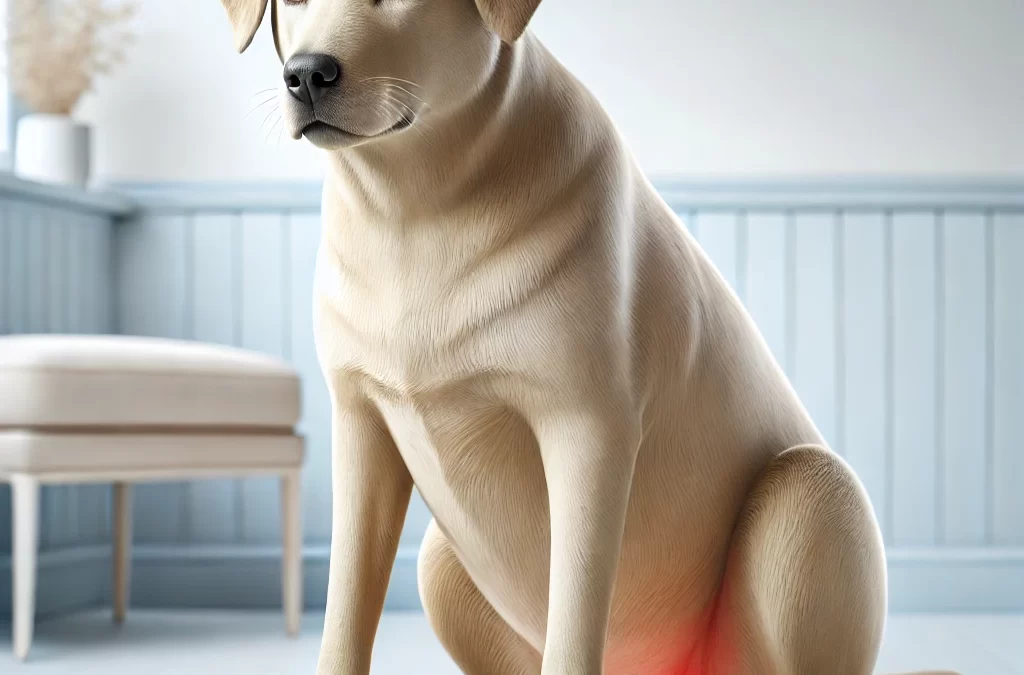
Abnormal growths in the lower intestines of dogs, though not as common as other health issues, are a concerning phenomenon that often flies under the radar. These growths, which can range from benign polyps to malignant tumors, affect a dog’s digestion, overall comfort, and long-term health. Understanding their causes, signs, and treatment options is crucial for ensuring a better quality of life for your furry companion.
What Are Abnormal Growths in the Lower Intestines?
The term “abnormal growths” encompasses a variety of conditions that affect the lower intestinal tract, which includes the colon, rectum, and anus. These growths might be:
- Polyps: Benign, non-cancerous growths that can cause discomfort but rarely spread.
- Adenocarcinomas: Malignant tumors originating from glandular cells, often aggressive and invasive.
- Leiomyosarcomas: Rare, malignant growths affecting the smooth muscle layer of the intestines.
- Lymphomas: Cancer affecting lymphatic tissues in the intestines, common in dogs with a predisposition to gastrointestinal diseases.
Causes of Lower Intestinal Growths in Dogs
The exact causes vary, but several factors contribute to the development of abnormal growths:
- Age: Older dogs are more prone to intestinal tumors due to cellular aging and mutations.
- Breed Predisposition: Breeds like German Shepherds and Collies have higher risks of gastrointestinal cancers.
- Diet and Environment: Low-quality diets, exposure to toxins, or chronic intestinal irritation can lead to abnormal cell growth.
- Chronic Inflammation: Conditions like inflammatory bowel disease (IBD) create a breeding ground for abnormal growths.
Signs and Symptoms to Watch For
Abnormal growths in the lower intestines often present subtle or ambiguous symptoms, making early detection a challenge. Key signs include:
- Chronic Diarrhea: Persistent loose stools, often with mucus or blood.
- Constipation or Straining: Difficulty passing stool due to obstruction caused by growths.
- Blood in Stool (Hematochezia): Bright red or dark, tarry blood is a common indicator.
- Abdominal Pain: Dogs may display signs like whining, restlessness, or a hunched posture.
- Weight Loss: Unexplained weight loss despite a normal appetite.
- Lethargy and Weakness: A decrease in energy levels due to anemia or systemic effects of the growth.
Diagnosis: Unveiling the Hidden Problem
Diagnosing lower intestinal growths requires a combination of clinical exams and advanced diagnostics:
- Physical Examination: A rectal exam may reveal palpable growths in the lower tract.
- Imaging: X-rays, ultrasounds, or CT scans help visualize tumors and their location.
- Endoscopy: A camera inserted into the colon can identify and sometimes biopsy abnormal tissue.
- Biopsy: Tissue samples confirm whether the growth is benign or malignant, guiding treatment.
Treatment Options: Tailored for Each Case
Treatment varies depending on the type, location, and stage of the growth:
- Surgical Removal: The first-line treatment for localized growths, particularly benign polyps or small malignant tumors.
- Chemotherapy: Recommended for cancers that have metastasized or cannot be fully removed surgically.
- Radiation Therapy: Used in conjunction with surgery for aggressive tumors.
- Palliative Care: Focused on pain management and improving the dog’s comfort in advanced or untreatable cases.
Holistic Support for Digestive Health
While medical treatments address the primary condition, holistic approaches can provide additional support:
- High-Fiber Diets: Promote smoother digestion and reduce irritation in the lower intestines.
- Probiotics: Enhance gut flora and support overall intestinal health.
- Turmeric (Curcumin): Known for its anti-inflammatory and potential anti-cancer properties.
- CBD Oil: Helps reduce inflammation and pain, improving the dog’s quality of life.
Preventive Measures: Reducing the Risk
While not all growths can be prevented, there are steps you can take to lower your dog’s risk:
- Regular Check-ups: Annual veterinary exams help catch abnormalities early.
- High-Quality Diets: Provide balanced, nutritious food to minimize gastrointestinal stress.
- Monitor Stool Health: Keep an eye on changes in your dog’s stool and bowel habits.
- Limit Toxin Exposure: Avoid feeding low-grade food or exposing your dog to harmful chemicals.
The Emotional Toll on Pet Parents
Caring for a dog with intestinal growths can be emotionally draining. It’s natural to feel anxious or overwhelmed, but remember you’re not alone. Many resources, including support groups and veterinary professionals, can guide you through this journey.
Conclusion: Knowledge Is Power
Abnormal growths in the lower intestines of dogs may seem daunting, but with early detection and proactive care, many dogs can lead fulfilling lives. Stay vigilant, seek regular veterinary advice, and provide the best possible care to your four-legged friend.

by TCMVET | Dec 14, 2024 | Dog Cancer & Tumors
When it comes to lumps on a dog’s ear, one possibility that often surprises owners is a histiocytoma. These benign growths are common in younger dogs and can appear alarming due to their rapid development and prominent location. However, they’re usually harmless and often resolve on their own. Let’s dive into what makes histiocytomas unique and how you can provide the best care for your furry friend.
What Is a Histiocytoma?
A histiocytoma is a non-cancerous tumor that arises from the Langerhans cells, a type of immune cell found in the skin. These tumors are most commonly seen in dogs under three years of age and typically occur on the head, ears, or limbs.
In the case of the ear, histiocytomas often form on the outer surface or at the edge, creating a visible lump that may concern pet parents. Despite their dramatic appearance, histiocytomas are considered one of the most benign forms of growths in dogs.
Why Do Histiocytomas Occur in Dogs?
The exact cause of histiocytomas is unknown, but they’re thought to be related to an overactive immune response in younger dogs. Breeds such as Boxers, Labradors, and Bulldogs seem to have a higher predisposition, though any breed can develop one.
How to Identify a Histiocytoma on the Ear
Histiocytomas are distinctive in their appearance and behavior, making them relatively easy to spot:
- Appearance: A raised, round, red lump, often hairless and smooth. On the ear, it can look especially pronounced due to the thin skin and lack of fur.
- Size: Typically small, around 0.5 to 2 cm in diameter.
- Texture: Firm to the touch, with a slightly ulcerated or shiny surface.
- Behavior: Unlike malignant tumors, histiocytomas don’t usually cause discomfort unless they’re scratched or infected.
Should You Be Concerned?
One of the most reassuring aspects of histiocytomas is that they’re self-limiting, meaning they often disappear without intervention within 2 to 3 months. However, veterinary consultation is crucial to confirm the diagnosis and rule out more serious conditions such as:
- Mast cell tumors
- Squamous cell carcinoma
- Ear infections or abscesses
What to Expect During Diagnosis
Veterinarians typically use the following methods to identify a histiocytoma:
- Physical Examination: A detailed inspection of the lump and overall health of the dog.
- Fine Needle Aspiration (FNA): A small sample of cells is extracted for microscopic analysis.
- Biopsy: In rare cases, a biopsy may be performed for further confirmation.
Treatment and Care Options
Most histiocytomas resolve on their own, but certain cases may require intervention:
- No Treatment Needed: If the lump isn’t bothering the dog, it can be left alone to regress naturally.
- Surgical Removal: In rare cases where the growth causes irritation or is slow to heal, a veterinarian may recommend removal.
- Topical Treatments: If the histiocytoma becomes ulcerated, antibiotic creams or sprays can prevent infection.
Home Care Tips
While waiting for the histiocytoma to resolve, there are steps you can take to ensure your dog remains comfortable:
- Prevent Scratching: Use an Elizabethan collar if your dog scratches the ear excessively, as this can lead to bleeding or infection.
- Monitor the Growth: Keep an eye on the size, color, and texture of the lump. Rapid changes may warrant a follow-up visit.
- Clean the Area: Gently clean the ear with a vet-recommended solution to reduce the risk of secondary infections.
How Is an Ear Histiocytoma Different?
Histiocytomas on the ear can be more noticeable due to the ear’s sensitive location. They may cause the ear to look asymmetrical or floppy, and dogs might shake their heads more frequently. These specific signs make monitoring and care even more important.
A Natural Approach to Supporting Your Dog’s Healing
Some pet owners explore natural therapies to complement traditional veterinary care. While these methods are not a cure, they can support overall skin health:
- Omega-3 Fatty Acids: Promote a healthy immune response and reduce inflammation.
- Calendula Cream: A soothing herbal remedy to ease irritation around the lump.
- CBD Oil: May help reduce scratching and stress associated with discomfort.
When to Seek Veterinary Advice
Even though histiocytomas are benign, consult your vet if you notice:
- The lump growing rapidly or changing in texture.
- Persistent scratching, bleeding, or discharge.
- The histiocytoma not regressing after 3 months.
Final Thoughts
A histiocytoma on your dog’s ear might seem concerning at first glance, but it’s typically a harmless condition that resolves with little to no intervention. By understanding its unique nature and providing attentive care, you can ensure your dog remains happy and healthy throughout the process.

by TCMVET | Dec 13, 2024 | Dog Cancer & Tumors
Nose cancer in dogs, also known as nasal cancer, is a relatively rare but aggressive condition that affects the nasal cavity or sinuses. While it accounts for less than 1% of all canine cancers, its severity lies in its invasive nature and the difficulty of early detection. This article delves into the symptoms, diagnosis, treatment options, and supportive care for dogs battling nose cancer.
What Is Nose Cancer in Dogs?
Canine nose cancer primarily involves tumors that develop within the nasal passages or sinuses. The most common type is adenocarcinoma, but other forms like squamous cell carcinoma, fibrosarcoma, or osteosarcoma can also occur. This condition typically affects older dogs, with larger breeds appearing to be at a slightly higher risk.
Signs and Symptoms
Early signs of nasal cancer can be subtle and are often mistaken for respiratory infections or allergies. As the disease progresses, the symptoms become more pronounced. Look out for the following:
- Persistent Nasal Discharge
Unilateral discharge (affecting one nostril) that is bloody or mucoid in nature is a hallmark symptom.
- Frequent Sneezing
Chronic sneezing that doesn’t improve with treatment could indicate nasal irritation from a tumor.
- Facial Swelling
Swelling around the nose, eyes, or forehead may occur as the tumor invades surrounding structures.
- Breathing Difficulty
Snoring or noisy breathing might indicate a blockage in the nasal passages.
- Nose Bleeds (Epistaxis)
Intermittent or continuous bleeding from the nose is often reported.
- Neurological Symptoms
If the tumor extends into the brain, symptoms like seizures, disorientation, or behavioral changes may appear.
- Loss of Appetite and Weight Loss
As with many cancers, systemic effects can lead to reduced food intake and weight loss.
Diagnosis
Diagnosing nose cancer involves a thorough evaluation, including:
- Physical Examination: A vet may check for asymmetry in the face or abnormal sounds during breathing.
- Rhinoscopy: A small camera inserted into the nasal passages helps visualize the tumor.
- Imaging: X-rays, CT scans, or MRIs provide detailed views of the tumor and its spread.
- Biopsy: Tissue samples confirm the type and severity of the cancer.
Treatment Options
Treatment depends on the tumor’s size, type, and stage, as well as the overall health of your dog. Options include:
- Radiation Therapy
Radiation is the most effective treatment for nasal cancer, aiming to shrink the tumor and alleviate symptoms. While it may not cure the cancer, it can significantly improve quality of life.
- Surgery
Surgical removal of the tumor is challenging due to the complex anatomy of the nasal area but may be attempted in specific cases.
- Chemotherapy
Chemotherapy is less commonly used but might be recommended for certain tumor types or as an adjunct to other treatments.
- Palliative Care
When curative treatment isn’t an option, palliative care focuses on relieving pain and discomfort through medications, including anti-inflammatories, pain relievers, and nasal decongestants.
Natural Therapies for Supportive Care
Incorporating holistic approaches alongside conventional treatments can enhance your dog’s comfort:
- Herbal Supplements
Herbs like turmeric (curcumin) and astragalus are believed to have anti-inflammatory and immune-boosting properties.
- Dietary Adjustments
A high-quality, low-carbohydrate diet supports overall health and reduces inflammation.
- CBD Oil
Cannabidiol may help manage pain and reduce anxiety in dogs with advanced cancer.
Prognosis and Quality of Life
The prognosis for canine nose cancer depends on factors like tumor type and stage at diagnosis. With radiation therapy, many dogs experience symptom relief and extended survival times, often ranging from 8 to 18 months. Without treatment, the disease progresses quickly, often within weeks to a few months.
How to Support Your Dog
- Monitor Symptoms: Keep track of changes in breathing, eating, or energy levels.
- Frequent Vet Visits: Regular check-ups ensure your dog’s condition is monitored closely.
- Provide Comfort: Soft bedding, a quiet environment, and easy access to food and water make a big difference.
Final Thoughts
Canine nose cancer is a daunting diagnosis, but with timely intervention and a comprehensive care plan, you can give your dog the best possible quality of life. Always consult with your veterinarian to explore treatment options tailored to your dog’s specific needs.

by TCMVET | Dec 13, 2024 | Dog Cancer & Tumors
Kidney cancer in dogs, while rare, is a serious condition that can significantly impact your furry friend’s quality of life. Recognizing the signs early can make a big difference in treatment outcomes. In this article, we’ll explore the telltale signs of kidney cancer, discuss why it often goes unnoticed, and provide insights into supportive care options.
What Is Kidney Cancer in Dogs?
Kidney cancer refers to abnormal cell growth in one or both kidneys. In dogs, renal cell carcinoma is the most common type of kidney cancer, primarily affecting older dogs. While its exact cause remains unclear, genetic predisposition and exposure to toxins may play a role.
The Subtle Signs: Why Kidney Cancer Often Hides in Plain Sight
Kidney cancer symptoms can be easily mistaken for less severe issues like urinary tract infections or general aging. This overlap in signs often delays diagnosis. Here’s what to look out for:
- Frequent Urination or Difficulty Urinating
An increase in urination frequency or visible discomfort while urinating may indicate kidney stress or obstruction caused by a tumor.
- Blood in the Urine (Hematuria)
Bright red or dark brown urine is a key warning sign that something might be wrong with your dog’s kidneys.
- Loss of Appetite
A sudden lack of interest in food, combined with weight loss, may signal systemic issues related to kidney function.
- Lethargy
If your dog seems unusually tired or unwilling to engage in daily activities, this could point to the underlying fatigue caused by kidney dysfunction.
- Abdominal Swelling
Swelling in the abdomen could result from a large kidney tumor pressing against other organs.
- Vomiting and Nausea
As kidney cancer progresses, toxins build up in the blood, leading to gastrointestinal distress.
How Kidney Cancer Differs from Other Conditions
Many of the above symptoms mimic those of kidney disease, bladder infections, or even diabetes. However, in kidney cancer, these signs are more persistent and worsen over time without treatment.
The Role of Diagnostics
Detecting kidney cancer requires a combination of tests:
- Ultrasounds and X-rays provide imaging of potential tumors.
- Blood Tests reveal abnormal kidney function or anemia.
- Urinalysis can identify microscopic blood or cancer cells.
Veterinarians may also recommend a biopsy to confirm the type and severity of the cancer.
Natural Therapies for Supportive Care
While surgical removal of the affected kidney is often the primary treatment, holistic approaches can complement traditional methods to improve your dog’s quality of life.
- Herbal Remedies
Herbs like Chuanxiong (Szechuan Lovage) may help enhance circulation and reduce inflammation around the kidneys.
- Dietary Adjustments
A low-phosphorus, high-quality protein diet supports kidney function and reduces the workload on the remaining kidney.
- CBD Oil
Cannabidiol may help manage pain and reduce stress in dogs undergoing treatment.
Prevention Tips: Can You Reduce the Risk?
While it’s impossible to completely prevent kidney cancer, there are steps you can take to promote overall kidney health:
- Provide fresh, filtered water.
- Avoid exposure to known carcinogens like pesticides.
- Schedule regular veterinary check-ups, especially for senior dogs.
When to See a Veterinarian
If you notice any of the symptoms above, consult your veterinarian immediately. Early intervention can lead to better outcomes, whether through surgery, chemotherapy, or palliative care.
Final Thoughts
Kidney cancer in dogs is a challenging diagnosis, but being proactive about your dog’s health can make a world of difference. By recognizing subtle changes and seeking timely medical advice, you can ensure your beloved pet receives the care and comfort they deserve.

by TCMVET | Dec 12, 2024 | Dog Cancer & Tumors
Anal cancer in dogs, while relatively uncommon, is a serious condition that requires prompt attention. The most frequently diagnosed type is anal sac adenocarcinoma, a malignant tumor that arises from the anal glands. This type of cancer is known for its aggressive nature and potential to spread to other parts of the body. In this article, we explore the symptoms, diagnosis, treatment options, and outlook for dogs affected by anal cancer.
What Is Anal Cancer in Dogs?
Anal cancer refers to the development of malignant tumors in or near the anal glands. These glands, located on either side of the anus, play a role in secreting fluids used for marking territory. When cancer develops in these glands, it often grows rapidly and can metastasize to nearby lymph nodes, lungs, or other organs.
Symptoms of Anal Cancer in Dogs
The symptoms of anal cancer in dogs can vary depending on the size and location of the tumor and whether it has spread. Common signs include:
- Lumps or Swelling: A noticeable mass or swelling near the anus.
- Difficulty Defecating: Straining, pain, or changes in stool shape due to the tumor obstructing the rectum.
- Bleeding: Blood around the anus or in the stool.
- Scooting or Licking: Dogs may scoot on the ground or excessively lick the area due to discomfort.
- Hypercalcemia Symptoms: Increased thirst, frequent urination, lethargy, or weakness caused by elevated calcium levels in the blood.
- Weight Loss and Loss of Appetite: Advanced cases may lead to systemic symptoms like weight loss and a reduced appetite.
How Is Anal Cancer Diagnosed?
To diagnose anal cancer, veterinarians use a combination of:
- Physical Examination: Checking for lumps, swelling, or discomfort in the anal area.
- Fine-Needle Aspiration or Biopsy: Sampling the tumor tissue to confirm malignancy.
- Blood Tests: Identifying hypercalcemia or other abnormalities.
- Imaging: X-rays, ultrasound, or CT scans to determine the extent of the cancer and check for metastasis.
Treatment Options for Anal Cancer in Dogs
The treatment approach depends on the stage and spread of the cancer. Common options include:
- Surgery: The primary treatment for localized anal cancer is surgical removal of the tumor and potentially affected lymph nodes.
- Radiation Therapy: Often used in combination with surgery to target residual cancer cells.
- Chemotherapy: Recommended for cases where the cancer has metastasized or as an adjunct to other treatments.
- Palliative Care: For advanced cases, pain management, dietary adjustments, and supportive care can improve quality of life.
Prognosis for Dogs with Anal Cancer
The outlook for dogs with anal cancer depends on several factors, including the size of the tumor, whether it has spread, and the treatment provided. Early detection and aggressive treatment improve survival rates, with many dogs experiencing extended periods of good quality of life post-treatment. However, advanced cases with metastasis have a less favorable prognosis.
Caring for a Dog with Anal Cancer
As a pet owner, providing a supportive and comfortable environment for your dog is essential. Follow these tips:
- Regular Vet Visits: Schedule frequent check-ups to monitor your dog’s condition.
- Nutrition: Offer a balanced diet tailored to your dog’s needs during treatment.
- Pain Management: Work with your vet to ensure your dog is comfortable.
- Emotional Support: Provide love and reassurance to help your dog cope with the stress of treatment.
Conclusion
While anal cancer in dogs is aggressive, early detection and a comprehensive treatment plan can make a significant difference in outcomes. Stay vigilant for symptoms and seek veterinary care promptly if you notice any unusual signs. With the right support and care, your dog can maintain a good quality of life, even during challenging times.

by TCMVET | Dec 12, 2024 | Dog Cancer & Tumors
Kidney cancer in dogs is relatively rare but can significantly impact a dog’s health when it occurs. The symptoms often appear gradually, making early detection challenging. Awareness of the potential signs can help pet owners seek timely veterinary care.
Common Symptoms of Kidney Cancer in Dogs
- Increased Thirst and Urination (Polydipsia and Polyuria):
- Excessive drinking and urination may indicate impaired kidney function due to the tumor.
- Loss of Appetite:
- Dogs with kidney cancer often experience a decrease in appetite, leading to weight loss.
- Weight Loss:
- Even with normal food intake, weight loss can occur as the body expends energy fighting the disease.
- Vomiting and Nausea:
- Kidney dysfunction caused by cancer can lead to toxins building up in the blood, causing gastrointestinal issues.
- Abdominal Pain or Swelling:
- Tumors may cause visible swelling or discomfort when the abdomen is touched.
- Blood in Urine (Hematuria):
- Urine may appear pink or red due to bleeding from the tumor.
- Lethargy:
- Dogs with kidney cancer may exhibit reduced energy levels and reluctance to engage in normal activities.
- Difficulty Breathing:
- In advanced cases, tumors may press against surrounding organs, causing respiratory issues.
- Pale Gums:
- Anemia, often associated with kidney cancer, can cause gums to appear pale.
- Bad Breath (Uremic Breath):
- A buildup of toxins in the blood due to reduced kidney function can result in an ammonia-like odor.
When to See a Veterinarian
If your dog exhibits any combination of these symptoms, it’s essential to seek veterinary attention promptly. While these signs are not exclusive to kidney cancer, they often indicate a serious underlying health issue that requires diagnosis and treatment.
Diagnosis of Kidney Cancer in Dogs
A veterinarian will typically use the following methods to confirm kidney cancer:
- Physical Examination: To detect swelling or discomfort.
- Urinalysis: To check for blood or abnormal substances in the urine.
- Blood Tests: To evaluate kidney function and detect any abnormalities.
- Imaging: Ultrasound, X-rays, or CT scans can identify tumors and their extent.
- Biopsy: A sample of the tumor may be taken to confirm its nature.
Treatment and Prognosis
Treatment options depend on the tumor type and stage but may include:
- Surgery: Removal of the affected kidney (nephrectomy) if the cancer is localized.
- Chemotherapy: For certain types of cancer, chemotherapy may slow progression.
- Supportive Care: Pain management, hydration, and nutritional support to maintain quality of life.
Early detection improves treatment outcomes, so regular veterinary check-ups are vital, especially for senior dogs.
By recognizing these symptoms and acting quickly, you can provide your dog with the best chance of receiving effective care and maintaining a good quality of life.
by TCMVET | Dec 11, 2024 | Dog Cancer & Tumors
Plastic is everywhere in our daily lives, from food containers to household items, and even in products designed for our furry friends. But could this seemingly innocuous material pose a threat to our dogs’ health? Emerging studies suggest that prolonged exposure to certain types of plastic could increase the risk of cancer in dogs. Let’s explore the science and what pet owners can do to safeguard their pets.
The Hidden Dangers of Plastics
Many types of plastics contain harmful chemicals such as bisphenol A (BPA), phthalates, and polyvinyl chloride (PVC). These chemicals are often used to make plastic durable, flexible, or transparent. However, they can leach into food, water, or even the environment, especially when plastics are heated, scratched, or degraded.
In animals, these chemicals can act as endocrine disruptors, interfering with hormone function. Prolonged exposure may lead to cellular changes, oxidative stress, and even tumor formation, increasing the likelihood of cancer. For dogs, whose daily habits often include chewing, licking, and close contact with various materials, the risks are compounded.
Everyday Sources of Plastic Exposure for Dogs
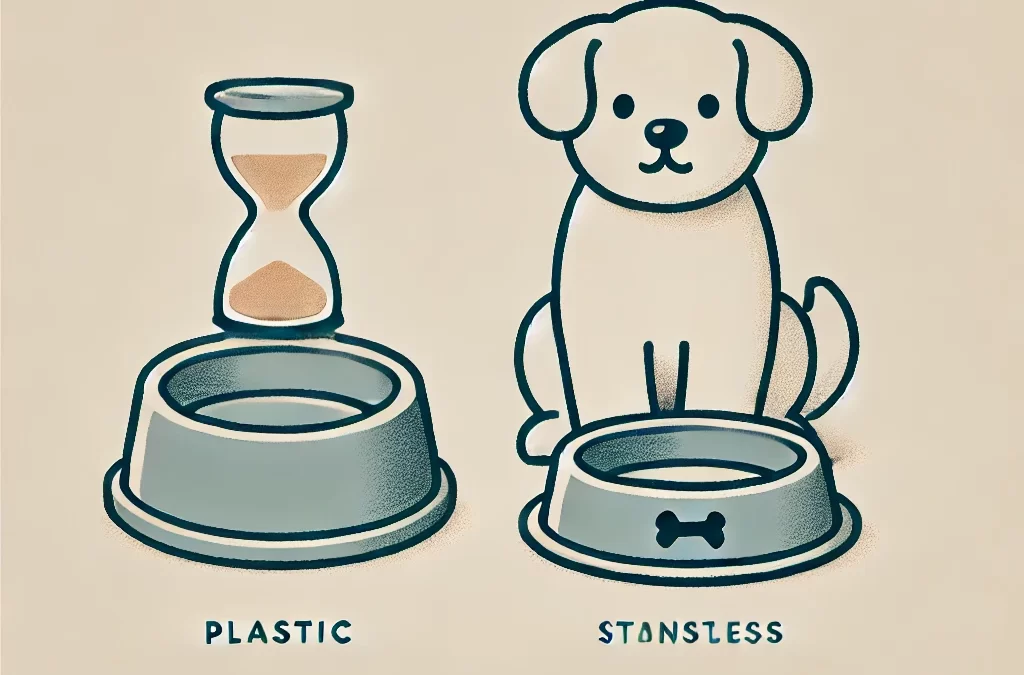
- Food and Water Bowls: Many dog owners unknowingly use plastic bowls, which can release harmful substances, especially if scratched or exposed to sunlight.
- Chew Toys: Low-quality plastic toys often contain non-regulated materials that may pose a risk when ingested or chewed extensively.
- Packaging: Dog treats, kibble, and other products are often stored in plastic packaging, which can leach chemicals into the food.
- Household Items: Dogs frequently come into contact with plastic objects around the house, from containers to furniture.
Cancer Risks Linked to Plastic
While direct links between plastic exposure and cancer in dogs are still under study, evidence from human and animal research indicates a concerning relationship. In dogs, cancers such as mammary tumors, testicular cancer, and lymphoma may be influenced by environmental toxins, including those found in plastic. Smaller breeds or dogs with pre-existing health conditions may be especially vulnerable.
Steps to Reduce Plastic Exposure
Pet owners can take proactive steps to minimize their dog’s exposure to harmful plastics:
- Switch to Safer Bowls: Use stainless steel, ceramic, or glass bowls for food and water instead of plastic ones.
- Choose High-Quality Toys: Opt for non-toxic, BPA-free toys or those made from natural materials like rubber.
- Rethink Storage: Store dog food and treats in airtight containers made of glass or stainless steel rather than leaving them in their original plastic packaging.
- Inspect Your Home: Limit your dog’s access to low-quality plastic items that could be chewed or ingested.
- Avoid Heating Plastics: Never microwave food or treats in plastic containers, as heat increases chemical leaching.
Advocating for Safer Standards
Beyond personal choices, pet owners can advocate for better safety standards in the pet product industry. Supporting brands that prioritize non-toxic materials and sustainable practices sends a powerful message. Additionally, staying informed about product recalls or emerging research can help protect your dog from hidden risks.
The Bigger Picture
While plastic is a ubiquitous part of modern life, its potential health impacts cannot be ignored. For our dogs, reducing exposure to harmful plastics is a simple yet effective way to support their long-term health and well-being. By making conscious choices and spreading awareness, we can ensure our pets live happier, healthier lives.

by TCMVET | Dec 11, 2024 | Dog Cancer & Tumors
When it comes to dogs, size does matter—but not just in the ways we typically think. While large dogs are admired for their strength and small dogs for their charm, recent studies have uncovered a surprising connection between a dog’s size and their risk of developing cancer. Let’s dive into this intriguing link and explore what it means for pet owners.
The Science Behind Size and Cancer Risk
Studies have shown that larger breeds, such as Great Danes, Bernese Mountain Dogs, and Rottweilers, are more prone to certain cancers compared to their smaller counterparts. But why? The answer lies in biology. Large dogs grow faster and have more cells in their bodies. This increased cellular activity raises the chances of mutations, which can lead to cancer.
On the other hand, small breeds like Chihuahuas and Dachshunds tend to have a lower cancer risk but are not completely immune. Certain cancers, such as mast cell tumors, can still affect smaller dogs, often due to genetic predispositions rather than size.
Fast Growth: A Double-Edged Sword
Large breeds experience rapid growth spurts during puppyhood, putting immense strain on their bodies. This fast growth can result in less stable cell division, which increases the risk of abnormal cell behavior over time. Additionally, the metabolic demands of larger dogs may accelerate aging, making them more susceptible to diseases, including cancer, as they grow older.
Longevity and Cancer Risk
Small dogs often live significantly longer than large breeds. While this longevity gives small dogs more time to develop age-related conditions, it also means their slower growth and cellular turnover may protect them from early-onset cancers commonly seen in larger breeds. In contrast, the shorter lifespan of larger dogs often correlates with a higher prevalence of aggressive cancers at a younger age.
What Pet Owners Can Do
Pet owners can take proactive steps to minimize cancer risks, regardless of their dog’s size. Regular veterinary check-ups, balanced diets, and proper exercise routines are essential. For large breeds, special attention should be given to maintaining a healthy weight, as obesity can further exacerbate cancer risks. Small dogs, while less prone to size-related cancers, still benefit from genetic screenings to identify hereditary risks early.
Redefining “Size Matters”
The link between size and cancer risk challenges us to rethink our approach to dog care. While we can’t change a dog’s size, understanding how it influences their health can help us make informed decisions. From choosing breeds to tailoring care routines, this knowledge empowers pet owners to give their furry friends the best chance at a long, healthy life.
In the end, whether big or small, every dog deserves love, attention, and proactive health care. By staying informed, we can all play a role in reducing cancer risks and ensuring our canine companions thrive.

by TCMVET | Dec 9, 2024 | Dog Cancer & Tumors
Spinal tumors in dogs, though rare, can severely impact their mobility and quality of life. These tumors may develop within or around the spinal column, affecting the nervous system’s function. Early detection and proper management are essential to providing the best care for your furry friend. Here’s a comprehensive guide to the types of spinal tumors in dogs and their symptoms, causes, and treatment options.
Common Types of Spinal Tumors in Dogs
- Intramedullary Tumors
- Description: These tumors originate within the spinal cord itself. They often arise from glial cells, which support the nervous system.
- Examples: Astrocytomas, ependymomas, and oligodendrogliomas
- Symptoms: Gradual weakness, incoordination, and possible paralysis in severe cases
- Treatment: Surgery (if possible), radiation therapy, and supportive care
- Extradural Tumors
- Description: These tumors occur outside the spinal cord but within the spinal canal, often compressing the cord and causing neurological issues.
- Examples: Osteosarcomas, fibrosarcomas, and lymphomas
- Symptoms: Back pain, difficulty walking, and muscle weakness
- Treatment: Surgical removal, chemotherapy, or radiation, depending on the tumor type
- Intradural-Extramedullary Tumors
- Description: Located within the spinal canal but outside the spinal cord, these tumors grow in the surrounding meninges or nerve roots.
- Examples: Meningiomas, nerve sheath tumors (schwannomas)
- Symptoms: Pain, incoordination, and possible urinary or bowel incontinence
- Treatment: Surgery and radiation therapy
- Vertebral Tumors
- Description: These tumors arise from the bones of the spine, causing structural instability and potential compression of the spinal cord.
- Examples: Osteosarcoma, chondrosarcoma
- Symptoms: Severe pain, swelling, and difficulty standing or walking
- Treatment: Surgery, chemotherapy, and pain management
Symptoms of Spinal Tumors in Dogs
The symptoms of spinal tumors can vary depending on the tumor’s location and size, but common signs include:
- Reluctance to move or play
- Difficulty walking or dragging limbs
- Pain or sensitivity in the back or neck
- Loss of bladder or bowel control
- Sudden changes in behavior or posture
Causes and Risk Factors
Spinal tumors in dogs may be caused by:
- Genetic Predisposition: Certain breeds like German Shepherds and Golden Retrievers may be at higher risk.
- Age: Older dogs are more likely to develop spinal tumors.
- Cancer Metastasis: Tumors from other parts of the body may spread to the spine.
Diagnosis and Treatment
Veterinarians use several methods to diagnose spinal tumors:
- Neurological Examination: Assesses reflexes, coordination, and pain response.
- Imaging: X-rays, MRI, or CT scans to locate and evaluate the tumor.
- Biopsy: Confirms the tumor type for targeted treatment.
Treatment options include:
- Surgery: The preferred method for accessible and operable tumors.
- Radiation Therapy: Used for inoperable or residual tumors post-surgery.
- Chemotherapy: Effective for some metastatic or primary spinal tumors.
- Pain Management: Essential for improving the dog’s quality of life.
Supporting Your Dog Through Recovery
Care for dogs with spinal tumors should include:
- Providing a soft, supportive bed to prevent pressure sores
- Assisting with mobility through harnesses or carts
- Maintaining a nutritious diet to support overall health
- Regular follow-ups with the vet to monitor progress
Conclusion
Spinal tumors in dogs require prompt attention and specialized care. While the prognosis depends on the tumor type and progression, advancements in veterinary medicine have made treatments more effective. By understanding the symptoms and options available, you can ensure your dog receives the best care and support.

by TCMVET | Dec 9, 2024 | Dog Cancer & Tumors
Skin health in dogs is often a mirror of their overall well-being, yet some conditions can be puzzling for even the most attentive pet owners. One such rare condition is cornifying epitheliomas, a type of benign skin tumor that can cause concern due to its appearance and effects. Let’s delve into this unusual dermatological condition, its causes, treatments, and what makes it a unique challenge in canine healthcare.
What Are Cornifying Epitheliomas?
Cornifying epitheliomas are benign tumors that originate from sebaceous glands, specifically the epithelium (skin cells) responsible for keratin production. These tumors often present as nodular, wart-like growths on a dog’s skin. While they are not life-threatening, their potential to cause discomfort or infection means they shouldn’t be ignored.
What Causes Cornifying Epitheliomas?
The exact cause of cornifying epitheliomas isn’t fully understood, but contributing factors may include:
- Genetic Predisposition: Breeds such as Cocker Spaniels, Beagles, and Siberian Huskies are more prone to developing these growths.
- Hormonal Imbalances: Sebaceous gland activity can be influenced by hormonal changes, particularly in older dogs.
- Dietary Deficiencies: Poor nutrition can lead to imbalances in skin health, potentially exacerbating conditions like epitheliomas.
Recognizing the Symptoms
Cornifying epitheliomas typically appear as:
- Small, firm nodules with a wart-like texture
- Yellowish or waxy in color due to keratin build-up
- Localized around the head, neck, or back but can occur anywhere
- Occasionally accompanied by redness or inflammation if secondary infection occurs
While these growths are benign, rapid changes in size, color, or texture should be evaluated by a veterinarian to rule out malignancies.
Diagnosing Cornifying Epitheliomas
Diagnosis usually involves:
- Physical Examination: A veterinarian will assess the size, location, and appearance of the growths.
- Fine-Needle Aspiration (FNA): A sample of cells is extracted and analyzed to confirm the nature of the tumor.
- Biopsy: In some cases, a biopsy may be necessary to differentiate between benign epitheliomas and other skin conditions or cancers.
Treatment Options
Treatment depends on the severity and impact of the epitheliomas on your dog’s quality of life.
- Monitoring
For small, non-problematic growths, regular monitoring is often sufficient.
- Ensure the area remains clean and free from infection.
- Use soothing topical treatments if recommended by your vet.
- Surgical Removal
If the growths are causing discomfort, recurring infections, or cosmetic concerns, surgical removal is a common solution.
- Minimally invasive techniques like laser surgery can reduce recovery time.
- Topical or Systemic Therapies
- Retinoids or vitamin A supplements can regulate keratin production.
- Antibiotics may be prescribed for secondary bacterial infections.
Innovative and Natural Approaches
For owners looking to complement conventional treatments with holistic care:
- Omega-3 Fatty Acids: These can reduce inflammation and promote overall skin health.
- Herbal Remedies: Calendula and aloe vera can soothe irritated areas.
- Dietary Adjustments: A diet rich in antioxidants and high-quality proteins supports skin regeneration.
Preventive Measures
Although not all cases of cornifying epitheliomas can be prevented, these steps can help maintain optimal skin health:
- Regular Grooming: Keeps the skin clean and promotes early detection of abnormalities.
- Balanced Diet: Supports the immune system and reduces the likelihood of skin issues.
- Routine Veterinary Visits: Early intervention is key to managing any skin condition.
A Unique Challenge in Canine Dermatology
Cornifying epitheliomas highlight the importance of understanding and addressing even rare conditions in dogs. While benign, these growths can impact your pet’s comfort and appearance, making prompt and effective management essential. By staying informed and working closely with your veterinarian, you can ensure your dog remains healthy, happy, and thriving.

by TCMVET | Dec 8, 2024 | Dog Cancer & Tumors
tment Options
Dogs often lick their bodies instinctively, whether to groom themselves or soothe discomfort. However, when your dog persistently licks at a specific area, such as a tumor, it may indicate an underlying issue that requires attention. This article explores why dogs lick tumors, the potential risks, and effective ways to address the issue.
Why Do Dogs Lick Tumors?
Licking is a natural behavior for dogs, but persistent licking at a tumor can indicate several underlying reasons:
- Discomfort or Pain
Tumors, particularly those that are inflamed or ulcerated, may cause irritation. Dogs often lick to try to alleviate this discomfort.
- Infection or Discharge
Some tumors may produce blood, pus, or other fluids, which dogs instinctively attempt to clean through licking.
- Curiosity
Dogs are tactile and sensory-driven creatures. A growth or lump may feel unusual, prompting them to investigate by licking.
- Anxiety or Stress
Emotional distress can manifest in licking behavior. Dogs may focus on areas of discomfort as a self-soothing mechanism.
Risks of Tumor Licking
While licking may seem harmless, it can lead to complications:
- Infection: Bacteria introduced through licking can cause secondary infections.
- Ulceration: Persistent licking can damage the skin over the tumor, causing further irritation and bleeding.
- Delayed Healing: If the tumor has been treated or removed, licking can disrupt the healing process.
- Spread of Malignant Cells: In rare cases, irritation from licking may exacerbate the spread of cancerous cells.
How to Prevent Licking
Taking immediate action to stop your dog from licking a tumor is crucial to avoid further complications.
- Consult a Veterinarian
A vet should examine the tumor to determine whether it is benign or malignant and recommend an appropriate course of action.
- Use Protective Gear
Consider an Elizabethan collar, inflatable collar, or body suit to prevent your dog from accessing the tumor.
- Address the Root Cause
Depending on the diagnosis, treatment may involve surgery, medication, or a combination of both to alleviate discomfort and address the tumor.
- Maintain Hygiene
Keeping the affected area clean and following your vet’s instructions can prevent infections and reduce irritation.
Supporting Your Dog’s Recovery Naturally
In addition to conventional treatments, natural therapies can provide extra support for your dog’s health. Products like TCMVET Baituxiao, based on traditional Chinese medicine, are specifically formulated to help manage tumor growth and support immune function.
Pet owners have shared positive experiences with TCMVET Baituxiao, noting improvements in their pets’ energy and comfort levels. It can be an excellent addition to a comprehensive care plan, though it’s essential to consult your veterinarian before introducing any new supplement.
Caring for Your Dog’s Well-Being
If your dog is licking a tumor, it’s a clear sign that something is amiss. Taking steps to address the behavior and seeking professional guidance can make all the difference in your pet’s health. Combining veterinary care with natural supplements like TCMVET Baituxiao may enhance your dog’s quality of life and provide the best possible support during their recovery.
By staying attentive and proactive, you can ensure your dog remains comfortable and cared for, no matter the challenges they face.
by TCMVET | Dec 8, 2024 | Dog Cancer & Tumors
Cancer is one of the most challenging health issues faced by dog owners. Often mistaken for signs of aging or minor ailments, the symptoms of cancer in dogs can easily go unnoticed until the disease has progressed. This article takes a fresh approach to understanding dog cancer symptoms and explores how natural therapies can play a role in supporting your pet’s health.
Common Symptoms of Cancer in Dogs
Detecting cancer early can make a significant difference in treatment outcomes. Here are some common signs to watch for:
- Lumps or Swelling: Persistent lumps or unusual swelling in areas like the neck, legs, or abdomen should never be ignored.
- Changes in Appetite: A sudden loss of interest in food or difficulty eating can indicate underlying health issues.
- Unexplained Weight Loss: Significant weight changes without dietary or activity adjustments may signal cancer.
- Behavioral Changes: Increased lethargy, reluctance to exercise, or signs of discomfort might point to internal health problems.
- Abnormal Discharges: Persistent nasal discharge, blood in the stool, or unusual smells can be warning signs.
- Non-healing Wounds: If a wound or sore doesn’t heal within a reasonable time, it could indicate a deeper issue.
The Role of Natural Therapies in Cancer Care
While conventional treatments like surgery, chemotherapy, and radiation are often necessary, they can be costly and may come with side effects. This is where natural therapies step in as a complementary approach. Herbs and supplements, when carefully selected, can help enhance your pet’s quality of life and support their recovery.
One such natural supplement is TCMVET Baituxiao, a formula inspired by traditional Chinese medicine. It is designed to support dogs by reducing tumor growth and promoting overall balance in the body. Pet owners have reported improvements in their dog’s energy levels and well-being when using this product alongside veterinary care.
Supporting Your Dog’s Journey
If your dog is exhibiting any of the symptoms mentioned above, consult your veterinarian immediately for a thorough diagnosis. Early detection, combined with a holistic approach to treatment, can make all the difference in your pet’s journey.
Incorporating natural therapies like TCMVET Baituxiao into your dog’s care routine not only complements traditional treatments but also provides additional support for their overall health. By staying informed and proactive, you can ensure your furry companion receives the best care possible.

by TCMVET | Dec 7, 2024 | Dog Cancer & Tumors
Transitional Cell Carcinoma (TCC) is the most common type of urinary bladder cancer in dogs, often presenting significant challenges for both pets and their owners. Despite its aggressive nature, early detection and a proactive approach to treatment can help improve a dog’s quality of life.
What is Transitional Cell Carcinoma?
TCC is a malignant cancer that typically originates in the epithelial lining of the bladder, particularly in the trigone area, where the urethra and ureters meet. Although it primarily affects the bladder, it can spread to the urethra, prostate, lymph nodes, and other organs if left untreated.
Which Dogs are at Risk?
While TCC can affect any dog, certain breeds are predisposed, including:
- Scottish Terriers (highest risk)
- Shetland Sheepdogs
- West Highland White Terriers
- Beagles
Female dogs and older dogs are more likely to develop TCC, though the condition is not exclusive to these groups.
Symptoms to Watch For
Early signs of TCC can resemble common urinary tract infections, which makes diagnosis tricky. Key symptoms include:
- Straining to urinate (dysuria)
- Increased frequency of urination (pollakiuria)
- Blood in the urine (hematuria)
- Urinary incontinence
- Difficulty passing urine or complete blockage
As the disease progresses, symptoms such as lethargy, weight loss, and abdominal pain may emerge.
How is TCC Diagnosed?
Diagnosing TCC requires a combination of tests to rule out other conditions and confirm the presence of cancer:
- Urinalysis: Helps detect blood, bacteria, or abnormal cells.
- Imaging: Ultrasound or X-rays can reveal bladder masses.
- Cystoscopy: Direct visualization of the bladder for biopsy collection.
- BRAF Mutation Test: A non-invasive urine test that detects mutations associated with TCC.
Early and accurate diagnosis is critical to implementing an effective treatment plan.
Treatment Options
While TCC is rarely curable, various treatments can manage the disease and improve the dog’s quality of life:
- Medications:
- Non-Steroidal Anti-Inflammatory Drugs (NSAIDs) such as piroxicam are often prescribed for their anti-cancer properties.
- Chemotherapeutic agents like mitoxantrone or vinblastine may be used alone or in combination with NSAIDs.
- Surgery:
- Surgical removal of the tumor is an option if it is localized, but the tumor’s location in the trigone area often makes this difficult.
- Radiation Therapy:
- Can help shrink tumors and alleviate symptoms when surgery is not feasible.
- Palliative Care:
- Focuses on maintaining comfort through pain management and addressing urinary obstructions.
Living with TCC: What Owners Should Know
Managing a dog with TCC involves regular veterinary check-ups and monitoring for symptoms. Here are some tips for pet owners:
- Diet and Hydration: Provide a balanced diet and ensure the dog stays hydrated to support urinary health.
- Medications: Administer prescribed drugs consistently and report any side effects to your vet.
- Observation: Watch for changes in urination patterns or signs of discomfort.
- Emotional Support: TCC can be stressful for both the pet and the owner, so seek support from your vet or pet communities.
Prognosis
The prognosis for dogs with TCC varies depending on the stage of the disease and the treatment plan. With appropriate care, many dogs can live comfortably for months or even over a year post-diagnosis. Early detection and a proactive approach can make a significant difference in extending a dog’s life and maintaining their quality of life.
Final Thoughts
While transitional cell carcinoma is a serious diagnosis, advancements in veterinary medicine provide hope and options for pet owners. By understanding the disease and working closely with your veterinarian, you can ensure your dog receives the best care possible.
by TCMVET | Dec 7, 2024 | Dog Cancer & Tumors
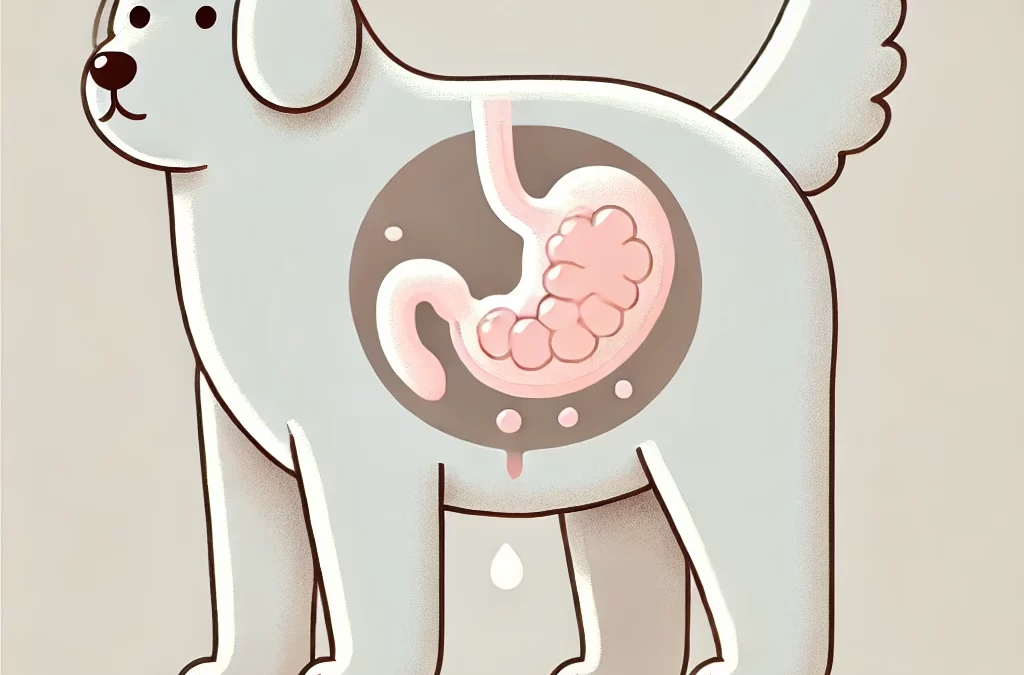
Discovering a large abdominal mass in a dog can be alarming for any pet owner. While it is natural to worry, understanding the potential causes, symptoms, and treatment options can empower you to make informed decisions about your dog’s health.
What is an Abdominal Mass?
An abdominal mass is an abnormal growth in the stomach area that may arise from organs such as the liver, spleen, intestines, or even surrounding tissues. These masses can vary significantly in size and may be benign (non-cancerous) or malignant (cancerous).
Common Causes of Abdominal Masses
- Benign Growths
- Lipomas: Fatty tumors that are generally harmless.
- Cysts: Fluid-filled sacs that may grow over time but are typically non-threatening.
- Malignant Tumors
- Hemangiosarcoma: A common cancer affecting the spleen.
- Lymphoma: Affects lymph nodes and can spread to the abdomen.
- Carcinomas: Tumors arising from epithelial tissues of internal organs.
- Other Causes
- Abscesses: Infections that lead to pus-filled pockets.
- Organ Enlargement: Conditions like liver disease can mimic mass growth.
Symptoms to Watch For
Early detection can significantly impact outcomes. Look for:
- Swollen or distended abdomen
- Weight loss or reduced appetite
- Vomiting or diarrhea
- Lethargy or signs of discomfort
- Difficulty breathing due to abdominal pressure
Diagnosis
Diagnosing an abdominal mass requires a veterinarian’s expertise. Procedures may include:
- Physical Examination: Palpating the abdomen to detect unusual growths
- Imaging Tests: Ultrasound or X-rays to determine the size, location, and nature of the mass
- Biopsy or Fine Needle Aspiration: Collecting tissue samples for analysis
- Blood Tests: Checking for related health conditions
Treatment Options
The treatment depends on the mass’s type and location:
- Surgical Removal: Often the first line of action for operable masses
- Chemotherapy or Radiation: Used for malignant growths, especially if surgery isn’t possible
- Palliative Care: Focuses on maintaining comfort if the condition is untreatable
Proactive Steps for Pet Owners
- Routine Check-ups: Regular veterinary visits can help catch problems early
- Monitor Symptoms: Keep an eye on any changes in your dog’s behavior or appetite
- Proper Nutrition: A balanced diet supports overall health and recovery
- Second Opinions: Don’t hesitate to consult another vet for complex cases
Large abdominal masses in dogs are a serious concern, but with timely veterinary care and proper management, many dogs can achieve good outcomes. Always work closely with your vet to determine the best course of action for your furry friend.

by TCMVET | Dec 6, 2024 | Dog Cancer & Tumors
When a beloved pet is diagnosed with cancer, it can be a challenging journey for any pet owner. Exploring the right treatment options and supplements becomes crucial in ensuring their comfort and quality of life. Among the myriad of pet cancer supplements available online, TCMVET Baituxiao stands out as a natural, effective option designed to help manage and combat tumor growth in dogs and cats.
Understanding the Role of Cancer Supplements in Pet Care
Cancer in pets often leads to physical discomfort, reduced energy levels, and decreased immunity. While conventional treatments like surgery, chemotherapy, or radiation can be effective, they are often accompanied by high costs and potential side effects. This is where natural supplements can play a supportive role, aiming to:
- Enhance the immune system.
- Slow tumor growth.
- Improve overall well-being and energy levels.
- Reduce inflammation and discomfort.
By combining traditional therapies with scientifically-backed supplements, you can give your pet the best chance at a healthier and more comfortable life.
What is TCMVET Baituxiao?
TCMVET Baituxiao is a specialized herbal formula rooted in the principles of Traditional Chinese Medicine (TCM). Developed specifically for pets, it leverages the power of natural ingredients to:
- Reduce Tumor Growth: Its unique blend targets abnormal cell proliferation, helping to slow the growth of tumors.
- Support Overall Health: With its immune-boosting properties, it enhances your pet’s natural defenses.
- Ease Symptoms: Baituxiao can reduce inflammation and improve energy, ensuring your pet remains active and happy.
Why Choose TCMVET Baituxiao?
- Natural Ingredients: Free from synthetic additives, Baituxiao uses herbal components that are gentle on your pet’s body.
- Veterinarian-Approved: Many vets support its use as part of an integrative treatment plan for pets with tumors.
- Scientifically Formulated: Combining modern research with TCM expertise, TCMVET Baituxiao is carefully crafted for safety and efficacy.
How to Use TCMVET Baituxiao
Using TCMVET Baituxiao is simple and convenient. It can be administered orally or mixed with food for easy consumption. Dosages are adjusted based on your pet’s size and specific health needs, ensuring optimal results. Always consult your veterinarian before introducing any new supplement to your pet’s routine.
Where to Buy TCMVET Baituxiao Online
You can purchase TCMVET Baituxiao conveniently online through platforms like Amazon, Shopify, or directly from the TCMVET website. With fast shipping options, including fulfillment from Amazon warehouses, you can start your pet’s journey to better health quickly and hassle-free.
Testimonials from Pet Owners
Pet owners who have used TCMVET Baituxiao often share heartwarming success stories. Many have reported noticeable improvements in their pets’ energy levels, reduced tumor sizes, and a higher quality of life.
Tips for Choosing the Right Pet Cancer Supplement
When looking for effective cancer supplements online, consider the following:
- Safety and Ingredients: Opt for products with natural, pet-safe components.
- Reviews and Recommendations: Look for feedback from other pet owners.
- Ease of Administration: Choose supplements that are easy to give to your pet.
- Expert Guidance: Consult your vet to ensure the supplement aligns with your pet’s treatment plan.
Conclusion
Navigating a pet cancer diagnosis is never easy, but with the right tools and supplements like TCMVET Baituxiao, you can provide your pet with comfort, care, and improved well-being. By purchasing effective cancer supplements online, you can take a proactive step in managing your pet’s health journey. Explore TCMVET Baituxiao today and see the difference it can make for your furry friend.

by TCMVET | Dec 6, 2024 | Dog Cancer & Tumors
Ovarian cancer in dogs is a rare and often silent intruder, subtly weaving its way into the lives of our beloved pets. Unlike more common canine cancers, ovarian cancer doesn’t always present overt symptoms in its early stages, making it a challenge for even the most vigilant pet owners to detect. This article dives deep into this under-discussed topic, shedding light on the symptoms and early warning signs that every dog owner should know.
Understanding Ovarian Cancer in Dogs
Ovarian cancer arises from abnormal growth in the ovaries, often in middle-aged or older unspayed females. The condition is rare due to the increasing practice of spaying, which significantly reduces the risk. However, for intact dogs, the danger remains—a silent predator lurking within.
Early Symptoms: The Whisper of Disease
Ovarian cancer symptoms often overlap with other health issues, making early detection tricky. Here are the subtle signs that might hint at a deeper problem:
- Abnormal Heat Cycles
If your dog’s estrus cycles become irregular, prolonged, or unexpectedly cease, it could indicate ovarian abnormalities.
- Enlarged Abdomen
Fluid accumulation (ascites) or a growing tumor may cause noticeable swelling in your dog’s abdomen.
- Behavioral Changes
Lethargy, irritability, or restlessness may signal discomfort or pain caused by internal changes.
- Loss of Appetite and Weight
A lack of interest in food, paired with unexplained weight loss, often serves as an early red flag.
- Discharge or Bleeding
Vaginal discharge, particularly if it is unusual or occurs outside of the typical heat cycle, warrants immediate veterinary attention.
Advanced Symptoms: When Silence Breaks
As ovarian cancer progresses, more noticeable and severe symptoms may arise:
- Difficulty Breathing: This can occur if the cancer metastasizes to the lungs.
- Lameness: A sign of metastasis to the bones.
- Visible Masses: Palpable growths in the abdomen or surrounding areas.
- Severe Lethargy and Weakness: Indicative of systemic spread and declining health.
Diagnosis: The Importance of Early Detection
Ovarian cancer is most effectively diagnosed through a combination of diagnostic imaging (ultrasound or X-rays) and blood tests. A biopsy or fine-needle aspiration of suspicious masses can confirm the presence of cancer. Regular veterinary check-ups, especially for unspayed dogs, are critical for early detection.
Prevention and Spaying: A Lifesaving Step
The single most effective way to prevent ovarian cancer in dogs is spaying. This not only eliminates the risk of ovarian cancer but also reduces the chances of other reproductive cancers and diseases, such as pyometra.
Holistic Care for Canine Cancer
For dogs diagnosed with ovarian cancer, holistic care can complement conventional treatments like surgery, chemotherapy, or radiation. Incorporating anti-inflammatory diets, immune-boosting supplements, and stress-reducing therapies can enhance your pet’s quality of life.
- Herbal Support: Consider supplements like turmeric or milk thistle, known for their anti-inflammatory and detoxifying properties.
- Dietary Adjustments: A high-protein, low-carbohydrate diet may help slow cancer growth.
- Emotional Care: Never underestimate the power of love, attention, and comfort during this challenging time.
The Unwavering Bond
While the diagnosis of ovarian cancer in dogs can be heartbreaking, it also serves as a poignant reminder of the deep bond we share with our furry companions. Every symptom, every sign, and every action we take is a testament to the unconditional love that defines our relationship with them.
By understanding the subtle signs of ovarian cancer and taking proactive measures, we can better protect our canine companions, ensuring they live their happiest, healthiest lives. After all, they deserve nothing less than our very best.

by TCMVET | Dec 5, 2024 | Dog Cancer & Tumors
Abnormal growths in a dog’s lower intestines can cause significant health concerns, ranging from discomfort to life-threatening conditions. These growths, often located in the rectum or colon, can be benign or malignant. Understanding their causes, symptoms, and treatment options is crucial for timely intervention.
Common Types of Growths
- Polyps
- Polyps are benign growths that develop in the lining of the intestines.
- They may cause minor bleeding, diarrhea, or constipation.
- If untreated, polyps can sometimes transform into malignant tumors.
- Adenocarcinoma
- A malignant tumor affecting the glandular cells lining the intestine.
- This is one of the most aggressive types of lower intestinal cancers.
- Early detection is critical for effective treatment.
- Leiomyosarcoma
- A rare type of cancer that originates in the smooth muscle of the intestines.
- It can cause obstruction and severe digestive issues.
- Hemangiomas and Hemangiosarcomas
- These vascular tumors can either be benign (hemangiomas) or malignant (hemangiosarcomas).
- They often lead to bleeding and anemia.
Symptoms of Abnormal Growths
Dogs with abnormal growths in the lower intestines may exhibit the following symptoms:
- Blood in Stool: Bright red or tar-like black stool.
- Straining to Defecate: Difficulty or pain during bowel movements.
- Changes in Stool Shape: Narrow or ribbon-like stool due to obstruction.
- Diarrhea or Constipation: Persistent changes in bowel habits.
- Weight Loss: Unexplained loss of weight and appetite.
- Vomiting or Lethargy: Indications of gastrointestinal distress.
Causes and Risk Factors
While the exact cause of abnormal growths varies, some contributing factors include:
- Diet: Poor-quality or processed diets may contribute to inflammation and tumor development.
- Age and Genetics: Older dogs and certain breeds like Boxers and German Shepherds are more prone to intestinal tumors.
- Chronic Inflammation: Conditions like colitis may predispose dogs to growths.
- Exposure to Toxins: Environmental toxins and carcinogens can increase cancer risk.
Diagnosis
Veterinarians use a combination of methods to diagnose intestinal growths:
- Physical Examination: Palpation to identify masses.
- Imaging: X-rays, ultrasounds, or CT scans to visualize growths.
- Endoscopy: Insertion of a camera to examine the intestines and collect tissue samples.
- Biopsy: Lab analysis of tissue to determine if the growth is benign or malignant.
Treatment Options
The treatment approach depends on the type and severity of the growth:
- Surgical Removal: Polyps and localized tumors can often be removed surgically.
- Chemotherapy or Radiation Therapy: Used for malignant growths, particularly adenocarcinoma.
- Dietary Management: High-fiber or prescription diets to manage symptoms.
- Palliative Care: Pain relief and quality-of-life management for advanced cases.
Prevention and Monitoring
- Regular Check-ups: Routine veterinary visits can help detect growths early.
- Healthy Diet: A diet rich in natural, high-quality ingredients can reduce inflammation.
- Screening in At-Risk Breeds: Periodic screenings for breeds prone to intestinal issues.
When to See a Vet
If your dog shows signs of rectal bleeding, chronic digestive problems, or significant changes in stool, it’s essential to consult a veterinarian promptly. Early diagnosis and treatment can dramatically improve outcomes.
By staying informed and proactive, pet owners can better safeguard their dogs’ health and address potential problems before they escalate.

by TCMVET | Dec 5, 2024 | Dog Cancer & Tumors
Cancer remains one of the leading causes of death in dogs worldwide. While genetic predisposition often takes the spotlight in discussions, a deeper exploration reveals that environmental factors could play a far greater role than previously believed. Let’s dive into this topic and uncover some startling truths about the real number one cause of cancer in dogs.
Beyond Genetics: Environmental Triggers Take Center Stage
It’s easy to blame cancer on genetics. After all, certain breeds like Golden Retrievers and Boxers are more prone to developing cancers such as lymphoma or mast cell tumors. However, experts increasingly point to environmental carcinogens as the primary driver of canine cancer. These include:
- Chemical Exposure: Pesticides, herbicides, and household cleaning agents expose dogs to harmful chemicals daily. Many of these substances contain carcinogens that can accumulate in the body over time.
- Processed Diets: Kibble and canned food often contain preservatives, artificial coloring, and low-quality ingredients that may contribute to long-term inflammation and cellular damage.
- Air Pollution: Dogs, with their acute sense of smell, inhale more environmental toxins than humans. Polluted air, cigarette smoke, and vehicle emissions are just some of the culprits.
- Over-vaccination: While vaccines are essential, over-vaccination has been linked to certain cancers, such as injection-site sarcomas. Tailoring vaccination schedules to your dog’s specific needs is crucial.
Inflammation: The Silent Catalyst
Chronic inflammation is another critical factor. From untreated allergies to obesity, inflammation creates the perfect storm for cancerous cells to thrive. This underscores the importance of a holistic approach to canine health, addressing both physical and environmental stressors.
Prevention is the Best Medicine
If environmental triggers are the number one cause of cancer in dogs, preventive strategies are our best defense. Here’s how pet owners can take action:
- Switch to Natural Diets: Opt for fresh, whole foods free of preservatives. Incorporate cancer-fighting ingredients like turmeric, blueberries, and broccoli into your dog’s diet.
- Filter Their Water: Provide filtered water to reduce exposure to heavy metals and toxins.
- Limit Chemical Use: Replace toxic cleaning products with pet-safe alternatives, and reduce pesticide use in your home and yard.
- Routine Detox: Consider natural detoxifiers like milk thistle or chlorella to help eliminate toxins from your dog’s body.
- Regular Check-ups: Early detection is key. Conduct monthly checks for lumps and abnormal growths, and visit your vet annually for thorough screenings.
The Role of Holistic Medicine
Natural therapies are increasingly popular among dog owners seeking to combat cancer. From acupuncture to herbal supplements like TCMVET Baituxiao, these treatments aim to reduce inflammation, boost immunity, and promote overall well-being. Such approaches, combined with lifestyle changes, offer a promising way to prevent and manage cancer in dogs.
A Call to Action: Protecting Our Best Friends
As caretakers, we have the power to minimize our dogs’ exposure to cancer-causing factors. By focusing on prevention, nutrition, and natural therapies, we can significantly reduce the risk of cancer and extend our furry companions’ lives. Let’s take the initiative to question old beliefs, adopt new practices, and safeguard the well-being of our beloved pets.

by TCMVET | Dec 4, 2024 | Dog Cancer & Tumors
Heart base tumors, though less commonly discussed than other canine cancers, pose significant health challenges for affected dogs. These tumors originate near the base of the heart and often remain undetected until they grow large enough to interfere with heart function. Understanding this silent yet serious condition can help dog owners take proactive steps toward diagnosis and treatment.
What Are Heart Base Tumors?
Heart base tumors are growths that form in or around the base of the heart, typically near vital structures such as the aorta or pulmonary artery. The two most common types are:
- Chemodectomas (Paragangliomas): Slow-growing tumors arising from chemoreceptor cells that regulate blood oxygen levels.
- Ectopic Thyroid Tumors: Rare tumors originating from thyroid tissue located near the heart.
Both types can compress the heart or adjacent structures, leading to significant cardiovascular complications.
Breeds Predisposed to Heart Base Tumors
While any dog can develop these tumors, certain breeds are more susceptible due to genetic predisposition. These include:
- Boxers
- Bulldogs
- Boston Terriers
These breeds often display symptoms later in life, with the condition frequently diagnosed in middle-aged to senior dogs.
Signs and Symptoms: The Subtle Warnings
Heart base tumors are often asymptomatic in their early stages, making early detection challenging. However, as they grow, the following symptoms may appear:
- Exercise Intolerance: Difficulty performing activities the dog once enjoyed.
- Coughing: Caused by fluid accumulation or pressure on the trachea.
- Fainting (Syncope): Resulting from disrupted blood flow.
- Swollen Abdomen: Due to fluid buildup (ascites) from heart failure.
- Breathing Difficulties: Indicating compression of the lungs or airways.
These symptoms often mimic other cardiac or respiratory conditions, complicating diagnosis.
Innovative Diagnostic Approaches
Traditional diagnostic methods, such as X-rays and echocardiograms, remain valuable, but new technologies are advancing the field:
- CT and MRI Scans: Provide detailed imaging of the tumor and surrounding structures.
- Biopsy with Fine Needle Aspiration: Helps determine the tumor type and inform treatment plans.
- Genetic Testing: Emerging tools may identify predispositions in certain breeds.
Treatment Options: A Tailored Approach
Treatment for heart base tumors depends on factors such as tumor type, size, and the dog’s overall health. Options include:
- Surgical Removal: Effective for small, localized tumors but carries risks due to the proximity to vital structures.
- Radiation Therapy: Often used for inoperable tumors to slow growth and alleviate symptoms.
- Palliative Care: Includes medications like diuretics to manage symptoms such as fluid retention.
Natural Therapies: Complementary Solutions
For owners seeking alternative approaches, natural therapies may complement conventional treatments:
- Herbal Supplements: Formulas like astragalus and turmeric may support immune health and reduce inflammation.
- Acupuncture: Can improve circulation and alleviate pain in affected dogs.
- Nutritional Support: Diets rich in antioxidants and omega-3 fatty acids may bolster overall health.
While natural therapies can be beneficial, they should always be discussed with a veterinarian to ensure they do not interfere with standard treatments.
Prognosis: What to Expect
The prognosis for dogs with heart base tumors varies widely. Chemodectomas are generally slow-growing, and dogs may live months or even years with proper management. However, aggressive or inoperable tumors may lead to a shorter lifespan. Regular monitoring and timely intervention are key to improving outcomes.
A Call to Action: Raising Awareness
Heart base tumors remain an under-recognized threat in veterinary medicine. Increased awareness can lead to earlier diagnosis and better outcomes for affected dogs. Owners of at-risk breeds should prioritize regular check-ups and advocate for advanced diagnostics if cardiac issues are suspected.
Conclusion
Heart base tumors are a complex and challenging condition, but knowledge is power. By understanding the risks, symptoms, and available treatments, dog owners can provide the best possible care for their furry companions. Together, we can shed light on this silent threat and offer hope to dogs and their families.

by TCMVET | Dec 4, 2024 | Dog Cancer & Tumors
When considering adding a furry companion to your family, health should be a key factor in your decision-making process. While all dogs are susceptible to certain health conditions, some breeds are genetically predisposed to developing cancer. Understanding these risks can empower you to make informed choices and proactively manage your pet’s health.
Why Are Some Breeds More Prone to Cancer?
Cancer in dogs, much like in humans, is influenced by genetics, environmental factors, and age. Breeds that have been selectively bred for specific traits often inherit genetic vulnerabilities, including a predisposition to cancer. For many breeds, this unfortunate legacy is a result of centuries of inbreeding aimed at maintaining desirable characteristics.
Breeds at Higher Risk of Cancer
1. Golden Retriever
Golden Retrievers are beloved for their friendly nature and intelligence, but they also carry a high risk of cancer, particularly lymphoma and hemangiosarcoma. Studies suggest that nearly 60% of Goldens will develop cancer during their lifetime. This staggering statistic has driven research initiatives like the Golden Retriever Lifetime Study, aimed at uncovering the reasons behind their susceptibility.
2. Bernese Mountain Dog
Known for their gentle temperament and striking tricolor coat, Bernese Mountain Dogs face a higher-than-average risk of histiocytic sarcoma, a rare but aggressive form of cancer. Their relatively short lifespan (6-8 years) is often linked to this disease.
3. Boxer
Boxers, with their playful energy and loyalty, are prone to a variety of cancers, including mast cell tumors and lymphoma. Their predisposition may be tied to specific genetic mutations, making regular vet check-ups essential.
4. Rottweiler
Rottweilers, despite their reputation as strong, robust dogs, are vulnerable to osteosarcoma, a type of bone cancer. This risk is particularly high in larger Rottweilers, underscoring the importance of monitoring their weight and joint health.
5. Scottish Terrier
Scottish Terriers, affectionately known as Scotties, are disproportionately affected by transitional cell carcinoma (TCC), a type of bladder cancer. This breed-specific risk highlights the importance of observing urinary health in these small yet sturdy dogs.
Breaking the Stereotypes: Small Breeds Are Not Exempt
While cancer is often associated with large breeds, small breeds are not immune. For example, Boston Terriers and Dachshunds are prone to mast cell tumors and melanoma, respectively. The size of the dog does not always correlate with cancer risk, making vigilance crucial for all pet owners.
How to Reduce the Risk of Cancer in Dogs
While you cannot change a dog’s genetic makeup, you can take proactive steps to minimize risk:
- Nutrition: Feed your dog a balanced diet with antioxidant-rich foods. Supplements like omega-3 fatty acids may also support cellular health.
- Regular Exercise: Keep your dog active to maintain a healthy weight, reducing strain on their immune system.
- Avoid Toxins: Minimize exposure to pesticides, tobacco smoke, and other carcinogens.
- Routine Check-ups: Schedule annual veterinary visits for early detection of abnormalities.
- Spay/Neuter: For certain breeds, this can lower the risk of reproductive cancers.
Innovative Research: A Ray of Hope
Recent advancements in veterinary medicine are offering hope for breeds predisposed to cancer. Immunotherapy, targeted therapies, and genetic testing are becoming more accessible, enabling early detection and tailored treatments. For example, the Canine Cancer Genome Project is mapping genetic predispositions in popular breeds, paving the way for breed-specific preventive measures.
Choosing a Breed: A Heartfelt Decision
Deciding which breed to welcome into your home involves balancing practical considerations with emotional connections. If you’re drawn to a breed with a high cancer risk, ensure you’re prepared for potential medical expenses and the emotional commitment of managing a chronic condition. Many dog lovers would agree: the joy these breeds bring often outweighs the challenges of their health risks.
Conclusion
While certain breeds are more prone to cancer, awareness and proactive care can significantly improve their quality of life. By understanding their unique vulnerabilities, you can provide the love and care they deserve, turning what could be a heartbreaking challenge into a journey of compassion and resilience.
by TCMVET | Dec 3, 2024 | Dog Cancer & Tumors
Hemangiopericytoma is a rare soft tissue tumor in dogs, arising from pericytes, the cells surrounding blood vessels. While these tumors are generally slow-growing and localized, their tendency to recur after surgical removal makes them a unique challenge in veterinary oncology. This article delves into the nature of hemangiopericytomas, their diagnosis, and groundbreaking ways to manage them effectively.
What is Hemangiopericytoma in Dogs?
Hemangiopericytomas are typically found in the skin or subcutaneous tissues of middle-aged to older dogs. These tumors may appear as:
- Firm, movable lumps under the skin
- Masses varying in size, sometimes ulcerated if on the surface
- Slow-progressing but invasive growths
Commonly located on limbs, these tumors rarely metastasize but can significantly impact a dog’s mobility and comfort.
Uncommon Signs to Watch For
While hemangiopericytomas might initially seem harmless, certain symptoms should raise concern:
- Persistent licking or biting of a lump
- Swelling that doesn’t resolve
- Localized lameness or discomfort
These subtle signs often precede more obvious indications of a growing tumor.
Innovative Approaches to Diagnosis
Traditional diagnostic methods involve fine-needle aspiration or biopsy, followed by imaging like X-rays or ultrasounds. However, advancements in veterinary diagnostics now allow for:
- CT Scans: Providing detailed images of the tumor’s extent.
- 3D Tumor Modeling: Used to plan precise surgical interventions.
- Liquid Biopsies: A cutting-edge method to detect tumor-specific markers in the bloodstream, offering non-invasive monitoring.
Rethinking Treatment Options
While surgery remains the gold standard for hemangiopericytoma treatment, innovative methods are emerging to enhance outcomes:
- Advanced Surgical Techniques: Laser surgery and electrosurgery reduce the risk of recurrence by achieving cleaner margins.
- Immunotherapy: Stimulating the immune system to target residual cancer cells post-surgery.
- Cryotherapy: Freezing tumor cells for localized control when surgery is not viable.
- Photodynamic Therapy: Using light-activated drugs to destroy cancer cells.
These novel approaches provide alternatives for cases where traditional surgery might be challenging or insufficient.
Natural and Supportive Therapies
Holistic care is gaining traction as a complement to conventional treatments. These include:
- Herbal Supplements: Ingredients like astragalus and medicinal mushrooms support immunity and potentially inhibit tumor growth.
- Acupuncture: Helps alleviate pain and improve overall wellbeing.
- CBD Oil: Renowned for its anti-inflammatory and analgesic properties, it can help dogs cope with discomfort.
Combined with proper nutrition and regular exercise, these therapies contribute to improved quality of life.
The Power of Palliative Care
For dogs with advanced or recurrent hemangiopericytomas, palliative care focuses on comfort:
- Pain management with medications or laser therapy
- Mobility aids like harnesses or wheelchairs
- Emotional enrichment to maintain mental health
Owners often find solace in knowing they’re providing their pets with love and care during challenging times.
Why Hemangiopericytomas Are a Call for Innovation
Hemangiopericytomas challenge veterinarians and pet owners alike to think beyond conventional treatments. The low metastatic potential provides a unique opportunity to experiment with targeted therapies and holistic approaches without compromising the dog’s quality of life.
By embracing emerging technologies and integrative care, the management of hemangiopericytomas can evolve into a more personalized and effective process, giving dogs the best chance at a comfortable and fulfilling life.

by TCMVET | Dec 3, 2024 | Dog Cancer & Tumors
Spinal cancer in dogs is a rare but critical condition that affects the backbone or spinal cord, potentially leading to debilitating symptoms. While traditional veterinary approaches often involve surgery, radiation, or chemotherapy, there’s a growing movement towards integrative and natural therapies that prioritize quality of life. This article explores the unique challenges of spinal cancer in dogs and introduces alternative perspectives on management.
What is Spinal Cancer in Dogs?
Spinal cancer occurs when abnormal cells grow uncontrollably in the spine, affecting bones, nerves, or surrounding tissues. Common types include:
- Osteosarcoma: Affects the bones of the spine.
- Lymphoma: May infiltrate the spinal cord or vertebrae.
- Neoplasms: Tumors pressing on the spinal cord or nerves.
These tumors may cause pain, difficulty walking, paralysis, or incontinence, depending on their location.
Uncommon Symptoms to Watch For
Early signs of spinal cancer are often subtle and may mimic other conditions:
- Shifting weight or favoring one side while walking
- Change in posture, such as an arched back
- Sensitivity to touch along the spine
These indicators, though not definitive, warrant immediate veterinary attention.
Rethinking Diagnosis and Prognosis
Conventional diagnostic methods like X-rays, MRIs, and biopsies can confirm the presence of spinal cancer, but they are invasive and costly. In some cases, the prognosis can be grim, leading many pet owners to seek less invasive and more holistic approaches. Understanding a dog’s specific condition, overall health, and quality of life is essential in determining the best path forward.
Integrative and Natural Approaches
Innovative approaches are gaining traction among pet owners and veterinarians looking to complement or replace traditional treatments. These include:
- Acupuncture: Helps manage pain and improve nerve function.
- Herbal Remedies: Ingredients like turmeric and boswellia may reduce inflammation and slow tumor growth.
- CBD Oil: Gaining popularity for its pain-relieving and anti-inflammatory properties.
When combined with proper nutrition, moderate exercise, and a stress-free environment, these therapies can greatly enhance a dog’s comfort and wellbeing.
The Power of Palliative Care
For dogs with advanced spinal cancer, palliative care focuses on managing symptoms rather than curing the disease. This includes:
- Medications to reduce pain and inflammation
- Physical therapy to improve mobility
- Emotional support to maintain a strong bond with your pet
Many pet owners find that prioritizing comfort over aggressive treatment results in a happier, more peaceful life for their furry companions.
Hope for Dogs with Spinal Cancer
While a diagnosis of spinal cancer is daunting, it doesn’t have to mean the end of hope. By exploring alternative therapies and focusing on quality of life, pet owners can provide their dogs with the love and care they deserve. Each dog’s journey is unique, and a thoughtful approach can make all the difference.
by TCMVET | Dec 2, 2024 | Dog Cancer & Tumors
Osteosarcoma is a common yet aggressive bone cancer in dogs, often associated with severe pain and lameness. However, heavy breathing is a less-discussed symptom that can appear in advanced cases, leaving many pet owners confused and concerned. This article explores the potential reasons behind heavy breathing in dogs with osteosarcoma and offers guidance for managing this troubling symptom.
Why Does Heavy Breathing Occur?
Dogs with osteosarcoma may experience heavy breathing for several reasons, including:
1. Pain and Discomfort
Osteosarcoma is a painful condition, especially when the tumor grows or metastasizes. Pain can lead to increased respiratory rates as the body struggles to manage stress. Heavy breathing in this context is often a sign of discomfort.
2. Metastasis to the Lungs
In advanced stages, osteosarcoma frequently spreads to the lungs. Pulmonary metastases can cause breathing difficulties, coughing, or wheezing due to reduced lung capacity and oxygen exchange.
3. Side Effects of Pain Medication
Many dogs with osteosarcoma are prescribed pain relief medications, such as opioids or nonsteroidal anti-inflammatory drugs (NSAIDs). These medications, while necessary, can sometimes affect respiratory patterns.
4. Anxiety or Stress
Chronic pain and the emotional impact of illness can make a dog anxious, leading to panting or heavy breathing. Dogs often use their breath as a way to communicate distress.
5. Secondary Complications
Conditions such as pleural effusion (fluid around the lungs) or anemia from chronic illness can also contribute to labored breathing. Both issues can arise as secondary complications of osteosarcoma or its treatment.
When to Be Concerned
Heavy breathing should not be ignored, especially if it is accompanied by:
- Lethargy or unwillingness to move.
- Coughing or wheezing.
- Blue-tinged gums or tongue, indicating low oxygen levels.
- Rapid deterioration in overall health.
These symptoms may signal an urgent need for veterinary intervention.
What Can Be Done to Help?
1. Pain Management
Effective pain control is essential. Consult your veterinarian about adjusting medications or incorporating alternative therapies like acupuncture or CBD oil to reduce discomfort.
2. Oxygen Therapy
In cases of lung metastases or pleural effusion, supplemental oxygen can help ease breathing. Portable oxygen chambers or in-clinic treatments may provide relief.
3. Monitor Stress Levels
Create a calm and comfortable environment for your dog. Use gentle massages, calming pheromones, or prescribed anxiety medications to reduce stress.
4. Palliative Care
If your dog’s condition is advanced, palliative care may focus on maintaining quality of life. This could involve managing symptoms rather than pursuing aggressive treatments.
5. Veterinary Evaluation
Always consult a veterinarian if heavy breathing persists or worsens. Diagnostic tests, including chest X-rays and blood work, can help identify underlying causes.
A Compassionate Approach
Heavy breathing in a dog with osteosarcoma is a reminder of the physical and emotional toll this disease takes. While the condition is challenging to manage, a combination of medical care, love, and attentiveness can provide comfort. Always work closely with your veterinarian to make the best decisions for your dog’s well-being.
By recognizing and addressing heavy breathing promptly, you can help ensure your dog feels supported and cared for, even in the most trying times.

by TCMVET | Dec 2, 2024 | Dog Cancer & Tumors
Kidney cancer in dogs is a relatively rare condition, but its subtle symptoms can often be mistaken for other ailments, delaying crucial treatment. This article dives into the lesser-known signs of this silent disease, helping dog owners identify potential issues before it’s too late.
A Rare but Serious Condition
Kidney cancer accounts for less than 1% of all cancers in dogs, yet its impact on a dog’s health can be profound. While older dogs are more commonly affected, no breed is immune. Unlike cancers with visible growths or obvious symptoms, kidney cancer often remains hidden until it reaches an advanced stage.
Unmasking the Symptoms
Here are some surprising symptoms of kidney cancer that pet owners might overlook:
1. Increased Thirst and Urination (Polydipsia and Polyuria)
One of the earliest signs is excessive thirst and urination, which are often dismissed as signs of aging or a kidney infection. However, these symptoms could indicate the kidneys’ struggle to function due to a tumor.
2. Blood in the Urine (Hematuria)
Spotting red or pink-tinged urine can be alarming. Hematuria is a red flag for kidney problems, including kidney cancer. The bleeding may come and go, making it easy to miss during casual observation.
3. Unexplained Weight Loss
A dog losing weight without any changes to diet or activity levels may be experiencing systemic effects of kidney cancer. The tumor can interfere with appetite and nutrient absorption, leading to gradual weight loss.
4. Abdominal Swelling
Swelling or a palpable mass in the abdomen is a more advanced symptom. Owners might notice their dog’s belly feels firmer or looks larger than usual.
5. Decreased Energy Levels
Lethargy is a common yet nonspecific symptom of many illnesses, including kidney cancer. Dogs with this condition may show a noticeable decline in activity and enthusiasm for play.
6. Vomiting and Digestive Issues
As the kidneys fail to filter toxins effectively, gastrointestinal symptoms like vomiting, nausea, and diarrhea can appear. These symptoms might intensify over time.
7. Difficulty Breathing
In rare cases, kidney cancer can metastasize to the lungs, causing labored breathing or coughing.
Why Early Detection Matters
Early diagnosis is key to improving outcomes for dogs with kidney cancer. Treatments, including surgery to remove the affected kidney (nephrectomy), chemotherapy, or holistic approaches, are more effective when the disease is caught early.
What Can Pet Owners Do?
1. Regular Vet Checkups
Routine health exams can detect abnormalities that might otherwise go unnoticed. A thorough physical examination, combined with blood and urine tests, can provide early clues about kidney health.
2. Know Your Dog’s Norm
Observing subtle changes in your dog’s behavior, appetite, and urinary habits can be lifesaving. Keeping a health diary can help track unusual symptoms over time.
3. Embrace Diagnostic Tools
If kidney cancer is suspected, advanced diagnostic tools like ultrasounds, X-rays, or CT scans can confirm the presence of tumors and guide treatment.
A Hopeful Future
While kidney cancer is a serious diagnosis, advances in veterinary medicine provide hope. Beyond conventional treatments, some dog owners explore complementary therapies, such as herbal supplements or dietary changes, to support their dog’s overall health.
Closing Thoughts
Kidney cancer in dogs may be rare, but understanding its symptoms can save lives. By staying informed and vigilant, pet owners can ensure their furry friends live healthier, longer lives. If you notice any of these signs, don’t wait—consult your veterinarian immediately. Early action is the best defense against this silent disease.

by TCMVET | Nov 30, 2024 | Dog Cancer & Tumors
When it comes to our furry companions, nothing is more heart-wrenching than the diagnosis of a mammary mass. The very word “mass” strikes fear, conjuring images of cancer and invasive treatments. But what if there was more to mammary mass removal in dogs than just the surgical procedure? What if the healing process could encompass not only the physical act of removing the mass but also embrace a holistic, integrative approach that promotes true wellness?
In this article, we’ll explore how mammary mass removal is evolving, pushing the boundaries of conventional veterinary medicine to offer a comprehensive solution for dogs facing this condition.
The Mammary Mass Mystery: Understanding the Basics
Mammary masses are relatively common in female dogs, especially those that have not been spayed. While many masses are benign, some may be malignant, leading to a higher concern for cancer. In fact, approximately 50% of mammary tumors in dogs are cancerous, making early detection and prompt treatment vital.
Traditionally, the primary treatment for mammary masses has been surgical removal, often followed by chemotherapy or radiation if the mass is found to be malignant. This approach is still widely used, but with a growing interest in alternative and complementary therapies, the scope of treatment has expanded.
Surgery: A Foundation, Not the Whole Solution
Surgical removal remains the cornerstone of mammary mass treatment. The goal is to excise the mass completely, reducing the risk of the cancer spreading. However, the act of surgery alone does not guarantee long-term health. The real work begins after the incision has healed.
It’s here that an integrative approach comes into play.
Integrating Holistic Care: The Power of Prevention and Support
While surgery addresses the immediate physical concern, what many dog owners are now discovering is that post-operative care can be just as important in slowing recurrence and promoting overall health. The role of diet, lifestyle, and natural therapies is coming to the forefront as essential components of recovery.
1. Diet and Nutrition: Fueling the Body’s Defenses
Post-surgery, a balanced diet becomes crucial. Research suggests that certain nutrients can support immune function and help fight off cancerous cells. Omega-3 fatty acids (found in fish oil) have anti-inflammatory properties, while antioxidants (such as vitamins C and E) can protect healthy cells from oxidative stress.
Some experts even recommend a raw food diet or an anti-cancer diet for dogs with a history of mammary tumors. These diets emphasize lean meats, vegetables, and herbs that may help strengthen the dog’s immune system and reduce inflammation.
2. Herbal Supplements and Natural Remedies: A Holistic Touch
In addition to conventional treatments, many holistic veterinarians advocate for herbal supplements that can aid in healing. Adaptogenic herbs like ashwagandha or turmeric are known for their anti-inflammatory and immune-boosting properties. Additionally, lignans, found in flax seeds, are often recommended for their potential to inhibit the growth of cancer cells.
These natural remedies can be used alongside traditional treatments to help balance the body’s systems and improve overall vitality.
3. Mind-Body Connection: Stress Reduction and Emotional Healing
A dog’s emotional well-being should not be underestimated in the healing process. Research increasingly supports the idea that stress, anxiety, and negative emotions can affect the body’s ability to recover from illness. Offering a calm, loving environment with plenty of rest and affection can help reduce your dog’s stress levels, allowing their body to heal more effectively.
Massage therapy, gentle exercise, and even canine acupuncture are also being explored as ways to promote circulation, reduce pain, and encourage overall wellness during recovery.
Early Detection and Proactive Care: Prevention is Key
Prevention of future mammary masses or recurrence hinges on early detection. Regular vet check-ups, along with routine mammary gland exams (either during grooming or through veterinary visits), can help catch abnormalities early. For dogs at higher risk—those who haven’t been spayed or have had previous tumors—owners should be vigilant and proactive about any changes in the mammary glands.
In addition, spaying before the first heat cycle has been shown to reduce the risk of mammary tumors in dogs, making it an important consideration for pet owners.
What’s Next? The Future of Mammary Mass Treatment
As veterinary care continues to evolve, the approach to mammary mass removal is becoming increasingly multifaceted. While surgery remains a critical tool, it is no longer the sole focus of treatment. The integration of holistic care practices, early detection, and preventative measures offer a more comprehensive strategy to combat mammary masses and promote overall health in dogs.
By embracing a well-rounded approach that nurtures both the body and the mind, we can ensure that our furry friends have the best chance at a long, healthy, and happy life after mammary mass removal.
Key Takeaways
- Surgery remains essential for mammary mass removal but should be followed by supportive care.
- Diet plays a pivotal role in recovery, with anti-inflammatory and immune-boosting foods helping the healing process.
- Holistic therapies, including herbal remedies and acupuncture, can enhance recovery and overall health.
- Stress reduction and emotional well-being are key components of the healing process.
- Early detection and spaying are crucial for preventing mammary masses and cancers in the future.
By thinking beyond the scalpel and embracing a holistic approach, we give our dogs not only the best chance at recovery but also a path to a richer, fuller life.

by TCMVET | Nov 30, 2024 | Dog Cancer & Tumors
When a beloved dog is diagnosed with cancer, it feels like the ground has shifted beneath you. But amidst the despair, there’s also a growing movement of pet owners, holistic practitioners, and researchers who believe that cancer in dogs doesn’t have to be an immediate death sentence. With the right combination of therapies, diet, and lifestyle changes, the progression of cancer can be slowed down, giving your dog more time to enjoy life with you by their side.
Here’s a fresh perspective on how to support your dog’s health and potentially slow the growth of cancer cells.
1. Think Beyond Traditional Medicine
While chemotherapy and surgery are standard treatments for cancer in dogs, many pet owners are now looking for complementary therapies that focus on boosting their dog’s immune system and overall well-being. Integrative medicine, which combines conventional treatments with natural and alternative therapies, has gained traction in recent years.
Therapies such as acupuncture, massage, and herbal treatments can help reduce inflammation, alleviate pain, and enhance your dog’s overall quality of life. You might also want to explore the world of cannabinoids, like CBD, which has shown promise in some studies for managing pain and reducing tumor growth. Always consult your vet before starting any alternative therapy, but it’s encouraging to see more options emerge.
2. Harness the Power of Nutrition
There’s a lot of buzz around the idea that what you feed your dog can influence their health—and that includes their ability to fight cancer. A cancer-supportive diet for your dog goes beyond just feeding them healthy food; it’s about creating an environment in the body that makes it harder for cancer cells to thrive.
Some nutritionists recommend ketogenic diets for dogs with cancer, which are high in fat, moderate in protein, and low in carbohydrates. This type of diet may deprive the cancer cells of the sugar they need to grow, slowing their progression. Adding anti-cancer superfoods like turmeric, mushrooms (shiitake, maitake, and reishi), and green tea extract can also provide a boost.
Lignans, compounds found in flaxseeds and other plants, have been linked to slowing the growth of cancer cells in dogs, particularly in cases of canine lymphoma. You might also want to talk to your vet about supplements like omega-3 fatty acids, antioxidants, and vitamin D, all of which play a role in maintaining immune function and supporting healthy cell regeneration.
3. Exercise and Mental Stimulation: A Balance of Movement and Rest
It’s easy to assume that your dog, once diagnosed with cancer, should rest as much as possible. But just like in humans, maintaining a balance of rest and activity can help keep your dog’s body functioning optimally. Regular, low-impact exercise can help improve circulation, reduce pain, and support your dog’s immune system.
Mental stimulation is just as important. Engaging your dog’s mind with interactive toys, training sessions, or scent games can boost their mental health and improve their overall outlook on life. A happier, less stressed dog is likely to be in better shape to cope with the challenges cancer brings.
4. A Holistic Approach: The Mind-Body Connection
One aspect of cancer treatment that’s often overlooked in both humans and pets is the mind-body connection. Stress and anxiety can weaken the immune system and create an environment in which cancer cells can thrive. Therefore, fostering a calm, stress-free environment is essential for your dog’s well-being.
Consider meditative practices or creating a sanctuary at home where your dog can feel safe and relaxed. This can include playing soothing music, creating a cozy bed in a quiet part of your home, or even aromatherapy with pet-safe essential oils. It’s a small, but powerful, step in ensuring that your dog’s body is in the best possible state to fight the disease.
5. Cutting-Edge Research and Experimental Therapies
We are living in an exciting time when medical research into cancer therapies is rapidly advancing. While the landscape for dog cancer treatment is still evolving, there are some fascinating new treatments that show promise, like immunotherapy and gene therapy. These cutting-edge therapies aim to trigger the dog’s own immune system to fight the cancer more effectively, often targeting tumors with greater precision than traditional methods.
Stay informed and advocate for your dog by consulting with specialists who are up-to-date on the latest treatments and clinical trials. You may be able to give your dog access to therapies that aren’t widely available yet, all in an effort to slow the progression of cancer and improve their quality of life.
6. The Power of Love and Compassion
Perhaps the most profound and often underappreciated aspect of managing cancer in a dog is the healing power of love and emotional connection. Your presence, attention, and care can be a huge comfort to your dog, reducing anxiety and stress, which can help their immune system function more effectively.
It’s not just about the food, the medicine, or the treatments—it’s about the bond you share. This relationship provides your dog with the strength to fight, the joy to live, and the comfort of knowing they are deeply loved, no matter what.
Conclusion: Slowing Cancer, One Step at a Time
Cancer in dogs is undoubtedly devastating, but it’s important to remember that there are many avenues for slowing its progression and supporting your dog’s health. By combining modern veterinary treatments with alternative therapies, proper nutrition, exercise, and emotional care, you can make a significant difference in your dog’s quality of life.
The road may be long, but with a holistic approach and a deep commitment to your dog’s well-being, you can help them live a fuller, happier life—one where cancer doesn’t define their story, but rather, the love and care you provide every day.

by TCMVET | Nov 29, 2024 | pet Chinese herbal medicine
When it comes to natural remedies for dogs, Lysimachia 3 is a rising star in holistic veterinary care. Rooted in the time-tested traditions of Traditional Chinese Medicine (TCM), this herbal formula is gaining attention for its potential benefits in supporting canine health, particularly for managing bladder stones, urinary tract issues, and inflammation. This article takes a unique perspective on why Lysimachia 3 might be the unsung hero of your dog’s health journey.
What Is Lysimachia 3?
Lysimachia 3, also known as “Three-Yellow Powder” in TCM, is a blend of three potent herbs:
- Lysimachia (Jin Qian Cao): Known for its detoxifying and stone-dissolving properties.
- Dandelion (Pu Gong Ying): A natural anti-inflammatory and diuretic.
- Plantain (Che Qian Cao): Supports urinary tract health and soothes irritation.
This trifecta of herbs works synergistically to address bladder health, reduce inflammation, and promote overall well-being.
Why Consider Lysimachia 3 for Dogs?
Unlike pharmaceuticals, which often focus on symptom management, Lysimachia 3 is designed to address the root cause of health issues. This approach aligns with a growing trend among pet owners seeking natural, gentle, and effective solutions.
Unique Applications of Lysimachia 3
1. Bladder Stones and Crystals
Lysimachia 3 is celebrated for its ability to help dissolve bladder stones and prevent the formation of urinary crystals. Its stone-breaking properties make it an excellent alternative for dogs that experience recurring urinary issues.
2. Urinary Tract Infections
Thanks to its antibacterial and anti-inflammatory effects, Lysimachia 3 can help alleviate symptoms of urinary tract infections (UTIs). It soothes the urinary tract, promoting healing and reducing discomfort.
3. Detoxification
Lysimachia 3 supports the liver and kidneys in flushing out toxins. This makes it a valuable addition to detox protocols, especially for dogs exposed to environmental toxins or long-term medications.
How to Use Lysimachia 3 Safely for Dogs
- Consult a Veterinarian: Always consult a veterinarian familiar with herbal medicine before introducing Lysimachia 3. Dosages vary based on your dog’s size, health condition, and specific needs.
- Powder or Capsule Form: The herbs can be administered as a powder mixed with food or in capsule form for convenience.
- Monitor for Reactions: While side effects are rare, keep an eye on your dog for any signs of digestive upset or allergic reactions.
The Modern Renaissance of Ancient Remedies
In an age dominated by synthetic drugs, the resurgence of herbal formulas like Lysimachia 3 is a testament to their enduring value. Modern research is beginning to validate what ancient practitioners have known for centuries: nature holds powerful solutions for health.
For example:
- Anecdotal Success Stories: Dog owners report significant improvements in their pets’ symptoms, from reduced urinary pain to complete resolution of bladder stones.
- Synergy with Conventional Medicine: Lysimachia 3 can complement traditional treatments, enhancing their efficacy and reducing dependency on antibiotics.
When to Consider Lysimachia 3 for Your Dog
Lysimachia 3 is not just for dogs with active bladder or urinary issues. It can also be used as a preventative measure for breeds prone to such conditions, like Dalmatians or Bulldogs. Additionally, it’s an excellent option for dogs recovering from bladder surgery or chronic UTIs.
Is Lysimachia 3 Right for Your Dog?
Lysimachia 3 stands out as a natural, holistic option for managing bladder and urinary health in dogs. Its unique blend of herbs addresses not only symptoms but also underlying causes, offering a comprehensive solution that aligns with modern pet owners’ preference for natural care.
Whether you’re exploring alternatives to surgery, managing chronic issues, or simply looking to enhance your dog’s health, Lysimachia 3 could be the herbal ally your furry companion needs. With its rich history and proven efficacy, this ancient remedy is stepping into the spotlight as a modern solution for canine wellness.
by TCMVET | Nov 29, 2024 | Dog Cancer & Tumors
When faced with the emotional and financial burden of a dog’s tumor diagnosis, many pet owners feel overwhelmed by the costs associated with treatment. However, low-cost dog tumor removal is not only possible but also accessible with the right resources and a bit of creativity. This guide explores unique and practical ways to ensure your furry friend gets the care they need without straining your wallet.
Understanding Tumor Types and Necessity for Removal
Not all tumors require immediate surgical intervention. Some, such as lipomas (benign fatty tumors), may pose little to no threat to your dog’s health. Consulting with your veterinarian to assess the nature of the tumor is the first step toward making an informed decision. If removal is deemed necessary, explore cost-effective options to address the issue.
Creative Approaches to Affordable Dog Tumor Removal
Vet Schools: Learning and Saving
Veterinary teaching hospitals often provide lower-cost services as students, under the guidance of experienced professionals, perform procedures. While costs are reduced, the quality of care remains high, making this an excellent option for budget-conscious pet owners.
Non-Profit Veterinary Clinics
Many non-profits and animal welfare organizations offer subsidized veterinary care, including tumor removal. Research organizations in your area that support low-income pet owners, such as the Humane Society or SPCA branches, which may provide financial aid.
Crowdfunding Platforms
Platforms like GoFundMe or Waggle allow pet owners to share their dog’s story and raise funds for medical procedures. A heartfelt narrative and photos can encourage donors to contribute to your pet’s well-being.
Payment Plans with Local Vets
Some veterinary clinics are open to setting up payment plans for costly surgeries. This option lets you spread the cost over several months, easing the immediate financial burden.
DIY Recovery and Aftercare
While the surgery itself should always be performed by a licensed veterinarian, you can save money by managing post-operative care at home. Learn how to clean wounds, administer medications, and create a comfortable recovery space for your dog to minimize additional clinic visits.
Exploring Alternatives: When Surgery Isn’t an Option
If surgery is beyond your financial means or not recommended due to your dog’s health, alternative therapies can help manage the tumor. Some holistic options include:
- Herbal Supplements: Natural remedies like turmeric, frankincense, and TCM formulas such as Chuanxiong have been noted for their anti-inflammatory properties.
- CBD Oil: Full-spectrum CBD oil may help reduce inflammation and support overall well-being.
- Dietary Adjustments: Anti-cancer diets focusing on whole, low-carb, high-protein foods may slow tumor growth.
Preventative Measures to Avoid Future Costs
Preventative care can reduce the likelihood of tumors forming in the first place. Regular vet check-ups, a balanced diet, and avoiding exposure to carcinogens like tobacco smoke can promote a healthier life for your dog. Early detection is key; small tumors are generally easier and less expensive to treat than advanced ones.
Compassion and Ingenuity: The Keys to Affordable Care
Finding low-cost options for dog tumor removal requires resourcefulness and determination. By leveraging non-profits, community support, and alternative therapies, you can ensure your dog gets the care they need without financial hardship. Remember, your creativity and love for your pet can pave the way for compassionate and effective solutions.
Whether it’s through connecting with a network of affordable care providers or embracing holistic approaches, your dog’s health doesn’t have to come at an insurmountable cost. Let this journey remind us of the unwavering bond between pets and their owners—a relationship worth every effort.

by TCMVET | Nov 28, 2024 | Dog Cancer & Tumors
When your dog starts limping or licking its paws excessively, the culprit might be an interdigital cyst—a condition both common and concerning. While these cysts are typically benign, their appearance can sometimes lead pet owners to question: could this be a sign of something more sinister, like cancer? Let’s delve into this topic with fresh eyes, exploring the distinctions, potential connections, and how to best approach these issues for your dog’s well-being.
What Are Interdigital Cysts?
Interdigital cysts, also known as furuncles, are fluid-filled lumps that form between a dog’s toes. They result from inflammation of the hair follicles in the interdigital spaces, often caused by:
- Trauma: Cuts or scrapes on the paws.
- Allergies: Environmental or food allergies leading to excessive licking.
- Genetic Predispositions: Certain breeds, such as Bulldogs and Labrador Retrievers, are more prone.
- Foreign Bodies: Splinters or debris embedding into the skin.
While interdigital cysts are usually non-cancerous, their recurring nature can cause discomfort, infection, and even lameness.
Can Interdigital Cysts Be Linked to Cancer?
The short answer: rarely, but not entirely impossible.
Most interdigital cysts are benign and not related to cancer. However, chronic inflammation caused by persistent cysts can potentially create an environment conducive to more severe conditions over time. This phenomenon, known as chronic inflammation-driven carcinogenesis, highlights how prolonged irritation may increase the risk of malignant changes in tissues.
Moreover, in very rare cases, lumps initially identified as cysts might actually be something more serious, such as:
- Squamous Cell Carcinoma (SCC): A type of skin cancer that can develop in the paw pads or between toes.
- Mast Cell Tumors (MCTs): These tumors, though commonly found elsewhere, can occasionally appear in unusual locations like the paws.
- Melanoma: Malignant melanomas may also manifest near the paw pads and resemble cyst-like growths.
How to Differentiate Between Cysts and Cancer
A proper diagnosis is crucial. Here’s what to watch for:
- Shape and Texture: Cysts are usually soft, round, and filled with fluid. Tumors may feel hard and irregular.
- Growth Rate: Benign cysts grow slowly, while malignant tumors often grow rapidly.
- Color and Ulceration: Cancerous growths might be discolored, ulcerated, or bleed spontaneously.
- Response to Treatment: Cysts often respond to antibiotics, anti-inflammatory medications, or drainage, whereas cancerous growths do not.
Veterinarians may recommend diagnostic tests like fine-needle aspiration (FNA) or biopsy to confirm whether a growth is benign or malignant.
Holistic and Preventative Care for Paw Health
Even if a cyst is non-cancerous, prevention and holistic care can improve your dog’s quality of life:
- Paw Hygiene: Regular cleaning reduces the risk of foreign objects embedding in your dog’s paws.
- Dietary Adjustments: Omega-3 fatty acids and anti-inflammatory supplements can reduce inflammation and promote skin health.
- Natural Remedies: Products like TCMVET Baituxiao or turmeric-based creams may help reduce inflammation in recurrent cysts.
- Moderated Exercise: For active dogs prone to trauma, consider softer terrains for walks to avoid cuts and abrasions.
When Surgery or Advanced Treatment is Needed
For persistent or complicated cysts, surgery might be required to remove the affected tissue. In rare cases of suspected malignancy, amputation of the affected toe may be necessary to prevent the spread of cancer. Advanced therapies like laser surgery or cryotherapy can also provide non-invasive solutions for certain cases.
The Takeaway: Knowledge is Power
Interdigital cysts, while common and mostly benign, should never be ignored. Staying vigilant, consulting your veterinarian, and adopting a proactive approach can make all the difference in ensuring your dog’s paw health. And remember, even if the specter of cancer arises, early detection and modern treatments offer promising outcomes.
Our furry friends rely on us for care and protection. By understanding the nuances of conditions like interdigital cysts, we can give them the best chance at a long, healthy, and happy life.
