
by TCMVET | Feb 2, 2024 | pet Chinese herbal medicine
The integration of Traditional Chinese Medicine (TCM) with modern veterinary practices is revolutionizing the treatment of canine lung carcinoma. This article explores how this integrative approach can offer a more comprehensive treatment strategy, benefiting dogs diagnosed with this challenging condition.
Understanding Canine Lung Carcinoma
Canine lung carcinoma, a form of cancer affecting the lungs of dogs, is characterized by the development of malignant tumors. Symptoms often include coughing, difficulty breathing, and lethargy. Conventional treatment usually involves surgery, chemotherapy, or radiation, which can be effective but may also cause significant side effects.
The Role of Traditional Chinese Medicine
TCM, with its rich history spanning thousands of years, offers a holistic approach to health and disease. In treating canine lung carcinoma, TCM focuses on restoring and maintaining the balance of Qi (life energy) in the body. This approach often includes herbal medicine, acupuncture, and dietary modifications.
Herbal Medicine in TCM for Canine Lung Carcinoma
Herbal medicine is a cornerstone of TCM. Herbs like Astragalus, Ginseng, and Turmeric are used for their potential anti-cancer properties and to support overall health. These herbs can help strengthen the immune system, reduce inflammation, and possibly slow tumor growth.
Acupuncture and Its Benefits
Acupuncture, another key component of TCM, involves inserting fine needles into specific points on the body to stimulate healing. In dogs with lung carcinoma, acupuncture can help manage pain, improve energy levels, and enhance overall well-being.
Dietary Modifications in TCM
TCM emphasizes the importance of diet in maintaining health. For dogs with lung carcinoma, a diet that supports the immune system and provides adequate nutrition is essential. This may include the incorporation of certain foods and herbs known for their health-promoting properties.
Integrating TCM with Modern Veterinary Practices
Integrating TCM with conventional veterinary treatments offers a more holistic approach to managing canine lung carcinoma. This combination can provide a synergistic effect, where TCM supports the body’s natural healing processes and helps mitigate the side effects of conventional treatments.
The Potential Benefits of an Integrative Approach
- Reduced Side Effects: TCM can help alleviate some of the side effects associated with chemotherapy and radiation.
- Enhanced Quality of Life: TCM practices like acupuncture can improve the overall well-being of dogs undergoing cancer treatment.
- Holistic Care: This approach treats the whole dog, not just the disease, promoting overall health and balance.
Challenges and Considerations
While the integration of TCM into modern veterinary practices for treating canine lung carcinoma is promising, it also presents challenges. These include the need for more research, finding veterinarians trained in both disciplines, and ensuring the safe use of herbal remedies.
Integrating Traditional Chinese Medicine with modern veterinary practices offers a new and promising avenue for treating canine lung carcinoma. This approach provides a more comprehensive and holistic treatment strategy, potentially improving outcomes and the quality of life for dogs with this condition. As veterinary medicine continues to evolve, the fusion of ancient wisdom and modern science represents a significant advancement in pet healthcare.

by TCMVET | Feb 2, 2024 | Dog Cancer & Tumors
The fight against canine lung carcinoma has entered a new phase with the incorporation of Chinese Herbal Medicine (CHM) into treatment protocols. This holistic approach, deeply rooted in ancient Chinese medical traditions, is gaining traction in the veterinary world for its potential benefits in managing lung cancer in dogs. This article aims to explore the potential and challenges of using CHM in treating canine lung carcinoma, offering valuable insights for pet owners and veterinary professionals.
Understanding Canine Lung Carcinoma
Canine lung carcinoma, a type of lung cancer, is a significant health concern in dogs, characterized by the growth of malignant tumors in the lung tissue. Symptoms may include persistent cough, difficulty breathing, and lethargy. Traditional treatments often involve surgery, chemotherapy, or radiation, which can be effective but also come with side effects.
The Potential of Chinese Herbal Medicine in Treatment
CHM offers a different approach by focusing on the holistic well-being of the dog. The philosophy behind CHM is to treat the entire body and balance the internal energy, or Qi. In the context of canine lung carcinoma, CHM aims to strengthen the immune system, improve the dog’s quality of life, and potentially slow the progression of the disease.
Key Herbs Used in CHM for Canine Lung Carcinoma
- Astragalus (Huang Qi): Enhances immunity and may have anti-tumor properties.
- Ginseng (Ren Shen): Known for its vitality-boosting effects.
- Turmeric (Jiang Huang): Has anti-inflammatory properties and may inhibit tumor growth.
- Dong Quai (Dang Gui): Aids in blood circulation and overall body balance.
Integrating CHM with Conventional Treatments
Integrating CHM with conventional treatments presents a comprehensive approach. The herbs can be used to alleviate side effects of chemotherapy or radiation, improve overall well-being, and potentially enhance the efficacy of conventional treatments.
Challenges in Implementing CHM
Despite its potential, there are several challenges in implementing CHM:
- Lack of Standardization: There is a need for standardized dosages and formulations for veterinary use.
- Limited Research: More scientific studies are required to fully understand the efficacy and safety of CHM in treating canine lung carcinoma.
- Veterinary Expertise: There is a scarcity of veterinarians trained in both conventional and herbal medicine.
The Future of CHM in Veterinary Medicine
The future of CHM in treating canine lung carcinoma is promising but requires more research and collaboration between traditional Chinese medicine practitioners and veterinary professionals. As interest in holistic and alternative treatments grows, CHM could play a significant role in the treatment of canine lung carcinoma.
Addressing canine lung carcinoma with Chinese Herbal Medicine presents a new frontier in veterinary medicine. With its focus on holistic health and potential to complement conventional treatments, CHM offers hope for improving the quality of life for dogs suffering from this disease. However, the approach must be carefully managed, considering the challenges and ensuring the best possible care for our canine companions.

by TCMVET | Feb 2, 2024 | pet Chinese herbal medicine
The increasing prevalence of environmentally-induced lung cancer in dogs has raised considerable concern among pet owners and veterinarians alike. While modern veterinary practices continue to advance, there is growing interest in exploring complementary treatments, particularly Traditional Chinese Medicine (TCM), to enhance the efficacy of conventional therapies. This article delves into how TCM can be integrated into the treatment plan for dogs suffering from lung cancer caused by environmental factors, and its potential benefits.
Understanding Environmentally-Induced Lung Cancer in Dogs
Lung cancer in dogs, particularly when induced by environmental factors such as second-hand smoke, air pollution, and exposure to carcinogens, poses a significant health threat. Symptoms may include chronic cough, difficulty breathing, lethargy, and loss of appetite. Traditional diagnosis methods involve imaging and biopsy, followed by treatments like surgery, chemotherapy, and radiation.
The Role of Traditional Chinese Medicine
TCM, with its centuries-old history, offers a unique perspective on health and disease. It focuses on restoring and maintaining balance within the body and emphasizes the importance of harmony between the environment and health. In the context of lung cancer in dogs, TCM aims to strengthen the body’s natural defenses, support detoxification processes, and alleviate symptoms associated with the disease and conventional treatments.
Key Components of TCM in Treating Canine Lung Cancer
- Herbal Medicine: Herbs like Astragalus, Ginseng, and Turmeric are used for their immune-boosting, anti-inflammatory, and anti-tumor properties.
- Acupuncture: This involves the insertion of fine needles at specific points on the body to stimulate healing and pain relief.
- Dietary Therapy: TCM stresses the importance of a balanced diet tailored to the dog’s specific health needs, focusing on foods that support immune function and overall well-being.
Integrating TCM with Conventional Treatments
The integration of TCM into a canine lung cancer treatment plan should be done in consultation with a veterinarian skilled in both Western and Eastern medicine. This holistic approach allows for a more personalized treatment plan that addresses not just the cancer itself but also the overall health of the dog.
Advantages of Using TCM as a Complementary Approach
- Enhanced Quality of Life: TCM can help reduce side effects from conventional cancer treatments, improving the dog’s quality of life.
- Holistic Treatment: TCM treats the whole body, not just the symptoms of the disease, promoting overall health and well-being.
- Supportive Care: It can strengthen the immune system and help the body cope with the stress of illness and treatment.
Considerations and Best Practices
While TCM shows promise as a complementary treatment, it is not a standalone cure for lung cancer. It should be used in conjunction with, not in place of, conventional veterinary medicine. The selection of herbs and treatments should be based on a thorough evaluation of the dog’s individual condition.
Traditional Chinese Medicine offers a valuable complementary approach to treating environmentally-induced lung cancer in dogs. By integrating TCM with conventional therapies, there is potential for not only improved treatment outcomes but also enhanced quality of life for our canine companions. As interest in holistic pet care grows, TCM stands out as a promising option for pet owners seeking a more comprehensive approach to their dog’s health.

by TCMVET | Feb 2, 2024 | Dog Cancer & Tumors
In recent years, the impact of passive smoking on pets, particularly dogs, has become an area of increasing concern. Among the serious health issues associated with this exposure is canine lung cancer. This article explores the role of Chinese herbs in mitigating the effects of passive smoking in dogs and their potential use in treating canine lung cancer.
Passive smoking, or second-hand smoke, is a well-documented health hazard for humans, and its harmful effects extend to pets. Dogs exposed to tobacco smoke are at a higher risk of developing lung cancer, primarily due to their heightened sensitivity to airborne pollutants. The toxins and carcinogens in cigarette smoke can accumulate in a dog’s lungs, leading to the development of malignant tumors over time.
Traditional Western medical treatments for lung cancer in dogs typically include surgery, chemotherapy, and radiation therapy. While these treatments can be effective, they often come with significant side effects. In recent years, Traditional Chinese Medicine (TCM) has emerged as a complementary approach, offering a more holistic treatment option with fewer side effects.
Chinese herbs have been used for centuries to treat various ailments in humans and animals. In the context of canine lung cancer caused by passive smoking, TCM focuses on herbs that are believed to detoxify the body, support the immune system, and target cancer cells. Some of the commonly used herbs include:
- Astragalus (Huang Qi): Known for its immune-boosting properties, Astragalus is believed to strengthen the body’s natural defenses and enhance vitality.
- Ginseng (Ren Shen): Ginseng is another powerful immune enhancer and is thought to improve overall energy levels and well-being.
- Green Tea (Lu Cha): Rich in antioxidants, green tea helps combat the oxidative stress caused by environmental toxins, including cigarette smoke.
- Dandelion (Pu Gong Ying): Often used for its detoxifying properties, dandelion helps cleanse the liver and kidneys, organs that play a crucial role in filtering toxins.
- Turmeric (Jiang Huang): Known for its anti-inflammatory properties, turmeric is believed to help in reducing inflammation and combating cancer cells.
The holistic approach of TCM not only focuses on treating the disease but also aims to improve the overall health of the dog. This includes dietary modifications, acupuncture, and herbal therapy, all of which contribute to a stronger immune system and a better quality of life.
It’s important to note that while Chinese herbs show promise in supporting dogs with lung cancer, they should not replace conventional veterinary treatments. Instead, they should be used in conjunction with them. The effectiveness of these herbs can vary depending on the individual dog, and it’s essential to consult with a veterinarian who has experience in both Western and Eastern medicine to tailor a treatment plan.
In conclusion, the role of Chinese herbs in mitigating canine lung cancer caused by passive smoking is an area that holds significant potential. These herbs offer a natural, less invasive option for supporting dogs affected by this condition, potentially improving their quality of life and complementing traditional treatments. As awareness of the dangers of passive smoking to pets grows, so does the importance of exploring all available treatment options, including those offered by Traditional Chinese Medicine.

by TCMVET | Feb 2, 2024 | pet Chinese herbal medicine
In the realm of veterinary oncology, the incidence of lung cancer in dogs presents a significant challenge. This article aims to explore an unconventional yet promising approach in the treatment of canine lung cancer: the use of Chinese herbal remedies. Lung cancer in dogs, often a malignant tumor in the epithelial tissues, manifests through symptoms such as dry coughing, weakness, labored breathing, lethargy, and in later stages, blood in the cough. A major causative factor is environmental conditions, notably including second-hand smoke exposure.
Traditional Western medical approaches to treating canine lung cancer typically involve surgery, chemotherapy, and radiation therapy. However, these treatments are not always successful and can have severe side effects. This has led to a growing interest in alternative treatments, such as Chinese herbal medicine, which has been used to treat various human ailments for thousands of years.
Chinese herbal medicine is based on the holistic concept of balancing the body’s energy, or Qi, and involves the use of various plant, mineral, and animal-derived substances. In the context of canine lung cancer, these herbs are selected for their properties that are believed to target cancer cells and support the immune system. Some herbs commonly used in these treatments include astragalus, ginseng, and green tea, which are known for their anti-inflammatory and immune-boosting properties.
A key aspect of using Chinese herbal medicine in treating canine lung cancer is its focus on individualized treatment. Unlike conventional Western medicine, which often uses a one-size-fits-all approach, Chinese herbal treatments are tailored to the specific needs of each dog, taking into account factors such as age, overall health, and the stage of the cancer.
One of the most significant advantages of using Chinese herbal remedies is the low incidence of side effects compared to traditional cancer treatments. These natural treatments are generally considered safe and well-tolerated by dogs, making them a viable option for pet owners who are hesitant about the more aggressive conventional treatments.
Research on the efficacy of Chinese herbal medicine in treating canine lung cancer is still in its early stages. However, preliminary studies and anecdotal evidence suggest that these treatments can help improve the quality of life of dogs with lung cancer, potentially slowing the progression of the disease and easing symptoms.
In conclusion, while Chinese herbal medicine should not replace conventional veterinary treatments, it can serve as a complementary approach in the management of canine lung cancer. It offers a gentler, more personalized treatment option and could potentially improve the overall well-being of affected dogs. As with any treatment, it is crucial for pet owners to consult with a qualified veterinarian who is experienced in both traditional and alternative medicine to determine the best course of action for their pet.

by TCMVET | Feb 1, 2024 | pet Chinese herbal medicine
Hepatocellular Carcinoma, a prevalent form of liver cancer in dogs, demands innovative and comprehensive treatment approaches. Combining traditional Chinese herbal medicine with conventional treatments is gaining ground as a holistic strategy to enhance healing and improve the quality of life for dogs suffering from this ailment.
Unpacking Hepatocellular Carcinoma in Dogs HCC in dogs is a complex condition characterized by malignant tumors in the liver. Recognizing the symptoms, which range from loss of appetite to abdominal swelling, is crucial for early intervention. While surgery and chemotherapy are common treatments, the integration of Chinese herbal medicine provides a supportive approach to care.
Chinese Herbal Medicine in Combatting Canine HCC Chinese herbal medicine offers a wealth of natural remedies used for centuries to treat various health issues. In treating canine liver cancer, these herbs are known for their abilities to support liver function, boost immunity, and aid in overall well-being.
Key Herbs for Supporting Liver Health Herbs such as Milk Thistle, known for its liver-protective qualities, Turmeric for its anti-inflammatory properties, and Astragalus for immune support, are particularly beneficial. The article explores the role of each herb in supporting canine liver health and how they can be used alongside conventional cancer treatments.
Integrating Herbal Therapies with Conventional Methods The integration of Chinese herbs with traditional cancer treatments is an innovative approach in veterinary medicine. This synergistic method aims to reduce side effects, improve the effectiveness of conventional treatments, and enhance the overall health of dogs undergoing cancer treatment.
The combination of Chinese herbal medicine and conventional treatments offers a promising path in managing canine liver cancer. This approach underscores the importance of holistic care in veterinary medicine, ensuring dogs not only fight cancer but also maintain a good quality of life during treatment.

by TCMVET | Feb 1, 2024 | pet Chinese herbal medicine
As the prevalence of Hepatocellular Carcinoma (HCC) in dogs increases, pet owners and veterinarians are turning to holistic approaches for treatment. This article explores the use of Chinese herbal medicine as a complementary therapy in treating canine liver cancer, offering a blend of ancient wisdom and modern veterinary practices.
Understanding Hepatocellular Carcinoma in Dogs HCC, a common form of liver cancer in dogs, presents unique challenges due to its aggressive nature. The article begins by providing an overview of HCC, including its symptoms, diagnosis, and conventional treatment options like surgery, chemotherapy, and radiation.
The Role of Chinese Herbal Medicine in Canine HCC Chinese herbal medicine has been used for centuries to treat various ailments. In the context of canine HCC, these herbs offer a non-invasive approach to support traditional treatments. The article delves into how these herbs work, their benefits, and their role in enhancing the overall health and well-being of dogs with liver cancer.
Key Herbs for Liver Health Specific herbs, such as Milk Thistle, Turmeric, and Astragalus, are highlighted for their liver-supportive properties. Each herb’s function, such as detoxifying the liver, boosting the immune system, and reducing inflammation, is explained in detail.
Integrating Chinese Herbs with Conventional Treatments The article discusses the importance of an integrative approach, combining Chinese herbs with conventional cancer treatments. It includes expert opinions and case studies, highlighting the benefits and considerations of this holistic approach.
The article concludes by emphasizing the potential of Chinese herbal medicine as a valuable complement in treating canine liver cancer, advocating for a balanced approach that prioritizes the health and comfort of dogs.

by TCMVET | Feb 1, 2024 | Dog Cancer & Tumors
Hepatocellular Carcinoma (HCC) represents a serious health concern in dogs, accounting for about half of all liver cancers in this species. This malignant tumor arises from the epithelial tissue of the liver, a vital organ in the body.
Identifying the Symptoms of Canine Liver Cancer Early detection is crucial for effective management of HCC. Common symptoms include a loss of appetite, general weakness, decreased energy, diarrhea, significant weight loss, an enlarged liver (hepatomegaly), and vomiting. Dog owners should be vigilant for these signs, as early intervention can greatly impact the course of treatment.
Unraveling the Causes of HCC in Dogs The exact causes of HCC in dogs remain largely unknown, but several factors are thought to contribute. Environmental conditions, dietary factors, exposure to toxins, and genetic predisposition are all considered potential risks. Understanding these factors is essential for prevention and early detection.
Diagnosing Hepatocellular Carcinoma Diagnosis of HCC involves a combination of blood tests, imaging techniques like ultrasound or CT scans, and liver biopsies. These methods help in confirming the presence of a tumor and determining its extent, which is crucial for deciding the most appropriate treatment plan.
Treatment Options for Canine HCC Treatment varies based on the stage of the cancer and overall health of the dog. Surgical removal of the tumor is often the preferred option, especially when the cancer is localized. In advanced cases, other treatments such as chemotherapy, radiation therapy, and emerging therapies like immunotherapy may be considered.
Caring for a Dog with Liver Cancer Managing a dog with HCC involves more than medical treatment. Nutritional support is crucial to maintain liver health. Pain management and creating a comfortable living environment are also vital in ensuring the best quality of life for the affected dog.
Advancements in Treating Canine Liver Cancer Recent developments in veterinary oncology offer new hope in treating canine liver cancer. These include innovative surgical techniques, targeted therapies, and improvements in chemotherapy and radiation protocols, all contributing to more effective and less invasive treatment options.
HCC in dogs is a challenging condition, but with advances in veterinary medicine and a comprehensive approach to care, there is hope for affected dogs. Awareness, early detection, and a combination of medical and supportive care play pivotal roles in managing this condition and improving the quality of life for our canine companions.

by TCMVET | Feb 1, 2024 | pet Chinese herbal medicine
In the realm of veterinary oncology, the treatment of glandular cancers such as adenocarcinomas in dogs presents both challenges and opportunities for advanced care. These cancers, commonly found in glandular tissues, can rapidly metastasize to vital organs, often without clear symptoms. This article explores the integration of Chinese herbal medicine with conventional treatments, offering a holistic approach to enhance the quality of life and health of dogs battling cancer.
The Complex Nature of Canine Glandular Cancers Canine glandular cancers, including apocrine sweat gland adenocarcinomas, gastric adenocarcinoma, and anal sac adenocarcinomas, are particularly aggressive. They often spread to the lungs, liver, and lymph nodes, making early detection and effective treatment crucial. Traditional treatment options like surgery, chemotherapy, and radiation are effective but can come with significant side effects.
Chinese Herbal Medicine: A Complementary Approach Chinese herbal medicine, with its centuries-old history, provides a wealth of natural remedies known to support health and balance in the body. In the context of canine cancer, these herbs are valued for their ability to regulate the body’s internal energy and improve overall well-being. Notably, these treatments are typically associated with fewer side effects than conventional chemotherapy and radiation, making them an appealing option for long-term care.
Key Herbs in Canine Cancer Care Specific herbs have been identified for their beneficial properties in cancer care. Astragalus (Huang Qi) is renowned for its immune-boosting effects, Reishi Mushroom (Ling Zhi) for its anti-tumor properties, and Hedyotis (Bai Hua She She Cao) is celebrated for its potential in combating cancer cells. These herbs, among others, are carefully selected and prepared to support dogs undergoing cancer treatment, aiming to alleviate pain, enhance immunity, and promote recovery.
Integrating Herbal Remedies with Conventional Therapies The integration of Chinese herbal remedies with standard cancer treatments can provide a more comprehensive care approach. This synergy aims to reduce the side effects of aggressive cancer treatments while enhancing the dog’s quality of life. Veterinary oncologists and practitioners of Chinese medicine are increasingly collaborating to develop treatment plans that combine the best of both worlds.
This article concludes with a call for a balanced, holistic approach in treating canine glandular cancers. It emphasizes the importance of an individualized treatment plan that incorporates both the advancements in veterinary medicine and the natural, supportive care offered by Chinese herbal remedies. The ultimate goal is to not just extend life but to ensure its quality, offering comfort and wellness for our canine companions in their time of need.

by TCMVET | Feb 1, 2024 | Dog Cancer & Tumors
Canine apocrine sweat gland adenocarcinomas are a form of cancer found in the sweat glands of dogs. This type of cancer is relatively rare but can be aggressive, often spreading to other parts of the body like the lungs, liver, and lymph nodes. Understanding this cancer is crucial for early detection and treatment.
What are Apocrine Sweat Gland Adenocarcinomas? These tumors originate in the apocrine glands, a type of sweat gland found in various parts of a dog’s body. Unlike humans, dogs’ sweat glands are not primarily involved in temperature regulation, but they play a role in scent marking and other functions.
Causes and Risk Factors The exact cause of these tumors is unknown. However, factors like genetics, age, and certain breeds may have increased susceptibility. Regular veterinary check-ups are essential for early detection, as there are usually no obvious symptoms in the early stages.
Symptoms and Diagnosis Symptoms, when present, are often non-specific and can include lumps or swelling in the affected area, lethargy, and loss of appetite. Diagnosis typically involves a physical examination, biopsy of the tumor, and imaging tests like X-rays or ultrasound to check for spread to other organs.
Treatment and Management Treatment usually involves surgical removal of the tumor. In cases where the cancer has spread, chemotherapy or radiation therapy may be recommended. The prognosis depends on the stage at which the cancer is diagnosed and the success of the treatment.
Early detection and treatment are key in managing canine apocrine sweat gland adenocarcinomas. Regular veterinary check-ups and being vigilant about any changes in your dog’s health can help catch these tumors early.

by TCMVET | Jan 31, 2024 | pet Chinese herbal medicine
The fight against canine mammary tumors is entering a new era with the incorporation of traditional herbal therapies into veterinary practice. This article explores how natural remedies are being used alongside conventional treatments to provide a more holistic approach to canine healthcare.
The Growing Concern of Canine Mammary Tumors: Highlighting the prevalence of mammary tumors in unsprayed female dogs, especially in certain breeds, this section emphasizes the importance of awareness and early detection.
A Closer Look at Herbal Remedies:
- Gan Cao (Licorice Root): Known for its anti-inflammatory properties, which can be beneficial in managing tumor-related discomfort and swelling.
- Gou Qi Zi (Goji Berries): Traditionally used for their immune-boosting properties, potentially helpful in supporting overall canine health.
- Ren Shen (Ginseng): A well-regarded tonic that may enhance vitality and assist in recovery during and after conventional cancer treatments.
Integrating Traditional Wisdom with Modern Veterinary Science: This part discusses the careful balance between utilizing herbal remedies and conventional treatments, highlighting the importance of a well-rounded approach to canine healthcare.
Case Studies and Practical Applications: We delve into real-life examples where herbal remedies have been successfully integrated into treatment plans for dogs with mammary tumors, providing practical insights into their use.
The Vital Role of Veterinary Guidance: Emphasizing the need for professional veterinary advice when considering herbal treatments, this section guides pet owners on how to safely incorporate these remedies into their pet’s care regimen.
As the worlds of traditional herbal medicine and modern veterinary care converge, new possibilities are emerging for treating canine mammary tumors. This integrative approach signifies a progressive step towards comprehensive and compassionate pet healthcare.

by TCMVET | Jan 31, 2024 | Dog Cancer & Tumors
Canine mammary tumors represent a significant health challenge in the world of veterinary medicine, particularly in unsprayed female dogs. This article delves into the nature of these tumors, their prevalence, and the complexities surrounding their diagnosis and treatment.
Prevalence Among Certain Breeds: Mammary tumors are most commonly found in unsprayed female dogs, especially in toy breeds such as Poodles, Cocker Spaniels, and German Shepherds. Understanding the breed-specific risks is crucial for early detection and prevention.
Age Factor and Late Onset: These tumors usually manifest in older dogs, typically over the age of ten. This late onset underscores the importance of regular health check-ups for aging pets.
Growth and Symptoms of Mammary Tumors: The growth rate of mammary tumors can vary, and symptoms are often difficult to detect. Unlike other cancers, dogs do not always exhibit clear signs, making vigilance and regular veterinary check-ups essential.
Concerns of Metastasis: A significant concern with canine mammary tumors is their rapid spread to the lungs and lymph nodes. Understanding the metastatic nature of these tumors is key to managing the condition effectively.
Genetic Susceptibility and Unknown Etiology: While genetic susceptibility plays a major role in the development of mammary tumors in dogs, the complete understanding of their etiology remains uncertain. Ongoing research continues to uncover more about these tumors and their triggers.
Classification and Grading of Canine Mammary Tumors: Canine mammary tumors are classified into various types, including adenocarcinoma, solid carcinoma, and spindle cell carcinoma. Grading and classification are vital for determining the appropriate treatment plan.
Mammary Tumors and Developmental Abnormalities: The relationship between mammary tumors and developmental abnormalities in dogs is an area of ongoing research, offering insights into the prevention and management of this condition.
Canine mammary tumors present a complex challenge in veterinary medicine. Through continuous research and advancements in veterinary oncology, there is hope for more effective treatments and better management strategies for our canine companions.

by TCMVET | Jan 31, 2024 | Dog Cancer & Tumors
The battle against canine osteosarcoma, a formidable foe in the world of veterinary oncology, is witnessing a revolution. With an innovative blend of traditional knowledge and modern science, new horizons in treatment are emerging, offering hope to our four-legged friends.
Understanding the Enemy – Osteosarcoma: Osteosarcoma, predominantly seen in larger dog breeds, is a type of bone cancer that requires prompt and aggressive treatment. Recognizing the signs, which may include limping or swelling, is the first step in a proactive approach to care.
A Holistic Approach to Treatment: Moving beyond conventional methods, a holistic approach to osteosarcoma treatment is gaining traction. This involves a blend of nutritional support, lifestyle adjustments, and complementary therapies, focusing on enhancing the dog’s overall health and quality of life.
Innovations in Veterinary Care: Recent advances in veterinary medicine are bringing new hope to osteosarcoma management. These include novel therapeutic strategies and state-of-the-art diagnostic tools, ensuring more precise and effective treatment plans.
The Role of Supportive Care: Supportive care plays a crucial role in the holistic treatment of osteosarcoma. This includes pain management, physical therapy, and emotional support, all critical for the well-being of the affected canine.
The fight against canine osteosarcoma is evolving, with a blend of traditional wisdom and modern innovation leading the charge. As we advance, the focus remains steadfast on improving the lives of our canine companions, ensuring they receive the best possible care.

by TCMVET | Jan 31, 2024 | Dog Cancer & Tumors
In the realm of canine health, osteosarcoma stands as a daunting challenge, particularly in large breeds. While modern veterinary medicine continues to advance, there’s a growing interest in complementary approaches. Traditional Chinese herbal medicine, with its ancient roots and holistic perspective, offers intriguing possibilities for supporting our canine companions.
Understanding Canine Osteosarcoma: Osteosarcoma is a prevalent form of bone cancer in dogs, often affecting larger breeds and impacting their limbs. Recognizing the symptoms early, such as lameness or swelling, is crucial for prompt intervention.
The Role of Chinese Herbal Medicine: Chinese herbal medicine has been practiced for centuries, focusing on restoring balance within the body. For dogs with osteosarcoma, certain herbs might offer supportive care, enhancing overall well-being and potentially complementing conventional treatments.
Key Herbs and Their Potential Benefits:
- Yunnan Baiyao: Known for its wound-healing properties, it may aid in controlling bleeding and reducing inflammation.
- Huang Qi (Astragalus): Believed to boost immune function and vitality, which can be beneficial for cancer patients.
- Sang Zhi (Mulberry Twig): Traditionally used for its anti-inflammatory properties, potentially helpful in managing pain and swelling.
Integrating Herbal and Conventional Treatments: Collaboration between veterinarians and practitioners of Chinese herbal medicine can lead to a more integrated approach to managing osteosarcoma. It’s crucial to ensure that any herbal treatments are used safely alongside conventional therapies.
Exploring the synergy between traditional Chinese herbs and modern veterinary practices opens new avenues for enhancing the quality of life for dogs with osteosarcoma. It’s a testament to the power of combining ancient wisdom with scientific innovation.

by TCMVET | Jan 31, 2024 | Dog Cancer & Tumors
Dogs are the epitome of loyalty and love in our households. However, just like humans, they are also susceptible to a range of health issues. Among these health challenges, bone cancer – specifically, canine osteosarcoma – stands as a silent yet significant threat, particularly in larger breeds.
The Commonality in Large Breeds: Osteosarcoma in dogs typically manifests more frequently in larger breeds. This correlation draws attention to the need for heightened awareness among owners of large dogs. The disease often strikes as these canine companions reach middle age, marking a crucial period for vigilant observation.
Appendicular Osteosarcoma – A Major Concern: The limbs are the most common sites of osteosarcoma in dogs, accounting for 75% to 90% of cases. This type, known as appendicular osteosarcoma, not only affects the dog’s mobility but also significantly impacts its overall quality of life.
Unknown Causes and Risk Factors: While the exact causes of canine osteosarcoma remain elusive, studies have indicated a rise in cases associated with rapid growth and early neutering. These findings suggest a complex interplay of genetic and environmental factors in the development of this cancer.
Prognostic Factors in Canine Osteosarcoma: Understanding the prognostic factors in canine osteosarcoma is vital. A meta-analysis of these factors can provide insights into the disease’s progression and the best approaches for treatment. This knowledge is crucial for veterinarians and pet owners in making informed decisions about their pets’ health.
Host-Related Risk Factors: Identifying host-related risk factors is essential for early detection and prevention. Factors such as breed, age, and certain genetic predispositions are crucial in understanding the susceptibility of dogs to osteosarcoma.
Awareness and understanding of canine osteosarcoma are key to managing this health issue effectively. As pet owners, recognizing the signs and knowing the risk factors can make a significant difference in the life of our beloved canine companions. With ongoing research and advances in veterinary medicine, there is hope for better management and treatment of this formidable disease.

by TCMVET | Jan 30, 2024 | pet Chinese herbal medicine
Invasive Transitional Cell Carcinoma (TCC) is the most common form of bladder cancer in dogs. While conventional veterinary treatments are primary, there’s growing interest in complementary approaches, such as traditional Chinese herbs, for additional support.
Understanding TCC in Dogs: TCC affects the bladder lining’s cells, leading to symptoms like frequent, small urinations, blood in urine, and incontinence. This cancer can spread to the abdomen’s lymph nodes, complicating treatment.
The Role of Chinese Herbs: Traditional Chinese Medicine (TCM) offers various herbs known for their anti-inflammatory, immune-boosting, and anti-tumor properties. These herbs aim to restore balance and strengthen the body’s natural defenses.
Specific Herbs and Their Benefits:
- Astragalus (Huang Qi): Boosts the immune system and is often used in cancer support.
- Bai Hua She She Cao: Known for its potential anti-tumor effects, this herb is used in TCM for various types of cancers.
- San Leng & E Zhu: These herbs are often used together in TCM to break down masses and reduce stagnation, potentially beneficial in tumor cases.
Integrating Traditional Herbs with Conventional Treatments: The integration of TCM herbs with conventional treatments like surgery, chemotherapy, or radiation can be beneficial. These herbs might enhance the effectiveness of conventional treatments and mitigate side effects.
Incorporating TCM into a cancer treatment plan should always be done under the guidance of a qualified veterinary oncologist and a TCM practitioner. It’s a promising approach that could potentially improve quality of life and outcomes in dogs with TCC.

by TCMVET | Jan 30, 2024 | Dog Cancer & Tumors
Invasive Transitional Cell Carcinoma (TCC) is the most common type of bladder cancer in dogs. This article delves into the specifics of TCC, providing valuable information for pet owners.
Overview of TCC: TCC is a tumor that originates in the cells lining the bladder wall of dogs. It is distinct from other types of bladder cancers, such as Leimyosarcomas and Fibrosarcomas, in both its origin and behavior. TCC tends to be aggressive and can spread to other parts of the body, including lymph nodes.
Symptoms and Diagnosis: The symptoms of TCC are often similar to those of a urinary tract infection (UTI). These include frequent, small urinations, blood in the urine, and incontinence. Unfortunately, these common symptoms can lead to misdiagnosis or delayed diagnosis. When TCC is suspected, veterinarians typically conduct a series of diagnostic tests, including urine analysis, ultrasound, and possibly a biopsy.
Treatment and Management: Treatment options for TCC in dogs vary depending on the stage of the cancer and the overall health of the dog. Options may include surgery, chemotherapy, radiation, or a combination of these. Recently, new medications specifically targeting TCC have been developed, offering additional treatment avenues.
Early detection and treatment are crucial in managing TCC in dogs. Regular veterinary check-ups and paying close attention to changes in your dog’s urinary habits are key. With proper treatment, dogs with TCC can maintain a good quality of life.

by TCMVET | Jan 30, 2024 | pet Chinese herbal medicine
Witnessing our dogs suffer from illness, loss of appetite, and low energy levels is a challenging experience for any pet owner. In our quest to improve their quality of life, turning to nature’s bounty, like the YunZhi mushroom, can offer a ray of hope.
Understanding Coriolus Versicolor: Coriolus Versicolor, commonly known as the YunZhi mushroom, is renowned for its health benefits. The active component, polysaccharide peptide (PSP), has been documented for its immune-boosting properties in both humans and animals.
Immune Health and PSP: PSP, the vital ingredient in YunZhi mushroom supplements, plays a significant role in maintaining optimum immune health. This natural compound has been the subject of numerous studies, highlighting its potential in enhancing immune responses.
Benefits for Dogs: Dogs who consume supplements derived from the YunZhi mushroom often show marked improvements in appetite, coat health, and energy levels. This natural approach can be a valuable addition to their overall health regimen.
Incorporating herbal supplements like those from the YunZhi mushroom into our pets’ diets, under veterinary guidance, can be a beneficial step in ensuring their well-being and vitality.

by TCMVET | Jan 30, 2024 | Food & Health
For centuries, medicinal mushrooms have been revered for their remarkable health benefits. Recent studies have shown that these benefits extend not only to humans but also to our canine companions.
Mushrooms and Immune Support: One of the most significant properties of medicinal mushrooms is their ability to bolster the immune system. This is equally beneficial for both humans and dogs. Mushrooms like Shiitake, Reishi, and Turkey Tail are rich in compounds that enhance immune function.
Cancer and Tumor Management: In the realm of canine health, medicinal mushrooms have gained attention for their role in managing tumors. Certain mushrooms have been found to slow tumor growth and, in some cases, reduce the size of tumors, providing a complementary treatment option alongside traditional veterinary care.
Support During Chemotherapy: For dogs undergoing chemotherapy, maintaining a good quality of life is paramount. Medicinal mushrooms have been noted to help increase appetite and energy levels during these challenging times, aiding in the overall well-being of the animal.
The incorporation of medicinal mushrooms into a dog’s diet, under the guidance of a veterinarian, can be a valuable addition to their health regimen. As research continues to unfold the potential of these natural healers, they are becoming an increasingly important part of holistic pet care.

by TCMVET | Jan 30, 2024 | Food & Health
As pet owners, we all share a common goal – to ensure our furry friends lead a healthy and happy life. A key component in achieving this is maintaining a robust immune system. This system serves as a guardian, protecting our dogs from various health issues.
Herbs and Pet Health: Historically, traditional herbs have been used to promote health and prevent diseases. In the realm of pet care, certain herbs are known for their immune-boosting properties. For example, Echinacea is often praised for its ability to enhance the immune response, while Astragalus is known for its antioxidant properties.
Supporting the Immune System: Enhancing your dog’s immune system isn’t just about adding supplements; it’s about a holistic approach to their lifestyle. This includes a balanced diet rich in essential nutrients, regular exercise, and preventive veterinary care. Nutrients such as Omega-3 fatty acids, found in fish oil, are crucial for immune health, as well as maintaining a shiny coat and healthy skin.
Consulting with Veterinarians: Before introducing any new supplement or major dietary change to your pet’s routine, it’s imperative to consult with a veterinarian. They can provide guidance on what’s appropriate based on your dog’s specific health needs, age, and existing medical conditions.
Integrated Health Approach: Combining traditional herb-based supplements with modern veterinary science can often yield the best results. For instance, incorporating moderate amounts of certain herbs under veterinary guidance, along with a well-rounded diet and regular health check-ups, creates a comprehensive health plan.
Ultimately, enhancing your dog’s immune system and overall health requires a balanced approach that includes proper nutrition, appropriate supplements, and regular veterinary care. By understanding and implementing these natural methods, you can significantly contribute to improving your dog’s quality of life.

by TCMVET | Jan 29, 2024 | pet Chinese herbal medicine
TCVM is based on the principles of balance and harmony within the body. It views health issues not as isolated problems, but as imbalances in the body’s natural energy flow, known as Qi. This approach uses various modalities, including herbal medicine, acupuncture, and dietary therapy, to restore balance and promote healing.
Herbal Medicine in TCVM
Herbs play a vital role in TCVM. Unlike western medication, which often targets specific symptoms, TCVM herbs work to correct underlying imbalances. For instance, herbs like Astragalus and Ginseng are used for their immune-boosting properties, while others like Siler and Coix Seed may be used to address skin issues.
The Benefits of TCVM for Dogs
- Holistic Care: TCVM treats the whole dog, not just the symptoms, offering a more comprehensive approach to health.
- Customized Treatment Plans: Each dog receives a treatment plan tailored to their specific needs and constitution.
- Natural Solutions: Many pet owners seek natural alternatives to conventional medications, and TCVM provides this option.
- Complementary Approach: TCVM can be used alongside conventional veterinary medicine to enhance overall care.
Success Stories and Research
There are numerous accounts of dogs benefiting from TCVM. Clinical studies, such as those published in the ‘American Journal of Traditional Chinese Veterinary Medicine’, showcase the effectiveness of these treatments in managing conditions like arthritis, digestive disorders, and anxiety.
Finding a TCVM Practitioner
Locating a qualified TCVM practitioner is crucial for the safe and effective treatment of your dog. Look for veterinarians who have undergone additional training in TCVM and are certified in the field.
Conclusion
TCVM offers a rich, time-tested approach to canine health care. By considering the dog’s entire being and focusing on restoring balance, TCVM can play a significant role in maintaining and enhancing the health and wellbeing of our canine companions.

by TCMVET | Jan 29, 2024 | pet Chinese herbal medicine
The realm of pet health care is continually evolving, and one of the most intriguing developments in recent years is the incorporation of Traditional Chinese Veterinary Medicine (TCVM) into Western veterinary practices. Central to TCVM is the use of herbal treatments, a method that has been used in human medicine for centuries and is now gaining traction for pets.
The Basics of TCVM Herbal Medicine
TCVM operates on principles that seek harmony and balance in the body. Herbs in TCVM are chosen based on their properties and how they interact with the pet’s Qi (vital energy), Yin and Yang. Common herbs like Ginseng and Astragalus have been used to boost energy, while others like Gou Qi Zi (Wolfberry) support eye health.
Safety and Efficacy
When it comes to using TCVM herbs for pets, safety and efficacy are paramount. It’s crucial that these treatments are administered or prescribed by a professional TCVM practitioner. Although herbal treatments are generally safe, they need to be used appropriately to avoid any side effects.
Case Studies and Research
There are numerous success stories where TCVM herbs have significantly improved pet health conditions. For instance, a study published in the ‘Journal of Veterinary Science’ highlighted the positive effects of certain TCVM herbs in treating canine arthritis. Such examples underscore the potential of these treatments.
Choosing the Right TCVM Therapy
Finding the right TCVM practitioner is key. Look for licensed veterinarians who have additional training in TCVM. Each pet is unique, and a tailored treatment plan is essential for the best results.
Conclusion
TCVM herbs offer an exciting alternative or complement to conventional pet treatments. They hold a promise for enhancing the wellbeing of our furry companions in a more natural and holistic way. As pet owners increasingly seek out holistic care options, TCVM herbs stand out as a valuable and effective choice.
by TCMVET | Jan 29, 2024 | Dog Cancer & Tumors
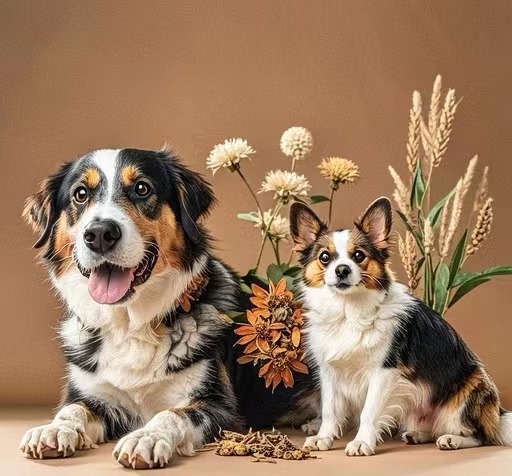
Cancer in dogs is a topic of growing concern for pet owners worldwide. Understanding which breeds are more susceptible to cancer can help in early detection and management. This comprehensive guide delves into various dog breeds and their associated risk levels for developing cancer.
High Cancer Risk Breeds
German Shepherds, Golden Retrievers, and Labrador Retrievers lead the list of breeds with the highest risk. Known for their loyalty and intelligence, these breeds unfortunately face a higher predisposition to cancer. Other breeds in this category include Poodles, Rottweilers, Boxers, Cocker Spaniels, American Water Spaniels, Doberman Pinschers, Shetland Sheepdogs, Miniature Schnauzers, Portuguese Water Dogs, Shih Tzus, Collies, Chows, and Siberian Huskies.
Moderate to High Risk Breeds
In the next tier are breeds like Giant Schnauzers, Standard Poodles, Dalmatians, Irish Wolfhounds, Pomeranians, Saint Bernards, Great Danes, Alaskan Malamutes, Newfoundlands, Basset Hounds, Belgian Sheepdogs, Boston Terriers, Irish Setters, Bulldogs, Lhasa Apsos, Pointers, Pugs, Weimaraners, Shelties, and more. These breeds have a slightly lower but still significant risk of developing cancer.
Low Cancer Risk Breeds
Breeds like Papillons, Chihuahuas, Shar Peis, Cavalier King Charles Spaniels, Pekingese, Akitas, Great Pyrenees, Bloodhounds, Mastiffs, Affenpinschers, American Foxhounds, Bullmastiffs, Chesapeake Bay Retrievers, Bichon Frises, Westies, and Yorkshire Terriers are among those with a lower risk of cancer. These breeds are less prone to the disease, but regular health check-ups are still essential.
Least Risk Breeds
Breeds with the least risk include Airedales, Beagles, Dachshunds, Irish Setters, Jack Russell Terriers, Rough Collies, Briards, Havanese, Maltese, and Corgis. These breeds are less likely to develop cancer, but it’s important to maintain a healthy lifestyle and regular veterinary care.
Conclusion
Understanding the cancer risk in different dog breeds is crucial for early detection and effective treatment. Regular veterinary check-ups, a balanced diet, and a healthy lifestyle are key to ensuring the well-being of your beloved pet, regardless of their breed.

by TCMVET | Jan 29, 2024 | pet Chinese herbal medicine
In the ever-evolving world of canine healthcare, the fusion of Eastern and Western practices is opening new avenues for pet wellness. “East Meets West” delves into the integration of Chinese herbal medicine with conventional dog care, offering a holistic approach to your furry friend’s well-being.
The Philosophy of Traditional Chinese Medicine (TCM)
TCM, rooted in a history that spans thousands of years, is based on the principles of harmony and balance. It views the body as an interconnected system where physical health is intertwined with emotional and environmental factors. This philosophy is now being embraced in canine health care.
Common Chinese Herbs Used in Canine Care
A variety of Chinese herbs are becoming popular in the West for their health benefits for dogs:
- Ginseng (Ren Shen): Enhances vitality and supports immune function.
- Astragalus (Huang Qi): Known for boosting the immune system and aiding in cardiovascular health.
- Dang Gui (Angelica Sinensis): Improves circulation and supports joint health.
- Licorice Root (Gan Cao): Has anti-inflammatory properties and supports digestive health.
Integrating Chinese Herbs into Conventional Dog Care
The integration of Chinese herbs into conventional canine care should be a thoughtful, individualized process. It’s essential to work with a veterinarian who understands both Eastern and Western approaches to ensure safe and effective use.
Benefits of a Combined Approach
This integrative approach can offer the best of both worlds:
- Enhanced effectiveness of treatments.
- Reduction in the side effects of conventional medications.
- Improved overall well-being and quality of life for dogs.
Case Studies and Success Stories
Real-life examples and success stories of dogs benefiting from this integrated approach can provide insight and inspiration for pet owners considering this pathway.
The blend of Chinese herbs with conventional dog care represents a promising frontier in canine health. By embracing both Eastern wisdom and Western scientific rigor, we can offer our canine companions a more rounded and effective healthcare regime.
by TCMVET | Jan 29, 2024 | Food & Health
In the quest for holistic health for our canine companions, traditional Chinese medicine (TCM) offers a treasure trove of herbal remedies. “Herbal Healing” delves into the ancient wisdom of Chinese herbs, exploring how they can be integrated into modern dog care to enhance overall wellness.
The Essence of Chinese Herbal Medicine
Chinese herbal medicine, a key component of TCM, is based on the concept of balance and harmony within the body. For centuries, it has been used to treat a variety of ailments in humans and animals. Today, it’s gaining recognition in the veterinary world for its gentle yet effective approach to health.
Common Chinese Herbs for Dogs
Several herbs are commonly used in TCM for dogs, each with its unique properties:
- Astragalus (Huang Qi): Boosts the immune system and supports overall vitality.
- Ginseng (Ren Shen): Enhances energy and aids in recovery from illness.
- Turmeric (Jiang Huang): Known for its anti-inflammatory properties.
- Goji Berries (Gou Qi Zi): Rich in antioxidants, supports eye health.
Integrating Herbs into Your Dog’s Wellness Plan
Incorporating Chinese herbs into your dog’s wellness routine should be a thoughtful process. Consultation with a veterinarian skilled in TCM is crucial. They can provide tailored herbal recommendations based on your dog’s specific health needs and conditions.
Herbs and Conventional Medicine: A Balanced Approach
Chinese herbs can complement conventional veterinary treatments. They are often used alongside modern medicine to enhance efficacy and reduce side effects. It’s important to understand the interactions between herbs and any current medications your dog is taking.
Safety and Quality Control
While Chinese herbs are generally safe, quality control is essential. Ensure that the herbs are sourced from reputable suppliers and administered in the correct dosages as advised by a professional.
Integrating Chinese herbal medicine into your dog’s wellness plan offers a natural and holistic approach to health. By combining the best of traditional and modern practices, we can provide our furry friends with a balanced path to well-being. Remember, the goal is to nurture not just a healthy body, but also a harmonious spirit.

by TCMVET | Jan 29, 2024 | Dog Cancer & Tumors
The diagnosis of cancer in a beloved dog can be a daunting experience. However, it’s important to remember that beyond medical treatment, there are many ways to enhance the quality of life for our furry friends. “A New Lease on Life” is dedicated to exploring these avenues, ensuring that every day is filled with comfort and joy for your canine companion.
The Importance of Comfort and Care
A dog with cancer requires more than just medical treatment; they need a nurturing environment that promotes well-being. Comfortable bedding, a quiet and safe space, and gentle affection play a crucial role in maintaining their quality of life.
Nutrition: The Cornerstone of Health
Proper nutrition is vital for dogs with cancer. High-quality, nutrient-rich foods can boost their immune system and provide the energy they need. Consult with a veterinarian to create a diet plan that caters to your dog’s specific needs.
Engaging in Meaningful Activities
Keeping your dog engaged and mentally stimulated is key. Tailor activities to their energy levels — gentle walks, short play sessions, or even interactive toys can help keep their spirits up.
Pain Management: A Priority
Effective pain management is essential for dogs with cancer. Work with your vet to find the right combination of medication and therapies to keep your dog comfortable. Options like acupuncture, massage, or physical therapy can also be beneficial.
Emotional Support for You and Your Dog
Your emotional presence is a source of great comfort to your dog. Spending quality time together, whether it’s cuddling or simply being in the same room, can make a significant difference in their well-being.
Creating a Legacy of Love
Cherish every moment with your dog and create lasting memories. Whether it’s taking photos, enjoying a favorite spot together, or celebrating small victories, these moments can be a source of joy and comfort for both of you.
Enhancing the quality of life for a dog with cancer goes beyond medical treatment. It’s about creating a nurturing environment, providing proper nutrition, managing pain, and most importantly, cherishing the bond you share. Every day is an opportunity to give your dog a new lease on life, filled with love and care.
by TCMVET | Jan 29, 2024 | Dog Cancer & Tumors
The diagnosis of cancer in a beloved dog can be a heart-wrenching experience. As pet owners, the emotional journey we embark on is fraught with challenges and uncertainties. “Weathering the Storm” aims to guide and support you through these turbulent times, offering strategies for emotional resilience and coping mechanisms to navigate this difficult journey.
Understanding Your Emotional Landscape
When your dog is diagnosed with cancer, a whirlwind of emotions can overwhelm you – sadness, anger, guilt, and helplessness are common feelings. Acknowledging these emotions is the first step towards managing them. It’s important to understand that what you’re feeling is normal and that you’re not alone in this experience.
Finding Strength in Vulnerability
It might seem counterintuitive, but embracing your vulnerability can be a source of strength. Sharing your fears and concerns with family, friends, or a support group can provide much-needed emotional relief and perspective. Remember, seeking help is not a sign of weakness, but rather a brave step towards healing.
Establishing a Support Network
Building a network of support is crucial. This network can include your vet, pet cancer support groups, and empathetic friends and family. These connections can offer practical advice, emotional support, and a listening ear when you need it most.
Navigating Treatment Decisions
Making decisions about your dog’s treatment can be overwhelming. Gather information from reliable sources and your veterinarian to make informed choices. It’s okay to ask questions, seek second opinions, and take time to consider all options.
Creating a Comforting Routine
Maintaining a routine can bring a sense of normalcy and comfort to both you and your dog. Simple activities like regular walks, playtime, or just cuddling can be soothing and reinforce the bond you share.
Practicing Self-Care
Taking care of yourself is not selfish; it’s essential. Engaging in activities that bring you joy and relaxation, whether it’s reading, yoga, or spending time in nature, can help replenish your emotional reserves.
Embracing the Journey
While facing canine cancer is undoubtedly challenging, it can also bring unexpected moments of joy, deepening of bonds, and personal growth. Embrace these moments and cherish the time with your furry companion.
Navigating the emotional landscape of canine cancer is a journey of love, resilience, and personal strength. By employing coping strategies and seeking support, you can find solace and strength, ensuring that you and your beloved dog can face this challenge together.

by TCMVET | Jan 29, 2024 | Dog Cancer & Tumors
Cancer in dogs is a significant health concern for pet owners worldwide. As our canine companions become an integral part of our families, understanding how to prevent and treat cancer in dogs has never been more crucial. This comprehensive guide aims to shed light on effective strategies for combating canine cancer, offering hope and practical advice to concerned pet parents.
Understanding Canine Cancer
Cancer is a disease characterized by the uncontrolled growth of cells. In dogs, it can manifest in various forms, such as lymphoma, osteosarcoma, mast cell tumors, and more. Early detection and understanding the common signs of cancer in dogs, such as lumps or bumps, abnormal swelling, sudden weight loss, or changes in appetite, are critical for timely intervention.
Prevention Strategies
While there’s no surefire way to prevent cancer in dogs, certain lifestyle choices can reduce risk. These include:
- Proper Nutrition: Feeding your dog a balanced diet rich in antioxidants can help boost their immune system.
- Regular Exercise: Maintaining a healthy weight through regular exercise can decrease the risk of cancer.
- Routine Veterinary Check-ups: Early detection is key. Regular vet visits can help spot early signs of cancer.
- Avoiding Carcinogens: Minimize your dog’s exposure to known carcinogens like tobacco smoke, certain pesticides, and harmful chemicals.
Treatment Options
Treatment for canine cancer varies depending on the type and stage of cancer. Common treatments include:
- Surgery: Removal of tumors can be an effective treatment for certain types of cancer.
- Chemotherapy: Used to treat a wide variety of cancers, often in combination with surgery.
- Radiation Therapy: Often used for cancers that cannot be completely removed with surgery.
- Immunotherapy: A newer form of treatment that helps the dog’s immune system fight cancer.
Integrative and Holistic Approaches
In addition to traditional treatments, many pet owners explore holistic approaches. These may include acupuncture, herbal supplements, and specialized diets. While these methods should not replace conventional treatments, they can complement them and help improve the quality of life for dogs with cancer.
Supportive Care and Quality of Life
Maintaining a good quality of life is crucial for dogs undergoing cancer treatment. This involves managing pain, ensuring proper nutrition, and providing a loving and comfortable environment. Emotional support for both the dog and the owner is also an essential aspect of cancer care.
Dealing with canine cancer can be challenging, but advancements in veterinary medicine have made it possible to manage this disease more effectively than ever before. By understanding the risks, signs, and treatment options, and providing the best possible care, you can make a significant difference in your furry friend’s life.

by TCMVET | Jan 28, 2024 | Dog Cancer & Tumors
As pet owners increasingly seek gentler, more natural ways to treat their canine companions, exploring natural treatments for canine cancer has become more prevalent. This article delves into the journey towards healing, offering insights into various natural approaches that can complement traditional cancer therapies, potentially improving the quality of life for dogs with cancer.
The Rise of Natural Treatments in Canine Oncology Start by discussing the growing interest in natural treatments within the field of veterinary oncology. Explain how these methods focus on using natural substances and holistic approaches to support a dog’s overall health and well-being during cancer treatment.
Herbal Remedies in Canine Cancer Care Detail various herbal remedies that are gaining popularity in treating canine cancer. Discuss herbs like turmeric, known for its anti-inflammatory properties, and milk thistle, often used for its liver-supportive benefits. Explain how these herbs are believed to aid in combating cancer and managing treatment side effects.
The Role of Diet and Nutrition Explore the importance of diet and nutrition in managing canine cancer. Discuss how a diet rich in antioxidants, omega-3 fatty acids, and other vital nutrients can support a dog’s immune system and overall health during cancer treatment.
Acupuncture and Canine Cancer Introduce acupuncture as a natural treatment option for canine cancer. Describe how this ancient Chinese technique is used to relieve pain, improve energy levels, and enhance overall well-being in dogs undergoing cancer treatment.
Massage Therapy and Physical Comfort Discuss the role of massage therapy in providing physical comfort to dogs with cancer. Explain how massage can reduce stress, improve circulation, and provide a sense of well-being, which is crucial for dogs undergoing stressful cancer treatments.
Integrating Natural Treatments with Conventional Therapy Highlight the importance of an integrative approach that combines natural treatments with conventional cancer therapies. Discuss how pet owners should work with their veterinarians to create a balanced, comprehensive treatment plan.
Success Stories and Testimonials Share success stories and testimonials from pet owners who have used natural treatments for their dogs with cancer. These real-life experiences can provide hope and inspiration to others facing similar challenges.
Conclude by emphasizing the potential benefits of incorporating natural treatments into a dog’s cancer care regimen. Encourage pet owners to explore these options with open minds and in close consultation with their veterinarians.

by TCMVET | Jan 28, 2024 | Dog Cancer & Tumors
Canine cancer is a daunting challenge for any pet owner, but the rise of alternative therapies offers new hope. This article explores the world of natural and holistic treatments for canine cancer, emphasizing how they can complement traditional veterinary medicine. From herbal remedies to acupuncture, we delve into the various alternative therapies that are helping dogs fight cancer.
Understanding Canine Cancer and Alternative Therapies Begin by providing an overview of canine cancer, including its common types and traditional treatments. Then introduce the concept of alternative therapies, explaining how they differ from conventional treatments and their growing popularity in veterinary oncology.
Herbal Remedies and Supplements Detail how certain herbs and supplements are used in the treatment of canine cancer. Discuss herbs like turmeric, which contains curcumin known for its anti-inflammatory properties, and medicinal mushrooms like reishi and shiitake, which are believed to boost the immune system.
Acupuncture in Canine Cancer Care Explain the role of acupuncture in alleviating pain and improving the quality of life for dogs with cancer. Describe how this ancient Chinese practice is thought to stimulate the body’s natural healing processes.
Diet and Nutrition in Cancer Management Discuss the importance of a balanced diet tailored to the needs of a dog with cancer. Highlight how certain dietary changes can support a dog’s immune system and overall health during cancer treatment.
Physical Therapies and Exercise Shed light on the benefits of physical therapies such as massage and hydrotherapy. Discuss how gentle exercise can maintain a dog’s strength and well-being during cancer treatment.
Integrating Alternative Therapies with Conventional Treatments Emphasize the importance of an integrative approach that combines alternative therapies with conventional cancer treatments. Discuss how pet owners should work closely with their veterinarians to develop a comprehensive treatment plan.
The Importance of a Supportive Environment Touch on the significance of providing a stress-free and comfortable environment for dogs undergoing cancer treatment. Offer tips on how pet owners can create a nurturing space for their pets.
Conclude with a message of hope and empowerment, encouraging pet owners to explore the range of available treatments. Reiterate the importance of working with veterinary professionals to find the best approach for each individual dog.
